Feeling uncertain about what to expect in your upcoming interview? We’ve got you covered! This blog highlights the most important Ability to Handle Pressure and Make Quick Decisions interview questions and provides actionable advice to help you stand out as the ideal candidate. Let’s pave the way for your success.
Questions Asked in Ability to Handle Pressure and Make Quick Decisions Interview
Q 1. Describe a situation where you had to make a quick decision under pressure. What was the outcome?
During a major software launch, a critical bug emerged just hours before the scheduled release. We were under immense pressure to resolve it swiftly, impacting the entire team. My role involved analyzing the error logs, identifying the root cause, and coordinating a fix with the development team. The initial pressure was significant; everyone felt the weight of the impending deadline and potential consequences of a delayed or faulty launch. However, I prioritized calm assessment.
My approach involved a structured breakdown of the problem. First, I quickly organized a small team meeting, focusing on clear communication and assigning specific tasks: one team member to replicate the bug, another to focus on code review to find the problem, and a third to begin work on a potential fix, allowing for rapid iterations. I maintained constant communication, providing updates, and encouraging collaboration. Within two hours, we identified the core issue, a simple coding error that affected the database interaction. We implemented the fix, tested it rigorously, and deployed successfully just 30 minutes before the launch deadline. The outcome was a successful product launch without significant disruption, demonstrating our ability to remain calm and effective under severe pressure. This experience solidified the importance of a systematic approach and quick, decisive action in crisis management.
Q 2. How do you prioritize tasks when faced with multiple deadlines and competing priorities?
Prioritizing tasks under pressure requires a structured approach. I utilize a combination of techniques, including the Eisenhower Matrix (urgent/important), and a Kanban-style visual task board. The Eisenhower Matrix helps categorize tasks based on urgency and importance, allowing me to focus on high-impact tasks first. The Kanban board provides a visual representation of workflow and progress, enabling me to easily re-prioritize tasks as needed. This allows me to adapt dynamically to changing circumstances.
For example, if a high-priority deadline looms, I’ll dedicate my time to that task while delegating less critical but still important tasks to others. I regularly communicate these priorities to my team to maintain transparency and foster collaboration.
Q 3. Have you ever had to make a difficult decision with incomplete information? How did you approach it?
Decision-making with incomplete information is a common challenge. My strategy involves a structured risk assessment. This usually starts by gathering as much data as possible, prioritizing reliable sources. Next, I assess the potential risks and consequences of different actions. This often involves creating a decision tree to visualize various scenarios and outcomes.
For instance, during a product development phase, we faced a decision regarding a new technology whose full capabilities were yet to be understood. We had partial data from testing, but not enough for complete confidence. We opted to launch a pilot program with a limited user base, allowing us to gather real-world data and make adjustments before a full-scale release. This approach allowed us to mitigate potential risks by gathering more data and managing the uncertainty more effectively. This iterative approach reduces risk while allowing for adaptive responses to emerging information.
Q 4. Describe your process for managing stress and maintaining focus during high-pressure situations.
Managing stress under pressure involves a multi-pronged approach. Firstly, I prioritize proactive stress management techniques. This includes maintaining a healthy work-life balance, getting regular exercise, and ensuring sufficient sleep. Secondly, during high-pressure moments, I employ mindfulness techniques such as deep breathing exercises to regain composure. Finally, I consciously maintain a positive outlook and communicate openly with my team.
For instance, during a particularly demanding project, I ensured team morale remained high by regularly acknowledging individual contributions and celebrating small successes. This helps to foster a supportive environment, reducing individual stress and boosting overall team performance.
Q 5. How do you delegate tasks effectively under pressure?
Effective delegation under pressure requires a clear understanding of team members’ skills and workload. I prioritize tasks based on individual expertise, ensuring they are well-equipped to handle the assigned tasks. Clear communication is critical; I provide detailed instructions, set clear expectations, and establish deadlines. Regular check-ins and feedback sessions ensure tasks progress as planned.
For example, when launching a new marketing campaign, I delegated different aspects (social media, email marketing, content creation) to team members with the relevant skills, ensuring clear timelines and reporting mechanisms. This division of labor allowed me to focus on the overall strategy while confidently trusting my team to execute their tasks.
Q 6. How do you handle criticism or setbacks when working under pressure?
Handling criticism or setbacks under pressure requires a mature approach. I prioritize active listening and seeking to understand the feedback’s context before formulating a response. I analyze constructive criticism to identify areas for improvement, while dismissing unproductive or irrelevant comments. Learning from mistakes and adapting strategies are key to moving forward.
I once received constructive criticism on a project that was significantly behind schedule. Instead of getting defensive, I acknowledged the valid points raised and discussed with the team how to streamline processes and improve time management in future projects. This led to the implementation of more efficient workflows, improving overall team performance.
Q 7. Give an example of a time you had to adapt your strategy quickly due to unexpected circumstances.
During a large-scale event, we experienced an unexpected power outage. Our initial strategy relied heavily on digital displays and online registration. We had to quickly adapt. I immediately implemented contingency plans, activating backup generators and deploying a manual registration system. Our team shifted focus, ensuring smooth transition, minimizing disruption for attendees.
This situation highlighted the importance of comprehensive contingency planning and the ability to adapt swiftly to unexpected events. Our response, while stressful, showed resilience and the ability to deliver under adverse conditions. This was a testament to our team’s adaptability and problem-solving capabilities.
Q 8. How do you ensure accuracy and efficiency when making quick decisions?
Ensuring accuracy and efficiency in quick decision-making hinges on a structured approach. It’s not about rushing; it’s about making informed choices swiftly. This involves a combination of preparation, mental frameworks, and a keen awareness of potential pitfalls.
- Preparation is key: Having a solid understanding of the context, relevant data, and potential outcomes significantly reduces the time needed to analyze a situation. This proactive approach allows for quicker, more accurate decisions when pressure mounts. For example, before a critical client meeting, I would review all relevant documents, anticipate potential questions, and prepare clear, concise responses.
- Utilizing mental frameworks: Decision-making frameworks like the Pareto Principle (80/20 rule), focusing on the vital few factors, helps prioritize information and avoid analysis paralysis. For instance, if I’m faced with multiple competing priorities, I’d focus on the 20% of actions that yield 80% of the results, ensuring I address the most critical issues first.
- Risk assessment: Quickly evaluating the potential consequences of each option is crucial. A quick mental checklist of potential downsides— and their mitigation strategies—helps minimize errors. Imagine needing to decide whether to proceed with a marketing campaign immediately: I’d quickly assess potential risks like budget overruns or negative customer reactions, planning for contingencies to address these concerns.
Q 9. Describe a situation where you had to make a difficult decision that affected others. How did you handle it?
During a project deadline crunch, a team member made a critical error that jeopardized the entire project’s launch date. I had to decide whether to push for a delayed launch, potentially incurring client penalties, or proceed with the flawed product, risking reputational damage. I chose to involve the team in a collaborative problem-solving session. We identified the error’s root cause, devised a solution, and implemented a rigorous quality control process to prevent future mistakes. This involved transparent communication with the client, outlining the problem, the steps taken to address it, and the revised launch timeline. While the launch was slightly delayed, the open communication and proactive solution minimized client frustration and preserved our relationship.
Q 10. How do you balance speed and accuracy in decision-making?
Balancing speed and accuracy is a continuous process requiring self-awareness and disciplined practice. It’s not an either/or situation; it’s about finding the optimal point on a spectrum. Speed without accuracy is reckless; accuracy without speed can lead to missed opportunities.
- Prioritize information: Focus on the most critical data points required to make an informed decision. Ignore irrelevant details that can slow down the process. Think of it as filtering noise to hear the signal.
- Employ checklists and decision matrices: These tools help standardize the decision-making process, ensuring key considerations aren’t overlooked, even under pressure. A simple checklist might include key questions to ask before approving a budget request.
- Practice and experience: Repeatedly exercising the decision-making process in varied scenarios improves both speed and accuracy. The more experience you gain, the faster and more accurately you’ll become at identifying patterns and potential challenges.
Q 11. What techniques do you use to stay calm and focused under pressure?
Staying calm and focused under pressure is a skill honed through mindful practice. It’s about managing your physiological and psychological responses to stress.
- Mindfulness and deep breathing: Taking slow, deep breaths helps regulate your heart rate and calm your nervous system. Even a few seconds of mindful breathing can significantly improve focus.
- Positive self-talk: Replacing negative thoughts with positive affirmations helps maintain confidence and resilience. Instead of thinking, “I can’t do this,” I might say, “I’ve handled this type of situation before, and I’ll find a solution.”
- Physical exercise and healthy habits: Regular exercise and a balanced diet are fundamental to maintaining overall well-being and stress management. Adequate sleep is also paramount.
Q 12. How do you identify and mitigate potential risks when making quick decisions?
Identifying and mitigating potential risks when making quick decisions requires a proactive approach. It’s about anticipating potential problems rather than reacting to them.
- Scenario planning: Before making a decision, consider various possible outcomes—best-case, worst-case, and most-likely scenarios. This allows for proactive planning and the development of contingency plans.
- Risk assessment matrix: Use a matrix to categorize risks by likelihood and impact. This prioritizes which risks require immediate attention and which ones can be handled later.
- Contingency planning: Develop backup plans to address potential problems. For example, before launching a new product, I’d have a strategy in place to handle unexpected technical issues or negative customer reviews.
Q 13. How do you handle conflicting priorities when making quick decisions?
Handling conflicting priorities requires a structured approach to prioritization. It’s about making conscious trade-offs, not trying to do everything at once.
- Prioritization frameworks: Employ frameworks like the Eisenhower Matrix (urgent/important) to categorize tasks and make informed decisions about which to tackle first. This helps to manage workload and focus on what truly matters.
- Delegation: If possible, delegate tasks to others to free up time for the most critical priorities. This increases overall efficiency and reduces stress.
- Communication: If conflicts arise, communicate clearly with stakeholders to negotiate timelines and manage expectations. Transparency is key to ensuring everyone is aligned and informed.
Q 14. How do you evaluate the effectiveness of your quick decisions?
Evaluating the effectiveness of quick decisions requires both immediate and long-term assessment. It’s not enough to just make a decision; you must also review its outcomes.
- Immediate feedback loops: Seek immediate feedback from relevant stakeholders to identify any immediate issues or unintended consequences. This allows for rapid adjustments if needed.
- Post-decision analysis: After some time, conduct a retrospective analysis to evaluate the decision’s overall impact. This could involve analyzing key performance indicators (KPIs) or gathering qualitative feedback.
- Continuous learning: Use the lessons learned from past decisions to improve future decision-making. Document your successes and failures to identify patterns and areas for improvement.
Q 15. How do you learn from mistakes made under pressure?
Learning from mistakes made under pressure is crucial for growth. It’s not just about identifying the error, but understanding the systemic factors that contributed to it and developing strategies to prevent recurrence. My approach involves a structured process:
- Immediate Reflection: As soon as possible after the event, I take time for a calm review. I avoid self-criticism and focus on objectively analyzing the situation. What went wrong? What were the external pressures? What were my internal reactions?
- Root Cause Analysis: I delve deeper to identify the root causes. Was it a lack of information, inadequate preparation, poor communication, or a flaw in my decision-making process? This often involves seeking feedback from others involved.
- Actionable Steps: Based on my analysis, I develop specific, measurable, achievable, relevant, and time-bound (SMART) actions to prevent similar mistakes. This might include additional training, improved communication protocols, or the development of new decision-making frameworks.
- Documentation: I meticulously document the mistake, my analysis, and the corrective actions taken. This creates a valuable learning resource for future reference and helps me identify patterns in my errors.
For example, during a project launch, a critical system malfunctioned due to insufficient testing. My initial reaction was frustration, but through post-mortem analysis, I identified a gap in our testing methodology and implemented more rigorous quality assurance procedures. This ensured future launches were smoother and more reliable.
Career Expert Tips:
- Ace those interviews! Prepare effectively by reviewing the Top 50 Most Common Interview Questions on ResumeGemini.
- Navigate your job search with confidence! Explore a wide range of Career Tips on ResumeGemini. Learn about common challenges and recommendations to overcome them.
- Craft the perfect resume! Master the Art of Resume Writing with ResumeGemini’s guide. Showcase your unique qualifications and achievements effectively.
- Don’t miss out on holiday savings! Build your dream resume with ResumeGemini’s ATS optimized templates.
Q 16. Describe a time when you had to make a decision against your instincts. What was the outcome?
Making decisions against instinct requires a deliberate shift from gut feeling to rational assessment. In one instance, my team was facing a tight deadline on a software project. My instinct was to cut corners to meet the deadline. However, after carefully considering the potential risks – including compromised quality and potential future bugs – I decided against it. We opted for a more time-consuming, thorough approach. The outcome was a delayed but higher-quality product that received significantly positive feedback and avoided costly future fixes. While the initial delay was stressful, the long-term benefits outweighed the immediate pressure of the deadline. This reinforced the importance of prioritizing long-term value over short-term expediency.
Q 17. How do you communicate effectively under pressure?
Effective communication under pressure relies on clarity, conciseness, and active listening. I prioritize:
- Clear and Concise Messaging: I avoid jargon and use simple, direct language. I ensure my message is easily understood by all stakeholders, regardless of their technical expertise.
- Active Listening: I make a conscious effort to listen attentively to others, even when time is limited. This helps me understand their perspectives and address their concerns.
- Regular Updates: I provide regular updates to all stakeholders, keeping them informed about the situation and any changes in plans. This helps mitigate anxiety and maintain trust.
- Non-verbal Communication: I’m mindful of my body language and tone of voice, projecting calmness and confidence even when under stress.
During a crisis situation, quick, precise updates to my team, coupled with actively soliciting their input, were crucial in facilitating a swift, effective response and preventing panic.
Q 18. How do you ensure you are getting the right information before making a crucial decision under pressure?
Ensuring accurate information under pressure is paramount. My strategy involves:
- Multiple Sources: I don’t rely on a single source of information. I cross-reference data from various reliable sources to verify its accuracy.
- Verification: I actively seek confirmation of critical information before making a decision. This might involve double-checking data, consulting experts, or seeking clarification from relevant individuals.
- Data Prioritization: I prioritize the most critical pieces of information needed to make an informed decision. This helps me avoid getting overwhelmed by extraneous details.
- Time Management: I allocate sufficient time for information gathering, even when under pressure, recognizing that rushed decisions based on incomplete information can be more costly.
In a recent project, a critical decision hinged on sales projections. Instead of solely relying on initial estimates, I verified the data with the sales team, marketing department, and historical sales figures, resulting in a more realistic and accurate forecast.
Q 19. What strategies do you use to avoid making impulsive decisions under stress?
Avoiding impulsive decisions under stress requires a conscious effort to pause and reflect before acting. My strategies include:
- Pause and Breathe: Taking a few deep breaths helps calm my nerves and improves my ability to think clearly.
- Step Back: If possible, I remove myself from the immediate pressure to gain some perspective.
- Seek External Input: I consult with trusted colleagues or mentors for a fresh perspective.
- Worst-Case Scenario Planning: I consider the potential consequences of each option, including worst-case scenarios, to help me make a more informed decision.
- Decision Matrix: For complex decisions, I use a decision matrix to weigh the pros and cons of each option objectively.
Imagine being faced with a sudden, unexpected technical problem during a live presentation. Instead of panicking and making a hasty decision, taking a moment to breathe, assess the problem systematically, and consult with the tech support team helped to mitigate the issue effectively.
Q 20. How do you manage your time effectively under pressure?
Effective time management under pressure involves prioritization, delegation, and efficient task management. I employ:
- Prioritization: I identify the most critical tasks and focus my energy on them first. I use techniques like the Eisenhower Matrix (urgent/important) to prioritize effectively.
- Delegation: I delegate tasks where appropriate, empowering others to contribute and share the workload.
- Time Blocking: I allocate specific time slots for different tasks to maintain focus and avoid multitasking.
- Break Down Tasks: I break down large, overwhelming tasks into smaller, more manageable steps to prevent feeling overwhelmed.
- Utilize Tools: I leverage project management software and other tools to track progress, deadlines, and dependencies.
During a period of multiple overlapping deadlines, I used a project management tool to effectively track progress, delegate responsibilities and prioritize tasks based on urgency and impact, preventing burnout and ensuring timely completion of all deliverables.
Q 21. What are your strengths and weaknesses when it comes to handling pressure and making decisions?
Strengths: I’m highly adaptable and resourceful under pressure. I maintain a calm demeanor and think strategically, breaking complex problems into manageable parts. I excel at prioritizing tasks and delegating responsibilities effectively. My strong communication skills enable clear, concise updates, maintaining team morale and coordination during challenging times.
Weaknesses: Like everyone, I can sometimes be prone to perfectionism under intense pressure, which can sometimes lead to slower decision-making. I am actively working on mitigating this by consciously setting realistic expectations and focusing on achieving the most significant outcomes first. I also recognize the importance of occasionally stepping back to avoid burnout and maintain perspective.
Q 22. How do you handle pressure from superiors or clients?
Handling pressure from superiors or clients effectively involves a blend of proactive communication, clear expectations, and assertive problem-solving. I start by actively listening to understand their concerns and priorities. This ensures I’m addressing the root of the issue, not just the surface symptoms. Then, I clearly outline potential solutions, outlining the pros and cons of each approach. This collaborative approach not only helps manage expectations but also builds trust and rapport. If a deadline is tight, I’ll proactively communicate any potential roadblocks and propose alternative strategies to ensure timely delivery. For example, when a demanding client requested a significant design overhaul just days before a launch deadline, instead of panicking, I immediately scheduled a meeting to discuss their concerns and proposed a phased implementation strategy. This transparent approach helped manage expectations and allowed us to deliver a satisfactory result on time.
Q 23. How do you prepare yourself mentally for high-pressure situations?
Mental preparation for high-pressure situations is crucial for optimal performance. My approach involves a three-pronged strategy: Firstly, I meticulously plan and organize the task at hand. This includes breaking down large tasks into smaller, manageable steps, creating checklists, and allocating sufficient time for each step. Secondly, I practice mindfulness techniques like deep breathing and meditation to center myself and reduce anxiety. This helps me approach challenges with clarity and focus, rather than reacting emotionally. Thirdly, I visualize success. I mentally rehearse the scenario and anticipate potential challenges, mentally preparing myself for various outcomes. This proactive mental rehearsal enhances confidence and reduces the likelihood of being overwhelmed by unexpected events. For instance, before a crucial presentation to a large group of investors, I would spend time practicing my delivery, anticipating questions, and visualizing a successful outcome. This approach helped reduce my anxiety and increased my confidence.
Q 24. Describe a time when you had to rely on your intuition to make a quick decision.
During a product launch, we discovered a critical software bug just hours before the official release. The traditional debugging process would have taken far too long. Based on my experience and intuition, I suspected the issue stemmed from a recent code update. I directed the team to revert to the previous version of the code, a decision that went against our usual protocols, but it was a calculated risk. This intuitive decision, though seemingly risky, proved correct. The bug was resolved swiftly, and the launch went ahead without significant disruption. This instance highlights the importance of leveraging experience and intuition in high-pressure situations where a rapid response is paramount.
Q 25. How do you ensure your quick decisions align with the overall goals of the organization?
Ensuring quick decisions align with organizational goals requires a deep understanding of the company’s strategic objectives and values. Before making any decision, I consider its impact on the broader context of the organization. This might involve consulting relevant documents, reviewing past decisions, and engaging in discussions with stakeholders. A decision-making framework helps. I often use a simple cost-benefit analysis, weighing the potential risks and rewards against the overall strategic goals. For example, if a quick fix for a problem might save time but compromise long-term quality, I would carefully weigh these factors and opt for a solution that best aligns with the organization’s commitment to high-quality products. Ultimately, the guiding principle is to make decisions that contribute to the overall success and long-term viability of the organization.
Q 26. What resources or tools do you utilize to support decision-making under pressure?
Several resources support decision-making under pressure. Data analytics tools provide valuable insights into trends and potential outcomes. Project management software allows for efficient tracking of progress and identification of potential roadblocks. Communication platforms ensure quick and effective collaboration among team members. Additionally, I utilize decision-making frameworks like SWOT analysis (Strengths, Weaknesses, Opportunities, Threats) to systematically evaluate various options and their potential consequences. Regular training and professional development enhance my analytical and problem-solving skills, enabling faster and more informed decisions.
Q 27. How do you collaborate effectively with others under pressure?
Effective collaboration under pressure necessitates clear communication, mutual trust, and a shared understanding of goals. I prioritize open and transparent communication, keeping team members informed of the situation and their respective roles. I clearly define roles and responsibilities to avoid confusion and duplication of effort. I encourage active listening and seek input from all team members, recognizing that diverse perspectives enhance problem-solving. Utilizing collaborative tools like shared documents and project management software ensures everyone remains updated and aligned. For example, during a crisis situation where a major system failure occurred, I fostered collaboration by clearly defining roles, using a shared communication platform, and assigning team leaders to manage different aspects of the resolution process. This ensured efficient problem-solving and minimizing the disruption caused by the system failure.
Q 28. How do you handle unexpected changes or disruptions in your workflow?
Handling unexpected changes or disruptions involves a proactive and adaptable approach. I begin by assessing the impact of the disruption on the overall project goals. Then, I prioritize tasks based on urgency and importance, focusing on the most critical aspects first. I leverage my existing planning and organization skills to adjust my workflow accordingly, reassessing timelines and resource allocation as needed. Open communication with stakeholders keeps everyone informed of the situation and any potential delays. Finally, I use the disruption as an opportunity for learning and improvement, analyzing what happened, identifying weaknesses, and implementing corrective measures to mitigate similar occurrences in the future. For instance, when a key supplier unexpectedly delayed a shipment, I immediately identified alternative suppliers, adjusted the project timeline, and communicated the changes to the relevant stakeholders. This proactive response minimized the negative impact of the disruption.
Key Topics to Learn for Ability to Handle Pressure and Make Quick Decisions Interview
- Understanding Pressure: Identifying sources of pressure (deadlines, high stakes, ambiguity) and recognizing your personal response to them.
- Stress Management Techniques: Developing strategies like deep breathing, mindfulness, and time management to mitigate stress and maintain focus under pressure.
- Prioritization and Time Management: Mastering techniques to effectively prioritize tasks, allocate time efficiently, and manage competing demands.
- Decision-Making Frameworks: Familiarizing yourself with structured approaches to decision-making (e.g., cost-benefit analysis, decision trees) to ensure informed and timely choices under pressure.
- Risk Assessment and Mitigation: Learning to identify potential risks associated with quick decisions and developing strategies to mitigate negative consequences.
- Communication Under Pressure: Practicing clear, concise, and effective communication to convey information and collaborate effectively in high-pressure situations.
- Self-Reflection and Continuous Improvement: Analyzing past experiences to identify areas for improvement in handling pressure and decision-making, and proactively seeking feedback.
- Practical Application: Preparing scenarios and examples from your past experiences that showcase your ability to handle pressure and make quick decisions effectively. Focus on the results achieved.
Next Steps
Mastering the ability to handle pressure and make quick decisions is crucial for career advancement. Employers highly value individuals who can remain calm, focused, and effective in challenging environments. To significantly boost your job prospects, create a compelling and ATS-friendly resume that highlights these crucial skills. ResumeGemini is a trusted resource to help you build a professional resume that showcases your strengths. We provide examples of resumes tailored to highlight your ability to handle pressure and make quick decisions, allowing you to craft a winning application.
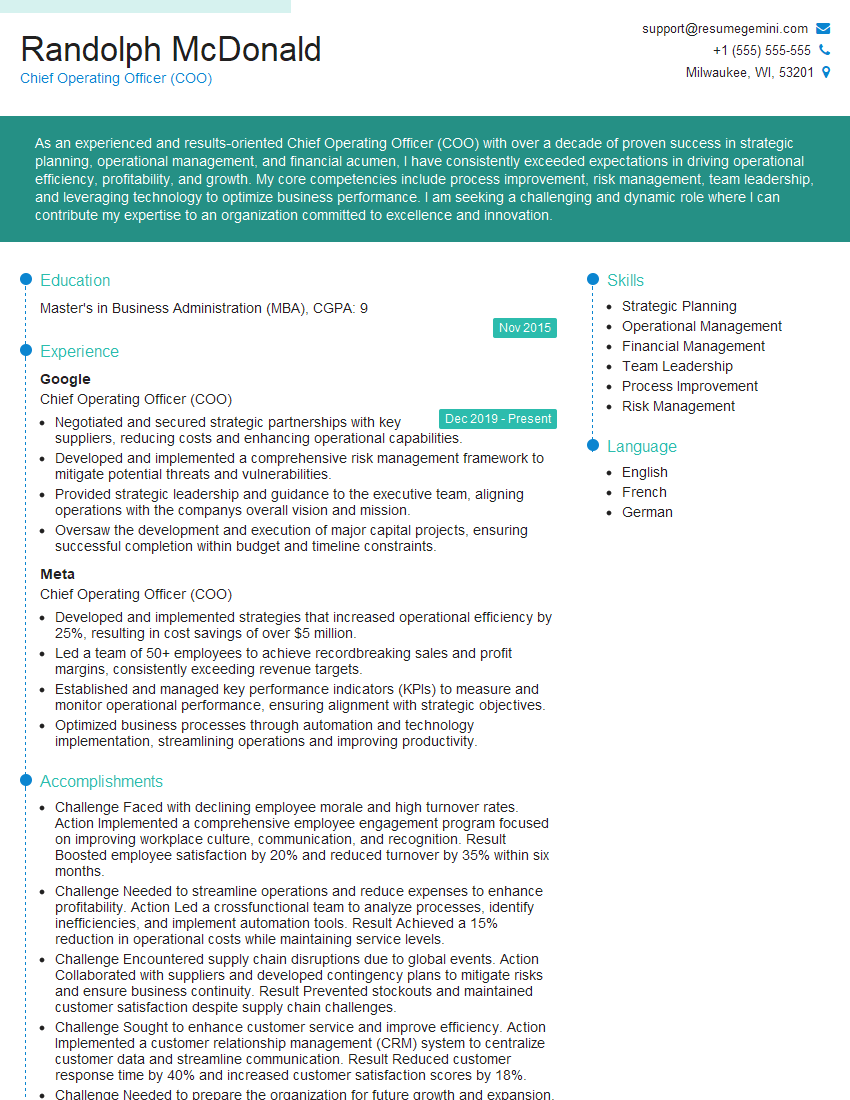
Chief Operating Officer (COO) Resume Sample
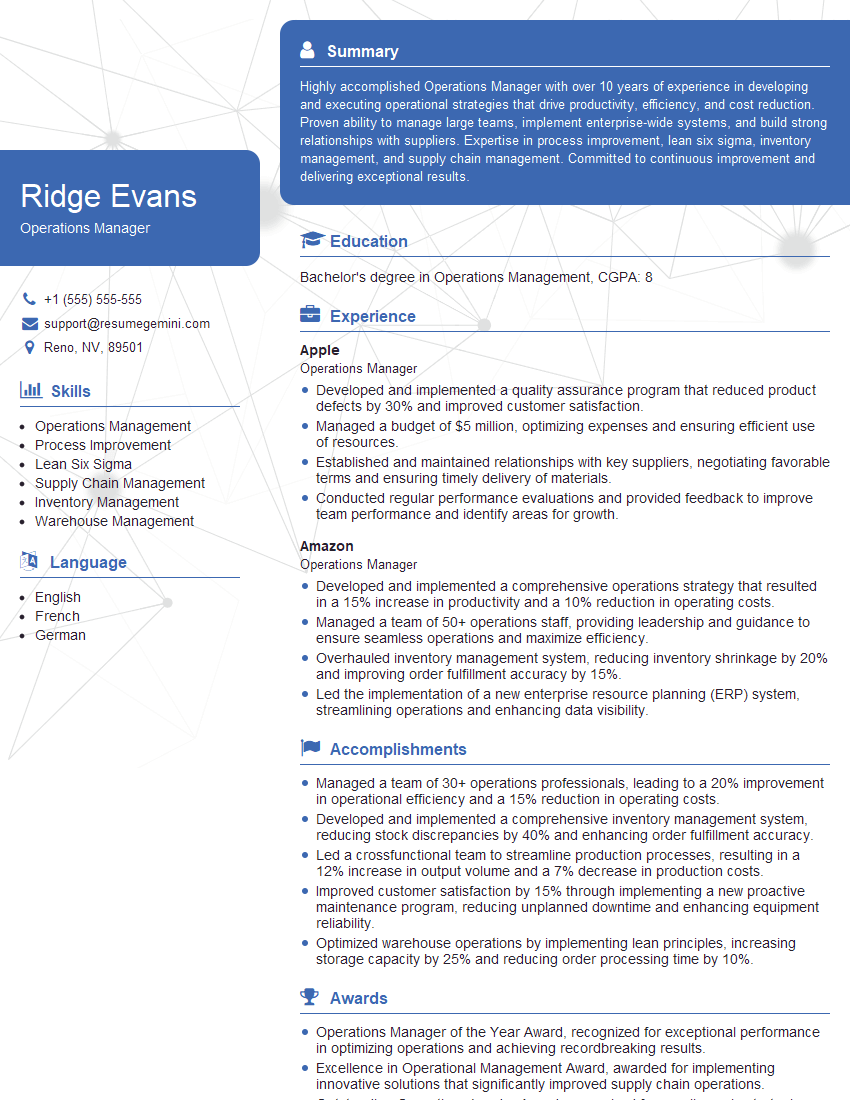
Operations Manager Resume Sample
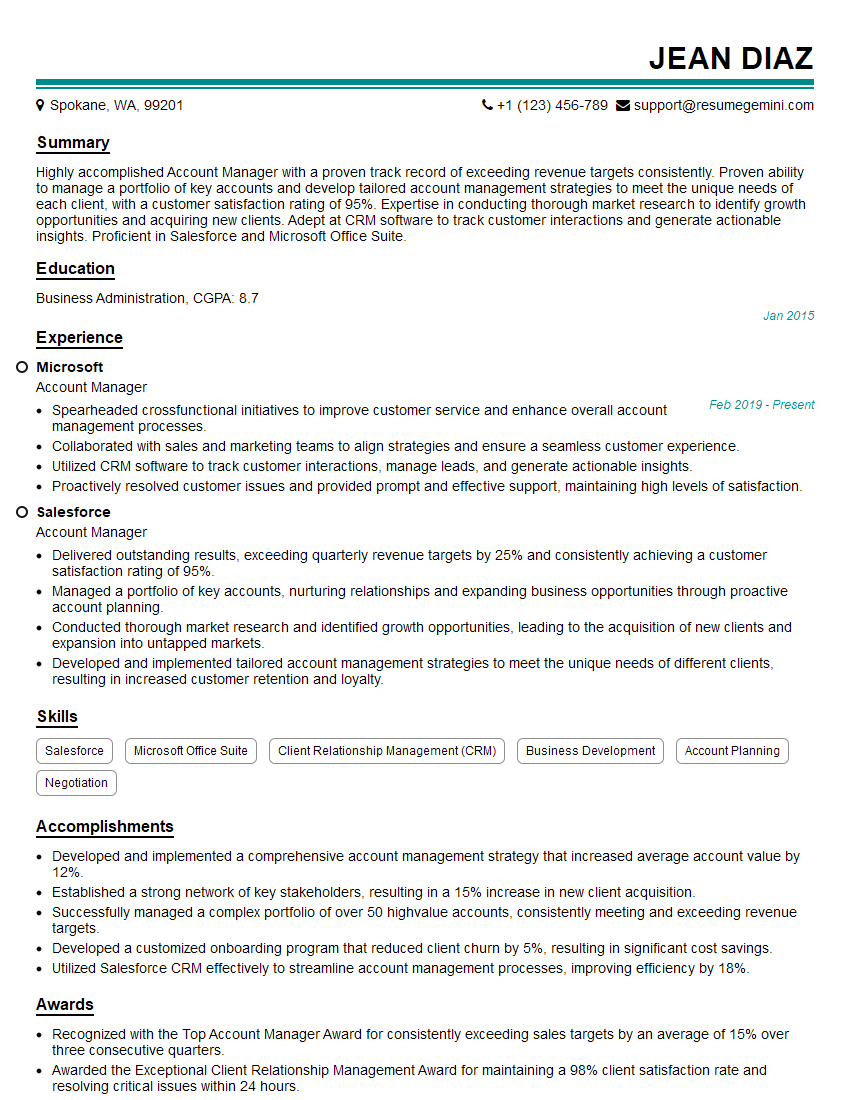
Account Manager Resume Sample
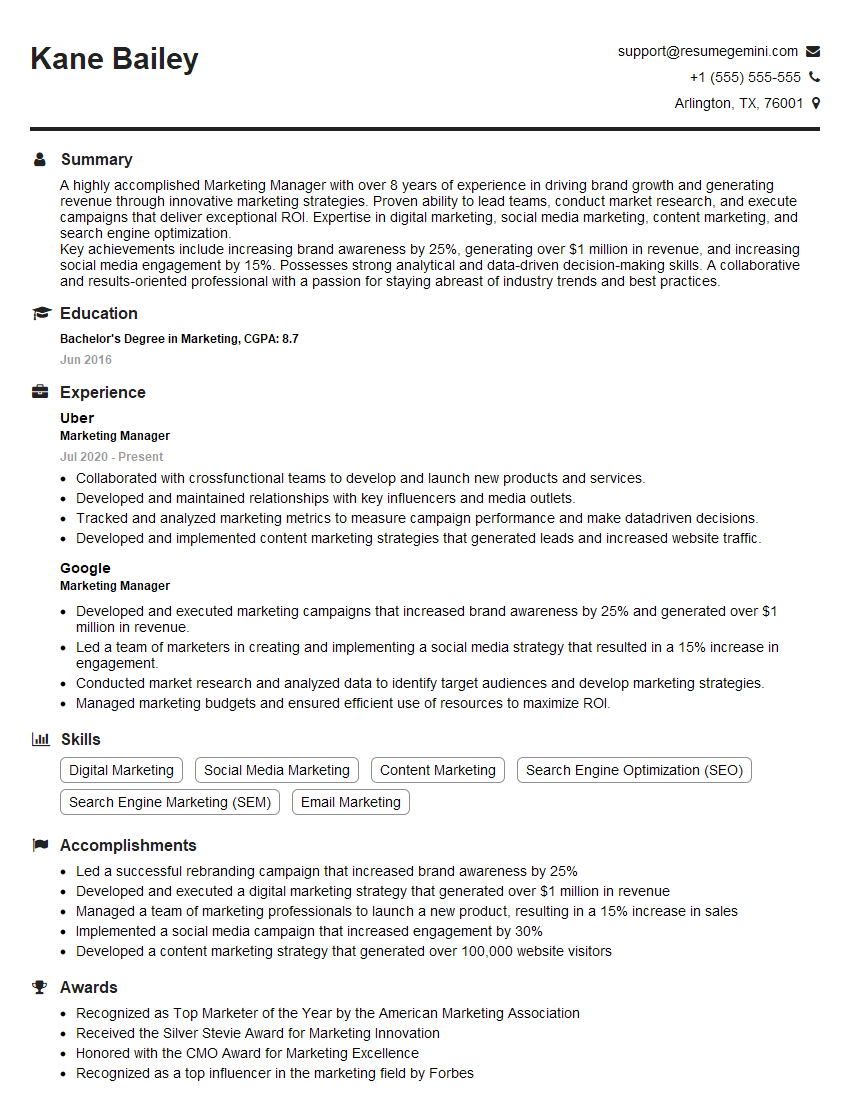
Marketing Manager Resume Sample
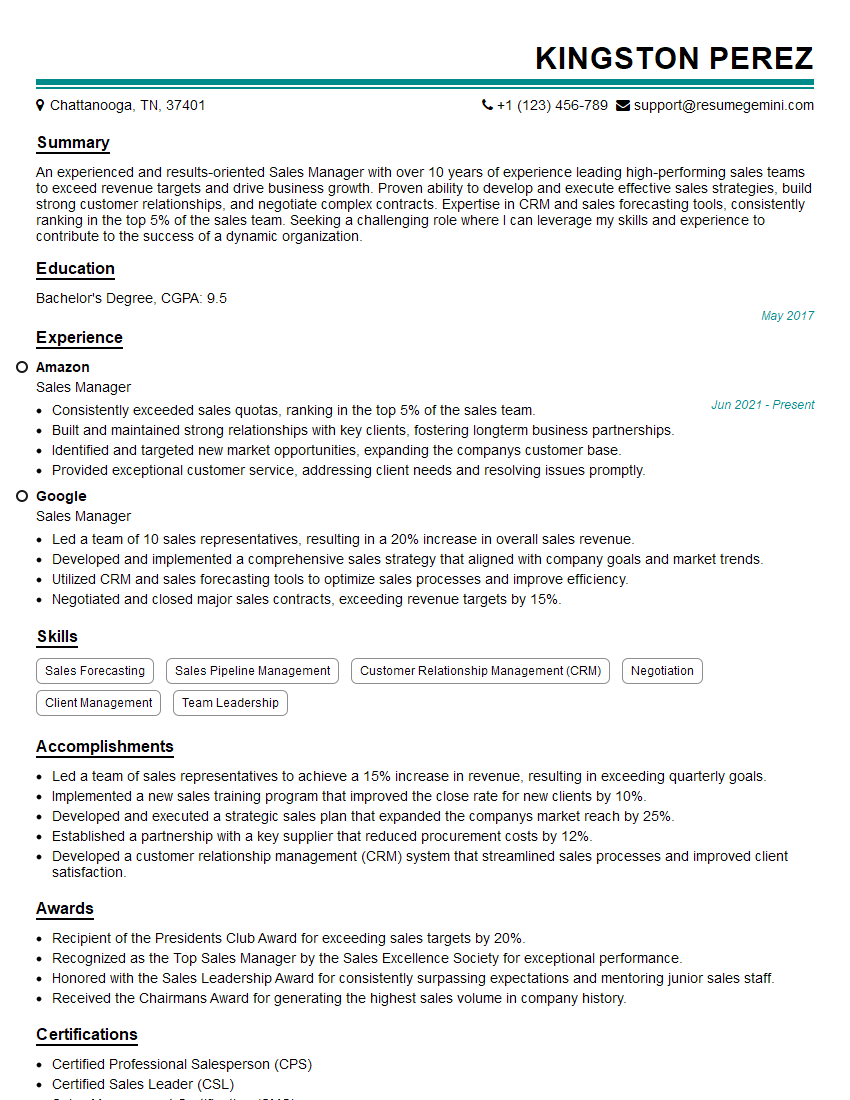
Sales Manager Resume Sample
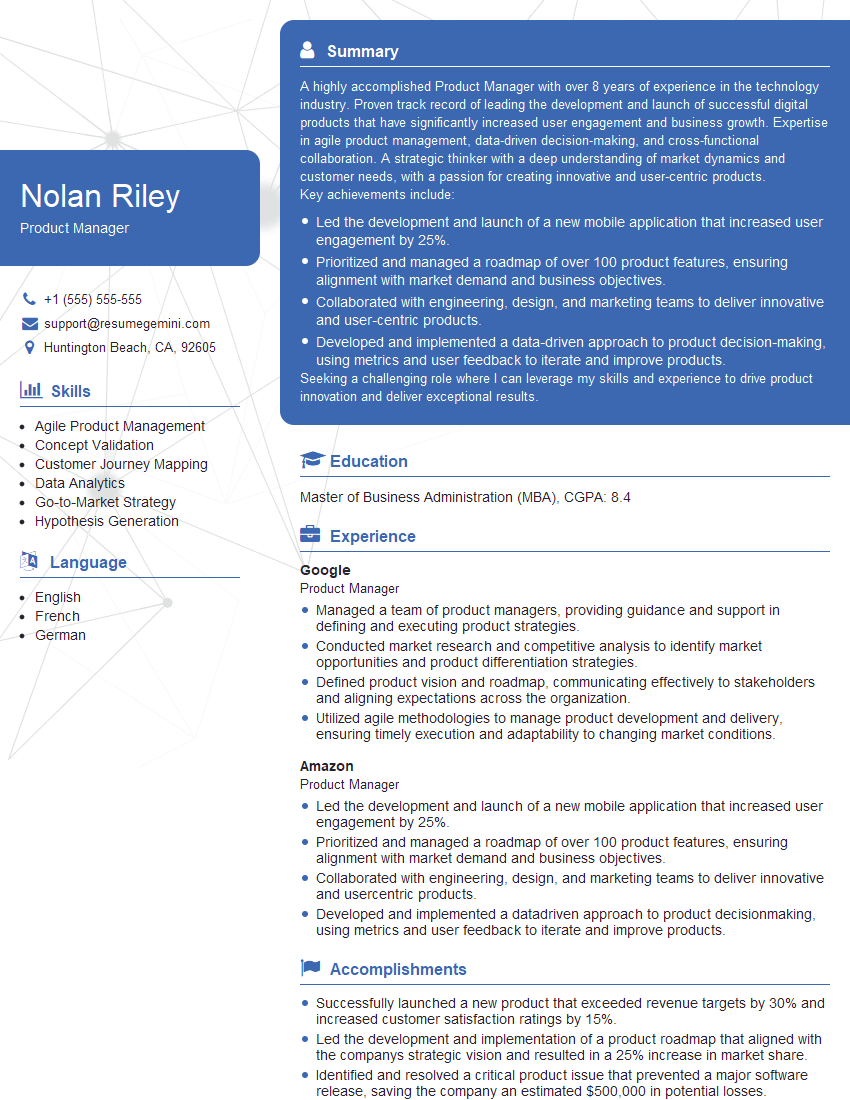
Product Manager Resume Sample
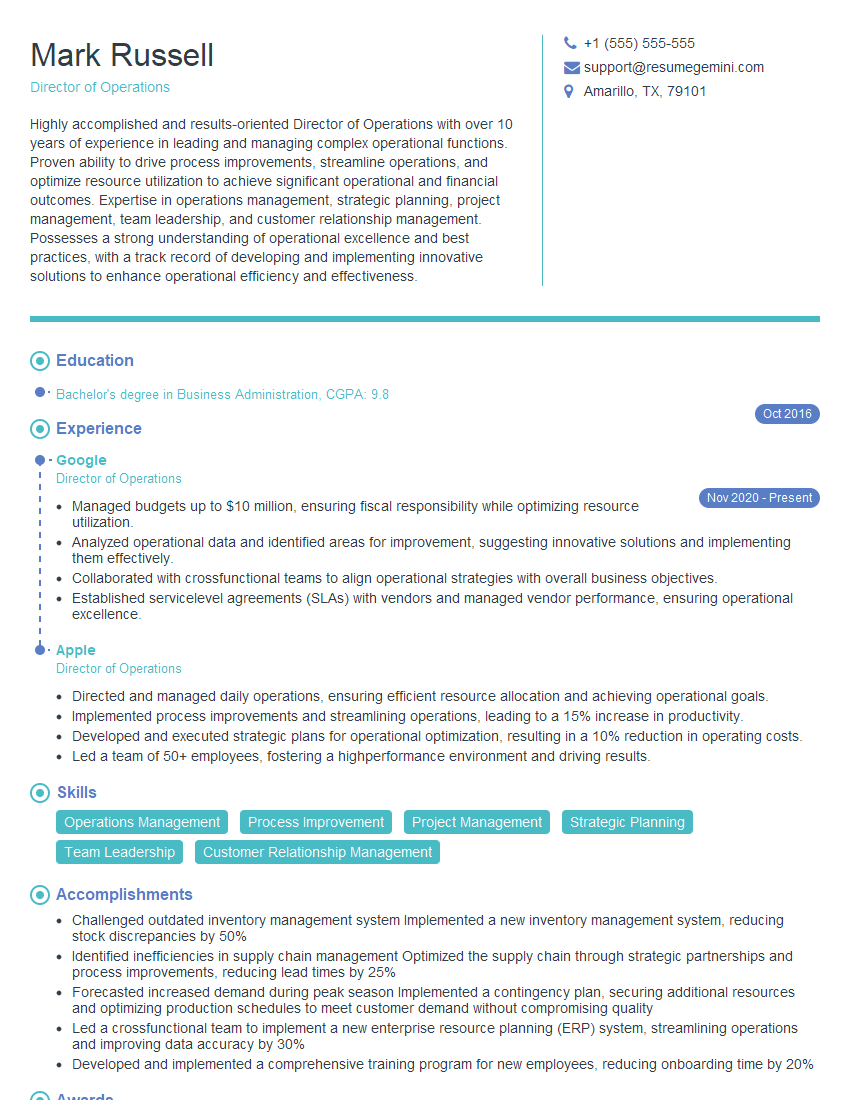
Director of Operations Resume Sample
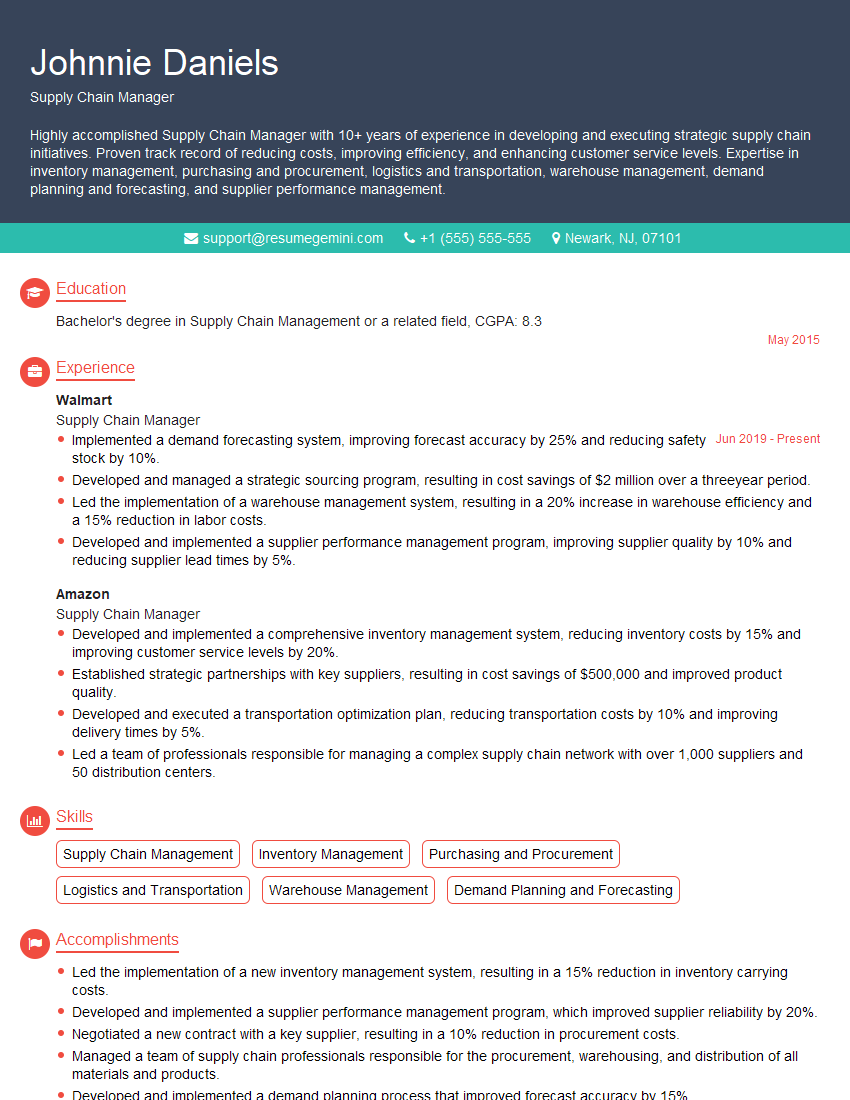
Supply Chain Manager Resume Sample
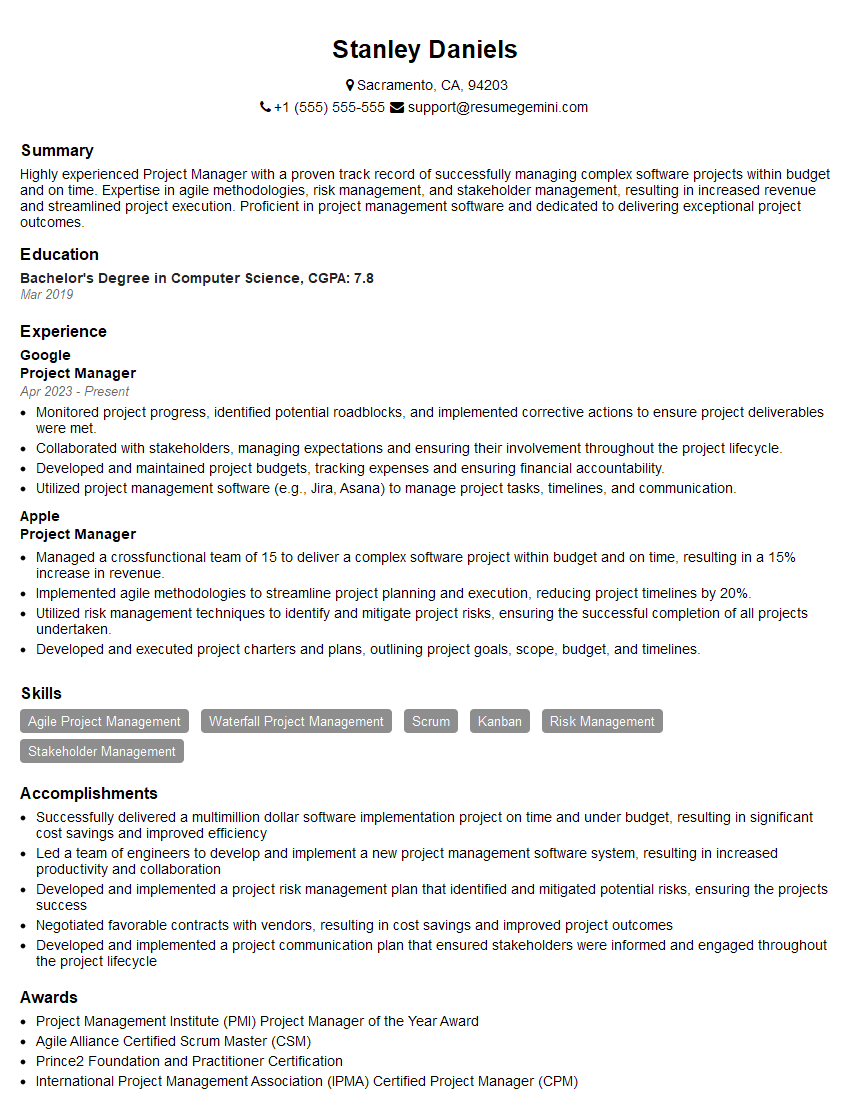
Project Manager Resume Sample
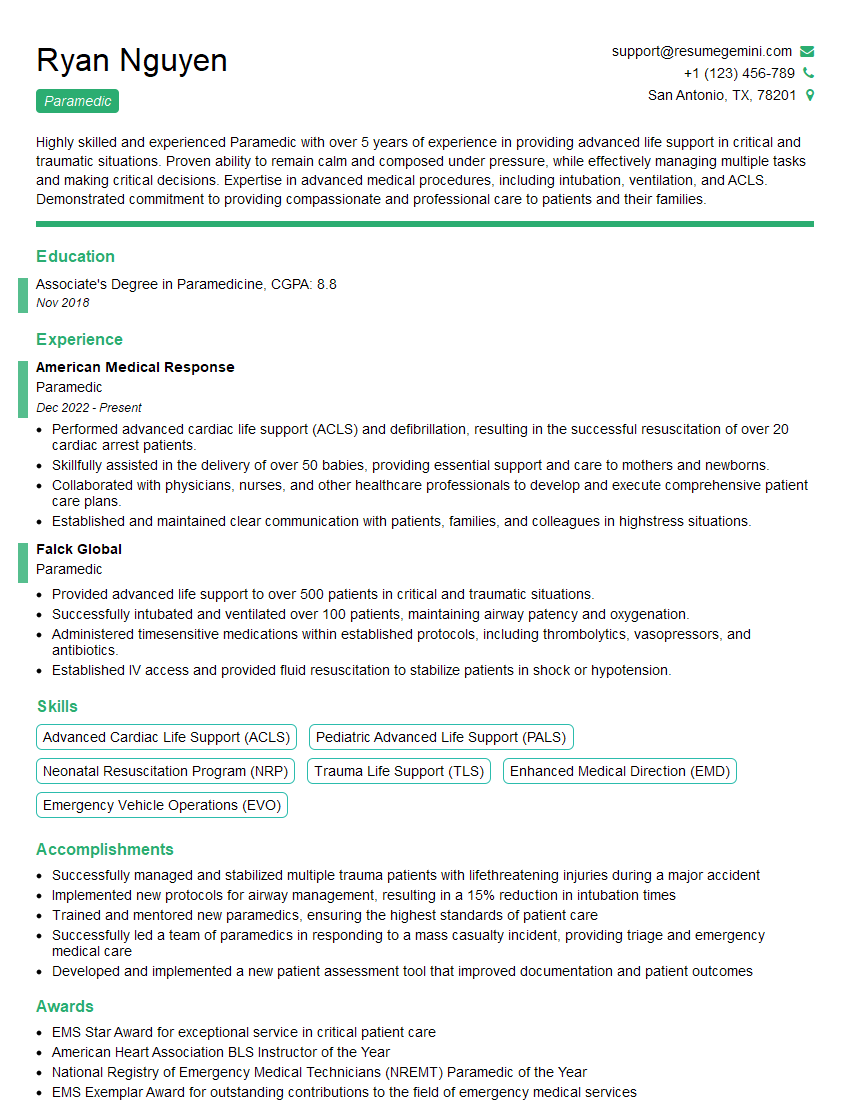
Paramedic Resume Sample
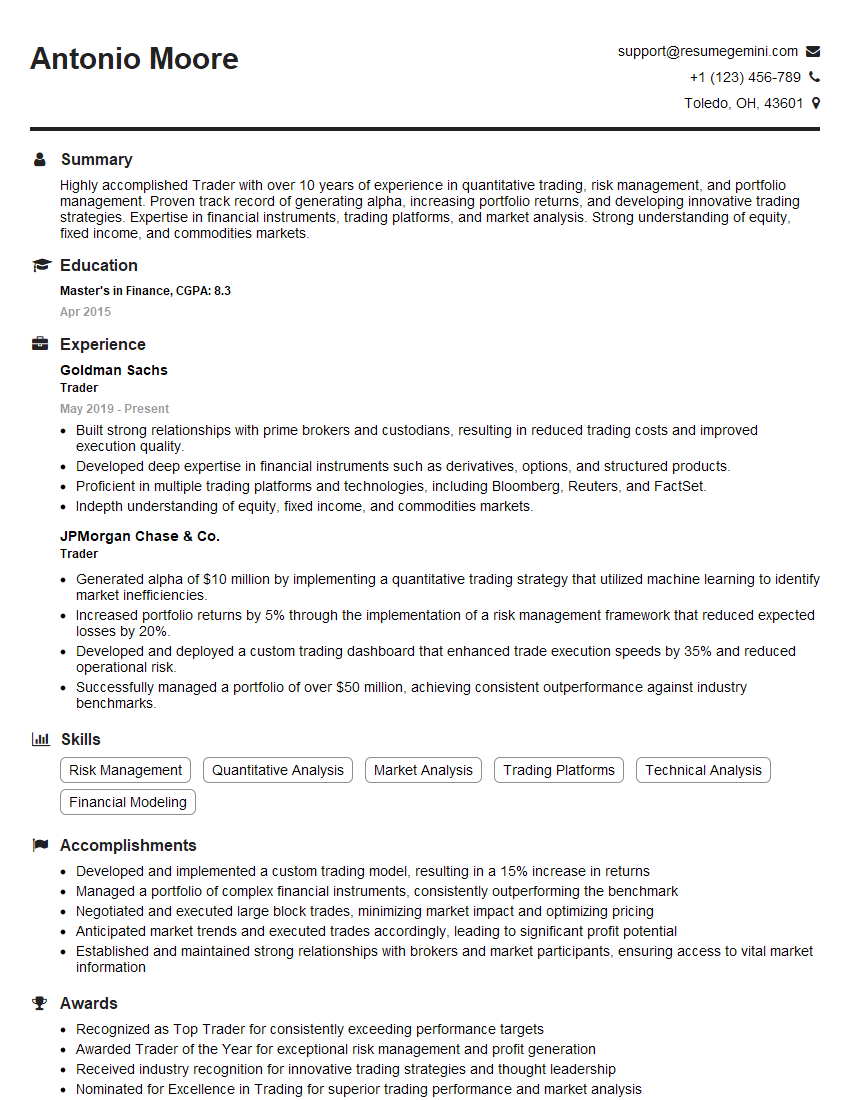
Trader Resume Sample
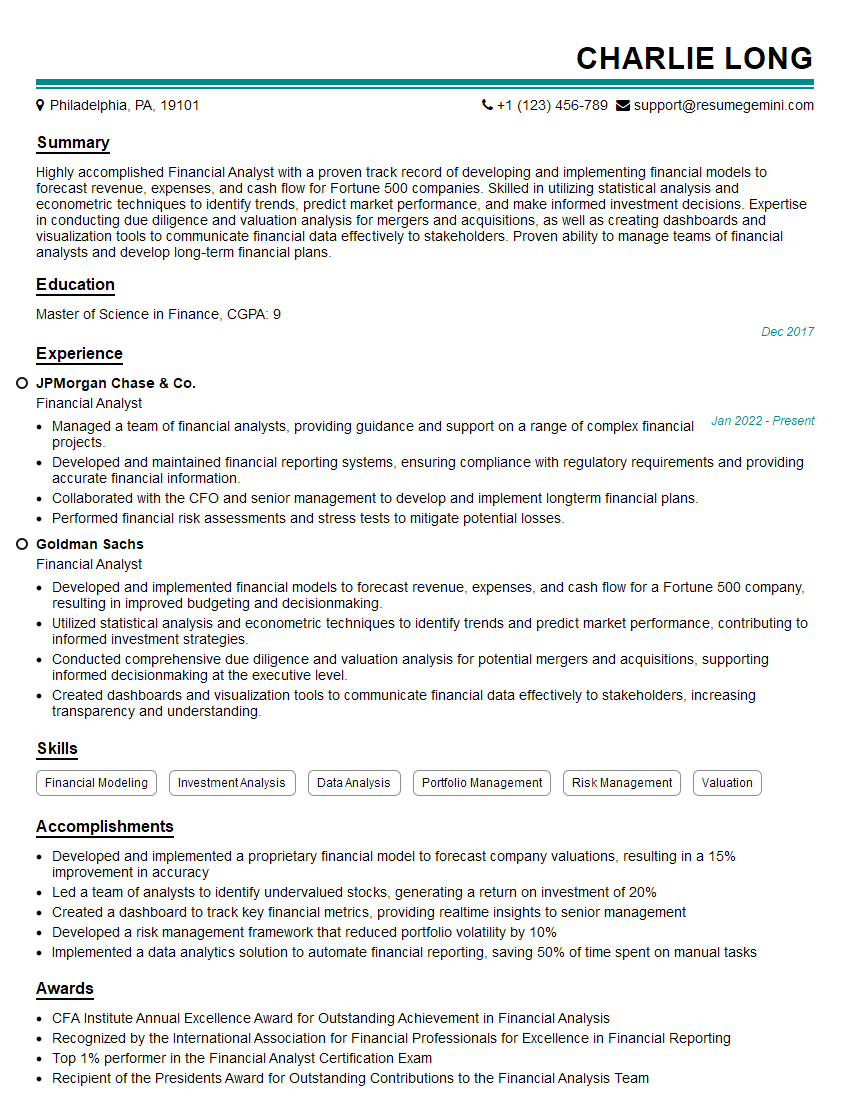
Financial Analyst Resume Sample
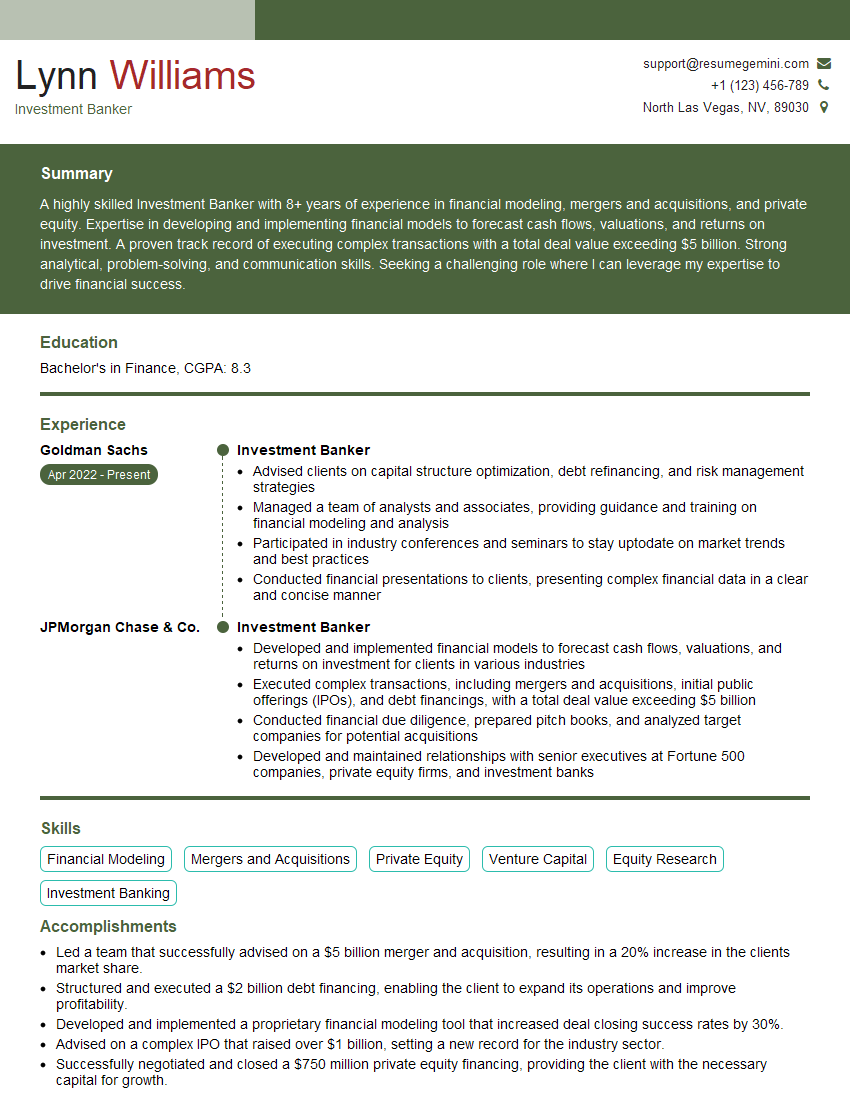
Investment Banker Resume Sample
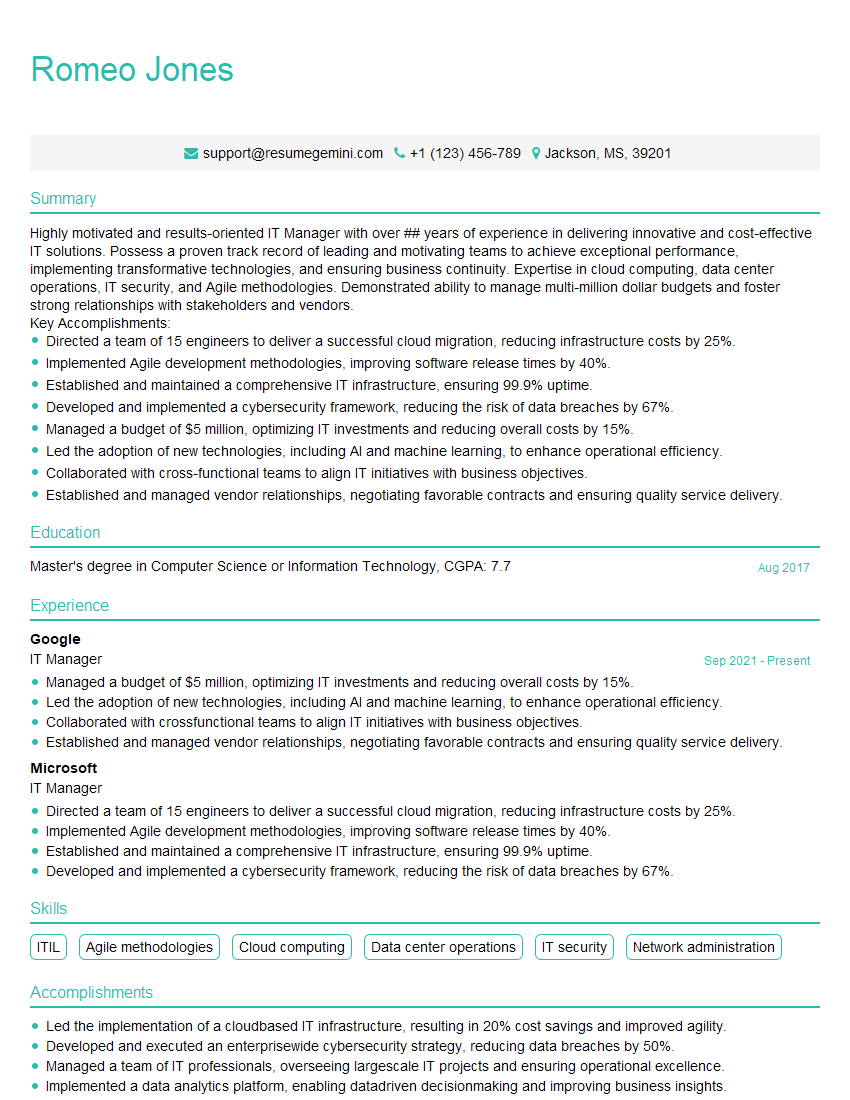
IT Manager Resume Sample
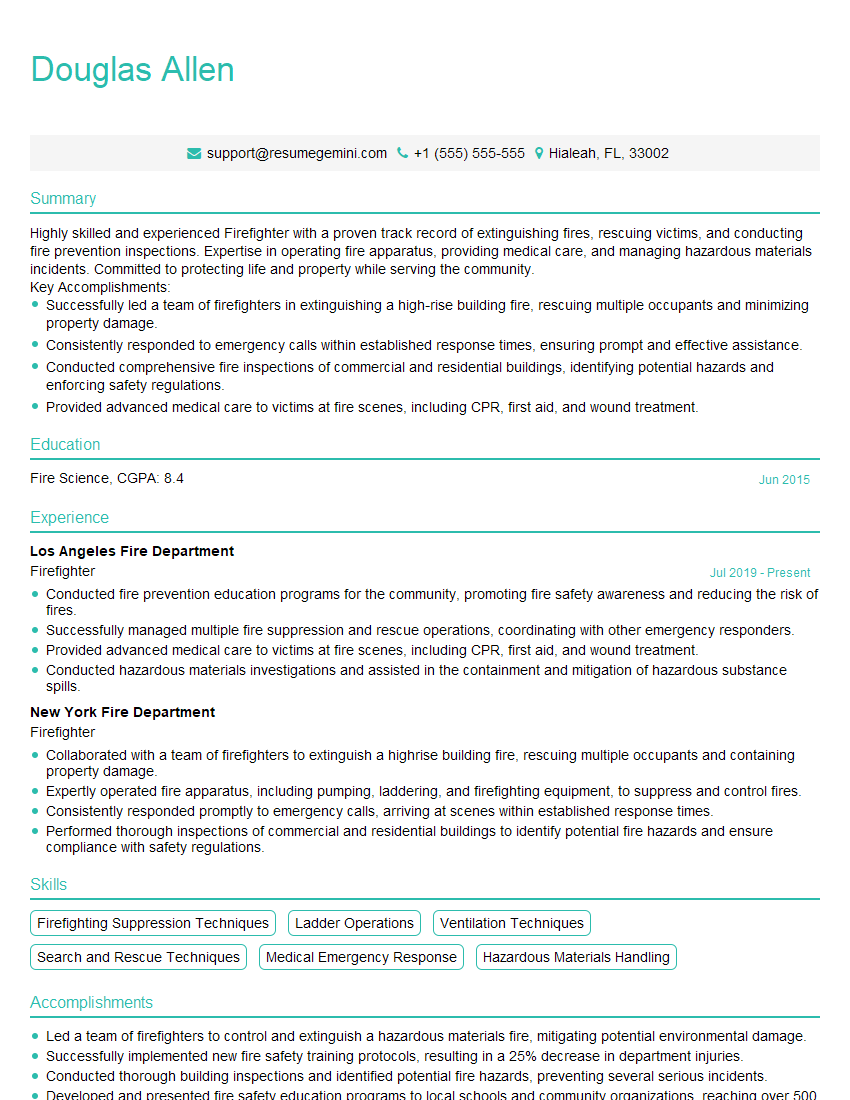
Firefighter Resume Sample
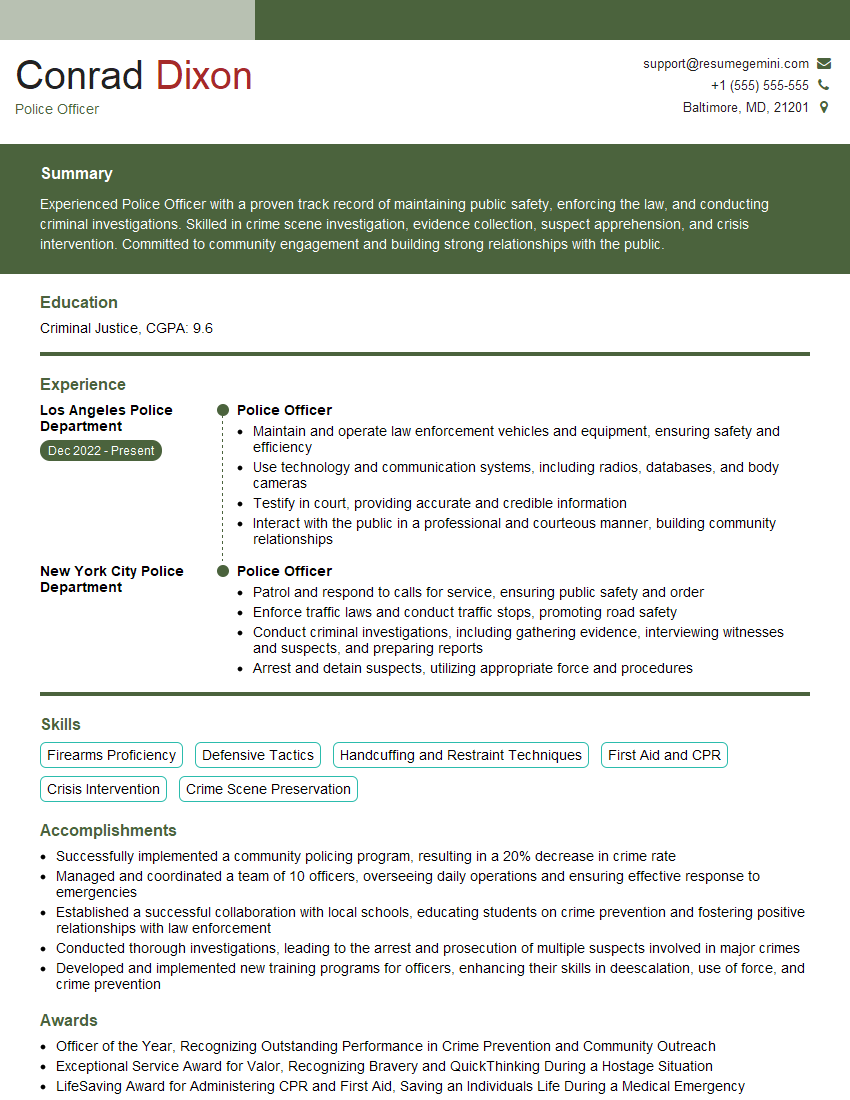
Police Officer Resume Sample
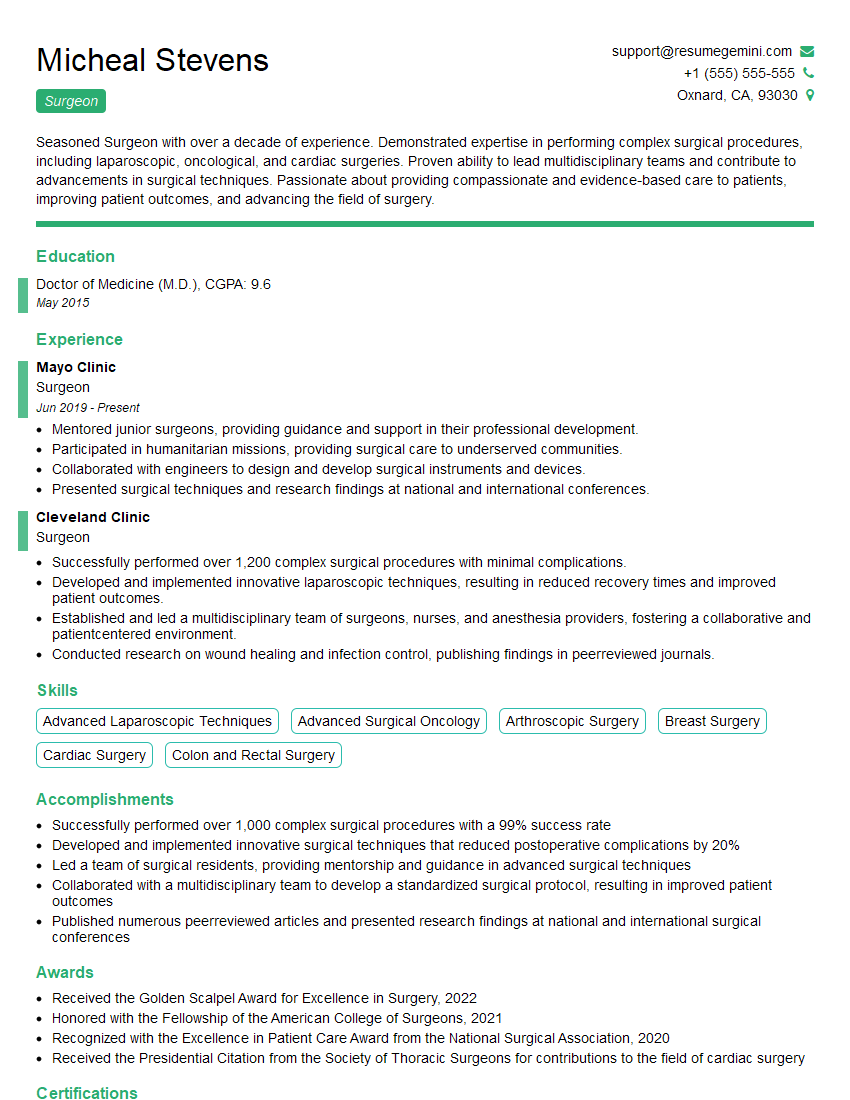
Surgeon Resume Sample
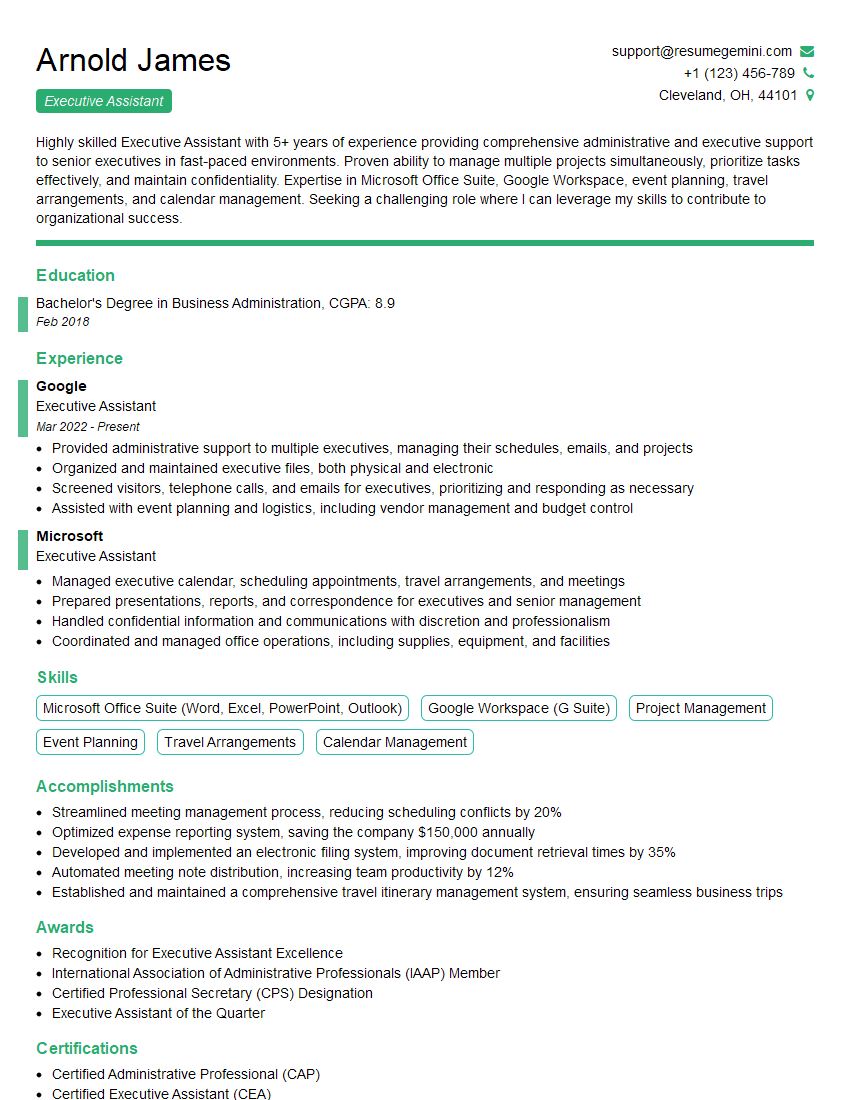
Executive Assistant Resume Sample
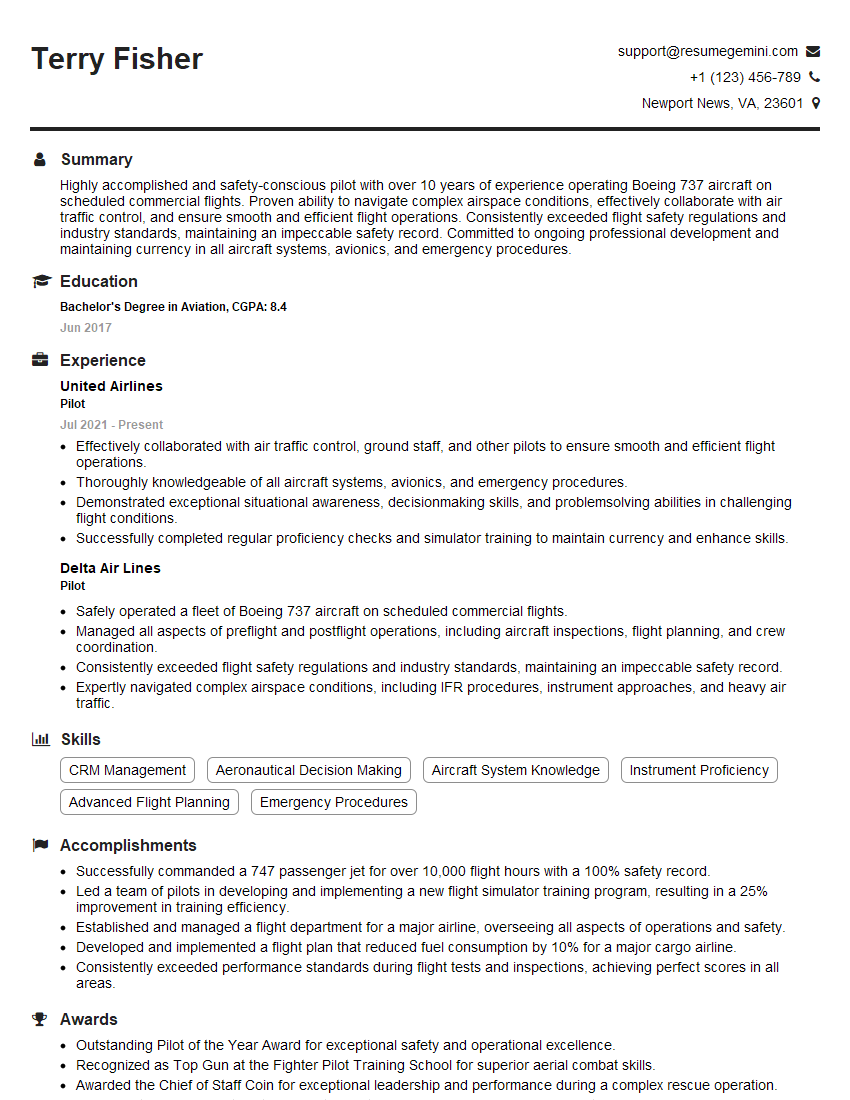
Pilot Resume Sample
Explore more articles
Users Rating of Our Blogs
Share Your Experience
We value your feedback! Please rate our content and share your thoughts (optional).
What Readers Say About Our Blog
Very informative content, great job.
good