Interviews are more than just a Q&A session—they’re a chance to prove your worth. This blog dives into essential Legal Liability and Risk Management interview questions and expert tips to help you align your answers with what hiring managers are looking for. Start preparing to shine!
Questions Asked in Legal Liability and Risk Management Interview
Q 1. Explain the difference between inherent risk and residual risk.
Inherent risk and residual risk are two crucial concepts in risk management. Think of it like this: inherent risk is the danger that exists naturally, before you try to do anything about it. Residual risk is what’s left over after you’ve put in place controls and mitigation strategies.
Inherent risk represents the potential for loss or harm in the absence of any controls or safeguards. It’s the baseline risk. For example, if a company operates heavy machinery without any safety protocols, the inherent risk of workplace accidents is high.
Residual risk is the level of risk that remains after implementing risk management measures. Even with safety protocols, some risk of accidents might remain—that’s the residual risk. The goal of risk management is to reduce inherent risk to an acceptable level of residual risk. This acceptable level is determined by a variety of factors, including risk appetite, legal requirements, and cost-benefit analysis.
Let’s say a company implements safety training and installs safety guards on its machinery. This reduces the inherent risk, but some risk of accidents (residual risk) might still exist because human error can never be completely eliminated. The difference between the initial inherent risk and the final residual risk is a measure of the effectiveness of the risk management program.
Q 2. Describe your experience with risk assessment methodologies (e.g., FMEA, HAZOP).
I have extensive experience with various risk assessment methodologies, including Failure Mode and Effects Analysis (FMEA) and Hazard and Operability Study (HAZOP). I’ve utilized these techniques across diverse projects, including infrastructure development, manufacturing processes, and software deployment.
FMEA is a systematic approach to identify potential failures in a system, process, or design and assess their potential effects. It’s particularly useful for proactive identification of weaknesses before they cause problems. I’ve used FMEA to analyze the potential failure points in a new product launch, identifying potential delays and financial losses, leading to proactive mitigation strategies such as redundancy and rigorous testing.
HAZOP, on the other hand, is a more qualitative approach focusing on deviations from intended design and operating parameters. It’s especially valuable in process industries for identifying hazards that could lead to incidents or accidents. In one project involving a chemical plant, I employed HAZOP to identify potential hazards related to temperature and pressure fluctuations, which allowed us to design more robust safety systems.
My experience also includes using less structured methodologies such as brainstorming and scenario planning to identify and assess risks in less well-defined situations. The choice of methodology depends heavily on the context and complexity of the situation.
Q 3. How would you identify and prioritize key risks in a given scenario?
Identifying and prioritizing key risks requires a structured approach. I typically follow these steps:
- Risk Identification: This involves brainstorming sessions, interviews with stakeholders, reviewing historical data, and analyzing industry trends. It’s vital to consider a wide range of potential risks—from operational and financial risks to legal, reputational, and environmental risks.
- Risk Analysis: Once identified, each risk is analyzed based on its likelihood and potential impact. I often use a risk matrix, plotting likelihood on one axis and impact on the other. This provides a visual representation of the relative severity of each risk.
- Risk Prioritization: Risks are prioritized based on their position on the risk matrix. Risks with high likelihood and high impact are given top priority. This prioritization often involves considering factors such as urgency, available resources, and alignment with strategic objectives.
For example, in a construction project, risks like weather delays, material shortages, and worker injuries would be identified, their likelihood and impact assessed using a risk matrix, and prioritized based on the severity, with worker safety likely taking precedence.
Q 4. What are the key components of a comprehensive risk management plan?
A comprehensive risk management plan includes several key components:
- Risk Statement: A clear and concise statement defining the scope of the risk management process.
- Risk Assessment Methodology: The chosen methodologies (like FMEA or HAZOP) and the rationale for their selection.
- Risk Register: A central repository listing identified risks, their likelihood, potential impact, proposed mitigation strategies, risk owners, and deadlines for actions.
- Risk Mitigation Strategies: Detailed plans outlining specific actions to reduce or eliminate identified risks. This may involve avoidance, reduction, transfer (e.g., insurance), or acceptance of risks.
- Contingency Planning: Plans for responding to and recovering from unforeseen events or situations that may arise despite risk mitigation efforts.
- Monitoring and Reporting: A system for regularly monitoring the effectiveness of risk mitigation strategies and reporting on risk management performance.
- Communication Plan: A clear strategy for communicating risks and risk management activities to stakeholders.
A well-structured risk management plan serves as a dynamic document, constantly reviewed and updated as circumstances change. It’s not a static document but a living tool to guide the organization’s response to potential hazards.
Q 5. Explain your understanding of corporate governance and its role in risk management.
Corporate governance plays a vital role in effective risk management. Strong corporate governance structures provide the framework and accountability necessary for identifying, assessing, and managing risks across the organization.
It establishes clear lines of responsibility and authority, ensuring that risk management is embedded in the organization’s culture and processes. The board of directors has ultimate oversight responsibility for risk management, ensuring that adequate systems and processes are in place. Effective governance also promotes transparency and accountability, fostering trust among stakeholders.
For example, a robust corporate governance structure might include a risk committee comprised of senior executives who regularly review the organization’s risk profile and oversee the implementation of risk mitigation strategies. This ensures that risk management is a top priority and that effective measures are put in place to protect the organization from potential harm.
Q 6. Describe your experience with developing and implementing risk mitigation strategies.
I have extensive experience in developing and implementing risk mitigation strategies. My approach involves a collaborative process, engaging stakeholders across different departments to ensure that mitigation plans are practical, effective, and aligned with the organization’s objectives.
In one project, we faced the risk of supply chain disruption due to geopolitical instability. To mitigate this, we diversified our supplier base, established strategic partnerships with alternative suppliers, and implemented robust inventory management systems. This reduced our dependence on a single supplier and increased our resilience to potential supply chain shocks.
In another instance, we addressed the risk of data breaches by implementing a multi-layered security system, including robust firewalls, intrusion detection systems, and employee security awareness training. This combination of technical and human measures significantly reduced our vulnerability to cyberattacks.
My approach always focuses on a balanced consideration of cost, effectiveness, and feasibility when selecting and implementing mitigation strategies.
Q 7. How do you monitor and report on risk management performance?
Monitoring and reporting on risk management performance is crucial for ensuring that the risk management plan is effective and achieving its objectives. This involves a combination of ongoing monitoring and periodic reviews.
Ongoing Monitoring: This involves regularly tracking key risk indicators (KRIs) to identify emerging risks or changes in the risk profile. For example, tracking sales figures might reveal a potential market downturn, or monitoring employee satisfaction could highlight potential morale issues.
Periodic Reviews: Formal reviews of the risk management plan are conducted at set intervals (e.g., quarterly or annually) to assess the effectiveness of mitigation strategies and identify areas for improvement. This includes a review of the risk register, updates to the risk assessment, and an evaluation of the overall effectiveness of the risk management program.
Reporting involves communicating the results of monitoring and reviews to relevant stakeholders, including senior management and the board of directors. Reports should provide a clear and concise overview of the organization’s risk profile, the effectiveness of risk management efforts, and any necessary adjustments to the plan.
Q 8. What are the legal implications of failing to adequately manage risk?
Failing to adequately manage risk can lead to a wide range of legal implications, depending on the nature of the risk and the resulting consequences. Essentially, if a company or individual fails to take reasonable steps to prevent foreseeable harm, they can be held legally liable for the damages that occur. This liability could manifest in various ways, including:
Civil lawsuits: Individuals or entities harmed by negligence or recklessness can sue for damages, including compensation for injuries, property damage, or financial losses.
Criminal charges: In cases of gross negligence or intentional disregard for safety, criminal charges like manslaughter or corporate manslaughter might be filed.
Regulatory fines and penalties: Regulatory bodies often impose fines and penalties for non-compliance with safety regulations or data protection laws. This is particularly true in industries like finance, healthcare, and environmental management.
Reputational damage: Even without facing legal action, inadequate risk management can severely damage a company’s reputation, leading to loss of customers and investors.
For example, a construction company that fails to provide proper safety equipment to its workers and subsequently suffers a workplace accident could face lawsuits from injured workers, fines from OSHA (Occupational Safety and Health Administration), and significant reputational damage. The severity of the legal implications depends on factors like the severity of the harm, the degree of negligence, and the applicable laws and regulations.
Q 9. How familiar are you with relevant legal frameworks (e.g., Sarbanes-Oxley, GDPR)?
I am very familiar with a wide range of relevant legal frameworks, including Sarbanes-Oxley (SOX) and GDPR.
Sarbanes-Oxley Act (SOX): SOX is primarily focused on corporate governance, financial reporting, and internal controls within publicly traded companies in the US. My understanding extends to its implications for risk management, particularly regarding financial reporting accuracy and the prevention of fraud. I understand the importance of implementing robust internal controls and the potential legal consequences of non-compliance, including hefty fines and even criminal charges for executives.
General Data Protection Regulation (GDPR): GDPR is a comprehensive data protection regulation in the European Union and the European Economic Area. My expertise covers its requirements for data processing, security, and individual rights. I am aware of the strict obligations for organizations that process personal data, including the need for data protection impact assessments, appropriate security measures, and the handling of data breaches. Non-compliance can result in significant fines.
Beyond SOX and GDPR, I have experience working with other relevant frameworks, such as HIPAA (Health Insurance Portability and Accountability Act) in the healthcare sector and various state and federal environmental regulations. My knowledge encompasses the interconnectedness of these frameworks and their impact on risk management strategies.
Q 10. Explain your understanding of different types of liability (e.g., product liability, professional liability).
Liability refers to the legal responsibility one party has towards another for harm caused. Different types of liability exist, each with its own specific legal implications:
Product Liability: This involves the legal responsibility of manufacturers, distributors, and sellers for injuries or damages caused by defective products. A manufacturer can be held liable even without direct negligence if their product is found to be defective and causes harm.
Professional Liability (Malpractice): This applies to professionals like doctors, lawyers, engineers, and accountants. It involves claims against professionals for negligence or misconduct in their professional duties leading to harm to clients or others. For example, a doctor could face a malpractice lawsuit if they provide negligent medical care.
Negligence: This is a broad category encompassing failure to exercise the care a reasonable person would exercise in similar circumstances, leading to harm. Proving negligence requires demonstrating a duty of care, breach of that duty, causation, and damages.
Strict Liability: This type of liability holds individuals or entities accountable for harm caused by certain activities, regardless of intent or negligence. For example, in some jurisdictions, owners of dangerous animals might face strict liability for harm caused by those animals.
Understanding the nuances of different liability types is crucial for effective risk management. It informs the development of appropriate mitigation strategies, insurance policies, and risk transfer mechanisms.
Q 11. Describe a situation where you had to manage a significant risk.
In a previous role at a pharmaceutical company, we faced a significant risk related to a potential product recall. Pre-clinical testing of a new drug revealed an unexpected side effect in a small percentage of test animals. While the effect was not life-threatening, it was potentially serious enough to warrant regulatory scrutiny and a potential recall.
To manage this risk, we immediately assembled a cross-functional team comprising legal, regulatory affairs, research and development, and quality control. We followed a structured approach:
Risk Assessment: We conducted a thorough assessment to determine the likelihood and potential severity of a recall, considering regulatory implications and financial losses.
Mitigation Strategies: We explored various mitigation strategies, including further clinical trials to better understand the side effect, redesigning the drug formulation, and developing communication strategies for various stakeholders.
Contingency Planning: We developed a detailed contingency plan outlining steps to take in case of a recall, including communication plans, product retrieval procedures, and financial resources allocation.
Regulatory Compliance: We worked closely with regulatory agencies to keep them informed and ensure compliance with all reporting requirements.
Ultimately, through proactive risk management and collaboration, we successfully avoided a full-scale recall by implementing corrective actions and refining the drug’s formulation. This experience reinforced the importance of swift action, thorough risk assessment, and effective communication in managing significant risks.
Q 12. How do you communicate risk effectively to different stakeholders?
Effective risk communication is crucial for successful risk management. My approach involves tailoring communication to the audience and the specific risk involved. I utilize various communication techniques:
Clarity and Simplicity: I avoid jargon and present information in a clear and concise manner, using plain language understandable to all stakeholders.
Visual Aids: Graphs, charts, and other visual aids are effective for conveying complex data and simplifying technical information.
Transparency and Honesty: I am transparent about the risks involved and any uncertainties, promoting trust and collaboration.
Targeted Communication: I adapt my communication style and content to the audience. Communication to executives will focus on the overall financial impact and strategic implications, while communication with employees will focus on their roles and responsibilities in mitigating risks.
Interactive Communication: I encourage dialogue and questions, allowing stakeholders to express concerns and participate actively in the risk management process.
For example, when communicating a potential data breach to customers, I’d use plain language to describe the situation, explain the steps taken to contain the breach, and outline the measures to protect their data in the future. Communicating the same risk to the board would involve a more detailed analysis of the financial and reputational impacts and the mitigation strategies employed.
Q 13. What are the key elements of a legally sound contract?
A legally sound contract is essential for protecting the interests of all parties involved. Key elements include:
Offer and Acceptance: A clear offer must be made by one party and unequivocally accepted by the other. This establishes a mutual agreement.
Consideration: Each party must provide something of value in exchange for the other party’s promise. This can be money, goods, services, or a promise to do or not do something.
Capacity: Both parties must have the legal capacity to enter into a contract. This means they must be of legal age and possess the mental capacity to understand the terms and implications of the agreement.
Legality: The subject matter of the contract must be legal. Contracts involving illegal activities are void and unenforceable.
Mutual Consent: The agreement must be reached freely and without duress, undue influence, or misrepresentation. Both parties must understand and agree to the terms.
Certainty: The terms of the contract must be clear, unambiguous, and certain. Vague or ambiguous terms can lead to disputes.
Written Form (where required): Certain contracts, like those involving the sale of land or those exceeding a certain value, must be in writing to be enforceable.
Failure to include these essential elements can render a contract void or unenforceable, leading to disputes and potential legal battles. Careful drafting and review by legal counsel are crucial for ensuring a contract is legally sound and protects the parties’ interests.
Q 14. Explain your understanding of insurance and its role in risk mitigation.
Insurance plays a vital role in risk mitigation by transferring the financial burden of potential losses to an insurance company. It does not eliminate the risk itself, but it provides a financial safety net in the event that a covered risk materializes. Understanding different types of insurance and selecting appropriate coverage is a crucial component of comprehensive risk management.
Types of Insurance: There are various types of insurance, each designed to cover specific types of risks. These include liability insurance (covering legal responsibility for harm caused to others), property insurance (covering damage to physical assets), business interruption insurance (covering losses due to business disruption), and professional liability insurance (covering claims against professionals).
Risk Mitigation: Insurance mitigates risk by reducing the financial impact of unforeseen events. For instance, if a company faces a product liability lawsuit, a comprehensive product liability insurance policy can cover the legal costs and potential damages awarded.
Risk Transfer: Insurance transfers risk from the insured party to the insurer. The insurer pools risks from many policyholders, allowing them to spread the financial burden of losses.
Importance of Due Diligence: Selecting appropriate insurance coverage requires careful consideration of the specific risks faced by the organization. This includes assessing the potential severity and likelihood of various risks and procuring sufficient coverage to mitigate potential financial losses. It is crucial to thoroughly review policy terms and conditions and to ensure the policy adequately covers the identified risks.
In essence, insurance acts as a crucial element in a comprehensive risk management strategy, complementing other risk mitigation techniques like risk avoidance, risk reduction, and risk acceptance. It enables businesses to operate with greater financial security, knowing they have a safety net in place should covered risks materialize.
Q 15. Describe your experience with conducting risk assessments related to data privacy and security.
Conducting a data privacy and security risk assessment involves a systematic process of identifying, analyzing, and prioritizing potential threats and vulnerabilities to an organization’s data. It’s like a thorough health check for your data. My experience involves utilizing frameworks like NIST Cybersecurity Framework and ISO 27005 to guide the assessment. I start by defining the scope, identifying assets (data types, systems, etc.), and then assess potential threats (malware, phishing, insider threats) and their likelihood and impact. For instance, in a recent assessment for a financial institution, I identified a vulnerability in their third-party vendor’s security protocols which, if exploited, could have resulted in a significant data breach and substantial financial loss. This led to a revised vendor agreement with stronger security clauses. The process culminates in a risk register, prioritizing vulnerabilities for remediation, and creating actionable mitigation plans. The assessment isn’t a one-off event; regular reassessments are crucial to stay ahead of evolving threats.
- Asset identification: Cataloguing all data assets and their sensitivity levels.
- Threat identification: Identifying potential threats, both internal and external.
- Vulnerability identification: Pinpointing weaknesses in security controls.
- Risk analysis: Assessing the likelihood and impact of each risk.
- Risk mitigation: Developing strategies to reduce or eliminate risks.
- Monitoring and review: Regularly assessing the effectiveness of implemented controls.
Career Expert Tips:
- Ace those interviews! Prepare effectively by reviewing the Top 50 Most Common Interview Questions on ResumeGemini.
- Navigate your job search with confidence! Explore a wide range of Career Tips on ResumeGemini. Learn about common challenges and recommendations to overcome them.
- Craft the perfect resume! Master the Art of Resume Writing with ResumeGemini’s guide. Showcase your unique qualifications and achievements effectively.
- Don’t miss out on holiday savings! Build your dream resume with ResumeGemini’s ATS optimized templates.
Q 16. How do you ensure compliance with relevant regulations?
Ensuring compliance involves a multi-faceted approach, combining proactive measures with ongoing monitoring. Think of it as constantly navigating a regulatory maze. I begin by thoroughly understanding the relevant regulations, like GDPR, CCPA, HIPAA (depending on the industry and location). This involves creating a compliance roadmap that outlines specific requirements and deadlines. Then I work to build and maintain a robust compliance program that includes policies, procedures, training, and monitoring mechanisms. This might include implementing data encryption, access controls, data loss prevention (DLP) tools, and regular audits. For example, to ensure GDPR compliance, we implemented a data subject access request (DSAR) process, designed consent mechanisms and established data breach notification procedures. It’s not enough to just be compliant; we need to demonstrate compliance through thorough documentation and internal audits. We need to stay ahead of the curve because regulations constantly evolve.
Q 17. What is your experience with internal audits related to risk management?
My experience with internal audits related to risk management includes both conducting and participating in audits. These audits are like a rigorous self-assessment, ensuring our risk management framework is effective and that we’re adhering to established policies and procedures. I have led audits focusing on data security, financial controls, and operational efficiency. A recent example involved an audit of our cybersecurity protocols. The audit involved reviewing existing security controls, testing their effectiveness, and identifying any gaps or weaknesses in our processes. This audit led to an improvement in our incident response plan, strengthening our defenses and improving our readiness. The key is objectivity; the audit needs to provide an unbiased view of the organization’s risk posture. This requires a structured approach, utilizing established methodologies and clearly defining audit objectives and scope.
Q 18. How do you stay updated on changes in relevant legal and regulatory frameworks?
Staying updated on changes in legal and regulatory frameworks is a continuous process. It’s like keeping a finger on the pulse of the legal world. I use a combination of strategies. I subscribe to legal newsletters and publications, attend relevant conferences and webinars, actively participate in professional organizations, and use legal research databases. Networking with other professionals in the field is also vital for staying informed about emerging trends and interpretations of laws. For example, I closely monitor changes to GDPR and CCPA, as they significantly impact how we handle personal data. Maintaining this up-to-date knowledge base ensures the organization’s risk management framework is always relevant and adaptable.
Q 19. Describe your experience with crisis management and business continuity planning.
Crisis management and business continuity planning are intertwined. Think of crisis management as the immediate response to an event, while business continuity focuses on getting back on track. My experience involves developing and implementing plans for various scenarios, from cyberattacks to natural disasters. These plans usually involve clear communication protocols, escalation procedures, and detailed recovery strategies. For example, I helped a client develop a comprehensive plan to deal with a ransomware attack, detailing steps for data recovery, communication with stakeholders, and law enforcement. This involved establishing a crisis management team, defining roles and responsibilities, conducting regular drills, and implementing systems for backups and disaster recovery. Regular testing and updating of these plans are crucial. Plans should be regularly reviewed and tested to make sure they are effective and up-to-date. A static plan is useless; it needs to reflect the current threats and risks.
Q 20. How would you handle a situation where a legal risk has been identified but mitigation is costly?
When a legal risk is identified, but mitigation is costly, a cost-benefit analysis is crucial. It’s about finding the balance between risk and resource allocation. We need to assess the probability and potential impact of the risk, comparing this to the cost of mitigation. If the potential cost of not mitigating the risk (legal fees, reputational damage, fines) outweighs the cost of mitigation, then mitigation is essential, even if expensive. However, if the likelihood and impact are low, alternative strategies such as risk transfer (insurance) or risk acceptance (with proper documentation and acceptance) might be more suitable. For example, if a company faces a potential lawsuit with a low probability of success, investing in a costly legal defense may not be warranted; risk acceptance, with proper documentation, could be more prudent. The decision needs to be data-driven and well-documented to justify the chosen approach.
Q 21. How familiar are you with various risk appetite frameworks?
I’m familiar with various risk appetite frameworks, including COSO ERM, ISO 31000, and the NIST Cybersecurity Framework. These frameworks offer different approaches to defining and managing risk tolerance. Each framework has its strengths and weaknesses, depending on the organization’s size, industry, and specific needs. Understanding these frameworks allows me to tailor a risk management approach that aligns with the organization’s strategic goals and risk tolerance level. For instance, a startup with limited resources might adopt a risk-averse approach, while a large, established company might have a higher risk appetite for strategic initiatives. The key is not to blindly follow a framework; it’s important to adapt it to the specific organization and its unique circumstances. This ensures a risk management strategy that’s both effective and practical.
Q 22. Explain your understanding of key risk indicators (KRIs).
Key Risk Indicators (KRIs) are metrics that provide an early warning signal of potential problems or changes in risk levels. Think of them as the ‘canary in the coal mine’ for your organization’s risk profile. They’re not just about identifying risks; they’re about quantifying them and tracking them over time to understand emerging trends. A well-chosen KRI is measurable, specific, and directly tied to a key risk.
For example, in a legal context, a KRI might be the number of lawsuits filed against the company per quarter. A rising trend could indicate a weakening of the company’s risk mitigation strategies or a potential increase in legal liability. Another example could be the number of employee safety incidents reported. A spike in this KRI might point to deficiencies in safety protocols or inadequate training, leading to potential worker’s compensation claims and reputational damage.
- Specific Example: A pharmaceutical company might track the number of adverse event reports for a specific drug as a KRI. A sudden increase could indicate a potential product liability issue.
- Another Example: A construction company might track the number of near-miss incidents on construction sites. This helps identify potential safety problems before they lead to accidents and liability.
Effective KRI management involves regularly monitoring these metrics, setting thresholds for intervention, and understanding the root causes behind any significant changes.
Q 23. How do you manage conflicts of interest within your work?
Conflicts of interest are a significant concern in any professional setting, especially in legal liability and risk management. My approach involves proactively identifying and managing potential conflicts before they escalate into problems. This begins with a thorough understanding of my own interests and those of my clients or employer. I adhere strictly to the relevant ethical guidelines and professional codes of conduct.
My strategies include:
- Transparency: I openly disclose any potential conflicts to all stakeholders, ensuring informed consent and decisions.
- Recusal: If a conflict arises that cannot be reasonably managed, I recuse myself from the matter, avoiding any appearance of impropriety.
- Firewall Procedures: In situations where complete recusal is impractical, I implement robust firewall procedures to ensure strict separation of duties and information barriers between conflicting interests. This might involve creating separate teams or using strictly confidential communication channels.
- Regular Audits: I participate in regular audits of conflict of interest procedures, ensuring their effectiveness and addressing any vulnerabilities.
Example: If I were advising a company on a merger and acquisition, and I previously represented a competitor involved in the deal, I would immediately disclose this conflict and likely recuse myself unless all parties are fully informed and consent to my continued involvement under strict conditions.
Q 24. Describe your experience with conducting root cause analyses of incidents.
Conducting root cause analyses is crucial for effective risk management. It’s not enough to simply address the symptoms; we must identify the underlying causes of incidents to prevent recurrence. I use a variety of techniques, frequently combining several approaches for a comprehensive analysis.
Methods I employ include:
- 5 Whys: This iterative technique involves repeatedly asking ‘why’ to drill down to the root cause. It’s simple but effective for identifying causal chains.
- Fishbone Diagram (Ishikawa Diagram): This visual tool helps brainstorm potential causes grouped by categories (e.g., people, process, equipment, materials).
- Fault Tree Analysis (FTA): This more formal technique uses logic gates to systematically trace the causes of an undesirable event.
- SWOT Analysis: Can be used to assess the strengths and weaknesses, opportunities and threats that contributed to an incident.
Example: In analyzing a data breach, a simple ‘5 Whys’ might reveal the root cause as inadequate employee security training. A Fishbone Diagram might identify broader causes including insufficient security protocols, outdated software, and lack of management oversight. The root cause analysis informs corrective actions, such as improved training, enhanced security measures, and policy updates.
Q 25. How do you measure the effectiveness of your risk management programs?
Measuring the effectiveness of risk management programs requires a multifaceted approach. We don’t just look at the absence of incidents; we also consider the efficiency and effectiveness of our mitigation strategies. Key metrics include:
- Frequency and Severity of Incidents: A reduction in the number and severity of incidents demonstrates the program’s success.
- Cost Savings: Effective risk mitigation can significantly reduce losses from incidents.
- Employee Satisfaction & Training Effectiveness: Improved awareness and adherence to safety protocols, measured through surveys and training completion rates.
- Compliance Ratings: Consistently meeting regulatory requirements.
- Timely Issue Resolution: Measuring the speed of response and resolution for reported incidents or near misses.
- Risk Appetite Alignment: Assessing whether the level of risk taken is aligned with the organization’s strategy and risk tolerance.
Regular reporting and analysis of these metrics enable continual improvement and adaptation of the risk management program to emerging challenges. Using dashboards and key performance indicators (KPIs) can offer a clear visualization of the program’s effectiveness.
Q 26. What is your understanding of enterprise risk management (ERM)?
Enterprise Risk Management (ERM) is a holistic approach to managing risks across the entire organization. Unlike traditional risk management which might focus on specific departments or functions, ERM takes a broader, strategic perspective, aligning risk management with organizational objectives.
A comprehensive ERM program considers all types of risks – strategic, operational, financial, compliance, and reputational – to understand their interdependencies and potential impact on the organization’s overall success. It involves identifying, assessing, prioritizing, responding to, and monitoring these risks.
Key components of ERM include:
- Risk Appetite Definition: Establishing the level of risk the organization is willing to accept to achieve its strategic goals.
- Risk Assessment & Prioritization: Identifying and evaluating potential risks based on their likelihood and potential impact.
- Risk Response Strategies: Developing and implementing strategies to mitigate, transfer, avoid, or accept identified risks.
- Risk Monitoring & Reporting: Continuously tracking and reporting on the effectiveness of risk management activities.
The goal of ERM is to improve decision-making, enhance operational efficiency, protect organizational value, and contribute to long-term sustainability.
Q 27. How do you ensure that your risk management processes are aligned with the organization’s strategic objectives?
Aligning risk management processes with strategic objectives is paramount. Risk management isn’t just about avoiding problems; it’s about strategically managing uncertainty to achieve organizational goals. I achieve this alignment through a series of steps:
- Strategic Planning Involvement: Actively participating in strategic planning sessions to ensure that risk considerations are integrated from the outset.
- Risk Appetite Defined in Terms of Strategic Goals: Defining risk appetite not just as a general tolerance for risk but in the context of specific strategic objectives. For instance, if the goal is rapid expansion, the appetite for market risk might be higher but mitigated by a strong due diligence process.
- Key Risk Register Alignment: Ensuring that the key risks identified in the risk register directly relate to the potential threats to the achievement of strategic goals.
- Performance Measurement Tied to Strategy: Measuring the effectiveness of risk management initiatives based on their contribution to achieving strategic outcomes.
- Regular Reviews and Adjustments: Periodically reviewing and adjusting risk management plans in response to changes in the organization’s strategic direction and the risk landscape.
Example: If the organization’s strategic goal is to enter a new market, the risk management plan would include mitigation strategies for market entry risks, such as regulatory hurdles, competition, and economic uncertainty. The success of these strategies would be measured in terms of market share and profitability, directly relating back to the strategic objective.
Q 28. Explain your experience with using risk management software or tools.
I have extensive experience using various risk management software and tools, from basic spreadsheets to sophisticated ERM platforms. My experience includes using tools for risk assessment, monitoring, and reporting. The choice of tool depends heavily on the organization’s size, complexity, and specific needs.
Types of tools I’ve used include:
- Spreadsheets (Excel): For smaller organizations or simpler risk registers, spreadsheets can suffice for basic risk identification and tracking.
- Dedicated Risk Management Software: Software packages provide advanced features for risk assessment, analysis, reporting, and collaboration, enabling better visualization and management of risks.
- ERM Platforms: These integrated platforms offer comprehensive ERM capabilities, including risk assessment, mitigation planning, monitoring, and reporting, often with visualization dashboards and real-time data updates.
My experience extends to selecting, implementing, and training others on the use of these tools. Choosing the right software involves careful consideration of factors such as scalability, integration with existing systems, user-friendliness, and cost-effectiveness. It’s crucial to ensure that the chosen tool supports the organization’s specific risk management needs and workflow.
Key Topics to Learn for Legal Liability and Risk Management Interview
- Fundamentals of Tort Law: Understand negligence, strict liability, and intentional torts. Consider how these concepts apply in various professional settings.
- Contract Law and its Implications: Analyze the role of contracts in mitigating risk and explore breach of contract scenarios and their legal consequences. Practice identifying potential contractual liabilities.
- Risk Assessment and Mitigation Strategies: Develop proficiency in identifying, analyzing, and prioritizing potential risks. Explore practical risk mitigation techniques such as insurance, risk transfer, and avoidance.
- Regulatory Compliance: Familiarize yourself with relevant industry regulations and legal frameworks. Understand the implications of non-compliance and the processes for ensuring adherence.
- Insurance and Indemnification: Grasp the various types of insurance policies and their role in protecting against financial losses. Understand the concept of indemnification and its practical application.
- Crisis Management and Communication: Develop strategies for effectively handling legal crises. Practice communicating legal and risk-related information clearly and concisely to various stakeholders.
- Ethical Considerations and Professional Responsibility: Understand the ethical obligations and professional responsibilities associated with Legal Liability and Risk Management. Explore case studies illustrating ethical dilemmas and their resolution.
- Data Privacy and Security: Understand the legal and ethical implications of data breaches and the importance of implementing robust data security measures.
- Practical Problem-Solving: Develop your ability to analyze complex legal and risk-related scenarios, identify potential liabilities, and propose effective solutions.
Next Steps
Mastering Legal Liability and Risk Management is crucial for career advancement in today’s complex business environment. Demonstrating a strong understanding of these concepts will significantly enhance your job prospects and open doors to exciting opportunities. To further strengthen your application, focus on crafting an ATS-friendly resume that effectively highlights your skills and experience. ResumeGemini is a trusted resource that can help you build a professional and impactful resume. Examples of resumes tailored to Legal Liability and Risk Management are available to guide you through the process. Invest the time to create a compelling resume – it’s your first impression and a key to unlocking your career potential.
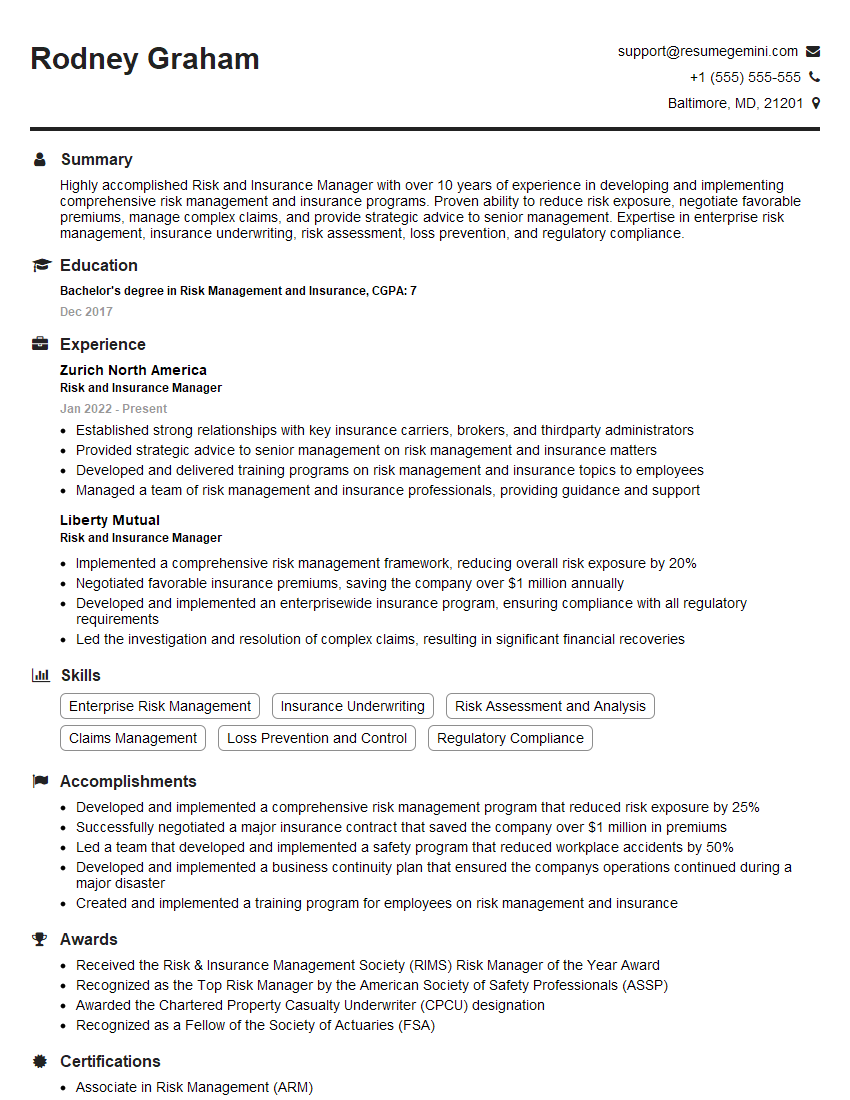
Risk and Insurance Manager Resume Sample
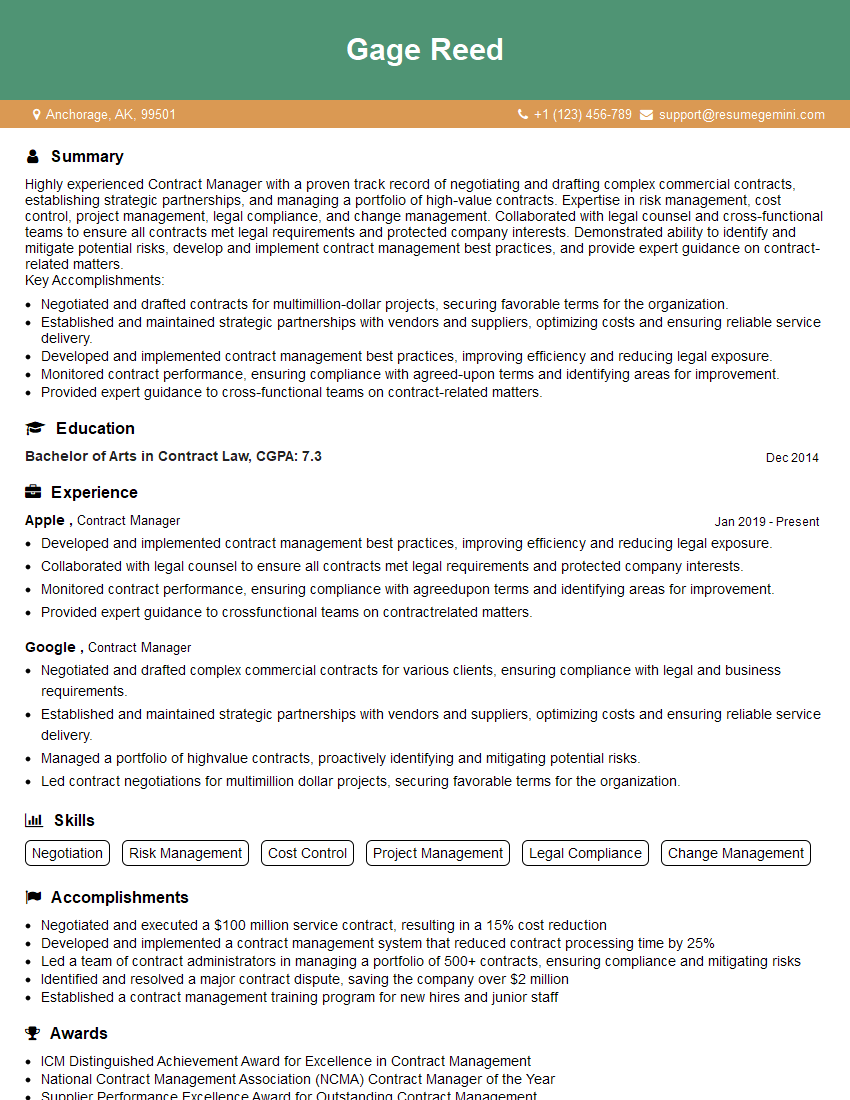
Contract Manager Resume Sample
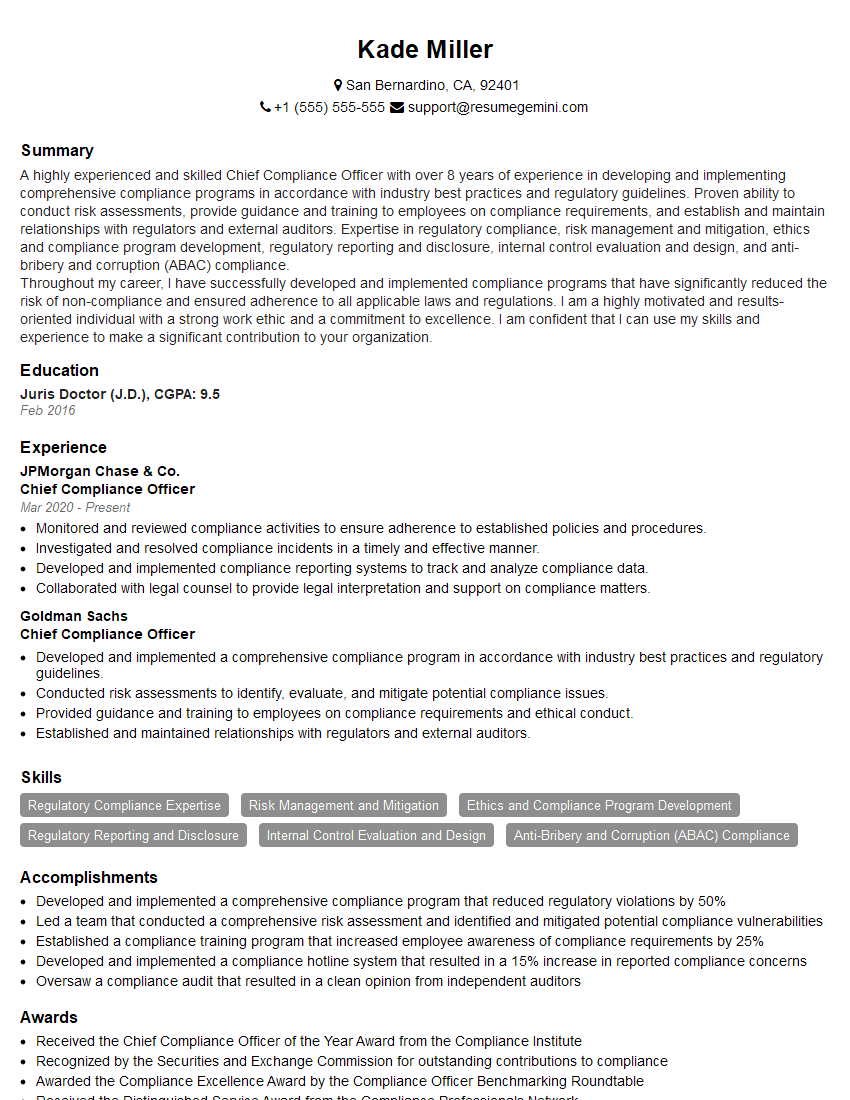
Chief Compliance Officer Resume Sample
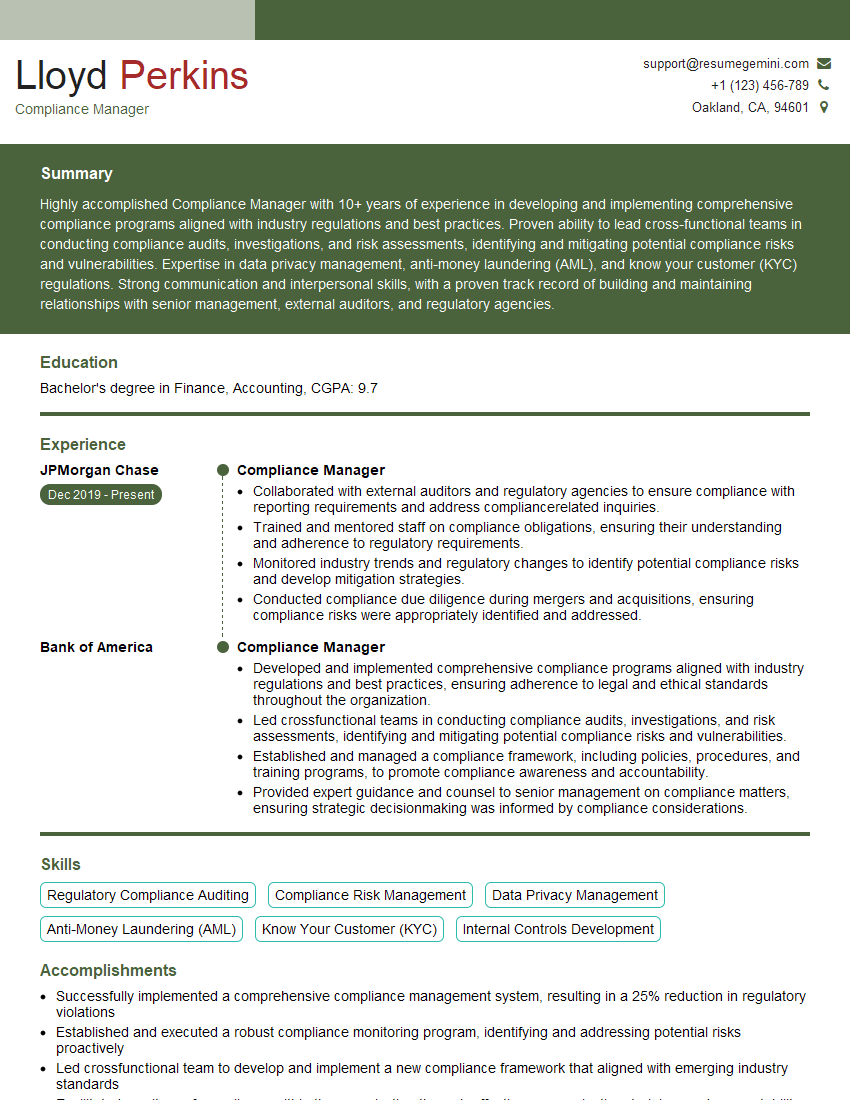
Compliance Manager Resume Sample
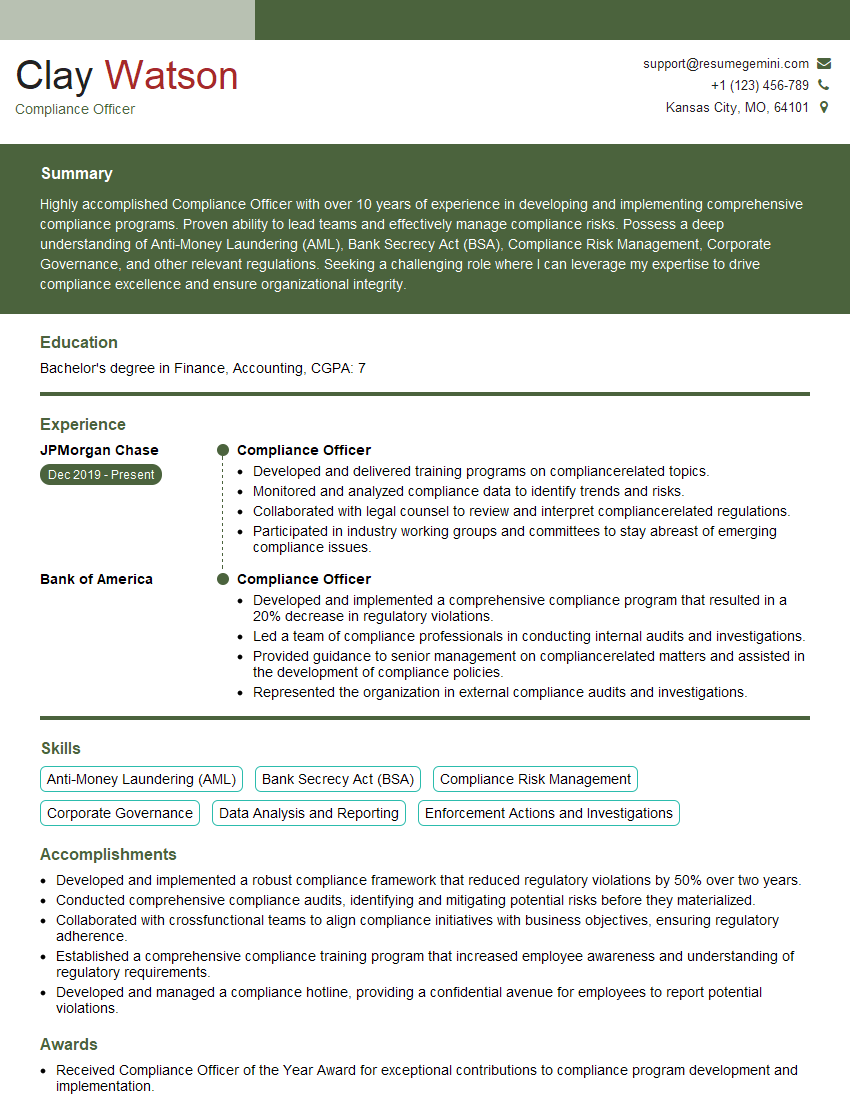
Compliance Officer Resume Sample
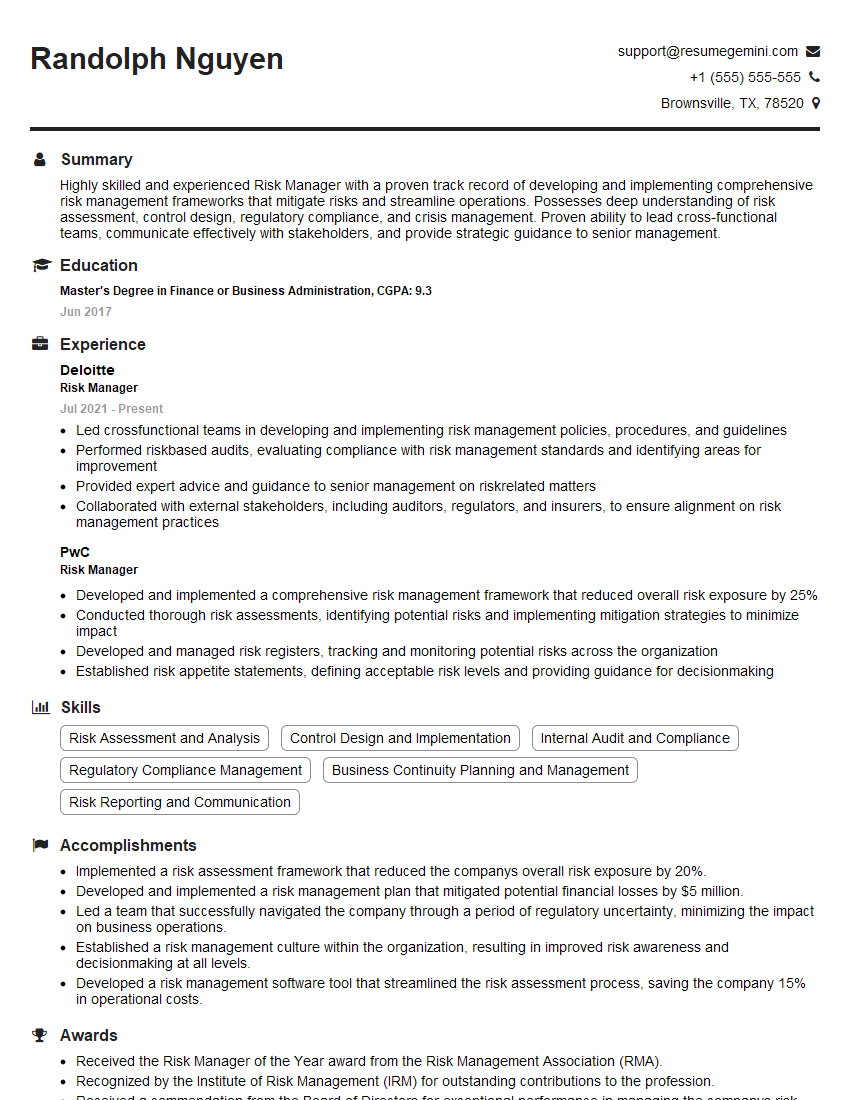
Risk Manager Resume Sample
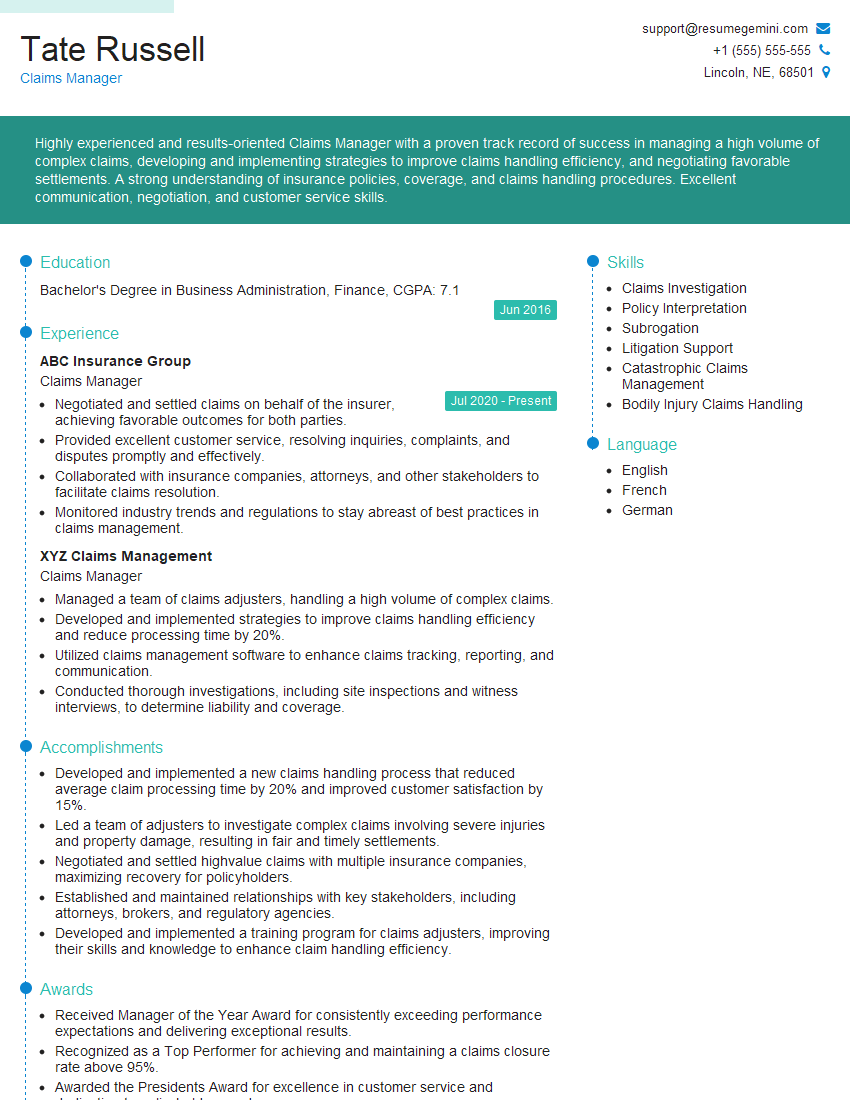
Claims Manager Resume Sample
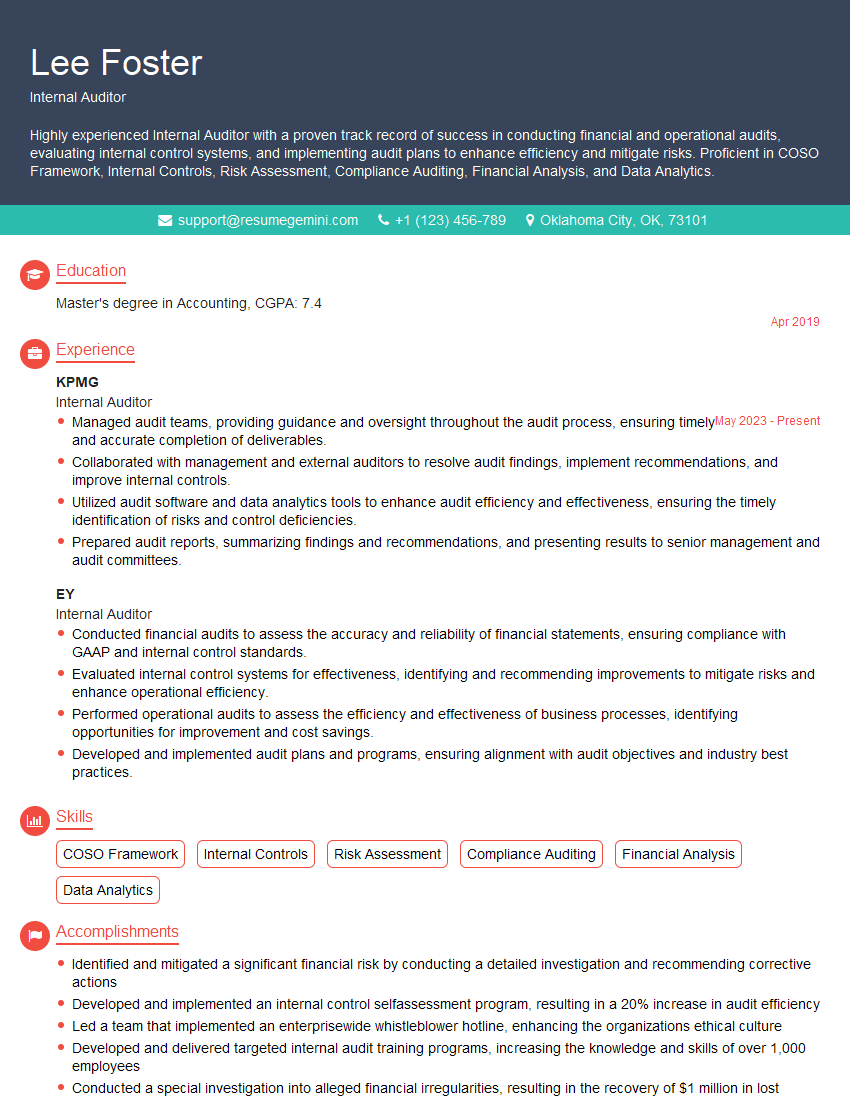
Internal Auditor Resume Sample
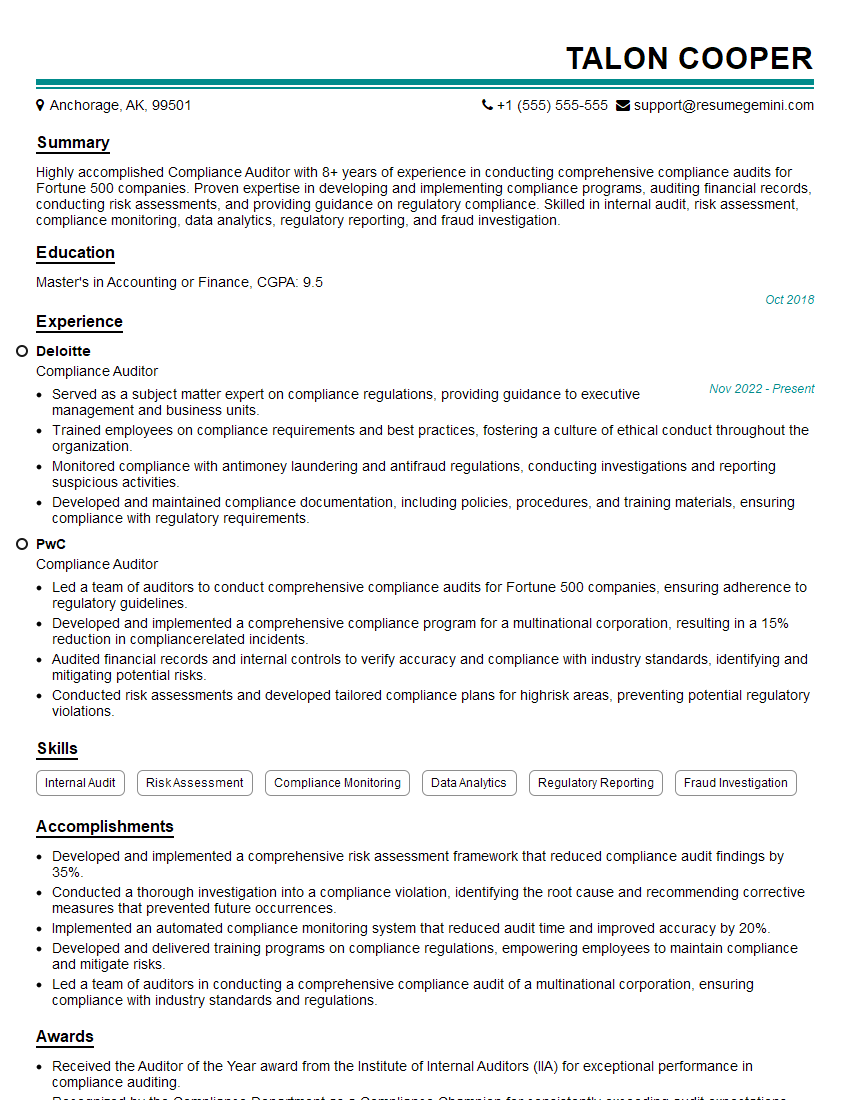
Compliance Auditor Resume Sample
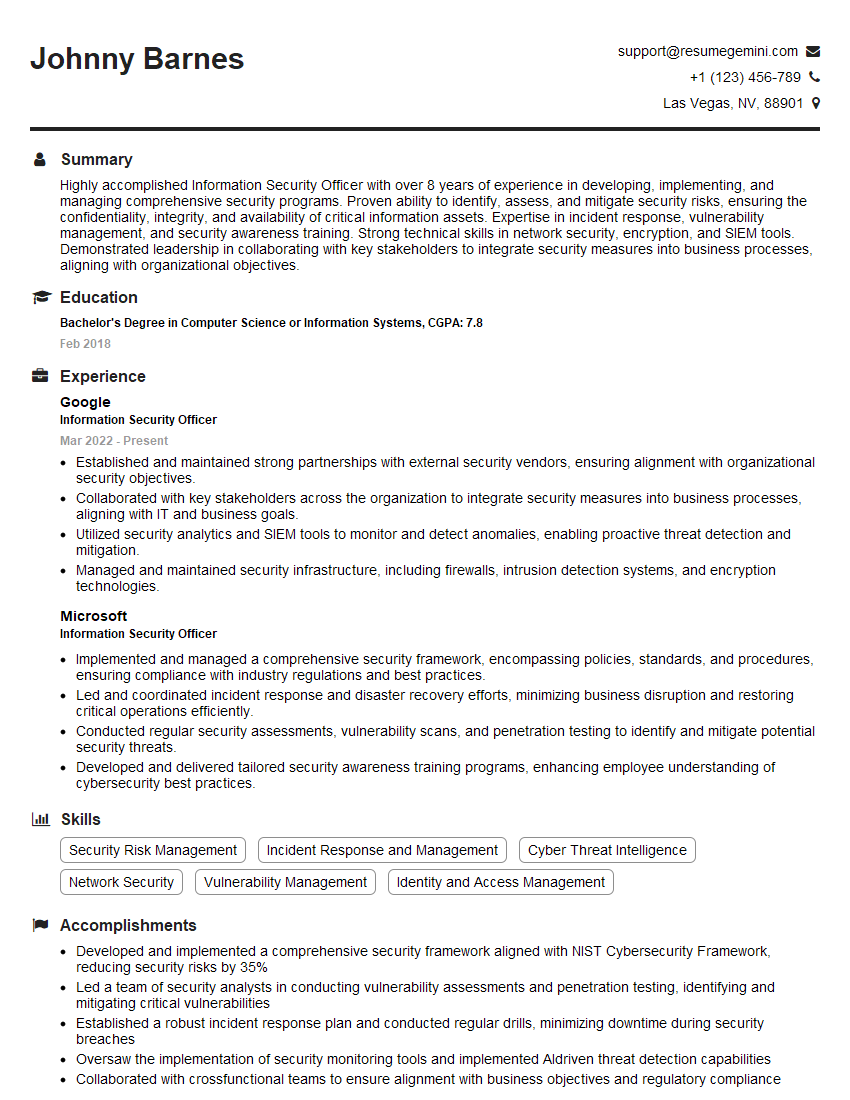
Information Security Officer Resume Sample
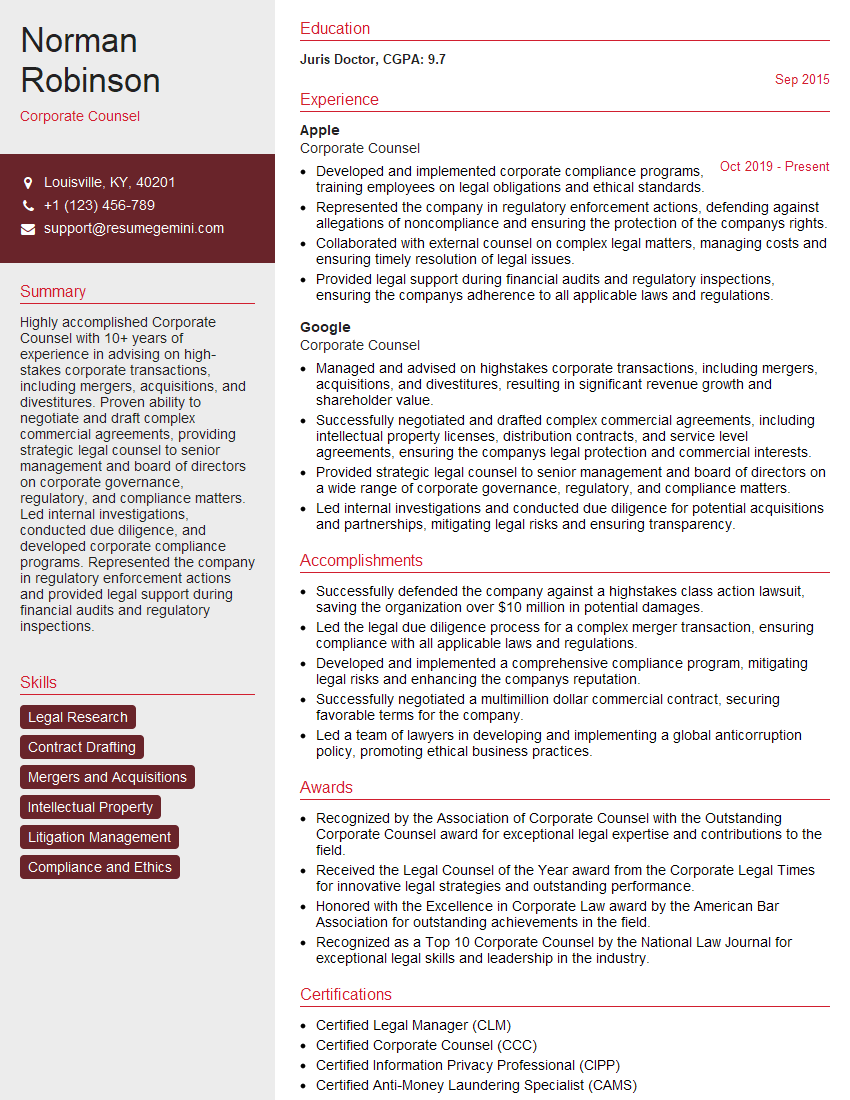
Corporate Counsel Resume Sample
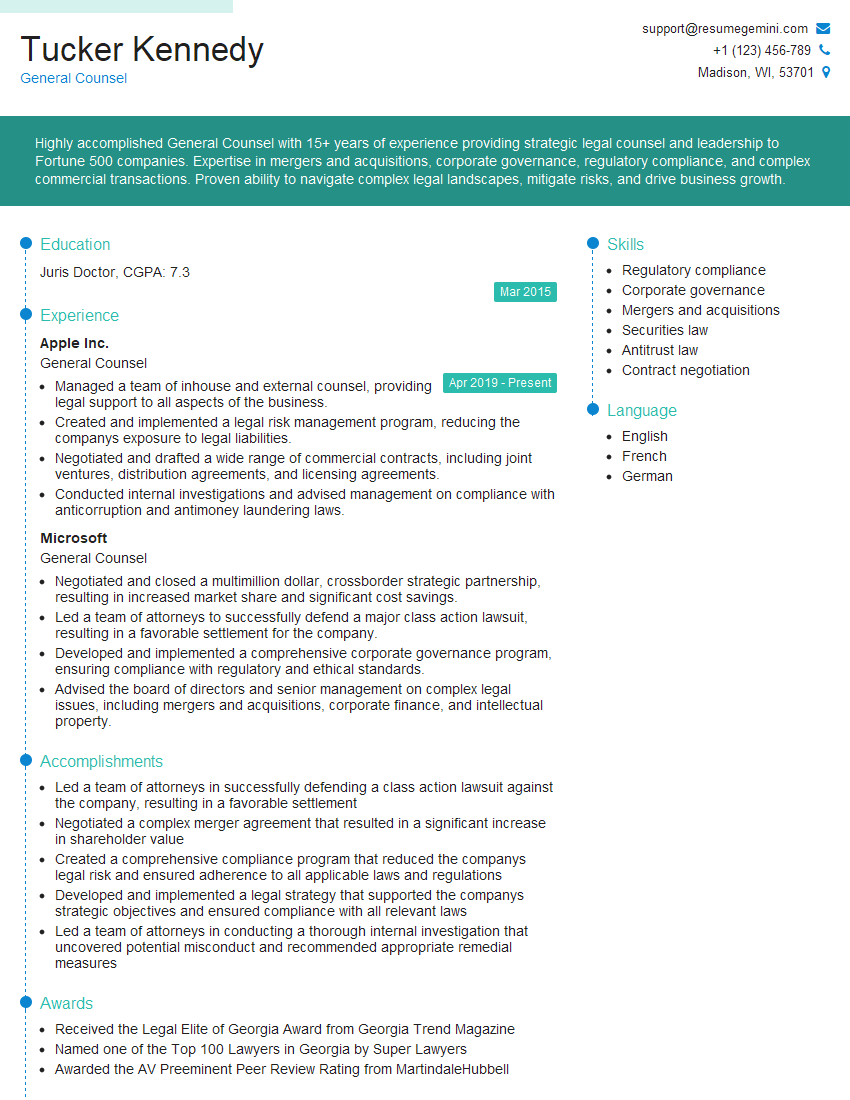
General Counsel Resume Sample
Explore more articles
Users Rating of Our Blogs
Share Your Experience
We value your feedback! Please rate our content and share your thoughts (optional).
What Readers Say About Our Blog
Very informative content, great job.
good