Preparation is the key to success in any interview. In this post, we’ll explore crucial Hygiene and Grooming interview questions and equip you with strategies to craft impactful answers. Whether you’re a beginner or a pro, these tips will elevate your preparation.
Questions Asked in Hygiene and Grooming Interview
Q 1. What are the key differences between sterilization and disinfection?
Sterilization and disinfection are both crucial for hygiene, but they differ significantly in their level of microbial elimination. Sterilization completely eliminates all forms of microbial life, including bacteria, viruses, fungi, and spores, rendering an object completely free of living organisms. This is usually achieved through methods like autoclaving (using high-pressure steam) or using certain chemical sterilants. Disinfection, on the other hand, reduces the number of microorganisms to a safe level, but it doesn’t necessarily eliminate all of them. It targets mainly vegetative bacteria and some viruses but may not kill spores. Common disinfection methods include using bleach solutions or alcohol-based disinfectants.
Think of it like this: sterilization is like completely wiping a whiteboard clean, while disinfection is like erasing most of the writing but leaving a few faint marks behind. In a salon setting, sterilization is crucial for instruments that penetrate the skin (like needles for tattooing or piercing), while disinfection is sufficient for surfaces that come into contact with the skin but don’t break it (like combs or styling chairs).
Q 2. Explain the importance of proper hand hygiene in a professional setting.
Proper hand hygiene is paramount in any professional setting, especially those involving direct client contact, like salons or spas. It’s the single most effective way to prevent the transmission of infectious diseases. Hands can easily harbor bacteria, viruses, and fungi, which can spread rapidly through touch. In a professional environment, neglecting hand hygiene can lead to client infections, damage to the salon’s reputation, and even legal consequences.
The process should involve thorough handwashing with soap and water for at least 20 seconds, paying close attention to the areas between fingers and under nails. Alcohol-based hand rubs are a convenient alternative when soap and water aren’t readily available, but they are less effective against certain types of microorganisms. Regular handwashing minimizes the risk of cross-contamination, ensuring a safe and hygienic environment for both clients and professionals.
For example, a stylist who fails to wash their hands between clients could easily transfer bacteria from one client’s scalp to another, leading to potential scalp infections or other health problems. This highlights the critical importance of diligent hand hygiene protocols in maintaining a professional and safe environment.
Q 3. Describe the proper procedure for cleaning and disinfecting salon equipment.
Cleaning and disinfecting salon equipment is a crucial step in maintaining hygiene standards and preventing the spread of infections. The procedure typically involves a two-step process: cleaning followed by disinfection.
- Cleaning: This involves removing visible dirt, debris, and organic matter from the equipment using soap and water or a suitable detergent. Thoroughly rinse the equipment to remove all traces of cleaning solution.
- Disinfection: After cleaning, apply an EPA-registered disinfectant according to the manufacturer’s instructions. Ensure the disinfectant is appropriate for the type of equipment and the contact time is sufficient to kill microorganisms. Some disinfectants require pre-cleaning before application. Pay close attention to crevices and hard-to-reach areas.
For example, after using hair cutting shears, you should first thoroughly wash them with soap and water, then immerse them completely in an EPA-registered disinfectant solution for the recommended contact time. This ensures that both visible dirt and unseen microorganisms are eliminated, minimizing the risk of cross-contamination.
Regular cleaning and disinfection schedules are essential, including after each client use and at the end of each workday. It’s also important to regularly check and replace disinfectants to ensure their efficacy.
Q 4. How do you identify and address client allergies related to skincare products?
Identifying and addressing client allergies is crucial for providing safe and effective skincare services. Before starting any treatment, it’s vital to conduct a thorough client consultation, inquiring about any known allergies, sensitivities, or previous adverse reactions to skincare products. This includes allergies to specific ingredients (e.g., fragrances, preservatives, certain plant extracts) or any medical conditions that could influence treatment choices.
A patch test can be a valuable tool for assessing potential allergic reactions. A small amount of the product is applied to a discreet area of skin, and the client is monitored for any reaction over 24-48 hours. If any reaction occurs (redness, itching, swelling), the product should be avoided. Maintaining accurate client records, including allergy information, is crucial for future reference.
If a client experiences an allergic reaction during a treatment, immediately stop the procedure, remove the offending product, and provide appropriate first aid. Severe allergic reactions require immediate medical attention. Always prioritize client safety and well-being by being knowledgeable about product ingredients and allergy management techniques. Transparency about product ingredients is also essential for informed client consent.
Q 5. What are the common skin conditions you should be aware of and how to manage them?
Recognizing common skin conditions is vital for providing safe and effective services. Some common conditions include:
- Acne: Characterized by inflamed pimples, blackheads, and whiteheads. Treatments may involve gentle cleansing, exfoliation, and avoiding comedogenic (pore-clogging) products.
- Eczema: A chronic inflammatory skin condition causing itchy, dry, and inflamed patches of skin. Treatment involves using gentle, hypoallergenic products and avoiding irritants.
- Rosacea: A chronic condition causing facial redness, flushing, and visible blood vessels. Treatment focuses on calming the skin and minimizing inflammation.
- Psoriasis: A chronic autoimmune condition causing raised, scaly patches of skin. Treatment involves managing inflammation and using prescribed topical medications.
When encountering clients with skin conditions, it’s essential to refer them to a dermatologist for diagnosis and treatment if necessary. Never attempt to treat a skin condition beyond your expertise. Always consult with a medical professional before recommending any treatments for specific conditions. Understanding the basics of these conditions allows you to adjust your treatments and product selections, promoting both client safety and optimal results.
Q 6. What are your preferred methods for hair removal, and when would you recommend each?
Several methods exist for hair removal, each with its own advantages and disadvantages:
- Tweezing: Suitable for removing individual hairs, ideal for eyebrows or small areas. It’s relatively inexpensive but can be time-consuming.
- Waxing: Removes multiple hairs at once, providing longer-lasting results. Suitable for larger areas like legs or underarms but can be painful.
- Sugaring: Similar to waxing but uses a sugar paste. It’s considered less painful and gentler on the skin, suitable for sensitive skin types.
- Electrolysis: A permanent hair removal method using electric current to destroy hair follicles. It’s effective but requires multiple sessions and can be expensive.
- Laser Hair Removal: Another permanent method targeting hair follicles with laser light. It’s effective for larger areas but can be expensive and not suitable for all skin and hair types.
Recommendation depends on individual client needs and preferences, considering factors like pain tolerance, skin sensitivity, budget, and desired longevity of results. A thorough consultation is crucial to select the most appropriate method.
Q 7. Explain the different types of hair coloring techniques and their implications.
Several hair coloring techniques exist, each with unique implications:
- Permanent Hair Color: Contains ammonia and peroxide, which lift the hair cuticle and deposit color molecules permanently. The color fades gradually with new hair growth.
- Demi-Permanent Hair Color: Uses a low-volume developer, resulting in less damage compared to permanent color. It doesn’t lift the cuticle significantly, and the color fades with several washes.
- Semi-Permanent Hair Color: Contains no ammonia or peroxide, depositing color on the hair’s surface without lifting the cuticle. It washes out gradually over several washes.
- Highlights and Lowlights: Involve lightening or darkening specific sections of hair to create dimension and contrast. These require careful application to avoid damage and achieve the desired look.
- Balayage: A freehand painting technique used to create a natural-looking sun-kissed effect. It’s less damaging than full-head highlights.
The choice of technique depends on the client’s desired outcome, hair condition, and the level of commitment they are willing to make. Understanding the implications of each technique allows for informed decision-making, minimizing potential risks and maximizing the results.
Q 8. Describe the steps involved in a professional manicure and pedicure.
A professional manicure and pedicure involves a meticulous, multi-step process focused on hygiene and aesthetic enhancement. Think of it as a spa treatment for your hands and feet, addressing both health and beauty.
- Preparation: This begins with hand and foot washing using an antimicrobial soap. Cuticle care involves gently pushing back cuticles (never cutting them unless explicitly requested and with the utmost care to avoid infection) and removing any dead skin cells using a cuticle pusher or exfoliating scrub. The nails are then shaped using a nail file, always in one direction to prevent splitting.
- Manicure/Pedicure: Next comes the application of a hand or foot mask, often moisturizing or exfoliating, to soften the skin. Then comes the main event: nail polish application. This requires a base coat for protection, two coats of color for optimal vibrancy, and a top coat for shine and longevity. Each coat needs time to dry completely. Removal of excess polish around the nails with a small brush completes this step.
- Massage (Optional): A relaxing hand and foot massage can be incorporated to improve circulation and enhance the overall experience. This step uses specialized lotions or oils, chosen to suit the client’s skin type.
- Finishing Touches: The final step involves applying cuticle oil to nourish and moisturize the cuticles. For pedicures, a moisturizing foot cream is applied. The entire process promotes healthier and more aesthetically pleasing hands and feet.
For example, I always prioritize client comfort by explaining each step as I go, ensuring they feel relaxed and informed throughout the process. This contributes to a more positive and memorable experience.
Q 9. How would you handle a client complaint about a service provided?
Handling client complaints is crucial for maintaining a positive reputation and fostering client loyalty. My approach involves active listening, empathy, and a commitment to finding a resolution.
- Listen attentively: Let the client fully express their concerns without interruption. Show genuine empathy and validate their feelings.
- Apologize sincerely: Even if the complaint is not entirely justified, a sincere apology demonstrates respect and professionalism. It doesn’t necessarily mean admitting fault but acknowledging the client’s dissatisfaction.
- Investigate the issue: Gently inquire about the specifics of their complaint, noting any details they provide. This helps assess the situation objectively.
- Offer a solution: Depending on the nature of the complaint, this could range from redoing the service, offering a discount on their next visit, or providing a suitable replacement product.
- Follow up: After resolving the issue, I always follow up with the client to ensure their satisfaction and to learn from the experience. This shows commitment to continuous improvement.
For instance, if a client complained about chipped nail polish after only a few days, I would investigate if the application process was correctly followed ( proper drying times, base and top coats used), and offer to repair the manicure at no additional cost.
Q 10. Explain your understanding of infection control protocols.
Infection control is paramount in hygiene and grooming services. It involves a strict set of protocols designed to minimize the risk of spreading infections among clients and practitioners. Think of it as establishing a sterile environment to safeguard everyone’s health.
- Hand Hygiene: Frequent and thorough handwashing with antimicrobial soap is fundamental. This should be done before and after each client, and whenever hands become contaminated.
- Disinfection and Sterilization: All tools and surfaces that come into contact with clients must be properly disinfected using a hospital-grade disinfectant. Sharps, such as nail clippers and cuticle nippers, require sterilization through autoclaving to eliminate all microorganisms.
- Proper Waste Disposal: Used materials, such as cotton swabs and wipes, should be disposed of in appropriate containers to prevent contamination.
- Barrier Protection: Gloves should always be worn during treatments, and changed between clients. Clean towels or disposable materials should be used to protect clients’ skin.
- Environmental Cleaning: The workspace must be thoroughly cleaned and disinfected after each client, including work surfaces, chairs, and equipment.
For example, I meticulously follow all these steps. Each instrument is disinfected, then autoclaved if it is a sharp implement. Work surfaces are disinfected before and after each client. This commitment to hygiene ensures a safe and healthy environment.
Q 11. What safety measures do you implement when using sharp instruments?
Safety when using sharp instruments is non-negotiable. Proper handling prevents injuries to both the client and the practitioner. This involves meticulous care and the correct use of safety equipment.
- Sharps Disposal: Always use puncture-resistant containers for discarding used sharps. Never recap needles or attempt to manipulate used sharps.
- Proper Technique: Use sharp instruments with precision and control. Avoid excessive force, which increases the risk of accidental cuts or injuries.
- Regular Maintenance: Keep instruments clean and well-maintained. Sharp blades perform better and minimize the risk of accidental slips.
- PPE (Personal Protective Equipment): Always wear appropriate PPE, including gloves, to protect yourself from potential exposure to blood or other bodily fluids.
- Training: Proper training on the use of sharp instruments is essential to ensure safe and effective practices.
For example, I never rush when using cuticle nippers. I always take my time to ensure the correct angle and minimal pressure. I also regularly inspect my instruments for any damage or dullness to maintain optimum functionality and prevent accidents.
Q 12. What is your experience with different skincare product formulations?
My experience encompasses a wide range of skincare product formulations, from basic cleansers and moisturizers to more advanced treatments like serums and masks. Understanding these formulations is critical for recommending the right products to clients based on their individual skin needs.
- Cleansers: I am familiar with various types of cleansers, including foaming, creamy, gel, and oil-based cleansers, each suited to different skin types and conditions.
- Moisturizers: My knowledge extends to different moisturizer formulations, such as oil-free, hydrating, and anti-aging, considering factors like skin type (oily, dry, combination, sensitive) and seasonal changes.
- Serums: I am proficient in understanding the active ingredients in different serums, including vitamin C, hyaluronic acid, retinol, and peptides, and their effects on the skin.
- Masks: I am experienced in using various mask types, including clay masks, sheet masks, and hydrating masks, each serving a different purpose like detoxification, hydration, or brightening.
For instance, I would recommend a lightweight, oil-free moisturizer for a client with oily skin, while a rich, creamy moisturizer would be better suited for someone with dry skin. Knowing these formulations allows for a personalized approach.
Q 13. Describe your knowledge of various hair types and textures.
Understanding hair types and textures is fundamental to providing effective hair care services. Hair varies greatly in its structure, density, and porosity, requiring customized approaches.
- Hair Type: Hair types are generally categorized as straight, wavy, curly, or coily, each exhibiting unique characteristics in terms of manageability, styling, and susceptibility to damage.
- Hair Texture: Hair texture refers to the thickness of each individual hair strand—fine, medium, or coarse—influencing the overall volume and appearance of the hair.
- Hair Porosity: Hair porosity refers to the hair’s ability to absorb and retain moisture. Low porosity hair struggles to absorb moisture, while high porosity hair absorbs too much, resulting in dryness and frizz.
- Density: Hair density refers to the number of hair strands per square inch. This affects the volume and fullness of the hair.
For example, a client with fine, low porosity hair would benefit from lightweight styling products and gentle treatments to avoid weighing it down. In contrast, someone with thick, high porosity hair might require intensive moisturizing and products designed to manage frizz.
Q 14. How do you assess a client’s skin type and concerns to recommend suitable treatments?
Assessing a client’s skin type and concerns is the first step in recommending suitable treatments. It involves careful observation and communication.
- Visual Assessment: Observe the skin’s texture, tone, and any visible imperfections such as blemishes, dryness, or redness.
- Client Consultation: Ask the client about their skincare routine, any allergies, sensitivities, or previous treatments. Inquire about their main skin concerns, such as acne, dryness, aging, or hyperpigmentation.
- Skin Type Determination: Based on the visual assessment and client consultation, determine the skin type (oily, dry, combination, sensitive) and any underlying conditions.
- Treatment Recommendation: Based on the assessment, recommend appropriate treatments, products, and home care routines to address the client’s specific needs and concerns.
For example, if a client presented with oily skin and acne, I would recommend a cleansing routine with a salicylic acid cleanser, a clay mask for occasional use, and a lightweight moisturizer. I would also advise against heavy or comedogenic products that could worsen the acne.
Q 15. Explain the different types of facials and their benefits.
Facials are customized skincare treatments designed to cleanse, exfoliate, and nourish the skin. Different types cater to various skin concerns and goals.
- Cleansing Facials: These are basic facials focusing on deep cleansing to remove dirt, oil, and makeup, leaving the skin refreshed. Think of it as a thorough spring cleaning for your face.
- Hydrating Facials: Ideal for dry or dehydrated skin, these facials use hydrating serums and masks to replenish moisture and improve skin elasticity. Imagine quenching a thirsty plant with much-needed water.
- Exfoliating Facials: These facials remove dead skin cells, revealing brighter, smoother skin. It’s like sanding away rough patches of wood to reveal a polished finish. This can include chemical peels (using AHAs or BHAs) or physical exfoliants (scrubs).
- Anti-aging Facials: These target signs of aging like wrinkles, fine lines, and loss of firmness. They often incorporate ingredients like retinol, peptides, and antioxidants. Think of it as preventative maintenance for your skin.
- Acne Facials: These facials address acne-prone skin, focusing on clearing blemishes and preventing future breakouts. This treatment might incorporate extractions and anti-inflammatory ingredients.
The benefits of facials include improved skin texture and tone, reduced acne, minimized pores, increased hydration, and a healthier complexion overall. Regular facials, tailored to your skin type and concerns, can significantly enhance your skin’s health and appearance.
Career Expert Tips:
- Ace those interviews! Prepare effectively by reviewing the Top 50 Most Common Interview Questions on ResumeGemini.
- Navigate your job search with confidence! Explore a wide range of Career Tips on ResumeGemini. Learn about common challenges and recommendations to overcome them.
- Craft the perfect resume! Master the Art of Resume Writing with ResumeGemini’s guide. Showcase your unique qualifications and achievements effectively.
- Don’t miss out on holiday savings! Build your dream resume with ResumeGemini’s ATS optimized templates.
Q 16. How do you maintain a clean and organized workspace?
Maintaining a clean and organized workspace is paramount for both hygiene and efficiency. My approach involves a multi-step process:
- Daily Cleaning: I start each day by wiping down all surfaces – countertops, chairs, and equipment – with a disinfectant. Used tools are cleaned immediately after each client.
- Organized Storage: All products are neatly arranged by type and alphabetically, making it easy to locate items quickly. This includes proper storage for towels, linens, and other supplies, ensuring they remain clean and uncontaminated.
- Regular Deep Cleaning: Weekly, I perform a more thorough cleaning, including vacuuming floors, disinfecting equipment, and changing linens. This helps to prevent the buildup of dust and bacteria.
- Waste Disposal: Proper waste disposal is crucial. I use designated containers for different waste types (e.g., sharps, general waste) to maintain a safe and sanitary environment.
- Inventory Management: Regular inventory checks ensure I always have enough supplies on hand while preventing product expiration.
This systematic approach not only ensures a pristine workspace but also enhances client confidence and contributes to a professional image.
Q 17. What are the best practices for managing inventory of beauty products?
Effective inventory management is crucial for maintaining a successful beauty business. My approach combines physical and digital methods:
- First-In, First-Out (FIFO): I always use the oldest products first to minimize waste and expiration. This is like rotating stock in a grocery store; the oldest items are placed at the front.
- Regular Stock Checks: I conduct weekly inventory checks to track product levels and identify items nearing expiration. I use a simple spreadsheet to record stock levels.
- Organized Storage: Products are stored in a cool, dry place, away from direct sunlight, following manufacturer instructions. Proper shelving ensures easy access and prevents damage.
- Digital Inventory System: I use a simple spreadsheet or inventory management software to track purchases, stock levels, and expiration dates. This provides a clear overview of my inventory at a glance.
- Supplier Relationships: Strong relationships with suppliers ensure timely replenishment of stock and minimize disruptions.
This system ensures that I always have enough stock, minimize waste, and maintain the freshness and quality of my products.
Q 18. How do you handle emergencies, such as a client having an allergic reaction?
Handling emergencies requires quick thinking and a prepared approach. In case of an allergic reaction, my protocol includes:
- Assess the Situation: Immediately stop the treatment and determine the severity of the reaction. Look for symptoms like rash, swelling, difficulty breathing, or dizziness.
- First Aid: If the reaction is mild (e.g., minor rash), I would cleanse the area and apply a cold compress. For more severe reactions, I would immediately call emergency services (911 or local equivalent).
- Client Comfort: I would reassure the client and keep them comfortable while waiting for medical assistance. This includes offering water and a comfortable position.
- Record Keeping: I would meticulously document the incident, including the product used, the symptoms observed, the steps taken, and the outcome. This is crucial for future reference and potential legal purposes.
- Follow-up: Once the emergency is handled, I would follow up with the client to ensure their recovery and offer any necessary support.
Having a readily accessible first-aid kit and knowing emergency procedures are crucial aspects of safety in a beauty setting. Regular training in first aid and CPR is highly recommended.
Q 19. Describe your proficiency in different makeup application techniques.
My makeup application skills encompass various techniques, catering to diverse client needs and preferences:
- Natural Makeup: I excel at creating a flawless, natural look that enhances features without appearing heavy or artificial. This involves careful blending and the use of neutral shades.
- Bridal Makeup: I’m proficient in creating long-lasting, elegant bridal looks that complement the bride’s style and dress. This requires careful consideration of the setting and photographic aspects.
- Special Occasion Makeup: I can create dramatic or glamorous looks for special events, using bolder colors and techniques like contouring and highlighting.
- Airbrush Makeup: I’m skilled in airbrush application, which provides a flawless, even finish ideal for photography and special events. It also provides lighter coverage than traditional methods.
- Corrective Makeup: I understand how to use makeup to correct facial features or conceal imperfections.
I continuously update my skills through workshops and training, ensuring I am familiar with the latest trends and techniques.
Q 20. What strategies do you use for effective client communication?
Effective client communication is crucial for building rapport and achieving desired results. My strategies include:
- Active Listening: I pay close attention to the client’s needs, preferences, and concerns. I ask clarifying questions to ensure I fully understand their requests.
- Clear and Concise Communication: I explain procedures clearly and answer any questions the client may have. I avoid using technical jargon that might confuse them.
- Visual Aids: When appropriate, I use pictures or swatches to show clients different options and help them visualize the final result. This is particularly helpful when discussing colors and styles.
- Positive and Professional Demeanor: I maintain a friendly and professional attitude throughout the appointment. This creates a comfortable and relaxing atmosphere for the client.
- Post-Appointment Follow-up: I send a thank-you message and check in with the client after their appointment to ensure they are satisfied and address any concerns.
By fostering open communication, I build trust and ensure that each client has a positive and satisfying experience.
Q 21. What are your skills in recommending the right products to clients based on their needs?
Recommending the right products requires a thorough understanding of client needs and product knowledge. My process involves:
- Skin Analysis: I begin with a thorough skin analysis to determine the client’s skin type (oily, dry, combination, sensitive) and any concerns (acne, wrinkles, hyperpigmentation). I use magnification tools to check for blemishes, pores, and overall skin health.
- Needs Assessment: I discuss the client’s lifestyle, skincare routine, and desired results. Understanding their daily routine and expectations are key to personalized recommendations.
- Product Knowledge: My in-depth knowledge of various skincare products allows me to match the correct products to the client’s individual needs and concerns. I understand the formulation of products, including their active ingredients and potential benefits/side effects.
- Product Demonstration: I demonstrate how to properly apply the recommended products and incorporate them into the client’s routine.
- Realistic Expectations: I set realistic expectations regarding product results. It is crucial to be honest and transparent about what is achievable.
By combining detailed analysis, in-depth product knowledge, and clear communication, I ensure that each client receives personalized product recommendations that cater to their specific needs and achieve their desired results.
Q 22. How do you stay updated on the latest trends in the beauty industry?
Staying current in the dynamic beauty industry requires a multi-pronged approach. I regularly subscribe to and actively read industry publications like Dermascope and American Spa, keeping abreast of the latest research, product innovations, and treatment techniques. Beyond print media, I actively participate in online communities and forums such as professional beauty groups on LinkedIn and Facebook, engaging in discussions and learning from the experiences of other professionals. Attending industry trade shows, such as Cosmoprof, provides invaluable hands-on experience with new products and techniques, and networking opportunities with experts. Finally, continuing education courses, both online and in-person, through reputable organizations, ensure my skills remain sharp and aligned with best practices. This combined approach allows me to continuously refine my knowledge and adapt to evolving trends.
Q 23. Describe your experience with different types of waxing techniques.
My experience encompasses various waxing techniques, each catering to different client needs and hair types. I’m proficient in hard wax, which is excellent for sensitive skin and smaller areas like the eyebrows or upper lip because it adheres only to the hair, minimizing skin irritation. Soft wax, on the other hand, is ideal for larger areas like legs and back, offering speed and efficiency. I also have experience with sugaring, a gentler, all-natural alternative using a paste made from sugar, lemon, and water. Sugaring is particularly beneficial for clients with sensitive skin or ingrown hairs. The choice of technique depends on factors like hair texture, skin type, and the client’s comfort level. For example, I would use hard wax for a client with very sensitive skin getting their eyebrows waxed, whereas soft wax would be more efficient for a client getting a full-leg wax. Furthermore, my training includes techniques for proper pre- and post-wax care, crucial for minimizing discomfort and preventing skin reactions.
Q 24. What are your preferred methods for maintaining healthy nails?
Maintaining healthy nails involves a holistic approach combining proper care and a healthy lifestyle. I prioritize a consistent nail hygiene routine. This includes regular cleaning under the nails with a soft brush and warm soapy water to remove dirt and debris. I also recommend moisturizing the cuticles regularly with cuticle oil to prevent dryness and cracking. Using high-quality nail polish removers that are acetone-free reduces damage. At the same time, proper nutrition is key. A diet rich in protein, vitamins, and minerals contributes to nail strength and growth. I encourage clients to avoid harsh chemicals and excessive exposure to water, which can weaken nails. Finally, seeking professional manicures from reputable salons helps maintain nail health and avoids potential infections. Thinking of it as a regular part of a self-care routine, like brushing your teeth, makes it easy to incorporate into daily life.
Q 25. How do you promote client retention and build loyalty?
Building client loyalty hinges on delivering exceptional service and fostering genuine relationships. This starts with providing a welcoming and comfortable atmosphere. Personalized consultations allow me to understand their individual needs and preferences, ensuring every treatment is tailored to them. Active listening and clear communication are critical. After each appointment, I follow up with a thank-you note or a brief email to check on their well-being and address any concerns. Special offers or loyalty programs can also incentivize repeat visits. But more importantly, I strive to create genuine connections with my clients, making them feel heard and valued. For example, remembering a client’s preferences from a previous appointment shows I’m paying attention and care about their experience. Building rapport goes a long way in nurturing lasting relationships.
Q 26. Explain the importance of professional ethics in the beauty industry.
Professional ethics are the cornerstone of a successful and trustworthy beauty business. Maintaining client confidentiality is paramount; client information should be handled with the utmost discretion. Honesty and transparency are key; I always provide realistic expectations about treatments and their outcomes. I adhere to all health and safety regulations and maintain a clean and sanitized workspace. Continuing education is essential for staying up-to-date with best practices and advancements. Professionalism includes promptness, respectful communication, and addressing client concerns with empathy. Upholding these standards ensures client trust and maintains the integrity of the profession as a whole. For example, if a service isn’t suitable for a client’s condition, I would be transparent and recommend a better alternative instead of proceeding with it.
Q 27. Describe your experience with customer relationship management (CRM) systems.
My experience with CRM systems is extensive. I’m proficient in using systems such as [mention a specific CRM system, e.g., Square Appointments or Acuity Scheduling] to manage client appointments, track treatment history, and store client preferences. These systems help streamline scheduling, send automated reminders, and manage client communication. The ability to record detailed client notes allows me to tailor future appointments, personalize service recommendations, and ensure consistency in treatment. Additionally, the reporting features within a CRM system provide valuable insights into business performance, allowing me to identify trends and optimize services based on client preferences and demand. This data-driven approach is crucial for making informed business decisions and constantly improving service delivery.
Q 28. How would you adapt your techniques to accommodate clients with disabilities?
Adapting my techniques to accommodate clients with disabilities requires sensitivity, creativity, and a willingness to adjust my approach. I ensure the treatment area is accessible and free of obstacles. For clients with mobility limitations, I may need to adjust the treatment position or use alternative tools to ensure comfort. Clients with visual impairments may require more verbal guidance and reassurance throughout the treatment. For those with hearing impairments, clear and concise visual aids or written communication may be necessary. Understanding and anticipating potential needs is paramount. For instance, I would ensure adequate lighting for clients with low vision and provide comfortable seating options for those with limited mobility. Every client deserves a safe, comfortable, and respectful experience, regardless of their abilities.
Key Topics to Learn for Your Hygiene and Grooming Interview
- Personal Hygiene Practices: Understanding the importance of daily hygiene routines, including handwashing, showering, oral hygiene, and maintaining clean and neat hair. Consider the practical application of these practices in different professional settings.
- Workplace Hygiene Protocols: Learn about industry-specific hygiene standards and regulations. Explore how to apply and maintain these protocols effectively, focusing on safety and compliance.
- Infection Control and Prevention: Develop a strong understanding of infection control principles, including the use of appropriate personal protective equipment (PPE) and sanitation techniques. Consider practical scenarios and problem-solving in this area.
- Professional Appearance and Grooming: Explore the importance of maintaining a professional appearance that aligns with workplace expectations. This includes appropriate attire, neat grooming, and understanding the nuances of professional presentation in different environments.
- Product Knowledge and Application: Familiarize yourself with common hygiene and grooming products, their uses, and appropriate application techniques. Be ready to discuss the benefits and drawbacks of different products.
- Client Interaction and Communication: Consider the importance of clear and effective communication with clients regarding hygiene and grooming practices, especially concerning sensitivity and individual needs.
- Safety and Risk Management: Understand potential hazards associated with hygiene and grooming practices and how to mitigate risks. This might include the safe handling of chemicals or equipment.
Next Steps
Mastering hygiene and grooming principles is crucial for career advancement in this field. A strong understanding of these concepts demonstrates professionalism, attention to detail, and commitment to client well-being – all highly valued by employers. To further enhance your job prospects, focus on creating a strong, ATS-friendly resume that effectively showcases your skills and experience. ResumeGemini is a trusted resource that can help you build a professional and impactful resume. We provide examples of resumes tailored specifically to the Hygiene and Grooming industry to help you get started.
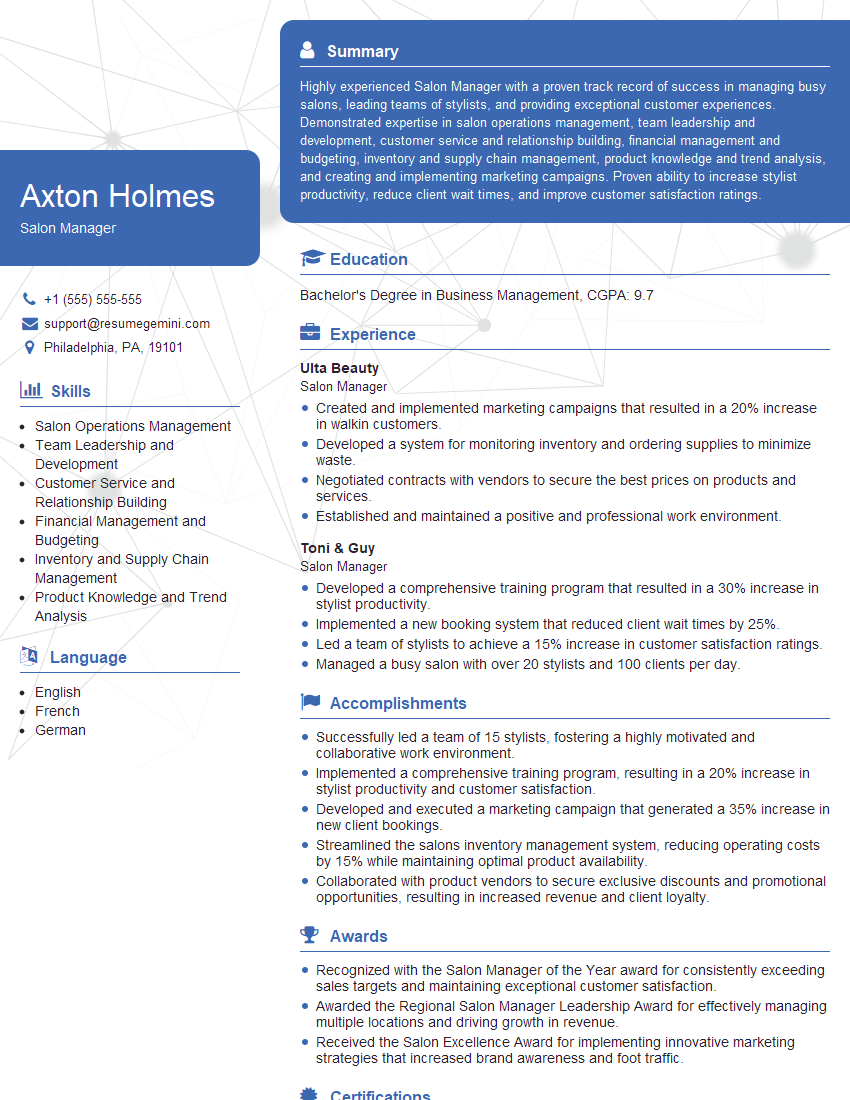
Salon Manager Resume Sample
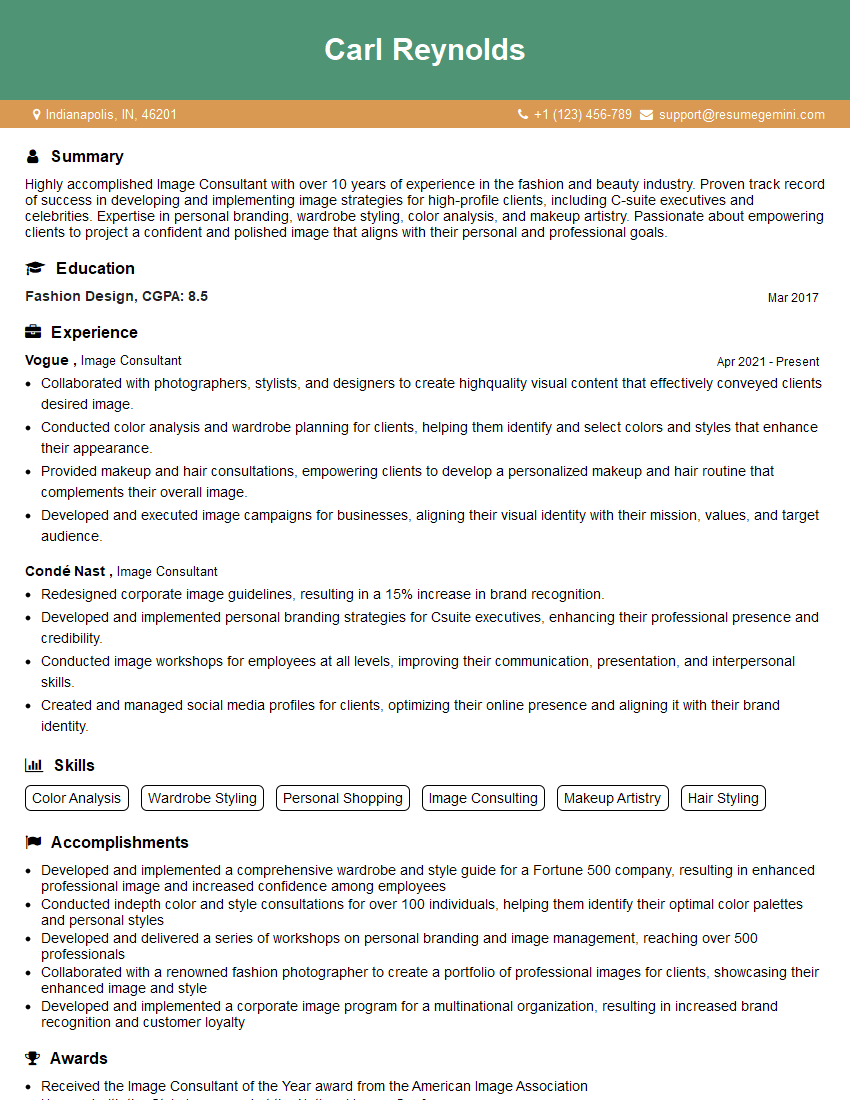
Image Consultant Resume Sample
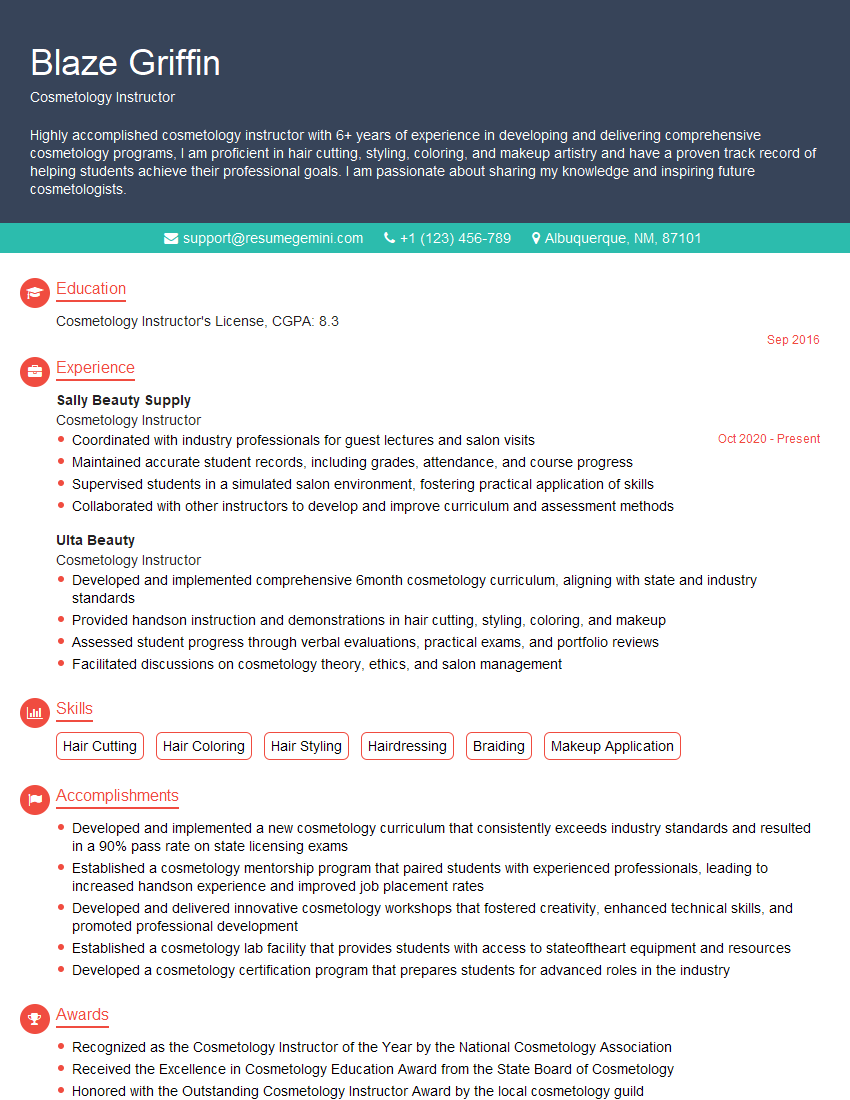
Cosmetology Instructor Resume Sample
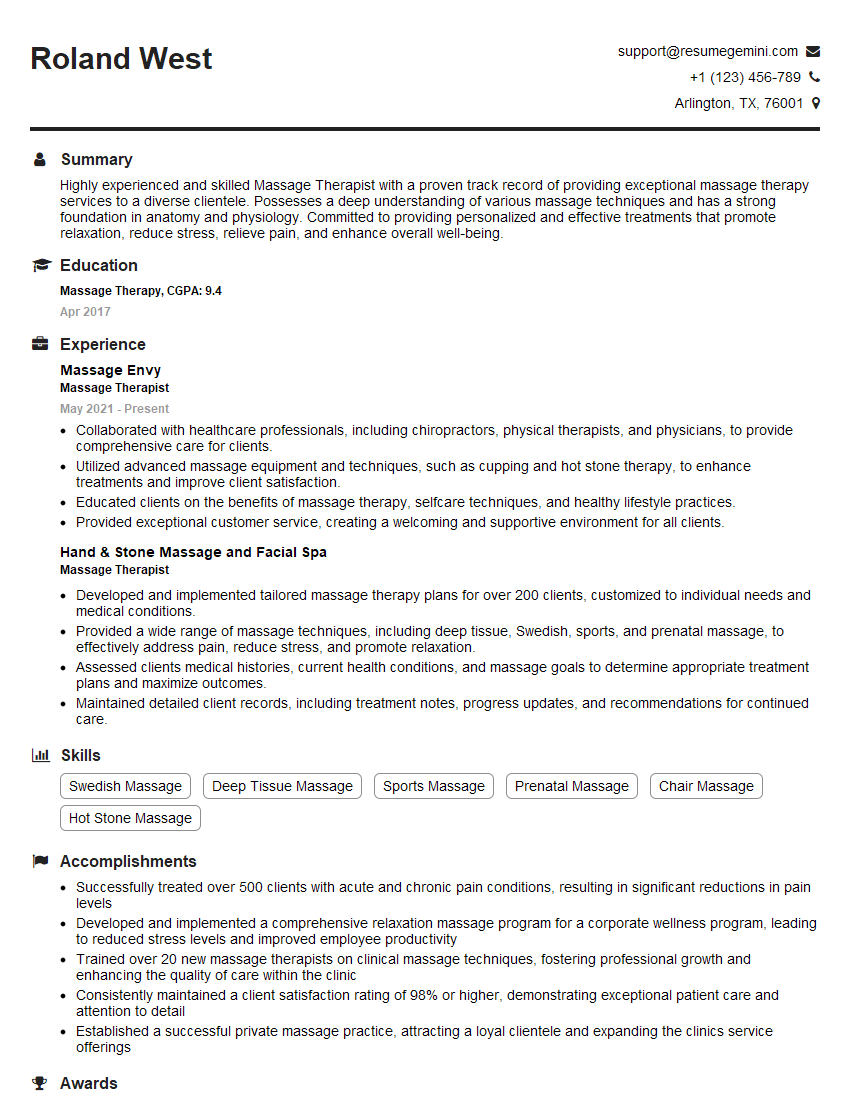
Massage Therapist Resume Sample
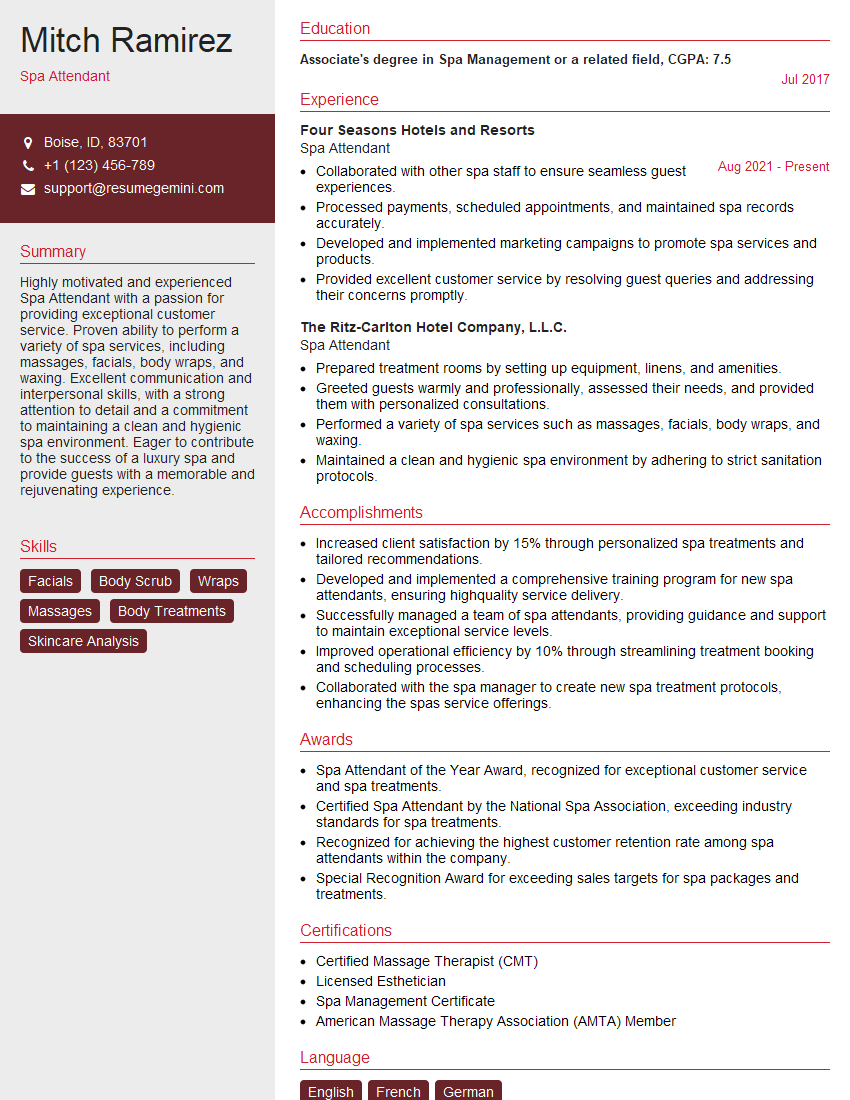
Spa Attendant Resume Sample
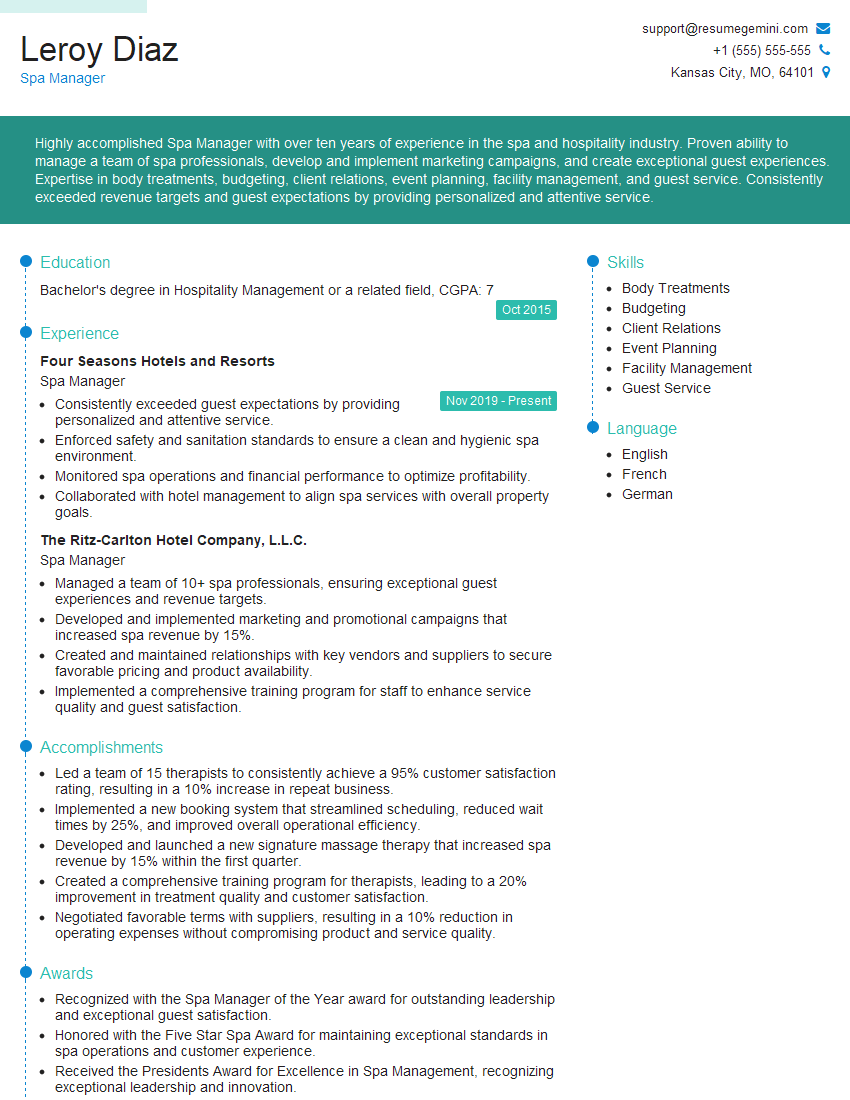
Spa Manager Resume Sample
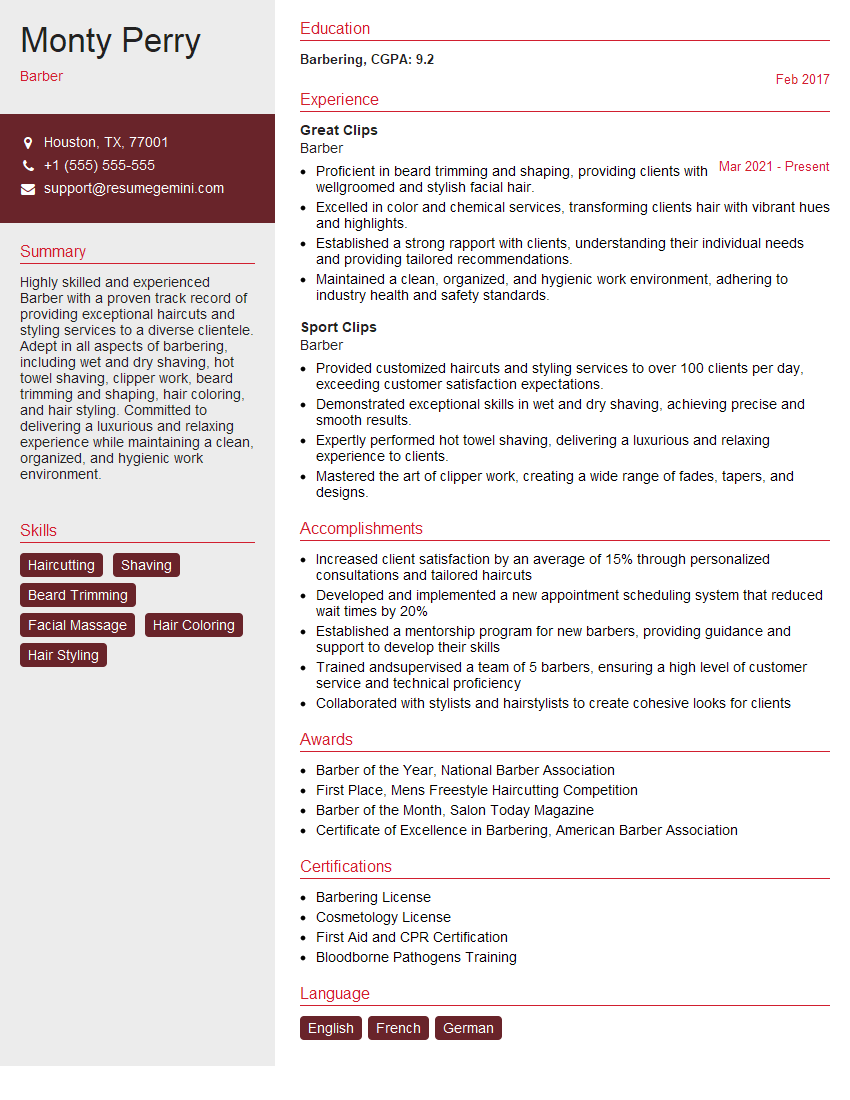
Barber Resume Sample
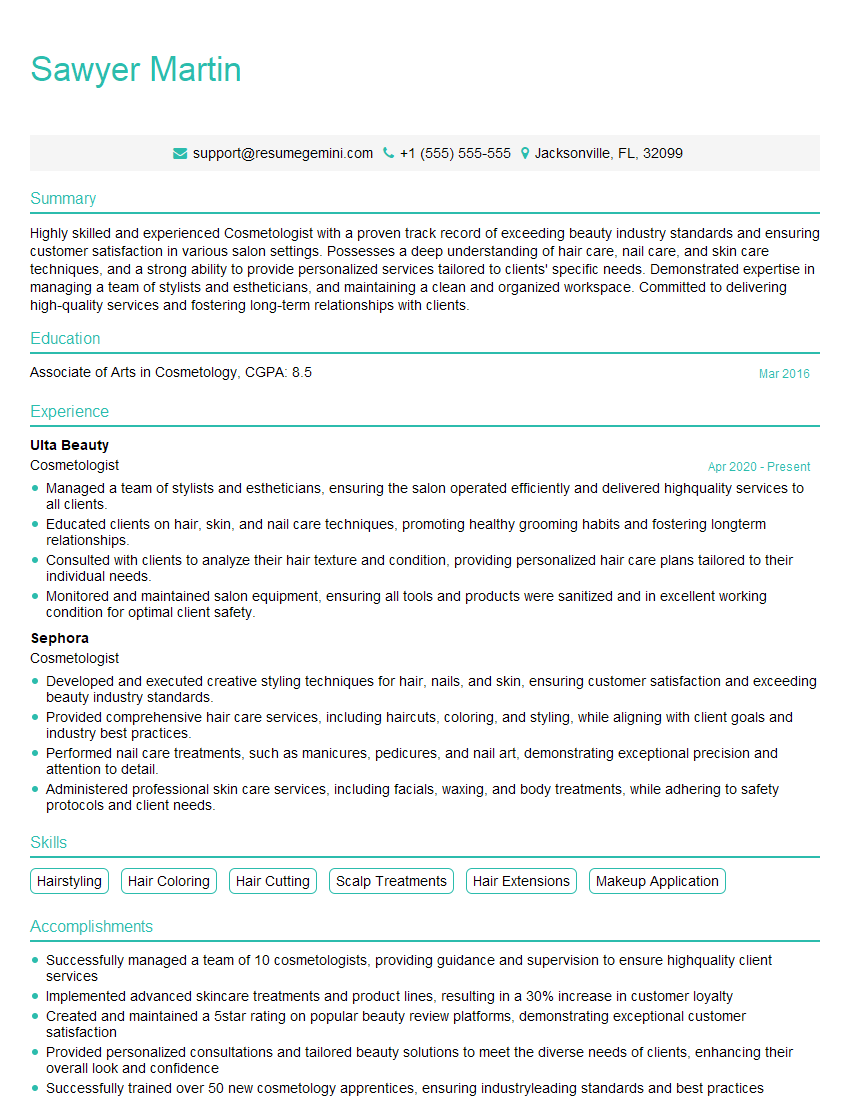
Cosmetologist Resume Sample
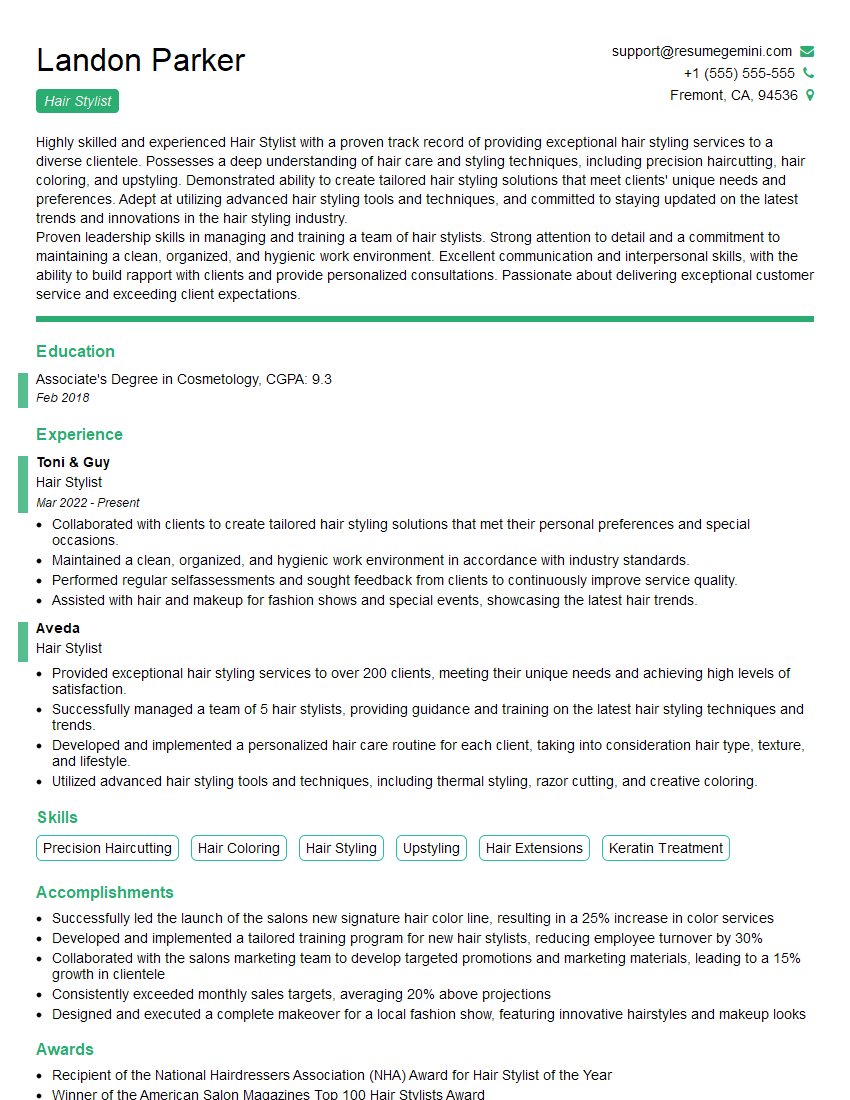
Hair Stylist Resume Sample
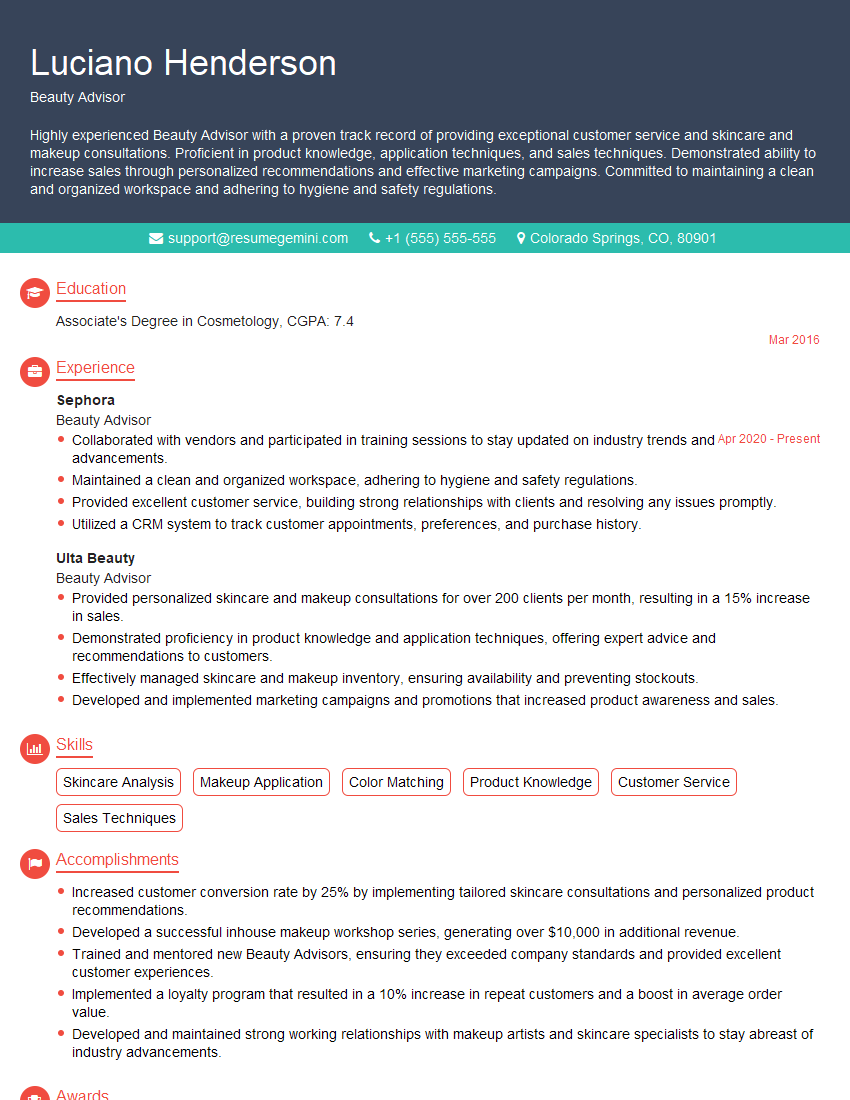
Beauty Advisor Resume Sample
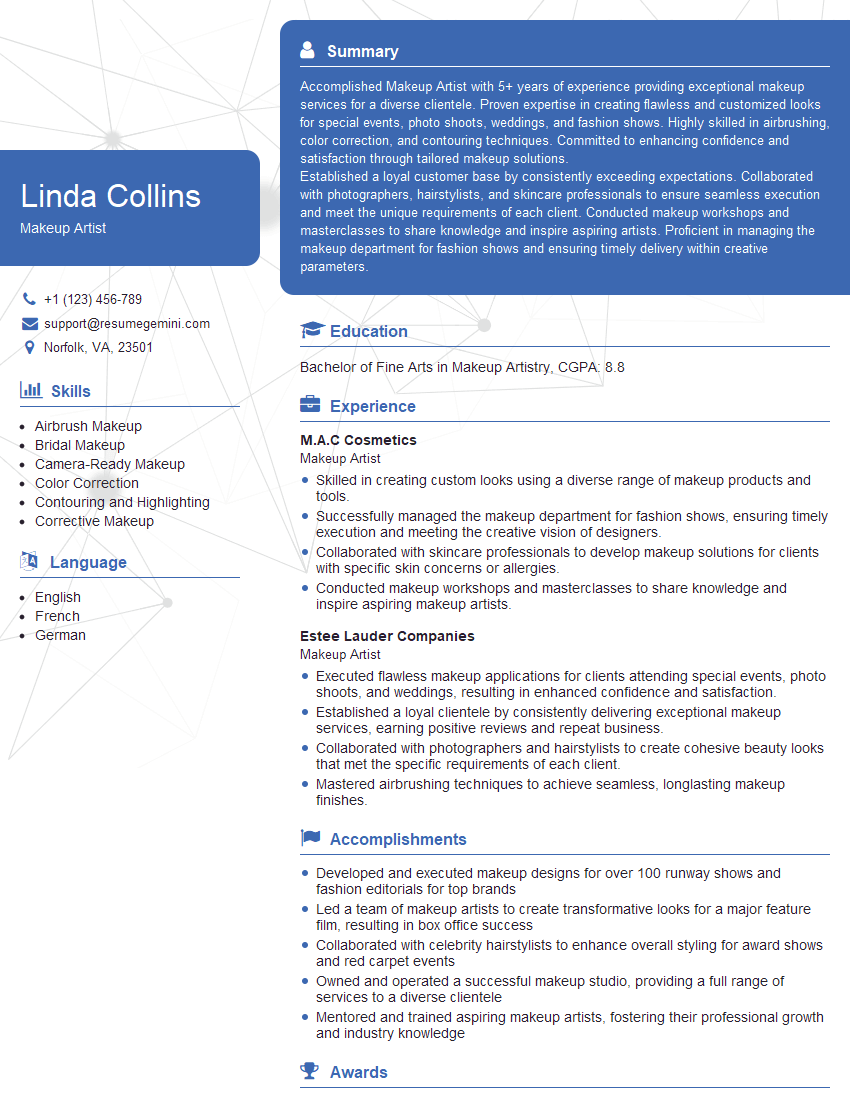
Makeup Artist Resume Sample
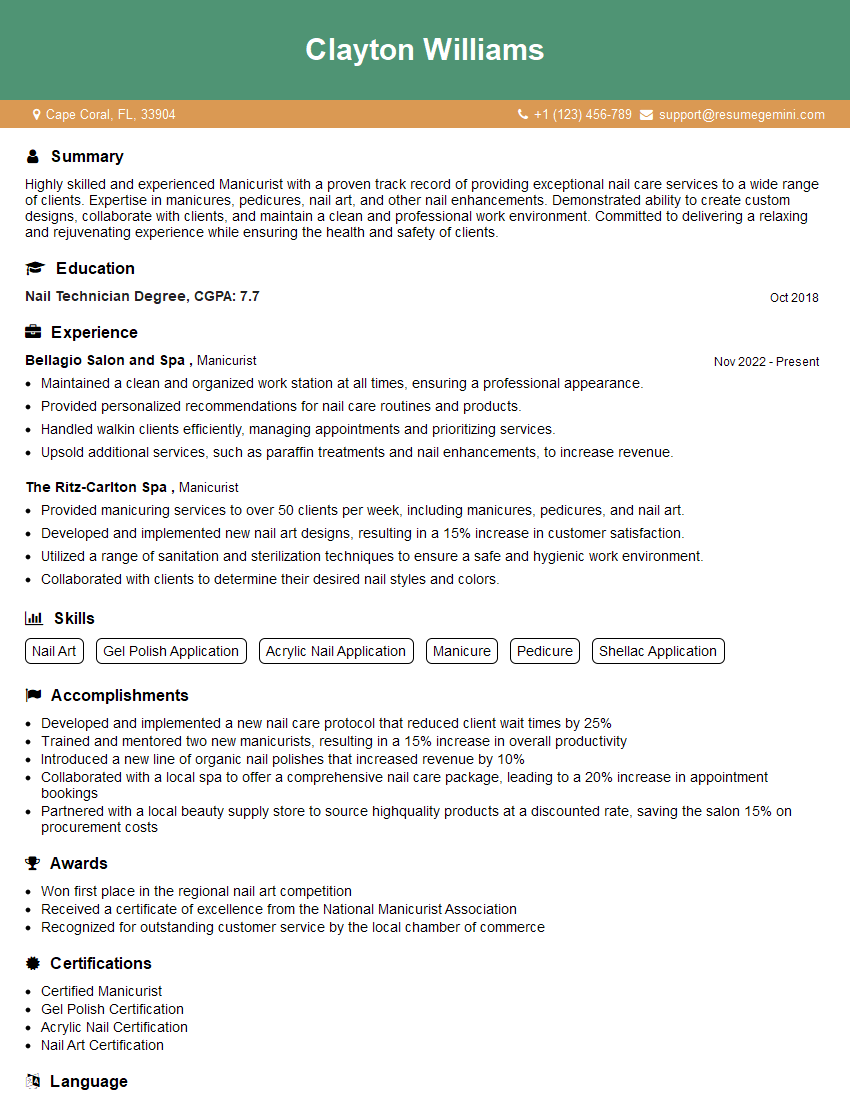
Manicurist Resume Sample
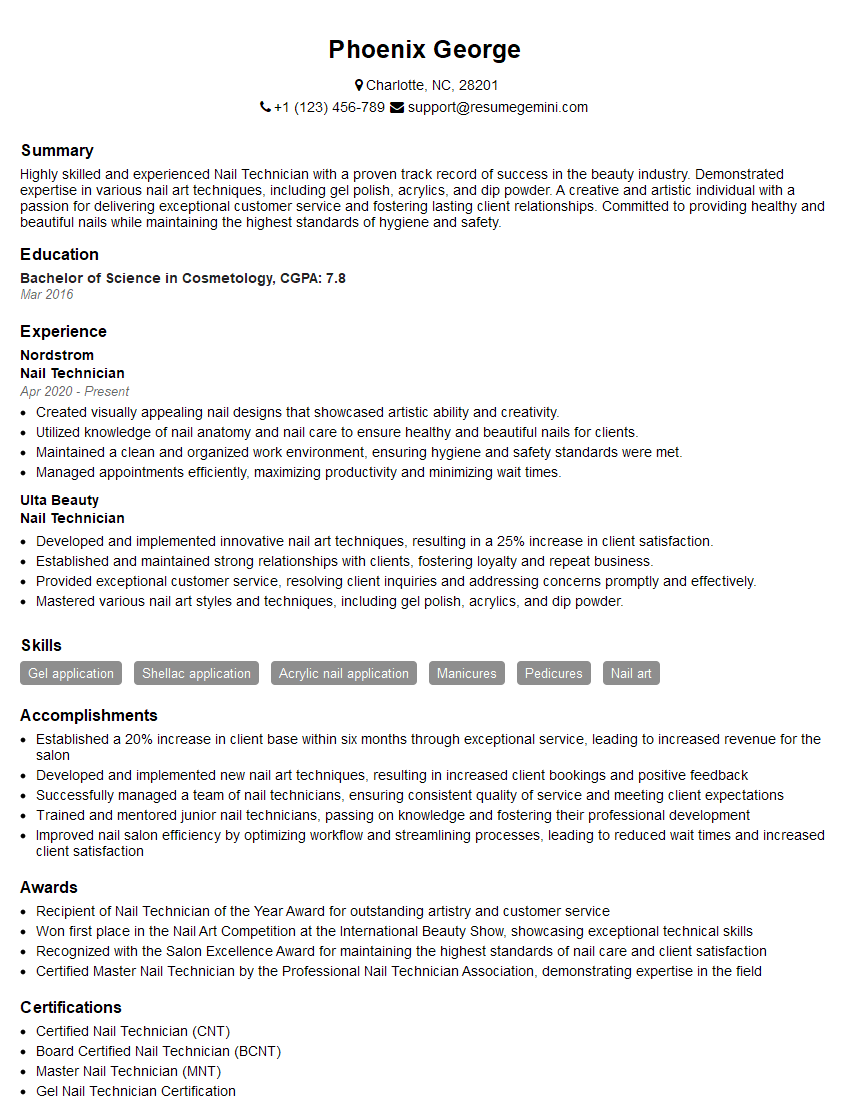
Nail Technician Resume Sample
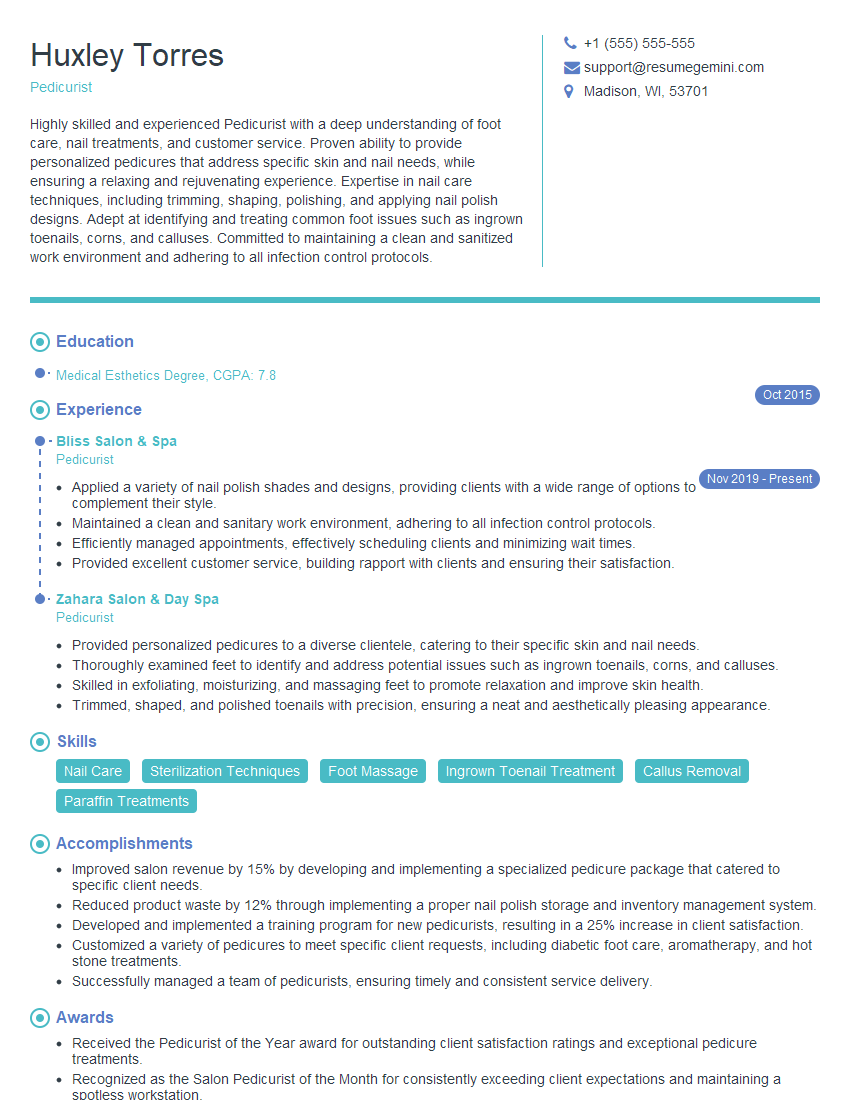
Pedicurist Resume Sample
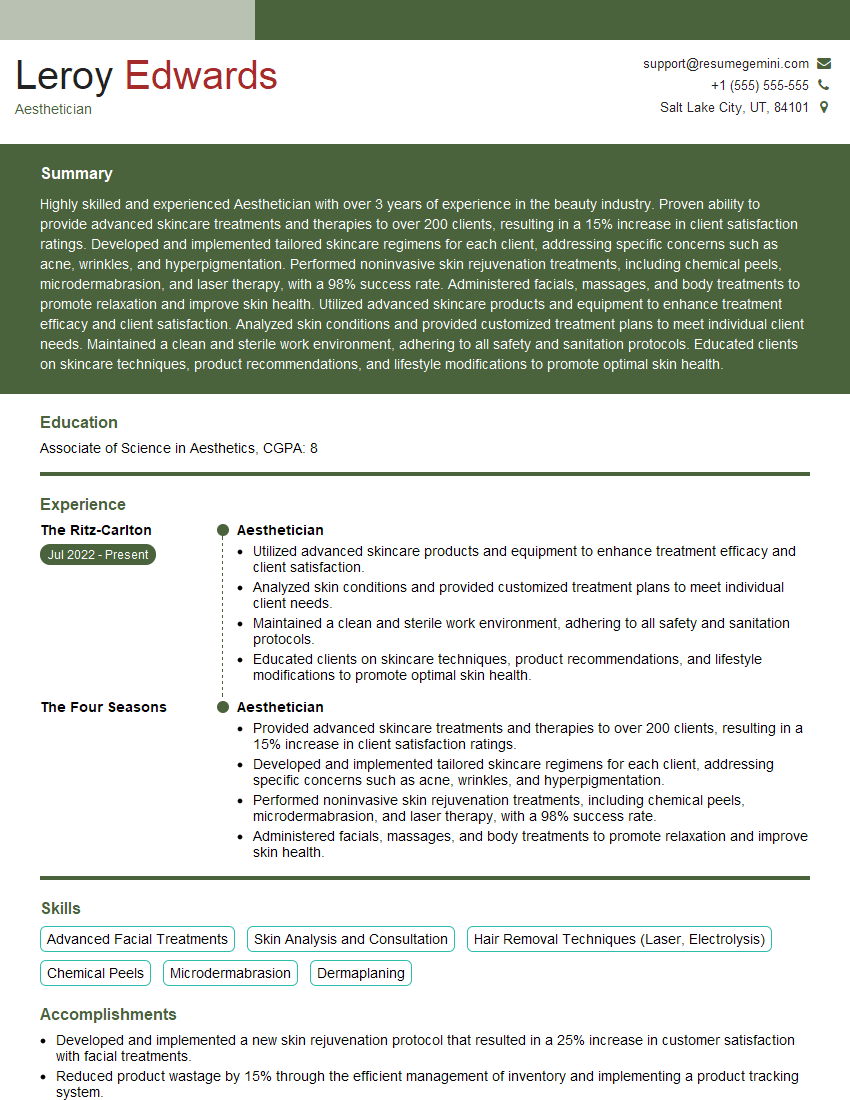
Aesthetician Resume Sample
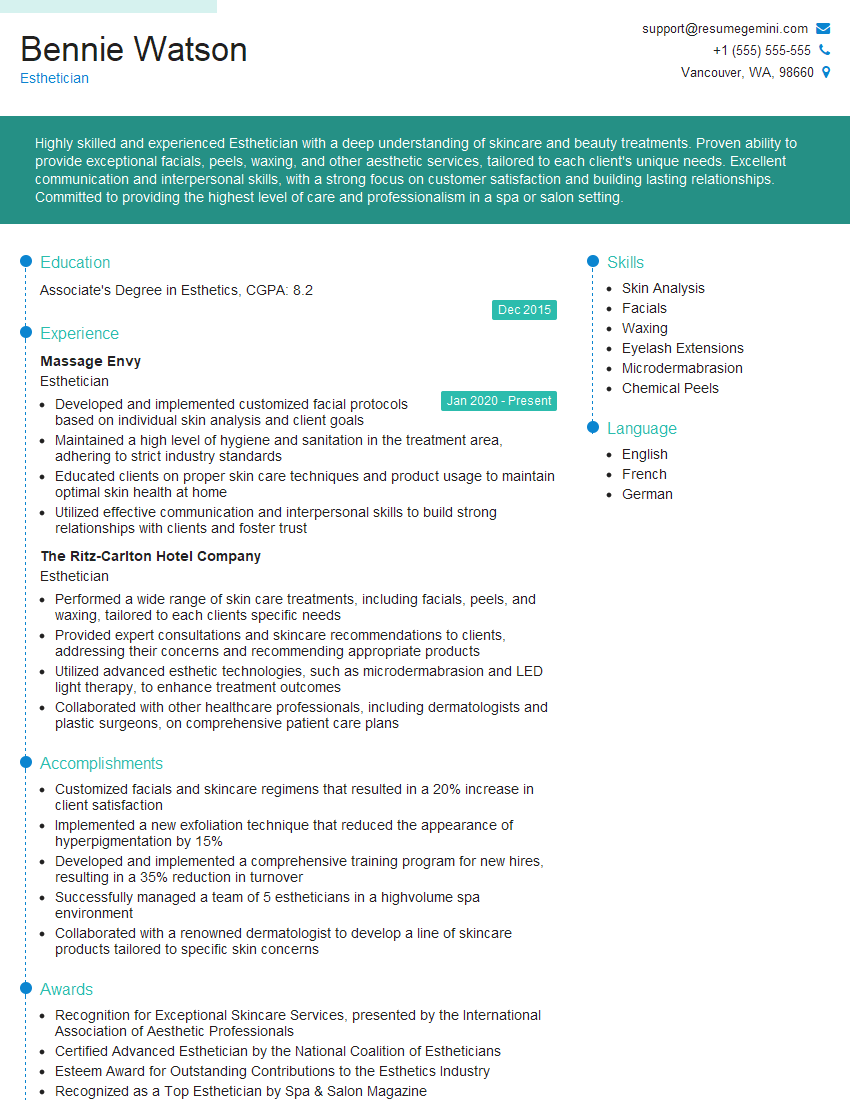
Esthetician Resume Sample
Explore more articles
Users Rating of Our Blogs
Share Your Experience
We value your feedback! Please rate our content and share your thoughts (optional).
What Readers Say About Our Blog
Very informative content, great job.
good