Interviews are opportunities to demonstrate your expertise, and this guide is here to help you shine. Explore the essential Work effectively in a fast-paced environment interview questions that employers frequently ask, paired with strategies for crafting responses that set you apart from the competition.
Questions Asked in Work effectively in a fast-paced environment Interview
Q 1. Describe a time you successfully managed multiple priorities under tight deadlines.
Successfully managing multiple priorities under tight deadlines requires a strategic approach combining planning, prioritization, and efficient execution. Think of it like conducting an orchestra – each instrument (task) has its own part, but the conductor (you) ensures everything comes together harmoniously and on time.
During a product launch, I was responsible for managing the marketing campaign, coordinating with the development team on bug fixes, and ensuring all documentation was finalized. All three had incredibly tight deadlines converging within a week. My approach involved creating a detailed project timeline using a Gantt chart, breaking down each task into smaller, manageable steps. I then prioritized tasks based on urgency and impact, utilizing the Eisenhower Matrix (Urgent/Important) to focus on the most critical items first. I held daily stand-up meetings with relevant teams to address roadblocks immediately and ensure everyone stayed aligned. Effective communication was crucial; I proactively updated stakeholders on progress and any potential delays, ensuring transparency throughout the process. The product launch was successful, achieving all key performance indicators within the timeframe.
Q 2. How do you prioritize tasks when faced with competing demands?
Prioritizing tasks with competing demands is a critical skill in a fast-paced environment. I utilize a multi-faceted approach which combines several techniques. The first step is clarity – truly understanding the scope and importance of each task. I use the Eisenhower Matrix (Urgent/Important) to categorize tasks: Do First (Urgent/Important), Schedule (Important/Not Urgent), Delegate (Urgent/Not Important), and Eliminate (Not Urgent/Not Important). This helps me focus my energy on high-impact activities. Next, I consider dependencies – some tasks rely on others, and I sequence them accordingly. Finally, I factor in resource availability – time, personnel, and tools. This holistic approach ensures I’m addressing the most critical tasks first while managing my resources effectively. Think of it as a well-orchestrated project roadmap ensuring efficient use of your resources and achieving maximum impact.
Q 3. What strategies do you employ to stay organized in a chaotic work environment?
Staying organized in a chaotic environment demands proactive strategies that go beyond simple to-do lists. I use a combination of digital and analog tools to ensure I maintain control. Digitally, I leverage project management software like Asana or Trello to track tasks, deadlines, and team progress. This enables me to visualize my workload and identify potential bottlenecks. I also utilize a detailed calendar system, color-coding appointments and blocking out focused work time to minimize interruptions. Analogically, I use physical notebooks for brainstorming and jotting down quick notes. This allows for a fluid workflow where I can easily capture ideas and action items without disrupting my digital workflow. The key is finding the system that works best for *you* – a blend of tools that promotes both clarity and flexibility.
Q 4. Explain your approach to managing unexpected challenges or interruptions.
Unexpected challenges and interruptions are inevitable in a fast-paced setting. My approach is to remain calm and assess the situation methodically. First, I determine the urgency and impact of the interruption. Is it a critical issue requiring immediate attention, or can it be addressed later? If immediate action is needed, I will pause my current task, address the challenge, and then return to my original work. If it’s less urgent, I’ll add it to my task list, prioritizing it based on the Eisenhower Matrix. Effective communication is key; I inform relevant stakeholders about the interruption and any potential impact on deadlines. Finally, I document the interruption and its resolution to prevent similar issues in the future. This allows for continuous improvement and efficient crisis management.
Q 5. How do you adapt your work style to changing priorities or new information?
Adaptability is paramount in a dynamic work environment. I embrace change by actively seeking out new information and being open to adjustments in my workflow. When priorities shift, I revisit my task list and re-prioritize based on the new information using the frameworks I’ve already discussed (Eisenhower Matrix, project management software). I’m comfortable re-evaluating my strategies and adjusting my approach to ensure alignment with the evolving needs. This involves actively communicating with team members and stakeholders, ensuring everyone understands the adjustments and how they will affect the overall project. Flexibility is key; I aim to be proactive rather than reactive to changes, anticipating potential shifts and preparing accordingly.
Q 6. Describe a time you had to make a quick decision under pressure. What was the outcome?
During a major client presentation, a key data point was revealed to be inaccurate just minutes before the start. The pressure was immense. My approach was to remain calm, quickly assess the situation, and make a decisive choice. I opted for transparency, informing the client of the error immediately and offering a revised, conservative interpretation of the data based on available information. While the initial reaction was concern, the client appreciated my honesty and swift response. The outcome was positive – it demonstrated integrity and problem-solving skills. While the initial error was unfortunate, the transparent and decisive action helped preserve the client relationship and maintain their trust. It underscores that honesty and prompt action are often the best approach, even under immense pressure.
Q 7. How do you handle stress and maintain productivity during busy periods?
Managing stress and maintaining productivity during busy periods requires a proactive approach incorporating both mental and physical strategies. I prioritize sleep, exercise, and a healthy diet – these are fundamental to my well-being and ability to focus. I also incorporate mindfulness techniques, like short meditation breaks, to clear my head and reduce stress. Time blocking in my calendar also ensures dedicated time for focused work interspersed with short breaks to prevent burnout. Communication is vital; I openly communicate with my team and manager about my workload to prevent overcommitment. Finally, I celebrate small wins along the way, acknowledging accomplishments and maintaining a positive mindset. This holistic approach ensures I can navigate busy periods effectively while maintaining both my productivity and my well-being.
Q 8. What tools or techniques do you use to manage your time effectively?
Effective time management in a fast-paced environment is crucial. My approach is multifaceted, relying on a combination of tools and techniques. I start with prioritization, using methods like the Eisenhower Matrix (urgent/important) to categorize tasks and focus on high-impact activities first. Then, I utilize time-blocking, scheduling specific blocks of time for focused work on particular projects. This minimizes context switching and improves concentration.
I rely heavily on digital tools like task management software (Asana, Trello, Monday.com) to track progress, set deadlines, and collaborate with team members. These tools allow for clear visibility of tasks and deadlines, preventing oversight. Finally, I regularly review my schedule and adjust as needed, recognizing that flexibility is key in a dynamic work environment. For instance, I might dedicate the first hour of my day to responding to urgent emails, before moving on to more strategic tasks.
Q 9. How do you delegate tasks effectively in a fast-paced setting?
Delegation in a fast-paced setting requires careful consideration and trust. It’s not just about offloading tasks, but about empowering team members. I begin by clearly defining the task, its objectives, and expected outcomes. This includes setting clear deadlines and providing any necessary resources or support. I choose the right person for the job, considering their skills, experience, and workload.
Open communication is critical. I keep the delegated individual updated on any relevant changes and encourage them to ask questions. Regular check-ins help monitor progress and offer support without micromanaging. For example, instead of assigning a task with vague instructions, I’d provide a detailed brief outlining the steps, desired results, and potential challenges, enabling the team member to own the process.
Q 10. Describe your experience working on multiple projects simultaneously.
Juggling multiple projects simultaneously is a regular occurrence for me. My approach involves a structured organizational system. I break down each project into smaller, manageable tasks, assigning deadlines to each. I use a Kanban board or similar visual system to track progress across all projects. This provides a clear overview of where I am in each project and helps prioritize tasks based on urgency and dependencies.
For example, I might be working on a marketing campaign launch, a website redesign, and client presentations concurrently. The visual board lets me see at a glance which task is due next, regardless of which project it belongs to. This prevents me from getting bogged down in one project while others fall behind.
Q 11. How do you ensure accuracy and quality of work when operating under pressure?
Maintaining accuracy and quality under pressure requires a proactive approach. First, I focus on thorough planning and preparation. This reduces the likelihood of errors later. Second, I utilize checklists and standardized procedures to ensure consistent execution. These methods help automate certain processes and reduce the chance of human error when working against a tight deadline.
Regular self-checks and peer reviews are crucial. I build time into my schedule to review my work and catch any mistakes before they escalate. Finally, I actively manage stress levels through techniques such as short breaks and mindfulness exercises. This helps maintain focus and clarity, even when under immense pressure. For instance, before submitting a critical report, I always review it meticulously, comparing it against the requirements and looking for potential inconsistencies.
Q 12. How do you communicate effectively in a fast-paced environment with multiple stakeholders?
Effective communication is paramount in a fast-paced environment with multiple stakeholders. I prioritize clear, concise, and frequent communication. I use various methods, such as regular team meetings (virtual or in-person), instant messaging for quick updates, and email for formal communications. I tailor my communication style to each stakeholder, understanding their needs and preferences.
For instance, I might use concise bullet points for a busy executive, while providing more detailed information for a technical team member. Active listening is essential; I always strive to understand other perspectives to ensure everyone is on the same page. Regular status updates are key, keeping stakeholders informed of progress, challenges, and potential roadblocks, ensuring transparency and alignment.
Q 13. Describe a situation where you had to make a difficult decision with limited information.
In a previous role, we faced a critical system failure with limited information on the root cause. We had to quickly decide whether to implement a temporary fix that might have long-term implications, or to wait for a complete diagnosis, risking further downtime.
I advocated for a risk assessment, gathering the available data to evaluate both options. We weighed the potential short-term and long-term consequences of each decision. This involved consulting with the engineering team, assessing the impact on clients, and considering the potential financial repercussions. Ultimately, we opted for the temporary fix, understanding the risks, but recognizing it minimized immediate disruption. The decision was monitored closely, and we quickly transitioned to a permanent solution once the root cause was identified. The success of the temporary fix, and our ability to quickly adapt and transition, showcases a decisive, data-driven approach to high-pressure situations.
Q 14. What is your process for identifying and addressing bottlenecks in workflow?
Identifying and addressing workflow bottlenecks requires a systematic approach. I begin by observing the workflow, identifying points of congestion or delays. This often involves data analysis to pinpoint areas with high wait times or low throughput. I then engage with team members to understand the root causes of these bottlenecks. Is it a lack of resources, inefficient processes, or communication breakdowns?
Once the root cause is identified, I collaborate with the team to implement solutions. These solutions might involve process re-engineering, automation, or improved resource allocation. For example, if the bottleneck was due to a slow approval process, we might implement an automated approval system or streamline the approval steps. Regular monitoring and adjustments are critical to ensure the implemented solutions are effective and sustainable.
Q 15. How do you proactively identify and mitigate potential risks in fast-paced projects?
Proactive risk mitigation in fast-paced projects is about anticipating potential problems before they derail progress. It’s less about reacting to fires and more about preventing them from starting. I approach this using a structured, multi-step process.
- Risk Identification: I start by brainstorming potential issues during the initial project planning phase. This includes reviewing project documentation, consulting with team members, and considering past project experiences. Tools like SWOT analysis (Strengths, Weaknesses, Opportunities, Threats) can be very effective here.
- Risk Assessment: Once identified, I evaluate each risk by considering its likelihood and potential impact. A simple matrix can help visualize this, with low/medium/high scores for both likelihood and impact. High-likelihood, high-impact risks require immediate attention.
- Risk Response Planning: For each risk, I develop a mitigation strategy. This might involve developing contingency plans, allocating additional resources, implementing stricter quality controls, or simply identifying a responsible party for monitoring the risk. For instance, if a key supplier is unreliable, we might secure a secondary supplier or build in extra lead time.
- Monitoring and Control: Continuous monitoring is crucial. I regularly review the project’s progress and track identified risks to ensure the mitigation strategies are working. Adjustments to plans may be necessary throughout the project lifecycle.
For example, in a recent marketing campaign launch, we identified a risk of server overload due to high expected traffic. Our mitigation plan included scaling up server capacity before launch and having a dedicated team monitoring server performance in real-time. This proactive approach prevented any significant service disruptions.
Career Expert Tips:
- Ace those interviews! Prepare effectively by reviewing the Top 50 Most Common Interview Questions on ResumeGemini.
- Navigate your job search with confidence! Explore a wide range of Career Tips on ResumeGemini. Learn about common challenges and recommendations to overcome them.
- Craft the perfect resume! Master the Art of Resume Writing with ResumeGemini’s guide. Showcase your unique qualifications and achievements effectively.
- Don’t miss out on holiday savings! Build your dream resume with ResumeGemini’s ATS optimized templates.
Q 16. How do you handle conflicting deadlines or competing priorities?
Conflicting deadlines and competing priorities are common in fast-paced environments. My approach is based on prioritization, clear communication, and efficient time management.
- Prioritization: I use methods like the Eisenhower Matrix (Urgent/Important) to categorize tasks. Focusing on high-impact, urgent tasks first is crucial. This may involve having open discussions with stakeholders to adjust expectations if necessary, explaining the trade-offs involved.
- Communication: Open and transparent communication is paramount. I clearly communicate competing priorities to stakeholders, explaining my approach to prioritization and outlining potential delays if needed. Proactive communication prevents misunderstandings and maintains alignment.
- Time Management: Effective time blocking and task delegation are critical. I break down large tasks into smaller, manageable chunks and utilize time management techniques like Pomodoro to maintain focus and avoid burnout. Where possible, I delegate tasks to team members based on their skills and availability.
- Negotiation and Compromise: Sometimes, compromises are inevitable. I actively engage in discussions with stakeholders to find mutually acceptable solutions, exploring options such as shifting deadlines, adjusting scope, or reallocating resources.
For instance, in a previous project, we had a tight deadline for a software release coinciding with a demanding marketing campaign. Through clear communication and prioritization, we successfully released the software on time by focusing on core functionalities first while delaying some less critical features.
Q 17. How do you stay focused and avoid burnout in a demanding work environment?
Maintaining focus and avoiding burnout in a demanding environment requires a conscious and multifaceted approach. It’s not just about working harder, but working smarter and taking care of yourself.
- Prioritization and Time Management: As discussed earlier, effective prioritization and time management are fundamental. Knowing what to focus on and when helps avoid feeling overwhelmed.
- Breaks and Downtime: Regular breaks are essential. Short, frequent breaks throughout the day, coupled with longer breaks for lunch and personal time, are crucial for maintaining focus and preventing burnout. Stepping away from work helps clear your head and return with renewed energy.
- Mindfulness and Stress Management: Practicing mindfulness techniques, such as meditation or deep breathing, can help manage stress and improve focus. Engaging in activities outside of work, like exercise or hobbies, helps maintain a healthy work-life balance.
- Delegation and Teamwork: Don’t be afraid to delegate tasks to others when appropriate. Effective teamwork shares the workload and prevents individuals from feeling overloaded. Supporting colleagues also builds a strong team environment that mitigates stress.
- Setting Boundaries: Establishing clear boundaries between work and personal life is critical. This might involve setting specific work hours, disconnecting from work emails and notifications outside of those hours, and making time for family and friends.
I find that regular exercise and spending time with loved ones are key to preventing burnout. It’s a continuous process, but prioritizing self-care is an investment in long-term productivity and well-being.
Q 18. How do you leverage technology to improve efficiency and productivity?
Technology is a game-changer in enhancing efficiency and productivity in a fast-paced environment. I leverage various tools to streamline workflows and maximize output.
- Project Management Software: Tools like Jira, Asana, or Trello help manage tasks, track progress, and facilitate communication within the team. These platforms allow for centralized task assignment, progress monitoring, and efficient collaboration.
- Communication Platforms: Slack, Microsoft Teams, or similar tools enhance real-time communication, reducing reliance on email and ensuring quick responses to queries. This minimizes delays and improves team coordination.
- Automation Tools: Automating repetitive tasks using tools like Zapier or IFTTT frees up time for more strategic work. This might include automating email responses, data entry, or social media posting.
- Data Analytics Tools: Using data analytics tools to track key metrics and identify areas for improvement allows for data-driven decision-making and continuous process optimization. This involves monitoring productivity, identifying bottlenecks, and measuring the impact of implemented changes.
For example, in a previous project, we utilized Jira to manage the development workflow, Slack for real-time communication, and Google Analytics to monitor the performance of our marketing campaigns. This integrated approach significantly improved our efficiency and allowed us to adapt quickly to changing needs.
Q 19. Describe your experience with project management methodologies (e.g., Agile, Scrum).
I have extensive experience with Agile and Scrum methodologies, particularly in fast-paced project environments. Agile’s iterative approach and emphasis on flexibility are perfectly suited for dynamic situations.
- Agile Principles: I embrace the core agile principles, including iterative development, continuous feedback, collaboration, and adaptability. This allows for quick adjustments to changing requirements and priorities.
- Scrum Framework: I’ve actively participated in Scrum teams, taking on various roles such as Scrum Master or Development Team member. I am familiar with sprint planning, daily stand-ups, sprint reviews, and retrospectives. These ceremonies ensure transparency and accountability.
- Kanban: I’ve also used Kanban boards to visualize workflow and identify bottlenecks. This helps track progress effectively and optimize resource allocation.
- Adaptability: The key to successful implementation of these methodologies is adaptability. I am comfortable modifying processes to suit specific project needs and team dynamics.
In a recent project, we used Scrum to develop a new mobile application. The iterative approach allowed us to gather user feedback early and often, resulting in a product that better met user needs. The daily stand-ups kept everyone aligned and identified potential roadblocks promptly.
Q 20. How do you measure your success in a fast-paced environment?
Measuring success in a fast-paced environment goes beyond simply meeting deadlines. It requires a holistic approach that considers various key performance indicators (KPIs).
- On-Time and On-Budget Delivery: Meeting deadlines and adhering to the budget remain important benchmarks. However, this is just the baseline.
- Quality of Deliverables: The quality of the work produced is crucial. This might involve meeting specific quality standards, receiving positive user feedback, or achieving desired outcomes.
- Client Satisfaction: Happy clients are a key indicator of success, even in fast-paced projects. Regular feedback sessions and addressing client concerns promptly are vital.
- Team Morale and Collaboration: Maintaining a positive and collaborative team environment contributes to overall project success. Measuring team morale and identifying areas for improvement is important for long-term performance.
- Adaptability and Problem-Solving: In fast-paced environments, the ability to adapt to changing circumstances and effectively solve problems is vital. Success is measured by how effectively challenges are overcome.
For example, successfully launching a product on time and within budget while achieving high customer satisfaction scores, receiving positive team feedback, and effectively managing unforeseen challenges would indicate a highly successful project.
Q 21. How do you handle feedback, both positive and negative, in a high-pressure situation?
Handling feedback, both positive and negative, effectively in a high-pressure situation is essential for continuous improvement and maintaining a positive work environment.
- Active Listening: When receiving feedback, I actively listen without interruption, seeking to understand the perspective of the person providing the feedback.
- Seeking Clarification: If something is unclear, I ask clarifying questions to ensure I fully understand the feedback before reacting.
- Positive Feedback: Positive feedback is acknowledged and appreciated. I express gratitude and use the positive reinforcement to boost motivation and maintain morale.
- Constructive Criticism: Negative feedback is viewed as an opportunity for growth. I remain calm and professional, focusing on the specific points raised. I avoid getting defensive and instead seek to understand the underlying concerns.
- Actionable Steps: Following feedback, I outline actionable steps to address the concerns raised. This demonstrates a commitment to improvement and shows that the feedback was valued.
- Follow-Up: Following up on the implemented changes shows that the feedback was taken seriously and allows for further clarification or discussion if needed.
For example, in a previous project, receiving constructive criticism about a technical aspect of our solution allowed us to make significant improvements, enhancing the overall quality of the final product. By addressing the feedback proactively, we strengthened our relationship with stakeholders and improved the project outcome.
Q 22. Describe your experience using collaboration tools in a fast-paced team environment.
In fast-paced environments, effective collaboration is paramount. My experience spans utilizing various tools like Slack for quick communication and project updates, Microsoft Teams for video conferencing and file sharing, and Jira for agile project management and task tracking. For instance, during a product launch at my previous company, we used Slack for real-time problem-solving, Teams for daily stand-up meetings, and Jira to monitor progress on individual tasks and sprints. This integrated approach ensured seamless information flow, minimizing delays and maximizing productivity.
Beyond specific tools, I’ve found that the most effective collaboration hinges on establishing clear roles and responsibilities, maintaining open communication channels, and fostering a culture of mutual respect and support within the team. For example, I often proactively share updates, even minor ones, to maintain transparency and prevent misunderstandings. This proactive approach minimizes the risk of conflicts and ensures everyone is on the same page.
Q 23. How do you ensure clear communication and alignment within a team under pressure?
Clear communication and alignment under pressure are crucial. My approach involves several key strategies: First, I ensure concise and frequent communication. Instead of lengthy emails, I prefer short, targeted messages or quick calls to address urgent matters. Second, I leverage visual aids like flowcharts or Kanban boards to illustrate complex information clearly. Third, I always confirm understanding. After delivering information, I actively solicit feedback and clarify any questions to ensure everyone is on the same page. During a particularly hectic period involving a major system upgrade, I used a combination of daily stand-up meetings with a clear agenda and a shared online project board to track progress and address any arising issues quickly.
Finally, I prioritize active listening and empathy. Understanding team members’ concerns and perspectives is essential for building trust and fostering a collaborative environment, even during stressful situations. This often involves taking a moment to address individual concerns, which, while seemingly time-consuming, often prevents larger conflicts down the line and increases overall team efficiency.
Q 24. What is your preferred method for tracking progress on multiple projects?
My preferred method for tracking multiple projects involves a combination of tools and techniques. I typically use project management software like Asana or Trello to create individual boards for each project, visually outlining tasks, deadlines, and assigned team members. I also utilize a personal task management system like a digital calendar or to-do list to track my individual contributions to each project. This two-pronged approach allows for high-level overview of all projects alongside granular focus on individual tasks.
This system allows for a clear bird’s-eye view of all ongoing projects and deadlines, while also providing a detailed breakdown of my individual responsibilities. This structure ensures I don’t miss deadlines or lose track of critical tasks within the larger context of all my ongoing responsibilities. Regular reviews and updates are key to maintaining the accuracy and usefulness of this system.
Q 25. How do you maintain a positive attitude and team morale in a challenging work environment?
Maintaining a positive attitude and team morale in a challenging work environment is essential. I believe in leading by example, demonstrating resilience and a positive outlook even in the face of setbacks. I actively celebrate successes, both big and small, to reinforce a sense of accomplishment and boost team morale. I also encourage open communication and provide support to team members who are facing difficulties, emphasizing that we are all in it together. Furthermore, I actively look for opportunities to incorporate fun and team-building activities into our workflow to foster camaraderie and reduce stress.
For example, I’ve organized team lunches or informal after-work gatherings to help build stronger relationships outside of the formal work environment. This informal interaction creates space for bonding and improves collaborative communication, ultimately benefiting the team’s ability to perform under pressure. A positive and supportive environment directly contributes to increased productivity and creativity.
Q 26. Have you ever had to work with incomplete or ambiguous information? How did you handle it?
Working with incomplete or ambiguous information is a common challenge in fast-paced environments. My approach involves first identifying the missing information or clarifying the ambiguities. This often involves asking clarifying questions to stakeholders, researching relevant documentation, or analyzing available data to find clues. Once I have a clearer understanding, I develop a plan to address the uncertainties, prioritizing tasks based on urgency and importance. I also communicate my assumptions and potential risks to relevant stakeholders, ensuring transparency and collaboration in decision-making.
In one instance, I was tasked with creating a marketing campaign with limited information about the target audience. Instead of being paralyzed by the lack of information, I proactively conducted market research, analyzed competitor campaigns, and interviewed potential customers to gather the missing data. This allowed me to create a targeted and effective campaign even with initial limitations.
Q 27. Describe a time you had to learn a new skill quickly to meet a deadline.
During a crucial product launch, we needed to integrate a new analytics tool into our existing system, a skill none of us possessed. The deadline was extremely tight, so I volunteered to learn the necessary skills. I approached this by breaking down the task into smaller, manageable steps. I utilized online tutorials, documentation, and sought help from online communities. I worked late into the night and weekends to acquire the required proficiency. Within three days, I had mastered the necessary integration techniques, enabling the team to complete the launch successfully and on time.
This experience highlighted the importance of resourcefulness, self-reliance, and a willingness to step outside of one’s comfort zone when faced with time-sensitive challenges. The sense of accomplishment and the positive impact on the team were extremely rewarding. This ability to quickly learn and adapt is a key skill in any fast-paced environment.
Q 28. How do you balance the need for speed with the need for accuracy and quality?
Balancing speed and accuracy is crucial. My approach focuses on prioritizing tasks based on their impact and urgency. I use techniques like timeboxing to allocate specific time slots for individual tasks, preventing one task from derailing the entire schedule. I also employ quality control checkpoints throughout the process, ensuring that each step is completed accurately before proceeding to the next. This iterative approach allows for swift progress while maintaining a high standard of quality.
For example, if facing a tight deadline for a report, I would first outline the key sections and then dedicate specific time slots to research and write each section, incorporating a review step after each. This allows for quick progress while ensuring accuracy. While this detailed approach may seem counterintuitive to speed, the reduced need for revisions or corrections more than makes up for the upfront planning.
Key Topics to Learn for “Work Effectively in a Fast-Paced Environment” Interview
- Prioritization and Time Management: Understanding techniques like Eisenhower Matrix (urgent/important), time blocking, and effective delegation to manage competing priorities in a high-pressure setting. Practical application: Describe a situation where you successfully prioritized tasks to meet tight deadlines.
- Adaptability and Flexibility: Demonstrating the ability to adjust to changing priorities, unexpected challenges, and evolving work processes. Practical application: Provide an example of how you adapted to a sudden change in project requirements or team dynamics.
- Stress Management and Resilience: Highlighting strategies for coping with pressure, maintaining composure, and bouncing back from setbacks. Practical application: Discuss a high-stress situation and explain how you managed your response to remain productive.
- Communication and Collaboration: Emphasizing clear, concise, and efficient communication with colleagues, stakeholders, and management, especially in dynamic environments. Practical application: Describe how you facilitated effective teamwork and communication during a fast-paced project.
- Problem-Solving Under Pressure: Showcasing analytical skills and quick decision-making abilities when faced with time constraints and limited information. Practical application: Detail a scenario where you quickly identified and resolved a critical issue under pressure.
- Organization and Attention to Detail: Maintaining accuracy and efficiency even in a chaotic environment. Practical application: Explain how you ensure accuracy and prevent errors when working under tight deadlines.
Next Steps
Mastering the ability to work effectively in a fast-paced environment is crucial for career advancement. It demonstrates valuable skills highly sought after by employers across various industries. To significantly boost your job prospects, focus on building an ATS-friendly resume that clearly showcases these capabilities. ResumeGemini is a trusted resource to help you create a professional and impactful resume that highlights your skills and experience effectively. We provide examples of resumes tailored to demonstrate proficiency in “working effectively in a fast-paced environment,” helping you present yourself as the ideal candidate.
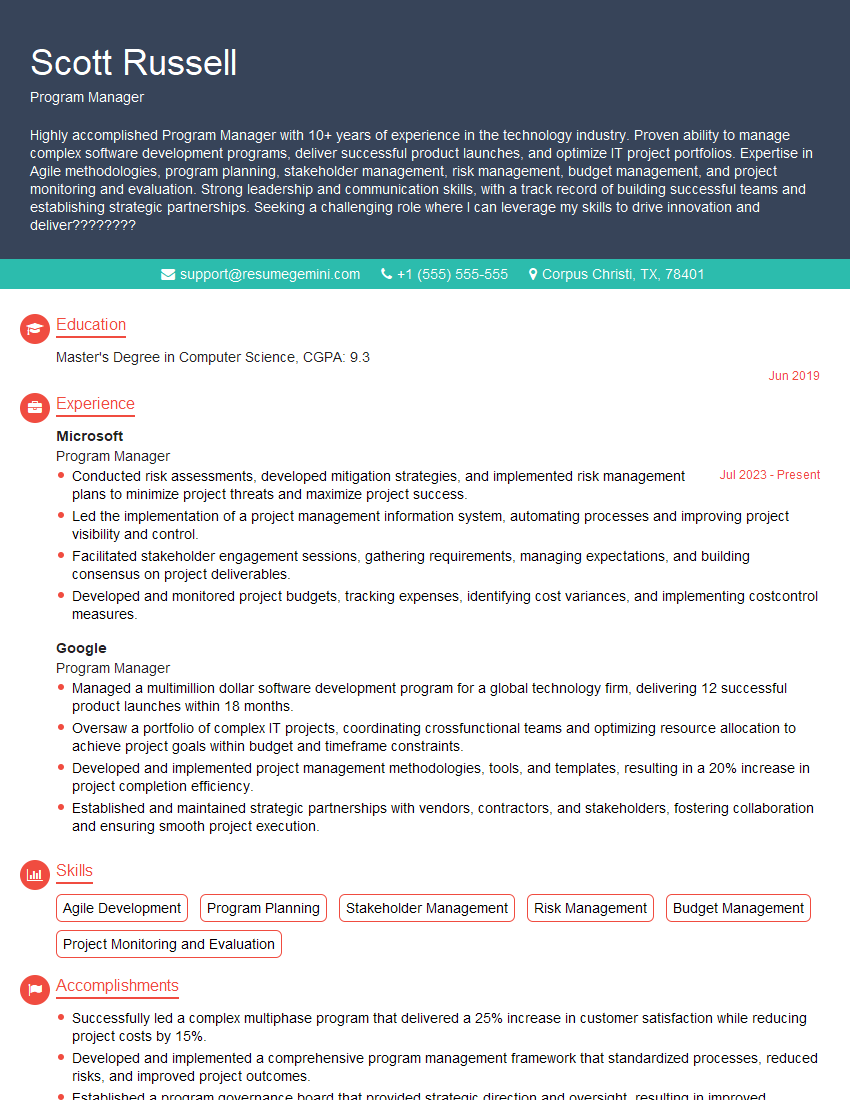
Program Manager Resume Sample

Operations Manager Resume Sample
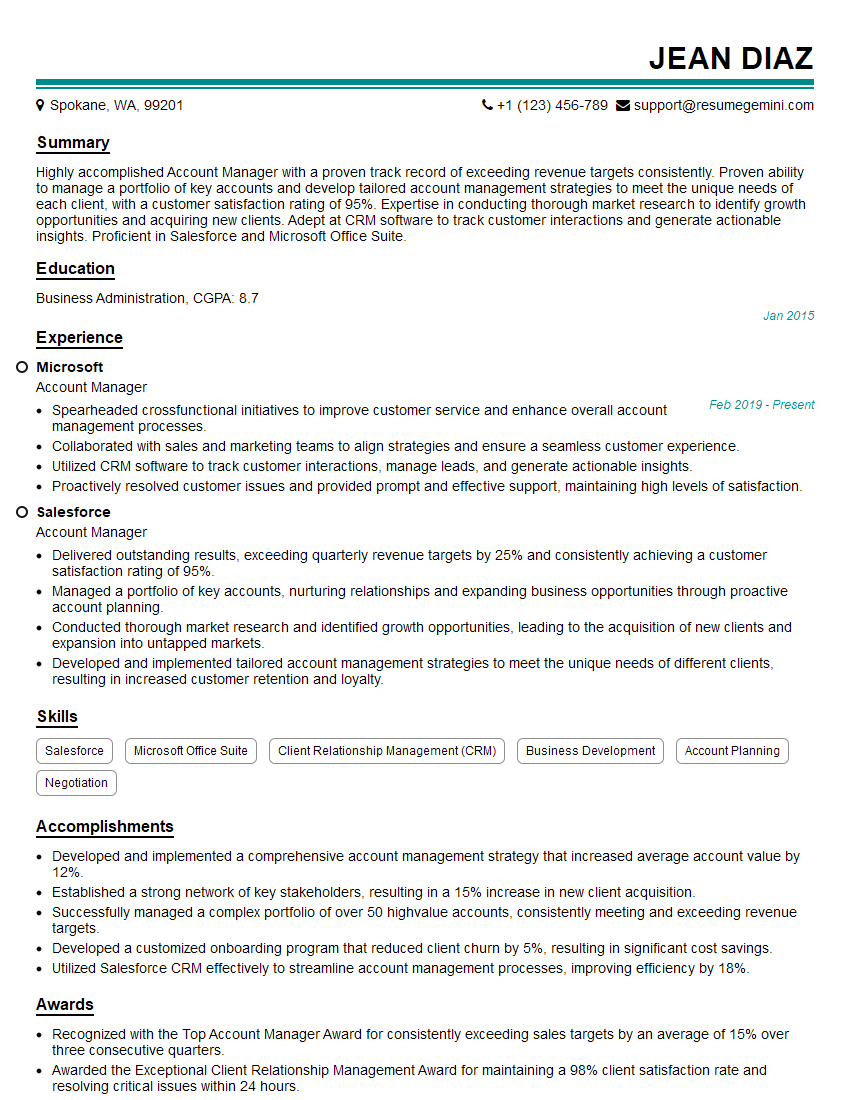
Account Manager Resume Sample
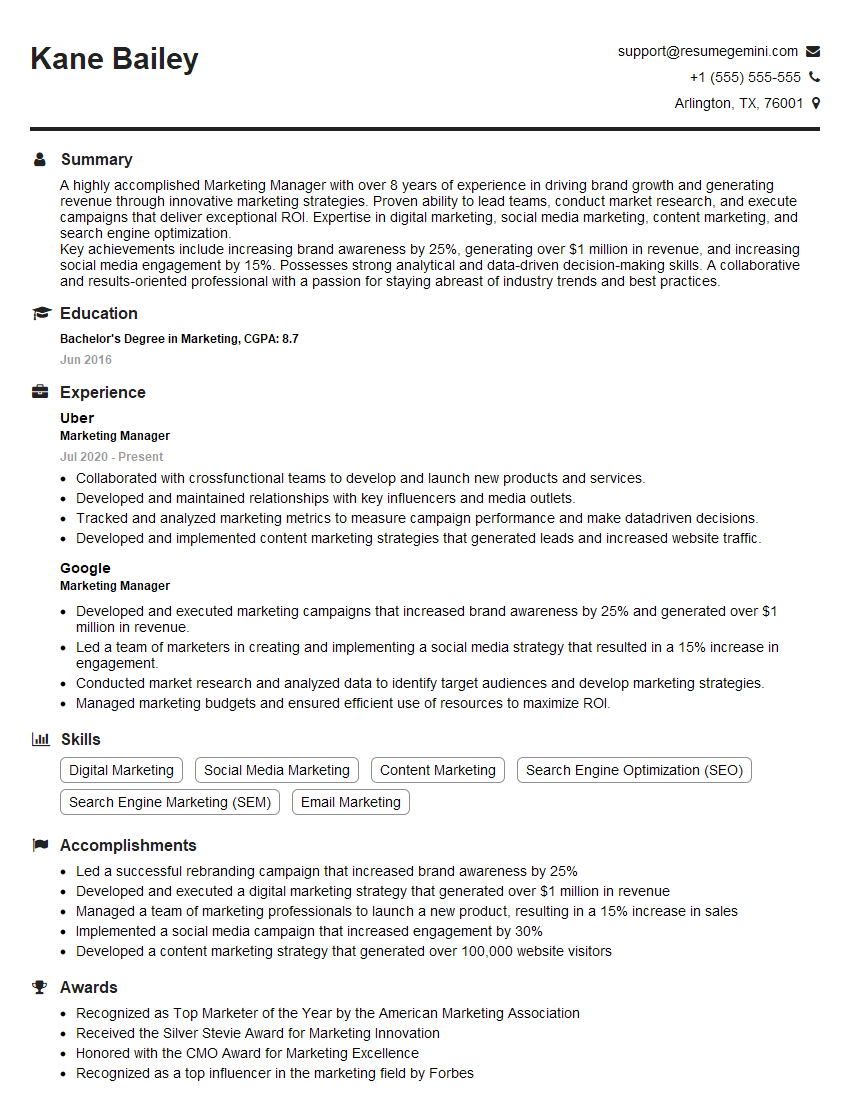
Marketing Manager Resume Sample
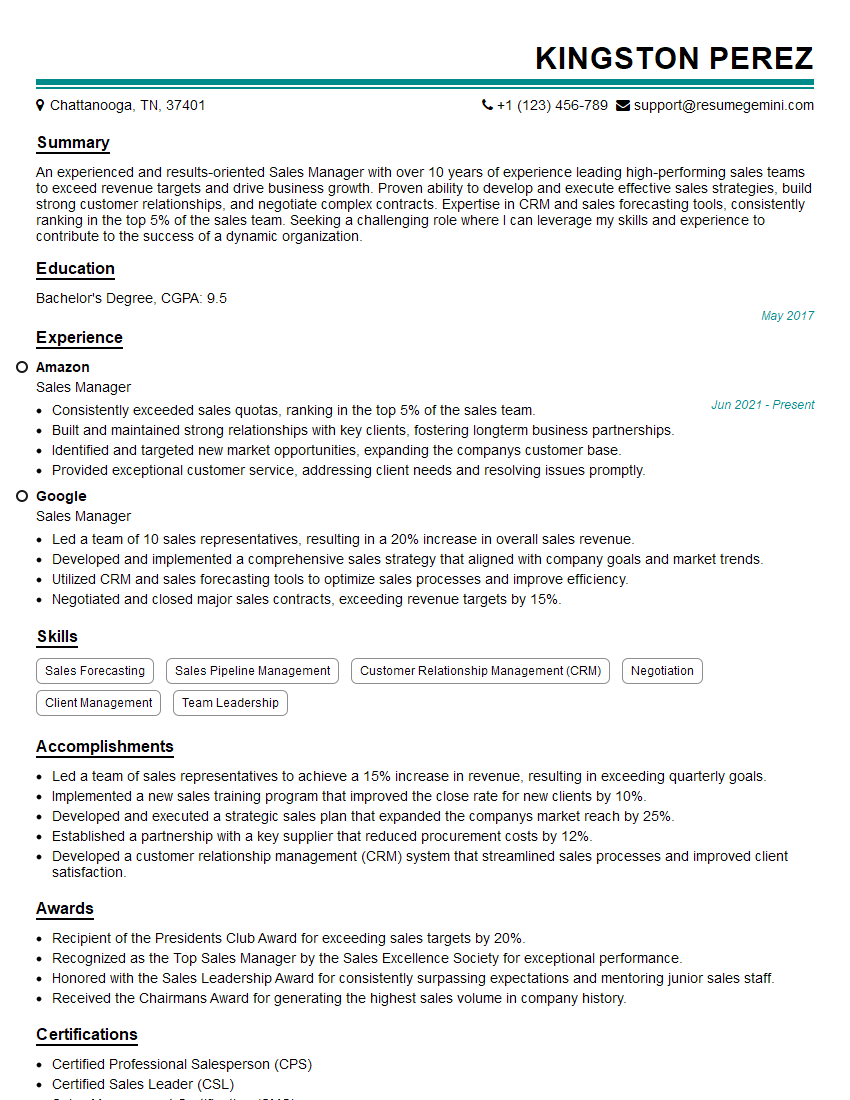
Sales Manager Resume Sample
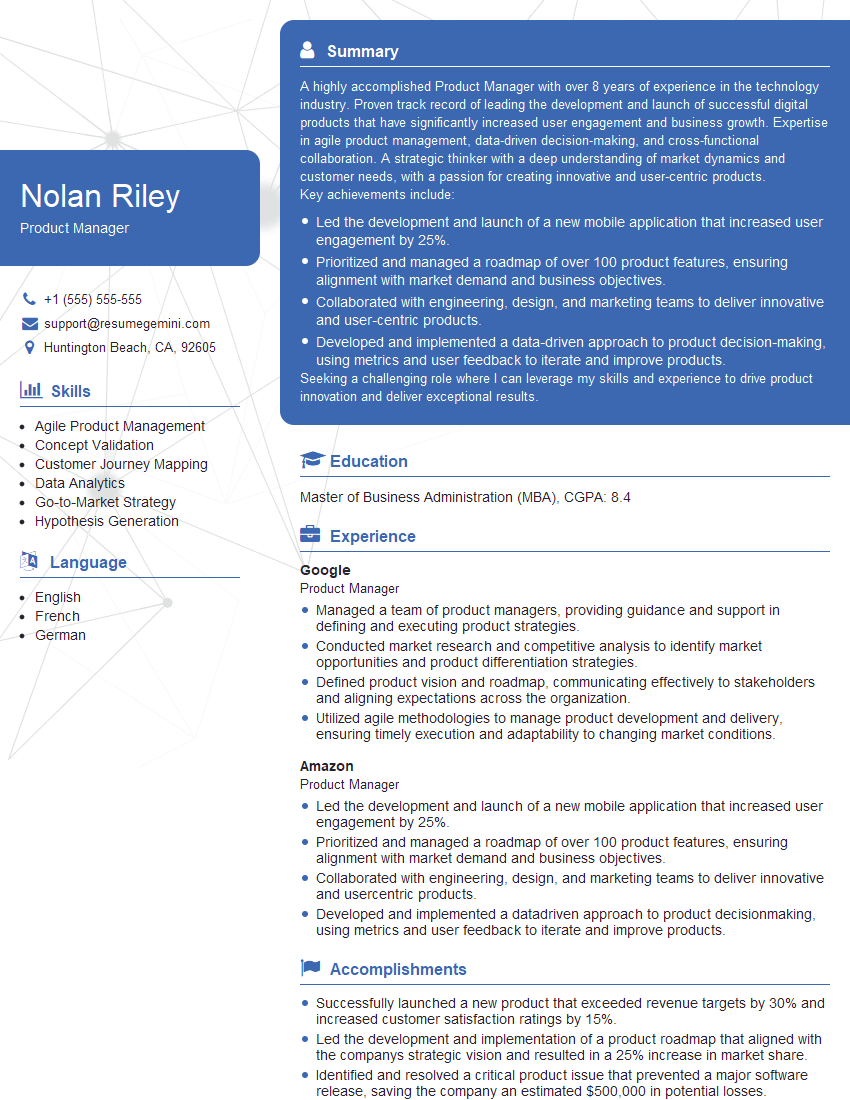
Product Manager Resume Sample
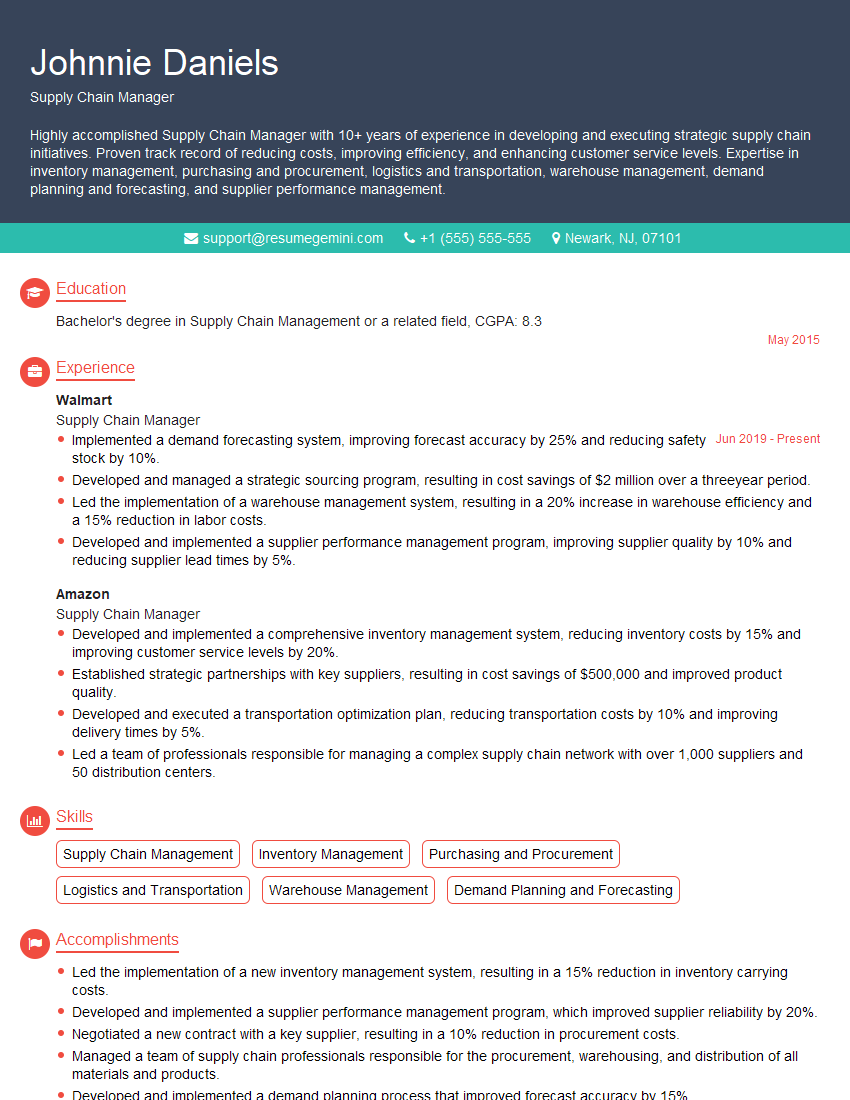
Supply Chain Manager Resume Sample
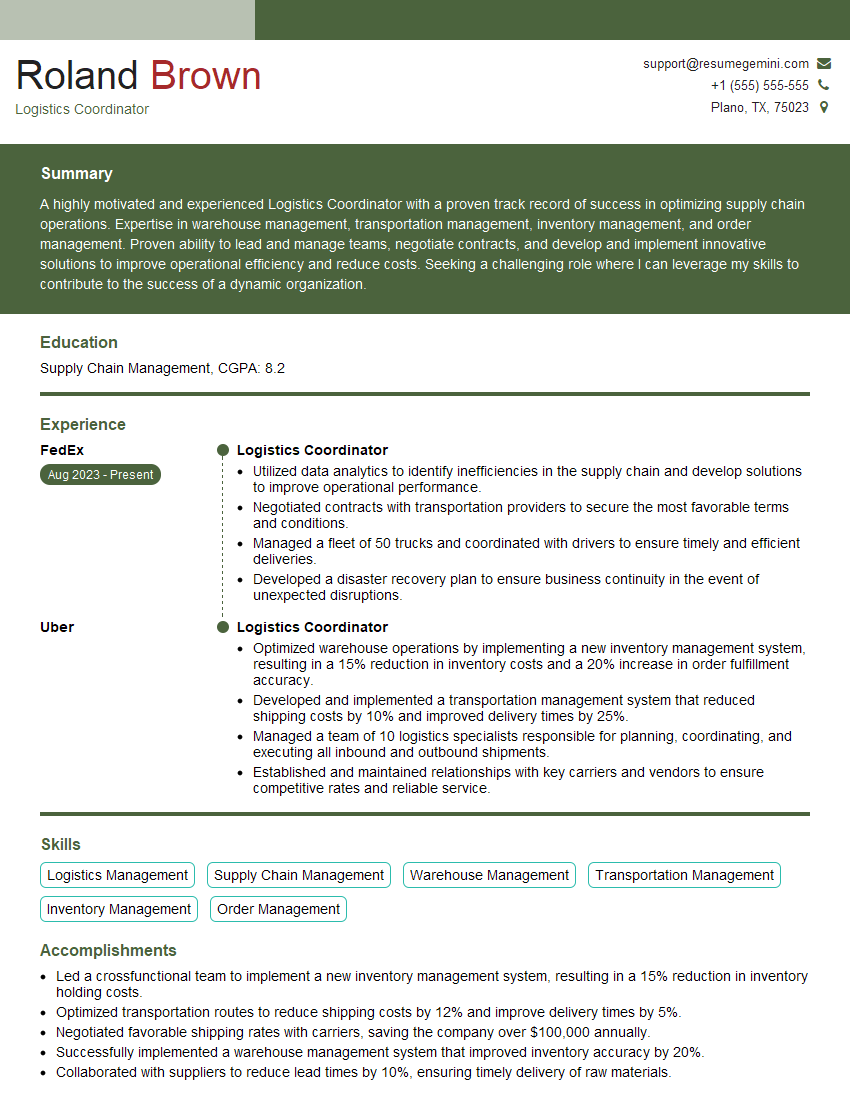
Logistics Coordinator Resume Sample

Project Manager Resume Sample
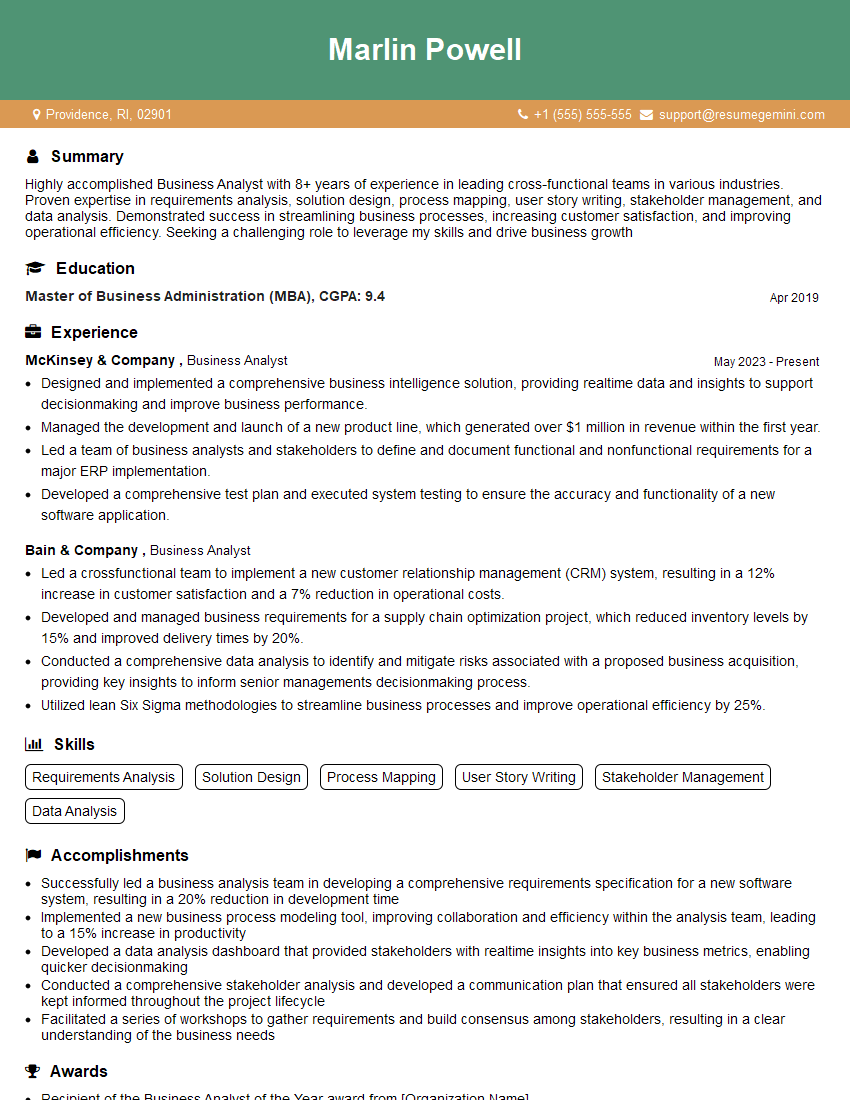
Business Analyst Resume Sample
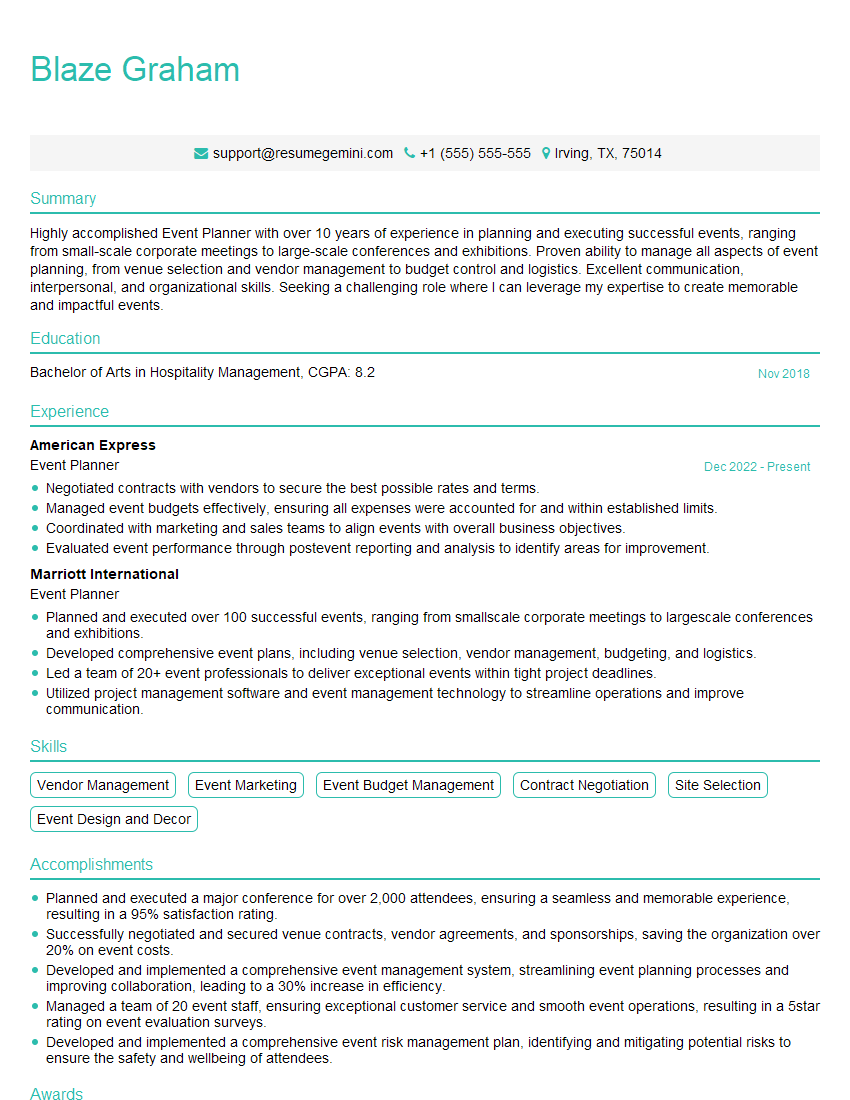
Event Planner Resume Sample
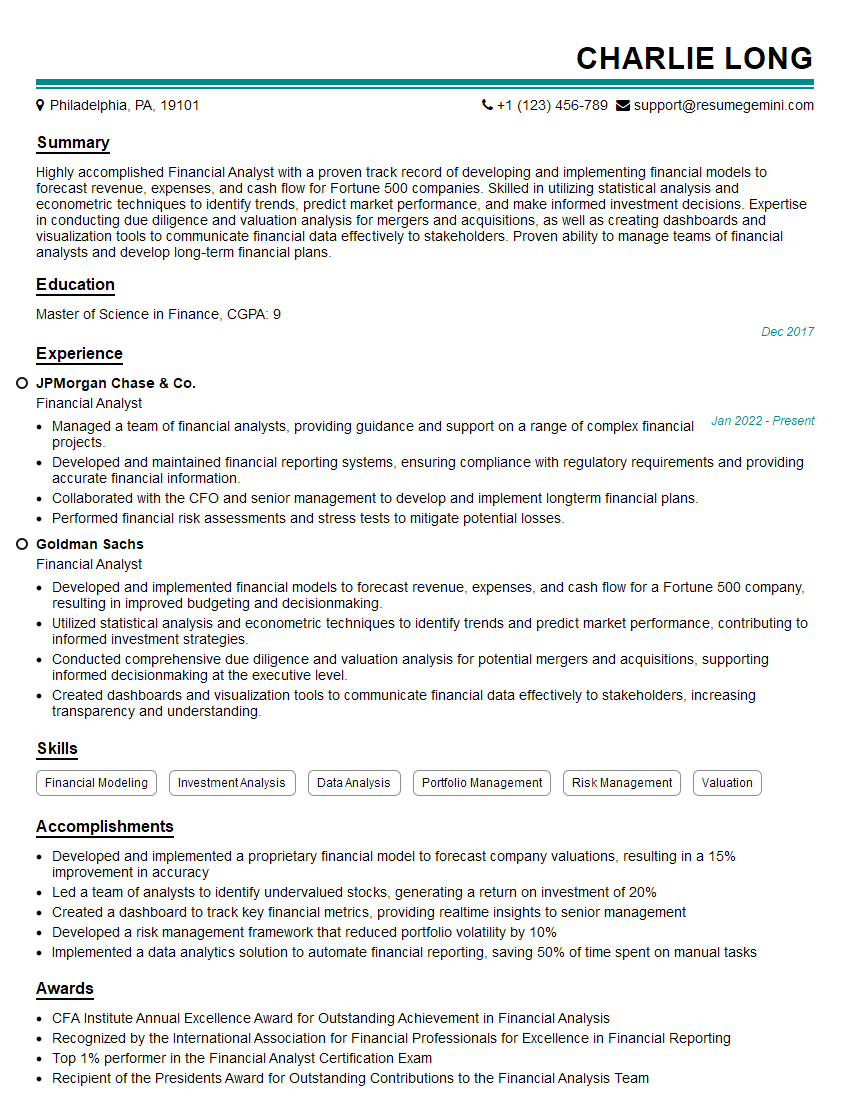
Financial Analyst Resume Sample
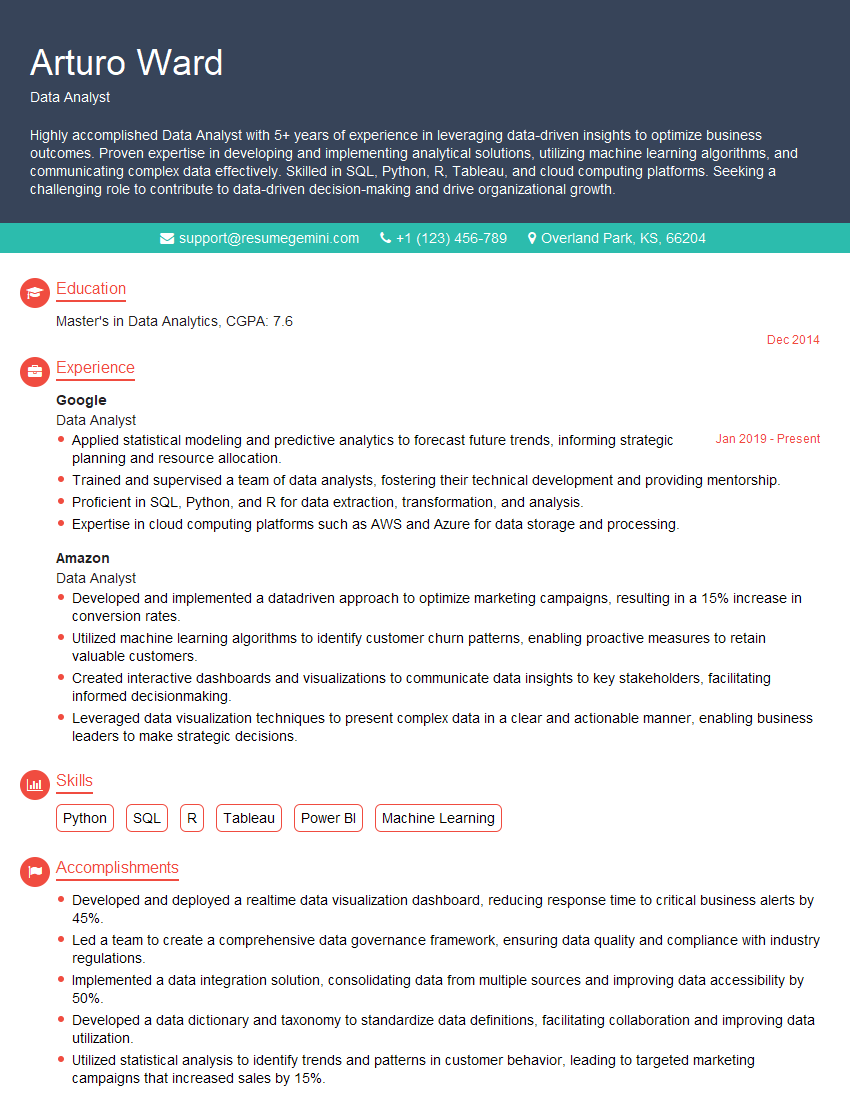
Data Analyst Resume Sample
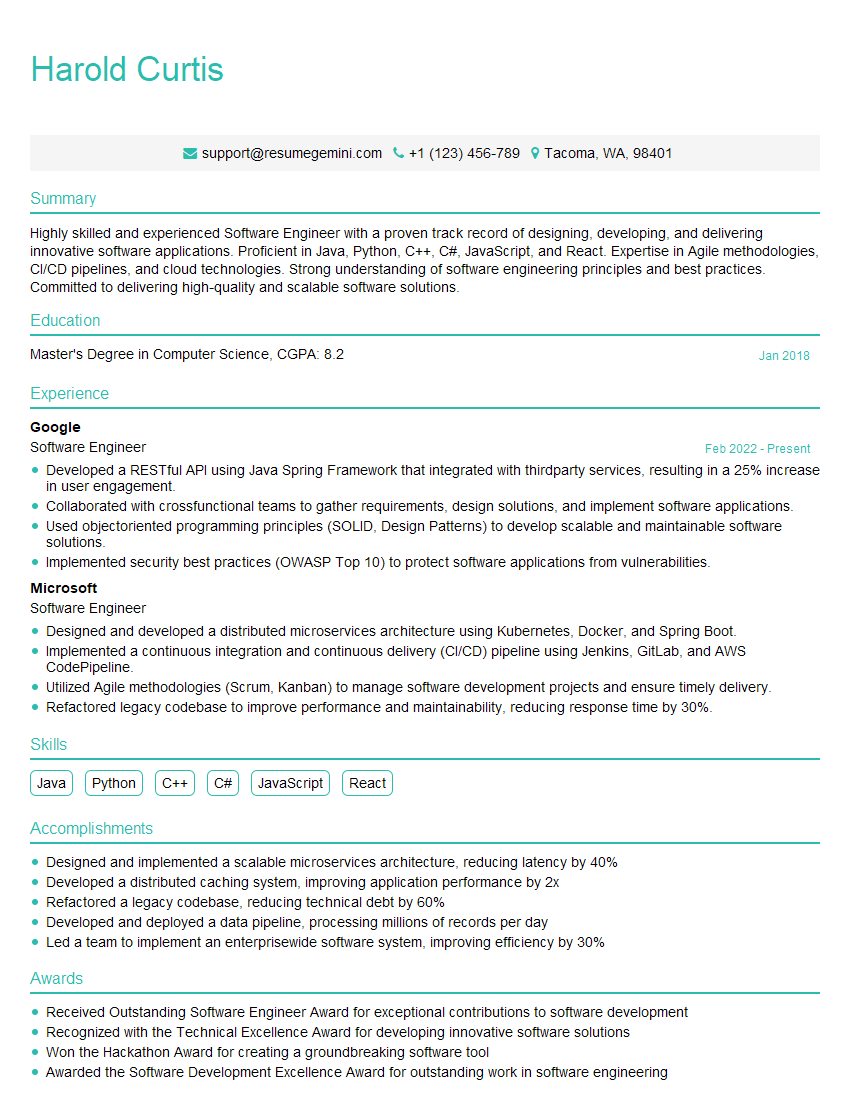
Software Engineer Resume Sample
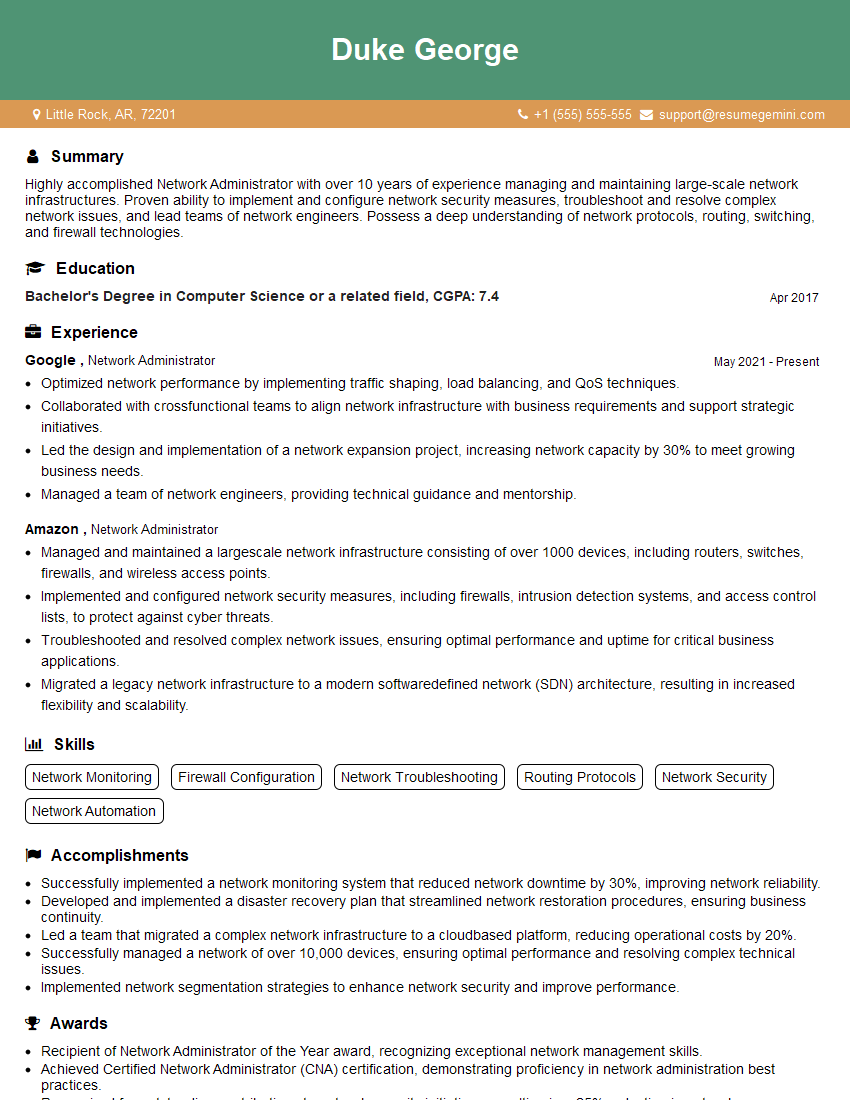
Network Administrator Resume Sample
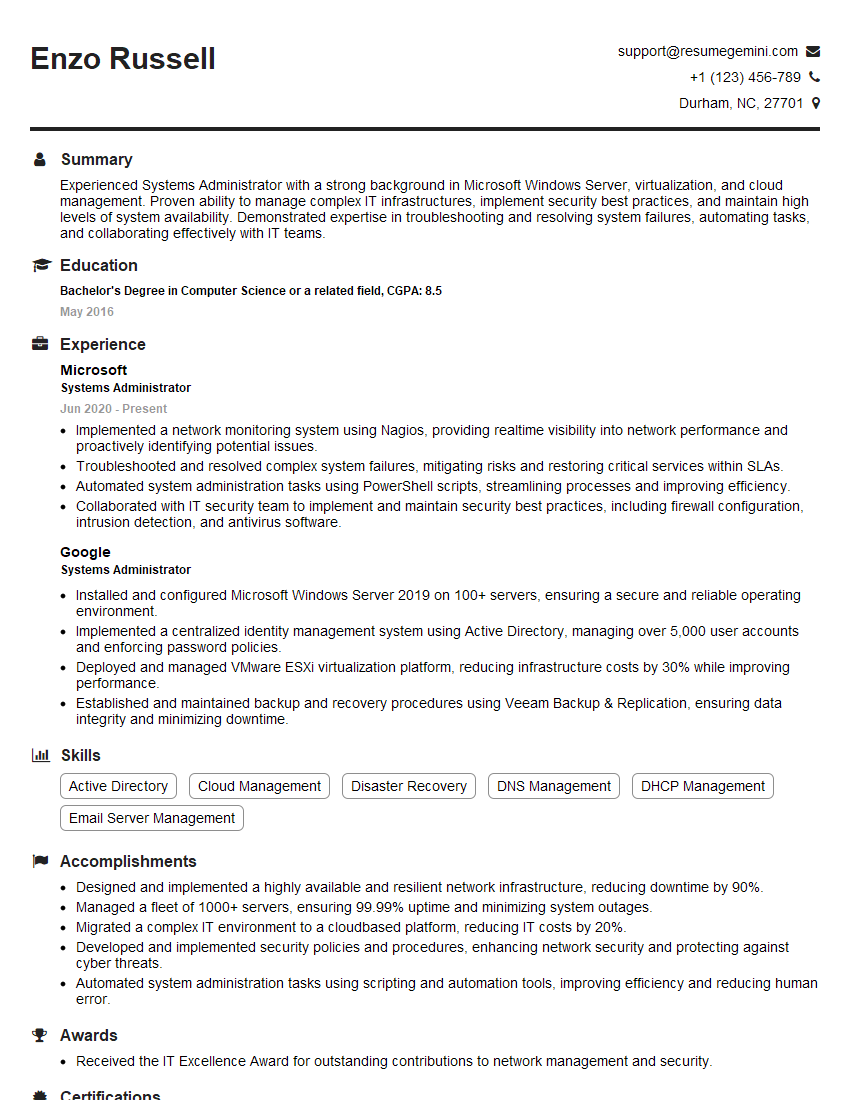
Systems Administrator Resume Sample
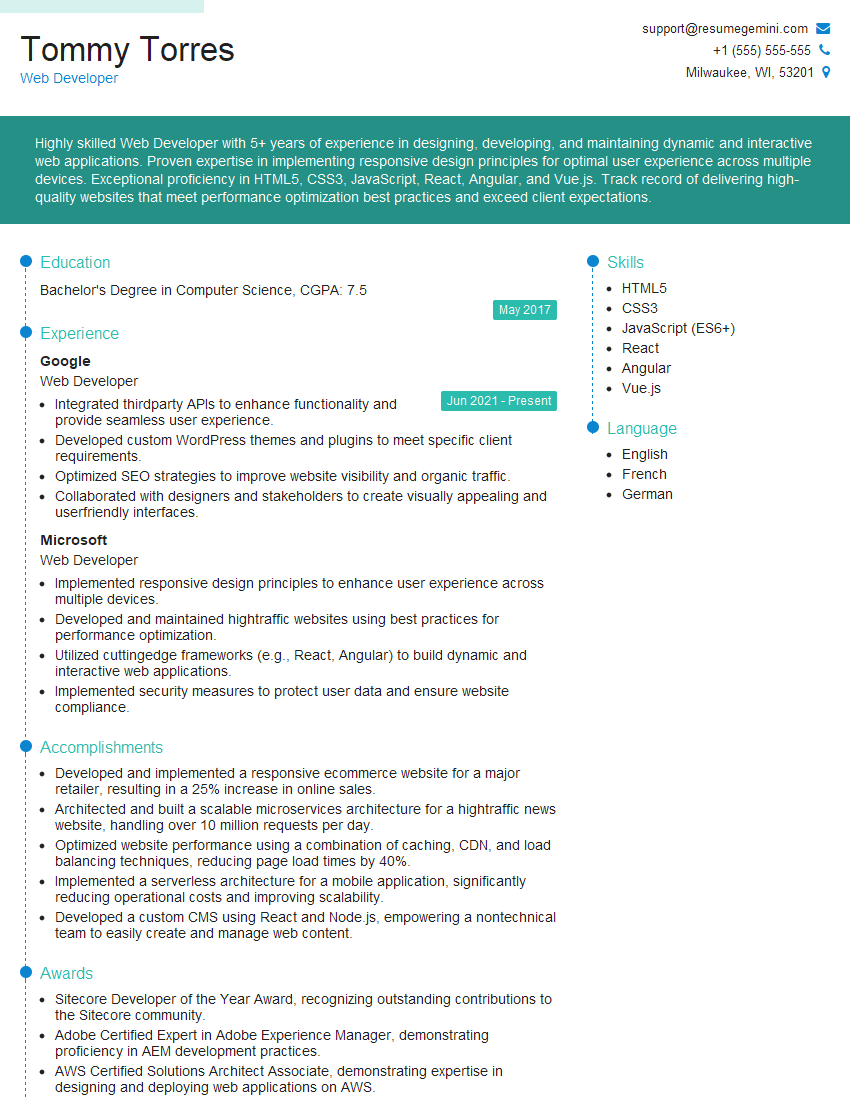
Web Developer Resume Sample
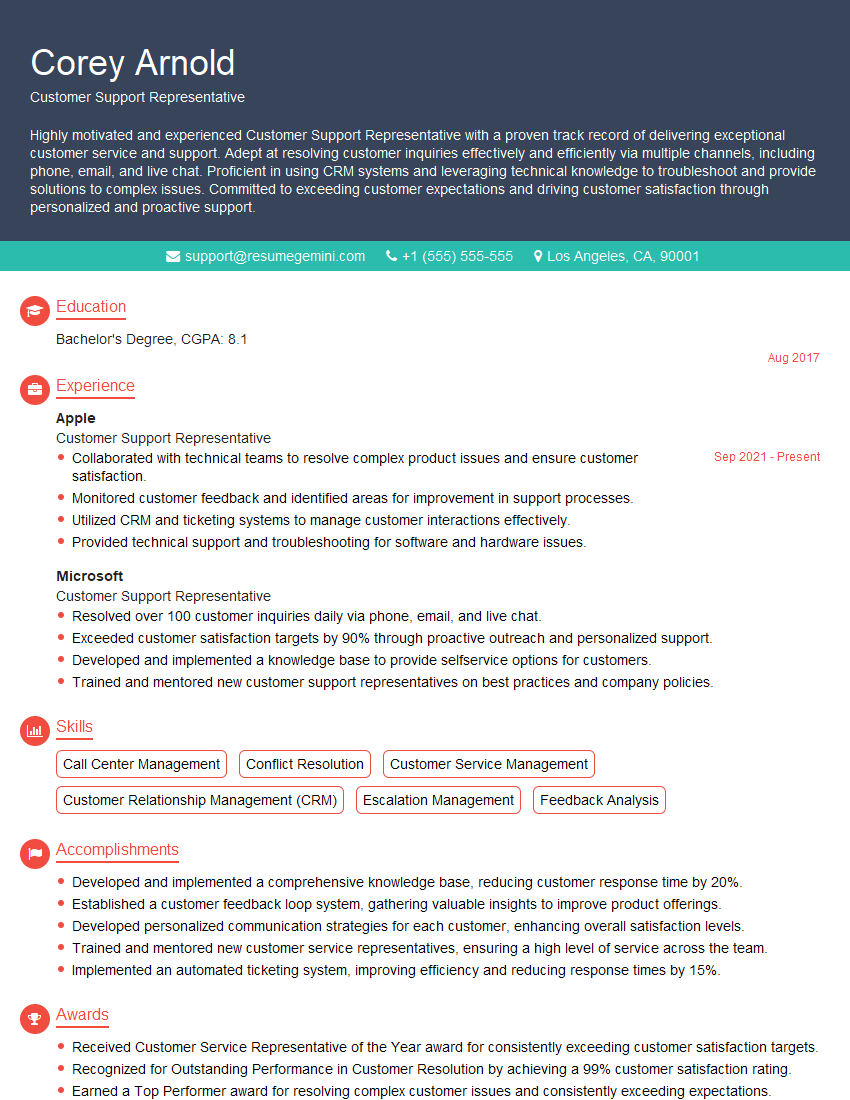
Customer Support Representative Resume Sample
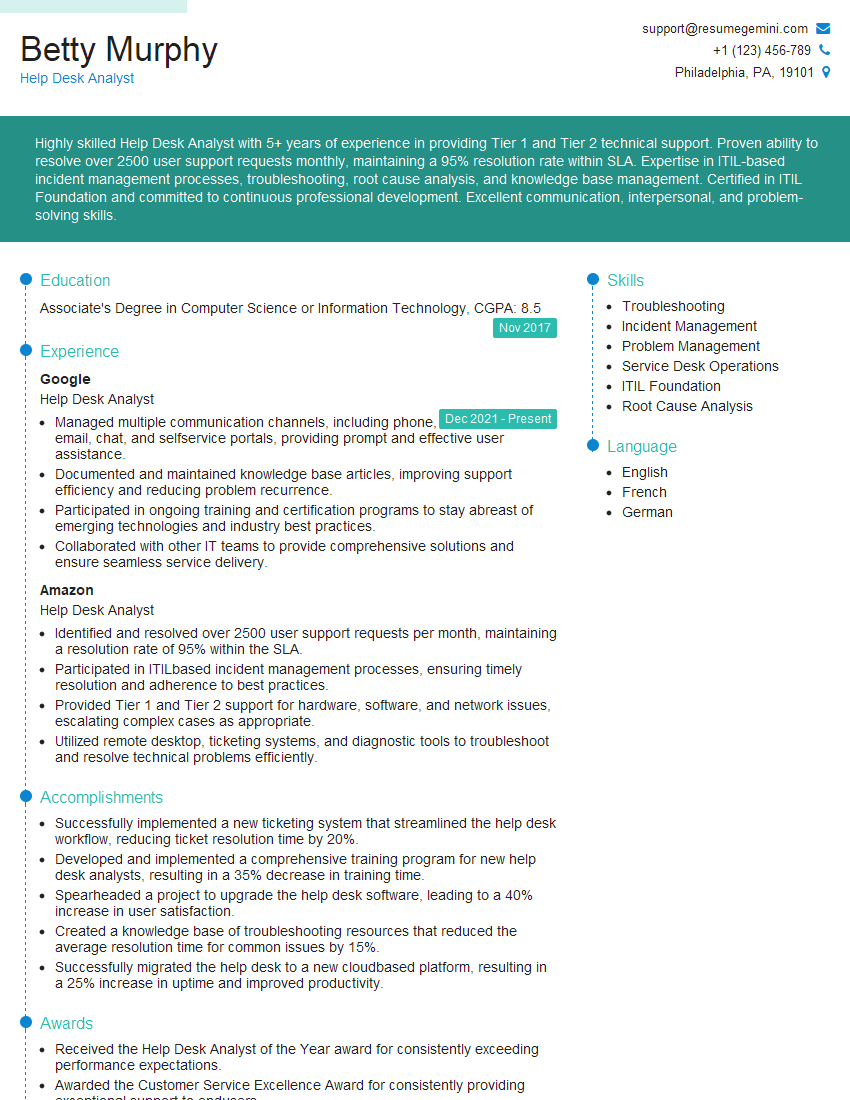
Help Desk Analyst Resume Sample
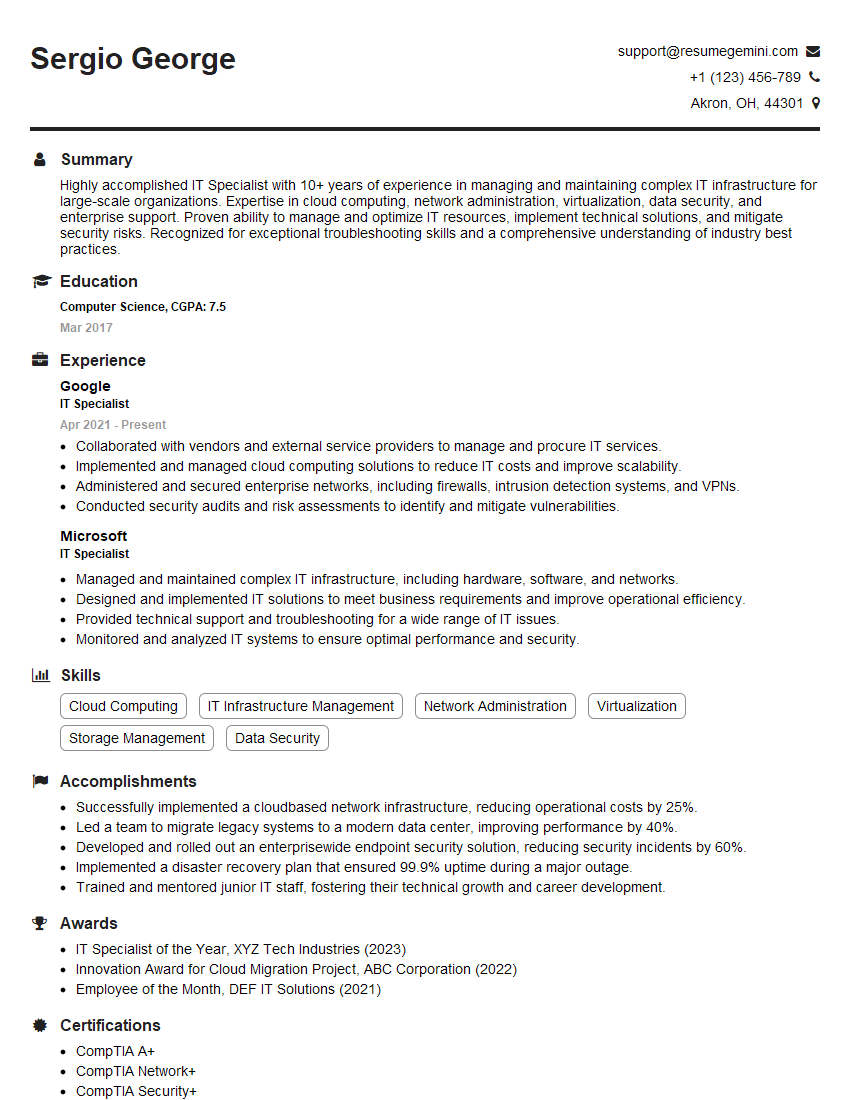
IT Specialist Resume Sample

Technical Writer Resume Sample
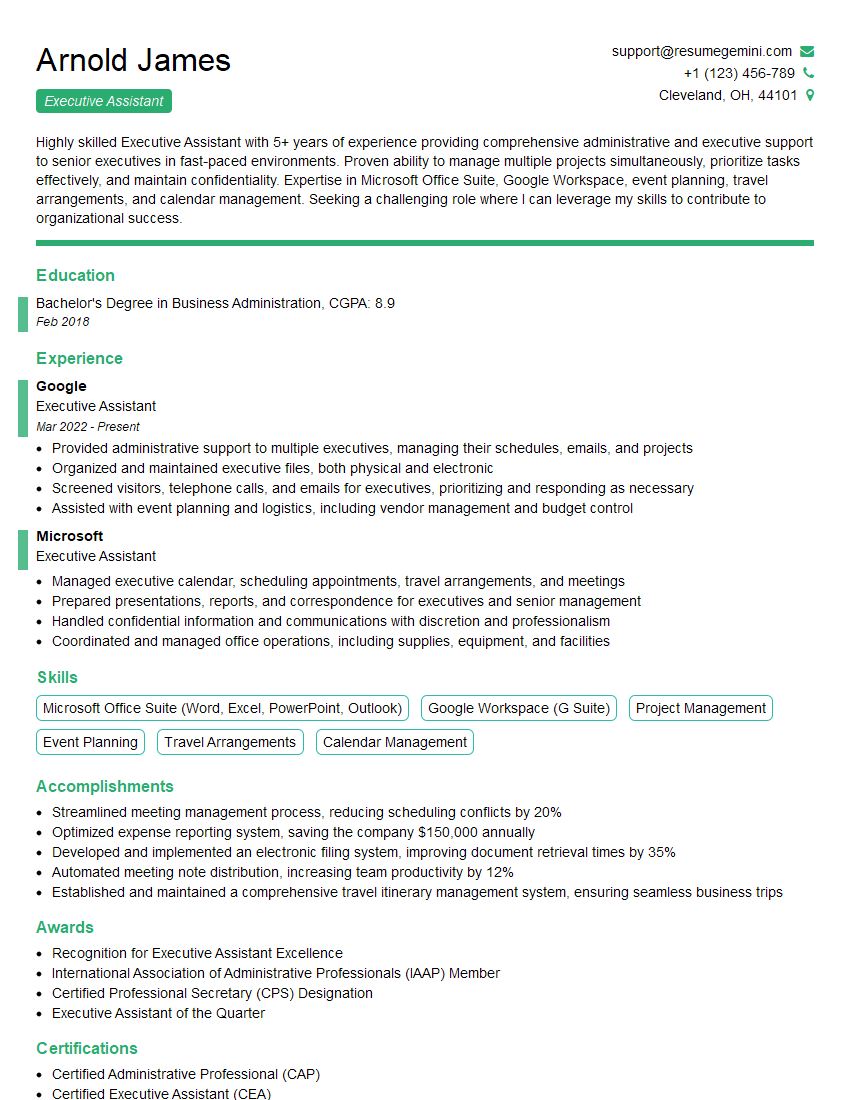
Executive Assistant Resume Sample
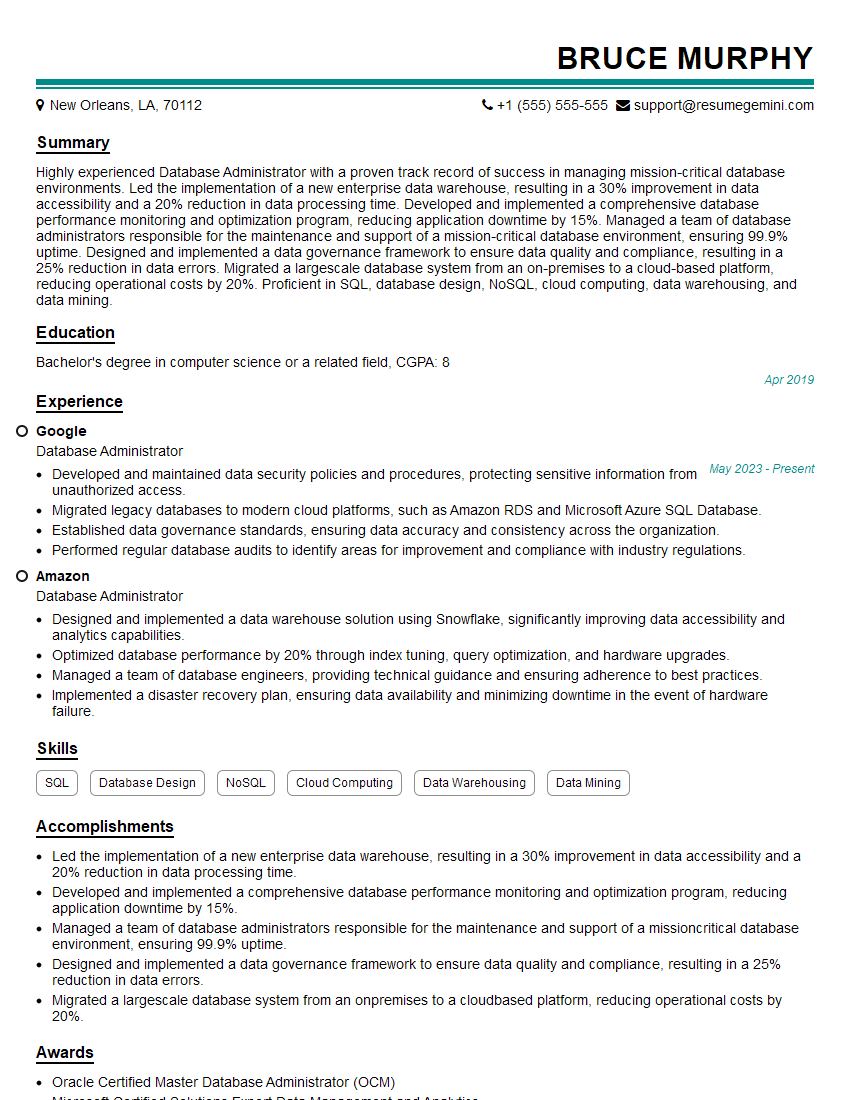
Database Administrator Resume Sample
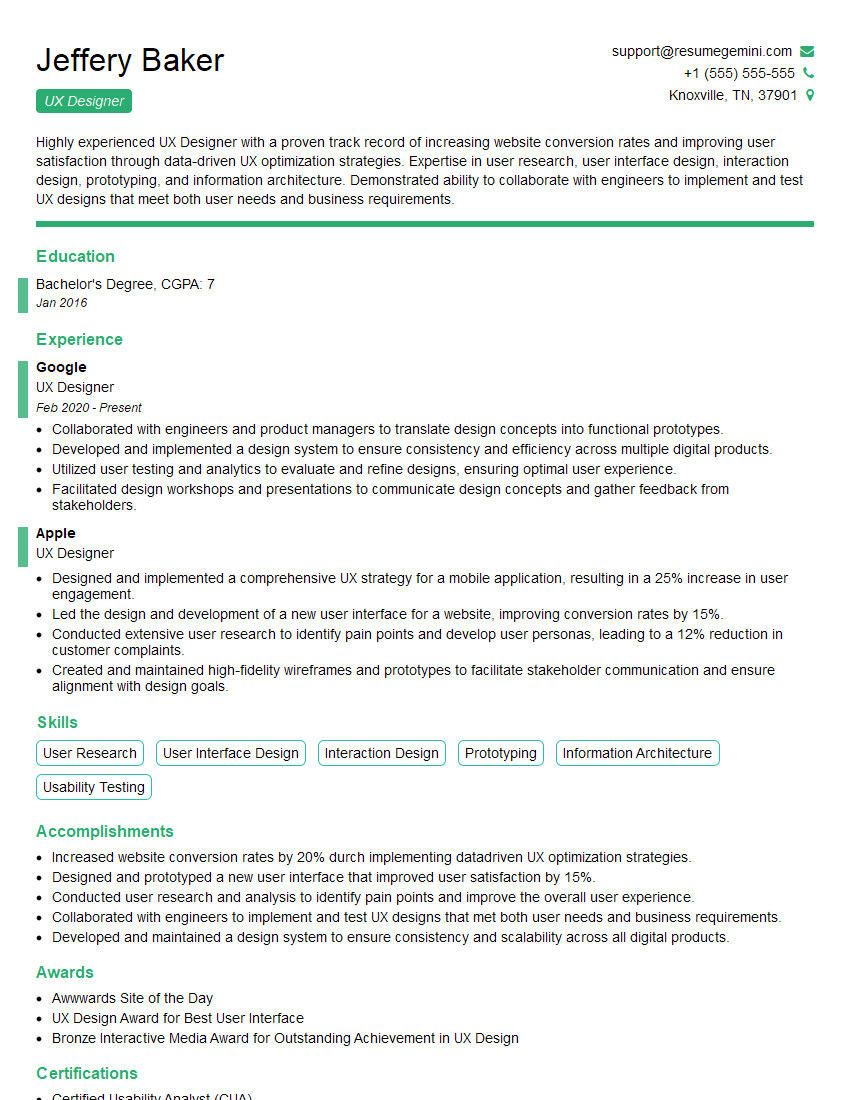
UX Designer Resume Sample
- Program Manager
- Operations Manager
- Account Manager
- Marketing Manager
- Sales Manager
- Product Manager
- Supply Chain Manager
- Logistics Coordinator
- Project Manager
- Business Analyst
- Event Planner
- Financial Analyst
- Data Analyst
- Software Engineer
- Network Administrator
- Systems Administrator
- Web Developer
- Customer Support Representative
- Help Desk Analyst
- IT Specialist
- Technical Writer
- Executive Assistant
- Database Administrator
- UX Designer
Explore more articles
Users Rating of Our Blogs
Share Your Experience
We value your feedback! Please rate our content and share your thoughts (optional).
What Readers Say About Our Blog
Very informative content, great job.
good