Are you ready to stand out in your next interview? Understanding and preparing for Musician’s Union Membership interview questions is a game-changer. In this blog, we’ve compiled key questions and expert advice to help you showcase your skills with confidence and precision. Let’s get started on your journey to acing the interview.
Questions Asked in Musician’s Union Membership Interview
Q 1. Explain the process of joining a musician’s union.
Joining a musician’s union, like the American Federation of Musicians (AFM) or the Musicians’ Union (MU) in the UK, typically involves a straightforward process. First, you’ll visit the union’s website and find the application form. This form usually requires personal details, employment history (especially relevant musical experience), and possibly a small initial membership fee. After submitting the application, the union will process it, verifying your information. Once accepted, you’ll receive your membership card and access to union services and benefits. It’s akin to joining any professional organization – a commitment to your profession and to supporting collective action.
Think of it like joining a gym: you pay a fee, but in return, you gain access to resources and support to help you succeed in your chosen field.
Q 2. Describe the different types of membership available within a musician’s union.
Musicians’ unions offer various membership categories, often tailored to experience and employment status. Common types include:
- Full Membership: This is generally for professional musicians actively working in the industry, regularly earning income from music-related activities.
- Associate Membership: This option might be for students, retirees, or musicians who aren’t consistently employed professionally but still want access to some union benefits.
- Retired Membership: Specifically designed for musicians who have retired from professional performance but wish to maintain their union affiliation and potentially access certain benefits.
- Student Membership: Often offered at reduced rates to students pursuing musical studies and preparing for a professional career.
Specific membership categories and their associated benefits vary between unions; it’s crucial to check the union’s website for details. The difference between the membership categories often comes down to the level of access to services like job placement and collective bargaining representation.
Q 3. What are the key benefits of musician’s union membership?
Union membership offers numerous advantages to musicians. Key benefits include:
- Negotiated wages and working conditions: Unions bargain collectively with employers, ensuring fair pay and reasonable working hours.
- Health insurance and retirement plans: Many unions offer group health insurance and retirement plans at cost-effective rates, unavailable to independent musicians.
- Legal representation: If you face a dispute with an employer, the union will provide legal support and representation.
- Job placement services: Unions often have job boards and networks connecting musicians with gigs and employment opportunities.
- Professional development resources: Some unions provide workshops, seminars, and networking events to enhance members’ skills and careers.
- Advocacy and lobbying: Unions represent the interests of musicians at a political level, advocating for policies beneficial to the profession.
Essentially, the union acts as a powerful advocate for its members, improving their working lives and career prospects.
Q 4. How does a musician’s union protect its members’ rights?
A musician’s union protects its members’ rights through several key mechanisms:
- Collective Bargaining: Negotiating fair contracts that define wages, benefits, and working conditions for all members. This eliminates the need for individual musicians to bargain alone, providing leverage and equity.
- Grievance Procedures: Establishing clear steps for members to address disputes or unfair treatment by employers. The union steps in to help resolve the situation, providing support and representation.
- Legal Representation: Offering legal assistance and representation to members involved in contract disputes, copyright infringement cases, or other legal matters.
- Industry Standards: Setting and upholding professional standards, ensuring musicians receive fair treatment and respect from employers.
Imagine a scenario where a musician isn’t paid for a gig; the union would step in, investigate, and potentially take legal action on the musician’s behalf. It’s like having a strong legal team and advocate always in your corner.
Q 5. Explain the role of collective bargaining in securing fair wages and working conditions.
Collective bargaining is the cornerstone of securing fair wages and working conditions for musicians. It’s a process where union representatives negotiate with employers on behalf of all union members. Instead of each musician negotiating individually, the union acts as a unified voice, leveraging the collective strength of its membership to secure better deals. This negotiation involves discussions about pay rates, benefits (health insurance, retirement), working hours, performance conditions, and other relevant factors. The outcome is a collective bargaining agreement (CBA), a legally binding contract that sets the terms of employment for all union members covered by the agreement.
Think of it as a team negotiating a deal, instead of individual members trying to negotiate separately. The union’s collective strength gives it more bargaining power compared to individual musicians.
Q 6. Describe the process of filing a grievance with a musician’s union.
Filing a grievance with a musician’s union typically involves a multi-step process. First, the musician needs to document the issue, outlining the problem, relevant dates, and names involved. This written grievance is then submitted to the union’s designated representative, often a shop steward or union official. The union will investigate the complaint, possibly attempting to mediate a solution between the musician and the employer. If mediation fails, the grievance may proceed to arbitration or legal action, depending on the union’s procedures and the severity of the issue. The entire process is designed to be fair and transparent, ensuring all parties have a chance to be heard. The specific steps and timelines are usually detailed in the union’s constitution or internal rules.
It’s much like a formal complaint, but with the significant support and expertise of the union behind the musician.
Q 7. What are the common types of disputes that arise between musicians and employers?
Common disputes between musicians and employers frequently involve:
- Unpaid or underpaid wages: This is a very common issue, especially with smaller venues or private gigs.
- Breach of contract: Disagreements regarding performance dates, venues, or agreed-upon compensation.
- Unacceptable working conditions: Poor sound systems, inadequate equipment, unsafe environments, or unreasonable hours.
- Copyright infringement: Unauthorized use of a musician’s work or recordings.
- Discrimination or harassment: Unfair treatment based on race, gender, religion, or other protected characteristics.
These issues highlight the importance of having a strong union to provide support and legal recourse to musicians facing these challenges.
Q 8. How does a musician’s union handle contract negotiations?
Contract negotiations in a musician’s union are a critical process ensuring fair compensation and working conditions for members. The union typically employs a team of negotiators, often including experienced musicians and legal professionals, to represent its members in collective bargaining with employers (record labels, venues, orchestras, etc.).
The process generally involves:
- Preparation: The union surveys its members to understand their priorities and concerns regarding wages, benefits (health insurance, retirement plans), working hours, and other relevant aspects of employment.
- Negotiation: The union’s bargaining team meets with representatives from the employer to discuss proposals and counter-proposals. This can involve several rounds of meetings and compromises.
- Ratification: Once an agreement is reached, it’s presented to the union membership for a vote. The agreement only becomes binding if a majority of members approve.
Example: A union might negotiate a minimum wage for session musicians, ensuring that all its members are paid fairly for their services, regardless of individual bargaining power. They might also negotiate for better health insurance coverage or paid time off.
Q 9. Explain the importance of understanding union bylaws and regulations.
Understanding a union’s bylaws and regulations is paramount for members to be aware of their rights, responsibilities, and the processes within the organization. These documents outline the rules governing membership, elections, dispute resolution, and the union’s overall operation.
Importance:
- Protecting Rights: Bylaws clarify members’ rights concerning employment contracts, grievances, and participation in union activities.
- Understanding Responsibilities: They detail member responsibilities, such as dues payments, attendance at meetings, and adherence to union rules.
- Navigating Processes: Bylaws guide members through internal processes, such as filing grievances, appealing decisions, or running for office.
- Ensuring Transparency: They provide transparency about the union’s governance and financial management.
Example: A musician who understands the bylaws can properly file a grievance if they believe their employer has violated the collective bargaining agreement. Ignoring the bylaws could lead to inefficiencies or even invalidate a grievance.
Q 10. Describe the process of resolving a dispute through arbitration or mediation.
Dispute resolution through arbitration or mediation offers a structured process to resolve conflicts between a union member and their employer, or even within the union itself, without resorting to lengthy and expensive court battles.
Mediation: A neutral third party (the mediator) facilitates communication between the disputing parties, helping them find a mutually acceptable solution. The mediator doesn’t impose a decision; they guide the parties towards a resolution.
Arbitration: A neutral third party (the arbitrator) hears evidence and arguments from both sides and then issues a binding decision. This decision is legally enforceable, like a court ruling.
Process (Example): Let’s say a musician believes they were unfairly dismissed from a job. They would first follow the union’s internal grievance procedure. If that fails, they might proceed to mediation or arbitration, as outlined in the union’s bylaws and collective bargaining agreement. The process will vary depending on the specific union’s rules.
Q 11. What are the ethical responsibilities of a musician’s union representative?
Ethical responsibilities for a musician’s union representative are central to maintaining trust and ensuring fair representation for all members. These responsibilities include:
- Impartiality: Representing all members fairly, even if their individual interests conflict.
- Transparency: Openly communicating with members about union activities, decisions, and financial matters.
- Accountability: Being responsible for their actions and decisions, adhering to union bylaws and ethical guidelines.
- Confidentiality: Protecting the confidential information of members.
- Conflict of Interest Avoidance: Refraining from actions that could create a conflict of interest between their personal interests and their duties as a representative.
Example: A union representative should not favor one member’s grievance over another, even if they personally know one of the parties involved. They should disclose any potential conflicts of interest and recuse themselves if necessary.
Q 12. How does a musician’s union ensure fair representation for all its members?
A musician’s union strives for fair representation through several key mechanisms:
- Collective Bargaining: Negotiating contracts that set minimum standards for wages, benefits, and working conditions for all members.
- Grievance Procedures: Establishing clear processes for addressing members’ complaints and disputes.
- Legal Representation: Providing legal support to members facing employment disputes.
- Education and Training: Educating members about their rights and responsibilities.
- Advocacy: Lobbying government and industry to support musicians’ interests.
- Democratic Governance: Allowing members to participate in union decision-making through elections and votes.
Example: A union might negotiate a standard contract for all freelance musicians working in a particular city, ensuring that everyone receives fair payment and benefits, regardless of their individual bargaining strength.
Q 13. What are some common challenges faced by musician’s unions today?
Modern musician’s unions face several significant challenges:
- The Gig Economy: The rise of freelance and contract work makes it difficult to organize and represent all musicians effectively.
- Technological Change: Digital music distribution and streaming platforms have altered the traditional music industry, impacting musicians’ income and employment.
- Decreased Union Membership: Maintaining membership numbers and engagement in the face of changing industry realities is a continuous struggle.
- Legal Challenges: Navigating changing labor laws and regulations can be complex and expensive.
- Evolving Business Models: Adapting to new business models in the music industry, like collaborative platforms, requires innovative strategies.
Example: The shift to streaming services has made it harder for musicians to earn a living wage from their music, which is a key challenge for unions to address through advocacy and negotiation.
Q 14. How do musician’s unions adapt to changes in the music industry?
Musician’s unions are adapting to industry changes through a variety of strategies:
- Expanding Services: Offering services beyond traditional collective bargaining, such as training in digital music marketing, copyright management, and financial planning.
- Advocating for Policy Changes: Lobbying for legislation that supports musicians’ rights and income in the digital age (e.g., fair compensation for streaming).
- Developing New Organizing Strategies: Employing innovative approaches to reach and organize musicians in the gig economy.
- Building Alliances: Collaborating with other unions and organizations to address broader labor issues.
- Embracing Technology: Utilizing technology to improve communication, engagement, and service delivery to members.
Example: Some unions are actively engaging in discussions about fair compensation for streaming services, working with artists and platforms to establish fairer royalty structures. They also offer educational workshops on using social media effectively to build their audience and generate income.
Q 15. Explain the role of a union steward in protecting members’ rights.
A union steward is a crucial link between the Musician’s Union and its members. They act as a first point of contact for members facing workplace issues, providing guidance and support in navigating union contracts and resolving disputes. Think of them as a member advocate, ensuring fair treatment and upholding the collective bargaining agreement.
Their responsibilities include:
- Educating members on their rights and responsibilities under the union contract.
- Investigating members’ grievances and helping them file complaints.
- Representing members in meetings with employers.
- Monitoring workplace conditions to ensure compliance with the union contract.
- Acting as a liaison between the union and its members, relaying information and feedback.
For example, if a musician isn’t receiving the agreed-upon pay or is experiencing unsafe working conditions, the steward will step in to investigate and help resolve the issue, potentially mediating between the musician and the employer or escalating the case to the union’s legal team.
Career Expert Tips:
- Ace those interviews! Prepare effectively by reviewing the Top 50 Most Common Interview Questions on ResumeGemini.
- Navigate your job search with confidence! Explore a wide range of Career Tips on ResumeGemini. Learn about common challenges and recommendations to overcome them.
- Craft the perfect resume! Master the Art of Resume Writing with ResumeGemini’s guide. Showcase your unique qualifications and achievements effectively.
- Don’t miss out on holiday savings! Build your dream resume with ResumeGemini’s ATS optimized templates.
Q 16. What are the different types of contracts used in the music industry?
The music industry uses a variety of contracts, each designed for a different situation. The specific type of contract often depends on the musician’s role, the venue, and the duration of the engagement.
- Session Musician Contracts: These cover short-term engagements, like recording sessions or studio work, often specifying a rate per hour or per song.
- Performance Contracts (Live): These are used for live performances, including concerts, festivals, or club gigs. They detail the performance date, location, payment, and other relevant terms.
- Touring Contracts: These are complex agreements outlining details for extended tours, covering aspects like travel expenses, lodging, per diem, and performance fees.
- Endorsement Contracts: These contracts govern the relationship between musicians and companies sponsoring them, detailing usage rights, payment, and responsibilities.
- Record Label Contracts: These are typically lengthy and complex agreements detailing the recording, distribution, and royalty payments for an artist’s work.
It’s crucial for musicians to understand the specifics of each contract before signing, ideally with legal counsel to review the terms and negotiate favorable conditions.
Q 17. How do union contracts protect musicians from exploitation?
Union contracts act as a safety net, protecting musicians from exploitation by establishing minimum standards for pay, working conditions, and benefits. They ensure fair compensation and prevent employers from taking advantage of musicians’ often precarious position in the industry.
Key protections often included in union contracts:
- Minimum Pay Rates: Contracts guarantee musicians receive a fair wage, preventing underpayment based on experience or genre.
- Health and Safety Standards: They define safe working conditions, including aspects such as appropriate equipment, rest breaks, and hazard mitigation.
- Travel and Accommodation Stipulations: Touring contracts typically cover expenses related to transportation, lodging, and meal allowances.
- Work-Life Balance: Some contracts specify limits on working hours and provide for adequate rest periods.
- Dispute Resolution Mechanisms: Contracts outline clear processes for addressing grievances and resolving disputes between musicians and employers.
For instance, a union contract might specify a minimum hourly rate for studio musicians, ensuring they aren’t exploited by low-paying gigs, and establish clear guidelines regarding copyright ownership.
Q 18. Describe the process of enforcing a union contract.
Enforcing a union contract involves a multi-step process. The first step is usually an attempt at informal resolution through discussion and negotiation. If that fails, more formal steps are undertaken.
- Grievance Procedure: The union contract usually outlines a detailed grievance procedure, which is the first formal step. This process may involve meetings with the employer and union representatives to attempt to resolve the dispute.
- Mediation/Arbitration: If the grievance procedure doesn’t resolve the issue, the next step might involve mediation (with a neutral third party) or arbitration (a binding decision by a neutral arbitrator).
- Legal Action: As a last resort, the union might pursue legal action to enforce the contract. This could involve lawsuits or other legal remedies.
Throughout the process, the union steward plays a vital role in supporting and advising the affected member. The success of contract enforcement heavily depends on thorough documentation, adherence to established processes, and the willingness of both parties to engage in good-faith negotiations.
Q 19. What are the penalties for violating a union contract?
Penalties for violating a union contract can vary depending on the severity of the violation and the specific terms of the agreement. Penalties are designed to deter future violations and ensure compliance with the contract.
Possible penalties might include:
- Fines: Employers might face significant fines for violations such as underpayment, failure to provide benefits, or unsafe working conditions.
- Back Pay: If a musician is underpaid, the employer may be required to pay the difference, plus potentially interest or penalties.
- Injunctive Relief: A court order may compel the employer to cease violating the contract and rectify the situation.
- Reputational Damage: Violations can damage an employer’s reputation within the industry, making it harder to attract and retain talent.
- Legal Costs: Employers found to be in breach of contract might be responsible for the union’s legal costs in enforcing the agreement.
The goal isn’t just to punish the violator but to ensure fair treatment of musicians and prevent similar incidents in the future. The severity of penalties acts as a deterrent.
Q 20. How does a musician’s union ensure the financial stability of its members?
A musician’s union ensures financial stability for its members through several key strategies.
- Collective Bargaining: Negotiating strong contracts that guarantee fair wages, benefits, and working conditions is central to financial security. This ensures musicians receive adequate compensation for their work.
- Health and Welfare Benefits: Many unions provide access to health insurance, pension plans, and other welfare benefits, offering security beyond individual gigs or contracts. These benefits provide a safety net for times when work is scarce.
- Unemployment Benefits: Some unions may offer unemployment benefits or support programs to help members during periods of unemployment.
- Legal Assistance: Providing legal representation and support helps protect members from exploitation and ensures they receive what they’re owed.
- Educational Resources: Unions often offer educational resources on financial planning and management to help members manage their income effectively.
By collectively addressing issues of fair compensation and providing supplemental benefits, unions provide a safety net and empower musicians to manage their finances more effectively.
Q 21. What are some common sources of funding for a musician’s union?
A musician’s union relies on several sources of funding to operate and provide services to its members.
- Membership Dues: This is the primary source of funding, with members paying regular dues to support union activities.
- Government Grants and Subsidies: Some unions may receive funding from government programs supporting arts and culture or workers’ rights.
- Foundation Grants: Foundations and charitable organizations may provide grants to support union initiatives, such as training programs or advocacy efforts.
- Investment Income: Unions may invest some funds to generate income to support their operations.
- Fundraising Events: Some unions may host fundraising events to supplement their operating budget.
The balance of funding sources can vary depending on the specific union and its priorities. The goal is to ensure sufficient funding to support the union’s core functions and provide essential services to its members.
Q 22. Describe the union’s health and welfare benefits.
The Musician’s Union provides a comprehensive health and welfare package designed to support members’ well-being. This typically includes health insurance, offering various plans to suit different needs and budgets. Many unions also provide access to retirement plans, ensuring a secure financial future after a career in music. Beyond this, some offer disability insurance, protecting members’ income should they become unable to work due to illness or injury. Think of it like a safety net – a crucial layer of protection for a profession known for its unpredictable income streams.
For instance, a musician facing a debilitating injury could rely on disability insurance to cover living expenses while recovering. The specifics of these benefits vary based on the union and the member’s contribution level, so it’s always best to check your specific union’s plan details.
Furthermore, some unions extend their welfare benefits to include access to mental health resources, recognizing the importance of addressing the emotional demands of a musical career. These resources might include counseling services or workshops focusing on stress management and work-life balance, proving vital support for the often stressful life of a musician.
Q 23. How does the union manage its finances and budget?
The union’s financial management is typically overseen by a board of elected officials and a dedicated finance committee. They operate under strict financial regulations and transparency principles, ensuring accountability to the members. Regular audits are conducted to verify the accuracy and integrity of financial records. This ensures that membership dues and other income sources are used responsibly to fund union activities, negotiate better contracts, and support members’ welfare programs.
The budget is usually created through a collaborative process, involving input from various committees and members to reflect the union’s priorities and needs. The budget process is typically made public to ensure transparency and accountability. For example, a detailed breakdown of income and expenditure is usually shared annually with members, illustrating how their contributions are being utilized.
Consider this analogous to a household budget. Just as families allocate funds for different needs, the union manages its resources to support various programs and initiatives beneficial to the musicians.
Q 24. What are the union’s procedures for dealing with member complaints?
The union establishes a clear process for handling member complaints, prioritizing fairness and efficiency. This usually begins with an attempt at informal resolution through a designated officer or representative. If this fails, more formal procedures involving mediation or arbitration might be employed. The goal is to find a swift and just solution for the member’s concerns.
For instance, if a member believes they’ve been unfairly treated by an employer, they can file a formal complaint with the union. The union will investigate the matter and advocate for the member’s rights. Detailed records of the complaint and the steps taken to address it are meticulously maintained to ensure transparency and accountability. This could involve gathering evidence, interviewing witnesses, and if necessary, representing the member in legal proceedings. The process is designed to be accessible and transparent, protecting the rights of the musicians.
Q 25. Explain the importance of maintaining accurate membership records.
Maintaining accurate membership records is paramount to the effective functioning of the union. These records are critical for several key reasons: contacting members about important updates, ensuring all members receive the appropriate benefits, and accurately representing the collective bargaining power of the union. Without accurate records, the union’s effectiveness in advocating for its members is significantly impaired.
Accurate records are essential for voting, ensuring only eligible members participate in union elections and decision-making processes. They also underpin the distribution of benefits, making sure that every member receives the entitlements they’re due. Imagine a scenario where a member’s address is incorrect – they might miss important communications about contract negotiations or health benefit changes, leaving them disadvantaged.
The accuracy of membership data also directly impacts the union’s bargaining power. When negotiating with employers, a precise understanding of the size and scope of membership is crucial for effective negotiations.
Q 26. What are the union’s strategies for increasing membership?
Strategies for increasing membership vary, but often center around showcasing the value proposition of union membership. This involves highlighting the benefits such as negotiated contracts offering better pay and working conditions, access to health and welfare benefits, and legal protection from exploitation.
The union might actively engage with music schools and conservatoires, recruiting new members before they even enter the professional world. They may participate in industry events and conferences, demonstrating the benefits of union membership to emerging and established musicians alike. Social media campaigns and targeted advertising are also commonly used, reaching out to a broader audience of musicians.
For example, a successful campaign might focus on a particular issue of concern within the industry, emphasizing the union’s ability to tackle this problem and highlighting the power of collective action. This would resonate strongly with musicians concerned about fair pay, job security, or other critical issues.
Q 27. How does the union engage with the wider community?
Engagement with the wider community often involves sponsoring or participating in local musical events, showcasing the talent of union members and building a positive public image. This might include supporting local music festivals, providing workshops or educational programs, or partnering with community organizations to provide musical experiences. This fosters goodwill and demonstrates the union’s commitment to enriching the cultural fabric of the community.
Supporting local music education initiatives is another crucial way the union can engage with the community. This might involve providing instruments, offering mentorship programs, or providing scholarships for promising young musicians. This helps nurture the next generation of musicians and ensures the continued health of the music industry.
By participating in community outreach, the union fosters a positive relationship with the public, enhancing its image and demonstrating its value beyond its members.
Q 28. How does the union advocate for musicians’ interests in policy discussions?
The union advocates for musicians’ interests through various channels, including lobbying policymakers, engaging in public awareness campaigns, and participating in consultations. This could involve submitting detailed proposals and evidence-based arguments to support policies that enhance musicians’ working conditions, improve their financial security, and protect their intellectual property rights.
They might participate in public consultations and debates, providing expert opinion and highlighting the impact of specific policies on musicians. The union also employs strategies such as forming alliances with other organizations with shared interests, increasing the collective impact of their advocacy. This collaborative approach can significantly enhance their voice in policy discussions.
For example, the union might lobby for increased funding for arts education or advocate for stronger copyright laws protecting musicians’ creative work. They may also collaborate with other organizations to address concerns such as fair wages in the gig economy, or access to affordable healthcare.
Key Topics to Learn for Musician’s Union Membership Interview
- Understanding Union Structure and Governance: Learn about the hierarchical structure of the Musician’s Union, the roles of different committees and officers, and the decision-making processes within the organization.
- Membership Benefits and Responsibilities: Explore the various benefits offered to members (e.g., healthcare, legal representation, job placement assistance) and the corresponding responsibilities and obligations of membership.
- Collective Bargaining and Contracts: Understand the principles of collective bargaining and how union contracts protect musicians’ rights and working conditions. Be prepared to discuss the importance of fair wages, benefits, and working hours.
- Dispute Resolution and Grievance Procedures: Familiarize yourself with the union’s internal processes for resolving disputes and addressing grievances between members and employers.
- Union Advocacy and Political Action: Learn about the union’s role in advocating for musicians’ rights and interests at local, state, and national levels.
- Ethical Considerations and Professional Conduct: Understand the ethical standards expected of union members and how to maintain professional conduct within the union and the broader music industry.
- Financial Management within the Union: Gain a basic understanding of how the union manages its finances and resources, including membership dues and contract negotiations.
- Networking and Collaboration within the Union: Understand the importance of networking and collaboration within the union community to support your career and the collective goals of the organization.
Next Steps
Mastering the intricacies of Musician’s Union Membership is crucial for advancing your career and securing better opportunities in the music industry. A strong understanding of these concepts demonstrates professionalism and commitment, making you a highly desirable candidate. To enhance your job prospects, crafting an ATS-friendly resume is vital. We highly recommend using ResumeGemini, a trusted resource for building professional resumes that will help you stand out. Examples of resumes tailored to Musician’s Union Membership are available to help guide you.
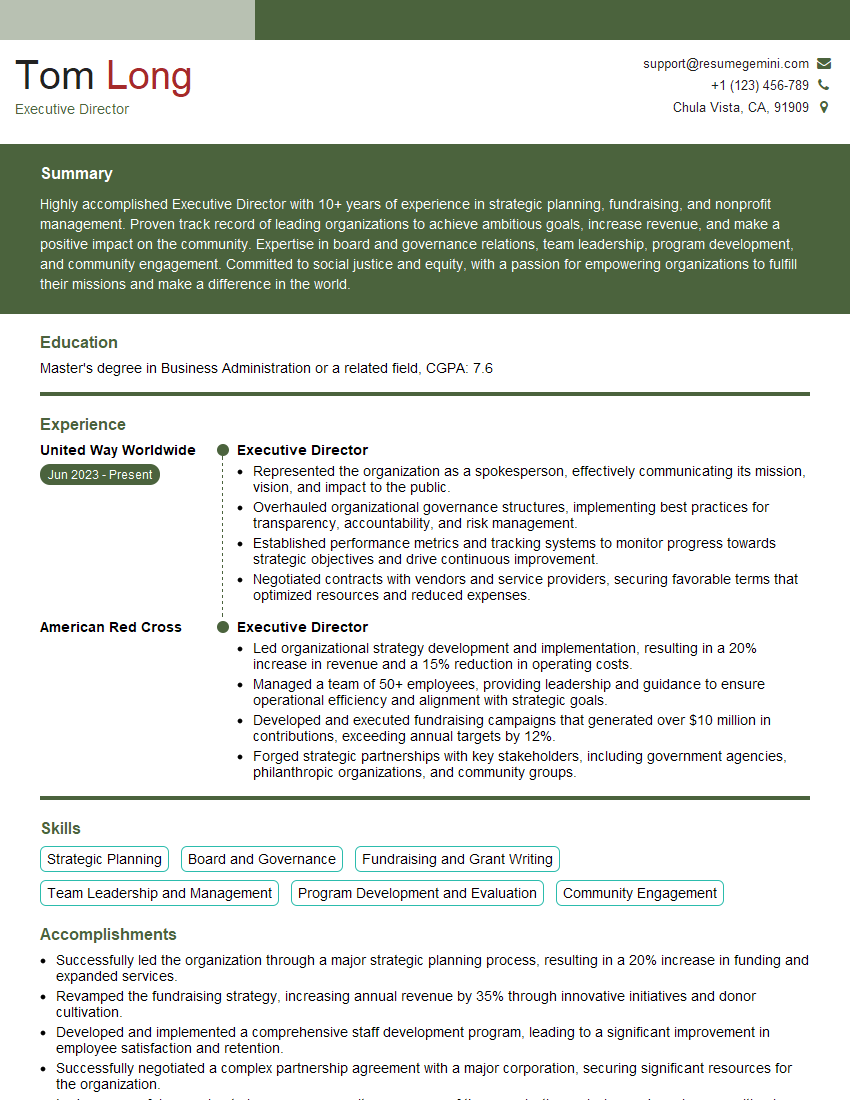
Executive Director Resume Sample

Communications Director Resume Sample
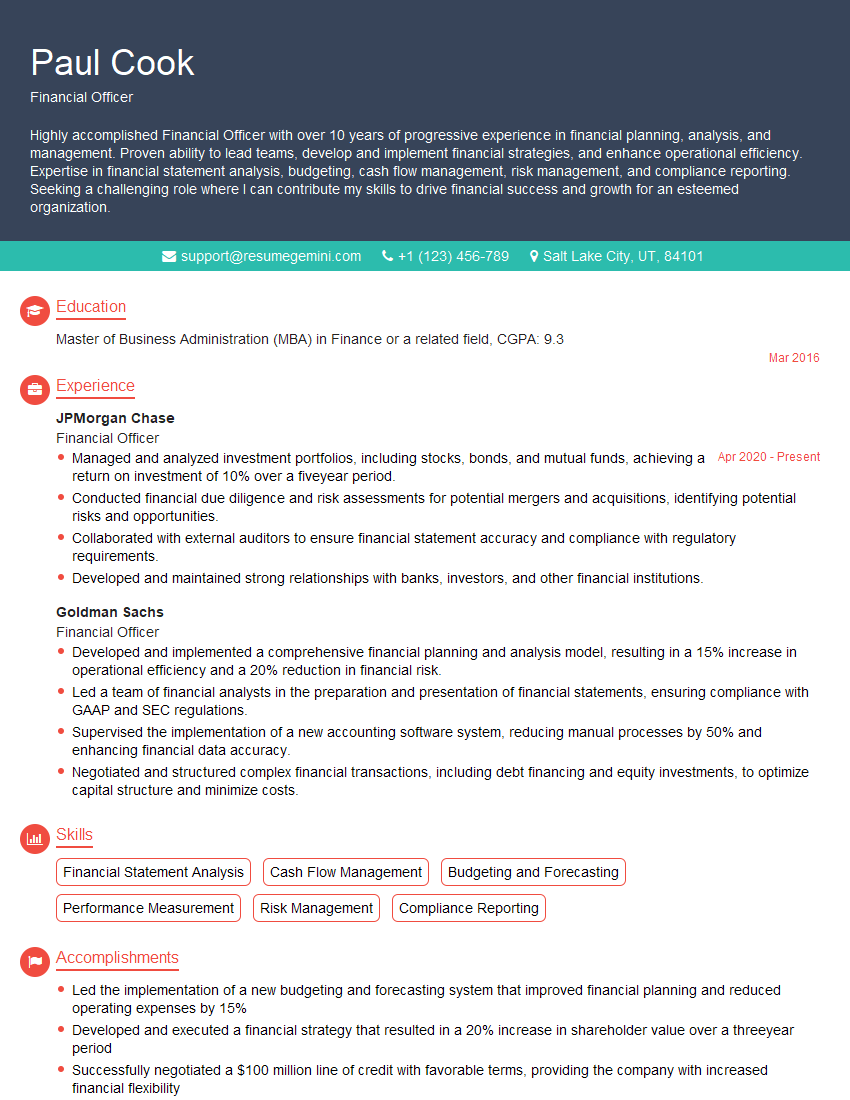
Financial Officer Resume Sample
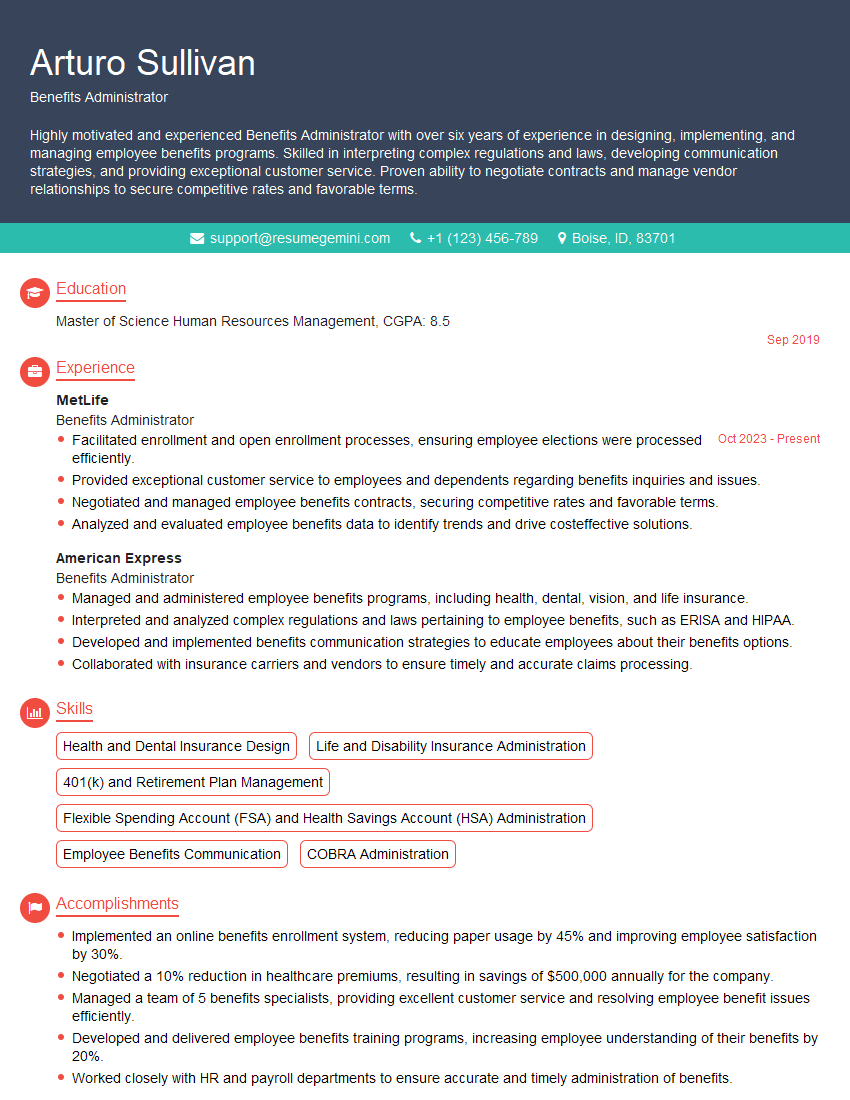
Benefits Administrator Resume Sample
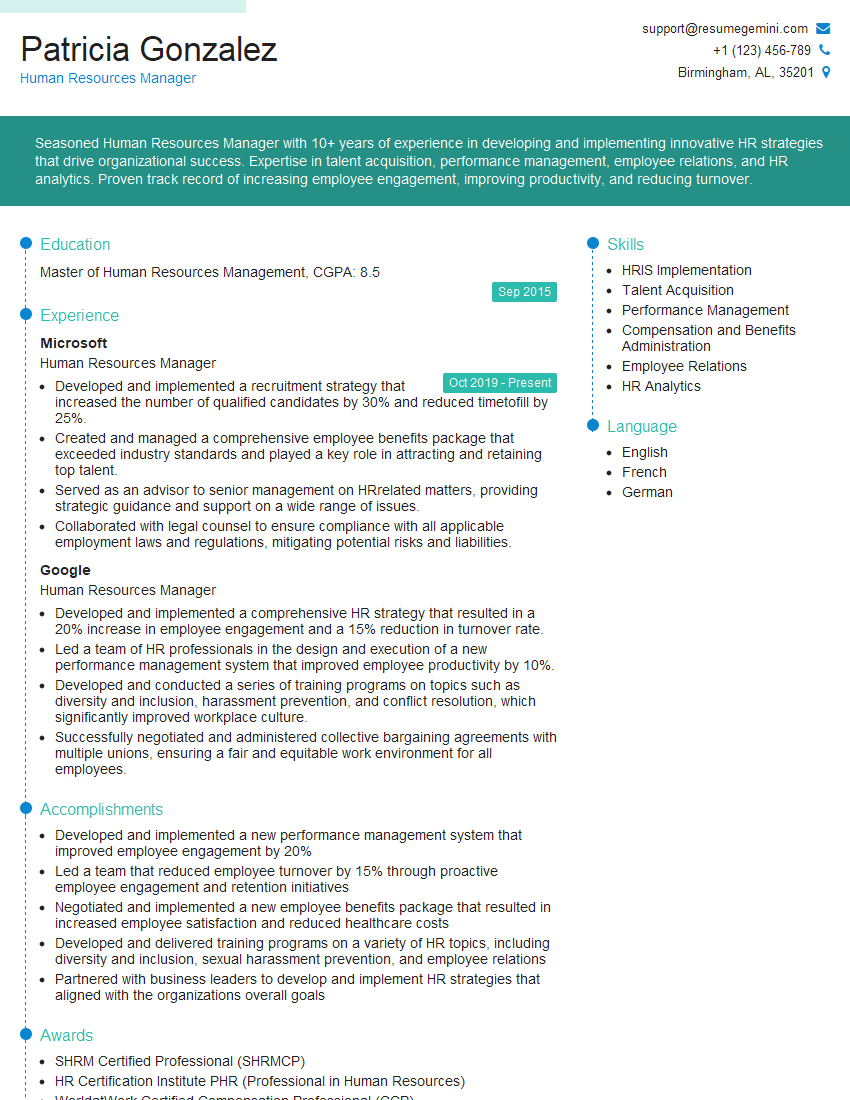
Human Resources Manager Resume Sample

Compliance Officer Resume Sample
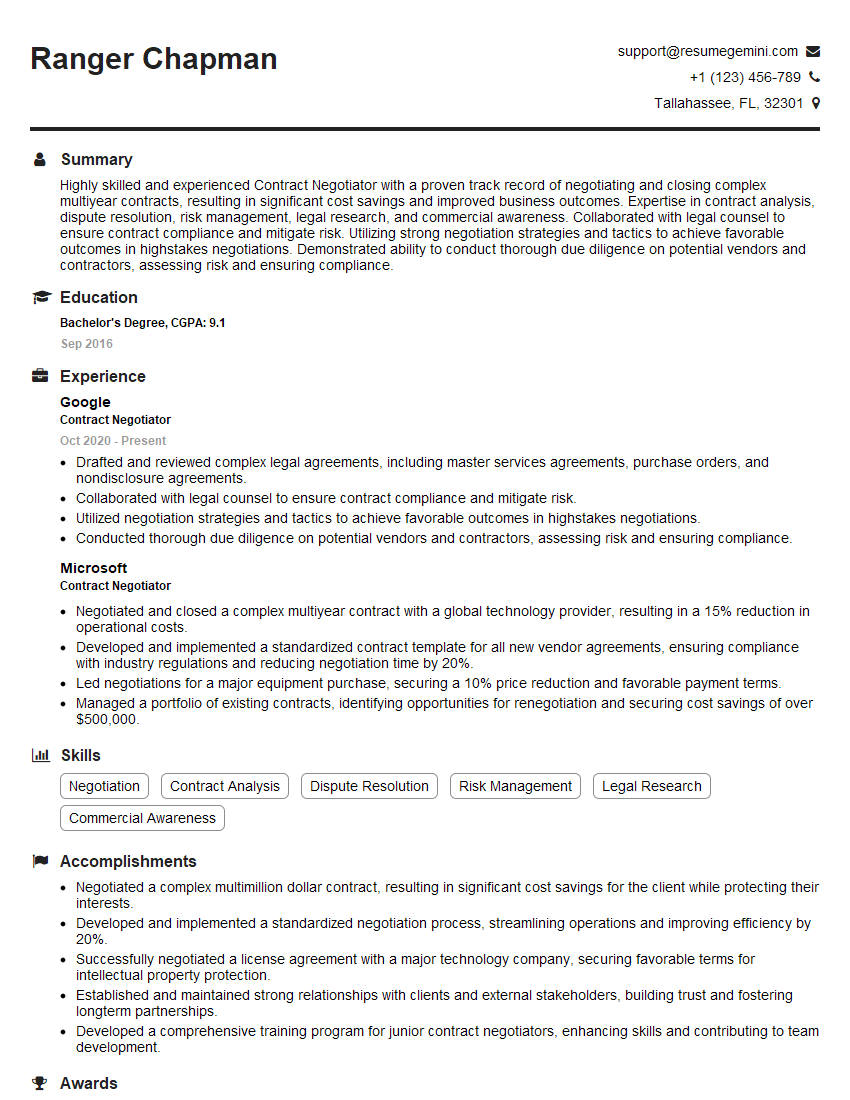
Contract Negotiator Resume Sample
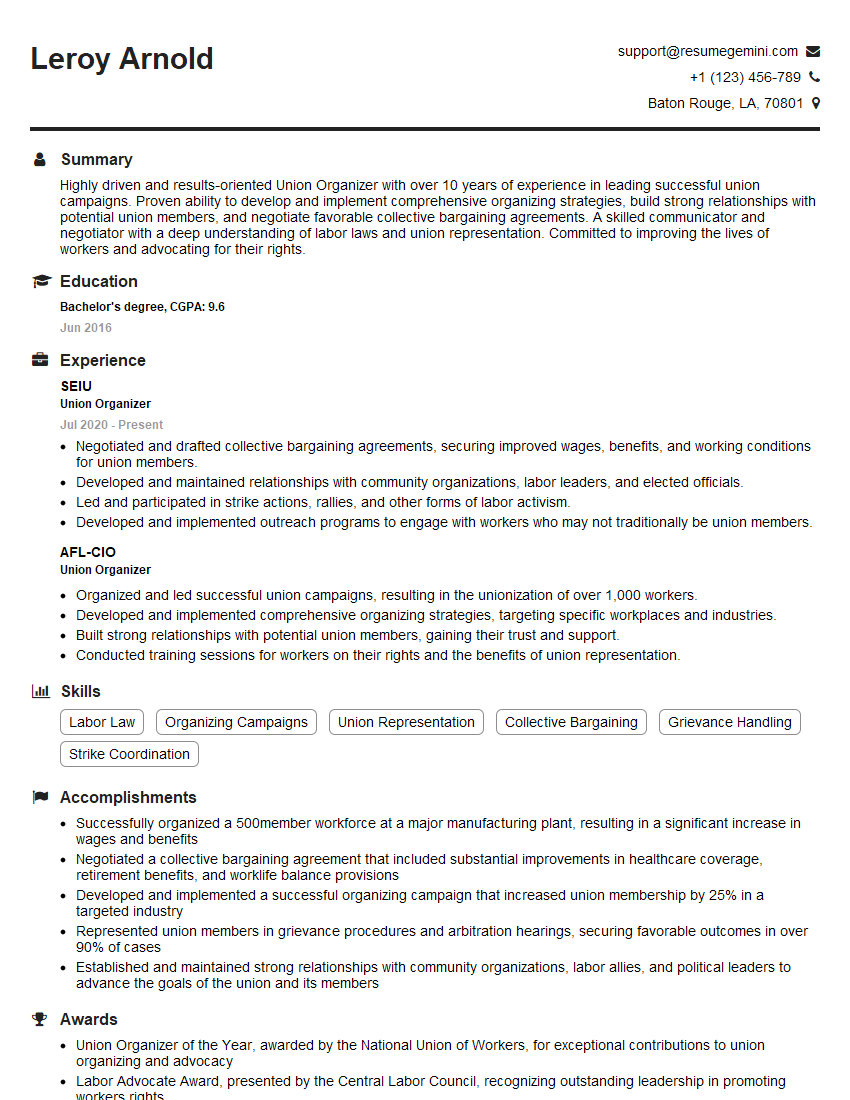
Union Organizer Resume Sample
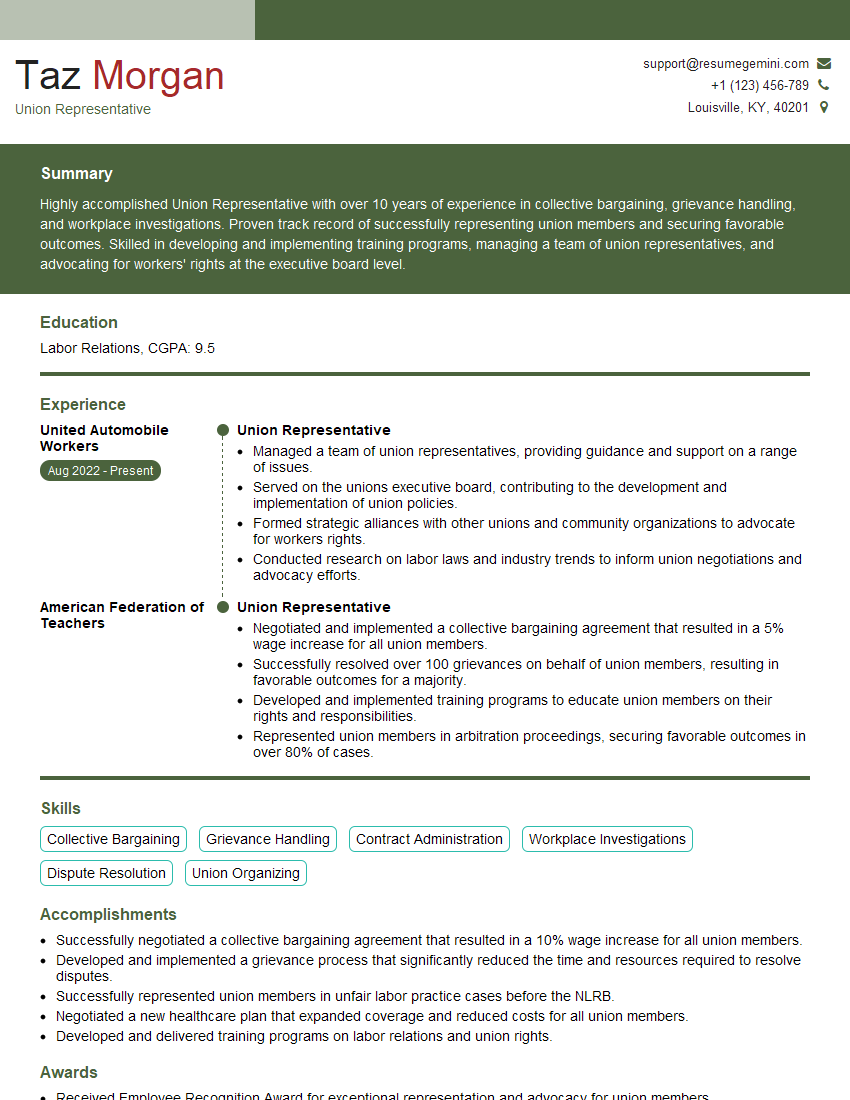
Union Representative Resume Sample
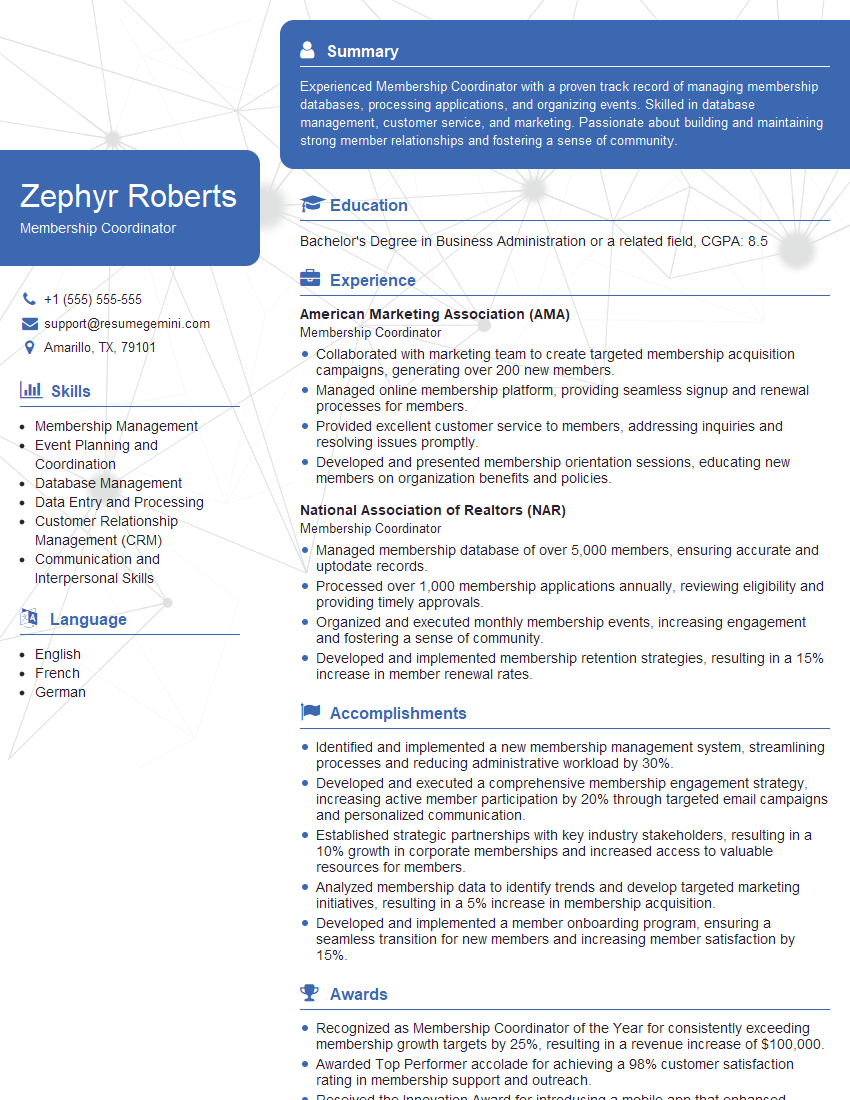
Membership Coordinator Resume Sample
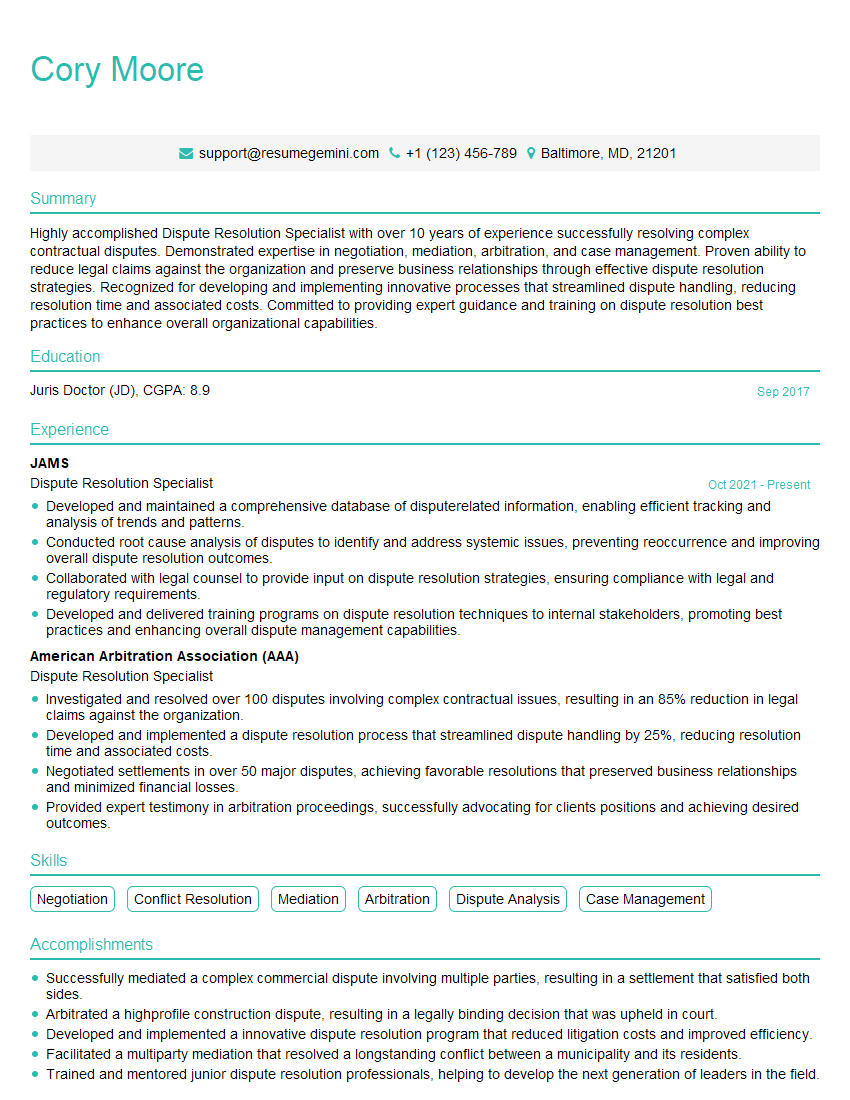
Dispute Resolution Specialist Resume Sample
Explore more articles
Users Rating of Our Blogs
Share Your Experience
We value your feedback! Please rate our content and share your thoughts (optional).
What Readers Say About Our Blog
Very informative content, great job.
good