Every successful interview starts with knowing what to expect. In this blog, we’ll take you through the top Tactical and Strategic Planning interview questions, breaking them down with expert tips to help you deliver impactful answers. Step into your next interview fully prepared and ready to succeed.
Questions Asked in Tactical and Strategic Planning Interview
Q 1. Describe your experience in developing strategic plans.
Developing strategic plans involves a multifaceted process requiring a deep understanding of the organization’s vision, mission, and current state. My experience encompasses leading the entire strategic planning lifecycle, from initial environmental scans and stakeholder analysis to the formulation of strategic goals, action plans, and ongoing monitoring and evaluation. I’ve led teams in crafting plans for diverse organizations, including a non-profit focused on community development where we successfully realigned their resource allocation to increase program impact by 25%, and a tech startup where we developed a three-year roadmap that resulted in a 40% increase in market share.
This involves using various frameworks like SWOT analysis (Strengths, Weaknesses, Opportunities, Threats), PESTLE analysis (Political, Economic, Social, Technological, Legal, Environmental), and Porter’s Five Forces to assess the internal and external landscape. Furthermore, I leverage scenario planning techniques to prepare for various future possibilities and develop contingency plans. Crucially, I prioritize effective communication and collaboration, ensuring buy-in from all stakeholders throughout the process.
Q 2. Explain the difference between tactical and strategic planning.
Strategic and tactical planning are distinct but interconnected levels of planning. Think of it like navigating a journey: strategic planning is deciding your destination and the overall route, while tactical planning focuses on the specific steps and actions required for each leg of the journey.
- Strategic Planning: This is long-term, big-picture planning focused on achieving the organization’s overarching goals. It involves defining the organization’s vision, mission, and values; analyzing the competitive landscape; identifying opportunities and threats; and setting long-term objectives. Strategic plans typically span 3-5 years or more.
- Tactical Planning: This is short-term planning that focuses on the specific actions needed to achieve the strategic goals. It involves breaking down strategic objectives into smaller, more manageable tasks, assigning responsibilities, setting deadlines, and allocating resources. Tactical plans are usually shorter-term, perhaps spanning a year or less.
For example, a strategic goal might be to increase market share. Tactical plans would then involve specific activities like launching a new marketing campaign, developing new products, or expanding into new markets. Both levels are crucial for success; a strong strategic direction without effective tactical execution is futile, and brilliant tactics without a clear strategic direction will likely be inefficient and ineffective.
Q 3. How do you prioritize competing priorities in a strategic plan?
Prioritizing competing priorities within a strategic plan requires a systematic approach. I typically employ a multi-criteria decision analysis (MCDA) approach, combining qualitative and quantitative factors. This could involve using a prioritization matrix that weighs factors like urgency, importance, and potential impact.
- Identify all competing priorities: List every goal, objective, and initiative.
- Define criteria for prioritization: These might include alignment with strategic goals, potential impact, resource requirements, feasibility, and risk.
- Assign weights to each criterion: Reflect the relative importance of each factor.
- Score each priority against each criterion: Use a consistent scoring system (e.g., 1-5 scale).
- Calculate weighted scores: Multiply each score by its corresponding weight and sum the results.
- Rank priorities based on weighted scores: The higher the weighted score, the higher the priority.
For instance, in a product development scenario, we might prioritize a feature with high market demand and low development cost over a technically complex feature with uncertain market acceptance, even if the latter promises higher potential returns. Transparency and clear communication throughout this process are vital to maintain stakeholder buy-in.
Q 4. Describe a time you had to adapt a strategic plan due to unforeseen circumstances.
During a major product launch, we encountered an unforeseen supply chain disruption due to a natural disaster. Our initial strategic plan relied on a specific supplier for a crucial component. The disruption threatened to significantly delay the launch and impact our projected revenue.
To adapt, we immediately convened a cross-functional team. We first assessed the impact of the disruption, then explored alternative suppliers, expedited shipping from secondary sources, and reevaluated our marketing timeline to manage customer expectations. This involved a rapid shift to a more decentralized supply chain model, which required additional investment but ultimately mitigated the risks. We successfully launched the product only a month behind schedule, minimizing the overall negative impact thanks to proactive adaptation and effective communication with all affected parties.
Q 5. What metrics do you use to measure the success of a strategic plan?
Measuring the success of a strategic plan necessitates a clear definition of Key Performance Indicators (KPIs) aligned with the strategic goals. These KPIs should be SMART (Specific, Measurable, Achievable, Relevant, Time-bound). I use a combination of leading and lagging indicators to track progress.
- Leading Indicators: These are predictive metrics that suggest future performance. Examples include customer acquisition cost, brand awareness, employee engagement, and R&D investment.
- Lagging Indicators: These measure outcomes and reflect past performance. Examples include revenue, market share, profit margin, customer satisfaction, and employee turnover.
Regular monitoring and reporting are crucial. Dashboards and reports visualize progress against KPIs, highlighting areas needing attention. Regular review meetings with stakeholders allow for course correction and continuous improvement. For example, if our strategic goal is to increase customer satisfaction, we might track leading indicators like customer service response times and feedback survey scores in addition to lagging indicators like customer retention rates and Net Promoter Score.
Q 6. How do you ensure alignment between strategic and tactical goals?
Aligning strategic and tactical goals requires a cascading approach, ensuring that tactical plans directly support the overarching strategic objectives. This starts with clearly defining strategic goals and then breaking them down into smaller, actionable tactical goals. Regular communication and feedback loops are crucial.
I utilize a technique called ‘objectives and key results’ (OKRs) to ensure alignment. Strategic OKRs set the overall direction, and each department or team develops its own tactical OKRs, which directly contribute to the achievement of the strategic OKRs. This ensures that everyone is working towards the same overarching goals. Regular progress reviews and reporting mechanisms help maintain alignment and identify any deviations early on. This approach fosters transparency and accountability, empowering teams to contribute effectively towards the organization’s overall success.
Q 7. Explain your approach to risk assessment in strategic planning.
Risk assessment is an integral part of strategic planning. I use a structured approach that involves identifying potential risks, analyzing their likelihood and impact, and developing mitigation strategies. This typically involves a qualitative and quantitative analysis.
- Risk Identification: This involves brainstorming potential risks from various sources, such as the competitive landscape, economic conditions, regulatory changes, technological advancements, and internal factors.
- Risk Analysis: For each identified risk, we assess its likelihood (probability of occurrence) and potential impact (severity of consequences). We use a risk matrix to visually represent this, often using a combination of qualitative descriptions and numerical scoring.
- Risk Response Planning: For each risk, we develop mitigation strategies that address how to reduce the likelihood or impact. Strategies may include risk avoidance, risk reduction, risk transfer, or risk acceptance.
- Monitoring and Review: We regularly monitor identified risks and evaluate the effectiveness of our mitigation strategies. This is an iterative process, and the risk assessment and response plan should be updated as needed based on new information or changing circumstances.
For example, in a new market entry strategy, we might identify risks such as regulatory hurdles, competitor reactions, and unexpected market demand. We would assess the likelihood and impact of each risk and develop strategies such as conducting thorough regulatory due diligence, investing in market research, and building flexible supply chains to address these risks.
Q 8. How do you communicate strategic plans to diverse stakeholders?
Communicating strategic plans effectively to diverse stakeholders requires a multi-faceted approach that considers their varying levels of understanding, interests, and communication preferences. It’s not simply about delivering information; it’s about building consensus and securing buy-in.
- Tailored Messaging: I adapt my communication style and the level of detail to each audience. For executive leadership, I focus on high-level strategic objectives and key performance indicators (KPIs). For operational teams, I emphasize the implications of the plan for their specific roles and responsibilities. For external stakeholders, I highlight the value proposition and long-term vision.
- Multiple Channels: I leverage various communication channels to reach a broader audience. This might include presentations, written reports, emails, town hall meetings, and even informal one-on-one conversations. The choice of channel depends on the message, the audience, and the desired level of interaction.
- Visual Aids: Visual aids, such as charts, graphs, and infographics, are crucial for conveying complex information in an easily digestible format. They make the plan more engaging and accessible, particularly for those who are less familiar with the strategic details.
- Interactive Sessions: I actively encourage feedback and questions from stakeholders through interactive sessions, workshops, or Q&A forums. This allows for clarification, addresses concerns, and fosters a sense of shared ownership of the plan.
- Consistent Communication: Regular updates on progress and any necessary adjustments to the plan are crucial to maintain transparency and engagement. This helps to keep stakeholders informed and build trust.
For example, in a previous role, I used a combination of executive summaries, detailed operational plans, and interactive workshops to communicate a significant restructuring initiative to employees across various departments. This multi-channel approach ensured that everyone understood their role in the change and felt heard throughout the process.
Q 9. Describe your experience with SWOT analysis and its application in strategic planning.
SWOT analysis is a fundamental tool in strategic planning, providing a framework for identifying and analyzing an organization’s internal strengths and weaknesses, as well as external opportunities and threats. It’s a crucial first step in understanding the organization’s current position and potential future trajectory.
My experience with SWOT analysis involves facilitating workshops with cross-functional teams to collaboratively identify key factors. We brainstorm using techniques like mind-mapping and then prioritize items based on their impact and likelihood. The result is a comprehensive SWOT matrix that informs the development of strategic goals and action plans.
For instance, in a recent project with a non-profit, we used SWOT analysis to uncover opportunities for expanding their fundraising efforts. Our analysis revealed a strength in their strong volunteer base, a weakness in their limited online presence, a threat from increased competition, and an opportunity to tap into a growing demographic of younger donors. This led to a strategic plan that included enhancing their website and social media presence to reach the new demographic, thereby leveraging the existing strength of volunteers in the process.
Q 10. How do you facilitate strategic planning sessions?
Facilitating effective strategic planning sessions requires a structured approach that balances collaboration, creativity, and focused execution. It’s about guiding a group of individuals towards a shared understanding and a common vision.
- Clear Objectives: I begin by establishing clear objectives for the session, outlining the expected outcomes and the timeframe. This sets the stage and helps to keep the group focused.
- Structured Agenda: A well-defined agenda ensures that all critical topics are addressed in a logical sequence. This includes allocating sufficient time for discussion and decision-making.
- Engaging Techniques: I utilize various techniques to encourage participation and creativity, such as brainstorming, mind-mapping, and group exercises. This promotes diverse perspectives and generates innovative ideas.
- Conflict Resolution: I am skilled in managing group dynamics and resolving conflicts that may arise during the session. This ensures that the discussion remains productive and constructive.
- Actionable Outcomes: The session should conclude with clear, actionable steps and assigned responsibilities. This prevents the plan from becoming merely a document gathering dust on a shelf.
For example, in a recent session with a technology startup, I employed a design thinking approach to brainstorm new product features. This facilitated a collaborative and creative environment, leading to the identification of several innovative ideas that were subsequently incorporated into their product roadmap.
Q 11. How do you handle resistance to change during strategic implementation?
Resistance to change is a common hurdle in strategic implementation. Addressing it effectively requires a combination of proactive measures and responsive strategies. It’s crucial to understand the root causes of resistance and tailor your approach accordingly.
- Communication and Education: Transparent and consistent communication is key. Keeping stakeholders informed about the reasons for the change, the benefits it will bring, and how it will affect them helps to reduce anxiety and build buy-in.
- Participation and Involvement: Involving stakeholders in the planning and implementation process helps foster a sense of ownership and reduces resistance. This can include seeking their input, addressing their concerns, and acknowledging their contributions.
- Addressing Concerns: Actively listening to and addressing the concerns of those who are resistant is crucial. This may involve providing additional information, offering support, or making adjustments to the plan.
- Incentives and Recognition: Offering incentives or recognizing those who embrace the change can encourage others to follow suit. This helps create a positive and supportive environment.
- Leadership Support: Strong leadership support is essential in overcoming resistance. Leaders need to champion the change, model the desired behaviors, and provide the necessary resources.
In one instance, I faced significant resistance to a new performance management system. By addressing individual concerns directly, involving employees in the design of certain aspects of the system, and providing thorough training and support, we were able to successfully overcome the resistance and ultimately improved employee performance and morale.
Q 12. Describe your experience with scenario planning.
Scenario planning is a powerful technique for anticipating and preparing for potential future events. It moves beyond traditional forecasting by considering a range of possible futures, forcing organizations to think strategically and proactively.
My experience involves facilitating scenario planning workshops that explore multiple plausible future scenarios. We start by identifying key drivers of change, such as technological advancements, economic shifts, or geopolitical events. Then, we develop different storylines based on different combinations of these drivers. Each scenario is described in detail, considering its implications for the organization. This helps in developing flexible and adaptive strategic plans that can adjust to various circumstances.
For example, in a project for a retail company, we developed three scenarios: a pessimistic scenario with sluggish economic growth, an optimistic scenario with strong economic growth and technological innovation, and a neutral scenario with moderate economic growth and incremental technological change. This allowed the company to formulate contingency plans for each scenario, ensuring they remained resilient regardless of the actual future.
Q 13. How do you measure the ROI of a strategic initiative?
Measuring the ROI of a strategic initiative requires a clear understanding of the intended outcomes and a robust measurement framework. It’s more than just looking at financial returns; it involves assessing the impact across multiple dimensions.
- Define Key Performance Indicators (KPIs): Before implementing the initiative, define specific, measurable, achievable, relevant, and time-bound (SMART) KPIs that directly reflect the strategic objectives. These KPIs should capture both qualitative and quantitative aspects.
- Baseline Measurement: Establish a baseline measurement of the KPIs before the initiative is launched. This provides a benchmark against which to compare subsequent results.
- Data Collection and Analysis: Collect data regularly to monitor progress against the KPIs. Use appropriate analytical methods to assess the impact of the initiative.
- Attribution: While challenging, strive to isolate the impact of the specific initiative from other factors that may influence the results. This requires careful consideration of potential confounding variables.
- Qualitative Assessment: Incorporate qualitative measures, such as employee satisfaction or customer feedback, to obtain a more holistic view of the initiative’s impact.
For example, when evaluating the ROI of a marketing campaign, we would track KPIs such as website traffic, lead generation, conversion rates, and ultimately, sales revenue. Qualitative feedback from customer surveys would further enrich the assessment.
Q 14. How do you identify and mitigate potential risks in a tactical plan?
Identifying and mitigating potential risks in a tactical plan is crucial for successful execution. This requires a proactive and systematic approach that involves both identifying potential threats and developing strategies to address them.
- Risk Identification: Utilize techniques such as brainstorming, checklists, and SWOT analysis to identify potential risks. Consider factors such as resource constraints, technological challenges, competitive threats, and market uncertainties.
- Risk Assessment: Assess the likelihood and potential impact of each identified risk. This helps prioritize risks based on their severity.
- Risk Mitigation Strategies: Develop specific strategies to mitigate each risk. These strategies might include contingency planning, risk transfer (e.g., insurance), risk avoidance, or risk reduction (e.g., implementing better controls).
- Contingency Planning: Develop detailed contingency plans for high-impact risks. These plans outline alternative actions to be taken if the initial plan is disrupted.
- Monitoring and Control: Regularly monitor the implementation of the tactical plan and track the occurrence of identified risks. Adjust the plan as needed to address emerging risks.
For instance, in a project involving a new software launch, we identified risks related to software bugs, delays in development, and negative customer feedback. We mitigated these risks through rigorous testing, a phased rollout approach, and a robust customer support plan. This proactive approach minimized the impact of unexpected challenges.
Q 15. Explain your process for developing tactical plans to support strategic objectives.
Developing tactical plans to support strategic objectives requires a structured approach that ensures alignment and efficiency. I begin by thoroughly understanding the overarching strategic goals. This involves analyzing the organization’s vision, mission, and key performance indicators (KPIs). Then, I break down these broad objectives into smaller, manageable, and measurable tactical plans. Think of it like building a house – the strategic goal is to build the house, while the tactical plans are the blueprints for the foundation, walls, roof, etc.
- Goal Decomposition: I use a Work Breakdown Structure (WBS) to systematically decompose the strategic goals into actionable tasks.
- Resource Allocation: This involves identifying the resources (personnel, budget, time) required for each tactical plan and allocating them effectively.
- Timeline Development: Creating a realistic timeline with clear milestones and deadlines is crucial for effective execution.
- Risk Assessment and Mitigation: Identifying potential risks and developing mitigation strategies is paramount. For example, if a key supplier might delay materials, we’d have a backup supplier identified.
- Regular Monitoring and Evaluation: Finally, I establish a system for regular monitoring of progress against the tactical plans, allowing for adjustments as needed. This involves tracking KPIs and holding regular review meetings.
For instance, if the strategic goal is to increase market share by 15% in the next year, tactical plans might include launching a new marketing campaign, improving customer service, or developing new product features. Each tactical plan would have its own specific objectives, timeline, and resources.
Career Expert Tips:
- Ace those interviews! Prepare effectively by reviewing the Top 50 Most Common Interview Questions on ResumeGemini.
- Navigate your job search with confidence! Explore a wide range of Career Tips on ResumeGemini. Learn about common challenges and recommendations to overcome them.
- Craft the perfect resume! Master the Art of Resume Writing with ResumeGemini’s guide. Showcase your unique qualifications and achievements effectively.
- Don’t miss out on holiday savings! Build your dream resume with ResumeGemini’s ATS optimized templates.
Q 16. Describe a time you had to make a difficult decision based on limited information.
During a product launch, we faced a critical manufacturing delay due to a supplier issue. We had limited information on the severity and duration of the delay. The decision was whether to postpone the launch, risking significant marketing expense and loss of momentum, or proceed with a partial launch, potentially affecting initial customer satisfaction.
My approach involved gathering all available data, even if incomplete. This included talking to the supplier, assessing our inventory, and evaluating the impact of different scenarios. We then used a decision matrix to weigh the risks and benefits of each option, considering factors such as financial impact, brand reputation, and market opportunity. We ultimately opted for a phased launch, prioritizing key markets and customer segments, while simultaneously working to resolve the supply chain issue. This minimized the negative impact and allowed us to learn valuable lessons about supply chain resilience.
Q 17. How do you use data to inform your strategic and tactical decisions?
Data is the cornerstone of effective strategic and tactical decision-making. I use data analytics to identify trends, patterns, and insights that inform our strategies and tactics. This involves collecting data from various sources, such as market research, sales data, customer feedback, and internal operations.
- Market Analysis: Identifying market trends and competitor actions through market research data helps refine our strategic positioning.
- Performance Monitoring: Tracking KPIs like sales revenue, customer acquisition cost, and website traffic allows us to assess the effectiveness of our tactical plans and make data-driven adjustments.
- Predictive Modeling: Utilizing forecasting techniques helps anticipate future demand and optimize resource allocation.
- A/B Testing: Experimenting with different marketing campaigns or product features, and measuring their impact, allows us to make informed decisions based on empirical evidence.
For example, if sales data shows a decline in a specific product line, we can analyze the data to understand the root cause (e.g., competitor pricing, changing customer preferences) and develop targeted tactical plans to address the issue. This might involve a price adjustment, a marketing campaign highlighting new features, or discontinuing the product line altogether.
Q 18. What tools and techniques do you use for strategic and tactical planning?
I utilize a variety of tools and techniques for strategic and tactical planning. These include:
- SWOT Analysis: To identify Strengths, Weaknesses, Opportunities, and Threats relevant to the organization.
- PESTLE Analysis: To assess the impact of Political, Economic, Social, Technological, Legal, and Environmental factors.
- Porter’s Five Forces: To analyze the competitive landscape and understand industry dynamics.
- Balanced Scorecard: To monitor performance across multiple perspectives (financial, customer, internal processes, learning & growth).
- Project Management Software (e.g., Asana, Jira, MS Project): For task management, resource allocation, and progress tracking.
- Data Visualization Tools (e.g., Tableau, Power BI): To present data insights in a clear and concise manner.
The specific tools and techniques employed depend on the context and complexity of the planning process. For example, a smaller project might only require a simple Gantt chart and a spreadsheet, while a larger, more complex initiative would necessitate a more comprehensive approach using multiple tools.
Q 19. How do you ensure accountability in the implementation of strategic and tactical plans?
Accountability is essential for successful implementation of strategic and tactical plans. I ensure accountability through a combination of strategies:
- Clear Roles and Responsibilities: Defining specific roles and responsibilities for each task or project ensures that individuals know what is expected of them.
- Regular Progress Reports: Establishing a system for regular progress reporting allows for early detection of any issues or deviations from the plan.
- Performance Metrics and KPIs: Tracking key performance indicators allows for objective assessment of progress and identification of areas needing improvement.
- Regular Review Meetings: Holding regular meetings to review progress, discuss challenges, and make necessary adjustments keeps everyone aligned and accountable.
- Incentive Programs: Linking performance to rewards can motivate individuals and teams to achieve the objectives.
By clearly defining expectations, monitoring progress, and providing regular feedback, I create an environment where individuals and teams take ownership of their work and are held accountable for their contributions.
Q 20. Describe your experience with project management methodologies in relation to strategic planning.
Project management methodologies are crucial for effectively implementing strategic plans. I have extensive experience using Agile and Waterfall methodologies, adapting my approach based on the specific project requirements.
- Waterfall Methodology: Suitable for projects with clearly defined requirements and minimal expected changes. This approach involves a linear sequence of phases, from initiation to completion.
- Agile Methodology: Best suited for projects with evolving requirements and a need for flexibility. This iterative approach emphasizes collaboration, continuous improvement, and rapid adaptation to change. Scrum and Kanban are popular Agile frameworks I’ve employed.
In strategic planning, I often utilize a hybrid approach, combining elements of both Waterfall and Agile. For example, the initial strategic roadmap might be developed using a Waterfall approach, while the implementation of individual tactical plans could utilize Agile principles to allow for greater flexibility and responsiveness.
Q 21. How do you balance long-term strategic goals with short-term tactical needs?
Balancing long-term strategic goals with short-term tactical needs is a critical skill in strategic planning. It’s like navigating a ship – you need a clear destination (long-term goal) but must also manage the immediate challenges (short-term needs) to stay on course.
I approach this challenge by:
- Strategic Alignment: Ensuring all tactical plans directly contribute to the overarching strategic goals. This prevents short-term actions from derailing the long-term vision.
- Prioritization: Identifying and prioritizing tasks based on their impact on both short-term and long-term objectives. This involves a careful assessment of urgency and importance.
- Resource Allocation: Allocating resources effectively to balance the needs of both short-term and long-term initiatives. This might involve allocating a portion of resources to long-term projects, even if they don’t generate immediate returns.
- Regular Review and Adjustment: Regularly reviewing progress and adjusting plans as needed to account for unexpected events or changes in the environment. This ensures the plan remains relevant and effective.
For example, a company might have a long-term goal of expanding into new markets. However, a short-term need might be to improve customer satisfaction in its existing market. A balanced approach would involve allocating resources to both initiatives, recognizing that improving customer satisfaction in the existing market can lay the groundwork for successful expansion into new markets.
Q 22. How do you adapt your planning approach based on the context of the organization and its industry?
My approach to planning is highly contextual. I don’t believe in a one-size-fits-all strategy. Instead, I begin by deeply understanding the organization’s unique circumstances. This involves analyzing its:
- Industry landscape: Is it a rapidly evolving industry like technology, or a more stable one like utilities? The pace of change dictates the planning horizon and the level of detail needed.
- Organizational culture: Is it risk-averse or innovative? A hierarchical structure will require a different approach than a flat, collaborative one. This influences the communication strategy and decision-making processes within the planning process.
- Resources: What are the organization’s financial, human, and technological resources? Realistic planning necessitates aligning ambitions with available resources. A startup with limited funding will require a leaner, more agile approach than a large corporation.
- Strategic goals: What are the organization’s overarching objectives? These goals, whether focused on market share, profitability, or social impact, will frame the entire planning process.
For example, in a fast-paced tech startup, I’d favor agile planning with short iterations and frequent feedback loops, allowing for rapid adaptation to market changes. In a more established, regulated industry, I would employ a more structured, long-term planning approach with a focus on risk mitigation.
Q 23. Describe a situation where a tactical decision had a significant impact on the overall strategic plan.
During my time at [Previous Company Name], we were facing declining market share for our flagship product. Our strategic plan focused on a long-term product diversification strategy. However, a tactical decision to significantly improve customer service through a new, proactive support system yielded unexpected results. We saw a surge in customer retention and positive word-of-mouth referrals. This tactical success, initially outside the scope of the strategic plan, provided a much-needed boost to the business, buying us valuable time and resources to execute the longer-term diversification strategy successfully. It highlighted the importance of being responsive to immediate market needs while pursuing broader strategic goals. The improved customer service acted as a critical bridge, effectively connecting the tactical and strategic plans.
Q 24. How do you handle conflicts between different departments or teams during strategic implementation?
Conflict is inevitable during strategic implementation. I address it using a structured, collaborative approach:
- Identify the root cause: Often, conflicts stem from differing priorities, unclear roles, or insufficient communication. I facilitate open discussions to understand the underlying issues.
- Facilitate communication: I create a platform for all stakeholders to voice their concerns and perspectives. This might involve facilitated workshops, one-on-one meetings, or regular progress reports.
- Find common ground: I work towards finding mutually beneficial solutions. This often involves compromise and prioritization, focusing on the overall strategic goals.
- Establish clear decision-making processes: To prevent future conflicts, I establish clear lines of authority and decision-making processes, ensuring transparency and accountability.
- Document agreements: I ensure that all agreements and decisions are documented and shared with all involved parties.
For instance, if the marketing and sales departments have conflicting views on a new product launch campaign, I would facilitate a meeting where both teams present their perspectives, identify areas of agreement and disagreement, and collaboratively develop a plan that integrates their best ideas while aligning with overall strategic objectives.
Q 25. Explain your experience with budgeting and resource allocation in support of strategic goals.
My experience with budgeting and resource allocation is extensive. I use a results-oriented approach, aligning budget allocation directly with strategic goals. I typically employ a zero-based budgeting method, requiring each department to justify its budget requests based on their contribution to strategic objectives. This ensures efficient resource allocation and prevents unnecessary spending. I use various tools like scenario planning and sensitivity analysis to understand the potential impact of different budget allocations on the overall strategic goals. I also incorporate key performance indicators (KPIs) to track progress and make necessary adjustments to resource allocation throughout the implementation phase. This allows for dynamic resource allocation, adapting to changing circumstances and optimizing resource utilization.
Q 26. How do you stay up-to-date on industry trends and best practices in strategic planning?
Staying current in strategic planning requires a multi-faceted approach:
- Industry publications and journals: I regularly read publications like the Harvard Business Review and industry-specific journals to keep abreast of the latest trends and best practices.
- Conferences and workshops: Attending industry conferences and workshops provides invaluable networking opportunities and exposure to innovative ideas.
- Online courses and certifications: Continuous learning through online courses and professional certifications keeps my skills sharp and ensures I stay up-to-date with new methodologies.
- Networking with peers: I actively network with colleagues and industry experts to learn from their experiences and share best practices.
This ongoing commitment to continuous learning helps me adapt to changing market conditions and leverage the most effective strategies and tools.
Q 27. Describe your experience with developing contingency plans.
Developing contingency plans is crucial for effective strategic planning. I typically involve a multi-step process:
- Identify potential risks: This involves brainstorming sessions with cross-functional teams to identify potential internal and external factors that could disrupt the strategic plan.
- Assess the likelihood and impact of each risk: We assign probabilities and potential consequences to each risk identified. This helps prioritize which risks require the most attention.
- Develop mitigation strategies: For each high-probability, high-impact risk, we develop specific mitigation strategies or contingency plans. These strategies outline specific actions to be taken should the risk materialize.
- Test and review contingency plans: Regular reviews and simulations of contingency plans ensure they remain relevant and effective.
For example, during a product launch, a contingency plan might address potential supply chain disruptions, negative media coverage, or unexpected technical glitches. The plan would outline alternative suppliers, communication strategies, and technical solutions to mitigate the impact of these risks.
Q 28. How do you evaluate the effectiveness of your strategic and tactical planning processes?
Evaluating the effectiveness of strategic and tactical planning requires a robust monitoring and evaluation system. This involves:
- Defining clear KPIs: Specific, measurable, achievable, relevant, and time-bound (SMART) KPIs are crucial for tracking progress against the strategic plan.
- Regular monitoring and reporting: Regularly monitoring progress against the KPIs and generating reports allows for timely detection of any deviations from the plan.
- Post-implementation review: A thorough post-implementation review is essential to assess the overall success of the plan, identifying areas of strength and weakness. This review involves analyzing the actual results against the planned outcomes, and understanding the reasons for any variances.
- Feedback mechanisms: Establishing feedback mechanisms enables continuous improvement in the planning process. This can involve surveys, interviews, or focus groups to gather input from stakeholders.
By systematically collecting and analyzing data, identifying areas for improvement, and adapting the planning process accordingly, we can continually refine our strategies and ensure their ongoing effectiveness.
Key Topics to Learn for Tactical and Strategic Planning Interview
- Strategic Vision & Goal Setting: Understanding the process of defining long-term objectives and translating them into actionable strategies. This includes SWOT analysis, market research, and competitive analysis.
- Tactical Execution & Implementation: Developing and managing detailed plans to achieve strategic goals. This involves resource allocation, project management, and risk mitigation.
- Scenario Planning & Contingency Management: Developing plans to address potential challenges and unexpected events. This includes identifying potential risks, developing mitigation strategies, and adapting plans as needed.
- Performance Measurement & Evaluation: Establishing Key Performance Indicators (KPIs) to track progress, analyze results, and make data-driven adjustments to plans.
- Communication & Collaboration: Effectively communicating strategic and tactical plans to stakeholders, fostering collaboration, and building consensus.
- Change Management: Understanding the process of managing organizational change effectively during implementation of strategic and tactical plans.
- Problem-solving and Decision-Making Frameworks: Applying frameworks like the 5 Whys, root cause analysis, and decision matrices to address challenges and make informed choices.
- Resource Allocation and Budget Management: Effectively allocating resources (financial, human, technological) to achieve strategic and tactical objectives while staying within budget constraints.
Next Steps
Mastering tactical and strategic planning is crucial for career advancement, opening doors to leadership roles and higher earning potential. A strong understanding of these concepts demonstrates valuable skills highly sought after by employers. To maximize your job prospects, crafting an ATS-friendly resume is essential. This ensures your application gets noticed by recruiters and hiring managers. We highly recommend leveraging ResumeGemini to build a professional and impactful resume. ResumeGemini offers a streamlined process and provides examples of resumes tailored to Tactical and Strategic Planning roles to help you create a standout application.
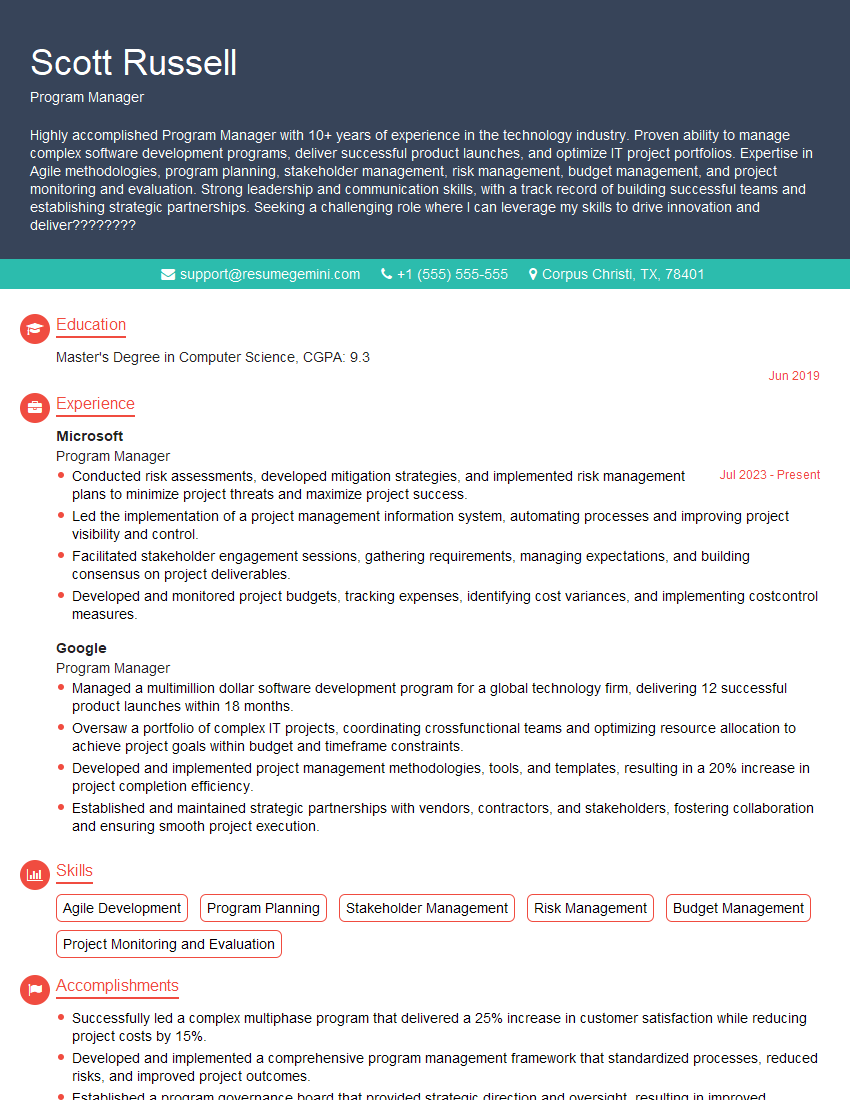
Program Manager Resume Sample
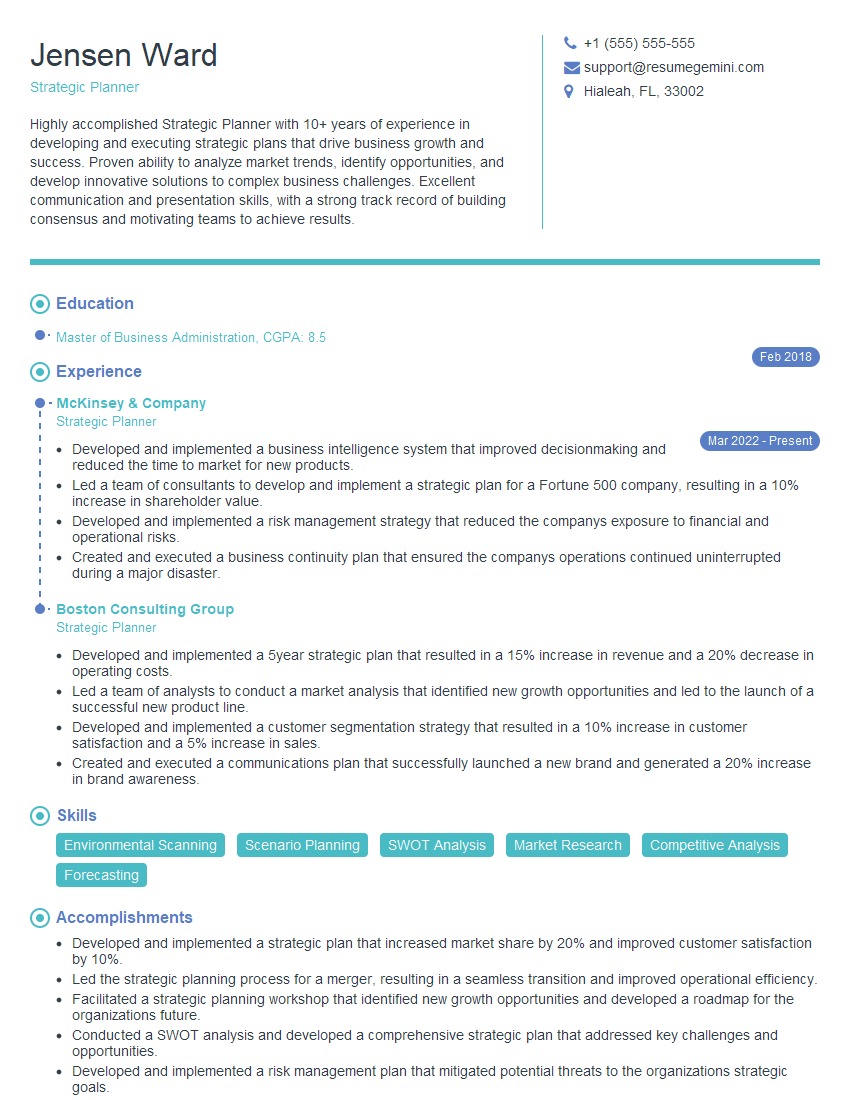
Strategic Planner Resume Sample
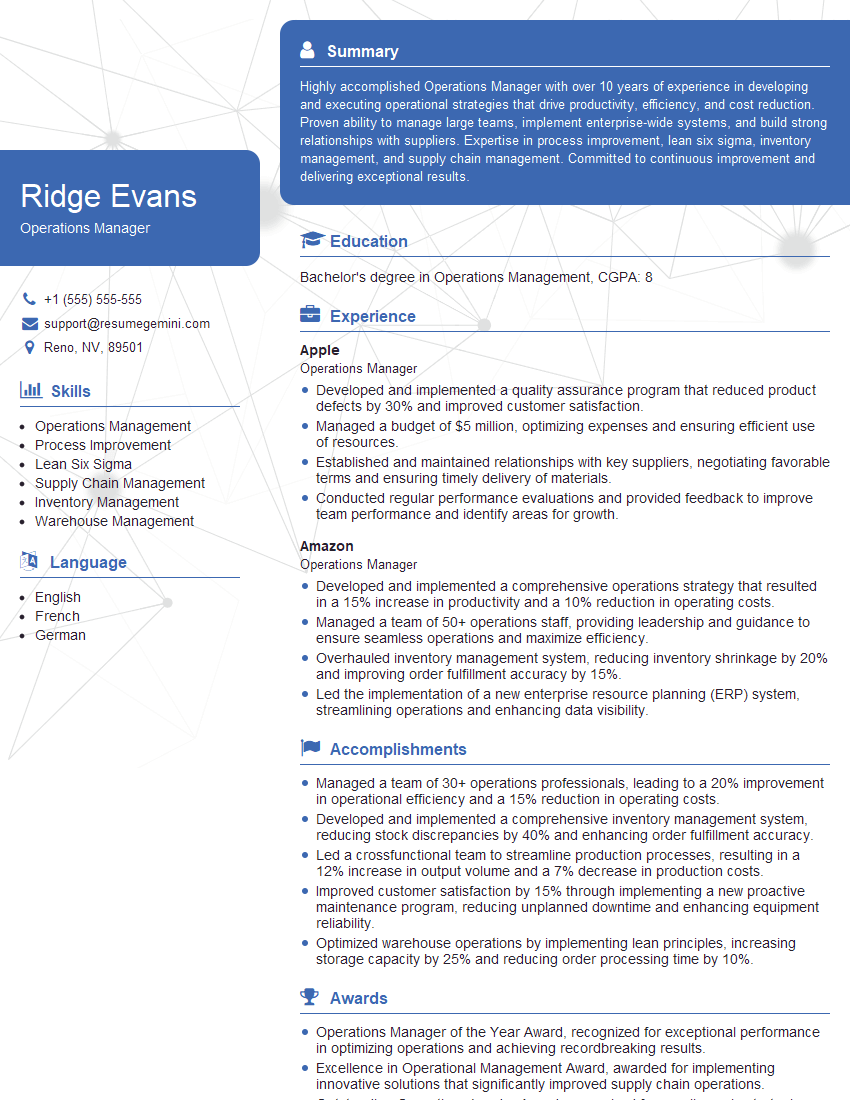
Operations Manager Resume Sample
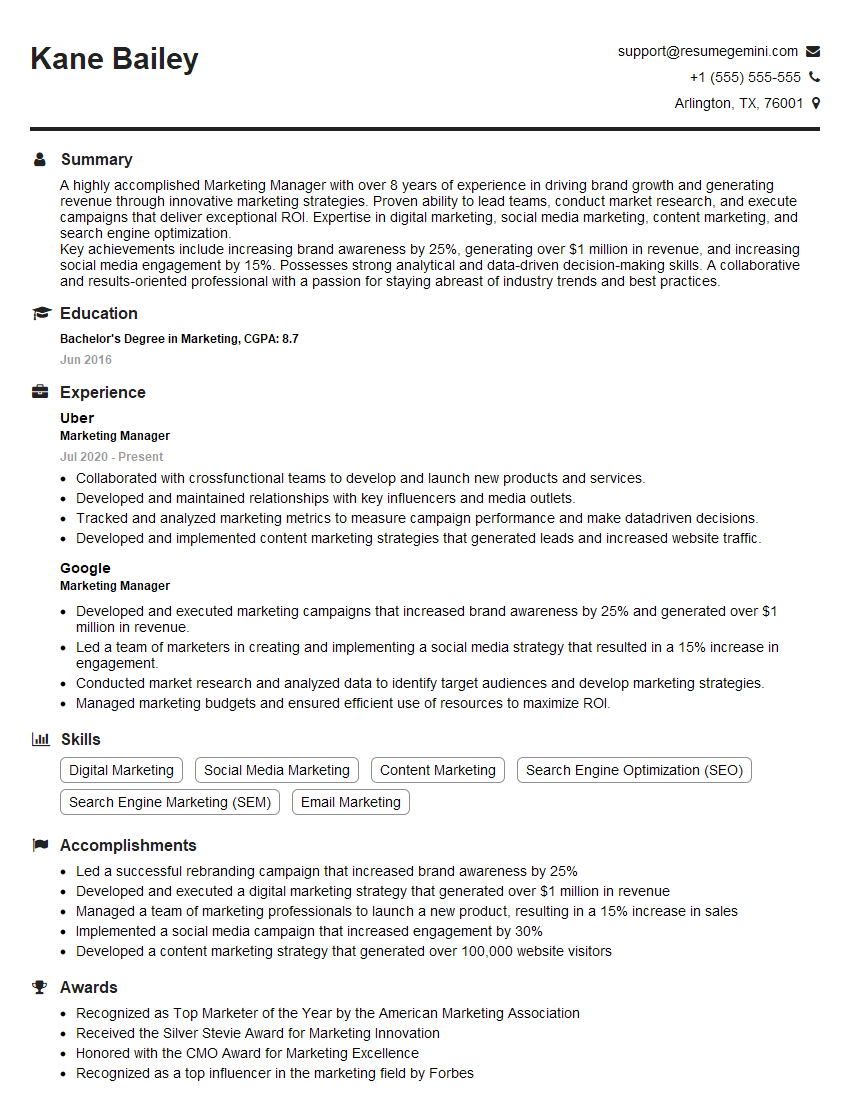
Marketing Manager Resume Sample
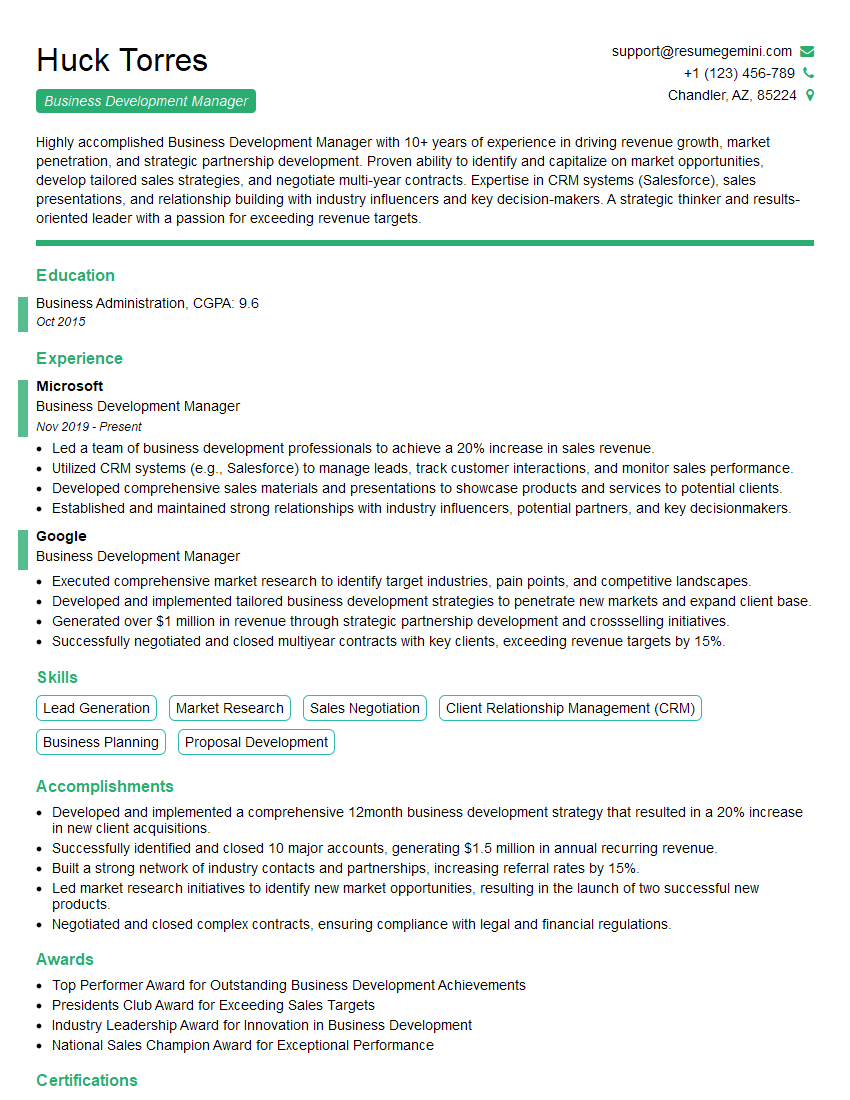
Business Development Manager Resume Sample
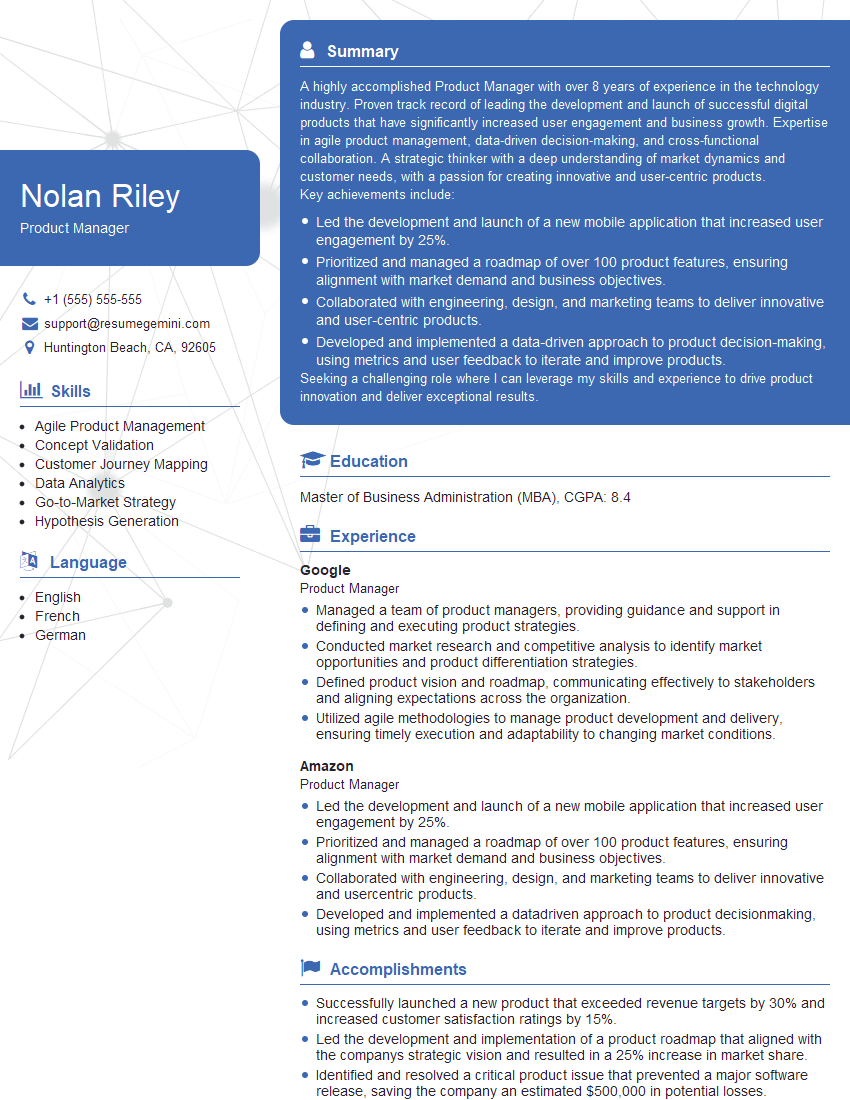
Product Manager Resume Sample
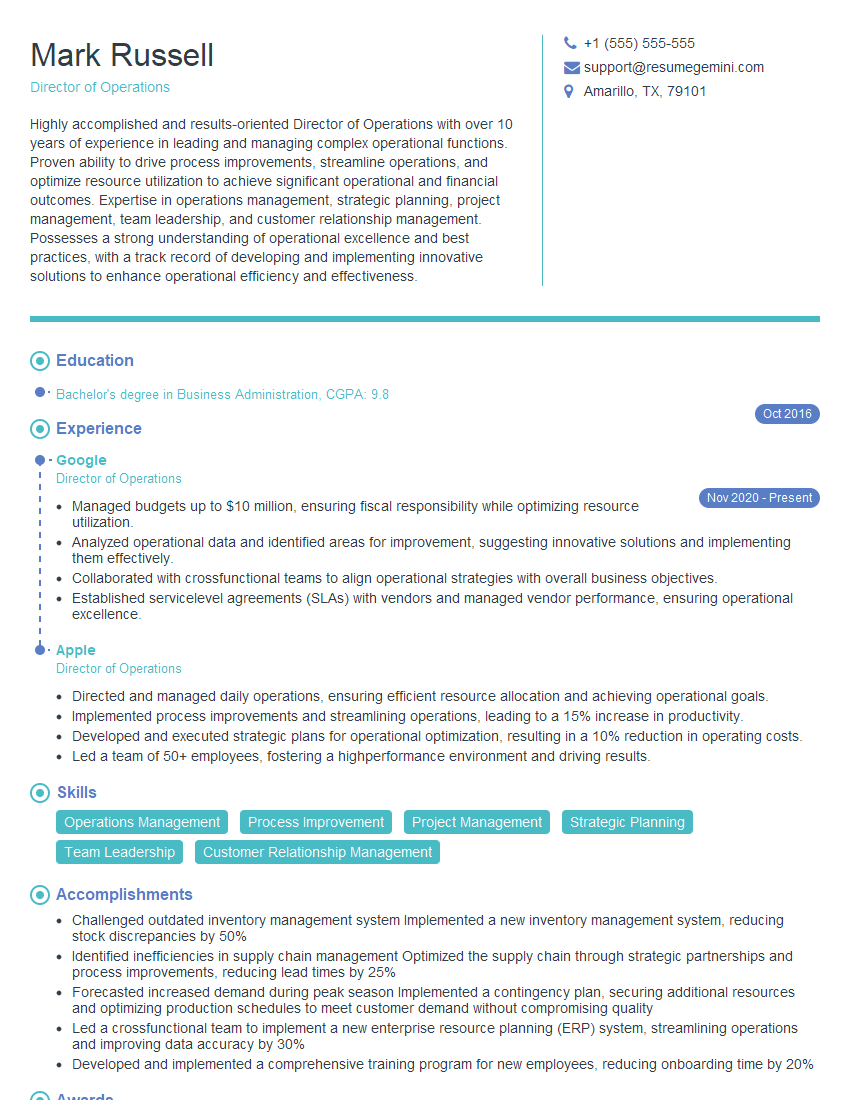
Director of Operations Resume Sample
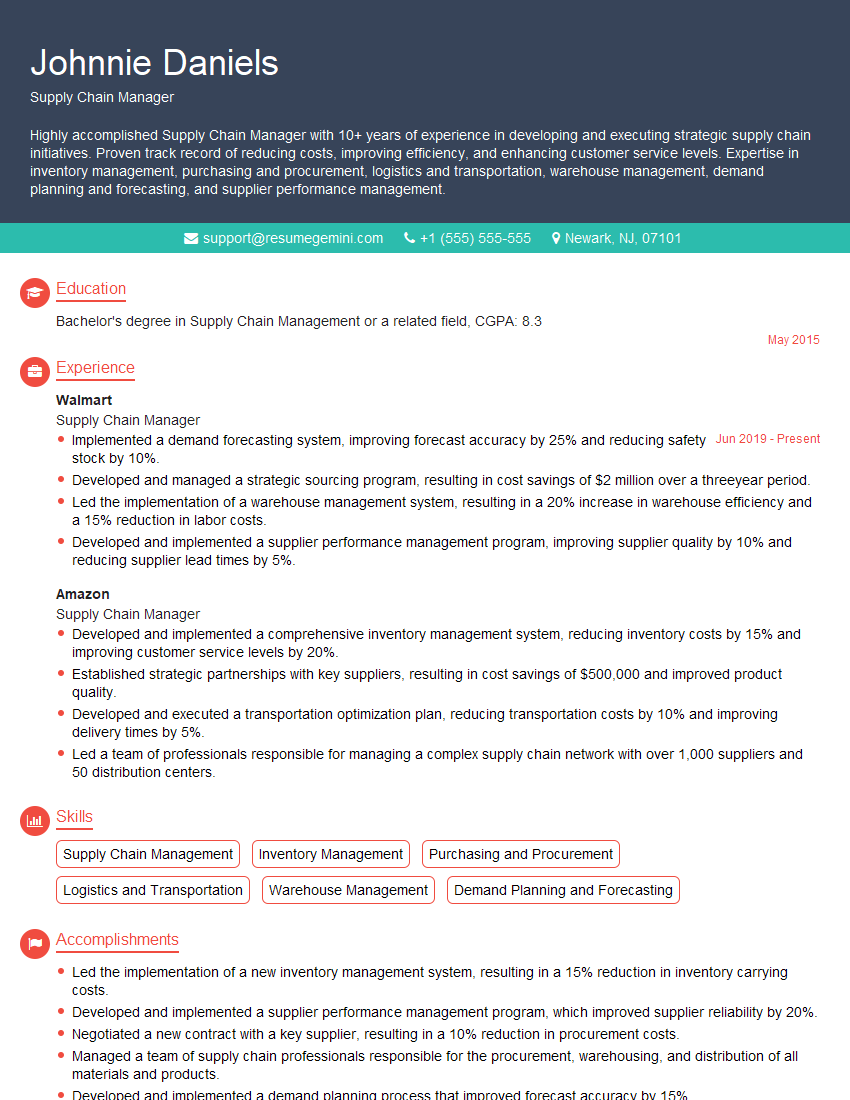
Supply Chain Manager Resume Sample
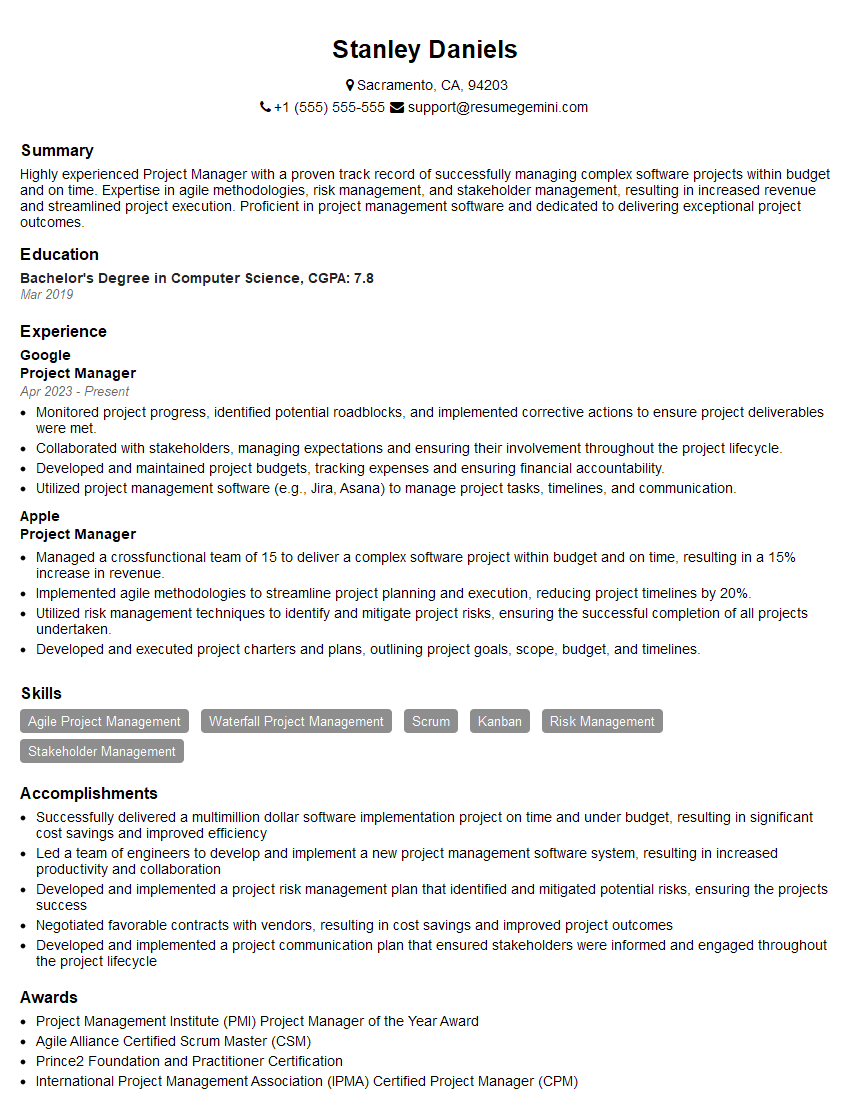
Project Manager Resume Sample
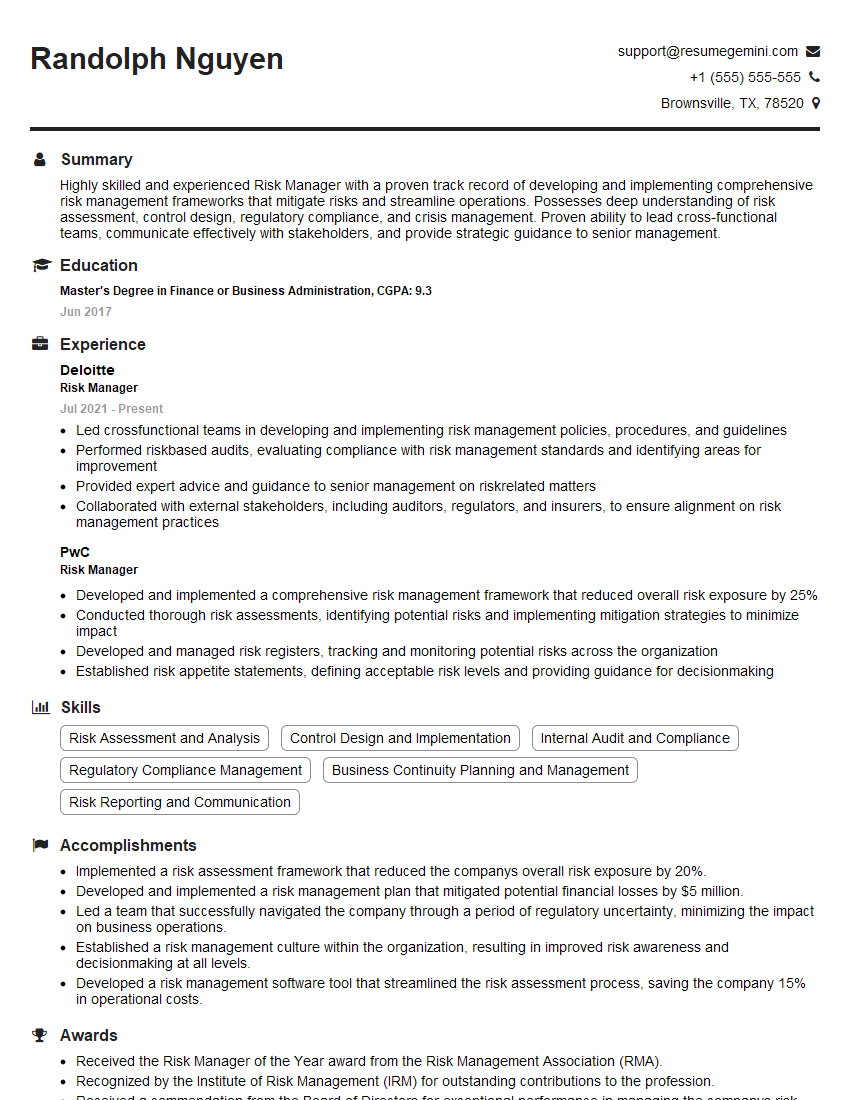
Risk Manager Resume Sample
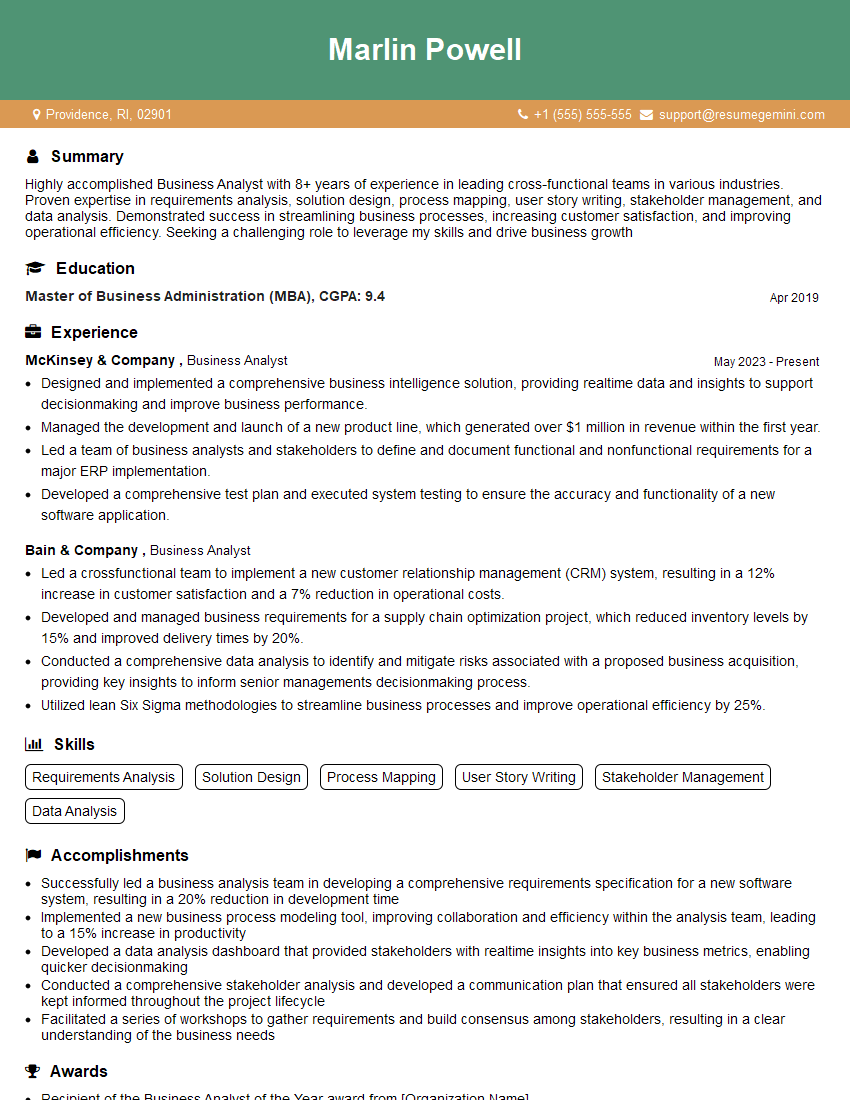
Business Analyst Resume Sample
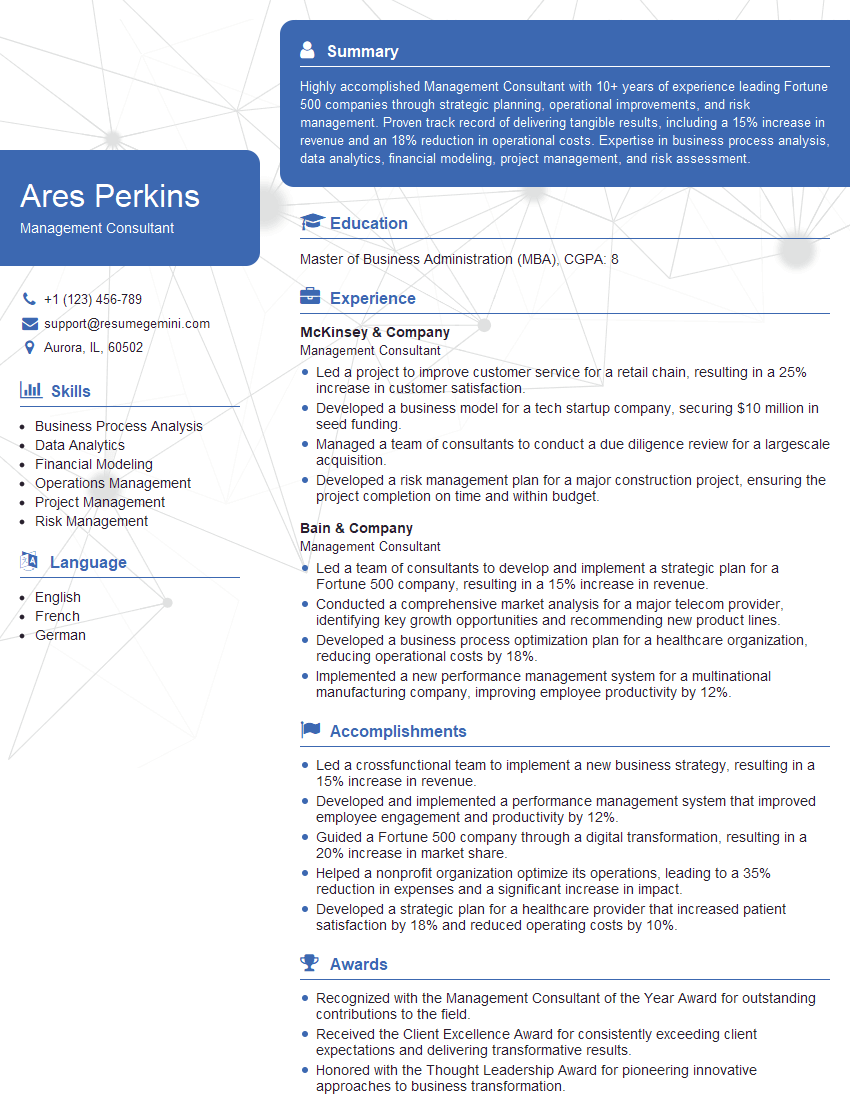
Management Consultant Resume Sample
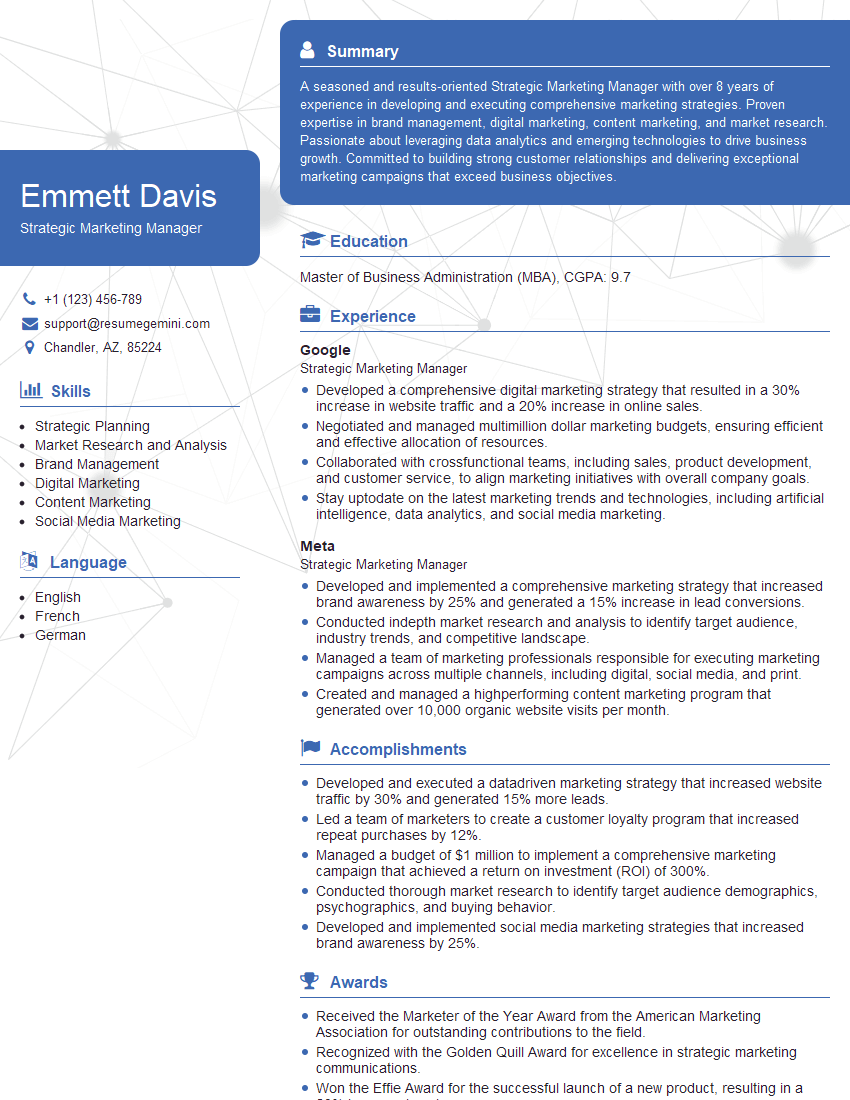
Strategic Marketing Manager Resume Sample
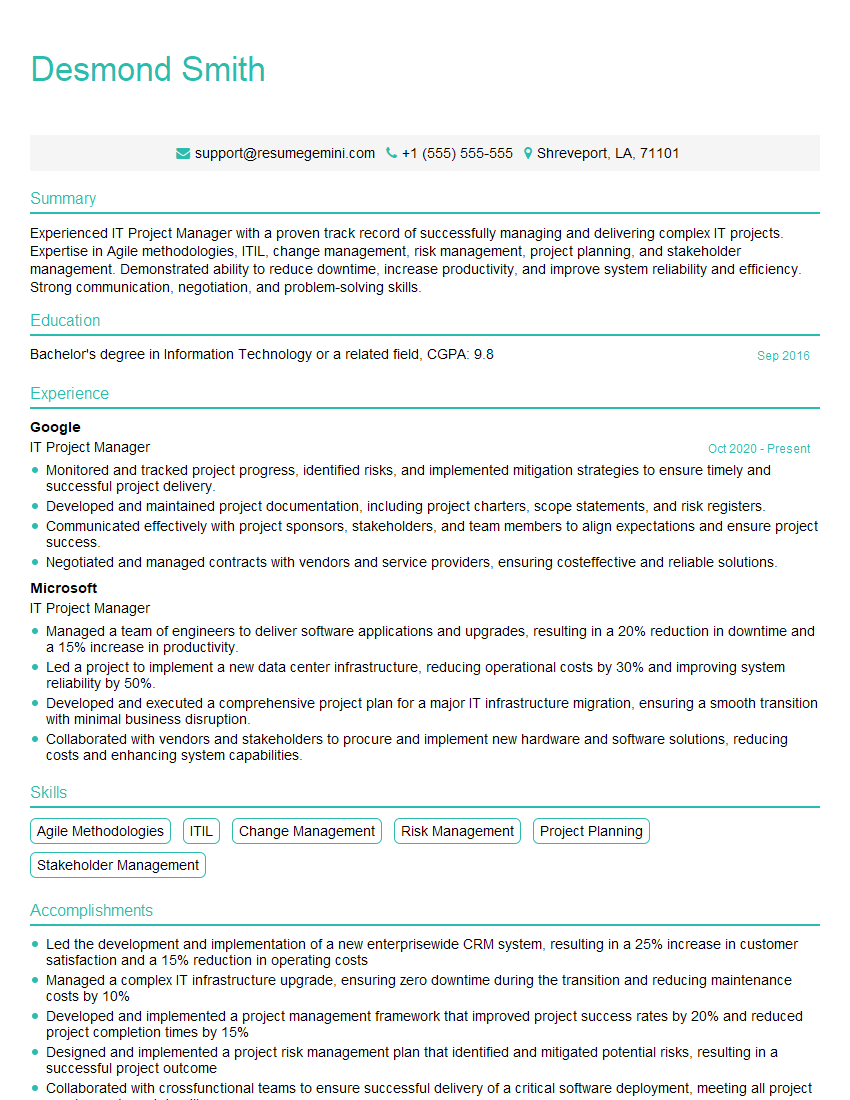
IT Project Manager Resume Sample

Planning Manager Resume Sample
Explore more articles
Users Rating of Our Blogs
Share Your Experience
We value your feedback! Please rate our content and share your thoughts (optional).
What Readers Say About Our Blog
Very informative content, great job.
good