Preparation is the key to success in any interview. In this post, we’ll explore crucial Small Unit Leadership interview questions and equip you with strategies to craft impactful answers. Whether you’re a beginner or a pro, these tips will elevate your preparation.
Questions Asked in Small Unit Leadership Interview
Q 1. Describe your experience in leading and motivating a small team under pressure.
Leading and motivating a small team under pressure hinges on clear communication, decisive action, and fostering a sense of shared purpose. It’s not just about giving orders; it’s about inspiring confidence and building resilience.
In my experience leading a reconnaissance team during a complex field exercise, we faced a sudden change in mission parameters under extreme time constraints. Instead of panicking, I calmly relayed the new information, emphasizing the importance of each member’s role in adapting our plan. I actively sought their input, recognizing that their expertise was crucial. We then systematically broke down the new objectives, assigning tasks based on individual strengths while ensuring clear communication channels. Regular updates and positive reinforcement throughout the exercise helped maintain morale and focus, ultimately resulting in mission success. This experience reinforced the importance of trust and shared responsibility in high-pressure situations.
Another key element is recognizing the signs of stress in team members and offering appropriate support. This might involve adjusting workloads, providing breaks, or simply acknowledging the difficulty of the situation.
Q 2. Explain your process for delegating tasks within a small unit.
Delegating effectively in a small unit involves understanding each team member’s skills and limitations. It’s not just about assigning tasks; it’s about empowering individuals to succeed. My process follows a structured approach:
- Assessment: I first assess the task, breaking it down into manageable sub-tasks. Then, I evaluate each team member’s strengths and weaknesses to determine the best fit for each sub-task.
- Delegation: I clearly define the expectations for each task, including deadlines, desired outcomes, and available resources. I ensure each team member understands their responsibilities and has the necessary authority to complete the task.
- Support and Monitoring: I provide regular feedback and support throughout the process, ensuring they have the resources they need. This isn’t micromanagement; it’s about proactive guidance and encouragement. Regular check-ins prevent issues from escalating.
- Review and Feedback: Once the task is complete, I conduct a thorough review, discussing successes and areas for improvement. This fosters a culture of continuous learning and development.
For example, in a search and rescue operation, I might assign the most experienced navigator to map the search area, a skilled communicator to maintain contact with headquarters, and a physically fit member to lead the ground search. This distribution of tasks leverages individual strengths, increasing overall efficiency and reducing the chance of error.
Q 3. How do you assess the strengths and weaknesses of individual team members?
Assessing team members requires a combination of observation, performance reviews, and direct feedback. I employ a multi-faceted approach:
- Observation: I carefully observe team members in action, noting their strengths and weaknesses during training exercises and real-world missions. This includes their technical skills, problem-solving abilities, and teamwork skills.
- Performance Reviews: Formal and informal feedback sessions provide structured opportunities for assessment. This might involve reviewing completed tasks, analyzing performance data, and gathering feedback from peers.
- 360-degree Feedback: When appropriate, I incorporate feedback from other team members to gain a broader perspective on individual performance. This fosters a collaborative environment and helps identify areas for development.
- Self-Assessment: I encourage team members to self-assess their strengths and weaknesses. This allows them to take ownership of their development and identify areas they wish to improve.
For instance, I might observe that one team member excels at technical problem-solving but struggles with communication, while another is an excellent communicator but lacks experience with certain equipment. This informs my task delegation and training strategies.
Q 4. How do you build trust and rapport within a small unit?
Building trust and rapport within a small unit is foundational to effective leadership. It requires consistent effort and a focus on mutual respect and understanding.
- Open Communication: I foster a culture of open and honest communication, where team members feel comfortable sharing their thoughts and concerns without fear of retribution.
- Shared Experiences: Shared experiences, both challenging and rewarding, can significantly strengthen bonds. I seek opportunities for team bonding, both professional and social.
- Leading by Example: Demonstrating integrity, competence, and commitment sets a positive example for the team to follow. Actions speak louder than words.
- Empathy and Support: Showing empathy and providing support during challenging times fosters trust and demonstrates genuine care for the well-being of each team member. Addressing personal issues respectfully where possible is crucial.
For example, sharing a meal after a successful operation or helping a team member deal with a personal problem outside of work builds camaraderie and strengthens the team’s cohesion.
Q 5. Describe a situation where you had to make a quick decision under duress; what was your decision-making process?
During a training exercise, a simulated hostile encounter forced a quick decision. Our patrol was ambushed, and we had limited visibility and communication with command. My decision-making process was as follows:
- Assess the Situation: I rapidly assessed the threat level, the casualties, and the available resources.
- Identify Options: I quickly identified potential courses of action: immediate return fire, seeking cover and counterattack, or strategic withdrawal.
- Weigh the Risks and Benefits: I weighed the risks and benefits of each option, considering the potential casualties, mission success, and the overall strategic situation.
- Choose a Course of Action: Based on my assessment, I chose to prioritize the safety of my team and initiate a tactical withdrawal. This involved executing a coordinated maneuver to escape the immediate threat while maintaining situational awareness.
- Execute and Adapt: We implemented the plan, monitoring the situation and adjusting our tactics as needed.
This situation highlighted the importance of quick thinking, clear communication, and the ability to adapt to rapidly changing circumstances. While a potentially safer option existed (continuing the patrol), I prioritized my team’s safety and ultimately preserved our team’s capability, in line with the training exercise goals. Post-exercise analysis ensured we learned from both successes and areas for improvement.
Q 6. How do you manage conflict within a small team?
Conflict is inevitable within any team; the key is to manage it effectively and constructively. My approach is:
- Identify the Root Cause: I work to understand the underlying reasons for the conflict, rather than focusing solely on the surface-level disagreements.
- Facilitate Open Dialogue: I create a safe space for team members to express their perspectives openly and honestly, without interruption or judgment.
- Active Listening: Active listening is crucial to understanding each side of the conflict. I ensure all parties feel heard and understood.
- Mediation: If necessary, I act as a mediator, helping team members find common ground and reach a mutually agreeable solution.
- Follow-up: After resolving the conflict, I follow up to ensure that the solution is working and to address any remaining concerns.
For example, if two team members are in conflict over task allocation, I would encourage them to openly discuss their perspectives, addressing any misunderstandings or unmet needs. The goal is to find a solution that is equitable and productive for everyone.
Q 7. How do you provide constructive feedback to team members?
Providing constructive feedback involves offering specific, actionable advice that helps team members improve their performance. It’s not about criticism; it’s about growth.
- Specificity: Instead of general statements, I provide specific examples of behavior or performance that needs improvement.
- Focus on Behavior, Not Personality: I focus on observable behaviors and performance, rather than making personal judgments.
- Balance Positive and Negative Feedback: I balance negative feedback with positive reinforcement, highlighting strengths and accomplishments.
- Actionable Suggestions: I offer concrete suggestions for improvement, outlining specific steps that the team member can take.
- Collaborative Approach: I make it a two-way conversation, encouraging feedback from the team member and creating a collaborative problem-solving environment.
For example, instead of saying “You’re a poor communicator,” I might say, “During the last briefing, your explanation of the plan was unclear. Consider using visual aids and summarizing key points at the end to improve clarity.” This provides specific, actionable feedback that fosters improvement.
Q 8. Describe your experience in conducting performance evaluations for team members.
Performance evaluations are crucial for identifying strengths, weaknesses, and areas for improvement within a team. My approach is multifaceted and focuses on providing constructive feedback that fosters growth. I begin by establishing clear expectations and performance standards at the outset of any project or assignment, ensuring transparency and understanding. During the evaluation process, I utilize a combination of methods: direct observation of the team member’s performance, review of their work product, and input gathered through 360-degree feedback (when possible). This ensures a comprehensive assessment. The feedback itself is delivered in a private and respectful setting, focusing on specific behaviors and their impact, rather than making personal judgments. I utilize the SBI (Situation, Behavior, Impact) model to structure my feedback, ensuring clarity and objectivity. For example, ‘In the recent mission briefing (Situation), you consistently interrupted your colleagues (Behavior), which hindered effective communication and decision-making (Impact).’ The process concludes with the establishment of a clear plan for improvement, outlining specific, measurable, achievable, relevant, and time-bound (SMART) goals.
Q 9. How do you ensure your team maintains morale and cohesion?
Maintaining high morale and team cohesion is paramount for effective small unit operations. It’s about fostering a sense of shared purpose, trust, and mutual respect. I achieve this through several key strategies. First, I prioritize open communication, ensuring that every team member feels heard and valued. Regular team meetings, both formal and informal, provide opportunities for updates, feedback, and collaborative problem-solving. Second, I emphasize recognition and reward for individual and team accomplishments, both big and small. A simple ‘thank you’ or a public acknowledgment can go a long way. Third, I build camaraderie through team-building activities, fostering a sense of community outside the strictly professional realm. This could involve anything from informal social gatherings to engaging in physically demanding tasks together. Finally, I lead by example, demonstrating commitment, resilience, and a positive attitude. This helps set the tone for the entire team. In one instance, after a particularly challenging mission, I organized a team dinner to celebrate their resilience and success, boosting morale and strengthening bonds.
Q 10. How do you handle a situation where a team member consistently underperforms?
Addressing consistent underperformance requires a structured and empathetic approach. I begin by documenting the specific instances of underperformance, using concrete examples. Then, I schedule a private meeting with the team member to discuss the issue openly and honestly, focusing on specific behaviors and their impact. This conversation is not about blame, but rather about understanding the root cause of the problem. Are there skill gaps? Is there a lack of clarity regarding expectations? Are there personal challenges affecting their performance? Once the root cause is identified, we collaboratively develop a performance improvement plan (PIP). This plan outlines specific, measurable, achievable, relevant, and time-bound (SMART) goals, along with the support and resources needed to achieve them. Regular check-ins are scheduled to monitor progress and provide ongoing support. If, despite these efforts, the performance does not improve, more serious measures, up to and including disciplinary action, may be necessary. This is always a last resort and is handled in accordance with established organizational policies. For example, in one case, a team member was consistently missing deadlines. Through discussion, we discovered they were overwhelmed by other responsibilities. Implementing a task management system and providing additional training on time management addressed the root cause and significantly improved their performance.
Q 11. Describe your approach to training and developing team members.
Training and development are continuous processes in my leadership style. I tailor training to individual needs and team requirements, using a blended approach that incorporates on-the-job training, formal classroom instruction, and mentorship. I believe in providing opportunities for hands-on experience, progressively challenging team members to develop their skills and confidence. I encourage self-directed learning by providing access to relevant resources and encouraging participation in professional development courses. Mentorship is a cornerstone of my approach, pairing experienced team members with those who are newer or require additional support. This fosters knowledge transfer and builds strong relationships within the team. I also regularly conduct after-action reviews (AARs) to identify areas for improvement in training and development. These AARs are not about blame, but rather a collaborative effort to learn from both successes and failures and refine our training strategies. For instance, following a training exercise where communication was found lacking, we incorporated scenario-based training focusing on improved communication protocols.
Q 12. How do you maintain situational awareness in a dynamic environment?
Maintaining situational awareness (SA) in dynamic environments requires a proactive and systematic approach. It involves continuously gathering, processing, and understanding information from multiple sources to anticipate potential threats and opportunities. I use a combination of techniques: active observation of my surroundings, utilizing all available sensors and technology, and actively listening to communication from my team and other sources. I encourage my team to actively participate in maintaining SA by assigning specific roles and responsibilities. Regular communication checks, where team members report their observations, further enhances this. I also utilize mental mapping techniques to visualize the environment and track key elements. This helps to identify trends and potential risks. For example, in a patrol situation, I might assign specific sectors of responsibility for SA, ensuring comprehensive coverage and proactive threat detection. This is constantly reviewed and adapted depending on the changing environment.
Q 13. How do you communicate effectively during a crisis?
Effective communication during a crisis is critical. My approach involves clear, concise, and direct communication, prioritizing essential information. I use the acronym ‘SITREP’ (Situation Report) to structure my communications – providing a clear picture of the situation, the actions being taken, and any immediate needs. I avoid jargon and technical terms that might confuse others, ensuring everyone understands the urgency and gravity of the situation. I empower my team members to communicate their observations and concerns openly and directly, fostering trust and collaboration. In a crisis, decisive leadership is needed, so my communication needs to be confident and reassuring, while also acknowledging potential uncertainty. During a simulated hostage situation exercise, I used pre-planned communication protocols and a clear chain of command to ensure swift and effective responses and mitigate the potential confusion that can often occur during a crisis.
Q 14. How do you utilize available resources effectively in a small unit?
Effective resource management in a small unit is about maximizing efficiency and minimizing waste. This requires careful planning, prioritization, and delegation. I begin by clearly defining objectives and assessing the resources available – personnel, equipment, supplies, and time. Then, I create a prioritized list of tasks and allocate resources accordingly, ensuring the most critical tasks are addressed first. I delegate tasks based on individual strengths and capabilities, empowering team members to take ownership of their responsibilities. Regular monitoring of resource consumption helps to identify potential shortages or inefficiencies, allowing for timely adjustments. For instance, in a wilderness survival scenario, I would carefully ration food and water, prioritizing essential tasks, and ensure each team member had the knowledge and tools necessary to contribute effectively to the group’s overall survival.
Q 15. How do you adapt your leadership style to different team members and situations?
Adapting leadership style is crucial for effective small unit leadership. It’s not about being a chameleon, but understanding that different individuals respond to different approaches. My approach is built on understanding individual strengths, weaknesses, and preferred communication styles. I use a situational leadership model, adapting my style based on the task’s complexity and the team member’s competence and commitment.
For highly competent and committed team members: I adopt a delegative style, giving them autonomy and trusting their judgment. This fosters independence and ownership.
For less competent but highly committed members: I use a supportive style, offering guidance and encouragement, focusing on building their skills and confidence. This ensures they don’t feel overwhelmed.
For competent but less committed members: I use a coaching style, clarifying expectations and providing constructive feedback. This helps address motivation and engagement issues.
For less competent and less committed members: I adopt a directive style, providing clear instructions and close supervision. This approach ensures the task is completed to standard, while building towards greater independence.
Situational awareness is also key. A crisis requires a more directive approach, whereas a routine task may allow for greater delegation. Regular feedback and open communication help me understand individual needs and adjust my style accordingly.
Career Expert Tips:
- Ace those interviews! Prepare effectively by reviewing the Top 50 Most Common Interview Questions on ResumeGemini.
- Navigate your job search with confidence! Explore a wide range of Career Tips on ResumeGemini. Learn about common challenges and recommendations to overcome them.
- Craft the perfect resume! Master the Art of Resume Writing with ResumeGemini’s guide. Showcase your unique qualifications and achievements effectively.
- Don’t miss out on holiday savings! Build your dream resume with ResumeGemini’s ATS optimized templates.
Q 16. Describe a time you had to make a difficult decision that affected your team.
During a training exercise, a critical piece of equipment malfunctioned, jeopardizing the entire mission. We were under pressure to complete the exercise on time, and several team members were frustrated and demoralized. I had to decide whether to proceed with a modified plan, potentially compromising training objectives, or to postpone the exercise, facing the consequences of missed deadlines and potential criticism from higher command.
After carefully weighing the options, and consulting with my team, I opted for a modified plan. We streamlined the exercise, focusing on the core learning objectives while adapting to the equipment failure. This meant re-assigning tasks and extending the exercise timeline slightly. It was a challenging decision, but open communication and transparency were vital. I clearly communicated the reasons for the decision, emphasizing that safety and learning remained paramount. The result was a slightly delayed, but ultimately successful, exercise, where the team demonstrated adaptability and problem-solving skills. It highlighted the importance of effective communication and adapting plans when facing unforeseen circumstances.
Q 17. How do you ensure your team understands and follows established procedures and protocols?
Ensuring adherence to procedures and protocols is a cornerstone of small unit effectiveness and safety. My approach is multifaceted and starts with clear communication during the initial training phase. I use various methods to ensure understanding:
Interactive Training: We conduct hands-on exercises and simulations to reinforce procedures, ensuring everyone understands the practical application.
Regular Reviews: We conduct regular reviews of procedures and protocols, addressing questions and clarifying any ambiguities. This prevents misunderstandings and ensures everyone remains updated.
Feedback and Reinforcement: Positive reinforcement for correct execution, coupled with constructive feedback for mistakes, is essential to embedding the procedures. This includes regular after-action reviews (AARs) to analyze what went well and where improvements can be made.
Documentation and Accessibility: Procedures are documented clearly and accessibly, ideally in a digital format that’s easily updated and accessible on the field. This ensures information is readily available when needed.
Finally, creating a culture of accountability within the team is paramount. Everyone understands their responsibilities, and deviations from established procedures are addressed swiftly and appropriately.
Q 18. Describe your experience in problem-solving within a small unit.
Problem-solving in a small unit often involves quick thinking and collaborative effort under pressure. A recent example involved navigating a sudden change in terrain during a field exercise. Our planned route was blocked by unexpected flooding. We used a structured problem-solving approach:
Define the Problem: We clearly defined the problem—a blocked route due to flooding, and the need for an alternative route that maintained mission objectives.
Gather Information: We quickly assessed the situation, checking maps, local knowledge, and scouting alternate paths.
Develop Solutions: Several possible routes were proposed, and we assessed their feasibility based on terrain, time constraints, and potential risks.
Select the Best Solution: We collectively chose the route that balanced speed, safety, and mission objectives. The consensus was vital.
Implement the Solution: The team executed the selected route efficiently, utilizing our strengths.
Evaluate the Results: Following the exercise, we held an AAR, assessing what worked, what didn’t, and what we could learn from the experience to improve future decision-making.
This situation highlighted the importance of adaptability, teamwork, and a structured approach to problem-solving in challenging circumstances.
Q 19. How do you ensure your team is prepared for unexpected events?
Preparing for unexpected events is critical for small unit success. This is achieved through a combination of proactive measures and robust contingency planning:
Comprehensive Training: Regular training exercises cover a range of scenarios, including unexpected events. This builds competence and confidence in dealing with the unexpected.
Contingency Planning: We develop plans for various potential scenarios, including equipment failure, weather changes, and potential threats. These plans outline alternative courses of action.
Risk Assessment: Regular risk assessments identify potential threats and vulnerabilities, helping to prioritize preventative measures and resource allocation.
Communication Protocols: Clear and robust communication protocols are established to ensure timely information sharing during unexpected events. This includes designated reporting channels and communication methods for various scenarios.
Situational Awareness: Team members are trained to maintain situational awareness, constantly monitoring their surroundings and adapting to changing circumstances.
By emphasizing preparedness and proactive measures, the team is better equipped to manage and mitigate the impact of unexpected events.
Q 20. How do you effectively use communication technology to manage your team?
Effective use of communication technology is essential in modern small unit operations. I utilize a variety of tools to maintain efficient communication and collaboration:
Secure Messaging Apps: We utilize secure messaging apps for quick, efficient, and private communication, ensuring operational security.
Collaborative Platforms: Platforms enabling file sharing and collaborative document editing improve efficiency and teamwork.
Mapping and Tracking Tools: GPS-based mapping tools allow for real-time location tracking and situation awareness.
Video Conferencing: Video conferencing is utilized for remote briefings, training sessions, and collaborative planning.
Communication Protocols: Clear communication protocols establish appropriate channels and methods for various types of communication, avoiding confusion and ensuring timely information flow.
However, technology is a tool, and its effectiveness depends on proper training and disciplined usage. Understanding the limitations of each technology and ensuring backup communication methods are in place is crucial.
Q 21. Describe your experience in risk management within a small unit.
Risk management in a small unit is an ongoing process. It’s not just about identifying risks, but also about proactively mitigating them and developing strategies to manage the consequences. My approach involves:
Risk Identification: We use brainstorming sessions and checklists to identify potential risks, considering both operational and environmental factors.
Risk Assessment: Each identified risk is assessed based on its likelihood and potential impact. This helps prioritize mitigation efforts.
Risk Mitigation: We develop and implement strategies to reduce or eliminate risks. This could include implementing safety procedures, providing additional training, or acquiring necessary equipment.
Risk Monitoring: We continuously monitor the effectiveness of our mitigation strategies and adjust them as needed. This ensures our risk management efforts remain relevant and effective.
Contingency Planning: We develop detailed contingency plans to handle situations where risks materialize. This includes identifying backup plans and fallback positions.
A proactive and systematic approach to risk management is crucial for enhancing safety and mission success within a small unit.
Q 22. How do you conduct after-action reviews to improve team performance?
After-action reviews (AARs) are crucial for continuous improvement in small unit leadership. They’re not about blame, but about learning from both successes and failures to enhance future performance. My approach involves a structured process:
- Set the Stage: Begin with a safe and open environment. Emphasize that the goal is collective learning, not individual criticism.
- Describe the Event: Facilitate a chronological recounting of the event, focusing on facts rather than opinions. I encourage all team members to participate.
- Analyze the Event: This is where we delve into what worked well, what didn’t, and why. We identify contributing factors and explore potential root causes using techniques like the ‘5 Whys’.
- Develop Recommendations: Based on the analysis, we brainstorm practical solutions and actionable steps to improve performance in similar future situations. These should be specific, measurable, achievable, relevant, and time-bound (SMART).
- Implement and Track: We assign responsibility for implementing recommendations and schedule a follow-up to track progress and assess effectiveness.
For example, after a challenging field exercise where communication broke down, we identified a lack of clear role definitions and insufficient rehearsal as root causes. Our recommendations included creating detailed task assignments and more frequent communication drills. We tracked the improvement in subsequent exercises.
Q 23. How do you maintain discipline and accountability within your team?
Maintaining discipline and accountability is paramount for a high-performing small unit. It’s about building a culture of mutual respect and shared responsibility, not about wielding authority. My approach is based on:
- Clear Expectations: Establishing clear, concise, and consistently applied standards of conduct and performance from day one is essential. This includes clear communication of mission objectives and individual roles.
- Positive Reinforcement: I believe in actively recognizing and rewarding good performance. This reinforces desired behaviors and motivates the team.
- Fair and Consistent Discipline: When infractions occur, discipline must be fair, consistent, and applied proportionately. This is crucial to maintaining trust and equity within the team. The emphasis is on corrective action to prevent future occurrences.
- Open Communication: Fostering open communication channels allows team members to address concerns proactively and prevents minor issues from escalating into larger problems.
- Leading by Example: I hold myself to the same standards I expect from my team members. This builds trust and credibility.
For instance, if a team member consistently misses deadlines, I’d first try to understand the underlying cause. Is it a skill gap, a lack of resources, or something else? Addressing the root cause allows for tailored support instead of simply imposing punishment.
Q 24. How do you foster creativity and innovation within a small unit?
Fostering creativity and innovation within a small unit requires creating an environment where individuals feel safe to take risks and explore new ideas. My strategies include:
- Encourage Open Dialogue: Create a culture where dissenting opinions and unconventional ideas are not only tolerated but actively encouraged. Brainstorming sessions and idea generation workshops are valuable tools.
- Empowerment and Ownership: Delegate responsibility and grant decision-making autonomy to team members, fostering a sense of ownership and responsibility for their work.
- Embrace Failure as a Learning Opportunity: Create a psychologically safe environment where failure is seen as a learning opportunity rather than a cause for punishment. Analyze failures constructively, learning from mistakes to improve future performance.
- Provide Resources and Training: Equip team members with the necessary resources, skills, and tools they need to be creative and innovative. This includes access to information, technology, and relevant training.
- Celebrate Successes: Recognize and celebrate both small and large creative accomplishments. This reinforces innovative behaviors and motivates further creative pursuits.
For example, during a challenging mission planning session, I encouraged a junior member’s unconventional suggestion. While initially met with skepticism, after thorough evaluation, his idea proved highly effective in achieving our objective, significantly improving our efficiency.
Q 25. Describe a time you had to overcome a significant obstacle with your team.
During a search and rescue mission in challenging terrain, our primary communication system failed due to unforeseen technical issues. This left us isolated and significantly hampered our ability to coordinate effectively. We were operating under significant time pressure, with the lives of potentially injured hikers at stake. To overcome this, we immediately:
- Implemented alternative communication methods: We utilized backup satellite phones and hand signals, optimizing their use given the terrain and communication challenges.
- Re-evaluated the search plan: We adjusted our search grid and re-assigned team members based on the new communication limitations, prioritizing efficiency and safety.
- Maintained team morale: It was crucial to maintain a positive and supportive atmosphere during a stressful situation, as a cohesive team was essential for success.
- Focused on immediate actions: We concentrated on the short-term objectives of locating the hikers and providing immediate aid, while devising a long-term plan to restore better communications.
Ultimately, despite the communication breakdown, we successfully located and rescued the hikers within the time constraints. The experience demonstrated the importance of adaptability, contingency planning, and effective team communication under duress.
Q 26. How do you handle differing opinions and perspectives within your team?
Handling differing opinions and perspectives is essential for effective teamwork. It’s an opportunity for enhanced decision-making, not a source of conflict. My approach focuses on:
- Active Listening: I encourage each team member to fully express their opinions, actively listening to understand their perspectives without interruption or judgment.
- Respectful Dialogue: I foster a respectful environment where constructive debate is encouraged. We focus on the ideas, not the individuals.
- Structured Decision-Making: We employ structured decision-making processes, such as weighted voting or consensus building, to ensure fair consideration of all views and to reach a well-reasoned decision.
- Identifying Shared Goals: We constantly remind ourselves of our shared objectives and mission, guiding our discussions toward solutions that align with overall goals.
- Compromise and Collaboration: Where possible, we strive for consensus; if that’s not feasible, we seek mutually acceptable compromises based on the best available evidence and rationale.
For instance, during a strategic planning session, we had differing views on the best approach to a mission. By utilizing a structured decision-making process, where we weighed different factors and discussed the pros and cons of each approach, we were able to find a solution that combined elements from all perspectives, leading to a more robust plan than any single member could have produced independently.
Q 27. How do you measure the success of your team?
Measuring team success is more than just looking at quantitative results; it requires a holistic approach. I measure success based on:
- Mission Accomplishment: Did we successfully achieve our primary objectives? Did we complete our tasks within the given constraints?
- Team Cohesion and Morale: How well did the team work together? Was there a positive and supportive team environment?
- Individual Growth and Development: Did team members learn new skills or improve their existing capabilities? Did they gain valuable experience?
- Efficiency and Effectiveness: Did we achieve our objectives in a timely and efficient manner? Were our resources utilized effectively?
- Adaptability and Resilience: How effectively did we adapt to unexpected challenges or setbacks? Did we learn from our mistakes?
For example, even if a mission’s primary objective wasn’t fully met due to unforeseen circumstances, a highly successful team might be characterized by strong teamwork, adaptation to the unexpected, and valuable lessons learned that enhance their future performance.
Q 28. Describe your experience in leading and managing change within a small unit.
Leading and managing change within a small unit requires careful planning and execution, coupled with strong communication and empathy. I’ve found that a phased approach works best:
- Communicate the Need for Change: Clearly articulate the reasons for the change, addressing concerns and anxieties proactively. Transparency is crucial to building trust and buy-in.
- Develop a Comprehensive Plan: Create a detailed plan that outlines the changes, timelines, and responsibilities. This should be collaboratively developed with team input, incorporating their perspectives and ideas.
- Implement Gradually: Introduce changes incrementally rather than all at once, allowing the team to adjust to each step. This minimizes disruption and allows for early identification and correction of any issues.
- Provide Training and Support: Offer adequate training and support to help team members adapt to new processes or technologies. Regular check-ins and feedback sessions are key to successful implementation.
- Monitor and Evaluate: Continuously monitor progress, identify obstacles, and make necessary adjustments. Regular evaluation allows for course correction and improved effectiveness.
For example, when transitioning to new communication software, I held several training sessions, provided individual support when needed, and regularly solicited feedback. This phased implementation, combined with strong communication and support, ensured a smooth and efficient transition with minimal disruption to operations.
Key Topics to Learn for Small Unit Leadership Interview
- Mission Command: Understanding the principles of mission command, including providing clear intent, trusting your team, and empowering subordinates to make decisions within the parameters of the mission. Practical application: Describe a situation where you delegated effectively and the outcome.
- Situational Awareness: Developing and maintaining a comprehensive understanding of the operational environment, including threats, opportunities, and resources. Practical application: Explain how you would assess a complex situation and identify critical information needs.
- Communication & Teamwork: Mastering effective communication techniques, fostering collaboration, and building cohesive teams. Practical application: Share an example of how you built rapport and trust within a team to achieve a shared goal.
- Decision-Making Under Pressure: Developing the ability to make sound judgments under stressful conditions, incorporating risk assessment and contingency planning. Practical application: Describe a high-pressure situation where you made a critical decision; analyze your process.
- Problem-Solving & Critical Thinking: Applying analytical skills to identify, analyze, and resolve complex problems in dynamic environments. Practical application: Outline your approach to problem-solving, focusing on systematic analysis and creative solutions.
- Leadership Styles & Adaptability: Understanding various leadership styles and adapting your approach to suit different situations and team members. Practical application: Discuss your leadership style and how you adapt it based on the context and individuals involved.
- Conflict Resolution: Effectively managing and resolving interpersonal conflicts within the team while maintaining morale and productivity. Practical application: Describe a situation where you successfully resolved a conflict within a team.
- Mentorship & Development: Identifying and fostering the growth and development of team members through coaching, mentoring, and providing opportunities for advancement. Practical application: Discuss your experience in mentoring or developing junior team members.
Next Steps
Mastering Small Unit Leadership is crucial for career advancement, opening doors to increased responsibility and leadership roles. An ATS-friendly resume is essential to showcasing your skills and experience effectively to potential employers. To maximize your job prospects, consider leveraging ResumeGemini to create a compelling and impactful resume tailored to your specific experience. ResumeGemini provides examples of resumes specifically designed for candidates in Small Unit Leadership roles, ensuring your qualifications shine.
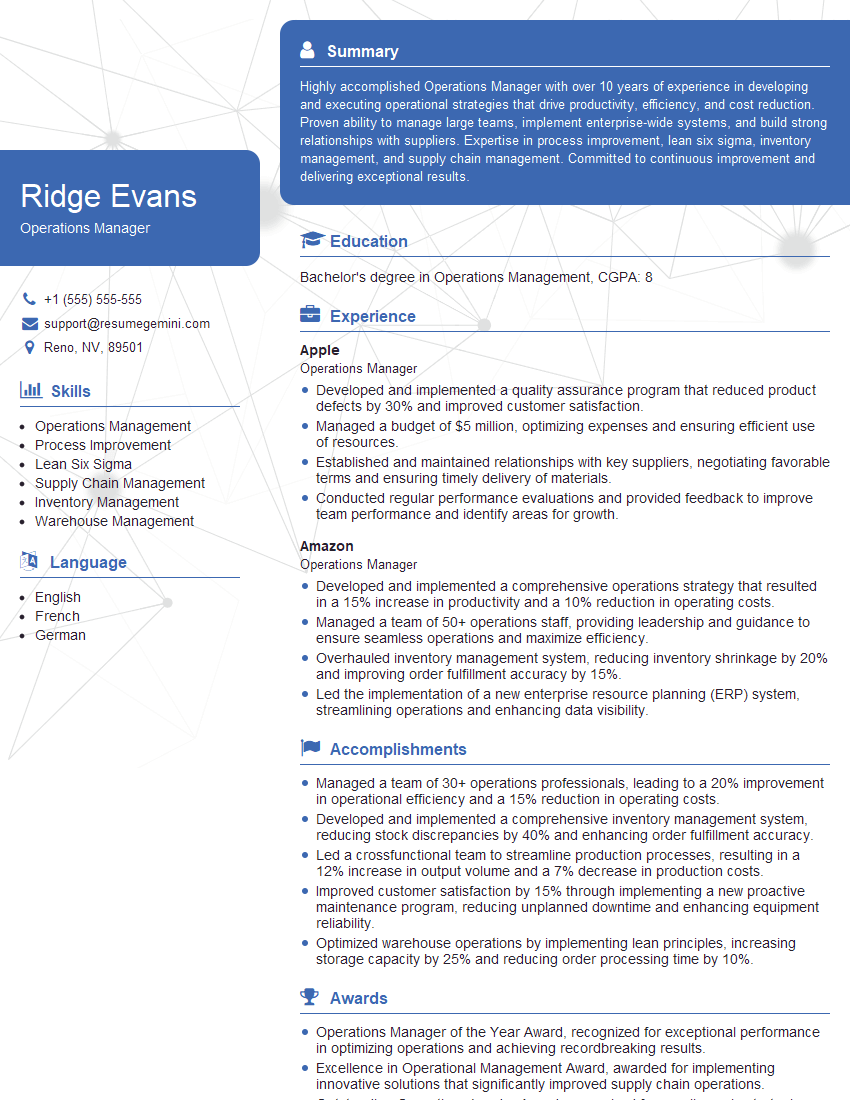
Operations Manager Resume Sample
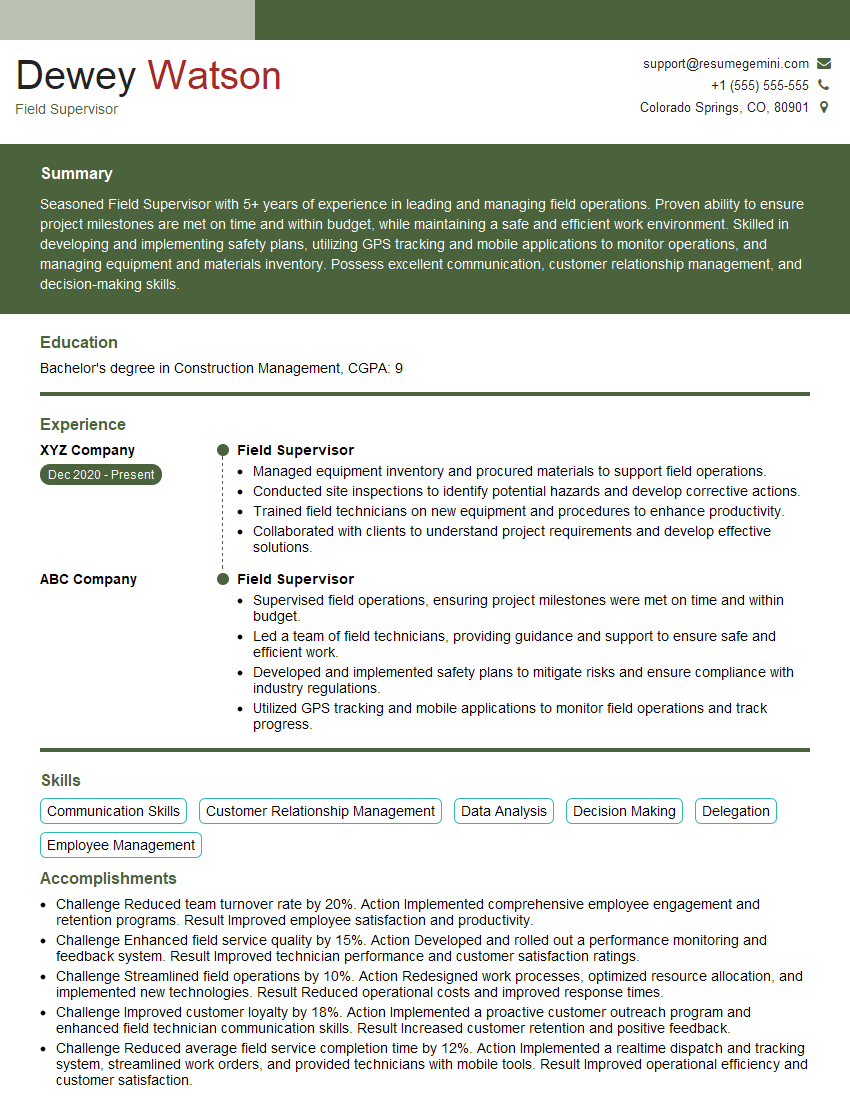
Field Supervisor Resume Sample
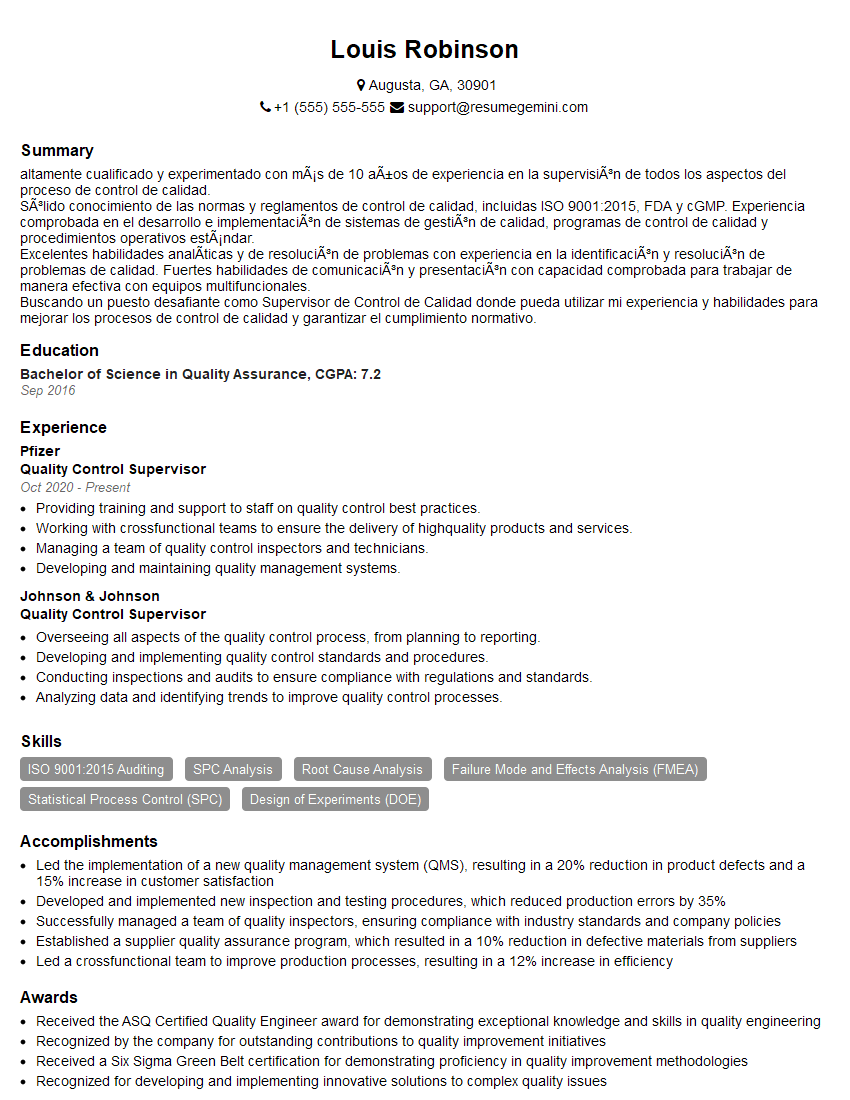
Quality Control Supervisor Resume Sample
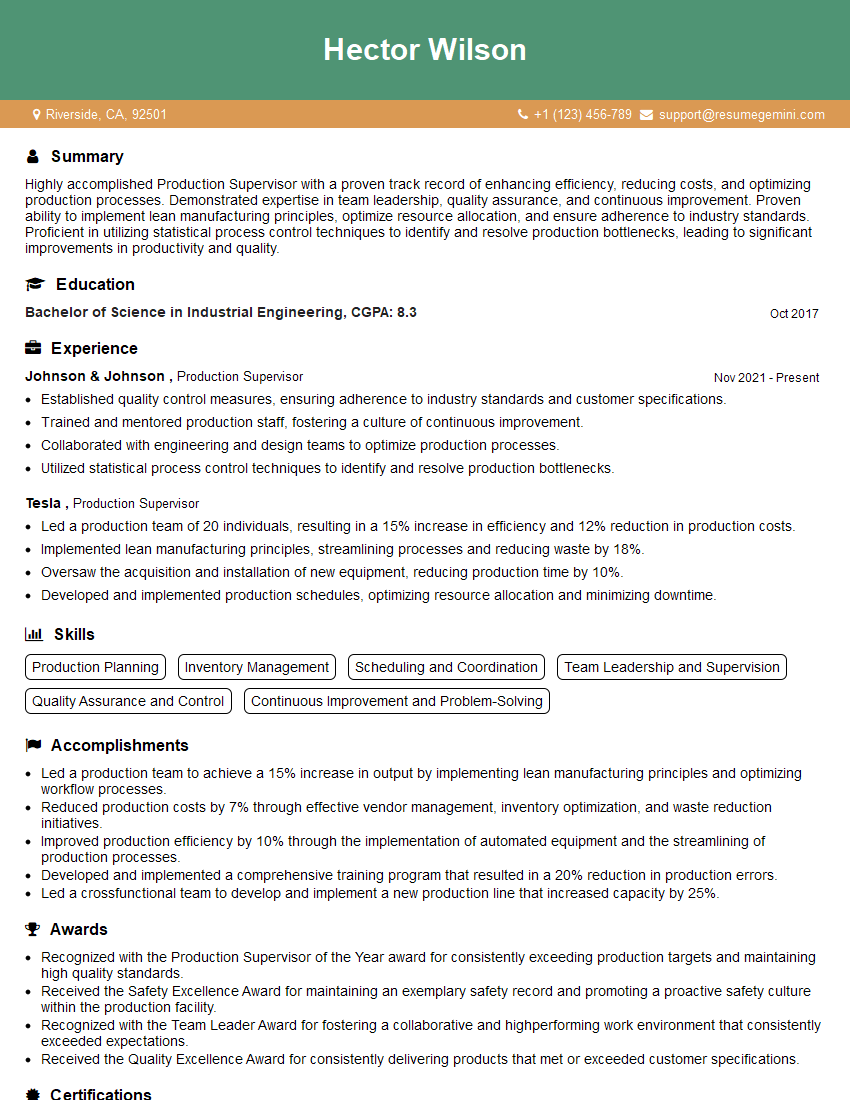
Production Supervisor Resume Sample
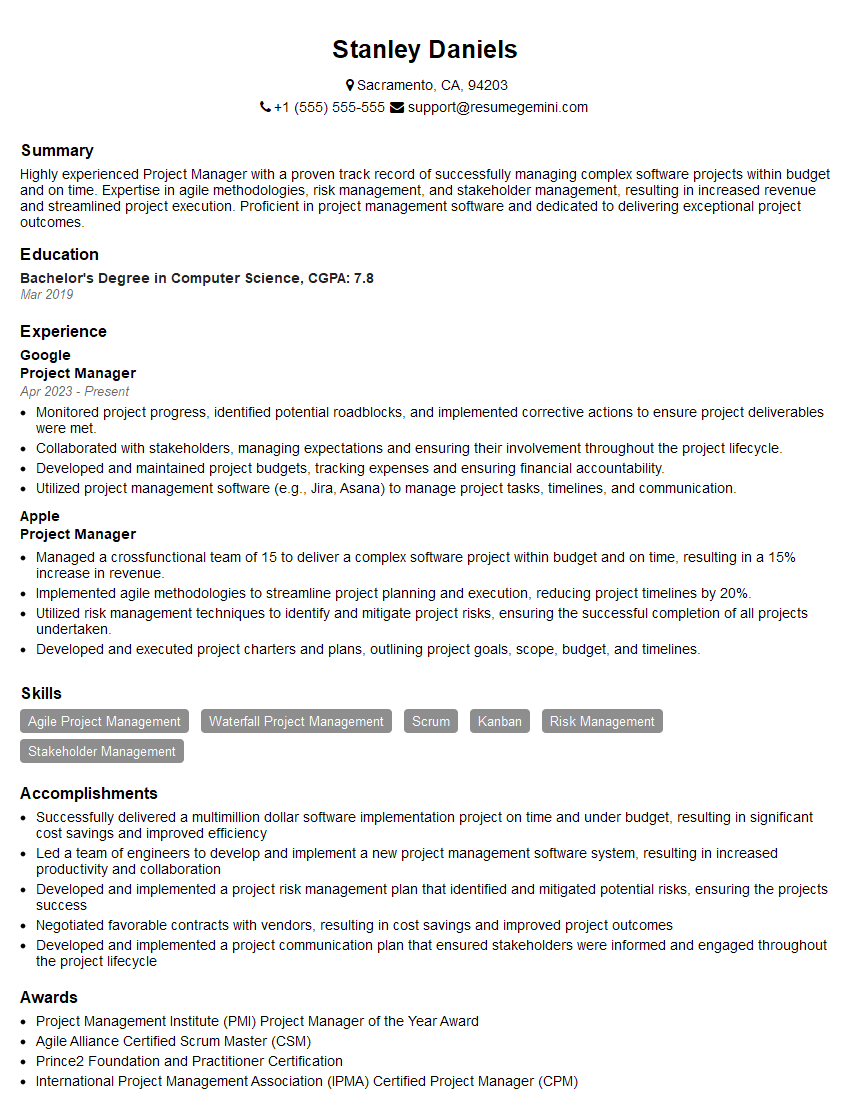
Project Manager Resume Sample
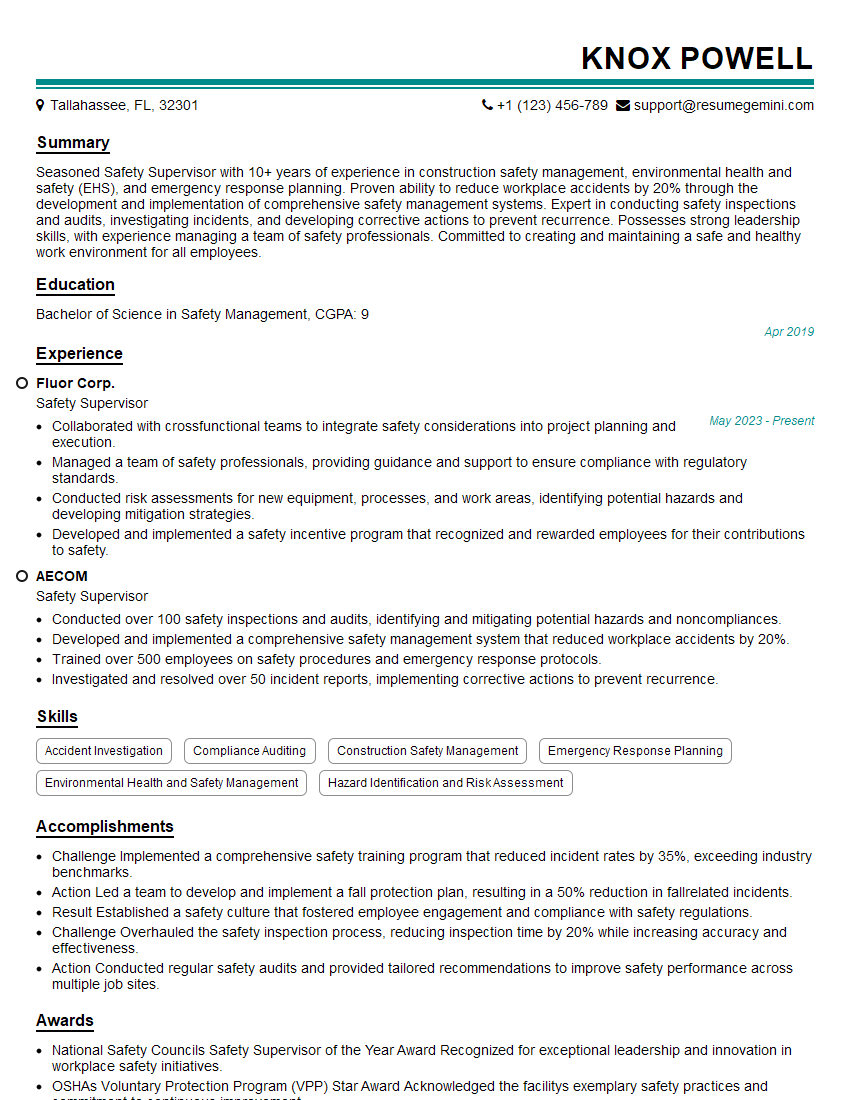
Safety Supervisor Resume Sample
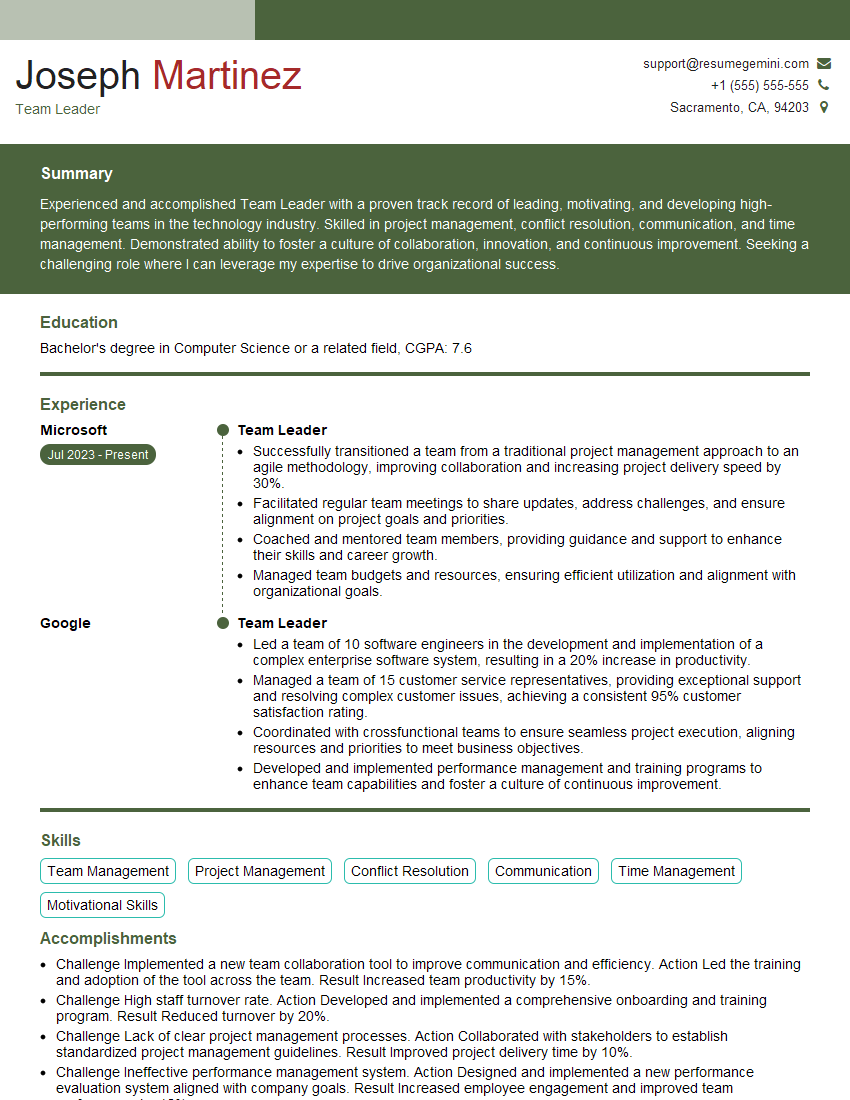
Team Leader Resume Sample
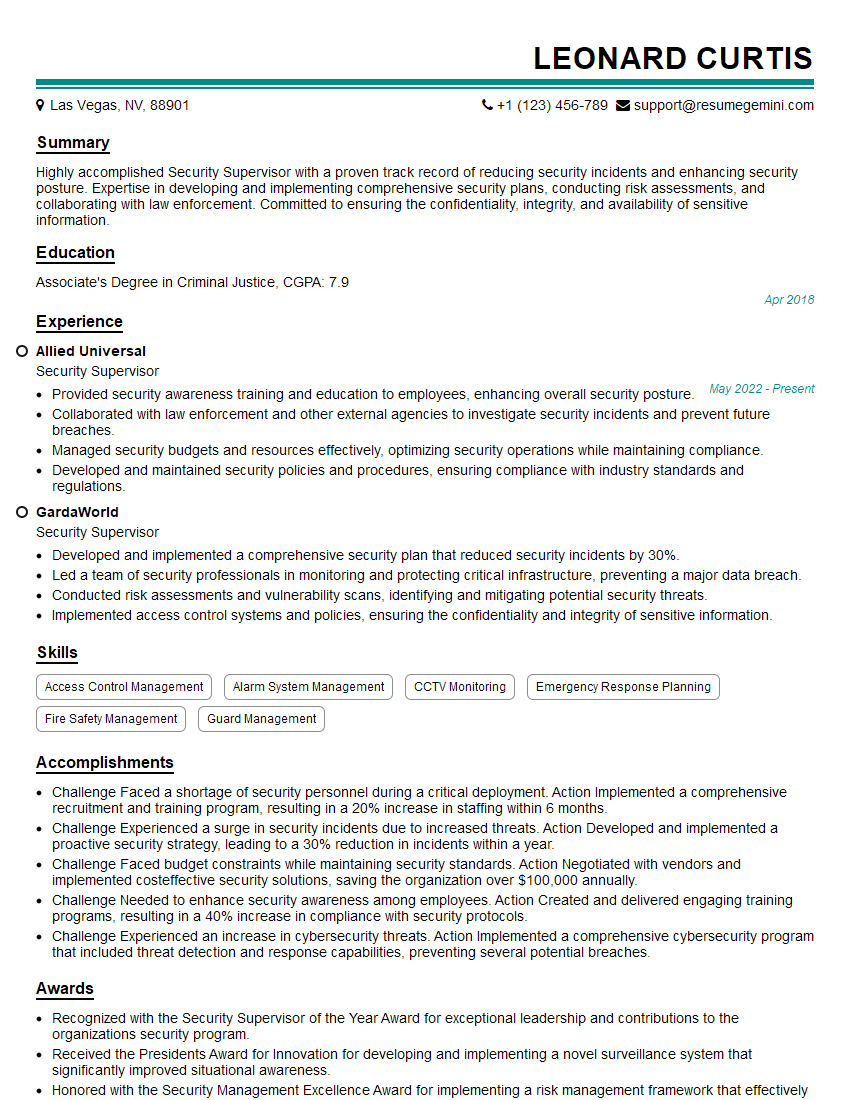
Security Supervisor Resume Sample
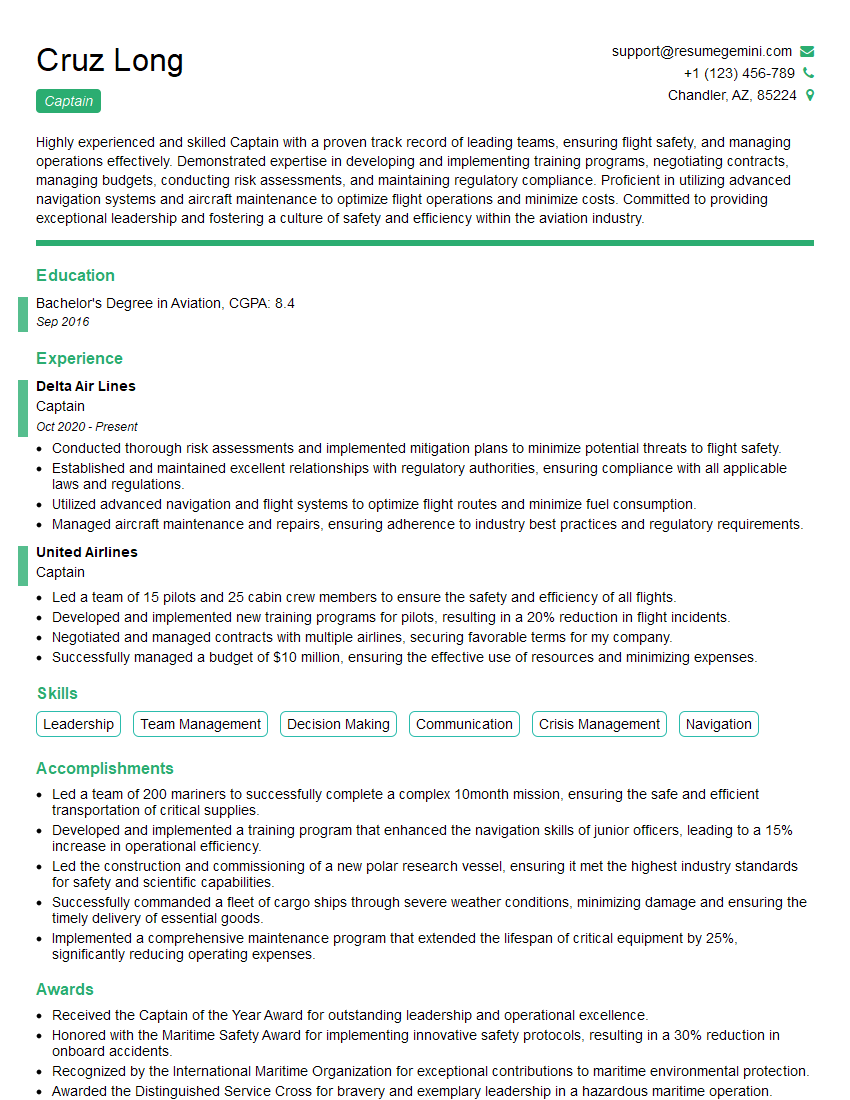
Captain Resume Sample
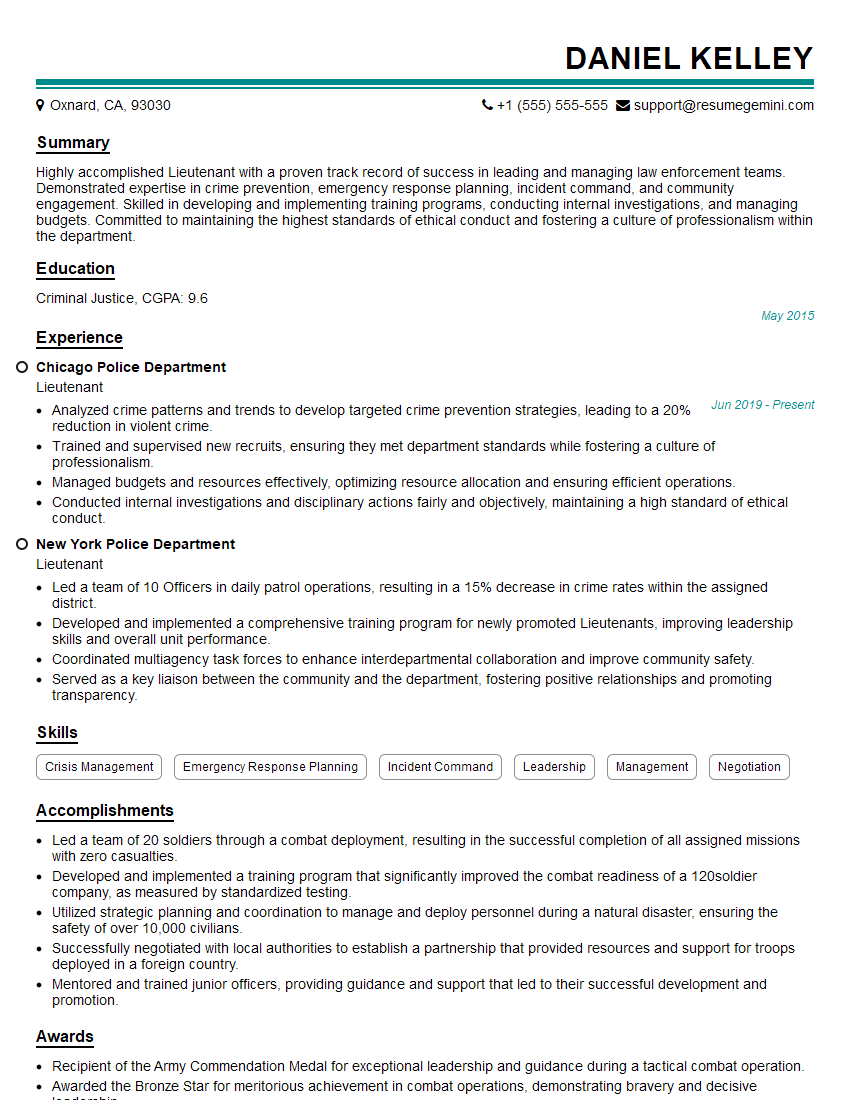
Lieutenant Resume Sample
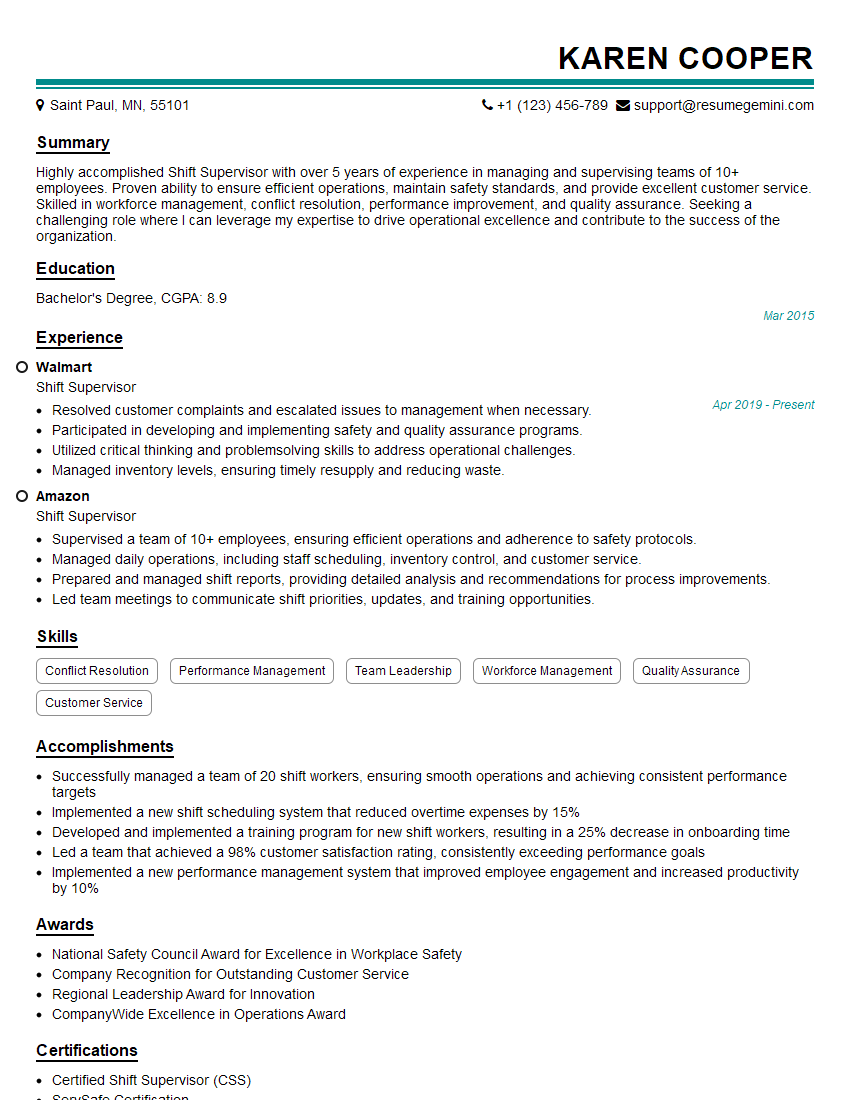
Shift Supervisor Resume Sample
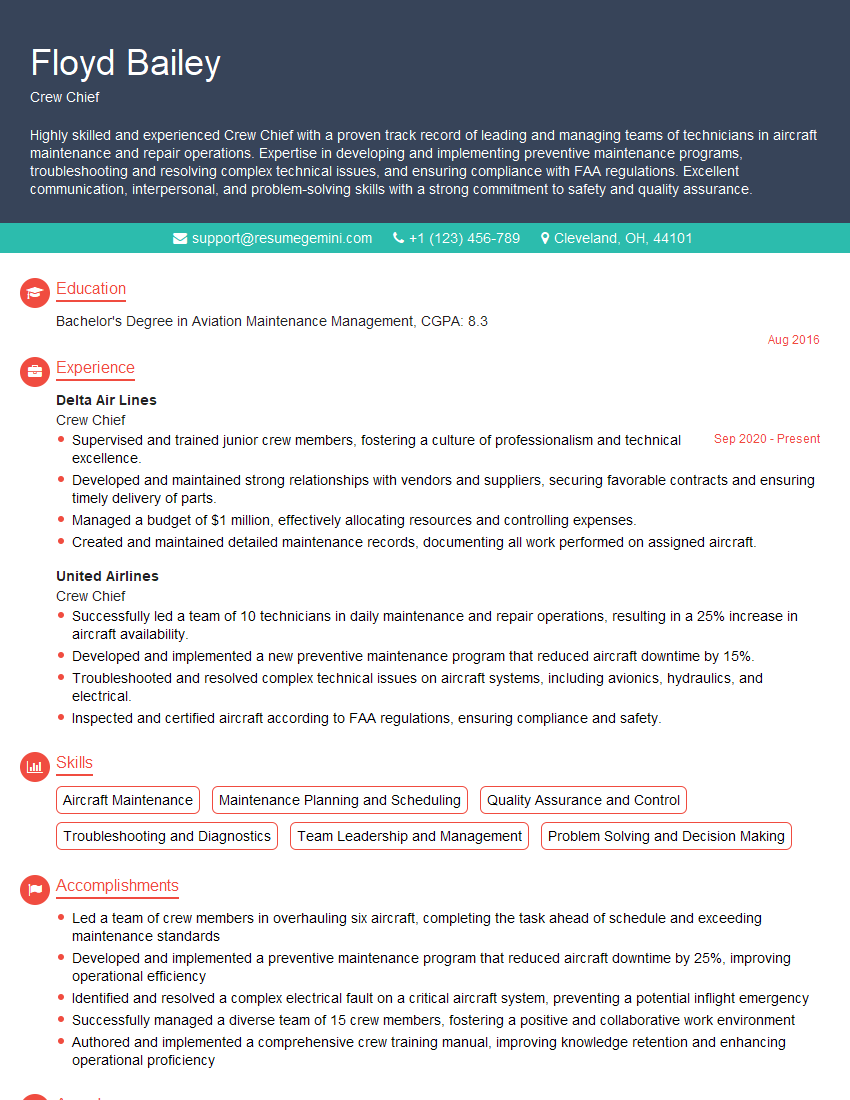
Crew Chief Resume Sample
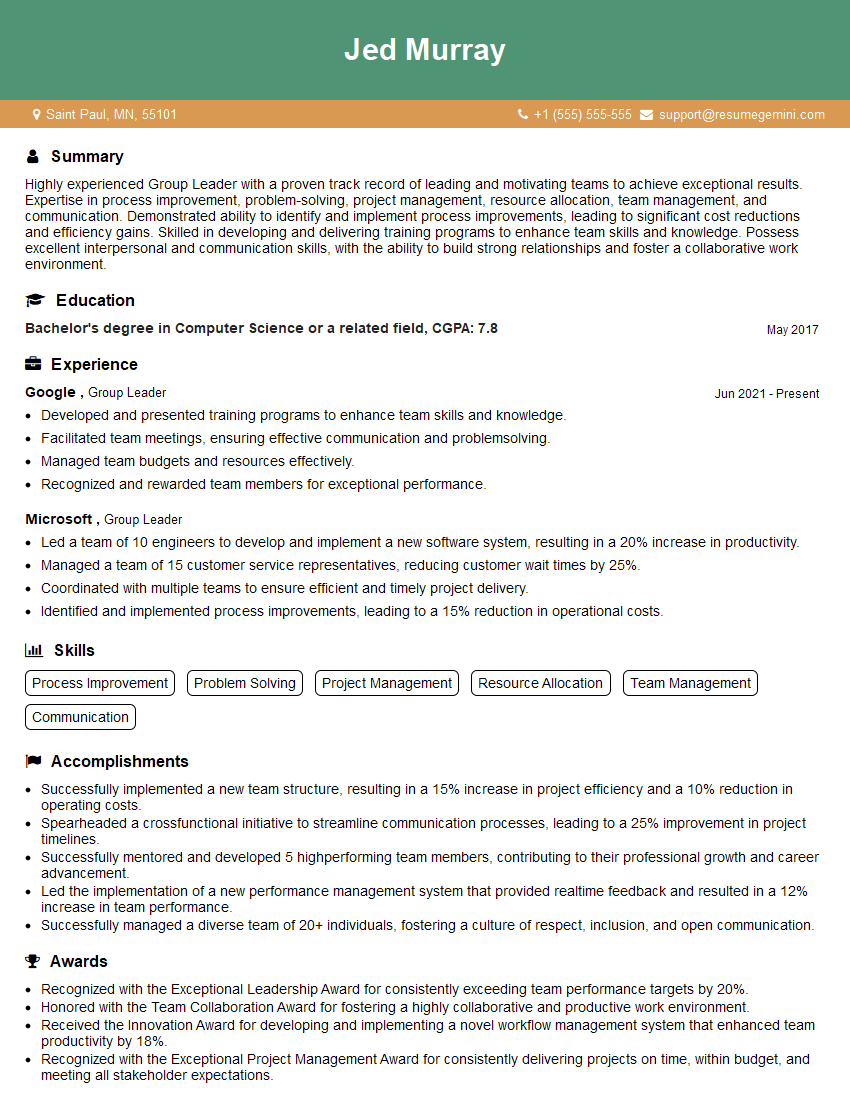
Group Leader Resume Sample
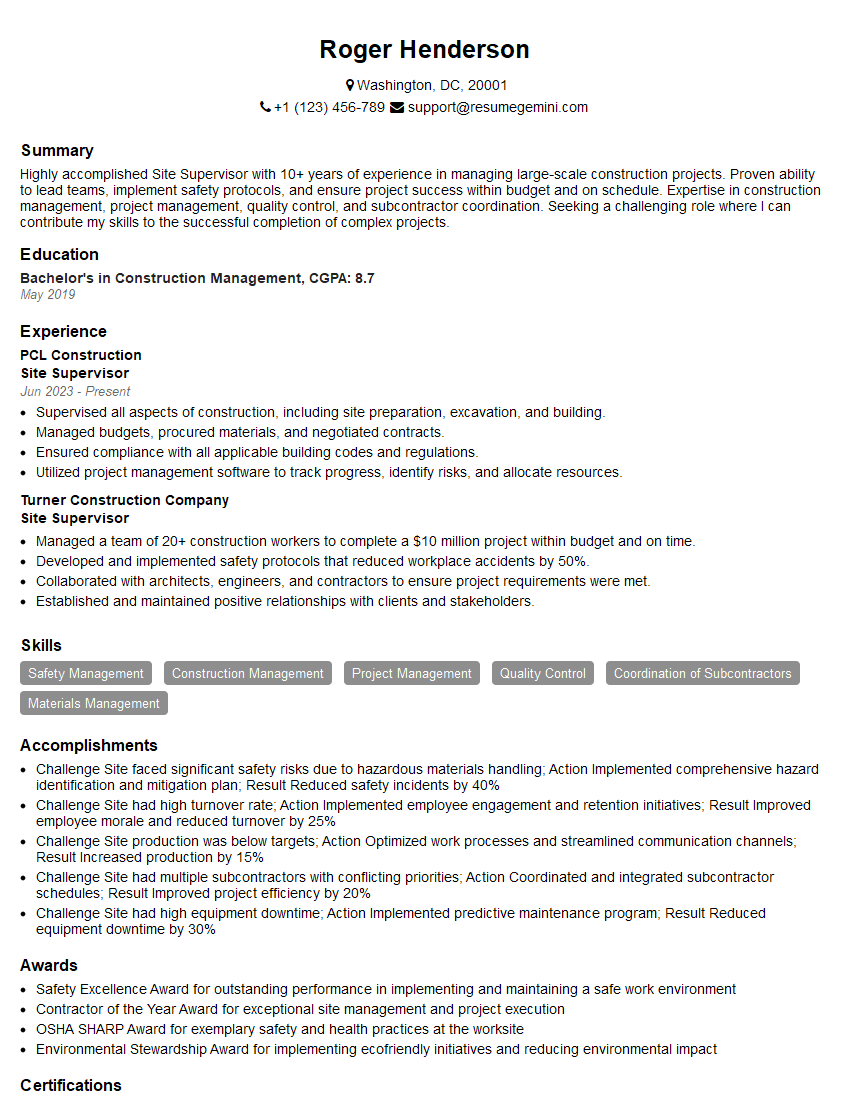
Site Supervisor Resume Sample
Explore more articles
Users Rating of Our Blogs
Share Your Experience
We value your feedback! Please rate our content and share your thoughts (optional).
What Readers Say About Our Blog
Very informative content, great job.
good