Cracking a skill-specific interview, like one for Working at Height, requires understanding the nuances of the role. In this blog, we present the questions you’re most likely to encounter, along with insights into how to answer them effectively. Let’s ensure you’re ready to make a strong impression.
Questions Asked in Working at Height Interview
Q 1. What are the main hazards associated with working at height?
Working at height presents a multitude of hazards, all potentially leading to serious injury or fatality. These hazards can be broadly categorized into:
- Falls from height: This is the most significant risk, encompassing falls from roofs, scaffolding, ladders, and other elevated work surfaces. The severity of the fall depends on the height, the surface landed on, and the impact protection available.
- Falling objects: Tools, materials, and debris can fall from above, striking workers below. This hazard affects not only those working at height but also those on the ground.
- Slips, trips, and falls at height: Even on a stable working platform, slips, trips, and falls are a significant risk, especially in wet or cluttered conditions.
- Exposure to environmental hazards: Workers at height may be exposed to extreme weather conditions (heat, cold, wind, rain), hazardous substances (asbestos, chemicals), and electrical hazards.
- Equipment failure: Failure of access equipment (ladders, scaffolding), fall protection systems (harnesses, lanyards), or lifting equipment can lead to serious accidents.
- Overexertion and fatigue: The physical demands of working at height, combined with prolonged exposure to the elements or awkward working positions, can lead to fatigue and increase the risk of accidents.
For example, a roofer working without proper fall protection has a high risk of falling and suffering catastrophic injuries. Similarly, a construction worker on a high-rise building faces the risk of being struck by falling debris.
Q 2. Explain the hierarchy of controls for working at height.
The hierarchy of controls for working at height prioritizes eliminating hazards whenever possible, progressing to progressively less effective, but still crucial, controls. It’s a systematic approach aiming to minimize risk. The hierarchy is:
- Elimination: Completely removing the need to work at height. This might involve redesigning a building to avoid the need for roof work or using ground-based equipment instead of working from height. This is always the preferred option.
- Substitution: Replacing a hazardous task with a safer one. For instance, using a cherry picker instead of a ladder to access a high area.
- Engineering controls: Implementing physical changes to the work environment to reduce the risk. Examples include installing guardrails, edge protection, or using safe access equipment like scaffold towers.
- Administrative controls: Putting in place procedures and policies to manage the risk. This might include work permits, supervision procedures, training programs, and implementing safe working practices.
- Personal Protective Equipment (PPE): Using safety equipment such as harnesses, lanyards, and helmets as a last resort to protect workers. While crucial, PPE should never be considered the primary control measure.
For instance, if we need to install air conditioning units on a building’s roof, eliminating the need to go to the roof isn’t feasible. However, we can substitute the need to climb ladders with a properly erected scaffold equipped with edge protection and fall arrest systems. If that’s also impossible, we’d use administrative controls like a thorough risk assessment and training for workers, supplemented by harnesses and lanyards as PPE.
Q 3. Describe the different types of fall protection equipment.
Various types of fall protection equipment are available, each designed for specific situations and work environments. These include:
- Full-body harnesses: These are worn by the worker and have attachment points for connecting lanyards and lifelines. They distribute the impact force over a larger area of the body, reducing the risk of injury.
- Lanyards: Flexible straps that connect the harness to an anchorage point. They can be shock-absorbing to lessen the impact force during a fall. Different types exist: self-retracting lifelines (SRLs), energy-absorbing lanyards, and static lanyards.
- Lifelines: Strong ropes or cables used to connect workers to a secure anchor point, often used in situations requiring more movement over a larger area.
- Anchor points: Securely fixed points to which lanyards and lifelines are connected. These need to be structurally sound and capable of withstanding significant forces. Examples include structural steel beams or purpose-built anchor points on scaffolding.
- Fall arresters: Devices that automatically engage to arrest a fall, preventing a worker from impacting the ground. They are often integrated into lifelines or lanyards.
- Safety nets: Nets that are suspended below a working area to catch workers in case of a fall. They are often used in situations where other forms of fall protection are impractical.
- Scaffolding: A temporary elevated platform used for working at height. It should be designed and erected according to strict safety standards to ensure stability and to provide adequate guardrails and edge protection.
- Ladders: These should only be used for short access and should be inspected carefully before use. Proper positioning and use are critical to preventing falls.
Q 4. What are the limitations of each type of fall protection equipment?
Every type of fall protection equipment has limitations. It is crucial to understand these limitations before selecting and using the equipment.
- Harnesses: Improper fit, wear and tear, and incorrect usage can compromise their effectiveness. They can also cause discomfort or restrict movement.
- Lanyards: Static lanyards offer no shock absorption, increasing the impact force on the worker. Energy absorbers can degrade over time and require frequent inspection. SRLs can also become entangled or snag.
- Lifelines: They may be susceptible to damage from sharp edges or environmental factors, and proper anchorage is critical for their effectiveness.
- Anchor points: Improperly installed or insufficiently strong anchor points can fail under load, leading to a fall.
- Fall arresters: They need regular maintenance and inspection. They only arrest a fall; they do not prevent falls.
- Safety nets: Nets can tear or become damaged and offer less protection in higher falls.
- Scaffolding: Incorrect erection or inadequate bracing can result in collapse. Improper access or overloading can also cause accidents.
- Ladders: They are inherently unstable, especially on uneven surfaces. Reaching too far or working from a ladder can lead to falls. They are unsuitable for extended periods of work.
For example, a worn-out lanyard might break during a fall, rendering the harness useless. An inadequately secured anchor point can fail and leave a worker unprotected.
Q 5. How do you inspect harnesses, lanyards, and other PPE before use?
Before using any fall protection equipment, a thorough inspection is mandatory. This involves:
- Visual inspection: Carefully examine the equipment for any signs of damage, such as cuts, abrasions, burns, fraying, or excessive wear. Look for any distortion or weakening of material.
- Check for stitching: Ensure all stitching is intact and secure. Loose or broken stitching significantly weakens the equipment.
- Check buckles and straps: Verify that all buckles and straps are securely fastened and function correctly. Make sure they are free from damage.
- Check for corrosion: Inspect metal parts for rust, corrosion, or any signs of degradation.
- Check webbing: Examine the webbing for stiffness, unusual discoloration, or any signs of degradation. The webbing should be flexible and supple.
- Check for labels and certifications: Make sure that all labels and certifications are present and legible, indicating the equipment is compliant and hasn’t exceeded its expiration date.
- Check for proper storage: Ensure the equipment has been stored properly, protected from sunlight, moisture, and other environmental factors.
If any defects or doubts exist, the equipment must be taken out of service and replaced. Never compromise on safety.
Q 6. What are the legal requirements for working at height in your region?
(Note: This answer needs to be adapted to your specific region. Replace the example below with the relevant regulations and acts for your location.)
In many regions, legal requirements for working at height are stringent and detailed. They typically mandate a comprehensive risk assessment before any work commences at height. Legislation often emphasizes the hierarchy of controls, requiring employers to implement preventative measures before relying on PPE. Specific regulations might cover training requirements for workers, the inspection and maintenance of equipment, the establishment of safe systems of work, and the recording of all work at height activities.
For example, the regulations might specify minimum training standards for workers using harnesses and lanyards, the frequency of equipment inspections, or the requirements for working on scaffolding. Failure to comply with these regulations can lead to significant fines and even criminal prosecution.
Example (Illustrative – replace with your region’s specifics): The Occupational Safety and Health Act (replace with your region’s equivalent) mandates employers to provide a safe working environment, including implementing and enforcing comprehensive procedures for working at height.
Q 7. Explain the importance of a risk assessment before commencing work at height.
A risk assessment before commencing work at height is paramount for several reasons:
- Identifies hazards: It systematically identifies all potential hazards associated with the specific work at height, including falls, falling objects, environmental factors, and equipment failure.
- Evaluates risks: It assesses the likelihood and severity of each identified hazard, determining the level of risk involved.
- Determines appropriate control measures: Based on the risk assessment, it determines the most appropriate control measures to mitigate the identified hazards, following the hierarchy of controls (elimination, substitution, engineering controls, administrative controls, and PPE).
- Develops safe working procedures: It helps develop clear, concise, and safe working procedures that outline the steps required to perform the task safely.
- Provides training needs: It highlights any necessary training requirements for the workers involved in the task.
- Ensures compliance: It ensures compliance with relevant legal and regulatory requirements.
- Reduces accidents: Ultimately, a well-conducted risk assessment significantly reduces the probability of accidents and injuries.
Imagine a team needs to replace a damaged window on a third-floor building. A risk assessment would highlight the risk of falls, the need for proper access equipment (scaffolding or a cherry picker), the potential for falling tools or debris, and the requirement for fall protection equipment. Without this assessment, the chances of a serious incident are significantly increased.
Q 8. Describe the emergency procedures in case of a fall from height.
Emergency procedures following a fall from height are crucial and hinge on swift, coordinated action. The first priority is always ensuring the safety of the injured person and preventing further injuries. This involves immediately calling emergency services (e.g., 911, 999) and clearly stating the location, nature of the incident, and the number of casualties.
Simultaneously, securing the area is paramount. This means preventing others from accessing the fall zone to avoid secondary accidents. If trained and equipped, qualified personnel might need to begin first aid, focusing on stabilizing the casualty, preventing further injuries, and keeping them warm until paramedics arrive.
After the emergency services have taken over, a thorough investigation should be carried out to determine the root cause of the fall. This involves reviewing risk assessments, inspecting equipment, and interviewing witnesses. This process is vital in preventing future incidents. For example, if a fall was caused by a faulty harness, the subsequent investigation would identify this equipment failure and lead to corrective action, perhaps an immediate equipment recall or enhanced inspection protocols.
Q 9. What is the role of a competent person in working at height?
A competent person in working at height is someone who possesses the necessary knowledge, skills, experience, and authority to plan, manage, and supervise work at height, ensuring that all legal requirements and safe working practices are met. They are responsible for identifying hazards, assessing risks, selecting suitable control measures, and ensuring that all workers are adequately trained and equipped. This isn’t just about ticking boxes; it’s about making informed decisions that consider both the immediate task and the long-term safety of the workforce.
For instance, a competent person would assess a job requiring work on a roof, determining the risks (falling, slips, electric shocks), selecting appropriate fall protection (e.g., guardrails, harnesses), and verifying that workers understand and use these safety measures. They may also check weather forecasts and halt work if conditions become unsafe.
Q 10. How do you communicate effectively with colleagues while working at height?
Effective communication is the cornerstone of safety when working at height. When working at heights, clear and concise communication is essential due to the inherent risks involved. Many methods exist, depending on the context and distance between workers. For example, using pre-arranged hand signals is crucial if noise levels are high or when verbal communication is difficult.
Face-to-face communication is best when possible, but radio communication systems are invaluable for teams spread across a worksite. These systems allow for instant feedback and clarification, especially in an emergency. Before starting any task, a thorough briefing should be conducted to outline the work plan, safety procedures, and designated communication methods. Establishing regular check-in points ensures everyone remains aware of their colleagues’ positions and any potential hazards. For example, a worker might use a radio to announce, “I’m starting the welding now, all clear.” This single statement confirms the task’s commencement and emphasizes that the work area is safe for others.
Q 11. Describe your experience with different types of access equipment (e.g., scaffolds, ladders, MEWPs).
Throughout my career, I’ve extensively used various access equipment, ensuring safe and efficient working practices. Scaffolds, from simple tube and fitting structures to complex system scaffolds, require a thorough understanding of erection, dismantling, and inspection procedures, including ensuring stability and safe access points. I’m proficient in erecting and dismantling various types, always adhering to manufacturer’s instructions and safety regulations.
Ladders, while seemingly simple, necessitate careful selection based on task requirements and proper use—always ensuring secure footing and proper angle. I’m experienced with various types, from step ladders to extension ladders and have always emphasized the importance of regular inspections for any signs of damage.
Mobile Elevating Work Platforms (MEWPs), such as scissor lifts and boom lifts, present a different set of challenges, requiring specific training and certification for safe operation. I have substantial experience operating various MEWP types, focusing on pre-operational checks, safe operating practices, and awareness of environmental factors that might affect stability.
Q 12. How do you ensure the stability of a scaffold?
Scaffold stability is paramount to worker safety. It involves several key aspects, starting with proper base preparation. The ground must be level and firm, capable of supporting the scaffold’s weight. This might involve using base plates or adjustable jacks to compensate for uneven ground. The scaffold itself must be erected according to manufacturer’s instructions, using correct components and ensuring all connections are secure and properly tied. Vertical and diagonal bracing is crucial for stability, preventing the scaffold from swaying or collapsing under load.
Regular inspections are essential throughout the scaffold’s lifespan, checking for any signs of damage or instability. This includes examining base plates, bracing, and individual components for wear, tear, or damage. Load distribution is another key factor, with heavier materials positioned centrally and evenly across the working platform. Overloading any part of the structure should be carefully avoided. I would frequently compare the scaffold’s stability during erection to building a house: a solid foundation, properly placed supports, and regular checks ensure the structure can withstand its intended load.
Q 13. Explain the different types of anchor points and their suitability.
Anchor points are critical for fall protection systems, providing a secure attachment point for safety harnesses and other equipment. Different types exist, each suited to specific applications. Steel structures often have built-in anchor points designed for high loads, while temporary anchor points, like those using heavy-duty eyebolts, may be required for other applications. Their suitability depends on factors such as load capacity, material strength, and the specific requirements of the work being undertaken.
For example, a steel beam might have a built-in anchor point with a certified load capacity of 20kN, suitable for supporting a worker and their tools. However, a temporary anchor point might use a chemical anchor in a concrete structure, requiring careful consideration of the embedment depth and the concrete’s compressive strength to ensure it meets the necessary load requirements. Competent persons are responsible for verifying the suitability of anchor points, ensuring they meet the required standards and are adequately inspected and tested.
Q 14. What are the considerations for working at height in adverse weather conditions?
Adverse weather conditions significantly impact working at height, posing serious risks. Strong winds can cause instability in scaffolds and other temporary structures, while heavy rain or snow can create slippery surfaces, increasing the risk of falls. Visibility can also be reduced, hindering communication and creating additional hazards.
Before commencing any work, thorough risk assessments must account for the prevailing weather conditions. High winds might necessitate the cessation of work, while heavy rain or snow could require additional safety precautions, such as using anti-slip mats or employing additional fall protection. Regular weather updates are essential, allowing for immediate adaptations to the working plan should conditions deteriorate. Clear communication is paramount, so everyone is aware of any potential hazards and the revised safety protocols. For instance, if there is a severe weather warning, the site may be completely closed until conditions improve.
Q 15. How do you manage risks associated with working near overhead power lines?
Managing risks near overhead power lines requires a multi-layered approach prioritizing the absolute avoidance of contact. This starts with a thorough risk assessment identifying the proximity to live lines, the voltage involved, and the potential for accidental contact during the work.
- Clearance Distances: The most crucial step is establishing and maintaining a safe distance. Regulations and industry best practices dictate minimum clearances, which vary based on voltage and work conditions. Never assume a safe distance; always consult the appropriate safety guidelines and potentially engage a power company to de-energize the lines if necessary.
- Spotters and Communication: Employing trained spotters to monitor equipment and personnel proximity to lines is critical. Clear communication channels are essential to ensure everyone is aware of the location of the lines and any potential hazards. This could include visual signals, radio communication, or a designated communication system.
- Protective Equipment: Appropriate personal protective equipment (PPE), including insulated tools and clothing, is a must. These are not just a safety precaution, but a legally required component for working near electricity. The quality and condition of PPE must be checked before any work commences.
- Permit-to-Work System: A formal permit-to-work system should be in place, outlining the hazards, control measures, and emergency procedures. This document would be signed off by authorized personnel and would detail the precautions taken and the person(s) responsible for ensuring compliance.
- Emergency Response Plan: A comprehensive emergency response plan, including procedures for first aid and rescue in the event of an electrical shock, is vital. Regular training and drills are necessary to ensure personnel are familiar with the plan and able to act swiftly and effectively.
For example, during a roofing job near power lines, I would never allow anyone to use a metal ladder. Instead, I would ensure a non-conductive fiberglass ladder is used and request temporary de-energization of the affected lines, a process handled by qualified power line professionals.
Career Expert Tips:
- Ace those interviews! Prepare effectively by reviewing the Top 50 Most Common Interview Questions on ResumeGemini.
- Navigate your job search with confidence! Explore a wide range of Career Tips on ResumeGemini. Learn about common challenges and recommendations to overcome them.
- Craft the perfect resume! Master the Art of Resume Writing with ResumeGemini’s guide. Showcase your unique qualifications and achievements effectively.
- Don’t miss out on holiday savings! Build your dream resume with ResumeGemini’s ATS optimized templates.
Q 16. Describe your experience with rescue procedures from height.
My experience with rescue procedures from height encompasses a wide range of scenarios, from simple falls from low heights to more complex scenarios involving significant heights and difficult access. I am trained in using various rescue systems and techniques and hold relevant certifications such as the IRATA (Industrial Rope Access Trade Association) system.
- Assessment and Planning: Before initiating a rescue, a careful assessment is conducted to understand the situation, the victim’s condition, and the surrounding environment. This assessment will inform the choice of rescue method.
- Equipment Selection: The appropriate equipment is selected depending on the height, access, and victim’s condition. This might include harnesses, ropes, pulleys, winches, and specialized rescue equipment. The condition and proper functioning of the equipment must be thoroughly checked.
- Rescue Technique: The rescue method used depends on several factors, including the location of the casualty, the type of fall arrest system used, access, and availability of rescue equipment. Techniques may include lowering systems, rope access techniques, and the use of specialized lifting equipment.
- Post-Rescue Procedures: After a successful rescue, procedures for assessing the casualty’s condition, providing first aid, and reporting the incident are followed. This is crucial for both the casualty’s wellbeing and for incident investigation to identify and mitigate future risks.
For example, during a recent project, a worker suffered a minor fall from a scaffold. We used a simple rope and harness system to lower them safely to the ground, providing first aid and reporting the incident accordingly. The scaffold was subsequently inspected to prevent recurrence.
Q 17. What is your understanding of the different types of rescue systems?
Several rescue systems exist, each suited for different scenarios. Choosing the right system depends on the specific circumstances, including the height, terrain, and the victim’s condition.
- Self-Rescue Systems: These are systems designed for the worker to self-rescue, such as descenders or rope grabs. These require appropriate training and practice and are not always suitable for all scenarios, particularly injuries.
- Assisted Rescue Systems: These systems involve another worker assisting the injured worker, often using ropes and pulleys. They require team training and coordinated efforts.
- Mechanical Rescue Systems: These involve the use of cranes, winches, or other mechanical equipment to lift or lower the injured worker. These require heavy-duty equipment and may be necessary when dealing with heavier loads or more challenging situations.
- Third-Party Rescue Systems: In some cases, especially involving complex situations or injuries, external professional rescue services with specialist equipment and personnel may be needed.
Understanding the limitations and capabilities of each system is vital. Choosing the wrong system can delay the rescue or even put the rescuers at risk.
Q 18. How do you perform a pre-use inspection of a mobile elevating work platform (MEWP)?
A pre-use inspection of a MEWP (Mobile Elevating Work Platform) is a critical safety check performed before each use to ensure its safe operation. This is not merely a checklist exercise but a thorough visual and functional check.
- Visual Inspection: Check for any visible damage to the platform, including cracks, dents, or corrosion on the chassis, boom, and platform. Check the condition of the tires, ensuring they have sufficient tread depth and are correctly inflated.
- Functional Checks: Test all controls, ensuring they respond smoothly and accurately. Check the emergency stop button and safety devices. Examine the stability indicators and ensure they function as intended.
- Hydraulic System: Check for any leaks in hydraulic lines or cylinders. Listen for unusual noises during operation, indicating potential issues. Check the hydraulic fluid levels.
- Electrical System: Inspect electrical wiring for damage or fraying. Check the emergency lights and horn.
- Documentation: Verify that the MEWP has a valid certification and that all previous inspections and maintenance records are up to date and compliant with regulations.
Failure to perform a thorough pre-use inspection can lead to serious accidents. A simple visual inspection can often reveal potentially dangerous issues before they cause harm.
Q 19. What are the key components of a safe work permit for working at height?
A safe work permit for working at height is a crucial document outlining the risks, control measures, and responsibilities for any work performed at height. It is a legal and safety requirement for many work settings.
- Job Description: A clear description of the work to be performed, including the location and tasks involved.
- Risk Assessment: An identification of all potential hazards associated with the work at height, including falls, dropping objects, and electrical hazards.
- Control Measures: A detailed plan of the precautions to be taken to mitigate these risks. This includes the use of appropriate equipment, such as harnesses, lifelines, and scaffolding, along with procedures to prevent falls and other incidents.
- Emergency Procedures: A clear outline of emergency procedures, including communication protocols, rescue plans, and contact information for emergency services.
- Permit Issuer and Authorizer: Signatures of the person issuing the permit and the person authorizing the work, ensuring that the risks have been appropriately assessed and that suitable control measures are in place.
- Competency of Personnel: Verification that all involved personnel are appropriately trained and competent to carry out the work at height.
The safe work permit serves as a legal record of the measures taken to protect workers, demonstrating due diligence and compliance.
Q 20. Explain the importance of regular training and competency assessments for working at height.
Regular training and competency assessments are paramount for working at height. They are not just a formality; they are crucial to maintaining safety and minimizing the risk of accidents.
- Knowledge Updates: Training provides the workers with up-to-date knowledge of safety regulations, best practices, and the proper use of equipment. Regulations change, and refresher courses are vital to ensure compliance.
- Practical Skills: Training sessions include practical exercises to develop and refine essential skills such as the proper use of harnesses, fall arrest systems, and rescue techniques. This ensures that the workers are proficient in using the equipment and implementing safe procedures.
- Competency Verification: Competency assessments verify that workers possess the necessary skills and knowledge to perform their tasks safely. This may include practical demonstrations, written tests, or observations of workers in action.
- Incident Prevention: Regular training identifies potential weaknesses in knowledge or practice, and regular assessments allow for early identification of individuals who may need additional training or supervision. This helps to prevent incidents by proactively addressing any competency gaps.
Imagine a scenario where workers haven’t received proper training on using a harness. Their lack of knowledge could result in incorrect usage, rendering the safety equipment useless in an emergency.
Q 21. How do you identify and mitigate potential hazards during a working at height task?
Identifying and mitigating hazards during work at height starts with a comprehensive risk assessment. This is a structured process that systematically identifies potential hazards, analyzes the risks involved, and then develops control measures to mitigate those risks.
- Hazard Identification: Identify all potential hazards associated with the task. This may include environmental factors (weather, terrain), the equipment being used (scaffolding, ladders, harnesses), and the task itself (lifting, carrying, assembling).
- Risk Assessment: Evaluate the likelihood and severity of each hazard. Consider the potential consequences of each hazard, including minor injuries, serious injury, or even fatalities.
- Control Measures: Implement appropriate control measures to mitigate the identified risks. This involves using appropriate PPE, selecting suitable equipment, implementing safe work procedures, and providing adequate supervision.
- Hierarchy of Controls: Apply the hierarchy of controls, prioritizing the most effective measures. This typically follows the order: elimination, substitution, engineering controls, administrative controls, and finally, personal protective equipment (PPE).
- Monitoring and Review: Regularly monitor the effectiveness of the control measures and review the risk assessment periodically to ensure it remains relevant and accurate.
For example, if working on a roof during inclement weather, I’d assess the wind speed, the risk of slips, and the potential for electrical hazards. Appropriate control measures would include postponing the work if the weather is too hazardous, using appropriate fall protection systems, and ensuring that all workers have received proper training.
Q 22. Describe your experience with confined space entry in conjunction with working at height.
Confined space entry combined with working at height presents unique and amplified risks. It necessitates a thorough understanding of both hazard categories and implementing robust control measures. My experience involves numerous projects where we accessed elevated confined spaces, such as inspecting the interior of large storage tanks or repairing ductwork high on a building. Before entry, we meticulously followed a permit-to-work system, conducted atmospheric testing for hazardous gases, ensured adequate ventilation and emergency rescue plans were in place. This involved specifying appropriate harnesses, fall arrest systems, and communication devices. Specific procedures for confined space entry and working at height are adhered to at all times, including the use of a standby person and continuous monitoring of workers. We use a combination of rope access techniques and scaffold systems tailored to the specific confined space and height requirements. One memorable project involved the inspection of a large water tower; careful planning and execution were essential to ensure both confined space and working-at-height risks were adequately mitigated.
Q 23. What are the key differences between working at height and working from height?
While the terms are often used interchangeably, there’s a crucial difference. ‘Working at height’ encompasses any work where a fall risk exists, regardless of height. This could be changing a lightbulb on a stepladder, or working on a roof. ‘Working from height’ specifically refers to work carried out from an elevated position, where a fall is likely to cause serious injury. The differentiation is important for risk assessment: a minor task at height might only require basic precautions, while a fall from height would necessitate much more stringent controls, personal protective equipment (PPE), and rescue planning. Think of it this way: working at height is the broader umbrella term, while working from height specifies those situations that pose the most serious risk of falling.
Q 24. How do you ensure compliance with relevant health and safety regulations?
Compliance is paramount. I ensure compliance with regulations like OSHA (in the US) or the Work at Height Regulations (in the UK), and any other relevant legislation for the geographical location. This starts with a thorough risk assessment, identifying all potential hazards. We use a hierarchy of controls, aiming for elimination or substitution of hazards wherever possible. If that’s not feasible, we implement engineering controls like guardrails, followed by administrative controls like safe work procedures and training. Personal protective equipment (PPE), such as harnesses, lanyards, and helmets, is used as the last line of defense. Documentation is crucial; all risk assessments, method statements, training records, and inspections are meticulously kept, readily available for audits. Regular toolbox talks reinforce safe work practices and address specific project hazards. Our company undergoes regular audits to ensure our practices stay up-to-date with legislation and best practices. We never compromise on safety, and compliance is embedded within our company culture.
Q 25. Describe your experience with incident reporting and investigation procedures for working at height incidents.
Incident reporting and investigation are critical for continuous improvement. Immediately after an incident, regardless of severity, we follow a structured reporting process. This involves documenting the facts, witnesses’ statements, and any immediate actions taken. A formal investigation then follows, led by an experienced team, using a root cause analysis methodology, to determine the underlying causes of the incident, not just the immediate cause. This process may involve reviewing work permits, risk assessments, training records, and any equipment involved. We aim to identify systemic failures and implement corrective actions to prevent recurrence. Findings and corrective actions are documented in a formal report and shared with all relevant personnel. Lessons learned from every incident are crucial for enhancing our safety procedures and overall working practices. For example, a fall from height incident may highlight deficiencies in the fall protection system used, requiring us to review our equipment maintenance schedule and retraining procedures.
Q 26. What are the different types of rescue plans and when would you implement each one?
Rescue plans vary depending on the specific risks and circumstances. For low-level falls, a simple rescue involving a colleague may suffice. However, for more significant heights, we might need specialized equipment and a trained rescue team. Types of rescue plans include:
- Self-rescue: The worker can safely descend using equipment already in place, such as a rope access system.
- Assisted rescue: A colleague or team member assists the injured person down safely using appropriate equipment.
- External rescue: Requires specialized equipment and external rescue services, like the fire department, for more complex situations involving difficult access or significant height.
The choice depends on factors such as the height, the nature of the fall, the injured person’s condition, and the location. A thorough risk assessment determines the appropriate rescue plan, and this plan must be communicated to all personnel involved before work commences. Regular practice drills ensure the team is proficient in rescue techniques.
Q 27. How would you respond to a situation where a colleague is injured at height?
Responding to a colleague’s injury at height requires immediate and decisive action, prioritizing the safety of the injured person and everyone else involved. My first priority is to ensure the scene is safe. If the person is still suspended, I would immediately stop any ongoing work and initiate the pre-planned rescue procedures. Calling emergency services is crucial, providing them with precise details about the location, the nature of the injury, and the access points. While awaiting professional help, I would assess the casualty’s condition, providing first aid as necessary while adhering to appropriate safety measures. This might involve stabilizing the injured person and communicating with them to provide comfort. Once the rescue is complete, further medical attention will be secured. A comprehensive debrief and investigation follow, identifying any contributing factors to the incident. The focus remains on both immediate response and proactive steps to avoid similar future incidents.
Q 28. What is your experience with different types of height safety systems?
My experience encompasses a wide range of height safety systems, including:
- Fall arrest systems: These systems stop a fall, such as harnesses, lanyards, and shock-absorbing devices.
- Fall restraint systems: Prevent falls from occurring, such as guardrails and safety nets.
- Fall prevention systems: Prevent falls from happening in the first place, like scaffolding, ladders, and work platforms. This category also encompasses access control systems to prevent unauthorized access to elevated areas.
- Rope access techniques: Used for specialized applications, particularly in confined spaces or when other access methods are impractical.
Choosing the right system depends on the specific task, height, and environment. I am familiar with inspecting and maintaining these systems, understanding their limitations and ensuring they are appropriately used and compliant with safety standards. Each system requires regular inspection, maintenance, and certification to guarantee its continued safety and effectiveness.
Key Topics to Learn for Working at Height Interview
- Risk Assessment and Control: Understanding the process of identifying hazards, evaluating risks, and implementing control measures to minimize the risk of falls from height. This includes practical application of relevant legislation and standards.
- Equipment Selection and Use: Knowing the appropriate selection, inspection, and safe use of various working at height equipment, such as harnesses, lanyards, ropes, scaffolds, and MEWPs (mobile elevating work platforms). Consider the practical implications of choosing the wrong equipment for a specific task.
- Fall Protection Systems: Thorough understanding of different fall protection systems, including anchor points, lifelines, and fall arresters. Be prepared to discuss their limitations and practical applications in diverse scenarios.
- Emergency Procedures: Familiarity with emergency procedures in case of a fall or other incident, including rescue techniques and communication protocols. This should also include understanding your role in the rescue process.
- Legislation and Regulations: A solid grasp of relevant health and safety legislation and regulations concerning working at height in your region. Knowing how these regulations translate into practical workplace procedures is key.
- Working at Height Techniques: Practical understanding of safe working practices, including planning, access methods, and maintaining a safe working environment. Be ready to explain proper techniques for different tasks and environments.
- Communication and Teamwork: Highlighting the importance of clear communication and teamwork when working at height, emphasizing the collaborative aspects of ensuring a safe working environment.
Next Steps
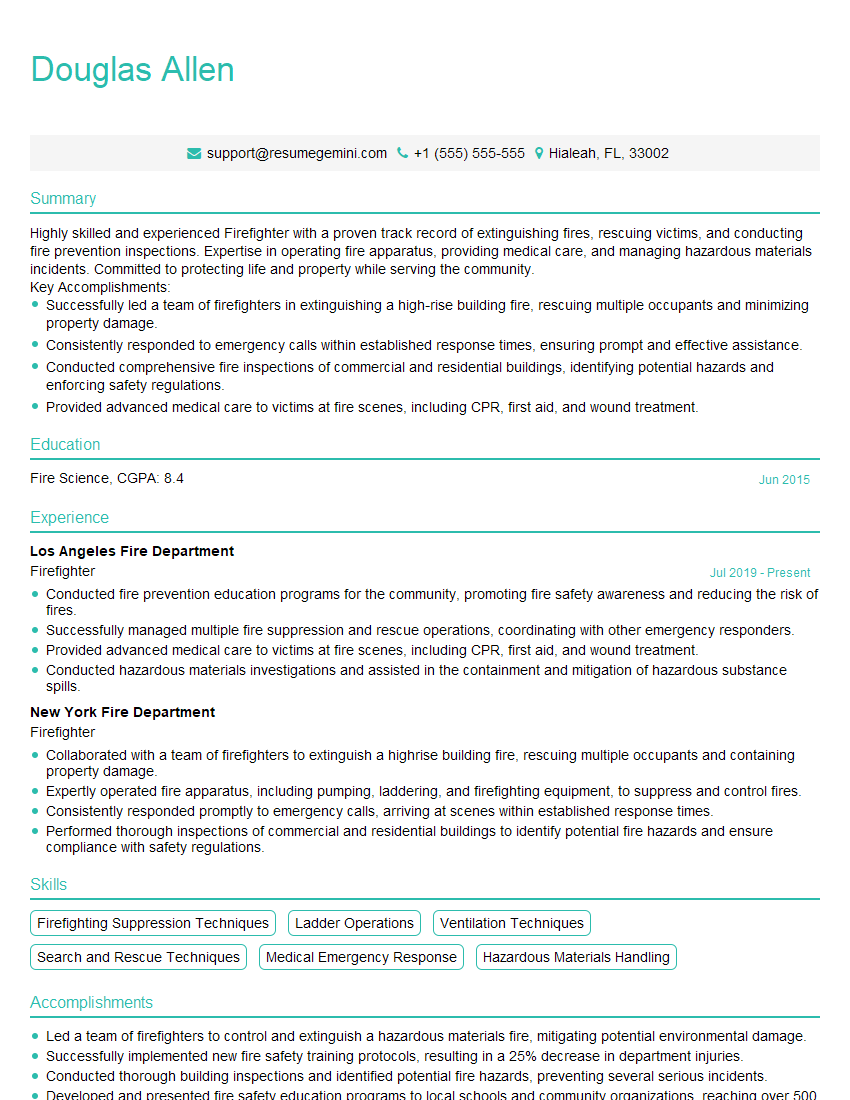
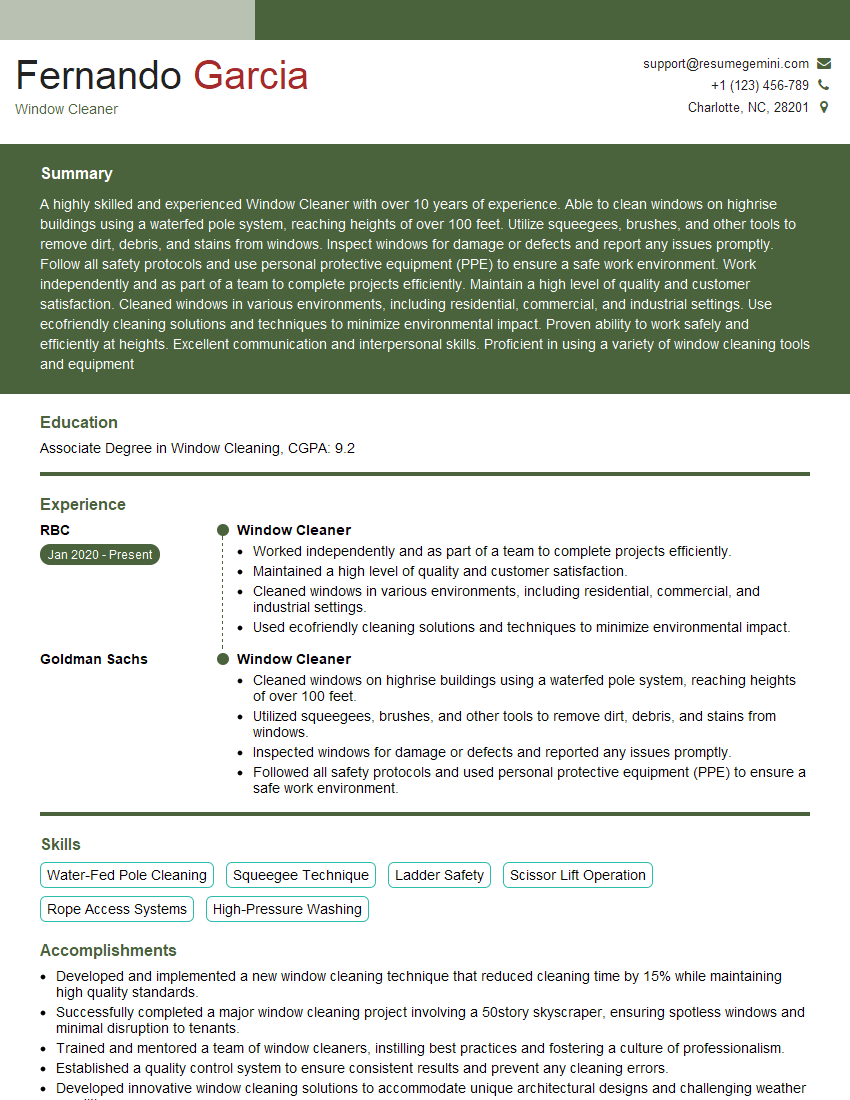
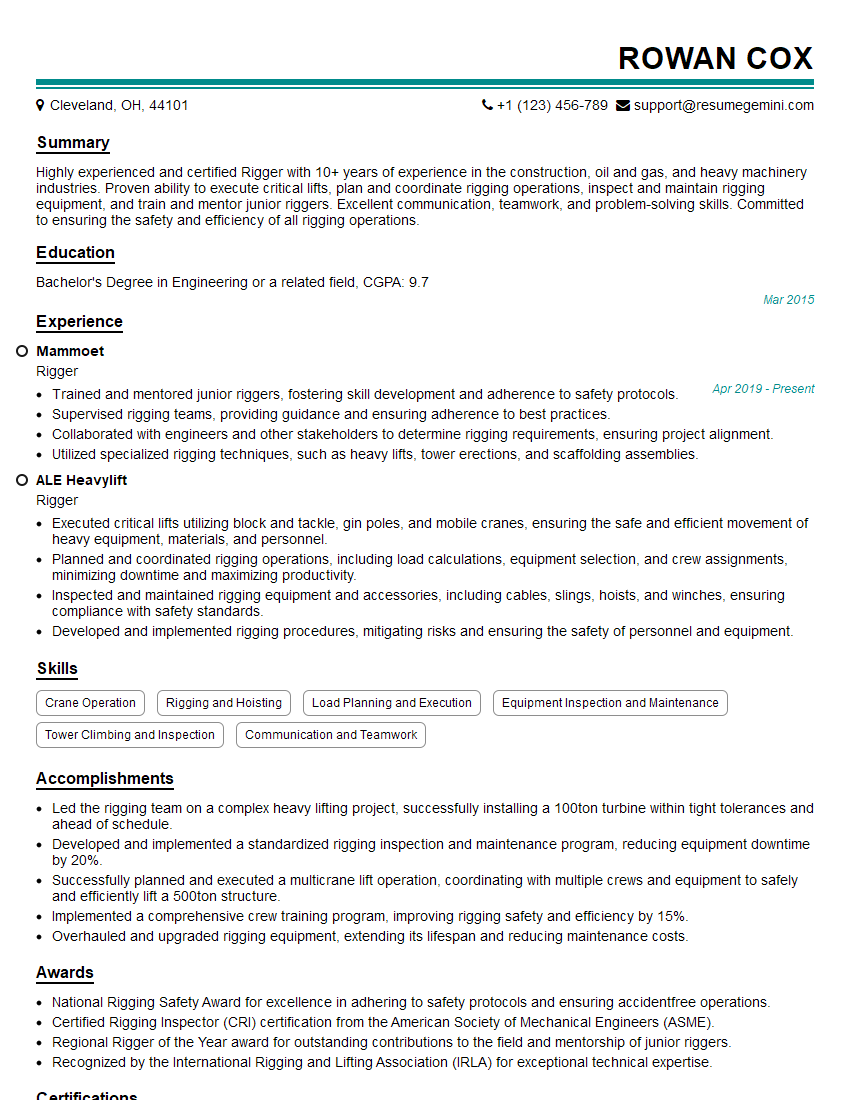
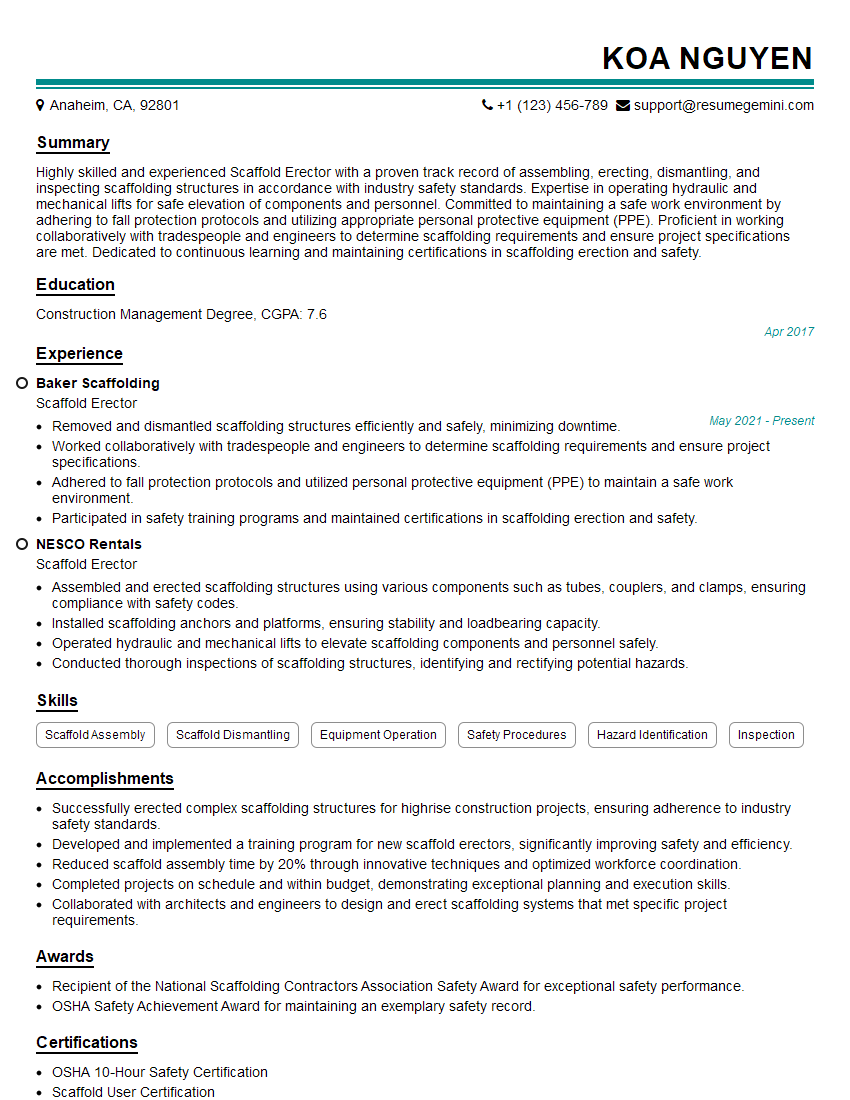
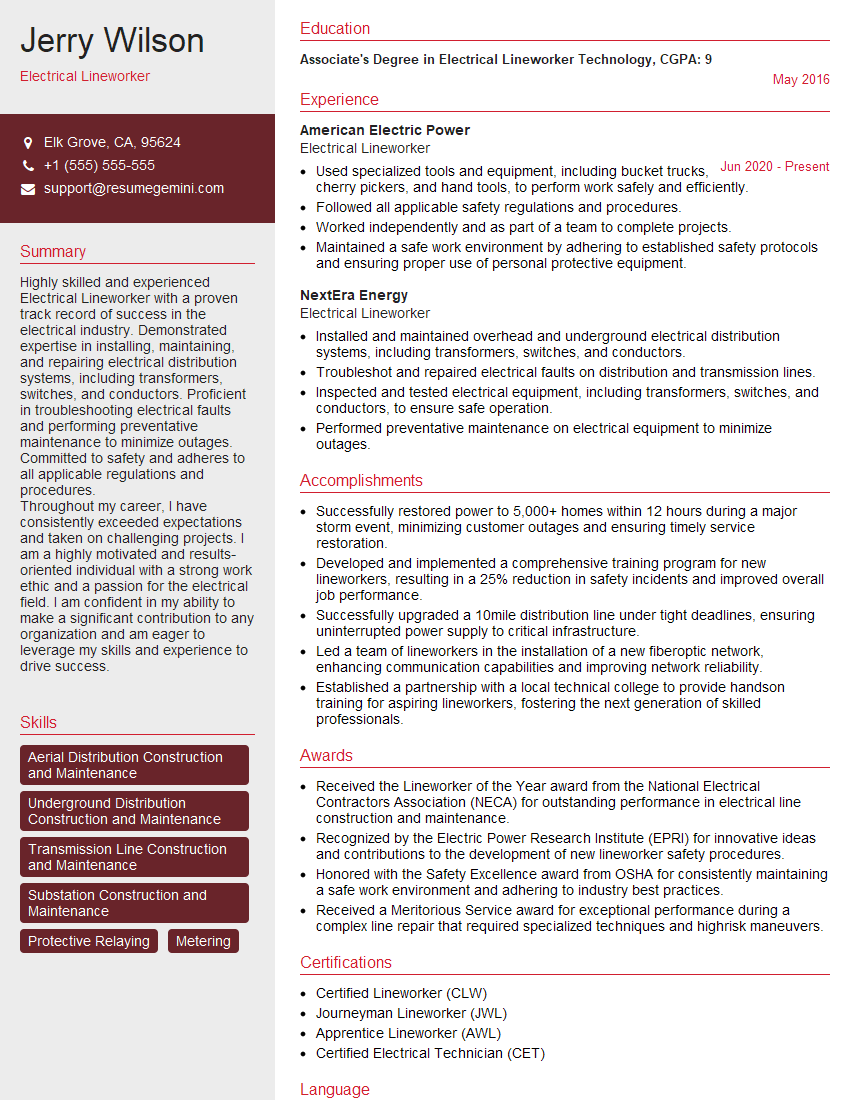
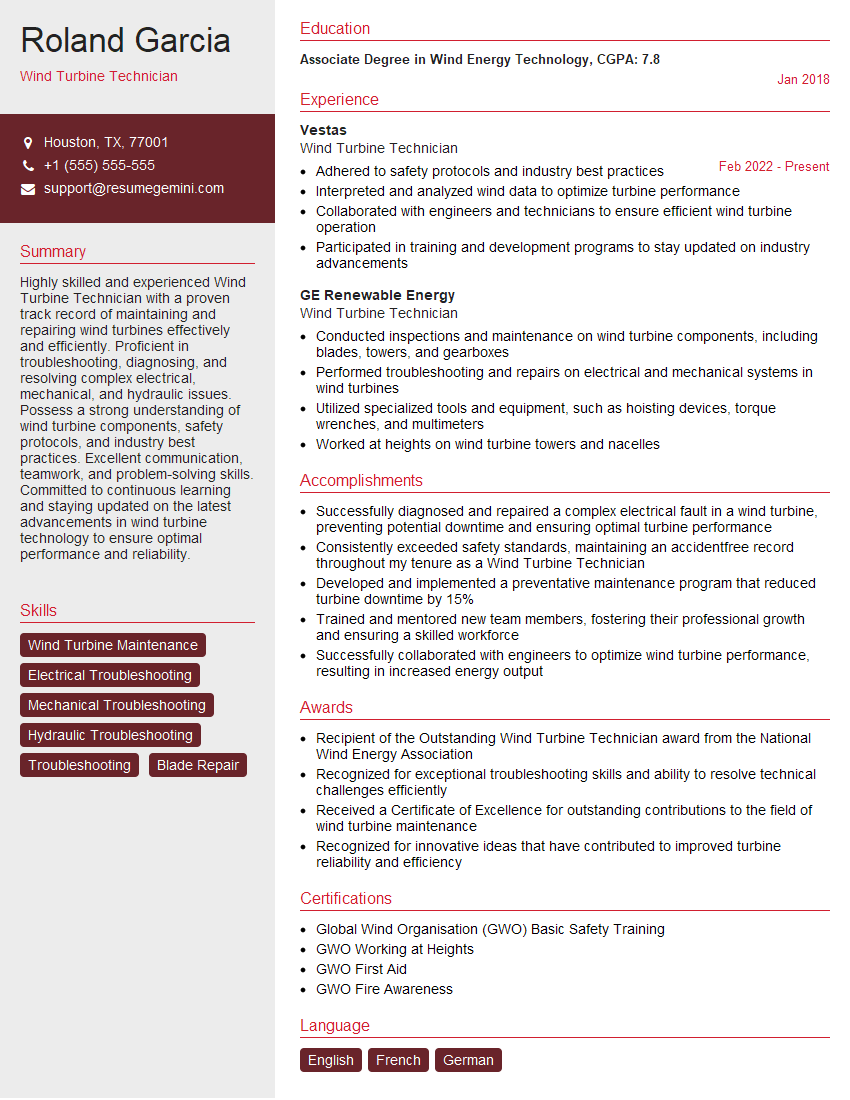
Mastering the principles and practices of working at height is crucial for career advancement in many industries. A strong understanding of safety procedures and regulations demonstrates professionalism and commitment to a safe working environment, making you a highly desirable candidate. To significantly increase your job prospects, focus on building an ATS-friendly resume that highlights your skills and experience. ResumeGemini is a trusted resource to help you create a professional and impactful resume. Examples of resumes tailored to Working at Height roles are available to guide you through this process.
Explore more articles
Users Rating of Our Blogs
Share Your Experience
We value your feedback! Please rate our content and share your thoughts (optional).
What Readers Say About Our Blog
Very informative content, great job.
good