Interviews are opportunities to demonstrate your expertise, and this guide is here to help you shine. Explore the essential Forklift Safety and Regulations interview questions that employers frequently ask, paired with strategies for crafting responses that set you apart from the competition.
Questions Asked in Forklift Safety and Regulations Interview
Q 1. Describe the different classes of forklifts and their applications.
Forklifts are categorized into classes based on their power source and intended use. Understanding these classes is crucial for selecting the right machine for a specific task and ensuring safe operation.
- Class I: Electric Forklifts: These are powered by batteries and are commonly used indoors due to their quiet operation and lack of exhaust fumes. They are ideal for smaller warehouses and environments where noise and emissions are a concern. Think of them as the ‘workhorses’ of indoor operations.
- Class II: Pneumatic Tire Forklifts (Gasoline/LPG): These use either gasoline or liquefied petroleum gas (LPG) as fuel and are better suited for outdoor use or rough terrain. Their powerful engines make them suitable for heavier loads and more demanding tasks. Imagine them as the ‘off-road’ specialists.
- Class III: Electric Rider Forklifts: These are stand-up electric forklifts, offering a balance between maneuverability and lifting capacity. They’re often used in smaller spaces where space is at a premium. Think of them as the ‘compact’ option for indoor environments.
- Class IV: Electric Narrow Aisle Forklifts: These are designed for very tight spaces, offering exceptional maneuverability with a smaller footprint. They are used in high-density storage facilities with narrow aisles. They’re the experts in ‘tight squeezes’.
- Class V: Internal Combustion Narrow Aisle Forklifts: Similar to Class IV but powered by internal combustion engines (gasoline or LPG), making them suitable for heavier loads in tight spaces. These combine power with maneuverability in demanding conditions.
The choice of forklift class depends entirely on the specific application. A small warehouse might only need Class I or III forklifts, while a large distribution center might require a mix of classes, depending on the type of goods and storage layout.
Q 2. Explain the pre-operational inspection checklist for a forklift.
A thorough pre-operational inspection is paramount for forklift safety. Think of it as a ‘health check’ for your machine before each shift. Neglecting this can lead to accidents and costly downtime.
- Tires: Check for proper inflation, wear and tear, and any damage. Underinflated tires can lead to instability and rollovers.
- Brakes: Test the brakes thoroughly to ensure they function correctly and smoothly. Faulty brakes are a significant safety hazard.
- Steering: Check for smooth steering action and responsiveness. Problems with steering can cause loss of control.
- Lights and Signals: Verify that headlights, taillights, and turn signals are all working properly to ensure visibility.
- Horn: Test the horn to ensure it sounds appropriately.
- Fluid Levels: Check engine oil, hydraulic fluid, and coolant levels. Low fluid levels can lead to engine damage or malfunctions.
- Mast and Forks: Inspect the mast for any damage, bends, or cracks. Ensure the forks are straight, securely attached, and free of damage. Damaged forks can cause load instability.
- Safety Devices: Check the operation of seatbelts, seat switches, and backup alarms. These features are in place to protect you.
- Load Backrest: Inspect the load backrest for damage or looseness. This prevents loads from shifting.
Documenting the inspection in a checklist is a best practice and ensures accountability. A damaged forklift should be immediately taken out of service and reported for repairs.
Q 3. What are the load capacity limitations and how are they determined?
Load capacity limitations are critical for safety and are determined by the forklift’s manufacturer. Exceeding these limits is incredibly dangerous and can lead to tipping, equipment damage, and injury. Each forklift has a data plate that clearly states its maximum load capacity. This capacity is affected by several factors.
- Load Center: This is the distance from the load’s center of gravity to the front of the forks. The further the load center, the less weight the forklift can safely lift. Think of balancing a weight on a seesaw – the further the weight, the harder it is to balance.
- Tilt Angle: Tilting the mast forward to raise the load changes the center of gravity, reducing the safe load capacity. Tilting too far can lead to a dangerous imbalance.
- Fork Height: Lifting the load higher also reduces the safe load capacity. The higher the load, the greater the leverage and instability.
The data plate specifies the maximum load capacity at a given load center and fork height. It’s crucial to always consult this information before lifting a load and to never exceed the stated limits. Improper load calculations are a major cause of forklift accidents.
Q 4. Detail the proper procedures for loading and unloading goods.
Loading and unloading goods require careful planning and execution to prevent accidents. Think of it as a precise choreography to ensure the safety of both the operator and the goods.
- Approaching the Load: Approach the load slowly and cautiously, ensuring the area is clear of obstacles and people. Good visibility is key.
- Positioning the Forks: Carefully position the forks under the load, ensuring they are centered and stable. Avoid hitting the load or surrounding objects.
- Lifting the Load: Raise the load slowly and smoothly, keeping the load center within the safe operating range. Avoid jerky movements.
- Transporting the Load: Drive slowly and carefully while transporting the load, ensuring visibility and maintaining control. Avoid sudden stops or turns.
- Unloading the Load: Lower the load slowly and smoothly, ensuring the area is clear of obstructions and people. Be precise and avoid sudden drops.
- Securing the Load: Use appropriate load securing devices, such as straps or nets, to prevent the load from shifting during transport. Improperly secured loads can be very dangerous.
Always prioritize safety. If a load is too heavy or unstable, don’t try to lift it. Seek assistance or use a different method. Remember, it’s better to be safe than sorry.
Q 5. Describe safe operating procedures in various warehouse environments.
Warehouse environments present unique challenges. Safe operating procedures must adapt to the specific layout, traffic patterns, and potential hazards. It’s crucial for operators to be aware of their surroundings and maintain situational awareness at all times.
- Aisles and Pathways: Maintain a safe speed and distance from other equipment and pedestrians. Never exceed speed limits and be mindful of blind spots.
- Pedestrian Traffic: Yield to pedestrians and always maintain a safe distance. Be particularly careful near loading docks and high-traffic areas.
- Stacking Procedures: Follow proper stacking procedures, ensuring loads are stable and secure. Never stack loads beyond the designated capacity of the rack.
- Ramps and Slopes: Approach ramps and slopes slowly and carefully, avoiding sudden stops or starts. The load’s weight can add significantly to the challenge.
- Obstructions: Be aware of obstructions such as pillars, equipment, and debris. Plan routes carefully to avoid collisions.
Regular training and adherence to established safety protocols are crucial for safe operation in diverse warehouse settings. It’s not just about driving the forklift, but understanding the complete context of the operation.
Q 6. Explain the importance of maintaining a safe operating distance from other equipment.
Maintaining a safe operating distance from other equipment is non-negotiable for forklift safety. Collisions can lead to serious injury and significant property damage. Consider the forklift’s size and turning radius and allow for ample space.
- Visibility: The operator’s line of sight is limited. Maintaining a safe distance minimizes the risk of collisions due to limited visibility or unexpected movements of other equipment.
- Stopping Distances: Forklifts require longer stopping distances than cars, particularly when carrying heavy loads. Greater distances account for increased reaction time.
- Maneuverability: Forklifts are less maneuverable than other types of vehicles. Adequate space is needed to execute turns and maneuvers safely, especially in tight spaces.
- Unexpected Movements: Other equipment might move unexpectedly, demanding a safe buffer zone for reaction.
Always anticipate the movements of other equipment and pedestrians. A safe operating distance is not simply a rule but a crucial element of defensive driving, minimizing risks in a dynamic warehouse environment.
Q 7. Outline the procedures for responding to a forklift malfunction.
Responding to a forklift malfunction requires a calm and methodical approach. Safety is the paramount concern.
- Stop Immediately: If a malfunction occurs, stop the forklift immediately and assess the situation. Do not attempt to operate the forklift if something is not right.
- Turn Off the Power: Switch off the ignition and disengage all controls. This prevents accidental movements or further damage.
- Assess the Situation: Carefully examine the forklift to identify the source of the malfunction. Note any unusual sounds, smells, or visual indicators.
- Warn Others: If the malfunction poses a safety hazard, warn others in the vicinity. Use appropriate warning signals and ensure the area is secure.
- Report the Malfunction: Report the malfunction to the appropriate personnel, such as a supervisor or maintenance technician. Provide a detailed description of the problem.
- Do Not Attempt Repairs: Never attempt to repair a forklift unless you are specifically trained to do so. Improper repairs can exacerbate the problem and create further hazards.
Following these steps helps ensure safety and prevents further problems. Remember, a faulty forklift should not be operated until it has been inspected and repaired by a qualified technician. Prevention is always better than a cure.
Q 8. How do you identify and mitigate potential forklift hazards?
Identifying and mitigating forklift hazards requires a proactive and systematic approach. Think of it like a detective investigating a crime scene – you need to carefully examine the environment to pinpoint potential dangers.
Workplace Inspection: Regularly inspect the workplace for potential hazards like uneven floors, obstructions (e.g., stacked pallets, equipment), poor lighting, and congested areas. Imagine a warehouse with cluttered aisles; this increases the risk of collisions.
Equipment Check: Before each shift, operators must perform a pre-operational inspection of the forklift. This includes checking tires, brakes, lights, horns, and the mast for any damage or leaks. Think of it as a car’s pre-drive checklist, but even more crucial.
Operator Training & Competency: Properly trained operators are the first line of defense. Regular refresher courses ensure they are updated on safe operating procedures and hazard identification. A well-trained operator will instinctively recognize and avoid potential dangers.
Mitigation Strategies: Once hazards are identified, implement corrective actions. This could involve removing obstructions, improving lighting, providing better signage, implementing traffic management systems (e.g., designated walkways, speed limits), or upgrading equipment.
For example, if an inspection reveals a consistently wet floor in a loading dock area, implementing proper drainage and providing anti-slip mats can significantly reduce the risk of forklift slips and falls.
Q 9. What are the common causes of forklift accidents?
Forklift accidents often stem from a combination of factors, but some common causes stand out:
Operator Error: This is the leading cause, encompassing speeding, improper load handling (e.g., overloading, unstable loads), driving in unsafe conditions (e.g., poor visibility, slippery surfaces), failing to follow safety procedures, and inadequate training. Imagine an operator rushing to complete a task; this might lead to reckless driving and accidents.
Mechanical Failure: Malfunctioning equipment, such as brake failure or hydraulic leaks, can cause accidents. Regular maintenance is critical to prevent this.
Environmental Factors: Poor lighting, congested walkways, slippery floors, and uneven surfaces contribute significantly to accidents. Think of a warehouse with limited visibility; this makes it harder to navigate and increases the chance of a collision.
Improper Load Handling: Incorrectly securing loads can cause them to shift, fall, or damage equipment. This is often the cause of tip-overs.
Pedestrian Collisions: Forklifts and pedestrians sharing the same space without proper safety measures significantly increases the risk of collisions. Designated pedestrian walkways and clear signage are crucial.
Q 10. What are the legal requirements for forklift operator certification?
Legal requirements for forklift operator certification vary by location, but generally involve:
Training Course Completion: Operators must complete a comprehensive training course covering safe operating procedures, pre-operational checks, hazard identification, load handling, and emergency procedures. The course often includes both theoretical and practical components.
Written and Practical Examinations: Successful completion of written and practical exams is usually required to demonstrate competency. The practical exam often involves operating a forklift in a controlled environment.
Certification Issuance: Upon successful completion of training and exams, operators receive a certification which validates their competence. The certification often has an expiry date, requiring periodic refresher training.
Employer Responsibilities: Employers are legally obligated to ensure operators are properly trained and certified before operating forklifts. They must also provide a safe working environment and regularly evaluate operator performance.
Failure to comply with these legal requirements can lead to hefty fines and legal repercussions for both the employer and the operator.
Q 11. Explain the different types of forklift attachments and their safe usage.
Forklifts can be equipped with various attachments designed for specific tasks. Safe usage is crucial for preventing accidents and ensuring efficient operation:
Clamps: Used to handle materials like lumber, pipes, or metal sheets. Ensure the clamp is properly adjusted to the load’s size and securely attached before lifting.
Carriage: Expands the forklift’s reach. Ensure the carriage is properly aligned and secured before lifting.
Side Shifter: Allows for precise lateral movement of the load. Use cautiously to prevent load imbalance and tipping.
Rotator: Allows the load to be rotated. Carefully manage the load’s center of gravity during rotation to prevent tipping.
Forks: Standard forklift attachments for handling pallets. Ensure forks are in good condition and properly positioned beneath the pallet before lifting.
Before using any attachment, always ensure it’s properly maintained, inspected, and securely attached to the forklift. Operators should receive training on the safe operation of any attachments they will use.
Q 12. Describe the procedures for reporting a forklift accident.
Reporting a forklift accident is a critical step in preventing future incidents and ensuring the well-being of injured parties. A thorough and timely report is vital.
Immediate Actions: First and foremost, ensure the safety of all personnel involved. Administer first aid if necessary and call emergency medical services if required. Secure the accident scene to prevent further incidents.
Report Documentation: Complete a detailed accident report, including the date, time, location, names of individuals involved, description of the incident, potential causes, and any injuries sustained. Photograph or video record the scene, if possible. Include damage assessments to equipment.
Internal Investigation: Conduct an internal investigation to determine the root causes of the accident. Review operator training records, equipment maintenance logs, and eyewitness testimonies.
Regulatory Reporting: If the accident results in serious injury or fatality, report it to the appropriate regulatory authorities, such as OSHA (in the US) or equivalent agencies in other countries, within the stipulated timeframes.
Proper accident reporting fosters a culture of safety and allows for continuous improvement in workplace safety practices.
Q 13. What is the role of the operator in maintaining forklift safety?
The forklift operator plays a central role in maintaining forklift safety. They are the direct interface with the machine and are responsible for ensuring its safe operation.
Pre-Operational Checks: Operators must perform thorough pre-operational inspections to identify any mechanical issues before starting work. This proactive approach prevents accidents caused by equipment malfunction.
Safe Operating Procedures: Adhering strictly to established safety procedures, including speed limits, load capacity limits, and safe driving practices, is critical. This ensures the safe handling of the equipment and the prevention of accidents.
Load Handling: Proper load handling is paramount. Operators should ensure loads are stable, secure, and within the forklift’s capacity. This prevents loads from shifting or falling, causing damage or injury.
Awareness of Surroundings: Maintaining constant awareness of their surroundings, including pedestrians, other equipment, and potential obstacles, is essential to prevent collisions. Operators should utilize signaling devices and maintain a safe following distance.
Reporting Issues: Promptly reporting any mechanical issues, safety concerns, or near misses is critical to preventing future accidents.
A responsible and well-trained operator is the cornerstone of a safe forklift operation.
Q 14. Explain the importance of proper forklift maintenance.
Proper forklift maintenance is crucial for ensuring the safe and efficient operation of the equipment. Think of it as regular health check-ups for your forklift.
Preventative Maintenance: Regular scheduled maintenance, following the manufacturer’s recommendations, is essential. This includes inspecting and replacing worn parts, lubricating moving parts, and checking hydraulic systems. This prevents catastrophic failures that can lead to accidents.
Safety Inspections: Daily pre-operational inspections by the operator, and periodic more thorough inspections by trained mechanics, are critical for early detection of potential problems. This catches small problems before they become major hazards.
Repair and Replacement: Damaged or worn components should be promptly repaired or replaced. Using faulty equipment poses significant risks.
Record Keeping: Maintaining detailed maintenance records is crucial for tracking repairs, inspections, and overall equipment history. These records provide valuable insights into equipment reliability and help in identifying recurring maintenance needs.
Neglecting proper forklift maintenance increases the likelihood of malfunctions, which can lead to accidents, downtime, and costly repairs.
Q 15. What are the emergency procedures in case of a forklift fire?
Forklift fires are serious and require immediate action. Your primary concern is the safety of yourself and others. Think of it like this: a fire is a rapidly escalating threat; your response needs to be equally swift.
- Evacuate the area immediately: Sound the alarm and ensure everyone in the vicinity is safely away from the forklift and the immediate area. Distance is your friend.
- Call emergency services: Do this as quickly as possible. Provide them with precise location details and the nature of the emergency.
- If the fire is small and you’re trained to use a fire extinguisher (and it’s safe to do so): Attempt to extinguish the fire using the appropriate type of extinguisher (Class B or ABC for most forklift fires). Remember the PASS method: Pull, Aim, Squeeze, Sweep.
- Never attempt to fight a large or rapidly spreading fire: Your safety is paramount. A small fire that’s quickly contained is better than a serious injury from a larger fire.
- After the fire is extinguished or emergency services arrive: Cooperate fully with emergency personnel, and avoid re-entering the area until it has been deemed safe by them.
Regular fire drills and training are crucial for a smooth, efficient response in a real emergency. Think of it like a football team – practicing emergency procedures ensures everyone knows their role and can react instinctively.
Career Expert Tips:
- Ace those interviews! Prepare effectively by reviewing the Top 50 Most Common Interview Questions on ResumeGemini.
- Navigate your job search with confidence! Explore a wide range of Career Tips on ResumeGemini. Learn about common challenges and recommendations to overcome them.
- Craft the perfect resume! Master the Art of Resume Writing with ResumeGemini’s guide. Showcase your unique qualifications and achievements effectively.
- Don’t miss out on holiday savings! Build your dream resume with ResumeGemini’s ATS optimized templates.
Q 16. How do you ensure compliance with OSHA regulations for forklifts?
OSHA (Occupational Safety and Health Administration) regulations for forklifts are comprehensive and vital for workplace safety. Compliance involves a multi-faceted approach. Think of it as a checklist, ensuring every box is ticked for safety.
- Operator Training and Certification: All operators must receive formal training and be certified to operate specific types of forklifts. This isn’t just a box to tick; it’s about ensuring individuals are capable and safe.
- Regular Inspections: Forklifts require pre-operational inspections, daily checks, and periodic maintenance inspections by qualified personnel to identify and correct potential hazards. Regular inspections are like a health check for your equipment, ensuring longevity and safety.
- Maintenance Records: Detailed maintenance records need to be meticulously kept, demonstrating that inspections and repairs are conducted as scheduled. These records are critical in case of audits or accidents.
- Safe Operating Procedures: Clear, well-defined safe operating procedures must be established and implemented across the workplace. These procedures should cover aspects such as speed limits, load capacity, and safe maneuvering techniques. This ensures everyone on the warehouse floor is on the same page.
- Safe Working Conditions: The environment itself must be safe; adequate aisle widths, clear markings, and proper lighting are non-negotiable. A well-organized and clean warehouse is not just tidy; it’s a safer workplace.
- Enforcement: Regular audits are required to identify and correct any violations. Consider this a proactive approach to maintaining safety standards, which ensures compliance and helps prevent accidents.
Q 17. What are the requirements for forklift operator training?
Forklift operator training is a crucial element of ensuring a safe working environment. It’s not just about starting the engine; it’s about mastering the machine safely and responsibly.
- Classroom Instruction: Training starts with classroom sessions covering forklift operation, safety regulations, pre-operation checks, load handling, and emergency procedures. This equips the operator with the theoretical understanding needed.
- Practical Training: Hands-on training is crucial. Operators must demonstrate proficiency in operating the specific type of forklift they’ll be using in the designated workplace, including maneuvering in various conditions. This practical application solidifies theoretical knowledge.
- Evaluation and Certification: Following the training, operators must successfully pass a written and practical examination to demonstrate their competency. Certification shows they’re ready and capable of operating the equipment safely.
- Refresher Training: Regular refresher training, at least annually, keeps operators updated on safety regulations, best practices, and any changes in equipment or procedures. This constant update helps maintain the highest standards of safety.
- Type-Specific Training: Operators must receive training relevant to the specific type of forklift they operate (e.g., sit-down rider, stand-up rider, reach truck, etc.). Different forklifts have different operating characteristics and safety considerations.
Think of it as obtaining a driver’s license – but far more rigorous, focusing solely on the safe operation of heavy machinery in a potentially hazardous environment.
Q 18. How do you manage forklift traffic in a busy warehouse?
Managing forklift traffic in a busy warehouse requires a structured approach, akin to controlling traffic flow in a busy city. Clear communication and visual aids are your best tools.
- Designated Traffic Aisles: Establish clearly marked and well-maintained traffic aisles to prevent congestion and collisions. Clear aisle markings serve as a visual roadmap for drivers.
- Speed Limits: Implement and enforce reasonable speed limits within the warehouse, reducing the risk of accidents and injuries. Speed limits should be appropriate for the warehouse environment and conditions.
- Traffic Control Devices: Use traffic control devices, such as traffic lights, stop signs, and yield signs, at appropriate locations to regulate the flow of forklifts and other traffic. These are visual cues directing forklift traffic, improving safety.
- One-Way Traffic Systems: Consider implementing one-way systems in high-traffic areas to reduce the likelihood of head-on collisions. One-way systems streamline traffic and reduce confusion.
- Pedestrian Crosswalks: Designate pedestrian crosswalks and establish clear procedures for pedestrians and forklift operators to safely cross each other’s paths. Pedestrian safety is a major priority in busy warehouses.
- Communication Systems: Utilize two-way radios or other communication systems to improve communication between forklift operators, pedestrians, and supervisors. This promotes coordination and prevents mishaps.
The goal is to create a well-organized, predictable traffic flow that minimizes the potential for accidents. It’s all about careful planning and strict adherence to the established traffic rules.
Q 19. Explain the importance of using appropriate personal protective equipment (PPE).
Personal Protective Equipment (PPE) is the first line of defense against workplace hazards. Think of it as your personal safety armor, protecting you from potential dangers.
- Safety Helmets: Protect against falling objects and head injuries. A helmet is your first line of defense against overhead hazards.
- Safety Glasses or Goggles: Protect eyes from flying debris, dust, and chemicals. Eye protection is vital in preventing serious eye injuries.
- High-Visibility Clothing: Improves visibility to other workers and equipment operators, reducing the risk of collisions. High-visibility apparel helps forklift operators spot pedestrians.
- Steel-Toed Boots: Protect feet from falling objects and crushing injuries. Steel-toed boots offer crucial foot protection in the warehouse.
- Gloves: Protect hands from cuts, abrasions, and chemical exposure. Gloves prevent injuries from handling materials and equipment.
- Hearing Protection: Protect hearing from prolonged exposure to loud noises. Hearing protection is crucial for long-term health in noisy warehouse settings.
The specific PPE required will vary based on the tasks performed and the potential hazards present. It’s about understanding the risk and taking appropriate steps to minimize it. Proper PPE is a crucial safeguard against various warehouse hazards.
Q 20. Describe the procedures for dealing with spills or leaks near forklift operations.
Spills or leaks near forklift operations can create hazardous conditions, requiring immediate attention and appropriate procedures. Think of it as a potential hazard that needs swift and effective neutralization.
- Isolate the area: Immediately cordon off the area to prevent further access and potential exposure. This prevents further accidents and protects personnel.
- Assess the spill: Identify the type of substance spilled to determine the appropriate cleanup procedure. Knowing the substance is key to effective cleanup.
- Use appropriate cleanup materials: Use absorbent materials, such as spill kits, to contain and absorb the spill. Utilizing the correct materials prevents contamination and accelerates the cleanup.
- Follow safety protocols: Wear appropriate PPE, such as gloves, safety glasses, and respirators, when handling spilled substances. Protective gear is non-negotiable when handling potentially harmful spills.
- Proper disposal: Dispose of the contaminated materials according to the relevant regulations and safety guidelines. Adhering to safety regulations is paramount in ensuring environmental safety.
- Report the incident: Report the incident to the appropriate personnel for record-keeping and potential investigation. Reporting is vital for future prevention.
A well-defined spill response plan that’s regularly practiced is essential for efficient and safe handling of spills. Prevention is key, but preparedness is just as important.
Q 21. How do you conduct a thorough pre-shift inspection of a forklift?
A thorough pre-shift inspection is like a health check for your forklift – a critical step to ensure safe and efficient operation. Think of it as a checklist before driving any vehicle, but with a heightened focus on safety.
- Tires and Wheels: Inspect tires for proper inflation and wear. Check wheels for damage or looseness. Ensuring wheel integrity is vital for safe operation.
- Brakes: Test brakes for responsiveness and stopping power. Brakes are a safety-critical element.
- Steering: Check steering for smooth and responsive operation. This ensures safe maneuverability.
- Lights and Horns: Verify that lights and horn are functioning correctly. Lights and horn are critical for communication and visibility.
- Fluid Levels: Check engine oil, coolant, hydraulic fluid, and transmission fluid levels. Checking fluid levels prevents equipment damage and breakdowns.
- Mast and Forks: Inspect mast for damage, cracks, and proper alignment. Check forks for any bending or damage. This guarantees safe lifting and handling of loads.
- Safety Devices: Verify that safety devices such as seat belts, horns, and warning lights are in good working order. Safety devices are paramount in ensuring the safety of the operator and those around them.
- Fuel and Leaks: Check for any fuel leaks. Look for any other potential leaks or damage. Addressing these is vital to prevent fires and damage.
Document your findings and report any issues to your supervisor immediately. Never operate a forklift if you have any concerns about its condition. A safe operation starts with a thorough pre-shift inspection.
Q 22. What are the different types of forklift stability issues and how do you avoid them?
Forklift stability issues stem from imbalances affecting the forklift’s center of gravity. These issues can lead to tipping, which is a major cause of forklift accidents. Several factors contribute to instability.
- Load instability: Improperly secured or unevenly distributed loads shift the center of gravity, making the forklift prone to tipping. Imagine carrying a stack of boxes precariously balanced – one wrong move and it’s likely to fall.
- Speed and turning: Excessive speed, especially when cornering, significantly increases the risk of tipping. Sudden braking or acceleration can also destabilize the forklift. Think of it like driving a car too fast on a curve – loss of control is imminent.
- Terrain conditions: Uneven surfaces, inclines, or slippery floors dramatically reduce stability. Operating on a sloped surface is like trying to balance on one leg – you are much more susceptible to falling.
- Forklift condition: Damaged forks, malfunctioning hydraulics, or incorrect tire pressure can compromise stability. A flat tire is like driving with a wobbly wheel – it severely compromises your control and stability.
To avoid these issues, always ensure loads are properly secured and evenly distributed. Drive slowly and smoothly, especially when turning, and avoid sudden movements. Inspect the forklift before operation, check the terrain, and never exceed the forklift’s rated capacity. Proper training and adherence to speed limits are crucial.
Q 23. Explain the importance of load stability and center of gravity.
Load stability and center of gravity are intrinsically linked to safe forklift operation. The center of gravity is the point where the weight of an object is concentrated. In a forklift, this point changes depending on the load’s position and weight.
Maintaining a low center of gravity is paramount. If the center of gravity is too high, the forklift becomes easily unbalanced and prone to tipping. Imagine a tall, narrow stack of boxes – it’s much easier to knock over than a short, wide one. Similarly, a high center of gravity makes the forklift more vulnerable to tipping.
Load stability refers to how securely the load is positioned on the forks. A properly secured load maintains its position, preventing shifts that raise the center of gravity and threaten stability. Securement methods like straps, chains, and nets are essential. Improperly secured loads can shift, causing the forklift to become unstable and potentially leading to accidents.
Q 24. What are the limitations of operating a forklift in different terrain conditions?
Different terrain conditions significantly impact forklift operation and stability. The limitations depend on the type of terrain and the forklift’s capabilities.
- Uneven surfaces: Rough, bumpy terrain can cause instability and damage to the forklift. Operating on uneven ground is like driving a car over speed bumps too quickly – it compromises handling and stability.
- Inclines and slopes: Steep inclines significantly increase the risk of tipping, particularly when carrying a load. The steeper the incline, the greater the risk. Ascending or descending a steep slope is similar to walking up or down a hill with a heavy load – extra caution is required.
- Slippery surfaces: Ice, snow, oil spills, or wet floors reduce traction, making it harder to control the forklift. Loss of traction increases the risk of skidding and tipping. Operating on a slippery surface is like driving on ice – you have significantly less control.
- Soft ground: Loose soil or sand can cause the forklift’s wheels to sink, reducing stability and maneuverability. Operating on soft ground can be likened to driving on a beach; you’ll lose traction and have difficulty controlling your movements.
Operators must be aware of these limitations and adjust their driving accordingly. Reducing speed, using caution while turning, and avoiding risky maneuvers are crucial. In some cases, using a different type of forklift better suited to the terrain might be necessary.
Q 25. How do you recognize and prevent operator fatigue?
Operator fatigue significantly impairs judgment, reaction time, and overall safety. Recognizing and preventing fatigue is crucial.
Signs of fatigue include drowsiness, decreased alertness, difficulty concentrating, irritability, and slow reaction times. These are similar to the effects of driving while drowsy.
Prevention involves several strategies:
- Scheduled breaks: Regular rest periods throughout the shift allow operators to recover and stay alert.
- Adequate sleep: Ensuring operators get sufficient sleep is essential for maintaining alertness and reaction time.
- Hydration and nutrition: Proper hydration and nutrition maintain energy levels and alertness.
- Rotation of tasks: Varying tasks can help reduce monotony and prevent fatigue.
- Ergonomic considerations: A comfortable and well-designed workstation reduces physical strain and fatigue.
Supervisors play a key role in monitoring operators for signs of fatigue and enforcing breaks. Operators should also be empowered to report fatigue and take necessary rest.
Q 26. What are the procedures for working safely with pedestrians in a warehouse?
Safety procedures for working with pedestrians in a warehouse prioritize clear communication, designated pathways, and a heightened awareness on both the forklift operator’s and pedestrian’s parts.
Implementing designated pedestrian walkways separate from forklift traffic is essential. Clear signage and markings help reinforce these pathways. Operators must always yield to pedestrians. Pedestrians should be aware of their surroundings and avoid entering designated forklift areas.
Additional safety measures include:
- Speed limits and designated zones: Implementing slower speed zones in areas with high pedestrian traffic.
- Horns and warning devices: Using horns or other warning devices to alert pedestrians of the forklift’s presence.
- Spotters: Employing spotters to direct the forklift operator in congested areas.
- Training and awareness programs: Educating both operators and pedestrians on warehouse safety procedures.
Regular communication and a shared understanding of safety protocols are vital for preventing accidents. This is like a well-orchestrated dance: everyone needs to know their role and be aware of their surroundings to avoid collisions.
Q 27. Explain the importance of regular forklift maintenance and inspection schedules.
Regular maintenance and inspection schedules are fundamental for ensuring forklift safety and preventing malfunctions. Just as a car needs regular servicing, a forklift requires consistent attention.
Regular inspections identify potential problems before they escalate into accidents. This preventative maintenance involves checking:
- Tires: Checking tire pressure and condition for wear and tear.
- Hydraulic system: Inspecting for leaks and proper functioning.
- Brakes: Ensuring brakes are responsive and effective.
- Steering: Checking for smooth operation and responsiveness.
- Lights and horns: Verifying that lights and horns are functional.
- Forks: Inspecting forks for damage or bending.
A documented maintenance schedule ensures consistent attention. This schedule should include regular inspections, preventative maintenance, and repairs. Ignoring maintenance can lead to malfunctions, accidents, and potential legal issues. Maintaining a well-maintained forklift is like maintaining a healthy body: preventative care is essential to avoid serious problems.
Q 28. How do you handle a situation where a forklift operator is not following safety procedures?
Addressing an operator who isn’t following safety procedures requires a systematic approach prioritizing safety and correction. The first step is to observe the infraction and gather details.
The approach should be:
- Direct and private conversation: Address the operator privately to avoid embarrassment and foster open communication. Explain the infraction, highlighting its safety implications, citing specific examples. Use a calm, professional tone.
- Reinforcement of training: Review relevant safety procedures and training materials. Clarify expectations and address any misunderstandings.
- Corrective action: Depending on the severity of the infraction, implement appropriate corrective actions which can include retraining, additional supervision, written warnings or disciplinary measures.
- Documentation: Maintain detailed records of the incident, corrective actions, and follow-up.
- Follow-up: Monitor the operator’s behavior after the incident to ensure compliance with safety procedures.
If the operator continues to disregard safety procedures despite interventions, escalating the matter to management is necessary. Ultimately, maintaining a safe work environment for everyone is paramount.
Key Topics to Learn for Forklift Safety and Regulations Interview
- Forklift Operation Basics: Understanding pre-operational checks, safe starting and stopping procedures, load handling techniques, and maneuvering in various environments.
- Load Stability and Weight Distribution: Calculating load centers, understanding the impact of uneven weight distribution, and recognizing potentially hazardous load configurations. Practical application includes analyzing scenarios and identifying safe load placement strategies.
- Workplace Safety Regulations: Familiarity with OSHA (or relevant regional) regulations regarding forklift operation, personal protective equipment (PPE), and reporting procedures for accidents and near misses. This includes understanding signage, safety protocols, and emergency response procedures.
- Preventative Maintenance and Inspections: Knowing the importance of regular inspections, identifying potential mechanical issues, and understanding the procedures for reporting maintenance needs. Practical application involves describing a systematic approach to pre-shift checks.
- Safe Operating Procedures in Various Environments: Adapting operating techniques to different warehouse layouts, outdoor environments, and challenging conditions (e.g., inclines, uneven surfaces). Problem-solving skills are key here – consider how to handle unexpected obstacles or situations.
- Understanding Forklift Types and Their Applications: Differentiating between various forklift types (e.g., sit-down, stand-up, reach trucks) and understanding their appropriate uses based on load capacity, environment, and task requirements.
- Human Factors and Operator Training: Recognizing the importance of operator fatigue, distraction, and proper training in preventing accidents. This includes understanding the impact of physical and mental limitations on safe operation.
Next Steps
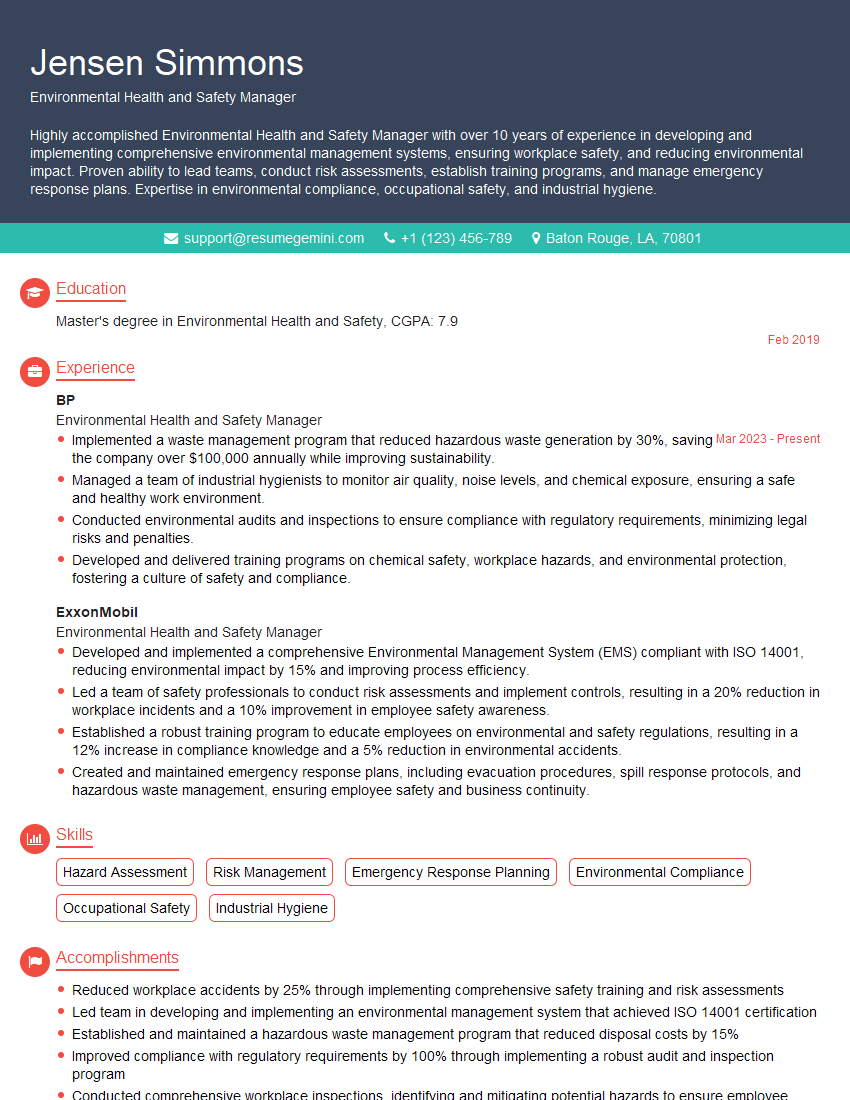
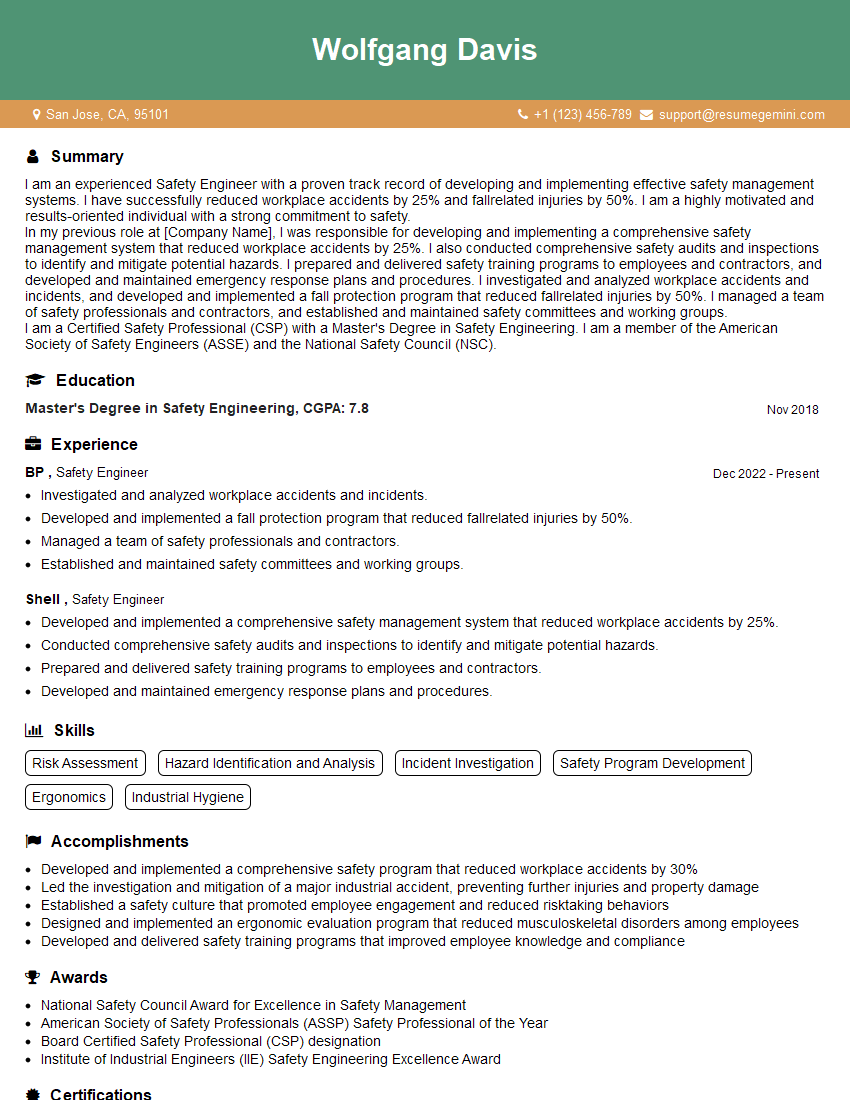
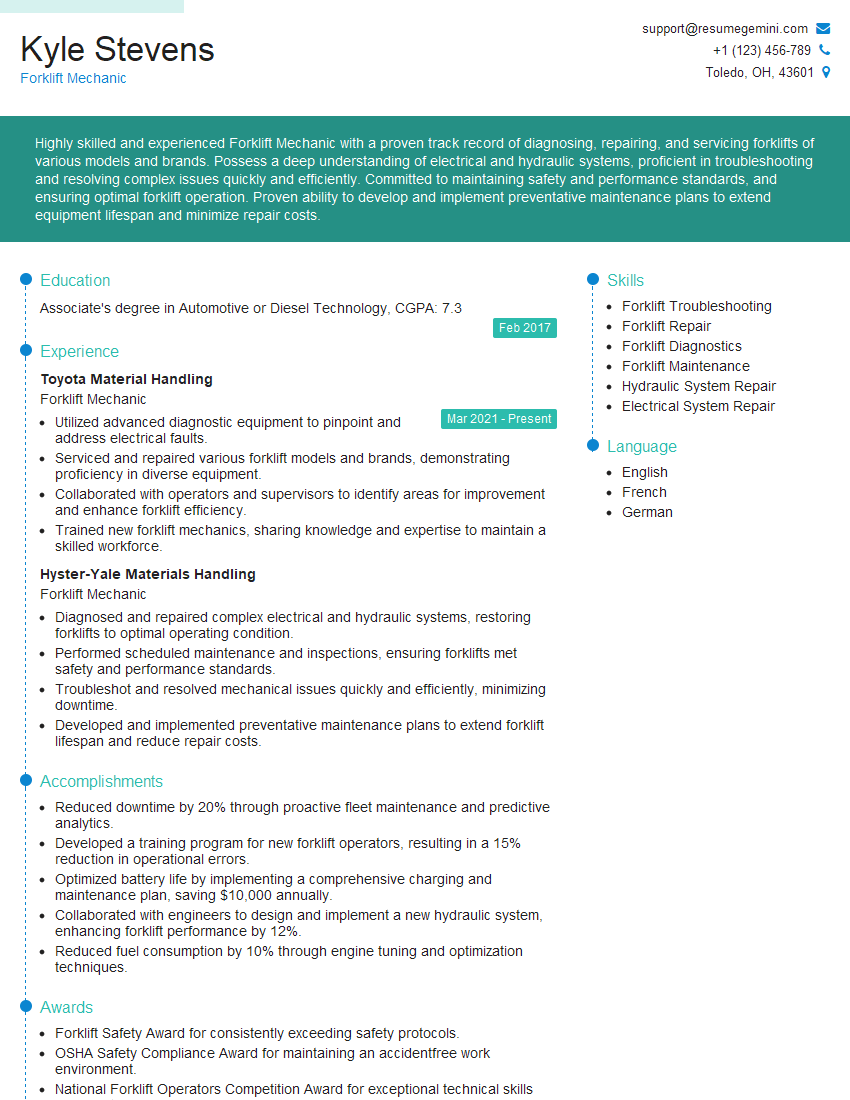
Mastering Forklift Safety and Regulations is crucial for career advancement in logistics, warehousing, and manufacturing. A strong understanding of these principles demonstrates your commitment to safety and efficiency, making you a highly valuable asset to any employer. To increase your job prospects, create an ATS-friendly resume that highlights your skills and experience effectively. ResumeGemini is a trusted resource for building professional resumes that stand out. They provide examples of resumes tailored to Forklift Safety and Regulations to help guide you in creating a compelling application that showcases your expertise. Invest the time in crafting a strong resume – it’s your first impression on potential employers.
Explore more articles
Users Rating of Our Blogs
Share Your Experience
We value your feedback! Please rate our content and share your thoughts (optional).
What Readers Say About Our Blog
Very informative content, great job.
good