Interviews are more than just a Q&A session—they’re a chance to prove your worth. This blog dives into essential Personnel Management and Administration interview questions and expert tips to help you align your answers with what hiring managers are looking for. Start preparing to shine!
Questions Asked in Personnel Management and Administration Interview
Q 1. Describe your experience with employee onboarding processes.
Employee onboarding is crucial for a smooth transition into a new role. My approach focuses on a structured process that integrates new hires into the company culture and ensures they have the tools and knowledge to succeed. This begins pre-hire with a well-defined offer letter and clear communication about the start date and necessary paperwork.
On the first day, I prioritize a warm welcome, a tour of the facilities, introductions to key colleagues, and a clear overview of their role, team, and immediate tasks. We use a combination of online training modules, mentorship programs, and in-person sessions with their manager and HR to ensure comprehensive training. We also conduct regular check-ins during the first few months to address any questions or challenges. For example, at my previous company, we implemented a buddy system, pairing new hires with experienced employees to foster relationships and provide ongoing support. This led to a 20% reduction in early-stage attrition.
The process culminates in a 30-60-90 day goal setting meeting where we review initial successes, identify areas for improvement, and set clear objectives for the next quarter. This approach ensures new hires feel supported, productive, and integrated into the company from day one.
Q 2. Explain your approach to handling employee performance issues.
Addressing employee performance issues requires a proactive, empathetic, and structured approach. It’s crucial to document all instances clearly and objectively. I begin by scheduling a private meeting with the employee to discuss the concerns. I focus on specific behaviors and their impact, avoiding personal attacks or judgments. The conversation is framed constructively – focusing on improvement rather than punishment.
We collaboratively identify the root causes of the performance issues. Are there skills gaps? Is there a lack of clarity about expectations? Are there personal or work-life balance factors impacting their performance? Based on this, we develop a Performance Improvement Plan (PIP) outlining specific, measurable, achievable, relevant, and time-bound (SMART) goals. This plan includes regular check-ins to monitor progress and provide support. We document every step of the process thoroughly.
For instance, in a previous role, an employee consistently missed deadlines. Through discussion, we found they were struggling with time management. We implemented a project management training program and provided additional support. This resulted in a significant improvement in their performance within three months. If a PIP is unsuccessful, the process follows established disciplinary procedures, always ensuring fairness and compliance with legal requirements.
Q 3. How do you ensure compliance with employment laws and regulations?
Compliance is paramount in personnel management. I ensure compliance through continuous learning of current labor laws and regulations, utilizing up-to-date resources like the Society for Human Resource Management (SHRM) and the Department of Labor (DOL) websites. We maintain up-to-date employee handbooks and policies reflecting current legal standards. Regular internal audits ensure all HR practices and documentation are legally compliant.
This includes aspects such as equal employment opportunity, wage and hour regulations, workplace safety, and data privacy (e.g., GDPR, CCPA). We provide regular training to managers and employees to reinforce compliance. For example, we conduct mandatory training on harassment prevention, data protection, and safe workplace practices. We also utilize HR software to streamline processes, track compliance obligations, and automate various tasks, reducing the risk of errors and non-compliance. Regular reviews of our HR policies and procedures allow us to adapt to any changes in legislation proactively.
Q 4. What strategies do you use to improve employee engagement and morale?
Boosting employee engagement and morale requires a multi-faceted approach. I believe in fostering a positive and supportive work environment where employees feel valued, respected, and heard. This involves open communication, regular feedback, and opportunities for employee growth and development.
We use employee surveys to gather feedback and identify areas for improvement. This allows us to address concerns proactively and demonstrate our commitment to employee well-being. We also implement recognition programs to celebrate achievements and reward hard work. These can range from simple verbal acknowledgements to more formal awards and bonuses.
Furthermore, promoting work-life balance, providing opportunities for skill enhancement through training programs and professional development initiatives, and creating opportunities for social interaction (team-building activities, social events) contribute significantly to a positive atmosphere. In one organization, we introduced flexible work arrangements which increased employee satisfaction by 15% and reduced absenteeism.
Q 5. Describe your experience with employee compensation and benefits administration.
My experience in compensation and benefits administration covers the entire spectrum, from salary structuring and benchmarking to benefits enrollment and administration. I ensure that compensation structures are competitive and fair, aligned with market rates and internal equity principles. This involves regular salary reviews, performance-based adjustments, and incentive programs.
Regarding benefits, I oversee the selection, administration, and communication of a comprehensive benefits package. This includes health insurance, retirement plans, paid time off, and other perks. I ensure that benefits information is readily accessible and clearly communicated to employees. I also manage the relationships with third-party vendors, such as insurance providers and retirement plan administrators, and handle related compliance requirements.
In my previous role, we successfully negotiated a more cost-effective health insurance plan while improving coverage for employees, resulting in significant cost savings for the company and greater employee satisfaction. We also implemented a new wellness program that showed demonstrable improvements in employee health metrics.
Q 6. How do you manage employee grievances and conflicts?
Handling employee grievances and conflicts requires a fair, impartial, and confidential process. My approach prioritizes early intervention and proactive conflict resolution. I encourage open communication and provide channels for employees to express their concerns without fear of retribution. This could include an open-door policy, employee suggestion boxes, or a formal grievance procedure.
When conflicts arise, I conduct thorough investigations, gathering information from all involved parties. I aim to facilitate a constructive dialogue to reach a mutually agreeable solution. Mediation techniques are often employed to help employees understand each other’s perspectives and find common ground. If a resolution can’t be reached informally, a formal grievance procedure is followed, ensuring due process and fairness. Throughout the process, meticulous documentation is maintained to ensure transparency and accountability.
For example, I successfully mediated a dispute between two team members stemming from a miscommunication. By facilitating a discussion, clarifying misunderstandings, and helping them establish clear communication protocols, I averted a potentially larger conflict and strengthened their working relationship.
Q 7. Explain your experience with recruitment and selection processes.
My recruitment and selection process is designed to attract and identify the best candidates. It begins with a thorough understanding of the job requirements and the company’s culture. This involves collaborating with hiring managers to develop detailed job descriptions that accurately reflect the role’s responsibilities and required skills.
I utilize diverse recruitment channels to reach a wide pool of qualified candidates. This includes online job boards, professional networking sites, employee referrals, and campus recruitment. I carefully screen resumes and applications, focusing on skills, experience, and cultural fit. The selection process typically involves multiple interviews, often including behavioral questions, assessments, and practical exercises, tailored to the specific role.
Background checks and reference checks are conducted to verify credentials and assess candidates’ suitability. The final selection decision is made collaboratively with the hiring manager, based on a comprehensive evaluation of candidates. In my previous role, I implemented a new candidate tracking system which improved efficiency and reduced the time-to-hire by 25%, leading to cost savings and quicker filling of critical positions.
Q 8. What metrics do you use to measure HR effectiveness?
Measuring HR effectiveness requires a multifaceted approach, going beyond simply counting heads. We need to track key performance indicators (KPIs) that demonstrate the department’s contribution to the organization’s overall success. These metrics fall broadly into categories assessing efficiency, employee engagement, and the impact on the organization’s bottom line.
Efficiency Metrics: These measure how well HR processes are managed. Examples include time-to-hire (how long it takes to fill open positions), cost-per-hire (the total cost of recruitment and onboarding per new employee), and employee turnover rate (percentage of employees leaving the company in a given period). A low turnover rate often indicates a strong HR function.
Employee Engagement Metrics: These assess employee satisfaction, morale, and productivity. We use employee surveys, pulse checks, and focus groups to gather data. Key metrics include employee satisfaction scores, net promoter score (NPS), and employee retention rates. A high engagement level signifies a successful HR strategy in cultivating a positive work environment.
Impact on Business Metrics: These link HR activities to the organization’s strategic goals. For instance, we can track the correlation between HR initiatives like leadership development programs and improvements in sales revenue or customer satisfaction. Another example is measuring the impact of diversity and inclusion programs on overall company performance.
By tracking these metrics regularly, we can identify areas for improvement, demonstrate the value of HR to the organization, and make data-driven decisions to enhance our strategies.
Q 9. How do you utilize HRIS systems to improve efficiency?
HRIS (Human Resource Information System) systems are indispensable for boosting HR efficiency. They automate many time-consuming tasks, allowing HR professionals to focus on strategic initiatives. In my experience, effective utilization involves:
Streamlining Recruitment: HRIS systems automate the application process, candidate screening, and interview scheduling, reducing the time it takes to fill open positions significantly. For example, we used an HRIS with applicant tracking capabilities to manage hundreds of applications for a recent software developer role, significantly improving the efficiency of the process compared to manual tracking.
Automating Onboarding: Automated onboarding workflows facilitate the smooth transition of new hires into their roles. This includes automated paperwork, welcome packets, and access to company systems, significantly reducing administrative burden.
Performance Management: HRIS systems help manage performance reviews, goal setting, and feedback cycles, providing a centralized platform for tracking employee performance and identifying areas for improvement. This facilitates efficient performance management processes, improving employee development and overall company performance.
Payroll and Compensation Management: HRIS handles the accurate and timely processing of payroll and benefits administration, reducing errors and ensuring compliance with labor laws. The system also handles compensation data analysis, helping identify potential salary discrepancies or areas for improvement in compensation strategy.
Data Analytics and Reporting: HRIS systems provide crucial data analytics capabilities, allowing HR professionals to track key metrics, identify trends, and make data-driven decisions. We can use this data to improve our HR strategies and measure their impact on business outcomes.
Ultimately, a well-implemented HRIS system transforms HR from a primarily administrative function into a strategic partner, empowering the department to contribute more effectively to the organization’s goals.
Q 10. Describe your experience with performance management systems.
Performance management is a continuous process, not a yearly event. My approach centers around creating a supportive and development-oriented system, fostering open communication and a growth mindset.
Goal Setting: We start with clearly defined, measurable, achievable, relevant, and time-bound (SMART) goals. These should align with both individual and organizational objectives, ensuring everyone understands their contribution to the bigger picture. For example, in a previous role, we implemented a system using OKRs (Objectives and Key Results) to align individual and team goals with company-wide strategic objectives.
Regular Feedback: We emphasize regular check-ins and feedback sessions—both formal and informal—throughout the year, moving away from the traditional annual performance review. This allows for early identification of performance issues or areas needing improvement, enabling timely intervention and support.
Performance Improvement Plans (PIPs): For employees who consistently underperform, we develop structured PIPs that outline specific areas for improvement, provide support, and establish clear expectations for improvement. This structured approach ensures fairness and offers employees a clear path to success.
Recognition and Rewards: We integrate a system of recognition and rewards to acknowledge achievements and contributions, both individual and team-based. This fosters motivation and engagement, reinforcing desired behaviors and promoting a positive work environment.
Continuous Development: Performance management should drive employee development. Feedback is used to identify training needs and create development plans. These plans should be tailored to the individual’s needs and career aspirations, enabling skill enhancement and career progression.
The key is to make performance management a collaborative process where both managers and employees work together to achieve goals and foster continuous improvement. The system should be fair, transparent, and supportive, focusing on development rather than simply judging past performance.
Q 11. How do you develop and implement training programs?
Developing and implementing effective training programs requires a systematic approach that begins with needs assessment and extends through evaluation. It’s not just about delivering content, but about ensuring that the training translates into tangible improvements in skills and performance.
Needs Assessment: This crucial first step involves identifying skill gaps, performance deficiencies, or knowledge deficits within the organization. We use methods like surveys, interviews, and performance reviews to understand the training needs, ensuring that the program addresses actual organizational requirements rather than assumed needs.
Learning Objectives: Once the needs are identified, we define clear and measurable learning objectives. These objectives should outline what participants will be able to do after completing the training. This ensures the training stays focused and is easily evaluated.
Training Design and Delivery: We select appropriate training methods based on the learning objectives and learner preferences. This might include online courses, workshops, on-the-job training, mentoring, or simulations. The key is to deliver content in an engaging and effective way, leveraging diverse learning styles.
Implementation: This phase involves scheduling, promoting, and conducting the training program. We ensure effective communication, provide necessary materials, and create a supportive learning environment.
Evaluation: Finally, we evaluate the effectiveness of the training program by measuring the impact on performance, knowledge acquisition, and participant satisfaction. This involves pre- and post-training assessments, feedback surveys, and observations of on-the-job performance. This evaluation data helps refine future training efforts.
Effective training programs are not one-off events; they are part of an ongoing process of employee development. Regular evaluation and adaptation are crucial to ensure they remain relevant and effective.
Q 12. What is your approach to managing employee absences and attendance?
Managing employee absences and attendance requires a fair, consistent, and proactive approach that balances employee needs with business requirements. My approach focuses on prevention, early intervention, and consistent application of policy.
Proactive Measures: We encourage a healthy work-life balance and provide resources that support employee well-being, reducing potential causes of absences. This might include wellness programs, flexible work arrangements, or employee assistance programs (EAPs).
Clear Attendance Policy: A clearly communicated and consistently applied attendance policy is fundamental. This policy should outline expectations, procedures for reporting absences, and consequences of excessive absenteeism. The policy should be fair and equitable, adhering to all applicable laws and regulations.
Early Intervention: We actively monitor attendance patterns and engage with employees who show signs of excessive absenteeism or frequent tardiness. Early intervention, through informal discussions and offering support, can often address underlying issues before they become significant problems.
Documentation: We meticulously document all absences, including reasons and any related conversations with employees. This documentation is essential for fairness and consistency in managing attendance issues and for potential legal or disciplinary actions.
Progressive Discipline: If attempts to address absenteeism through supportive measures fail, we follow a progressive discipline approach. This involves escalating interventions, from verbal warnings to written reprimands and, as a last resort, termination, in accordance with company policy and applicable laws.
The key is to create a culture of accountability while fostering a supportive and understanding environment. The goal is to address absenteeism effectively and fairly while maintaining a productive workforce.
Q 13. How do you ensure data privacy and security within HR?
Data privacy and security are paramount in HR, given the sensitive nature of the information we handle. We have implemented several measures to protect employee data:
Access Control: We strictly control access to HR data, using role-based access control (RBAC) to ensure that only authorized personnel can view or modify sensitive information. This limits access to data only to those with a legitimate need to know.
Data Encryption: All sensitive data, both in transit and at rest, is encrypted using robust encryption methods. This protects data from unauthorized access even if a breach occurs. This includes encryption of databases, files, and emails containing employee information.
Regular Security Audits: We conduct regular security audits and penetration testing to identify and address vulnerabilities in our systems. This proactive approach helps prevent breaches before they happen.
Employee Training: We provide regular training to employees on data privacy and security best practices, emphasizing the importance of protecting sensitive information and the consequences of security breaches. We educate employees on phishing scams, password security, and other potential threats.
Compliance with Regulations: We ensure full compliance with relevant data privacy regulations, such as GDPR and CCPA. This includes implementing processes for data subject access requests, data deletion requests, and other legal requirements.
Incident Response Plan: We have a documented incident response plan to handle any security breaches or data incidents efficiently and effectively. This plan outlines clear procedures to minimize the impact of a breach and ensure compliance with regulatory requirements.
Data privacy and security are not merely compliance issues; they are fundamental to building trust with employees. Protecting their data is essential for maintaining a positive and productive work environment.
Q 14. Describe your experience with talent acquisition strategies.
Successful talent acquisition requires a strategic approach that goes beyond simply filling vacancies. It involves attracting, engaging, and hiring the best candidates who align with the organization’s culture and strategic goals. My approach encompasses:
Employer Branding: We work on building a strong employer brand that showcases our company culture, values, and employee experiences to attract top talent. This often involves using social media, employee testimonials, and career sites to create a compelling narrative.
Strategic Sourcing: We utilize diverse recruiting channels, including job boards, social media, employee referrals, and professional networking sites, to reach a wider pool of qualified candidates. We often use applicant tracking systems (ATS) to manage and track applicants effectively.
Candidate Relationship Management (CRM): We implement a CRM system to nurture relationships with potential candidates, even those not currently suitable for open positions. This cultivates a talent pipeline for future opportunities.
Structured Interviews and Assessments: We use structured interviews and skills assessments to ensure fair and consistent evaluations of candidates, reducing bias and ensuring objective decision-making.
Onboarding: A well-structured onboarding program is vital to ensure new hires quickly integrate into the company culture and become productive team members. This involves clear expectations, relevant training, and ongoing support.
Data-Driven Recruitment: We use data analytics to track the effectiveness of various recruiting channels and strategies, allowing us to optimize our approach and improve our return on investment (ROI).
Talent acquisition is an ongoing process. We continuously evaluate and refine our strategies to ensure we attract and retain top-tier talent, supporting the organization’s long-term success.
Q 15. How do you conduct employee exit interviews?
Conducting effective employee exit interviews is crucial for gathering valuable feedback, understanding attrition trends, and improving the overall employee experience. My approach is structured and empathetic, aiming to create a safe space for honest conversation.
Pre-Interview Preparation: I schedule the interview well in advance, ensuring a private and comfortable setting. I prepare a structured questionnaire covering key areas such as reasons for leaving, feedback on management, work environment, compensation and benefits, and suggestions for improvement.
The Interview Itself: I begin by thanking the employee for their contributions and setting a positive tone. I actively listen, asking open-ended questions and encouraging detailed responses. I avoid interrupting and focus on understanding their perspective. I take detailed notes throughout the interview.
Post-Interview Follow-up: Following the interview, I summarize my notes, identifying key themes and actionable insights. I share these findings with relevant stakeholders, such as HR and the employee’s manager, to initiate appropriate actions for improvements. This might include addressing systemic issues highlighted by multiple employees or implementing changes based on specific feedback.
Example: In a previous role, exit interviews revealed consistent dissatisfaction with work-life balance. This led to the implementation of flexible working arrangements, resulting in a significant reduction in employee turnover.
Career Expert Tips:
- Ace those interviews! Prepare effectively by reviewing the Top 50 Most Common Interview Questions on ResumeGemini.
- Navigate your job search with confidence! Explore a wide range of Career Tips on ResumeGemini. Learn about common challenges and recommendations to overcome them.
- Craft the perfect resume! Master the Art of Resume Writing with ResumeGemini’s guide. Showcase your unique qualifications and achievements effectively.
- Don’t miss out on holiday savings! Build your dream resume with ResumeGemini’s ATS optimized templates.
Q 16. Explain your understanding of different compensation structures.
Compensation structures are the systems used to determine employee pay. Understanding different structures is crucial for attracting and retaining top talent while managing costs effectively. Common structures include:
Hourly Wage: Employees are paid based on the number of hours worked. This is common for entry-level positions or part-time roles.
Salary: Employees receive a fixed annual income, regardless of hours worked. This structure is typical for full-time, salaried positions.
Commission-Based: Compensation is directly tied to sales performance. This motivates sales teams but can lead to income instability if sales fluctuate.
Bonus Structures: These offer additional compensation based on performance metrics, such as exceeding sales targets or achieving specific goals. This incentivizes employees to go the extra mile.
Profit Sharing: Employees receive a share of the company’s profits, fostering a sense of ownership and shared success.
Equity-Based Compensation: Employees receive company stock options or shares, aligning their interests with the company’s long-term growth.
The choice of structure depends on factors like industry norms, job type, company culture, and budget constraints. A well-designed compensation structure should be competitive, transparent, and aligned with company objectives.
Q 17. How do you manage employee benefits administration?
Employee benefits administration involves managing and overseeing all non-wage compensation offered to employees. Effective administration ensures compliance with legal requirements, maximizes employee satisfaction, and minimizes administrative burdens.
Communication: I ensure clear and timely communication regarding benefits enrollment, changes to plans, and eligibility requirements. This often involves utilizing various channels, such as company intranets, email, and presentations.
Enrollment and Tracking: I manage the enrollment process, ensuring accurate record-keeping and timely updates to employee information. This often involves working with benefits providers and maintaining employee databases.
Compliance: I ensure compliance with all applicable laws and regulations regarding employee benefits, including COBRA, HIPAA, and ERISA. Staying updated on legal changes is critical.
Cost Management: I work to negotiate favorable rates with benefit providers and monitor costs to control expenses without compromising employee well-being. Analyzing usage data can be crucial.
Problem Resolution: I handle employee inquiries, resolve issues related to claims processing, and provide assistance with benefit-related questions.
For example, implementing a robust online benefits portal can streamline enrollment and reduce administrative overhead, while regular benefits surveys help gauge employee satisfaction and identify areas for improvement.
Q 18. What is your experience with workforce planning?
Workforce planning is a strategic process of anticipating future human capital needs and developing plans to meet those needs. My experience involves forecasting labor demands, analyzing workforce composition, and developing strategies for talent acquisition, retention, and development.
Demand Forecasting: I utilize various techniques such as trend analysis, regression modeling, and scenario planning to forecast future staffing requirements based on business goals, growth projections, and technological advancements.
Supply Analysis: I analyze the current workforce’s skills, experience, and potential for growth, identifying skill gaps and potential internal talent pools.
Gap Analysis: I compare forecasted demand with current supply to identify any discrepancies, which helps inform recruitment, training, and succession planning efforts.
Action Planning: Based on the gap analysis, I develop specific action plans to address identified needs. This might include talent acquisition strategies, training programs, or internal mobility initiatives.
Monitoring and Evaluation: I regularly monitor the effectiveness of workforce planning initiatives and make adjustments as needed based on performance metrics and business changes. This is an iterative process.
For example, in a previous role, we used workforce planning to successfully navigate a period of rapid expansion by proactively identifying and training employees for new roles, minimizing the need for external hiring and ensuring a smooth transition.
Q 19. Describe your experience with conducting employee surveys.
Conducting employee surveys is a vital tool for gathering feedback, assessing employee morale, identifying areas for improvement, and measuring the effectiveness of HR initiatives. My approach involves careful planning, effective implementation, and thorough analysis of results.
Survey Design: I collaborate with stakeholders to define the survey’s objectives and design questions that are clear, concise, and unbiased. The survey should target specific areas of interest.
Survey Distribution: I utilize various methods to ensure high participation rates, such as online platforms, email distribution, and paper surveys. Anonymity is crucial to encourage honest feedback.
Data Collection and Analysis: I utilize statistical analysis techniques to analyze the collected data, identifying key trends, patterns, and insights. This might involve qualitative and quantitative data analysis.
Reporting and Action Planning: I prepare comprehensive reports summarizing the key findings and present these to relevant stakeholders. I then collaborate on developing action plans based on the survey results to address identified concerns.
Follow-up: I communicate the results and planned actions to employees to demonstrate that their feedback is valued and that steps are being taken to address their concerns.
For instance, in a previous survey, feedback revealed concerns about communication effectiveness. This led to the implementation of regular team meetings, improved internal communication channels, and leadership training on communication skills, ultimately improving employee engagement.
Q 20. How do you ensure fair and equitable treatment of all employees?
Ensuring fair and equitable treatment of all employees is paramount. This requires a proactive and systematic approach, grounded in principles of equal opportunity, consistent application of policies, and a commitment to addressing biases.
Policy Development and Implementation: I ensure policies are fair, objective, and consistently applied to all employees, regardless of background or characteristics. This includes policies related to compensation, promotion, discipline, and performance management.
Bias Awareness Training: I regularly conduct or facilitate training programs to raise awareness about unconscious bias and promote fair and inclusive practices throughout the organization. This is an ongoing effort.
Performance Management: I ensure the performance management system is objective, transparent, and based on clear criteria. Regular performance reviews provide opportunities for feedback and growth while ensuring fair evaluation.
Complaint Handling: I establish a clear and accessible process for handling employee complaints related to discrimination, harassment, or unfair treatment, ensuring prompt and thorough investigations.
Data Analysis: I monitor key metrics, such as employee turnover rates by demographic group, to identify potential areas of inequality and initiate corrective actions.
For example, implementing a blind resume screening process can help mitigate bias during the hiring process, while regular pay equity audits can ensure fair compensation practices across the organization.
Q 21. What is your approach to managing change within an organization?
Managing change effectively is critical for organizational success. My approach is proactive, transparent, and participatory, focusing on minimizing disruption and maximizing employee buy-in.
Communication: I ensure clear and consistent communication throughout the change process, keeping employees informed about the reasons for change, the process itself, and the anticipated impact. Transparency builds trust.
Employee Involvement: I actively involve employees in the change process, seeking their input and feedback. This collaborative approach helps build ownership and reduces resistance.
Training and Support: I provide employees with the necessary training and support to adapt to the changes. This might include workshops, mentoring, and coaching.
Change Management Framework: I utilize a structured change management framework, such as Kotter’s 8-Step Process, to guide the process and ensure its effectiveness. This helps to manage expectations and milestones.
Monitoring and Evaluation: I monitor the progress of the change initiative and make adjustments as needed, addressing any challenges or unforeseen issues. Regular check-ins are vital.
For example, during a recent organizational restructuring, I utilized a phased approach, communicating clearly with employees, providing training on new roles and responsibilities, and establishing open communication channels to address concerns. This ensured a smooth transition with minimal disruption to productivity.
Q 22. Explain your experience with developing and implementing HR policies.
Developing and implementing HR policies is a crucial aspect of ensuring a smooth-running and compliant workplace. It involves a systematic process, starting with a thorough needs assessment to identify gaps and areas for improvement. This assessment might involve surveys, focus groups, or analyzing existing data on employee satisfaction, turnover, and legal compliance.
For example, at my previous company, we identified a high employee turnover rate in the sales department. Through exit interviews and performance reviews, we discovered a lack of clear promotion pathways and insufficient training on new sales techniques were contributing factors. This led to the development of a new policy that included structured career development plans with specific performance goals and a revamped training program. This policy was implemented through company-wide communication, training sessions for managers, and regular monitoring of its effectiveness.
Another example involves creating a new company handbook detailing all aspects of employment policies. I worked closely with legal counsel to ensure all aspects were legally sound and up-to-date and that the new policy communicated clearly.
The implementation process includes multiple stages; communication is key. It’s important to not only clearly communicate the new policies but also actively solicit feedback and address any concerns. Regular review and updates are essential to adapt to changing circumstances and legal requirements. Success is measured by tracking relevant metrics like employee satisfaction, turnover rates, and compliance with legal standards.
Q 23. How do you handle confidential employee information?
Confidentiality is paramount in personnel management. Handling sensitive employee information requires strict adherence to legal and ethical guidelines. I treat all employee data as strictly confidential, only accessing and sharing it on a need-to-know basis. This means adhering to the company’s privacy policy and any relevant data protection laws such as GDPR (General Data Protection Regulation) or CCPA (California Consumer Privacy Act).
For instance, I would only access an employee’s performance review if I have a legitimate business reason, such as conducting a performance appraisal or responding to a grievance. Access to salary information is similarly restricted to authorized personnel. I also implement and maintain secure storage and data access systems, both physical and digital, to protect against unauthorized disclosure. This includes password protection, encryption, and regular security audits. In cases where data needs to be shared externally, such as with insurance providers or government agencies, I always obtain prior consent or ensure legal compliance. This practice ensures that I meet the standards for security and confidentiality that are expected and required.
Q 24. What is your experience with employee disciplinary actions?
Employee disciplinary actions are a sensitive area requiring fairness, consistency, and due process. My approach focuses on addressing the issue, not punishing the employee. I always follow a structured process that begins with a thorough investigation of the alleged misconduct. This involves gathering evidence, interviewing witnesses, and giving the employee an opportunity to provide their perspective.
For example, if an employee consistently arrives late, I would start with a verbal warning, followed by written warnings if the behavior persists. More serious offenses, such as workplace harassment or theft, may require immediate suspension or termination, but always adhering to company policy and any applicable laws. Each case is handled on its own merit, considering all relevant circumstances. Throughout the process, I document every step, ensuring clear and concise records to maintain accountability and fairness. I also ensure the employee understands the consequences of their actions and what steps they need to take to improve.
Documentation is key. All disciplinary actions are documented in the employee’s file, maintaining a record of the event, actions taken, and employee response. This documentation protects both the employee and the company.
Q 25. Describe your experience with diversity and inclusion initiatives.
Diversity and inclusion initiatives are crucial for creating a positive and productive work environment. My experience includes developing and implementing strategies to foster a more inclusive workplace. This involves creating a culture of respect and understanding, where employees from all backgrounds feel valued and appreciated.
For example, I have worked on implementing unconscious bias training for managers to help them identify and mitigate their biases during hiring, promotion, and performance reviews. I’ve also been involved in establishing employee resource groups (ERGs) that provide a supportive community for employees from similar backgrounds. These initiatives support a more inclusive workplace culture. Furthermore, I’ve helped develop recruitment strategies aimed at attracting a diverse pool of candidates, reviewing job descriptions for inclusive language, and promoting diverse recruitment channels. We also work on ensuring fair and equitable compensation and benefits for all employees regardless of their background.
Measuring the success of these initiatives requires collecting data on employee satisfaction, retention rates, and diversity metrics across different organizational levels. Regular assessments are essential to gauge the program’s efficacy and adapt strategies for further improvement.
Q 26. How do you measure the success of HR programs and initiatives?
Measuring the success of HR programs and initiatives is crucial to demonstrate their value and impact. I use a combination of quantitative and qualitative data to assess effectiveness. Quantitative data includes metrics like employee turnover rates, employee satisfaction scores (obtained through surveys and feedback mechanisms), training completion rates, and recruitment costs.
For instance, if we implemented a new training program to improve employee skills, we would measure the improvement in employee performance, as well as employee feedback on the training’s usefulness. Qualitative data helps paint a more complete picture, offering insights into employee experiences and perceptions. This might involve conducting focus groups, exit interviews, or analyzing employee feedback from surveys.
By combining both quantitative and qualitative data, we can gain a holistic understanding of how successful a program is, allowing us to fine-tune initiatives and adapt to evolving needs. It’s important to establish clear Key Performance Indicators (KPIs) at the outset of any program to have measurable goals and track progress effectively.
Q 27. What is your approach to building positive relationships with employees?
Building positive relationships with employees is fundamental to effective personnel management. It’s about fostering a culture of trust, open communication, and mutual respect. My approach involves proactive communication, active listening, and showing genuine care for employees’ well-being. I strive to be approachable and accessible, creating an environment where employees feel comfortable expressing their concerns and ideas.
Regular one-on-one meetings are key, not just for performance reviews, but also for informal check-ins to understand employee needs and concerns. Active listening ensures I fully understand their perspectives. Providing regular feedback, both positive and constructive, helps employees grow professionally and feel valued. Recognizing employee contributions and achievements, both big and small, is crucial in building morale and positive relationships. Also, consistently applying company policies fairly and transparently shows that I value each employee’s contribution to the overall success of the organization.
Q 28. How do you stay current with changes in employment law and regulations?
Staying current with employment law and regulations is crucial for compliance and avoiding legal issues. My approach is multifaceted. I regularly review updates from reputable sources such as the SHRM (Society for Human Resource Management), relevant government agencies, and legal publications. I subscribe to legal updates relevant to my field and attend relevant professional development seminars and conferences.
I also maintain contact with legal counsel to ensure all our HR practices are compliant. I actively participate in professional networks and online communities, which facilitates the exchange of information and best practices. Furthermore, I develop and implement a system to regularly review and update company policies to ensure they are aligned with the latest legal and regulatory requirements. This proactive approach minimizes risks and ensures a compliant and responsible workplace.
Key Topics to Learn for Personnel Management and Administration Interview
- Recruitment and Selection: Understanding various recruitment strategies, interview techniques, candidate assessment methods, and legal compliance in hiring practices. Practical application: Developing a robust recruitment plan for a specific role, considering budget and time constraints.
- Compensation and Benefits Administration: Knowledge of salary structures, benefits packages, payroll processing, and legal compliance related to compensation. Practical application: Analyzing compensation data to ensure internal equity and external competitiveness.
- Employee Relations: Managing employee performance, addressing conflicts, fostering a positive work environment, and handling disciplinary actions fairly and consistently. Practical application: Developing and implementing a performance management system.
- Training and Development: Designing and delivering training programs, identifying employee skill gaps, and evaluating training effectiveness. Practical application: Creating a training program to upskill employees on a new software system.
- HR Technology and Data Analytics: Utilizing HRIS systems, analyzing HR data to identify trends and inform strategic decisions. Practical application: Using data to demonstrate the ROI of a specific HR initiative.
- Legal Compliance and HR Laws: Understanding employment laws (e.g., equal opportunity, workplace safety) and ensuring compliance within the organization. Practical application: Developing and implementing policies to ensure compliance with relevant legislation.
- Performance Management: Setting clear expectations, providing regular feedback, conducting performance appraisals, and developing performance improvement plans. Practical application: Conducting a performance review and creating a development plan for an employee.
- Onboarding and Offboarding Processes: Developing and implementing effective onboarding and offboarding procedures to ensure a smooth transition for new and departing employees. Practical application: Streamlining the onboarding process to improve employee satisfaction and productivity.
Next Steps
Mastering Personnel Management and Administration is crucial for a successful and rewarding career, opening doors to leadership roles and significant impact within any organization. Your expertise in these areas will be highly sought after. To maximize your job prospects, building an ATS-friendly resume is paramount. A well-crafted resume will ensure your qualifications are effectively communicated to potential employers and increase your chances of securing an interview. We strongly recommend using ResumeGemini to build a professional and impactful resume that highlights your skills and experience. ResumeGemini provides examples of resumes tailored to Personnel Management and Administration to help guide you through the process. Invest time in crafting a compelling resume – it’s your first impression and a vital step towards your career advancement.
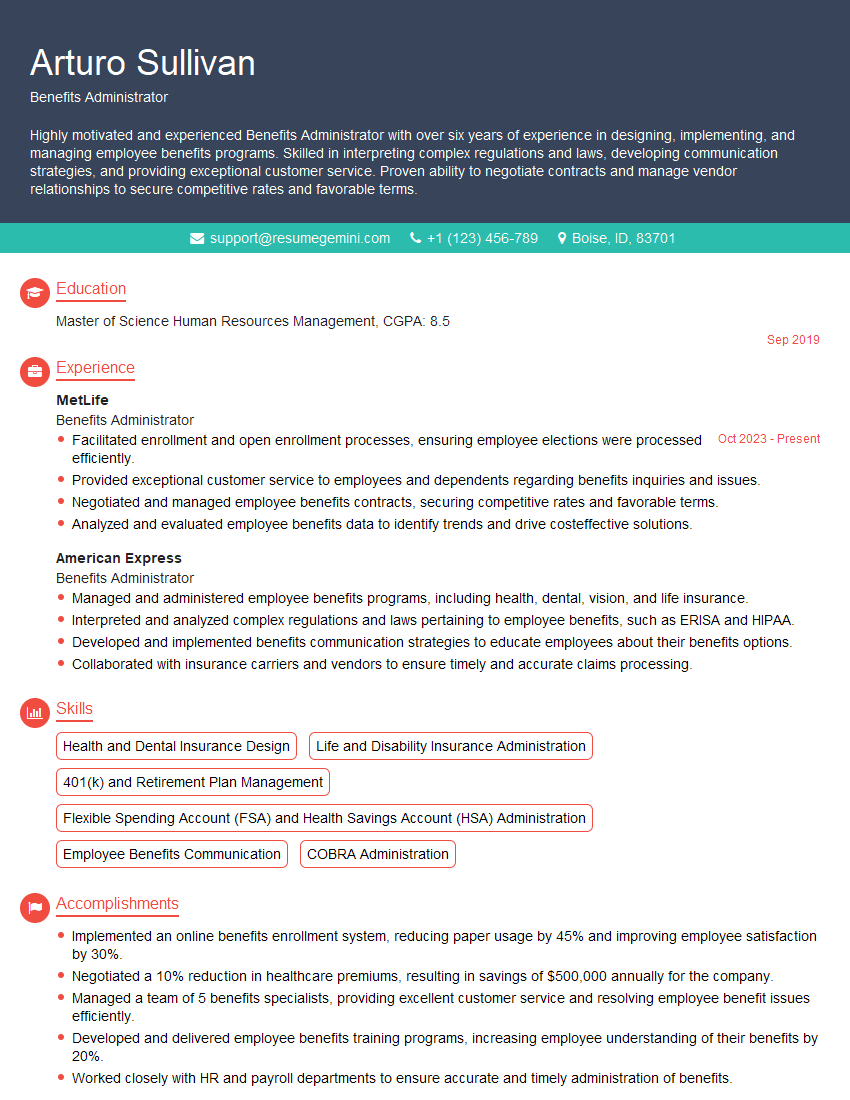
Benefits Administrator Resume Sample
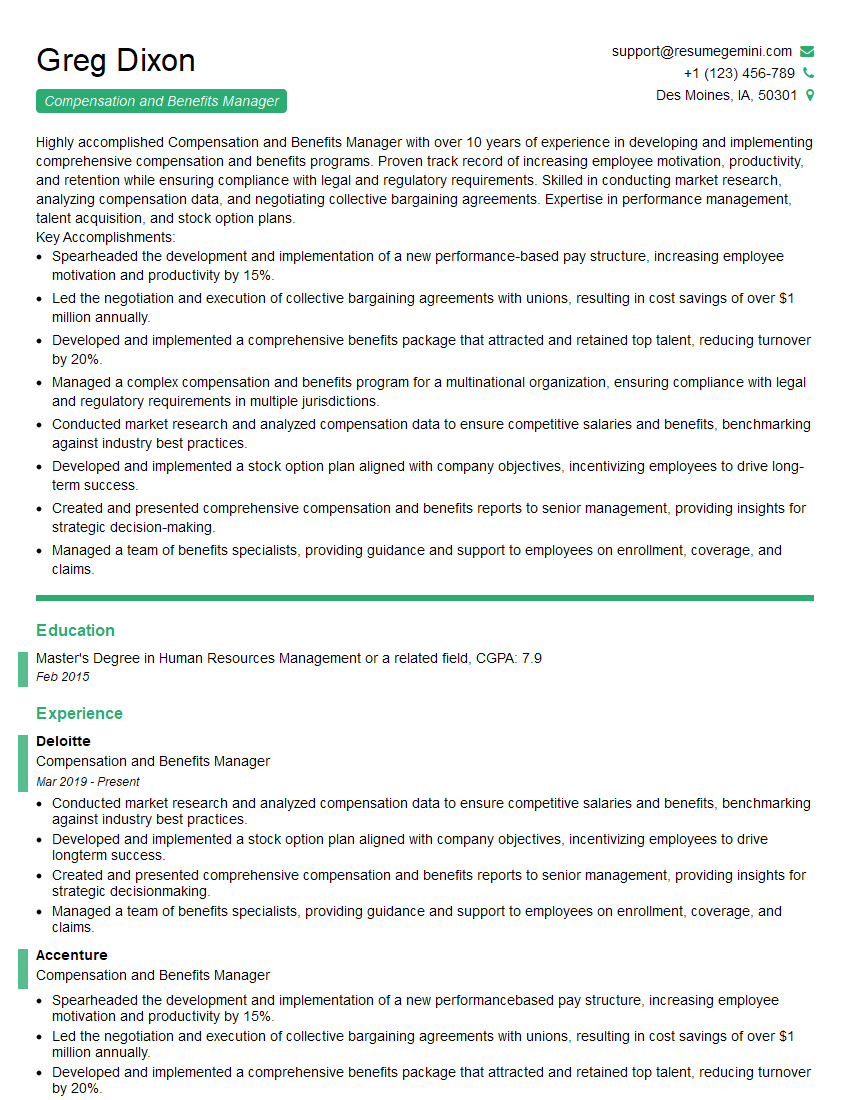
Compensation and Benefits Manager Resume Sample
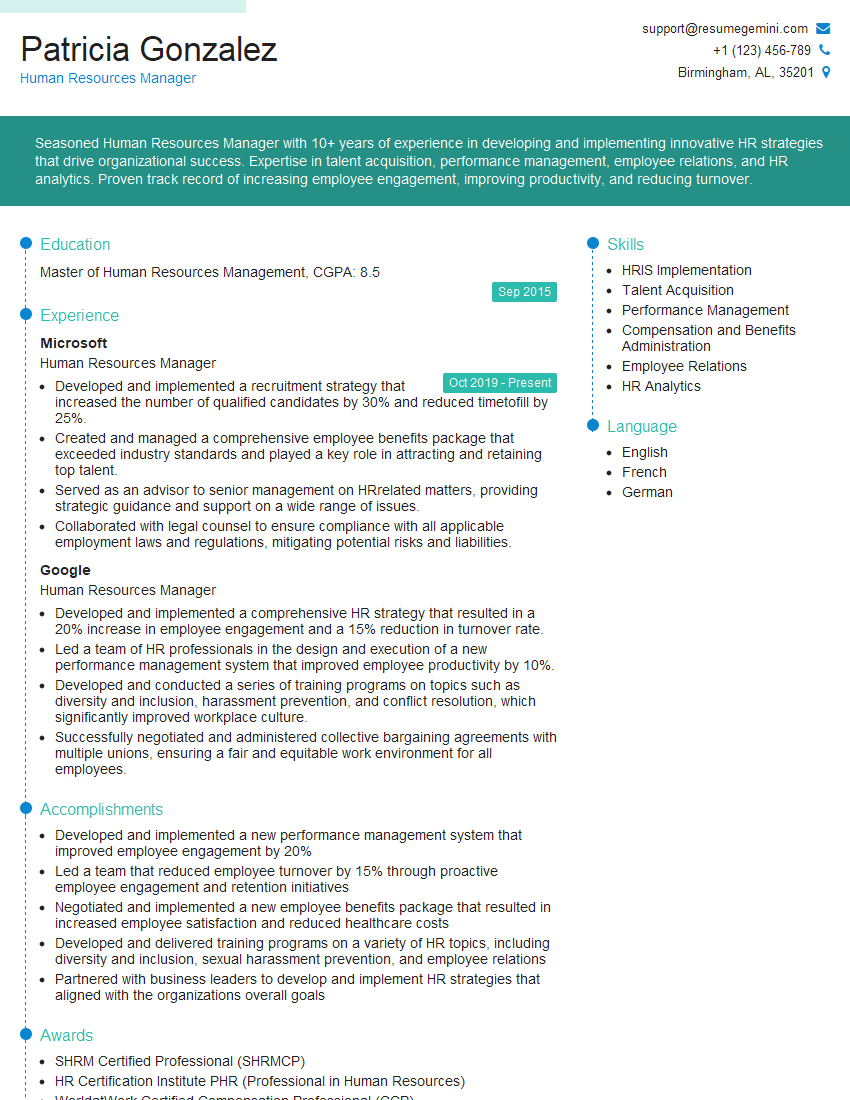
Human Resources Manager Resume Sample
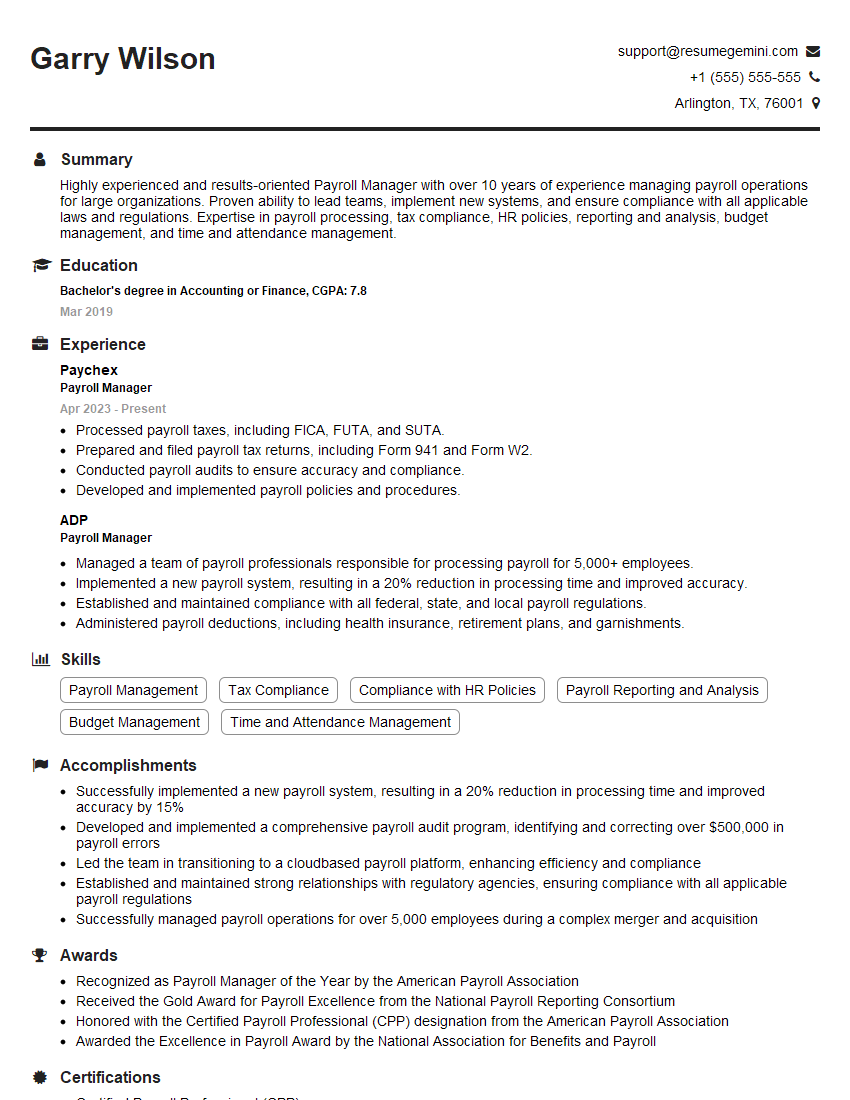
Payroll Manager Resume Sample
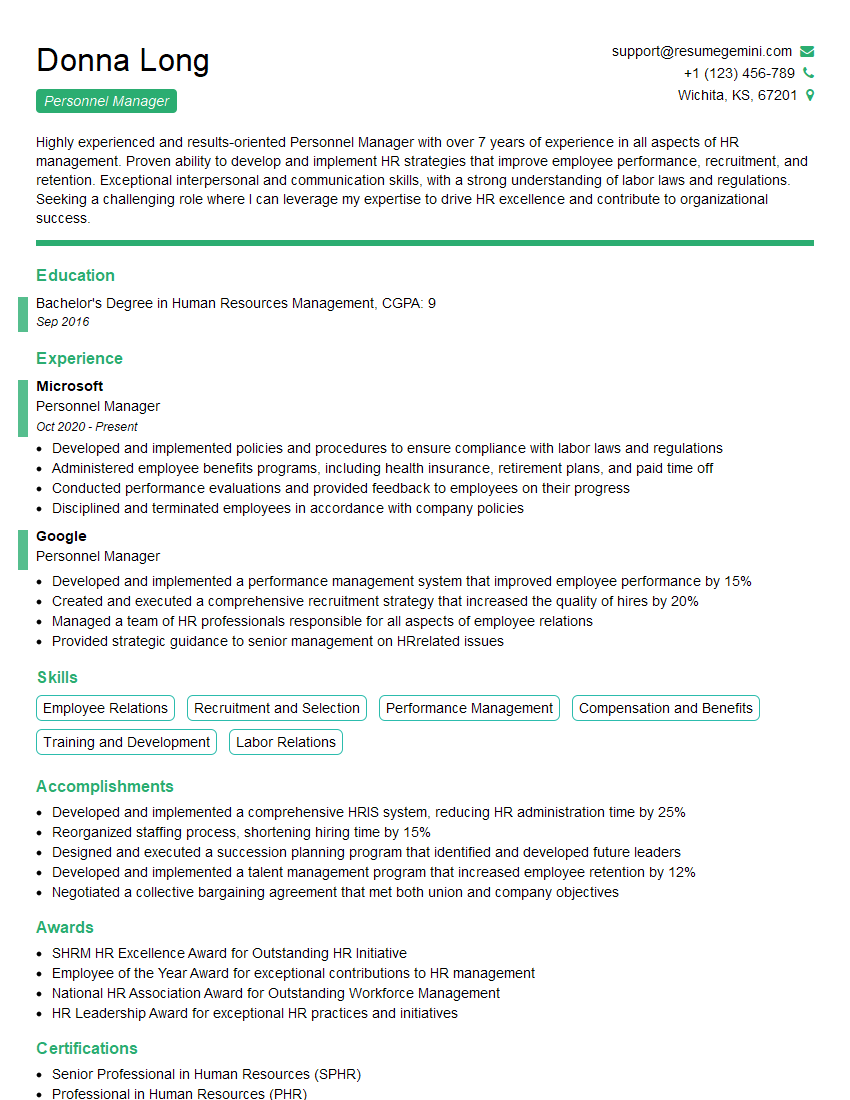
Personnel Manager Resume Sample
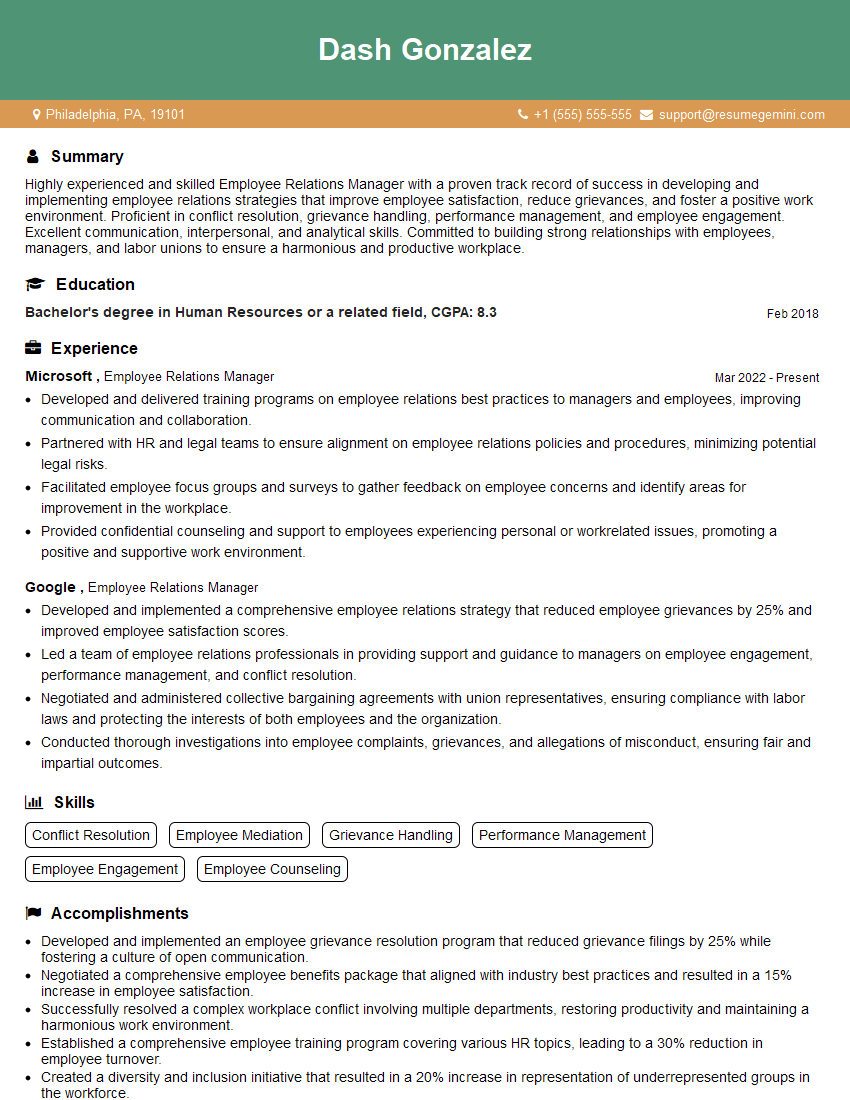
Employee Relations Manager Resume Sample
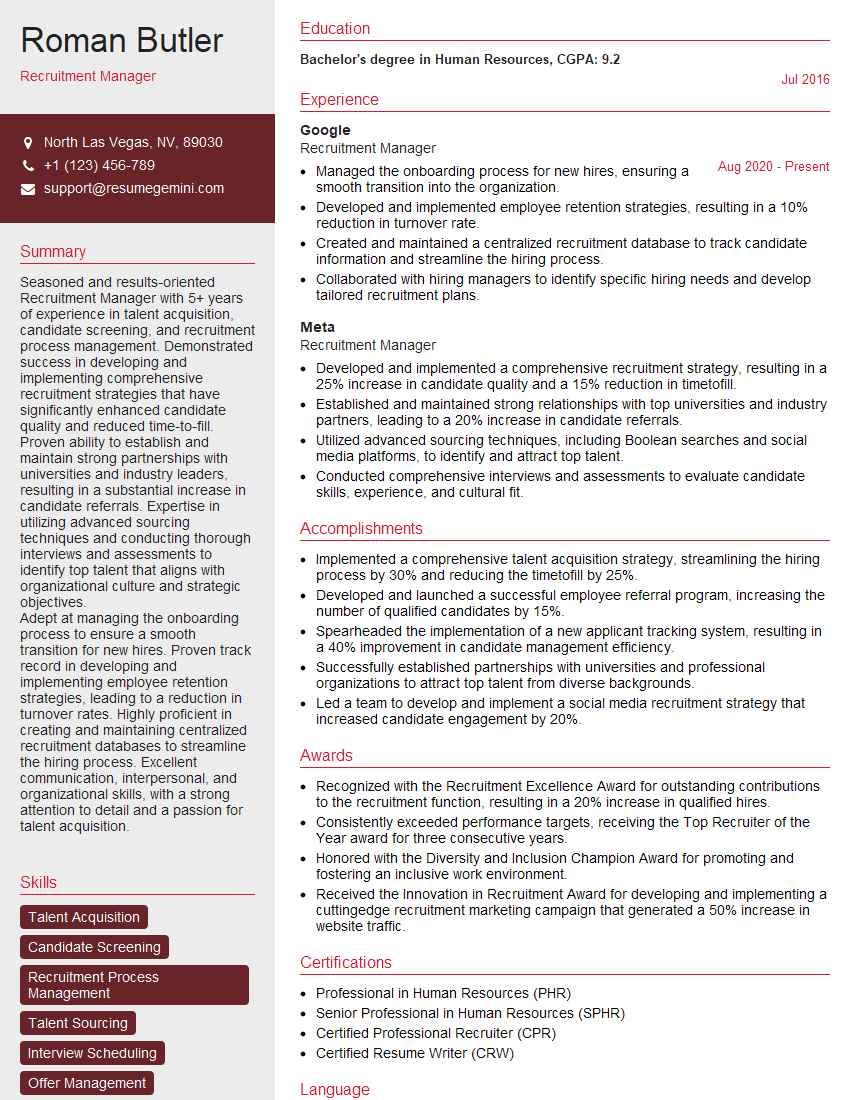
Recruitment Manager Resume Sample
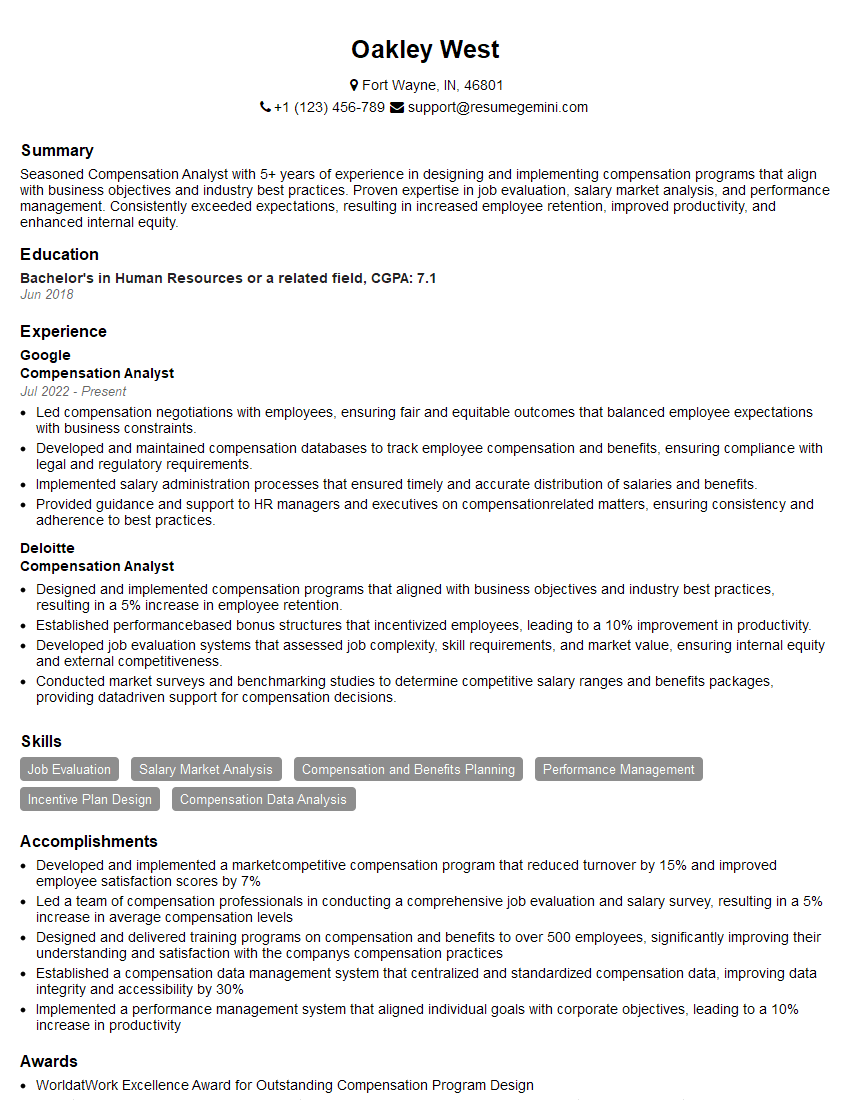
Compensation Analyst Resume Sample
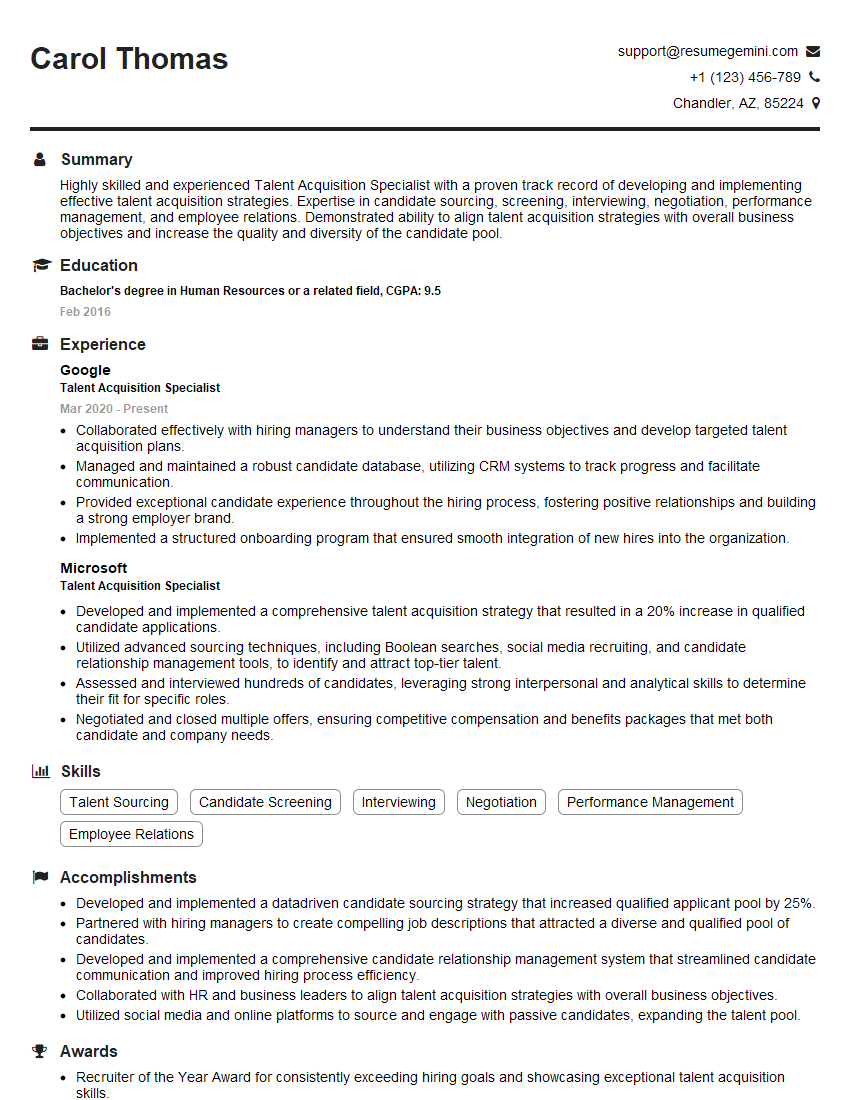
Talent Acquisition Specialist Resume Sample
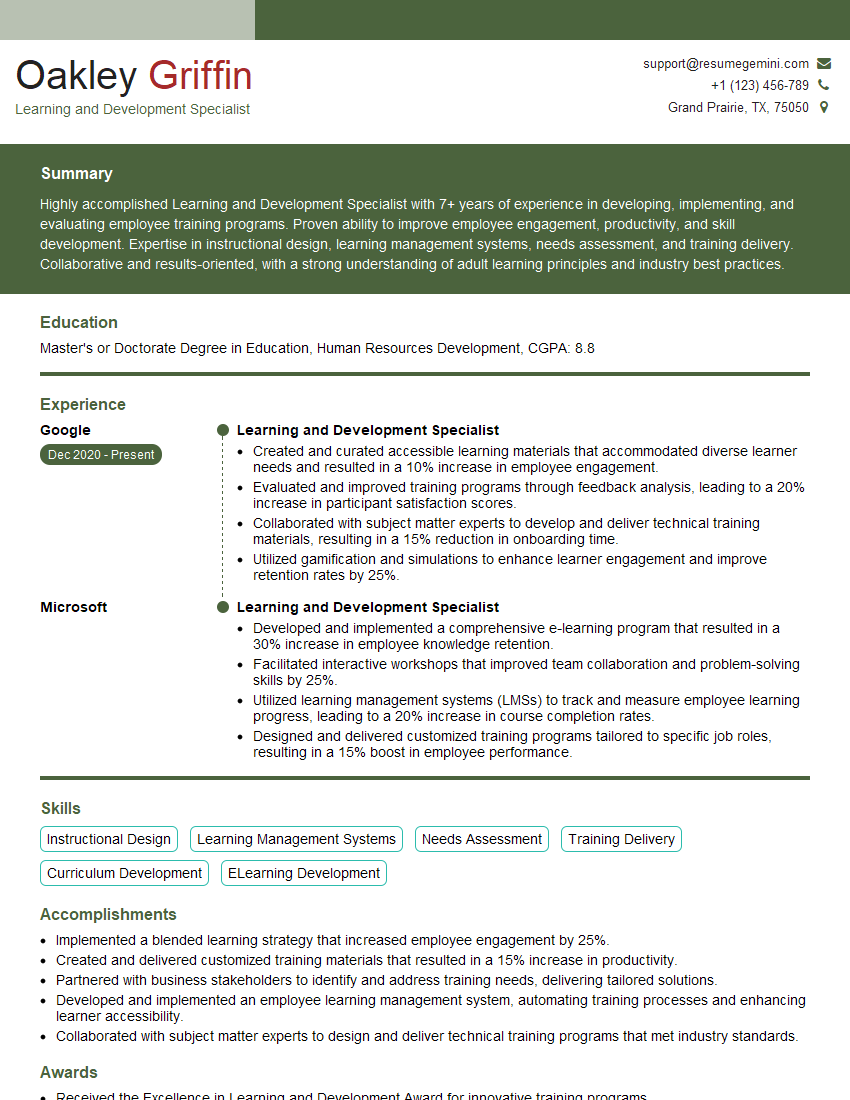
Learning and Development Specialist Resume Sample
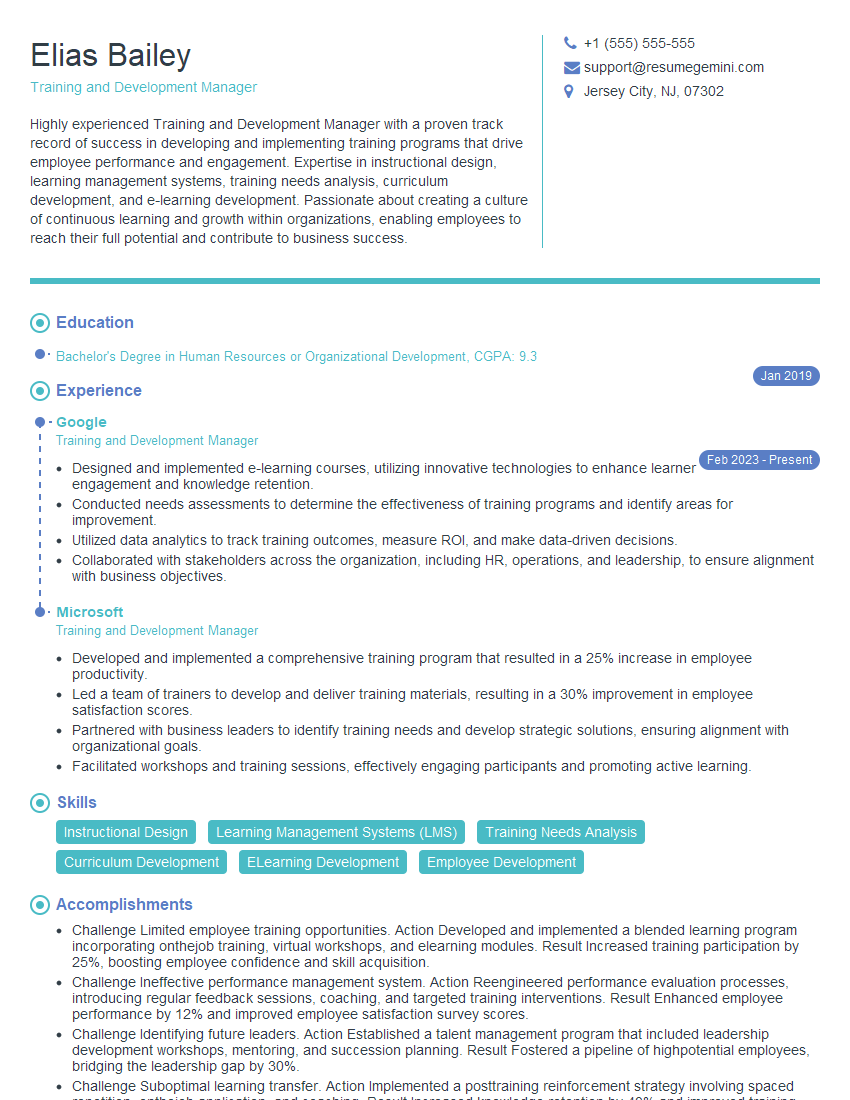
Training and Development Manager Resume Sample
Explore more articles
Users Rating of Our Blogs
Share Your Experience
We value your feedback! Please rate our content and share your thoughts (optional).
What Readers Say About Our Blog
Very informative content, great job.
good