Are you ready to stand out in your next interview? Understanding and preparing for Plant Layout and Facility Design interview questions is a game-changer. In this blog, we’ve compiled key questions and expert advice to help you showcase your skills with confidence and precision. Let’s get started on your journey to acing the interview.
Questions Asked in Plant Layout and Facility Design Interview
Q 1. Explain the difference between a product layout and a process layout.
The core difference between product and process layouts lies in how they organize workstations. A product layout, also known as a line layout, arranges workstations in a sequential order to produce a specific product. Think of an automotive assembly line: each station performs a specific task on the car as it moves down the line. This is highly efficient for mass production of standardized items. In contrast, a process layout, or functional layout, groups similar machines or processes together regardless of the product being manufactured. A machine shop is a prime example; lathes, milling machines, and grinders are all clustered together, and work flows to different areas based on the specific requirements of each job. This is more flexible for diverse product lines but less efficient than product layouts for high-volume production of a single item.
In short: Product layout – efficient for high-volume, standardized products; Process layout – flexible for diverse products, potentially less efficient.
Q 2. Describe your experience with different facility layout techniques (e.g., block layout, U-shaped layout).
My experience encompasses a range of facility layout techniques. I’ve extensively used block layouts in designing large facilities, employing algorithms like CORELAP (Computerized Relative Allocation of Facilities) to optimize the placement of major departments based on material flows and proximity needs. I’ve also designed numerous facilities incorporating U-shaped layouts, particularly in manufacturing settings. The U-shape minimizes material handling distance and allows for better operator workflow, reducing fatigue and increasing productivity. I’ve found that the effectiveness of U-shaped layouts greatly depends on the proper allocation of tasks and equipment along the layout. Furthermore, I’ve worked with cellular manufacturing layouts, which group machines into cells based on product families. This setup is ideal for medium-volume production of diverse products, providing a balance between the efficiency of line layouts and the flexibility of process layouts. Each technique requires careful consideration of factors like material handling, worker movement, and overall workflow optimization.
For instance, in one project, we used a combination of block and U-shaped layouts to optimize a food processing plant, resulting in a 15% reduction in material handling time and a 10% increase in overall production efficiency.
Q 3. How do you incorporate ergonomics into plant layout design?
Ergonomics plays a crucial role in plant layout design; it’s not just about efficiency, but also about worker well-being and safety. I incorporate ergonomics by considering factors like:
- Workstation design: Ensuring workstations are at the correct height and distance for workers to avoid strain and fatigue. This often involves adjustable work surfaces, ergonomic chairs, and appropriate tool placement.
- Material handling: Minimizing the amount of heavy lifting and repetitive movements. This might involve using automated guided vehicles (AGVs), conveyors, or other tools to reduce manual labor.
- Lighting and ventilation: Providing adequate lighting to reduce eye strain and proper ventilation to ensure a comfortable work environment. This enhances worker comfort and productivity.
- Noise levels: Reducing noise pollution through sound-absorbing materials and strategic placement of noisy equipment. Excessive noise significantly impairs productivity and worker health.
- Safety features: Incorporating safety features such as guardrails, emergency stops, and clear signage to prevent accidents. A safe work environment is paramount.
By integrating these ergonomic principles, we aim to create a work environment that fosters worker health, reduces injuries, and improves overall productivity.
Q 4. What software are you proficient in for plant layout and facility design (e.g., AutoCAD, Revit)?
I am proficient in several software packages for plant layout and facility design. My core expertise lies in AutoCAD, which I use for creating detailed 2D and 3D models of facilities. I also have significant experience with Revit, particularly for its capabilities in building information modeling (BIM). Revit allows for better collaboration and coordination among design teams, leading to more efficient and accurate plant layouts. Beyond these, I’m familiar with specialized software for simulation and analysis, such as Plant Simulation and Arena, which are invaluable in evaluating different layout options and optimizing material flow.
Q 5. Explain your understanding of material handling systems and their impact on layout design.
Material handling systems are fundamental to efficient plant layout design. The choice of system significantly impacts space utilization, production flow, and overall cost. My understanding encompasses a wide range of systems, including:
- Conveyors: Efficient for moving materials over long distances, but can be inflexible and costly to install.
- Automated Guided Vehicles (AGVs): Offer greater flexibility than conveyors, especially in dynamic environments, but require significant investment.
- Forklifts and other manual handling equipment: Relatively inexpensive but can be inefficient and prone to accidents if not properly managed.
- Robotics: Highly automated systems, ideal for repetitive tasks, but require substantial upfront investment and specialized expertise.
In designing a plant layout, I carefully consider the interaction between the chosen material handling system and the placement of workstations and storage areas. A poorly designed material handling system can create bottlenecks, leading to decreased efficiency and increased costs. For example, in a warehouse design, the choice between conveyor belts and automated cranes directly impacts the overall facility structure and operational efficiency.
Q 6. How do you optimize space utilization in a plant layout?
Optimizing space utilization is a crucial aspect of plant layout design, directly impacting both efficiency and cost. My approach involves a multi-faceted strategy:
- Efficient use of vertical space: Utilizing multi-level storage and racking systems to maximize the use of available height. This is particularly important in high-density storage areas.
- Lean principles: Implementing lean manufacturing principles, such as 5S, to eliminate waste and optimize workflow. This includes removing unnecessary equipment and materials and streamlining processes.
- Modular design: Employing modular design principles that allow for easy expansion or reconfiguration as production needs evolve. This ensures the facility remains adaptable to future changes.
- Simulation and analysis: Using simulation software to test and evaluate different layout configurations before finalizing the design. This helps identify and resolve potential space-related issues early in the process.
For example, in one project, by strategically reconfiguring the layout and implementing a more efficient material handling system, we reduced warehouse space requirements by 20% without impacting throughput.
Q 7. Describe your experience with capacity planning and its integration with plant layout.
Capacity planning is intrinsically linked to plant layout design. Accurate capacity planning determines the size and configuration of the facility, ensuring it can meet current and future production demands. My approach involves:
- Demand forecasting: Accurately predicting future production needs based on market analysis and historical data.
- Process analysis: Determining the capacity of individual processes and workstations to identify potential bottlenecks.
- Layout optimization: Designing the layout to accommodate the required capacity while minimizing waste and maximizing efficiency.
- Flexibility considerations: Designing the layout to accommodate future capacity increases or changes in product lines. This may include modular designs or easily reconfigurable workstations.
For instance, during a recent project involving an expanding manufacturing facility, we incorporated capacity planning from the outset, forecasting future demands and designing a layout that could easily scale up to meet those demands while minimizing disruption to production. This foresight prevented costly facility expansions and ensured smooth production scaling.
Q 8. How do you ensure the safety and accessibility of your plant layout designs?
Ensuring safety and accessibility in plant layout design is paramount. It’s not just about compliance; it’s about creating a productive and healthy work environment. My approach involves a multi-faceted strategy that begins even before the initial design phase.
- Hazard Identification and Risk Assessment (HIRA): Before any layout is drafted, we conduct a thorough HIRA, identifying potential hazards like machine guarding deficiencies, hazardous material storage, ergonomic risks, and traffic flow bottlenecks. This informs the design process from the start.
- Ergonomic Design: We carefully consider workstation design, incorporating principles of ergonomics to minimize strain and injury. This includes optimizing reach distances, chair adjustability, and the positioning of equipment to prevent repetitive movements.
- Safe Traffic Flow: The layout prioritizes clear and efficient traffic flow for both personnel and material handling equipment. This includes wide aisles, clearly marked pathways, designated pedestrian areas, and the strategic placement of safety signage.
- Emergency Exits and Accessibility: Emergency exits are strategically located and clearly marked, ensuring easy evacuation in case of emergencies. Furthermore, designs always comply with ADA (Americans with Disabilities Act) guidelines to ensure accessibility for employees with disabilities, including ramps, elevators, and appropriately sized doorways.
- Machine Guarding and Safety Systems: The design incorporates appropriate machine guarding and safety interlocks to prevent accidents. This might include light curtains, emergency stop buttons, and safety barriers strategically positioned.
- Regular Audits and Reviews: Safety isn’t a one-time process. Post-implementation, regular safety audits and reviews are crucial to identify and rectify any unforeseen hazards that may arise.
For example, in a recent project for a food processing plant, we identified a potential hazard related to the placement of a high-speed conveyor. By adjusting the conveyor’s position and incorporating additional safety barriers, we significantly reduced the risk of employee injury.
Q 9. What are the key considerations for designing a sustainable and environmentally friendly facility?
Designing sustainable and environmentally friendly facilities goes beyond simply meeting regulations. It involves integrating sustainability into every aspect of the design process, from material selection to energy efficiency and waste reduction.
- Energy Efficiency: We prioritize energy-efficient building materials, HVAC systems, and lighting to minimize the facility’s carbon footprint. This includes optimizing building orientation to maximize natural light and considering renewable energy sources like solar panels.
- Water Conservation: The design incorporates water-saving technologies such as low-flow fixtures, rainwater harvesting, and greywater recycling systems, reducing water consumption.
- Waste Management: Efficient waste management strategies are implemented. This may involve on-site recycling programs, waste reduction initiatives, and careful selection of materials with high recyclability.
- Material Selection: We emphasize using sustainable and locally sourced building materials with low embodied carbon. This reduces transportation emissions and supports local economies.
- LEED Certification Targeting: Designing towards LEED (Leadership in Energy and Environmental Design) certification provides a framework for incorporating sustainable practices. The certification process offers a standardized approach to achieving measurable environmental goals.
- Green Space Integration: Where possible, integrating green spaces into the facility design helps improve air quality, reduce the urban heat island effect, and boost employee morale. This could include green roofs, rooftop gardens, or landscaping features.
For instance, in a recent project, we incorporated a rainwater harvesting system to irrigate the landscaping around the facility, significantly reducing water consumption. We also specified low-VOC (volatile organic compound) paints and coatings to improve indoor air quality.
Q 10. How do you handle changes and revisions during the plant layout design process?
Change is inevitable in plant layout design. My approach to managing revisions is iterative and collaborative. We use a project management methodology that embraces flexibility and open communication.
- Version Control: We utilize CAD software with robust version control capabilities, allowing us to track all revisions and easily revert to previous versions if needed. This ensures transparency and accountability.
- Regular Design Reviews: Frequent design reviews with stakeholders allow for early detection and resolution of any issues. This collaborative process fosters a shared understanding and helps to prevent costly changes later in the process.
- Agile Approach: We often employ an agile approach, breaking down the design process into smaller, manageable iterations. This allows us to adapt to changing requirements and incorporate feedback more easily. This approach enables us to prioritize critical changes and manage the project’s scope efficiently.
- Change Management Protocol: A formalized change management process is critical. All change requests are documented, assessed for their impact, and approved before implementation. This helps maintain control and prevent unintended consequences.
- Impact Analysis: When changes are requested, we conduct a thorough impact analysis to understand the potential ripple effects on other aspects of the design, cost, and schedule. This allows for informed decision-making.
For example, in a recent project, a client requested a significant change to the material handling system midway through the design process. By carefully assessing the impact, we were able to implement the change with minimal disruption to the project timeline and budget.
Q 11. Explain your experience with value stream mapping and its application to facility layout.
Value stream mapping (VSM) is an invaluable tool for optimizing facility layouts. It’s a visual representation of the flow of materials and information within a manufacturing process. By analyzing the current state, we can identify areas of waste and inefficiency, ultimately leading to a more efficient and effective layout.
- Current State Mapping: We begin by creating a current state VSM, documenting the entire process from raw materials to finished goods. This helps visualize the current flow and identify bottlenecks and areas of waste (e.g., transportation, inventory, waiting, etc.).
- Future State Mapping: After analyzing the current state, we develop a future state VSM, incorporating improvements identified through the analysis. This may involve rearranging equipment, optimizing workflows, and eliminating unnecessary steps.
- Simulation and Optimization: VSM often involves using simulation software to model different layout configurations and predict their performance. This enables us to find the optimal layout based on various performance indicators, such as throughput, cycle time, and inventory levels.
- Kaizen Events: VSM can be incorporated into Kaizen events (continuous improvement workshops) to facilitate collaborative problem-solving and consensus building among stakeholders.
In a recent project for an automotive parts manufacturer, VSM helped identify a significant bottleneck in the assembly line. By rearranging workstations and implementing a Kanban system, we reduced lead times by 30% and improved overall efficiency. The visual nature of the VSM made it easy for all team members to understand the issues and the proposed solutions.
Q 12. How do you communicate your plant layout designs to stakeholders?
Effective communication is crucial for successful plant layout projects. I employ a multi-pronged approach to ensure all stakeholders understand the design and its implications.
- 3D Modeling and Visualization: We utilize 3D modeling software to create realistic visualizations of the proposed layout. This allows stakeholders to see the design from various perspectives and easily identify potential issues.
- Interactive Presentations: We present the design through interactive presentations, incorporating 3D models, animations, and data visualizations. This engaging format facilitates understanding and allows for real-time feedback.
- Detailed Drawings and Documentation: Comprehensive drawings, specifications, and documentation are provided, offering detailed information to all stakeholders. This includes floor plans, equipment layouts, utility plans, and other relevant technical documents.
- Walkthrough Simulations: Virtual walkthroughs or even physical models can be utilized to create a better understanding of the spatial aspects of the design and the flow of materials.
- Collaboration Platforms: We often utilize cloud-based collaboration platforms to share designs, gather feedback, and facilitate communication throughout the design process.
For instance, in a pharmaceutical plant project, we used virtual reality (VR) to allow the client to “walk through” the proposed layout before construction, enabling them to identify potential ergonomic issues and make necessary changes early in the process.
Q 13. Describe your experience with cost estimation for plant layout projects.
Accurate cost estimation is critical for plant layout projects. My experience involves a multi-step process to provide reliable cost estimates.
- Detailed Bill of Materials (BOM): We create a comprehensive BOM, including all equipment, materials, labor, and other associated costs. This forms the basis of the cost estimate.
- Labor Cost Estimation: Labor costs are meticulously estimated based on the type and duration of work involved, including construction, installation, and commissioning.
- Contingency Planning: We incorporate a contingency buffer to account for unforeseen costs and potential changes during the project. This helps to mitigate financial risks.
- Software-Based Cost Estimation: We utilize specialized software that can assist in calculating costs based on the design parameters and historical data.
- Benchmarking and Historical Data: We leverage benchmarking data from similar projects and historical cost data to enhance the accuracy of our estimates.
- Regular Cost Reviews: Regular cost reviews are conducted throughout the project lifecycle to monitor expenses and make necessary adjustments. This ensures that the project stays within budget.
For example, in a recent project, we utilized a cost estimation software to accurately predict the costs associated with the installation of a new automated material handling system. By incorporating contingency planning, we were able to deliver the project on time and within budget.
Q 14. How do you incorporate lean manufacturing principles into plant layout design?
Lean manufacturing principles are essential for creating efficient and effective plant layouts. My approach focuses on minimizing waste and maximizing value at every stage.
- Value Stream Mapping (VSM): As mentioned earlier, VSM is a core tool for identifying and eliminating waste in the production process. This helps optimize material flow and reduce lead times.
- 5S Methodology: Implementing 5S (Sort, Set in Order, Shine, Standardize, Sustain) creates a clean, organized, and efficient work environment. This improves safety and reduces waste due to misplaced items or inefficient storage.
- One-Piece Flow: Designing for one-piece flow, where materials move through the production process in a continuous manner, minimizes work-in-progress inventory and reduces lead times.
- Pull Systems (Kanban): Implementing pull systems like Kanban enables production to be triggered by actual demand, reducing excess inventory and waste.
- Cellular Manufacturing: Where applicable, we utilize cellular manufacturing, grouping related equipment and processes together to create more efficient workflows.
- Quick Changeovers (SMED): Designing for quick changeovers (Single Minute Exchange of Die) minimizes downtime during production changes. This requires careful consideration of equipment placement and accessibility.
In a recent project for a manufacturing facility, we implemented a Kanban system to manage the flow of materials through the assembly line. This reduced lead times by 25% and significantly reduced inventory levels.
Q 15. Explain your approach to problem-solving in plant layout design.
My approach to plant layout design problem-solving is systematic and iterative, focusing on a deep understanding of the client’s needs and operational requirements. I begin with a thorough needs analysis, gathering data on production processes, material flow, storage needs, and future expansion plans. This involves detailed discussions with stakeholders from all departments – production, engineering, maintenance, and even human resources.
Next, I employ a combination of established layout planning techniques, such as block diagramming, process flow analysis, and computer-aided design (CAD) software. This allows for the exploration of various layout alternatives, evaluating their strengths and weaknesses based on factors such as material handling efficiency, space utilization, and safety.
The process isn’t linear; it’s iterative. We create initial layouts, simulate material flow, identify bottlenecks, and then refine the design based on the simulation results and feedback from the client. This iterative process ensures that the final layout is optimized for efficiency and addresses all identified concerns. For instance, I might initially design a layout focusing on minimizing material handling distances, only to discover that employee ergonomics require adjustments in workstation placement. Then I would iterate the design to incorporate these needs.
Career Expert Tips:
- Ace those interviews! Prepare effectively by reviewing the Top 50 Most Common Interview Questions on ResumeGemini.
- Navigate your job search with confidence! Explore a wide range of Career Tips on ResumeGemini. Learn about common challenges and recommendations to overcome them.
- Craft the perfect resume! Master the Art of Resume Writing with ResumeGemini’s guide. Showcase your unique qualifications and achievements effectively.
- Don’t miss out on holiday savings! Build your dream resume with ResumeGemini’s ATS optimized templates.
Q 16. Describe a time you had to overcome a significant challenge in plant layout design.
During a project for a food processing plant, we faced a significant challenge related to integrating new, automated packaging equipment into an existing facility with limited space. The existing layout was already optimized for manual processes, and the new automated lines required significantly more space and a different workflow. Initially, simply adding the new equipment seemed impossible.
To overcome this, we employed a combination of strategies. Firstly, we used 3D modeling software to virtually simulate the integration of the new equipment into the existing facility. This allowed us to visualize potential conflicts and explore various placement options. Secondly, we re-evaluated the entire material flow, identifying opportunities to consolidate certain processes and streamline material handling. This involved reorganizing some existing production lines to make space and optimizing the layout to accommodate the new equipment’s specific needs for access and maintenance. Finally, we worked closely with the equipment vendor to ensure the new machines were optimally configured for the revised space and workflow.
The result was a successful integration of the automated equipment without requiring a major expansion of the facility. This demonstrated the importance of flexible thinking and a willingness to reconsider established processes in the face of new technological integrations. It also highlighted the power of 3D modeling as a tool for resolving complex space planning issues.
Q 17. What are the key performance indicators (KPIs) you use to evaluate the effectiveness of a plant layout?
Evaluating the effectiveness of a plant layout requires a multi-faceted approach, using key performance indicators (KPIs) that reflect both production efficiency and employee well-being. Some crucial KPIs I regularly use include:
- Throughput Time: The total time it takes for a product to move through the entire production process. A shorter throughput time signifies higher efficiency.
- Material Handling Cost per Unit: This KPI measures the cost associated with moving materials within the plant, helping identify areas for improvement in material flow.
- Space Utilization: The percentage of the available floor space actively used for production. High space utilization signifies efficient use of resources.
- Safety Incidents per Employee-Hour: This KPI is crucial for evaluating the safety of the layout and identifying potential hazards.
- Employee Ergonomics Score: A subjective measure based on assessments of workstation design and employee comfort. This ensures a safe and comfortable workplace.
- Production Output per Square Foot: This KPI reflects the overall productivity of the plant, considering both production and space efficiency.
By monitoring these KPIs, we can track the success of the layout and identify areas requiring further optimization. The specific KPIs chosen are adapted based on the specific needs and priorities of the client and the industry.
Q 18. How do you balance the needs of production with the needs of employees in your designs?
Balancing the needs of production with those of employees is paramount in plant layout design. A well-designed plant layout isn’t just about efficiency; it’s about creating a safe and productive work environment. I achieve this balance through a participatory design approach.
This involves actively engaging employees in the design process. We conduct workshops and interviews to gather input on workstation ergonomics, workflow preferences, and safety concerns. For example, we might use tools like body mapping to identify potential ergonomic issues related to workstation layout and equipment placement.
The design considerations will include factors like adequate lighting, comfortable temperatures, sufficient space for movement, and easy access to amenities. Furthermore, the layout should incorporate features that promote safety, such as clear walkways, well-marked hazard zones, and strategically placed emergency exits. By incorporating employee feedback and prioritizing their comfort and safety, I ensure that the layout fosters a positive and productive work environment, enhancing both employee satisfaction and overall productivity.
Q 19. What are the common challenges in plant layout optimization?
Optimizing plant layouts presents several common challenges:
- Space Constraints: Limited space within existing facilities can severely restrict layout options.
- Technological Advancements: Integrating new technologies, like automation and robotics, requires careful planning to avoid disrupting existing workflows.
- Changing Production Requirements: Fluctuations in demand or the introduction of new products can quickly render a layout obsolete.
- Material Handling Inefficiencies: Inefficient material flow leads to bottlenecks, increased costs, and reduced productivity.
- Safety Concerns: Ensuring a safe working environment requires careful consideration of traffic flow, equipment placement, and emergency exits.
- Budgetary Limitations: Implementing optimal layouts often requires significant investment in new equipment or facility modifications.
- Lack of Stakeholder Collaboration: Failure to involve all relevant stakeholders – from production to management – results in a lack of buy-in and ultimately, an inefficient design.
Addressing these challenges requires a comprehensive approach involving careful planning, flexible design, and strong collaboration amongst the design team and plant personnel.
Q 20. Explain your experience with different types of material handling equipment.
My experience encompasses a wide range of material handling equipment, including:
- Conveyors: I’ve designed layouts utilizing various conveyor types, such as roller conveyors, belt conveyors, and chain conveyors, selecting the appropriate type based on the product characteristics, throughput requirements, and space constraints.
- Automated Guided Vehicles (AGVs): I’ve incorporated AGVs into plant layouts for efficient and flexible material transport, particularly in large facilities. This involves careful planning of pathways and charging stations.
- Forklifts and Pallet Jacks: These remain essential in many facilities, and I design layouts to ensure efficient traffic flow and minimize congestion. Properly designated areas for charging, maintenance and storage are crucial.
- Overhead Cranes and Hoists: These are utilized in heavy-duty operations, requiring careful consideration of load capacities, lifting heights, and clearance requirements. Safety considerations are paramount here.
- Robotics and Automated Storage and Retrieval Systems (AS/RS): I have significant experience integrating robotic systems and AS/RS into modern layouts for increased speed, efficiency and accuracy in storage and retrieval processes.
The selection of material handling equipment is a critical design decision; it directly impacts efficiency, cost, and safety. My approach focuses on choosing the optimal equipment for each specific application, considering factors such as throughput, cost, and the overall layout.
Q 21. How do you integrate technology (e.g., automation, robotics) into plant layout design?
Integrating technology into plant layout design is crucial for enhancing efficiency and productivity. My approach focuses on a phased integration, starting with a thorough assessment of the existing processes and identifying areas where automation or robotics could provide the greatest benefit. This might include tasks that are repetitive, dangerous, or require high precision.
For example, in a manufacturing plant, we might integrate robotic arms for assembly or palletizing, freeing up human workers for more complex tasks. This requires careful planning to ensure that the robots are integrated seamlessly into the existing workflow without creating bottlenecks or safety hazards.
We’ll use simulation software to model the integration of the new technology, allowing us to test and optimize the layout before implementation. This virtual testing significantly reduces the risk of costly errors during the actual implementation. We also consider aspects like power requirements, data networks, and safety protocols for the new technology to ensure a smooth and efficient integration.
The key to successful technology integration is a phased approach, starting with smaller, manageable projects that demonstrate value and build confidence before tackling more significant transformations. This approach reduces risk and allows for continuous improvement.
Q 22. How do you ensure compliance with relevant regulations and codes in your designs?
Ensuring compliance with regulations and codes is paramount in plant layout and facility design. It’s not just about avoiding penalties; it’s about creating a safe and legally sound environment for workers and the community. My approach involves a multi-step process. First, I conduct a thorough site analysis to identify all applicable local, state, and federal regulations, including OSHA (Occupational Safety and Health Administration) standards, fire codes (NFPA – National Fire Protection Association), ADA (Americans with Disabilities Act) accessibility guidelines, and environmental regulations (like those concerning waste disposal and emissions). Then, I integrate these requirements into the design from the very beginning, rather than trying to retrofit them later. This often involves using specialized software that incorporates these codes directly. For instance, when designing a chemical processing plant, I’d ensure the layout adheres to strict containment and ventilation standards outlined in relevant EPA (Environmental Protection Agency) and OSHA regulations. Finally, I work closely with regulatory agencies and third-party inspectors throughout the project to ensure complete compliance and to address any concerns promptly.
Q 23. Describe your understanding of building codes and their impact on facility design.
Building codes are legal requirements governing the design, construction, and operation of buildings. They dictate aspects like structural integrity, fire safety, accessibility, and energy efficiency. They profoundly impact facility design, influencing everything from the structural framework and materials used to the placement of exits, emergency systems, and even the size of restrooms. For example, a building code might specify the minimum width of corridors for safe evacuation in case of fire, impacting the overall layout of the facility. Another example would be requirements regarding the height of handrails on staircases, dictated by accessibility codes. Non-compliance can lead to delays, project modifications, and even legal repercussions. Therefore, understanding and meticulously integrating building codes into the design process is crucial for successful project delivery and avoiding costly mistakes. I always make sure my team is fully versed in the relevant codes for each project and use tools that help us ensure compliance, such as digital building code libraries.
Q 24. How do you handle conflicts between different departments’ requirements in facility design?
Conflicts between departments’ requirements are inevitable in facility design. Different departments often have competing priorities. For instance, production might prioritize space efficiency for maximizing output, while maintenance needs ample space for equipment access and repair. To resolve such conflicts, I use a collaborative, multi-stage approach. This begins with a comprehensive needs assessment involving representatives from all affected departments. We hold workshops to clearly articulate each department’s requirements, identify potential conflicts, and prioritize needs based on critical business objectives. Then, I use various visualization tools, such as 3D models and simulations, to demonstrate the trade-offs between different layout options. We work iteratively, adjusting the design to find a balance that meets the most critical needs of all departments while minimizing compromises. This involves compromise and negotiation; sometimes, it’s necessary to find creative solutions that integrate seemingly conflicting requirements, such as utilizing multi-functional spaces or implementing flexible layouts that adapt to changing needs.
Q 25. Explain your experience with the design and implementation of warehouse layouts.
I have extensive experience designing and implementing warehouse layouts, optimizing them for efficiency, safety, and scalability. My approach begins with a thorough understanding of the client’s operations, including inventory types, storage methods, order fulfillment processes, and anticipated growth. This informs the choice of layout type—whether it’s a block stacking layout, narrow-aisle racking, or a more sophisticated automated system. I use software like AutoCAD and specialized warehouse management system (WMS) design tools to create detailed layouts, considering factors such as aisle widths, racking configurations, dock locations, and the placement of support areas like shipping and receiving. For example, in one project for a large e-commerce retailer, I optimized the layout using simulation software to minimize travel distances for picking and packing, resulting in a 20% reduction in order fulfillment time. The key is to balance efficiency with safety, incorporating safety features such as clear signage, sufficient lighting, and adequate space for forklift operation. I also focus on future-proofing the design to accommodate potential changes in volume and operations.
Q 26. How do you utilize data analytics to improve plant layout efficiency?
Data analytics plays a vital role in enhancing plant layout efficiency. By analyzing historical operational data, we can identify bottlenecks, inefficiencies, and areas for improvement. This data can include production rates, material flow patterns, equipment downtime, and worker movement. I use various analytical techniques, including process mapping, simulation modeling, and statistical analysis, to interpret this data. For instance, analyzing material flow data can reveal inefficient movement patterns that contribute to wasted time and resources. Simulation software allows us to test various layout modifications virtually before implementation, minimizing disruption and risk. By strategically analyzing data, we can pinpoint areas for improvement such as optimizing material handling systems, reconfiguring workstations, or improving workflow processes. In a recent project, data analysis revealed that a minor adjustment in the location of a key machine reduced material handling time by 15%, significantly boosting overall productivity. Using data-driven insights enables me to create a more efficient, optimized, and cost-effective plant layout.
Q 27. Describe your process for evaluating and selecting appropriate equipment for a facility.
Selecting appropriate equipment is crucial for achieving optimal plant efficiency and performance. My process involves a systematic evaluation based on several factors. First, I identify the specific operational needs and requirements, considering factors like capacity, speed, precision, and maintenance requirements. Next, I research and evaluate various equipment options from different vendors, comparing specifications, pricing, and performance metrics. This might involve attending industry trade shows, reviewing vendor documentation, and even conducting site visits to observe equipment in operation. I also assess the long-term costs, including maintenance, energy consumption, and potential downtime. For example, when choosing robots for an automotive assembly line, I would consider factors like payload capacity, reach, speed, and programming flexibility. A critical aspect of my evaluation is to ensure compatibility with existing infrastructure and systems. Finally, I involve key stakeholders in the selection process to gain input and ensure the chosen equipment meets the operational requirements and budget constraints.
Q 28. Explain your experience with project management in the context of plant layout projects.
Project management is integral to successful plant layout projects. My approach adheres to established project management methodologies, such as Agile or PRINCE2. I begin with a detailed project scope, establishing clear objectives, timelines, and budget constraints. A critical path analysis helps identify key tasks and potential bottlenecks. I use project management software to track progress, manage tasks, and monitor resources. Effective communication is key; I maintain regular updates with stakeholders through meetings, reports, and visual dashboards. Risk management is also crucial; I identify and mitigate potential risks proactively, developing contingency plans to address unexpected issues. For instance, potential delays due to equipment delivery or regulatory approvals are anticipated and addressed through proactive planning. Throughout the project, I ensure adherence to quality standards and safety protocols, regularly conducting site inspections and collaborating with construction crews to ensure seamless execution. Following project completion, a thorough post-project review assesses the success of the project and identifies areas for improvement in future endeavors.
Key Topics to Learn for Plant Layout and Facility Design Interview
- Space Planning and Material Flow: Understanding principles of efficient material handling, minimizing distances, and optimizing workflow.
- Process Design and Layout Integration: Aligning plant layout with production processes, considering equipment placement, and material flow optimization for various manufacturing processes (e.g., assembly lines, batch processing).
- Ergonomics and Safety: Designing layouts that prioritize worker safety and comfort, minimizing risks of injury and maximizing productivity through proper workstation design and equipment placement.
- Facility Design Software and Tools: Familiarity with relevant software for 2D/3D modeling, simulation, and analysis of plant layouts (mentioning general categories, not specific software names).
- Capacity Planning and Expansion: Understanding methods for predicting future needs and designing layouts that allow for future growth and flexibility.
- Cost Estimation and Budgeting: Developing cost-effective designs while considering factors like construction, equipment, and operational costs.
- Environmental Considerations: Incorporating sustainable practices, minimizing environmental impact, and complying with relevant regulations.
- Lean Manufacturing Principles: Applying lean concepts such as waste reduction (muda), value stream mapping, and 5S methodology to optimize plant layout and efficiency.
- Problem-Solving and Optimization Techniques: Demonstrating ability to identify and solve layout-related problems using analytical methods and tools.
- Communication and Collaboration: Highlighting skills in working effectively with engineers, architects, contractors, and other stakeholders throughout the design process.
Next Steps
Mastering Plant Layout and Facility Design opens doors to exciting career opportunities with significant growth potential in various industries. A strong understanding of these principles is highly valued by employers seeking efficient and innovative solutions. To maximize your job prospects, crafting an ATS-friendly resume is crucial. ResumeGemini is a trusted resource to help you build a professional resume that showcases your skills and experience effectively. We provide examples of resumes tailored specifically to Plant Layout and Facility Design to help you present yourself in the best possible light. Take advantage of these resources to enhance your job search and achieve your career goals.
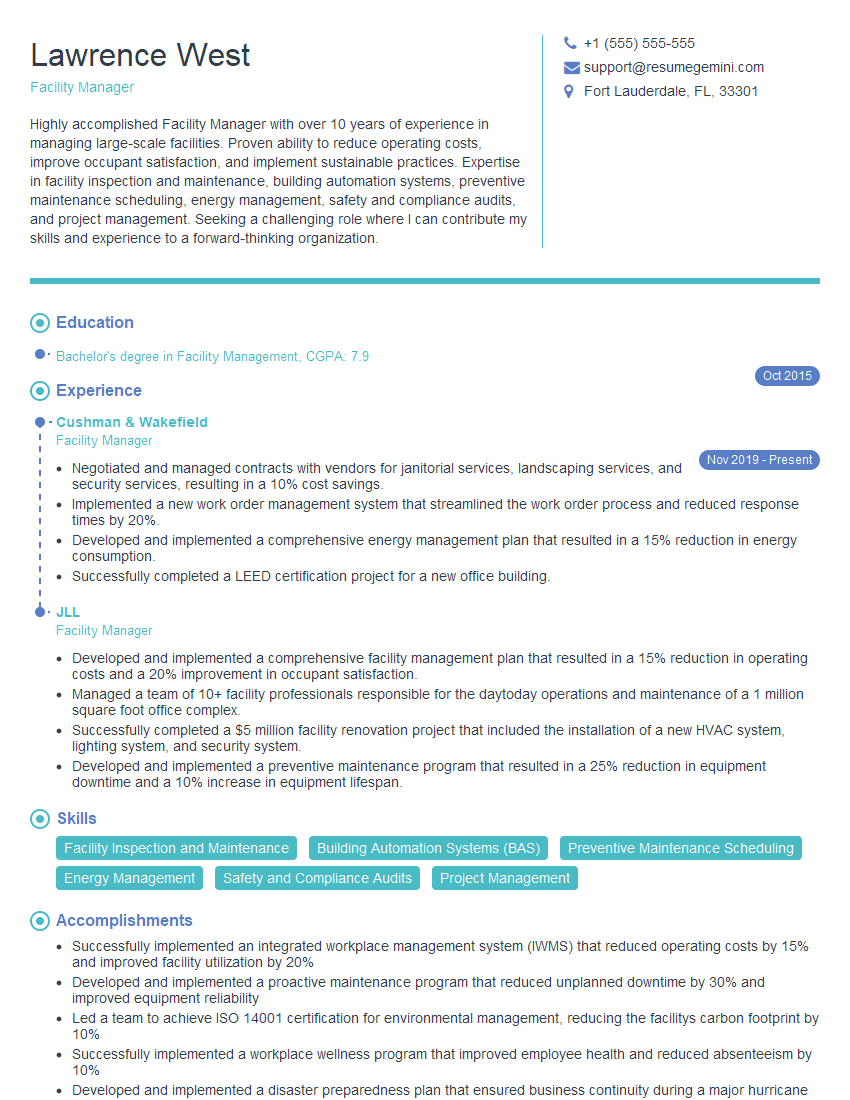
Facility Manager Resume Sample

Operations Manager Resume Sample
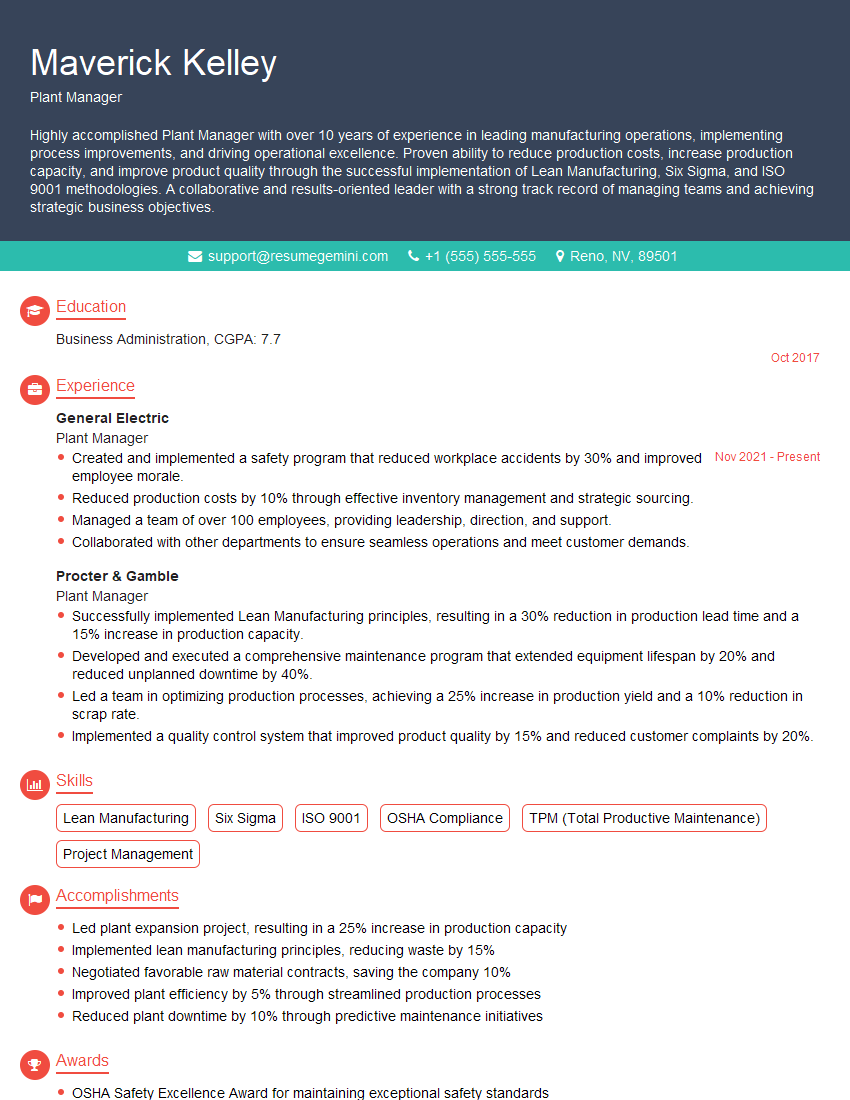
Plant Manager Resume Sample
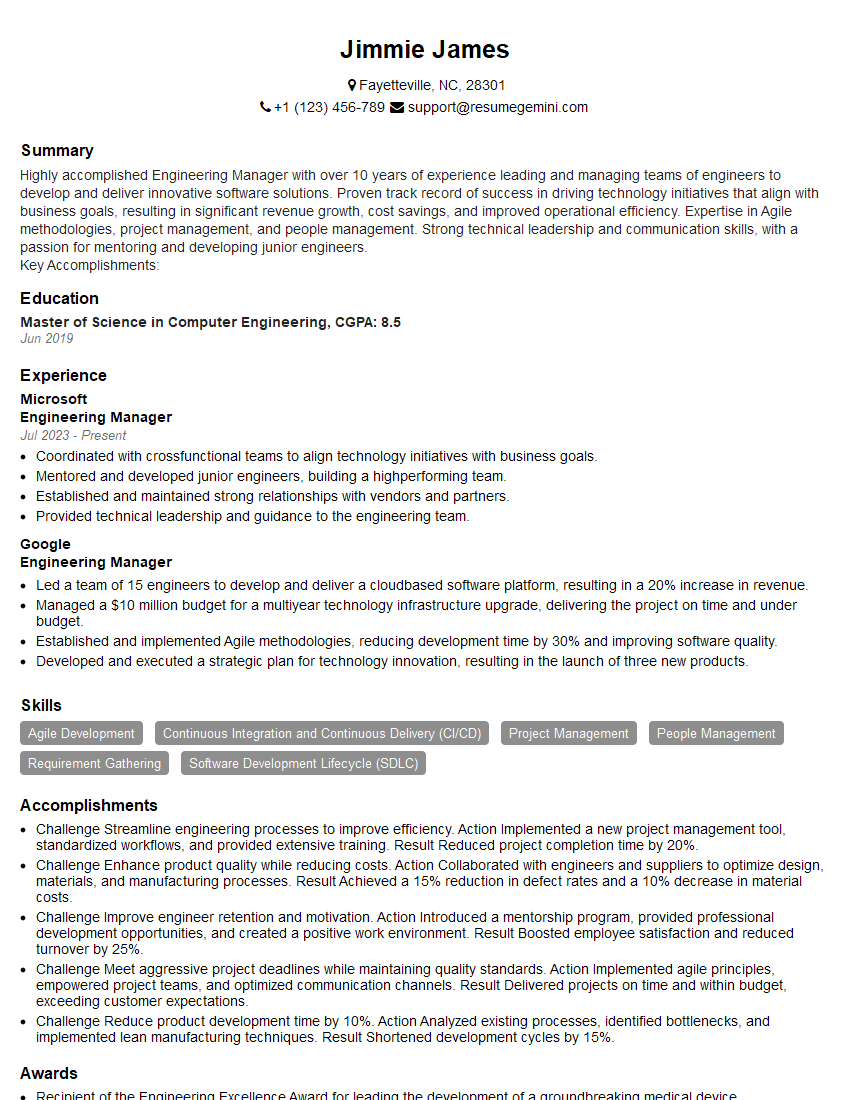
Engineering Manager Resume Sample
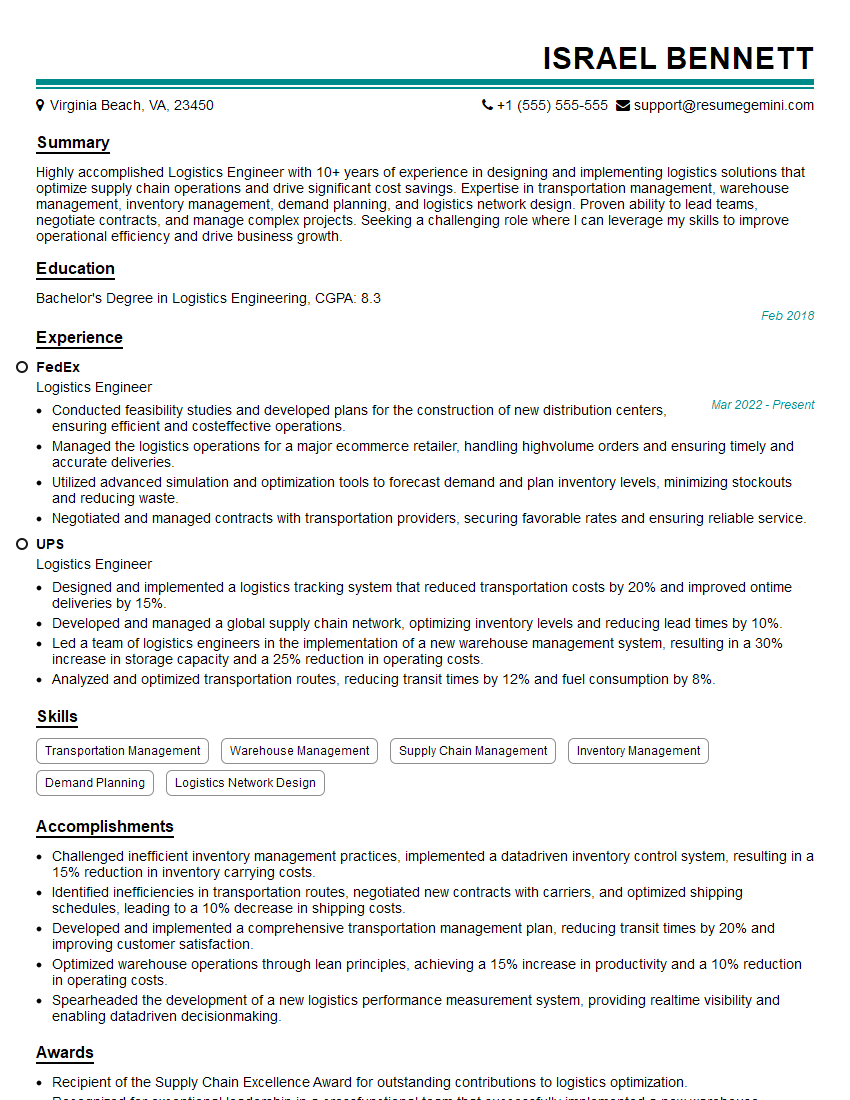
Logistics Engineer Resume Sample
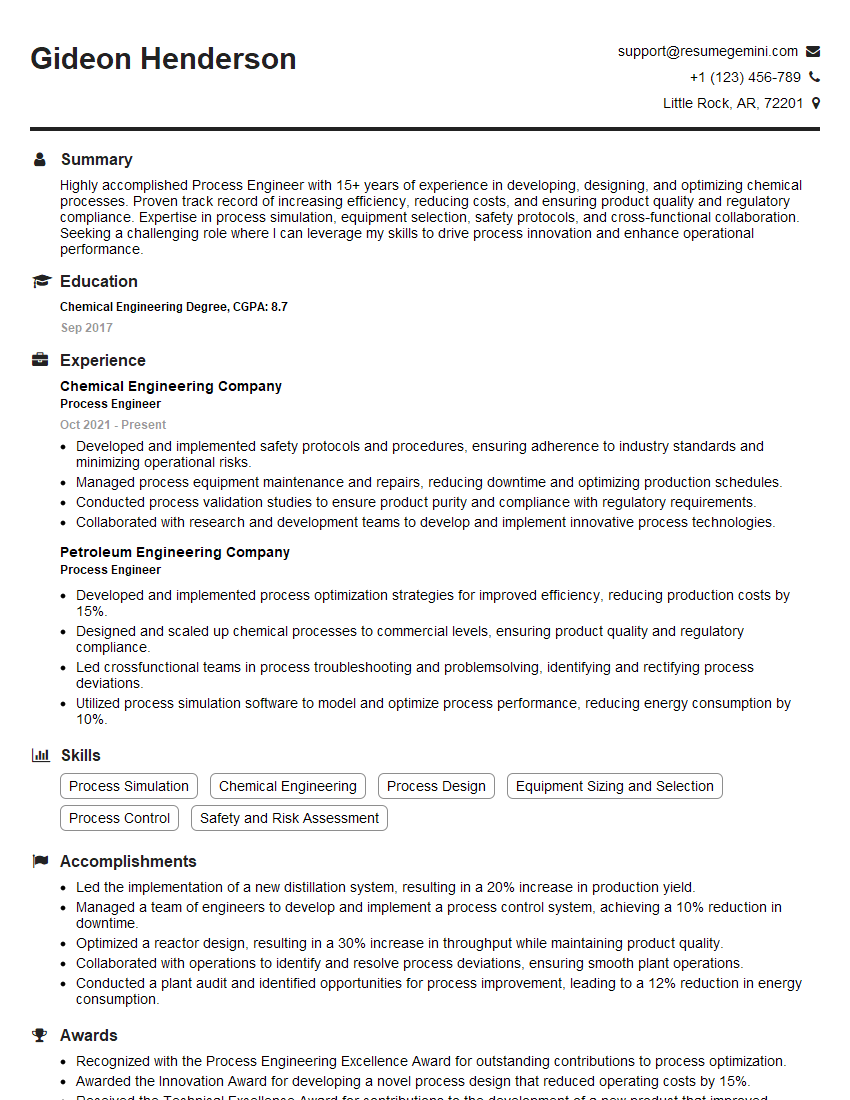
Process Engineer Resume Sample
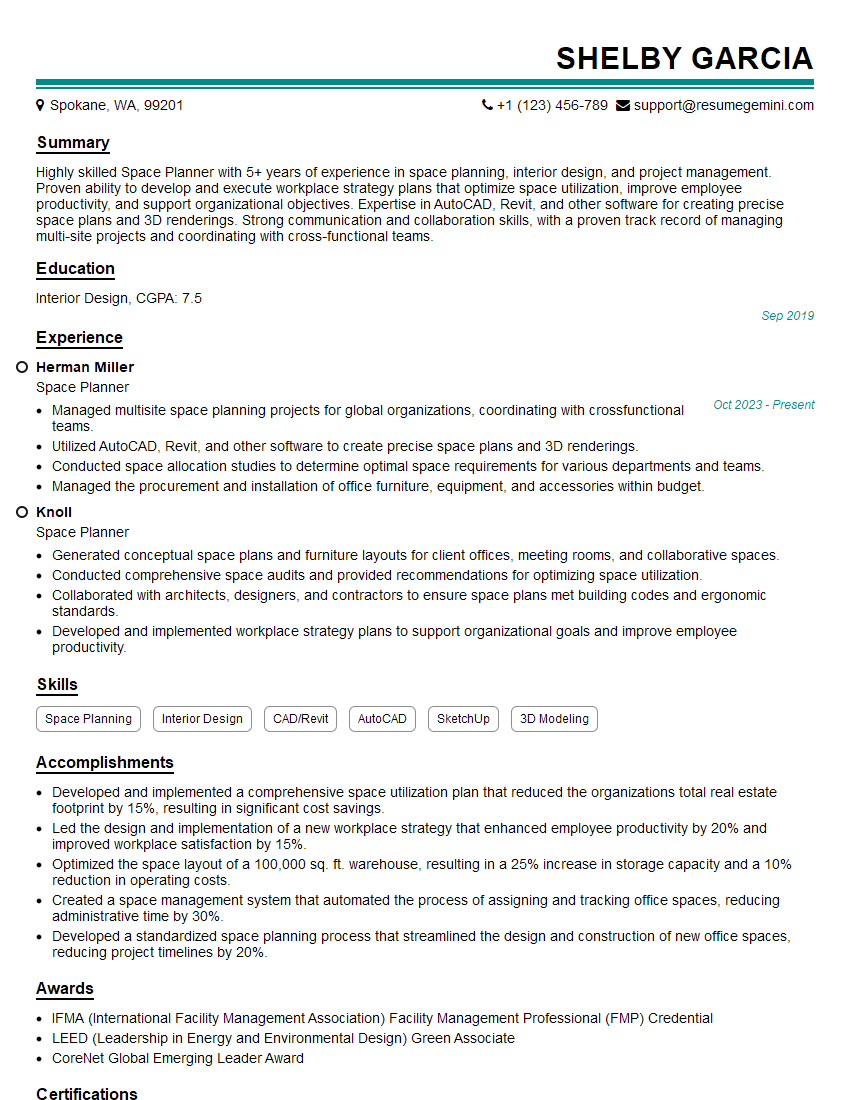
Space Planner Resume Sample
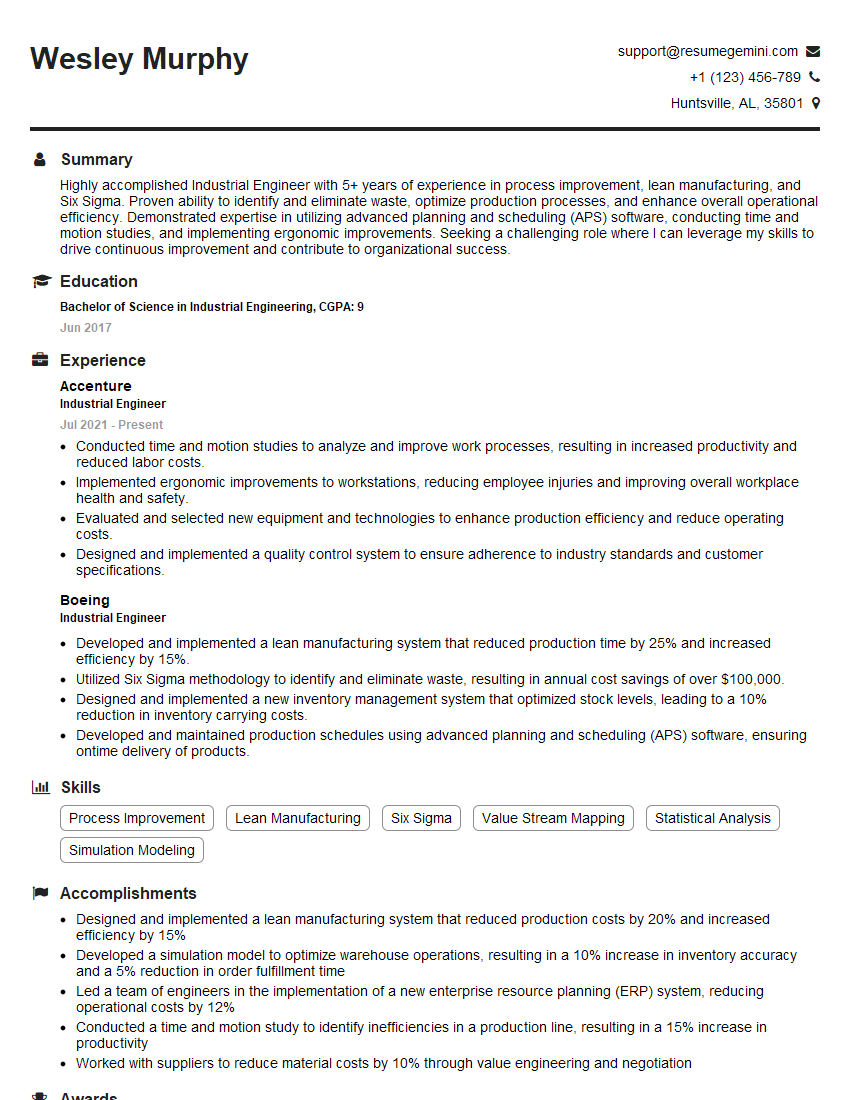
Industrial Engineer Resume Sample
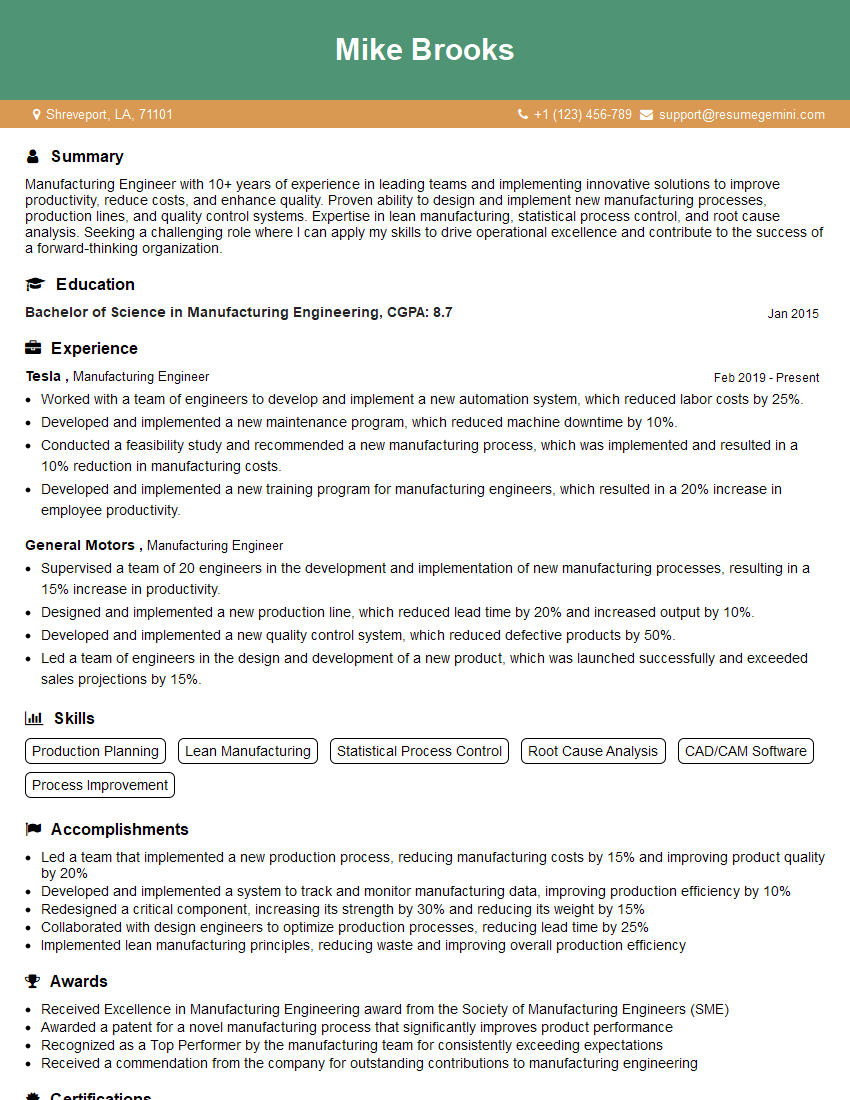
Manufacturing Engineer Resume Sample
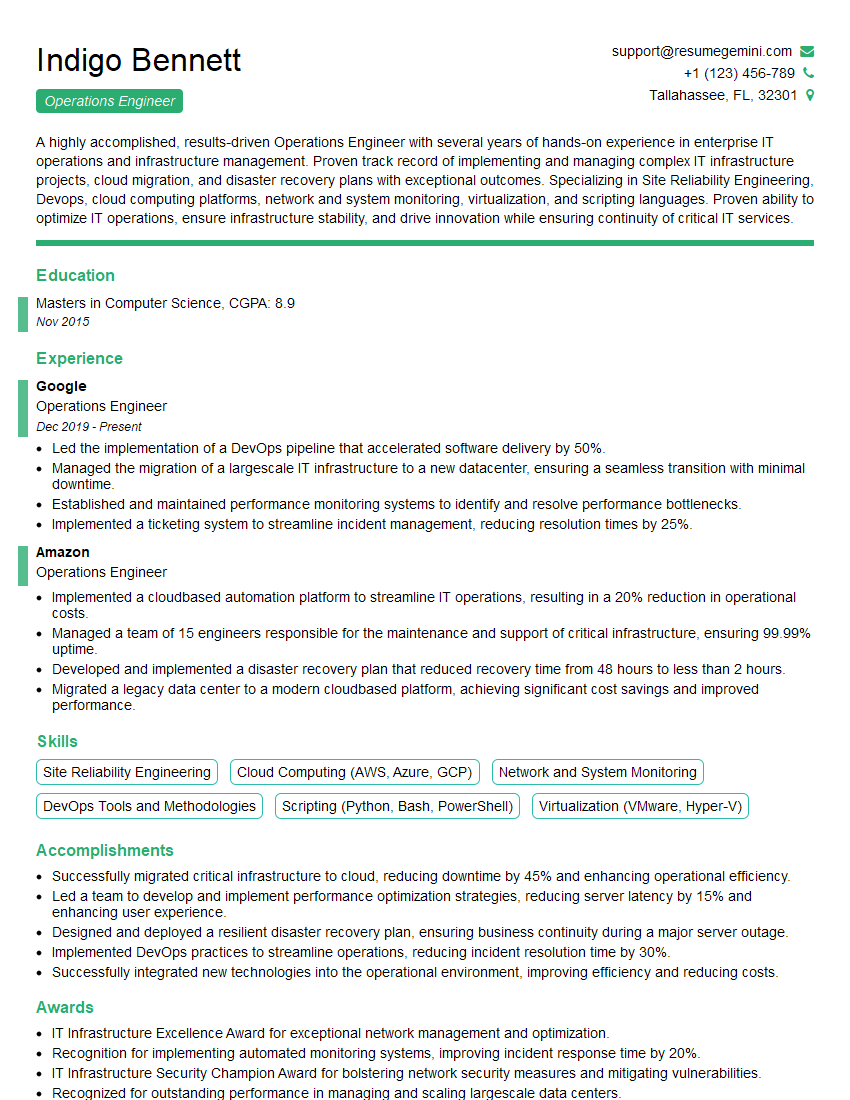
Operations Engineer Resume Sample
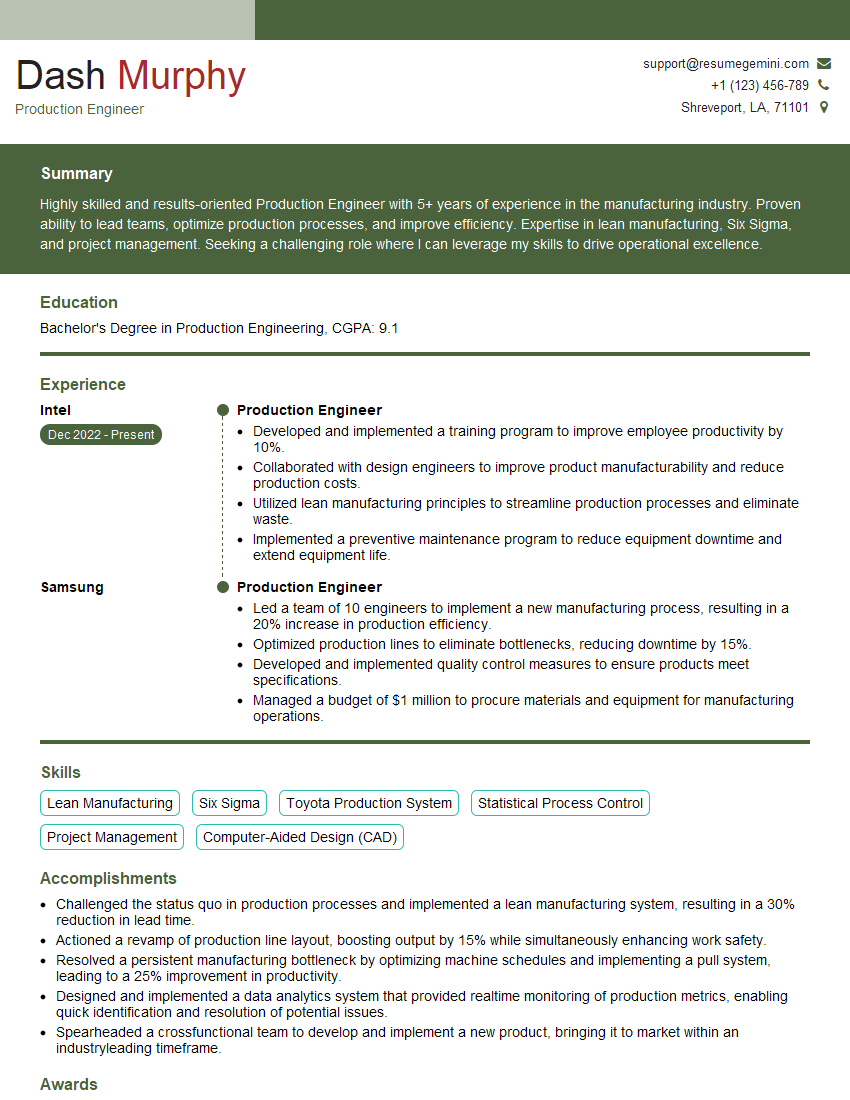
Production Engineer Resume Sample
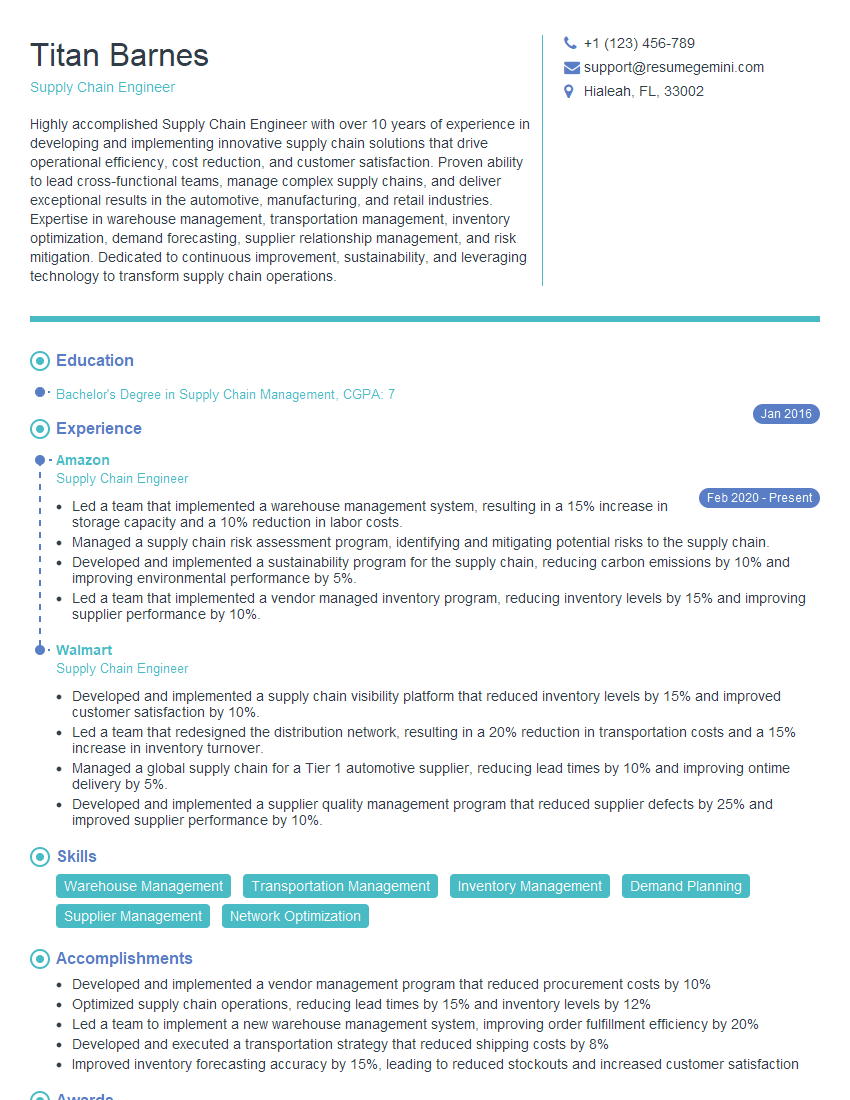
Supply Chain Engineer Resume Sample
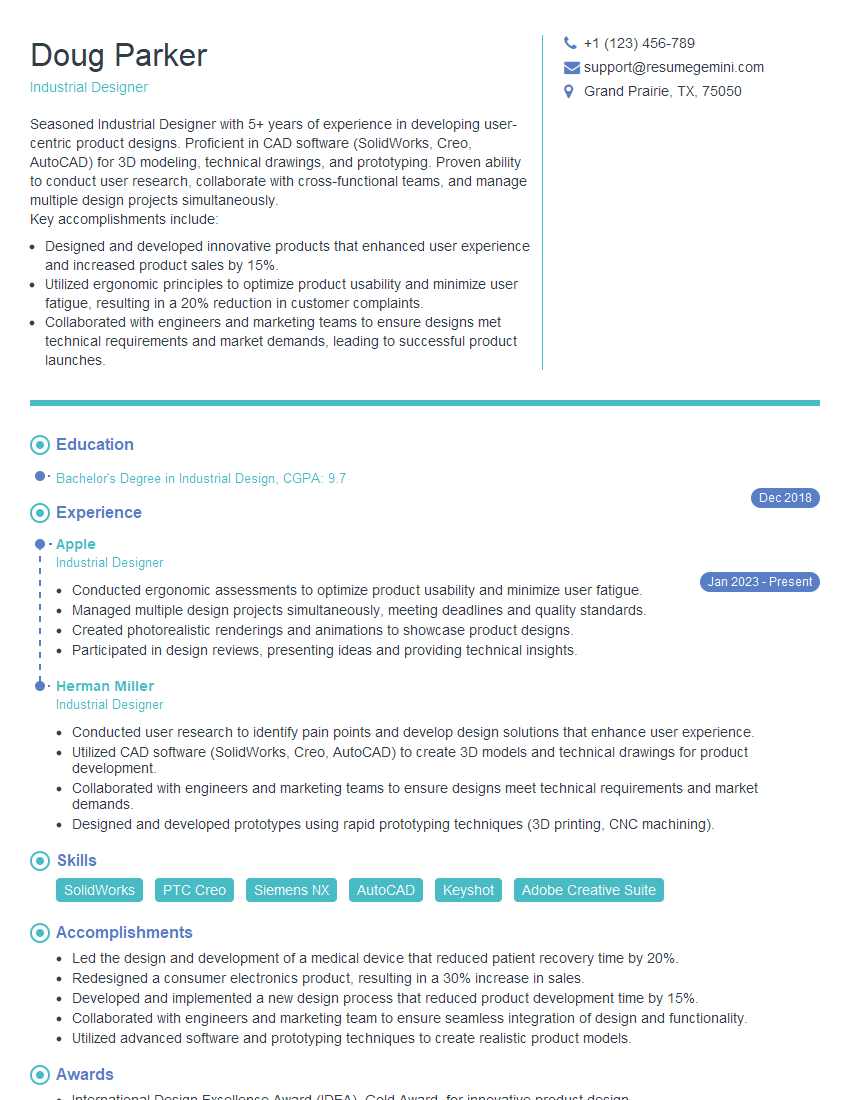
Industrial Designer Resume Sample
Explore more articles
Users Rating of Our Blogs
Share Your Experience
We value your feedback! Please rate our content and share your thoughts (optional).
What Readers Say About Our Blog
Very informative content, great job.
good