The right preparation can turn an interview into an opportunity to showcase your expertise. This guide to Orthotic Fitting interview questions is your ultimate resource, providing key insights and tips to help you ace your responses and stand out as a top candidate.
Questions Asked in Orthotic Fitting Interview
Q 1. Explain the difference between custom and prefabricated orthotics.
The main difference between custom and prefabricated orthotics lies in their manufacturing process and level of personalization. Prefabricated orthotics are mass-produced, offering standardized sizes and designs. Think of them like off-the-shelf shoes – they might fit reasonably well, but won’t perfectly accommodate the unique contours of every foot. They are generally more affordable and readily available. Custom orthotics, on the other hand, are individually crafted based on precise measurements and a thorough assessment of the patient’s foot structure, gait, and biomechanics. This process involves creating a plaster or foam cast of the patient’s foot, which then serves as the model for the orthotic. The result is a device that closely conforms to the individual’s foot, providing highly customized support and correction. Imagine a bespoke suit tailored to your exact measurements – that’s the level of precision you get with a custom orthotic. The higher level of customization often leads to greater effectiveness in addressing specific foot and lower limb problems but also comes with a higher price tag and longer production time.
Q 2. Describe the process of taking a patient’s measurements for orthotic fabrication.
Taking accurate measurements for orthotic fabrication is crucial for a successful outcome. The process typically begins with a thorough patient history and examination, including identifying any underlying medical conditions. Then, we use several techniques. A static foot posture assessment is performed to document the foot’s position while weight-bearing and non-weight-bearing. We capture detailed measurements including foot length, width, arch height, and any deformities. Weight-bearing plaster or foam casting is often employed to capture the exact shape of the foot while the patient is standing. This involves applying plaster bandages or foam to the foot and lower leg, ensuring even pressure and a smooth surface. Once the cast has set, it is carefully removed and inspected for any imperfections. Digital scanning is a newer technique gaining popularity, providing a quick and precise three-dimensional model of the patient’s foot. This process utilizes a scanner to capture multiple views of the foot and create a digital image that is sent to a lab for fabrication. Regardless of the method, thorough documentation, including photographic records, is essential to ensure the accuracy of the orthotic and facilitate future modifications if necessary. Paying close attention to detail during this stage will prevent discomfort and ensure the effectiveness of the final orthotic.
Q 3. What are the common materials used in orthotic fabrication, and what are their properties?
The choice of material for orthotic fabrication significantly impacts its performance and durability. Common materials include:
- Polypropylene: A rigid, durable thermoplastic known for its strength, lightweight nature, and resistance to wear and tear. It’s frequently used in custom orthotics for its ability to provide firm support and correction.
- EVA (Ethylene-vinyl acetate): A softer, more flexible material offering excellent shock absorption. It’s often used as a cushioning layer in orthotics, providing comfort and reducing impact on joints.
- Carbon Fiber: A high-strength, lightweight material used in high-performance orthotics. While more expensive, it offers superior support and responsiveness, making it ideal for athletes or individuals with high activity levels.
- Leather: A traditional material offering breathability and good conformability but requires more maintenance than other materials.
- Cork: A natural material that provides cushioning and conforms to the foot over time but may be less durable than other options.
Q 4. How do you assess a patient’s gait to determine orthotic needs?
Gait assessment is essential for identifying the biomechanical causes of a patient’s complaints and determining the appropriate type of orthotic intervention. We observe the patient’s walking pattern from various angles, noting aspects like:
- Stance Phase: Observing foot contact, weight distribution, and the presence of any abnormal movements such as excessive pronation or supination.
- Swing Phase: Evaluating the clearance of the foot from the ground, the knee and hip movement, and any limitations in stride length.
- Postural Alignment: Assessing the patient’s overall posture, including spinal alignment and pelvic tilt, as these factors can influence gait.
Q 5. Explain the biomechanical principles behind orthotic design.
Orthotic design is guided by fundamental biomechanical principles aimed at optimizing joint function and reducing stress on musculoskeletal structures. Key principles include:
- Leverage and Moment Arms: Orthotics leverage mechanical advantage to control joint movement and reduce abnormal forces. For example, a medial posting in an orthotic alters the lever arm at the ankle joint, reducing excessive pronation.
- Load Distribution: Orthotics redistribute pressure across the foot to reduce localized stress on specific areas. This minimizes pain and prevents further injury.
- Joint Alignment: Orthotics help restore proper alignment of joints in the lower limb, optimizing function and improving stability. This may involve correcting forefoot varus (inward turning of the forefoot) or valgus (outward turning of the forefoot).
- Shock Absorption: Materials are selected to absorb impact forces and lessen the transmission of shock up the leg, protecting joints and reducing pain. This is particularly important for people with conditions like plantar fasciitis or arthritis.
Q 6. Describe different types of orthotics (e.g., ankle-foot, knee, spinal).
Orthotics come in various designs tailored to specific needs. Some common types include:
- Ankle-Foot Orthotics (AFOs): These support the ankle and foot, providing stability and control. They are often used to treat conditions like drop foot, ankle instability, and cerebral palsy. Different types of AFOs exist depending on the level of support required, ranging from lightweight plastic shells to articulated braces.
- Knee Orthotics: These provide support to the knee, often assisting with stability and controlling movement. They can help with conditions like knee osteoarthritis or instability following injury.
- Spinal Orthotics: These support the spine, providing stability and correction. Types range from simple braces for back pain to complex devices used to treat scoliosis or other spinal deformities.
- Foot Orthotics: These are the most common type, supporting and cushioning the foot, often addressing problems such as plantar fasciitis, flat feet, and overpronation or supination. They can be full-length or partial-foot inserts.
Q 7. How do you determine the appropriate type and level of support for a given patient?
Determining the appropriate type and level of support is a multi-faceted process guided by a thorough patient evaluation. We consider several factors:
- Diagnosis: The underlying medical condition (e.g., plantar fasciitis, arthritis, cerebral palsy) significantly influences the design and material selection.
- Biomechanical Assessment: Gait analysis and static posture assessment help identify the specific biomechanical abnormalities that need correction.
- Activity Level: A highly active individual requires a durable and supportive orthotic, possibly with more rigid components, compared to a sedentary patient who may benefit from a more flexible and comfortable design.
- Patient Preferences: Comfort and practicality are important. We involve the patient in the decision-making process, considering their footwear preferences and lifestyle.
- Trial and Error: Initial orthotic designs often require adjustments and modifications based on patient feedback and clinical assessment after initial use. Regular follow-up appointments allow us to make any needed changes, ensure proper fit, and maximize effectiveness.
Q 8. What are the common indications for orthotic use?
Orthotics are used to correct biomechanical issues, alleviate pain, and improve function in the lower extremities. Common indications include plantar fasciitis, metatarsalgia, pes planus (flat feet), pes cavus (high arches), hallux valgus (bunion), diabetic foot complications, post-surgical rehabilitation, and various neurological conditions affecting gait and balance.
- Plantar fasciitis: Orthotics provide support to the plantar fascia, reducing strain and pain.
- Metatarsalgia: Metatarsal pads within orthotics redistribute pressure, relieving pain in the ball of the foot.
- Post-surgical rehabilitation: Orthotics can help stabilize the foot and ankle, promoting proper healing and preventing recurrence of the issue.
The specific type of orthotic prescribed depends on a thorough assessment of the patient’s individual needs and the underlying condition.
Q 9. How do you address patient concerns and manage expectations regarding orthotic use?
Managing patient expectations is crucial. I begin by actively listening to their concerns, explaining the orthotic’s purpose in clear, non-technical terms, and setting realistic goals. I emphasize that orthotics are a tool to improve, not necessarily cure, their condition. For instance, if a patient with plantar fasciitis expects immediate pain relief, I explain that it’s a gradual process, and we’ll monitor progress regularly. I often share success stories of similar patients and address any anxieties by highlighting the benefits and providing ongoing support.
I ensure patients understand that they might experience some initial discomfort as they adjust to the orthotics. I provide strategies to mitigate this, such as gradually increasing wear time and addressing any pressure points. Regular follow-up appointments are scheduled to address concerns, make adjustments, and monitor progress. Open communication and collaboration are essential to build trust and manage expectations effectively.
Q 10. Explain the process of fitting and adjusting an orthotic device.
The orthotic fitting process begins with a thorough biomechanical assessment, including gait analysis, range of motion evaluation, and palpation to identify areas of pressure or deformity. We then select the appropriate materials and design based on the patient’s needs and preferences.
For custom orthotics, I utilize various casting techniques (discussed in question 5). After casting, the model is sent to a lab for fabrication. Once received, I perform a fitting. This involves checking the orthotic’s alignment with the foot, evaluating pressure points with pressure mapping systems if available, and assessing comfort and function. Adjustments, such as adding or removing padding, modifying heel height or shape, or adjusting the arch support might be necessary to ensure a proper fit. I often use a combination of visual inspection and patient feedback to refine the fit until optimal comfort and function are achieved. The process may involve multiple fitting sessions for optimal results.
Q 11. How do you educate patients on proper orthotic care and maintenance?
Patient education is paramount for successful orthotic use and long-term benefit. I provide clear and concise instructions on how to properly insert and remove the orthotics, how often to wear them, and when to take breaks. I emphasize the importance of daily inspection for wear and tear, recommending cleaning the orthotics regularly using mild soap and water. I also advise patients on appropriate footwear choices that complement the orthotics and caution against wearing inappropriate footwear.
I explain the signs of potential problems, like increased pain, skin irritation, or changes in gait, and instruct patients to report these immediately. I often provide written instructions and follow-up appointments to reinforce the information and address any questions. Providing clear and accessible resources, such as videos or pamphlets, further enhances understanding and empowers patients to take an active role in their care.
Q 12. Describe your experience with different casting techniques.
My experience encompasses various casting techniques, each suited to different needs and patient conditions. These include plaster casting, foam box casting, and digital scanning.
- Plaster casting: This traditional method provides highly accurate impressions but can be messy and uncomfortable for some patients. I ensure proper patient positioning and quick, efficient application to minimize discomfort.
- Foam box casting: A more comfortable and less messy alternative, foam box casting is particularly beneficial for patients with sensitive skin or difficult-to-cast conditions. It allows for more patient control in achieving the correct posture.
- Digital scanning: This advanced technique uses 3D imaging to create a digital model of the foot. It’s faster, more precise, and eliminates the need for plaster or foam, enhancing hygiene and convenience. It can also provide additional data like foot pressure patterns.
I choose the casting technique based on patient comfort, the complexity of the foot deformity, and the available resources. The goal is always to obtain an accurate and comfortable impression for producing the most effective orthotic device.
Q 13. How do you handle complications or issues that arise during orthotic use?
Complications such as skin irritation, pressure sores, increased pain, or changes in gait can occur. My approach involves a thorough evaluation to determine the cause. Skin irritation might require modification of the orthotic’s edge or the addition of padding. Pressure sores necessitate immediate attention, possibly involving temporary removal of the orthotic, wound care, and modification to redistribute pressure. Increased pain might indicate improper fit or a change in the patient’s condition, requiring further assessment and adjustments.
Changes in gait may signify a need for modification of the orthotic or referral to another healthcare professional, such as a physical therapist. I document all complications, interventions, and patient responses meticulously. Open communication with the patient is crucial to address concerns, provide reassurance, and ensure the best possible outcome. Collaboration with other healthcare professionals may be necessary to address complex cases effectively.
Q 14. What are the ethical considerations involved in orthotic fitting?
Ethical considerations are central to my practice. These include:
- Informed consent: Ensuring patients fully understand the procedure, benefits, risks, and alternatives before proceeding.
- Confidentiality: Protecting patient information and maintaining privacy.
- Competence: Maintaining ongoing professional development and using the most up-to-date evidence-based practices.
- Objectivity: Avoiding conflicts of interest and prescribing orthotics based solely on the patient’s needs, not financial incentives.
- Truthfulness and transparency: Providing accurate information about the orthotics and the expected outcomes, managing patient expectations realistically.
Adherence to these ethical principles ensures patient safety, well-being, and trust in the healthcare system. I always strive to act with integrity and place the patient’s best interests at the forefront of all decisions.
Q 15. How do you stay updated on the latest advancements in orthotic technology and techniques?
Staying current in the dynamic field of orthotics requires a multi-pronged approach. I actively participate in continuing education courses offered by organizations like the American Academy of Orthopaedic Surgeons (AAOS) and the National Association for Orthotic & Prosthetic Professionals (NAOP). These courses cover the latest research, materials, and treatment techniques. I also regularly read peer-reviewed journals such as the Journal of Orthotics, Prosthetics & Rehabilitation Technology and attend relevant conferences and workshops to learn about new technologies and innovations from leading experts. Finally, I maintain professional memberships that provide access to online resources, webinars, and networking opportunities with colleagues who share best practices and case studies. This combination keeps me informed about the latest advancements and ensures I provide patients with the most effective and cutting-edge care.
Career Expert Tips:
- Ace those interviews! Prepare effectively by reviewing the Top 50 Most Common Interview Questions on ResumeGemini.
- Navigate your job search with confidence! Explore a wide range of Career Tips on ResumeGemini. Learn about common challenges and recommendations to overcome them.
- Craft the perfect resume! Master the Art of Resume Writing with ResumeGemini’s guide. Showcase your unique qualifications and achievements effectively.
- Don’t miss out on holiday savings! Build your dream resume with ResumeGemini’s ATS optimized templates.
Q 16. Explain your experience with different types of materials such as carbon fiber, plastics and leather.
My experience encompasses a wide range of orthotic materials, each with its unique properties. Carbon fiber, for instance, is exceptionally strong and lightweight, making it ideal for high-performance orthotics used in sports medicine or for patients requiring significant support. I frequently use carbon fiber in custom-fabricated ankle-foot orthoses (AFOs) for patients with drop foot, providing excellent structural integrity while minimizing weight. Plastics, such as polypropylene and polyethylene, offer durability and moldability, making them versatile choices for various orthotic designs. They’re commonly used in thermoplastic orthoses for knee and ankle support, allowing for precise shaping to conform to individual patient anatomy. Finally, leather, while less commonly used in modern orthotics due to its susceptibility to moisture and deterioration, still holds a place, particularly for its comfort and breathability in specific applications like certain types of wrist splints. The selection of material is always patient-specific, taking into account factors like activity level, weight-bearing capacity, and the specific condition being addressed.
Q 17. Describe your experience with computer-aided design (CAD) and computer-aided manufacturing (CAM) in orthotics.
CAD/CAM technology has revolutionized orthotic fabrication. My experience with these systems involves using specialized software to design custom orthotics based on 3D scans of the patient’s limb or body part. This allows for precise measurements and a perfect anatomical fit. Once the design is finalized in CAD, the data is sent to a CAM machine which fabricates the orthotic using a milling process (for example, for carbon fiber) or a thermoforming process (for plastics). The accuracy and efficiency offered by CAD/CAM significantly reduce the time required for fabrication and improve the overall quality and precision of the orthoses. I’ve personally found this technology particularly beneficial when working with patients who require complex orthoses or those with significant deformities. For example, the ability to create a perfectly fitting AFO for a patient with a severe clubfoot is greatly enhanced by CAD/CAM, which can generate complex shapes impossible to achieve with traditional methods.
Q 18. Describe your experience working with patients with specific conditions, such as diabetes, arthritis, or cerebral palsy.
I have extensive experience working with patients suffering from a variety of conditions requiring orthotic intervention. Patients with diabetes often require specialized footwear and orthotics to prevent foot ulcers and infections. This involves meticulous assessment of the patient’s foot, careful selection of cushioning and pressure-relieving materials, and close monitoring for any signs of skin breakdown. Arthritis patients often benefit from orthotics that provide joint support, reduce pain, and improve mobility. Here, I focus on designing orthoses that improve joint alignment and reduce stress on affected joints. For example, a knee orthosis can significantly aid in reducing pain and improving function for a patient with osteoarthritis of the knee. Finally, working with cerebral palsy patients necessitates a holistic approach. I collaborate closely with therapists and other medical professionals to design custom orthoses that address the patient’s specific motor impairments and developmental needs. The orthoses may range from simple ankle supports to complex multi-joint orthoses that assist in gait training and improve overall mobility. Every case requires a thorough evaluation and individualized approach.
Q 19. How do you ensure proper hygiene and infection control during orthotic fabrication and fitting?
Maintaining proper hygiene and infection control is paramount in orthotic fabrication and fitting. I adhere to strict protocols, including using sterile instruments and surfaces, wearing appropriate personal protective equipment (PPE) such as gloves and masks, and employing thorough hand hygiene. All materials used are cleaned and disinfected before and after use. When handling patient casts or impressions, meticulous care is taken to avoid contamination. Additionally, I educate patients on the importance of proper hygiene for their orthoses, providing instructions on cleaning and storage, emphasizing the prevention of fungal growth or bacterial accumulation. Regular sterilization of equipment and maintaining a clean and organized workspace are essential in mitigating the risk of infection.
Q 20. What is your experience with modifying prefabricated orthotics?
Modifying prefabricated orthotics is a frequent aspect of my practice, allowing for a cost-effective and timely solution for many patients. This often involves adjusting the size, shape, or support features of commercially available orthotics to better accommodate individual patient needs. I use various techniques, such as heat molding thermoplastic materials to reshape them or using padding and straps to provide additional support or adjustment. For example, a prefabricated ankle brace might need modifications to provide more support to a specific area or to accommodate a patient’s unique foot shape. Careful assessment is vital to ensure the modifications improve the orthosis’s effectiveness and don’t compromise its structural integrity or patient comfort. Appropriate documentation of all modifications made is essential.
Q 21. Describe your experience with the documentation and record-keeping related to orthotics.
Thorough and accurate documentation is critical in orthotics. My record-keeping includes detailed patient histories, assessment findings, orthotic prescriptions, progress notes, and images of the fabricated orthotics. I utilize electronic health records (EHR) to maintain organized and easily accessible records. Each patient’s file includes initial evaluations, casting or scanning data, design specifications, progress notes detailing fitting adjustments, and follow-up appointments. This comprehensive documentation is vital for tracking progress, ensuring continuity of care, and facilitating communication with other healthcare providers involved in the patient’s treatment. Compliance with HIPAA regulations and other relevant privacy laws is strictly adhered to at all times.
Q 22. What software are you familiar with related to orthotic design and manufacture?
My experience encompasses a range of software used in orthotic design and manufacture. I’m proficient in CAD (Computer-Aided Design) software such as SolidWorks and Autodesk Inventor, which allow for precise 3D modeling of orthotic devices. This is crucial for creating custom orthotics tailored to individual patient needs. I also have experience with CAM (Computer-Aided Manufacturing) software that translates the 3D models into instructions for milling machines or 3D printers, streamlining the fabrication process. Furthermore, I’m familiar with software used for pressure mapping analysis, such as Tekscan and Novel systems, enabling me to assess pressure distribution under the foot and refine orthotic designs accordingly. Finally, I utilize practice management software for patient record keeping and billing.
Q 23. Explain your understanding of pressure mapping and its application in orthotics.
Pressure mapping is a non-invasive technique that uses sensors to measure the pressure distribution across a surface, typically the plantar surface of the foot. In orthotics, we use pressure mapping systems to obtain detailed information about how a patient’s foot interacts with the ground or the orthotic device. This helps us identify areas of high pressure, which can indicate potential pressure sores or other problems. For example, a patient with a bunion might show significantly increased pressure under the bunion. The data from the pressure mapping is invaluable in guiding the design and adjustments of custom orthotics. We can use this information to offload pressure from sensitive areas, redistribute weight more evenly, and improve comfort and function. Think of it like a detailed heatmap of the foot, showing us where the ‘hot spots’ of pressure are.
Q 24. What is your experience with different types of footwear and how they interact with orthotics?
My experience with different types of footwear is extensive, and understanding this interaction is vital for successful orthotic fitting. The shoe’s depth, width, shape, and material properties all significantly influence how an orthotic functions. A shoe that’s too narrow or shallow can compress the orthotic, reducing its effectiveness. Conversely, a shoe that’s too roomy might allow the orthotic to move around, causing discomfort and instability. I’ve worked with various shoe types, from athletic shoes with ample depth to dress shoes with more restrictive designs, and I consider the shoe’s construction when recommending and fitting orthotics. For example, a patient with a high arch might need a shoe with good support and a deeper well to accommodate a custom orthotic. Similarly, a patient with diabetes might require a shoe with ample depth and soft materials to reduce pressure and prevent injury. I always counsel patients on appropriate footwear choices to maximize orthotic benefit.
Q 25. How do you communicate effectively with other healthcare professionals involved in patient care?
Effective communication with other healthcare professionals is essential for optimal patient care. I regularly communicate with podiatrists, physiatrists, physical therapists, and primary care physicians. My approach involves clear, concise reporting, using readily understandable language that avoids jargon. For instance, I provide detailed reports including pressure mapping data, orthotic specifications, and recommendations for footwear. I actively participate in patient care discussions, offering my expertise on orthotic management and contributing to the overall treatment plan. I believe in collaborative care, fostering a strong team dynamic to ensure the best possible outcomes for our patients. This might involve emailing reports, attending case conferences or even having phone consultations to discuss specific patient cases.
Q 26. Describe a time you had to troubleshoot a problem with an orthotic device.
I once encountered a situation where a patient reported significant pain despite a seemingly well-fitted custom orthotic. After a thorough re-evaluation, including repeat pressure mapping, I discovered that a small, previously unnoticed bony prominence was causing localized pressure. My initial approach involved adjusting the orthotic’s design using a combination of material removal and pressure relief padding in the area. This proved partially effective. To further address the problem, I collaborated with the patient’s podiatrist, and we determined that a temporary change in footwear to accommodate the localized pressure would be beneficial. This combination of orthotic modification and short-term changes in footwear resolved the issue, underscoring the importance of teamwork and iterative problem-solving in orthotic fitting. The key was systematic investigation, careful consideration of various contributing factors and a willingness to adjust the approach as needed.
Q 27. How do you manage patient expectations regarding the timeline for orthotic fabrication and fitting?
Managing patient expectations regarding timelines is critical. I always explain the process transparently, outlining the steps involved—from initial assessment and casting to orthotic fabrication and fitting—along with estimated timeframes for each stage. I emphasize that the process requires precision and attention to detail, explaining why rushing could compromise the orthotic’s effectiveness. I also stress that there may be adjustments needed after the initial fitting, and these require extra time. For example, I might say, “The initial assessment and casting take about 30 minutes, then there’s a fabrication period of approximately two weeks, followed by a fitting appointment and potential adjustments. We’ll keep you informed every step of the way.” This proactive communication sets realistic expectations and helps prevent misunderstandings and frustration. I aim for both transparency and realistic timelines.
Q 28. Describe your experience with different reimbursement processes for orthotics.
My experience with reimbursement processes for orthotics is quite broad. I’m familiar with navigating various insurance plans, including Medicare, Medicaid, and private insurance companies. Each plan has its own specific requirements, such as pre-authorization procedures, documentation needs, and coding systems (e.g., HCPCS codes). I’m adept at preparing the necessary documentation to support reimbursement claims, including medical necessity letters, progress notes, and treatment plans, ensuring compliance with regulatory guidelines. Understanding these processes enables me to effectively assist patients in accessing the financial support they need for orthotic care. I also stay updated on changes in reimbursement policies to maintain efficiency and ensure successful claims processing. Navigating the complex landscape of insurance requires patience, precision and up-to-date knowledge of healthcare regulations.
Key Topics to Learn for Orthotic Fitting Interview
- Biomechanics of the Lower Extremity: Understanding gait analysis, joint kinematics, and muscle mechanics is crucial for proper orthotic prescription.
- Casting and Modeling Techniques: Mastering various casting methods and creating accurate models ensures a precise fit and effective orthotic function. Practice different techniques and understand their applications in various scenarios.
- Orthotic Materials and Their Properties: Familiarize yourself with the properties of different materials (e.g., plastics, foams, metals) and their suitability for various orthotic designs and patient needs. Be prepared to discuss the advantages and disadvantages of each.
- Types of Orthotic Devices: Gain a comprehensive understanding of different orthotic designs (e.g., AFOs, KAFOs, SMOs) and their indications, contraindications, and appropriate applications. Be ready to discuss specific designs and modifications.
- Patient Assessment and Communication: Practice effective patient history taking, physical examination techniques, and clear communication of treatment plans. Role-playing interview scenarios can be beneficial.
- Gait Analysis and Biomechanical Evaluation: Develop your skills in observing and interpreting gait patterns to identify biomechanical deficiencies and prescribe appropriate orthotic interventions.
- Fabrication and Adjustment of Orthotic Devices: Gain practical experience in the fabrication process, including heat molding, trimming, and adjustments to ensure optimal fit and function. Understand troubleshooting common fitting issues.
- Ethical Considerations and Legal Compliance: Be prepared to discuss the ethical implications of orthotic fitting and relevant legal considerations related to patient care and documentation.
- Advanced Orthotic Concepts: Explore topics like custom orthotic design, CAD/CAM technology, and the use of advanced materials for challenging cases.
Next Steps
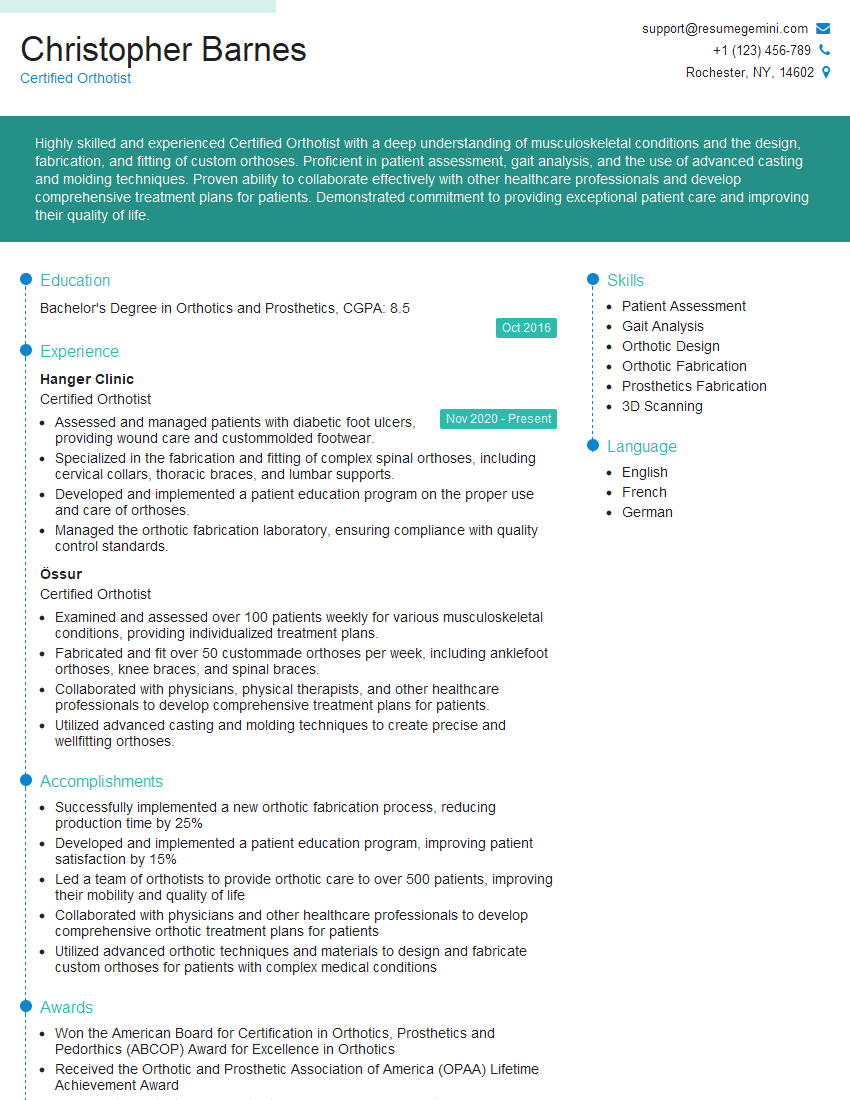
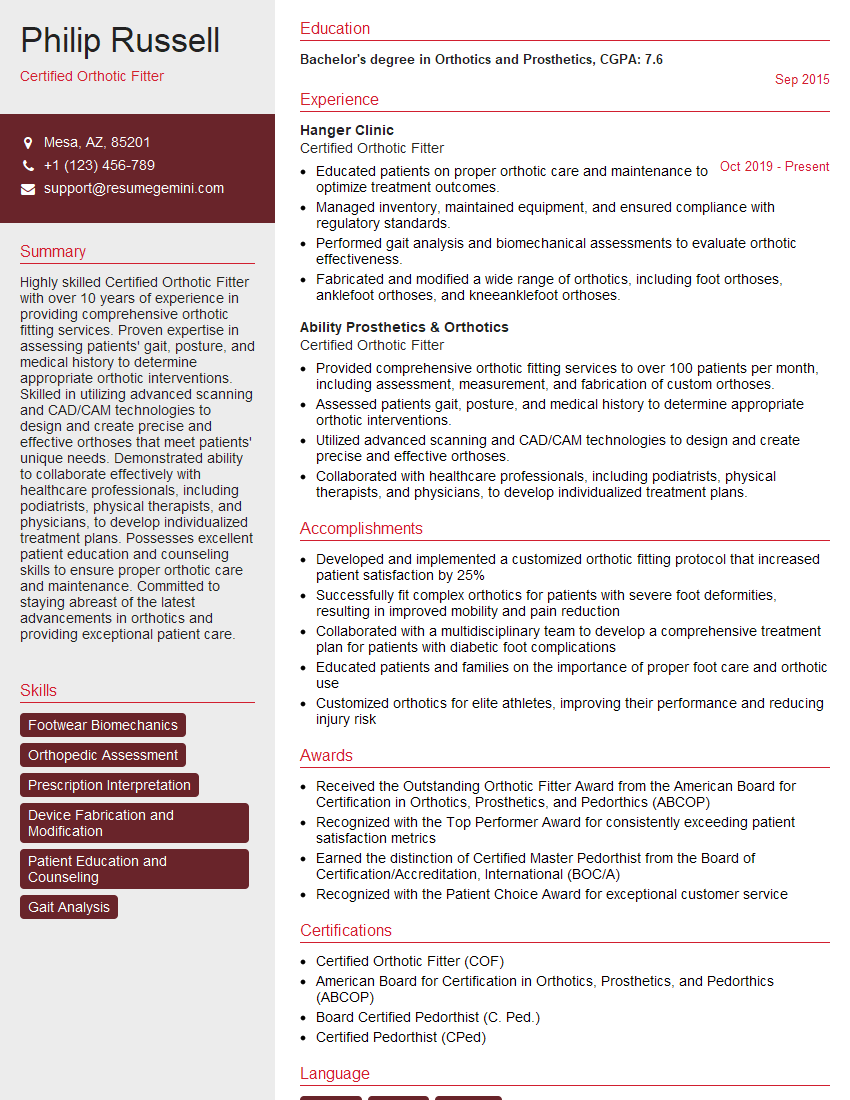
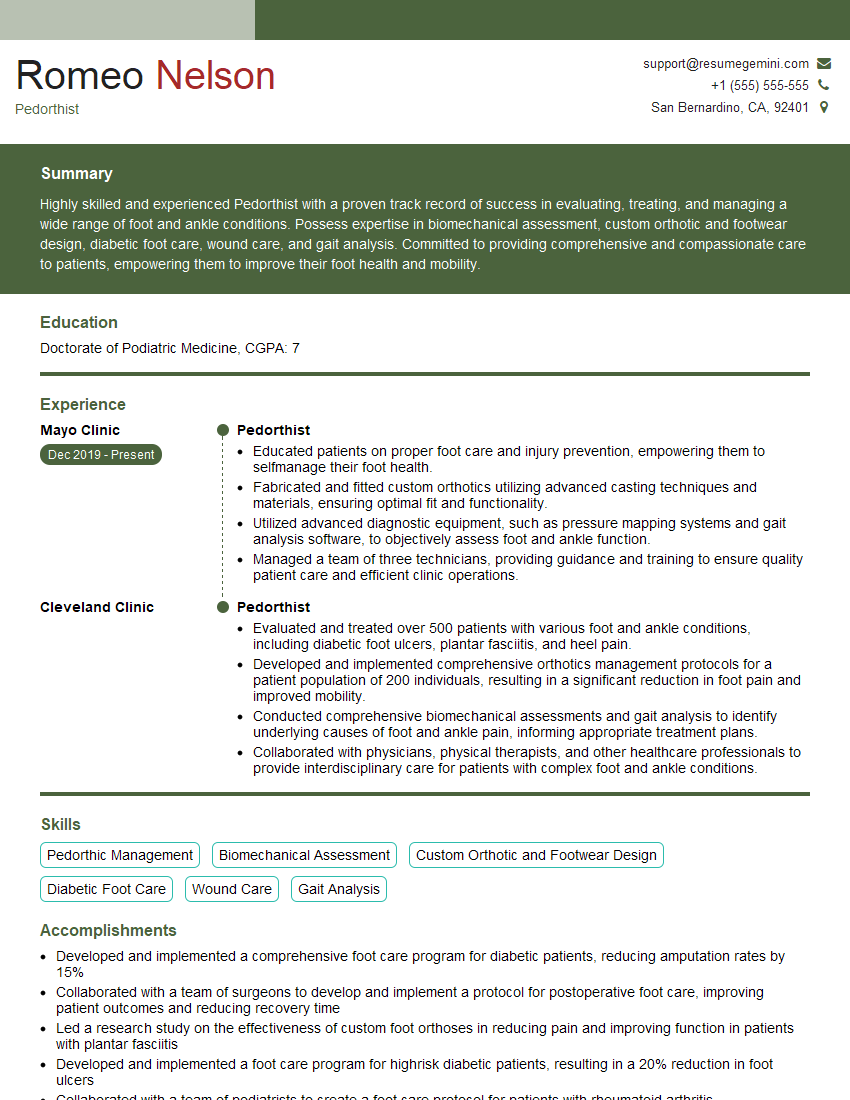
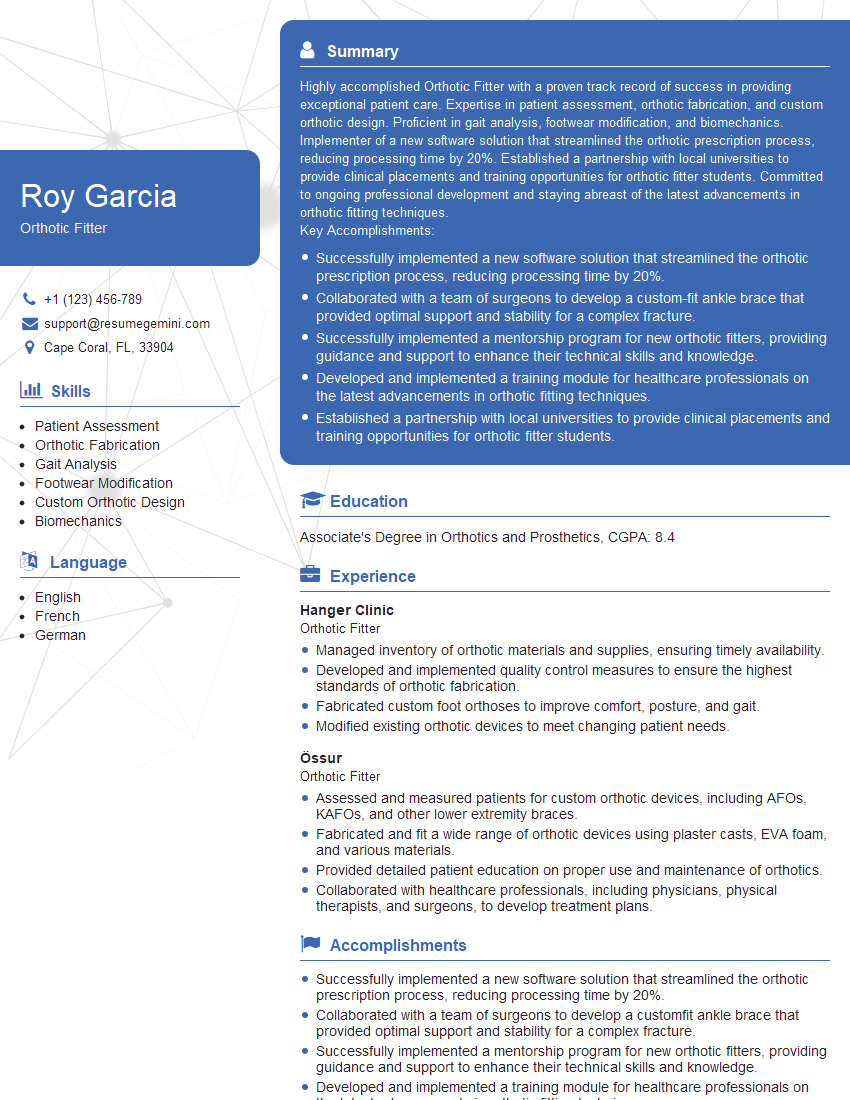
Mastering orthotic fitting opens doors to a rewarding career with opportunities for specialization and advancement. A strong resume is your key to unlocking these opportunities. Creating an ATS-friendly resume that highlights your skills and experience is essential for getting your application noticed. ResumeGemini is a trusted resource that can help you build a professional and impactful resume. Examples of resumes tailored specifically to Orthotic Fitting are available to guide you, ensuring your qualifications shine through. Take the next step towards your dream career – invest in your resume today!
Explore more articles
Users Rating of Our Blogs
Share Your Experience
We value your feedback! Please rate our content and share your thoughts (optional).
What Readers Say About Our Blog
Very informative content, great job.
good