Interviews are more than just a Q&A session—they’re a chance to prove your worth. This blog dives into essential Failure Analysis and Reporting interview questions and expert tips to help you align your answers with what hiring managers are looking for. Start preparing to shine!
Questions Asked in Failure Analysis and Reporting Interview
Q 1. Describe your experience with various failure analysis techniques (e.g., microscopy, chemical analysis, mechanical testing).
My experience with failure analysis techniques is extensive, encompassing a wide range of methods. I’m proficient in various microscopy techniques, including optical microscopy (for initial visual inspection and surface morphology), scanning electron microscopy (SEM) with energy-dispersive X-ray spectroscopy (EDS) for elemental analysis and high-resolution imaging, and transmission electron microscopy (TEM) for detailed microstructural analysis. Chemical analysis forms a significant part of my workflow. I’m experienced in techniques like X-ray diffraction (XRD) for phase identification, inductively coupled plasma mass spectrometry (ICP-MS) for trace element analysis, and gas chromatography-mass spectrometry (GC-MS) for analyzing volatile organic compounds. Furthermore, I regularly employ mechanical testing methods like tensile testing, hardness testing, and fatigue testing to assess the mechanical properties of materials and determine the failure mechanisms.
For instance, in analyzing the failure of a turbine blade, I’d initially use optical microscopy to identify macroscopic cracks. Then, I would use SEM/EDS to examine the crack surfaces at a higher magnification, determining the presence of any inclusions or corrosion products. Finally, tensile testing of the material would help establish if the failure was due to fatigue or exceeded yield strength. This multi-faceted approach allows for a complete and accurate understanding of the failure root cause.
Q 2. Explain the difference between root cause analysis and failure analysis.
While both root cause analysis (RCA) and failure analysis (FA) investigate problems, they differ in scope and objective. Failure analysis focuses on understanding why a component or system failed, often involving detailed material characterization and testing. It identifies the failure mode and mechanism. Root cause analysis, on the other hand, goes a step further; it seeks to identify the underlying reason for the failure – the fundamental cause that initiated the chain of events leading to failure. Think of it this way: FA is like a forensic investigation, meticulously documenting the scene of the crime; RCA is like solving the case, tracing back to the perpetrator. For example, FA might determine a component failed due to fatigue cracking. RCA would then delve deeper to understand why the component experienced excessive fatigue loading (e.g., improper design, operational overload, manufacturing defect).
Q 3. How do you prioritize multiple failure investigations simultaneously?
Prioritizing multiple failure investigations requires a structured approach. I typically use a risk-based prioritization matrix considering factors like: 1) Safety risk: Failures posing immediate safety hazards take precedence. 2) Financial impact: High-cost failures or those affecting critical operations are prioritized. 3) Urgency: Failures demanding quick resolution to resume operations are prioritized over those with less immediate consequences. 4) Complexity: Highly complex investigations requiring extensive resources may be strategically scheduled. I document all active investigations and regularly review the priority matrix to adjust based on new information or changing circumstances. This involves clear communication with stakeholders to ensure alignment on priorities.
Q 4. What are the key steps involved in a typical failure analysis workflow?
A typical failure analysis workflow generally follows these key steps:
- Initial Assessment and Information Gathering: This involves collecting all available information about the failed component or system, including operational history, environmental conditions, and any eyewitness accounts.
- Visual Inspection and Non-Destructive Testing (NDT): A thorough visual inspection is conducted, followed by NDT methods such as X-ray inspection, ultrasonic testing, or liquid penetrant testing to identify internal flaws or damage without destroying the sample.
- Sample Preparation and Sectioning: Representative samples are carefully prepared for detailed analysis, often requiring sectioning and polishing to expose internal features.
- Microscopic Examination: Different microscopy techniques are employed (as described in answer 1) to analyze the microstructure and identify failure mechanisms.
- Chemical and Mechanical Analysis: Chemical analysis (as described in answer 1) and various mechanical tests are conducted to determine material properties and failure characteristics.
- Data Analysis and Interpretation: The results from all the analyses are carefully interpreted to understand the failure mode and mechanism. Statistical analysis might be applied to determine the probability of failure or to identify trends.
- Root Cause Determination and Reporting: The root cause of the failure is identified, and a comprehensive report is prepared, detailing findings, conclusions, and recommendations to prevent future occurrences.
Q 5. Describe a situation where you had to troubleshoot a complex failure mode.
I once investigated the intermittent failure of a high-speed centrifuge. Initial inspections revealed no obvious damage. However, through a combination of vibration analysis, thermal imaging, and detailed microscopic examination of the motor bearings, we discovered microscopic fatigue cracks initiating at the edge of the inner raceway due to a resonance effect at a specific operating speed. This resonance was exacerbated by an unforeseen manufacturing tolerance in the shaft assembly, causing the observed intermittent failures. The solution involved redesigning the shaft assembly to minimize the resonance frequency and implement stricter manufacturing tolerances. This case highlighted the importance of considering the entire system and not focusing solely on individual components.
Q 6. How familiar are you with statistical analysis methods in failure analysis?
I am very familiar with statistical analysis methods in failure analysis. I regularly use techniques such as Weibull analysis to model failure rates and predict the lifetime of components. I also apply statistical process control (SPC) methods to monitor manufacturing processes and identify potential sources of variation that could lead to failure. Furthermore, I use ANOVA (Analysis of Variance) and regression analysis to identify relationships between different factors and failure probability. Understanding statistical methods is critical for drawing meaningful conclusions from failure data and for ensuring that the results of the analysis are statistically sound and reliable.
Q 7. Explain your experience with different types of failure modes (e.g., fatigue, corrosion, creep).
My experience encompasses a broad range of failure modes. I’ve investigated fatigue failures in numerous applications, from micro-cracks in integrated circuits to stress corrosion cracking in pipelines. I’m well-versed in identifying the characteristic features of fatigue, such as crack propagation, beach marks, and striations. Corrosion failures, including uniform corrosion, pitting corrosion, and crevice corrosion, are another area of expertise, involving analysis techniques like electrochemical measurements and corrosion product identification. Creep failures, often found in high-temperature applications, require understanding of material behavior at elevated temperatures, and involve techniques like microscopy to identify creep damage such as grain boundary cavitation. Each failure mode demands a specialized set of analytical techniques and knowledge to ensure accurate diagnosis.
Q 8. How do you determine the appropriate level of detail in a failure report?
Determining the appropriate level of detail in a failure report is crucial for effective communication and problem-solving. It’s a balance between providing enough information for root cause identification and avoiding unnecessary complexity that could obscure key findings. The audience significantly influences this decision.
- For a technical audience (e.g., engineers, designers): A comprehensive report is needed, including detailed analysis of material properties, testing methodologies, and statistical data. Microscopic images, chemical analysis results, and finite element analysis (FEA) simulations might be included. Think of a detailed autopsy report for a complex machine.
- For a non-technical audience (e.g., management, clients): The report should focus on the key findings, the impact of the failure, and the recommended corrective actions. Technical jargon should be minimized, and visual aids like charts and diagrams can enhance understanding. Imagine summarizing the autopsy report for a grieving family – you wouldn’t overwhelm them with details.
- Regulatory requirements also dictate the level of detail. Industry standards and legal obligations often mandate specific information to be included, such as safety concerns or environmental impact assessments.
In practice, I always start with a high-level summary and then add layers of detail as needed. This iterative approach allows for a targeted report that effectively communicates the necessary information to each audience.
Q 9. Describe your experience with failure analysis software and tools.
I have extensive experience using various failure analysis software and tools, ranging from general-purpose data analysis packages to specialized simulation software. My experience includes:
- Data analysis software: I’m proficient in using statistical software such as Minitab and JMP for analyzing experimental data, identifying trends, and performing statistical tests like ANOVA and regression analysis. This helps quantify the significance of observed failures and identify potential causal factors.
- Finite Element Analysis (FEA) software: I have experience using ANSYS and Abaqus to simulate component behavior under various loading conditions. FEA allows us to predict failure modes and validate hypotheses generated during the physical investigation. For example, simulating stress concentrations around a crack can help explain a fracture event.
- Image analysis software: I regularly use software like ImageJ and Avizo to analyze microscopic images (SEM, optical microscopy) to characterize material microstructure, identify defects, and assess the extent of damage. This allows for a deeper understanding of material degradation.
- Specialized software: Depending on the failure mechanism, I may utilize specialized software for specific analyses such as corrosion modeling or fatigue life prediction.
My proficiency in these tools allows for a comprehensive and data-driven approach to failure analysis, leading to accurate and reliable conclusions.
Q 10. How do you communicate complex technical information to non-technical audiences?
Communicating complex technical information to non-technical audiences requires a strategic approach focused on clarity, simplicity, and visual aids. I use several techniques:
- Analogies and metaphors: I relate technical concepts to everyday experiences. For example, explaining a crack propagation using the analogy of a tear in fabric is more easily understood than using complex fracture mechanics terms.
- Visualizations: Charts, graphs, diagrams, and even simple sketches are incredibly powerful tools. A picture truly is worth a thousand words, especially when explaining complex data or processes.
- Storytelling: Framing the technical information within a narrative helps to make it more engaging and memorable. I start with the problem, explaining the journey of investigation and finally presenting the solution.
- Plain language: I avoid technical jargon as much as possible. If technical terms are necessary, I define them clearly and concisely.
- Interactive sessions: If possible, I prefer interactive sessions where I can answer questions and address concerns in real-time. This allows for a more personalized approach and strengthens understanding.
For instance, when presenting findings to a board of directors, I would focus on the high-level impact, cost, and solutions without overwhelming them with intricate technical details.
Q 11. What is your experience with Failure Mode and Effects Analysis (FMEA)?
Failure Mode and Effects Analysis (FMEA) is a proactive risk assessment technique used to identify potential failure modes in a system and their potential effects. My experience with FMEA involves both conducting and reviewing these analyses.
- Conducting FMEAs: I’ve participated in numerous FMEAs across diverse industries, systematically identifying potential failure modes, assessing their severity, probability of occurrence, and detectability. This includes defining actions to mitigate risks and improve the system’s reliability.
- Reviewing FMEAs: I’ve reviewed FMEAs conducted by others, ensuring completeness, accuracy, and alignment with industry best practices. This often involves identifying gaps in the analysis or suggesting improvements to risk mitigation strategies.
- Software utilization: I am familiar with using FMEA software tools to streamline the process, manage data effectively, and generate reports. This improves team collaboration and consistency.
For example, in an automotive setting, an FMEA might be used to analyze the potential failures of an airbag deployment system, evaluating factors such as sensor malfunction, gas generator issues, and deployment timing, and ultimately resulting in improvements to safety and reliability.
Q 12. Explain your familiarity with different material properties and their impact on failure.
Understanding material properties is fundamental to failure analysis. Different materials exhibit unique behaviors under stress, temperature, and environmental conditions, leading to various failure mechanisms.
- Mechanical properties: Yield strength, tensile strength, ductility, hardness, and fatigue strength significantly influence a component’s resistance to failure. For example, a brittle material like ceramic is prone to sudden fracture under stress, while a ductile material like steel might deform plastically before failing.
- Thermal properties: Thermal expansion coefficients, thermal conductivity, and melting points impact the material’s response to temperature changes. Excessive thermal cycling can lead to thermal fatigue and cracking.
- Chemical properties: Corrosion resistance, oxidation behavior, and susceptibility to chemical attack are crucial considerations, particularly in harsh environments. Corrosion can weaken materials, ultimately causing structural failure.
- Microstructure: The microstructure (grain size, grain boundaries, precipitates) significantly impacts the material’s mechanical properties and its susceptibility to various failure mechanisms. For example, a fine-grained material generally exhibits better strength and toughness compared to a coarse-grained material.
In practice, I use material data sheets, conduct material characterization tests (e.g., tensile testing, hardness testing), and analyze microstructures to understand the role of material properties in a given failure.
Q 13. Describe your approach to determining the cause of a recurring failure.
Investigating recurring failures requires a systematic and thorough approach beyond the analysis of a single failed component. It requires a broader investigation encompassing multiple perspectives.
- Data Collection: I gather data from multiple sources: failure reports from the field, maintenance logs, design specifications, manufacturing processes, and environmental conditions. The more information collected, the better the understanding of the system and potential failure causes.
- Statistical Analysis: I perform statistical analysis to identify trends and patterns among failed components. This helps determine whether the failures are random or systematic. For instance, tracking failure rates over time can reveal periodic trends related to environmental or operational factors.
- Design Review: I evaluate the design for potential weaknesses and vulnerabilities. Stress analysis, finite element analysis, and other computational techniques may be employed to identify stress concentrations or design flaws that could lead to recurring failures.
- Manufacturing Process Review: I analyze the manufacturing process for defects or inconsistencies that may contribute to failure. This could involve reviewing quality control records, inspecting manufacturing equipment, and observing the production process.
- Environmental Factors: I assess whether environmental factors (temperature, humidity, vibration) contribute to the recurring failures. For example, if a component fails repeatedly in a specific climate, environmental testing may be necessary to replicate the conditions and understand the failure mechanism.
A recurring failure, unlike an isolated incident, demands a broader and more systemic investigation to identify root causes beyond immediate surface-level observations. It necessitates a well-defined plan including data collection from multiple sources, rigorous analysis, and systemic design or manufacturing process review.
Q 14. How do you use experimental data to validate failure mechanisms?
Experimental data is crucial for validating failure mechanisms hypothesized during a failure analysis. The process typically involves several steps:
- Hypothesis Formulation: Based on the initial investigation (visual inspection, material characterization, etc.), a hypothesis regarding the failure mechanism is formulated.
- Experimental Design: An experiment is carefully designed to test the hypothesis. This involves selecting appropriate materials, loading conditions, and environmental parameters to replicate the conditions leading to failure.
- Data Acquisition: Data is collected during the experiment using relevant measurement techniques. This could include force measurements, displacement measurements, temperature readings, and microscopic observations.
- Data Analysis: The collected data is analyzed to evaluate the validity of the hypothesis. Statistical analysis is often used to determine the significance of the results and quantify uncertainties.
- Model Refinement: If the experimental results don’t fully support the initial hypothesis, the model is refined to better explain the observations.
For example, if a hypothesis suggests that fatigue cracking is responsible for a component’s failure, a fatigue test would be conducted. The test results (e.g., fatigue life, crack propagation rate) would be compared with the observed failure in the field to validate the hypothesis.
Experimental validation is a crucial step in ensuring the accuracy and reliability of the failure analysis and subsequent recommendations for corrective actions. It moves the analysis beyond simple observation and towards a data-driven, scientifically rigorous conclusion.
Q 15. Explain your understanding of reliability metrics (e.g., MTBF, FIT).
Reliability metrics are crucial for understanding and predicting the lifespan and performance of a product or system. Two key metrics are Mean Time Between Failures (MTBF) and Failures In Time (FIT).
MTBF: This represents the average time a device operates before failure. A higher MTBF indicates greater reliability. For example, if a server has an MTBF of 50,000 hours, it’s expected to run for 50,000 hours on average before experiencing a failure. This metric is commonly used for systems with relatively infrequent failures.
FIT: This metric represents the number of failures expected in one billion hours of operation. A lower FIT rate signifies higher reliability. For instance, a component with a FIT rate of 100 means it’s expected to fail 100 times for every billion hours of operation. FIT is frequently used for components with high reliability and a lower failure rate, making it suitable for electronics.
Understanding these metrics allows for informed decisions on design improvements, maintenance scheduling, and warranty planning. They provide a quantifiable way to compare the reliability of different products or systems.
Career Expert Tips:
- Ace those interviews! Prepare effectively by reviewing the Top 50 Most Common Interview Questions on ResumeGemini.
- Navigate your job search with confidence! Explore a wide range of Career Tips on ResumeGemini. Learn about common challenges and recommendations to overcome them.
- Craft the perfect resume! Master the Art of Resume Writing with ResumeGemini’s guide. Showcase your unique qualifications and achievements effectively.
- Don’t miss out on holiday savings! Build your dream resume with ResumeGemini’s ATS optimized templates.
Q 16. How do you manage the time constraints and pressure associated with failure analysis projects?
Time constraints are a constant challenge in failure analysis. My approach involves a structured methodology that prioritizes efficiency without compromising accuracy. I begin by clearly defining the scope of the analysis, identifying critical failure areas, and establishing realistic timelines in collaboration with stakeholders. This often involves creating a detailed project plan with clearly defined milestones and tasks.
When faced with urgent deadlines, I leverage advanced analytical techniques and efficient workflows, sometimes employing parallel testing where appropriate. This might mean utilizing accelerated testing methods to quickly determine potential failure modes or focusing initial analysis on the most likely failure areas identified through preliminary inspection. Effective communication with the team and stakeholders is vital to ensure everyone is aligned with the project’s progress and any necessary adjustments to the timeline.
For example, I once faced a critical situation where a major manufacturing plant had experienced a complete production line shutdown. By prioritizing the most impactful analysis methods and working extended hours with the team, we pinpointed the root cause within 48 hours, enabling a much faster return to full operation and minimizing financial losses.
Q 17. How do you handle situations where the root cause of a failure is inconclusive?
Inconclusive root cause analysis is a reality in some cases. My approach involves acknowledging the limitations of the investigation and documenting all findings, including uncertainties. This includes clearly stating what’s known, what’s unknown, and what further steps might be taken to improve understanding. It’s crucial to differentiate between a lack of conclusive evidence and a lack of effort in the investigation.
I document all data meticulously, including initial observations, test results, and any potential contributing factors. This comprehensive record may later aid in identifying patterns or clues when new information becomes available. I also consider the economic implications of further investigation – sometimes, the cost of continued analysis outweighs the benefits of a complete root cause determination. A well-documented report with a reasoned explanation of the inconclusive findings is more valuable than a speculative conclusion.
In such cases, we might propose implementing interim solutions to mitigate the risk of recurrence pending further investigation. This could involve modifications to operational procedures, preventative maintenance, or design changes based on observed trends.
Q 18. Describe your experience with the use of various analytical equipment (SEM, EDS, etc.)
My experience encompasses a wide range of analytical equipment crucial for failure analysis. I’m proficient in operating and interpreting data from Scanning Electron Microscopes (SEMs) and Energy Dispersive X-ray Spectroscopy (EDS) systems. SEMs provide high-resolution images of material surfaces and cross-sections, revealing microstructural features relevant to understanding failure mechanisms. EDS, coupled with SEM, allows for elemental analysis, identifying material compositions and the presence of contaminants or inclusions that might contribute to failure.
I’ve also worked extensively with other techniques including optical microscopy, X-ray diffraction (XRD) for phase identification, and various mechanical testing equipment to evaluate material properties such as tensile strength and hardness. The selection of appropriate analytical tools depends on the specific failure mode and the nature of the materials under investigation. Data interpretation is just as important as the testing itself, and I have substantial experience in analyzing and integrating data from multiple sources to arrive at a comprehensive conclusion.
For instance, in one case, an SEM coupled with EDS analysis helped to identify minute cracks in a solder joint caused by the presence of a corrosive element, leading to the identification of a contamination issue in the manufacturing process.
Q 19. How do you document your findings and create comprehensive failure reports?
Comprehensive documentation is paramount in failure analysis. My reports follow a standardized format including a detailed description of the failed component, the observed failure mode, the methodology employed in the analysis, and a presentation of all collected data including tables, graphs, and images. The report culminates in a conclusion outlining the determined root cause(s) of failure and recommendations for corrective actions.
I utilize a structured approach ensuring consistency and clarity. This typically includes:
- Executive Summary: A brief overview of the failure and key findings.
- Failure Description: Detailed description of the failure, including symptoms, operational history, and environmental conditions.
- Methodology: Explanation of the analytical techniques used and their limitations.
- Results: Presentation of all collected data, images, and test results.
- Root Cause Analysis: Detailed explanation of the determined root cause(s).
- Recommendations: Proposed corrective actions to prevent future occurrences.
Using a consistent format ensures that reports are easily understood and actionable by a range of stakeholders, from engineering teams to management.
Q 20. What is your experience with design reviews and their role in preventing failures?
Design reviews play a pivotal role in preventing failures by proactively identifying potential weaknesses before they manifest in the field. My experience shows that effective design reviews involve a multidisciplinary team scrutinizing design specifications, material choices, manufacturing processes, and potential failure modes.
I actively participate in these reviews, contributing my failure analysis expertise to anticipate potential problems and suggest design improvements. This includes analyzing potential stress points, evaluating component tolerances, and considering environmental factors that could compromise product reliability. By proactively addressing these concerns during the design phase, significant cost and time savings can be achieved by preventing field failures.
For example, in a recent review, my input on material selection helped to identify a potential fatigue issue in a critical component. The chosen material, while cost-effective, lacked the necessary fatigue strength for the intended application. The design was successfully modified, preventing potential failures and costly recalls in the future.
Q 21. Explain the use of Weibull analysis in reliability assessment.
Weibull analysis is a powerful statistical method used in reliability engineering to model the time-to-failure distribution of components or systems. It helps in determining the probability of failure over time and identifying the underlying failure mechanisms. The Weibull distribution is versatile, capable of representing various failure patterns, from early failures (infant mortality) to wear-out failures.
The analysis involves fitting a Weibull distribution to observed failure data, which yields key parameters:
- Shape parameter (β): Indicates the failure pattern. A β < 1 suggests infant mortality, β = 1 indicates a constant failure rate (exponential distribution), and β > 1 signifies wear-out.
- Scale parameter (η): Represents the characteristic life, the time at which 63.2% of the population would have failed.
By analyzing these parameters, we can estimate the reliability of a system, predict future failures, and inform decisions regarding maintenance and replacement strategies. For instance, a Weibull analysis might reveal a high infant mortality rate in a new product line, suggesting improvements to the manufacturing process or burn-in testing procedures are needed.
Software packages and statistical tools are typically used for fitting the Weibull distribution to data. The results are often visually represented through Weibull plots, providing a clear picture of the reliability characteristics of the component or system in question.
Q 22. How would you approach the failure analysis of a complex electronic system?
Analyzing a complex electronic system failure requires a systematic and multi-disciplinary approach. It’s like investigating a crime scene – we need to gather evidence, reconstruct the events, and identify the root cause. I begin with a thorough understanding of the system’s architecture, its operational environment, and the circumstances leading to the failure. This often involves reviewing schematics, datasheets, operating procedures, and maintenance logs.
Next, I employ a structured methodology, often following a fault tree analysis or a fishbone diagram to systematically explore potential failure modes. This helps to prioritize investigations. For instance, if a server cluster crashes, I’d first check for obvious issues like power supply failures or network connectivity problems before delving into more intricate software or hardware malfunctions.
Visual inspection is crucial, followed by non-destructive tests like X-ray imaging to identify internal defects, and potentially destructive tests if needed, such as cross-sectioning of components to examine internal structures. Each test informs the next step, refining the investigation until the root cause is identified. The entire process is meticulously documented, ensuring reproducibility and transparency. Finally, the findings are presented in a comprehensive report that includes the root cause, contributing factors, and recommendations for corrective actions.
Q 23. What is your experience with different types of testing (destructive and non-destructive)?
My experience spans a wide range of destructive and non-destructive testing methods. Non-destructive techniques are preferred whenever possible to preserve the device for further analysis or legal reasons. These include visual inspection (using microscopes), X-ray inspection (to see internal components), infrared thermography (to detect hotspots indicating thermal failures), and electrical testing (to measure voltage, current, and resistance).
Destructive methods are employed when non-destructive tests fail to provide sufficient information or when the investigation requires detailed internal analysis. These methods might involve cross-sectioning components to examine internal structures, chemical analysis to identify material degradation, and focused ion beam (FIB) milling to create precise cross-sections for microscopic analysis. For example, in analyzing a failed integrated circuit, I might use FIB to carefully remove layers and expose internal wiring to pinpoint a short circuit.
The choice of test method depends greatly on the specific device, suspected failure mechanism, and available resources. The objective is always to obtain the most comprehensive and reliable data while minimizing the damage to the device, if possible.
Q 24. Explain your understanding of the importance of safety in failure analysis.
Safety is paramount in failure analysis. Handling potentially hazardous materials and devices requires rigorous adherence to safety protocols and regulations. This includes understanding material safety data sheets (MSDS), using appropriate personal protective equipment (PPE) such as gloves, safety glasses, and lab coats, and working in a properly equipped laboratory. For instance, handling lithium-ion batteries requires special care due to the risk of fire or explosion.
The safety procedures extend beyond personal safety to encompass environmental protection. Proper disposal of hazardous materials, like lead-containing solders or other toxic chemicals is crucial. My approach always prioritizes a safe work environment and strict adherence to all applicable safety regulations. This is not just a matter of compliance; it’s a commitment to personal and environmental responsibility.
Q 25. How familiar are you with industry standards and regulations related to failure analysis?
I’m familiar with a variety of industry standards and regulations related to failure analysis, including those related to specific industries like automotive, aerospace, and medical devices. This includes standards from organizations such as IPC (Association Connecting Electronics Industries), IEEE (Institute of Electrical and Electronics Engineers), and ISO (International Organization for Standardization).
Understanding these standards is crucial because they define best practices, quality control procedures, and reporting formats. For example, in the automotive industry, failure analysis must adhere to specific standards concerning reporting methodology and the depth of the investigation, especially for safety-critical components. Adherence to these standards ensures that the analysis is thorough, repeatable, and legally defensible.
Q 26. Describe your experience with developing corrective actions to prevent future failures.
Developing effective corrective actions is a critical aspect of failure analysis. Once the root cause of a failure is identified, the next step involves proposing and implementing solutions to prevent recurrence. This often involves collaborating with design engineers, manufacturing personnel, and other stakeholders.
Corrective actions can range from simple design modifications, such as changing a component with a higher reliability rating, to significant process improvements in manufacturing or quality control. For example, if a field failure analysis reveals a weakness in a solder joint, the corrective action might involve a redesign of the PCB layout, a change in soldering process parameters, or an improved inspection method.
After implementing the corrective action, it’s crucial to verify its effectiveness through retesting and validation. The goal isn’t just to fix the immediate problem but to prevent similar failures in the future.
Q 27. How do you stay up-to-date with advancements in failure analysis techniques and technologies?
Staying current in the field of failure analysis requires ongoing professional development. I actively participate in industry conferences, workshops, and training courses to learn about the latest techniques and technologies. I regularly read peer-reviewed journals and technical publications, focusing on advancements in areas such as microscopy, materials science, and data analytics.
Additionally, I actively participate in professional organizations and online communities related to failure analysis, engaging in discussions and knowledge sharing with experts in the field. This continuous learning ensures that I remain at the forefront of advancements and can apply the best methods and technologies to each investigation.
Key Topics to Learn for Failure Analysis and Reporting Interview
- Root Cause Analysis Techniques: Understanding and applying methods like 5 Whys, Fishbone diagrams, and Fault Tree Analysis to effectively pinpoint the root cause of failures.
- Failure Modes and Effects Analysis (FMEA): Proficiently conducting FMEAs to proactively identify potential failure modes and mitigate risks before they occur. Practical application includes experience with different FMEA methodologies and software.
- Material Characterization and Testing: Familiarity with various material testing techniques (e.g., tensile testing, microscopy, chemical analysis) used to understand material properties and failure mechanisms. This includes interpreting test results and drawing relevant conclusions.
- Data Analysis and Interpretation: Demonstrating skills in statistical analysis, data visualization, and report writing to effectively communicate findings from failure analysis investigations.
- Report Writing and Communication: Crafting clear, concise, and professional reports that effectively communicate technical findings to both technical and non-technical audiences. This includes experience with different reporting formats and presentation techniques.
- Specific Industry Standards and Regulations: Knowledge of relevant industry standards and regulations (e.g., ISO 9001, AS9100) impacting failure analysis and reporting within your specific field.
- Problem-Solving and Critical Thinking: Demonstrating a structured approach to problem-solving, including the ability to analyze complex situations, identify potential solutions, and make sound recommendations.
- Software and Tools: Familiarity with relevant software and tools used in failure analysis (e.g., statistical software packages, CAD software, data analysis platforms).
Next Steps
Mastering Failure Analysis and Reporting is crucial for career advancement in many high-tech industries. It showcases your ability to solve complex problems, think critically, and communicate effectively – all highly valued skills. To maximize your job prospects, creating a strong, ATS-friendly resume is essential. ResumeGemini is a trusted resource to help you build a professional and impactful resume that highlights your skills and experience. Examples of resumes tailored to Failure Analysis and Reporting are provided to guide you through the process. Take the next step and craft a resume that truly showcases your potential.
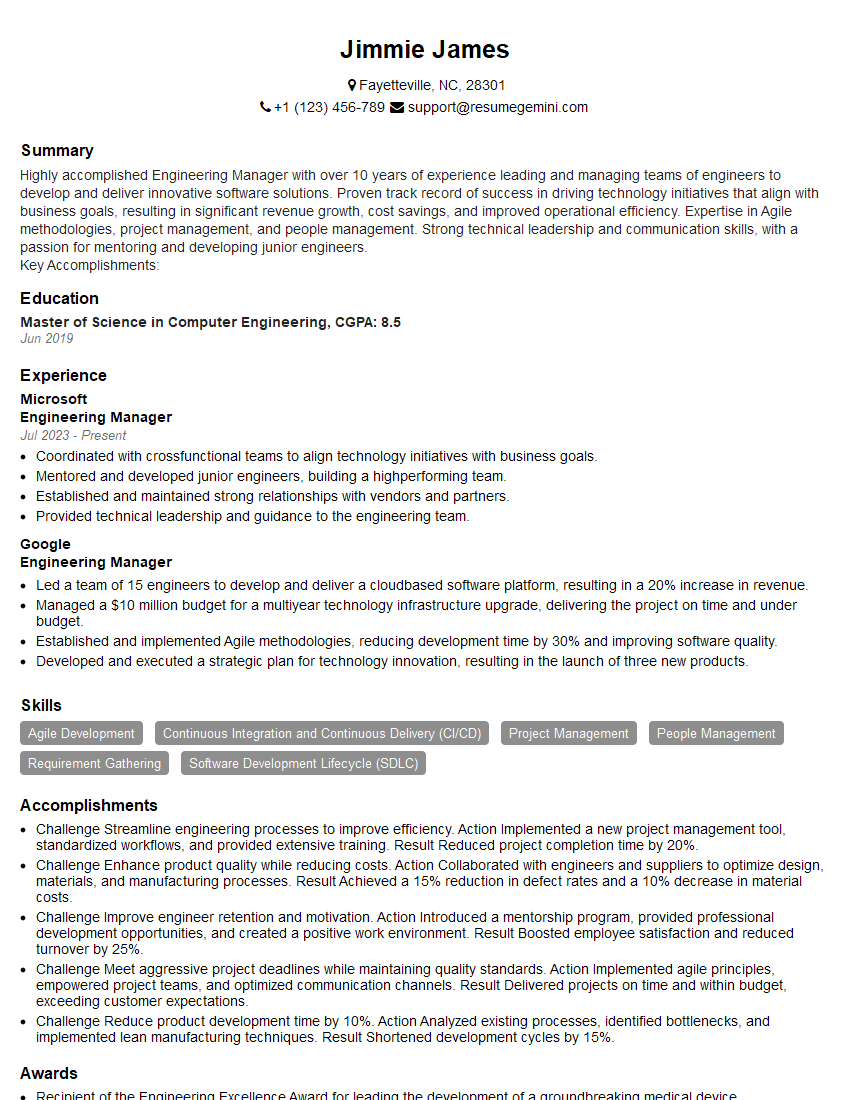
Engineering Manager Resume Sample
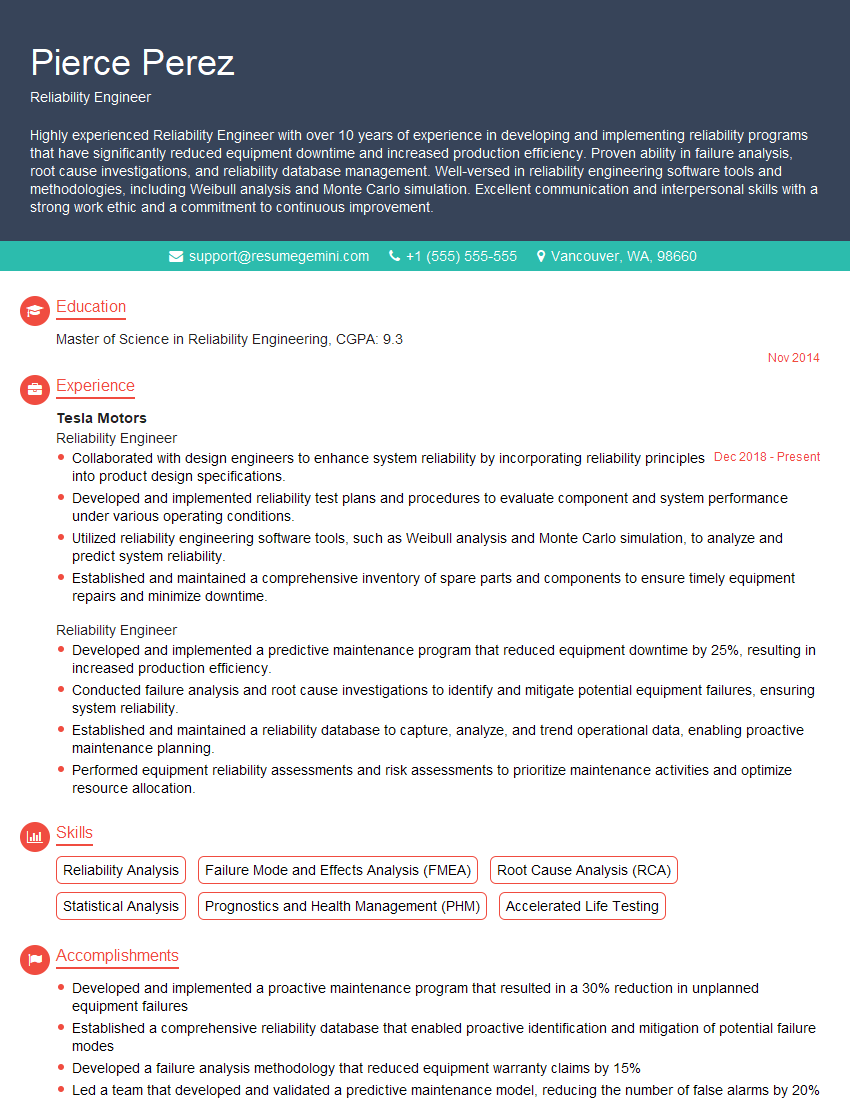
Reliability Engineer Resume Sample
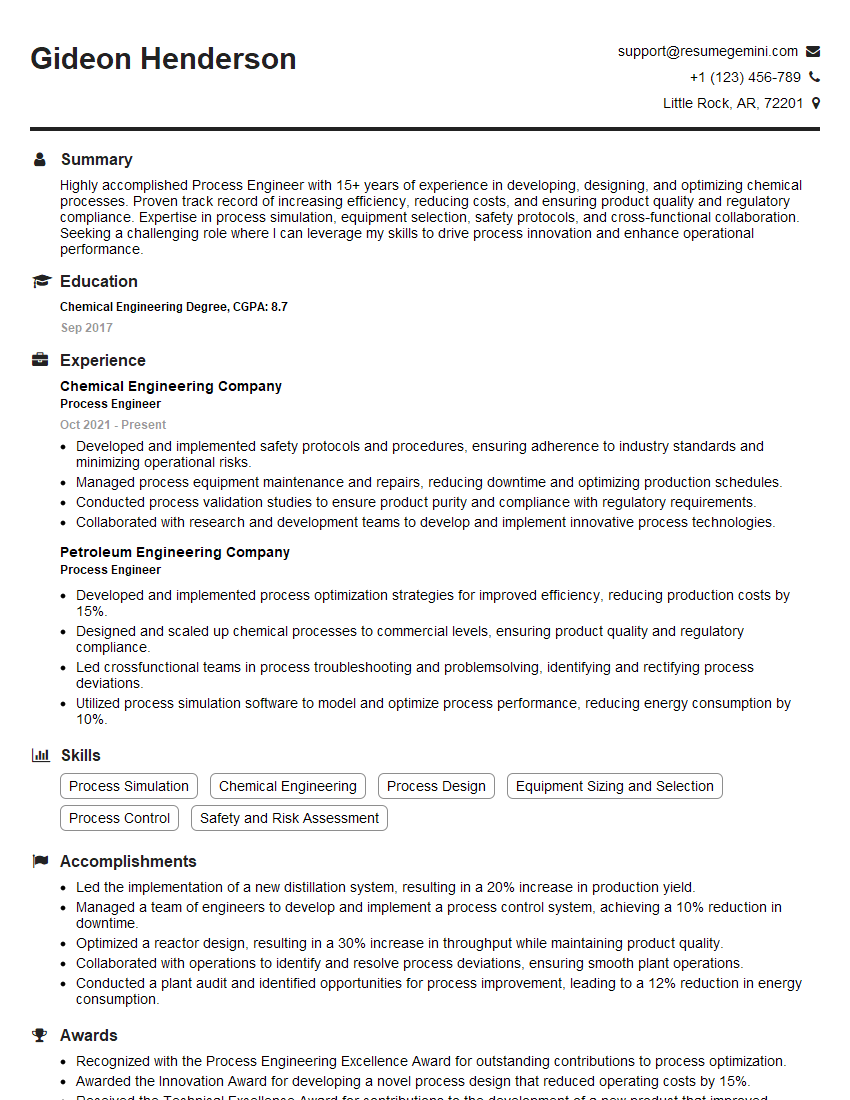
Process Engineer Resume Sample
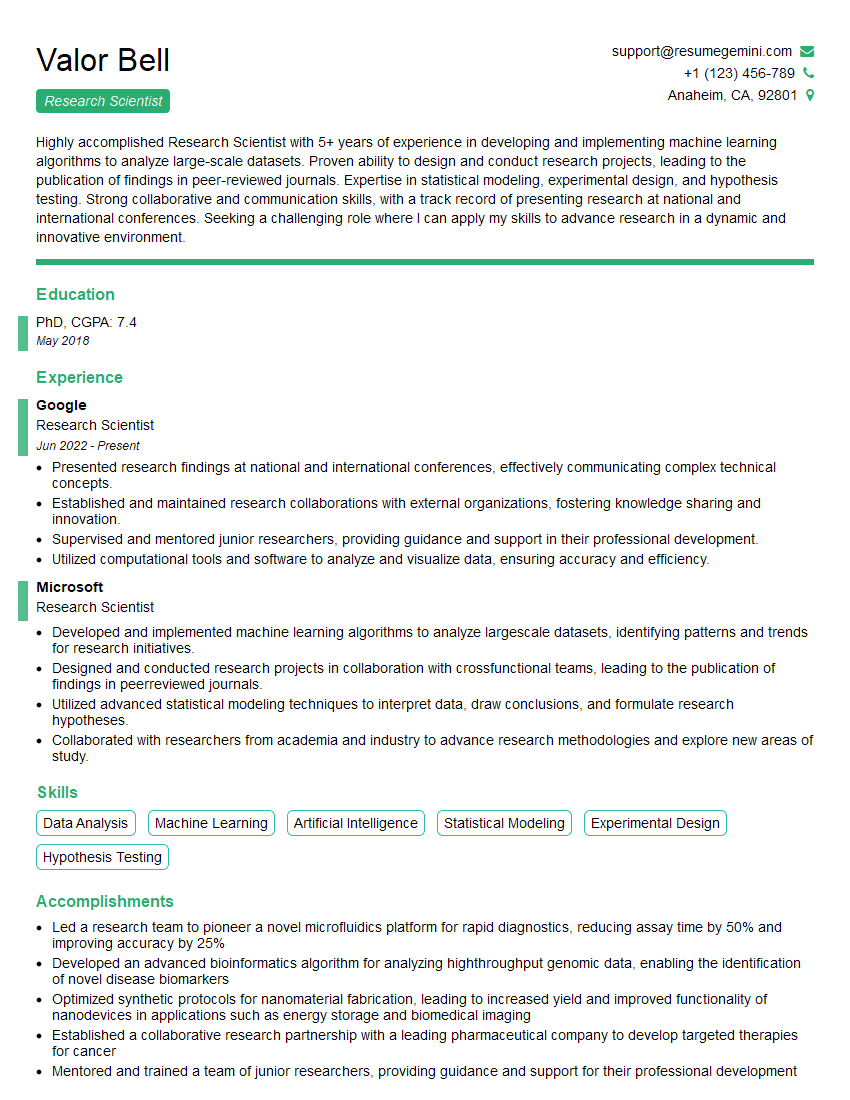
Research Scientist Resume Sample
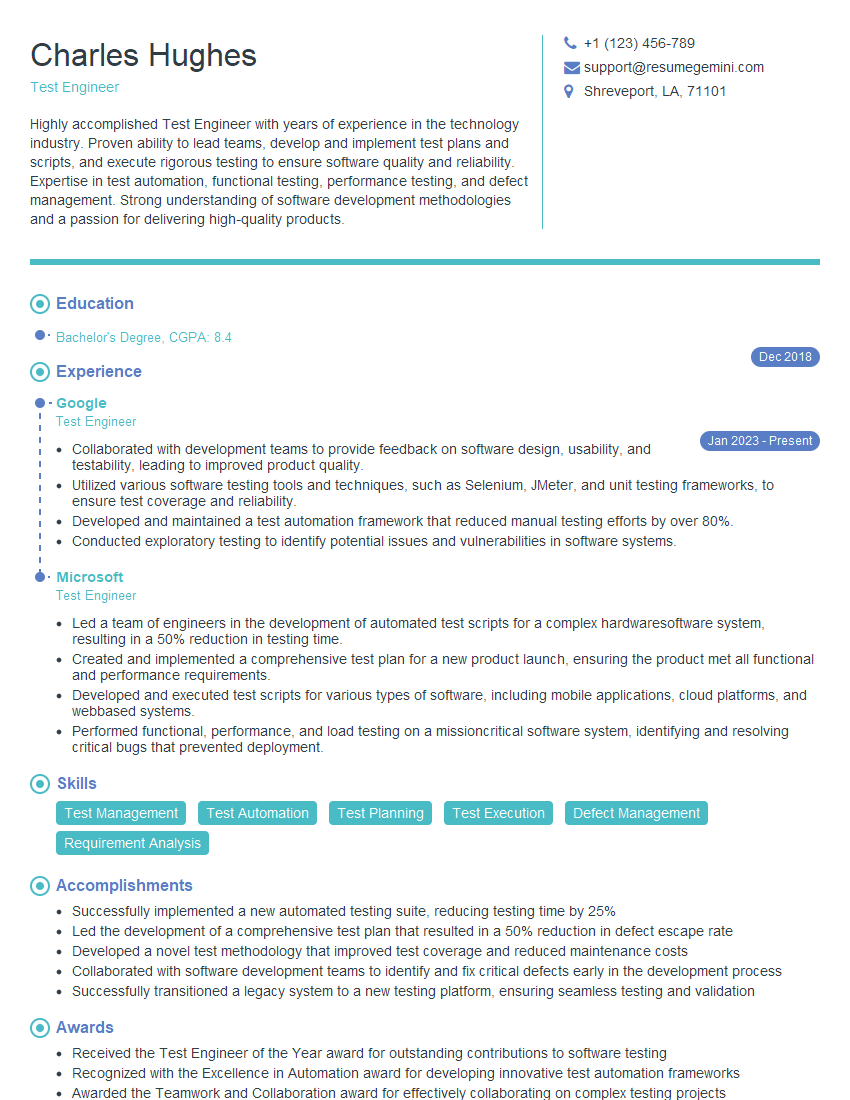
Test Engineer Resume Sample
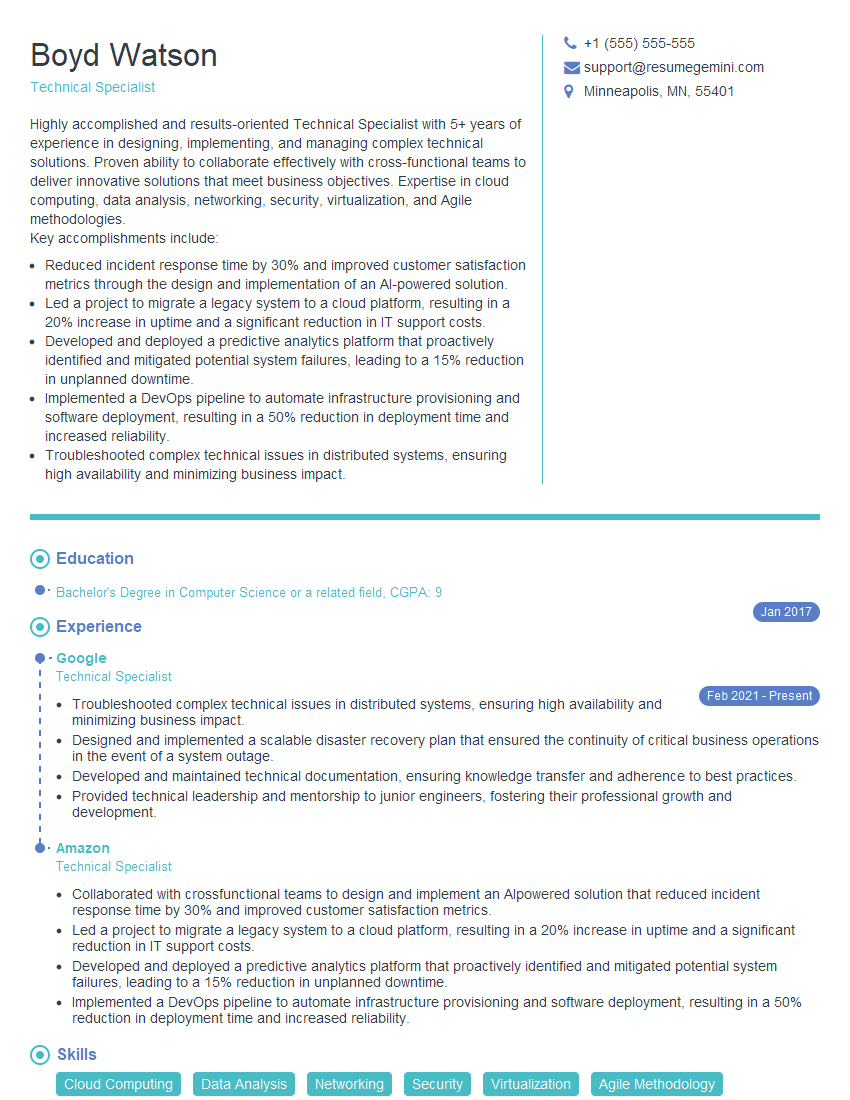
Technical Specialist Resume Sample
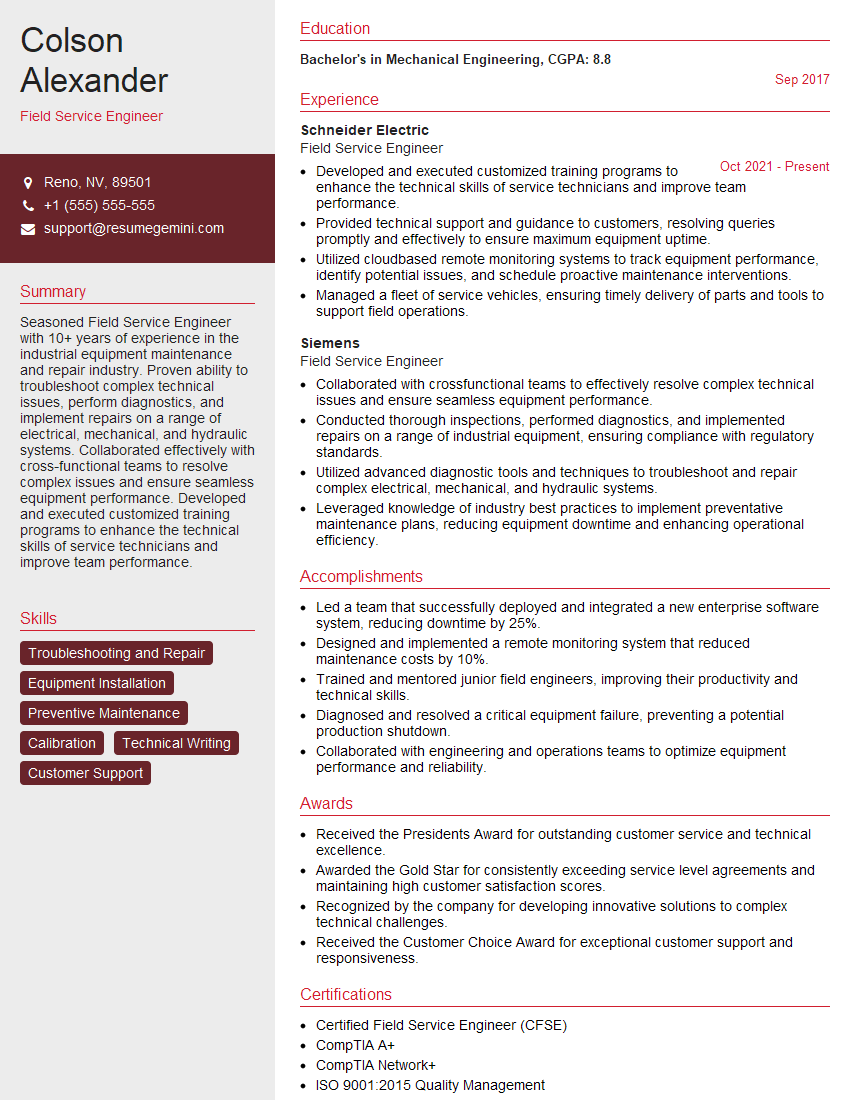
Field Service Engineer Resume Sample
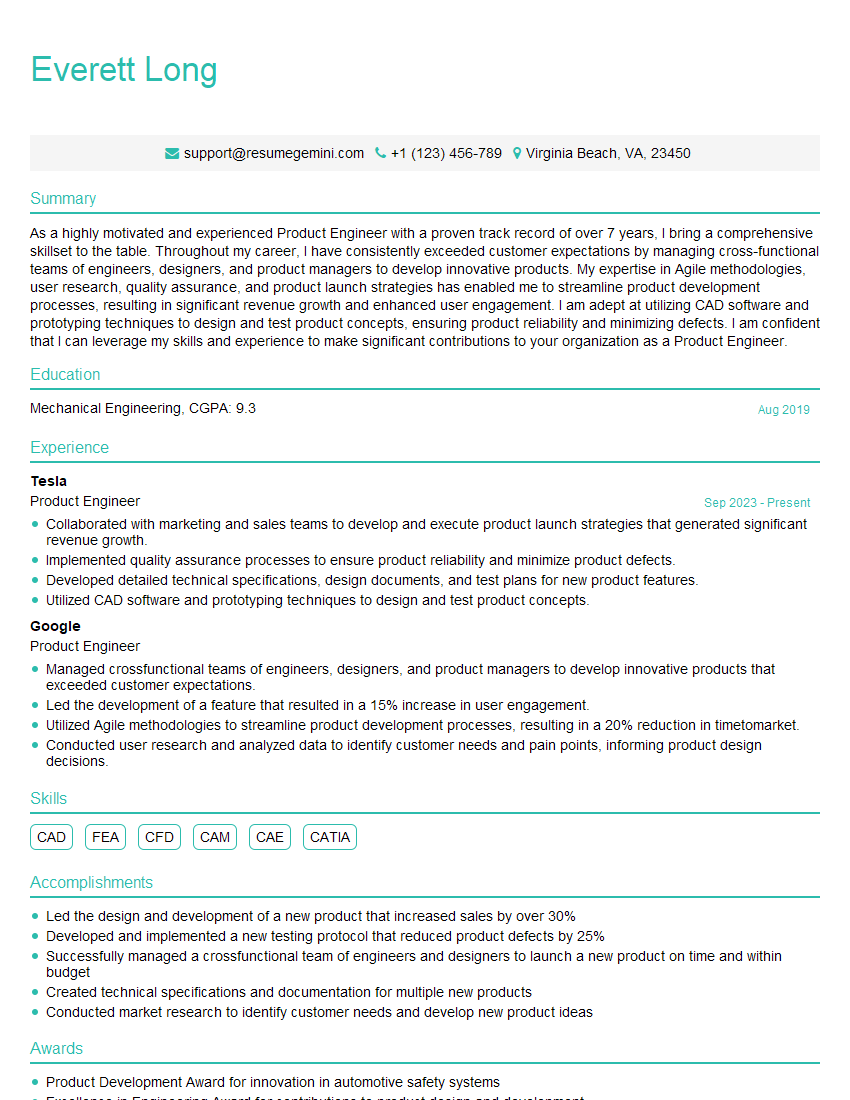
Product Engineer Resume Sample
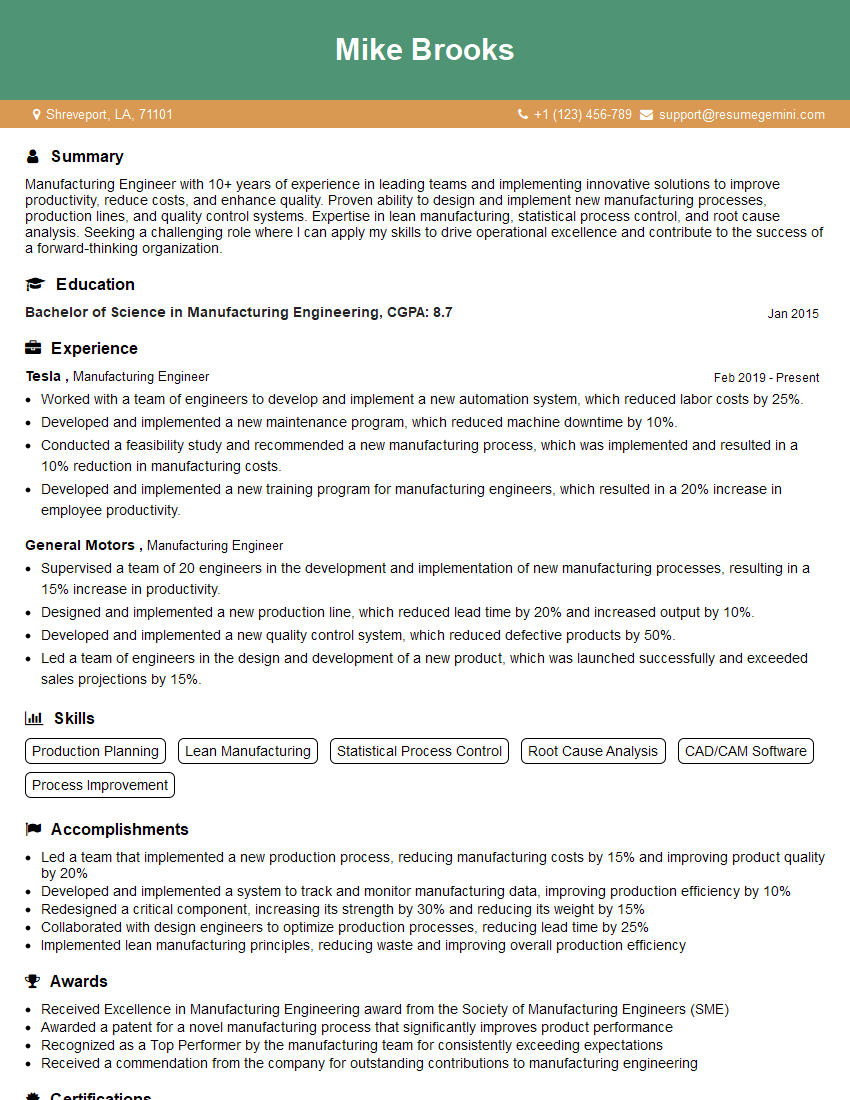
Manufacturing Engineer Resume Sample
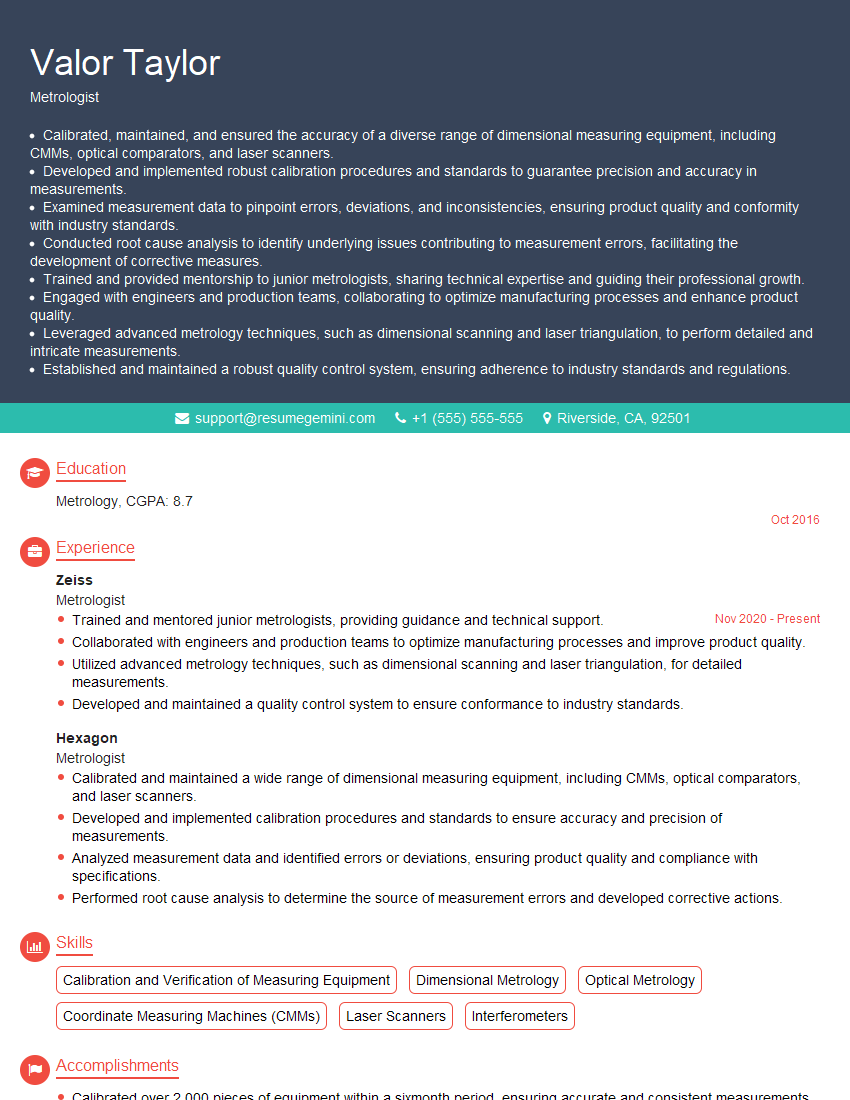
Metrologist Resume Sample
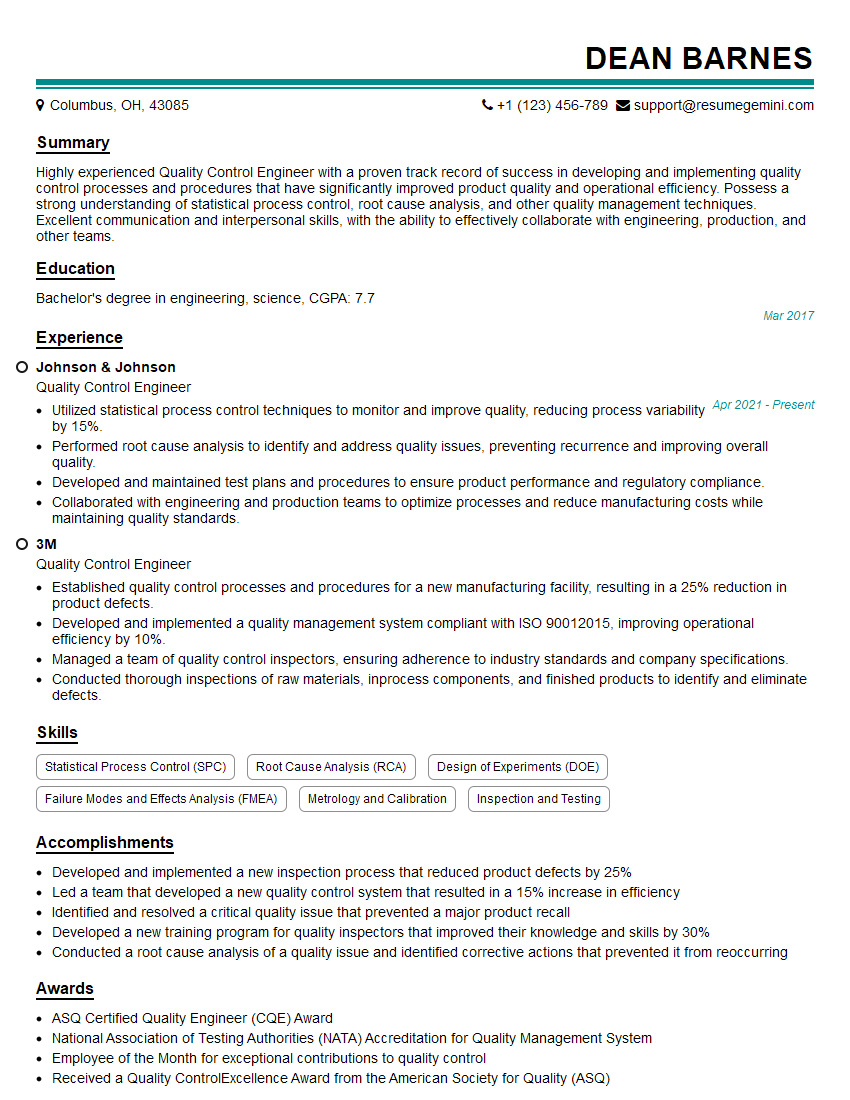
Quality Control Engineer Resume Sample
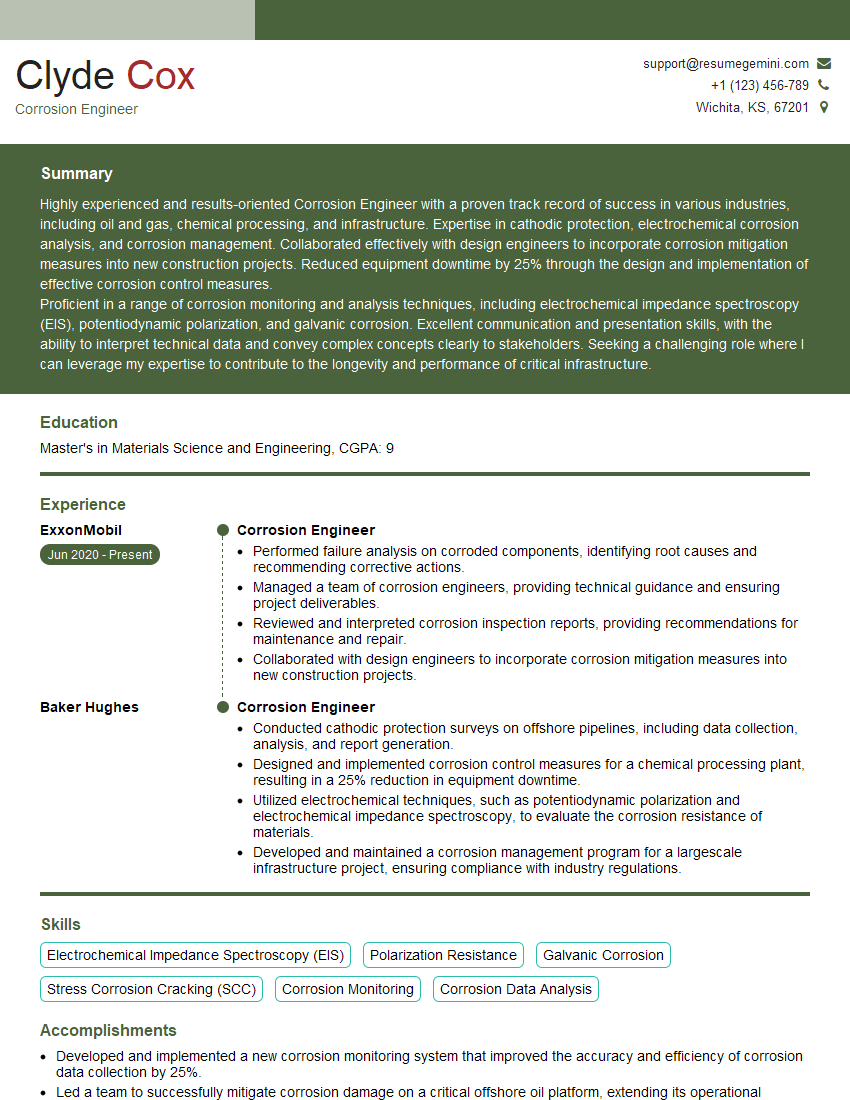
Corrosion Engineer Resume Sample

Metallurgist Resume Sample
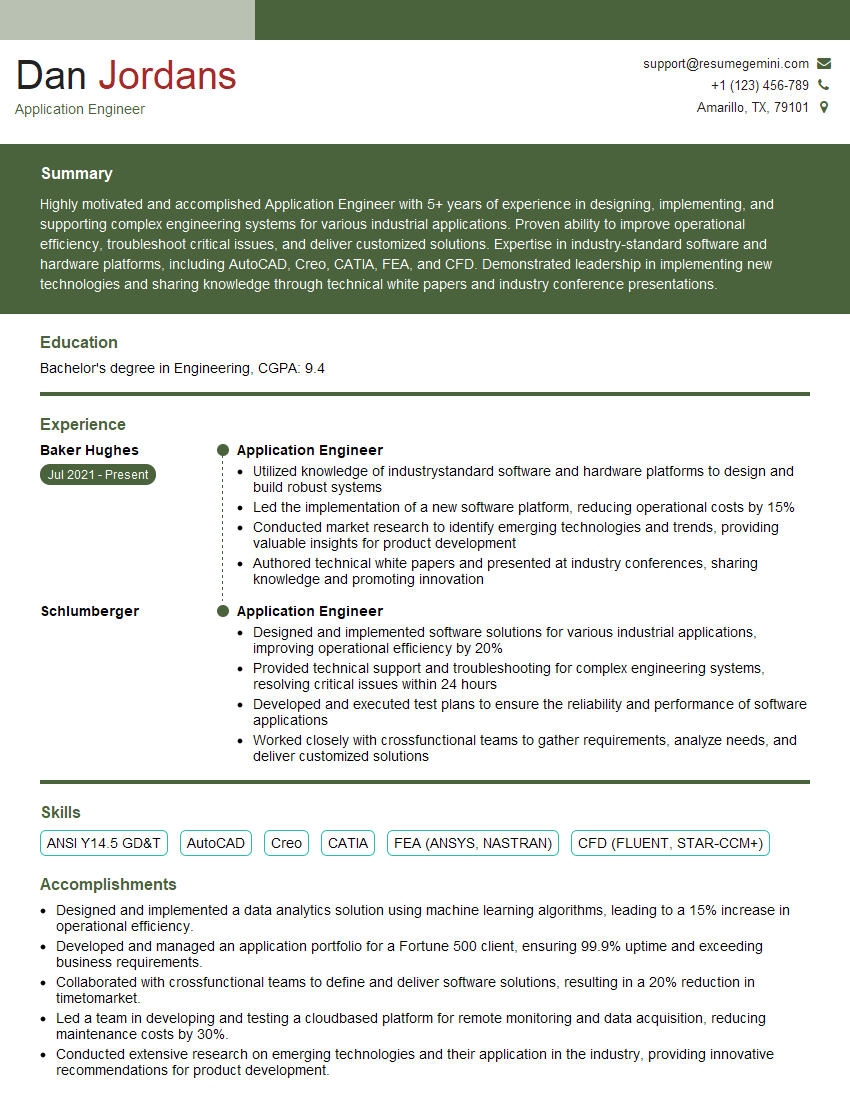
Application Engineer Resume Sample

Quality Assurance Engineer Resume Sample
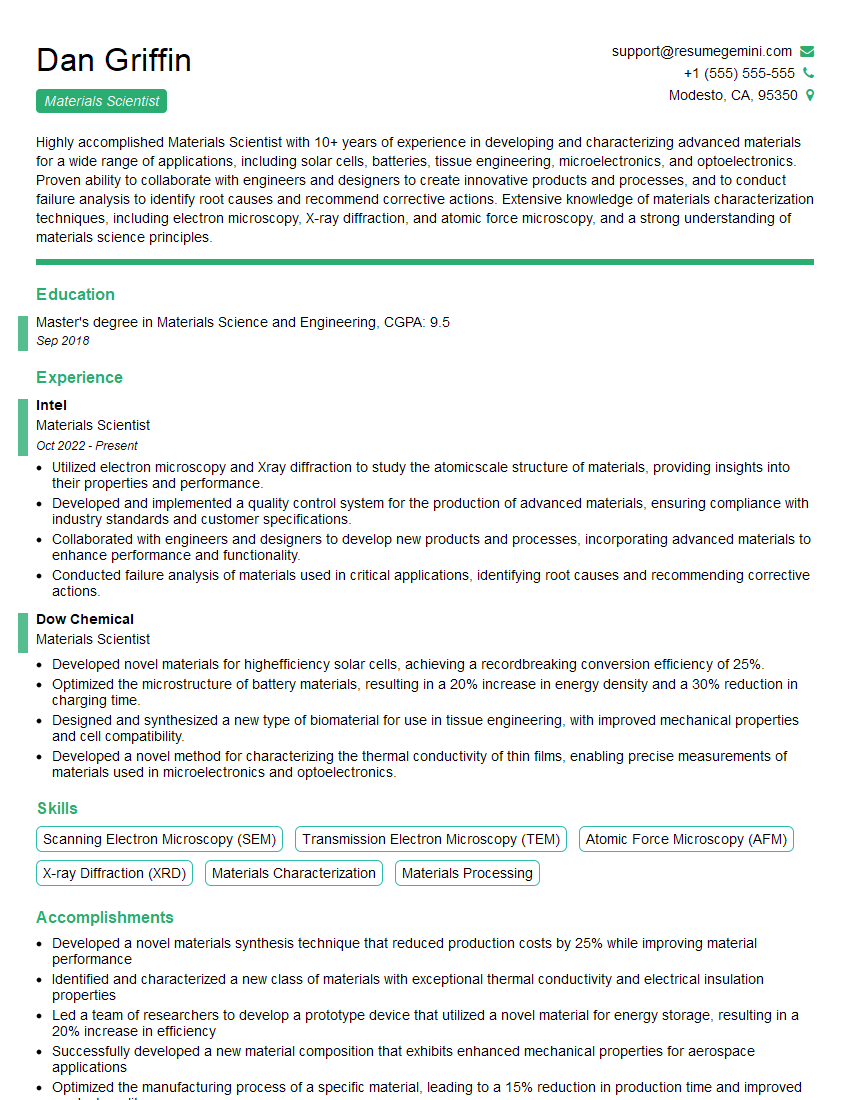
Materials Scientist Resume Sample
- Engineering Manager
- Reliability Engineer
- Process Engineer
- Research Scientist
- Test Engineer
- Technical Specialist
- Field Service Engineer
- Product Engineer
- Manufacturing Engineer
- Metrologist
- Quality Control Engineer
- Corrosion Engineer
- Metallurgist
- Application Engineer
- Quality Assurance Engineer
- Materials Scientist
Explore more articles
Users Rating of Our Blogs
Share Your Experience
We value your feedback! Please rate our content and share your thoughts (optional).
What Readers Say About Our Blog
Very informative content, great job.
good