The thought of an interview can be nerve-wracking, but the right preparation can make all the difference. Explore this comprehensive guide to Hiring and Firing interview questions and gain the confidence you need to showcase your abilities and secure the role.
Questions Asked in Hiring and Firing Interview
Q 1. Describe your process for identifying and addressing performance issues.
Identifying and addressing performance issues requires a proactive and systematic approach. It begins with clear expectations. I start by establishing clear performance goals and expectations from the outset, documented and reviewed regularly with the employee. This ensures everyone is on the same page.
If performance issues arise, I follow a structured process:
- Initial Observation and Documentation: I document specific instances of underperformance, using concrete examples and avoiding subjective opinions. For example, instead of saying ‘John is a poor communicator,’ I would note ‘John missed the deadline for the client presentation, resulting in X consequence.’
- Performance Improvement Plan (PIP): If the issue persists, I collaborate with the employee to create a PIP. This plan outlines specific, measurable, achievable, relevant, and time-bound (SMART) goals, along with the support and resources the employee needs to improve. Regular check-ins are crucial to monitor progress and provide ongoing feedback.
- Consistent Monitoring and Feedback: Ongoing feedback, both positive and constructive, is vital. Regular meetings focus on progress towards goals, offering support and addressing any obstacles. This fosters open communication and a collaborative environment.
- Final Review and Consequences: If despite the PIP, performance doesn’t improve, I conduct a final review and discuss the consequences, which could range from further training to termination, always in line with company policy and employment law.
For instance, in a previous role, a team member consistently missed deadlines. After documenting these instances and initiating a PIP with clear goals and support, their performance improved significantly. Without a structured approach, the issue might have escalated to more severe consequences.
Q 2. How do you ensure compliance with employment laws during hiring and termination?
Compliance with employment laws is paramount in hiring and termination. This involves understanding and adhering to federal, state, and local regulations, such as those related to equal employment opportunity, discrimination, wage and hour laws, and wrongful termination.
My approach includes:
- Job Descriptions and Application Processes: Ensuring job descriptions are free of discriminatory language and that the application process is fair and consistent for all candidates.
- Interviewing and Selection: Using structured interviews with standardized questions to avoid bias and making selection decisions based solely on qualifications and merit.
- Background Checks: Conducting background checks only with proper authorization and in compliance with Fair Credit Reporting Act (FCRA) regulations.
- Documentation: Maintaining meticulous documentation of all hiring and termination decisions, including reasons for termination and evidence of performance issues.
- Legal Counsel: Consulting with legal counsel when necessary, particularly in complex cases or situations involving potential disputes.
- Training: Regularly updating my knowledge of relevant employment laws through training and professional development.
For example, I carefully review each job description for potentially biased language and ensure that our interview process is standardized across all candidates to minimize unconscious bias. Maintaining thorough documentation helps protect the company against potential legal challenges.
Q 3. Explain your approach to conducting effective performance reviews.
Effective performance reviews are more than just an annual formality; they’re a crucial tool for employee development and performance improvement. My approach focuses on a two-way conversation, not a one-sided evaluation.
I incorporate the following elements:
- Preparation: Gathering performance data well in advance, including both quantitative and qualitative metrics. This might include project deliverables, sales figures, peer reviews, or self-assessments.
- Two-Way Discussion: The review is a dialogue, not a monologue. I encourage the employee to share their perspective, challenges, and accomplishments. This fosters open communication and mutual understanding.
- Focus on Specific Examples: The review focuses on specific examples of both positive and negative performance. This provides concrete feedback, rather than general statements. For instance, instead of ‘needs to improve communication,’ I would say, ‘During the recent project, the lack of clear communication with team X led to delays.’
- Goal Setting: The review culminates in establishing clear goals for the next review period. These goals are SMART (Specific, Measurable, Achievable, Relevant, and Time-bound).
- Follow-Up: After the review, I schedule follow-up meetings to track progress on the set goals and provide ongoing support and feedback.
I’ve found that a collaborative approach, where the employee is an active participant, results in a more effective and meaningful review process, leading to improved performance and increased employee engagement.
Q 4. What strategies do you use to reduce employee turnover?
Reducing employee turnover requires a multi-faceted strategy that addresses both individual and organizational factors. It’s about creating a positive and supportive work environment that motivates employees to stay.
My strategies include:
- Competitive Compensation and Benefits: Offering a competitive salary and benefits package to ensure employees feel valued and fairly compensated.
- Career Development Opportunities: Providing opportunities for professional growth, training, and advancement within the company. This shows employees that you invest in their future.
- Positive Work Environment: Fostering a positive and supportive work environment where employees feel respected, valued, and appreciated. This includes promoting teamwork, open communication, and work-life balance.
- Recognition and Rewards: Regularly recognizing and rewarding employees for their contributions and achievements, both big and small. This can be as simple as a verbal thank you or a more formal award.
- Employee Feedback and Engagement: Actively soliciting employee feedback through surveys, focus groups, and one-on-one conversations. This helps identify issues and areas for improvement.
- Onboarding and Integration: A strong onboarding program can significantly improve employee retention by helping new hires feel welcome and supported from day one.
In a past role, implementing a mentorship program and increasing opportunities for professional development led to a significant reduction in turnover among junior employees, demonstrating the positive impact of proactive strategies.
Q 5. How do you handle difficult employee terminations?
Difficult employee terminations require sensitivity, professionalism, and adherence to legal requirements. The goal is to conduct the termination with respect and dignity, while minimizing potential legal risk.
My approach involves:
- Preparation: Ensuring I have all necessary documentation to support the termination decision, including performance reviews, disciplinary actions, and any other relevant information.
- Private Setting: Conducting the termination in a private setting, free from distractions or interruptions.
- Direct and Honest Communication: Clearly and concisely explaining the reason for the termination, using factual information and avoiding emotional language.
- Empathy and Respect: While upholding the decision, showing empathy and respect for the employee’s feelings. This helps maintain a professional tone despite the difficult nature of the situation.
- Clear Explanation of Separation Procedures: Providing the employee with all necessary information regarding severance pay, benefits, and outplacement services.
- Security: Ensuring a smooth and safe exit process for the employee. This might involve escorting the employee from the building, collecting company property, and disabling access cards.
In one instance, I had to terminate an employee who was consistently violating company policy. By approaching the conversation with empathy and providing a clear explanation, I was able to maintain a respectful professional demeanor, which helped mitigate potential issues.
Q 6. Describe your experience with various recruitment methods (e.g., sourcing, screening, interviewing).
My recruitment experience spans various methods, each with its strengths and weaknesses. I tailor my approach based on the specific role and the talent pool.
My experience includes:
- Sourcing: Utilizing various platforms including LinkedIn Recruiter, Indeed, professional networking events, employee referrals, and university partnerships to identify potential candidates. I actively engage with passive candidates through personalized outreach.
- Screening: Implementing a multi-stage screening process, beginning with resume screening and followed by phone screens to assess basic qualifications and communication skills. This helps filter out unsuitable candidates efficiently.
- Interviewing: Conducting structured interviews with behavioral questions to assess the candidate’s skills, experience, and cultural fit. I often incorporate skills assessments or practical exercises to evaluate practical abilities.
- Assessment Centers: In some cases, utilizing assessment centers for specific roles to evaluate candidates on a range of skills in a more realistic setting.
- Background Checks and Reference Checks: Verifying candidate information through background checks and reference checks to ensure accuracy and identify any potential red flags.
For example, when recruiting for a highly specialized technical role, I relied heavily on LinkedIn Recruiter and targeted outreach to passive candidates with specific skills. In contrast, for entry-level positions, I’ve effectively used university partnerships and career fairs.
Q 7. How do you assess candidate cultural fit?
Assessing candidate cultural fit is crucial for ensuring a successful long-term employment relationship. It’s about determining if the candidate’s values, work style, and personality align with the company’s culture. It’s not about finding a clone; it’s about identifying someone who will thrive in the existing team dynamic.
My assessment methods include:
- Behavioral Questions: Asking behavioral questions that explore past experiences and how the candidate handled various situations. This provides insight into their working style and decision-making processes.
- Culture-Specific Questions: Including questions that directly explore the candidate’s understanding and alignment with the company’s values and culture. For example, ‘How do you work best in a team?’ or ‘Describe a time you had to adapt to a changing work environment.’
- Team Interviews: Incorporating team interviews where the candidate interacts with potential colleagues. This allows for a more realistic assessment of their interaction style and team fit.
- Observational Assessments: Observing the candidate’s behavior throughout the interview process, paying attention to their communication style, enthusiasm, and engagement.
- References: Asking references about the candidate’s personality and teamwork skills, as well as their work style and overall contributions to their past teams.
For instance, when hiring for a fast-paced startup environment, I focus on candidates who demonstrate adaptability, resilience, and a proactive approach to problem-solving. These are key traits that align with our company culture.
Q 8. What metrics do you use to measure the effectiveness of your hiring process?
Measuring the effectiveness of a hiring process goes beyond simply filling roles; it’s about ensuring those hires contribute positively to the organization’s success. I use a multi-faceted approach, focusing on key metrics across the entire hiring funnel.
- Time-to-hire: This metric tracks the time elapsed from job posting to offer acceptance. A shorter time-to-hire often indicates a streamlined and efficient process. For example, consistently exceeding our target of 30 days signals areas for improvement in our processes.
- Cost-per-hire: Calculating the total cost of hiring (advertising, recruiter fees, internal time) divided by the number of hires provides a clear picture of efficiency. Analyzing this metric helps us identify cost-saving opportunities, such as optimizing our sourcing strategies.
- Source of hire: Tracking where successful candidates are sourced (e.g., LinkedIn, employee referrals, job boards) helps refine recruitment strategies, focusing resources on the most effective channels. For instance, if employee referrals consistently yield higher-quality candidates, we invest more in our referral program.
- Candidate experience: Gathering feedback from candidates at each stage provides crucial insights into the candidate journey. High satisfaction scores indicate a positive and efficient process. Low scores highlight friction points needing immediate attention.
- New hire performance: Ultimately, the true measure of a successful hiring process is the performance of the new hires. Tracking performance reviews, goal attainment, and retention rates within the first year provides a direct link between hiring practices and business outcomes. For example, if we see high turnover in a specific department, we examine our hiring practices for that area to identify potential improvements.
Q 9. How do you create job descriptions that attract top talent?
Creating compelling job descriptions that attract top talent requires moving beyond a simple list of duties. It’s about crafting a narrative that showcases the opportunity and the company culture.
- Highlight the impact: Instead of simply listing responsibilities, focus on the impact the role will have on the company and its customers. For example, instead of ‘Manage social media accounts,’ write ‘Develop and execute engaging social media strategies that increase brand awareness and drive customer engagement.’
- Showcase company culture: Include details about the company’s mission, values, and work environment. Use vivid language that paints a picture of what it’s like to work there. This is particularly important for attracting candidates who align well with the culture.
- Use inclusive language: Avoid gendered or biased terminology. Employ neutral language that appeals to a diverse pool of applicants.
- Optimize for search engines: Incorporate relevant keywords that candidates might use when searching for jobs. This improves the visibility of the job posting.
- Specify compensation and benefits: Transparency about salary and benefits is crucial for attracting top talent. Clearly stating the salary range upfront saves everyone time.
Q 10. How do you handle situations where a candidate is overqualified or underqualified?
Handling overqualified or underqualified candidates requires careful consideration. It’s about matching skills and potential with the specific needs of the role and the company’s long-term goals.
- Overqualified candidates: The reasons for overqualification vary. It might be a career change, a desire for a less demanding role, or a temporary situation. I carefully assess their motivations and determine if their skills and experience, even if excessive for the current role, align with future growth opportunities within the company. I also explore if their expectations regarding salary and career progression are realistic. A good fit involves managing their expectations and ensuring they’re not bored or unchallenged.
- Underqualified candidates: For candidates lacking some essential skills, I assess their potential for growth and development. If their enthusiasm, work ethic, and other soft skills are strong, a mentorship program or additional training might bridge the skills gap. I look for evidence of quick learning and adaptability. This approach can often turn underqualified candidates into high-performing employees.
Q 11. Explain your experience with negotiating salary and benefits packages.
Salary and benefits negotiation is a crucial aspect of hiring. My approach is collaborative, aiming for a mutually beneficial agreement.
- Research: Before entering negotiations, I thoroughly research industry salary benchmarks for the role and location. This ensures I have a realistic understanding of competitive compensation. I also investigate the company’s budget and compensation policies.
- Preparation: I prepare a range of salary offers, considering the candidate’s experience and skills. I also consider the full compensation package – including benefits like health insurance, retirement plan contributions, paid time off, and other perks.
- Communication: I approach negotiations with transparency and respect. I clearly articulate the value proposition of the position and the company’s compensation structure. I actively listen to the candidate’s expectations and concerns.
- Win-win outcome: My goal is a mutually beneficial outcome. If a candidate’s salary expectations fall outside the company’s budget, I explore alternative solutions, such as a signing bonus or a faster promotion track.
For example, in a recent negotiation, a candidate’s initial salary request was slightly above our budget. By highlighting the company’s strong benefits package and potential for rapid growth, we reached an agreement that satisfied both the candidate and the company.
Q 12. How do you ensure diversity and inclusion in your hiring practices?
Ensuring diversity and inclusion in hiring is not just a matter of compliance; it’s a strategic imperative for building a strong and innovative workforce.
- Diverse sourcing strategies: I use multiple channels to reach a wider pool of candidates, including partnering with organizations focused on underrepresented groups, attending diversity-focused job fairs, and utilizing inclusive job posting language.
- Blind resume screening: This technique removes identifying information (name, gender, ethnicity) from resumes during the initial screening, reducing unconscious bias.
- Structured interviews: Using standardized interview questions and scoring criteria helps minimize subjectivity and ensures fair evaluation of candidates.
- Diverse interview panels: Including representatives from different backgrounds on interview panels broadens perspectives and helps identify candidates who will thrive in a diverse work environment.
- Ongoing monitoring and evaluation: Regularly tracking diversity metrics at each stage of the hiring process provides insights into areas needing improvement. This ensures we are making progress towards our diversity goals.
Q 13. Describe your experience with using applicant tracking systems (ATS).
Applicant Tracking Systems (ATS) are integral to efficient and effective recruitment. My experience with ATS includes using them for every stage of the hiring process, from job posting and candidate sourcing to interview scheduling and offer management.
- Job posting and sourcing: I use ATS to create and post job descriptions across various job boards and social media platforms. The ATS enables targeted advertising and automates the process of collecting applications.
- Candidate management: I use the ATS to track applicants, manage their progress through the pipeline, and maintain detailed records. This includes storing resumes, interview notes, and feedback.
- Communication: The ATS facilitates efficient communication with candidates, automating emails and reminders for various stages of the process.
- Reporting and analytics: I use the ATS’s reporting capabilities to track key metrics, such as time-to-hire, cost-per-hire, and source of hire, to measure the effectiveness of our recruitment strategies.
For example, in a recent role, we implemented a new ATS which significantly improved our candidate tracking and communication efficiency. This resulted in a 15% reduction in our time-to-hire.
Q 14. What is your approach to onboarding new hires?
Onboarding is crucial for new hires to integrate smoothly and become productive members of the team. My approach is structured and focuses on both administrative tasks and fostering a sense of belonging.
- Pre-boarding: Before the start date, I communicate with the new hire to clarify details such as paperwork, equipment, and access credentials. This helps ensure a smoother transition on their first day.
- First-day experience: I ensure a warm welcome, introduce the new hire to their team and key personnel, and provide a clear overview of their role and expectations.
- Structured training: I provide comprehensive training on relevant systems, processes, and company policies. This helps new hires quickly become self-sufficient.
- Mentorship and support: Assigning a mentor or buddy within the team provides guidance and support during the initial period. This helps new hires integrate quickly and address any challenges they encounter.
- Regular check-ins: I conduct regular check-ins with new hires during the first few months to address any questions or concerns and ensure they are progressing well.
For instance, we recently developed a comprehensive onboarding program that includes a welcome kit, a structured training schedule, and regular check-ins with both the manager and HR. This program has resulted in increased employee retention rates and improved productivity during the initial months.
Q 15. How do you manage employee relations issues?
Managing employee relations effectively is about fostering a positive and productive work environment. It involves proactive communication, conflict resolution, and a commitment to fairness. My approach centers on:
- Open Communication: Regularly engaging with employees through team meetings, one-on-ones, and open-door policies to address concerns promptly. This prevents small issues from escalating into larger problems.
- Fair and Consistent Treatment: Ensuring all employees are treated equitably, regardless of their role or tenure. This involves applying company policies consistently and objectively.
- Conflict Resolution: Actively mediating disputes between employees using a structured approach that focuses on understanding both perspectives and finding mutually acceptable solutions. I often employ active listening techniques and encourage collaboration.
- Proactive Measures: Identifying potential issues before they escalate through regular performance reviews, employee surveys, and informal feedback sessions.
For instance, in a previous role, I noticed a growing tension between two departments. By facilitating a series of collaborative workshops, we identified the root cause – miscommunication about project deadlines. Implementing clearer communication protocols resolved the conflict and improved inter-departmental relations significantly.
Career Expert Tips:
- Ace those interviews! Prepare effectively by reviewing the Top 50 Most Common Interview Questions on ResumeGemini.
- Navigate your job search with confidence! Explore a wide range of Career Tips on ResumeGemini. Learn about common challenges and recommendations to overcome them.
- Craft the perfect resume! Master the Art of Resume Writing with ResumeGemini’s guide. Showcase your unique qualifications and achievements effectively.
- Don’t miss out on holiday savings! Build your dream resume with ResumeGemini’s ATS optimized templates.
Q 16. How do you handle employee complaints or grievances?
Handling employee complaints or grievances requires a fair, consistent, and confidential process. My approach involves:
- Formal Grievance Procedure: Following a well-defined process outlined in the company’s employee handbook, ensuring transparency and due process.
- Active Listening and Empathy: Giving employees a chance to fully explain their concerns without interruption. Showing empathy and understanding is crucial in building trust.
- Thorough Investigation: Gathering all relevant information from all parties involved, reviewing documents, and conducting interviews. Maintaining objectivity is key.
- Mediation and Resolution: Attempting to mediate a solution between the employee and the involved party. This might involve adjustments to work arrangements, policy clarifications, or disciplinary action if necessary.
- Documentation: Meticulously documenting every step of the process, including dates, actions taken, and the outcome. This protects both the company and the employee.
In one case, an employee complained about unfair workload distribution. Following our procedure, I investigated, found evidence supporting the complaint, and collaborated with the team manager to redistribute tasks more equitably. The issue was resolved promptly, improving team morale and productivity.
Q 17. Describe your experience with performance improvement plans (PIPs).
Performance Improvement Plans (PIPs) are formal processes designed to help employees improve their performance. They are not a punitive measure but rather a structured approach to support and guide improvement. My experience includes:
- Clear Goals and Expectations: Collaborating with the employee to define specific, measurable, achievable, relevant, and time-bound (SMART) goals for improvement.
- Regular Monitoring and Feedback: Providing consistent feedback and support throughout the PIP period, with regular check-ins to track progress.
- Training and Development: Identifying and providing necessary training, resources, or mentoring to help the employee achieve the goals outlined in the PIP.
- Documentation: Maintaining thorough documentation of the process, including the initial meeting, progress updates, and final evaluation.
I’ve implemented numerous PIPs, some successful and some not. In one case, a struggling employee responded well to the support and clear direction provided by a PIP. In another, despite considerable effort, the employee was unable to meet the targets, leading to termination – but this decision was made with a clear record of support and documented efforts to facilitate improvement.
Q 18. What is your experience with disciplinary actions?
Disciplinary actions are a serious matter and should be handled with care and consistency. My experience includes addressing various levels of misconduct, from minor infractions to serious violations. The process I follow includes:
- Thorough Investigation: Gathering all facts and evidence before taking any action.
- Fair and Consistent Application of Policies: Ensuring that disciplinary actions align with company policies and are applied consistently across the board.
- Progressive Discipline: Employing a progressive discipline model, starting with verbal warnings and escalating to written warnings, suspensions, and ultimately, termination, depending on the severity and frequency of the offense.
- Documentation: Maintaining comprehensive documentation of each step of the disciplinary process.
- Due Process: Ensuring that employees have the opportunity to present their side of the story and understand the consequences of their actions.
It’s crucial to remain objective and fair throughout this process, ensuring adherence to legal regulations and company policies. I’ve had to address issues ranging from absenteeism to more serious misconduct, always focusing on maintaining a fair and documented process.
Q 19. How do you conduct exit interviews and use the information gathered?
Exit interviews are valuable opportunities to gather feedback and gain insights into employee experiences. My approach involves:
- Structured Approach: Using a standardized questionnaire to ensure consistent data collection, covering aspects like reasons for leaving, satisfaction with management, compensation, and work-life balance.
- Open and Non-Judgmental Atmosphere: Creating a safe space for the employee to share their honest opinions without fear of retribution.
- Active Listening: Paying close attention to the employee’s responses and asking clarifying questions.
- Confidentiality: Ensuring the confidentiality of the information gathered.
- Actionable Insights: Analyzing the data collected to identify trends and areas for improvement within the organization. This might involve improvements to company policies, management training, or other changes.
The insights gathered from exit interviews have frequently led to significant improvements in our workplace. For example, recurring themes of workload imbalance identified through exit interviews led to a restructuring of team responsibilities.
Q 20. How do you maintain confidentiality during the hiring and firing processes?
Maintaining confidentiality throughout the hiring and firing processes is paramount. My approach involves:
- Limited Access to Information: Restricting access to sensitive information to only those who have a legitimate need to know.
- Secure Data Storage: Storing all sensitive employee data securely, both physically and electronically, complying with relevant data protection regulations.
- Confidentiality Agreements: Using confidentiality agreements with all involved parties, including recruiters, interviewers, and employees.
- Training: Providing training to all staff on data privacy and confidentiality protocols.
- Secure Communication Channels: Using secure communication channels for all sensitive discussions.
Protecting employee data is not just a matter of policy but a moral obligation. Breaches of confidentiality can have serious consequences for both the individual and the organization. I always prioritize data security and adhere strictly to all relevant regulations.
Q 21. How do you ensure fairness and objectivity in your hiring decisions?
Ensuring fairness and objectivity in hiring decisions requires a structured and unbiased process. My approach focuses on:
- Job Description Clarity: Developing clear and concise job descriptions that specify required skills, experience, and responsibilities.
- Structured Interviews: Using standardized interview questions and scoring systems to assess candidates fairly and objectively. This minimizes bias and ensures a consistent evaluation process.
- Diverse Interview Panels: Having diverse interview panels to reduce the potential for unconscious bias.
- Blind Resume Screening: Removing identifying information from resumes during the initial screening process to eliminate potential bias based on name, gender, or other demographic factors.
- Regular Audits: Conducting regular audits of the hiring process to identify and address any biases that might be emerging.
For example, in one hiring process, we implemented a blind resume screening process, resulting in a significantly more diverse pool of candidates reaching the interview stage. This led to a better and more representative team.
Q 22. What are some common red flags you look for during the interview process?
Identifying red flags during interviews is crucial for avoiding costly hiring mistakes. It’s about looking beyond the resume and assessing a candidate’s overall fit for the role and the company culture. I focus on several key areas:
- Inconsistencies in their narrative: Discrepancies between their resume, cover letter, and interview responses are a major warning sign. For example, if their resume highlights a certain skill but they struggle to explain it in detail or provide relevant examples, that’s a red flag.
- Negative attitude or lack of enthusiasm: A candidate who seems disinterested in the role, the company, or the interview itself is unlikely to be a good fit. This could manifest as dismissive responses, lack of eye contact, or a generally negative demeanor.
- Poor communication skills: Effective communication is vital in most roles. Look for candidates who struggle to articulate their thoughts clearly, listen attentively, or answer questions directly.
- Unrealistic salary expectations: While it’s important to offer competitive compensation, wildly unrealistic salary demands can indicate a lack of understanding of the role or the market value.
- Lack of self-awareness: Candidates who are unable to identify their weaknesses or discuss areas for improvement often lack self-reflection and the ability to learn and grow.
- Overly aggressive or passive behavior: Extreme behaviors, whether overly assertive or excessively passive, can be disruptive to a team environment. The ideal candidate demonstrates a balance of assertiveness and collaboration.
For example, I once interviewed a candidate who claimed extensive experience with a particular software but couldn’t answer basic questions about its functionality. This inconsistency immediately raised a red flag, and further investigation revealed their experience was far less substantial than claimed.
Q 23. Describe your experience with background checks and reference checks.
Background and reference checks are essential components of a thorough hiring process. They provide crucial information not readily apparent during interviews. My experience includes utilizing both third-party background check services and conducting personal reference checks.
Background checks typically involve verifying employment history, education, criminal records (depending on the role and legal requirements), and credit history (for certain positions). It’s crucial to ensure compliance with all applicable laws and regulations regarding background checks, obtaining consent from candidates before initiating the process.
Reference checks are equally important. I structure my reference calls to gain a well-rounded perspective. I typically ask open-ended questions, encouraging the reference to describe specific situations and examples related to the candidate’s skills, work ethic, and overall performance. I try to understand not just what the reference *says*, but *how* they say it – their tone and enthusiasm often reveal a lot. For example, I might ask, “Can you describe a time when this candidate faced a challenging situation at work? How did they handle it?” or “How would you describe their teamwork skills?”
I meticulously document both background check results and reference check notes, ensuring all information is legally compliant and ethically sourced.
Q 24. How do you manage a high volume of applications?
Managing a high volume of applications requires a systematic approach. I utilize Applicant Tracking Systems (ATS) to streamline the process. These systems allow me to efficiently screen resumes, filter candidates based on keywords and qualifications, and track the progress of each application.
I implement a multi-stage screening process that includes:
- Initial screening: Reviewing resumes and cover letters to identify candidates who meet the minimum qualifications. I often use keywords to quickly identify suitable candidates.
- Automated screening: Utilizing the ATS’s capabilities for automated screening to filter candidates based on specific criteria. This helps to reduce the pool to a manageable size.
- Skill assessments or tests: Incorporating online assessments to evaluate relevant skills and knowledge. This can efficiently filter out candidates who lack necessary competencies.
- Phone interviews: Conducting brief phone screens to further evaluate candidates and address any initial questions.
- In-person or video interviews: Scheduling in-person or video interviews with top candidates.
Throughout this process, I prioritize maintaining clear communication with applicants, providing regular updates, and promptly informing candidates of their status in the hiring process. Transparency and respect for candidates’ time are vital, even when managing a high volume of applications.
Q 25. How do you handle situations where a terminated employee threatens legal action?
Handling situations where a terminated employee threatens legal action requires careful navigation and adherence to legal counsel. My approach involves several key steps:
- Document everything: Maintaining meticulous records of the employee’s performance, disciplinary actions, and the termination process itself. This documentation is crucial if legal action ensues.
- Consult legal counsel immediately: Seeking legal advice from an employment lawyer is paramount. They can guide the company on appropriate actions and ensure compliance with all relevant laws and regulations.
- Maintain professional communication: Avoiding any further communication with the terminated employee beyond what is legally required or directed by legal counsel. Emotional responses should be avoided.
- Preserve all communication: If there is any communication (email, phone calls, etc.) from the terminated employee, this needs to be carefully documented and preserved.
- Follow established procedures: Adhering to the company’s established policies and procedures for handling employee terminations.
For example, in a previous role, we had a terminated employee threaten legal action. We immediately consulted our legal team, who advised us on the best course of action based on the documentation we had carefully compiled. This proactive approach ensured we were fully prepared to defend our actions if the employee pursued legal action.
Q 26. Explain your understanding of different types of employment contracts.
Understanding different types of employment contracts is crucial for both employers and employees. The type of contract significantly impacts the terms and conditions of employment, including benefits, responsibilities, and termination clauses. Some common types include:
- At-will employment: This is the most common type in many regions (though laws vary), where either the employer or employee can terminate the employment relationship at any time, for any legal reason (with limited exceptions). This typically doesn’t require cause or notice.
- Contract employment: These agreements outline specific terms, durations, and responsibilities. They are often used for project-based work or specific assignments. This is often used for consultants or freelancers.
- Permanent employment: This usually implies ongoing employment with no fixed end date, offering greater job security and usually providing benefits.
- Fixed-term employment: Similar to contract employment, this type defines a specific timeframe for employment. Once the term ends, the contract usually concludes unless renewed.
- Part-time employment: This involves working fewer hours than a full-time employee, with pro-rated benefits and compensation.
It is essential to consult with legal professionals to ensure that contracts are compliant with all relevant labor laws and regulations.
Q 27. How do you balance the needs of the business with the needs of the employees?
Balancing business needs with employee needs is a delicate but crucial aspect of effective leadership. It’s not about choosing one over the other, but finding a balance that fosters a productive and fulfilling work environment. I approach this by:
- Open communication: Establishing clear and consistent communication channels to understand both employee concerns and business objectives.
- Transparency and fairness: Ensuring transparency in decision-making processes and implementing fair policies and practices across the board.
- Employee feedback mechanisms: Implementing regular feedback mechanisms, such as employee surveys, performance reviews, and one-on-one meetings, to gauge employee satisfaction and identify areas for improvement.
- Work-life balance initiatives: Offering programs and policies that support a healthy work-life balance, such as flexible work arrangements, paid time off, and wellness programs. This is a key factor in retention.
- Investing in employee development: Providing opportunities for professional growth, such as training, mentorship, and career development programs. Investing in employees demonstrates a commitment to their long-term success.
For example, during a period of company restructuring, we needed to streamline operations. While this meant some role changes, we worked closely with affected employees to find suitable alternative roles within the company whenever possible, minimizing job losses and demonstrating our commitment to their well-being.
Q 28. What is your strategy for retaining high-performing employees?
Retaining high-performing employees requires a multifaceted strategy focused on creating a positive and rewarding work environment. My strategy centers on several key pillars:
- Competitive compensation and benefits: Offering a salary and benefits package that is competitive within the industry and attractive to top talent.
- Career development opportunities: Providing opportunities for advancement, skill development, and career growth. This could involve mentoring programs, training courses, or opportunities to take on new challenges.
- Recognition and rewards: Implementing a system for recognizing and rewarding high-performing employees, such as bonuses, promotions, and public acknowledgment of their achievements.
- Positive work environment: Creating a positive, supportive, and collaborative work environment where employees feel valued and respected. This includes fostering open communication, addressing workplace conflicts constructively, and promoting team building.
- Work-life balance: Supporting employees in achieving a healthy work-life balance by offering flexible work arrangements, generous paid time off, and wellness initiatives.
- Regular feedback and performance reviews: Providing consistent feedback, constructive criticism, and opportunities for growth through regular performance reviews.
I believe that investing in our employees is an investment in our company’s future. By creating a workplace where employees feel valued, appreciated, and empowered, we significantly increase the likelihood of retaining our top performers.
Key Topics to Learn for Hiring and Firing Interview
- Legal Compliance in Hiring & Termination: Understanding employment laws, regulations, and potential legal pitfalls related to hiring practices and employee dismissal.
- Effective Interviewing Techniques: Mastering the art of asking insightful questions, evaluating candidate qualifications, and conducting structured interviews to identify the best fit.
- Performance Management & Documentation: Implementing performance review systems, providing constructive feedback, and maintaining accurate records of employee performance to support hiring and firing decisions.
- Recruitment Strategies & Sourcing: Developing effective strategies for attracting top talent, utilizing various recruitment channels, and optimizing the candidate experience.
- Disciplinary Actions & Progressive Discipline: Understanding the process of addressing employee misconduct, implementing fair and consistent disciplinary actions, and documenting the entire process.
- Termination Process & Outplacement Services: Knowing the legal and ethical considerations of terminating employees, conducting exit interviews, and offering outplacement support.
- Diversity, Equity, and Inclusion (DE&I) in Hiring: Implementing strategies to promote a diverse and inclusive workplace, ensuring fair and equitable hiring practices, and mitigating unconscious bias.
- Cost-Effective Hiring & Retention Strategies: Analyzing hiring costs, developing strategies to reduce turnover, and optimizing the overall efficiency of the hiring and firing process.
- Problem-Solving Scenarios: Developing the ability to analyze complex HR situations, identify potential problems, and develop effective solutions related to hiring and firing.
Next Steps
Mastering the intricacies of hiring and firing is crucial for career advancement in Human Resources and related fields. It demonstrates a comprehensive understanding of employment law, ethical considerations, and effective management practices. To significantly enhance your job prospects, building an ATS-friendly resume is essential. This ensures your application gets noticed by recruiters and hiring managers. We strongly recommend leveraging ResumeGemini to craft a professional and impactful resume that showcases your skills and experience in this critical area. Examples of resumes tailored to highlight expertise in Hiring and Firing are available within ResumeGemini to guide your efforts.
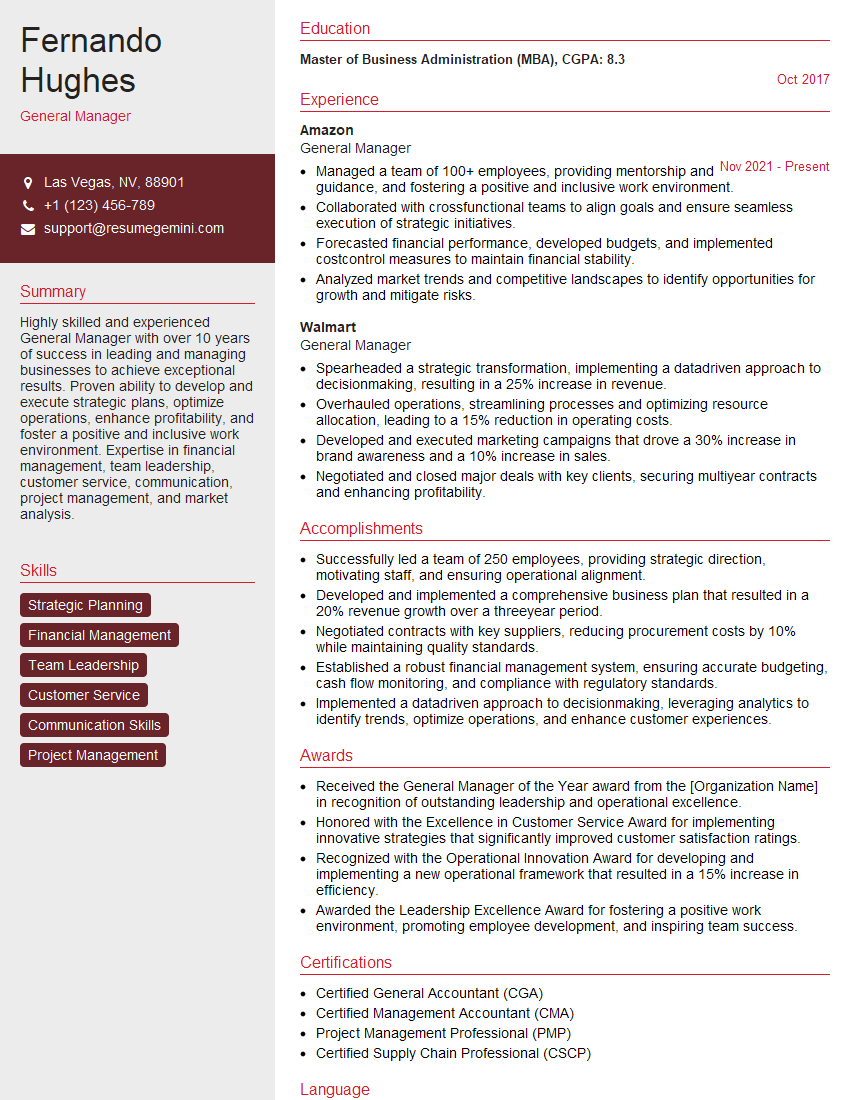
General Manager Resume Sample
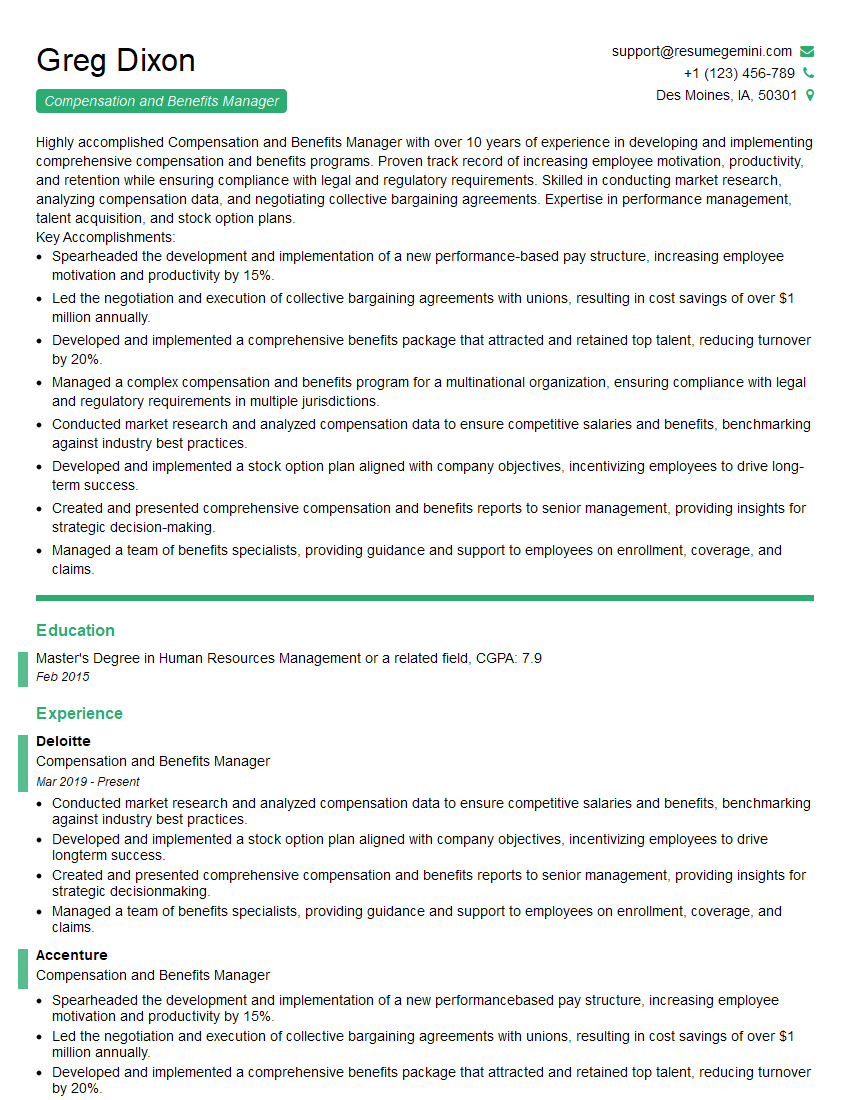
Compensation and Benefits Manager Resume Sample
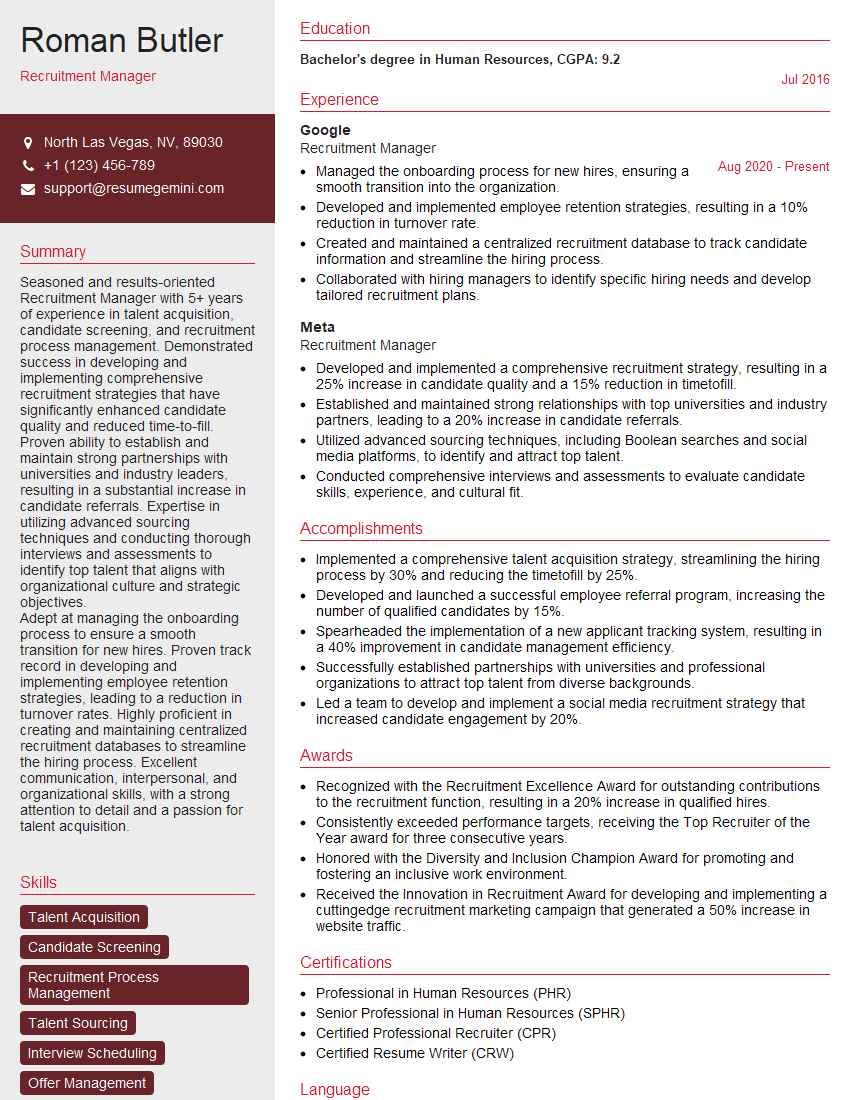
Recruitment Manager Resume Sample
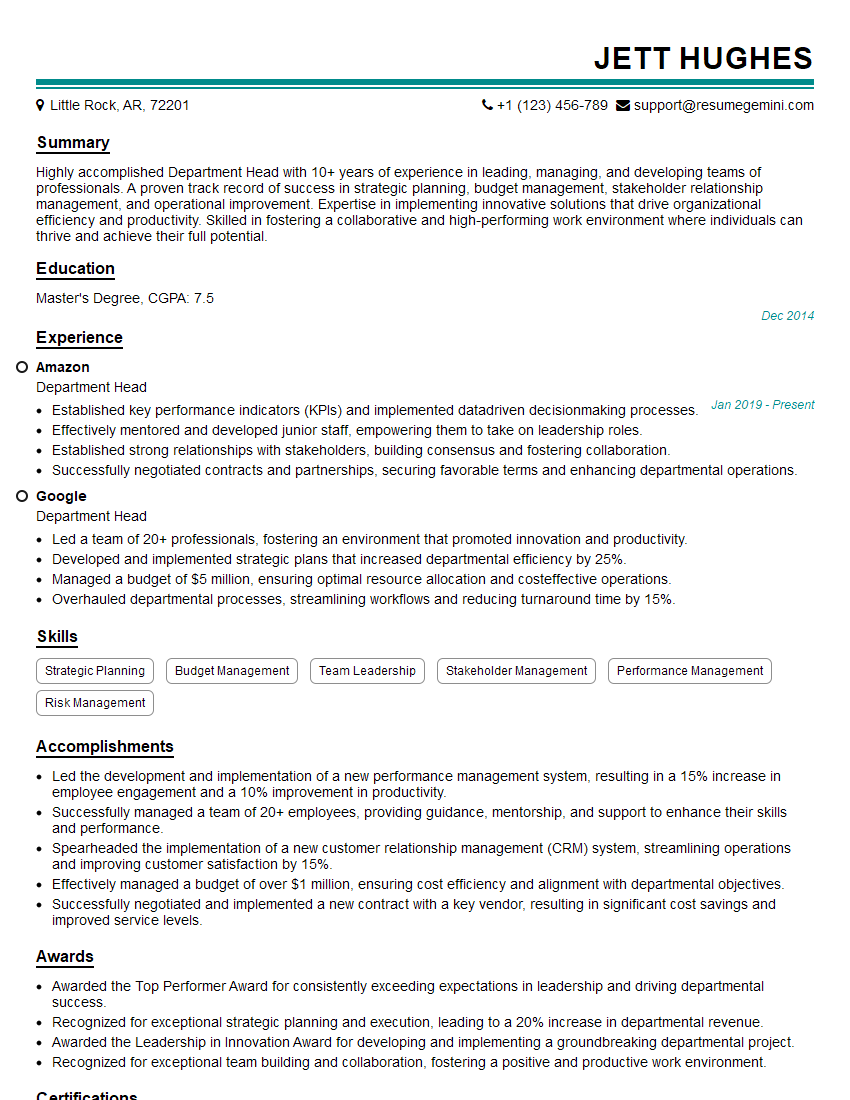
Department Head Resume Sample
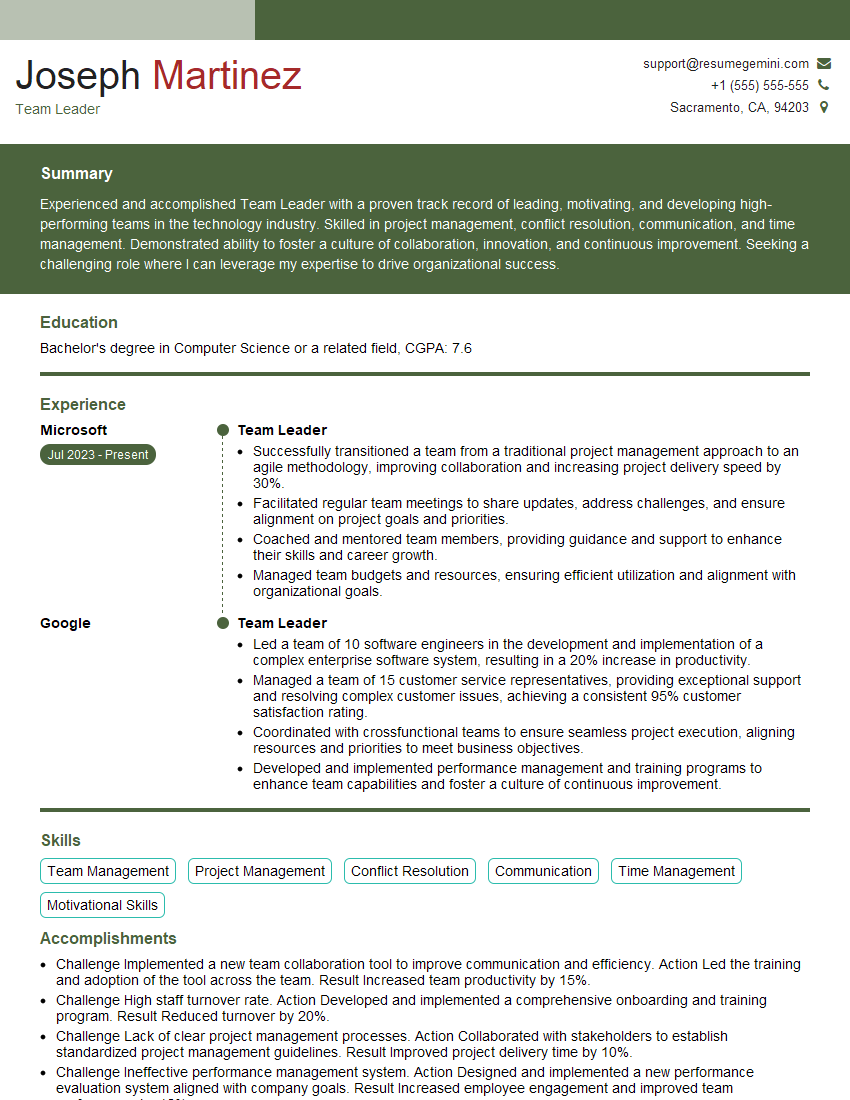
Team Leader Resume Sample
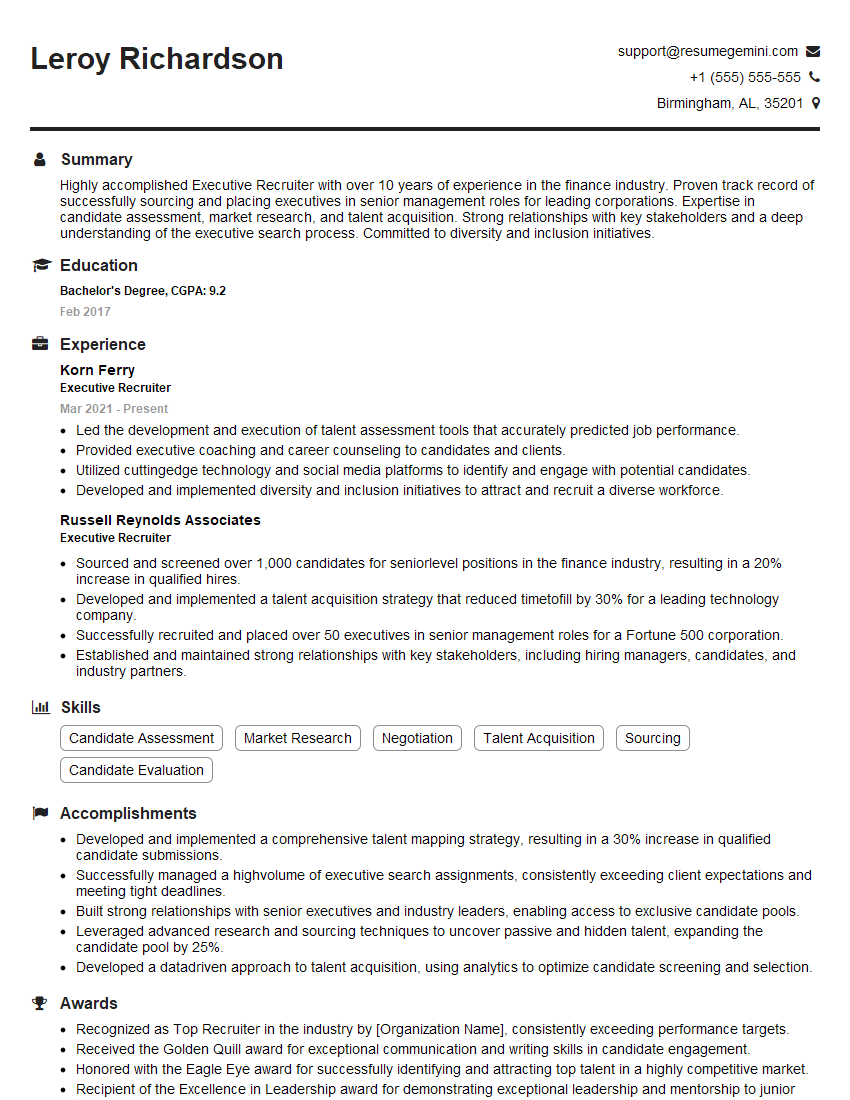
Executive Recruiter Resume Sample
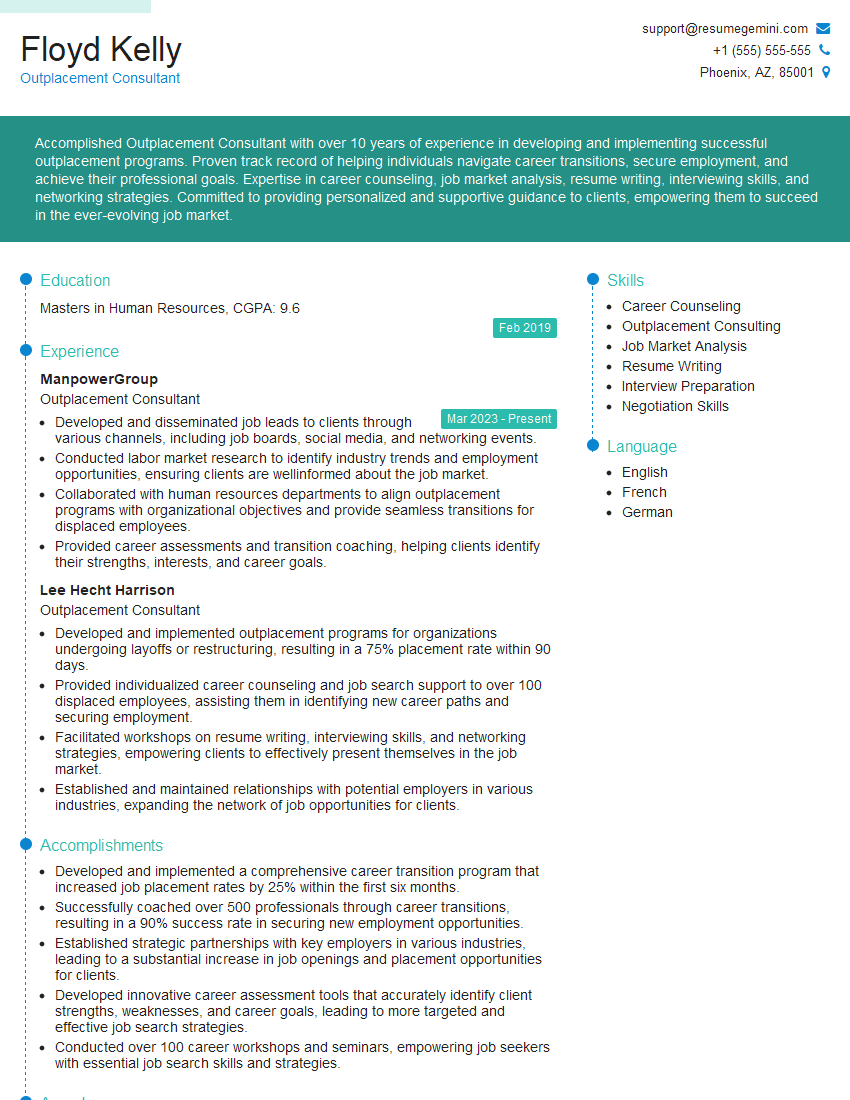
Outplacement Consultant Resume Sample
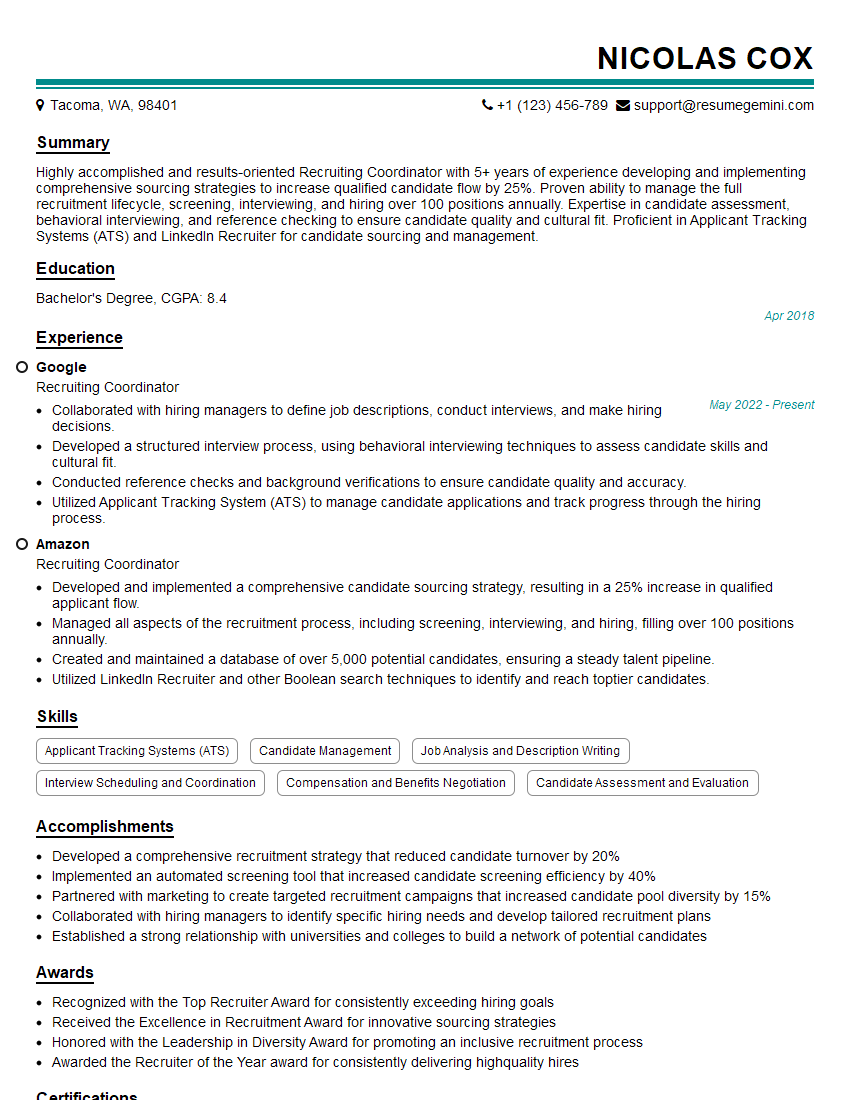
Recruiting Coordinator Resume Sample
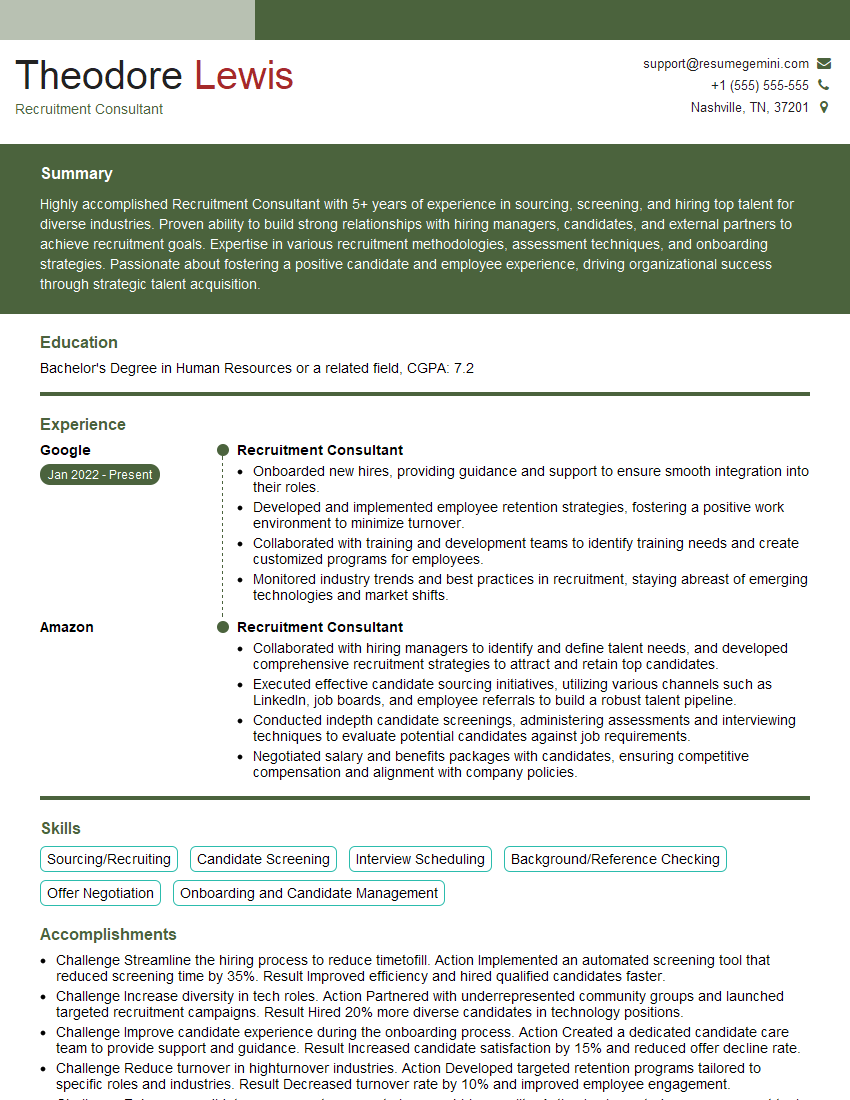
Recruitment Consultant Resume Sample
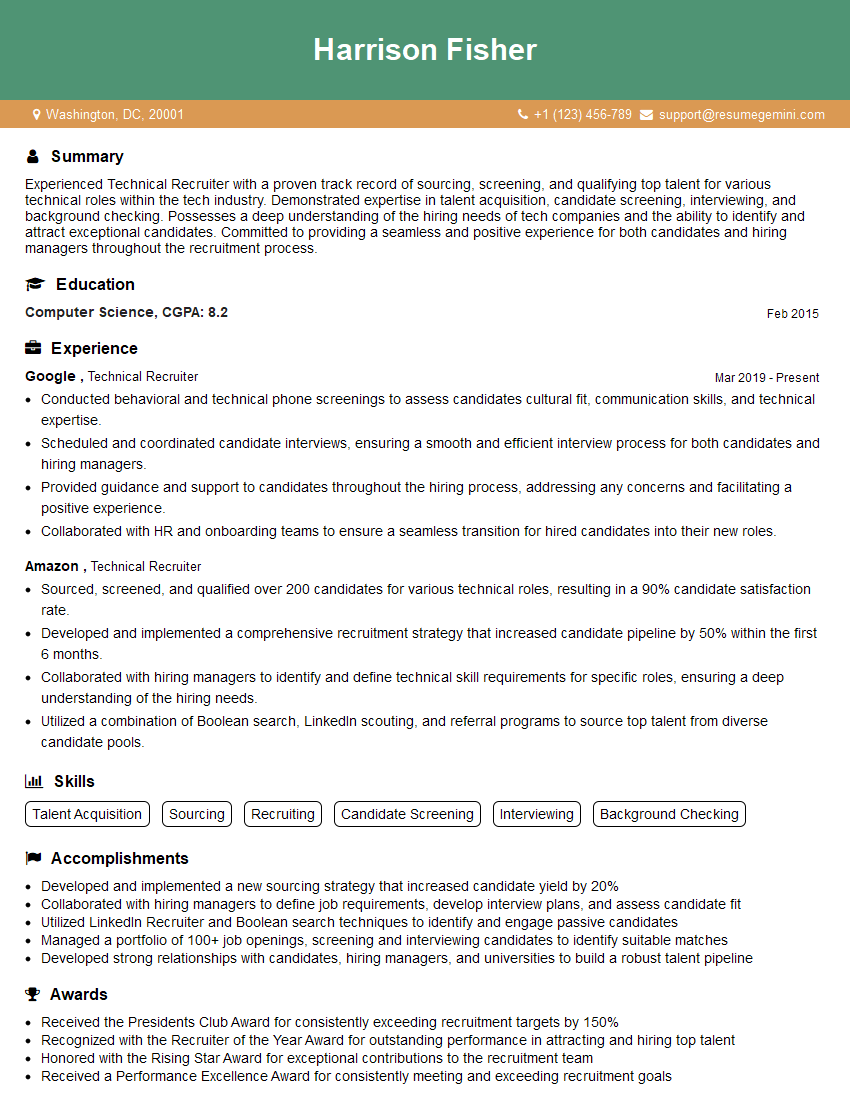
Technical Recruiter Resume Sample
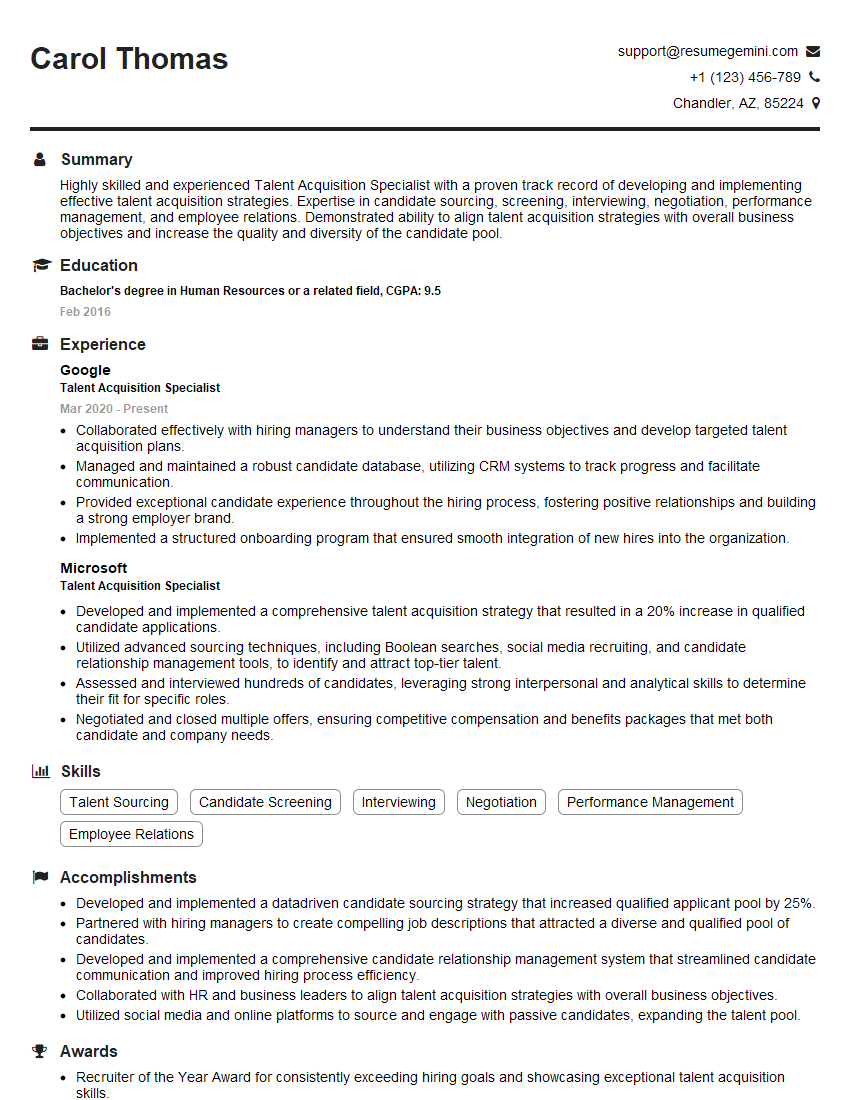
Talent Acquisition Specialist Resume Sample
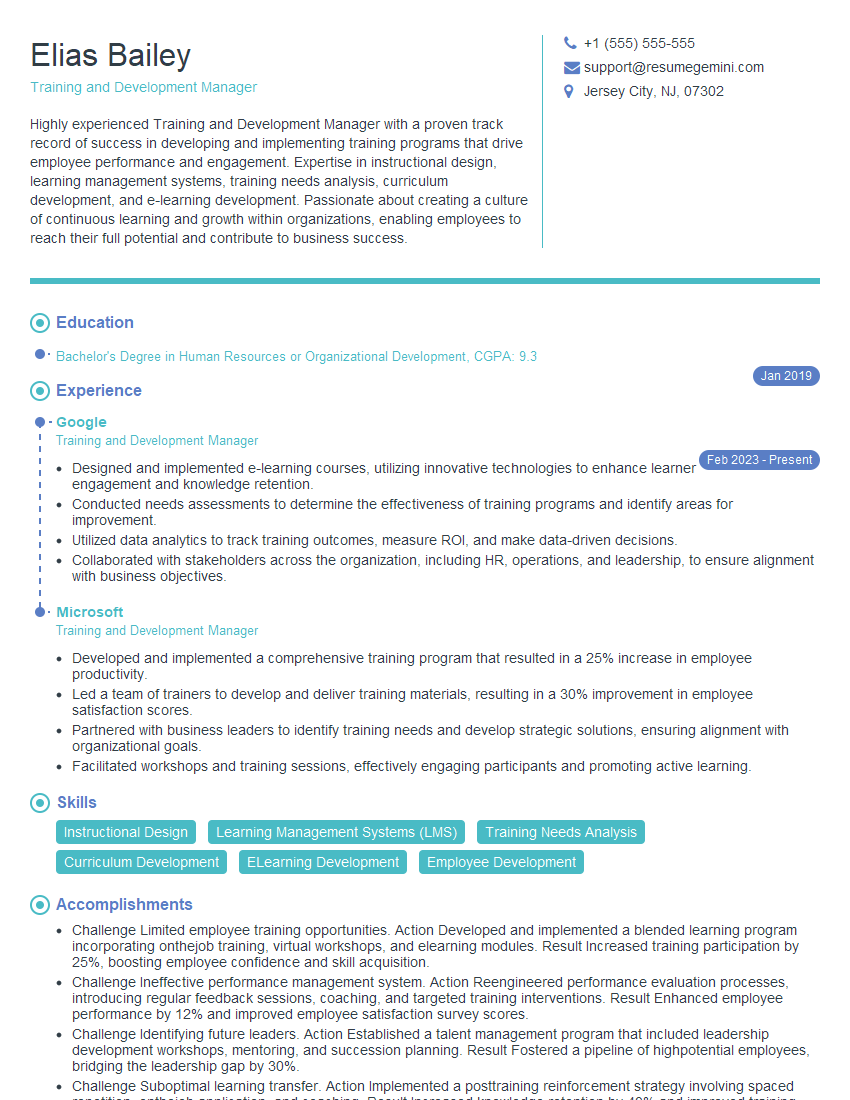
Training and Development Manager Resume Sample
Explore more articles
Users Rating of Our Blogs
Share Your Experience
We value your feedback! Please rate our content and share your thoughts (optional).
What Readers Say About Our Blog
Very informative content, great job.
good