Feeling uncertain about what to expect in your upcoming interview? We’ve got you covered! This blog highlights the most important Vamp Closing interview questions and provides actionable advice to help you stand out as the ideal candidate. Let’s pave the way for your success.
Questions Asked in Vamp Closing Interview
Q 1. Explain the core principles of Vamp Closing.
Vamp Closing, unlike traditional hard closes, focuses on subtly shifting the conversation from a decision about the product or service itself to a decision about the process of obtaining it. It leverages the customer’s existing momentum and desire for a solution by focusing on the next logical step, rather than directly asking for the sale. This approach is less confrontational and more likely to lead to a positive outcome.
The core principle hinges on identifying and addressing any perceived barriers to purchase. Instead of directly asking for the sale, you address potential concerns or uncertainties, making the decision easier for the customer. It’s about guiding them towards the desired outcome – the purchase – through a series of gentle nudges, rather than a forceful push.
Q 2. Describe a situation where you successfully used Vamp Closing.
I was working with a client who was interested in a comprehensive marketing package but hesitated due to budget concerns. Instead of directly addressing the price, I used Vamp Closing. I acknowledged their budget sensitivity, saying something like, “I understand budget is a primary concern. To help you feel confident moving forward, let’s explore some options to make this work within your budget, including payment plans or customized packages. Which would you prefer to discuss first?” This shifted the focus from “can I afford it?” to “how can we make it work?” This subtle shift allowed us to explore solutions and ultimately finalize the agreement.
Q 3. What are the key differences between Vamp Closing and other closing techniques?
Vamp Closing differs significantly from other closing techniques like the hard close (directly asking for the sale) or the assumptive close (acting as if the sale is already done). Traditional hard closes can feel pushy and create resistance, while assumptive closes can backfire if the customer isn’t ready. Vamp Closing avoids these pitfalls by emphasizing collaboration and problem-solving. It focuses on streamlining the buying process, addressing potential objections before they arise, and guiding the customer toward a comfortable decision. It’s less about persuasion and more about facilitation.
Q 4. How do you identify the right moment to employ Vamp Closing?
The ideal moment to employ Vamp Closing is when the customer has expressed significant interest and has overcome most of their initial objections. You’ll recognize this by observing positive body language (nodding, leaning in), asking clarifying questions, and expressing enthusiasm about the product or service. It’s about sensing a shift from exploration to consideration. If they’re asking about logistics, next steps, or payment options, that’s a strong signal that a Vamp Close is appropriate.
Q 5. What are the potential drawbacks or limitations of Vamp Closing?
While effective, Vamp Closing isn’t a silver bullet. One potential drawback is that if used prematurely – before the customer has adequately explored their needs or addressed core concerns – it can feel manipulative or rushed. Another limitation is that it requires a high degree of sensitivity and awareness; misjudging the customer’s readiness can lead to frustration and lost opportunities. Finally, it might not be suitable for all products or services; it works best when a degree of customization or flexibility is possible to accommodate customer needs.
Q 6. How do you handle objections when using Vamp Closing?
Handling objections during Vamp Closing requires skillful listening and empathy. Instead of directly refuting the objection, you acknowledge its validity and then reframe it as a problem to be solved collaboratively. For instance, if a customer objects to the price, you might respond with, “I understand that’s a significant investment. Let’s explore how we can tailor the package to fit your budget better, perhaps by prioritizing certain features.” The focus is on finding a mutually beneficial solution, not winning an argument.
Q 7. How do you adapt Vamp Closing to different customer personalities?
Adapting Vamp Closing to different customer personalities requires strong observation and interpersonal skills. For decisive customers, you can move more quickly through the process. For those who are more cautious or analytical, you’ll need to be more patient, offer more detail, and provide more reassurance. A key element is adapting your language and tone to match their communication style. Maintain a collaborative approach in every interaction, adjusting your pace and level of detail to ensure the customer feels comfortable and understood.
Q 8. How do you measure the effectiveness of Vamp Closing in your sales process?
Measuring the effectiveness of Vamp Closing requires a multi-faceted approach. It’s not simply about the immediate close; it’s about understanding the long-term impact on sales conversion and customer lifetime value. We track several key metrics:
- Vamp Close Conversion Rate: This is the percentage of sales attempts using the Vamp Close that result in an immediate sale. We track this separately from our overall conversion rate to isolate its effectiveness.
- Average Deal Size (Vamp Close vs. Other Methods): We compare the average deal size secured through Vamp Closing with deals closed using other methods. This helps determine if the Vamp Close is more effective for higher-value deals.
- Customer Acquisition Cost (CAC): While not directly measuring the Vamp Close’s effectiveness alone, a lower CAC associated with leads closed using this method indicates efficiency.
- Customer Satisfaction (CSAT): Surprisingly, a properly executed Vamp Close shouldn’t negatively impact CSAT. We monitor customer feedback to ensure we’re using this technique ethically and effectively.
- Sales Cycle Length (Vamp Close vs. Other Methods): A shorter sales cycle using the Vamp Close would suggest increased efficiency.
By analyzing these metrics over time, we can accurately gauge the ROI of Vamp Closing and refine our strategy accordingly. A decline in any of these metrics could indicate a need to adjust our approach or the situations in which we apply the Vamp Close.
Q 9. Describe your process for qualifying leads before attempting a Vamp Close.
Qualifying leads before a Vamp Close is crucial for its success. A premature attempt on an unqualified lead can damage rapport and reduce future sales opportunities. Our process involves:
- Needs Identification: We thoroughly understand the prospect’s needs, budget, and timeline through discovery calls and research. This ensures they’re a good fit for our product/service.
- Budget Confirmation: We discreetly gauge their budget to avoid wasting time on leads who lack the financial capacity.
- Authority Verification: We confirm the prospect’s authority to make purchasing decisions. This prevents engaging in lengthy negotiations with someone who lacks the power to close the deal.
- Pain Point Assessment: We identify the prospect’s key pain points and how our product/service directly addresses them. This helps justify the urgency of the Vamp Close.
- Timeline Assessment: We determine if the prospect has a defined timeline for purchase. This is critical as the Vamp Close often works best when a decision is needed soon.
Only leads that meet our criteria across these five areas are considered for a Vamp Close. It’s better to have fewer, qualified leads than to waste valuable time and resources on prospects who are unlikely to convert.
Q 10. What metrics do you track to assess the success of your Vamp Closing attempts?
Assessing the success of Vamp Closing attempts focuses on both the immediate outcome and the long-term implications. We track:
- Conversion Rate: The percentage of attempts resulting in an immediate sale.
- Average Deal Size: The average value of deals closed using the Vamp Close.
- Close Rate by Sales Rep: Identifying top performers to share best practices and coach others.
- Lead Source Performance: Determining which lead sources yield the most suitable prospects for this technique.
- Time to Close: Measuring the efficiency of the Vamp Close in shortening the sales cycle.
- Customer Churn Rate (Post Vamp Close): Analyzing if the speed of the close has a negative effect on customer retention.
Analyzing these metrics helps us fine-tune our approach, optimize our sales processes, and identify opportunities for improvement. We regularly review these metrics to avoid potential pitfalls and improve our strategy. For instance, a low conversion rate might indicate the need for better lead qualification or adjustments to our closing pitch.
Q 11. How do you maintain a positive and professional demeanor while using assertive closing techniques like Vamp Closing?
Maintaining a positive and professional demeanor while using assertive techniques like the Vamp Close is paramount. It’s about confidence, not aggression. Here’s how:
- Empathy and Understanding: Even while employing the Vamp Close, actively listen to the prospect’s concerns and address them respectfully. Show genuine interest in their needs.
- Clear and Concise Communication: Present the offer clearly and confidently, avoiding jargon or overly technical language. Focus on the value proposition.
- Positive Body Language: Maintain open and inviting body language, avoiding aggressive postures or condescending tones. Smile genuinely.
- Respectful Tone: Speak in a confident, yet respectful tone. Avoid pressuring or condescending language.
- Value-Focused Approach: Emphasize the benefits and value the prospect receives, not just the features of the product or service.
Think of it as guiding the prospect towards a decision, rather than forcing one. A well-executed Vamp Close should feel collaborative and beneficial, not manipulative. We use positive reinforcement and focus on helping the prospect achieve their goals.
Q 12. Can you explain a time you failed to close a deal using Vamp Closing? What did you learn?
I recall a situation where I attempted a Vamp Close with a prospect who, unbeknownst to me, was already engaged in lengthy negotiations with a competitor. My attempt, while professionally executed, felt rushed and insensitive given their existing commitment. The deal fell through, not because of the technique itself, but due to a lack of thorough lead qualification.
The key learning was the critical importance of thorough lead qualification before employing any assertive closing technique. It highlighted the need to verify the prospect’s stage in the buying process and their level of commitment to alternative solutions. Now, we have a more rigorous qualification process that incorporates deeper probing questions to uncover potential conflicts or existing commitments before applying a Vamp Close.
Q 13. How do you build rapport with a prospect before attempting a Vamp Close?
Building rapport before attempting a Vamp Close is essential for its success. It sets the stage for a smooth and positive interaction, making the assertive closing less likely to be perceived negatively. Our process includes:
- Active Listening: Truly listen to understand the prospect’s needs and concerns, demonstrating genuine interest.
- Finding Common Ground: Identify shared interests or experiences to create a connection.
- Personalization: Tailor the conversation to the prospect’s specific situation and needs, showing you’ve done your homework.
- Value-Driven Dialogue: Focus on the benefits and value your product/service provides, relating it to the prospect’s pain points.
- Positive and Confident Demeanor: Project confidence, competence, and enthusiasm without being arrogant or overbearing.
By establishing a strong foundation of trust and understanding, we create an environment where the Vamp Close feels less like a pressure tactic and more like a natural progression of a helpful conversation.
Q 14. How do you handle pushback from a prospect resistant to a Vamp Close?
Handling pushback from a prospect resistant to a Vamp Close requires tact and adaptability. It’s crucial to avoid becoming defensive or aggressive.
- Acknowledge and Validate Concerns: Listen to their objections and acknowledge their validity. Show understanding and empathy.
- Reframe the Offer: Rephrase the offer in a way that directly addresses their concerns, highlighting the benefits that resonate most with them.
- Offer Alternatives: If the immediate close isn’t working, suggest alternative options or a modified timeline that allows for further consideration.
- Summarize Key Benefits: Reiterate the key value propositions and how they address the prospect’s needs, reinforcing the benefits of a timely decision.
- Graceful Exit: If the resistance is insurmountable, gracefully exit the conversation, ensuring you maintain a professional and positive relationship for future interactions.
The key is to remain flexible and adaptable. A successful Vamp Close relies on mutual understanding and a collaborative approach. If the prospect is not receptive, forcing the issue will likely damage the relationship and reduce the chance of future sales. Sometimes, the best close is no close at all, particularly if it risks harming the relationship.
Q 15. Describe your understanding of the psychological principles behind Vamp Closing.
Vamp Closing, at its core, leverages the psychological principle of scarcity. It plays on the human tendency to value things more when they’re perceived as limited or in short supply. This taps into our fear of missing out (FOMO) and creates a sense of urgency. It also subtly employs the principle of reciprocity; by offering a seemingly generous concession or bonus, it creates a sense of obligation in the prospect. Finally, it can subtly utilize the framing effect, where the way an offer is presented influences the decision-making process. For instance, framing a discount as a limited-time offer is more persuasive than simply stating the discount.
Imagine a salesperson offering a free extra year of warranty if the customer buys today. The extra year is the ‘vampire’ element, seemingly sucking the life out of the deal’s profitability, but actually prompting a quicker purchase decision driven by the perceived value of the added benefit and fear of missing out.
Career Expert Tips:
- Ace those interviews! Prepare effectively by reviewing the Top 50 Most Common Interview Questions on ResumeGemini.
- Navigate your job search with confidence! Explore a wide range of Career Tips on ResumeGemini. Learn about common challenges and recommendations to overcome them.
- Craft the perfect resume! Master the Art of Resume Writing with ResumeGemini’s guide. Showcase your unique qualifications and achievements effectively.
- Don’t miss out on holiday savings! Build your dream resume with ResumeGemini’s ATS optimized templates.
Q 16. What are some ethical considerations when using Vamp Closing?
Ethical considerations surrounding Vamp Closing are paramount. The primary concern is transparency. While offering incentives is acceptable, creating a false sense of urgency or hiding crucial information to manipulate the customer is unethical. It’s crucial to ensure the limited-time offer or extra bonus is genuine and not a tactic solely designed to pressure the customer. Another ethical concern is targeting vulnerable populations, such as the elderly or those with limited financial literacy. Exploiting their vulnerabilities to force a sale is unethical and potentially illegal.
For example, if the ‘limited-time offer’ is arbitrarily extended repeatedly without a legitimate reason, this creates mistrust and damages brand reputation. Similarly, if small print or hidden conditions make the overall value of the ‘vamp’ element less attractive than initially presented, this represents unethical practice.
Q 17. How do you integrate Vamp Closing into a broader sales strategy?
Vamp Closing shouldn’t be the sole closing technique in a sales strategy. Instead, it should be integrated as one tool within a broader, multi-faceted approach. It works best as a closing tactic for qualified leads who have already expressed a significant level of interest. Incorporating it too early in the sales process can be counterproductive.
For example, a sales strategy might involve initial needs analysis, followed by product demonstration and value proposition explanation. Then, once the customer seems ready to commit, the salesperson could implement a Vamp Close, highlighting a limited-time bonus as the final incentive to secure the sale. This makes it a closing technique to leverage rather than the primary sales strategy.
Q 18. How do you ensure compliance with legal and ethical sales practices while using Vamp Closing?
Ensuring compliance requires meticulous attention to detail and adherence to relevant laws and regulations, especially concerning advertising and consumer protection. All offers should be clear, concise, and not misleading. Sales representatives should be adequately trained to understand and uphold ethical sales practices. Crucially, any limited-time offers should have genuine end dates, avoiding manipulation. Companies should keep detailed records of all sales transactions and offers to demonstrate compliance.
For example, a company might have an internal compliance checklist for each sales interaction, ensuring all necessary details are documented and reviewed. This checklist might cover disclosure of all conditions, avoidance of coercive tactics, and verifying the authenticity of any limited-time offer.
Q 19. What are some alternatives to Vamp Closing if it proves ineffective?
If a Vamp Close proves ineffective, several alternatives exist. The Summary Close recaps the benefits and addresses any remaining objections. The Trial Close subtly gauges the customer’s readiness to buy. The Assumptive Close frames the conversation as if the sale is already complete. Problem-solving offers additional solutions tailored to their needs. Alternatively, adjusting the value proposition to better resonate with the target customer can improve conversion.
For example, if a Vamp Close doesn’t work, a salesperson could try a Summary Close by outlining the key product advantages and addressing remaining concerns, creating a more collaborative and less pressured feeling.
Q 20. How do you handle a situation where a prospect is unsure about making a purchase after a Vamp Close?
If a prospect is unsure, the salesperson should avoid pressuring them. Instead, they should actively listen to the prospect’s concerns and address them empathetically. Reiterating the value proposition, offering additional information, or suggesting a trial period can help. It’s crucial to maintain a professional and non-manipulative approach. Ultimately, respecting the prospect’s decision is paramount.
For instance, the salesperson could say something like, “I understand your hesitation. Let’s revisit the key benefits and see if we can clarify any remaining questions. Perhaps a demonstration would be helpful?” This shows empathy and builds rapport rather than applying further pressure.
Q 21. How do you tailor your Vamp Closing approach to different types of sales situations?
Adapting the Vamp Close requires considering the specific sales context. In high-value sales, the ‘vampire’ element might be a substantial service upgrade or exclusive access. In lower-value sales, it could be a small, tangible bonus. The urgency should also be calibrated – a limited-time offer is more effective in fast-paced markets than in slower ones. Furthermore, the customer’s personality and purchasing style should be considered. A more aggressive approach might be suitable for some, while others might respond better to a gentler, more collaborative approach.
For example, in a B2B context, the ‘vampire’ might be a free consultation or implementation support. In a B2C context involving lower-priced items, it could be a free gift or expedited shipping. The language and tone must always match the context and customer relationship.
Q 22. What are some common misconceptions about Vamp Closing?
A common misconception about Vamp Closing, a high-pressure closing technique where you essentially ‘attack’ the prospect’s objections, is that it’s a universally effective strategy. Many believe that overwhelming a prospect with assertive statements will always lead to a sale. This is false. Another misconception is that it’s ethical or builds long-term relationships. In reality, it can damage trust and alienate potential clients. Finally, some believe it’s easy to master. The truth is that it requires considerable skill, finesse, and situational awareness to avoid alienating the prospect entirely.
- Misconception 1: Always effective. Reality: Highly dependent on prospect personality and sales context.
- Misconception 2: Builds rapport. Reality: Often damages trust and relationships.
- Misconception 3: Easy to learn. Reality: Requires significant skill and practice.
Q 23. How do you manage expectations with a prospect after using a Vamp Close?
Managing expectations after a Vamp Close requires transparency and a focus on building trust even if the close wasn’t successful. If the prospect didn’t buy, I explain clearly why I used that approach – highlighting the urgency or time sensitivity of the offer, for example. I then shift the conversation to understanding their hesitations. I emphasize that I respect their decision and offer alternative solutions or follow-up options that address their concerns. Instead of pushing for an immediate sale, I focus on building a long-term relationship based on mutual understanding and trust.
For example, I might say, “I understand your hesitation. The Vamp Close may have felt aggressive, and I apologize if that was the case. What specific concerns do you still have? Let’s explore if there’s another way we can work together.”
Q 24. How do you handle the pressure of attempting a Vamp Close?
The pressure of a Vamp Close is immense, but it’s manageable with proper preparation and a clear understanding of the risks. I mitigate the pressure by thoroughly researching the prospect beforehand, knowing their needs and motivations. This allows me to tailor my approach and anticipate potential objections. I also rehearse my pitch and possible responses to objections, building confidence. Finally, I remind myself that not every sale is winnable. Acceptance of this fact significantly reduces the pressure. The focus shifts from closing the deal to having a professional and informative interaction, regardless of the outcome.
Q 25. How do you follow up with a prospect after a Vamp Close attempt?
Following up after a Vamp Close attempt requires sensitivity. If they didn’t buy, a simple, non-pushy email expressing gratitude for their time is sufficient. I might offer additional resources or information related to their expressed needs. If they did buy, a thank-you note expressing appreciation and outlining next steps strengthens the relationship. The key is to avoid being overly aggressive in either scenario. Remember that building a positive, long-term relationship should always be the priority.
For example: “Thank you again for your time today. I appreciate you considering [product/service]. I’ve attached [resource] that you might find helpful. Please don’t hesitate to reach out if you have any further questions.”
Q 26. What are some common mistakes to avoid when using Vamp Closing?
Common mistakes to avoid include: using the technique inappropriately, being overly aggressive or insulting, failing to adapt to the prospect’s personality, and neglecting to manage expectations. Also crucial is avoiding using the Vamp Close as a crutch – it shouldn’t be the only closing technique in your arsenal. A lack of preparation and insufficient product knowledge are also major pitfalls that lead to ineffective Vamp Closes.
- Mistake 1: Inappropriate application.
- Mistake 2: Excessive aggression.
- Mistake 3: Lack of adaptability.
- Mistake 4: Poor expectation management.
- Mistake 5: Over-reliance on the technique.
- Mistake 6: Poor preparation.
Q 27. Describe a time you had to adjust your Vamp Closing approach mid-conversation.
In one instance, I attempted a Vamp Close with a prospect who was initially very receptive. However, as I started to employ the more assertive techniques, I noticed their body language shift. They became visibly uncomfortable and hesitant. I recognized that my approach was too forceful for this individual. Immediately, I adjusted my strategy. I paused, apologized for the aggressive tone, and shifted to a more consultative approach, focusing on addressing their concerns and answering their questions in a calm and reassuring manner. The conversation took a positive turn, and although I didn’t close the deal immediately, it opened the door for future discussions and ultimately led to a sale a week later. This emphasized the importance of reading the room and being adaptable.
Q 28. How do you overcome the challenges of using assertive closing techniques like Vamp Closing?
Overcoming the challenges of assertive closing techniques like the Vamp Close involves a combination of empathy, preparation, and ethical consideration. It’s crucial to approach each interaction with genuine care and respect for the prospect’s autonomy. Thorough preparation and a deep understanding of the product and the client’s needs significantly reduce the risk of alienating them. Ethical awareness involves knowing when it is appropriate to use the technique and when it’s better to adopt a more collaborative approach. The focus must always remain on building a positive relationship, regardless of the immediate sales outcome.
Remember: The Vamp Close, while effective in certain situations, is only one tool in a sales professional’s toolbox. Mastering gentler, more consultative techniques is equally, if not more, important for long-term success and ethical practice.
Key Topics to Learn for Vamp Closing Interview
- Understanding the Vamp Closing Technique: Defining the core principles and its variations.
- Identifying Ideal Closing Opportunities: Recognizing situations where a Vamp Closing is most effective and appropriate.
- Crafting Compelling Closing Statements: Developing persuasive and confident closing remarks tailored to different client profiles.
- Handling Objections Gracefully: Addressing potential concerns and objections with tact and professionalism, maintaining momentum towards a successful close.
- Negotiation and Concession Strategies within Vamp Closing: Integrating negotiation techniques to reach mutually beneficial agreements.
- Ethical Considerations and Best Practices: Ensuring the Vamp Closing approach is used responsibly and ethically, upholding professional integrity.
- Adapting the Vamp Closing to Various Sales Scenarios: Applying the technique across different sales contexts and product/service offerings.
- Measuring the Effectiveness of Vamp Closing: Tracking key performance indicators (KPIs) to assess the success rate and refine the approach.
- Analyzing Case Studies: Reviewing real-world examples of successful and unsuccessful Vamp Closing implementations to extract valuable lessons.
Next Steps
Mastering the Vamp Closing technique significantly enhances your sales capabilities and opens doors to more lucrative opportunities. A strong understanding of this closing method is highly valued by employers in competitive sales environments, demonstrating your ability to drive revenue and achieve sales targets. To maximize your job prospects, it’s crucial to create a resume that effectively showcases your skills and experience to Applicant Tracking Systems (ATS). We strongly recommend leveraging ResumeGemini, a trusted resource, to build a professional and ATS-friendly resume that highlights your expertise in Vamp Closing. Examples of resumes tailored to Vamp Closing are available below to help guide you.
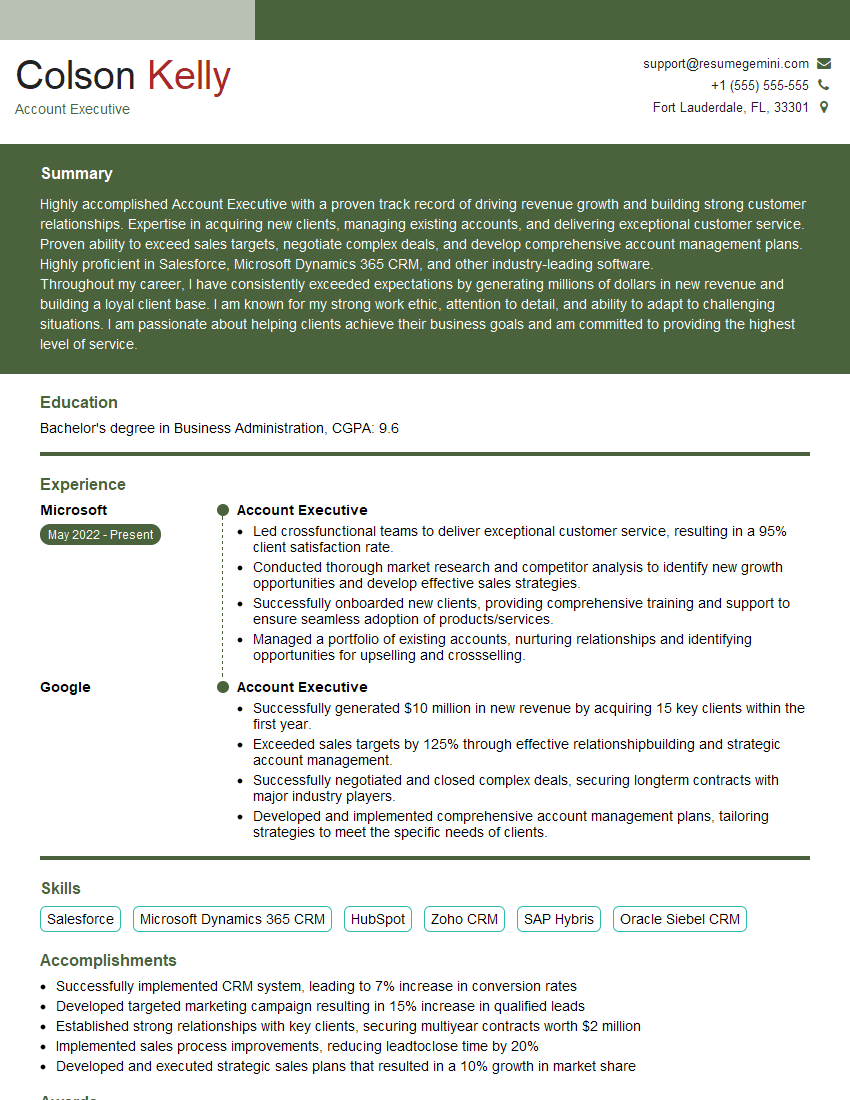
Account Executive Resume Sample
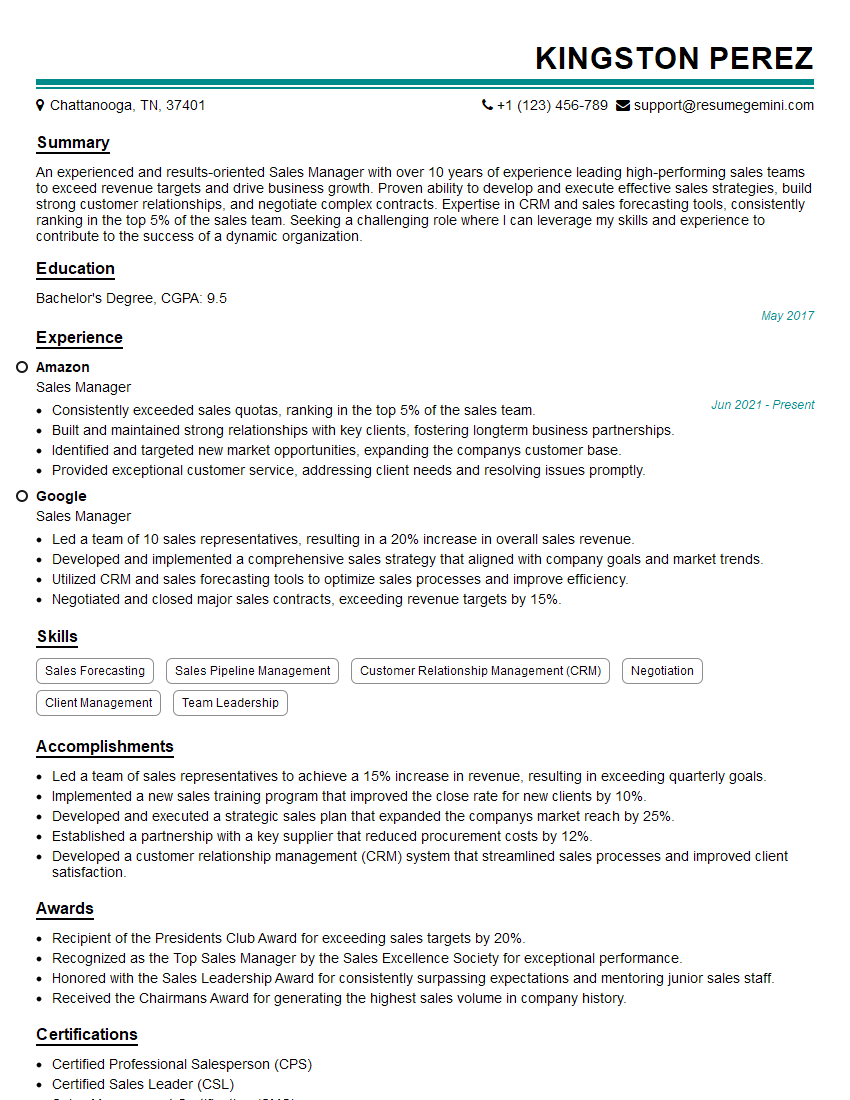
Sales Manager Resume Sample
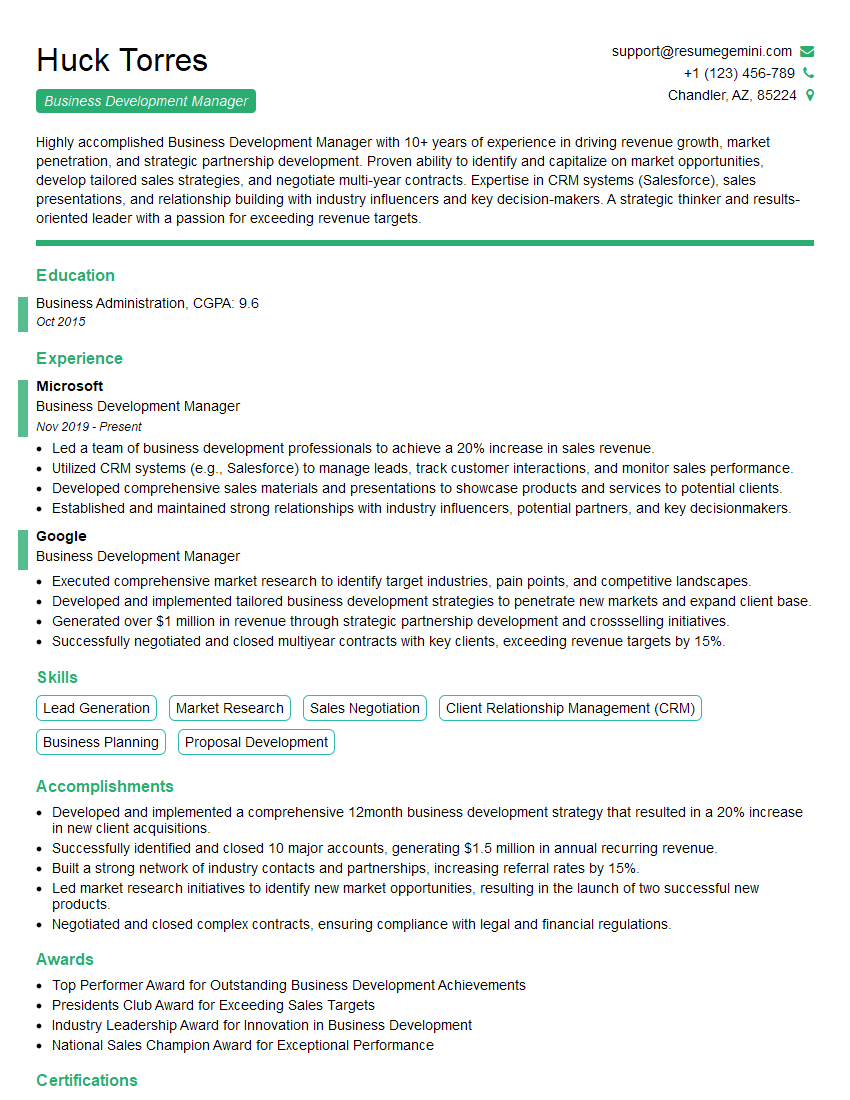
Business Development Manager Resume Sample
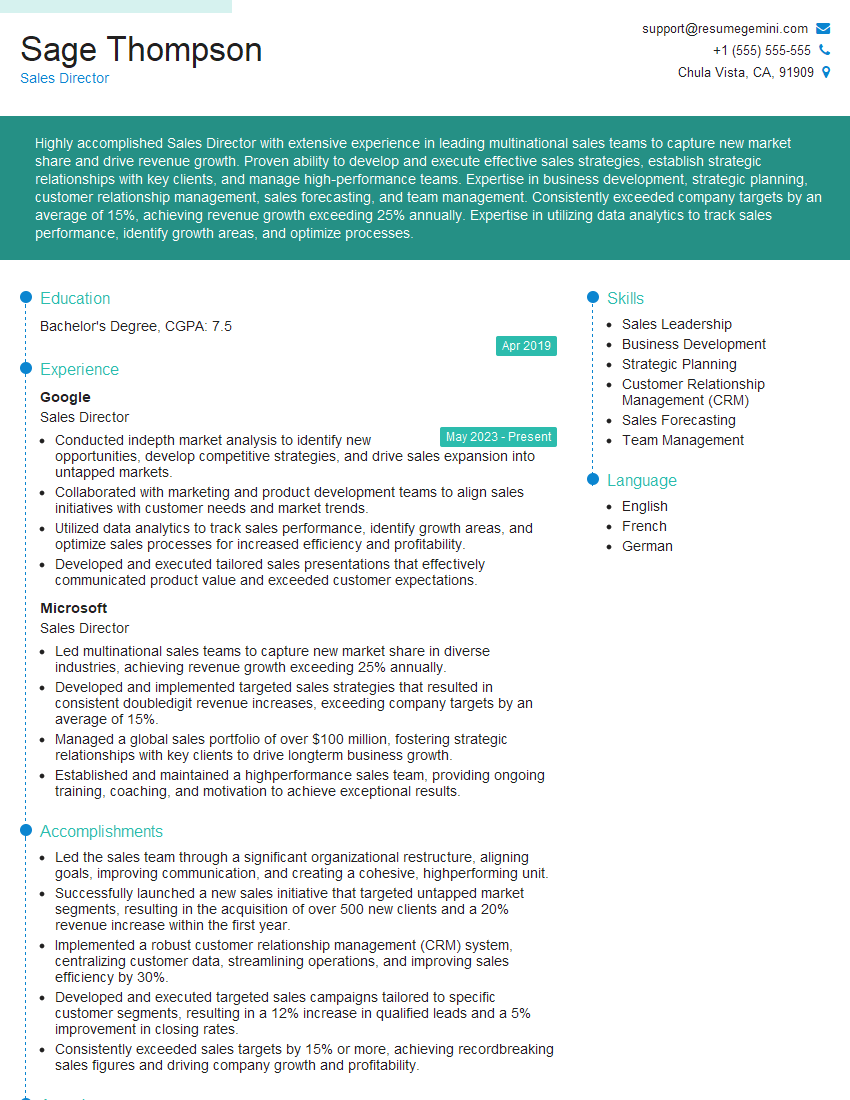
Sales Director Resume Sample
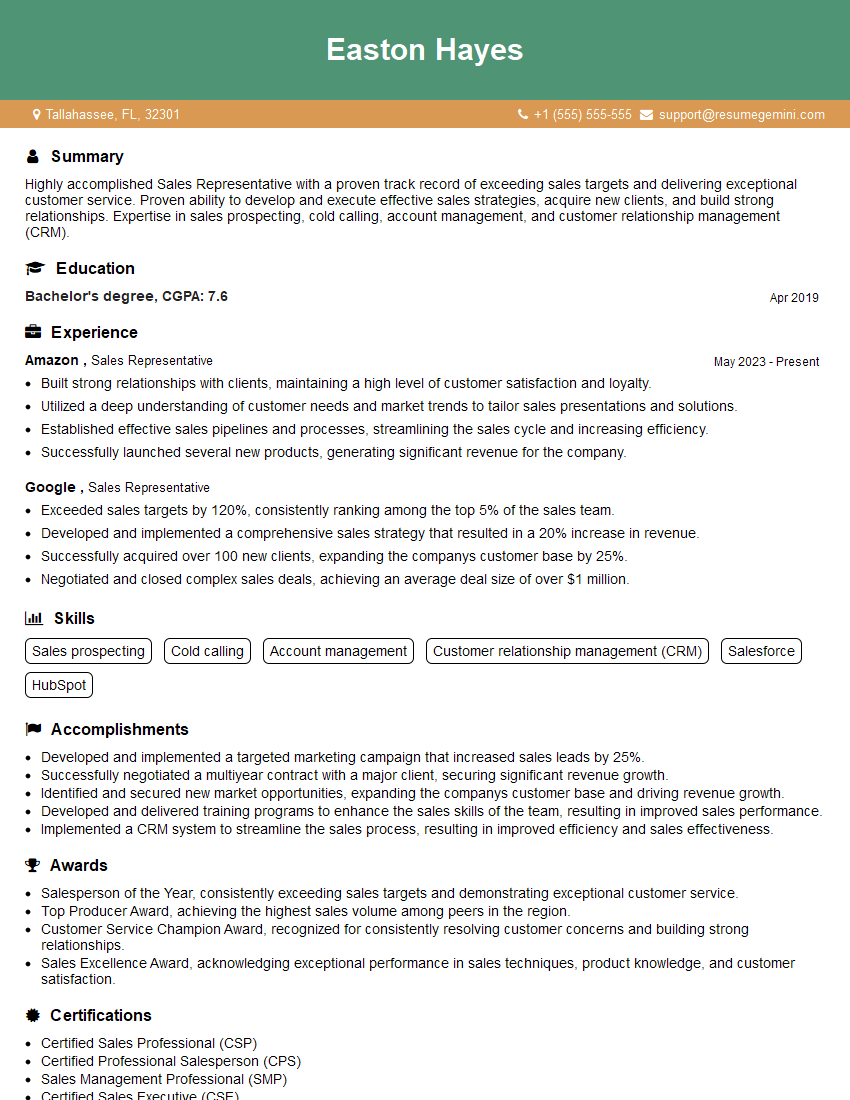
Sales Representative Resume Sample
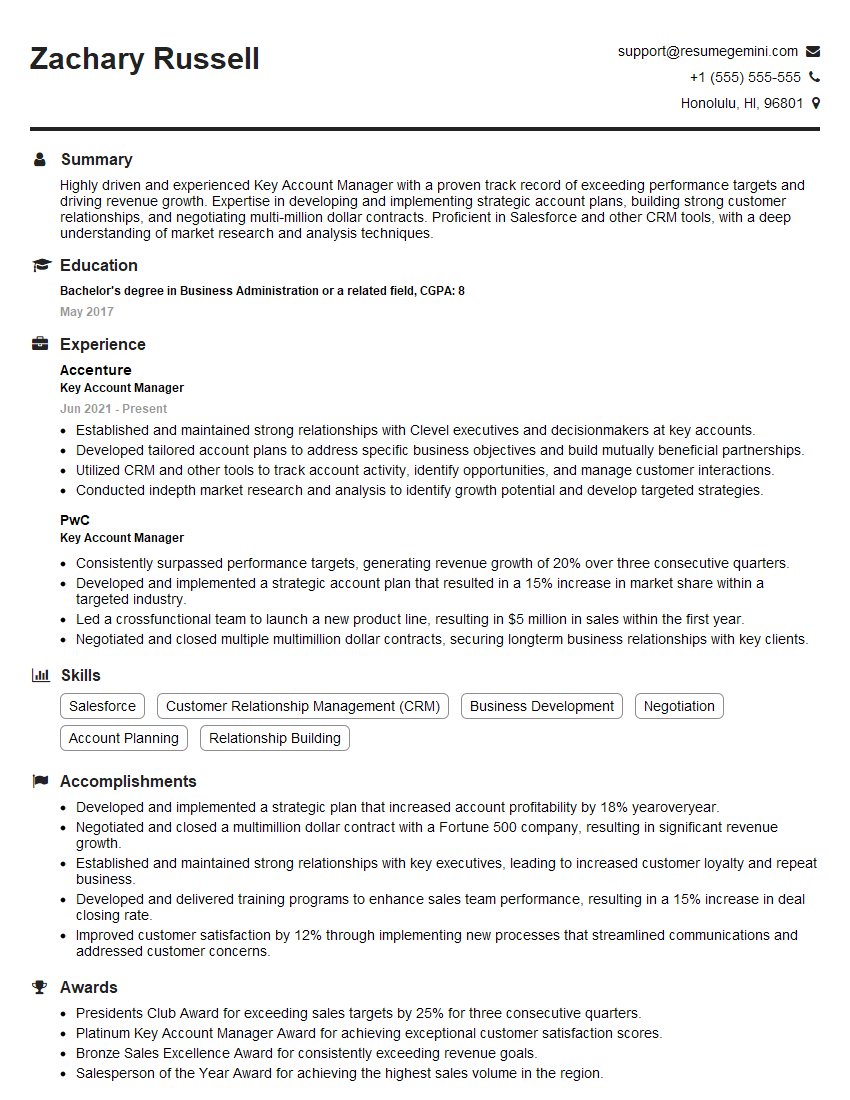
Key Account Manager Resume Sample
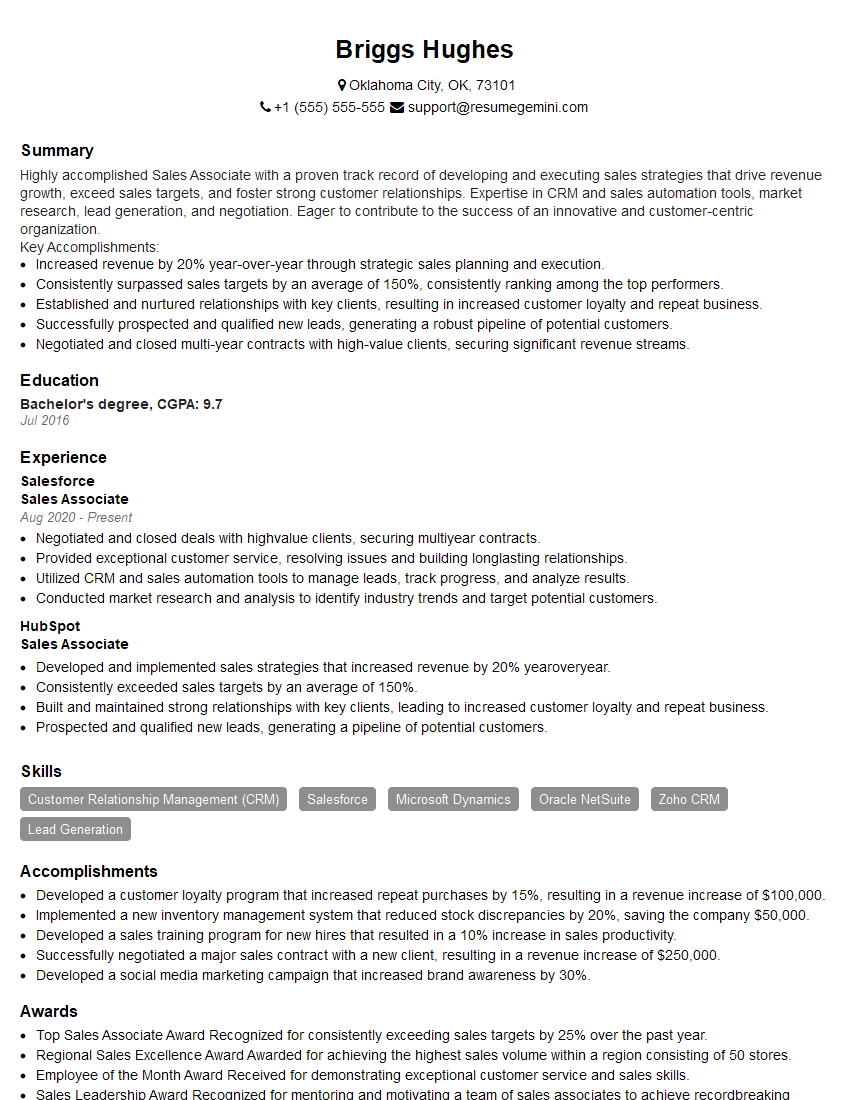
Sales Associate Resume Sample
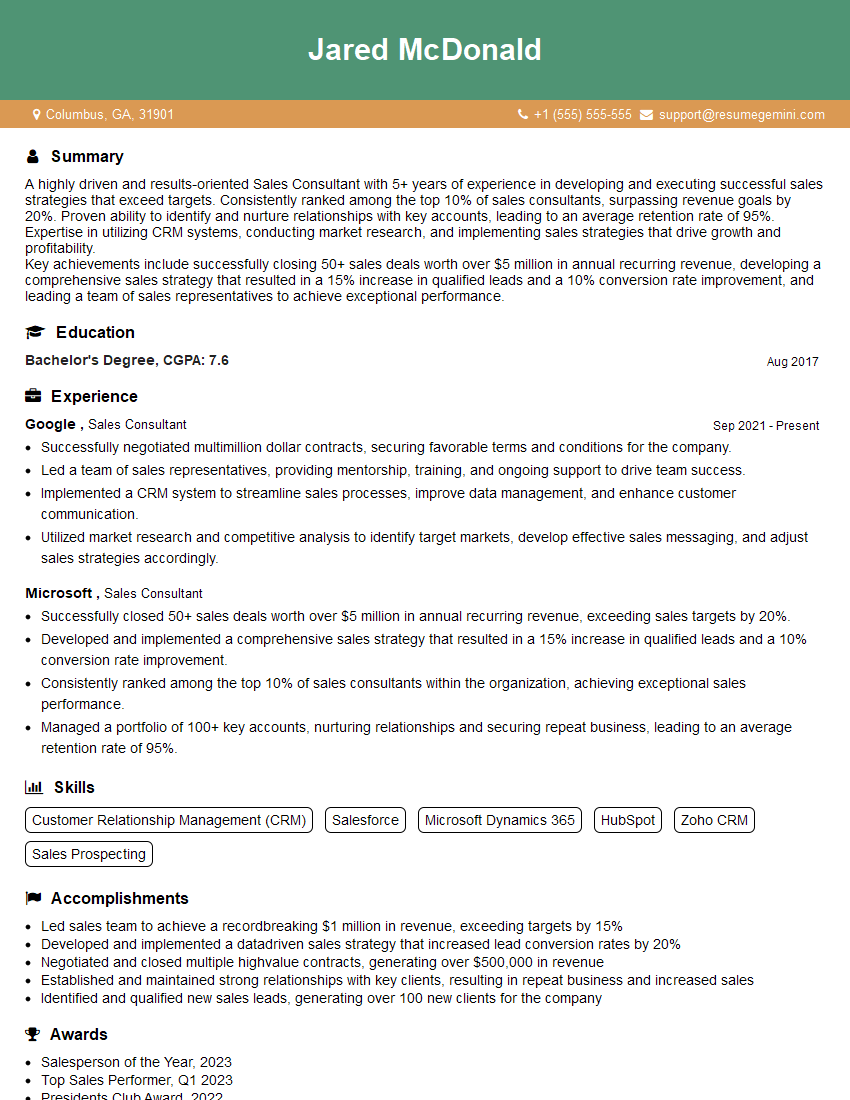
Sales Consultant Resume Sample
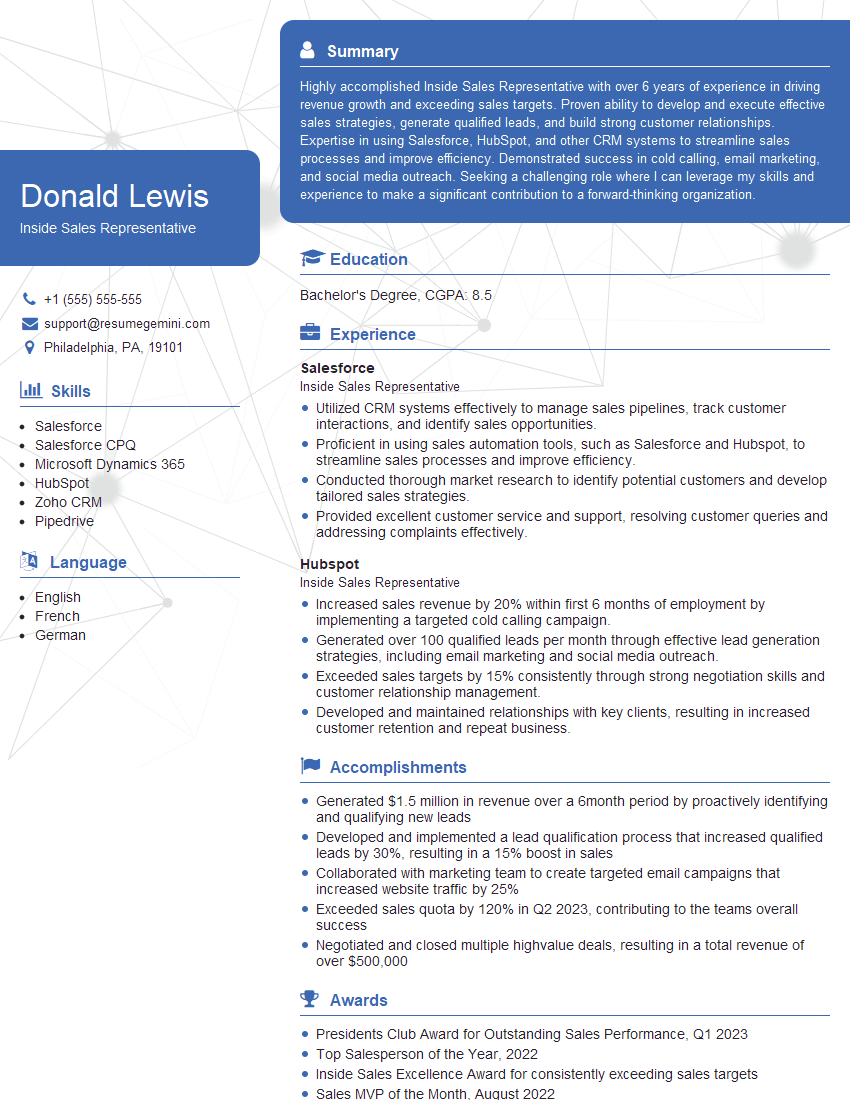
Inside Sales Representative Resume Sample
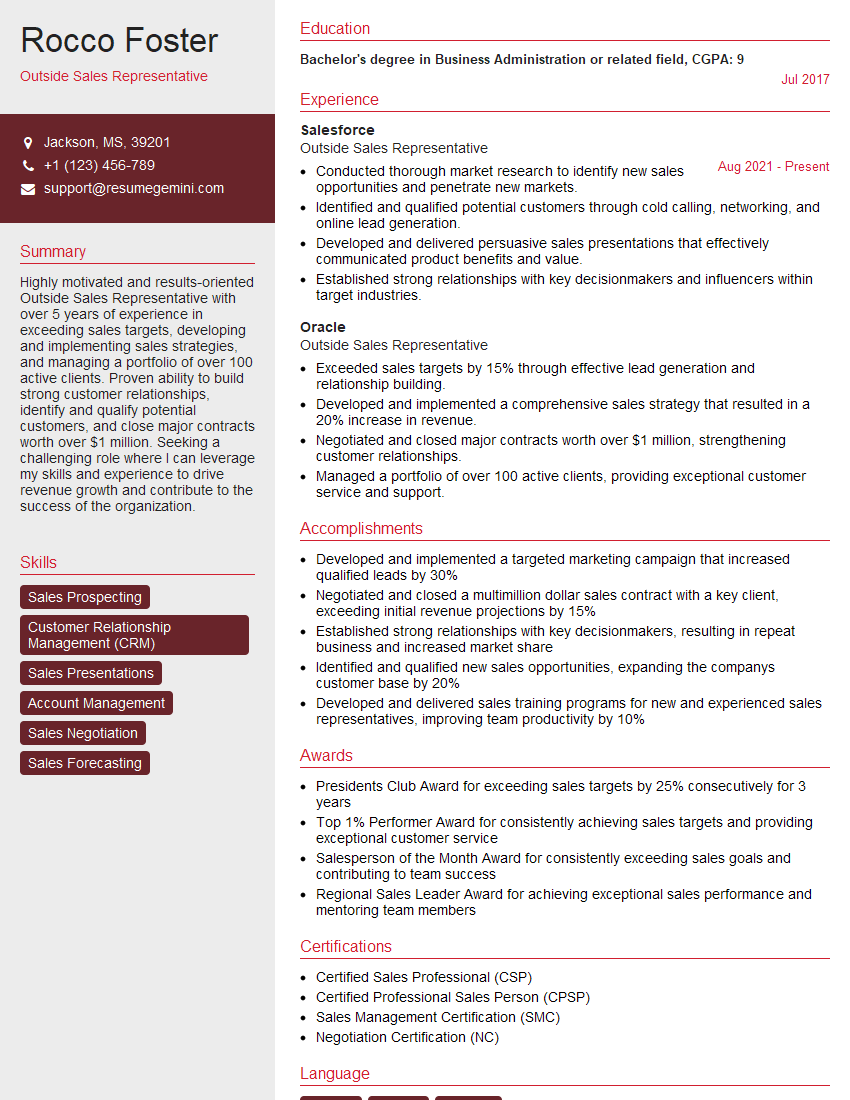
Outside Sales Representative Resume Sample
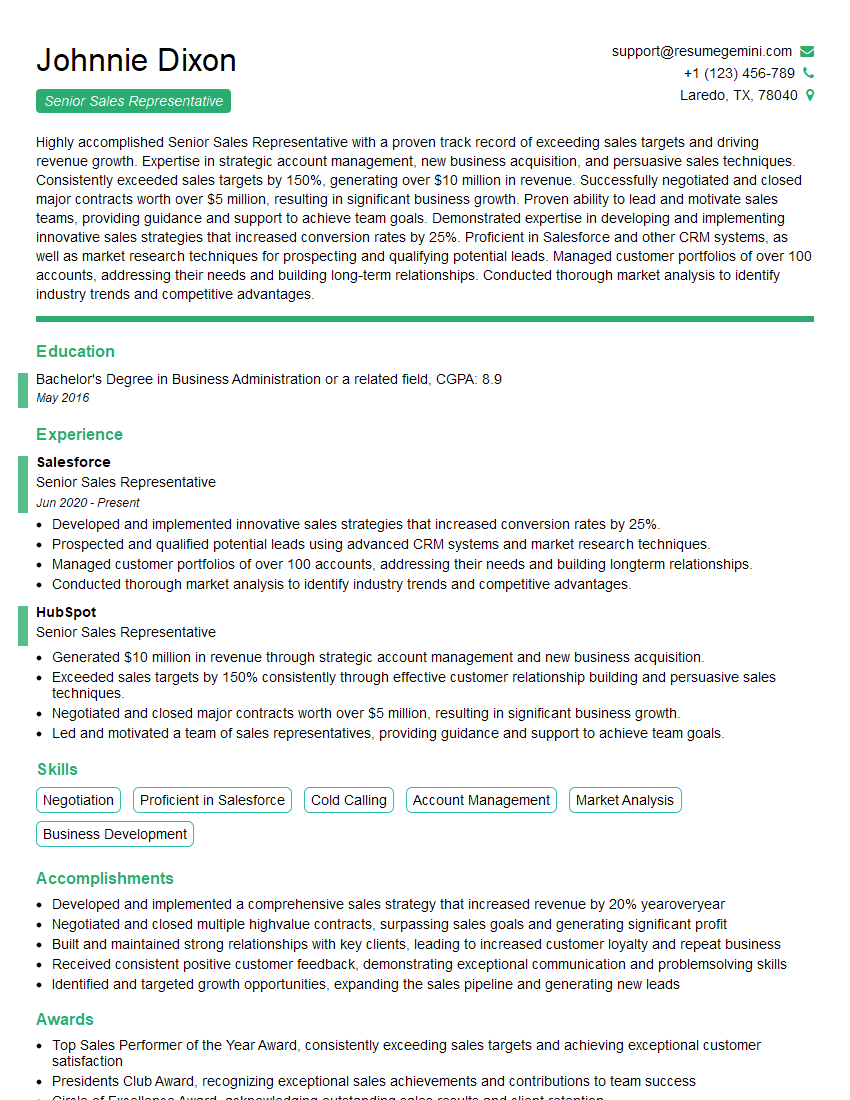
Senior Sales Representative Resume Sample
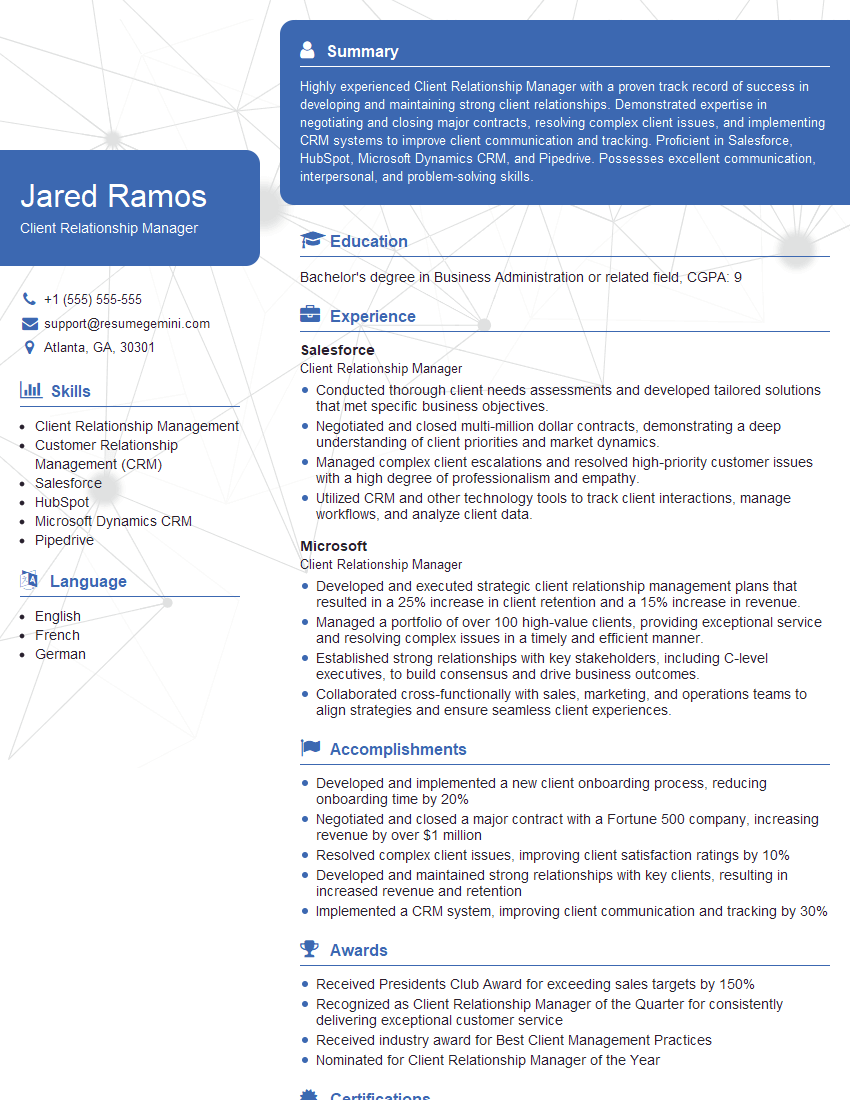
Client Relationship Manager Resume Sample
Explore more articles
Users Rating of Our Blogs
Share Your Experience
We value your feedback! Please rate our content and share your thoughts (optional).
What Readers Say About Our Blog
Very informative content, great job.
good