Feeling uncertain about what to expect in your upcoming interview? We’ve got you covered! This blog highlights the most important Use of Power Tools (if applicable) interview questions and provides actionable advice to help you stand out as the ideal candidate. Let’s pave the way for your success.
Questions Asked in Use of Power Tools (if applicable) Interview
Q 1. What safety precautions do you take when operating a circular saw?
Operating a circular saw safely requires a multifaceted approach. Think of it like this: you’re wielding a high-powered spinning blade – respect is key!
- Proper Blade Selection: Choose the correct blade for the material you’re cutting. Using the wrong blade can lead to dangerous kickback or poor cuts.
- Secure Workpiece: Always clamp down the material you’re cutting to prevent movement during operation. Imagine trying to cut a piece of wood that’s shifting – disaster waiting to happen!
- Correct Posture and Grip: Maintain a firm, balanced stance, using both hands to control the saw. Avoid reaching or overextending.
- Eye and Hearing Protection: Always wear safety glasses or a face shield and hearing protection. Flying debris and the saw’s noise are serious hazards.
- Clear Work Area: Ensure the area around you is free of clutter and obstacles. You need space to move and react if something goes wrong.
- Kickback Awareness: Understand that kickback is a real possibility and know how to react. Never put your fingers in front of the blade.
- Disconnect Power: Always disconnect the power before making adjustments or changing blades.
For example, I once saw a colleague get a minor injury because he didn’t secure the workpiece properly. The wood shifted, causing the saw to bind and kick back. A simple clamp could have prevented it.
Q 2. Describe your experience with using a reciprocating saw.
I have extensive experience with reciprocating saws, often using them for demolition work and cutting curves in various materials. It’s a versatile tool but requires careful technique.
My experience includes using reciprocating saws with various blade types for different materials: wood, metal, and even cutting through plasterboard during renovations. I’m comfortable with both plunge cuts (starting inside the material) and standard cuts. I’m particularly mindful of blade selection to ensure the right teeth for the job and to reduce the risk of snapping blades.
I regularly perform maintenance, ensuring the blade is properly secured and that the saw is clean. This minimizes the chance of blade slippage or jams, which can cause injury.
Safety is paramount: I always wear appropriate safety glasses, gloves, and hearing protection. I also ensure that I have a firm grip on the saw and avoid excessive force, which could cause the saw to bind and kickback.
Q 3. How do you maintain a drill press to ensure optimal performance and safety?
Maintaining a drill press is crucial for both performance and safety. Think of it as regular check-ups for a vital piece of equipment.
- Cleanliness: Regularly clean the chuck, bed, and any other moving parts with a brush or compressed air. Dust and debris can accumulate and affect the drill press’s performance and lead to jams.
- Lubrication: Lubricate moving parts as recommended by the manufacturer. Dry joints can cause friction, leading to wear and tear and potentially dangerous malfunctions.
- Belt Tension: Check and adjust the belt tension according to the manufacturer’s specifications. A loose belt can slip, causing inconsistent drilling and potential injury.
- Chuck Tightness: Ensure the drill bit is securely clamped in the chuck. A loose bit can easily slip, resulting in inaccurate drilling or even injury.
- Regular Inspection: Visually inspect the drill press for any signs of damage or wear and tear. Replace damaged parts as needed. I look for things like cracked components, binding parts, or any excessive wear on the belt.
For example, neglecting lubrication can lead to premature wear on the motor and chuck, significantly reducing the life of the drill press and increasing the potential for failure.
Q 4. What are the different types of drill bits and when would you use each?
Drill bits come in various types, each designed for specific materials and applications.
- Twist Drill Bits: These are the most common type, used for general-purpose drilling in wood, metal, and plastic. They have a spiral design that helps to clear chips and debris.
- Masonry Drill Bits: These bits are designed for drilling into hard materials like brick, concrete, and stone. They often have a carbide tip for increased durability.
- Wood Drill Bits: Designed specifically for wood, these bits usually have a spur point for accurate starting and a wider cutting edge for cleaner holes.
- Brad Point Drill Bits: These bits provide very accurate and clean holes in wood and other softer materials. They have a sharp center point to prevent wandering.
- Countersink Drill Bits: These bits are used to create a countersunk hole, allowing a screw head to sit flush with the surface.
The choice of bit depends entirely on the material and the desired result. For instance, attempting to drill concrete with a wood bit would be ineffective and could damage the bit.
Q 5. Explain the proper techniques for using a jigsaw.
Using a jigsaw properly involves technique and awareness. Think of it like drawing a precise line with a controlled power tool.
- Blade Selection: Choose the correct blade for the material. Different materials and cuts require different tooth configurations.
- Secure Workpiece: Clamp the material to a stable surface to prevent movement during cutting.
- Correct Grip and Posture: Maintain a comfortable and balanced stance, using both hands to guide the saw. Avoid leaning too heavily on the tool.
- Controlled Speed: Start with a slower speed, especially for intricate cuts, and increase speed as you gain confidence. Slow and steady wins the race in this case.
- Follow the Line: Use a guide to help maintain a straight line or carefully follow a marked line for curved cuts.
- Blade Changing: Always unplug the jigsaw before changing the blade.
One common mistake is applying too much pressure, which can lead to broken blades or inaccurate cuts. Gentle pressure and controlled movements are key.
Q 6. How do you prevent kickback when using a chainsaw?
Kickback with a chainsaw is a serious hazard that can result in injury. Preventing it requires both proper technique and chainsaw maintenance.
- Sharp Chain: A dull chain increases the risk of kickback. Regular sharpening and maintenance of the chain are essential. A dull chain needs more force which makes it more likely to bind.
- Proper Grip: Maintain a firm grip with both hands, keeping your body positioned to the side and not directly behind the saw.
- Avoid Pinching: Don’t pinch the chain between the wood and the saw bar. This is a common cause of kickback.
- Safe Cutting Techniques: Follow proper cutting techniques, using the correct angle and speed for different types of cuts.
- Chain Brake: Always engage the chain brake if the chain binds or catches.
- Regular Maintenance: Keep your chainsaw well-maintained. This includes checking the chain tension and lubricating the bar and chain.
I recall an instance where a colleague experienced minor kickback due to a dull chain. The chain caught, causing the saw to unexpectedly jump. Regular sharpening would have prevented this.
Q 7. What are the safety measures you would take when operating a router?
Using a router safely involves attention to detail and a thorough understanding of the tool’s capabilities. It’s like sculpting with a high-speed motor – precision is paramount.
- Secure Workpiece: Always use clamps to securely fasten the workpiece to a stable surface.
- Proper Bit Selection: Choose the correct router bit for the application and material. The wrong bit can result in poor cuts, breakage, or dangerous kickback.
- Adjust Depth Carefully: Make multiple passes to achieve the desired depth rather than trying to do it in one go. This minimizes the risk of the bit binding or breaking.
- Use a Router Table (when appropriate): A router table provides greater control and safety when routing large or more complex pieces.
- Push Blocks and Featherboards: Use push blocks and featherboards to keep your hands safely away from the cutting bit, especially when edge routing.
- Eye and Hearing Protection: Always wear safety glasses and hearing protection.
- Disconnect Power: Always disconnect the power before making adjustments to the bit or machine.
For instance, neglecting to use a push block when edge routing can lead to a very dangerous scenario where your hands come into contact with the rotating bit.
Q 8. Describe your experience with using a table saw.
My experience with table saws spans over 15 years, encompassing both professional and personal projects. I’m proficient in using various table saw models, from basic contractor saws to more advanced cabinet saws with features like outfeed tables and riving knives. I’ve used them for a wide array of tasks, including ripping lumber to precise dimensions for furniture construction, cutting intricate joints like dadoes and rabbets, and making accurate crosscuts. Safety is always paramount; I’m meticulous about using push sticks and featherboards to maintain control, especially when cutting smaller pieces. I understand the importance of proper blade alignment and the dangers of kickback, and I always employ appropriate safety measures. For example, I recently used a table saw to create the intricate dovetail joints for a custom-made writing desk, showcasing the precision and control this tool allows when used correctly.
Q 9. How do you choose the correct blade for different materials when using a miter saw?
Choosing the right miter saw blade depends entirely on the material you’re cutting. Think of it like choosing the right tool for the job. For wood, you’ll generally use a blade with teeth designed for clean cuts, often with varying tooth counts depending on the type of wood. A higher tooth count (e.g., 60-80 teeth) is best for finer cuts in hardwoods, creating a smoother finish. A lower tooth count (e.g., 24-40 teeth) works well for faster cuts in softer woods or rougher cuts where precision isn’t as critical. For cutting aluminum or plastics, you’ll need a blade with a different tooth profile – often carbide-tipped – specifically designed for non-ferrous metals. Cutting ferrous metals (like steel) requires an abrasive blade, typically a chop saw blade, with a specialized tooth design and aggressive cutting action. Ignoring this can lead to dull blades, poor cuts, or even damaged equipment. Always check the manufacturer’s recommendations for the appropriate blade type for your specific miter saw and the material you are working with.
Q 10. What are the common causes of accidents when using power tools?
Accidents with power tools often stem from a combination of factors. The most common include:
- Lack of proper training and understanding of the tool’s operation: This is fundamental. You need to fully grasp how the tool functions, its limitations, and potential hazards before operating it.
- Improper use of safety equipment: Always wear safety glasses, hearing protection, and appropriate dust masks. Depending on the task, gloves and a respirator might also be necessary.
- Distraction or rushing: Never rush a job. Fatigue and distraction significantly increase the risk of accidents.
- Failure to maintain the tool properly: Dull blades, loose parts, and damaged cords are common contributors to accidents.
- Ignoring safety features: Always use the guards, safety switches, and other safety features provided with the tool.
- Improper material handling: Ensuring the workpiece is securely clamped and supported prevents kickback and other hazards.
Q 11. Explain the importance of regular maintenance for power tools.
Regular maintenance is crucial for both safety and tool longevity. A well-maintained power tool operates efficiently, consistently delivering precise cuts. Regular maintenance includes:
- Cleaning: Removing sawdust, metal shavings, and other debris prevents clogging and damage to moving parts.
- Lubrication: Applying appropriate lubricants (as specified by the manufacturer) keeps moving parts running smoothly and reduces wear and tear.
- Blade sharpening or replacement: Dull blades are dangerous and produce poor results. Sharpening or replacing blades when necessary is essential.
- Inspection: Regularly checking for loose screws, damaged cords, and other signs of wear and tear ensures the tool is safe to use.
- Following the manufacturer’s recommended maintenance schedule: Different tools have different maintenance needs. Consulting the owner’s manual for specific instructions is key.
Q 12. How do you identify and address malfunctioning power tools?
Identifying malfunctioning power tools often involves a combination of visual inspection and operational testing. If a tool feels unusual, makes strange noises, or produces inconsistent results, it needs attention.
- Visual Inspection: Carefully examine the tool for signs of damage, loose parts, frayed cords, or excessive wear.
- Operational Testing: Run the tool under controlled conditions to observe its performance. Pay attention to unusual vibrations, sounds, or smells.
- Testing Safety Features: Verify that safety features such as guards and switches function correctly.
- Troubleshooting: If a problem is identified, consult the owner’s manual or seek assistance from a qualified repair technician. Attempting repairs beyond your skill level is dangerous.
Q 13. Describe your experience working with various types of wood and the appropriate power tools for each.
My experience working with wood encompasses a wide range of species, each demanding specific techniques and power tools.
- Softwoods (Pine, Fir): These are generally easier to work with. I frequently use a circular saw for ripping and crosscutting, a planer for surfacing, and a router for shaping and detail work.
- Hardwoods (Oak, Maple, Mahogany): These require more care and sharper tools. A table saw is often preferred for ripping, and a hand plane might be used for finer surface work. A bandsaw is excellent for intricate curves.
- Plywood and MDF: These engineered wood products require clean cuts to avoid chipping. A table saw or a miter saw with a fine-toothed blade are ideal.
Q 14. How do you handle different types of metal when using power tools?
Working with different metals requires specialized tools and techniques.
- Aluminum: Aluminum is relatively soft and can be cut with a chop saw using a carbide-tipped blade. However, it’s important to use cutting fluid to prevent overheating and ensure clean cuts.
- Steel: Steel is much harder and requires abrasive blades, typically found on chop saws or angle grinders. Always wear appropriate safety gear, including a face shield, when cutting steel. Safety precautions are crucial due to the generation of sparks and potentially hazardous debris.
- Other Metals (Brass, Copper): These metals can often be cut using similar techniques to aluminum, but the choice of blade might need adjustment based on the metal’s hardness.
Q 15. What are your strategies for ensuring accuracy and precision when using power tools?
Accuracy and precision with power tools are paramount for quality work and safety. My strategies involve a multi-pronged approach focusing on preparation, technique, and tool maintenance.
Preparation: Before even turning on a tool, I meticulously plan the cut or task. This includes careful measurement, marking, and the selection of the appropriate tool and bit for the job. For instance, using a jigsaw for intricate curves and a circular saw for straight cuts is crucial.
Technique: Proper posture, a firm grip, and controlled movements are essential. Think of it like a surgeon performing delicate surgery – steady hands are key. I always use the tool’s guides and fences whenever possible, minimizing reliance on freehand work. For example, using the miter saw’s fence ensures perfectly square cuts every time.
Tool Maintenance: Regularly inspecting and maintaining my tools is non-negotiable. Sharp blades, clean cutting surfaces, and properly adjusted components directly impact accuracy. A dull blade will lead to inaccurate cuts and increased risk of kickback. I also ensure that the tool is properly lubricated as per the manufacturer’s instructions.
By combining careful preparation, correct technique, and diligent maintenance, I consistently achieve high levels of accuracy and precision in my work.
Career Expert Tips:
- Ace those interviews! Prepare effectively by reviewing the Top 50 Most Common Interview Questions on ResumeGemini.
- Navigate your job search with confidence! Explore a wide range of Career Tips on ResumeGemini. Learn about common challenges and recommendations to overcome them.
- Craft the perfect resume! Master the Art of Resume Writing with ResumeGemini’s guide. Showcase your unique qualifications and achievements effectively.
- Don’t miss out on holiday savings! Build your dream resume with ResumeGemini’s ATS optimized templates.
Q 16. Describe a time you had to troubleshoot a problem with a power tool on the job site.
On a recent renovation project, the pneumatic nail gun suddenly stopped firing. Initially, I checked the obvious: air pressure and nail supply. Both were fine. However, the tool was still malfunctioning. I systematically troubleshooted by:
Inspecting the air hose: I checked for kinks, damage, or leaks. I found a small puncture near the connector, causing a significant air pressure drop.
Cleaning the nail channel: Sometimes, debris or jammed nails can prevent the gun from operating. A quick cleaning with an appropriate tool cleared any obstructions.
Checking the safety mechanism: Ensuring that the safety mechanism was functioning correctly was vital. A faulty safety could prevent the gun from firing.
After repairing the air hose leak, the pneumatic nail gun worked perfectly. This experience reinforced the importance of systematically checking each potential problem source when troubleshooting power tool malfunctions.
Q 17. What is your experience with using pneumatic power tools?
I have extensive experience with pneumatic power tools, ranging from nail guns and staple guns to impact wrenches and sanders. I understand the importance of maintaining appropriate air pressure, proper lubrication, and regular cleaning to ensure optimal performance and longevity. Pneumatic tools are powerful but require a different skillset than electric tools. The force and recoil can be significant, needing careful control to avoid accidents. For example, when using an impact wrench, I always ensure a firm grip and utilize the appropriate socket size to prevent damage or injury.
Q 18. How familiar are you with different types of power tool batteries?
I’m familiar with various power tool battery types, including Nickel-Cadmium (NiCd), Nickel-Metal Hydride (NiMH), and Lithium-ion (Li-ion). Li-ion batteries are the most common now, offering high energy density, longer runtimes, and lighter weight compared to older technologies. I understand the differences in their charging characteristics, lifespan, and safety considerations. For example, I know that Li-ion batteries have voltage protection circuits, which NiCd batteries often lack, making them less prone to overheating and fire hazards. I also know to properly dispose of each battery type according to environmental regulations.
Q 19. What are the safety regulations you follow when using power tools on a job site?
Safety is my top priority when using power tools. I adhere strictly to all site-specific safety regulations, and I am thoroughly familiar with OSHA guidelines. These include:
Proper Tool Usage: Using tools only for their intended purpose.
Safe Work Practices: Maintaining a clean and organized work area to prevent tripping hazards, securing the workpiece firmly, and using appropriate jigs and clamps.
Machine Guarding: Ensuring that all guards are in place and functioning correctly.
Lockout/Tagout Procedures: Following proper procedures when performing maintenance or repairs on power tools.
I never compromise safety for speed or efficiency.
Q 20. How do you ensure the proper use of personal protective equipment (PPE) when operating power tools?
I believe in the importance of wearing appropriate PPE as an integral part of safe power tool operation. This includes:
Eye Protection: Safety glasses or a face shield are always worn to protect against flying debris.
Hearing Protection: Earplugs or earmuffs are used with noisy tools to prevent hearing damage.
Respiratory Protection: A dust mask or respirator is used when working with materials that create hazardous dust, such as asbestos or lead paint.
Hand Protection: Gloves are worn when needed to protect hands from cuts, abrasions, or chemical exposure.
Foot Protection: Safety boots or shoes are worn to protect feet from falling objects or heavy equipment.
I always inspect my PPE before each job to ensure it is in good condition and properly fits.
Q 21. Describe your experience working with various power tool attachments.
I have experience working with a wide range of power tool attachments, including various saw blades (circular saw blades for different materials, jig saw blades for curves, and dado blades for grooves), router bits (for different profiles and cuts), drill bits (various sizes and types for different materials), and sanding attachments (disc, drum, and belt sanders). Understanding the specific application and limitations of each attachment is crucial for both accuracy and safety. For example, using the wrong saw blade for a material can result in a poor finish or even damage the tool. Selecting the proper router bit for a specific profile is crucial for achieving the desired results in woodworking.
Q 22. How do you handle different types of materials such as concrete, plastic, and composites when using power tools?
Selecting the right power tool and technique for different materials is crucial for safety and efficiency. Different materials require different approaches to avoid damage to the material or the tool.
Concrete: Requires tools designed for its hardness, like a demolition hammer, angle grinder with a diamond blade, or a concrete saw. The speed and pressure need to be adjusted based on the concrete’s density and the desired cut. Using the wrong tool, like a standard wood saw, would be incredibly dangerous and ineffective.
Plastic: More delicate than concrete, plastic can melt or crack under high heat or excessive force. It’s often best to use low-speed tools with sharp blades or specialized cutters designed for plastics. Using a high-speed tool could create excessive heat, ruining the plastic and potentially causing the tool to bind.
Composites: These materials vary widely in their composition and require careful consideration. Some composites might be similar to working with wood, requiring circular saws or routers. Others, such as fiberglass reinforced plastic (FRP), might need specialized blades to prevent damage to the fibers. Understanding the specific composition of the composite is vital for tool selection. For example, cutting carbon fiber requires specialized tools to avoid releasing harmful dust.
In each case, safety equipment like eye protection, dust masks (especially when working with composites or concrete), and hearing protection are mandatory.
Q 23. Describe your experience with different types of cutting techniques such as ripping and crosscutting.
Ripping and crosscutting are fundamental cutting techniques in woodworking, each requiring a different approach. Ripping involves cutting wood parallel to the grain, while crosscutting cuts perpendicular to the grain.
Ripping: Typically done with a table saw or circular saw with a ripping blade. A ripping blade has a different tooth configuration than a crosscut blade, designed to reduce tear-out and create a clean cut along the grain. The blade should be sharp and the fence adjusted accurately to ensure a straight cut. I always use a push stick for safety when ripping long boards.
Crosscutting: This is often done with a miter saw, chop saw, or a hand saw. A crosscut blade has teeth designed for clean, perpendicular cuts. For precise crosscuts, a miter saw with adjustable angles is preferred. When using a circular saw for crosscutting, a sharp blade and a steady hand are crucial to avoid splintering.
Experience has taught me the importance of selecting the right blade for the job. A dull or improperly chosen blade will lead to poor results and potential accidents.
Q 24. Explain your understanding of the various power tool speeds and their applications.
Power tool speeds are critical for both performance and safety. The speed is measured in RPM (revolutions per minute) and greatly influences the quality of the cut and the safety of the operation.
High Speed: Generally used for faster material removal, ideal for rough cuts or when working with softer materials. However, high speeds can lead to overheating and potentially burn or melt softer materials. It also increases the risk of kickback.
Low Speed: Best for fine cuts, detailed work, or when working with harder materials. Lower speeds reduce the risk of material damage, overheating, and kickback, improving precision and control.
Choosing the right speed depends on the material, the task, and the tool being used. For example, routing a delicate curve in hardwood necessitates a lower speed than rough cutting a large piece of plywood. Always refer to the manufacturer’s recommendations for optimal speed settings.
Q 25. How do you select the appropriate power tool for a specific task?
Selecting the appropriate power tool involves careful consideration of several factors:
The Material: What type of material are you working with? Different materials require different tools. Wood requires different tools than metal, which differs again from concrete.
The Task: Are you cutting, sanding, drilling, or something else? This dictates the specific tool needed. A drill is useless for cutting wood, and a jigsaw is the wrong choice for driving screws.
The Desired Finish: Do you need a rough cut or a precise, smooth finish? A rough cut might be acceptable for framing, whereas fine woodworking requires precision tools.
The Size and Scope of the Project: A small job might be handled with handheld tools, while a larger job may require stationary power tools like table saws or planers.
Considering these factors, you can make an informed decision to ensure safety and efficiency. For example, to cut a precise dado in a piece of wood for joinery, a table saw with a dado stack would be far superior to a circular saw. The increased precision and safety features of a table saw make it the logical choice.
Q 26. Describe your experience with using specialized power tools such as a planer, jointer, or mortise machine.
I have extensive experience with specialized woodworking power tools such as planers, jointers, and mortise machines. These tools demand precision and safety awareness.
Planer: Used to smooth and flatten the surface of wood. I’m proficient in adjusting the depth of cut to achieve the desired thickness and surface finish. Proper setup and understanding of feed rates are critical for avoiding tear-out and achieving a smooth surface.
Jointer: This tool creates a perfectly flat and straight edge on a piece of wood. It’s essential for preparing wood for glue-ups and ensuring square joints. Proper technique involves using the jointer to create a reference face and then using that face to create a second parallel edge.
Mortise Machine: Used to create precisely sized mortises for joinery, often paired with a chisel to create a strong, clean joint. Understanding the proper bit sizes and precise depth settings are critical for accuracy and to prevent damage to the wood.
Working with these tools requires a methodical approach and a strong understanding of woodworking principles. Safety is paramount, and I always ensure all guards are in place and I understand the tool’s operational limits.
Q 27. Have you ever had an accident or near-miss incident while using power tools? How did you handle it?
Yes, early in my career, I had a near-miss incident with a table saw. I was attempting a rip cut on a long board without using a push stick. The board kicked back, narrowly missing my hand. The experience profoundly impacted my safety practices.
I immediately stopped work and reviewed my actions. I realized my mistake was neglecting a fundamental safety precaution. Since then, I’ve become extremely diligent about using push sticks, featherboards, and other safety devices when operating table saws and other potentially dangerous equipment. I also regularly review safety procedures and emphasize the importance of safe practices to others.
This incident reinforced my commitment to a proactive safety approach. I now believe that constant vigilance and adherence to safety protocols are the most effective ways to prevent accidents.
Key Topics to Learn for Use of Power Tools (if applicable) Interview
- Safety Procedures and Regulations: Understanding and adhering to all relevant safety protocols, including personal protective equipment (PPE) use and emergency procedures.
- Tool Selection and Operation: Knowing which power tool is appropriate for a given task and demonstrating proficiency in its safe and effective operation. This includes understanding the tool’s limitations and potential hazards.
- Maintenance and Troubleshooting: Proficiency in performing routine maintenance checks on power tools, identifying common malfunctions, and performing basic troubleshooting.
- Material Knowledge: Understanding the properties of different materials and how they react to various power tools. This includes recognizing potential issues and adapting techniques accordingly.
- Project Planning and Execution: Demonstrating the ability to plan a project involving power tools, considering safety, efficiency, and the desired outcome. This includes sequencing tasks logically and anticipating potential challenges.
- Precision and Accuracy: Highlighting experience in achieving precise cuts, measurements, and finishes using power tools. This showcases attention to detail and a commitment to quality workmanship.
- Practical Application Scenarios: Be prepared to discuss real-world examples where you’ve successfully used power tools, highlighting problem-solving skills and adaptability.
Next Steps
Mastering the use of power tools is crucial for career advancement in many skilled trades. A strong understanding of safety, proficiency in operation, and problem-solving abilities are highly valued by employers. To significantly boost your job prospects, create an ATS-friendly resume that effectively highlights your skills and experience. ResumeGemini is a trusted resource to help you build a professional and impactful resume. We provide examples of resumes tailored to highlight expertise in the use of power tools; review these examples to gain insights and inspiration for crafting your own compelling application.

Facilities Manager Resume Sample
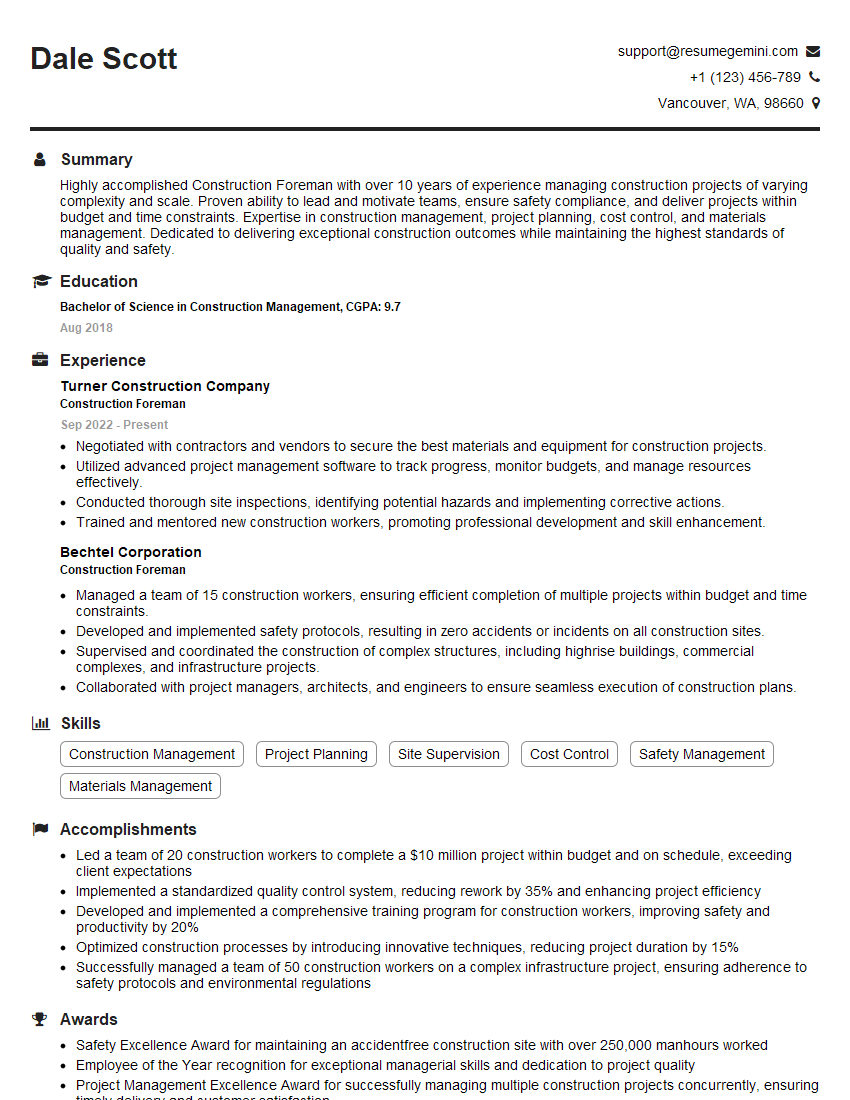
Construction Foreman Resume Sample

General Contractor Resume Sample
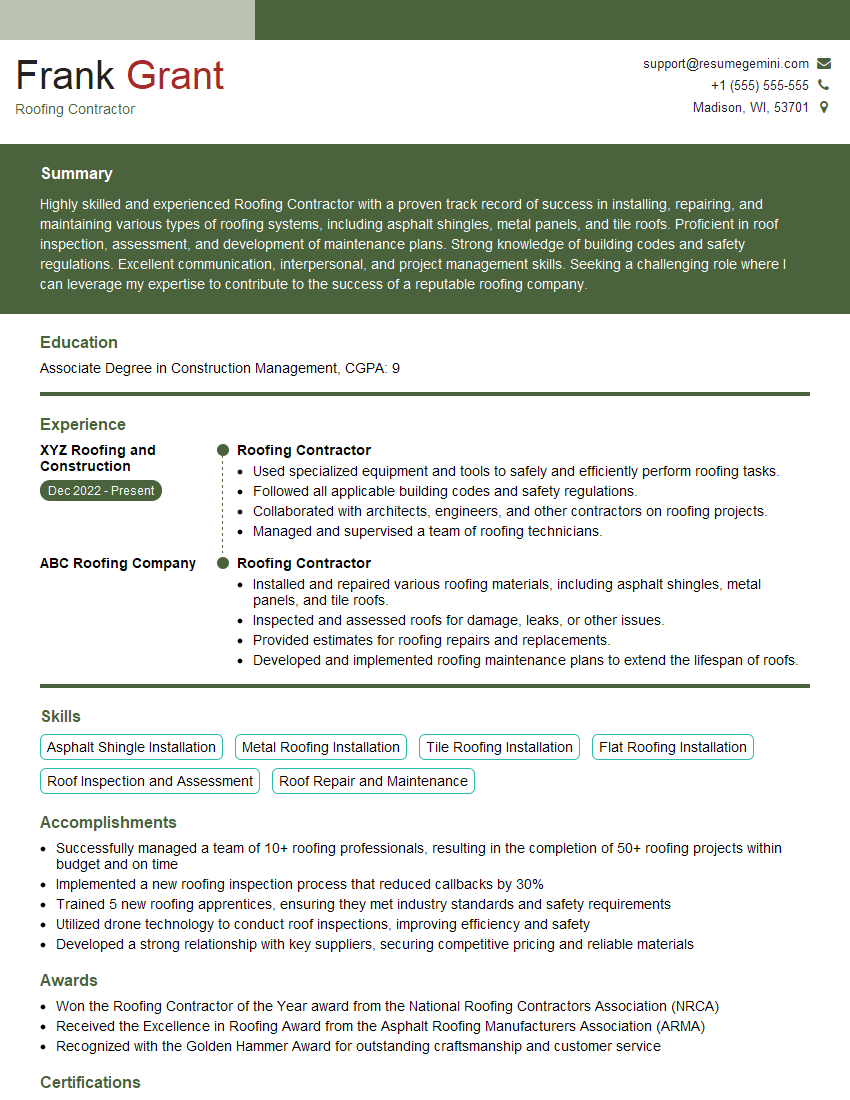
Roofing Contractor Resume Sample
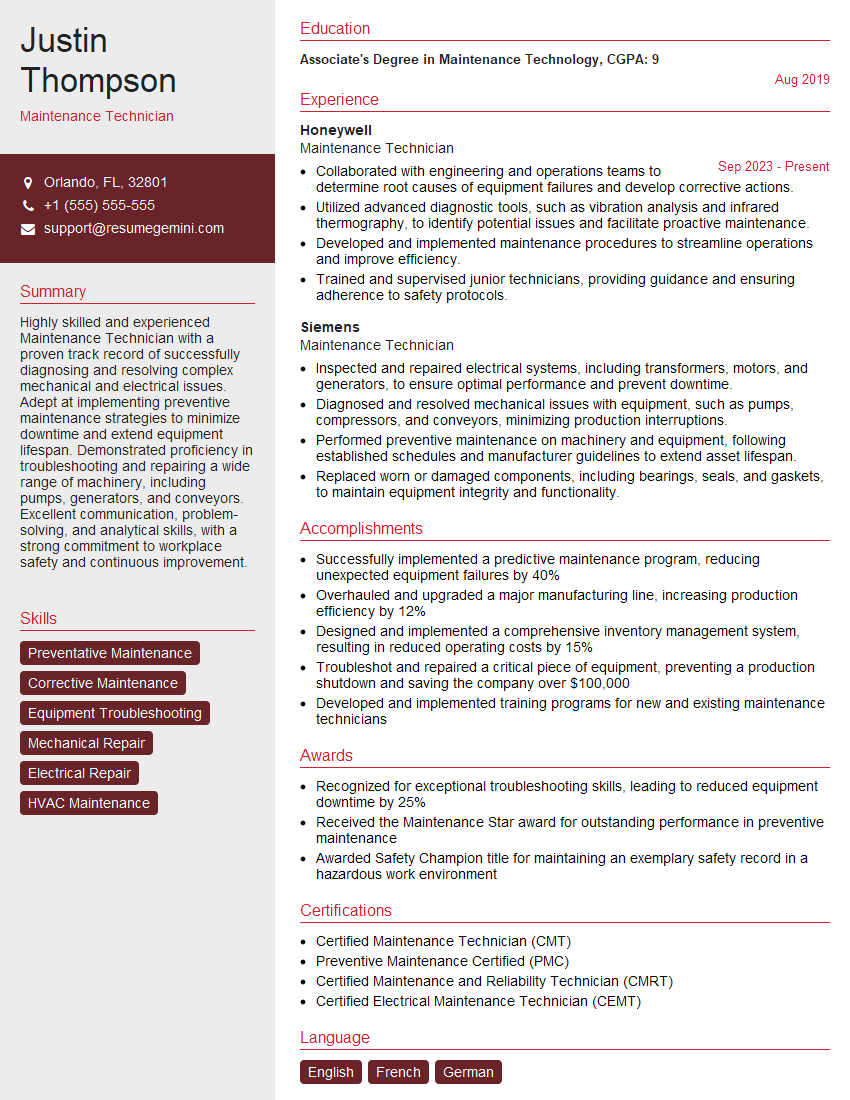
Maintenance Technician Resume Sample

Machinist Resume Sample

Equipment Operator Resume Sample
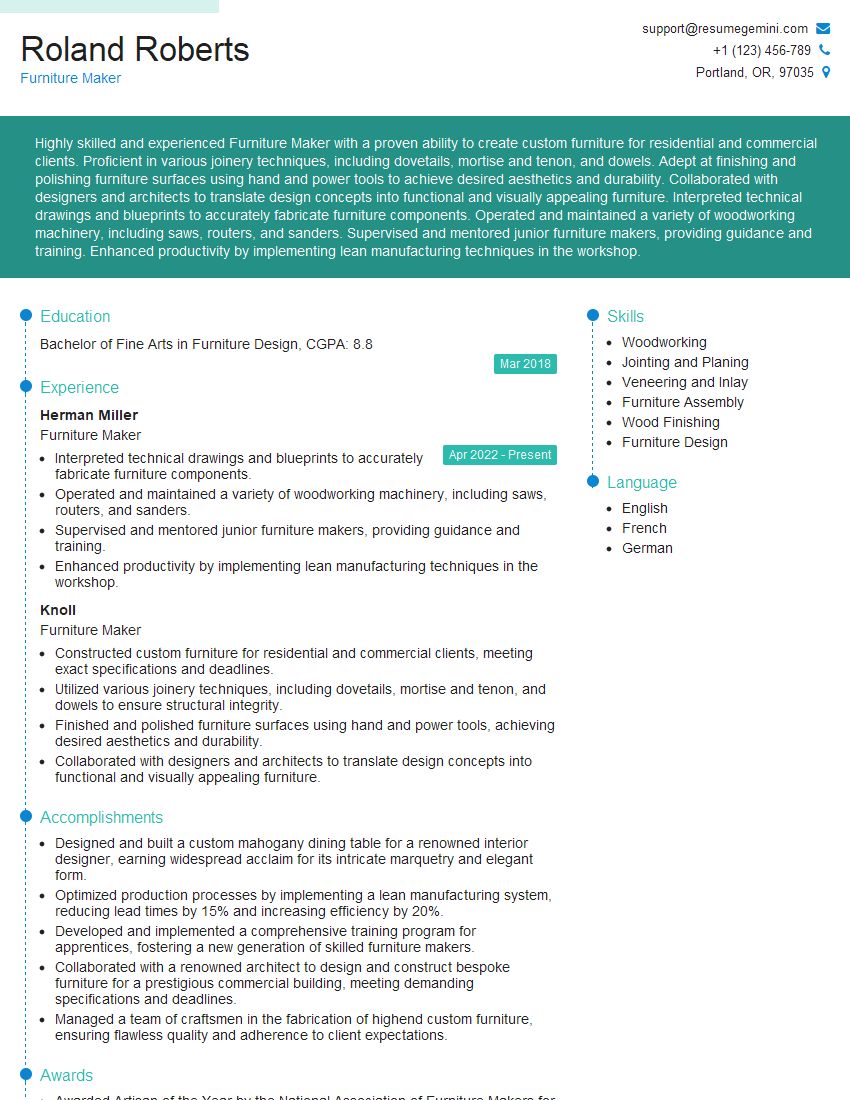
Furniture Maker Resume Sample
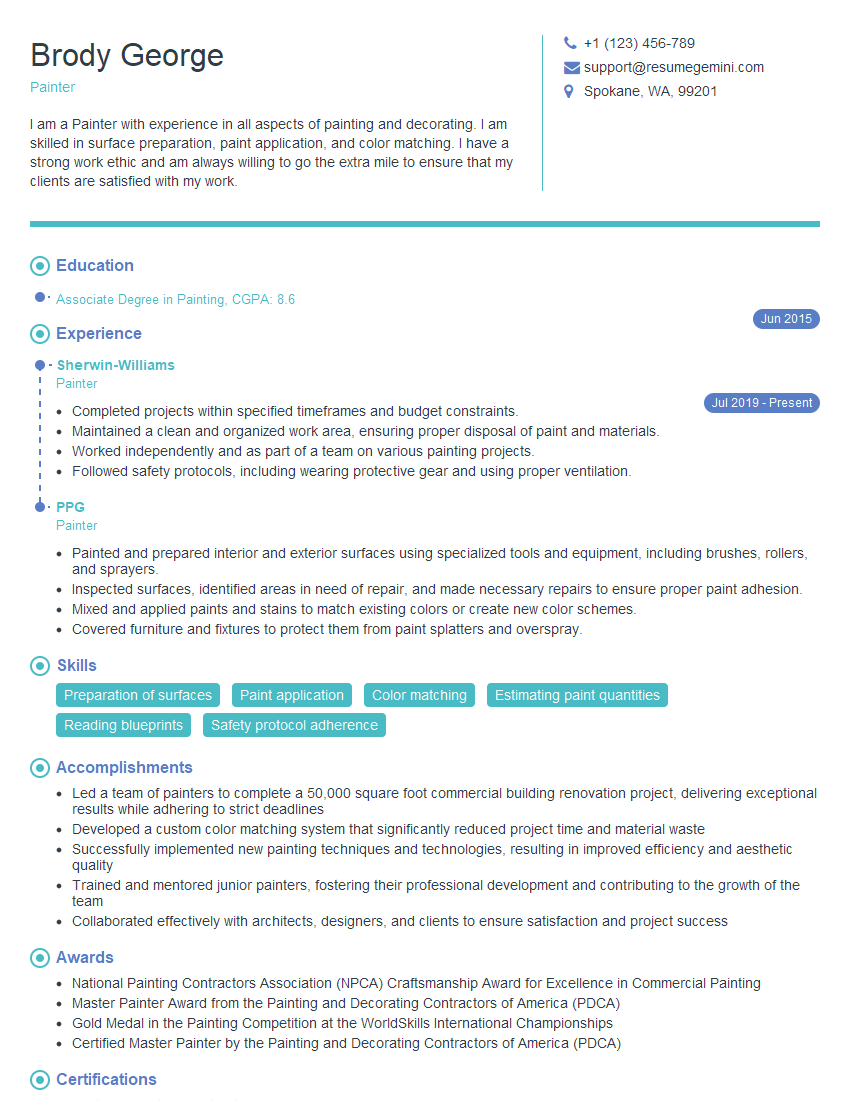
Painter Resume Sample
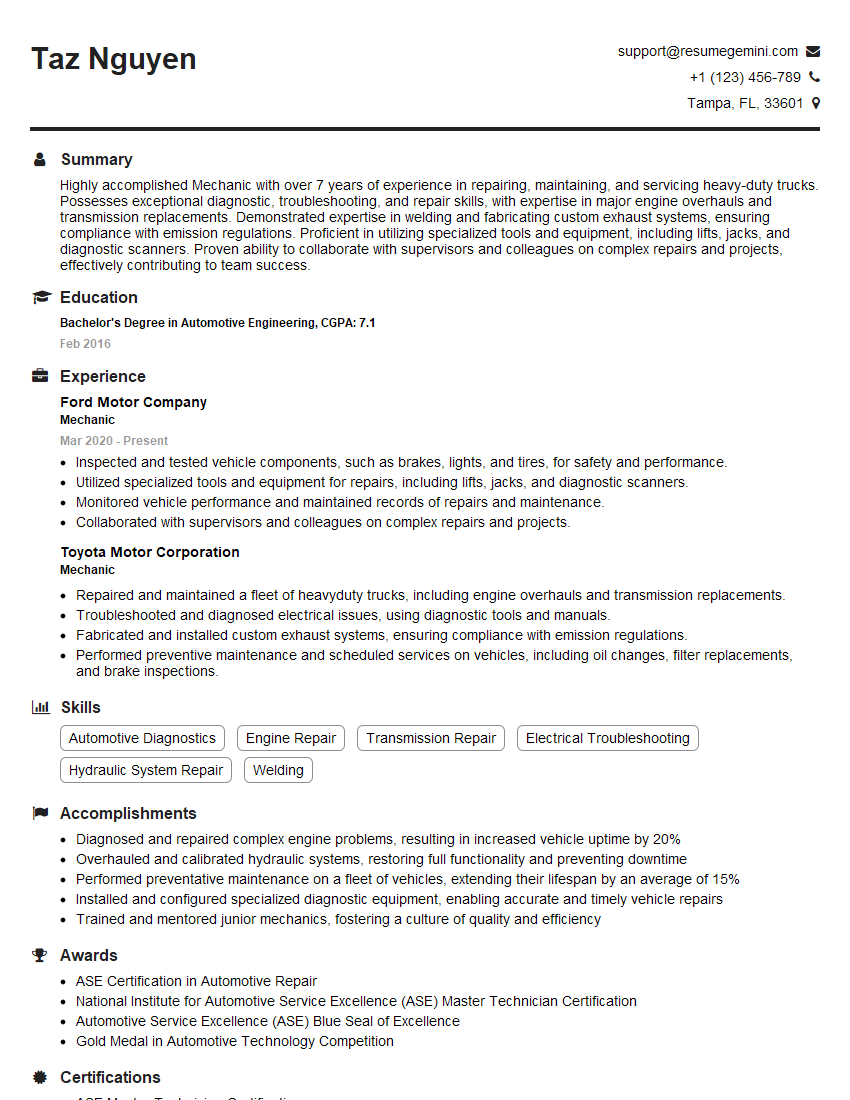
Mechanic Resume Sample

Finish Carpenter Resume Sample
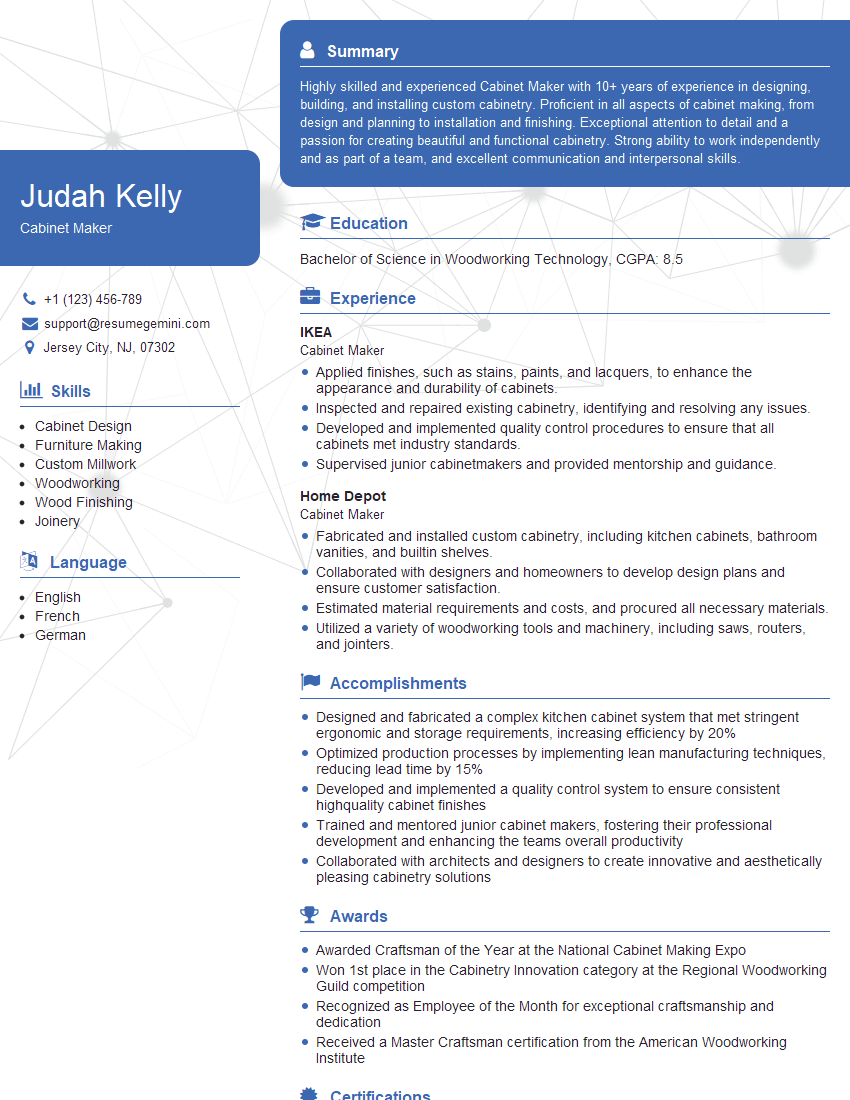
Cabinet Maker Resume Sample
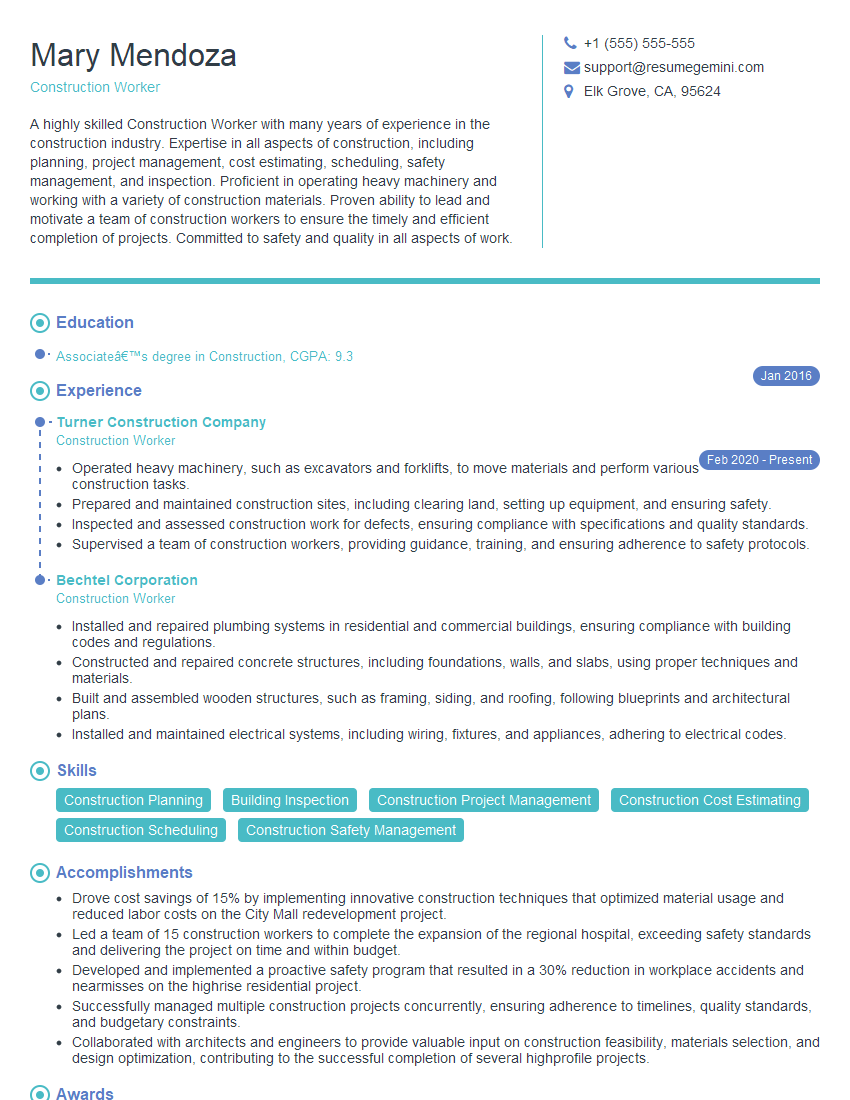
Construction Worker Resume Sample

Carpenter Resume Sample
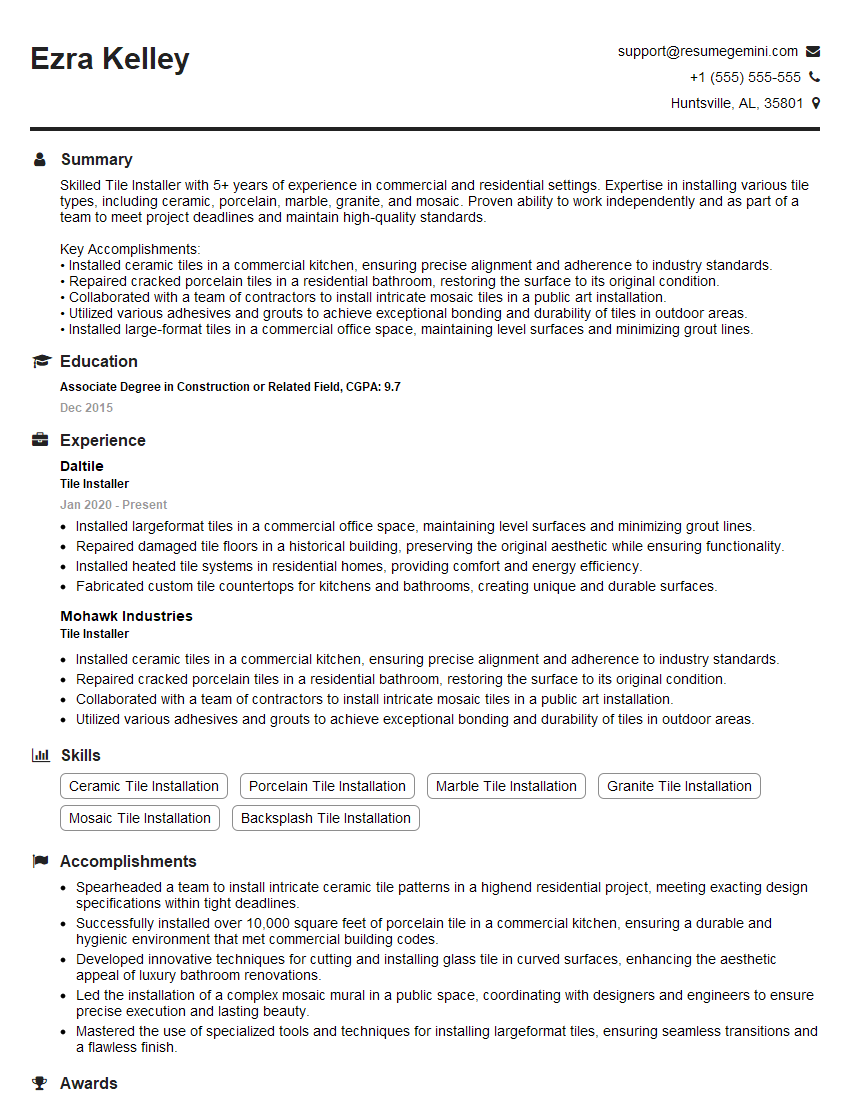
Tile Installer Resume Sample
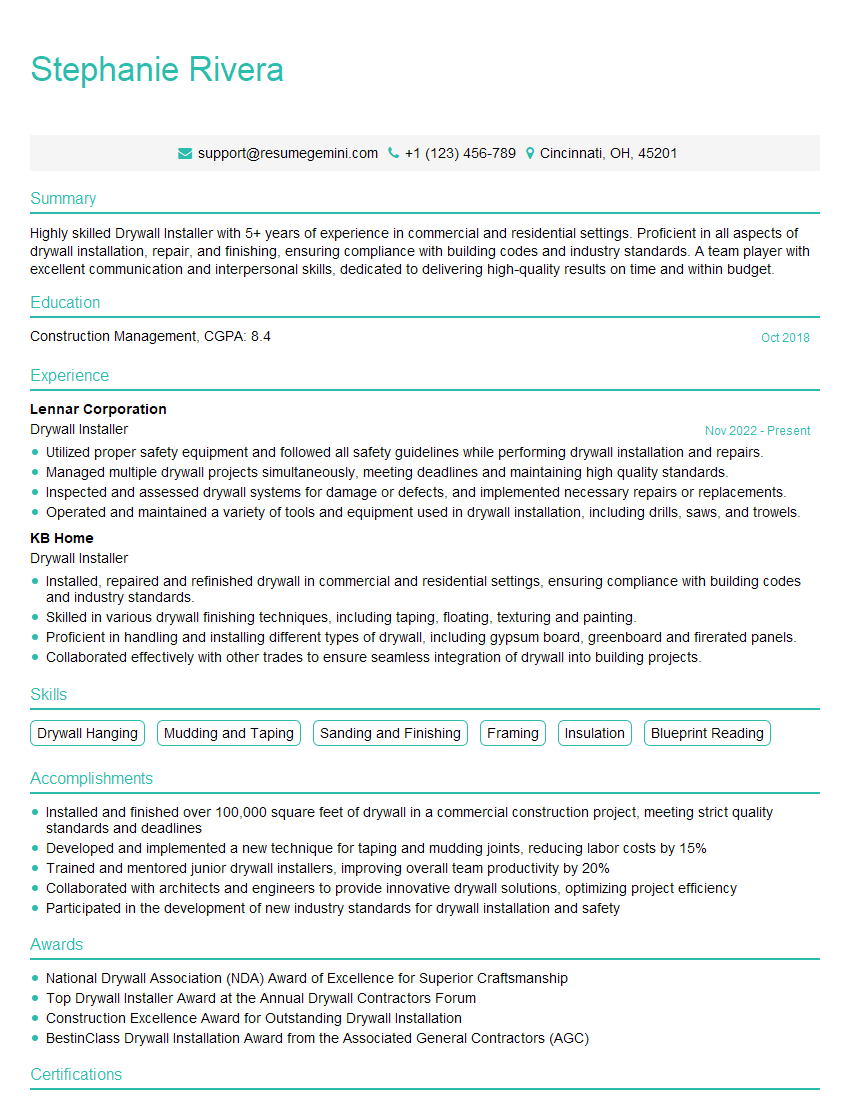
Drywall Installer Resume Sample

Electrician Resume Sample

Plumber Resume Sample

Welder Resume Sample

Industrial Mechanic Resume Sample

Millwright Resume Sample

HVAC Technician Resume Sample
- Facilities Manager
- Construction Foreman
- General Contractor
- Roofing Contractor
- Maintenance Technician
- Machinist
- Equipment Operator
- Furniture Maker
- Painter
- Mechanic
- Finish Carpenter
- Cabinet Maker
- Construction Worker
- Carpenter
- Tile Installer
- Drywall Installer
- Electrician
- Plumber
- Welder
- Industrial Mechanic
- Millwright
- HVAC Technician
Explore more articles
Users Rating of Our Blogs
Share Your Experience
We value your feedback! Please rate our content and share your thoughts (optional).
What Readers Say About Our Blog
Very informative content, great job.
good