Are you ready to stand out in your next interview? Understanding and preparing for Heel Problem Solving interview questions is a game-changer. In this blog, we’ve compiled key questions and expert advice to help you showcase your skills with confidence and precision. Let’s get started on your journey to acing the interview.
Questions Asked in Heel Problem Solving Interview
Q 1. Describe the common causes of plantar fasciitis.
Plantar fasciitis, a common cause of heel pain, arises from inflammation of the plantar fascia, a thick band of tissue on the bottom of your foot that runs from your heel to your toes. Think of it as the strong rope that supports the arch of your foot. Common causes include:
- Overuse: Activities like running, jumping, or prolonged standing put repetitive stress on the plantar fascia.
- Improper Footwear: Wearing shoes with inadequate arch support or overly flat shoes can strain the plantar fascia.
- Obesity: Excess weight increases the load on the plantar fascia, exacerbating inflammation.
- Tight Calf Muscles: Tight calf muscles can pull on the heel and contribute to plantar fasciitis. This is because the plantar fascia and calf muscles work together.
- High-Impact Activities: Sports like basketball or running, especially on hard surfaces, significantly increase risk.
- Foot Structure: Flat feet or high arches predispose individuals to plantar fasciitis because of altered weight distribution.
- Age: The plantar fascia’s ability to repair itself decreases with age, increasing susceptibility.
For example, a marathon runner who doesn’t stretch properly after each run is at high risk, as is someone who suddenly increases their activity level without adequate conditioning.
Q 2. Explain the difference between plantar fasciitis and Achilles tendinitis.
While both plantar fasciitis and Achilles tendinitis cause heel pain, they affect different structures. Plantar fasciitis involves inflammation of the plantar fascia (the tissue on the bottom of the foot), resulting in pain at the heel and arch. The pain is typically worse in the morning or after periods of rest. Achilles tendinitis, on the other hand, affects the Achilles tendon (the tendon connecting the calf muscles to the heel bone), causing pain at the back of the heel. This pain is often worse after activity and may be accompanied by stiffness.
Imagine a rope ladder: the plantar fascia is the bottom rung and the Achilles tendon is the top rope. Damage to one doesn’t automatically mean the other is also affected, but they can interact since they are both critical structures in the lower leg.
Q 3. What are the diagnostic methods used to assess heel pain?
Diagnosing heel pain begins with a thorough clinical examination. This includes a detailed history of the patient’s symptoms, physical examination to assess range of motion, palpation for tenderness (e.g., directly over the plantar fascia or Achilles tendon), and evaluation of gait (walking pattern).
- Physical Examination: A doctor will check for tenderness at the heel, examine foot arch height, and assess flexibility in the ankle and calf muscles.
- Imaging Studies: X-rays may be ordered to rule out stress fractures or bone spurs. While x-rays won’t show plantar fasciitis directly, they can confirm the presence of bone spurs that may contribute to heel pain. Ultrasound or MRI scans can help visualize the soft tissues (plantar fascia, Achilles tendon) to assess for inflammation or tears.
- Nerve Conduction Studies: These tests can help diagnose nerve entrapment, a less common cause of heel pain.
It’s crucial to rule out other conditions, such as stress fractures, nerve entrapment (e.g., tarsal tunnel syndrome), or rheumatoid arthritis.
Q 4. Outline the conservative treatment options for heel spurs.
Conservative treatment for heel spurs, often associated with plantar fasciitis, focuses on reducing pain and inflammation and improving biomechanics. The approach is usually multi-pronged.
- Rest and Ice: Avoiding activities that aggravate pain and applying ice packs several times a day helps reduce inflammation.
- Orthotics: Custom or over-the-counter arch supports or heel cups help improve foot mechanics and reduce stress on the plantar fascia. Think of them as giving your arch some extra cushioning.
- Stretching and Strengthening Exercises: Regular stretching of the plantar fascia and calf muscles, along with strengthening exercises for the intrinsic foot muscles, are crucial for long-term relief.
- Medication: Nonsteroidal anti-inflammatory drugs (NSAIDs), such as ibuprofen or naproxen, can help manage pain and inflammation. Corticosteroid injections may provide short-term relief in some cases but should be used judiciously due to potential complications.
- Physical Therapy: A physical therapist can guide you through specific exercises, stretching techniques, and other modalities (e.g., ultrasound) to improve healing.
Many patients find significant improvement through conservative means.
Q 5. Discuss surgical interventions for severe heel pain.
Surgical intervention for severe heel pain is usually considered only after conservative treatments have failed. Surgical options may include:
- Plantar Fasciotomy: This procedure involves releasing a portion of the plantar fascia to reduce tension and relieve pain. It’s a relatively straightforward procedure.
- Heel Spur Excision: If a bone spur is significantly contributing to the pain, it can be surgically removed. The procedure often involves removing only the bony prominence that directly impinges on the plantar fascia.
- Other Procedures: In rare cases, other procedures may be considered such as fascial release with endoscopy or other minimally invasive techniques.
Surgery is usually a last resort, and careful consideration of risks and benefits is essential. The recovery period for surgery can be substantial and requires significant rehabilitation to regain normal function.
Q 6. How do you differentiate between heel pain caused by nerve entrapment and other etiologies?
Differentiating heel pain from nerve entrapment (like tarsal tunnel syndrome) requires careful evaluation. Pain from nerve entrapment typically follows the distribution of the affected nerve, often causing numbness, tingling, or burning sensations along the nerve pathway, in addition to pain. The pain may radiate down the foot into the toes, unlike plantar fasciitis pain which is mostly concentrated in the heel and arch. This can be tested with specific neurological tests.
For example, tarsal tunnel syndrome usually causes pain and numbness along the inside of the ankle and foot, possibly radiating to the toes. In contrast, plantar fasciitis pain usually focuses on the heel and arch, often feeling like a stabbing or throbbing pain.
Nerve conduction studies, described earlier, are instrumental in confirming nerve entrapment. Detailed history taking, along with physical and neurological exams are key to identifying this from other etiologies.
Q 7. What are the key biomechanical factors contributing to heel pain?
Several biomechanical factors contribute to heel pain. These factors often interact, making diagnosis and treatment more complex. Understanding these factors is key to successful management.
- Pronation (overpronation): Excessive inward rolling of the foot during gait can place excessive stress on the plantar fascia and heel structures.
- Pes Planus (Flat Feet): Lack of an adequate arch reduces shock absorption, increasing stress on the heel.
- Cavus Foot (High Arches): Similarly, excessive arch height alters weight distribution, increasing pressure on the heel and plantar fascia.
- Leg Length Discrepancy: A difference in leg length can alter gait and body alignment, increasing stress on one heel.
- Limited Ankle Dorsiflexion: Reduced ankle flexibility leads to increased plantar fascia tension during gait.
- Tight Calf Muscles: As mentioned earlier, tight calf muscles pull on the heel and contribute to plantar fascia inflammation.
Addressing these biomechanical issues through orthotics, exercises, and other treatments are key to effectively managing heel pain and preventing recurrence.
Q 8. Explain the role of custom orthotics in managing heel pain.
Custom orthotics play a crucial role in managing heel pain by providing customized support and cushioning to the feet. They’re essentially shoe inserts designed to address specific biomechanical issues contributing to the pain. Think of them as personalized shock absorbers and architectural support for your feet.
For example, someone with plantar fasciitis (inflammation of the plantar fascia, a thick band of tissue on the bottom of the foot) might benefit from orthotics that provide arch support and heel cushioning. This helps to reduce strain on the plantar fascia and alleviate pain. Orthotics can also help correct foot pronation (rolling inward of the foot) or supination (rolling outward), which can contribute to heel pain. The custom aspect is key, as a ‘one-size-fits-all’ approach rarely addresses the unique biomechanics of an individual’s foot.
The process usually involves a podiatric assessment to determine the specific needs of the patient. A mold is then created of the foot, and the orthotics are fabricated to precisely match the shape and support the unique areas of the foot requiring it. They are not a quick fix but a long-term solution that should be worn consistently for optimal results.
Q 9. How do you assess the gait and posture of a patient with heel pain?
Assessing gait and posture in a patient with heel pain is vital for identifying the underlying cause. We use a combination of observation and specific tests. The patient is observed walking both barefoot and in their usual footwear. We look for things like foot pronation or supination, leg length discrepancies, and any asymmetry in the way they move. This visual assessment is crucial.
Posture is assessed while the patient is standing and sitting, looking for any spinal curvature abnormalities, pelvic tilt, and overall postural alignment. These factors can all impact the biomechanics of the foot and contribute to heel pain. We’ll also conduct range-of-motion tests to assess the flexibility of the ankles, feet, and surrounding muscles. For instance, limited ankle dorsiflexion (ability to bend the foot upwards) might indicate tight calf muscles contributing to plantar fasciitis. We also palpate (examine by touch) the foot to check for tenderness, swelling, and muscle tightness.
A common example: A patient with excessive pronation (flat feet) may experience increased stress on the plantar fascia, leading to plantar fasciitis and heel pain. This is easily identified through gait analysis.
Q 10. Describe the different types of heel pain and their respective treatments.
Heel pain encompasses various conditions. Let’s explore a few:
- Plantar Fasciitis: Inflammation of the plantar fascia, often causing sharp pain in the heel, especially in the mornings or after rest. Treatment involves stretching exercises, orthotics, night splints, anti-inflammatory medications, and in some cases, corticosteroid injections or surgery.
- Heel Spurs: Bony growths on the heel bone, often associated with plantar fasciitis. Treatment focuses on managing the underlying inflammation. Surgical removal is rarely necessary.
- Achilles Tendinitis: Inflammation of the Achilles tendon, causing pain in the back of the heel. Rest, ice, stretching, anti-inflammatory medications, and physical therapy are common treatments.
- Stress Fractures: Tiny cracks in the heel bone, typically caused by repetitive stress. Treatment involves rest, immobilization, and pain management.
- Sever’s Disease: A common heel pain in growing children, involving inflammation of the growth plate in the heel bone. Treatment focuses on rest, activity modification, and pain relief.
Treatment depends heavily on accurate diagnosis. Imaging (x-rays) might be necessary to rule out stress fractures or bone spurs.
Q 11. What are the potential complications associated with untreated heel pain?
Untreated heel pain can lead to several complications:
- Chronic Pain: The pain can become persistent and significantly impact daily activities and quality of life.
- Functional Limitations: Difficulty walking, running, or engaging in activities that require weight-bearing.
- Muscle Weakness and Atrophy: Pain can lead to reduced use of the affected leg and foot, resulting in weakness and muscle wasting.
- Joint Degeneration: Chronic stress on the ankle and foot joints can cause osteoarthritis.
- Changes in Gait: To avoid pain, individuals may alter their gait pattern, potentially causing problems elsewhere in the body.
- Psychological Impact: Chronic pain can lead to depression, anxiety, and reduced overall well-being.
Early intervention is key to preventing these complications.
Q 12. How do you counsel patients on self-management strategies for heel pain?
Counseling patients on self-management is crucial. This involves a multi-pronged approach:
- Education: Explaining the condition, its causes, and potential long-term effects helps patients understand their role in recovery.
- Rest and Ice: Avoiding activities that exacerbate the pain and applying ice packs to reduce inflammation are fundamental.
- Stretching Exercises: Regular stretching of the calf muscles and plantar fascia is vital to improve flexibility and reduce tightness. I demonstrate proper techniques and create a personalized home exercise program.
- Weight Management: Reducing excess weight decreases stress on the heel.
- Footwear: Recommending supportive footwear with proper cushioning and arch support. Avoid high heels and flat shoes without arch support.
- Activity Modification: Gradually increasing activity levels as pain subsides and avoiding sudden increases in intensity or duration.
I emphasize consistent adherence to the plan and encourage patients to track their progress and report any concerns.
Q 13. What are the common causes of heel pain in athletes?
Athletes are particularly prone to heel pain due to repetitive stress and high-impact activities. Common causes include:
- Plantar Fasciitis: High-impact activities like running and jumping put significant stress on the plantar fascia.
- Achilles Tendinitis: Overuse and repetitive stress on the Achilles tendon, common in running, jumping, and sprinting.
- Stress Fractures: Repetitive high-impact forces can cause micro-fractures in the heel bone.
- Retrocalcaneal Bursitis: Inflammation of the bursa (fluid-filled sac) behind the heel bone, often caused by friction from ill-fitting footwear.
- Inadequate Footwear: Lack of proper cushioning and support in athletic shoes can contribute to various heel problems.
Proper training techniques, appropriate footwear, and adequate rest are critical for prevention. Early diagnosis and intervention are vital to prevent long-term complications and allow athletes to return to their activity safely.
Q 14. Discuss the use of physical therapy modalities in treating heel pain.
Physical therapy plays a vital role in treating heel pain. Various modalities are used:
- Manual Therapy: Soft tissue mobilization techniques to address muscle tightness and restrictions in the foot, ankle, and calf.
- Therapeutic Exercise: A customized program of stretches, strengthening exercises, and proprioceptive (balance) training to improve flexibility, strength, and stability.
- Ultrasound Therapy: Uses high-frequency sound waves to promote tissue healing and reduce inflammation.
- Electrical Stimulation: Applies electrical currents to reduce pain and muscle spasms.
- Iontophoresis: Delivers medication directly to the affected area through electrical currents.
- Extracorporeal Shock Wave Therapy (ESWT): Delivers shock waves to stimulate tissue repair and reduce pain, especially effective for chronic plantar fasciitis.
The choice of modalities depends on the specific diagnosis and the individual patient’s needs. A comprehensive physical therapy program helps manage pain, improve function, and prevent recurrence.
Q 15. Explain the importance of patient education in managing heel pain.
Patient education is paramount in managing heel pain because it empowers individuals to actively participate in their recovery. Understanding the cause, contributing factors, and treatment options allows patients to make informed decisions and adhere to treatment plans more effectively. Without proper education, patients may inadvertently worsen their condition or become discouraged by slow progress.
For example, a patient with plantar fasciitis needs to understand the importance of stretching their calf muscles and plantar fascia, using appropriate footwear, and managing their activity levels. Explaining the condition’s natural history – that it often takes time to heal – helps manage expectations and avoid frustration. Providing visual aids, such as diagrams of the foot anatomy or demonstrating proper stretching techniques, significantly enhances understanding and compliance.
Career Expert Tips:
- Ace those interviews! Prepare effectively by reviewing the Top 50 Most Common Interview Questions on ResumeGemini.
- Navigate your job search with confidence! Explore a wide range of Career Tips on ResumeGemini. Learn about common challenges and recommendations to overcome them.
- Craft the perfect resume! Master the Art of Resume Writing with ResumeGemini’s guide. Showcase your unique qualifications and achievements effectively.
- Don’t miss out on holiday savings! Build your dream resume with ResumeGemini’s ATS optimized templates.
Q 16. How do you determine the appropriate footwear for a patient with heel pain?
Determining appropriate footwear involves a holistic assessment. I consider the type of heel pain, the patient’s activity level, and their foot structure. For instance, someone with plantar fasciitis would benefit from shoes with good arch support, a cushioned heel, and a firm but flexible sole to prevent excessive pronation (inward rolling of the foot). High heels should be avoided entirely, as they put excessive strain on the plantar fascia. Patients with heel spurs might need more rigid support to minimize stress on the heel bone. I often recommend patients try different shoes to see what offers them optimal support and comfort. This may involve a referral to a podiatric specialist for a detailed gait analysis and custom orthotic prescription.
Q 17. What are the limitations of conservative treatment for heel pain?
Conservative treatment, encompassing rest, ice, compression, elevation (RICE), stretching, over-the-counter pain relievers, and orthotics, is the first-line approach for most heel pain. However, it has limitations. Some individuals may not respond adequately, experiencing persistent pain despite diligent adherence to the treatment plan. Conservative measures may be ineffective in addressing underlying structural issues or severe cases of conditions like plantar fasciitis or Achilles tendinitis. Furthermore, conservative treatment’s effectiveness can be hampered by factors such as patient non-compliance, comorbidities (other health issues), and advanced age.
For example, a patient with severe calcaneal fractures or chronic, debilitating plantar fasciitis, despite several months of conservative treatment, might require surgical intervention. Another example would be a patient whose pain is significantly limiting their daily activities and quality of life, even with consistent conservative management.
Q 18. When would you refer a patient with heel pain to a specialist?
Referral to a specialist, such as an orthopedist, podiatrist, or rheumatologist, is warranted when conservative treatment fails to provide adequate pain relief after a reasonable period (typically several weeks to months), when there’s suspicion of a serious underlying condition (e.g., fracture, infection, nerve compression), or when imaging studies are needed to rule out complex problems. Patients with significant functional limitations, persistent neurological symptoms (numbness, tingling), or those whose pain is unresponsive to standard analgesics also warrant referral. For example, if a patient with heel pain has associated foot numbness, I would promptly refer them for a neurological assessment to rule out a nerve entrapment condition.
Q 19. Describe your experience with different types of heel pain.
My experience encompasses various types of heel pain, including plantar fasciitis (the most common), Achilles tendinitis, heel spurs (bone growths), stress fractures, Sever’s disease (common in children), and inflammatory conditions like rheumatoid arthritis affecting the heel. Each condition presents with a unique set of symptoms and requires a tailored approach to diagnosis and management. For instance, plantar fasciitis typically causes pain in the bottom of the heel, worsened by inactivity after rest and relieved by gentle activity. Achilles tendinitis presents with pain in the back of the heel, often during or after activity. Recognizing these nuances is crucial for appropriate diagnosis and treatment.
Q 20. Explain your approach to diagnosing heel pain in different age groups.
My approach to diagnosing heel pain varies with age. In children, I consider conditions like Sever’s disease (inflammation of the growth plate in the heel), while in adults, plantar fasciitis, Achilles tendinitis, and stress fractures are more prevalent. Older adults may present with osteoarthritis affecting the heel or other degenerative conditions. The diagnostic process may involve physical examination, palpation of the heel and surrounding tissues, assessment of gait and range of motion, as well as imaging studies (X-rays, MRI, ultrasound) to confirm the diagnosis and rule out other potential causes. For example, while a child’s heel pain may be due to the overuse injury associated with Sever’s Disease, an adult’s heel pain could be attributed to a stress fracture stemming from repetitive strain.
Q 21. Discuss your experience with managing chronic heel pain.
Managing chronic heel pain requires a multidisciplinary approach and often involves a long-term commitment. I employ a combination of conservative treatments – including targeted physiotherapy, orthotics tailored to the individual’s needs, activity modification, and ongoing patient education – and consider more advanced options like corticosteroid injections, platelet-rich plasma (PRP) therapy, or even surgical intervention if necessary. Psychological support is also essential to address the emotional toll of chronic pain, as it can impact sleep, mood, and overall quality of life. Success in managing chronic heel pain hinges on establishing a strong therapeutic alliance with the patient, involving them in decision-making, and adopting a holistic approach which considers their overall health and wellbeing. A clear treatment plan should be established with realistic goals, and consistent follow-up assessments are crucial to track progress, adjust treatments, and prevent relapse.
Q 22. What are the latest advancements in heel pain treatment?
Advancements in heel pain treatment are constantly evolving, focusing on less invasive techniques and personalized approaches. Here are some key developments:
- Regenerative medicine: Platelet-rich plasma (PRP) therapy and stem cell therapy are showing promise in stimulating tissue repair and reducing pain. These treatments involve injecting concentrated growth factors or stem cells into the affected area to promote healing.
- Minimally invasive surgery: Techniques like endoscopic plantar fasciectomy offer a less traumatic alternative to traditional open surgery, leading to faster recovery times and reduced scarring. These procedures often use small incisions and specialized instruments to address the plantar fascia.
- Advanced imaging: High-resolution ultrasound and MRI provide more detailed anatomical information, enabling more precise diagnosis and treatment planning. This allows for better identification of the specific cause of heel pain.
- Personalized treatment plans: A holistic approach is gaining traction, considering factors like age, activity level, and comorbidities when designing a treatment plan. This ensures that interventions are targeted and effective for each individual.
- Improved footwear and orthotics: Advances in biomechanics and materials science have led to the development of more effective orthotics and footwear designed to reduce stress on the heel and plantar fascia. These are often crucial components of conservative management.
The goal is to improve outcomes, reduce recovery time, and enhance patient satisfaction, with a continued shift towards less invasive and more personalized approaches.
Q 23. Describe your experience using specific diagnostic imaging techniques (e.g., X-ray, MRI).
My experience with diagnostic imaging in heel pain management is extensive. I regularly utilize X-rays, MRIs, and ultrasound. X-rays are crucial for identifying bony abnormalities like fractures, bone spurs (osteophytes), and arthritis. They’re a cost-effective initial step. However, X-rays have limitations in visualizing soft tissues.
MRI provides superior visualization of soft tissues, such as the plantar fascia, tendons, ligaments, and surrounding muscles. This is invaluable in diagnosing conditions like plantar fasciitis, tendonitis, and nerve entrapment. The detail offered by MRI allows for a more precise assessment of the extent and severity of the injury.
Ultrasound is a dynamic imaging modality used to assess soft tissue structures in real-time. It’s helpful in evaluating plantar fascia thickness, assessing for tears, and guiding injections such as PRP therapy. It’s also a non-invasive and readily available technique.
Choosing the appropriate imaging technique depends heavily on the clinical presentation and the suspected diagnosis. For example, an acute injury might warrant an X-ray first to rule out a fracture, followed by an MRI if the X-ray is negative but the symptoms point towards a soft tissue injury.
Q 24. How do you evaluate the effectiveness of a treatment plan for heel pain?
Evaluating the effectiveness of a heel pain treatment plan involves a multi-faceted approach. It’s not just about pain reduction, but also about functional improvement and overall quality of life. We use several metrics:
- Pain scales: Standardized pain scales (e.g., Visual Analog Scale or Numeric Rating Scale) are used to quantitatively assess pain levels at baseline, during treatment, and at follow-up appointments. This allows for objective tracking of pain reduction.
- Functional assessments: Tests like the heel raise test and timed up-and-go test assess the patient’s ability to perform daily activities. Improvement in these tests indicates better functional outcomes.
- Range of motion: We measure ankle and foot range of motion to assess flexibility and identify any limitations that may be contributing to or resulting from the heel pain.
- Patient-reported outcome measures (PROMs): Questionnaires such as the Foot Function Index (FFI) provide comprehensive data on the patient’s perception of their pain and functional limitations. This captures the patient’s subjective experience, which is vital.
- Imaging follow-up: In some cases, repeat imaging studies may be performed to assess the healing process or evaluate the effects of treatment on the affected tissues.
By combining objective measures with subjective patient feedback, we build a complete picture of treatment effectiveness and adapt the plan as needed.
Q 25. How do you adapt your approach to managing heel pain based on patient factors (e.g., age, activity level, occupation)?
Patient factors significantly influence my approach to managing heel pain. A treatment plan for a 25-year-old marathon runner will differ greatly from one for a 70-year-old retired teacher. Here’s how I adapt my approach:
- Age: Older patients may have comorbidities (such as diabetes or arthritis) that impact healing and treatment options. We carefully weigh the risks and benefits of various therapies, often favoring conservative approaches in vulnerable populations.
- Activity level: Highly active individuals often require aggressive management to allow a prompt return to activity. This might include early mobilization, targeted physiotherapy, and advanced imaging to assess injury severity. Less active individuals may benefit from a more conservative approach.
- Occupation: Someone who stands for long periods (e.g., a nurse or teacher) will need footwear and orthotic modifications to reduce stress on the heel. We may also need to modify their work environment or recommend work breaks to promote healing.
- Comorbidities: Conditions like diabetes, obesity, and peripheral neuropathy can significantly affect healing and pain management. These conditions need to be addressed as part of the holistic treatment plan.
By considering these factors and tailoring the treatment plan accordingly, I strive to achieve optimal outcomes and improve the patient’s overall well-being.
Q 26. Discuss the ethical considerations related to the management of heel pain.
Ethical considerations in heel pain management are paramount. Key aspects include:
- Informed consent: Patients must fully understand their diagnosis, treatment options, potential risks, and benefits before consenting to any intervention. This includes discussing conservative vs. surgical options and their implications.
- Beneficence and non-maleficence: We must always act in the patient’s best interest and avoid causing harm. This requires careful consideration of the potential risks and side effects associated with any treatment.
- Justice and equity: Access to appropriate care should be equitable, regardless of socioeconomic status or insurance coverage. We advocate for all patients to receive the best possible care.
- Confidentiality: Patient information must be kept confidential and protected in accordance with relevant regulations and guidelines.
- Shared decision-making: Patients should actively participate in the decision-making process, and their preferences and values should be considered when choosing a treatment plan. It’s a collaborative approach.
Maintaining high ethical standards ensures patient safety, trust, and respect within the doctor-patient relationship.
Q 27. How do you stay up-to-date with the latest research and developments in heel pain treatment?
Staying current in the field of heel pain management requires a multifaceted approach:
- Professional journals: I regularly read peer-reviewed journals such as the ‘Journal of the American Academy of Orthopaedic Surgeons’ and ‘Foot & Ankle International’. These journals publish cutting-edge research on diagnosis and treatment.
- Conferences and workshops: Attending conferences and workshops allows for interaction with leading experts and learning about the latest advancements through presentations and hands-on sessions.
- Continuing medical education (CME): I actively participate in CME activities to obtain the necessary credits for license renewal and stay abreast of best practices.
- Professional societies: Membership in organizations like the American Academy of Orthopaedic Surgeons and the American College of Foot and Ankle Surgeons provides access to resources, publications, and updates in the field.
- Online resources: Reputable online medical databases and journals keep me informed about the latest research.
Continuous learning is essential for delivering high-quality and effective heel pain care.
Q 28. Describe a challenging case of heel pain you have managed and how you approached it.
One challenging case involved a 40-year-old female athlete with persistent heel pain despite several months of conservative management. She had undergone physical therapy, orthotic fabrication, and corticosteroid injections without significant relief. Initial X-rays showed a small bone spur, but MRI revealed a partial tear of the plantar fascia and significant inflammation.
Her persistent pain and limited response to conservative treatment raised concerns about other potential factors. A thorough review of her training regimen, footwear, and biomechanics revealed subtle gait abnormalities potentially exacerbating the injury. We also explored potential contributing factors like muscle imbalances and inflammation in adjacent structures.
My approach involved a multi-pronged strategy. We refined her running form through biomechanical analysis and incorporated specific exercises to strengthen supporting muscles. We also implemented a gradual return-to-activity plan, closely monitoring her response. We added shock-absorbing insoles and customized her training schedule. After several months of this targeted rehabilitation, her pain significantly improved, and she was able to return to competitive running.
This case highlighted the importance of a comprehensive assessment, including biomechanical analysis and a detailed evaluation of contributing factors beyond the immediate injury. It also emphasized the need for a persistent and individualized approach to achieve optimal outcomes.
Key Topics to Learn for Heel Problem Solving Interview
- Understanding the Problem Space: Defining the problem clearly, identifying key constraints and assumptions, and gathering relevant information. This involves critical thinking and analytical skills.
- Developing Solution Strategies: Exploring multiple approaches, weighing their pros and cons, and selecting the most efficient and effective solution. Practical application includes creating flowcharts and algorithms.
- Implementation and Testing: Translating the chosen strategy into a practical solution, testing its effectiveness, and iterating based on the results. This demonstrates practical skills and attention to detail.
- Communication and Collaboration: Articulating your thought process, explaining your solution clearly and concisely, and working effectively with others to achieve a common goal. This showcases soft skills crucial in teamwork.
- Performance Optimization: Identifying potential bottlenecks and inefficiencies in your solution and implementing strategies to improve its performance and scalability. This highlights advanced problem-solving skills.
- Ethical Considerations: Analyzing the ethical implications of your solution and ensuring it aligns with relevant principles and regulations. This demonstrates responsible problem-solving.
Next Steps
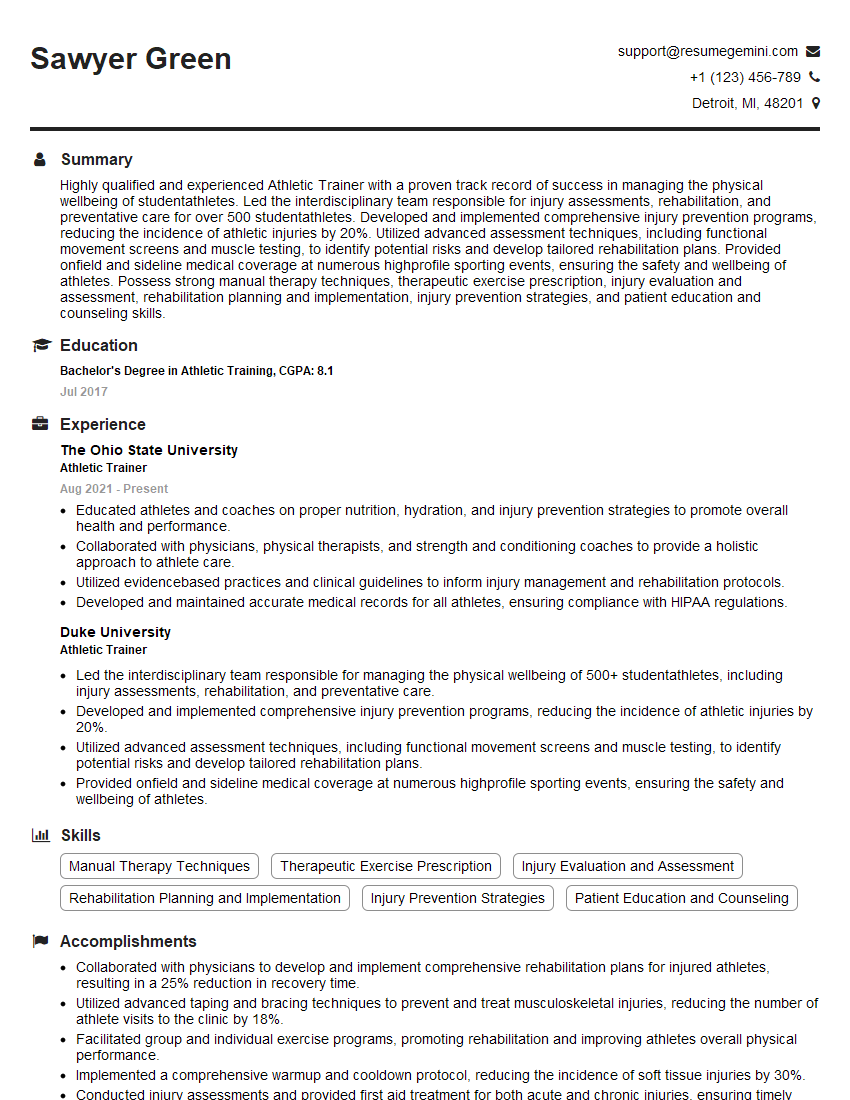
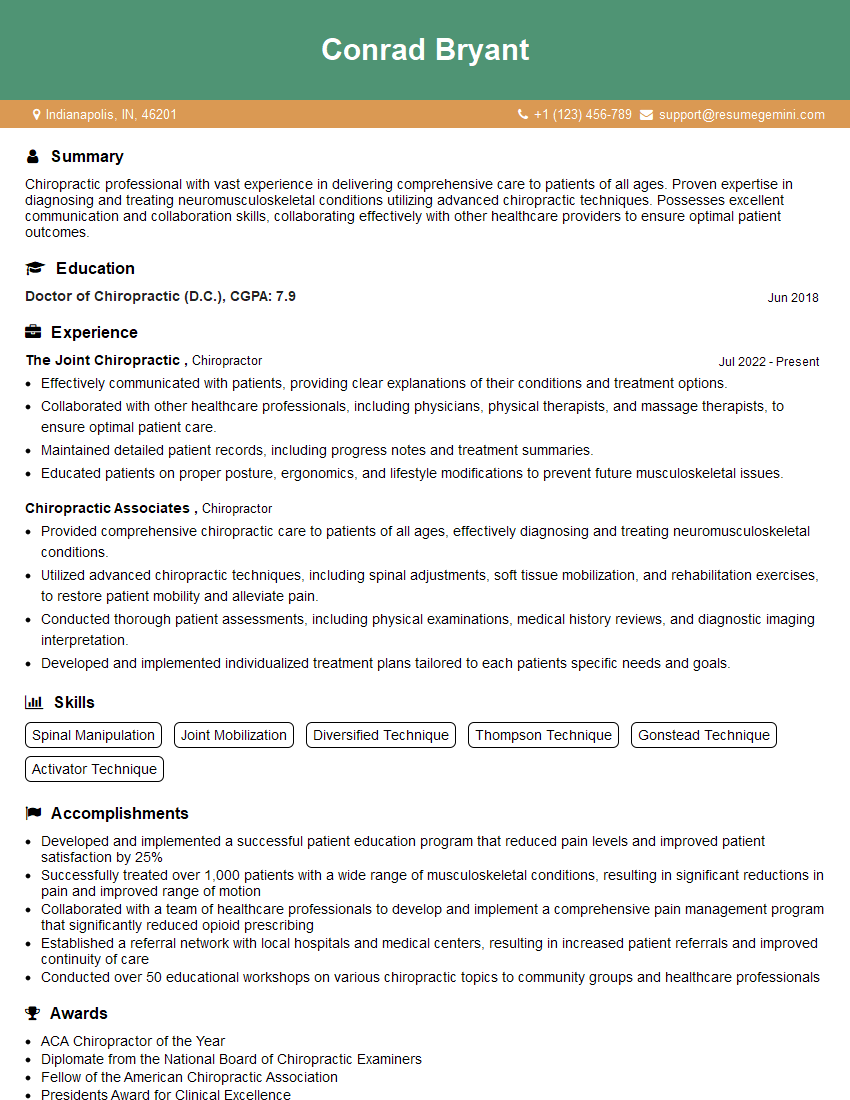
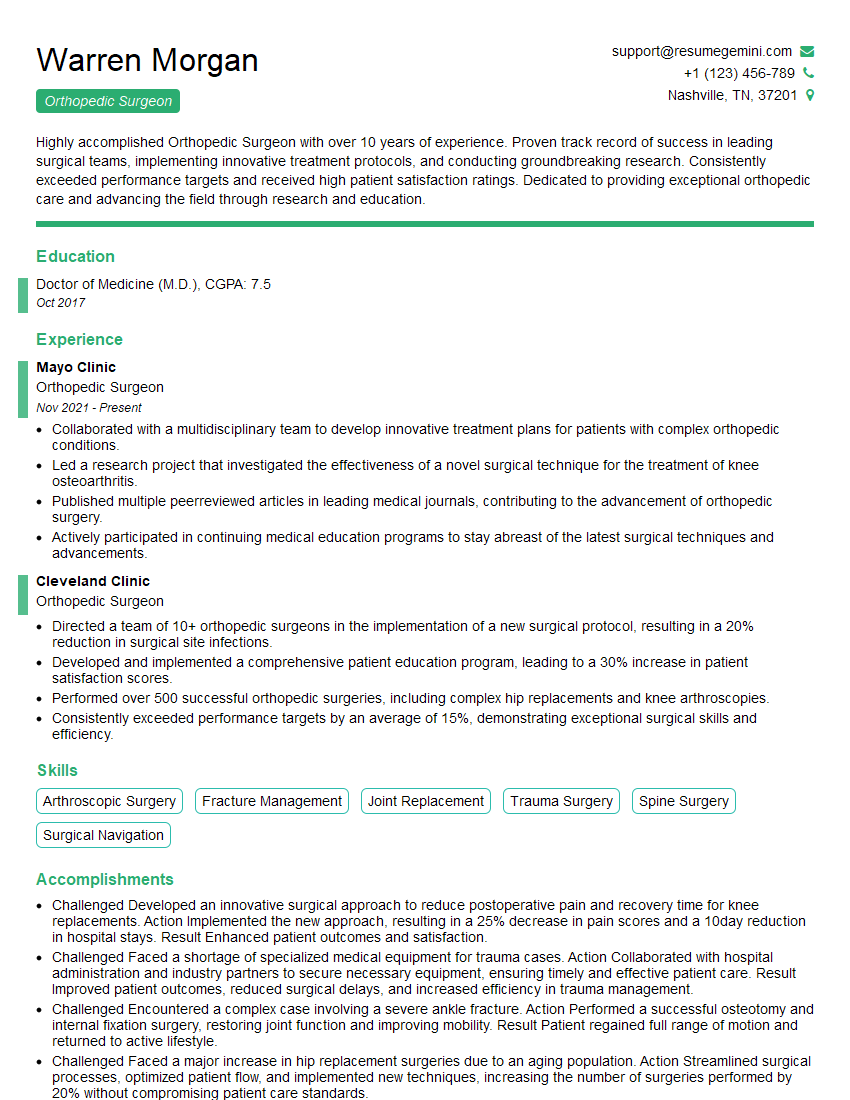
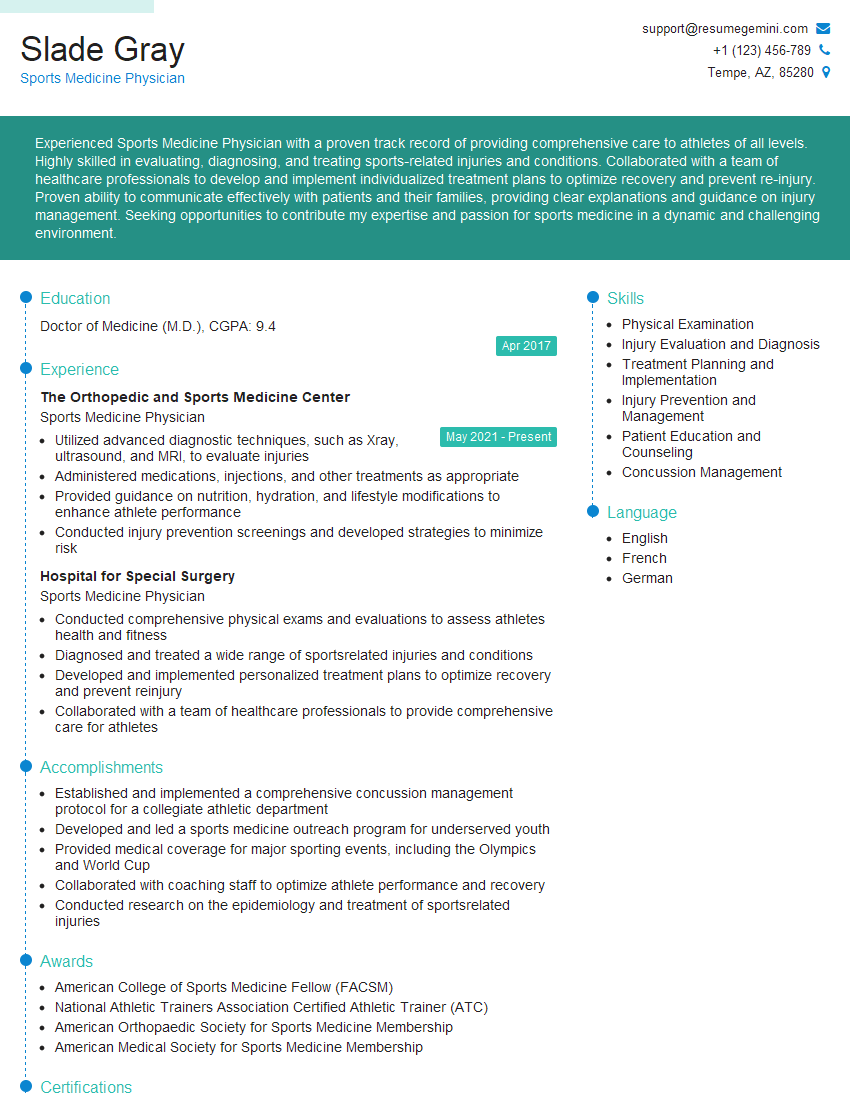
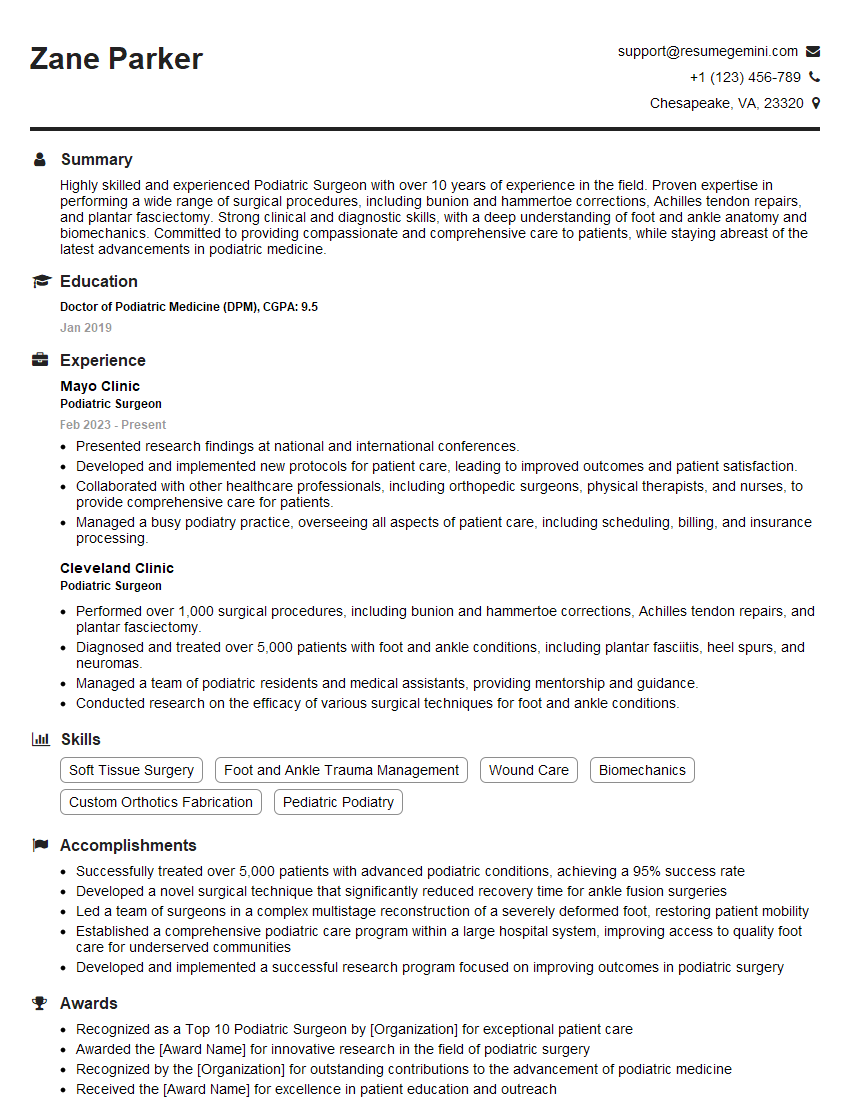
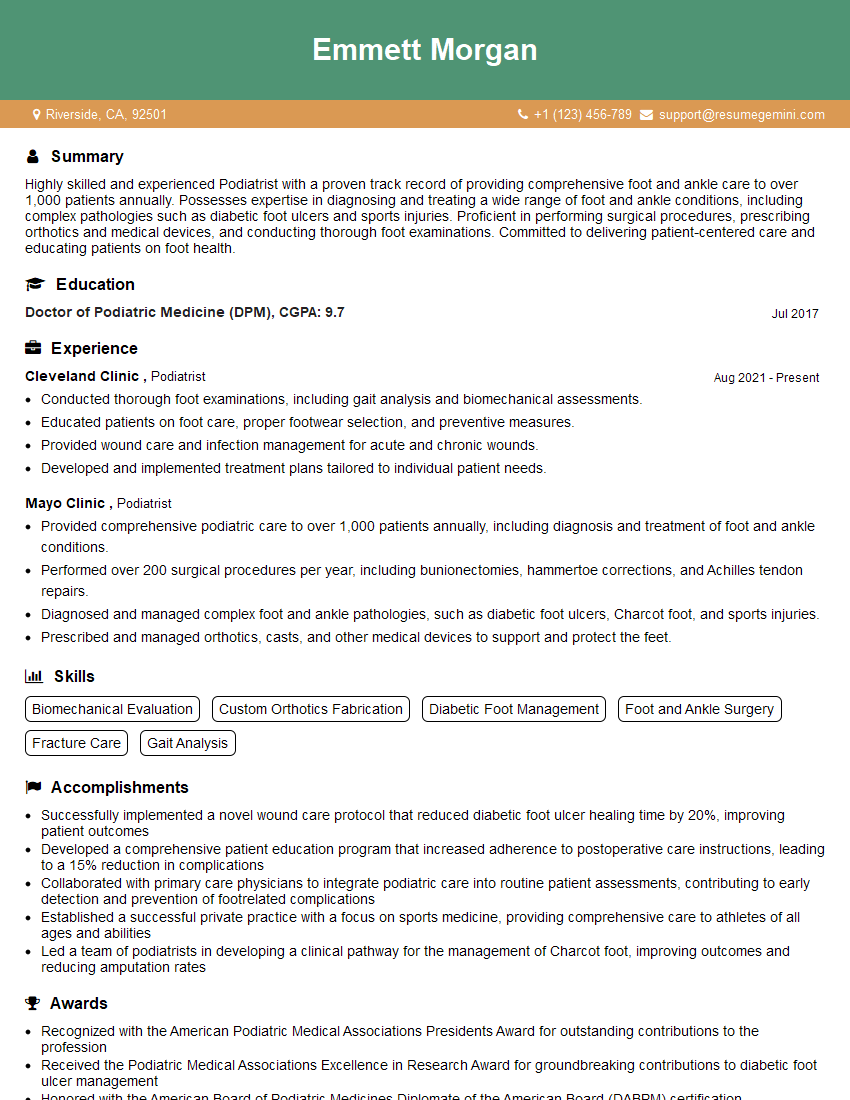
Mastering Heel Problem Solving significantly enhances your problem-solving capabilities, a highly sought-after skill in today’s competitive job market. This directly translates to increased career opportunities and faster career growth. To maximize your job prospects, crafting a strong, ATS-friendly resume is crucial. ResumeGemini is a trusted resource to help you build a professional and impactful resume that highlights your Heel Problem Solving skills effectively. We provide examples of resumes tailored to Heel Problem Solving to guide you in showcasing your abilities. Invest in your future and create a resume that truly reflects your expertise.
Explore more articles
Users Rating of Our Blogs
Share Your Experience
We value your feedback! Please rate our content and share your thoughts (optional).
What Readers Say About Our Blog
Very informative content, great job.
good