Are you ready to stand out in your next interview? Understanding and preparing for Ability to Follow Instructions and Meet Deadlines interview questions is a game-changer. In this blog, we’ve compiled key questions and expert advice to help you showcase your skills with confidence and precision. Let’s get started on your journey to acing the interview.
Questions Asked in Ability to Follow Instructions and Meet Deadlines Interview
Q 1. Describe a time you had to follow complex instructions with limited guidance.
Following complex instructions with limited guidance requires a methodical and proactive approach. It’s like assembling a complex piece of furniture with only a partially translated instruction manual – you need to be resourceful and detail-oriented.
In a previous role, I was tasked with implementing a new data migration process using a proprietary software with minimal documentation. The software’s interface was unfamiliar, and the instructions were terse, outlining the general steps without detailed explanations. My approach involved:
- Breaking down the instructions: I dissected each step into smaller, manageable sub-tasks. This helped me visualize the overall process and identify potential problem areas early on.
- Experimentation (with safety precautions): I started with small test datasets to experiment with different functions and parameters. This allowed me to understand the software’s behavior without risking the integrity of the main dataset.
- Thorough documentation: As I progressed, I meticulously documented my findings, including screenshots, code snippets, and observations. This living document became invaluable as I worked through the complexities of the software.
- Seeking clarification (strategically): Instead of constantly seeking help for every minor obstacle, I focused on documenting issues and seeking clarification only when I had exhausted my own problem-solving methods. This demonstrated initiative and a proactive approach to problem-solving.
Through this structured approach, I successfully completed the data migration, despite the limited guidance. The thorough documentation I created also proved to be a valuable resource for future projects.
Q 2. How do you prioritize tasks when facing multiple deadlines?
Prioritizing tasks with multiple deadlines is crucial for productivity and success. Think of it like managing a complex orchestra – each instrument (task) needs to play its part at the right time for a harmonious outcome. My approach uses a combination of techniques:
- Eisenhower Matrix (Urgent/Important): I categorize tasks based on urgency and importance. Urgent and important tasks are tackled immediately, important but not urgent tasks are scheduled, urgent but not important tasks are delegated if possible, and unimportant tasks are eliminated.
- Deadline-based prioritization: I list all tasks with their deadlines, sorting them in chronological order, starting with the soonest deadline. This ensures that the most time-sensitive tasks are addressed first.
- Time estimation: Realistic time estimation is key. I allocate time slots for each task based on its complexity, accounting for potential delays. This creates a structured schedule.
- Regular review and adjustment: Throughout the process, I review my progress and adjust my schedule as needed. Unexpected delays or new tasks might require shifting priorities. Flexibility is essential.
For example, if I have a presentation due tomorrow, a report due next week, and a long-term project with a monthly deadline, I’ll focus on the presentation first, then allocate time for the report before revisiting the long-term project.
Q 3. Explain your approach to managing your time effectively.
Effective time management is the cornerstone of meeting deadlines consistently. It’s about working smarter, not harder. My approach is based on several key principles:
- Planning and scheduling: I use a digital calendar and to-do list to schedule tasks and allocate specific time blocks. This allows for focused work sessions, minimizing distractions.
- Time blocking: I dedicate specific time blocks to specific tasks. This prevents task-switching, which reduces productivity. For instance, I might dedicate two hours in the morning to focused writing and then two hours in the afternoon to meetings.
- Prioritization (as discussed previously): Using methods like the Eisenhower Matrix to prioritize tasks ensures I’m focusing on the most impactful activities.
- Batching similar tasks: Grouping similar tasks together (e.g., answering emails, making phone calls) improves efficiency and reduces context switching.
- Regular breaks: Short, regular breaks help maintain focus and prevent burnout. The Pomodoro Technique (25 minutes of work, 5 minutes of break) is a helpful method.
- Continuous improvement: I regularly reflect on my time management strategies, identifying areas for improvement and adjusting my approach accordingly. What works well for one project might not work for another.
Q 4. Have you ever had to adapt to changing instructions mid-project? How did you handle it?
Adapting to changing instructions mid-project is a common occurrence, requiring flexibility and strong communication skills. Imagine building a house and having the blueprints revised halfway through – you need to adjust efficiently without compromising the structure’s integrity.
In one instance, I was developing a software application. After significant progress, the client requested a major change in the user interface design. My response was:
- Understanding the change: I first sought a thorough understanding of the reasons behind the change and its implications on the existing codebase.
- Assessing the impact: I carefully assessed the scope of the changes and estimated the time and resources required for implementation.
- Communicating with the client: I communicated clearly with the client about the impact of the changes on the project timeline and budget. This ensured transparency and managed expectations.
- Reprioritization and planning: I adjusted the project timeline and prioritized the necessary changes while minimizing disruption to already completed functionalities.
- Incremental implementation: To mitigate risks, I implemented the UI changes incrementally, testing and validating each step to ensure stability and functionality.
By proactively communicating, carefully assessing the impact, and implementing the changes methodically, I successfully adapted to the new requirements while maintaining a high standard of quality and minimizing project delays.
Q 5. What strategies do you use to ensure accuracy in your work?
Ensuring accuracy is paramount in any professional setting. It’s like a surgeon performing an operation – precision is crucial. My strategies include:
- Double-checking: I always double-check my work, especially for critical tasks. This involves reviewing calculations, verifying data, and proofreading documents.
- Using checklists: Checklists are invaluable for ensuring all steps are followed correctly. They help prevent errors caused by oversight.
- Seeking peer reviews: I actively seek feedback from colleagues, especially for complex tasks. A fresh pair of eyes often catches errors that I might have missed.
- Utilizing technology: I leverage tools and technologies that aid accuracy. This includes spell checkers, grammar checkers, automated data validation tools, and version control systems.
- Process adherence: Following established processes and procedures reduces errors and ensures consistency.
For example, before sending a report to a client, I’ll not only review the content myself but also ask a colleague to review it for clarity, accuracy, and any missing information.
Q 6. How do you anticipate potential roadblocks and plan accordingly to meet deadlines?
Anticipating roadblocks and planning accordingly is crucial for meeting deadlines. It’s like preparing for a journey – you need to anticipate potential challenges to avoid delays or detours.
My approach involves:
- Risk assessment: At the beginning of a project, I identify potential roadblocks. This might include resource constraints, technological limitations, or dependencies on external factors.
- Contingency planning: For each identified risk, I develop a contingency plan. This might involve having backup resources, alternative solutions, or buffer time built into the schedule.
- Communication: I proactively communicate potential challenges to stakeholders, enabling collaborative problem-solving and preventing unexpected delays.
- Regular monitoring: I track progress against the schedule and actively monitor for any emerging risks. This allows for early intervention and prevents minor issues from becoming major problems.
- Adaptive planning: I embrace iterative planning and adjust the plan as new information or unforeseen challenges emerge. Flexibility is key to successfully navigating changing circumstances.
For example, if a project depends on data from an external source, I would include buffer time in my schedule to account for potential delays in data delivery. This ensures that the project stays on track even if the data is delayed.
Q 7. Describe a situation where you missed a deadline. What were the contributing factors and what did you learn?
Missing a deadline is a learning experience. It’s like missing a flight – you analyze what went wrong to prevent future occurrences.
In one project, I missed a deadline due to a combination of factors:
- Underestimation of complexity: I underestimated the time required for a particular task, leading to a significant delay.
- Lack of effective communication: I didn’t communicate the potential delay promptly to the stakeholders, leading to unnecessary stress and disappointment.
- Poor prioritization: I wasn’t diligent in prioritizing tasks, leading to focusing on less critical activities before the most important ones.
The key lessons learned were:
- Improve time estimation skills: I refined my time estimation techniques by breaking down tasks more thoroughly and including buffer time for unexpected issues.
- Proactive communication: I now make a point of communicating potential delays or challenges to stakeholders immediately.
- Refined prioritization: I strictly follow established prioritization techniques to ensure focus on critical tasks.
This experience highlighted the importance of realistic planning, clear communication, and effective prioritization in meeting deadlines consistently.
Q 8. How do you handle conflicting priorities and competing deadlines?
Conflicting priorities are a common challenge, but a proactive approach can mitigate their impact. My strategy involves several key steps: First, I prioritize tasks based on urgency and importance using methods like the Eisenhower Matrix (urgent/important). This helps me visualize what needs immediate attention and what can be delegated or scheduled later. Second, I communicate openly and transparently with stakeholders about the competing demands. This ensures everyone is on the same page and allows for collaborative prioritization. Third, I break down large tasks into smaller, manageable chunks. This makes it easier to allocate time effectively and maintain progress on multiple projects simultaneously. For example, if I have a pressing deadline for a report and a longer-term project requiring data analysis, I might dedicate specific blocks of time each day to each task to ensure both receive adequate attention.
Imagine juggling multiple balls – some are about to fall (urgent), others are important for the long game. The Eisenhower Matrix helps me identify which balls need immediate attention and which can be managed with a more measured approach.
Q 9. How do you stay organized and track your progress towards deadlines?
Staying organized and tracking progress is crucial for meeting deadlines. I rely on a combination of digital and analog tools. My digital arsenal typically includes project management software like Asana or Trello, where I create detailed task lists, assign deadlines, and track progress visually using Kanban boards or Gantt charts. I also utilize calendar applications to schedule specific time blocks for tasks and meetings. For a more personal overview, I maintain a physical notebook where I jot down daily to-do lists and brainstorm ideas. This combination allows for flexible task management and a holistic view of my workload. Regularly reviewing my progress, ideally daily or weekly, ensures I stay on track and identify potential roadblocks early.
Q 10. How do you communicate effectively with your team or supervisor about potential delays?
Proactive communication is paramount when potential delays emerge. I don’t wait until a problem is critical before reaching out. Instead, I inform my team or supervisor as soon as I anticipate a delay, explaining the reasons clearly and concisely. I offer potential solutions or alternative approaches, demonstrating my commitment to finding a resolution. For example, I might say, ‘I’ve encountered an unexpected issue with X, which will likely delay the Y project by Z days. I’ve explored options A and B to mitigate this. Would you prefer A, B, or should we discuss other solutions together?’ This shows initiative and helps prevent major disruptions.
Q 11. Describe your experience using project management tools or software.
I have extensive experience using various project management tools. Asana is my preferred platform for collaborative projects due to its robust task management, Kanban board functionality, and integrated communication features. I also have experience with Trello for its user-friendly interface and simple task organization. In the past, I’ve used Jira for software development projects, appreciating its agile workflow support and bug-tracking capabilities. My proficiency extends to utilizing these tools to track project timelines, resource allocation, and progress reporting, consistently ensuring efficient collaboration and project delivery.
Q 12. How do you handle unexpected delays or obstacles that impact your ability to meet deadlines?
Unexpected delays and obstacles are inevitable. My response is always proactive and solution-oriented. First, I assess the impact of the delay and identify the root cause. Then, I explore alternative solutions or workarounds to minimize the disruption. If the delay is significant, I immediately communicate with stakeholders, outlining the situation, the proposed solutions, and the revised timeline. For example, if a crucial piece of software malfunctions, I might explore alternative tools or seek help from IT support while keeping everyone informed. The key is to remain calm, focused on problem-solving, and transparent in communication.
Q 13. How do you ensure you understand instructions completely before starting a task?
Ensuring complete understanding of instructions is my top priority before starting any task. I use a multi-step approach: First, I read the instructions carefully and thoroughly, taking notes on key points. Second, I ask clarifying questions if any part is ambiguous or unclear. Third, I summarize my understanding of the instructions back to the person who provided them to ensure we’re on the same page. Fourth, I create a checklist based on the instructions to help me track my progress and ensure I haven’t missed any steps. This methodical approach minimizes misunderstandings and ensures a successful outcome.
Q 14. Can you give an example of a time you had to clarify ambiguous instructions?
In a previous project, I was tasked with creating a marketing presentation. The instructions mentioned a “modern design,” which was quite vague. To clarify, I scheduled a quick meeting with my supervisor to discuss what they considered a “modern design.” We discussed specific design elements, color palettes, and overall style preferences. This clarification ensured the final product perfectly aligned with their expectations, saving time and revisions later on. This experience highlighted the importance of proactively seeking clarification when instructions are ambiguous to avoid potential rework and misunderstandings.
Q 15. What steps do you take to verify the accuracy of your work before submitting it?
Verifying the accuracy of my work is a multi-step process that I meticulously follow before submission. It’s not just about catching errors; it’s about ensuring the final product aligns perfectly with the instructions and expectations.
Self-Review: I begin with a thorough self-review, checking against the original instructions point by point. This involves cross-referencing all requirements, specifications, and any provided examples. I use checklists to ensure I haven’t missed anything.
Second Pair of Eyes: After my self-review, I often seek a second opinion from a colleague or mentor. A fresh perspective can identify errors or inconsistencies I might have overlooked. This collaborative approach is invaluable, especially for complex tasks.
Quality Assurance Tools: Depending on the project, I utilize various quality assurance tools. For coding, this includes linters, debuggers, and automated testing frameworks. For writing, grammar and style checkers are indispensable. These tools provide an objective assessment of the work’s quality.
Reference Check: If the project involves research or data analysis, I carefully double-check all sources and references to ensure accuracy and avoid plagiarism. I meticulously document my sources.
This systematic approach minimizes errors and builds confidence in the final product. It’s about proactive error prevention rather than reactive correction.
Career Expert Tips:
- Ace those interviews! Prepare effectively by reviewing the Top 50 Most Common Interview Questions on ResumeGemini.
- Navigate your job search with confidence! Explore a wide range of Career Tips on ResumeGemini. Learn about common challenges and recommendations to overcome them.
- Craft the perfect resume! Master the Art of Resume Writing with ResumeGemini’s guide. Showcase your unique qualifications and achievements effectively.
- Don’t miss out on holiday savings! Build your dream resume with ResumeGemini’s ATS optimized templates.
Q 16. How do you ensure you meet deadlines while maintaining a high level of quality?
Meeting deadlines while maintaining high quality requires careful planning and effective time management. It’s a balancing act, and I approach it strategically.
Detailed Planning: I break down large tasks into smaller, manageable components, each with its own deadline. This creates a clear roadmap and helps me track progress effectively. I use project management tools like Trello or Asana to visualize tasks and deadlines.
Prioritization: I prioritize tasks based on urgency and importance using methods like the Eisenhower Matrix (urgent/important). This helps me focus my energy on the most critical elements first.
Time Blocking: I allocate specific time blocks for different tasks, minimizing distractions. This focused approach enhances efficiency and prevents time slippage.
Proactive Communication: If I foresee any potential delays, I immediately communicate them to stakeholders. Early communication is crucial for mitigating problems and avoiding surprises.
Contingency Planning: I always build in buffer time for unexpected issues. This allows for flexibility and prevents rushing, which can negatively impact quality.
This holistic approach allows me to consistently deliver high-quality work on time. It’s about being proactive, organized, and communicative.
Q 17. Describe a situation where you had to follow instructions that you disagreed with. How did you handle it?
In a previous role, I was instructed to use a specific software for data analysis that I believed was less efficient than an alternative I was familiar with. While I respected the instruction, I felt it would impact project timeline and potentially quality.
My approach was to respectfully voice my concerns, presenting data-backed arguments to justify my perspective. I didn’t challenge the instruction directly but instead proposed a compromise: I suggested a trial period using both methods to compare efficiency and results. This allowed management to see the potential benefits of the alternative method while still adhering to the initial instruction. The trial proved my point, and we transitioned to the more efficient method, ultimately saving time and improving results.
The key was to be professional, respectful, and solution-oriented. It’s about finding common ground and demonstrating a commitment to both following instructions and achieving optimal outcomes.
Q 18. How do you delegate tasks effectively to ensure deadlines are met?
Effective delegation is about entrusting the right tasks to the right people and providing them with the support they need to succeed. It’s not just about assigning work; it’s about empowering individuals.
Clear Instructions: When delegating, I provide clear, concise instructions, ensuring the person understands the task’s purpose, scope, and expected outcome. This clarity is essential for successful task completion.
Skill Matching: I carefully match tasks to individuals’ skills and experience, ensuring they have the capability to handle the task effectively. This avoids frustration and increases the likelihood of success.
Authority and Accountability: I delegate with clear lines of authority and accountability. The individual responsible understands their autonomy and is held accountable for the task’s completion.
Regular Check-ins: I maintain regular communication with the delegatee, offering support and answering questions. This proactive approach fosters collaboration and ensures the task stays on track.
Feedback and Recognition: Once the task is complete, I provide constructive feedback, acknowledging their efforts and contributions. Positive reinforcement motivates and encourages future successful delegation.
Effective delegation is about building trust and empowering your team. It frees up your time to focus on higher-level tasks while ensuring projects stay on schedule.
Q 19. How do you proactively identify potential problems that could prevent you from meeting deadlines?
Proactively identifying potential problems is crucial for meeting deadlines. It’s about anticipating challenges and developing mitigation strategies before they impact the project.
Risk Assessment: At the project’s outset, I conduct a thorough risk assessment, identifying potential obstacles and their likelihood of occurrence. This might include resource constraints, technological issues, or dependencies on other teams.
Regular Monitoring: Throughout the project lifecycle, I regularly monitor progress against the schedule, watching for any signs of slippage or potential issues. This ongoing monitoring allows for early intervention.
Communication with Stakeholders: I maintain open communication with all stakeholders, keeping them informed of the project’s progress and any potential risks. This allows for collective problem-solving and proactive mitigation strategies.
Contingency Planning: For identified risks, I develop contingency plans, outlining alternative approaches or solutions if the original plan encounters obstacles. This ensures that setbacks don’t derail the project.
This proactive approach minimizes disruptions and ensures the project stays on schedule, even in the face of unexpected challenges. It’s about being prepared and resilient.
Q 20. How do you use feedback to improve your ability to follow instructions and meet deadlines?
Feedback is invaluable for continuous improvement in following instructions and meeting deadlines. It provides insights into areas for growth and helps refine my approach.
Active Listening: When receiving feedback, I actively listen, seeking to understand the perspective and underlying message. I avoid becoming defensive, focusing on learning and improving.
Specific Examples: I look for specific examples in the feedback, allowing me to pinpoint areas needing improvement. Vague criticism is less helpful than detailed observations.
Actionable Steps: I translate feedback into actionable steps. This might involve adjusting my workflow, refining my planning techniques, or seeking additional training.
Self-Reflection: After receiving feedback, I take time for self-reflection, analyzing my performance and identifying patterns or behaviors that may have contributed to any shortcomings.
Tracking Progress: I track my progress in implementing the changes based on feedback, monitoring my performance to assess the effectiveness of the improvements.
Feedback is a gift; it’s an opportunity for learning and growth. By actively using feedback, I continuously refine my skills and enhance my ability to consistently meet expectations.
Q 21. Describe your experience working under pressure to meet tight deadlines.
I’ve had several experiences working under pressure to meet tight deadlines. One particular instance involved a critical software update that needed to be released within a very short timeframe. The pressure was intense, but we successfully navigated the challenge by leveraging our team’s expertise and adopting a focused approach.
Clear Communication: We maintained constant communication, ensuring everyone understood their roles and responsibilities, and any arising challenges were addressed promptly.
Prioritization and Focus: We prioritized the most critical tasks, focusing our energy and resources on those that directly impacted the release deadline.
Collaboration and Support: We worked collaboratively, supporting each other and sharing workloads as needed. This collective effort was essential for success.
Flexible Approach: We remained flexible, adapting our plans as needed to overcome unexpected obstacles. Rigidity wouldn’t have worked under such pressure.
While the pressure was significant, the experience showcased the importance of teamwork, clear communication, and a flexible approach when working under tight constraints. The successful launch was a testament to the team’s dedication and adaptability.
Q 22. How do you manage your stress levels when dealing with multiple deadlines?
Managing stress when juggling multiple deadlines is crucial for productivity and well-being. My approach is multifaceted and focuses on proactive planning, effective time management, and self-care.
- Prioritization: I use methods like the Eisenhower Matrix (urgent/important) to prioritize tasks, ensuring I tackle the most critical deadlines first. This prevents feeling overwhelmed by the sheer number of tasks.
- Time Blocking: I allocate specific time slots for each project, realistically assessing the time required. This structured approach helps me stay on track and avoid last-minute rushes.
- Breaks and Self-Care: Regular breaks are vital. I incorporate short breaks throughout the day for stretching, mindfulness exercises, or simply stepping away from my work. Adequate sleep, healthy eating, and exercise are also non-negotiable aspects of my stress management strategy.
- Delegation (where appropriate): If possible, I delegate tasks to free up my time and focus on high-priority items. This is particularly effective in team environments.
For instance, during a particularly busy period at my previous role, I used time blocking and prioritization to manage three major projects with overlapping deadlines. By allocating specific hours for each project and focusing on the most urgent tasks first, I successfully met all deadlines without compromising quality.
Q 23. What are your preferred methods for tracking your progress on multiple projects?
Tracking progress on multiple projects demands a structured and visual approach. I employ a combination of methods to maintain a clear overview of my workload.
- Project Management Software: Tools like Asana, Trello, or Monday.com are invaluable. I utilize their features for task creation, assignment, progress tracking, and deadline reminders. The visual representation of tasks and their progress allows me to quickly assess the overall status of each project.
- Spreadsheets: For a more detailed breakdown, I often use spreadsheets to track key metrics, milestones, and potential roadblocks for each project. This allows for granular analysis and reporting.
- Regular Reviews: I schedule regular (e.g., daily or weekly) reviews to assess progress against deadlines and identify any potential issues early on. This proactive approach allows for timely adjustments to my schedule or task allocation.
For example, in a recent project involving website development and marketing campaign launches, I used Trello to manage tasks within each project and a spreadsheet to track key performance indicators (KPIs) like website traffic and conversion rates. This allowed me to identify potential delays and adjust my strategy accordingly.
Q 24. How do you handle interruptions that might disrupt your workflow and impact deadlines?
Interruptions are inevitable, but their impact on workflow can be minimized with proactive strategies.
- Dedicated Work Blocks: I schedule focused work periods where I minimize distractions, silencing notifications and communicating my availability to colleagues. This creates uninterrupted time for deep work.
- Communication: I clearly communicate my schedule and availability to colleagues to minimize unnecessary interruptions. When interruptions do occur, I politely explain my current focus and suggest a better time to discuss the issue.
- Batching Similar Tasks: I group similar tasks together to reduce context switching. For example, I might respond to all emails at once instead of interrupting my workflow every time a new email arrives.
- Utilizing Technology: Tools like “Do Not Disturb” modes on my computer and phone help to create a more focused work environment.
In a previous project, I used dedicated work blocks and clear communication to manage interruptions effectively. By setting aside specific time slots for focused work and informing my colleagues of my availability, I was able to maintain my productivity and meet the project deadline.
Q 25. Describe a time you successfully navigated a complex set of instructions to achieve a positive outcome.
During my time at [Previous Company Name], I was tasked with implementing a new CRM system. The implementation guide was exceptionally detailed, encompassing technical specifications, data migration procedures, and user training protocols. It was a complex undertaking with numerous interconnected steps.
My approach involved:
- Breaking Down the Instructions: I divided the comprehensive manual into smaller, manageable tasks. This made the overall process less daunting.
- Creating a Checklist: I meticulously created a detailed checklist for each phase, ensuring no step was missed. This offered a visual representation of my progress and helped track completion.
- Seeking Clarification: When encountering ambiguous instructions, I proactively sought clarification from the relevant stakeholders. This prevented costly errors later on.
- Testing and Iteration: I tested each component thoroughly before proceeding to the next phase. This allowed for early detection of errors and timely adjustments.
Through this systematic approach, I successfully implemented the CRM system ahead of schedule and within budget, receiving positive feedback from the team and management. This experience solidified my ability to handle complex instructions effectively.
Q 26. How do you utilize technology to enhance your ability to follow instructions and meet deadlines?
Technology plays a vital role in enhancing my ability to follow instructions and meet deadlines. I leverage several tools to streamline my workflow.
- Project Management Software (Asana, Trello, etc.): These tools offer task management, collaboration, and progress tracking, allowing for clear visibility and accountability.
- Calendar Applications (Google Calendar, Outlook Calendar): I use these to schedule tasks, meetings, and deadlines, ensuring I allocate sufficient time for each activity.
- Note-Taking Apps (Evernote, OneNote): I use these to record important information from instructions, meetings, and research, ensuring I have readily available access to key details.
- Time Tracking Software (Toggl Track, RescueTime): These help me analyze my time usage and identify areas for improvement in my workflow.
For example, in a recent project, I used Asana to track tasks, Google Calendar to manage my schedule, and Evernote to document important meeting notes and project specifications. This integrated approach significantly improved my efficiency and helped me meet all project deadlines.
Q 27. What is your process for confirming your understanding of instructions before beginning a task?
Confirming my understanding of instructions is a critical first step. My process focuses on active listening, clarification, and verification.
- Active Listening: I pay close attention to all instructions, actively listening for key details and potential ambiguities.
- Questioning: I ask clarifying questions to address any uncertainties, ensuring I have a complete and accurate understanding. This involves asking questions about unclear terms, timelines, deliverables, and any potential challenges.
- Summarization: After receiving instructions, I summarize my understanding to the instructor, ensuring they confirm my interpretation is accurate. This serves as a mutual validation step.
- Documentation: I document the instructions in my own words, including deadlines, deliverables, and any specific requirements. This creates a readily available reference throughout the project lifecycle.
This methodical approach has consistently ensured that I am working towards the correct goals and minimizes the risk of misunderstandings or errors. A clear understanding at the outset minimizes rework and maximizes efficiency.
Key Topics to Learn for Ability to Follow Instructions and Meet Deadlines Interview
- Understanding Instructions: Learn to actively listen, identify key details, clarify ambiguities, and confirm understanding before proceeding. This includes recognizing implied instructions and understanding the overall context.
- Prioritization and Time Management: Develop strategies for prioritizing tasks based on urgency and importance. Practice effective time management techniques like breaking down large tasks, setting realistic deadlines, and utilizing time-tracking tools.
- Planning and Organization: Explore different organizational methods to manage multiple tasks and deadlines effectively. This could include using project management tools, creating to-do lists, or employing other personal organizational systems.
- Proactive Communication: Understand the importance of proactively communicating potential roadblocks or delays. Learn how to effectively articulate challenges and propose solutions to maintain project momentum.
- Adaptability and Flexibility: Discuss your ability to adjust to changing priorities, unexpected challenges, and shifting deadlines. Highlight experiences demonstrating your resilience and problem-solving skills in dynamic situations.
- Documentation and Record-Keeping: Emphasize the importance of meticulous record-keeping and detailed documentation throughout the process. This demonstrates accountability and facilitates efficient collaboration.
- Self-Assessment and Continuous Improvement: Reflect on past experiences where you successfully followed instructions and met deadlines, as well as instances where you could have improved. Showcase a commitment to continuous learning and improvement.
Next Steps
Mastering the ability to follow instructions and meet deadlines is crucial for career advancement. It demonstrates responsibility, reliability, and a strong work ethic – qualities highly valued by employers. To significantly increase your job prospects, create an ATS-friendly resume that highlights these skills. ResumeGemini is a trusted resource that can help you build a professional and impactful resume. We provide examples of resumes tailored to showcase your ability to follow instructions and meet deadlines, helping you present yourself as the ideal candidate.
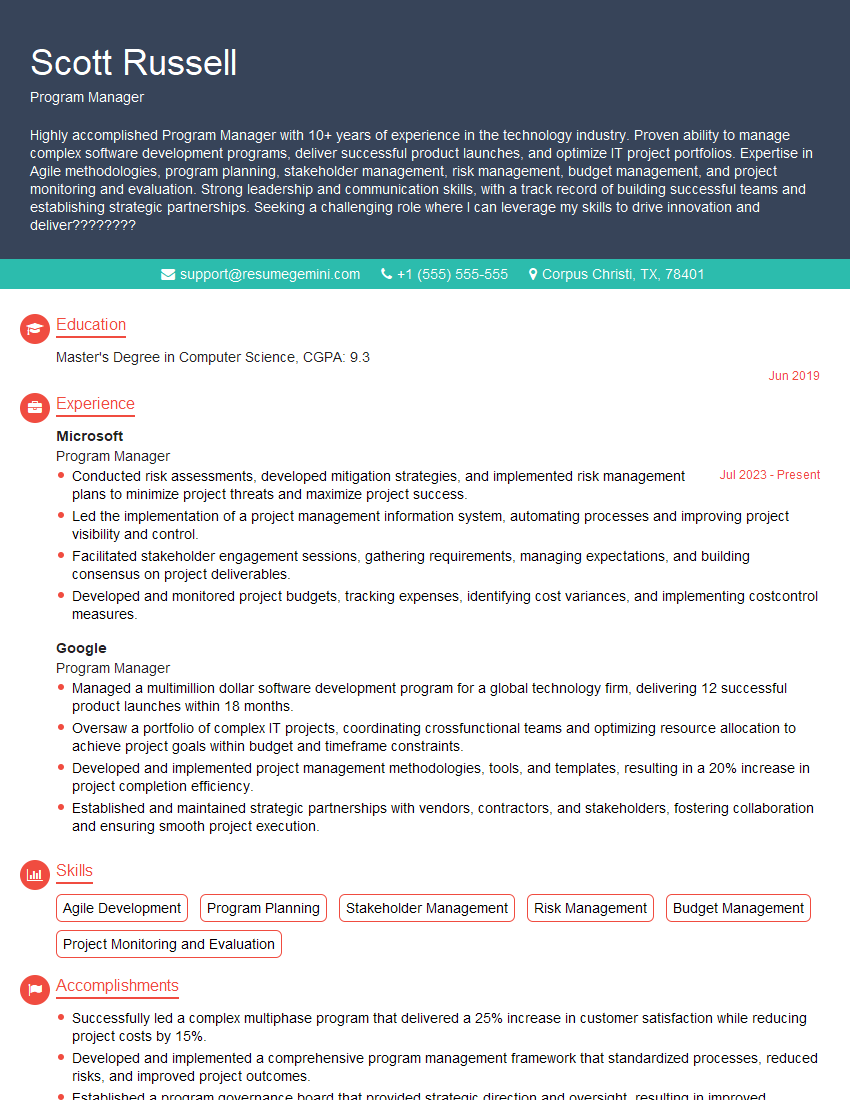
Program Manager Resume Sample

Operations Manager Resume Sample
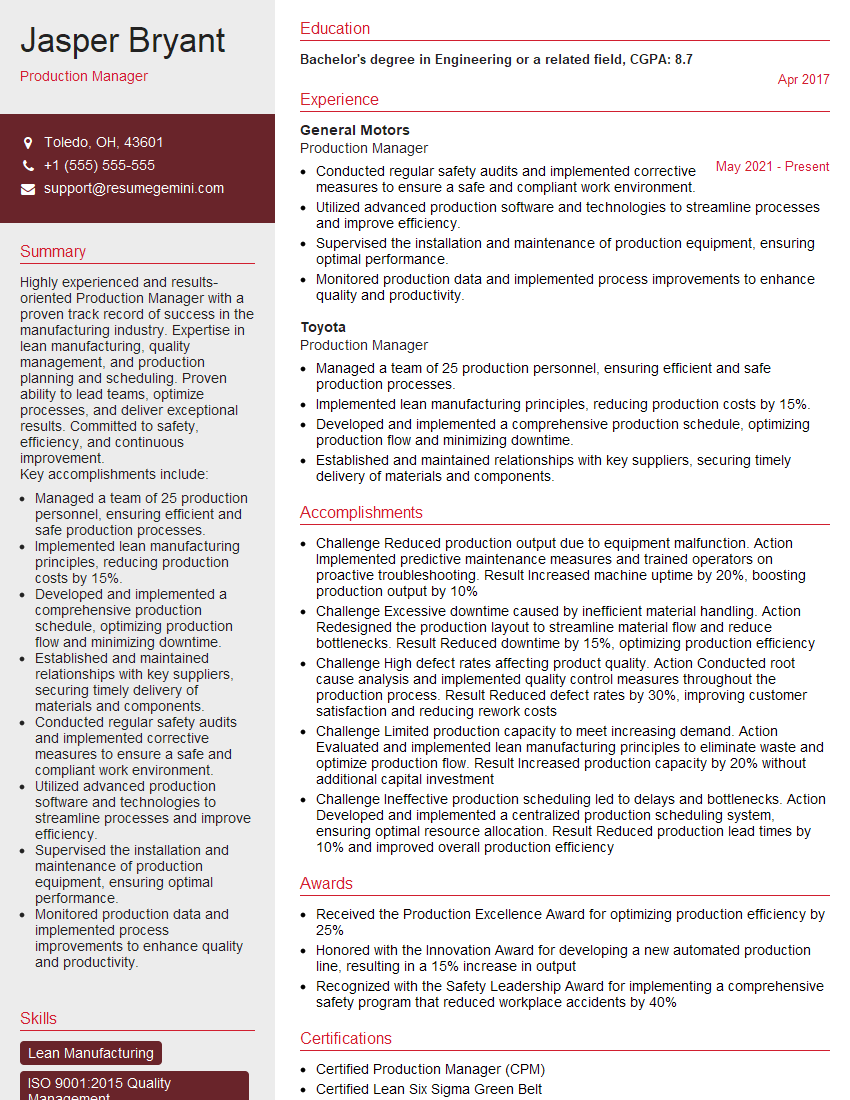
Production Manager Resume Sample
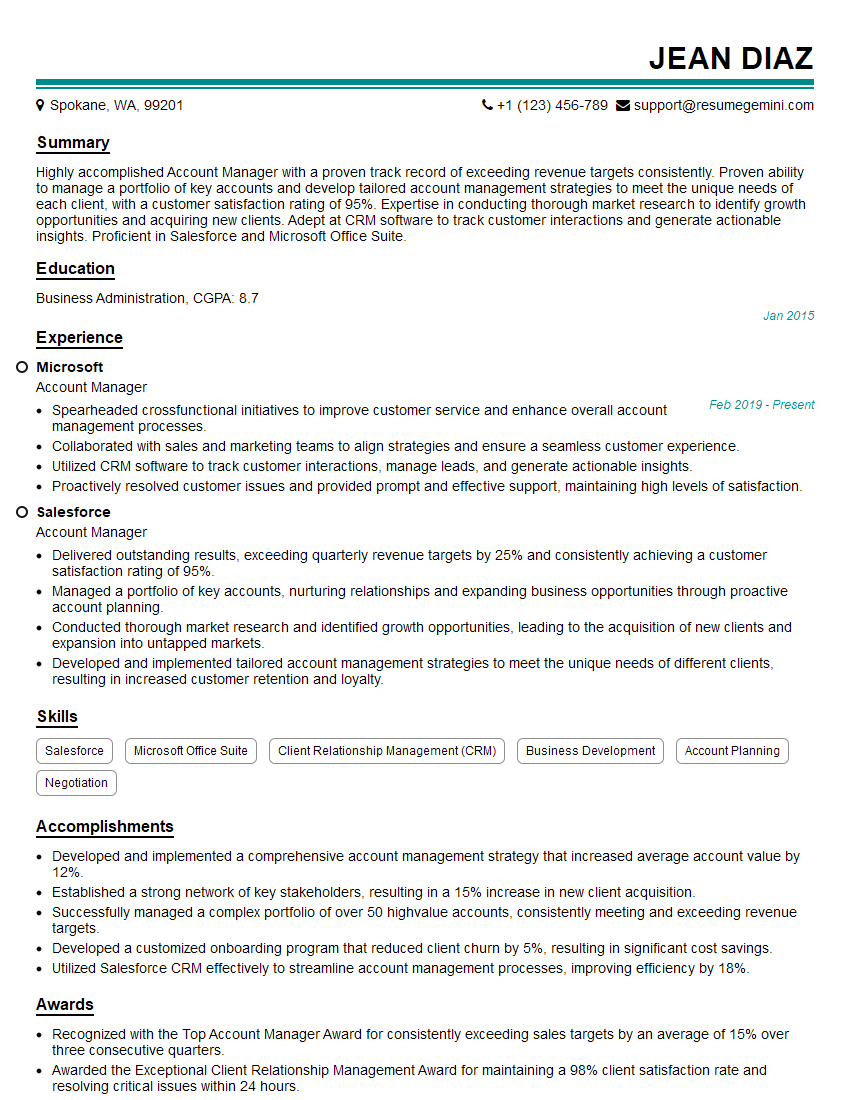
Account Manager Resume Sample
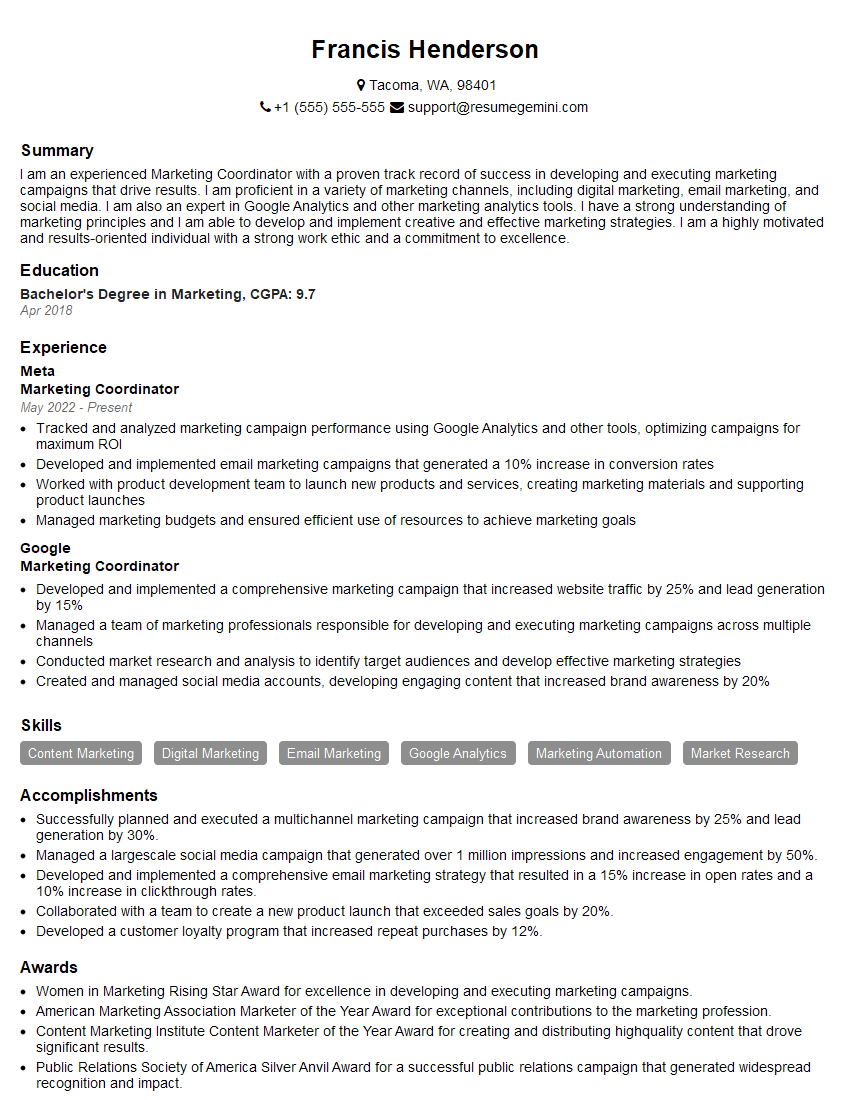
Marketing Coordinator Resume Sample
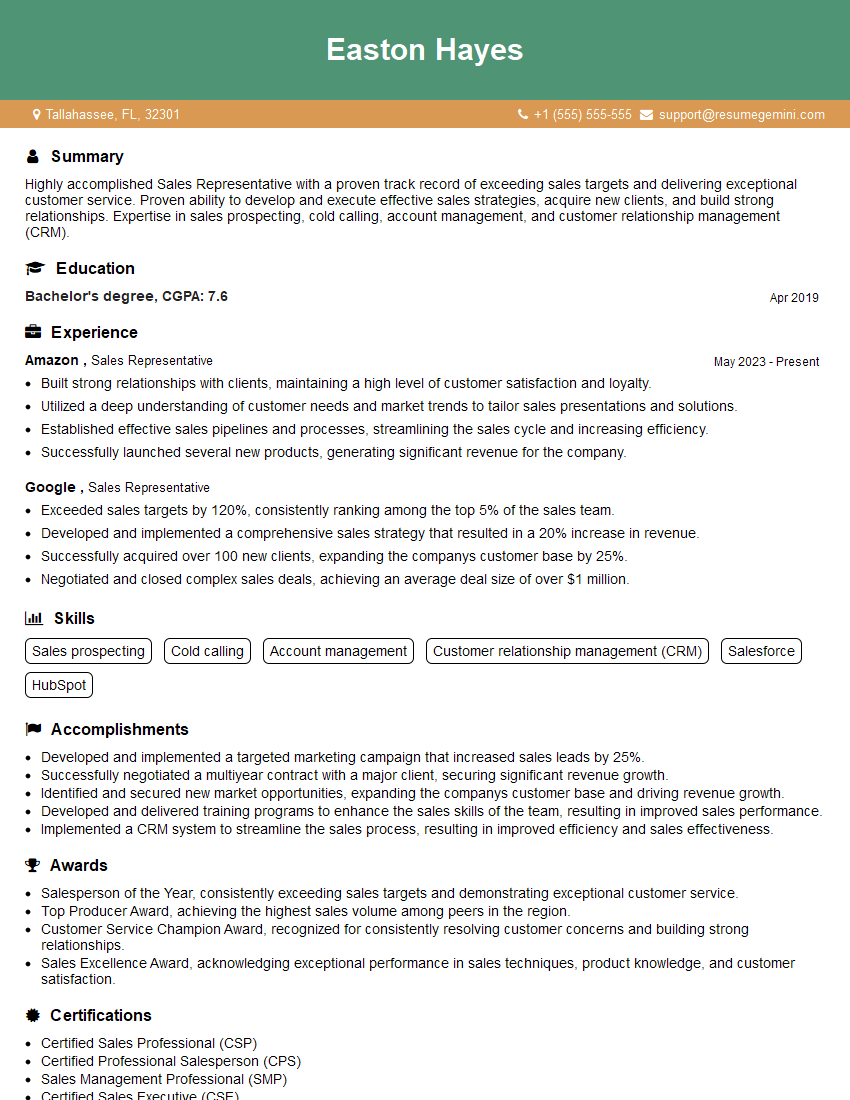
Sales Representative Resume Sample
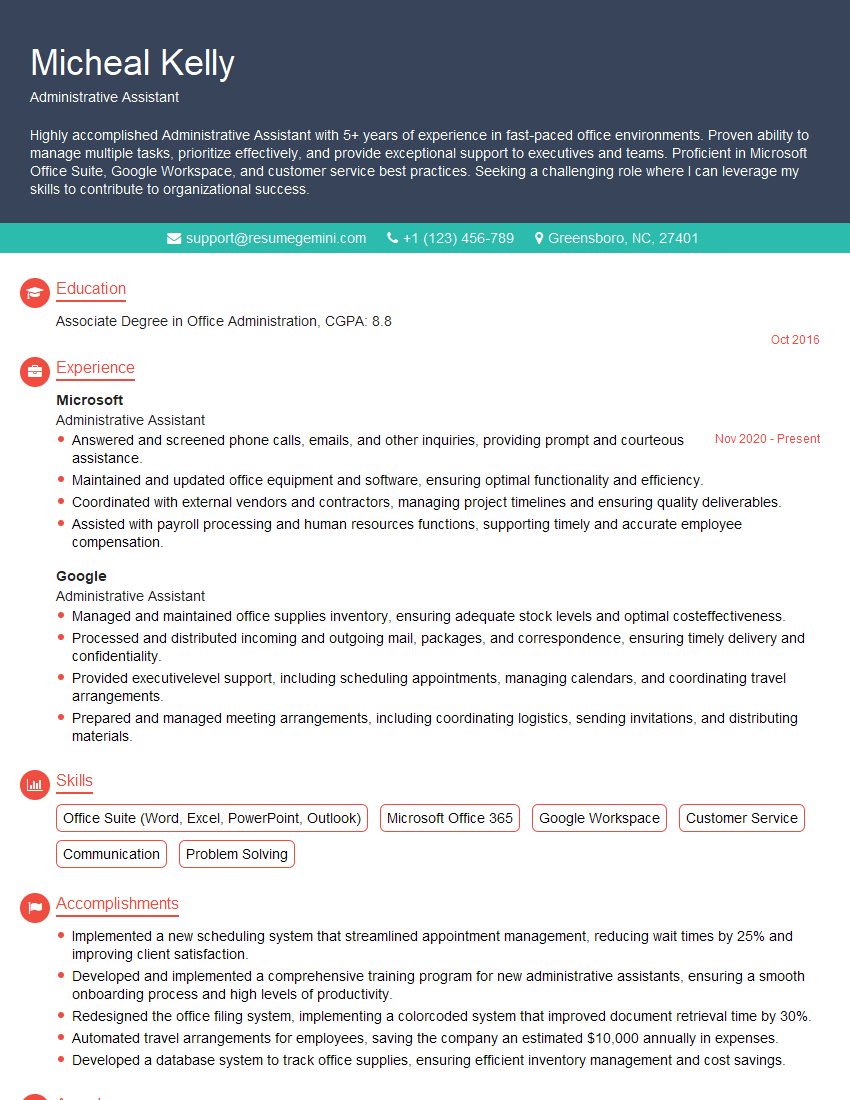
Administrative Assistant Resume Sample
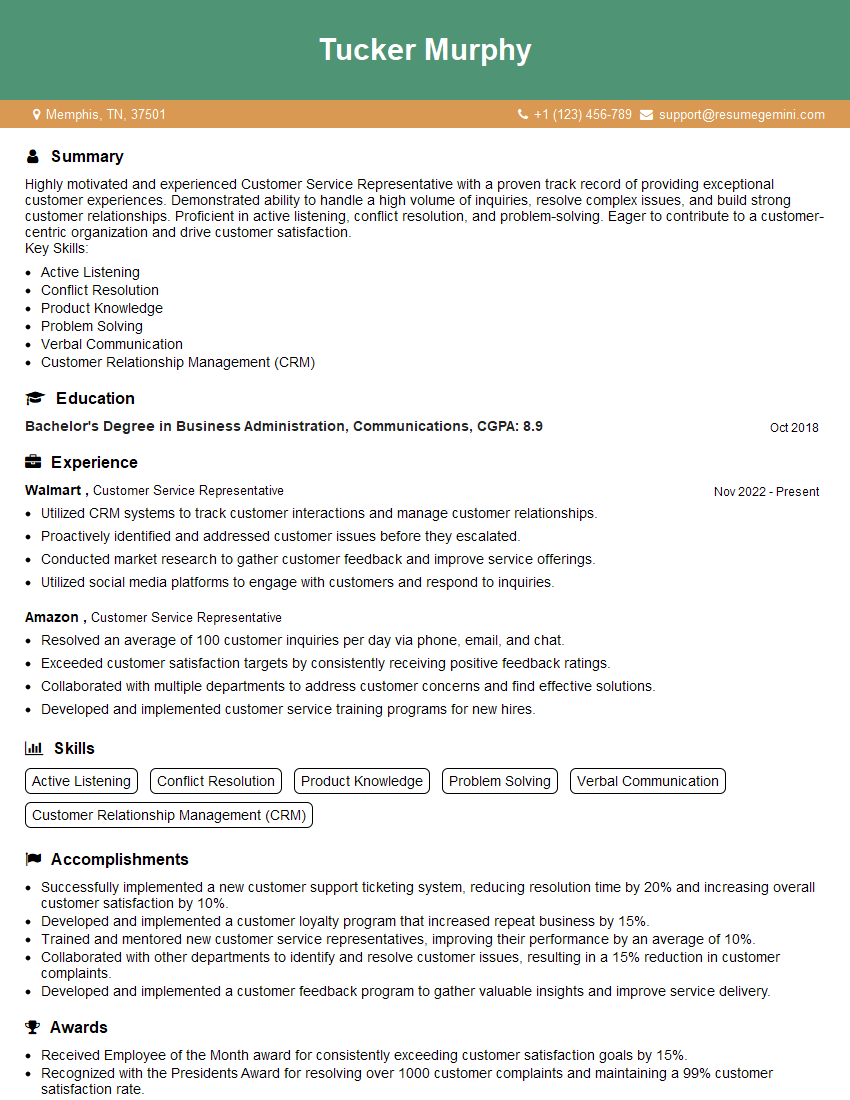
Customer Service Representative Resume Sample
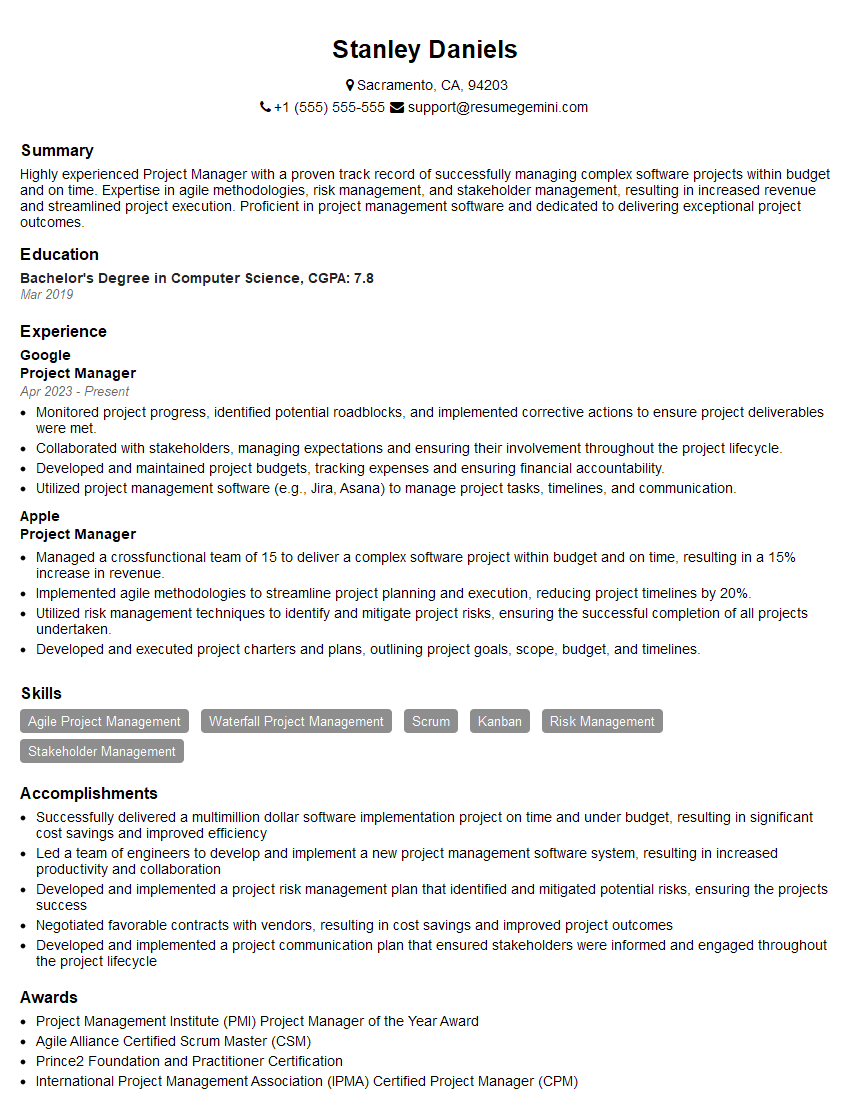
Project Manager Resume Sample
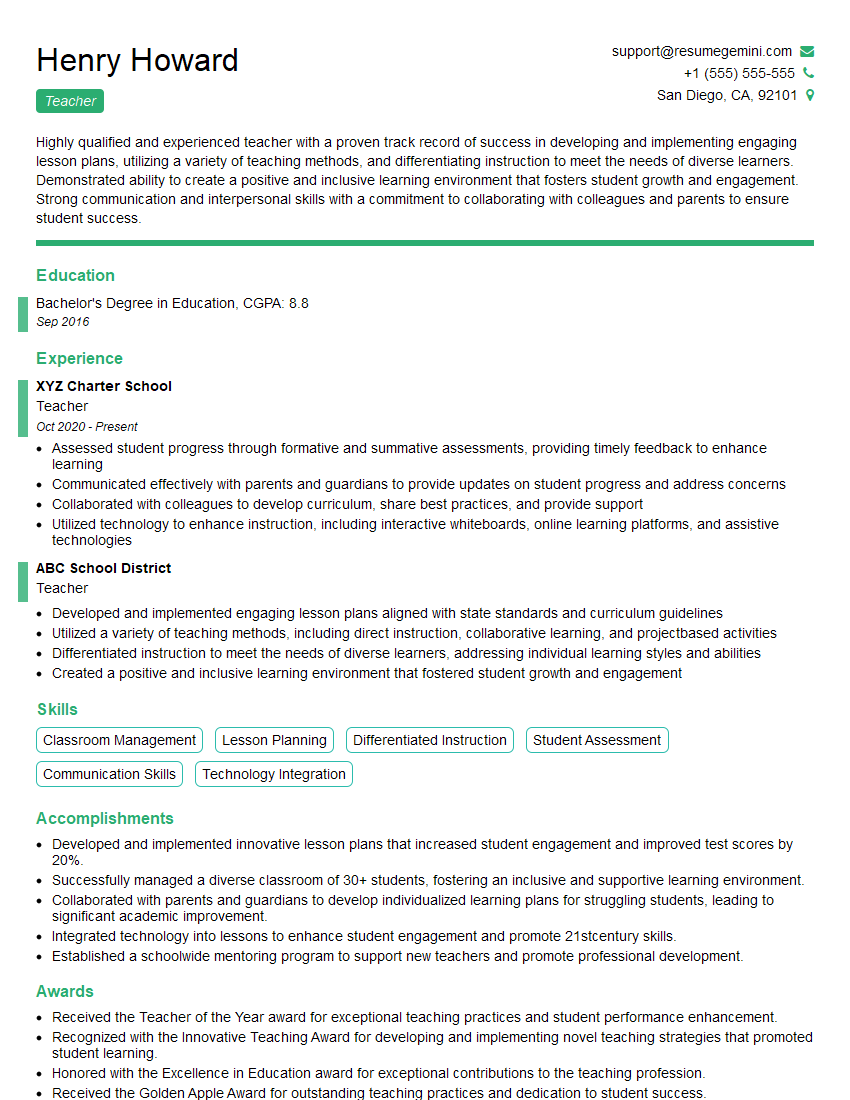
Teacher Resume Sample
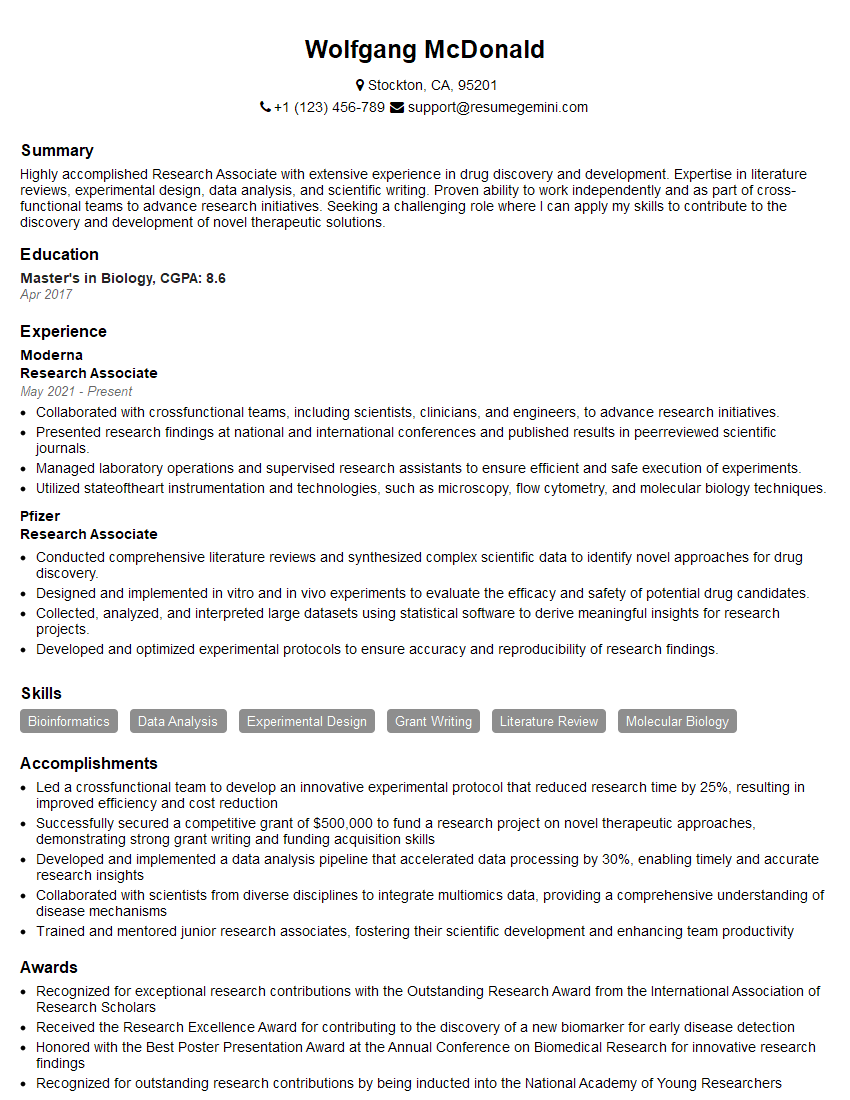
Research Associate Resume Sample
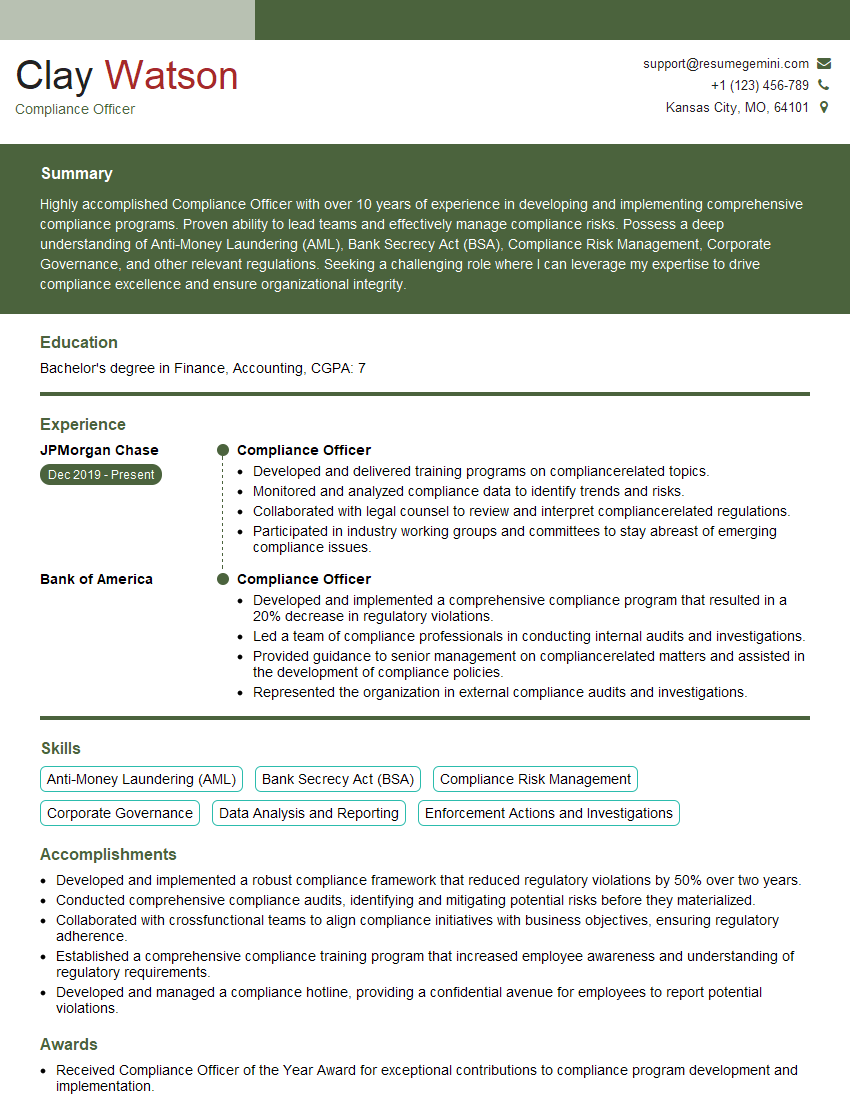
Compliance Officer Resume Sample
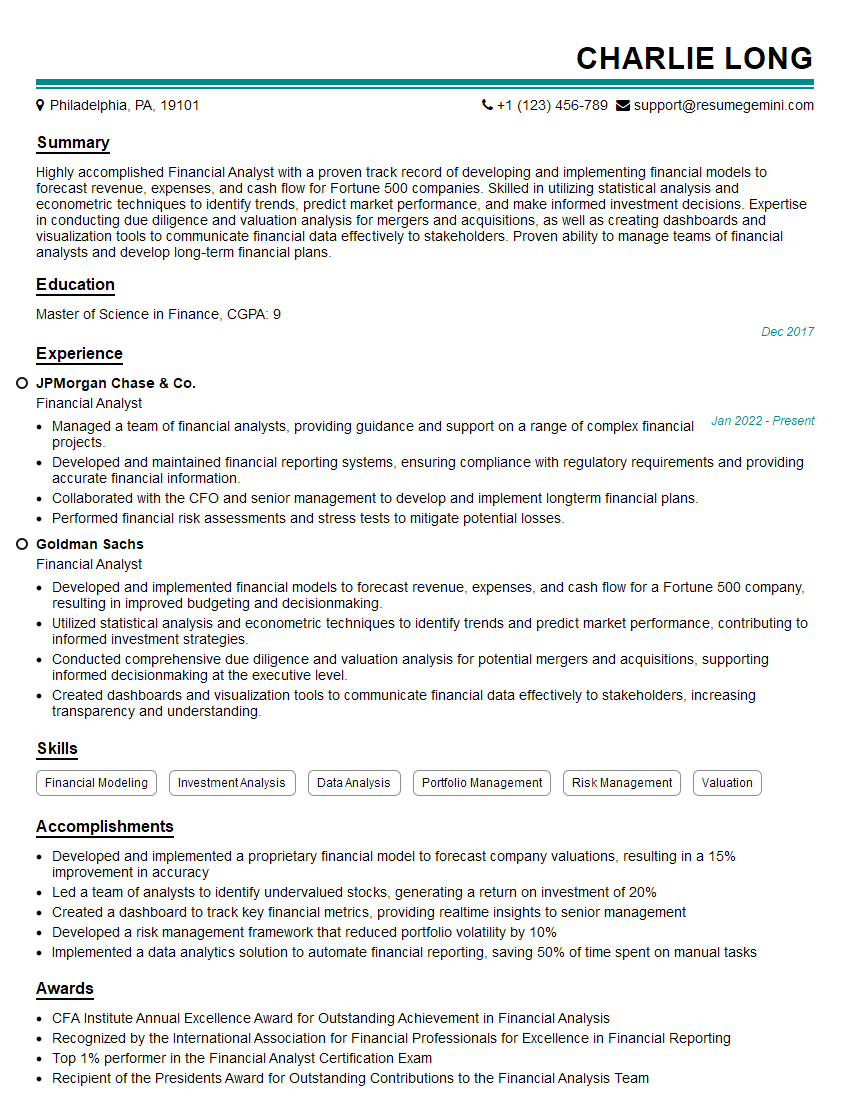
Financial Analyst Resume Sample
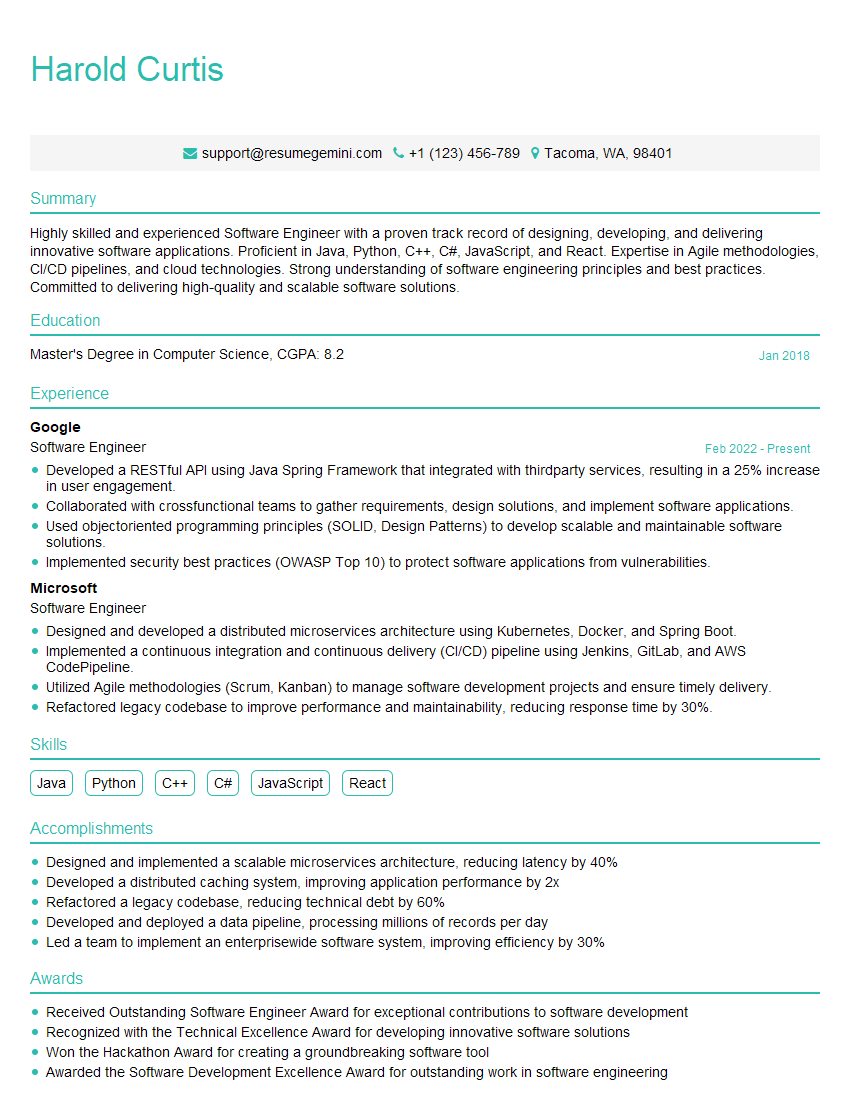
Software Engineer Resume Sample
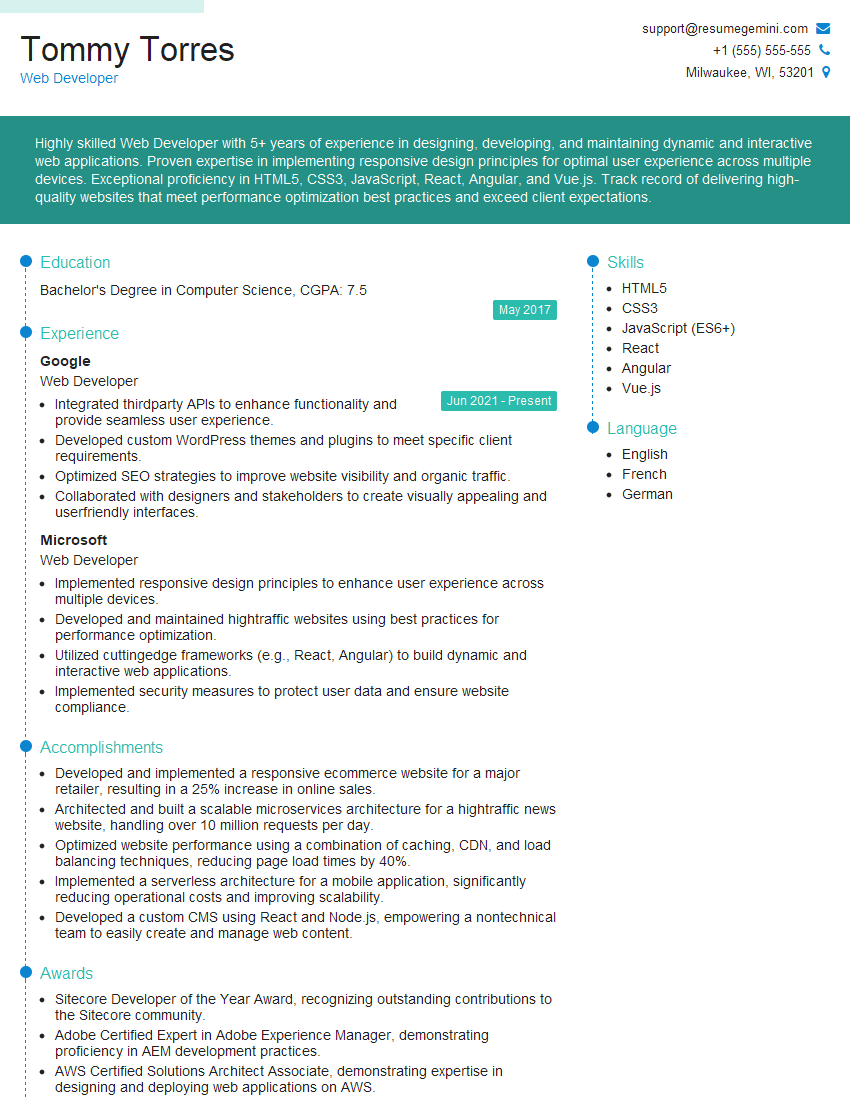
Web Developer Resume Sample
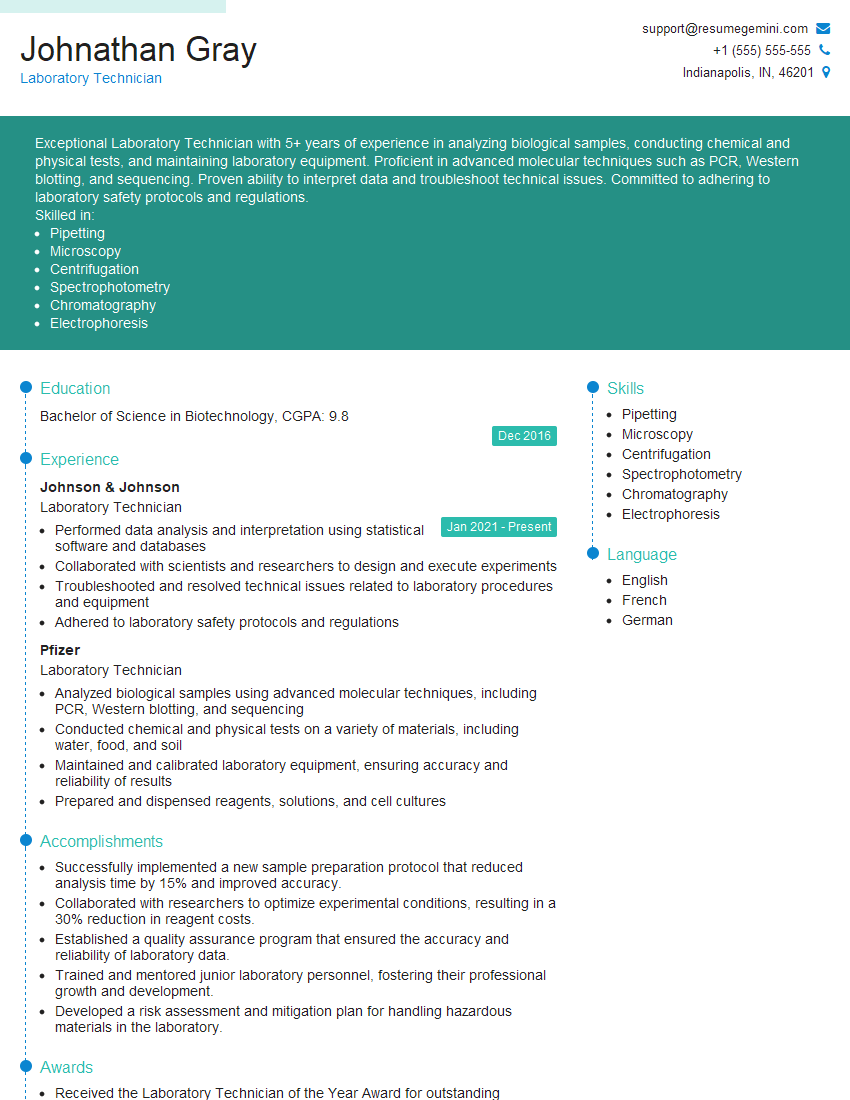
Laboratory Technician Resume Sample
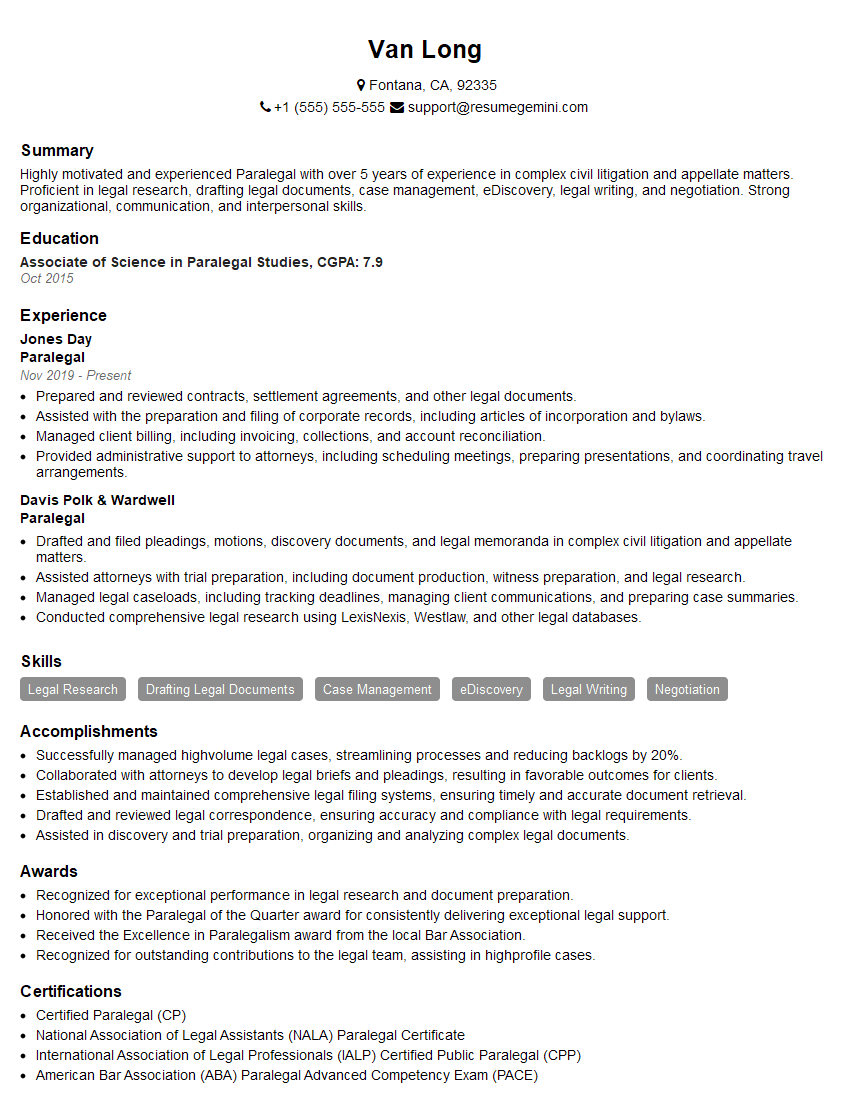
Paralegal Resume Sample
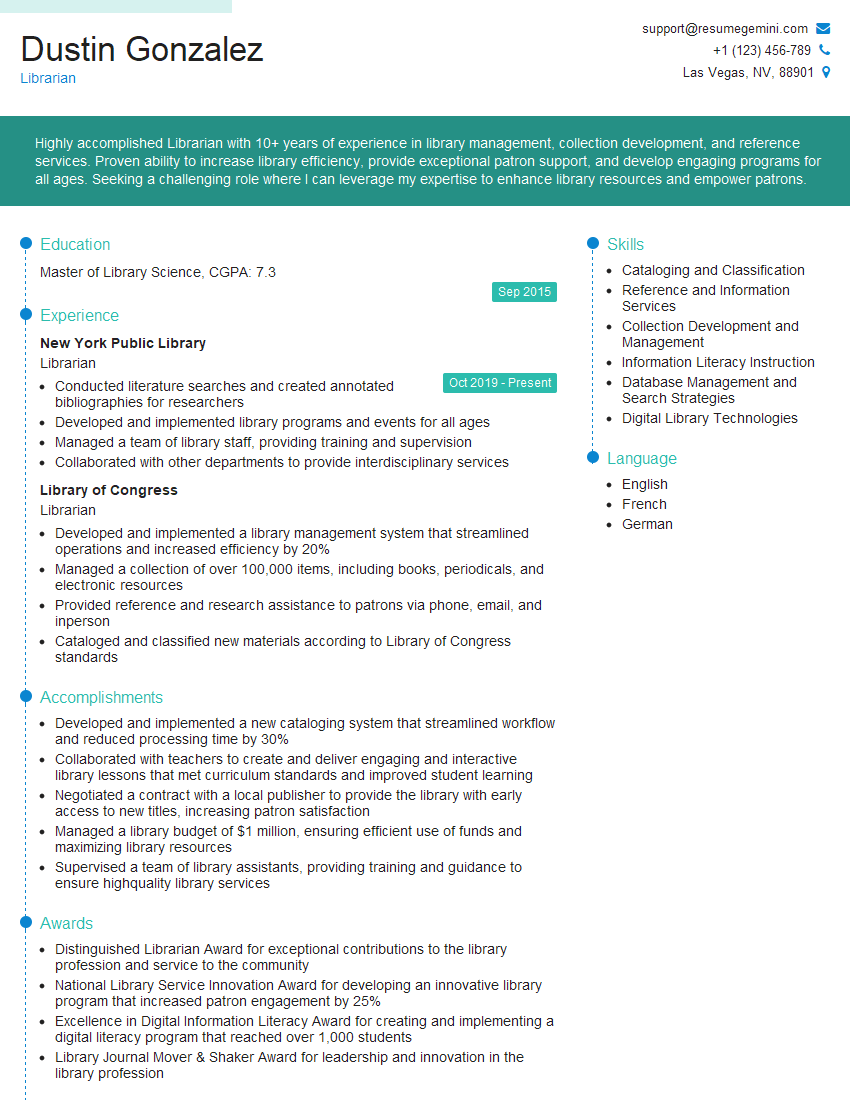
Librarian Resume Sample

Technical Writer Resume Sample
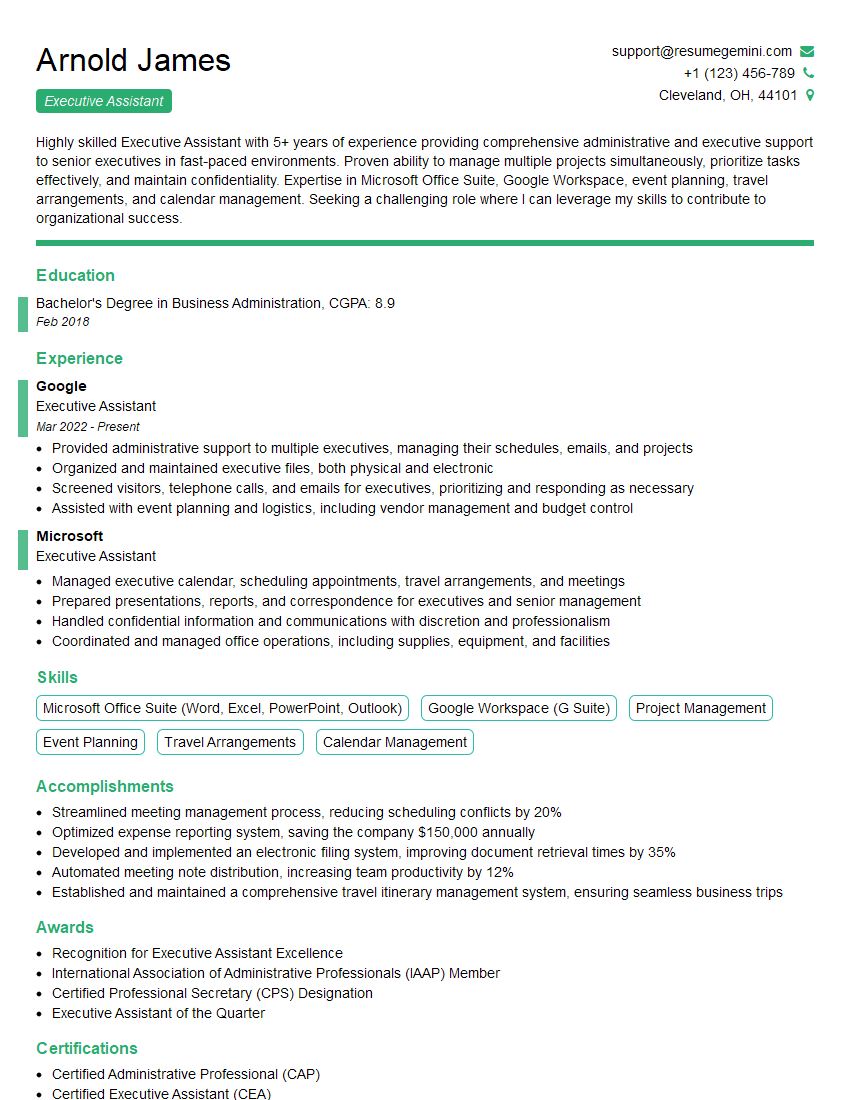
Executive Assistant Resume Sample
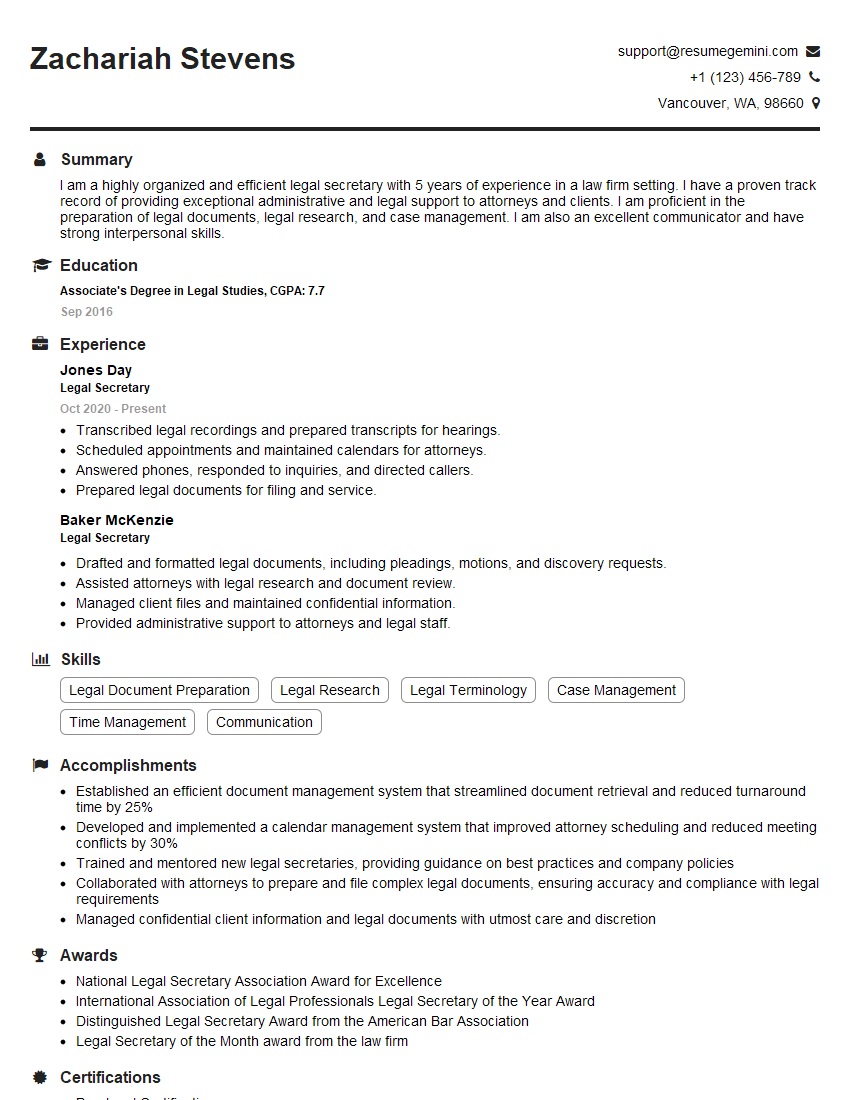
Legal Secretary Resume Sample
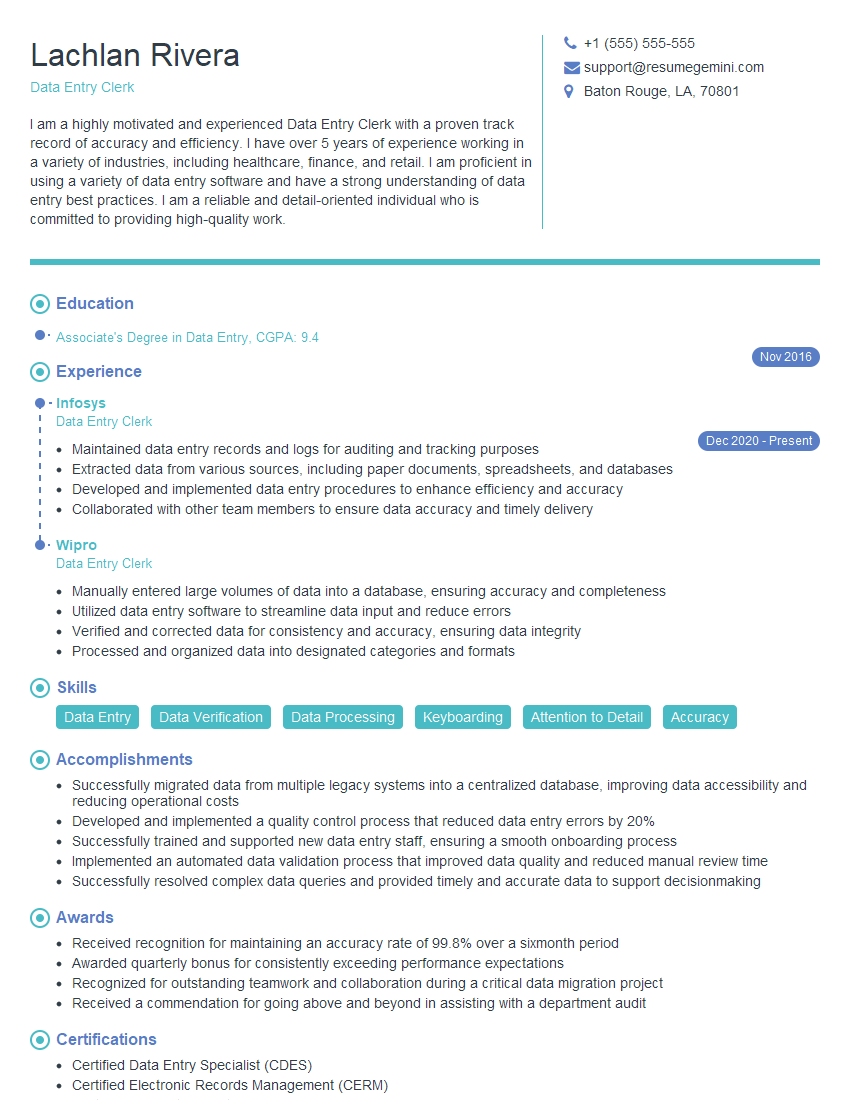
Data Entry Clerk Resume Sample
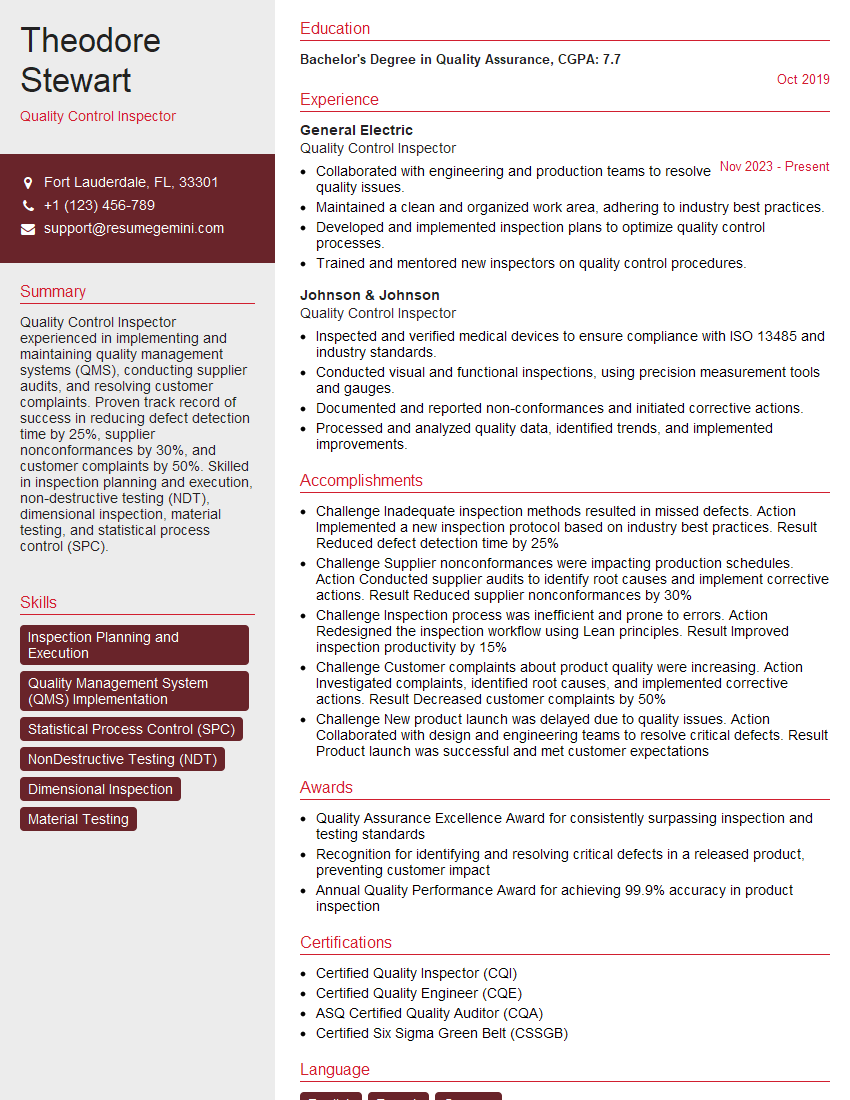
Quality Control Inspector Resume Sample
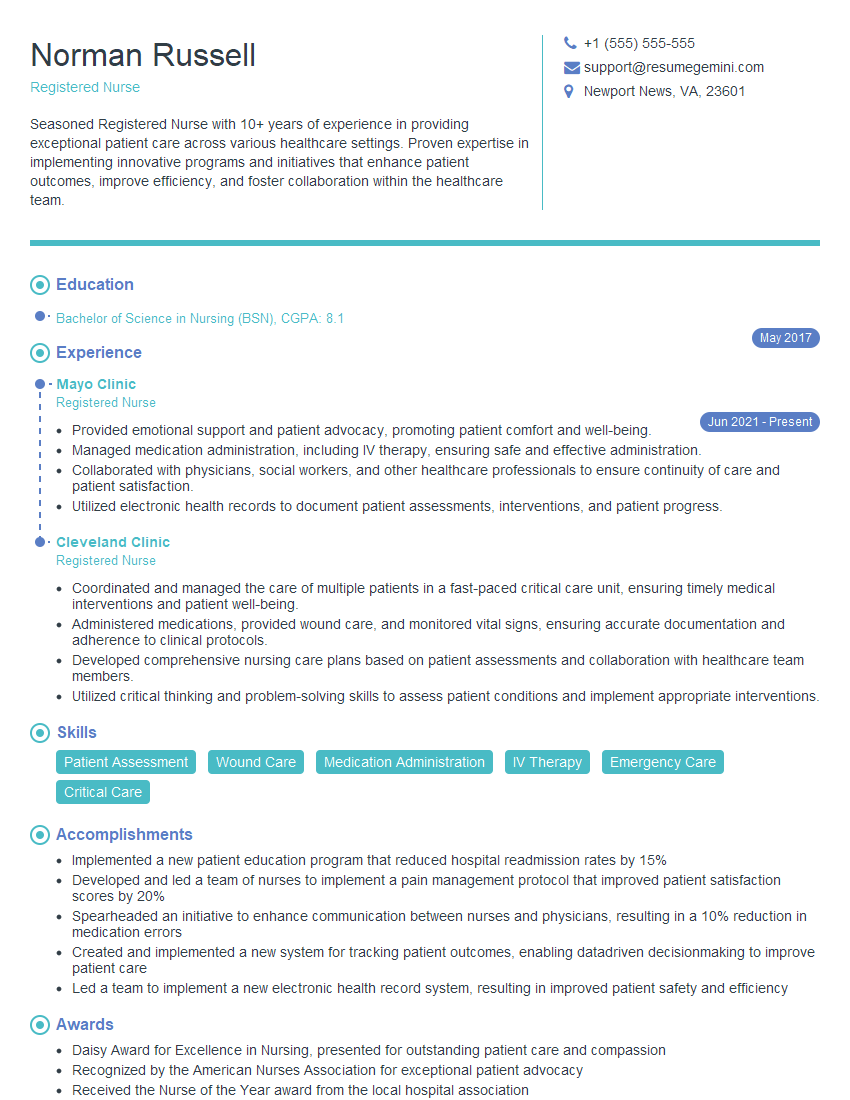
Registered Nurse Resume Sample
- Program Manager
- Operations Manager
- Production Manager
- Account Manager
- Marketing Coordinator
- Sales Representative
- Administrative Assistant
- Customer Service Representative
- Project Manager
- Teacher
- Research Associate
- Compliance Officer
- Financial Analyst
- Software Engineer
- Web Developer
- Laboratory Technician
- Paralegal
- Librarian
- Technical Writer
- Executive Assistant
- Legal Secretary
- Data Entry Clerk
- Quality Control Inspector
- Registered Nurse
Explore more articles
Users Rating of Our Blogs
Share Your Experience
We value your feedback! Please rate our content and share your thoughts (optional).
What Readers Say About Our Blog
Very informative content, great job.
good