Unlock your full potential by mastering the most common Ability to follow instructions and work under pressure interview questions. This blog offers a deep dive into the critical topics, ensuring you’re not only prepared to answer but to excel. With these insights, you’ll approach your interview with clarity and confidence.
Questions Asked in Ability to follow instructions and work under pressure Interview
Q 1. Describe a time you had to follow complex instructions precisely.
Following complex instructions precisely requires meticulous attention to detail and a systematic approach. It’s not just about reading the instructions; it’s about understanding the intent behind each step.
In my previous role as a software engineer, I was tasked with integrating a new API into our existing system. The API documentation was extensive, with intricate specifications for authentication, data formatting, and error handling. My approach involved:
- Thorough Reading: I read through the entire documentation multiple times, highlighting key sections and taking notes.
- Step-by-Step Implementation: I broke down the integration process into smaller, manageable tasks. This allowed for easier debugging and verification at each stage.
- Testing and Verification: After each task, I thoroughly tested the integration to ensure it adhered to the specifications. This included unit tests, integration tests, and end-to-end tests.
- Documentation: I meticulously documented every step of the integration process, including any deviations or challenges encountered.
This systematic approach ensured a successful integration, minimizing errors and reducing the time spent on troubleshooting.
Q 2. How do you handle conflicting instructions from different sources?
Conflicting instructions are a common challenge, especially in collaborative environments. The key is to identify the source of the conflict and find a resolution that aligns with overall project goals.
My approach involves:
- Clarification: I directly communicate with the individuals who provided conflicting instructions to clarify their intentions and understand the context of their requests.
- Prioritization: Based on the project’s priorities and deadlines, I determine which set of instructions takes precedence. This often involves weighing the potential consequences of following each set of instructions.
- Documentation: I document the conflict, the resolution, and the rationale behind my decision. This helps maintain transparency and avoids future misunderstandings.
- Escalation (if necessary): If I’m unable to resolve the conflict, I escalate the issue to a senior team member for guidance.
Imagine a scenario where a designer requests a specific color scheme, while a client requests a different one. I would clarify with both parties, understanding their preferences and the rationale behind each choice. I might present options that incorporate elements from both requests, or I might negotiate a compromise that satisfies both parties to the greatest extent possible.
Q 3. Explain your process for prioritizing tasks when under pressure.
Prioritizing tasks under pressure requires a strategic approach that balances urgency and importance. I utilize the Eisenhower Matrix (Urgent/Important) to categorize tasks effectively.
My process:
- Categorize: I assess each task based on its urgency and importance. Urgent and important tasks are tackled immediately. Important but not urgent tasks are scheduled. Urgent but not important tasks are delegated or minimized. Not urgent and not important tasks are eliminated.
- Time Blocking: I allocate specific time slots for each task, considering estimated completion time and potential interruptions.
- Flexibility: While I have a plan, I remain flexible and adapt to changing priorities as needed. Emergent tasks may require shifting my schedule.
- Breaks: Regular short breaks help maintain focus and prevent burnout.
This structured approach ensures that critical tasks are addressed promptly, while less critical tasks are handled efficiently without sacrificing overall project goals. It’s like navigating a busy city – you prioritize the most important routes and adjust your course when necessary.
Q 4. Give an example of a time you successfully managed multiple deadlines.
Managing multiple deadlines successfully demands excellent organization and time management skills. During a product launch, I was responsible for coordinating the development, testing, and marketing of a new software application, all with tight deadlines.
My strategy:
- Detailed Project Plan: I created a comprehensive project plan with clearly defined milestones and deadlines for each task. This plan served as a roadmap for the entire project.
- Task Delegation: I delegated tasks to team members based on their expertise and availability, ensuring clear communication and accountability.
- Regular Check-ins: I held regular meetings with team members to track progress, address any roadblocks, and make adjustments to the plan as needed.
- Risk Management: I identified potential risks and developed contingency plans to mitigate delays.
Through careful planning, effective delegation, and proactive communication, we successfully launched the application on time and within budget, demonstrating my ability to navigate complex projects with overlapping deadlines.
Q 5. How do you stay organized and focused in a high-pressure environment?
Staying organized and focused in a high-pressure environment is crucial for productivity and preventing errors. I utilize a combination of tools and techniques to maintain control.
My approach:
- Project Management Software: I leverage project management software (e.g., Jira, Asana) to track tasks, deadlines, and progress. This provides a centralized view of all ongoing projects.
- To-Do Lists: I maintain detailed to-do lists, prioritizing tasks based on urgency and importance.
- Time Management Techniques: Techniques like the Pomodoro Technique (working in focused bursts with short breaks) help maintain concentration and prevent burnout.
- Mindfulness and Breaks: Regular short breaks for mindfulness exercises or physical activity help to alleviate stress and improve focus.
These strategies create a structured environment where I can manage my workload efficiently, even under pressure. Think of it as having a well-organized toolbox – everything is readily accessible, making it easier to tackle any challenge.
Q 6. Describe your approach to problem-solving when under time constraints.
Problem-solving under time constraints requires a decisive and efficient approach. I prioritize quick analysis and effective solutions.
My steps:
- Rapid Assessment: I quickly assess the problem’s scope and impact to prioritize solutions.
- Prioritize Solutions: I identify potential solutions, weighing their effectiveness and the time required to implement them.
- Quick Implementation: I choose the most effective solution and implement it rapidly, focusing on achieving a functional outcome within the given timeframe.
- Documentation: I document the problem, the solution, and the outcomes, learning from the experience for future reference.
For example, if a critical system goes down during a presentation, I wouldn’t waste time researching obscure causes. I would first try the most likely solutions (rebooting the system, checking network connectivity) and escalate to more complex troubleshooting only if necessary. The priority is to restore functionality as quickly as possible.
Q 7. How do you handle unexpected changes or interruptions to your workflow?
Unexpected changes and interruptions are inevitable. My approach focuses on adaptability and maintaining composure.
My strategy:
- Assessment: I assess the nature and impact of the interruption, determining its priority relative to ongoing tasks.
- Re-prioritization: I re-prioritize my tasks based on the new information, focusing on urgent and critical items first.
- Communication: I communicate the interruption and any necessary adjustments to relevant stakeholders.
- Flexibility: I remain flexible and adapt my workflow to accommodate the change, minimizing disruption to project goals.
Think of it like navigating a traffic jam – you can’t control the unexpected delay, but you can choose alternative routes or simply adjust your expectations for arrival time. Adaptability and effective communication are key.
Q 8. What strategies do you use to manage stress and maintain productivity?
Managing stress and maintaining productivity under pressure is crucial for success. My strategy involves a multi-pronged approach focusing on proactive measures and reactive coping mechanisms.
- Proactive Strategies: I prioritize planning and time management using tools like project management software. Breaking down large tasks into smaller, manageable steps reduces feelings of overwhelm. I also ensure I get sufficient sleep, exercise regularly, and maintain a healthy diet. These contribute to overall well-being and resilience to stress.
- Reactive Strategies: When stress arises, I utilize techniques like deep breathing exercises or short mindfulness meditations to regain focus. If a task feels insurmountable, I re-evaluate my priorities and delegate if possible. I also communicate openly with my team and manager about any challenges I’m facing – seeking support is a strength, not a weakness.
For example, during a particularly demanding project deadline, I used the Pomodoro Technique (25 minutes of focused work followed by a 5-minute break) to maintain concentration and prevent burnout. Regular breaks prevented mental fatigue and allowed me to return to the task refreshed.
Q 9. Have you ever had to adapt your approach based on unclear instructions? How did you handle it?
Ambiguity in instructions is a common challenge. My approach involves a structured process to clarify and proceed effectively.
- Clarification: I first attempt to understand the intent behind the unclear instructions. I might ask clarifying questions to the person who provided the instructions, focusing on the desired outcome and key deliverables. This often involves actively listening and asking open-ended questions to gain a full understanding.
- Assumption and Justification: If immediate clarification isn’t possible, I carefully document my assumptions about the instructions and justify those assumptions in writing. This creates a record of my thought process and allows for easy correction if my assumptions are incorrect.
- Iterative Approach: I often adopt an iterative approach, completing a small portion of the task based on my interpretation, then checking in with the relevant stakeholders for feedback. This minimizes the risk of investing significant time in a potentially wrong direction.
In one instance, I received vague instructions to ‘improve the website’s performance’. I clarified this by asking about specific metrics (e.g., page load speed, bounce rate), leading to a focused and successful optimization campaign.
Q 10. Describe a situation where you had to follow detailed procedures to avoid errors.
Following detailed procedures is essential in many situations to minimize errors and ensure quality.
During a critical software deployment, we followed a strict checklist encompassing pre-deployment checks (backup creation, environment validation), deployment steps (database updates, code deployment), and post-deployment checks (functional testing, performance monitoring). Deviation from this procedure was strictly prohibited to prevent potential data loss or system failures. Each step was carefully documented, and team members signed off on their completion. The success of the deployment is directly attributable to adhering to these detailed procedures.
This adherence to procedure highlights the criticality of detailed planning and meticulous execution in high-stakes situations. The potential cost of errors in this scenario far outweighed the time invested in following a comprehensive process.
Q 11. How do you ensure accuracy when working quickly?
Maintaining accuracy while working quickly requires a combination of strategies focused on efficiency and precision.
- Prioritization: I prioritize tasks based on their urgency and impact, focusing on the most critical elements first. This prevents unnecessary time spent on less important details when under time pressure.
- Double-checking: I build in time for reviewing and double-checking my work. This helps identify and correct errors before they become larger problems. Even a quick scan can significantly improve accuracy.
- Automation: I leverage automation tools wherever possible to reduce manual effort and minimize the potential for human error. This allows me to focus on the parts of the task requiring more critical thinking.
For instance, when processing a large dataset, I utilize automated validation scripts to flag potential inconsistencies or errors. This ensures accuracy even when dealing with a high volume of data within a short timeframe.
Q 12. How do you handle criticism when under pressure?
Receiving criticism under pressure can be challenging, but it’s vital to maintain a professional and constructive approach.
- Active Listening: I actively listen to the feedback without interrupting, focusing on understanding the concerns and the underlying issues.
- Seeking Clarification: I ask clarifying questions to fully understand the nature and specifics of the criticism. This helps avoid misunderstandings and ensures I’m addressing the correct concerns.
- Problem-solving: I work collaboratively to identify solutions and implement changes. I view criticism as an opportunity for improvement and professional development, focusing on actionable steps to resolve the issues raised.
In one instance, I received constructive criticism regarding the speed of a specific report. Instead of becoming defensive, I actively listened, analyzed the issues, and streamlined the report generation process by automating parts of it. This ultimately enhanced the efficiency and speed without compromising accuracy.
Q 13. How do you delegate tasks effectively when working under pressure?
Effective delegation under pressure requires careful planning and clear communication.
- Task Assessment: I assess each task based on the skills and expertise of team members, ensuring appropriate delegation.
- Clear Instructions: I provide clear, concise, and actionable instructions, setting clear expectations for deliverables and deadlines.
- Ongoing Communication: I maintain open communication throughout the process, providing support and addressing any questions or challenges that arise. This ensures everyone stays on track and feels supported.
When facing a tight deadline on a large project, I delegated tasks based on individual strengths. For example, I assigned the data analysis to the team member with strong analytical skills while I focused on project management and communication.
Q 14. How do you communicate effectively when facing tight deadlines?
Communicating effectively under tight deadlines necessitates clear, concise, and frequent updates.
- Proactive Communication: I proactively communicate potential roadblocks or challenges to my team and stakeholders early on. This enables collaborative problem-solving and mitigates potential delays.
- Concise Updates: I provide concise and relevant updates, focusing on key progress points and any significant issues. Avoiding unnecessary details helps maintain efficiency.
- Multiple Communication Channels: Depending on the audience and situation, I use appropriate communication channels (email, instant messaging, project management software) to ensure timely and effective communication.
For example, during a critical product launch, I used a daily stand-up meeting to update the team on progress, challenges, and next steps. This ensured everyone was informed and working collaboratively towards the shared goal, mitigating the potential for miscommunication and delays.
Q 15. Have you ever had to make a difficult decision under pressure? Describe the process.
Making difficult decisions under pressure is a crucial skill. My process involves a structured approach that balances speed and thoroughness. First, I quickly assess the situation, identifying the core problem and key constraints – time, resources, potential risks. Then, I brainstorm possible solutions, weighing their pros and cons. This often involves a mental checklist, prioritizing solutions based on likelihood of success and potential negative impact. I then select the best option, considering the urgency and available information, documenting my reasoning. Finally, I execute the decision, monitoring its impact and making adjustments as needed. For example, during a project launch, we faced a critical bug just hours before the deadline. Instead of panicking, I systematically reviewed the code with my team, pinpointing the error, prioritizing a fix, and implementing it effectively, preventing a major disaster.
Career Expert Tips:
- Ace those interviews! Prepare effectively by reviewing the Top 50 Most Common Interview Questions on ResumeGemini.
- Navigate your job search with confidence! Explore a wide range of Career Tips on ResumeGemini. Learn about common challenges and recommendations to overcome them.
- Craft the perfect resume! Master the Art of Resume Writing with ResumeGemini’s guide. Showcase your unique qualifications and achievements effectively.
- Don’t miss out on holiday savings! Build your dream resume with ResumeGemini’s ATS optimized templates.
Q 16. How do you maintain a positive attitude when facing challenging situations?
Maintaining a positive attitude under pressure is paramount. I achieve this through several strategies: First, I focus on what I *can* control, rather than dwelling on what I can’t. Second, I break down large, overwhelming tasks into smaller, manageable steps. This creates a sense of accomplishment as I complete each step, building momentum and boosting morale. Third, I actively seek support from my colleagues and utilize available resources. A supportive environment fosters collaboration and reduces stress. Finally, I practice self-care – ensuring adequate sleep, breaks, and healthy habits. Think of it like running a marathon; maintaining a steady pace and positive outlook is essential to reaching the finish line.
Q 17. How do you prioritize tasks when facing competing deadlines?
Prioritizing tasks with competing deadlines demands a structured approach. I employ a prioritization matrix, often based on urgency and importance. Tasks are categorized as urgent and important (immediate action), important but not urgent (planning & scheduling), urgent but not important (delegation or quick resolution), and neither urgent nor important (elimination or postponement). This allows me to focus on high-impact tasks first, minimizing risk and maximizing efficiency. For instance, if I had a presentation due tomorrow and a report due next week, I would prioritize the presentation, delegating less crucial elements where possible, ensuring the most important tasks are addressed first. I frequently use tools like project management software to visualize and track progress, assisting in efficient time management.
Q 18. What is your preferred method for managing your workload under pressure?
My preferred method for managing workload under pressure involves a combination of techniques. I begin by creating a detailed to-do list, breaking down large tasks into smaller, achievable steps. I then utilize time-blocking techniques, allocating specific time slots for different tasks. This helps me stay focused and avoid task-switching, which can significantly reduce productivity. Regular progress reviews are also key; I check-in throughout the day to assess progress and make adjustments as needed. This proactive approach, combined with effective communication with colleagues and stakeholders, ensures efficient task completion even amidst pressure. This allows for better coordination and support, essential when facing multiple concurrent deadlines.
Q 19. How do you learn from your mistakes when working under pressure?
Learning from mistakes under pressure requires a reflective approach. After a challenging situation, I take time for a thorough post-mortem analysis. I identify what went wrong, focusing on the processes and decisions, not just blaming individuals. I then explore alternative approaches, considering what could have been done differently. This often involves seeking feedback from colleagues and supervisors, broadening my perspective. Finally, I document my learnings, integrating them into my future work processes to prevent similar mistakes from recurring. This approach fosters continuous improvement and enhances resilience in handling future challenges.
Q 20. Describe a time you successfully completed a task despite unforeseen challenges.
In a previous project, a key supplier unexpectedly delayed a crucial component. This threatened to derail the entire project timeline. Instead of panicking, I immediately initiated a three-pronged approach: First, I contacted alternative suppliers to explore backup options. Second, I collaborated with the engineering team to identify potential workarounds using existing components. Third, I communicated transparently with stakeholders, managing their expectations. Through this proactive approach, we secured a replacement component and implemented the workaround, successfully completing the project albeit with a minor delay. This experience highlighted the importance of contingency planning and transparent communication in overcoming unforeseen hurdles.
Q 21. How do you balance attention to detail with speed and efficiency?
Balancing attention to detail with speed and efficiency requires a strategic approach. I don’t view these as opposing forces, but rather complementary aspects of effective work. My approach involves prioritizing tasks based on their criticality. High-risk, high-impact tasks demand meticulous attention to detail, even if it means slowing down slightly. For less critical tasks, I can expedite the process while still maintaining an acceptable level of accuracy. Tools and checklists help maintain consistency and catch potential errors. This careful balancing act ensures both speed and quality, achieving a high-quality outcome without compromising on efficient execution. Think of it like an artist; they combine both speed and precision to achieve a masterpiece.
Q 22. How do you identify potential problems before they impact your work?
Proactive problem identification is crucial for maintaining productivity and preventing disruptions. I employ a multi-pronged approach. First, I thoroughly analyze project requirements and identify potential roadblocks before starting the work. This involves asking clarifying questions, reviewing past projects for similar challenges, and anticipating potential technical or logistical issues. Second, I establish clear communication channels with stakeholders to proactively address any concerns that may arise. For example, if I notice a potential conflict between different components of a project, I’ll immediately discuss it with the relevant team members to find a solution. Finally, I regularly monitor progress, using checklists and progress reports to identify deviations from the plan early. This allows me to adjust course before minor issues snowball into significant problems.
Q 23. How do you utilize available resources to manage pressure effectively?
Effective resource management is key to handling pressure. This involves leveraging both tangible and intangible resources wisely. Tangible resources such as tools, software, and documentation are optimized through careful planning and efficient use. For instance, if a project requires specific software, I will familiarize myself with its functionalities before starting to avoid delays. Intangible resources like my team’s expertise and available support are also critical. I prioritize open communication, delegating tasks as needed and seeking help when necessary without hesitation. I also make use of time management techniques, like the Pomodoro Technique, to maintain focus and avoid burnout. When under pressure, I strategically prioritize tasks using methods like the Eisenhower Matrix (urgent/important) to ensure the most critical tasks are tackled first.
Q 24. Describe a time you had to work independently under pressure.
During a previous project, I was tasked with developing a critical software module under a very tight deadline – essentially working independently. The pressure was significant, as the module was essential for the overall product launch. My strategy involved breaking down the task into smaller, manageable units with clearly defined milestones. I meticulously tracked my progress against the schedule, constantly reevaluating my approach and making adjustments as needed. I also employed a rigorous testing methodology at each stage to ensure the quality of the code. Although there were some challenging moments, my organized approach, combined with a methodical testing process, allowed me to successfully deliver the module on time and to the required specification. This experience emphasized the importance of meticulous planning and self-discipline when working under pressure independently.
Q 25. How do you collaborate effectively with colleagues when under pressure?
Effective collaboration under pressure relies heavily on clear communication, shared understanding, and mutual support. I actively promote open and frequent communication with my colleagues. This includes regular progress updates, transparently sharing potential challenges, and proactively seeking input and support when needed. We often utilize collaborative tools like project management software to ensure everyone is on the same page and can track progress in real-time. If disagreements arise, I prioritize a collaborative approach focusing on finding solutions that benefit the team as a whole. During high-pressure situations, ensuring everyone feels heard and valued is paramount to maintaining morale and productivity. For example, in a recent project, we established daily stand-up meetings to quickly address any roadblocks and ensure everyone was aligned.
Q 26. How do you cope with pressure and maintain your focus?
Coping with pressure involves a combination of mental and physical strategies. Maintaining focus requires minimizing distractions, prioritizing tasks effectively, and taking regular breaks to prevent burnout. I employ mindfulness techniques like deep breathing to manage stress and improve concentration. Regular exercise and sufficient sleep are also critical for maintaining physical and mental well-being. It’s important to acknowledge that pressure is a normal part of the job, and a healthy response involves finding effective strategies for managing it rather than trying to eliminate it entirely. I also find that regularly reviewing my accomplishments helps maintain perspective and boosts confidence.
Q 27. What techniques do you employ to manage your time effectively under pressure?
Effective time management under pressure requires a structured approach. I utilize various techniques including time blocking, where I allocate specific time slots for different tasks. This helps me prioritize activities and avoid task-switching, which can be detrimental to productivity. I also employ the Pareto Principle (80/20 rule), focusing on the 20% of tasks that yield 80% of the results. Prioritization matrices, like the Eisenhower Matrix mentioned before, further help in deciding which tasks require immediate attention. Regularly reviewing my schedule and adjusting it based on changing priorities allows for flexibility and adaptability. Moreover, I set realistic deadlines and avoid overcommitting myself to prevent undue stress.
Q 28. How do you ensure the quality of your work when facing tight deadlines?
Maintaining quality under tight deadlines requires a proactive approach. First, I prioritize thorough planning and task breakdown to ensure a structured workflow. This helps to avoid rushing through tasks and compromising quality. Second, I incorporate regular quality checks at various stages of the project. This could involve peer reviews, self-reviews, or automated testing depending on the nature of the work. Third, I prioritize accuracy over speed, understanding that fixing errors later often takes more time than careful execution upfront. Finally, I use readily available tools and resources to streamline the process. For example, utilizing version control systems ensures easy tracking of changes and allows for quick rollback if necessary. This multi-faceted approach helps to ensure quality even when operating under stringent time constraints.
Key Topics to Learn for Ability to follow instructions and work under pressure Interview
- Understanding Instructions: Learn to actively listen, clarify ambiguities, and confirm understanding before beginning any task. This includes identifying the key objectives, deadlines, and required resources.
- Prioritization and Time Management: Practice effective time management techniques to handle multiple tasks and deadlines simultaneously under pressure. Explore methods like prioritizing tasks, breaking down large projects, and using time-blocking strategies.
- Problem-Solving Under Pressure: Develop strategies for maintaining composure and finding solutions when faced with unexpected challenges or setbacks. Consider techniques like brainstorming, root cause analysis, and seeking assistance when appropriate.
- Attention to Detail: Highlight your ability to meticulously follow instructions, ensuring accuracy and completeness in your work, even under tight deadlines. Provide examples demonstrating your commitment to quality and precision.
- Adaptability and Flexibility: Demonstrate your ability to adjust to changing priorities, unexpected requests, and evolving instructions. Showcase instances where you successfully adapted to new information or circumstances.
- Communication and Collaboration: Emphasize your ability to effectively communicate your progress, challenges, and solutions to supervisors and colleagues, especially when working under pressure.
- Stress Management Techniques: Discuss healthy coping mechanisms for managing stress and maintaining productivity in high-pressure environments. This could include techniques like deep breathing exercises, mindfulness, or breaks.
Next Steps
Mastering the ability to follow instructions and work under pressure is crucial for career advancement. Employers highly value individuals who can consistently deliver high-quality work, even in demanding situations. This skill significantly enhances your productivity and reliability, making you a more valuable asset to any team. To increase your chances of landing your dream job, create an ATS-friendly resume that effectively showcases these skills. ResumeGemini is a trusted resource that can help you build a professional and impactful resume. Examples of resumes tailored to highlight your ability to follow instructions and work under pressure are available to guide you. Invest time in crafting a compelling resume – it’s your first impression and a key step in your career journey.

Operations Manager Resume Sample
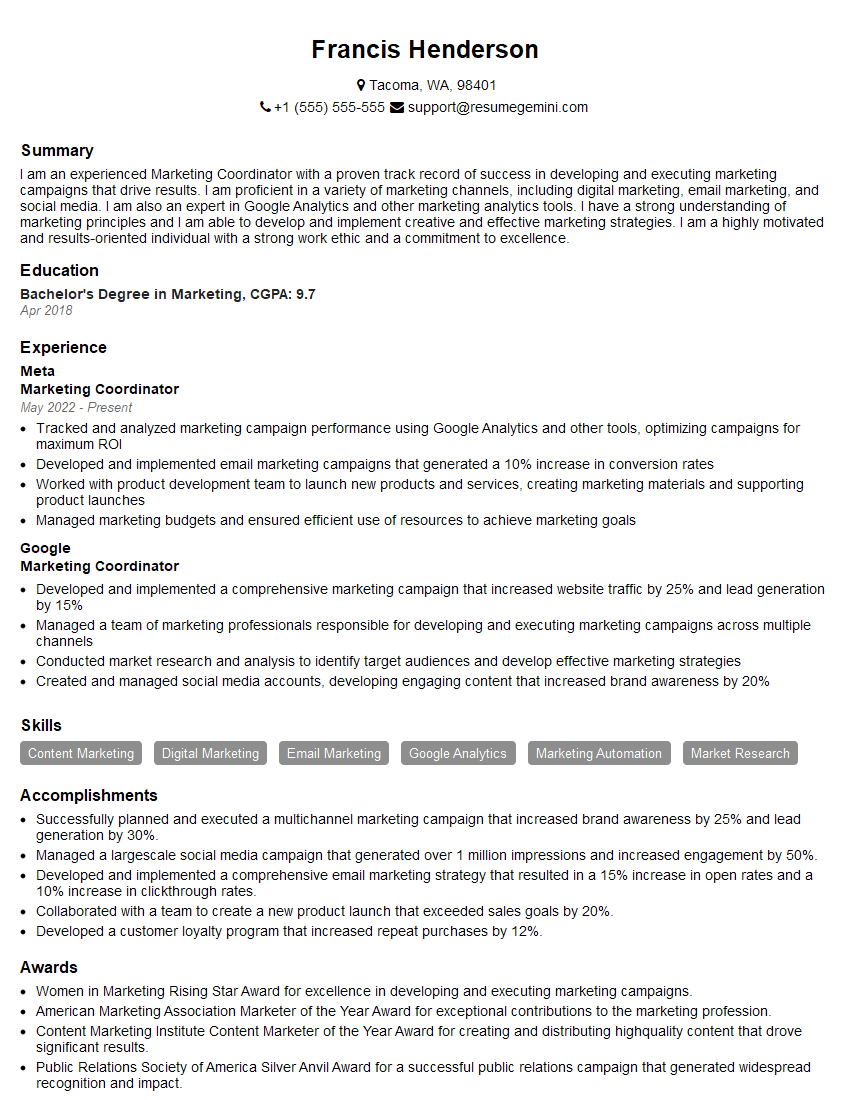
Marketing Coordinator Resume Sample
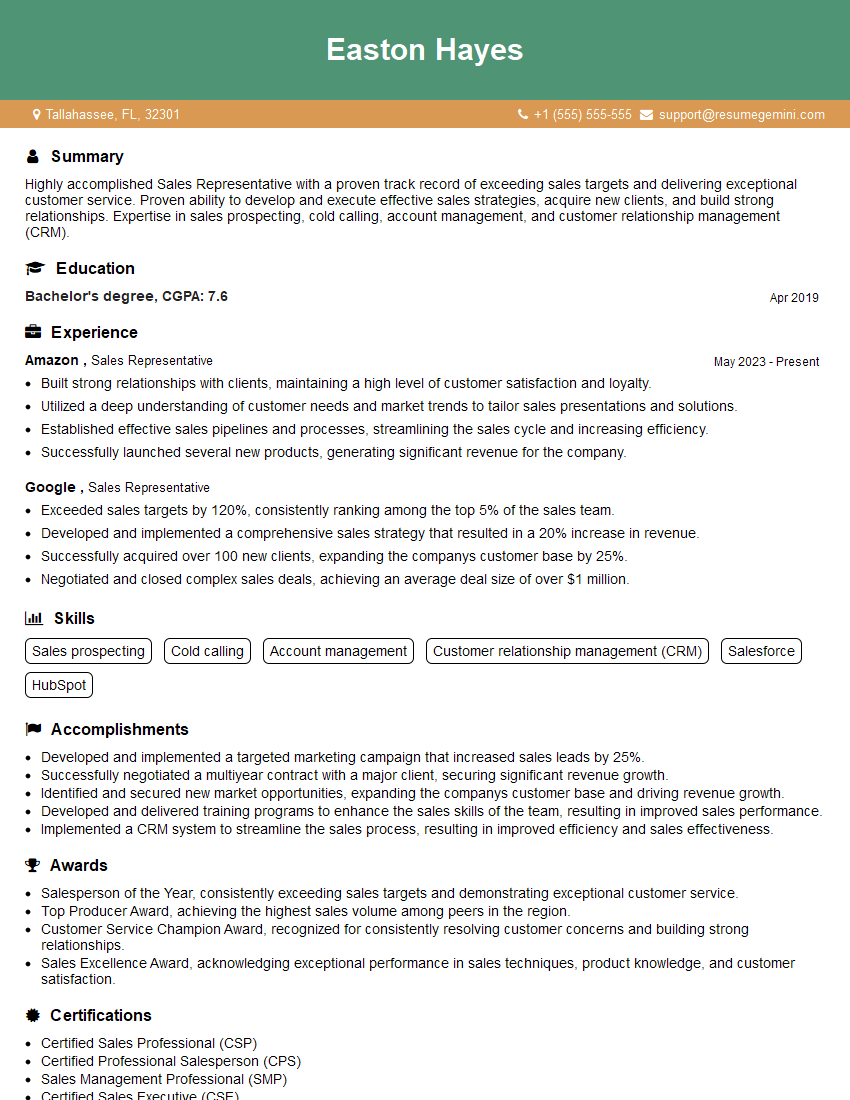
Sales Representative Resume Sample
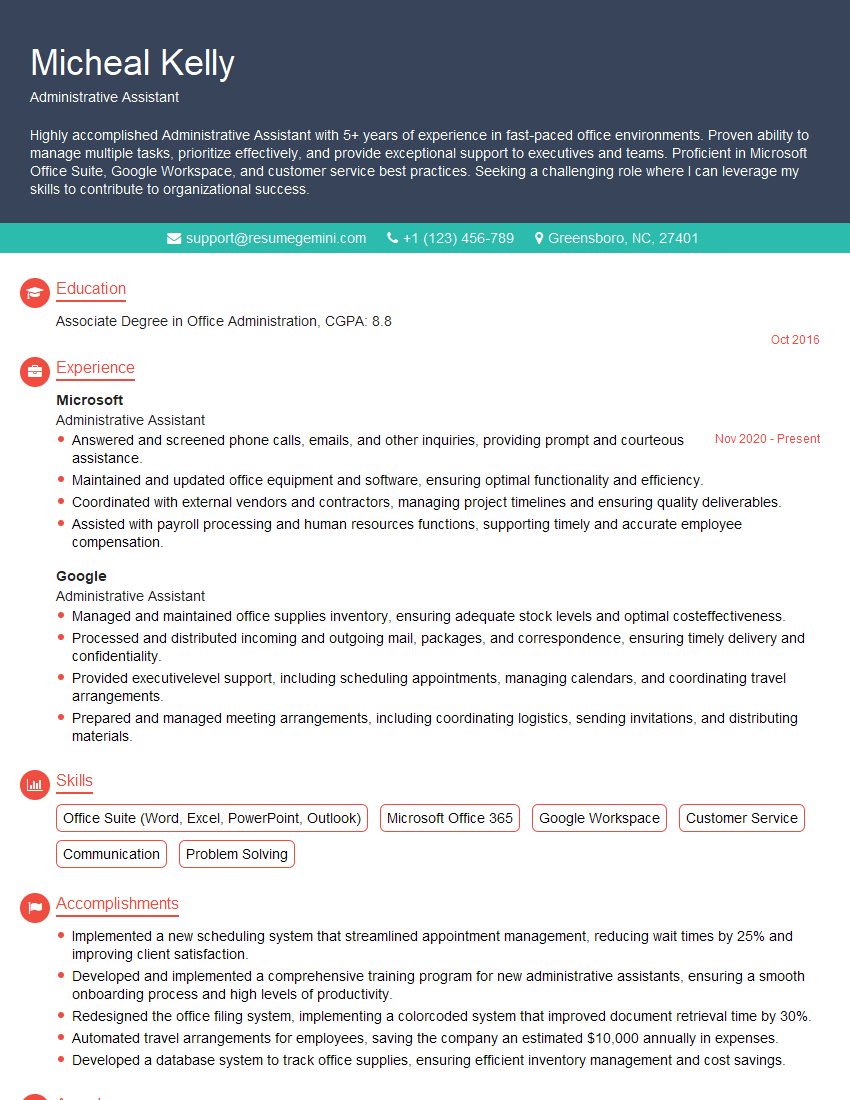
Administrative Assistant Resume Sample
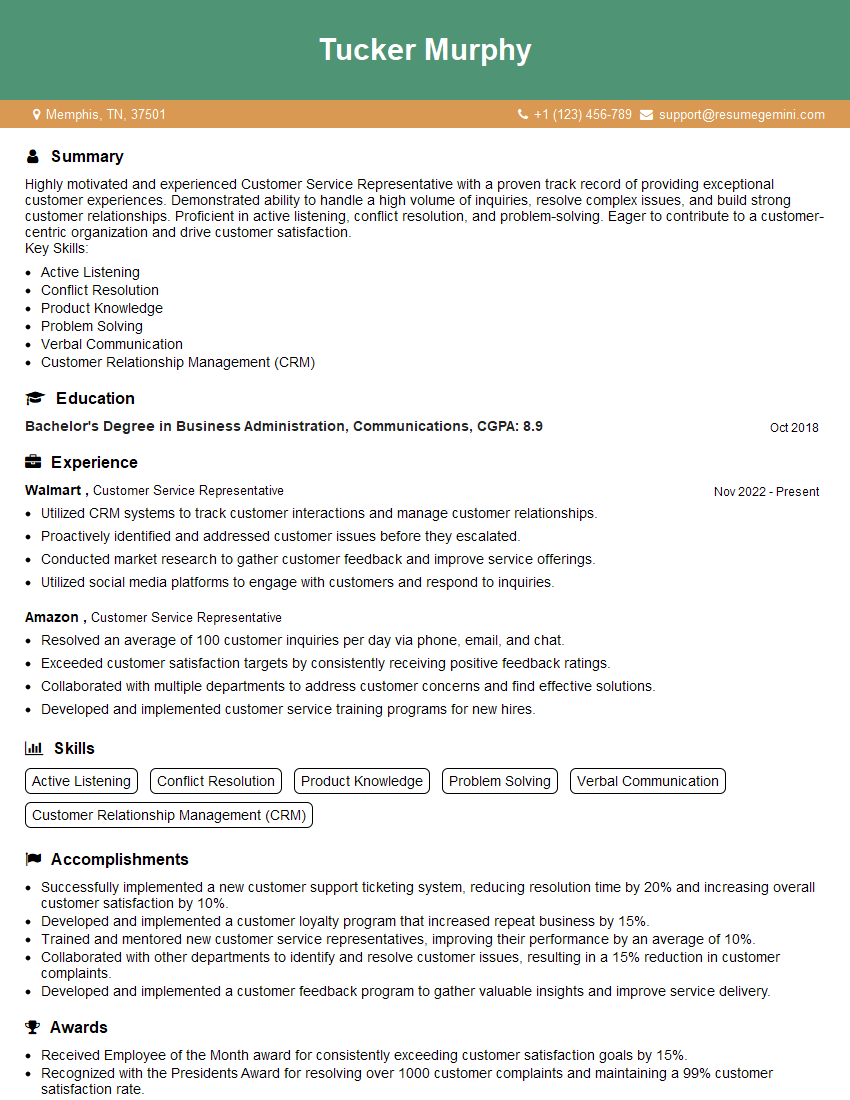
Customer Service Representative Resume Sample
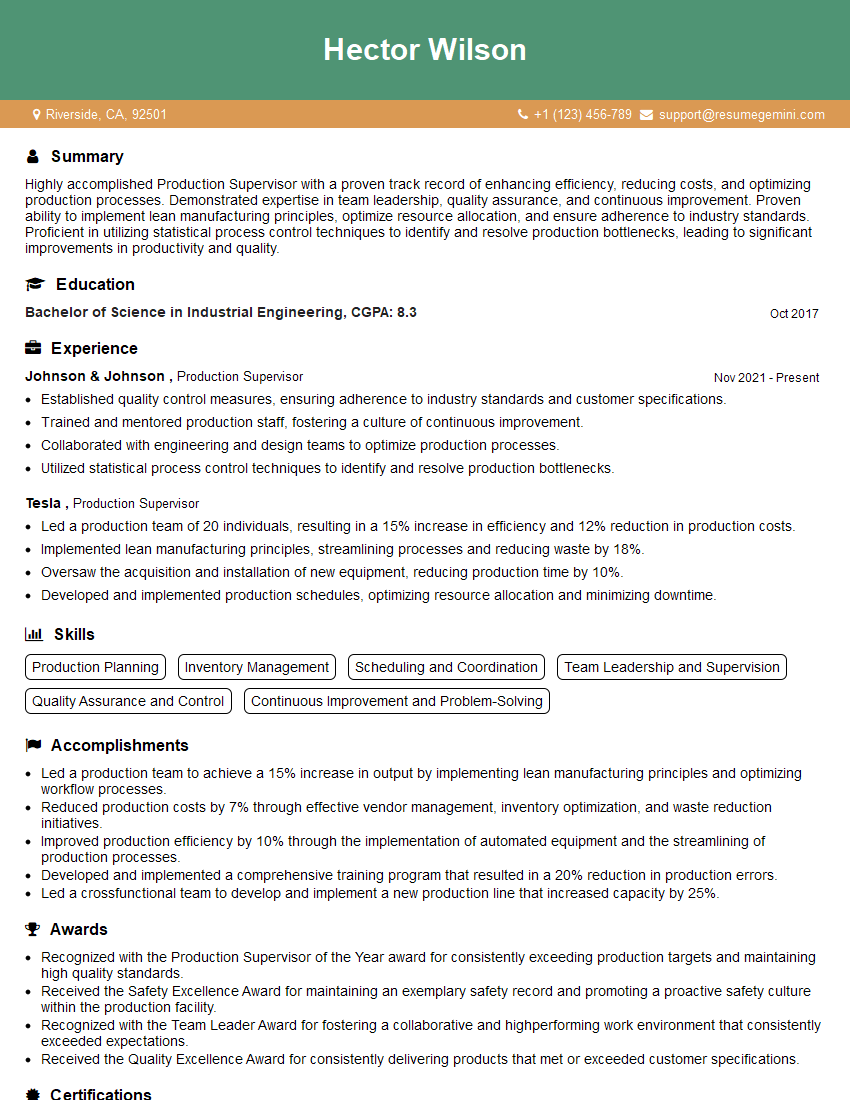
Production Supervisor Resume Sample

Supply Chain Manager Resume Sample

Project Manager Resume Sample

Compliance Officer Resume Sample
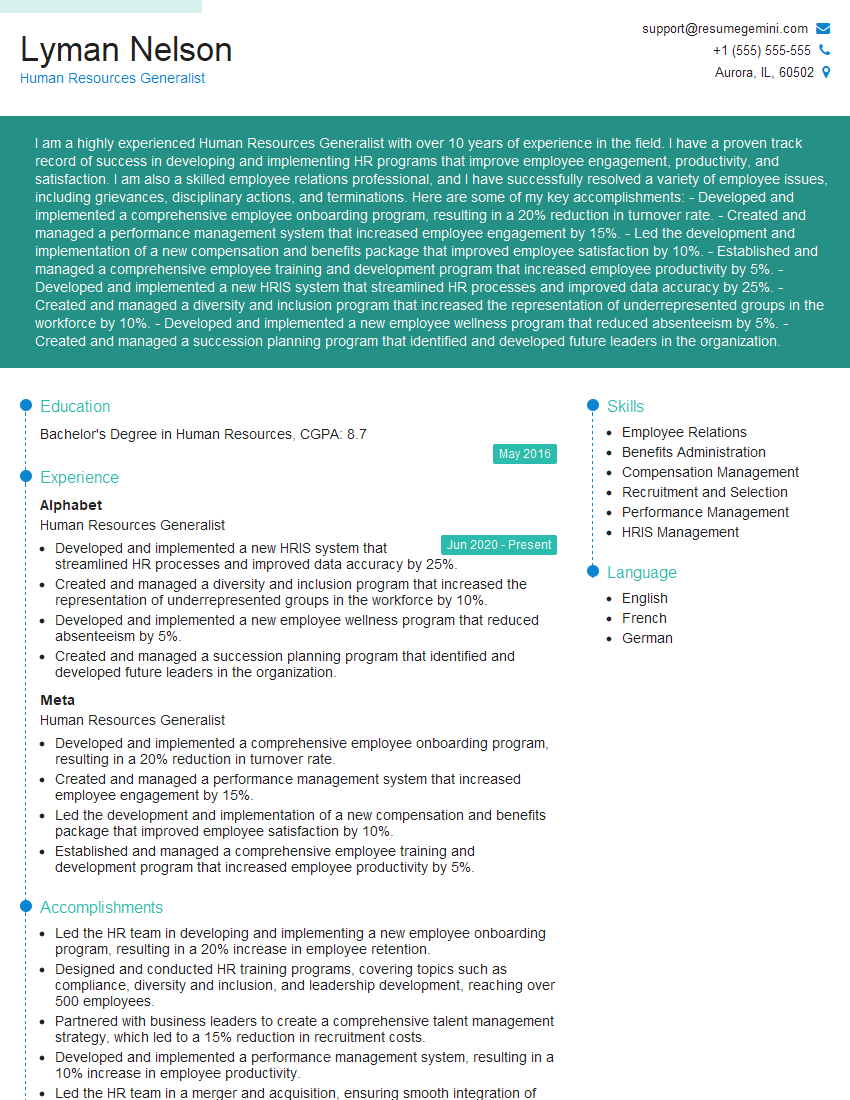
Human Resources Generalist Resume Sample
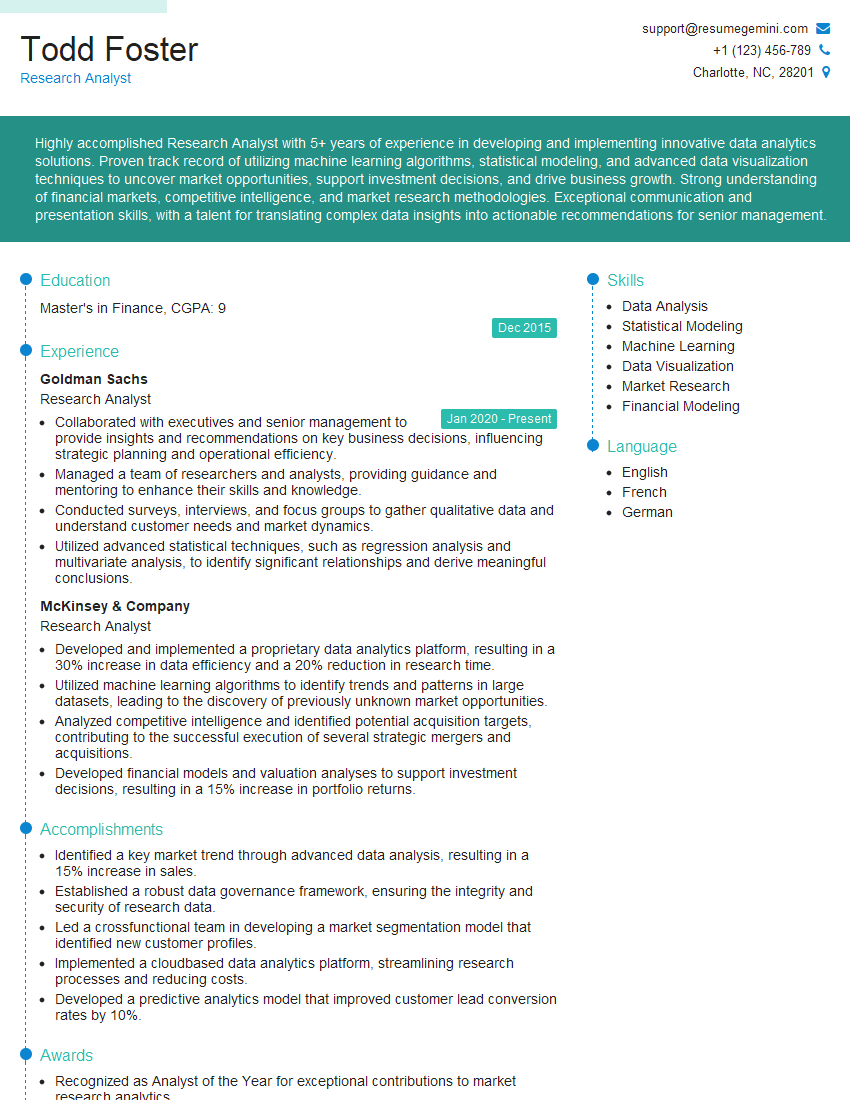
Research Analyst Resume Sample
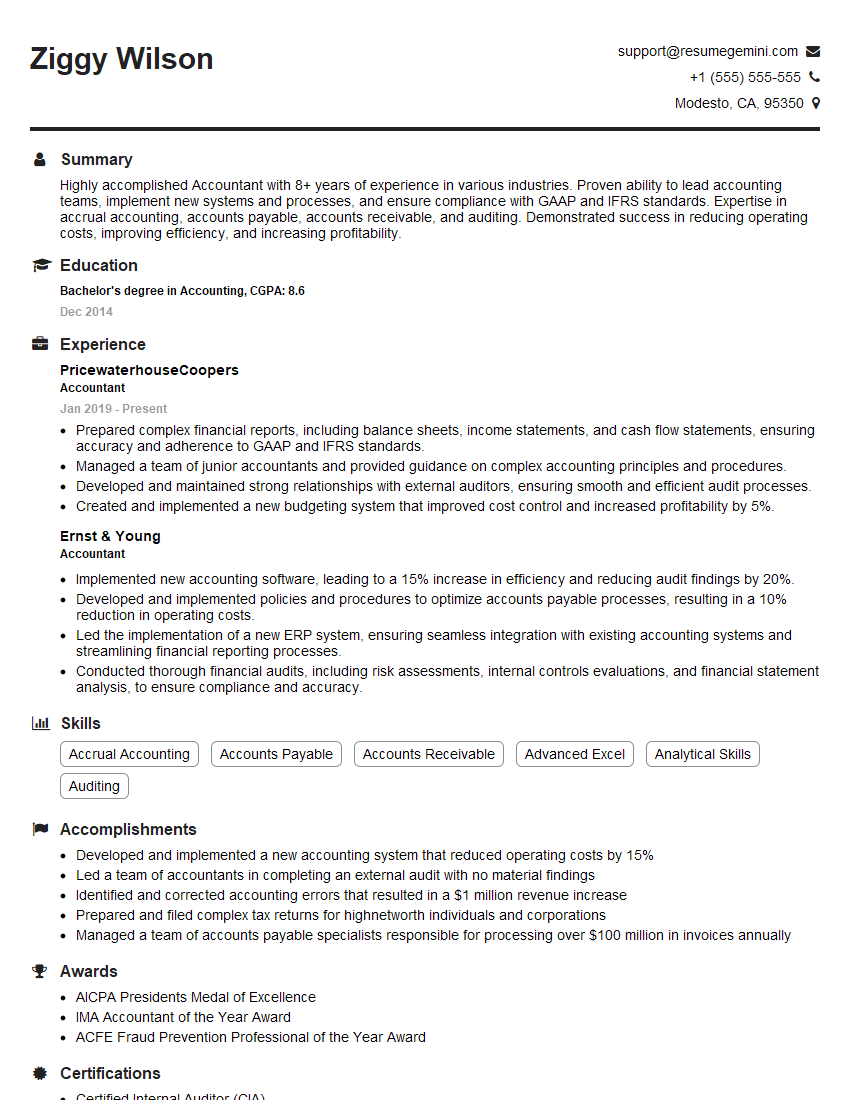
Accountant Resume Sample
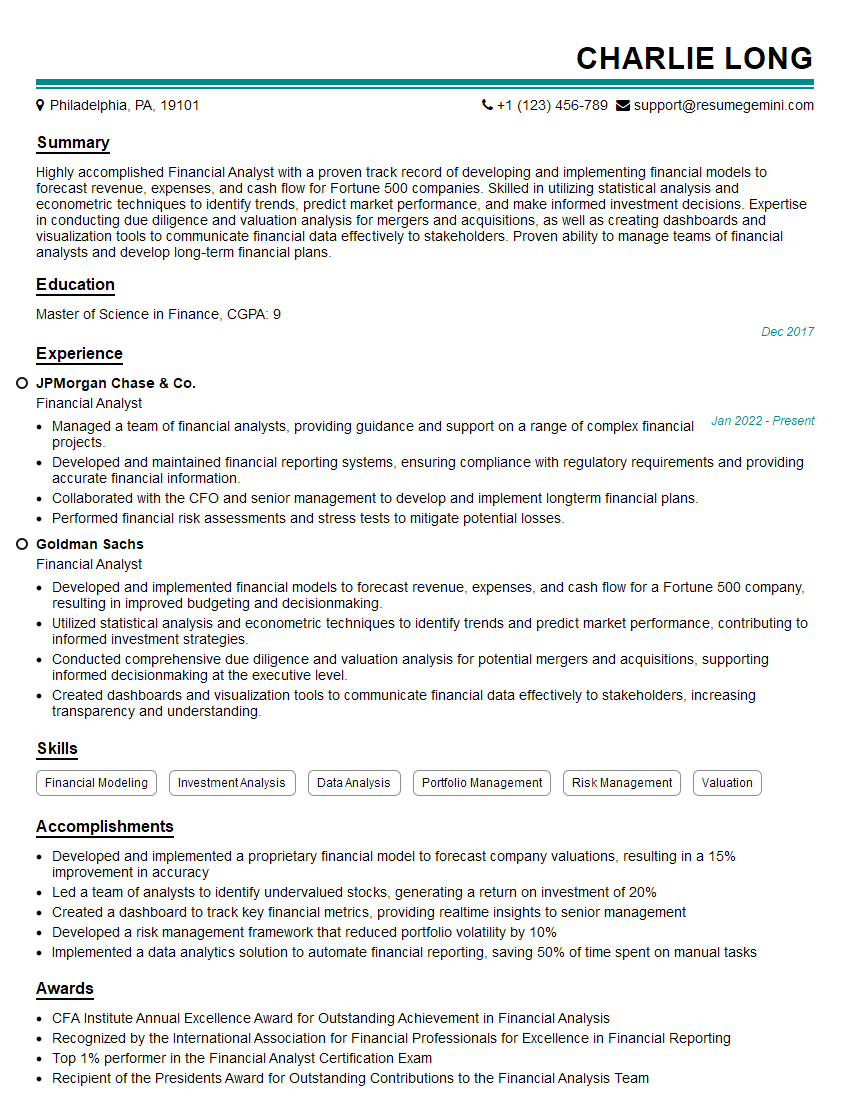
Financial Analyst Resume Sample
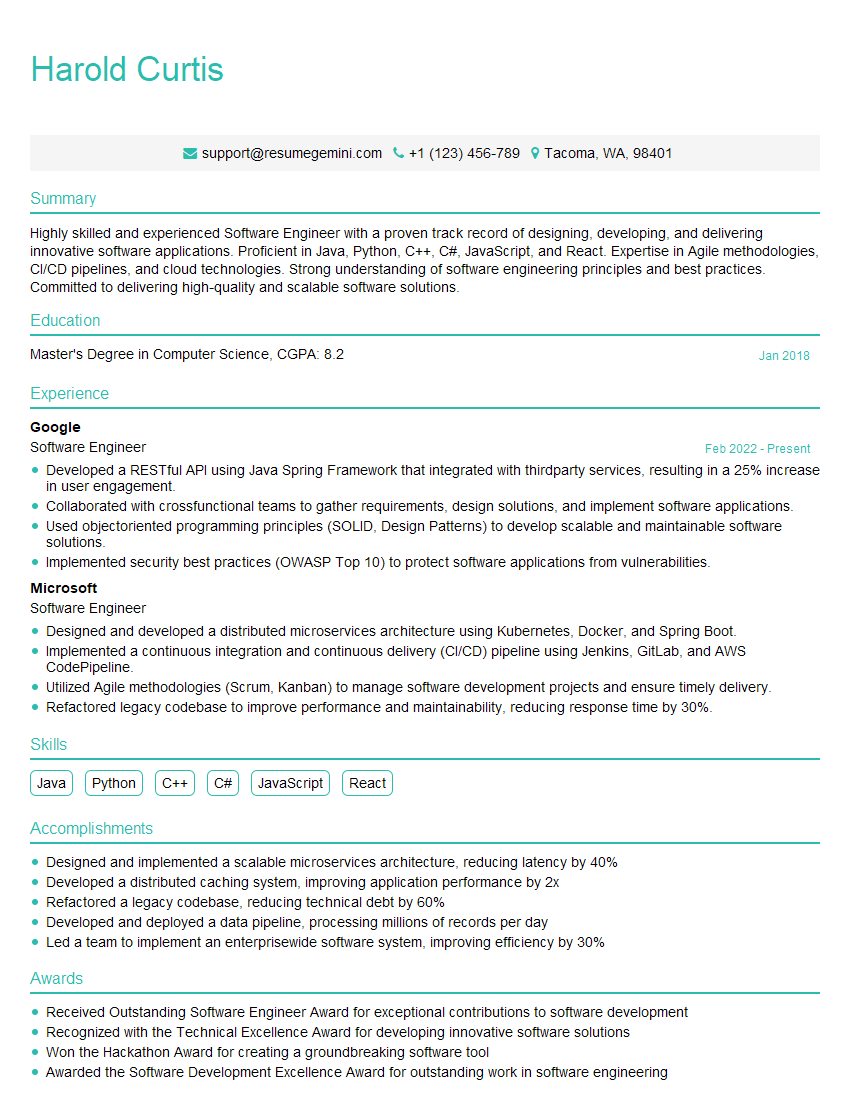
Software Engineer Resume Sample
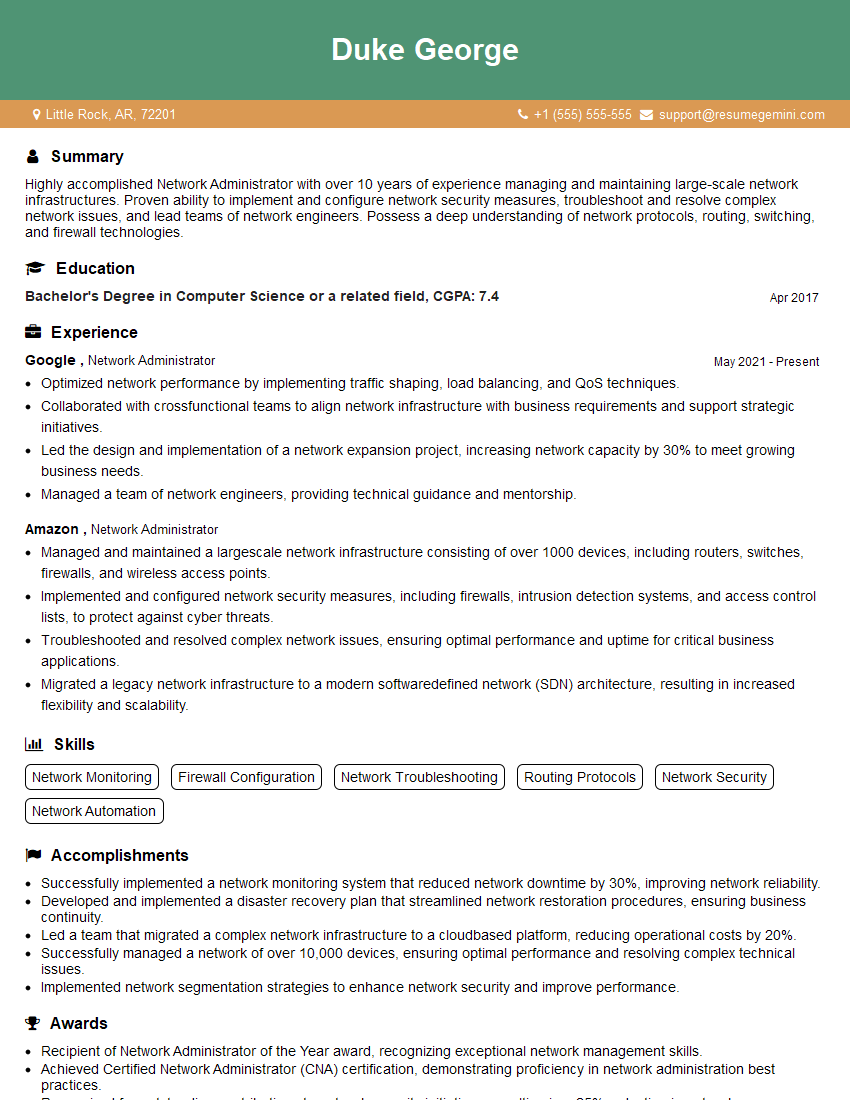
Network Administrator Resume Sample
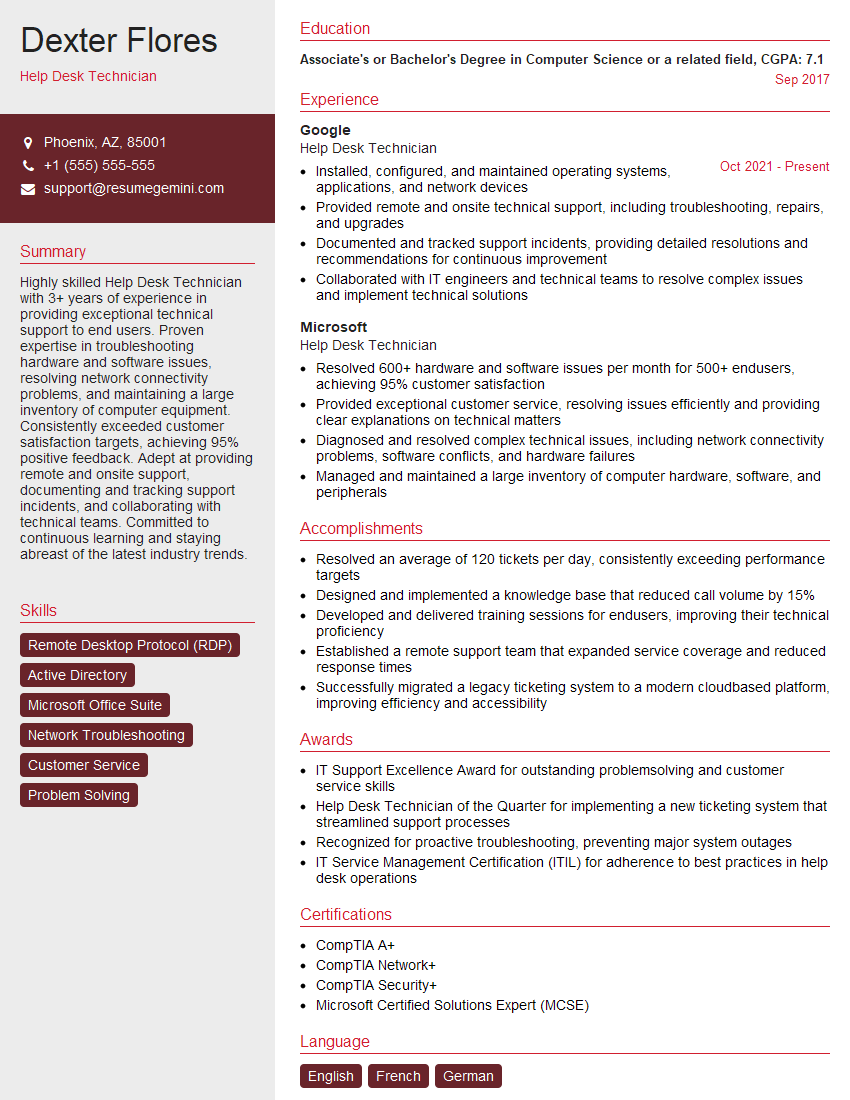
Help Desk Technician Resume Sample
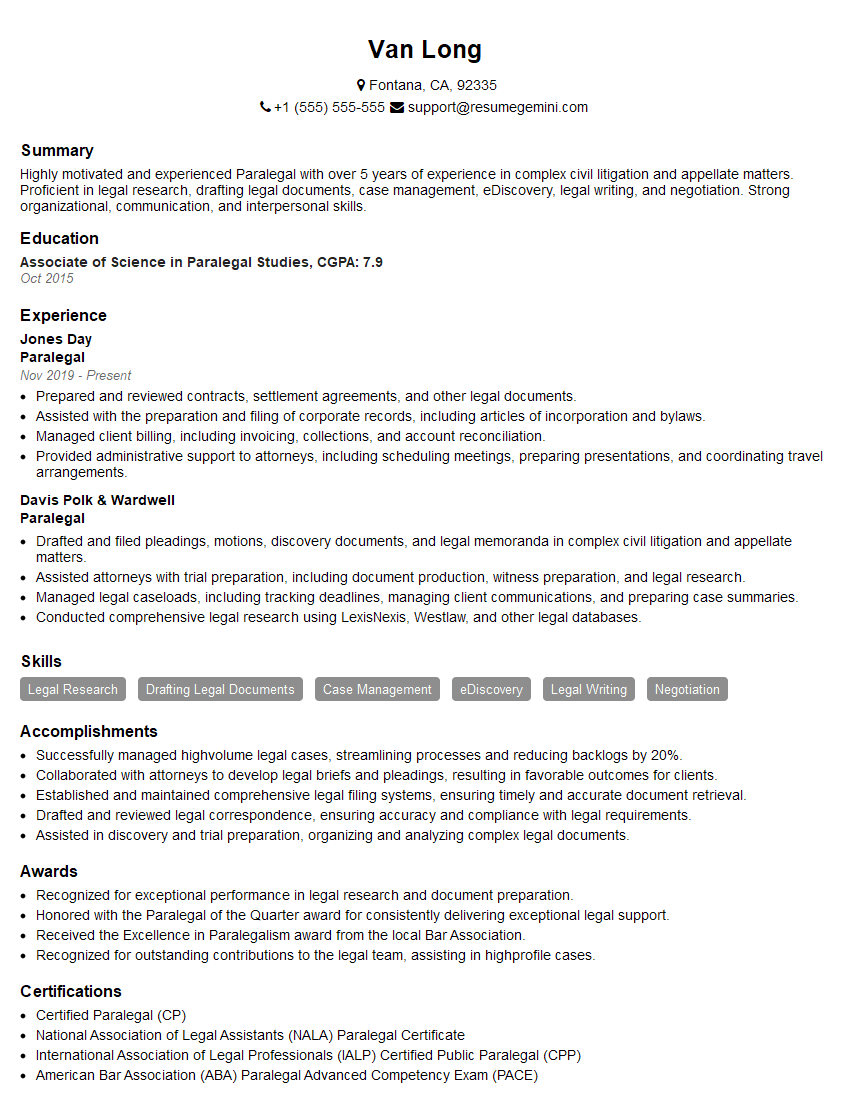
Paralegal Resume Sample

Technical Writer Resume Sample
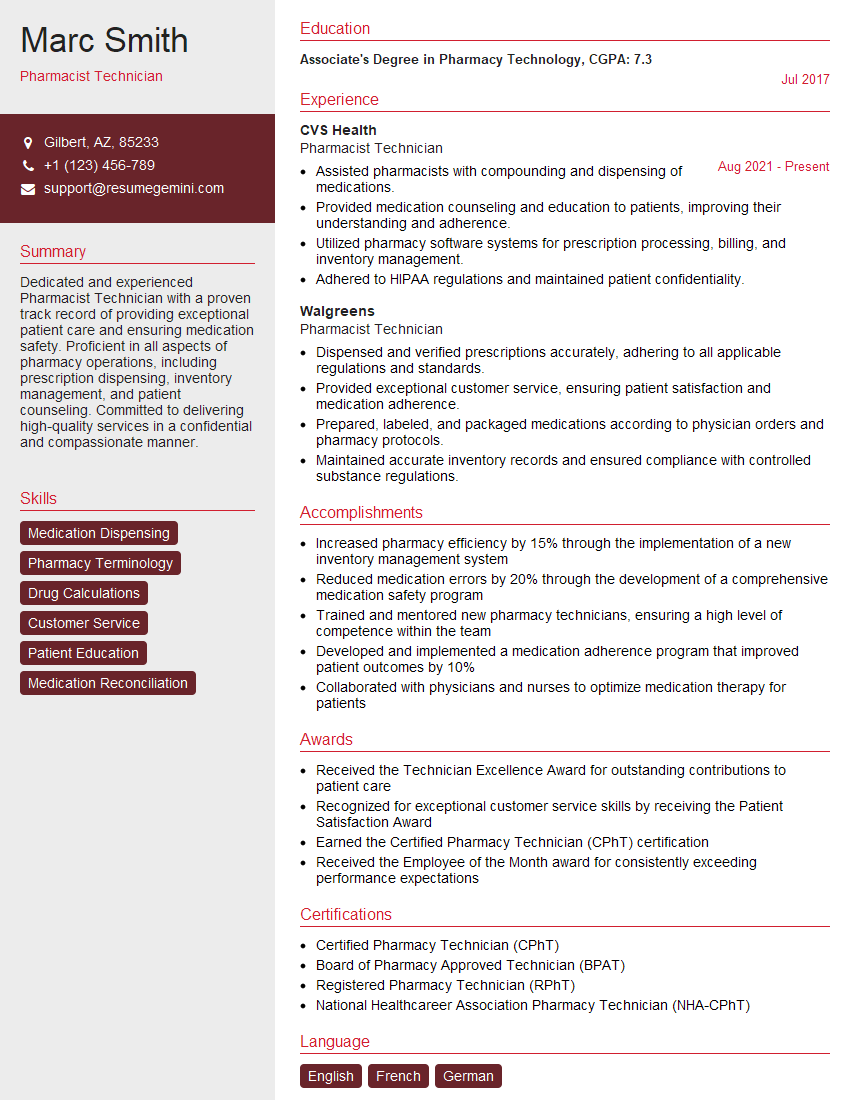
Pharmacist Technician Resume Sample
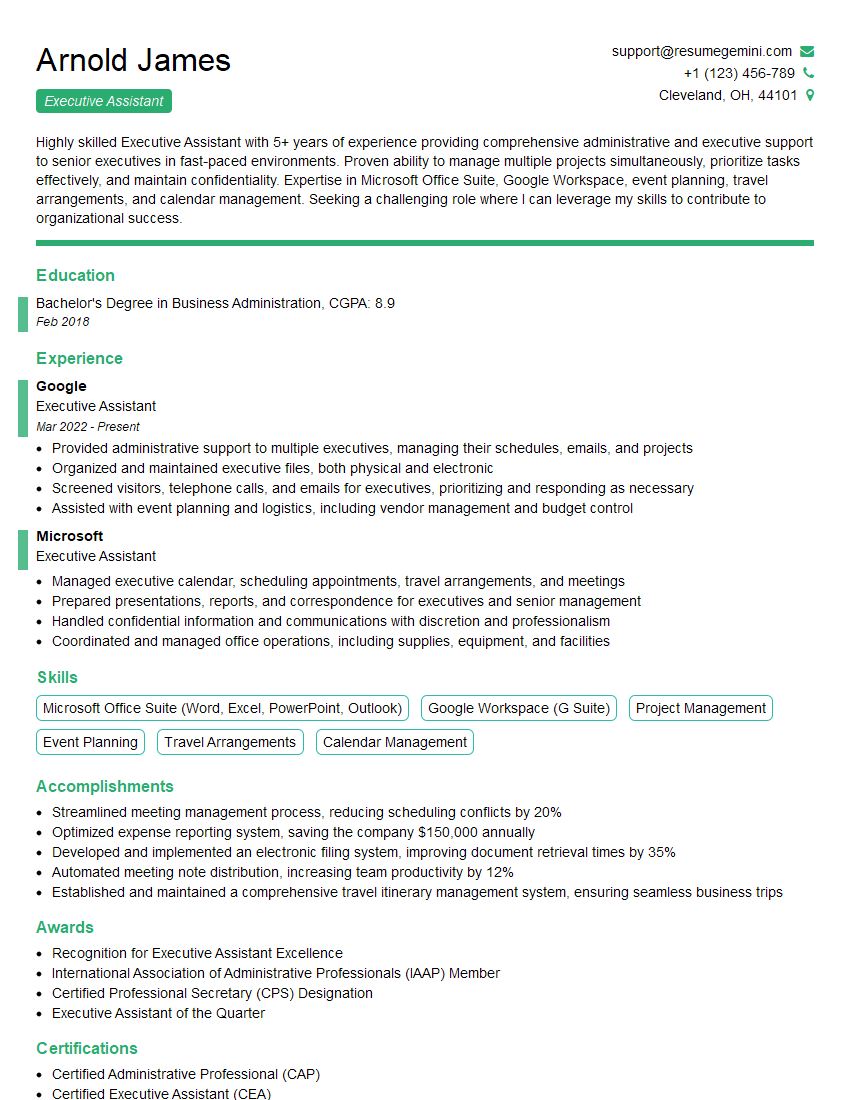
Executive Assistant Resume Sample
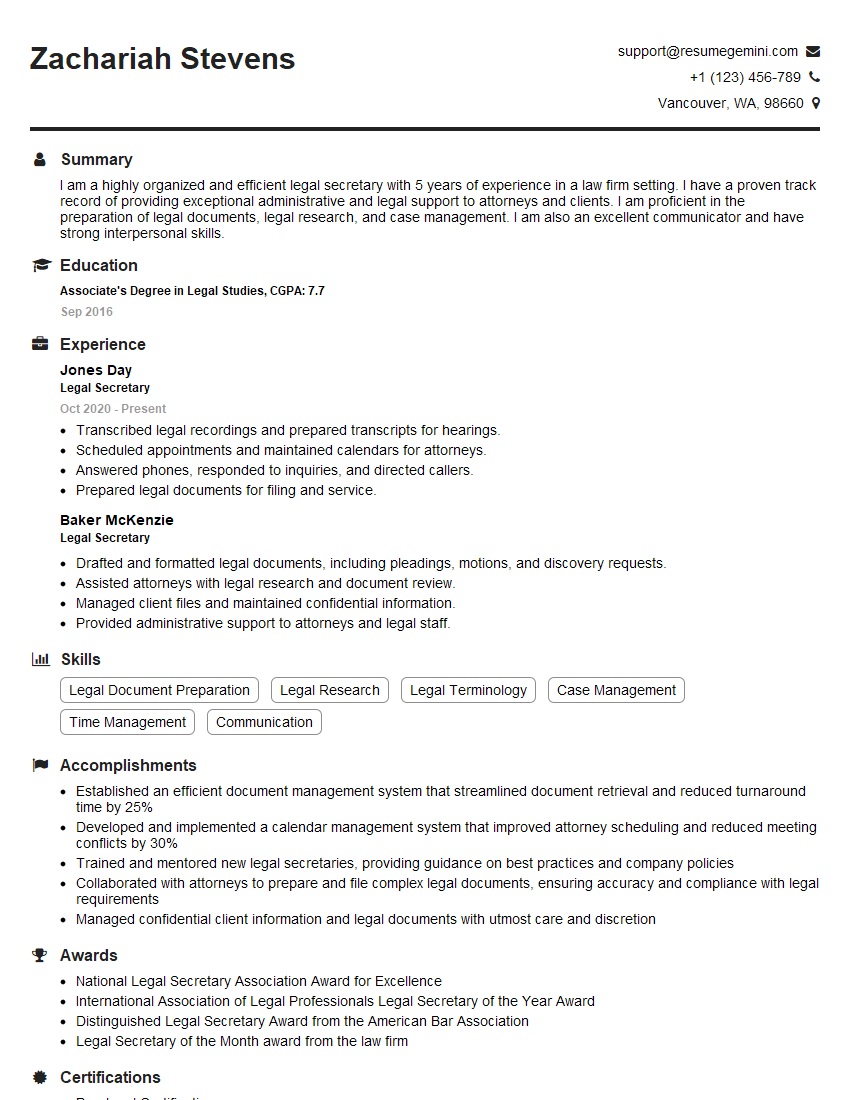
Legal Secretary Resume Sample
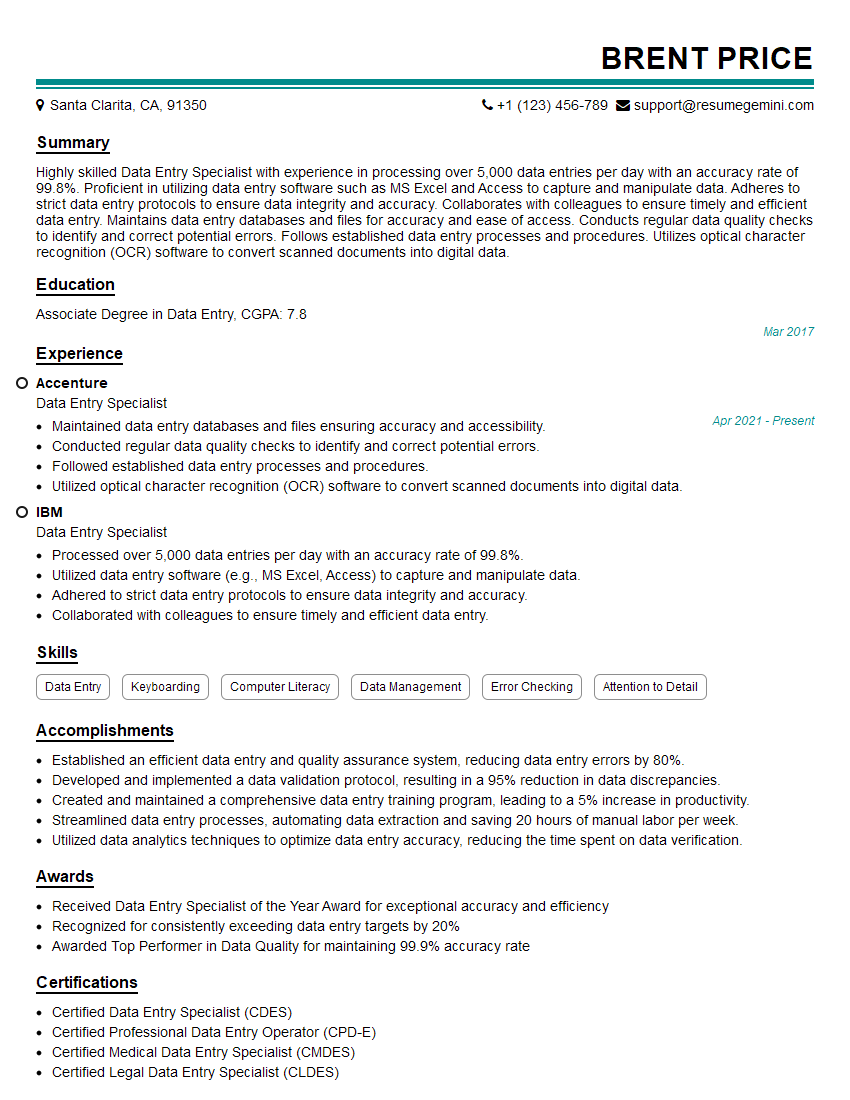
Data Entry Specialist Resume Sample
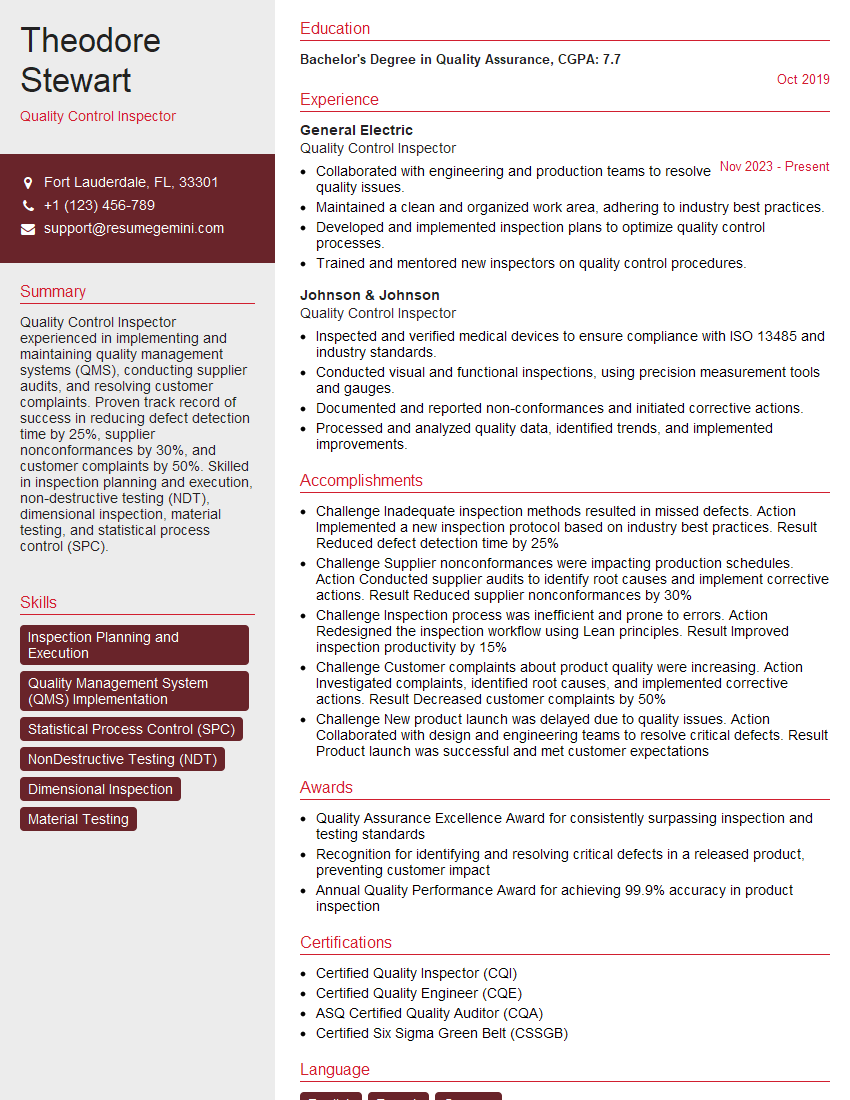
Quality Control Inspector Resume Sample
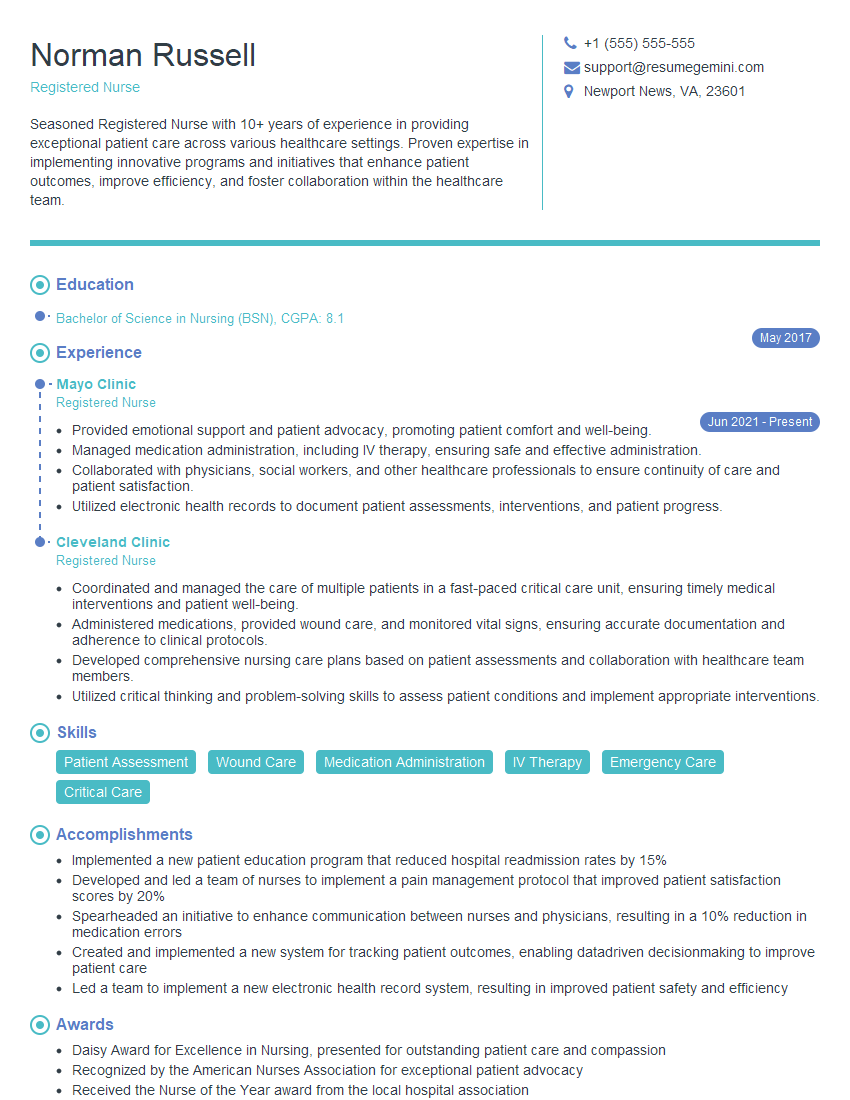
Registered Nurse Resume Sample
- Operations Manager
- Marketing Coordinator
- Sales Representative
- Administrative Assistant
- Customer Service Representative
- Production Supervisor
- Supply Chain Manager
- Project Manager
- Compliance Officer
- Human Resources Generalist
- Research Analyst
- Accountant
- Financial Analyst
- Software Engineer
- Network Administrator
- Help Desk Technician
- Paralegal
- Technical Writer
- Pharmacist Technician
- Executive Assistant
- Legal Secretary
- Data Entry Specialist
- Quality Control Inspector
- Registered Nurse
Explore more articles
Users Rating of Our Blogs
Share Your Experience
We value your feedback! Please rate our content and share your thoughts (optional).
What Readers Say About Our Blog
Attention music lovers!
Wow, All the best Sax Summer music !!!
Spotify: https://open.spotify.com/artist/6ShcdIT7rPVVaFEpgZQbUk
Apple Music: https://music.apple.com/fr/artist/jimmy-sax-black/1530501936
YouTube: https://music.youtube.com/browse/VLOLAK5uy_noClmC7abM6YpZsnySxRqt3LoalPf88No
Other Platforms and Free Downloads : https://fanlink.tv/jimmysaxblack
on google : https://www.google.com/search?q=22+AND+22+AND+22
on ChatGPT : https://chat.openai.com?q=who20jlJimmy20Black20Sax20Producer
Get back into the groove with Jimmy sax Black
Best regards,
Jimmy sax Black
www.jimmysaxblack.com
Hi I am a troller at The aquatic interview center and I suddenly went so fast in Roblox and it was gone when I reset.
Hi,
Business owners spend hours every week worrying about their website—or avoiding it because it feels overwhelming.
We’d like to take that off your plate:
$69/month. Everything handled.
Our team will:
Design a custom website—or completely overhaul your current one
Take care of hosting as an option
Handle edits and improvements—up to 60 minutes of work included every month
No setup fees, no annual commitments. Just a site that makes a strong first impression.
Find out if it’s right for you:
https://websolutionsgenius.com/awardwinningwebsites
Hello,
we currently offer a complimentary backlink and URL indexing test for search engine optimization professionals.
You can get complimentary indexing credits to test how link discovery works in practice.
No credit card is required and there is no recurring fee.
You can find details here:
https://wikipedia-backlinks.com/indexing/
Regards
NICE RESPONSE TO Q & A
hi
The aim of this message is regarding an unclaimed deposit of a deceased nationale that bears the same name as you. You are not relate to him as there are millions of people answering the names across around the world. But i will use my position to influence the release of the deposit to you for our mutual benefit.
Respond for full details and how to claim the deposit. This is 100% risk free. Send hello to my email id: lukachachibaialuka@gmail.com
Luka Chachibaialuka
Hey interviewgemini.com, just wanted to follow up on my last email.
We just launched Call the Monster, an parenting app that lets you summon friendly ‘monsters’ kids actually listen to.
We’re also running a giveaway for everyone who downloads the app. Since it’s brand new, there aren’t many users yet, which means you’ve got a much better chance of winning some great prizes.
You can check it out here: https://bit.ly/callamonsterapp
Or follow us on Instagram: https://www.instagram.com/callamonsterapp
Thanks,
Ryan
CEO – Call the Monster App
Hey interviewgemini.com, I saw your website and love your approach.
I just want this to look like spam email, but want to share something important to you. We just launched Call the Monster, a parenting app that lets you summon friendly ‘monsters’ kids actually listen to.
Parents are loving it for calming chaos before bedtime. Thought you might want to try it: https://bit.ly/callamonsterapp or just follow our fun monster lore on Instagram: https://www.instagram.com/callamonsterapp
Thanks,
Ryan
CEO – Call A Monster APP
To the interviewgemini.com Owner.
Dear interviewgemini.com Webmaster!
Hi interviewgemini.com Webmaster!
Dear interviewgemini.com Webmaster!
excellent
Hello,
We found issues with your domain’s email setup that may be sending your messages to spam or blocking them completely. InboxShield Mini shows you how to fix it in minutes — no tech skills required.
Scan your domain now for details: https://inboxshield-mini.com/
— Adam @ InboxShield Mini
support@inboxshield-mini.com
Reply STOP to unsubscribe
Hi, are you owner of interviewgemini.com? What if I told you I could help you find extra time in your schedule, reconnect with leads you didn’t even realize you missed, and bring in more “I want to work with you” conversations, without increasing your ad spend or hiring a full-time employee?
All with a flexible, budget-friendly service that could easily pay for itself. Sounds good?
Would it be nice to jump on a quick 10-minute call so I can show you exactly how we make this work?
Best,
Hapei
Marketing Director
Hey, I know you’re the owner of interviewgemini.com. I’ll be quick.
Fundraising for your business is tough and time-consuming. We make it easier by guaranteeing two private investor meetings each month, for six months. No demos, no pitch events – just direct introductions to active investors matched to your startup.
If youR17;re raising, this could help you build real momentum. Want me to send more info?
Hi, I represent an SEO company that specialises in getting you AI citations and higher rankings on Google. I’d like to offer you a 100% free SEO audit for your website. Would you be interested?
Hi, I represent an SEO company that specialises in getting you AI citations and higher rankings on Google. I’d like to offer you a 100% free SEO audit for your website. Would you be interested?