Feeling uncertain about what to expect in your upcoming interview? We’ve got you covered! This blog highlights the most important Ability to Manage Sensitive Information interview questions and provides actionable advice to help you stand out as the ideal candidate. Let’s pave the way for your success.
Questions Asked in Ability to Manage Sensitive Information Interview
Q 1. Explain your understanding of data classification schemes.
Data classification schemes are systems for categorizing data based on its sensitivity and criticality. Think of it like organizing a library – you wouldn’t put your most valuable manuscripts in the same section as discarded newspapers. These schemes help organizations understand what data needs the strictest protection. Common classifications include:
- Public: Information freely available to the public.
- Internal: Confidential information accessible only within the organization.
- Confidential: Sensitive information requiring stricter access controls.
- Restricted: Highly sensitive data requiring the most stringent security measures, often subject to legal or regulatory requirements.
The specific categories and levels can vary depending on the organization’s needs and the relevant regulations they must adhere to. For example, a healthcare provider might have stricter classifications for patient health information (PHI) than a retail company dealing with customer purchase history. A well-defined scheme is crucial for effective data security and compliance.
Q 2. Describe your experience with implementing data security policies and procedures.
In my previous role, I was instrumental in implementing and enforcing a comprehensive data security policy framework. This involved several key steps: First, we conducted a thorough data asset inventory to identify all sensitive data points and their locations. Then, we mapped these assets to the established data classification scheme, assigning appropriate security levels. Next, we developed detailed procedures for data handling, access control, storage, and disposal, aligned with the classification levels. These procedures included clear guidelines on encryption, access controls (role-based access control or RBAC was a key element), and data transfer protocols. Finally, we integrated regular security awareness training into the employee onboarding and ongoing professional development programs. This ensured everyone understood their responsibilities concerning data security.
Q 3. How would you handle a suspected data breach?
Handling a suspected data breach requires a swift and coordinated response. My approach follows a well-defined incident response plan, which starts with containment – isolating the affected systems to prevent further compromise. Next comes eradication, removing the threat and remediating vulnerabilities. Then, we perform a thorough analysis to determine the scope and impact of the breach, identifying compromised data and affected systems. Recovery involves restoring systems and data to a safe and operational state. Finally, post-incident activity includes a thorough review of the incident, identifying weaknesses and improving security measures. Crucially, I’d also notify relevant stakeholders, including affected individuals and regulatory bodies, as required by law or company policy. Transparency and prompt action are critical.
Q 4. What are the key elements of a robust data loss prevention (DLP) strategy?
A robust DLP strategy needs several key elements: First, data discovery and classification – knowing what sensitive data you possess and where it resides. Second, monitoring and alerting – constantly monitoring data flows to detect suspicious activities and unauthorized access attempts. Third, prevention and protection – implementing controls to block or prevent sensitive data from leaving the organization’s controlled environment through various means like data loss prevention software, encryption, and access control measures. Fourth, response and remediation – having a plan in place to respond effectively to data loss incidents. Finally, regular review and improvement – keeping the strategy updated and adaptable to changing threats and regulations.
Q 5. Explain your experience with access control and authorization mechanisms.
My experience with access control and authorization mechanisms includes implementing and managing both role-based access control (RBAC) and attribute-based access control (ABAC) systems. RBAC assigns permissions based on a user’s role within the organization, simplifying administration. ABAC is more granular, assigning permissions based on various attributes, like location, device, and data sensitivity, giving much finer-grained control. I’ve used these in diverse environments, leveraging various technologies including Active Directory, cloud-based identity and access management (IAM) systems, and custom-developed access control systems. My focus is always on the principle of least privilege – granting users only the necessary access to perform their duties, minimizing the risk of unauthorized data access.
Q 6. How do you ensure compliance with relevant data privacy regulations (e.g., GDPR, HIPAA)?
Ensuring compliance with data privacy regulations such as GDPR and HIPAA requires a multi-faceted approach. This starts with a deep understanding of the specific requirements of each regulation. Then, we implement appropriate technical and organizational measures. This includes data minimization (collecting only necessary data), data encryption, robust access controls, and comprehensive data processing agreements with third-party vendors. We also conduct regular data protection impact assessments (DPIAs) to identify potential risks. Crucially, employee training and awareness programs are vital for fostering a culture of data privacy and compliance. We maintain detailed records of our data processing activities and are prepared to respond to data subject access requests and regulatory inquiries promptly.
Q 7. Describe a situation where you had to protect sensitive information. What steps did you take?
In a previous project, we were developing a new application that would handle highly sensitive customer financial data. To protect this information, we implemented a multi-layered security approach. This included end-to-end encryption of data both in transit and at rest, rigorous access controls using RBAC, and regular security audits. We also employed intrusion detection and prevention systems and enforced strict security protocols for all developers and staff members involved in the project. We also conducted penetration testing to proactively identify and fix vulnerabilities. As a result, the application was successfully launched with minimal security risks and ensured full compliance with all relevant regulations.
Q 8. What methods do you use to verify the identity of individuals requesting sensitive data?
Verifying the identity of individuals requesting sensitive data is paramount. We employ a multi-layered approach, starting with strong authentication methods. This might include multi-factor authentication (MFA), requiring a password, a one-time code from a mobile app, and potentially biometric verification. Beyond that, we meticulously check access requests against authorized user lists and roles within our system. For particularly sensitive data, we might require additional approvals from supervisors or security personnel. Think of it like accessing a high-security building – you wouldn’t just walk in; you’d need a keycard, possibly a security clearance, and potentially a personal escort.
For external requests, we employ even stricter measures. This could involve verifying the requestor’s identity through independent means, such as contacting their organization directly or requiring notarized documentation. This added level of scrutiny ensures we’re only releasing sensitive information to legitimate recipients.
Q 9. How would you secure sensitive data stored in cloud environments?
Securing sensitive data in cloud environments requires a robust, multi-pronged strategy. First and foremost, we leverage strong encryption, both in transit (using HTTPS) and at rest (encrypting data stored on the cloud provider’s servers). We choose reputable cloud providers with strong security certifications and robust compliance frameworks like ISO 27001 and SOC 2. Regular security audits and penetration testing are crucial to identify and address vulnerabilities. Data loss prevention (DLP) tools help monitor and control data movement to prevent accidental or malicious exfiltration. Access control is also vital, employing the principle of least privilege, meaning users only have access to the data they absolutely need to perform their job. Imagine a well-guarded vault in a bank; it’s not only locked securely but also monitored constantly, with strict access controls and regular inspections.
Q 10. What is your experience with encryption techniques and their application to sensitive data?
My experience with encryption techniques is extensive. I’m proficient in both symmetric and asymmetric encryption methods. Symmetric encryption, like AES (Advanced Encryption Standard), is fast and efficient for encrypting large datasets, while asymmetric encryption, such as RSA (Rivest-Shamir-Adleman), is ideal for key exchange and digital signatures. I understand the importance of key management, including key rotation and secure storage. We use different encryption methods based on the sensitivity and context of the data. For example, data at rest might be encrypted with AES-256, while data in transit would use TLS 1.3 or higher. The choice of encryption technique is guided by industry best practices and compliance standards.
I’ve implemented encryption solutions in various projects, from securing databases to protecting data in transit, demonstrating a practical understanding of its application. For instance, I once implemented a solution using AES-256 to encrypt customer financial data stored in a cloud database, significantly enhancing its security posture.
Q 11. How would you respond to a request for sensitive information that does not follow established protocols?
If a request for sensitive information doesn’t adhere to established protocols, my response is immediate and firm. I would politely but firmly refuse the request, explaining the established procedures and highlighting the security risks involved. I would document the attempted unauthorized access, including details of the request and the individual making it. Depending on the nature of the request and the individual’s intent, I may escalate this to the appropriate security personnel for further investigation. It’s crucial to uphold our security policies without compromising on data integrity. Think of it as a border patrol agent; they won’t allow anyone to cross the border without the proper documentation and procedures.
Q 12. Describe your understanding of different types of sensitive information (e.g., PII, PHI).
Understanding different types of sensitive information is fundamental. PII (Personally Identifiable Information) includes data like names, addresses, social security numbers, and financial details – information that can be used to identify an individual. PHI (Protected Health Information) encompasses medical records, diagnoses, treatment details, and insurance information, covered under HIPAA regulations. Other sensitive data includes trade secrets, financial records, intellectual property, and government-classified information. Each type of sensitive information has its own unique security and compliance requirements. Understanding these nuances is key to effective data protection. It’s like understanding the different classes of hazardous materials; each one requires specific handling and storage procedures to prevent accidents.
Q 13. What measures would you put in place to prevent unauthorized access to sensitive data?
Preventing unauthorized access to sensitive data is a multi-layered effort. This includes access control lists (ACLs) that restrict access based on user roles and permissions. Regular security audits and penetration testing are crucial to identify vulnerabilities. Strong passwords and multi-factor authentication (MFA) are essential to verify user identities. Data encryption, both in transit and at rest, protects the data even if unauthorized access occurs. Regular employee training on security best practices and data handling procedures is vital, along with robust incident response plans to address security breaches. It’s a holistic approach that’s akin to a castle’s defense system – multiple layers of security working together to protect the treasure within.
Q 14. How familiar are you with data masking and anonymization techniques?
I’m very familiar with data masking and anonymization techniques. Data masking involves replacing sensitive data elements with non-sensitive substitutes, while preserving the data structure. This is useful for testing or development environments, allowing developers to work with realistic data without exposing sensitive information. Data anonymization, on the other hand, aims to remove identifying information from the dataset entirely. This is often employed for research or statistical analysis. Techniques include data generalization, suppression, and perturbation. The choice between masking and anonymization depends on the specific use case and the level of protection required. For instance, we might use data masking for testing purposes, while anonymization is more suitable for research studies where individual privacy is paramount.
Q 15. How do you ensure the confidentiality, integrity, and availability (CIA triad) of sensitive information?
Ensuring the confidentiality, integrity, and availability (CIA triad) of sensitive information is paramount. It’s like safeguarding a valuable jewel: you need to keep it secret (confidentiality), ensure it remains unaltered (integrity), and make sure you can access it when needed (availability).
- Confidentiality: This involves restricting access to sensitive information to authorized individuals only. We achieve this through access control lists (ACLs), encryption (both in transit and at rest), and strong password policies. For example, limiting access to financial records to only the finance department and encrypting all customer data stored on our servers ensures confidentiality.
- Integrity: This ensures the data’s accuracy and reliability. We use techniques like version control, digital signatures, and checksums to detect unauthorized modifications. Imagine a scenario where a critical database is tampered with; checksums would immediately flag the discrepancy, safeguarding data integrity.
- Availability: This means ensuring authorized users can access the information when needed. This requires robust infrastructure, backups, disaster recovery plans, and redundancy. For instance, having a mirrored database server in a different location ensures data availability even if the primary server fails.
Implementing these measures requires a layered security approach, combining technical controls (encryption, firewalls) with administrative controls (access policies, training) and physical controls (secure facilities, access badges).
Career Expert Tips:
- Ace those interviews! Prepare effectively by reviewing the Top 50 Most Common Interview Questions on ResumeGemini.
- Navigate your job search with confidence! Explore a wide range of Career Tips on ResumeGemini. Learn about common challenges and recommendations to overcome them.
- Craft the perfect resume! Master the Art of Resume Writing with ResumeGemini’s guide. Showcase your unique qualifications and achievements effectively.
- Don’t miss out on holiday savings! Build your dream resume with ResumeGemini’s ATS optimized templates.
Q 16. Explain your experience with incident response planning and execution.
My incident response experience includes developing and executing plans for various scenarios, from data breaches to system failures. I follow a structured approach, based on the NIST Cybersecurity Framework, which involves:
- Preparation: This stage involves identifying vulnerabilities, establishing communication protocols, and defining roles and responsibilities. For example, I’ve developed detailed runbooks that outline procedures for dealing with phishing attacks or ransomware incidents.
- Detection and Analysis: This is where we identify and analyze the security incident. This often involves log analysis, network monitoring, and forensic techniques to understand the root cause and the extent of the damage. In one case, we quickly isolated a compromised server, preventing further damage, by analyzing intrusion detection system (IDS) alerts.
- Containment, Eradication, and Recovery: Here, we isolate the affected systems to prevent further spread, remove the threat, and restore the systems to a secure state. This might involve patching vulnerable systems, reinstalling software, and restoring from backups.
- Post-Incident Activity: This involves documenting lessons learned, conducting a thorough review of our security controls, and implementing improvements to prevent future incidents. We also perform a root-cause analysis to prevent similar issues.
I’ve found that regular tabletop exercises are crucial for refining incident response plans and improving team coordination.
Q 17. Describe your experience with security audits and assessments.
I have extensive experience conducting security audits and assessments, both internal and external. This involves reviewing an organization’s security posture against industry best practices and regulatory requirements.
- Vulnerability Assessments: I use automated tools to scan systems and applications for known vulnerabilities, identifying potential weaknesses.
- Penetration Testing: I simulate real-world attacks to identify exploitable vulnerabilities. This involves ethical hacking techniques to probe the organization’s defenses, identifying gaps in security.
- Compliance Audits: I ensure an organization complies with relevant regulations, like HIPAA or GDPR. This includes reviewing policies, procedures, and technical controls to ensure they meet compliance standards.
- Risk Assessments: I identify, analyze, and prioritize risks related to sensitive information. This process determines the likelihood and impact of potential threats, enabling organizations to implement appropriate safeguards. I use frameworks like NIST SP 800-30.
I always document my findings in a comprehensive report, providing recommendations for remediation and improvement. I prefer a collaborative approach, working with the organization to address identified vulnerabilities efficiently.
Q 18. What are your preferred methods for securely disposing of sensitive information?
Secure disposal of sensitive information is crucial. Methods depend on the type of media. For paper documents, I recommend secure shredding meeting a specific security level (e.g., DIN 66399). For electronic media, including hard drives and SSDs, physical destruction (crushing, degaussing) or professional data sanitization services are preferred, ensuring data irretrievability. Software-based methods (secure erasure tools) are used for less sensitive data but may not be sufficient for highly sensitive material.
For cloud-based data, following the vendor’s guidelines for secure data deletion is essential. This often involves a multi-step process, including data encryption and verification of deletion. Always document the disposal process, including date, method, and personnel involved, to maintain an audit trail.
Q 19. How would you handle a situation where a colleague attempts to access sensitive information without authorization?
If a colleague attempts unauthorized access to sensitive information, my response would be swift and decisive, following company policy and potentially legal requirements. My actions would include:
- Immediate Intervention: I would politely but firmly stop the colleague and prevent any further access.
- Reporting: I would immediately report the incident to my supervisor or the designated security officer, documenting the time, location, and details of the event.
- Investigation: Depending on the sensitivity of the information and the context of the situation, a formal investigation might be necessary to determine the colleague’s intent and motivation.
- Disciplinary Action: Depending on company policy and the severity of the infraction, disciplinary action might be warranted. This could range from a warning to termination.
The focus is on maintaining data security while addressing the situation professionally and fairly.
Q 20. Explain your understanding of risk assessment methodologies as they relate to sensitive information.
Risk assessment methodologies are fundamental to managing sensitive information. These methodologies help us identify, analyze, and prioritize potential threats to confidentiality, integrity, and availability. Common methodologies include:
- Qualitative Risk Assessment: This uses descriptive scales (e.g., low, medium, high) to assess the likelihood and impact of threats. It’s simpler and quicker but less precise.
- Quantitative Risk Assessment: This uses numerical data and statistical methods to estimate the financial impact of threats. This is more rigorous but requires more data and expertise.
- NIST SP 800-30: This is a widely used framework that provides a structured approach to risk management, including identification, assessment, response, and monitoring.
Regardless of the method, I always consider the potential impact on the organization’s reputation, financial losses, legal ramifications, and potential damage to customer trust when assessing the risk posed by a particular threat to sensitive information. The goal is to implement security controls that mitigate the risk to an acceptable level.
Q 21. How familiar are you with different authentication methods (e.g., MFA, biometrics)?
I am familiar with various authentication methods, understanding their strengths and weaknesses.
- Multi-Factor Authentication (MFA): This involves using multiple factors for authentication, such as something you know (password), something you have (security token), and something you are (biometrics). MFA significantly enhances security by adding multiple layers of protection. For example, requiring both a password and a one-time code from an authenticator app greatly reduces the risk of unauthorized access.
- Biometrics: This utilizes unique biological characteristics, like fingerprints, facial recognition, or iris scans, for authentication. Biometrics provides strong authentication but requires careful consideration of privacy implications and potential vulnerabilities.
- Passwords: While passwords remain a common authentication method, they are susceptible to phishing and brute-force attacks. Therefore, strong password policies, including password complexity and regular changes, are crucial.
- Smart Cards and Tokens: These physical devices can provide secure authentication, often used in conjunction with other methods.
The choice of authentication method depends on the sensitivity of the information and the security requirements. For highly sensitive data, MFA or a combination of methods is preferred.
Q 22. Describe your experience with security awareness training programs.
Security awareness training is crucial for establishing a strong security culture within any organization. My experience encompasses developing and delivering training programs that cover a wide range of topics, from phishing awareness and password security to the responsible handling of sensitive data and incident reporting. I’ve utilized a blended learning approach, incorporating interactive modules, engaging videos, and hands-on simulations to reinforce key concepts. For example, I developed a phishing simulation campaign where employees received realistic phishing emails to test their ability to identify and report them. This practical exercise significantly improved their awareness and response capabilities. I also adapt my training materials to different employee roles and levels of technical expertise, ensuring that the information is relevant and accessible to everyone. Post-training assessments and regular refresher courses further solidify the lessons learned and ensure the training remains effective over time.
Q 23. What are your thoughts on the balance between data security and data accessibility?
Balancing data security and accessibility is a constant challenge, akin to finding the right balance between a locked safe and having immediate access to its contents. The goal is to minimize risk while maximizing usability. This necessitates a layered approach. Firstly, strong access control measures must be in place, using role-based access control (RBAC) to grant only necessary permissions. Secondly, data encryption, both in transit and at rest, safeguards data confidentiality even if a breach occurs. Thirdly, robust data loss prevention (DLP) tools can monitor data movement and prevent sensitive information from leaving the organization unauthorized. Finally, regular security audits and vulnerability assessments are necessary to identify and address any gaps in the security posture. A key element is implementing a clear data classification scheme, categorizing data based on sensitivity levels (e.g., Public, Internal, Confidential, Restricted). This allows organizations to tailor security measures to the level of risk.
Q 24. How do you stay current with evolving data security threats and best practices?
The cybersecurity landscape is constantly evolving, so continuous learning is essential. I actively participate in professional development activities such as attending conferences (like RSA Conference or Black Hat), webinars, and online courses. I subscribe to reputable cybersecurity newsletters and publications (e.g., SANS Institute, KrebsOnSecurity) that provide up-to-date information on emerging threats and best practices. I also regularly review industry standards and frameworks like NIST Cybersecurity Framework and ISO 27001 to ensure alignment with best practices. Furthermore, I actively engage in online professional communities, participating in discussions and sharing knowledge with other security professionals, which helps me stay informed about the latest techniques and trends.
Q 25. How would you implement a data retention policy for sensitive information?
Implementing a data retention policy for sensitive information requires a structured approach. The first step is classifying data based on its sensitivity and legal requirements. For example, financial records often have specific retention periods dictated by law. Next, the policy should clearly define the retention period for each data category, specifying how long the data should be kept and the appropriate storage medium (e.g., physical archives, secure cloud storage). The policy must also outline the secure disposal methods, such as secure deletion or physical destruction, to prevent unauthorized access after the retention period. Regular audits are crucial to ensure compliance and identify any potential issues. For instance, a scheduled review could check if data is being deleted according to the defined schedule, preventing data breaches resulting from outdated or unneeded information. Finally, the policy should be regularly reviewed and updated to reflect changes in legislation, technology, and organizational needs.
Q 26. Describe your understanding of the legal and ethical implications of handling sensitive information.
Handling sensitive information involves significant legal and ethical considerations. Legally, organizations must comply with data protection laws such as GDPR (General Data Protection Regulation) or CCPA (California Consumer Privacy Act), which dictate how personal and sensitive data should be collected, stored, processed, and protected. Ethical considerations involve the responsible use of this data, ensuring transparency with individuals about how their information is used, and protecting it from unauthorized access or misuse. A breach of these regulations can result in severe penalties, including financial fines and reputational damage. Therefore, a strong ethical framework is paramount, emphasizing principles of accountability, fairness, and respect for individual privacy rights. For example, obtaining explicit consent before collecting personal data is ethically sound and aligns with legal requirements. It’s also crucial to implement strong security measures to prevent data loss or theft, demonstrating due diligence and upholding the ethical responsibility of protecting sensitive information.
Q 27. What are your strategies for maintaining the confidentiality of sensitive information during remote work?
Maintaining confidentiality during remote work requires a multi-pronged approach. Firstly, employees need strong passwords and multi-factor authentication (MFA) to access company systems. Secondly, all devices used for work should be secured with robust antivirus software and firewalls. Thirdly, data encryption is crucial, both for data at rest (e.g., encrypted hard drives) and data in transit (e.g., using VPNs for secure remote access). Fourthly, clear guidelines on acceptable use of company devices and data must be communicated and enforced. This includes restrictions on using personal devices for work and storing sensitive data on unencrypted storage. Regular security awareness training is necessary to keep employees up-to-date on best practices for remote work security. For example, employees should be trained on how to recognize and avoid phishing attempts, which are more common in remote work environments. Finally, monitoring of network activity and data access can help detect and prevent potential breaches. It’s also important to enforce company policies regarding working from public places and the use of unsecured Wi-Fi networks.
Key Topics to Learn for Ability to Manage Sensitive Information Interview
- Confidentiality Policies & Procedures: Understanding and adhering to company and industry-specific regulations regarding data protection.
- Data Handling & Security Practices: Practical application of secure data handling techniques, including password management, encryption, and access control measures. This includes understanding and applying the principles of data minimization and purpose limitation.
- Risk Assessment & Mitigation: Identifying potential vulnerabilities and implementing strategies to minimize risks associated with sensitive information breaches. This involves understanding the potential consequences of data breaches and developing preventative measures.
- Incident Response Planning: Developing and practicing protocols for handling security incidents, including data breaches or unauthorized access attempts. Knowing your role in a response plan is crucial.
- Communication & Disclosure: Understanding the appropriate channels and methods for communicating sensitive information internally and externally, while maintaining confidentiality and compliance.
- Ethical Considerations: Applying ethical principles to decision-making processes related to sensitive information, recognizing the potential impact on individuals and organizations.
- Data Loss Prevention (DLP) Tools & Technologies: Familiarity with common DLP tools and technologies used to protect sensitive data. This might include understanding basic functionality and use cases.
- Regulatory Compliance (e.g., GDPR, HIPAA): Understanding relevant legal and regulatory frameworks governing the handling of sensitive information, depending on your industry.
Next Steps
Mastering the ability to manage sensitive information is paramount for career progression in almost any field. Demonstrating this skill to potential employers significantly enhances your credibility and opens doors to higher-level positions with greater responsibility. To make your qualifications shine, it’s essential to create a compelling and ATS-friendly resume that highlights your expertise. ResumeGemini can be a trusted ally in this process, offering tools and resources to build a professional resume that showcases your skills effectively. Examples of resumes tailored to highlight proficiency in managing sensitive information are available within ResumeGemini to help you craft a winning application.
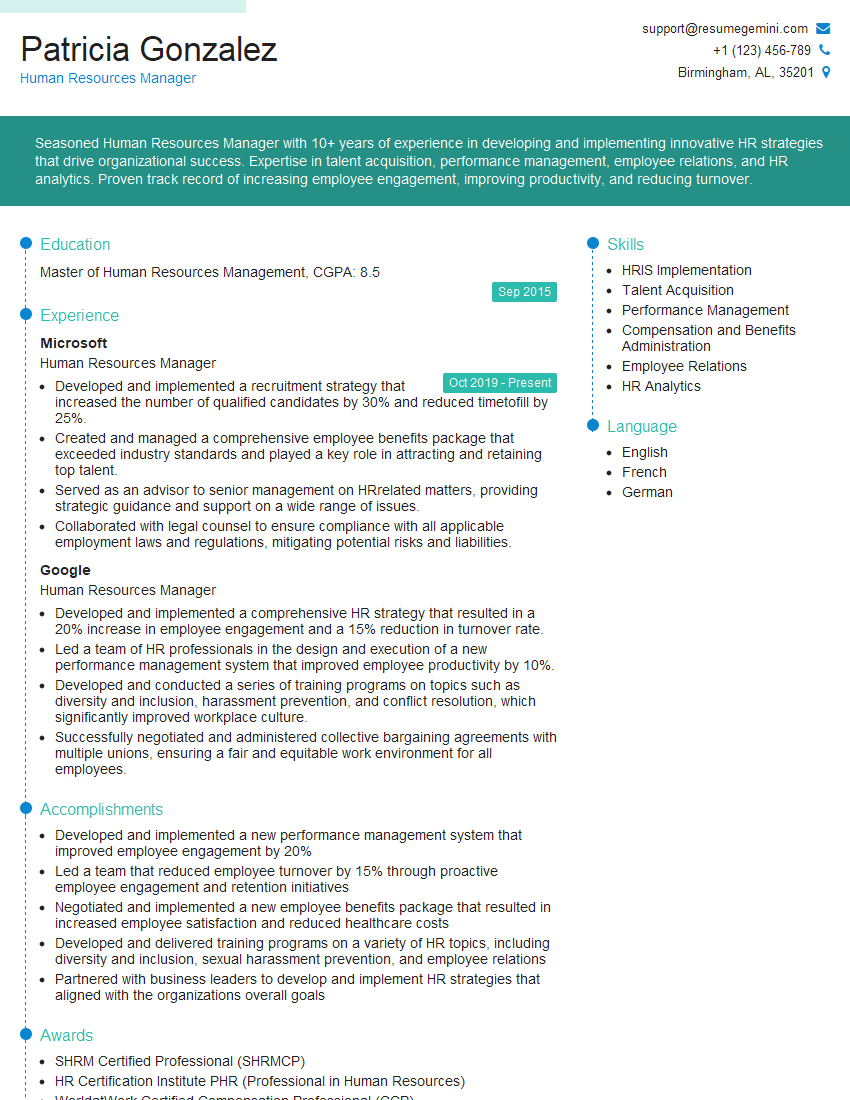
Human Resources Manager Resume Sample
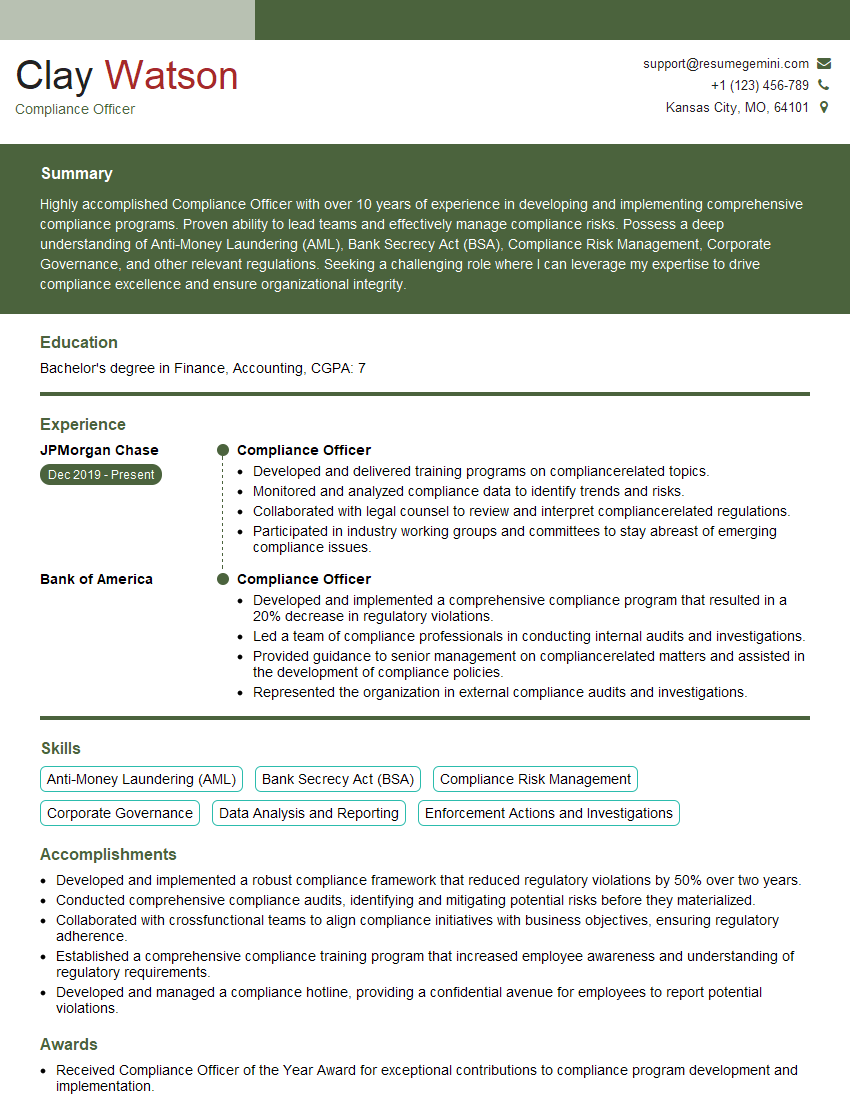
Compliance Officer Resume Sample
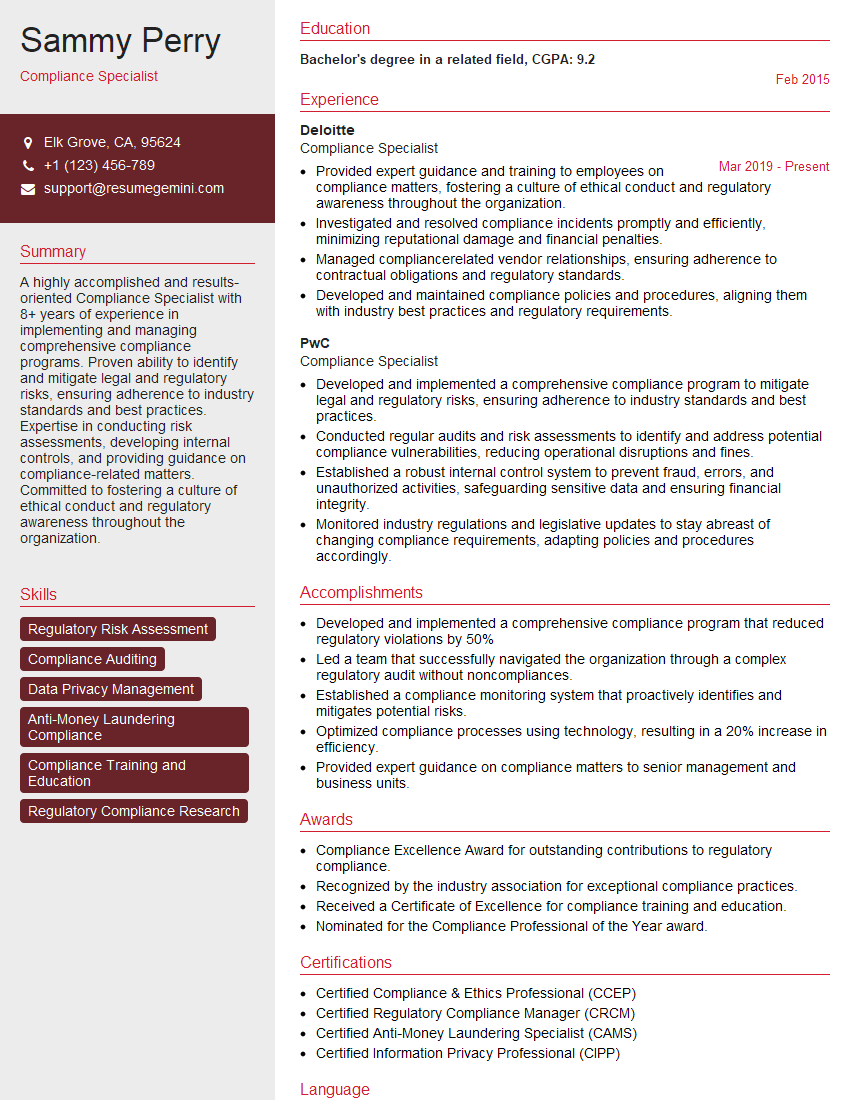
Compliance Specialist Resume Sample
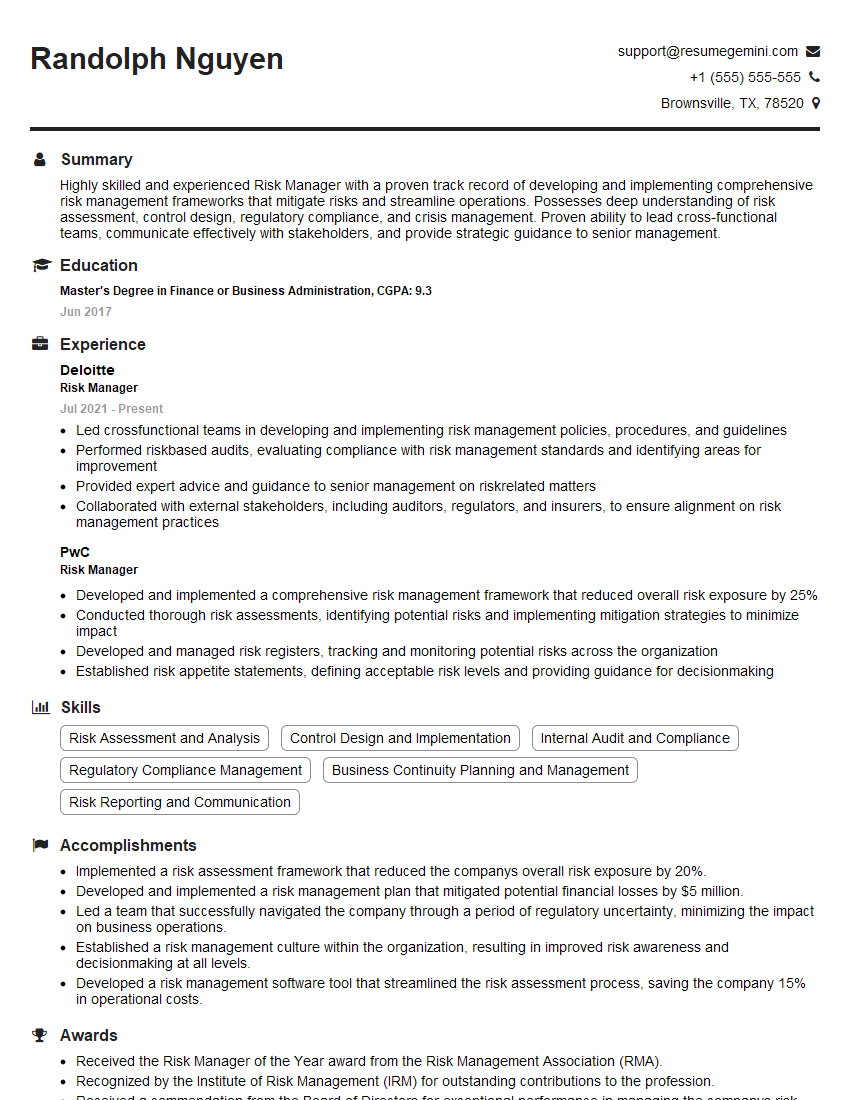
Risk Manager Resume Sample
Security Consultant Resume Sample
Security Engineer Resume Sample
Auditor Resume Sample
Data Security Analyst Resume Sample
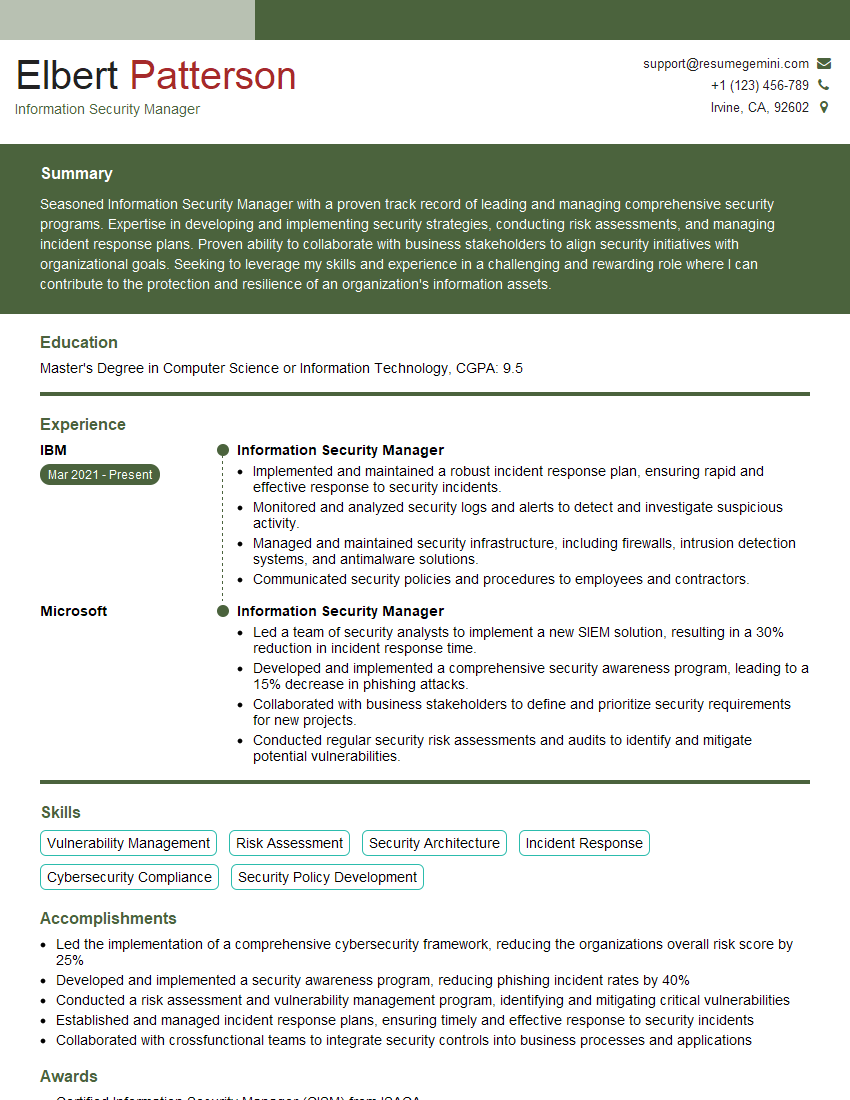
Information Security Manager Resume Sample
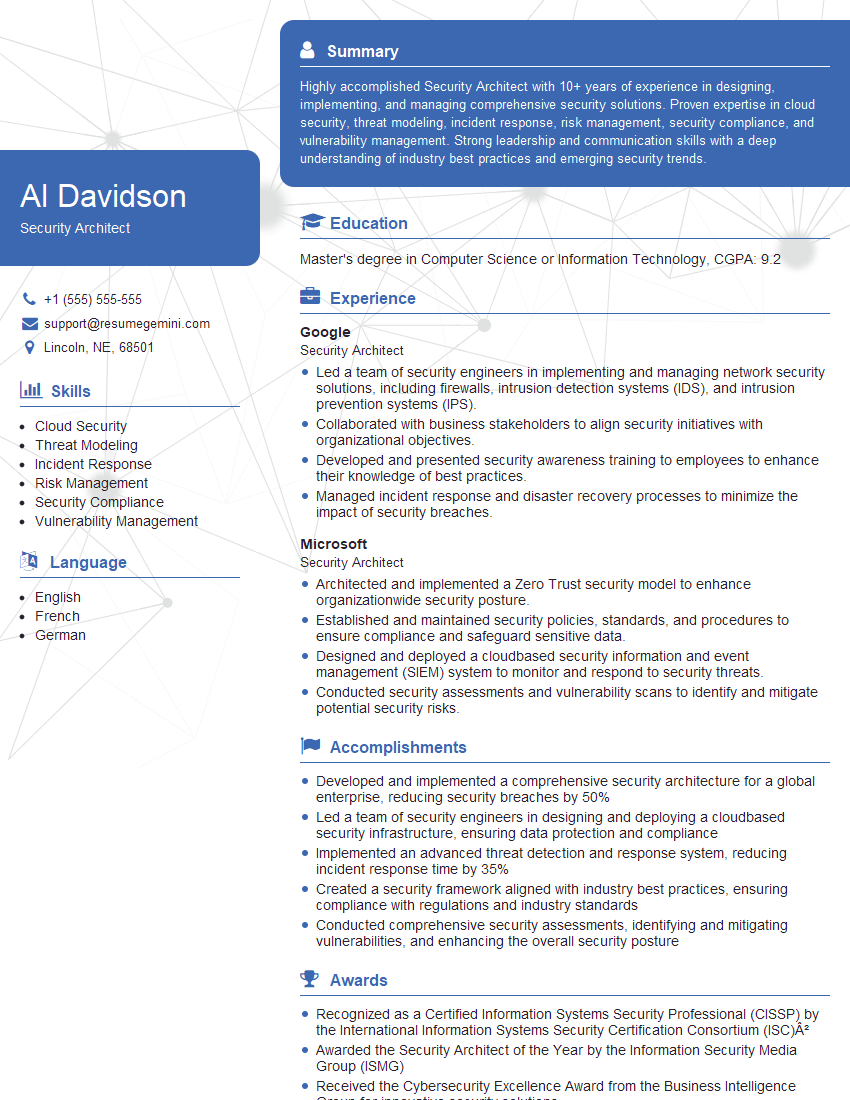
Security Architect Resume Sample
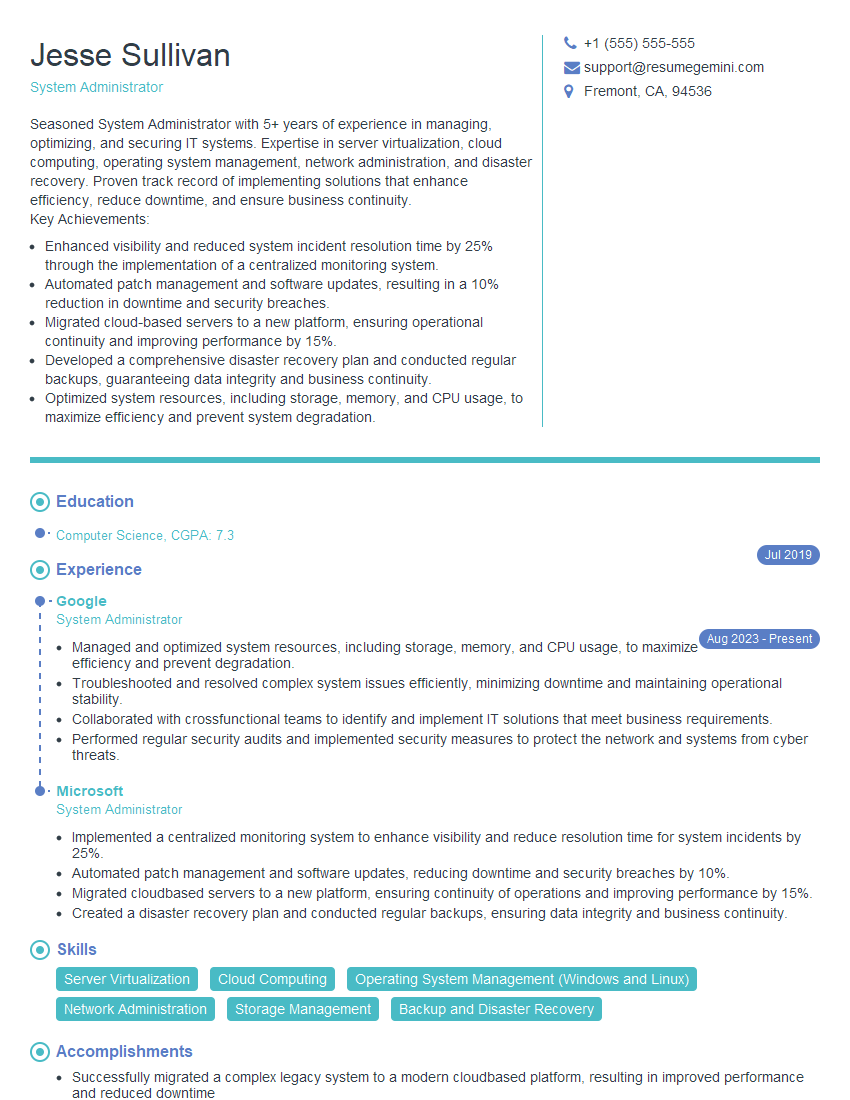
System Administrator Resume Sample
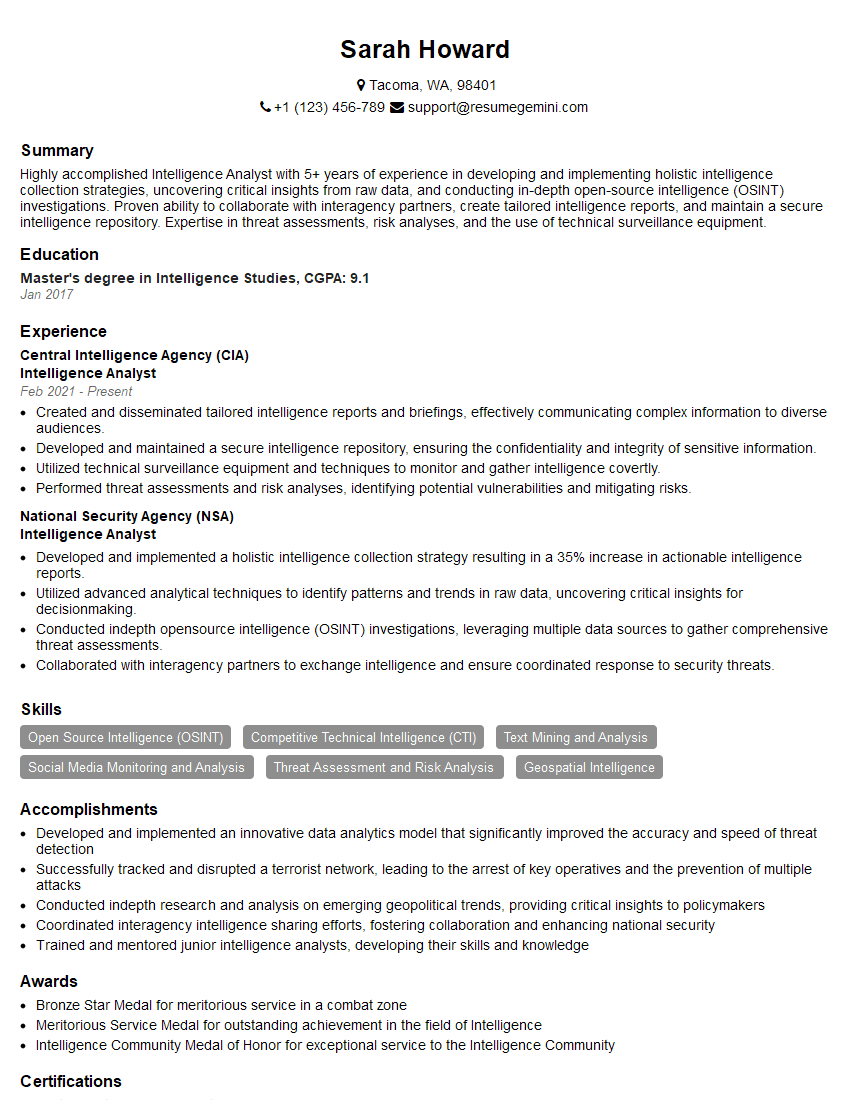
Intelligence Analyst Resume Sample
Records Manager Resume Sample
Forensic Investigator Resume Sample
Database Administrator Resume Sample
Legal Counsel Resume Sample
- Human Resources Manager
- Compliance Officer
- Compliance Specialist
- Risk Manager
- Security Consultant
- Security Engineer
- Auditor
- Data Security Analyst
- Information Security Manager
- Security Architect
- System Administrator
- Intelligence Analyst
- Records Manager
- Forensic Investigator
- Database Administrator
- Legal Counsel
Explore more articles
Users Rating of Our Blogs
Share Your Experience
We value your feedback! Please rate our content and share your thoughts (optional).
What Readers Say About Our Blog
Attention music lovers!
Wow, All the best Sax Summer music !!!
Spotify: https://open.spotify.com/artist/6ShcdIT7rPVVaFEpgZQbUk
Apple Music: https://music.apple.com/fr/artist/jimmy-sax-black/1530501936
YouTube: https://music.youtube.com/browse/VLOLAK5uy_noClmC7abM6YpZsnySxRqt3LoalPf88No
Other Platforms and Free Downloads : https://fanlink.tv/jimmysaxblack
on google : https://www.google.com/search?q=22+AND+22+AND+22
on ChatGPT : https://chat.openai.com?q=who20jlJimmy20Black20Sax20Producer
Get back into the groove with Jimmy sax Black
Best regards,
Jimmy sax Black
www.jimmysaxblack.com
Hi I am a troller at The aquatic interview center and I suddenly went so fast in Roblox and it was gone when I reset.
Hi,
Business owners spend hours every week worrying about their website—or avoiding it because it feels overwhelming.
We’d like to take that off your plate:
$69/month. Everything handled.
Our team will:
Design a custom website—or completely overhaul your current one
Take care of hosting as an option
Handle edits and improvements—up to 60 minutes of work included every month
No setup fees, no annual commitments. Just a site that makes a strong first impression.
Find out if it’s right for you:
https://websolutionsgenius.com/awardwinningwebsites
Hello,
we currently offer a complimentary backlink and URL indexing test for search engine optimization professionals.
You can get complimentary indexing credits to test how link discovery works in practice.
No credit card is required and there is no recurring fee.
You can find details here:
https://wikipedia-backlinks.com/indexing/
Regards
NICE RESPONSE TO Q & A
hi
The aim of this message is regarding an unclaimed deposit of a deceased nationale that bears the same name as you. You are not relate to him as there are millions of people answering the names across around the world. But i will use my position to influence the release of the deposit to you for our mutual benefit.
Respond for full details and how to claim the deposit. This is 100% risk free. Send hello to my email id: lukachachibaialuka@gmail.com
Luka Chachibaialuka
Hey interviewgemini.com, just wanted to follow up on my last email.
We just launched Call the Monster, an parenting app that lets you summon friendly ‘monsters’ kids actually listen to.
We’re also running a giveaway for everyone who downloads the app. Since it’s brand new, there aren’t many users yet, which means you’ve got a much better chance of winning some great prizes.
You can check it out here: https://bit.ly/callamonsterapp
Or follow us on Instagram: https://www.instagram.com/callamonsterapp
Thanks,
Ryan
CEO – Call the Monster App
Hey interviewgemini.com, I saw your website and love your approach.
I just want this to look like spam email, but want to share something important to you. We just launched Call the Monster, a parenting app that lets you summon friendly ‘monsters’ kids actually listen to.
Parents are loving it for calming chaos before bedtime. Thought you might want to try it: https://bit.ly/callamonsterapp or just follow our fun monster lore on Instagram: https://www.instagram.com/callamonsterapp
Thanks,
Ryan
CEO – Call A Monster APP
To the interviewgemini.com Owner.
Dear interviewgemini.com Webmaster!
Hi interviewgemini.com Webmaster!
Dear interviewgemini.com Webmaster!
excellent
Hello,
We found issues with your domain’s email setup that may be sending your messages to spam or blocking them completely. InboxShield Mini shows you how to fix it in minutes — no tech skills required.
Scan your domain now for details: https://inboxshield-mini.com/
— Adam @ InboxShield Mini
support@inboxshield-mini.com
Reply STOP to unsubscribe
Hi, are you owner of interviewgemini.com? What if I told you I could help you find extra time in your schedule, reconnect with leads you didn’t even realize you missed, and bring in more “I want to work with you” conversations, without increasing your ad spend or hiring a full-time employee?
All with a flexible, budget-friendly service that could easily pay for itself. Sounds good?
Would it be nice to jump on a quick 10-minute call so I can show you exactly how we make this work?
Best,
Hapei
Marketing Director
Hey, I know you’re the owner of interviewgemini.com. I’ll be quick.
Fundraising for your business is tough and time-consuming. We make it easier by guaranteeing two private investor meetings each month, for six months. No demos, no pitch events – just direct introductions to active investors matched to your startup.
If youR17;re raising, this could help you build real momentum. Want me to send more info?
Hi, I represent an SEO company that specialises in getting you AI citations and higher rankings on Google. I’d like to offer you a 100% free SEO audit for your website. Would you be interested?
Hi, I represent an SEO company that specialises in getting you AI citations and higher rankings on Google. I’d like to offer you a 100% free SEO audit for your website. Would you be interested?