The right preparation can turn an interview into an opportunity to showcase your expertise. This guide to Ability to Work in a Joint and Interagency Environment interview questions is your ultimate resource, providing key insights and tips to help you ace your responses and stand out as a top candidate.
Questions Asked in Ability to Work in a Joint and Interagency Environment Interview
Q 1. Describe your experience working in a multi-agency environment.
My experience in multi-agency environments spans several years, primarily within large-scale disaster response and infrastructure projects. I’ve worked collaboratively with teams from various government agencies, NGOs, and private sector organizations. For instance, during Hurricane Katrina relief efforts, I was part of a team coordinating logistics between FEMA, the National Guard, and local volunteer groups. This involved daily coordination meetings, shared data platforms, and the harmonization of vastly different operational procedures. The success of this operation hinged on our ability to overcome communication barriers, establish clear lines of authority, and leverage each organization’s unique capabilities. Another example involved a major bridge rehabilitation project, requiring seamless collaboration between the Department of Transportation, environmental agencies, and construction firms. We established a joint project office with representatives from each organization to ensure effective communication, conflict resolution, and alignment of project goals.
Q 2. Explain your approach to resolving conflicts between different agencies.
My approach to resolving inter-agency conflicts emphasizes open communication, collaborative problem-solving, and a focus on shared goals. I begin by actively listening to each agency’s concerns and perspectives, ensuring everyone feels heard and respected. I then facilitate a structured discussion aimed at identifying the root causes of the conflict and finding mutually acceptable solutions. This often involves brainstorming alternative approaches and exploring trade-offs. For example, in a conflict regarding resource allocation during a wildfire, I facilitated a meeting where each agency outlined their needs and constraints. Through collaborative discussion, we prioritized resources based on immediate impact and risk, achieving a solution that satisfied all parties involved. A key element is to remain neutral, focusing on objective criteria and data to inform decision-making.
Q 3. How do you ensure effective communication in a joint operation?
Effective communication in a joint operation requires a multi-faceted approach. First, establishing clear communication channels and protocols is crucial. This includes regular meetings, standardized reporting formats, and the use of shared communication platforms (like secure messaging systems or project management software). Second, I emphasize clear and concise messaging, avoiding jargon and ensuring all stakeholders understand the information. Third, regular feedback loops are essential to confirm understanding and identify any emerging issues. Think of it like a well-orchestrated symphony; every section (agency) needs a clear score (plan), a conductor (leader), and consistent communication to create a harmonious outcome. In practice, this has meant implementing daily situation reports, establishing a dedicated communication officer for each agency, and using a shared online document repository for all project information.
Q 4. Describe a time you had to negotiate with a different agency to achieve a shared goal.
During a large-scale infrastructure project, the environmental agency had concerns about the potential impact of the construction on a protected wetland area. Initially, their concerns seemed insurmountable, threatening to significantly delay the project. I initiated a series of meetings with the agency’s representatives, presenting data on mitigation strategies and demonstrating our commitment to environmental protection. We engaged in a collaborative process, incorporating their recommendations into the project plan. This involved modifying the construction design, implementing environmental monitoring programs, and agreeing on compensation for any unavoidable ecological impacts. This negotiation, based on mutual respect and compromise, resulted in a win-win scenario where the project continued on schedule while adhering to strict environmental standards. This highlights the importance of active listening, demonstrating respect for each other’s concerns, and seeking mutually beneficial outcomes.
Q 5. How do you manage competing priorities from multiple stakeholders?
Managing competing priorities from multiple stakeholders requires a structured approach. I begin by prioritizing tasks based on urgency, impact, and alignment with overall goals. A prioritization matrix, often using a framework like MoSCoW (Must have, Should have, Could have, Won’t have), can be extremely helpful. Transparent communication is essential—keeping all stakeholders informed about the prioritization process and the rationale behind decisions. Regular progress reviews help track progress, identify potential roadblocks early, and make necessary adjustments. Ultimately, effective negotiation and compromise are crucial. It’s often necessary to make trade-offs and explain why certain priorities are given precedence. Successful stakeholder management often comes down to building trust and providing consistent and transparent updates.
Q 6. What strategies do you use to build consensus and trust among different agencies?
Building consensus and trust among different agencies requires a deliberate and sustained effort. I focus on establishing relationships based on mutual respect and understanding. This often involves informal networking, social events, and one-on-one interactions. Early engagement and collaboration help establish a sense of shared ownership and commitment. Transparency in decision-making and communication is essential. Presenting information in a clear and unbiased manner builds trust. Successfully navigating differences often depends on demonstrating a commitment to fairness, addressing concerns promptly, and celebrating shared successes. Recognizing and valuing each agency’s unique expertise builds a stronger foundation for cooperation.
Q 7. How do you handle differing agency cultures and communication styles?
Differing agency cultures and communication styles can pose significant challenges in a joint operation. Understanding and appreciating these differences is the first step. I take the time to learn about each agency’s culture, communication preferences, and decision-making processes. I adjust my communication style accordingly, being mindful of language, tone, and delivery methods. For example, I might use more formal language and detailed documentation when interacting with agencies that prefer a structured approach. Conversely, I might employ a more informal and collaborative style with agencies that favor a less formal environment. Flexibility and adaptability are key, and acknowledging the value of diverse perspectives strengthens the team and leads to innovative solutions. Establishing clear communication protocols early on helps standardize interactions and bridge cultural gaps. Emphasizing shared goals and mutual respect helps overcome differences and fosters a collaborative team environment.
Q 8. Describe your experience with interagency data sharing and information management.
Interagency data sharing and information management requires meticulous planning and execution to ensure data integrity, security, and accessibility across multiple organizations. It’s like orchestrating a symphony – each instrument (agency) needs to play its part in harmony, using the same sheet music (data standards).
In my experience, successful data sharing hinges on establishing clear protocols upfront. This includes defining data ownership, access rights, and responsibilities. For example, in a project involving public health agencies, law enforcement, and social services, we created a secure data platform with role-based access control, allowing each agency to access only the data relevant to their mission while maintaining patient confidentiality.
We also used standardized data formats (like HL7 for healthcare data) and metadata schemas to ensure interoperability. Regular data quality checks and audits are crucial to maintain data accuracy and consistency. Finally, robust communication channels are vital for addressing data-related issues and ensuring seamless collaboration.
Q 9. How do you identify and mitigate potential risks in a joint operation?
Identifying and mitigating risks in joint operations requires a proactive and systematic approach. Think of it as a pre-flight checklist for a complex mission – you wouldn’t take off without checking every critical system.
- Risk Assessment: We begin with a thorough risk assessment, identifying potential threats across various domains (operational, security, legal, financial). This often involves brainstorming sessions with representatives from each agency.
- Mitigation Strategies: For each identified risk, we develop specific mitigation strategies. This might involve developing contingency plans, implementing security protocols, or establishing clear communication procedures. For example, a potential risk could be a cyberattack on shared data; mitigation would be employing robust encryption, multi-factor authentication, and regular security audits.
- Contingency Planning: We create detailed contingency plans to address unforeseen circumstances. This includes defining roles and responsibilities in case of emergencies and establishing clear escalation paths for decision-making.
- Regular Monitoring and Review: Continuous monitoring of the operation and regular review of the risk assessment and mitigation strategies are crucial to identify and address emerging risks proactively.
Q 10. How do you ensure accountability and transparency in a multi-agency project?
Accountability and transparency are cornerstones of successful multi-agency projects. Imagine a team building a house – everyone needs to know who is responsible for which part, and the progress needs to be visible to all stakeholders.
- Clearly Defined Roles and Responsibilities: A detailed work breakdown structure (WBS) helps define roles, responsibilities, and reporting lines clearly. Each agency should have a designated point of contact and a clear understanding of its contribution.
- Regular Reporting and Communication: Regular progress reports and meetings are essential to maintain transparency and ensure all agencies are informed. This might involve using shared online platforms or regular conference calls.
- Auditable Processes: All processes should be auditable to ensure accountability. This includes maintaining detailed records of decisions, actions, and resource allocation.
- Independent Oversight: In some cases, an independent oversight body can enhance transparency and accountability, especially for projects involving sensitive information or significant resources.
Q 11. Describe your experience with interagency resource allocation and budgeting.
Interagency resource allocation and budgeting demand careful planning and negotiation. It’s like managing a shared household budget – everyone needs to agree on how resources are distributed fairly and efficiently.
My experience involves collaborative budgeting processes where each agency submits its proposed budget, justifying its resource needs. We then negotiate to reach a consensus that reflects the overall project priorities and the capabilities of each agency. This often involves using a zero-based budgeting approach, where each budget item is reviewed and justified from scratch. Transparent and regularly updated budget tracking systems are critical to ensure resources are used effectively and accountability is maintained.
We also established clear guidelines for expense reimbursements and procurement processes to ensure compliance and prevent conflicts of interest.
Q 12. How do you use technology to facilitate collaboration in a joint environment?
Technology plays a crucial role in facilitating collaboration in joint environments. Think of it as the glue that holds the different agencies together.
- Collaboration Platforms: Secure platforms like SharePoint, Microsoft Teams, or dedicated project management software allow for centralized document sharing, communication, and task management. This ensures everyone has access to the same information and can collaborate effectively regardless of location.
- Video Conferencing: Tools like Zoom or Skype provide real-time communication, facilitating efficient meetings and reducing the need for extensive travel.
- Secure Data Sharing: Secure file-sharing and data transfer methods are essential to protect sensitive information. This often involves using encrypted channels and access control mechanisms.
- Data Analytics and Visualization: Tools that allow for data analysis and visualization enable better decision-making by providing clear insights from collected data. Dashboards showcasing key metrics in real-time can significantly enhance situational awareness and collaborative problem-solving.
Q 13. What metrics do you use to measure the success of a joint operation?
Measuring the success of a joint operation requires a multifaceted approach, going beyond simple completion. It’s like grading a term paper – you need to evaluate content, structure, and impact.
- Quantitative Metrics: These might include the number of goals achieved, resources utilized, timelines met, or improvements in key performance indicators (KPIs). For example, in a disaster response operation, we would track the number of people rescued, the amount of aid distributed, and the speed of recovery.
- Qualitative Metrics: These involve assessing the overall effectiveness of the collaboration, stakeholder satisfaction, and lessons learned. This could involve conducting surveys, focus groups, or after-action reviews to gather feedback.
- Impact Assessment: A comprehensive impact assessment measures the overall effect of the operation on the intended outcomes. This might involve measuring changes in specific indicators over time.
A balanced scorecard approach, incorporating both quantitative and qualitative metrics, provides a holistic view of success.
Q 14. How do you ensure consistency and standardization across different agencies?
Ensuring consistency and standardization across different agencies is crucial for seamless collaboration and efficient operations. Imagine a construction project – everyone needs to use the same blueprints and building codes.
- Standardized Procedures and Protocols: Developing and implementing standardized operating procedures (SOPs) for key processes is essential. This ensures consistency in how tasks are performed across different agencies.
- Common Data Standards: Adopting common data formats, metadata schemas, and terminologies ensures interoperability and eliminates data silos. This prevents confusion and allows for efficient data sharing.
- Training and Capacity Building: Providing training and capacity building opportunities to personnel from different agencies ensures everyone understands and adheres to the established standards and procedures.
- Regular Audits and Reviews: Conducting regular audits and reviews of processes and data helps identify areas for improvement and maintain consistency over time.
Strong leadership and a culture of collaboration are critical in driving standardization and ensuring buy-in from all participating agencies.
Q 15. Describe your experience with interagency training and development.
Interagency training and development is crucial for fostering effective collaboration. My experience includes participating in workshops focused on conflict resolution, communication strategies tailored to diverse agencies, and collaborative project management methodologies. I’ve also benefited from training on navigating the specific legal and regulatory frameworks governing information sharing and decision-making across different agencies. For example, I participated in a week-long program on the National Incident Management System (NIMS), which provided a standardized approach to managing emergencies across various federal, state, and local agencies. This enhanced my understanding of incident command structures and improved my ability to integrate seamlessly into multi-agency response teams.
Furthermore, I actively seek out opportunities for informal learning, such as attending interagency meetings and conferences, which provide valuable insights into the diverse perspectives and challenges faced by different agencies. This continuous learning allows me to stay abreast of best practices and adapt my approach to different collaborative contexts.
Career Expert Tips:
- Ace those interviews! Prepare effectively by reviewing the Top 50 Most Common Interview Questions on ResumeGemini.
- Navigate your job search with confidence! Explore a wide range of Career Tips on ResumeGemini. Learn about common challenges and recommendations to overcome them.
- Craft the perfect resume! Master the Art of Resume Writing with ResumeGemini’s guide. Showcase your unique qualifications and achievements effectively.
- Don’t miss out on holiday savings! Build your dream resume with ResumeGemini’s ATS optimized templates.
Q 16. How do you manage stakeholder expectations in a complex interagency project?
Managing stakeholder expectations in a complex interagency project requires proactive communication and a clear understanding of each agency’s priorities and constraints. I begin by establishing a shared understanding of project goals and objectives, ensuring all stakeholders are aligned on the desired outcomes. This often involves holding regular meetings, distributing clear progress reports, and employing a transparent decision-making process.
I use a variety of communication tools to keep everyone informed, from email updates to more formal presentations and regular face-to-face meetings. Crucially, I build strong relationships with key stakeholders, listening attentively to their concerns and addressing them promptly and openly. This fosters trust and facilitates a collaborative environment. If unexpected delays or challenges arise, I proactively communicate these issues, explaining the reasons for any changes and proposing alternative solutions. Think of it like orchestrating a symphony – each section (agency) has its own unique part, but a skilled conductor ensures they work together harmoniously.
Q 17. Explain your understanding of interagency agreements and memorandums of understanding (MOUs).
Interagency agreements and Memorandums of Understanding (MOUs) are legally binding documents that outline the responsibilities, roles, and expectations of each participating agency in a collaborative project. They establish the framework for joint operations, defining areas of cooperation, resource allocation, and communication protocols. Agreements define the specific tasks, deadlines, and deliverables for each agency, while MOUs often focus on establishing broader principles of cooperation and shared goals.
Understanding the nuances of these documents is critical for successful interagency collaboration. It’s important to carefully review and negotiate the terms of the agreement or MOU to ensure it accurately reflects the needs and capabilities of all involved parties. This includes clarifying areas of potential conflict or ambiguity and establishing clear mechanisms for dispute resolution. Without a well-defined agreement, it’s easy for misunderstandings to arise, leading to conflicts and delays.
Q 18. How do you navigate bureaucratic processes to achieve interagency collaboration?
Navigating bureaucratic processes in interagency collaborations requires patience, persistence, and a strategic approach. I start by identifying key decision-makers and stakeholders within each agency and establishing clear communication channels with them. I then familiarize myself with the specific rules, regulations, and procedures of each agency, understanding their unique workflows and timelines. This involves researching the relevant policies and procedures, often consulting with agency representatives to clarify any uncertainties.
Often, proactive engagement is key. I anticipate potential roadblocks and proactively address them by seeking approvals or necessary permissions in advance. When necessary, I tailor my communication style to resonate with the specific culture and expectations of each agency, building rapport and establishing trust. If conflicts arise, I employ a collaborative problem-solving approach, working with all stakeholders to find mutually acceptable solutions. This might involve compromising on certain aspects of the project or exploring alternative approaches to achieve the overall objectives. The key is to remember that collaboration requires compromise and understanding.
Q 19. Describe a time you had to adapt your communication style to work effectively with diverse teams.
In a previous project involving environmental protection agencies, law enforcement, and community organizations, I had to adapt my communication style considerably. Initially, I relied on formal, data-driven presentations—effective with the agencies but less engaging for community groups. I realized I needed a more inclusive approach.
I began by actively listening to the concerns and perspectives of each group, tailoring my communication to their respective styles. With agencies, I used concise reports and data visualizations. With community groups, I adopted a more conversational, storytelling approach, highlighting the human impact of the project. This involved incorporating real-life anecdotes and employing relatable language, building trust and ensuring everyone felt heard and understood. The shift in my communication strategy significantly improved the collaboration, leading to a more successful outcome. It was a valuable lesson in the power of empathy and adaptability in interagency work.
Q 20. How do you handle disagreements about priorities or approaches in a joint project?
Disagreements about priorities or approaches are inevitable in interagency collaborations. My approach emphasizes open and respectful dialogue, ensuring everyone feels comfortable expressing their concerns. I facilitate a structured discussion, encouraging each party to explain their perspective and the rationale behind their preferred approach. I often use a collaborative problem-solving framework, such as brainstorming or SWOT analysis, to identify potential solutions that address everyone’s concerns.
When necessary, I seek to find common ground by focusing on shared objectives and identifying areas of compromise. If a consensus cannot be reached, I may escalate the issue to a higher level of management, providing a clear and concise summary of the disagreement and the proposed solutions. The goal is not to win an argument but to find the best solution for the overall project success, respecting each agency’s legitimate interests.
Q 21. What are some common challenges in interagency collaboration, and how do you address them?
Common challenges in interagency collaboration include differing agency cultures, conflicting priorities, bureaucratic hurdles, and communication barriers. Addressing these requires a multi-pronged strategy.
- Differing agency cultures: Requires understanding each agency’s unique values and communication styles to bridge differences and foster mutual respect.
- Conflicting priorities: Requires careful negotiation and compromise to find a balance between competing interests. A clearly defined project scope and objectives are essential.
- Bureaucratic hurdles: Requires proactive planning, understanding each agency’s processes, and building strong relationships with key stakeholders to expedite approvals and overcome obstacles.
- Communication barriers: Requires establishing clear communication channels, using appropriate communication tools, and ensuring consistent information sharing across agencies. Regular meetings and progress reports are essential.
By proactively addressing these challenges through open communication, collaborative problem-solving, and a strong understanding of each agency’s context, successful interagency collaboration can be achieved.
Q 22. How do you build and maintain positive working relationships with representatives from different agencies?
Building and maintaining positive working relationships in a multi-agency environment is crucial for success. It’s like orchestrating a symphony – each section (agency) has its own unique strengths, but they must harmonize to create a beautiful whole. I approach this by focusing on proactive communication, mutual respect, and shared understanding of goals.
- Proactive Communication: I initiate regular check-ins, both formally through meetings and informally through quick emails or calls, to keep everyone informed and address any emerging concerns. This prevents misunderstandings from festering.
- Mutual Respect: I actively listen to and value the perspectives of each agency representative, acknowledging their expertise and appreciating their contributions. Recognizing that different agencies may have differing cultures and working styles is key to fostering a collaborative atmosphere.
- Shared Understanding of Goals: Before embarking on any project, I ensure everyone is clear on the overall objectives, individual roles, and expected outcomes. This shared vision acts as a guiding star, helping us navigate challenges and stay focused on the common goal.
For example, in a previous project involving environmental remediation, I established a weekly cross-agency meeting to share updates, discuss challenges, and coordinate actions. This open communication fostered trust and prevented duplication of effort.
Q 23. How do you ensure that the contributions of each agency are properly recognized and valued?
Recognizing and valuing each agency’s contribution is essential for team morale and project success. It’s not just about acknowledging the work; it’s about understanding the unique value each agency brings to the table. I achieve this through transparent communication, equitable credit allocation, and opportunities for showcasing individual and agency achievements.
- Transparent Communication: Regularly highlighting individual and agency contributions in project updates, reports, and presentations makes everyone’s input visible. This ensures that no one’s work goes unnoticed.
- Equitable Credit Allocation: I establish clear criteria for acknowledging contributions upfront, ensuring everyone understands how their efforts will be recognized. This might involve assigning specific tasks with clearly defined deliverables and associated credit.
- Opportunities for Showcasing Achievements: I actively seek out opportunities to showcase individual and agency successes, such as through internal newsletters, presentations to senior leadership, or public acknowledgment of milestones.
In one instance, I facilitated the creation of a joint project report where individual agency contributions were specifically mentioned and linked to tangible results. This demonstrated the significant impact of each agency’s participation and strengthened cross-agency collaboration.
Q 24. Describe your experience facilitating joint meetings or workshops.
Facilitating joint meetings and workshops requires skillful planning and execution. My approach centers around creating a structured yet inclusive environment where open discussion and collaboration thrive. I carefully consider participant demographics, meeting objectives, and potential challenges.
- Structured Agenda: A well-defined agenda ensures that discussions remain focused and productive. I distribute it in advance, allowing participants to prepare and contribute effectively.
- Inclusive Environment: I foster an atmosphere of mutual respect by actively encouraging participation from all attendees, providing equal opportunities for input, and ensuring everyone feels heard.
- Conflict Resolution Strategies: I am prepared to address potential disagreements constructively. This might involve using techniques like active listening, mediation, or collaborative problem-solving.
- Effective Communication Tools: I leverage technology to maximize engagement and collaboration, such as interactive whiteboards, online collaboration platforms, or video conferencing tools.
For example, while coordinating a disaster relief effort, I facilitated a series of workshops that successfully integrated the expertise of various agencies, leading to the development of a comprehensive response plan.
Q 25. How do you track progress and measure success in a multi-agency environment?
Tracking progress and measuring success in a multi-agency environment requires a multifaceted approach. This often involves establishing key performance indicators (KPIs), regular progress reviews, and transparent reporting mechanisms.
- Establish KPIs: We define measurable goals and objectives aligned with overall project aims. These KPIs should be specific, measurable, achievable, relevant, and time-bound (SMART).
- Regular Progress Reviews: We conduct regular meetings to track progress against the KPIs, identify any roadblocks, and make necessary adjustments to the project plan. This provides opportunities for proactive problem-solving.
- Transparent Reporting: Progress is communicated regularly to all stakeholders through clear reports, dashboards, or presentations. This transparency builds confidence and encourages accountability.
For instance, in a large-scale infrastructure project, we used a project management software to track progress on individual tasks, providing real-time visibility to all agencies involved, enabling proactive intervention when delays were anticipated.
Q 26. How do you ensure all involved parties are informed during a joint project or operation?
Keeping all parties informed is critical for maintaining transparency and building trust. This requires utilizing various communication channels and ensuring information is disseminated consistently and efficiently.
- Multi-Channel Communication: We leverage a combination of methods such as regular meetings, email updates, shared project management platforms, and potentially even dedicated communication portals to ensure that information reaches everyone.
- Consistent Communication Schedule: Regular updates at pre-defined intervals keep everyone informed of the project’s status. This prevents information silos and fosters a sense of collaboration.
- Feedback Mechanisms: We establish mechanisms for feedback from all stakeholders, encouraging questions and concerns to be raised and addressed promptly.
In a recent public health campaign, we used a dedicated online portal to share documents, updates, and resources with all participating agencies, ensuring everyone was informed and had access to necessary materials.
Q 27. How do you balance the needs of different agencies with overall project objectives?
Balancing the needs of different agencies with overall project objectives is a delicate act of negotiation and compromise. It’s like finding the sweet spot between individual needs and the collective good. My approach is built upon collaboration, prioritization, and proactive communication.
- Collaborative Decision-Making: I facilitate open discussions where the needs of different agencies are carefully considered, enabling the development of solutions that address these needs while still aligning with overall project goals.
- Prioritization: We prioritize tasks and initiatives based on their contribution to overall project success and their alignment with the strategic objectives. This ensures that the most crucial aspects of the project are addressed first.
- Proactive Negotiation: When conflicts arise, I approach them constructively, utilizing negotiation techniques to find mutually agreeable solutions. This often involves identifying trade-offs and compromises.
For example, during a large-scale infrastructure development, we prioritized tasks based on their impact on the overall timeline and budget. While some agencies had to adjust their individual timelines, the collaborative approach resulted in the project being completed successfully and on time.
Q 28. Describe your experience with conflict resolution in an interagency setting.
Conflict resolution in an interagency setting requires diplomacy, empathy, and a structured approach. It’s about resolving differences constructively to maintain collaboration and achieve common goals. My approach involves active listening, identifying the root cause of the conflict, and collaboratively seeking solutions.
- Active Listening: I ensure all parties feel heard and understood. This means listening attentively to their perspectives without interruption or judgment.
- Identifying the Root Cause: I focus on understanding the underlying issues driving the conflict, rather than just addressing the surface-level symptoms. This often involves asking clarifying questions and exploring different perspectives.
- Collaborative Solutions: I guide the parties involved towards developing mutually agreeable solutions. This might involve brainstorming potential options, weighing the pros and cons, and negotiating compromises.
- Mediation (if necessary): In complex cases, involving a neutral third-party mediator might be necessary to facilitate a fair and impartial resolution.
In one instance, a disagreement arose between two agencies regarding the allocation of resources. Through active listening, I uncovered the underlying concern of one agency about the feasibility of their assigned tasks given resource constraints. This led to a collaborative discussion where we adjusted the resource allocation to address their concerns and ensure that the overall project remained on track.
Key Topics to Learn for Ability to Work in a Joint and Interagency Environment Interview
- Understanding Interagency Dynamics: Explore the complexities of collaboration between different agencies, including communication styles, organizational structures, and differing priorities.
- Effective Communication & Collaboration: Practice strategies for clear, concise communication across diverse teams. Consider how to navigate conflicting viewpoints and build consensus.
- Conflict Resolution & Negotiation: Learn techniques for identifying and resolving conflicts constructively. Focus on approaches that maintain positive working relationships while achieving shared goals.
- Shared Goals & Objectives: Discuss how to align individual agency objectives with broader, overarching mission goals within a joint environment. Practice articulating the value of collaborative efforts.
- Resource Management & Allocation: Understand the challenges of managing shared resources across multiple agencies, including budgeting, personnel, and technology.
- Data Sharing & Security: Explore the importance of secure and compliant data sharing protocols when collaborating with other agencies. Discuss practical applications and potential challenges.
- Legal and Regulatory Compliance: Familiarize yourself with the legal frameworks and regulations that govern interagency collaborations. Understand the implications for decision-making and actions.
- Building Trust and Rapport: Discuss strategies for building strong working relationships based on trust and mutual respect within a multi-agency team. This includes active listening and empathy.
Next Steps
Mastering the ability to work effectively in joint and interagency environments is crucial for career advancement in today’s collaborative landscape. Demonstrating this skill significantly enhances your value to potential employers and opens doors to leadership opportunities. To showcase your capabilities effectively, building an ATS-friendly resume is paramount. ResumeGemini is a trusted resource that can help you craft a professional and compelling resume that highlights your relevant experience and skills. We provide examples of resumes tailored to showcase proficiency in “Ability to Work in a Joint and Interagency Environment,” allowing you to craft a document that speaks directly to the requirements of your target roles.
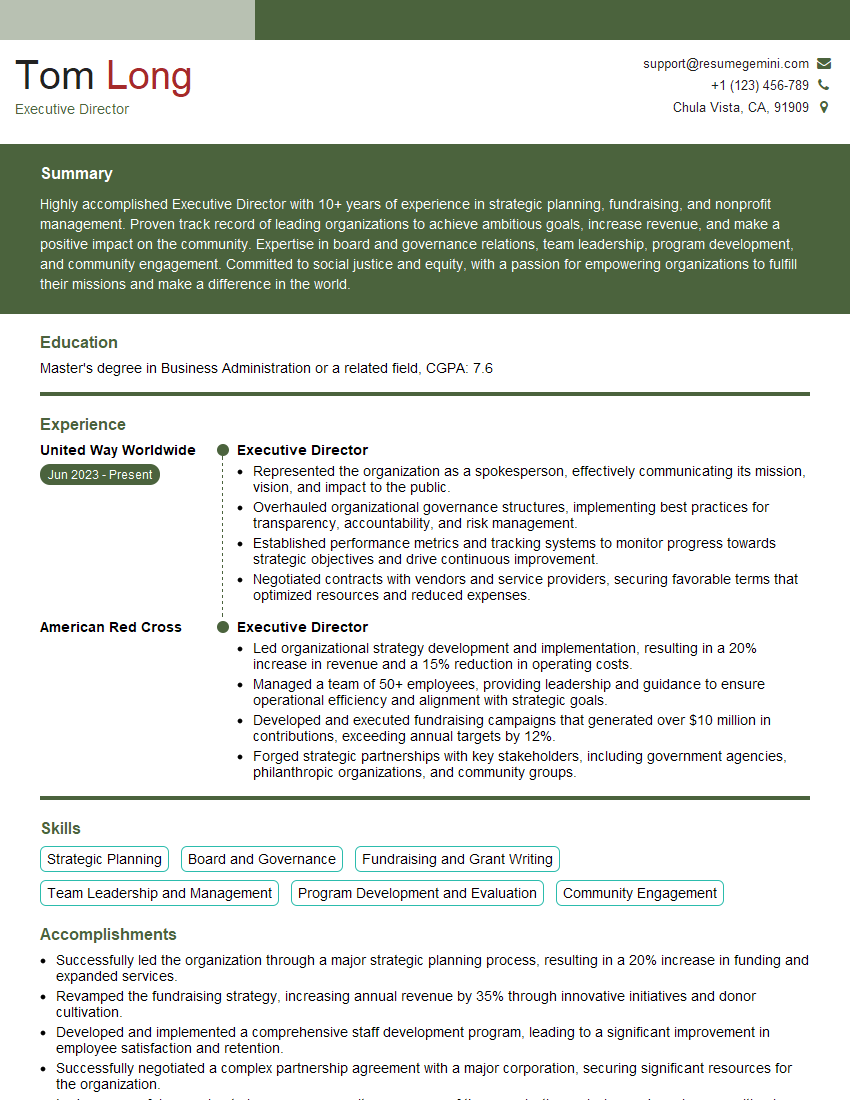
Executive Director Resume Sample
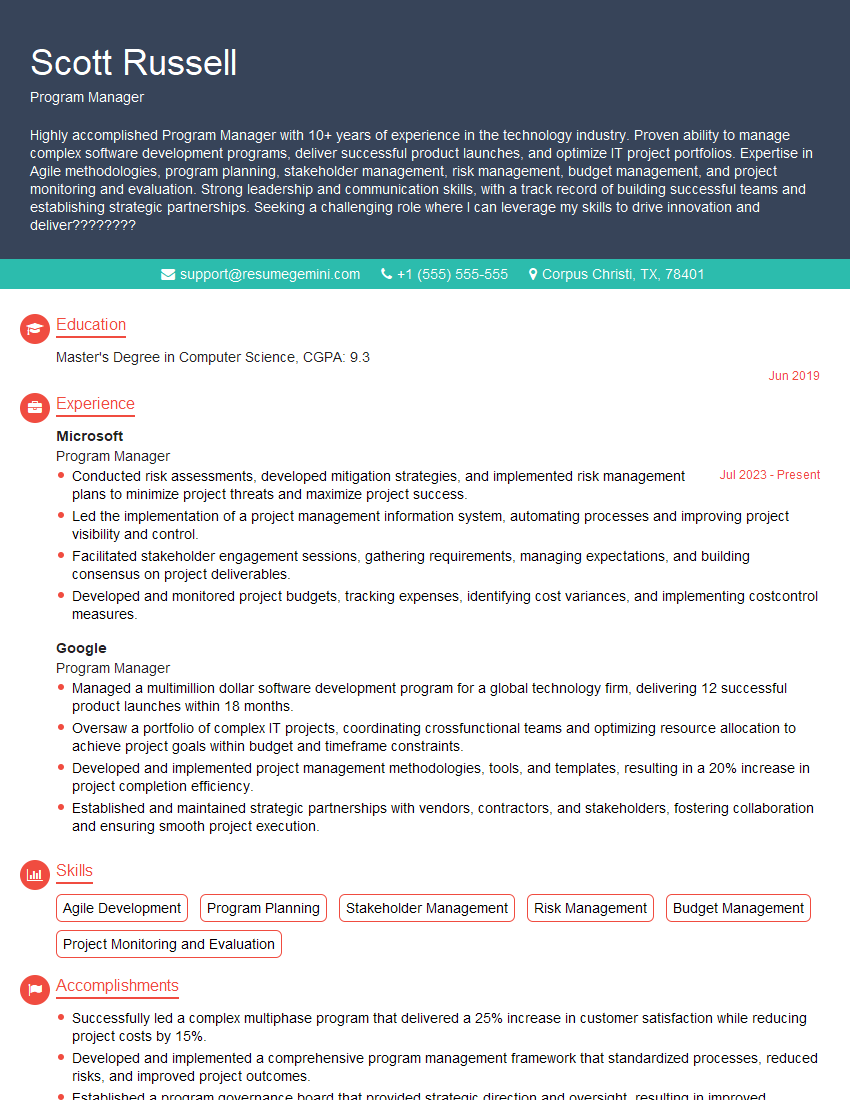
Program Manager Resume Sample
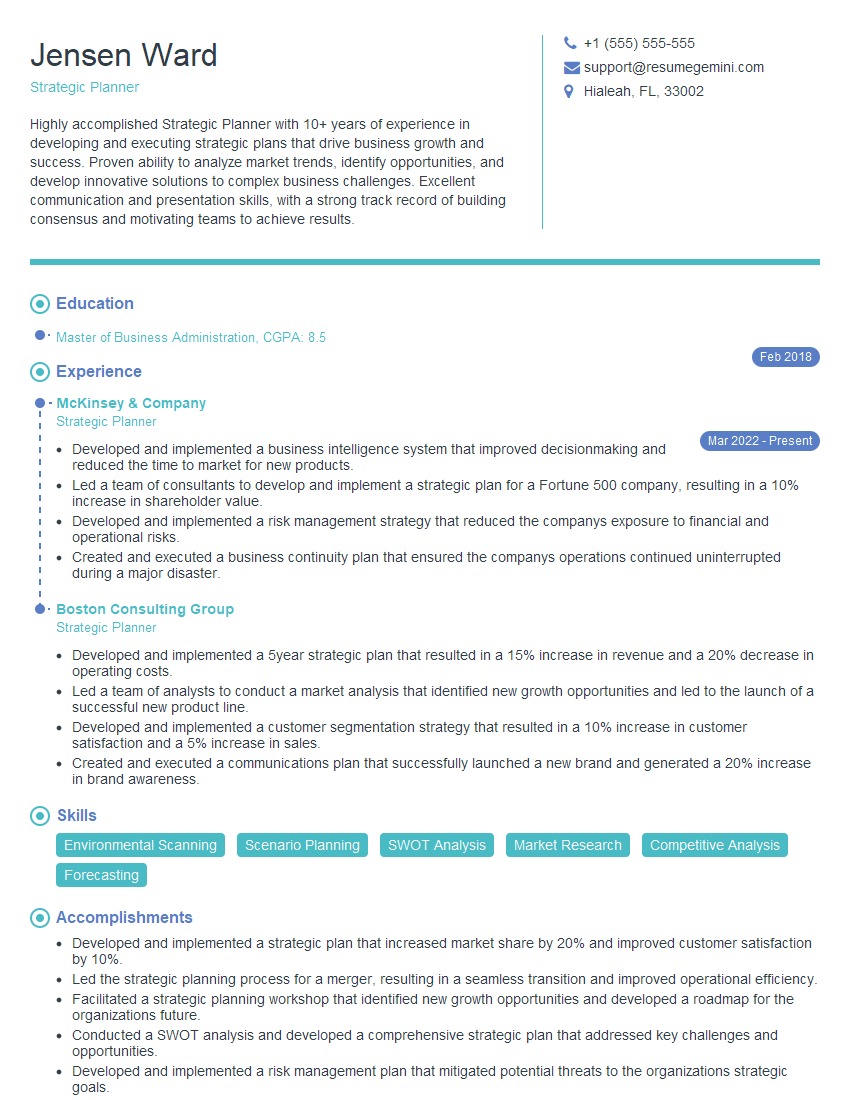
Strategic Planner Resume Sample

Operations Manager Resume Sample
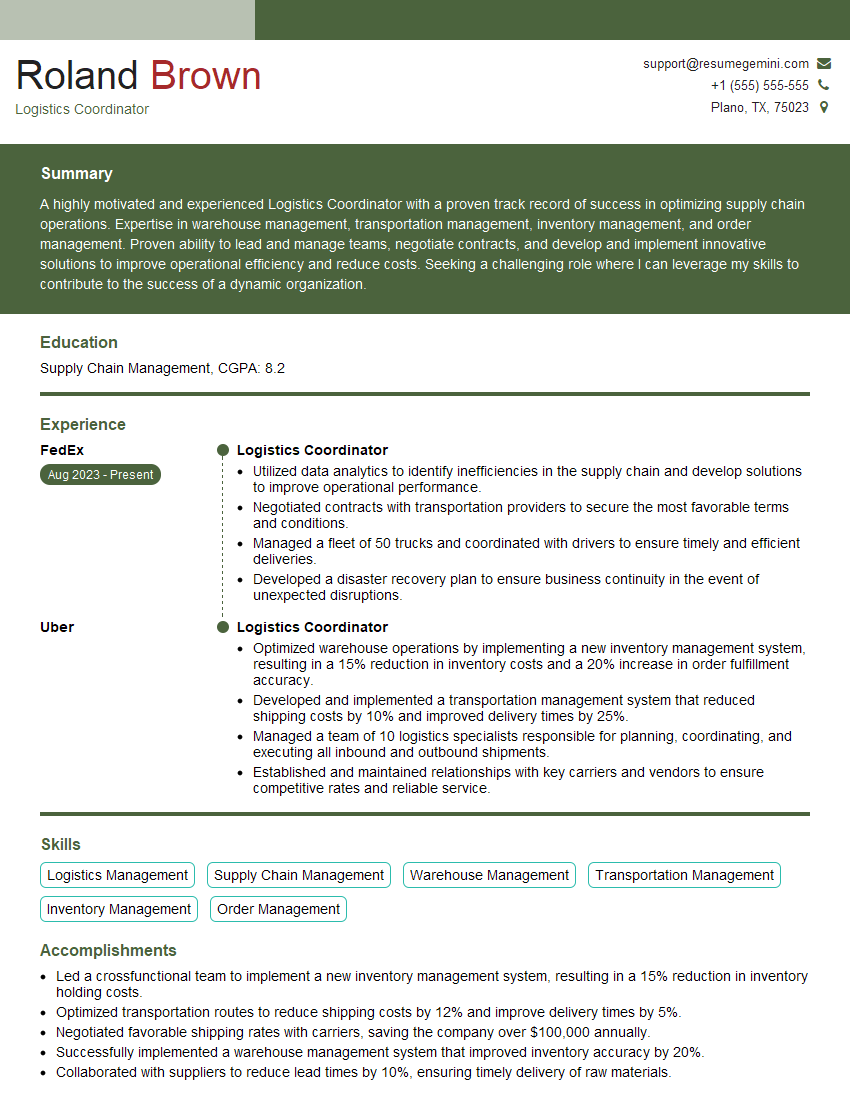
Logistics Coordinator Resume Sample
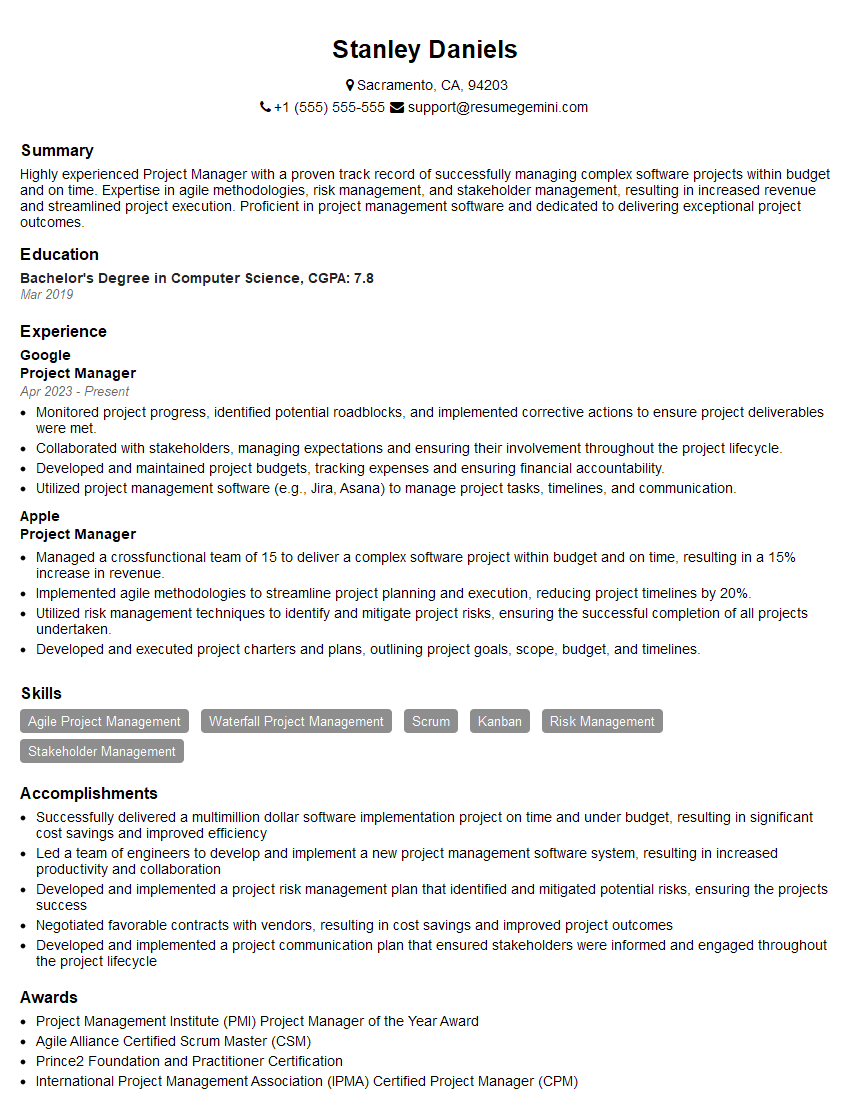
Project Manager Resume Sample

Chief of Staff Resume Sample
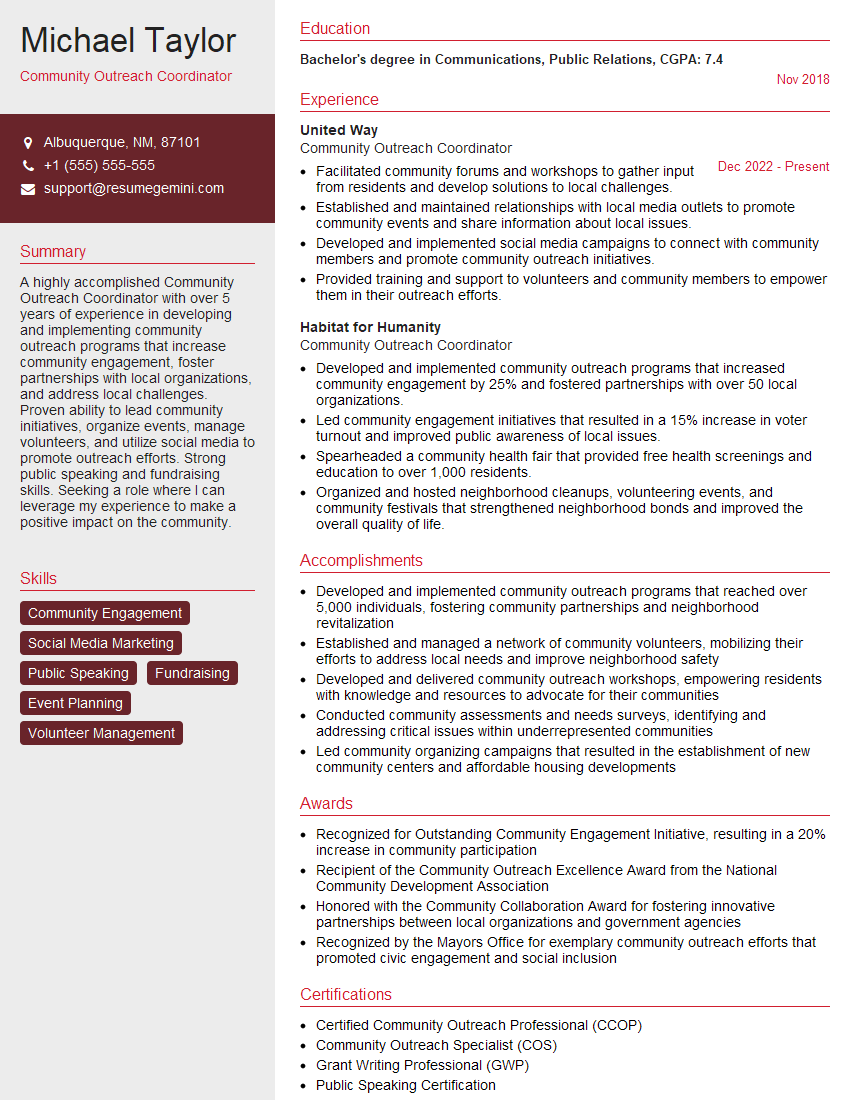
Community Outreach Coordinator Resume Sample
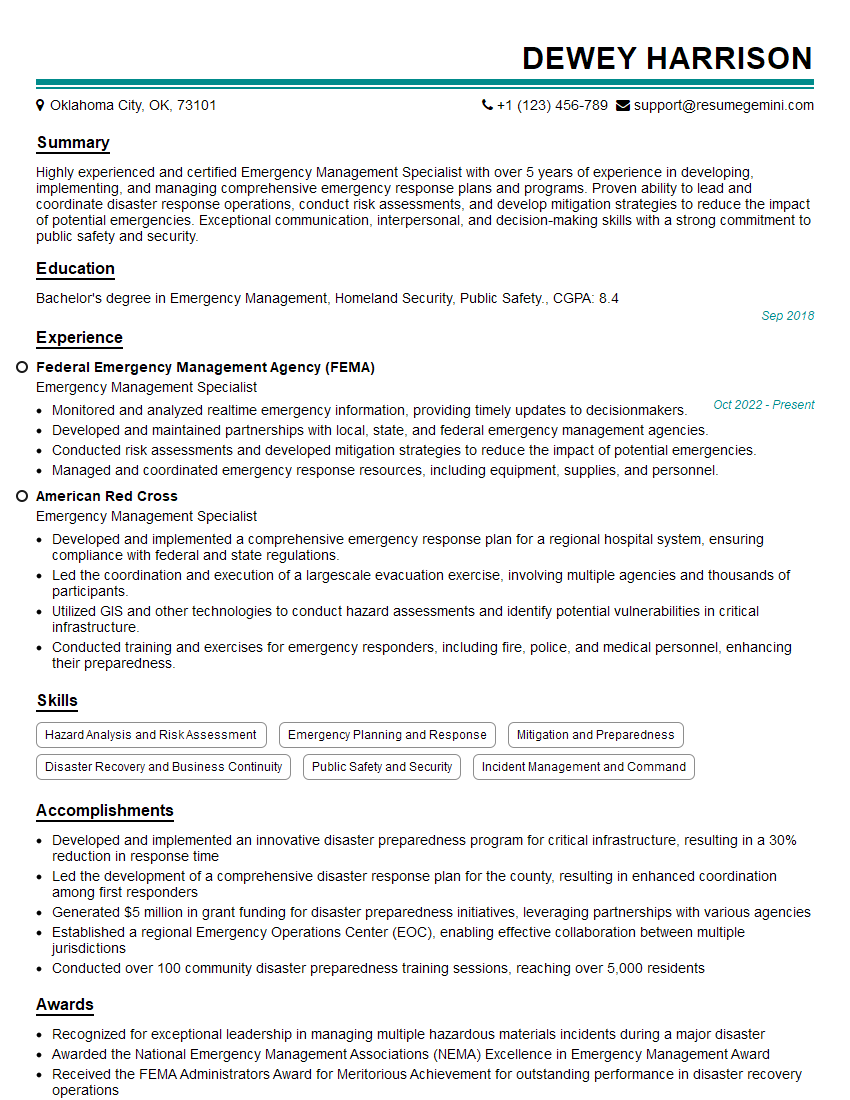
Emergency Management Specialist Resume Sample
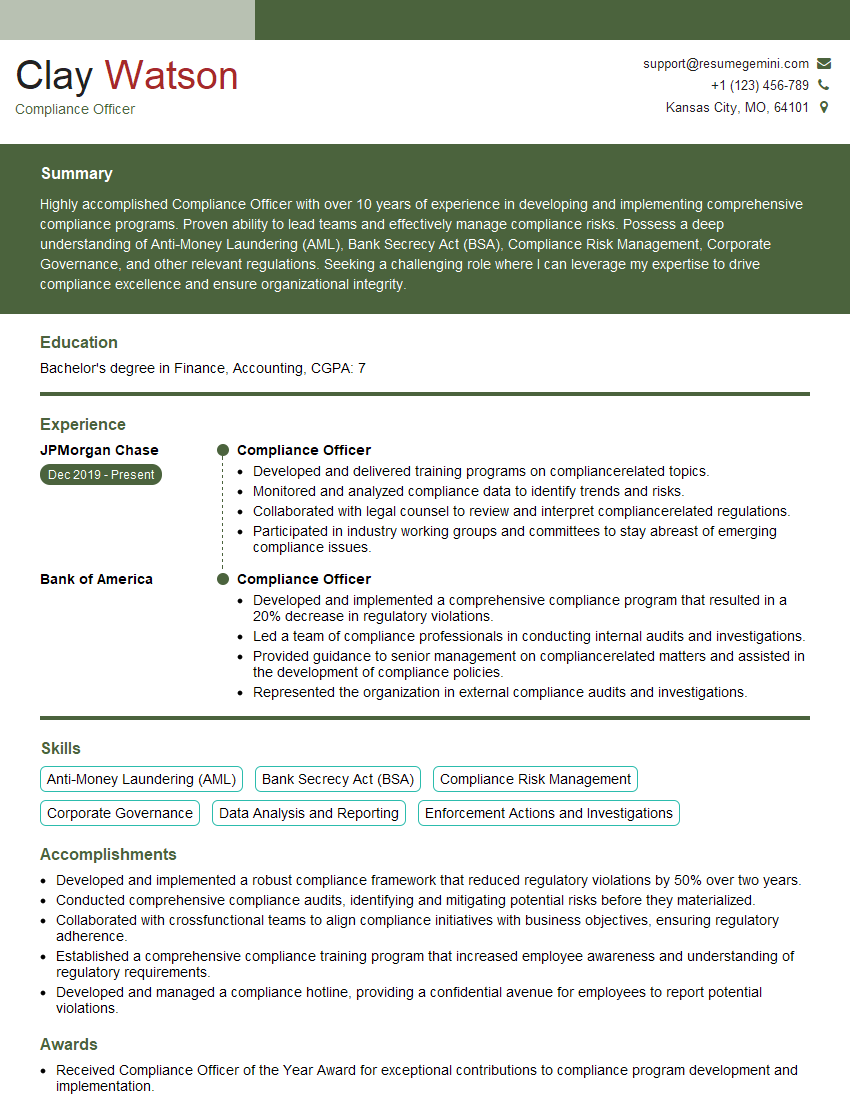
Compliance Officer Resume Sample
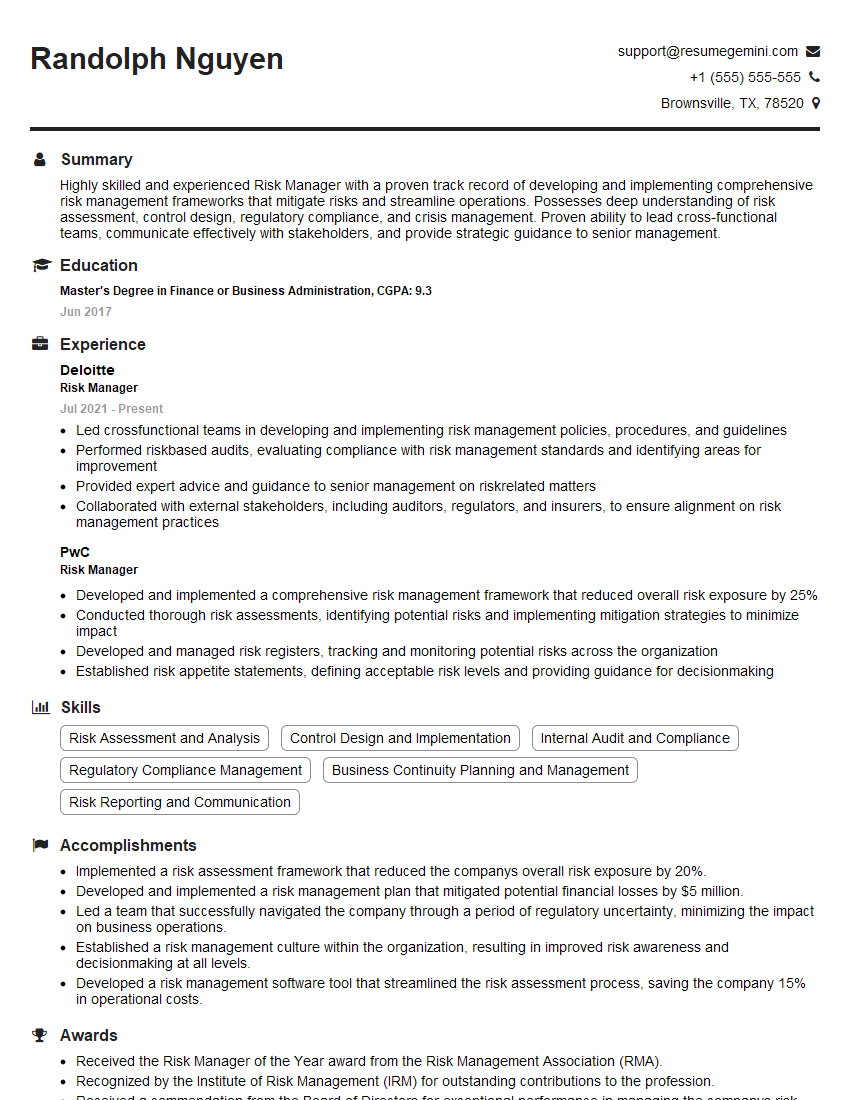
Risk Manager Resume Sample
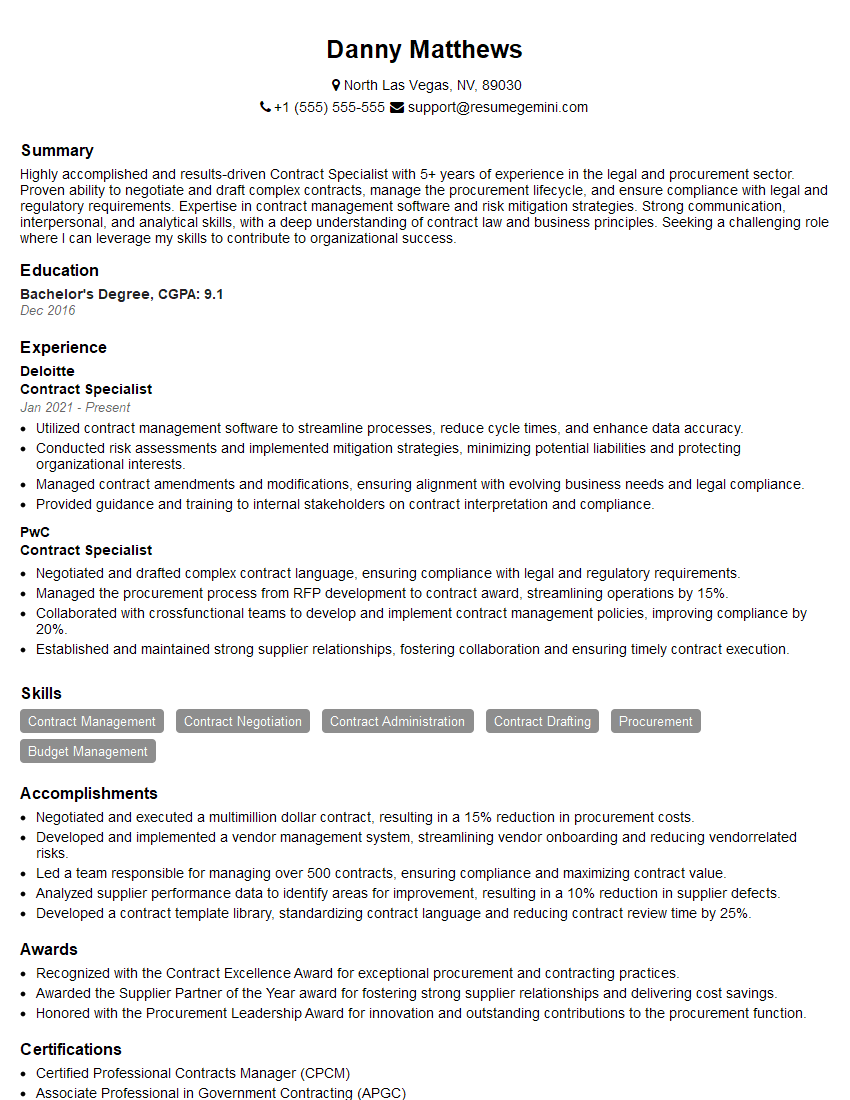
Contract Specialist Resume Sample
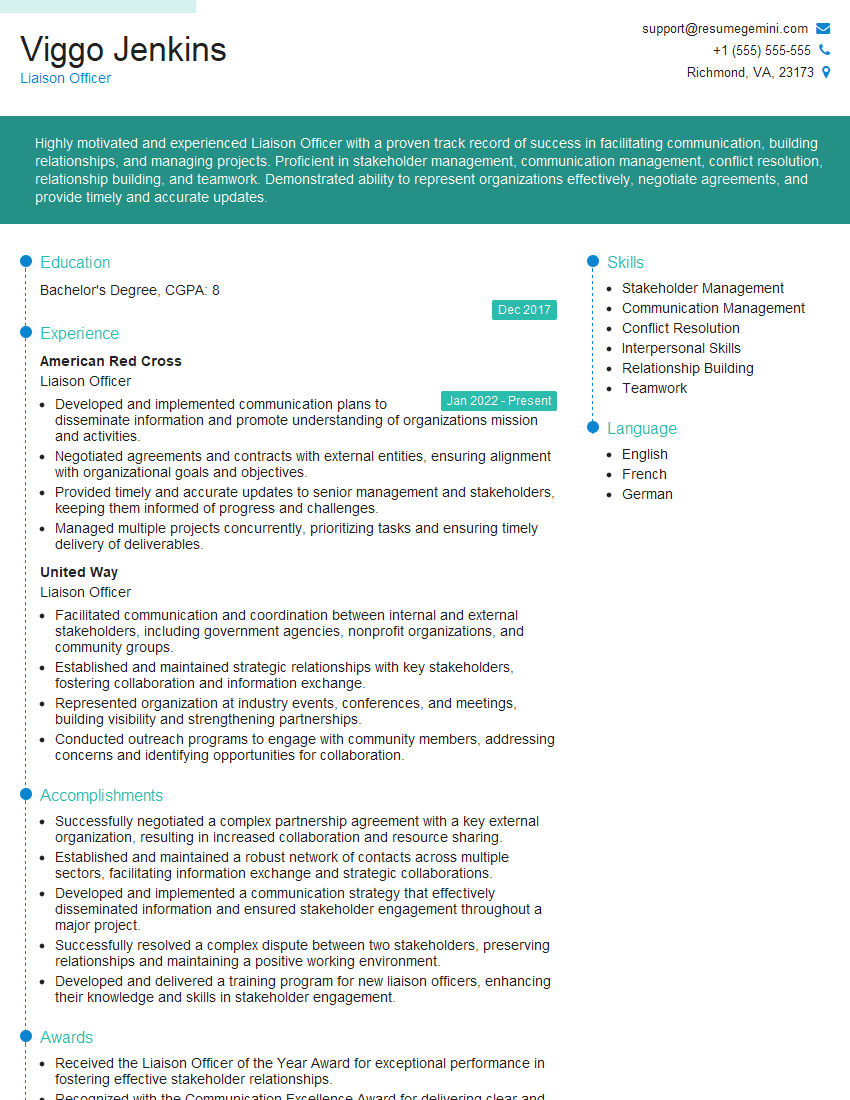
Liaison Officer Resume Sample
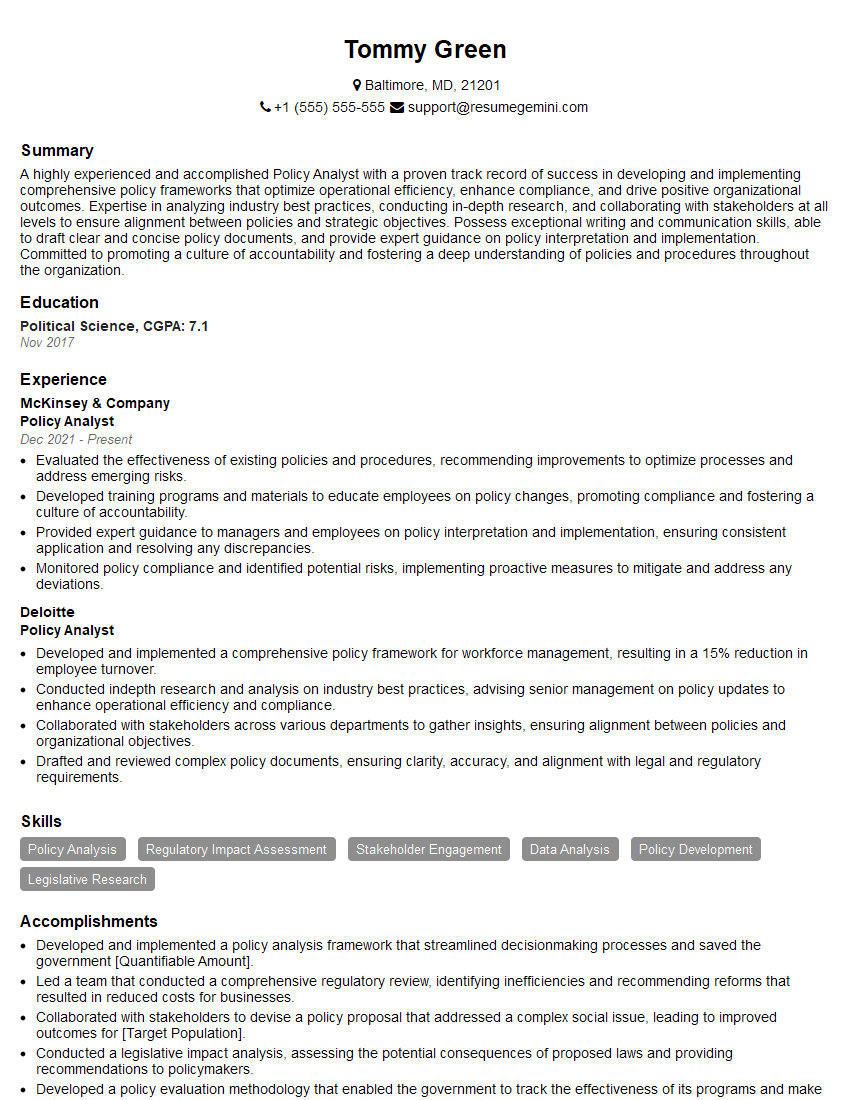
Policy Analyst Resume Sample
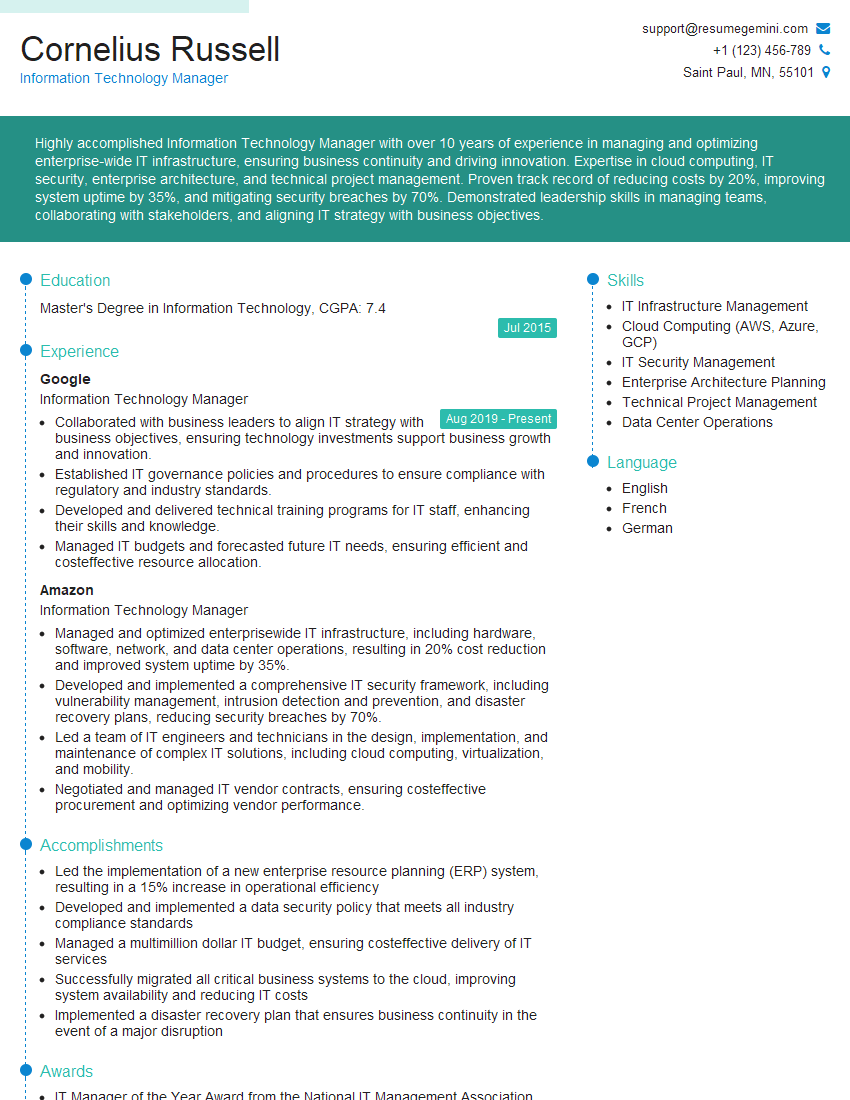
Information Technology Manager Resume Sample
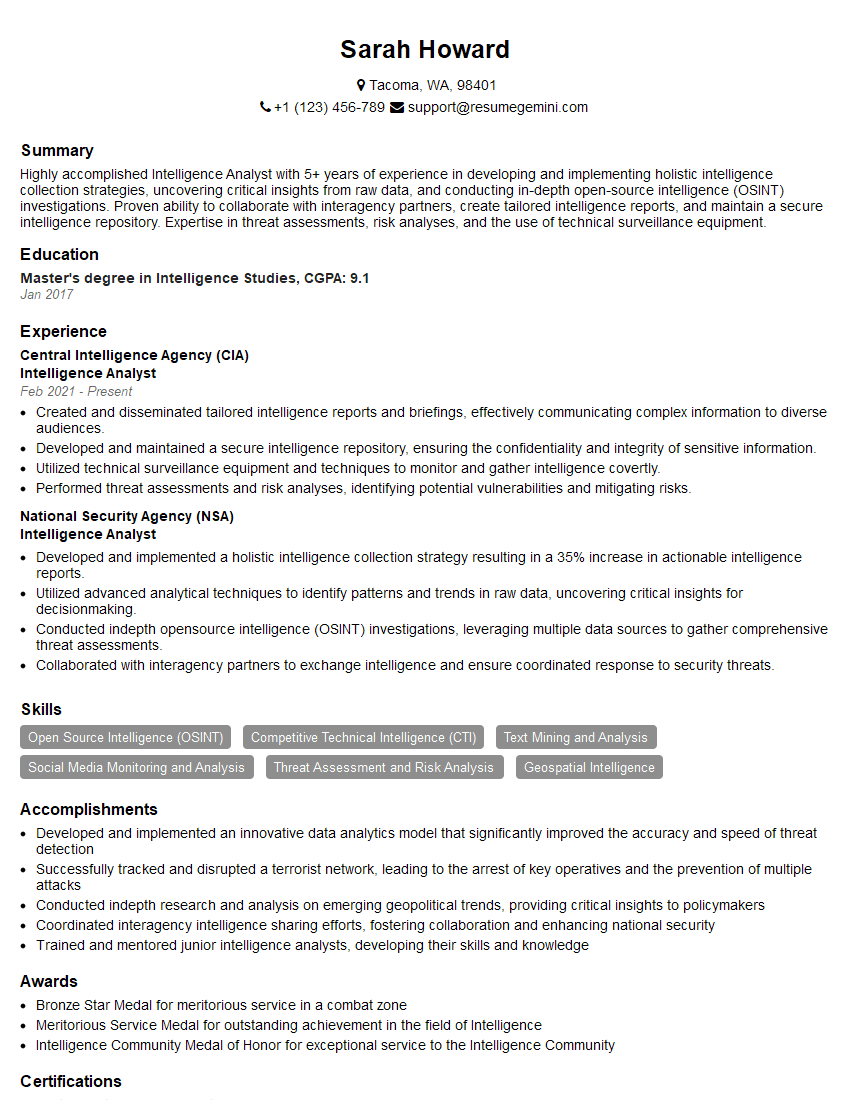
Intelligence Analyst Resume Sample
- Executive Director
- Program Manager
- Strategic Planner
- Operations Manager
- Logistics Coordinator
- Project Manager
- Chief of Staff
- Community Outreach Coordinator
- Emergency Management Specialist
- Compliance Officer
- Risk Manager
- Contract Specialist
- Liaison Officer
- Policy Analyst
- Information Technology Manager
- Intelligence Analyst
Explore more articles
Users Rating of Our Blogs
Share Your Experience
We value your feedback! Please rate our content and share your thoughts (optional).
What Readers Say About Our Blog
Very informative content, great job.
good