Unlock your full potential by mastering the most common Ability to work with animals interview questions. This blog offers a deep dive into the critical topics, ensuring you’re not only prepared to answer but to excel. With these insights, you’ll approach your interview with clarity and confidence.
Questions Asked in Ability to work with animals Interview
Q 1. Describe your experience handling various animal species.
My experience encompasses a wide range of animal species, from common domestic pets like dogs and cats to more challenging animals such as livestock (horses, cattle, sheep, goats), wildlife (in a controlled rehabilitation setting, following proper permits and regulations), and exotic animals (under strict supervision and with appropriate safety measures). I’ve worked extensively with animals exhibiting a diverse range of temperaments and health conditions. For instance, I’ve cared for neonatal kittens requiring round-the-clock care, and assisted in the handling and transport of large, potentially aggressive livestock. This broad experience has provided me with invaluable adaptability and a deep understanding of species-specific needs and behaviors.
Q 2. Explain your approach to calming an aggressive animal.
Calming an aggressive animal requires a calm, confident, and patient approach. The key is to avoid triggering further aggression. I begin by assessing the situation and the animal’s body language. Signs of aggression include growling, bared teeth, flattened ears, and raised hackles. My approach prioritizes creating a safe distance and minimizing sudden movements. I’ll speak to the animal in a soft, soothing voice, avoiding direct eye contact, which can be perceived as a challenge. I might offer a high-value treat or a familiar object, like a favorite toy, to distract and de-escalate the situation. If the animal is highly agitated, I would seek assistance from a more experienced handler or veterinary professional, prioritizing safety for both the animal and myself. For example, when working with a reactive dog, I might use a long lead to maintain distance while offering treats and slowly building trust.
Q 3. How do you identify signs of illness or injury in animals?
Identifying illness or injury in animals requires keen observation and knowledge of normal animal behavior. I look for subtle changes, such as lethargy, loss of appetite, changes in bowel movements or urination, unusual vocalizations, limping, coughing, sneezing, discharge from eyes or nose, and changes in skin or coat condition. I also check for external wounds, swelling, and any unusual masses or lumps. For example, a dog that suddenly becomes lethargic and refuses to eat might be experiencing a serious illness. A cat with labored breathing might have a respiratory infection. Any observed deviation from normal behavior warrants further investigation, often involving consultation with a veterinarian.
Q 4. What are the common safety protocols when working with animals?
Safety protocols when working with animals are paramount. These include:
- Proper restraint: Using appropriate restraint techniques based on the animal’s species and temperament. This could range from gentle handling to the use of specialized equipment like muzzles or halters.
- Personal Protective Equipment (PPE): Wearing appropriate PPE, such as gloves, eye protection, and long sleeves and pants, to protect against bites, scratches, and potential zoonotic diseases.
- Environmental safety: Ensuring a clean and safe working environment, free from hazards and potential escape routes.
- Species-specific knowledge: Understanding the unique handling requirements and potential hazards associated with each species.
- Emergency preparedness: Knowing the location of emergency exits, first-aid supplies, and emergency contact information.
- Awareness of body language: Continuously monitoring the animal’s body language for signs of stress or aggression.
Adherence to these protocols minimizes risk and ensures both animal and human well-being. For instance, before handling a potentially aggressive dog, I always ensure that I have a muzzle available and am aware of its correct application.
Q 5. Detail your experience administering medications to animals.
My experience with administering medications to animals includes oral, topical, and injectable methods. The approach varies based on the animal’s species, temperament, and the specific medication. Oral medications often require techniques to ensure the animal swallows the pill, such as hiding it in food or using a pill-popper. Topical medications are generally straightforward, but careful application is necessary to avoid irritation. Injectable medications require aseptic techniques and proper injection sites to minimize discomfort and risk of infection. I always follow a veterinarian’s instructions meticulously and document the administration details precisely. For instance, when administering insulin to a diabetic cat, I would ensure accurate dosage and record the time and amount given to maintain proper blood sugar levels.
Q 6. How do you handle animal bites or scratches?
Handling animal bites or scratches involves immediate first aid and subsequent medical attention. The first step is to thoroughly wash the wound with soap and water for at least 5 minutes. I then apply antiseptic to prevent infection. Depending on the severity of the bite or scratch, I would seek medical attention immediately, especially if there’s significant bleeding, deep puncture wounds, or signs of infection. It’s crucial to report the incident and the type of animal involved to the appropriate authorities, as some animal bites require rabies prophylaxis. In the case of a deep wound, I’d immediately apply pressure to control bleeding while seeking medical assistance.
Q 7. Describe your experience with animal restraint techniques.
My experience with animal restraint techniques is extensive and varies according to the animal and the procedure. I am proficient in various methods, including manual restraint (for smaller, cooperative animals), the use of leads, halters, and other equipment (for larger animals or those that are more challenging to handle), and chemical restraint (under veterinary supervision, only when absolutely necessary and as a last resort). I always prioritize minimizing stress and discomfort for the animal, using the least restrictive method possible while maintaining safety. For instance, when handling a horse for hoof trimming, I would use a halter and lead rope to control its movements, and for a cat during a veterinary exam, gentle but firm manual restraint would be employed.
Q 8. Explain your knowledge of animal anatomy and physiology.
Understanding animal anatomy and physiology is fundamental to providing proper animal care. It involves knowing the structure and function of an animal’s body systems, from the skeletal and muscular systems to the circulatory, respiratory, digestive, and nervous systems. This knowledge allows for early identification of health problems and appropriate intervention.
For example, recognizing subtle changes in breathing patterns might indicate respiratory distress, while changes in gait could signal musculoskeletal issues. Understanding digestive physiology is crucial for recognizing signs of parasites or digestive upset, allowing for timely treatment. A solid grasp of animal anatomy allows for accurate assessment during physical examinations, aiding in diagnosis and treatment planning. A veterinarian uses this knowledge daily to perform surgery, interpret radiographs, and administer medications correctly.
In my experience, working with a dairy herd, I noticed one cow showing signs of lameness. By carefully examining her gait and palpating her legs, I suspected a hoof abscess. This diagnosis was confirmed by the vet, and early intervention prevented further complications and reduced the animal’s discomfort.
Q 9. How do you maintain a clean and sanitary environment for animals?
Maintaining a clean and sanitary environment is paramount to prevent the spread of disease and ensure animal well-being. This involves a multi-faceted approach encompassing regular cleaning, disinfection, and proper waste management. The specific procedures vary depending on the species and the environment (e.g., a zoo enclosure vs. a small animal clinic).
- Regular Cleaning: This includes removing feces, urine, spilled food, and other debris daily. The frequency and thoroughness depend on the animal’s habits and the enclosure’s design. For example, a rabbit hutch needs daily cleaning, while a large paddock might only require weekly cleaning of high-traffic areas.
- Disinfection: Regular disinfection using appropriate veterinary-approved disinfectants is crucial to eliminate pathogens. Care must be taken to choose disinfectants that are safe for both animals and the environment.
- Waste Management: Proper waste disposal methods are essential to prevent contamination and odor control. This includes regular emptying of litter boxes, disposal of feces in designated areas, and proper cleaning of drainage systems.
For example, in a zoo setting, maintaining cleanliness involves a coordinated effort between animal keepers, veterinary staff, and cleaning crews. Scheduled cleaning protocols are meticulously followed to prevent the spread of disease among different animal species.
Q 10. What are the ethical considerations in animal care?
Ethical considerations in animal care are central to my practice. They revolve around ensuring the animals’ physical and psychological well-being, minimizing stress and pain, and respecting their inherent worth. Key considerations include:
- Minimizing Pain and Distress: Procedures should be performed humanely, with appropriate pain relief if necessary. Animals should be handled gently and respectfully.
- Providing Adequate Enrichment: Animals need environmental enrichment to meet their behavioral and physiological needs. This can include providing toys, opportunities for exploration, and social interaction.
- Ensuring Proper Nutrition and Housing: Animals should have access to adequate food, water, and shelter suited to their species and individual needs. Overcrowding should be avoided.
- Responsible Breeding Practices: Breeding decisions should consider the welfare of both parent animals and offspring, ensuring that animals are not overbred or subjected to unnecessary stress.
- Respecting Animal Autonomy: Whenever possible, animal preferences should be considered, such as allowing them choices in food or environmental features.
Ignoring these ethical considerations can lead to animal suffering, compromised health, and legal repercussions. For instance, neglecting to provide adequate environmental enrichment for a primate could lead to behavioral problems like self-mutilation.
Q 11. Describe your experience with animal breeding or reproduction.
My experience with animal breeding and reproduction includes assisting in the breeding programs of various animal species, including dogs and sheep. This involves understanding reproductive cycles, mating techniques, gestation periods, and neonatal care. It also encompasses understanding genetic principles to ensure healthy offspring and to avoid inherited diseases.
In one instance, I assisted with a dog breeding program focused on preserving a specific breed. This involved careful selection of breeding pairs based on health assessments, genetic testing, and pedigree analysis. We closely monitored the pregnant bitch, providing proper nutrition and veterinary care, and ensuring a safe birthing environment. Post-natal care included monitoring the puppies’ health, weight, and development, and ensuring that they were properly socialized.
Q 12. How do you handle animal waste disposal?
Animal waste disposal is a critical aspect of maintaining a hygienic environment and preventing the spread of disease. Methods vary depending on the type and quantity of waste and local regulations. Key principles include:
- Proper Containment: Waste should be contained in appropriate receptacles to prevent scattering and contamination.
- Regular Removal: Waste should be removed frequently to prevent odor build-up and attract pests.
- Safe Disposal: Waste should be disposed of according to local regulations and best practices. This might involve composting, incineration, or disposal in designated waste facilities.
- Biosecurity Measures: Careful handling of waste is crucial to prevent the transmission of infectious agents. Appropriate personal protective equipment (PPE) should be used during waste removal.
For instance, in a veterinary clinic, we have specific protocols for handling clinical waste, including sharps disposal and proper sterilization of instruments. In a farm setting, manure management might involve composting to produce fertilizer, minimizing environmental impact.
Q 13. How do you identify and address animal behavioral problems?
Identifying and addressing animal behavioral problems requires careful observation, understanding the animal’s species-specific behaviors, and a systematic approach. It’s crucial to rule out underlying medical conditions that might be causing the behavior. This often involves a combination of strategies:
- Observation: Detailed observation of the animal’s behavior is essential to identify patterns and triggers. This includes noting the frequency, duration, intensity, and context of the problematic behaviors.
- Environmental Modification: Changes to the animal’s environment, such as providing more enrichment, adjusting the social dynamics, or modifying the physical space, can often alleviate behavioral issues.
- Training and Management: Positive reinforcement techniques, such as rewarding desired behaviors, can be effective in modifying unwanted behaviors. Consistency is crucial in training.
- Veterinary Consultation: If behavioral issues persist or are severe, consulting a veterinarian is necessary to rule out underlying medical conditions or consider pharmaceutical interventions.
For instance, a dog exhibiting excessive barking might be suffering from separation anxiety. Modifying the environment to create a more secure space and using desensitization techniques can help alleviate the problem. In another case, a cat exhibiting aggression might have an underlying medical condition that needs addressing. A veterinarian can diagnose and treat medical causes.
Q 14. Explain your understanding of animal nutrition.
Animal nutrition is a complex field encompassing the science of feeding animals for optimal health, growth, reproduction, and production. It involves understanding the animal’s nutritional requirements, the composition of feedstuffs, and the principles of digestion and metabolism.
Different species have different nutritional needs depending on their age, activity level, and physiological state (e.g., pregnancy, lactation). For example, a growing puppy needs a diet higher in protein and calories than an adult dog. A lactating cow requires a diet richer in energy and minerals than a non-lactating cow.
Understanding the nutrient content of various feedstuffs is crucial. This involves analyzing the levels of protein, carbohydrates, fats, vitamins, and minerals in different feeds. Formulating balanced diets ensures that animals receive all the necessary nutrients in the appropriate proportions. Inadequate nutrition can lead to a range of health problems, including stunted growth, weakened immunity, and reproductive issues. Conversely, balanced nutrition contributes to optimal health and performance.
In my experience, working with a zoological park, I helped formulate diets tailored to the individual needs of different animal species, taking into account their specific digestive systems and nutritional needs.
Q 15. What are the signs of stress in animals, and how do you mitigate them?
Recognizing stress in animals is crucial for their well-being. Signs can vary depending on the species, but common indicators include changes in behavior, such as excessive vocalization, restlessness, or withdrawal. Physical signs can include changes in appetite (either increased or decreased), rapid breathing or panting, changes in posture (hunched back, tucked tail), and changes in elimination habits (more frequent or infrequent urination/defecation).
Mitigating stress involves identifying the source. Is it overcrowding? Noise? Lack of enrichment? Once identified, solutions can be implemented. For example, if a dog is stressed due to separation anxiety, we might use techniques such as gradual desensitization and counter-conditioning, training them to associate your departure with positive things like a puzzle feeder. For a cat stressed by a new pet, providing separate spaces and resources will help. It might also involve adjusting the animal’s environment to create a safer and more comfortable space, offering appropriate enrichment activities tailored to their species and age, and ensuring regular veterinary check-ups to rule out underlying medical conditions that might contribute to stress.
Career Expert Tips:
- Ace those interviews! Prepare effectively by reviewing the Top 50 Most Common Interview Questions on ResumeGemini.
- Navigate your job search with confidence! Explore a wide range of Career Tips on ResumeGemini. Learn about common challenges and recommendations to overcome them.
- Craft the perfect resume! Master the Art of Resume Writing with ResumeGemini’s guide. Showcase your unique qualifications and achievements effectively.
- Don’t miss out on holiday savings! Build your dream resume with ResumeGemini’s ATS optimized templates.
Q 16. Describe your experience working with different animal temperaments.
My experience spans a wide range of animal temperaments. I’ve worked with highly energetic and playful dogs like Border Collies, requiring consistent training and engaging activities to channel their energy productively. Conversely, I’ve cared for shy and timid cats who needed a gentle, patient approach. Building trust with these animals involved slow introductions, creating safe spaces, and respecting their boundaries. I’ve also worked extensively with livestock, specifically sheep, understanding their flocking behavior and implementing appropriate husbandry practices to ensure their safety and reduce stress during handling procedures. Each species and even individual animal requires a unique approach tailored to their specific personality and needs. Understanding their body language is key to adapting my interactions accordingly.
Q 17. How do you maintain accurate animal records?
Maintaining accurate animal records is vital for responsible animal care. I use a combination of digital and physical record-keeping. For digital records, I prefer a dedicated software program that allows me to track vital information such as species, breed, age, weight, vaccination history, medical treatments, dietary requirements, behavioral observations, and any other relevant details. Physical records, like a detailed logbook, provide a backup and allow for quick access even without electronic access. Key features of my record-keeping include clear labeling, consistent data entry, regular backups, and secure storage – both physical and digital. This detailed approach ensures the continuity of care and allows for informed decision-making, especially in emergency situations or when another caregiver is responsible for the animal’s care.
Q 18. What is your experience with emergency animal care?
I have extensive experience in emergency animal care. This includes responding to immediate threats such as injuries, respiratory distress, or sudden illness. My approach always starts with a calm and systematic assessment to determine the severity of the situation. This involves checking vital signs such as heart rate, respiratory rate, and body temperature. Once the immediate threat has been addressed, I focus on stabilizing the animal’s condition before seeking professional veterinary attention. For instance, I’ve had experience in providing first aid for a dog with a deep laceration, which involved controlling bleeding and preparing it for transport to a veterinary clinic. Successful emergency care requires a rapid assessment, decisive action, and knowledge of basic life support for various animal species. Knowing when and how to contact a veterinarian is also paramount.
Q 19. How do you ensure the safety of both animals and humans in a work environment?
Ensuring the safety of both animals and humans in a work environment requires a multi-faceted approach. Proper handling techniques are essential, and this begins with understanding the animal’s behavior and respecting their personal space. I also ensure appropriate containment measures are in place. This could range from securely fastened leashes for dogs to appropriate enclosures for smaller animals. In addition to handling safety, I always ensure appropriate personal protective equipment (PPE) is available and used when necessary. This might include gloves, safety glasses, or even bite-resistant clothing. Regular training updates on animal handling procedures and safety protocols for all staff are crucial to minimize risks and instill a proactive safety culture. Finally, regular inspections of facilities to identify and address any potential hazards completes a comprehensive approach to safety.
Q 20. Explain your knowledge of common animal diseases and parasites.
My knowledge of common animal diseases and parasites is extensive. I’m familiar with various infectious diseases, such as canine parvovirus, feline leukemia virus, and avian influenza. I understand the transmission routes, clinical signs, and diagnostic methods for these diseases. I also have experience in identifying and treating common parasites, including fleas, ticks, heartworms, and intestinal worms. This knowledge includes recognizing the symptoms and understanding the importance of preventative measures such as vaccinations and parasite control medications. Furthermore, I understand the importance of hygiene and biosecurity measures to prevent the spread of disease and parasites within an animal population. Recognizing subtle changes in an animal’s behavior or physical condition and acting promptly is critical to effective disease management.
Q 21. Describe your experience with animal training methods.
My animal training experience encompasses a variety of methods, primarily focusing on positive reinforcement techniques. This involves rewarding desired behaviors with positive reinforcement such as treats, praise, or toys, rather than using punishment. For example, I’ve trained dogs using clicker training, associating a specific sound with a reward. I’ve also used shaping, rewarding successive approximations of a desired behavior. With other animals, I adapt techniques to the species and individual learning style, remembering that patience and consistency are key to successful training. Understanding the principles of operant conditioning – the impact of rewards and consequences on behavior – guides my approach. I focus on clear communication, setting achievable goals, and celebrating small successes along the way. Each animal is an individual, and success hinges on understanding their capabilities and adapting the training methods accordingly.
Q 22. How do you handle difficult or challenging animal situations?
Handling difficult animal situations requires a calm, observant, and proactive approach. My strategy prioritizes understanding the underlying cause of the animal’s behavior. This might involve recognizing signs of stress, fear, pain, or illness. For instance, a dog exhibiting aggressive behavior could be reacting to a perceived threat, experiencing pain from an injury, or suffering from underlying anxiety.
My first step is always to ensure my own safety and the safety of others. I use appropriate barriers and distance as needed. Then, I carefully assess the situation, observing the animal’s body language (tail position, ear posture, etc.) to determine its emotional state.
Next, I implement a tailored approach. This might involve redirecting the animal’s attention with positive reinforcement techniques, such as offering a favorite toy or treat, or creating a more comfortable environment. If the behavior is severe or poses a danger, I wouldn’t hesitate to seek assistance from colleagues or a veterinarian. For example, if dealing with an injured wild animal, contacting a wildlife rehabilitation center is crucial. Each situation demands a unique solution, but safety and understanding always come first.
Q 23. Explain your proficiency in animal first aid.
My animal first aid proficiency extends beyond basic knowledge; I’m trained in advanced techniques. I’m certified in both canine and feline first aid and CPR, and possess working knowledge of emergency care for various other species, including birds and small mammals. My training covers wound care (cleaning, bandaging, assessing for infection), controlling bleeding, administering oral medication (when appropriate and under veterinary instruction), stabilizing fractures, and recognizing and responding to signs of shock.
For example, I know how to apply a pressure bandage to a bleeding wound, administer oxygen using a pet-specific mask, and perform CPR techniques adapted for different body sizes and anatomies. Beyond technical skills, accurate assessment is crucial. I understand how to monitor vital signs, recognize signs of distress (such as rapid breathing, pale gums), and promptly contact a veterinarian or emergency service for cases beyond my capabilities. The emphasis is always on stabilization until professional veterinary care is accessible.
Q 24. Describe your experience with specific animal handling equipment.
My experience encompasses a broad range of animal handling equipment, tailored to different species and situations. This includes:
- Restraining devices: I’m proficient in the safe and humane use of leashes, halters, muzzles (different types for various situations), catch poles (for safely handling potentially dangerous animals), and nets. I understand the importance of selecting the appropriate tool for each situation and using it correctly to avoid causing harm or injury.
- Specialized tools: My experience includes using scales for weighing animals, thermometers for temperature assessment, and various instruments for wound cleaning and medication administration. I also have experience working with specialized transport crates and carriers, designed to safely transport animals of various sizes and temperaments.
- Safety Equipment: This goes without saying but I always prioritize my safety and the safety of the animals. I use appropriate personal protective equipment (PPE), including gloves, eye protection, and protective clothing, as needed, especially when dealing with potentially aggressive or diseased animals.
The key is adapting equipment use to the specific animal and situation, prioritizing safety and humane handling throughout the process.
Q 25. How do you adapt your approach based on the animal’s species and age?
Adapting my approach is fundamental. I recognize that animal behavior and handling techniques vary significantly based on species and age.
Species-specific adaptations: A playful approach might work for a young puppy but would be inappropriate for a wary adult feline or a potentially aggressive reptile. My techniques vary widely, from gentle coaxing for small, timid animals to more assertive (but still humane) methods for larger, potentially dangerous species. I understand the unique behavioral traits and needs of various animal groups.
Age-related considerations: Young animals, for instance, require a gentler touch and different handling techniques compared to adults. Senior animals may have physical limitations requiring extra care and modified procedures. I adjust my approach based on the individual animal’s needs and capabilities to prevent unnecessary stress or injury. For example, I understand that senior dogs might have arthritis and need gentler handling during examinations.
Q 26. What are the legal and regulatory requirements for working with animals in your area?
Legal and regulatory requirements for working with animals vary by location, but several universal principles apply. In my area, these include adherence to animal welfare acts, which specify minimum standards for housing, care, and handling. This involves ensuring adequate space, enrichment, nutrition, and veterinary care.
Specific licenses or permits might be required depending on the type of work and the species handled. For instance, handling certain wildlife species necessitates specific permits, and working in a veterinary practice mandates adherence to state and national regulations regarding animal handling and treatment.
Record-keeping is crucial. Accurate records of animal health, handling procedures, and any incidents are legally mandated. Furthermore, strict biosecurity protocols are in place to minimize the risk of disease transmission. I stay updated on all relevant legislation and regulations, participating in continuing education to ensure compliance.
Q 27. Describe your experience with animal enrichment programs.
I have extensive experience designing and implementing animal enrichment programs. Enrichment is about providing animals with opportunities to express natural behaviors, stimulating their physical and mental well-being. This involves understanding the specific needs of different species.
Examples of enrichment activities I’ve used include: providing puzzle feeders to stimulate foraging behavior (especially relevant for dogs and cats), creating interactive toys to encourage play, offering scent trails for olfactory stimulation (beneficial for many species), and providing climbing structures or hiding places for animals needing vertical space or security. The key is to rotate activities to prevent boredom and to observe the animals’ responses to ensure the enrichment is effective and not stressful.
For example, a program I designed for shelter cats included a variety of toys, scratching posts, and climbing structures. By observing their interactions with the different enrichment objects, I learned that the cats enjoyed playing with wand toys more than puzzle feeders. This helped me adjust the enrichment program to suit their preferences and ensure it was both stimulating and enjoyable.
Q 28. How do you ensure the well-being of animals under your care?
Ensuring animal well-being is my top priority. My approach involves multiple layers of care:
- Providing proper housing: This includes appropriate space, cleanliness, temperature control, and protection from the elements and predators.
- Nutritional needs: I ensure animals receive a balanced diet appropriate for their species, age, and health condition. This involves understanding dietary requirements and potential allergies.
- Health monitoring: Regular health checks, including vaccinations and parasite prevention, are essential. I promptly address any signs of illness or injury.
- Environmental enrichment: Providing opportunities for play, exploration, and social interaction (where appropriate) is crucial for mental and physical stimulation.
- Minimizing stress: I handle animals calmly and respectfully, employing appropriate techniques to minimize stress and anxiety. This includes understanding animal body language and recognizing signs of distress.
Ultimately, I treat each animal as an individual, adapting my care to its unique needs and personality. My goal is to promote their physical and emotional health and allow them to thrive.
Key Topics to Learn for Ability to work with animals Interview
- Animal Behavior and Psychology: Understanding animal body language, common behaviors, and stress indicators in various species. Practical application includes recognizing signs of distress or illness and adapting your approach accordingly.
- Animal Handling Techniques: Safe and effective methods for handling different animals based on their size, temperament, and species. This includes practical skills like restraint techniques, appropriate grooming practices, and administering medication (if applicable and relevant to your target role).
- Animal Welfare and Ethics: Knowledge of animal welfare legislation, ethical considerations in animal care, and recognizing signs of neglect or abuse. Practical application includes advocating for animal well-being and reporting any concerns.
- Communication and Teamwork: Effectively communicating with colleagues, supervisors, and clients regarding animal care and concerns. Collaborating effectively within a team environment to ensure optimal animal welfare.
- Hygiene and Sanitation: Maintaining a clean and safe environment for animals, understanding disease prevention and control measures, and practicing proper hygiene protocols to prevent the spread of illness.
- Emergency Response: Recognizing and responding to animal emergencies, including first aid procedures for common injuries and illnesses, and knowing when to seek professional veterinary assistance.
- Species-Specific Knowledge: Depending on the job, you may need in-depth knowledge of specific animal species. Research the requirements of the roles you’re applying for and focus your studies accordingly.
Next Steps
Mastering the ability to work with animals is crucial for career advancement in various fields, from veterinary care to animal rescue and beyond. A strong understanding of animal behavior, welfare, and handling techniques opens doors to rewarding and impactful career opportunities. To maximize your job prospects, create an ATS-friendly resume that highlights your relevant skills and experience. ResumeGemini is a trusted resource that can help you build a professional and effective resume, ensuring your qualifications stand out to potential employers. Examples of resumes tailored to “Ability to work with animals” roles are available within ResumeGemini to guide your resume creation.
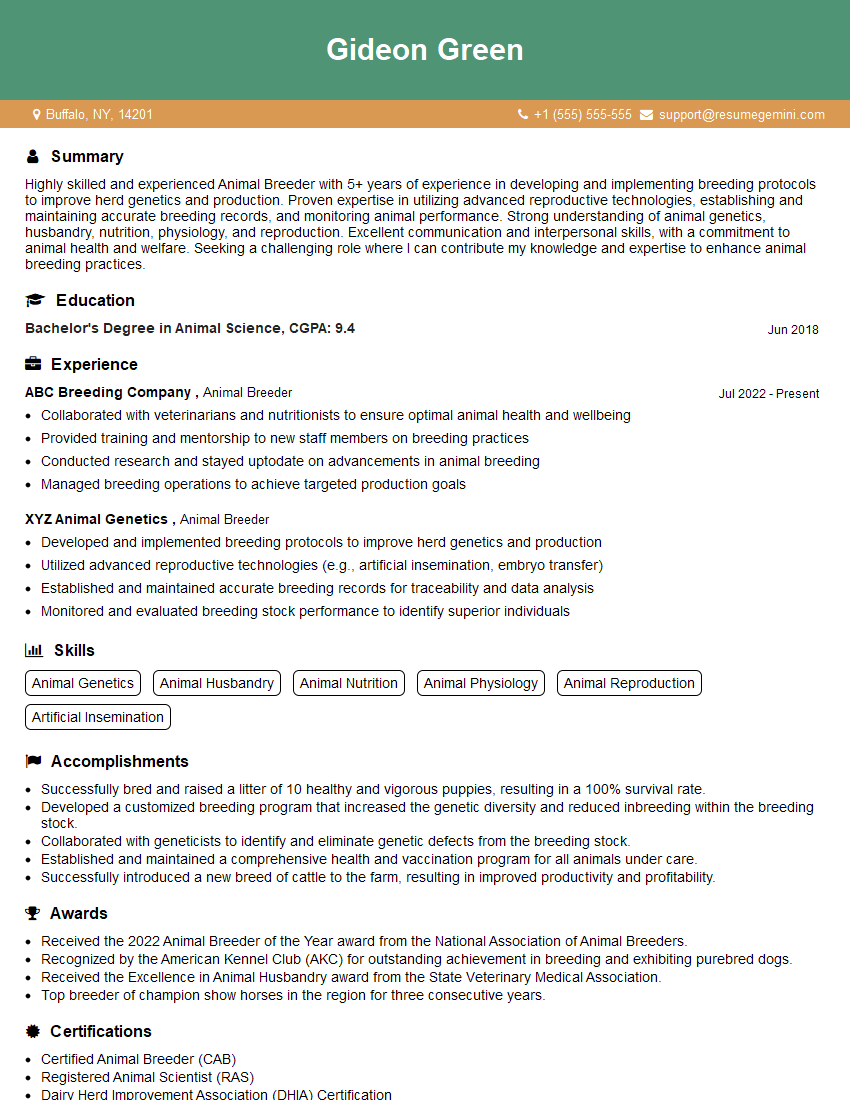
Animal Breeder Resume Sample
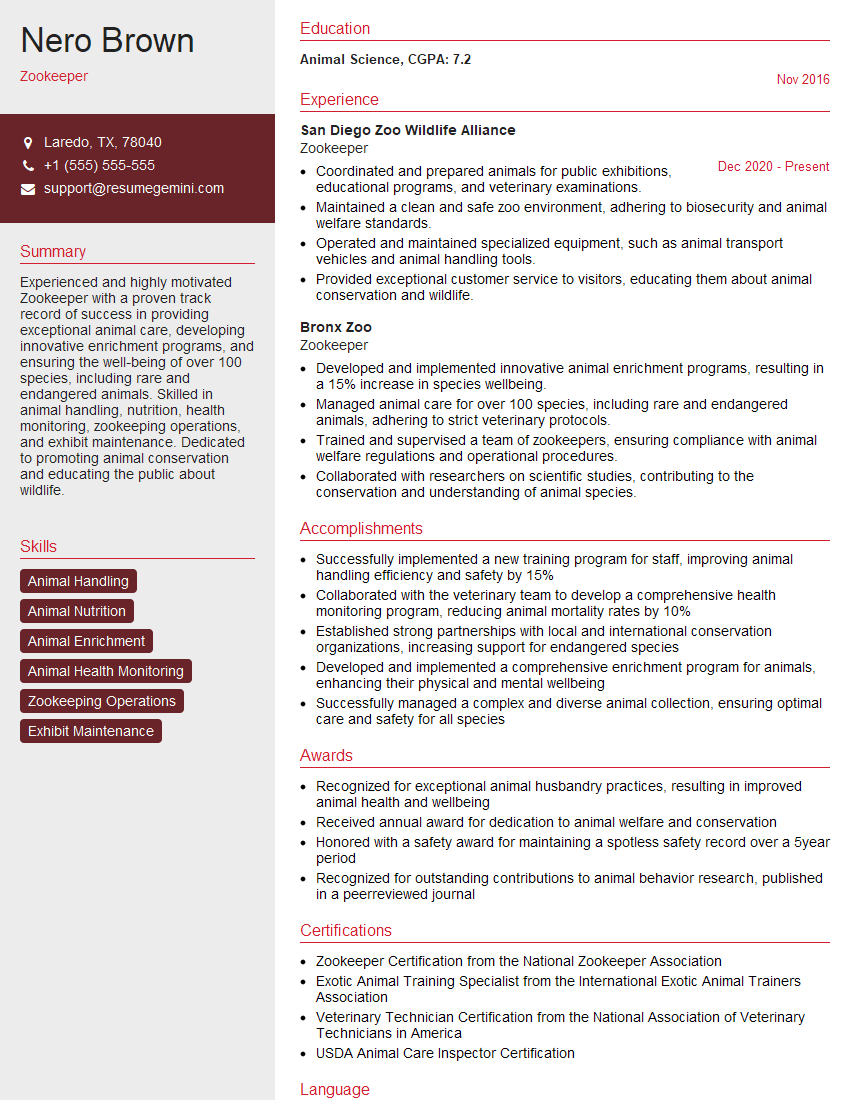
Zookeeper Resume Sample
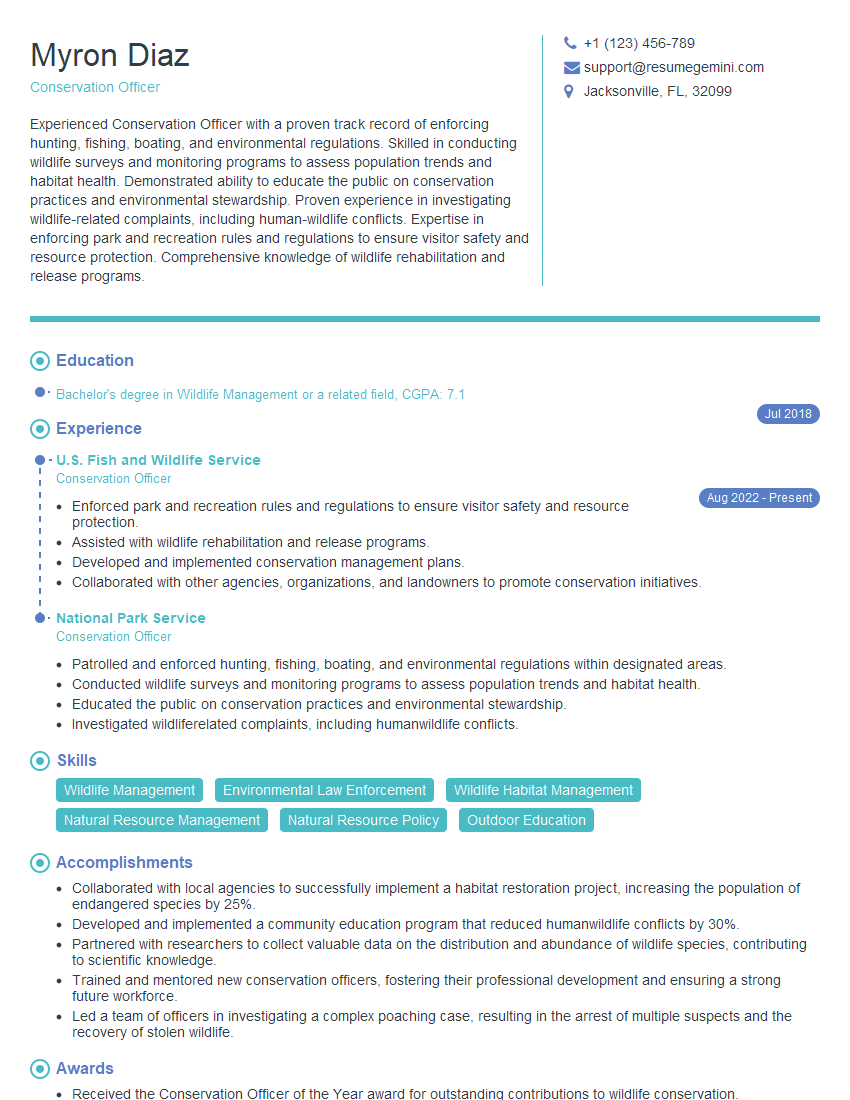
Conservation Officer Resume Sample

Veterinary Assistant Resume Sample
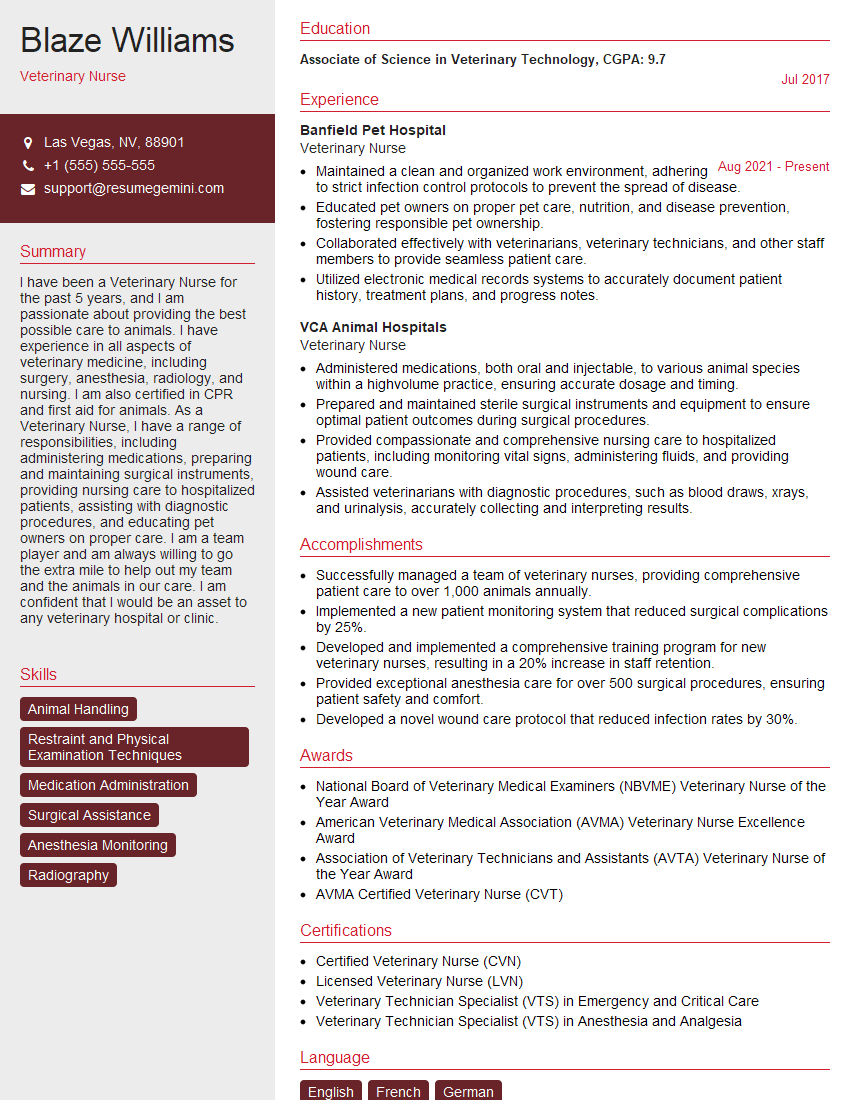
Veterinary Nurse Resume Sample
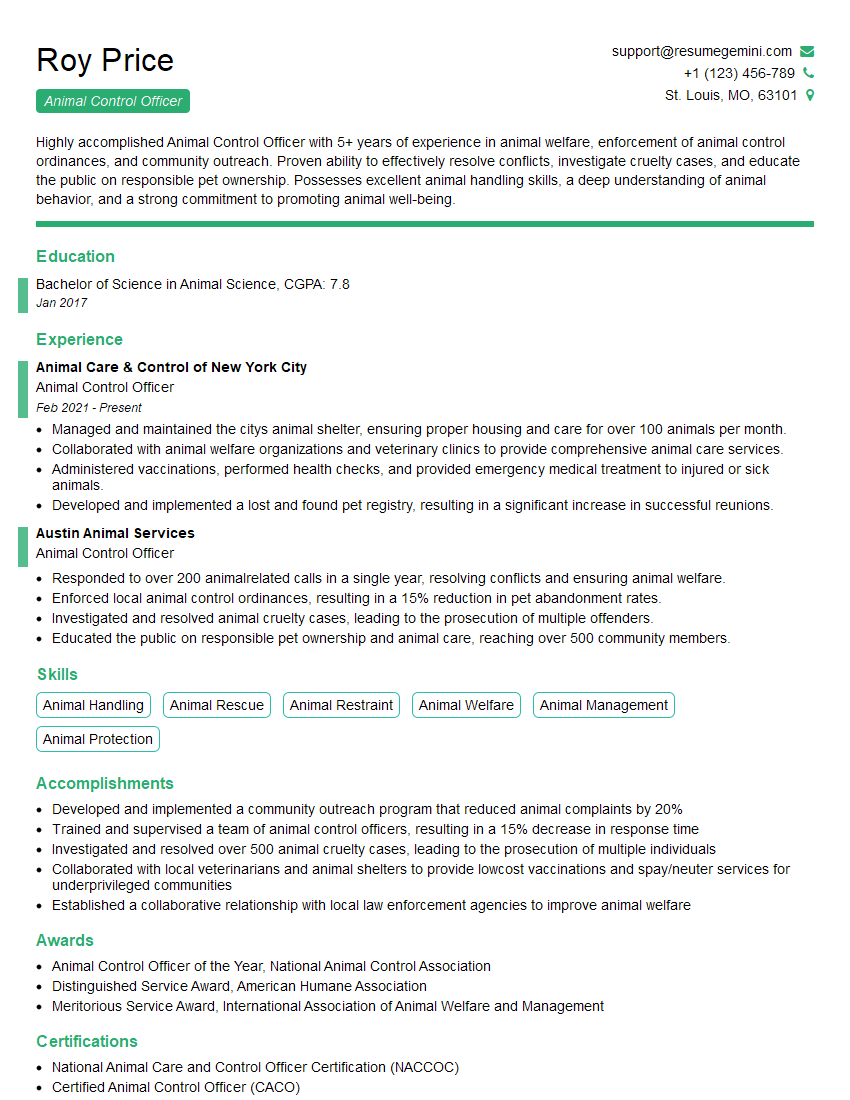
Animal Control Officer Resume Sample
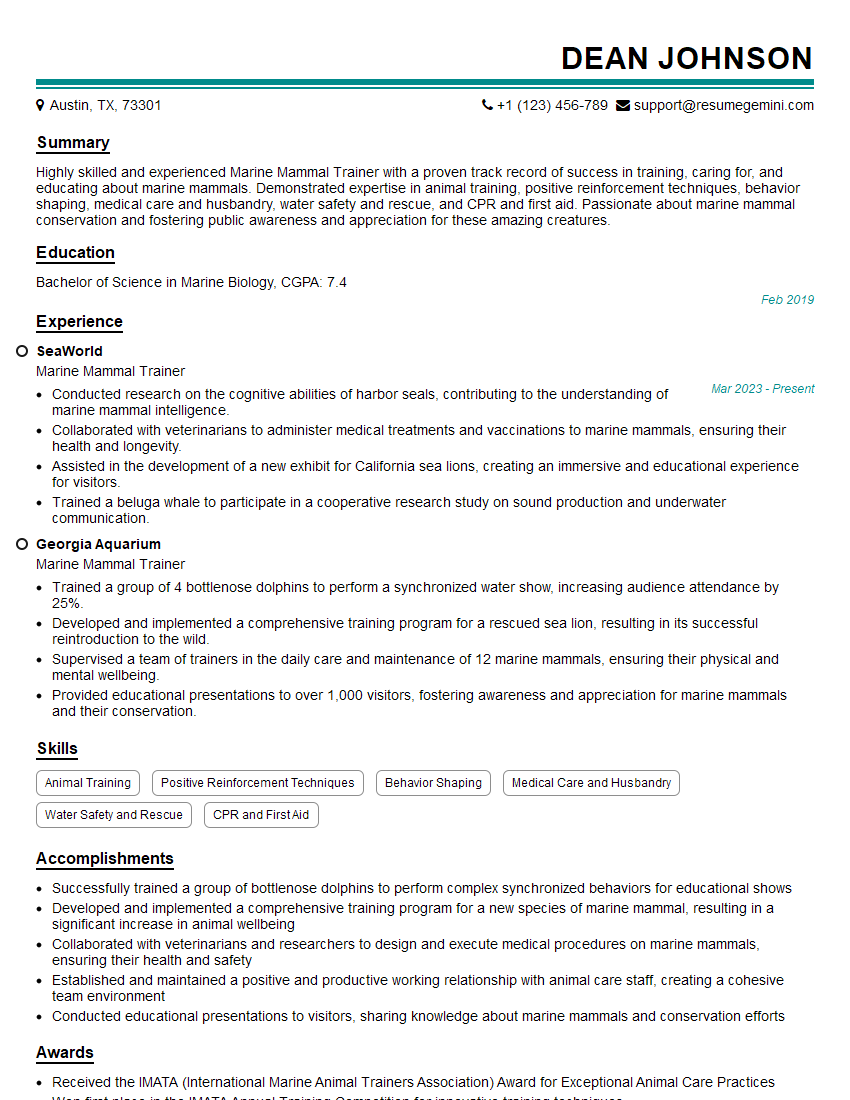
Marine Mammal Trainer Resume Sample
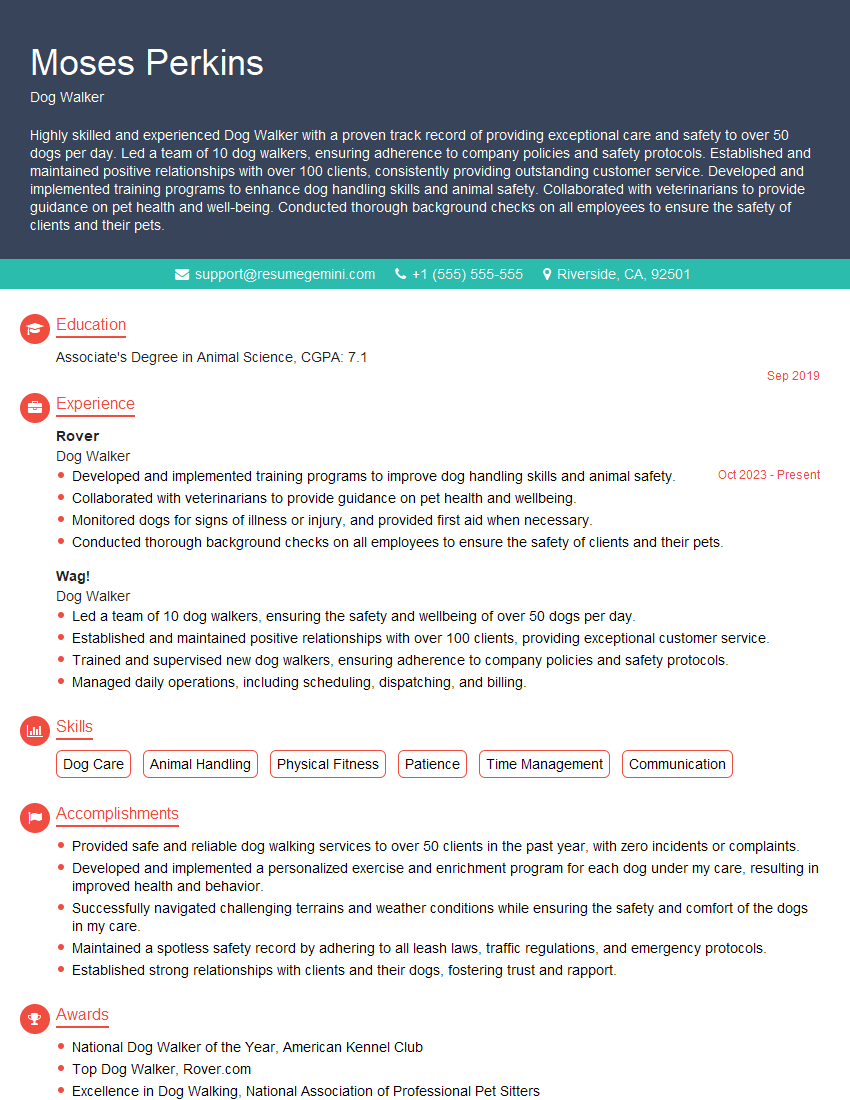
Dog Walker Resume Sample
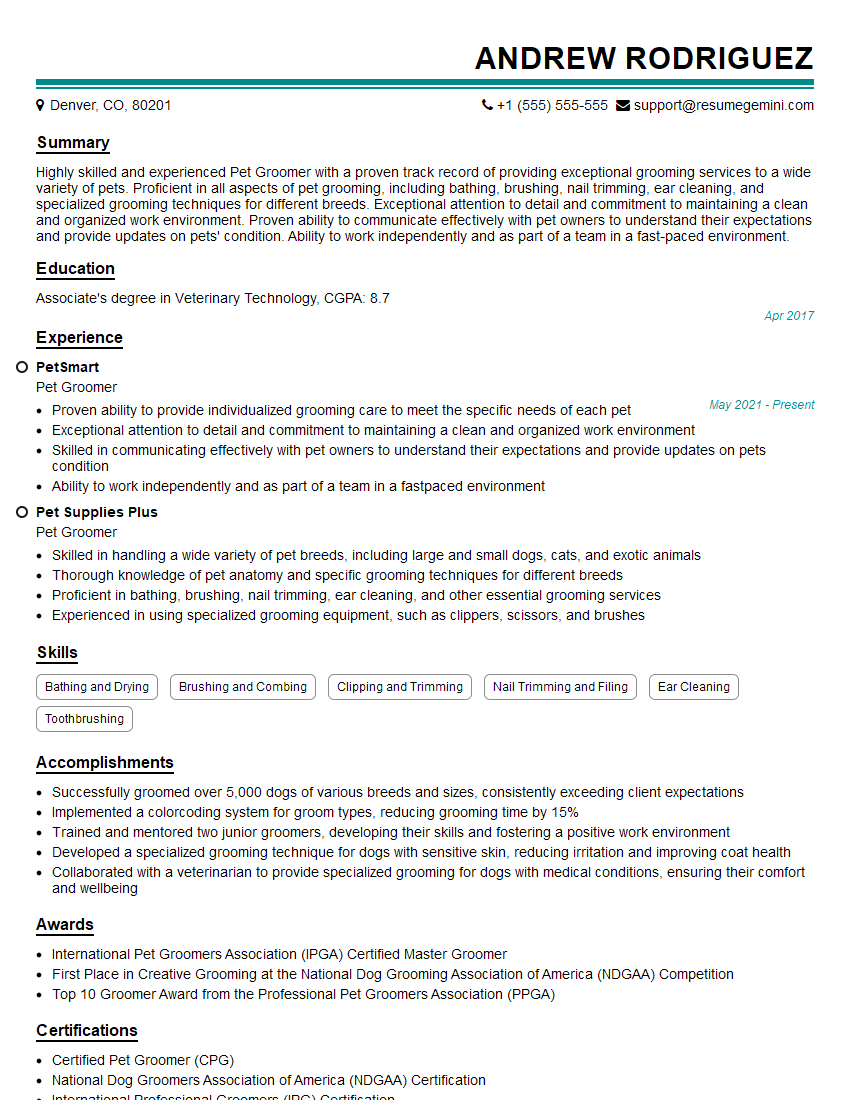
Pet Groomer Resume Sample
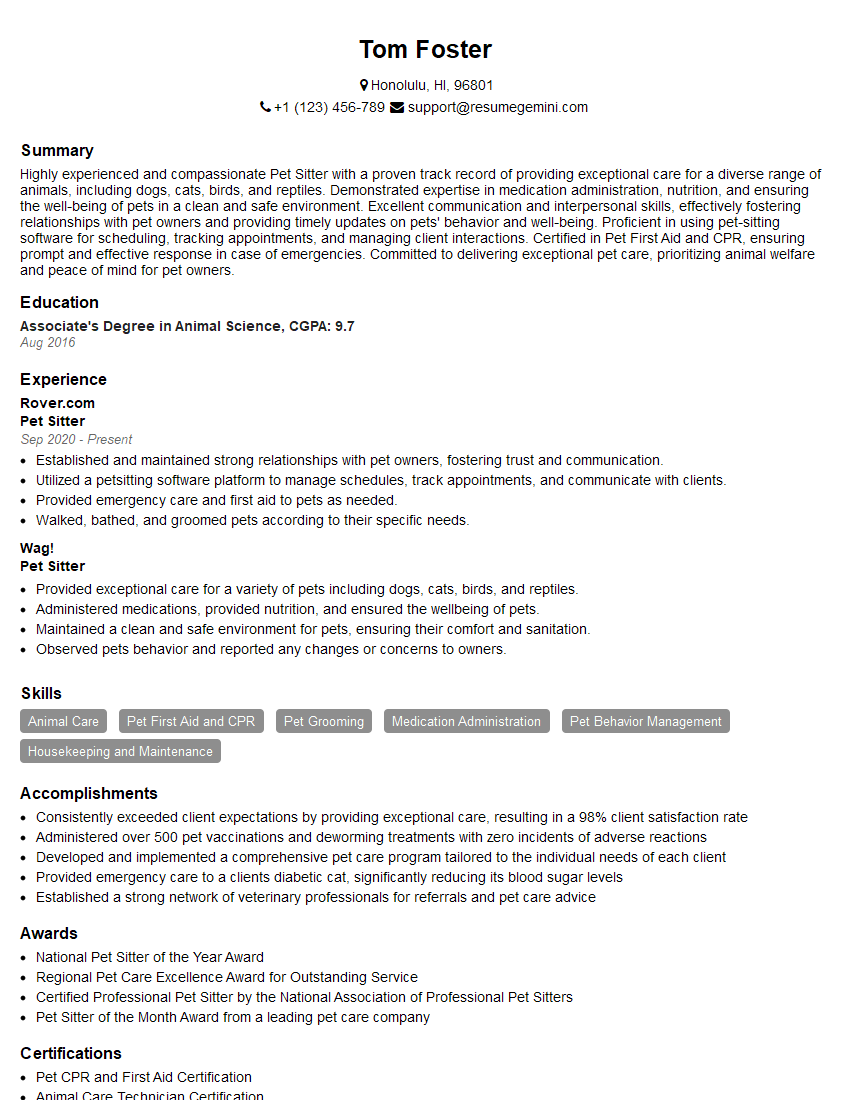
Pet Sitter Resume Sample
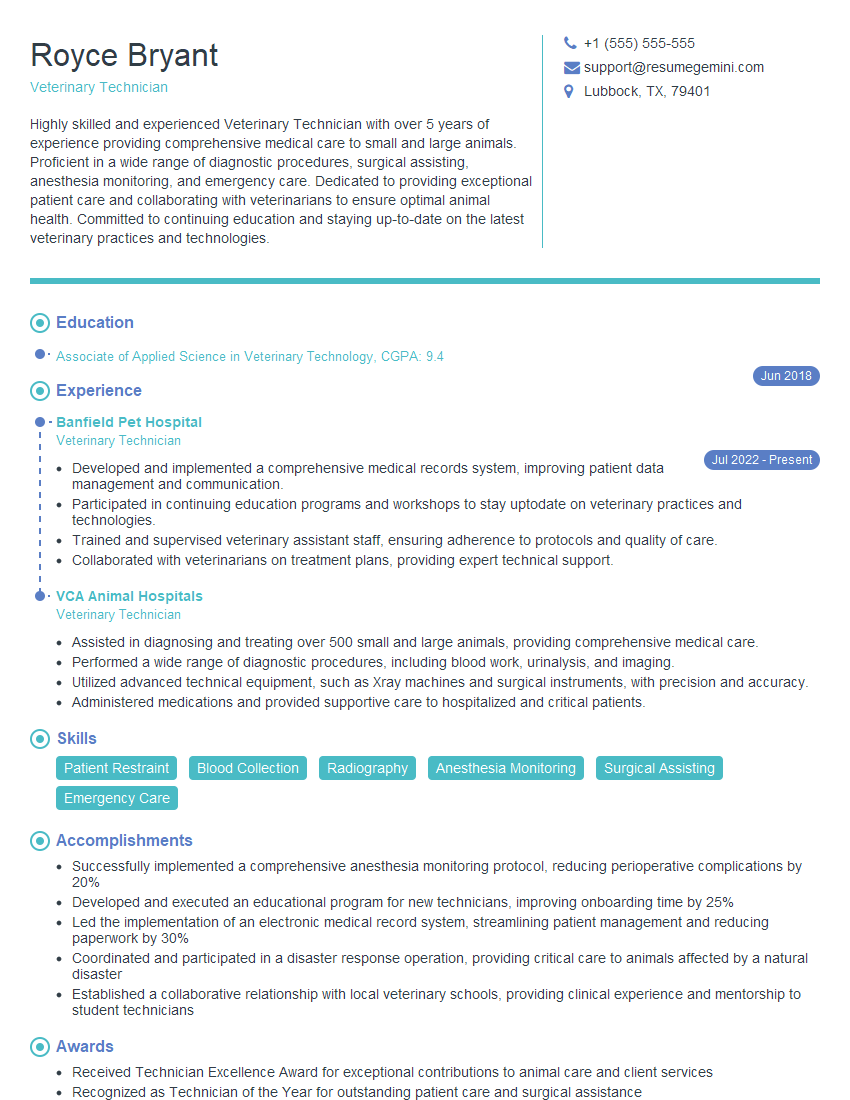
Veterinary Technician Resume Sample

Wildlife Rehabilitator Resume Sample
Explore more articles
Users Rating of Our Blogs
Share Your Experience
We value your feedback! Please rate our content and share your thoughts (optional).
What Readers Say About Our Blog
Very informative content, great job.
good