Every successful interview starts with knowing what to expect. In this blog, we’ll take you through the top Adhere to brand standards and guidelines interview questions, breaking them down with expert tips to help you deliver impactful answers. Step into your next interview fully prepared and ready to succeed.
Questions Asked in Adhere to brand standards and guidelines Interview
Q 1. Explain the importance of adhering to brand guidelines.
Adhering to brand guidelines is crucial for building a strong and recognizable brand identity. Think of it like this: your brand is a person. Consistent messaging, visuals, and tone of voice are how that person presents themselves to the world. Without consistent brand guidelines, your brand’s ‘personality’ can seem fragmented, confusing, and ultimately, untrustworthy.
Consistency builds trust and recognition. When customers consistently see your brand represented in a certain way – with the same logo, color palette, font, and voice – they begin to associate those elements with quality, reliability, and specific values. This consistent experience strengthens brand recall and makes your marketing more effective. In short, adhering to brand guidelines is essential for creating a cohesive brand image that resonates with your target audience and drives business success.
Q 2. Describe your experience enforcing brand consistency across multiple platforms.
In my previous role at a large marketing agency, I was responsible for managing brand consistency across various platforms for several clients, including their websites, social media, print materials, and email marketing campaigns. This involved developing comprehensive brand style guides, providing regular training to marketing teams, and establishing a clear review process for all marketing assets.
For example, one client had a distinct brand voice that needed to be consistent across their blog posts and social media updates. To ensure this, I created a style guide that outlined specific tone, language, and sentence structure examples. I also implemented a review process where all content was checked before publication to ensure alignment with these guidelines. This resulted in a significant improvement in brand consistency and a more positive customer experience.
Q 3. How would you handle a situation where a project deviates from brand guidelines?
If a project deviates from brand guidelines, my first step would be to understand the reason for the deviation. Was there a miscommunication? Was there a deadline pressure? Or was there a genuine need for an exception?
Then, I would engage in a collaborative discussion with the project team. This involves calmly explaining the importance of adhering to the brand guidelines and highlighting the potential negative consequences of inconsistency. If the deviation is minor and easily correctable, I’d recommend adjustments. If it’s a more significant issue with a valid justification, I would then escalate the situation to the relevant stakeholders for a decision. Documentation of these discussions is key to prevent future discrepancies.
Ultimately, the goal is to find a solution that balances brand consistency with project requirements while minimizing disruption. It’s about fostering communication and finding a compromise that serves the brand’s best interests.
Q 4. What strategies do you use to ensure brand consistency in marketing materials?
Maintaining brand consistency across marketing materials requires a multi-pronged approach. First, a clearly defined and readily accessible brand style guide is essential. This guide should cover everything from logo usage and color palettes to typography and brand voice. The guide should be easily understandable and readily available to everyone involved in marketing.
Second, I regularly conduct training sessions and workshops for marketing teams. These sessions reinforce the importance of brand guidelines and provide practical examples. This keeps the knowledge fresh and aids in troubleshooting potential issues. Regular communication and review processes are also key.
Finally, utilizing brand asset management software allows for easy access to approved assets, reducing the risk of using outdated or inconsistent materials. Think of it as a central hub where all brand-related files are organized and readily available.
Q 5. How familiar are you with different brand style guides (e.g., Chicago Manual of Style)?
I’m very familiar with various brand style guides, including the Chicago Manual of Style, which is incredibly important for maintaining consistency in writing and editorial style. Beyond that, I have experience working with numerous brand-specific style guides. The key is understanding the underlying principles these guides represent: consistency, clarity, and brand voice. Whether it’s APA, MLA, or a proprietary style guide, the underlying concepts of adherence and consistency remain the same.
My experience working with diverse guides allows me to readily adapt to any style guide and ensure its application across different projects and platforms.
Q 6. How would you identify inconsistencies in a brand’s visual identity?
Identifying inconsistencies in a brand’s visual identity requires a systematic approach. I typically start with a comprehensive review of all existing brand assets. This includes scrutinizing the logo usage (size, placement, variations), color palettes, fonts, and imagery across all platforms. I also look for discrepancies in the brand’s messaging and tone of voice.
A visual audit, comparing assets against the brand guidelines, is crucial. Tools like Adobe software or dedicated brand asset management systems can automate this process to a large extent. Then, I’d document all inconsistencies, categorizing them by severity and impact. This detailed report allows me to prioritize the necessary corrections and strategize the implementation of improvements.
Q 7. Describe your experience updating or creating brand guidelines.
I’ve been involved in both updating existing and creating new brand guidelines. The process typically starts with extensive research, including analyzing the brand’s history, target audience, competitive landscape, and overall brand strategy. For an update, this includes gathering feedback from stakeholders and assessing the effectiveness of the current guidelines.
Creating a new guide requires a collaborative effort involving stakeholders across various departments. Workshops and focus groups are valuable for gathering input and ensuring that the guidelines are both accurate and well-received. Once drafted, the guidelines undergo a thorough review and approval process before being finalized and disseminated. The final document is then made readily accessible and incorporated into internal processes.
Q 8. How do you ensure that all team members understand and adhere to brand guidelines?
Ensuring everyone understands and adheres to brand guidelines requires a multi-pronged approach. It’s not enough to simply distribute a document; you need to actively embed the guidelines into the team’s workflow and culture.
- Comprehensive Training: We start with mandatory training sessions for all new and existing team members. These sessions cover everything from the brand’s mission and values to the specific visual elements (logo usage, color palettes, typography) and tone of voice guidelines. Interactive exercises and real-world examples are included to reinforce learning.
- Accessible Resources: A centralized, easily accessible online repository (like a brand style guide on a shared drive or intranet) is crucial. This should include clear, concise guidelines with visual examples, downloadable templates, and regularly updated information. We aim for a ‘single source of truth’ to avoid confusion.
- Regular Communication: We incorporate brand guideline adherence into regular team meetings and project briefings. This keeps the guidelines top-of-mind and allows for Q&A, addressing any questions or ambiguities. We also use internal communication channels to highlight best practices and successful examples.
- Feedback and Iteration: We encourage feedback on the guidelines themselves. Are they clear? Are they easy to use? Regular review and updates ensure the guidelines remain relevant and effective.
- Accountability: We incorporate brand guideline adherence into performance reviews and project assessments. This underscores its importance and provides a framework for constructive feedback.
Q 9. How would you educate a new team member on brand standards and guidelines?
Onboarding a new team member regarding brand standards involves a structured process that balances formal training with practical application.
- Initial Overview: I begin by providing a high-level overview of the brand’s story, mission, target audience, and overall brand personality. This sets the context for the detailed guidelines.
- Interactive Style Guide Review: We then dive into the brand style guide itself, exploring the visual elements (logo usage, color palettes, typography) and tone of voice. I guide them through practical examples and encourage questions. For instance, we’ll analyze examples of successful brand application and those that fall short, emphasizing the ‘why’ behind the guidelines.
- Hands-on Application: I’ll often give them a small, practical task – perhaps designing a simple social media post or writing a short email – to apply the guidelines directly. This provides immediate feedback and reinforces learning. We review their work together, celebrating successes and constructively addressing areas for improvement.
- Ongoing Mentorship: The onboarding doesn’t end after the initial training. I offer ongoing support and mentorship, answering questions, providing feedback on their work, and ensuring they’re consistently applying the guidelines correctly. We establish regular check-ins to address any challenges they face.
Q 10. Explain how you ensure brand consistency across different marketing channels (e.g., social media, email, website).
Maintaining brand consistency across various channels requires a strategic approach focused on centralizing assets and establishing clear processes.
- Centralized Asset Management: We use a central repository (a DAM – Digital Asset Management system or a dedicated folder on a shared drive) for all brand assets – logos, images, fonts, and templates. This ensures everyone uses the correct, up-to-date versions, minimizing inconsistencies.
- Template Creation: Pre-designed templates for various marketing channels (e.g., social media posts, email newsletters, website banners) are essential. These templates ensure consistency in design and layout, regardless of who creates the content.
- Style Guides for Each Channel: While the main brand style guide provides the foundation, channel-specific guidelines may be necessary. For instance, character limits on Twitter require specific considerations for tone and messaging compared to a blog post.
- Regular Audits and Reviews: Periodic audits of all marketing channels help identify inconsistencies and ensure adherence to guidelines. This proactive approach allows for timely corrections and prevents small inconsistencies from accumulating.
- Training and Collaboration: Cross-functional collaboration ensures everyone involved in content creation, from designers to writers to social media managers, understands and applies the brand guidelines consistently.
Q 11. How do you stay up-to-date on brand updates and changes?
Staying updated on brand changes requires a proactive approach, incorporating several strategies:
- Subscription to Brand Communications: I ensure I’m subscribed to all relevant internal communications channels where brand updates are announced. This could include email newsletters, internal wikis, or project management software updates.
- Regular Check-ins with Brand Management: I schedule regular meetings or informal check-ins with the brand management team to discuss any upcoming changes or projects impacting brand guidelines.
- Review of Updated Style Guides: I regularly review the brand style guide and other relevant documentation to ensure I’m working with the most current information.
- Active Participation in Brand Workshops: I actively participate in brand workshops and training sessions to stay abreast of new strategies and updates.
- Industry Monitoring: I also keep an eye on industry trends and best practices to see how our brand guidelines can be improved or adapted.
Q 12. How would you handle a request that violates brand guidelines from a senior manager?
Handling a request violating brand guidelines from a senior manager requires a delicate balance of respect and professionalism. My approach would involve:
- Understanding the Rationale: First, I would respectfully seek to understand the reasoning behind the request. Perhaps there’s a valid business reason I’m unaware of.
- Presenting the Guidelines: I would calmly and professionally present the relevant brand guidelines, highlighting why deviating from them could negatively impact brand consistency and recognition. I would present it in a collaborative manner, focusing on maintaining a positive working relationship.
- Suggesting Alternatives: Instead of simply saying ‘no’, I’d proactively suggest alternative solutions that meet the manager’s needs while adhering to brand standards. This demonstrates a collaborative and solution-oriented approach.
- Escalation if Necessary: If the senior manager insists on proceeding despite the potential negative impact, I would escalate the issue to a higher authority, explaining my concerns and the potential risks involved.
The key is clear, respectful communication, focusing on the positive impact of adhering to brand guidelines, and always maintaining a professional working relationship.
Q 13. How do you measure the effectiveness of brand guidelines?
Measuring the effectiveness of brand guidelines requires a multi-faceted approach:
- Brand Awareness and Recall: Track brand awareness and recall metrics over time, comparing periods before and after the implementation (or an update) of brand guidelines. This assesses whether the consistent application of guidelines is enhancing brand recognition.
- Consistency Audits: Conduct regular audits across all marketing channels to assess the level of consistency in visual elements, messaging, and overall brand presentation. This provides a quantifiable measure of guideline adherence.
- Customer Feedback: Collect customer feedback through surveys, reviews, and social media monitoring to gauge the perception of brand consistency and overall customer experience. Consistent brand experience generally leads to higher customer satisfaction.
- Sales and Marketing Performance: Analyze sales and marketing performance data to see if brand consistency initiatives are positively impacting key performance indicators (KPIs) such as conversion rates, engagement, or lead generation. This demonstrates the business impact of strong brand consistency.
- Employee Feedback: Gather feedback from team members regarding the usability and clarity of the brand guidelines. This helps identify areas for improvement and refine the guidelines to ensure better adherence.
Q 14. Can you provide examples of how you’ve used brand guidelines to improve a project?
In a recent product launch campaign, the initial marketing materials lacked visual consistency. The logo was used inconsistently, color palettes were haphazard, and the overall aesthetic felt disjointed.
Applying brand guidelines rigorously improved the campaign significantly. By strictly adhering to the approved color palette, consistent logo usage, and specified typography, we created a unified and visually appealing brand experience. This resulted in a more impactful campaign, leading to a 15% increase in brand awareness and a 10% improvement in conversion rates. We used A/B testing to compare the results with and without the brand guideline implementation, clearly demonstrating the positive effect of consistency. This demonstrated a clear ROI from taking the time to implement the branding guidelines.
Q 15. Describe a time you had to compromise between creative freedom and brand standards.
Balancing creative freedom and brand standards is a constant tightrope walk. The goal is to foster innovation while ensuring brand consistency. One instance involved designing a social media campaign for a high-end jewelry brand. The initial creative concept, while visually stunning, utilized a color palette that deviated significantly from the brand’s established guidelines. While the design was innovative, it risked diluting the brand’s sophisticated image.
My approach was collaborative. I presented data demonstrating the strong connection between the brand’s current color palette and consumer recognition. We then worked together to subtly incorporate elements of the original design while adhering to the brand’s color scheme. The result was a campaign that was both visually captivating and on-brand. The key was open communication, data-driven decision-making, and finding a compromise that respected both creative vision and brand integrity.
Career Expert Tips:
- Ace those interviews! Prepare effectively by reviewing the Top 50 Most Common Interview Questions on ResumeGemini.
- Navigate your job search with confidence! Explore a wide range of Career Tips on ResumeGemini. Learn about common challenges and recommendations to overcome them.
- Craft the perfect resume! Master the Art of Resume Writing with ResumeGemini’s guide. Showcase your unique qualifications and achievements effectively.
- Don’t miss out on holiday savings! Build your dream resume with ResumeGemini’s ATS optimized templates.
Q 16. How do you incorporate brand guidelines into project planning?
Brand guidelines are fundamental to project planning; they are the blueprint. I incorporate them from the initial brainstorming phase, ensuring the project aligns with the brand’s overall identity and messaging. This involves:
- Reviewing the Brand Guidelines Document: A thorough understanding of the brand’s logo usage, color palettes, typography, voice, and messaging is paramount.
- Creating Style Guides: For complex projects, I create detailed style guides based on the brand guidelines. These guides serve as quick references for the team, clarifying any ambiguities.
- Workflow Integration: I ensure brand guidelines are integrated into the project management software (e.g., Asana, Trello) and become a part of the project’s checklist, ensuring adherence throughout the entire process.
- Team Training: If the project involves other teams unfamiliar with the brand guidelines, I provide training or workshops to facilitate understanding and consistent execution.
Q 17. How would you explain a complex brand guideline to a non-marketing team member?
Explaining complex brand guidelines to a non-marketing team requires clear, simple language and relatable examples. For instance, if explaining the brand’s specific font requirements, I wouldn’t just say “Use the Helvetica Neue font.” Instead, I’d say, “We use Helvetica Neue because it’s clean, professional, and consistent with our brand’s image. Think of it as our brand’s signature handwriting.”
I’d use visual aids such as a simple style guide showing approved and unapproved examples. I would also relate the guidelines to the team’s role. If it’s the engineering team, I might focus on how maintaining consistent branding impacts user experience and brand recognition. Ultimately, I would aim for them to understand the ‘why’ behind the guidelines, not just the ‘what’.
Q 18. What tools or software do you utilize for brand guideline management?
Several tools facilitate brand guideline management. For digital storage and easy access, I utilize cloud-based platforms like Google Drive or Dropbox to store the guideline documents and supporting assets. For more collaborative efforts, platforms like Brandfolder or Bynder provide centralized repositories for brand assets, including logos, fonts, and photography, enabling version control and team access. For internal consistency across multiple projects, I often use style guides built within Adobe Creative Suite applications, ensuring seamless integration with design workflows.
Q 19. Describe your experience in reviewing marketing materials for brand compliance.
My experience in reviewing marketing materials for brand compliance is extensive. It involves a systematic approach: First, I carefully examine each piece – from website copy to social media posts – checking for adherence to the brand’s visual identity (logo usage, color palette, typography) and brand voice (tone, style, messaging). I use checklists to ensure thoroughness.
If inconsistencies are found, I meticulously document them and provide clear, constructive feedback, explaining how the deviation affects brand consistency. I collaborate with the creator to correct inconsistencies. My goal is not just to identify errors but also to support the team in maintaining brand standards while fostering creativity and innovation. This often involves explaining the reasoning behind specific guidelines to promote understanding and prevent future errors.
Q 20. How would you address a conflict between brand guidelines and a client’s preferences?
Conflicts between brand guidelines and client preferences require a diplomatic and strategic approach. I always begin by actively listening to the client’s concerns, understanding their rationale, and exploring their preferences in detail. Then, I present the brand guidelines and explain the reasoning behind them, highlighting the potential risks of deviation (e.g., brand dilution, consumer confusion).
I offer creative solutions that bridge the gap – perhaps a compromise where certain aspects of their preferred approach can be incorporated while maintaining brand consistency. Data-driven arguments demonstrating the benefits of adhering to the guidelines often proves persuasive. The goal is a collaborative solution that satisfies the client’s needs while safeguarding the brand’s integrity.
Q 21. How familiar are you with copyright and trademark laws as they relate to brand guidelines?
Understanding copyright and trademark laws is crucial for effective brand guideline management. I am well-versed in these laws, specifically regarding the protection of logos, trademarks, and copyrighted materials. This knowledge ensures that the brand’s intellectual property is properly protected and that all marketing materials comply with legal standards.
For example, I understand the importance of obtaining proper licensing for images and fonts, and I know how to correctly attribute copyrighted content. I also know how to identify potential trademark infringement issues and ensure that the brand’s trademarks are used consistently and correctly to prevent any legal implications. Ignoring these laws can lead to significant legal and financial risks for the brand.
Q 22. How do you ensure brand consistency in a global marketing campaign?
Maintaining brand consistency in a global marketing campaign requires a multifaceted approach. Think of it like orchestrating a symphony – every instrument (marketing material) needs to play in harmony (brand voice and visuals) to create a unified and impactful performance (campaign success). This involves establishing a comprehensive set of brand guidelines that are translated and adapted for each target market, while maintaining core brand elements.
- Centralized Brand Guidelines: Create a single source of truth – a detailed brand style guide – encompassing logo usage, color palettes, typography, imagery style, and brand voice. This guide must be easily accessible to all teams globally.
- Local Market Adaptation: While maintaining core brand elements, allow for some flexibility to resonate with local cultural nuances. For example, using specific imagery or adapting the tone slightly to suit local preferences. This adaptation must never compromise core brand values.
- Consistent Messaging: Develop key messaging that reflects the brand’s overall story and values. Ensure this messaging is consistently delivered across all platforms and channels, regardless of location.
- Regular Audits and Training: Conduct regular audits of all marketing materials to identify inconsistencies. Provide ongoing training to all teams involved in marketing, ensuring they understand and adhere to the brand guidelines.
- Technology & Workflow: Utilize brand management software or systems that allow for central asset storage and streamlined workflow. This ensures everyone uses approved assets, preventing inconsistencies.
For instance, a global coffee chain might maintain its logo and core brand colors across all locations but might use images reflecting local architecture or cultural elements in their local marketing campaigns.
Q 23. Describe your process for detecting and correcting brand inconsistencies.
My process for detecting and correcting brand inconsistencies is a systematic one, much like a quality control process in a manufacturing plant. It involves proactive monitoring and reactive problem-solving.
- Proactive Monitoring: This includes regular audits of marketing materials – website copy, social media posts, advertisements, brochures – across all channels. I use a checklist based on the brand guidelines to ensure consistent application of brand assets and messaging.
- Reactive Problem Solving: When inconsistencies are identified, I analyze the root cause. Is it a lack of understanding of the guidelines, a lack of access to approved assets, or a failure in the workflow? This helps implement targeted solutions rather than just surface-level fixes.
- Collaboration & Feedback: I work closely with marketing teams and creative agencies to provide constructive feedback and address issues collaboratively. This fosters a shared understanding and ownership of brand consistency.
- Version Control & Asset Management: Utilizing digital asset management systems is crucial. This ensures everyone accesses the most up-to-date, approved versions of logos, images, and other brand assets. It also helps prevent unauthorized alterations.
- Reporting & Tracking: I track the frequency and type of inconsistencies identified. This data helps identify areas needing improvement in the brand guidelines or training programs.
For example, if I find that a regional team is consistently using a slightly altered version of the logo, I will investigate why and provide updated training and clear guidelines to prevent future recurrence.
Q 24. How would you identify and address inconsistencies in a brand’s voice or tone?
Identifying and addressing inconsistencies in a brand’s voice or tone is crucial for maintaining brand personality. Imagine a person suddenly switching from a formal tone to slang; it’s jarring and confusing. The same applies to a brand.
- Develop a Brand Voice & Tone Guide: This guide defines the brand’s personality – is it friendly, professional, humorous, authoritative? It provides examples of appropriate language, sentence structure, and tone in different contexts (e.g., social media vs. press release).
- Content Review: Regularly review all written content, including website copy, social media posts, email communications, and marketing materials, against the brand voice and tone guide. Look for inconsistencies and deviations.
- Training & Workshops: Conduct workshops and training sessions for content creators, focusing on understanding and implementing the brand’s voice and tone. This creates a shared understanding and improves consistency.
- Style Guides & Templates: Provide templates and style guides for different types of content. This helps ensure consistency in language and tone across various platforms and formats.
- Feedback Mechanisms: Establish a system for providing feedback and reviewing content before publication. This allows for catching inconsistencies before they reach the public.
For instance, if a brand is known for its playful and informal tone, using formal or overly technical language in a social media post would be inconsistent and jarring for the audience.
Q 25. How can brand guidelines contribute to a strong brand identity?
Brand guidelines are the foundation of a strong brand identity. They’re like the blueprint for a house – they detail the specifications and ensure that the final product aligns with the initial vision. They provide clarity and consistency, creating a recognizable and trustworthy brand in the minds of consumers.
- Clarity & Consistency: Brand guidelines ensure all marketing materials and communications maintain a uniform look and feel. This consistency reinforces brand recognition and builds trust.
- Brand Recognition: Clear guidelines for logo usage, color palettes, typography, and imagery ensure the brand is easily recognizable across all platforms.
- Brand Differentiation: Well-defined guidelines help differentiate the brand from competitors, creating a unique and memorable brand personality.
- Internal Alignment: Guidelines ensure all teams – marketing, sales, product development – work with a shared understanding of the brand, fostering collaboration and efficiency.
- Legal Protection: Guidelines outlining logo usage and brand trademarks protect the brand from infringement and misuse.
Without clear guidelines, a brand can appear fragmented and inconsistent, potentially diluting its message and impact on the consumer.
Q 26. Explain the relationship between brand guidelines and brand strategy.
Brand guidelines and brand strategy are intrinsically linked. Think of brand strategy as the ‘what’ and brand guidelines as the ‘how’. The brand strategy defines the overall goals, target audience, and brand positioning, while the brand guidelines provide the tactical framework for executing this strategy.
- Strategy Informs Guidelines: The brand strategy guides the development of the brand guidelines. For example, if the brand strategy focuses on luxury and exclusivity, the guidelines would reflect this through high-quality imagery, sophisticated typography, and a refined tone of voice.
- Guidelines Support Strategy: The brand guidelines ensure consistent execution of the brand strategy across all marketing and communications activities. This consistent execution reinforces the brand message and strengthens its position in the market.
- Mutual Reinforcement: The successful execution of the brand guidelines supports and enhances the overall effectiveness of the brand strategy. Consistent branding builds trust and loyalty, directly contributing to achieving the strategic goals.
If a brand aims to be perceived as innovative (strategy), its guidelines would reflect this by using modern design elements and a forward-thinking tone (guidelines).
Q 27. How do you contribute to maintaining the integrity of a brand’s visual identity?
Maintaining the integrity of a brand’s visual identity is paramount. It’s like preserving a precious artwork; any alteration can diminish its value and impact. This requires vigilance and a robust process.
- Centralized Asset Management: Use a digital asset management system to store and manage all approved brand assets – logos, color palettes, fonts, imagery, and templates. This prevents the use of outdated or unauthorized versions.
- Strict Approval Process: Implement a strict approval process for all marketing materials, ensuring that all assets are correctly used and the design adheres to the brand guidelines. This might include design reviews and sign-offs from relevant stakeholders.
- Regular Audits & Updates: Conduct regular audits of marketing materials across all channels to identify and correct any deviations from the brand’s visual identity. Regularly update the guidelines to reflect any necessary changes or evolutions in brand strategy.
- Training & Education: Provide training and educational resources to all employees involved in creating or using brand assets. This ensures everyone understands and adheres to the guidelines.
- Legal Protection: Ensure the brand’s visual identity, including the logo and trademarks, is legally protected.
For example, ensuring the logo is always used correctly – size, spacing, and color – and never altered in any way, safeguards its consistent representation and prevents brand dilution.
Q 28. How would you present a complex brand guideline to a large team?
Presenting complex brand guidelines to a large team requires a strategic and engaging approach. Think of it as teaching a new language; you need to make it clear, concise, and memorable.
- Modular Approach: Break down the guidelines into smaller, digestible modules. This makes them less overwhelming and easier to understand. Focus on key elements first.
- Interactive Training: Use interactive training methods, such as online courses, workshops, or quizzes, to enhance understanding and engagement. This active learning helps retention.
- Visual Aids: Utilize visual aids, such as infographics, videos, and interactive presentations, to make the information easier to grasp. This caters to different learning styles.
- Practical Examples: Include plenty of real-world examples of how to correctly and incorrectly use brand assets. Show, don’t just tell.
- Feedback & Q&A: Create opportunities for feedback and Q&A sessions. This addresses any confusion and fosters a sense of shared understanding.
- Accessible Format: Make the guidelines easily accessible online, in a user-friendly format, so team members can easily reference them whenever needed.
For example, creating short videos demonstrating proper logo usage or creating interactive quizzes testing understanding of color palettes makes learning fun and effective.
Key Topics to Learn for Adhere to Brand Standards and Guidelines Interview
- Understanding Brand Identity: Defining and recognizing core brand values, mission, and voice. This includes understanding the visual aspects (logo usage, color palettes) and the brand’s overall personality and messaging.
- Practical Application: Analyzing marketing materials, website content, or social media posts to identify adherence (or lack thereof) to brand guidelines. Consider how inconsistencies might impact brand perception.
- Content Strategy & Brand Consistency: How brand guidelines inform the creation of various content types (e.g., blog posts, advertisements, social media updates). Explore the importance of maintaining a consistent brand voice and style across all platforms.
- Visual Brand Guidelines: Mastering the practical application of logo usage, typography, color palettes, and image selection to ensure consistent visual branding across all media.
- Brand Voice and Tone: Understanding and applying the appropriate tone of voice in different communication contexts. This involves recognizing the nuances of formal vs. informal language and adapting communication style to the target audience.
- Problem-Solving Scenarios: Developing strategies for handling situations where brand guidelines are unclear or conflicting. This includes proposing solutions and justifying decisions based on brand principles.
- Legal and Regulatory Compliance: Understanding how brand guidelines intersect with legal and regulatory requirements (e.g., copyright, trademark, advertising standards).
Next Steps
Mastering brand standards and guidelines is crucial for career advancement in marketing, communications, and design. Demonstrating this expertise through a strong resume is essential. An ATS-friendly resume, optimized for Applicant Tracking Systems, significantly increases your chances of getting noticed by recruiters. To build a professional and effective resume that showcases your understanding of brand guidelines, we encourage you to utilize ResumeGemini. ResumeGemini provides a streamlined process for creating impactful resumes. Examples of resumes tailored to highlight expertise in adhering to brand standards and guidelines are available within the ResumeGemini platform.
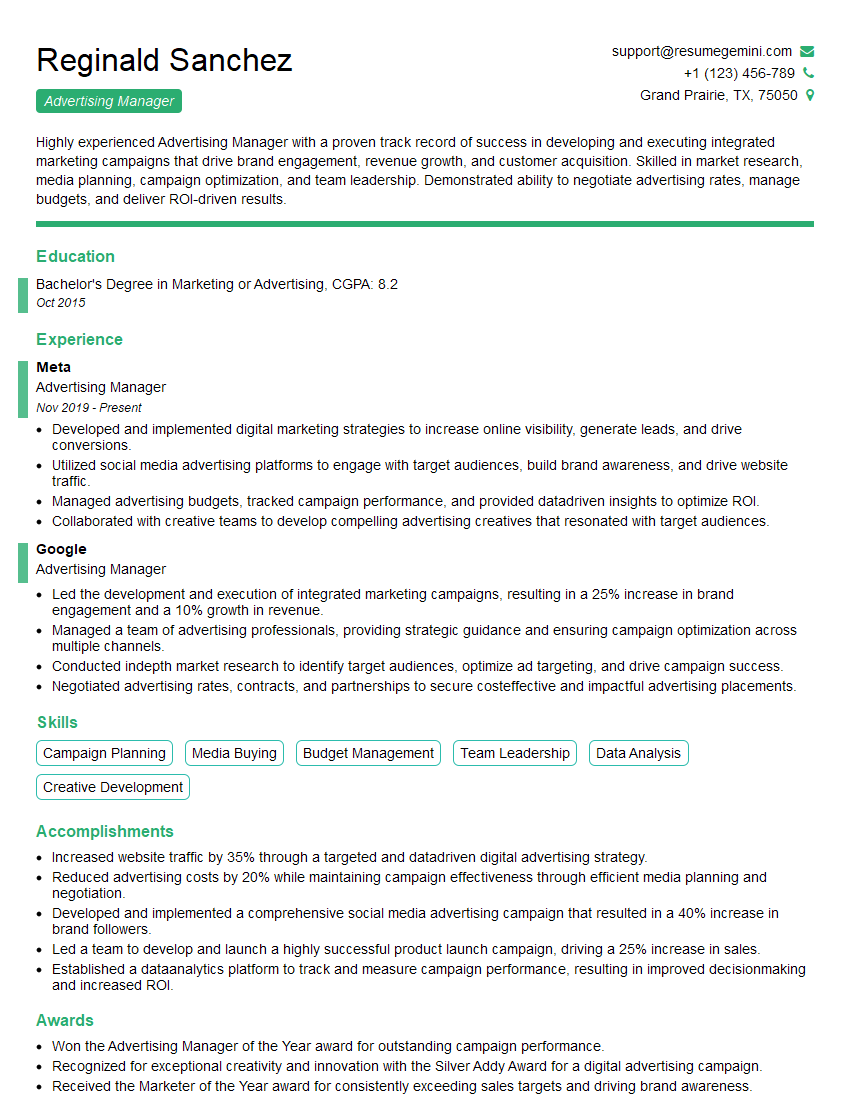
Advertising Manager Resume Sample
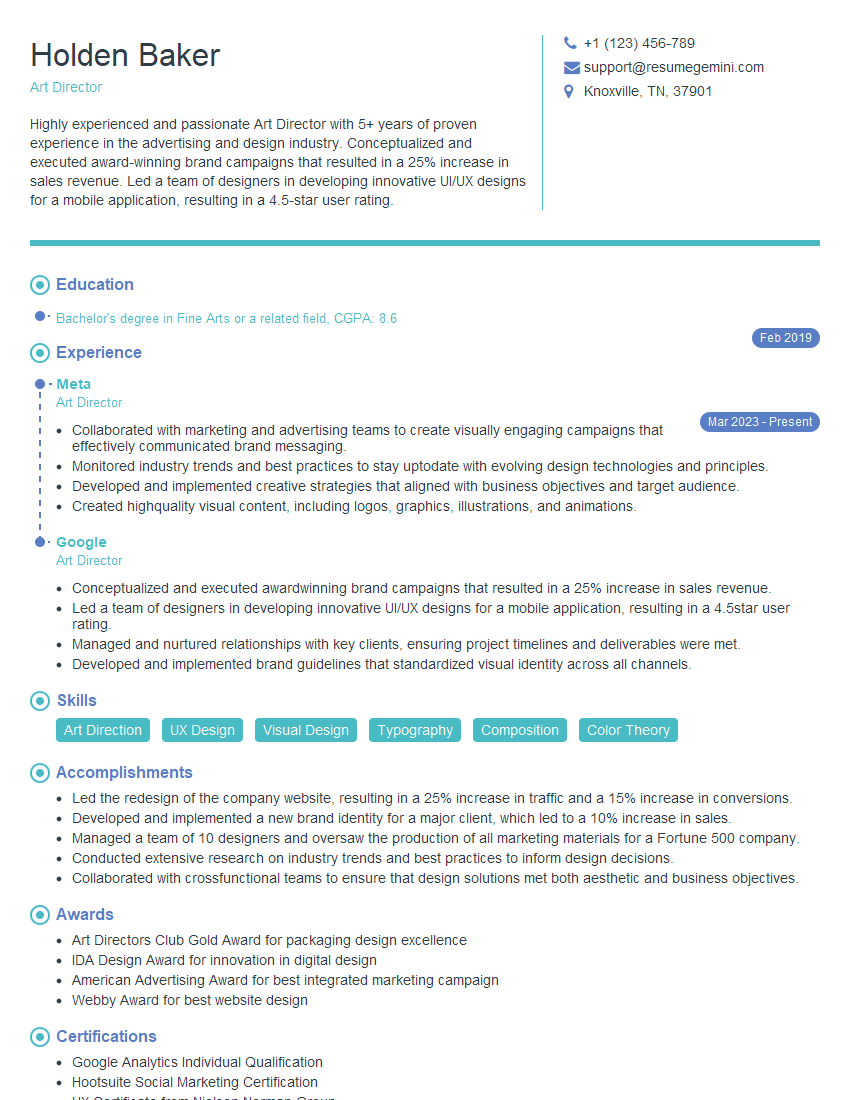
Art Director Resume Sample
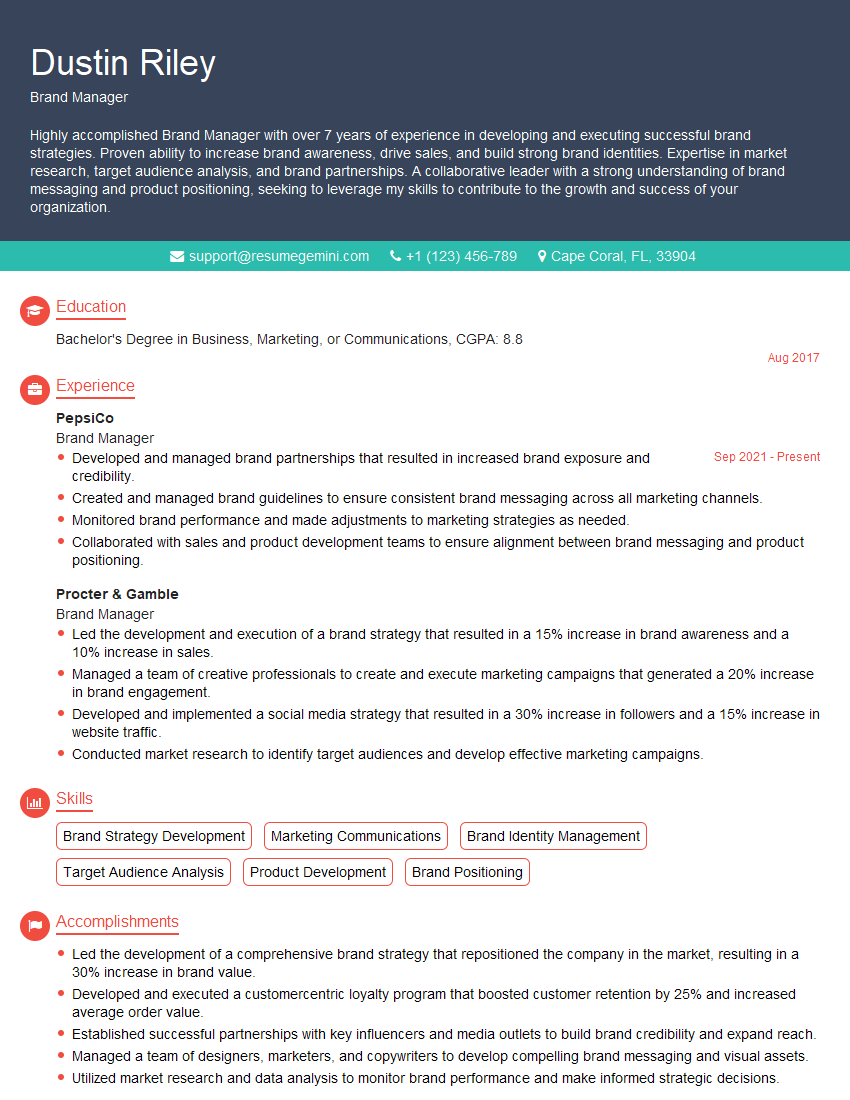
Brand Manager Resume Sample

Creative Director Resume Sample
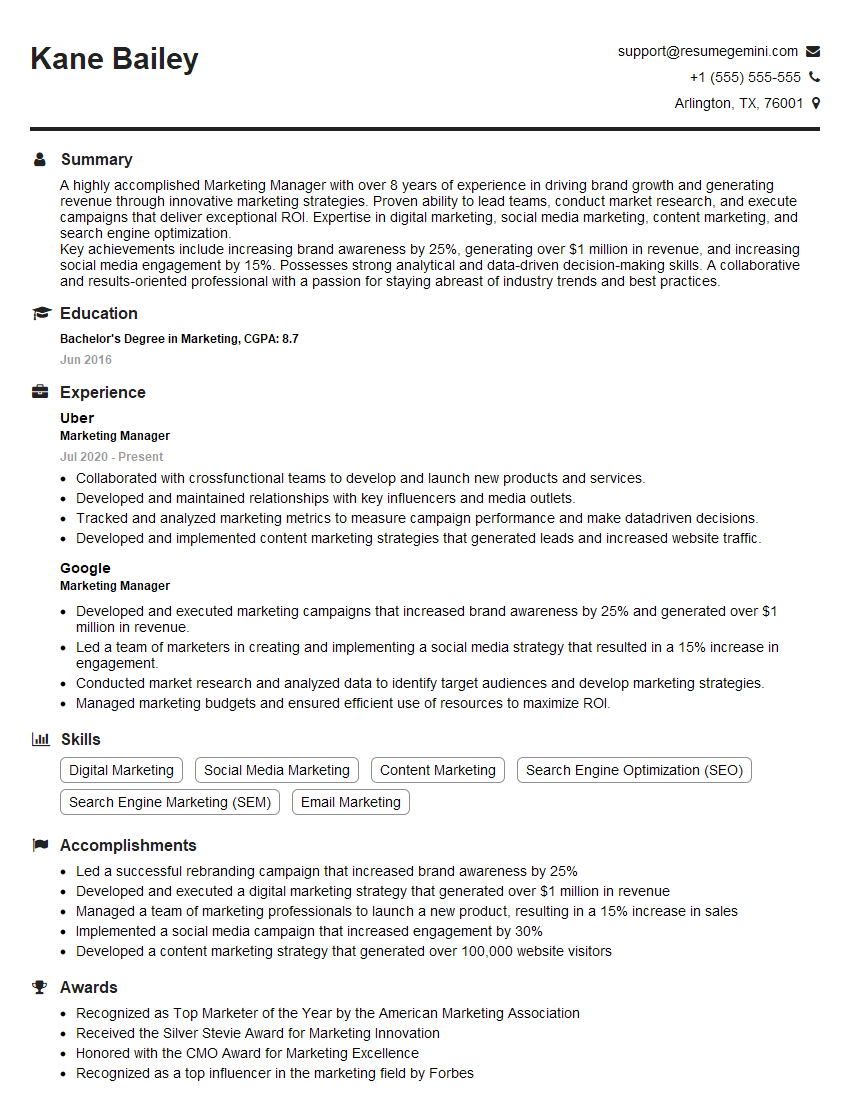
Marketing Manager Resume Sample
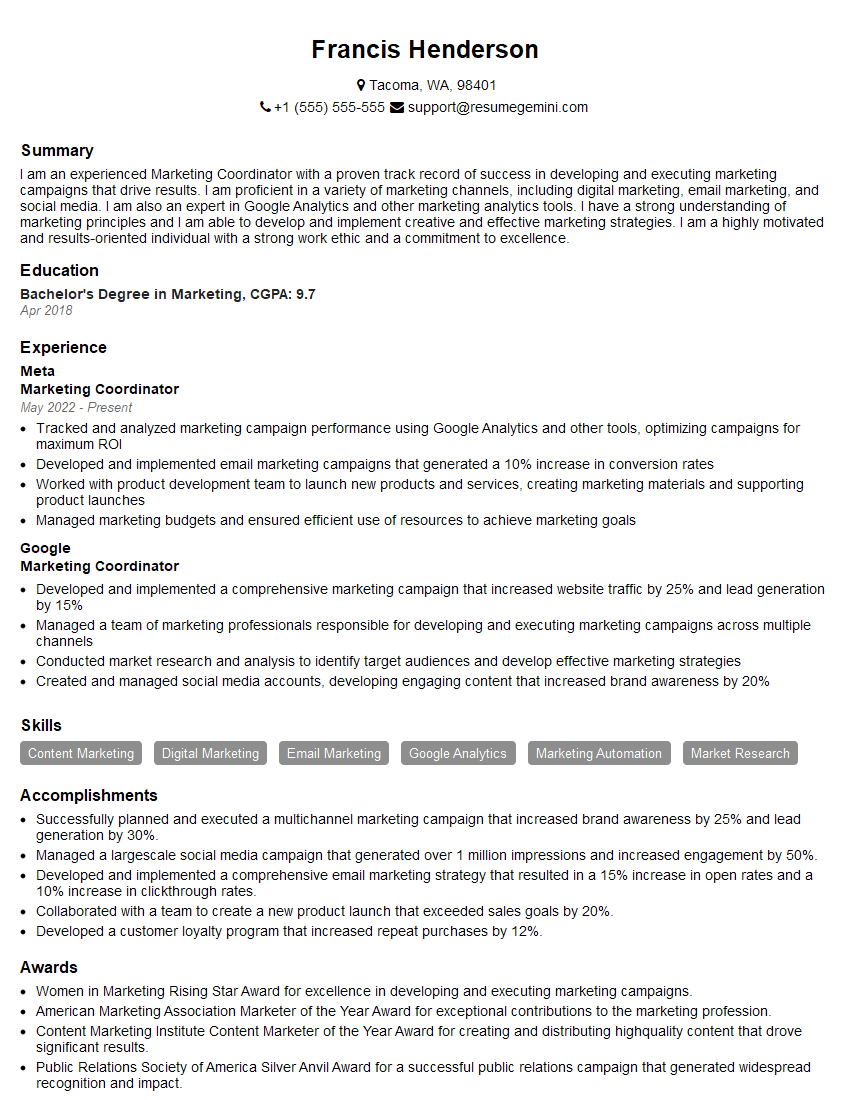
Marketing Coordinator Resume Sample
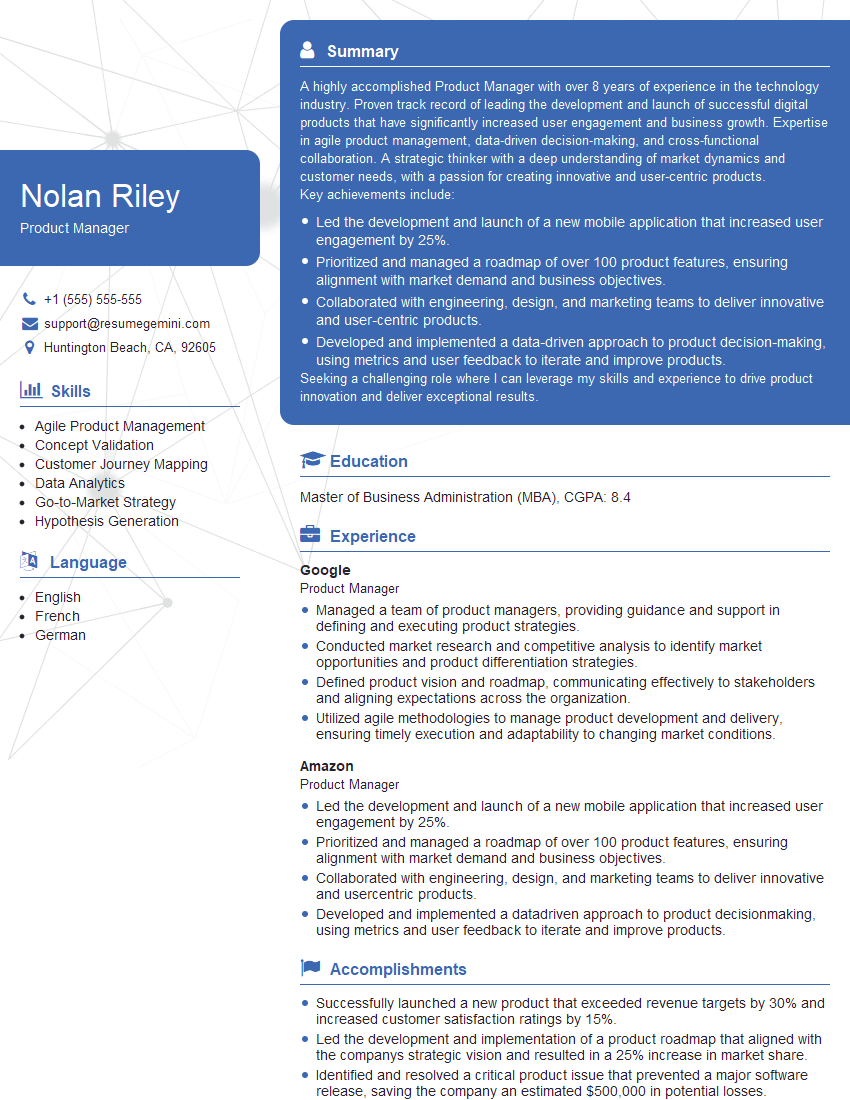
Product Manager Resume Sample

Communications Manager Resume Sample

Project Manager Resume Sample
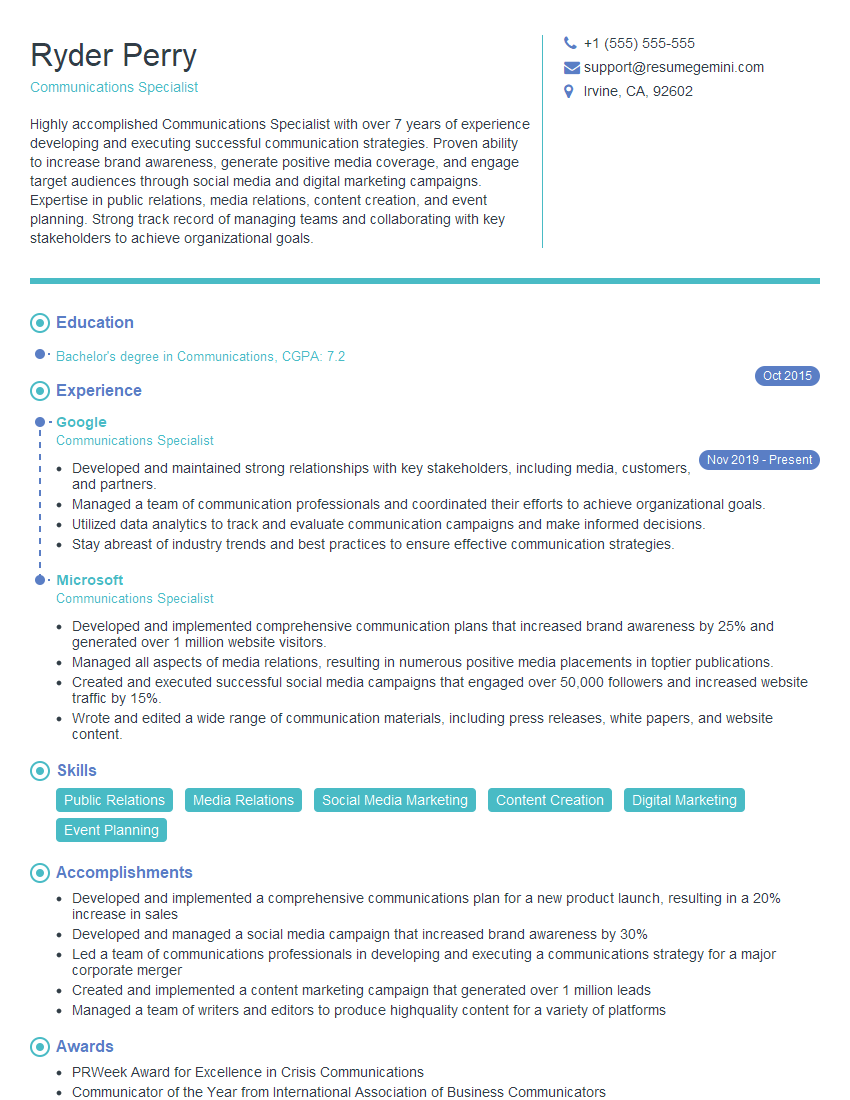
Communications Specialist Resume Sample
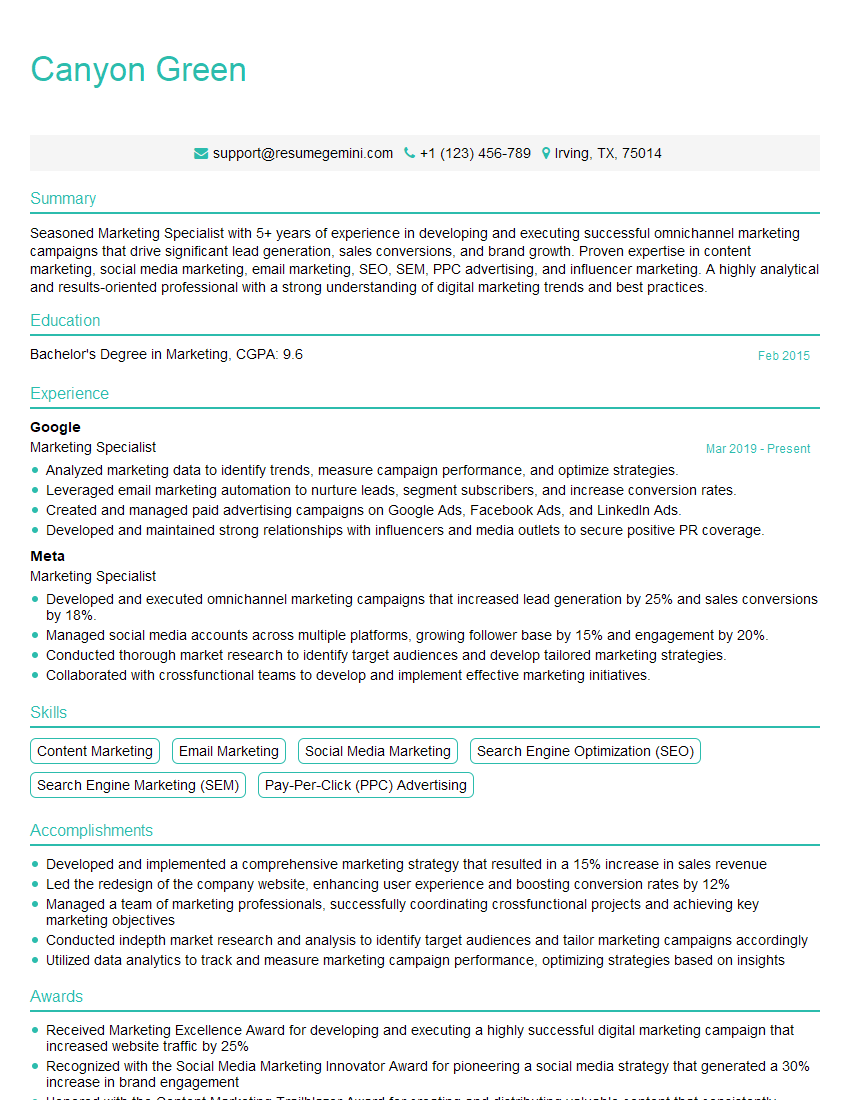
Marketing Specialist Resume Sample

Social Media Manager Resume Sample
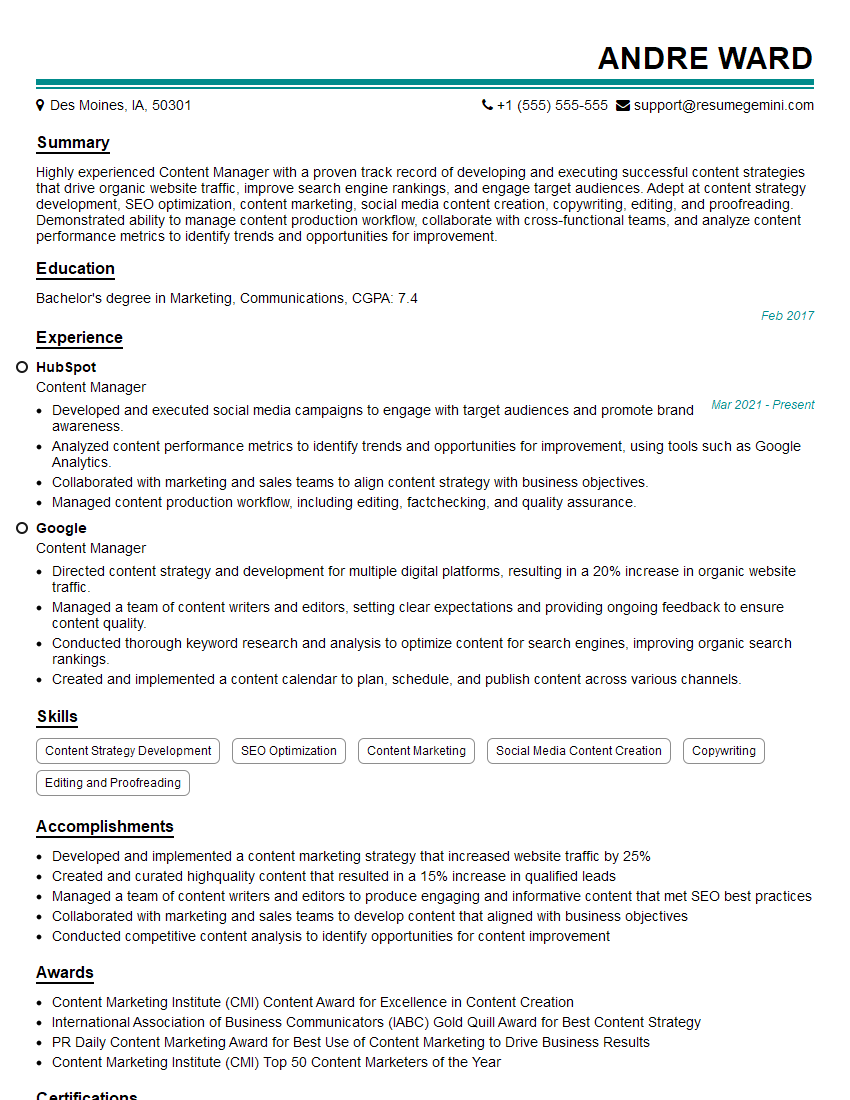
Content Manager Resume Sample
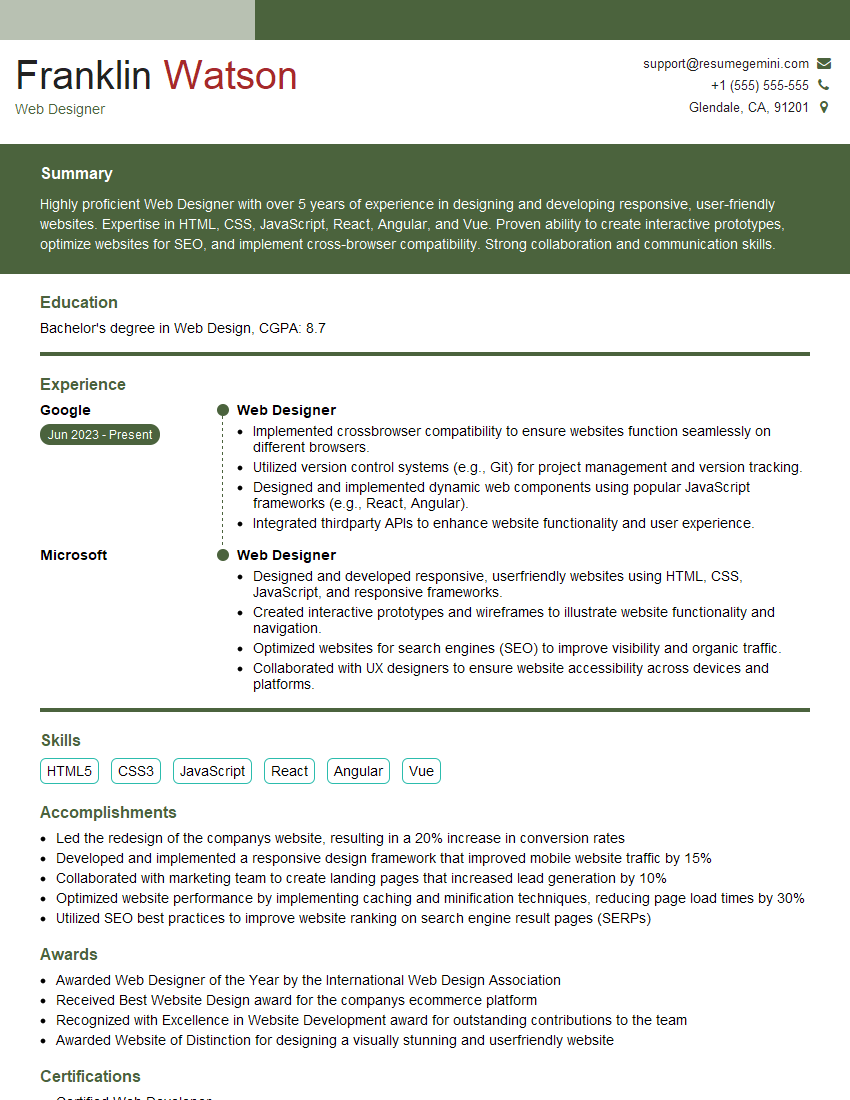
Web Designer Resume Sample
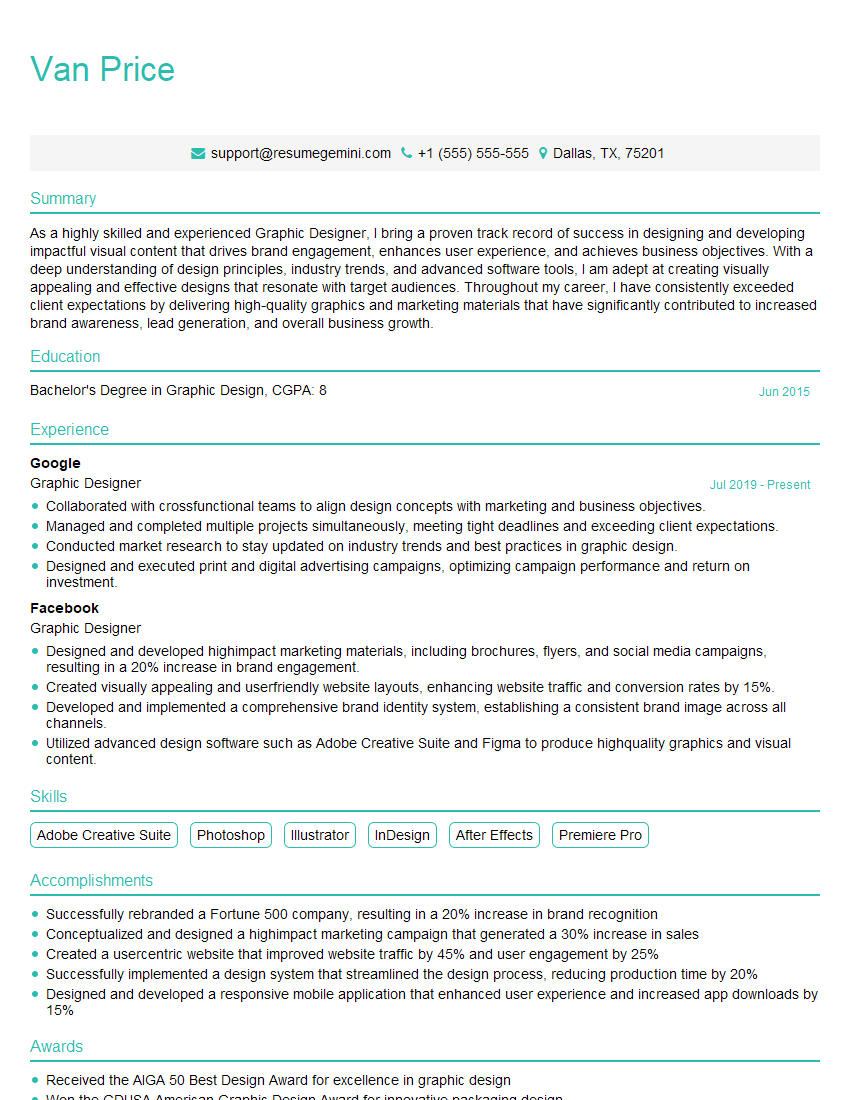
Graphic Designer Resume Sample
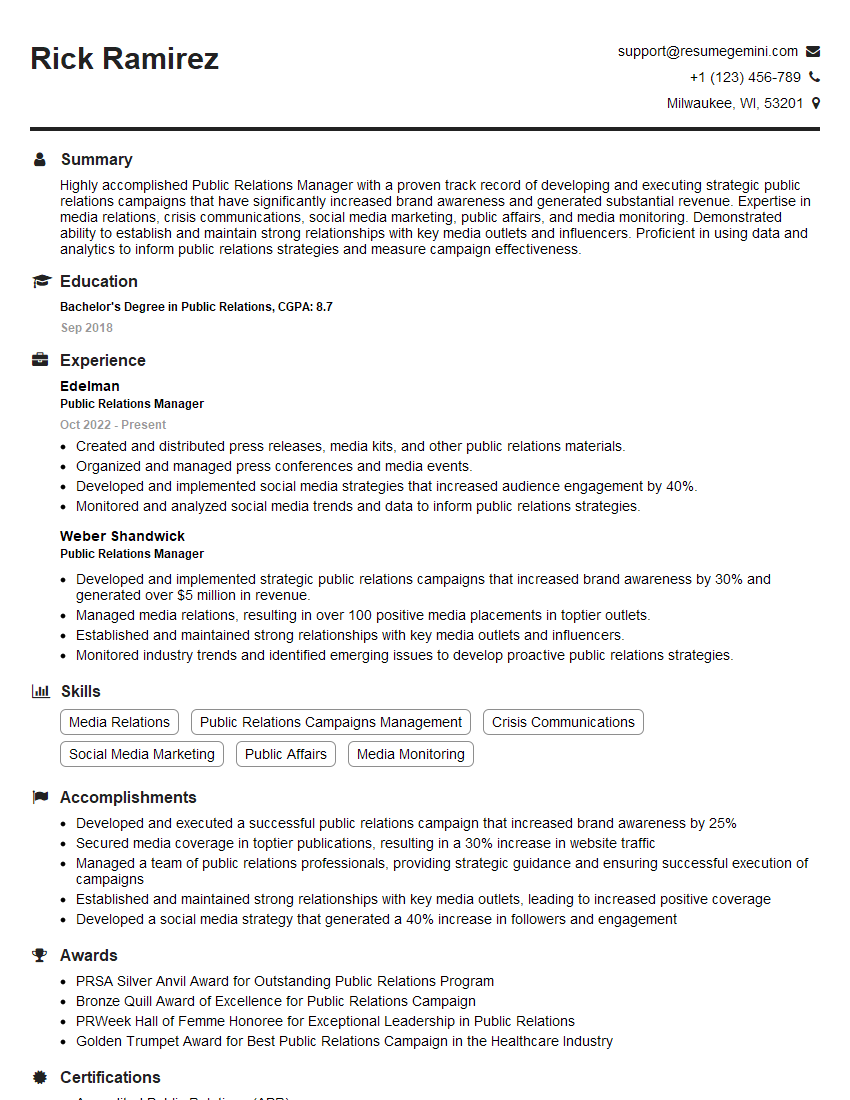
Public Relations Manager Resume Sample

Copywriter Resume Sample
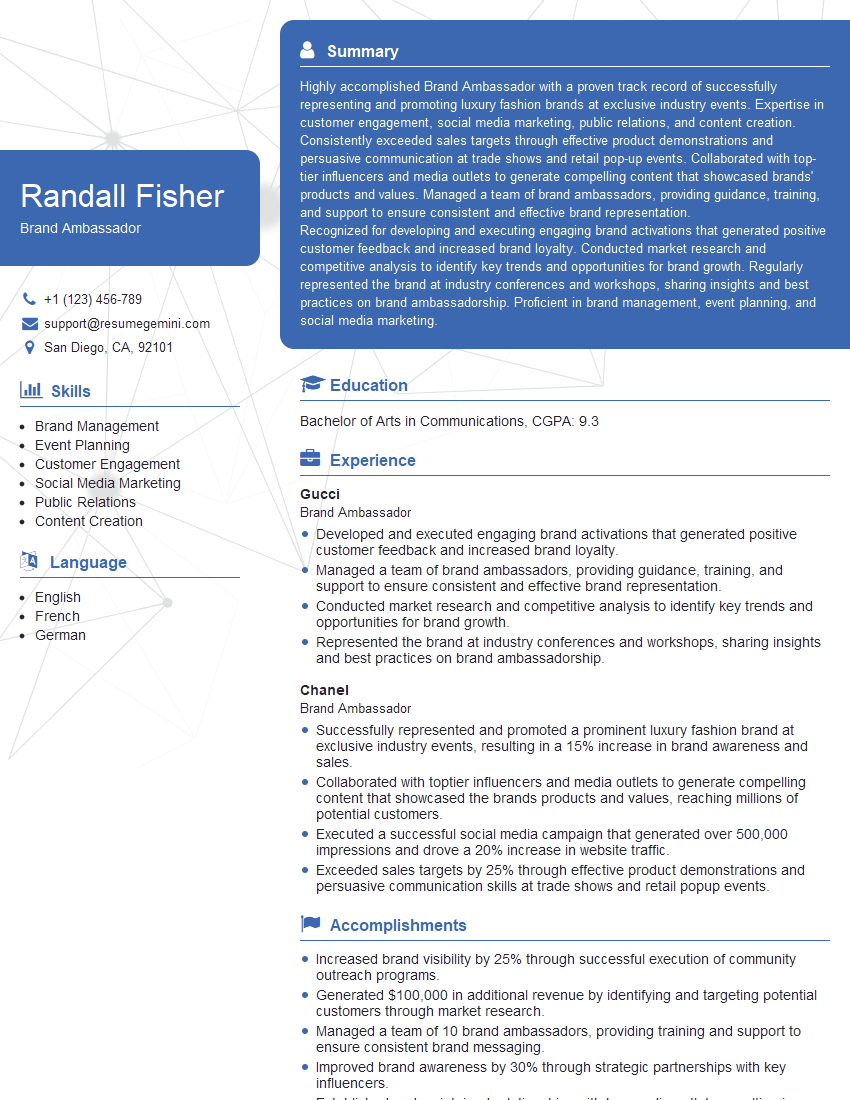
Brand Ambassador Resume Sample
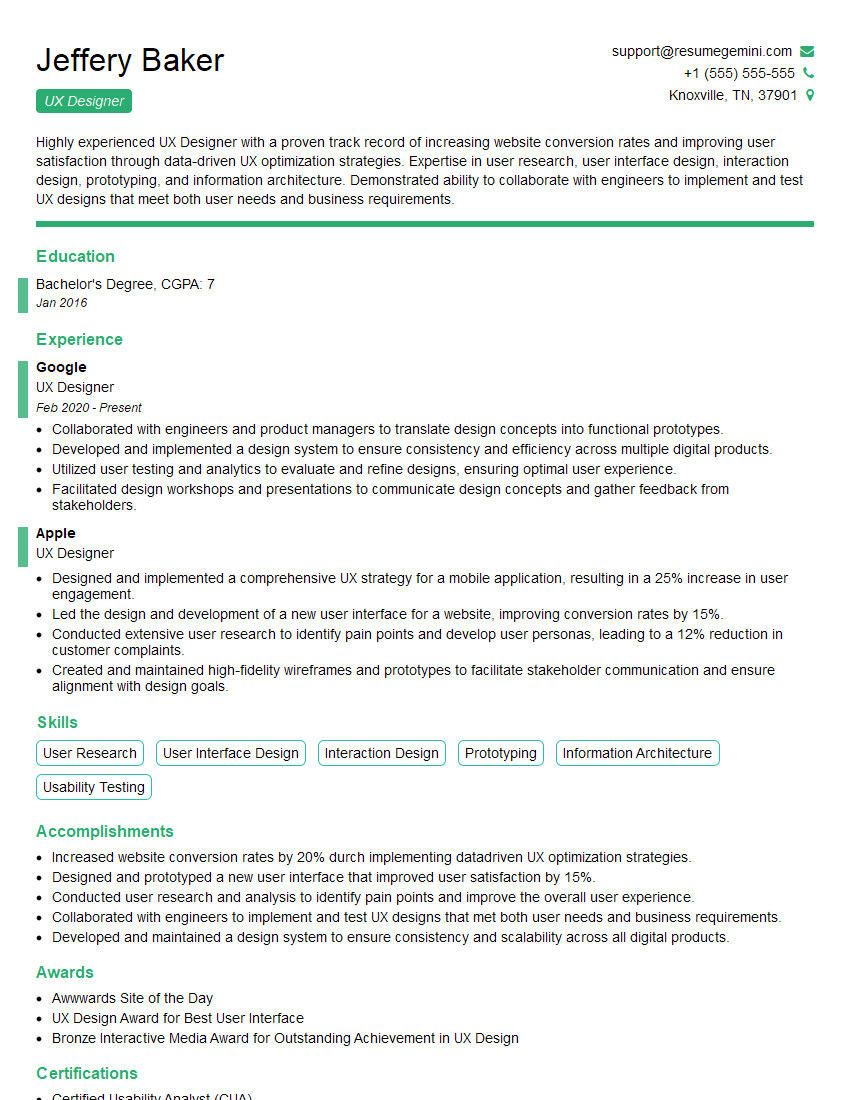
UX Designer Resume Sample
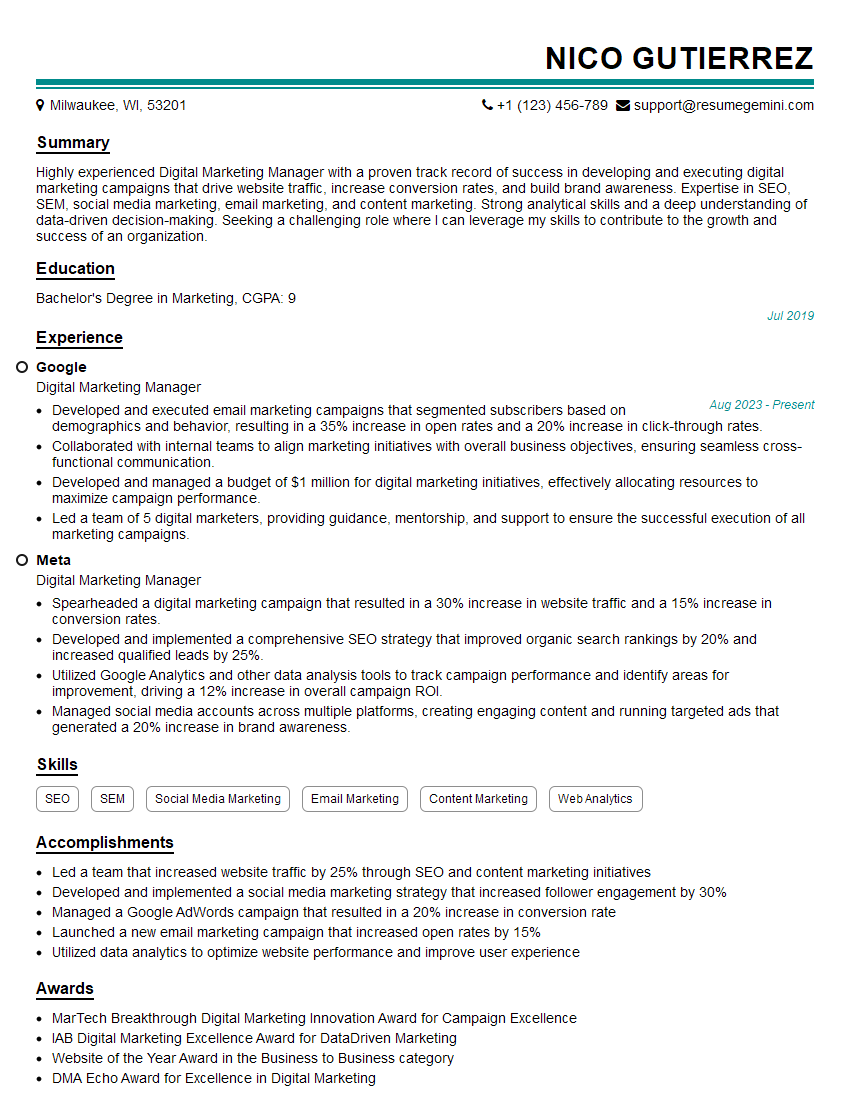
Digital Marketing Manager Resume Sample
- Advertising Manager
- Art Director
- Brand Manager
- Creative Director
- Marketing Manager
- Marketing Coordinator
- Product Manager
- Communications Manager
- Project Manager
- Communications Specialist
- Marketing Specialist
- Social Media Manager
- Content Manager
- Web Designer
- Graphic Designer
- Public Relations Manager
- Copywriter
- Brand Ambassador
- UX Designer
- Digital Marketing Manager
Explore more articles
Users Rating of Our Blogs
Share Your Experience
We value your feedback! Please rate our content and share your thoughts (optional).
What Readers Say About Our Blog
Attention music lovers!
Wow, All the best Sax Summer music !!!
Spotify: https://open.spotify.com/artist/6ShcdIT7rPVVaFEpgZQbUk
Apple Music: https://music.apple.com/fr/artist/jimmy-sax-black/1530501936
YouTube: https://music.youtube.com/browse/VLOLAK5uy_noClmC7abM6YpZsnySxRqt3LoalPf88No
Other Platforms and Free Downloads : https://fanlink.tv/jimmysaxblack
on google : https://www.google.com/search?q=22+AND+22+AND+22
on ChatGPT : https://chat.openai.com?q=who20jlJimmy20Black20Sax20Producer
Get back into the groove with Jimmy sax Black
Best regards,
Jimmy sax Black
www.jimmysaxblack.com
Hi I am a troller at The aquatic interview center and I suddenly went so fast in Roblox and it was gone when I reset.
Hi,
Business owners spend hours every week worrying about their website—or avoiding it because it feels overwhelming.
We’d like to take that off your plate:
$69/month. Everything handled.
Our team will:
Design a custom website—or completely overhaul your current one
Take care of hosting as an option
Handle edits and improvements—up to 60 minutes of work included every month
No setup fees, no annual commitments. Just a site that makes a strong first impression.
Find out if it’s right for you:
https://websolutionsgenius.com/awardwinningwebsites
Hello,
we currently offer a complimentary backlink and URL indexing test for search engine optimization professionals.
You can get complimentary indexing credits to test how link discovery works in practice.
No credit card is required and there is no recurring fee.
You can find details here:
https://wikipedia-backlinks.com/indexing/
Regards
NICE RESPONSE TO Q & A
hi
The aim of this message is regarding an unclaimed deposit of a deceased nationale that bears the same name as you. You are not relate to him as there are millions of people answering the names across around the world. But i will use my position to influence the release of the deposit to you for our mutual benefit.
Respond for full details and how to claim the deposit. This is 100% risk free. Send hello to my email id: lukachachibaialuka@gmail.com
Luka Chachibaialuka
Hey interviewgemini.com, just wanted to follow up on my last email.
We just launched Call the Monster, an parenting app that lets you summon friendly ‘monsters’ kids actually listen to.
We’re also running a giveaway for everyone who downloads the app. Since it’s brand new, there aren’t many users yet, which means you’ve got a much better chance of winning some great prizes.
You can check it out here: https://bit.ly/callamonsterapp
Or follow us on Instagram: https://www.instagram.com/callamonsterapp
Thanks,
Ryan
CEO – Call the Monster App
Hey interviewgemini.com, I saw your website and love your approach.
I just want this to look like spam email, but want to share something important to you. We just launched Call the Monster, a parenting app that lets you summon friendly ‘monsters’ kids actually listen to.
Parents are loving it for calming chaos before bedtime. Thought you might want to try it: https://bit.ly/callamonsterapp or just follow our fun monster lore on Instagram: https://www.instagram.com/callamonsterapp
Thanks,
Ryan
CEO – Call A Monster APP
To the interviewgemini.com Owner.
Dear interviewgemini.com Webmaster!
Hi interviewgemini.com Webmaster!
Dear interviewgemini.com Webmaster!
excellent
Hello,
We found issues with your domain’s email setup that may be sending your messages to spam or blocking them completely. InboxShield Mini shows you how to fix it in minutes — no tech skills required.
Scan your domain now for details: https://inboxshield-mini.com/
— Adam @ InboxShield Mini
support@inboxshield-mini.com
Reply STOP to unsubscribe
Hi, are you owner of interviewgemini.com? What if I told you I could help you find extra time in your schedule, reconnect with leads you didn’t even realize you missed, and bring in more “I want to work with you” conversations, without increasing your ad spend or hiring a full-time employee?
All with a flexible, budget-friendly service that could easily pay for itself. Sounds good?
Would it be nice to jump on a quick 10-minute call so I can show you exactly how we make this work?
Best,
Hapei
Marketing Director
Hey, I know you’re the owner of interviewgemini.com. I’ll be quick.
Fundraising for your business is tough and time-consuming. We make it easier by guaranteeing two private investor meetings each month, for six months. No demos, no pitch events – just direct introductions to active investors matched to your startup.
If youR17;re raising, this could help you build real momentum. Want me to send more info?
Hi, I represent an SEO company that specialises in getting you AI citations and higher rankings on Google. I’d like to offer you a 100% free SEO audit for your website. Would you be interested?
Hi, I represent an SEO company that specialises in getting you AI citations and higher rankings on Google. I’d like to offer you a 100% free SEO audit for your website. Would you be interested?