The thought of an interview can be nerve-wracking, but the right preparation can make all the difference. Explore this comprehensive guide to Aircraft and flight operations experience interview questions and gain the confidence you need to showcase your abilities and secure the role.
Questions Asked in Aircraft and flight operations experience Interview
Q 1. Explain the principles of flight.
The principles of flight are governed by four fundamental forces: lift, weight, thrust, and drag. Understanding their interplay is crucial for safe and efficient flight.
- Lift: This upward force is generated by the airfoil shape of the wing. As air flows over the curved upper surface, it travels a longer distance than the air flowing under the wing, creating a pressure difference. This difference generates lift, overcoming the aircraft’s weight.
- Weight: This is the downward force exerted by gravity on the aircraft and everything within it. It includes the aircraft’s structure, fuel, passengers, and cargo.
- Thrust: This forward force propels the aircraft through the air. It’s generated by the engines, whether they are propellers, turboprops, or jet engines.
- Drag: This is the backward force resisting the aircraft’s motion through the air. It’s caused by friction between the aircraft and the air, and the shape of the aircraft itself. Streamlining minimizes drag.
For sustained flight, lift must equal weight, and thrust must equal drag. Pilots constantly manage these forces through control surfaces (ailerons, elevators, rudder) and throttle adjustments to maintain stable flight.
Imagine a bird soaring: its wings generate lift, its body weight is the opposing force, its flapping wings provide thrust, and the air resistance against its feathers is drag. The same principles apply to aircraft, just on a larger scale and with more sophisticated control mechanisms.
Q 2. Describe your experience with flight planning.
Flight planning is a critical aspect of safe and efficient flight operations. My experience encompasses all stages, from pre-flight planning using specialized software like ForeFlight or Jeppesen, to in-flight adjustments based on real-time conditions.
Typically, I begin by determining the flight route, considering factors like weather, air traffic control restrictions (ATC), and optimal fuel consumption. I’ll input the origin and destination airports, along with the aircraft type, weight, and performance data. The software calculates the required fuel, optimal cruising altitude, and estimated flight time. I also account for alternate airports in case of unforeseen circumstances, like weather-related diversions.
During the flight, I continuously monitor weather updates and ATC instructions, making necessary adjustments to the flight plan. This might involve altering the altitude, route, or even diverting to a different airport. I meticulously record all flight plan changes in the logbook for traceability and regulatory compliance. A recent example involved rerouting a flight around a severe thunderstorm, ensuring passenger safety and minimal disruption to the schedule.
Q 3. What are the different types of aircraft maintenance checks?
Aircraft maintenance checks are categorized into various levels, depending on the complexity and frequency. These checks are crucial for ensuring airworthiness and preventing potential malfunctions.
- A-Checks (Daily/Pre-flight): These are simple visual inspections performed by pilots or maintenance personnel before each flight. They include checks of oil levels, tire pressure, control surface movement, and overall external condition of the aircraft. Think of it like a quick health check before starting your car.
- B-Checks: These are more in-depth inspections performed at regular intervals, usually covering specific systems or components. They involve detailed checks of hydraulic systems, electrical components, and flight control systems. They’re more thorough than A-checks.
- C-Checks: These are more extensive checks carried out at longer intervals. They often require the aircraft to be partially or fully disassembled for a comprehensive inspection and maintenance of major components like engines, landing gear, and avionics. They are akin to a full car service.
- D-Checks (Heavy Maintenance): These are the most comprehensive checks, performed infrequently. They often involve major overhauls or structural inspections, possibly including a complete strip-down and rebuilding of significant aircraft sections. This could be considered comparable to a full vehicle restoration.
The specific frequency and scope of these checks depend on the aircraft type, regulatory requirements (like those set by the FAA or EASA), and the aircraft’s operational history. Proper maintenance documentation is crucial for regulatory compliance and safety.
Q 4. How do you handle a flight delay due to weather?
Handling flight delays due to weather requires a proactive and informed approach, prioritizing safety and passenger well-being.
- Assess the Situation: I begin by closely monitoring weather reports and forecasts, understanding the severity and duration of the anticipated weather disruption.
- Communicate with ATC: I maintain close contact with Air Traffic Control (ATC), informing them of the situation and seeking guidance on potential rerouting or holding patterns. ATC might provide updates on the weather and recommend suitable alternative routes or airports.
- Inform Passengers: I keep passengers informed about the delay and its reasons in a calm and professional manner. This is important to manage expectations and reduce anxiety.
- Fuel Considerations: I calculate the additional fuel required for the potential delay, ensuring sufficient reserves for any necessary holding or diversion. Fuel is a critical factor in any weather-related delay.
- Alternate Airport Options: I identify and assess alternative airports that can accommodate the aircraft in case a diversion becomes necessary. This involves looking at weather conditions, runway length, and available ground services at these alternate locations.
- Post-Delay Procedures: Once the weather clears and flight is resumed, I carefully review all the systems to ensure they are functioning correctly after the delay. This may include additional pre-flight checks.
A memorable instance involved diverting a flight to a nearby airport due to an unexpected thunderstorm. This required quick thinking, close coordination with ATC, and effective communication with the passengers, ensuring a safe and ultimately uneventful landing.
Q 5. Explain your understanding of weight and balance calculations.
Weight and balance calculations are fundamental to safe flight operations. They ensure the aircraft remains within its certified center of gravity (CG) limits, preventing handling difficulties and potential accidents.
These calculations involve determining the total weight of the aircraft, including fuel, passengers, cargo, and baggage, and then calculating the CG. The CG must fall within a specific range defined by the aircraft’s manufacturer. If the CG is outside these limits, the aircraft might be difficult to control, potentially leading to a stall or other dangerous flight characteristics.
The process involves using weight and arm values for each item loaded onto the aircraft. The ‘arm’ refers to the horizontal distance of each item from the aircraft’s datum point (a reference point on the aircraft). These values are usually found in the aircraft’s flight manual or a dedicated weight and balance computer program. The calculations are relatively simple using basic formulas but require accuracy and attention to detail. Any errors could result in dangerous flight conditions.
For instance, an incorrectly calculated CG could cause the aircraft to be unstable during takeoff, landing, or even in flight, potentially making it harder to maintain a level attitude, or leading to difficulties in recovering from unusual attitudes. Therefore, meticulous weight and balance calculations are essential before every flight.
Q 6. Describe your experience with aircraft emergency procedures.
My experience with aircraft emergency procedures includes both theoretical knowledge gained through extensive training and practical application during various scenarios, including simulations and actual in-flight incidents.
I’m proficient in handling various emergency situations, such as engine failures, system malfunctions, and emergency landings. My training covers procedures for declaring emergencies, communicating with ATC, executing emergency checklists, and managing the aircraft and passengers during a crisis. I’m also familiar with emergency equipment usage, including life rafts, fire extinguishers, and first aid kits.
A crucial aspect of emergency procedures is maintaining composure under pressure. My training emphasizes effective communication, both within the cockpit and with air traffic control and emergency services on the ground. Clear and concise communication is vital during emergencies. For example, during a simulated engine failure, the established emergency checklists ensured a safe return to the nearest airfield while maintaining calm amongst the crew and passengers.
Regular refresher training, and participation in recurrent simulator sessions, helps maintain my proficiency in emergency handling procedures and keeps my knowledge current regarding aircraft-specific emergency responses and procedures.
Q 7. How do you manage a conflict with a colleague?
Conflicts are inevitable in any professional setting, and resolving them constructively is a vital skill. My approach focuses on open communication and finding mutually agreeable solutions.
- Listen and Understand: I begin by actively listening to my colleague’s perspective, seeking to understand their concerns and point of view without interruption. This is essential to foster mutual understanding and address the conflict more effectively.
- Express My Perspective Clearly: Once I understand their position, I clearly and calmly express my own perspective, focusing on facts rather than emotions. Avoiding accusatory language is key.
- Find Common Ground: I look for common ground and areas of agreement, helping to build a collaborative atmosphere. We may discuss which aspects are non-negotiable, and which may be flexible.
- Collaborative Problem-Solving: We work together to brainstorm solutions that address both our concerns, reaching a compromise that works for everyone involved. We aim for a solution which avoids creating resentment.
- Document and Follow Up: If necessary, I document the outcome of the discussion and ensure that all agreed-upon actions are followed up on. This helps avoid future misunderstandings.
In one situation, a conflict arose regarding flight scheduling. By actively listening to my colleague’s concerns about workload and following the steps above, we reached a compromise that satisfied everyone while ensuring all flights were handled safely and efficiently. The key is maintaining a professional and respectful demeanor throughout the process.
Q 8. Explain your understanding of aviation regulations (e.g., FAA, EASA).
Aviation regulations, such as those established by the Federal Aviation Administration (FAA) in the United States and the European Union Aviation Safety Agency (EASA) in Europe, are crucial for ensuring safe and efficient air travel. These regulations cover a vast range of aspects, from aircraft design and maintenance to pilot training and flight operations. They aim to minimize risks and standardize procedures across the industry.
- Aircraft Certification: Regulations dictate the design, construction, and testing standards for aircraft to ensure airworthiness. This includes rigorous inspections and certifications before an aircraft can operate commercially.
- Pilot Licensing and Training: Strict requirements are set for pilot training, licensing, and recurrent training to maintain proficiency and ensure pilots possess the necessary skills and knowledge.
- Flight Operations: Regulations outline procedures for flight planning, dispatch, air traffic control communication, and emergency response, all designed to enhance safety and efficiency.
- Maintenance and Airworthiness: Comprehensive rules govern aircraft maintenance schedules, inspections, and repairs to guarantee continued airworthiness and prevent mechanical failures.
- Air Traffic Management: Regulations dictate air traffic control procedures, ensuring safe separation between aircraft and efficient management of airspace.
For example, the FAA’s regulations concerning minimum crew requirements, instrument flight rules (IFR), and visual flight rules (VFR) directly impact flight safety. EASA regulations mirror many of these but have their own specific requirements based on European standards. Non-compliance with these regulations can result in significant penalties, including fines, grounding of aircraft, and even revocation of licenses.
Q 9. How do you ensure flight safety?
Ensuring flight safety is paramount in aviation. It’s a multi-faceted process requiring constant vigilance and adherence to established procedures. My approach incorporates several key elements:
- Risk Management: Proactive identification and mitigation of potential hazards through thorough pre-flight planning, considering weather conditions, aircraft status, and potential human factors.
- Adherence to Regulations: Strict compliance with all applicable regulations and company procedures, ensuring that every aspect of the flight operation adheres to the highest safety standards.
- Maintenance and Inspections: Regular inspections and maintenance of aircraft systems, ensuring all components are functioning correctly and potential issues are addressed promptly. A meticulous review of maintenance logs is critical.
- Crew Resource Management (CRM): Effective communication and teamwork amongst the flight crew, fostering a culture of open communication and mutual respect to identify and resolve potential issues collaboratively.
- Emergency Procedures: Thorough familiarity with and regular training in emergency procedures to ensure a swift and effective response in unexpected situations. This includes both the technical and human aspects of emergency response.
For example, during pre-flight checks, I meticulously inspect the aircraft for any signs of damage or malfunction, cross-referencing with maintenance logs. I’ll also carefully analyze weather reports to determine if alternate routes or delays are necessary. Throughout the flight, I maintain constant situational awareness, monitoring aircraft systems and weather conditions proactively.
Q 10. Describe your experience with aircraft performance calculations.
Aircraft performance calculations are essential for safe and efficient flight operations. My experience encompasses using various methods and tools to determine crucial factors like takeoff and landing distances, fuel consumption, and flight time. This involves understanding factors like weight, altitude, temperature, and wind conditions.
- Weight and Balance Calculations: Accurately determining the aircraft’s center of gravity and ensuring it falls within the safe operating limits is critical for stability and control. This calculation involves considering passenger load, fuel, cargo, and baggage weight.
- Takeoff and Landing Performance: Utilizing performance charts and software to calculate takeoff and landing distances under varying conditions (temperature, pressure altitude, runway length, headwind/tailwind) is crucial for safe operations.
- Fuel Planning: Precise calculation of fuel requirements, considering factors such as flight distance, weather conditions, holding patterns, and contingency fuel, is fundamental for preventing fuel exhaustion. I utilize flight planning software for this purpose, double-checking calculations manually.
- Flight Planning Software: Proficient in using various flight planning software (e.g., Jeppesen, ForeFlight) to automate these calculations while cross-checking the results for accuracy.
For instance, during a recent flight, we faced unexpected headwinds. Using performance calculations, I determined that we needed to adjust our fuel load to maintain a safe margin, thereby preventing a potential fuel exhaustion scenario. I meticulously documented all the calculations and communicated the adjusted plan to the crew and Air Traffic Control.
Q 11. What is your experience with flight dispatching?
My experience in flight dispatching involves overseeing the logistical aspects of a flight, from pre-flight planning to post-flight analysis. This includes ensuring that all operational requirements are met and that the flight is conducted safely and efficiently.
- Flight Planning: Developing detailed flight plans, selecting appropriate routes, considering weather conditions, and calculating fuel requirements.
- Aircraft and Crew Assignment: Coordinating aircraft availability and assigning appropriate crew members based on flight duration, aircraft type, and crew qualifications.
- Weather Monitoring: Continuous monitoring of weather conditions along the planned route and recommending alternative routes or delays if necessary.
- Regulatory Compliance: Ensuring compliance with all relevant regulations and company procedures.
- Post-Flight Analysis: Reviewing flight data to identify areas for improvement and to address any operational irregularities.
In a specific instance, I had to manage a flight where an unexpected weather system developed. Using my knowledge of alternative routes and weather patterns, I quickly adjusted the flight plan, coordinated with Air Traffic Control, and ensured the flight proceeded safely and efficiently with minimal delay. Detailed documentation of these decisions was vital for post-flight review and analysis.
Q 12. How do you handle a passenger emergency?
Handling passenger emergencies requires a calm, decisive, and efficient approach. My experience involves prioritizing passenger safety and well-being while following established procedures.
- Assessment: Quickly assess the nature and severity of the emergency, determining the immediate needs of the affected passenger(s).
- First Aid: Providing appropriate first aid or medical assistance, if qualified to do so, or directing medical personnel as needed.
- Communication: Communicating effectively with the flight crew, air traffic control, and potentially medical personnel on the ground.
- Passenger Management: Maintaining order and reassuring other passengers, addressing concerns and keeping them informed.
- Documentation: Documenting the incident thoroughly, including actions taken and any relevant information.
In one instance, we had a passenger experiencing a severe allergic reaction. I quickly assessed the situation, provided the necessary first aid (antihistamine, etc.), contacted medical personnel on the ground for further instructions, and communicated the situation to the Captain. We were able to land safely and get the passenger immediate medical attention.
Q 13. Explain your understanding of air traffic control procedures.
Air traffic control (ATC) procedures are vital for the safe and efficient flow of air traffic. My understanding encompasses the various communication methods, regulations, and procedures used by ATC to manage aircraft movement.
- Communication: Proficient in using standard phraseology for communication with ATC, understanding and responding to ATC instructions and clearances.
- Navigation: Familiarity with various navigational aids (VOR, ILS, GPS) and procedures for following ATC instructions.
- Flight Rules: Understanding the differences between visual flight rules (VFR) and instrument flight rules (IFR) and the associated ATC procedures.
- Emergency Procedures: Knowledge of ATC procedures for handling emergencies, including declaring an emergency and coordinating with ATC for appropriate response.
- ATC Services: Understanding the various services provided by ATC, including approach control, departure control, and en-route control.
For example, during an IFR flight, I communicated with approach control regarding our approach and landing procedures. I was able to follow their instructions seamlessly, allowing for a smooth and safe landing. Precise and clear communication with ATC is essential for avoiding conflicts and ensuring the safety of all aircraft.
Q 14. Describe your experience with CRM (Crew Resource Management).
Crew Resource Management (CRM) is a critical aspect of aviation safety, emphasizing teamwork, communication, and leadership amongst the flight crew. My experience involves applying CRM principles to ensure safe and efficient flight operations.
- Communication: Effective communication among the crew, employing clear and concise language, active listening, and feedback mechanisms. This includes both verbal and non-verbal communication.
- Teamwork: Collaborative problem-solving, sharing responsibilities, and mutual respect amongst crew members.
- Leadership: Effective leadership from the captain, ensuring that all crew members are involved in decision-making and that their concerns are addressed.
- Situational Awareness: Maintaining a shared understanding of the operational environment, including weather conditions, aircraft systems, and potential risks.
- Error Management: Proactive identification and mitigation of errors, including human factors contributing to errors.
In a particular instance, a minor mechanical issue arose during flight. Using CRM principles, the crew calmly assessed the situation, communicated clearly with each other and Air Traffic Control, and implemented a solution, demonstrating effective teamwork and problem-solving skills to safely continue the flight.
Q 15. How do you use navigation charts and instruments?
Navigation charts and instruments are fundamental to safe and efficient flight. Charts, like VFR sectional charts or IFR enroute charts, provide a visual representation of terrain, airways, navigation aids (VORs, NDBs, etc.), and airports. Instruments, such as the GPS, VOR receiver, and ADF, provide real-time positional information, allowing pilots to accurately follow planned routes.
For example, during a VFR flight, I would use a sectional chart to plan my route, identifying suitable airports for alternate landing if needed, and noting terrain features to avoid. In flight, I’d cross-reference the chart with my GPS display to ensure I’m on course. If my GPS fails, I’d rely on traditional navigation aids like VORs, using the VOR receiver and plotting my position on the chart. This is a very important skill requiring thorough knowledge of the instrument and the chart so as to interpret them accurately.
In an IFR flight, I’d use the same instruments, but with more focus on the airways depicted on the enroute chart and utilizing the aircraft’s navigation system to maintain adherence to the pre-planned flight plan. The use of an autopilot would help me maintain the assigned altitude and course, in addition to all other requirements that may be part of this flight plan.
Career Expert Tips:
- Ace those interviews! Prepare effectively by reviewing the Top 50 Most Common Interview Questions on ResumeGemini.
- Navigate your job search with confidence! Explore a wide range of Career Tips on ResumeGemini. Learn about common challenges and recommendations to overcome them.
- Craft the perfect resume! Master the Art of Resume Writing with ResumeGemini’s guide. Showcase your unique qualifications and achievements effectively.
- Don’t miss out on holiday savings! Build your dream resume with ResumeGemini’s ATS optimized templates.
Q 16. What is your experience with aircraft communication systems?
My experience encompasses a wide range of aircraft communication systems, from basic VHF radios to advanced satellite communication systems. I’m proficient in using VHF radios for communication with Air Traffic Control (ATC) and other aircraft, adhering to standard phraseology and procedures. This includes requesting clearances, reporting positions, and coordinating with other pilots during flight operations. For example, during departure from an airport, I’d use the VHF radio to request takeoff clearance from the tower, reporting my position and intentions clearly and concisely.
I also have experience with satellite communications, such as Inmarsat, for long-range flights, enabling communication even in areas with limited or no ground-based infrastructure. This technology also provides crucial information to be sent to the ground and received.
Furthermore, I understand the importance of emergency communication systems and procedures, including the use of emergency frequencies and distress calls. It is an essential part of any flight operation.
Q 17. How do you troubleshoot aircraft malfunctions?
Troubleshooting aircraft malfunctions requires a systematic approach, combining theoretical knowledge with practical experience. My process typically involves a series of steps:
- Identify the problem: This involves accurately assessing the nature and severity of the malfunction, paying close attention to any warning lights, unusual sounds, or changes in aircraft performance.
- Review checklists: Consulting relevant checklists, specific to the aircraft type and the type of malfunction, helps to narrow down potential causes and guide the troubleshooting process.
- Isolate the source: Using onboard systems and data, as well as my knowledge of the aircraft systems, I’d systematically check different components to pinpoint the source of the problem. This may include checking fuel levels, hydraulic pressures, engine parameters, electrical systems, or flight controls.
- Implement corrective actions: Once the source is identified, I apply the appropriate corrective actions, which might include shutting down systems, activating backup systems, or changing flight parameters.
- Monitor the situation: Close monitoring of the aircraft’s systems and performance is essential to ensure that the corrective actions are effective and to detect any new problems that may arise.
For instance, if I experience a sudden loss of engine power, I would immediately follow emergency procedures, initiating a mayday call to ATC, deploying landing gear and checking the fuel flow and engine parameters. Depending on the situation and its severity, an emergency landing may be necessary.
Q 18. Describe your experience with pre-flight inspections.
Pre-flight inspections are crucial for ensuring aircraft airworthiness and safety. My pre-flight inspections are meticulous and thorough, following a detailed checklist specific to the aircraft type. This checklist covers various aspects, including:
- Exterior inspection: This involves a visual examination of the aircraft’s exterior, checking for any damage, debris, or signs of leaks. I pay particular attention to the wings, fuselage, control surfaces, landing gear, and propellers or rotors.
- Interior inspection: This involves checking the cockpit for proper functioning of instruments, controls, and emergency equipment.
- Systems checks: I perform a series of checks to ensure the proper functioning of essential aircraft systems, including fuel, hydraulics, electrical, and flight controls.
- Documentation review: I review the aircraft’s logbooks, verifying maintenance records, and ensuring all necessary documentation is up-to-date.
I consider this process as critical for flight safety. A thorough pre-flight inspection is an investment of time that can prevent serious problems during flight. One time, during a pre-flight check, I discovered a small crack in a wing rib. This early detection enabled prompt maintenance and prevented a potential in-flight emergency.
Q 19. Explain your understanding of different types of flight operations.
Flight operations can be categorized into several types, each with its own set of procedures and regulations:
- Visual Flight Rules (VFR): VFR operations rely on visual cues for navigation and decision-making. These flights are conducted under good weather conditions, with sufficient visibility and cloud clearance.
- Instrument Flight Rules (IFR): IFR operations utilize instruments for navigation and are conducted in conditions of reduced visibility or cloud cover. These flights require specialized training and adherence to strict procedures.
- Commercial Operations: These flights involve the transportation of passengers or cargo for compensation or hire. They are subject to stringent safety regulations and oversight.
- General Aviation: This category encompasses recreational flying, flight training, and personal transportation flights.
- Military Operations: Military flight operations often involve specialized aircraft and missions, subject to their own stringent protocols and regulations.
My experience spans across VFR and IFR operations, with a focus on commercial flights. I understand the unique requirements of each type of flight and adhere to all applicable regulations and best practices. Each type requires a different approach and level of care and attention to detail.
Q 20. How do you ensure compliance with safety regulations?
Ensuring compliance with safety regulations is paramount in aviation. My approach to maintaining compliance is multifaceted and proactive:
- Knowledge of regulations: I stay up-to-date with all relevant aviation regulations, including those issued by the FAA (or other relevant governing bodies), regularly reviewing updates and changes.
- Adherence to procedures: I strictly adhere to all established procedures and checklists in all aspects of flight operations, from pre-flight inspections to in-flight procedures and post-flight reporting.
- Documentation: I maintain accurate and complete flight logs, maintenance records, and other necessary documentation. This provides a clear record of all flight-related activities and is also part of the continuous and required auditing process.
- Risk management: I actively assess and manage risks associated with each flight, taking appropriate measures to mitigate potential hazards.
- Professional development: I participate in ongoing professional development to enhance my knowledge and skills. This includes recurrent training, safety seminars and other relevant courses.
A consistent focus on safety compliance helps ensure the highest level of safety and efficiency in all flight operations. It is not just about meeting regulations, but about fostering a culture of safety that prevents accidents and incidents.
Q 21. What is your experience with performance monitoring tools?
Performance monitoring tools are essential for optimizing aircraft performance and ensuring operational efficiency. My experience encompasses a variety of these tools, both onboard and ground-based:
- Onboard flight data recorders (FDRs): These systems record a wide range of flight parameters, providing valuable data for analyzing flight performance, identifying potential issues, and improving operational efficiency.
- Ground-based performance monitoring systems: These systems provide real-time data on flight parameters and aircraft performance. This information is important for ground operations like flight planning and efficiency analysis.
- Engine monitoring systems: These tools help to track engine performance, detect anomalies, and optimize fuel consumption. They are essential for flight and engine maintenance.
- Flight management systems (FMS): These systems optimize flight paths, fuel consumption, and other operational aspects, utilizing real-time data and predictions.
The data provided by these tools allows for better insights, which translates into optimized fuel efficiency, improved safety, and reduced maintenance costs. For example, by analyzing data from the FDR and engine monitoring systems, we can identify trends in engine performance, allowing for proactive maintenance to prevent potential issues before they lead to more serious problems.
Q 22. How do you handle high-pressure situations?
High-pressure situations are commonplace in aviation. My approach is rooted in methodical training and experience. I utilize a structured decision-making process: first, I assess the situation calmly, prioritizing critical information and identifying the immediate threats. Then, I develop a plan of action, focusing on the most effective solutions based on my training and experience. Finally, I execute the plan, adapting as needed, constantly monitoring the situation’s evolution. For example, during a severe thunderstorm, I wouldn’t panic; instead, I’d follow established procedures: contacting ATC, assessing weather radar, and rerouting if necessary. Communication with the crew and maintaining clear, concise instructions are paramount during such stressful events. Regular simulator training and recurrent training exercises help me practice these techniques in safe environments.
Q 23. Explain your experience with risk management in flight operations.
Risk management in flight operations is a continuous process. It begins with hazard identification—pinpointing potential problems like mechanical failure, weather conditions, or human error. Then, we assess the risk of each hazard, considering its likelihood and severity. This assessment informs mitigation strategies. For instance, a potential hazard is engine failure. We mitigate this through regular maintenance checks, pilot training on emergency procedures, and having backup systems in place. We document and track these processes meticulously, regularly reviewing our procedures to improve our safety protocols. The concept of a ‘Safety Management System’ (SMS) is central to this—a proactive approach to continually improving safety performance by identifying and mitigating risks before incidents occur. I’ve participated in several SMS audits and implemented various risk mitigation strategies throughout my career.
Q 24. Describe your experience with fuel management.
Fuel management is crucial for flight safety and operational efficiency. It involves precise calculations, taking into account factors like flight distance, wind conditions, weight, and reserve fuel requirements. Before each flight, I use specialized software and flight planning tools to determine the optimal fuel load. This isn’t a simple calculation—it requires considering alternate airports, potential holding patterns, and unforeseen weather delays. Over-fueling adds weight, increasing fuel consumption and operational costs. Under-fueling is far more dangerous, potentially leading to an inflight emergency. My experience includes handling fuel imbalances, optimizing fuel consumption during long-haul flights and managing unexpected fuel consumption due to weather diversions. I am proficient in using various fuel management tools and understand the complexities of fuel planning regulations.
Q 25. How do you ensure the security of aircraft and passengers?
Ensuring the security of aircraft and passengers is a multi-layered process. It starts with stringent security checks at the airport – adhering to all TSA/equivalent regulations. This includes thorough baggage screening, passenger screening, and monitoring of access points. In-flight security involves maintaining vigilance for suspicious activities and responding to threats according to established protocols. Training for various security scenarios is paramount. This includes responding to unruly passengers and practicing emergency evacuation procedures. Furthermore, collaboration with airport security and law enforcement is crucial. We follow strict communication protocols and reporting procedures for any security concerns. Throughout my career, I’ve actively participated in security training and drills to stay abreast of evolving threats and best practices.
Q 26. Describe your experience with load planning and cargo handling.
Load planning and cargo handling involve precise calculations to ensure the aircraft’s center of gravity remains within safe limits. This is done using specialized software which takes into account the weight and location of passengers, baggage, and cargo. Incorrect load planning can compromise the aircraft’s stability and safety. My experience encompasses working with various cargo types, ensuring proper weight distribution, securing cargo to prevent shifting during flight, and adhering to strict weight and balance regulations. I’m familiar with different cargo handling procedures, including hazardous materials handling. I’ve also been involved in troubleshooting load-related issues and making real-time adjustments to the load plan when necessary to maintain operational safety.
Q 27. How do you handle communication with air traffic control?
Communication with Air Traffic Control (ATC) is critical for safe and efficient flight operations. It involves using clear, concise language following standard phraseology and procedures. ATC provides vital information like weather updates, traffic advisories, and instructions regarding approach and departure procedures. Effective communication requires active listening, precise transmission of information, and acknowledging received instructions. For example, I’d use precise terminology like ‘climbing to flight level 350’ or ‘requesting vectors to runway 27’. In challenging situations, such as unexpected weather changes, maintaining calm and efficient communication with ATC is paramount to safely navigating the situation. Regular training and proficiency checks ensure adherence to proper communication protocols.
Q 28. What is your experience with different types of aircraft?
My experience spans several aircraft types, including the Boeing 737, Airbus A320 family and the Embraer 170. Each aircraft has its own unique operating characteristics and systems. My familiarity with these different aircraft encompasses their performance capabilities, systems operation, emergency procedures and associated documentation. This broad experience allows me to adapt to different aircraft easily. I understand the intricacies of each aircraft’s flight management systems, navigation equipment, and performance limitations. This diverse experience contributes to my ability to resolve unforeseen operational challenges effectively and safely.
Key Topics to Learn for Aircraft and Flight Operations Experience Interview
- Flight Planning & Dispatch: Understanding flight planning procedures, weight and balance calculations, fuel planning, and the role of a dispatcher in ensuring safe and efficient operations. Practical application includes describing your experience with different flight planning software and navigating unexpected weather situations.
- Aircraft Systems & Performance: A solid grasp of aircraft systems (e.g., hydraulics, pneumatics, electrical systems), performance limitations, and emergency procedures. Practical application includes troubleshooting scenarios and explaining how you’ve addressed system malfunctions or performance issues.
- Air Regulations & Compliance: Familiarity with relevant aviation regulations (e.g., FAA regulations, ICAO standards), safety procedures, and reporting requirements. Practical application involves explaining your experience with maintaining compliance and handling safety-critical situations.
- Crew Resource Management (CRM): Understanding the principles of CRM, effective communication within a cockpit crew, and conflict resolution. Practical application includes describing experiences demonstrating teamwork, assertive communication, and decision-making under pressure.
- Flight Operations & Safety Management Systems (SMS): Knowledge of flight operations procedures, risk assessment, and the role of SMS in maintaining a proactive safety culture. Practical application includes explaining your contributions to a safety management system or describing your involvement in safety reporting.
- Navigation & Meteorology: Understanding various navigation systems (e.g., GPS, VOR, ILS), interpreting weather reports, and making informed decisions based on weather conditions. Practical application involves explaining your experience with navigating challenging weather situations and utilizing different navigation tools.
- Emergency Procedures & Response: Thorough understanding of emergency procedures, checklist usage, and effective communication during emergencies. Practical application includes describing your experience in handling emergency situations and showcasing your ability to remain calm and efficient under pressure.
Next Steps
Mastering Aircraft and flight operations experience is crucial for career advancement in the aviation industry, opening doors to higher-responsibility roles and increased earning potential. An ATS-friendly resume is your key to unlocking these opportunities. It ensures your qualifications are effectively communicated to Applicant Tracking Systems, maximizing your chances of landing an interview. ResumeGemini is a trusted resource to help you craft a compelling and effective resume that highlights your skills and experience. We provide examples of resumes tailored to Aircraft and flight operations experience to guide you through the process, making your job search significantly more efficient and successful.
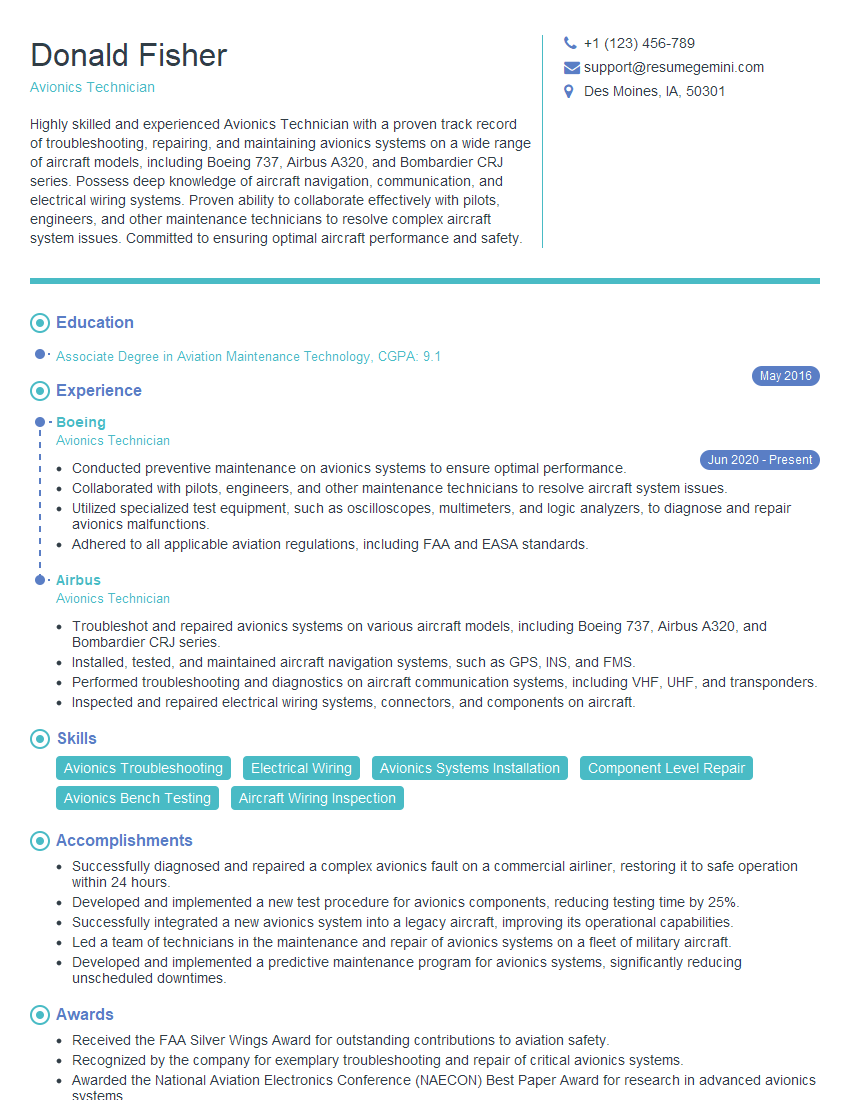
Avionics Technician Resume Sample

Aircraft Dispatcher Resume Sample
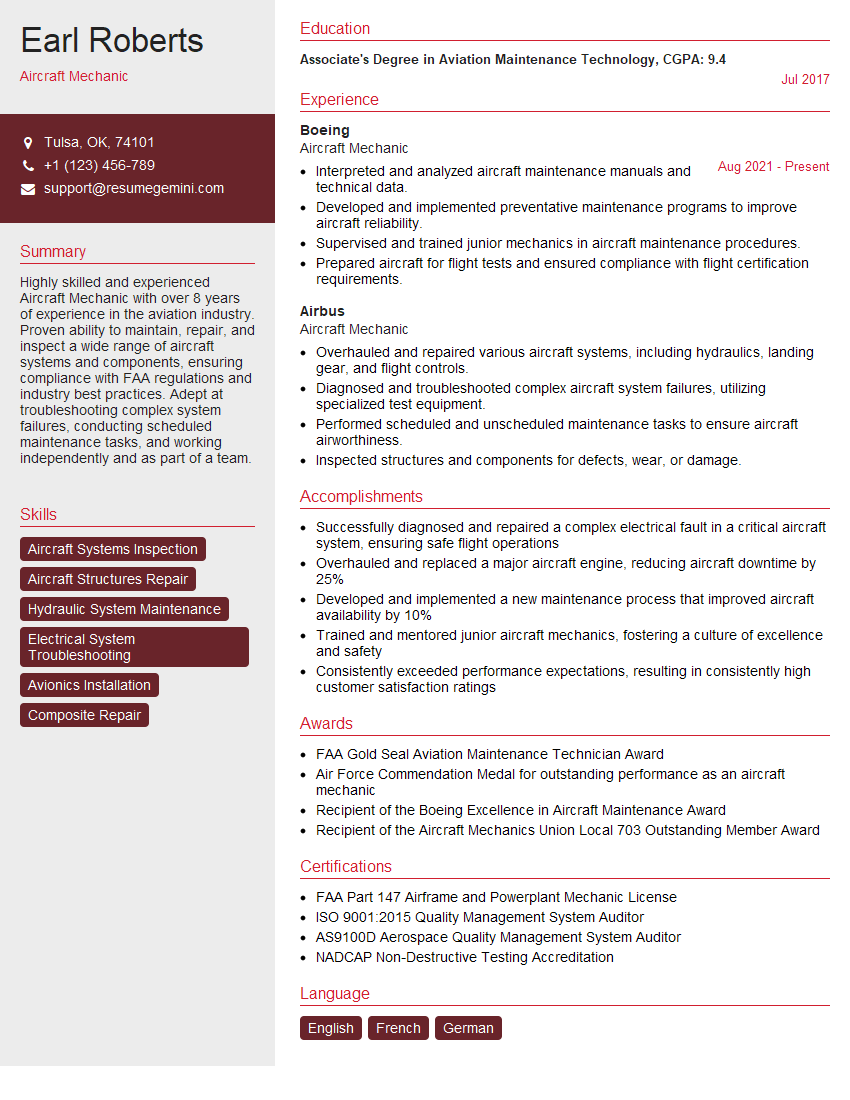
Aircraft Mechanic Resume Sample
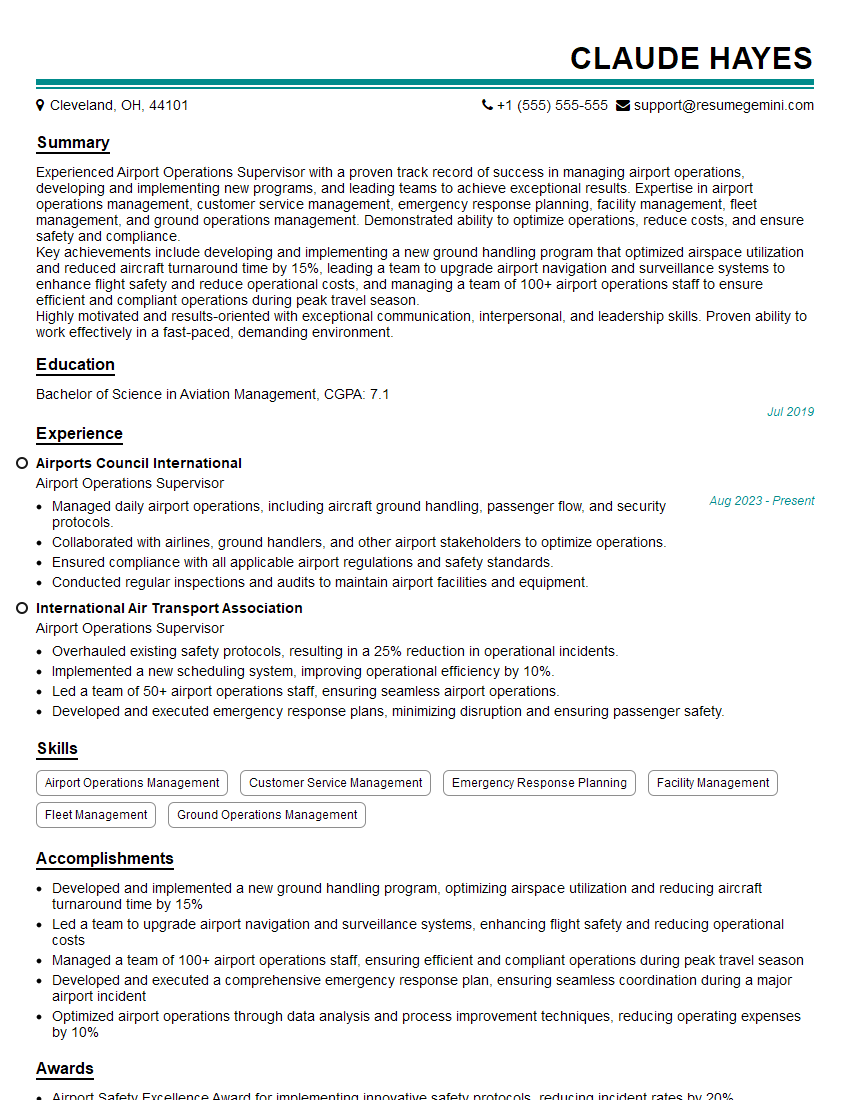
Airport Operations Supervisor Resume Sample
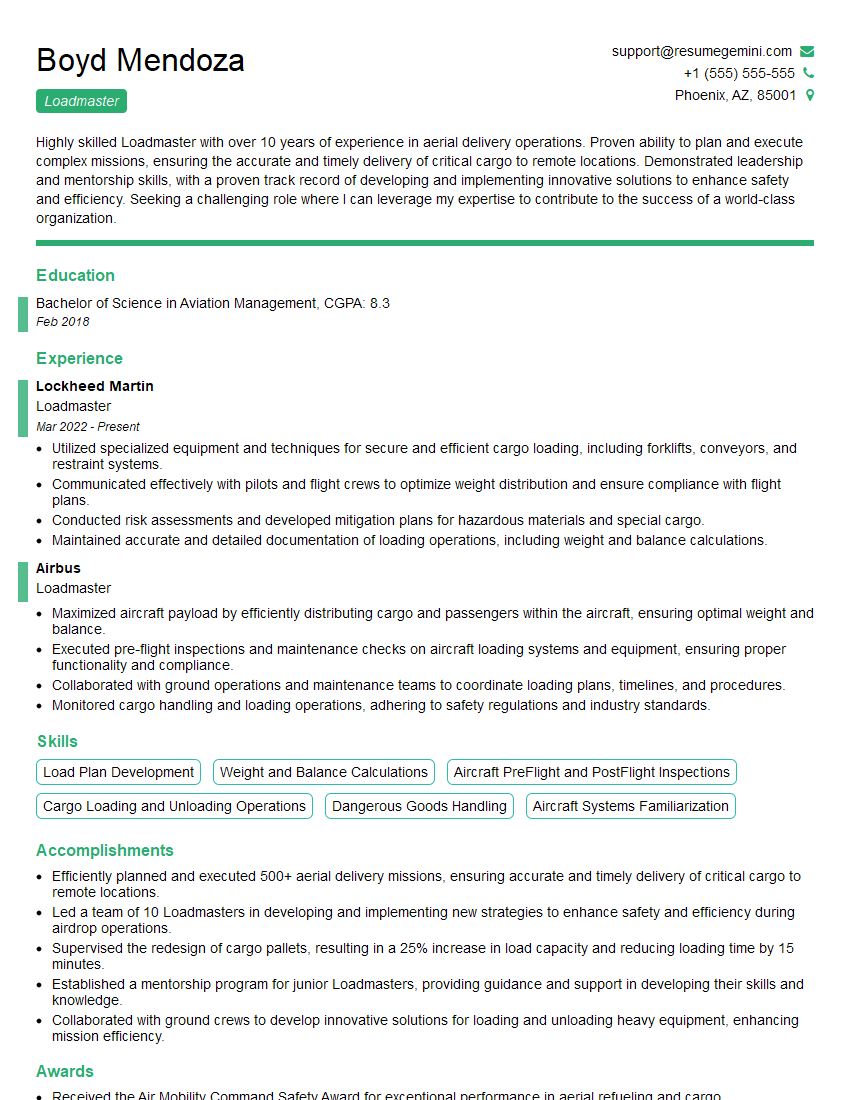
Loadmaster Resume Sample
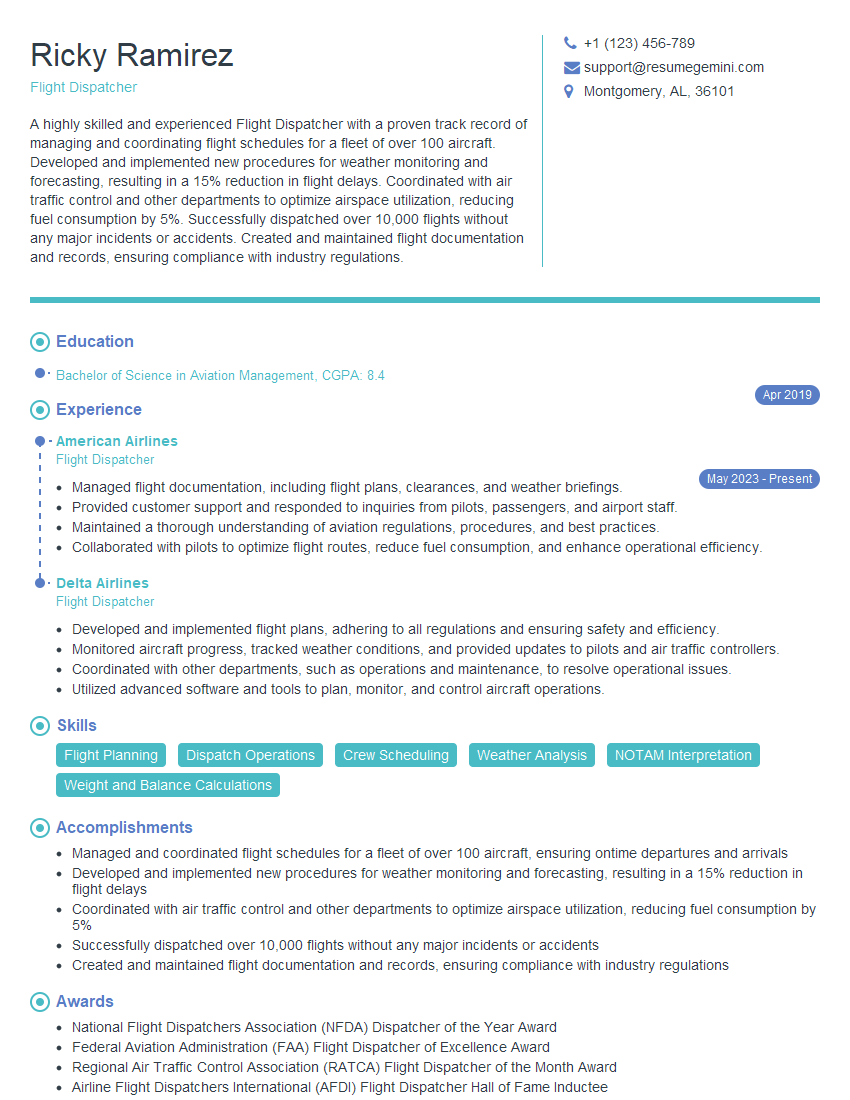
Flight Dispatcher Resume Sample
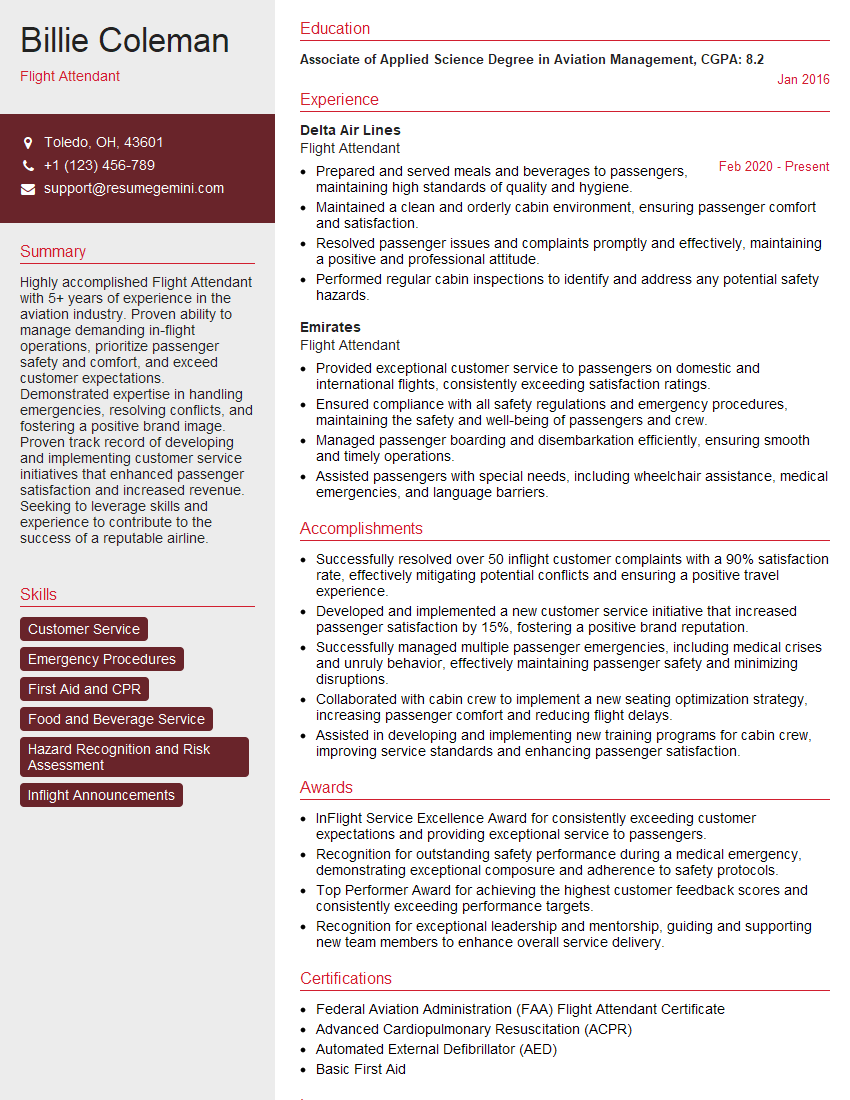
Flight Attendant Resume Sample

Airworthiness Inspector Resume Sample
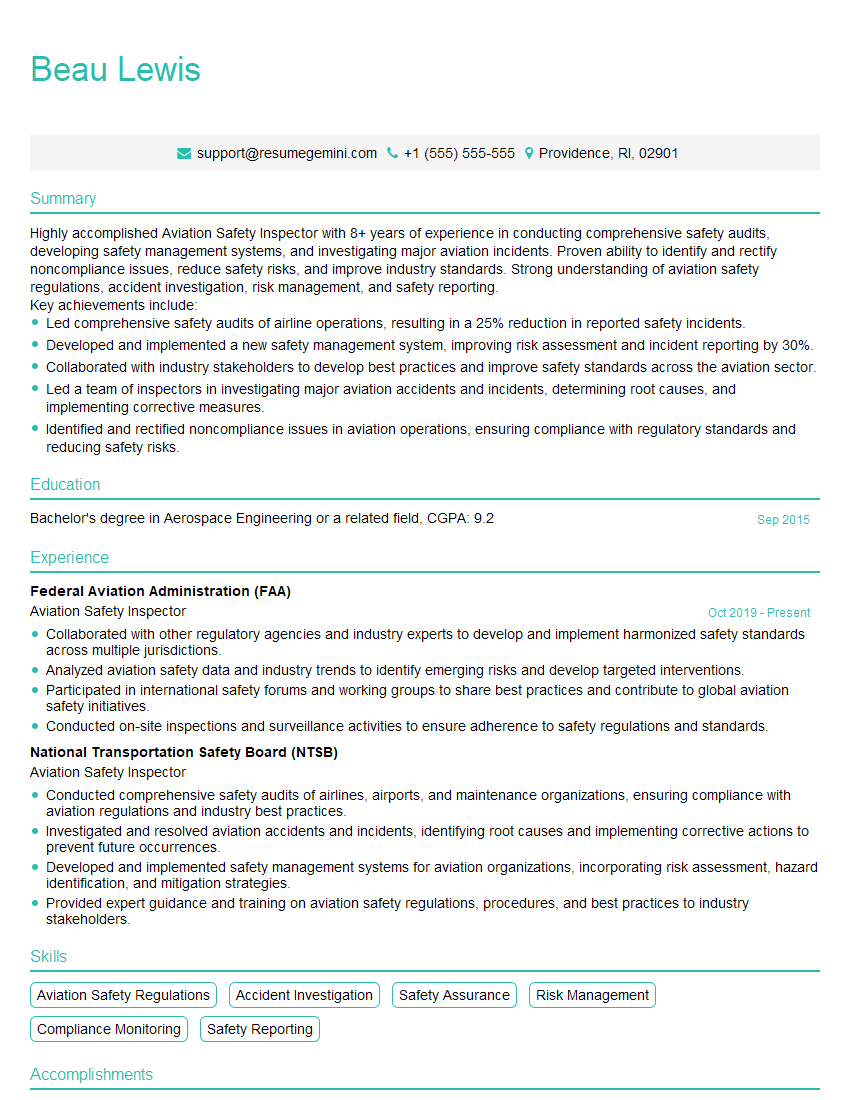
Aviation Safety Inspector Resume Sample
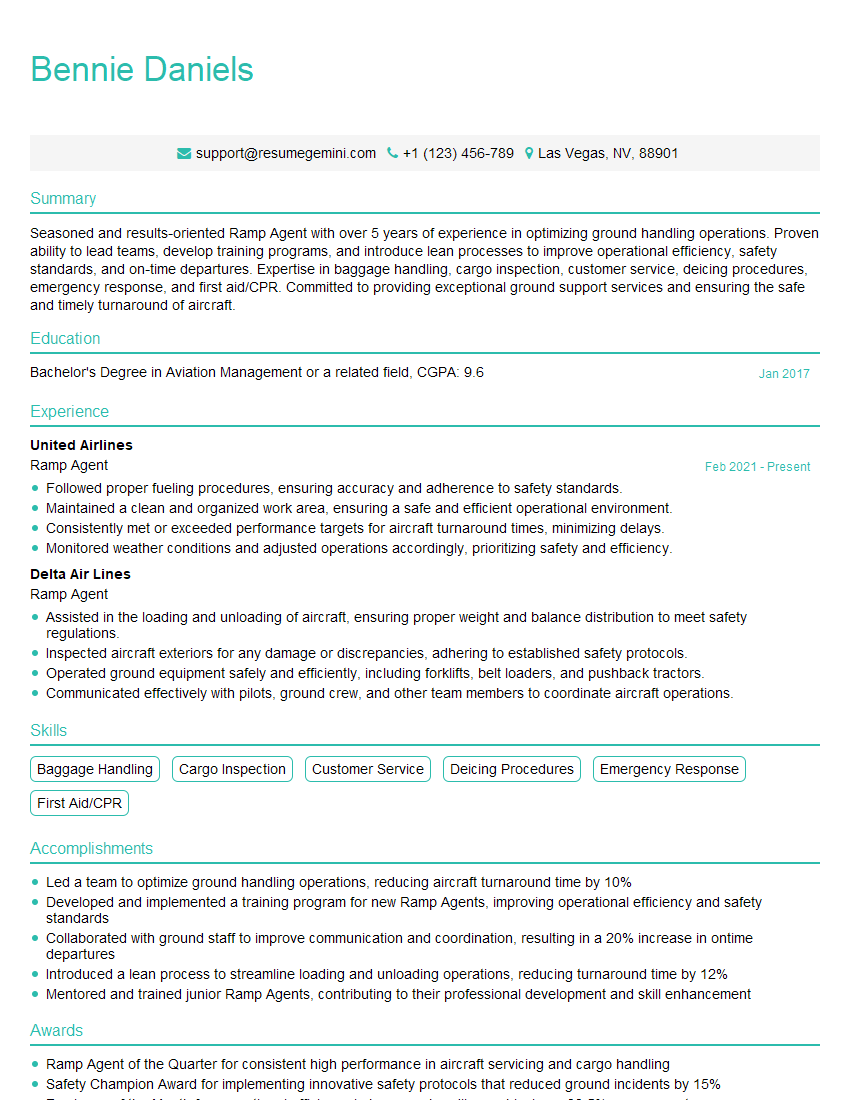
Ramp Agent Resume Sample
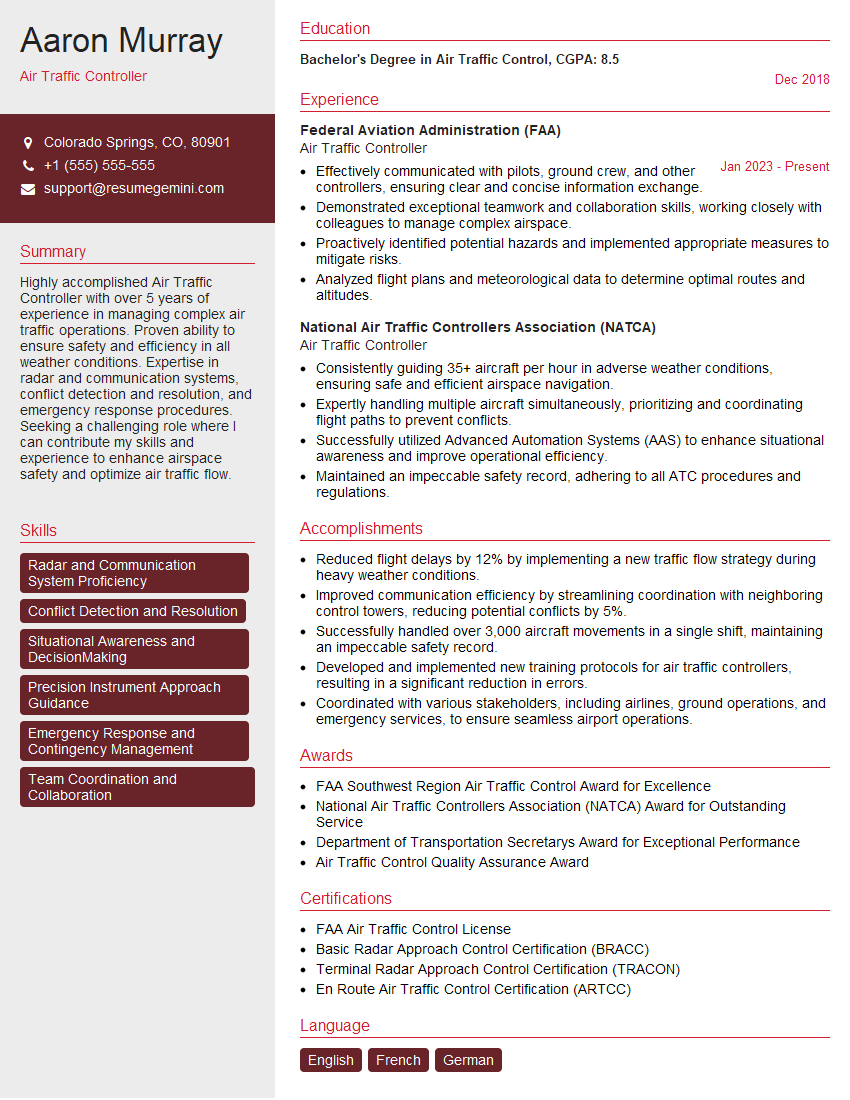
Air Traffic Controller Resume Sample
Explore more articles
Users Rating of Our Blogs
Share Your Experience
We value your feedback! Please rate our content and share your thoughts (optional).
What Readers Say About Our Blog
Hello,
we currently offer a complimentary backlink and URL indexing test for search engine optimization professionals.
You can get complimentary indexing credits to test how link discovery works in practice.
No credit card is required and there is no recurring fee.
You can find details here:
https://wikipedia-backlinks.com/indexing/
Regards
NICE RESPONSE TO Q & A
hi
The aim of this message is regarding an unclaimed deposit of a deceased nationale that bears the same name as you. You are not relate to him as there are millions of people answering the names across around the world. But i will use my position to influence the release of the deposit to you for our mutual benefit.
Respond for full details and how to claim the deposit. This is 100% risk free. Send hello to my email id: [email protected]
Luka Chachibaialuka
Hey interviewgemini.com, just wanted to follow up on my last email.
We just launched Call the Monster, an parenting app that lets you summon friendly ‘monsters’ kids actually listen to.
We’re also running a giveaway for everyone who downloads the app. Since it’s brand new, there aren’t many users yet, which means you’ve got a much better chance of winning some great prizes.
You can check it out here: https://bit.ly/callamonsterapp
Or follow us on Instagram: https://www.instagram.com/callamonsterapp
Thanks,
Ryan
CEO – Call the Monster App
Hey interviewgemini.com, I saw your website and love your approach.
I just want this to look like spam email, but want to share something important to you. We just launched Call the Monster, a parenting app that lets you summon friendly ‘monsters’ kids actually listen to.
Parents are loving it for calming chaos before bedtime. Thought you might want to try it: https://bit.ly/callamonsterapp or just follow our fun monster lore on Instagram: https://www.instagram.com/callamonsterapp
Thanks,
Ryan
CEO – Call A Monster APP
To the interviewgemini.com Owner.
Dear interviewgemini.com Webmaster!
Hi interviewgemini.com Webmaster!
Dear interviewgemini.com Webmaster!
excellent
Hello,
We found issues with your domain’s email setup that may be sending your messages to spam or blocking them completely. InboxShield Mini shows you how to fix it in minutes — no tech skills required.
Scan your domain now for details: https://inboxshield-mini.com/
— Adam @ InboxShield Mini
Reply STOP to unsubscribe
Hi, are you owner of interviewgemini.com? What if I told you I could help you find extra time in your schedule, reconnect with leads you didn’t even realize you missed, and bring in more “I want to work with you” conversations, without increasing your ad spend or hiring a full-time employee?
All with a flexible, budget-friendly service that could easily pay for itself. Sounds good?
Would it be nice to jump on a quick 10-minute call so I can show you exactly how we make this work?
Best,
Hapei
Marketing Director
Hey, I know you’re the owner of interviewgemini.com. I’ll be quick.
Fundraising for your business is tough and time-consuming. We make it easier by guaranteeing two private investor meetings each month, for six months. No demos, no pitch events – just direct introductions to active investors matched to your startup.
If youR17;re raising, this could help you build real momentum. Want me to send more info?
Hi, I represent an SEO company that specialises in getting you AI citations and higher rankings on Google. I’d like to offer you a 100% free SEO audit for your website. Would you be interested?
Hi, I represent an SEO company that specialises in getting you AI citations and higher rankings on Google. I’d like to offer you a 100% free SEO audit for your website. Would you be interested?
good