Are you ready to stand out in your next interview? Understanding and preparing for Animal Restraint and Handling interview questions is a game-changer. In this blog, we’ve compiled key questions and expert advice to help you showcase your skills with confidence and precision. Let’s get started on your journey to acing the interview.
Questions Asked in Animal Restraint and Handling Interview
Q 1. Describe the different methods of animal restraint used for dogs, cats, and horses.
Animal restraint methods vary greatly depending on the species and individual animal’s temperament. Let’s look at dogs, cats, and horses:
- Dogs: Restraint can range from simple techniques like gentle handling and verbal cues for calm dogs to more assertive methods for anxious or aggressive individuals. Common techniques include:
- Physical restraint: Holding the dog gently but firmly, controlling their head and body. This might involve one person holding the scruff of the neck and another holding the legs.
- Verbal cues: Using calm and reassuring tones to soothe the dog.
- Leash and collar: Using a leash to control movement and provide a sense of security.
- Muzzles: For aggressive or unpredictable dogs, a properly fitted muzzle is crucial for safety.
- Cats: Cats are notoriously independent and can be easily stressed. Gentle handling is paramount. Methods include:
- Towel restraint: Wrapping a cat in a towel can help calm and control them, especially during veterinary examinations.
- Scruffing: Gently scruffing the neck (similar to a mother cat) can temporarily subdue a cat, but it shouldn’t be used for prolonged periods.
- Carrier restraint: Using a secure carrier to transport or restrain the cat.
- Horses: Horses are large and powerful animals, requiring careful and knowledgeable handling. Methods include:
- Halter and lead rope: Essential for controlling movement and direction.
- Cross-tying: Securing the horse’s lead rope to a post or fence, allowing some movement but limiting escape.
- Twitch: A specialized nose twitch can be used for brief periods of restraint, but it requires training and should only be used by experienced handlers.
- Stocks or stalls: For veterinary procedures, horses may be placed in specialized stalls that restrict movement.
The choice of restraint method depends on the animal’s size, temperament, and the procedure being performed.
Q 2. Explain the importance of assessing an animal’s temperament before initiating restraint.
Assessing an animal’s temperament is crucial for safe and effective restraint. Ignoring an animal’s personality can lead to injury to both the animal and the handler. Before attempting any restraint, observe the animal’s body language: Is it relaxed or tense? Does it approach you willingly or shy away? Does it exhibit signs of aggression, such as growling, baring teeth, or flattened ears? A fearful or aggressive animal will require different restraint techniques compared to a calm, cooperative one. For instance, a dog exhibiting aggressive behaviors would necessitate the use of a muzzle and potentially multiple handlers, while a docile cat might only need gentle handling.
Q 3. What are the safety precautions you would take when restraining a potentially aggressive animal?
Restraining a potentially aggressive animal demands a cautious approach prioritizing safety. Here’s a breakdown of essential precautions:
- Appropriate personal protective equipment (PPE): This includes thick gloves, long sleeves, and potentially protective eyewear or face shields.
- Sufficient help: Never restrain a potentially dangerous animal alone. Always have at least one other person present to assist.
- Proper tools and equipment: Use the right tools for the job; this includes well-fitting muzzles, secure leads, and potentially nets (for larger animals).
- Safe environment: Ensure the restraint area is free from obstacles and hazards. A spacious area minimizes the risk of the animal panicking and injuring itself or others.
- Calm and controlled approach: Approach the animal slowly and calmly, using non-threatening body language and avoiding sudden movements.
- Know your limits: If you feel the situation is beyond your control, don’t hesitate to seek assistance from experienced animal handlers or professionals.
Example: Imagine needing to restrain an aggressive dog for a veterinary examination. Using a properly fitted muzzle is non-negotiable, along with at least two people to carefully control the animal. A quiet, secure environment is crucial to reduce stress.
Q 4. How would you handle a situation where an animal becomes unexpectedly agitated during restraint?
If an animal becomes unexpectedly agitated during restraint, the first priority is safety. The immediate response depends on the severity of the agitation.
- Minor agitation: If the animal shows signs of mild stress, such as increased heart rate or panting, attempt to reassure it with calm verbal cues and gentle handling. If possible, loosen the restraint slightly, giving the animal a little more space.
- Severe agitation: If the animal becomes aggressively agitated, immediately release or loosen the restraint as much as safely possible. This might involve removing a muzzle or partially releasing a leash. Back away slowly to avoid provoking further aggression. Seek assistance from colleagues or qualified professionals.
It’s crucial to assess the cause of the agitation. Is it pain, fear, or something else? Addressing the underlying cause is vital. Once the animal is calm, reassess the situation and determine whether you can safely proceed or if a different approach is needed. This might require veterinary attention or postponing the procedure.
Q 5. Describe your experience with different types of restraint equipment (e.g., nets, leads, muzzles).
Throughout my career, I’ve extensively used various restraint equipment. My experience includes:
- Nets: Primarily used for larger animals like horses or unruly dogs, nets require expertise to deploy safely and effectively. Improper use can cause injury to both the animal and the handler. I’ve found that a calm approach and proper technique are crucial for minimizing stress on the animal.
- Leads and collars/halters: Essential tools for everyday handling and restraint, especially for dogs and horses. Proper fitting is critical for safety and comfort. I emphasize using equipment that’s designed for the specific species and size of the animal.
- Muzzles: Muzzles are indispensable for restraining aggressive or anxious dogs, safeguarding both the animal and the handler from bites. Proper fitting is paramount; a poorly fitting muzzle can increase stress and even cause injury.
- Restraint devices for cats: I have experience with cat carriers, towels, and gentle scruffing techniques. I highlight the importance of using minimal restraint to reduce stress and ensure the animal’s well-being.
Q 6. Explain the ethical considerations involved in animal restraint.
Ethical considerations are fundamental in animal restraint. The overarching principle is to prioritize the animal’s welfare above all else. Restraint should only be used when absolutely necessary and with the least restrictive method possible. This means:
- Minimizing stress and discomfort: Choose the least stressful restraint method that effectively controls the animal. Avoid prolonged or unnecessary restraint.
- Avoiding pain and injury: Use appropriate equipment and techniques to prevent injury. Proper training is essential to avoid accidental harm.
- Respecting the animal’s individual needs: Recognize that each animal has a unique temperament. Adapt your approach accordingly.
- Seeking professional advice: If you are unsure about the best approach, consult an experienced animal handler or veterinarian.
- Justifying the restraint: Restraint should always be justified. There must be a clear purpose, such as medical treatment or transport. Unnecessary restraint is ethically unacceptable.
Q 7. What are the signs of stress or pain in an animal being restrained?
Recognizing signs of stress or pain in a restrained animal is vital. These signs can be subtle or overt, depending on the species and individual animal. Common indicators include:
- Increased heart rate and respiration: Rapid breathing and elevated pulse.
- Panting or sweating: Especially noticeable in dogs and horses.
- Dilated pupils: A sign of fear or anxiety.
- Muscle tension: Stiffness or rigidity in the body.
- Aggressive behavior: Biting, kicking, or striking out.
- Vocalization: Whining, crying, or other distressed sounds.
- Changes in posture: Cowering, tucked tail, flattened ears (in dogs and cats).
- Excessive salivation: Drooling or excessive saliva production.
- Restlessness: Constant shifting of weight or attempts to escape.
If you observe any of these signs, reassess the restraint technique and consider if modifications are needed. If the animal’s stress is severe, you might need to loosen the restraint or cease the procedure altogether. In some cases, veterinary attention may be required.
Q 8. How would you adjust your restraint techniques based on the animal’s species and size?
Restraining animals requires a highly adaptable approach. The techniques used vary significantly depending on the animal’s species and size. A tiny hamster requires a gentle, minimally invasive approach, while a large horse demands careful planning and possibly the assistance of multiple handlers.
- Species-Specific Considerations: Cats, for instance, often react negatively to direct eye contact and forceful restraint. They may feel threatened and become more aggressive. Dogs, on the other hand, might respond well to calm verbal cues and gentle physical guidance. Reptiles have specific vulnerabilities, requiring careful consideration of their fragility and potential for injury. Understanding species-specific behaviors is paramount.
- Size-Based Adjustments: The size of the animal dictates the type of equipment and number of personnel required. Small animals may be restrained effectively using a simple towel, whereas larger animals might need specialized equipment like slings or capture poles. The force applied must be proportionate to the animal’s size; excessive force could injure a smaller animal while insufficient force could be ineffective for a large one.
- Example: Restraining a feline for a vaccination might involve using a towel to gently wrap the cat, allowing access to the injection site while keeping the animal secure and calm. In contrast, restraining a horse for a procedure might require several trained individuals, using halters, ropes, and potentially sedatives, depending on the horse’s temperament and the nature of the procedure.
Q 9. Describe your experience restraining animals for various procedures (e.g., vaccinations, examinations).
My experience encompasses a wide range of animal restraint procedures across various species. I’ve assisted with routine vaccinations in dogs and cats, using minimal restraint techniques like gentle scruffing or towel wraps when necessary. I’ve also participated in more complex procedures, such as radiographic examinations requiring complete immobilization using specialized slings or sedation. With larger animals like horses, my role often involves assisting in applying and maintaining appropriate restraints during hoof trimming or dental procedures, ensuring the safety of both the animal and the veterinary team. In exotic animal settings, I’ve helped restrain reptiles and birds for examinations using species-appropriate techniques that minimize stress and the potential for injury.
Successful restraint always prioritizes the animal’s well-being. It’s about finding the balance between effective control and minimizing stress and fear. For example, using a calming pheromone spray prior to handling can help reduce anxiety in cats or dogs.
Q 10. How would you handle a situation where a colleague is injured while restraining an animal?
In the event of a colleague’s injury during animal restraint, the immediate priority is the safety and well-being of both the injured individual and the animal.
- Immediate Action: First, assess the severity of the injury and provide appropriate first aid. Remove the animal from the immediate vicinity to minimize further risk.
- Emergency Services: Call for emergency medical assistance if the injury is significant.
- Animal Safety: If the animal is still agitated, secure it safely using the appropriate method, and if necessary, use chemical restraint.
- Incident Report: After the immediate situation is resolved, a thorough incident report should be completed detailing the circumstances of the injury, the actions taken, and any contributing factors. This assists in identifying areas for improvement in safety protocols.
- Post-Incident Review: A review of the incident should occur to examine the procedures and training in place. Improvements to restraint techniques or safety protocols should be implemented to prevent similar incidents in the future.
Q 11. Explain the importance of proper body mechanics and posture when restraining animals.
Proper body mechanics and posture are crucial for safe and effective animal restraint. Poor posture can lead to muscle strains, back injuries, and ultimately, a loss of control over the animal.
- Maintaining Balance: Keep your center of gravity low, using a broad stance. This provides a stable base, preventing you from being easily knocked off balance by the animal’s movements.
- Leverage and Support: Use your legs for power and support, not your back. This distributes the weight efficiently and protects your spine.
- Minimize Strain: Avoid twisting or reaching, which increases the risk of injury. Maintain a balanced posture that allows you to adjust smoothly to the animal’s movements. If you are in an awkward position, reassess the restraint method and adjust as needed.
- Example: When restraining a large dog, it’s crucial to stand with your legs apart, your knees slightly bent, and your body weight distributed evenly. This position allows for both control of the dog and protection of your back from undue stress.
Q 12. How would you respond if an animal bites or scratches during restraint?
A bite or scratch during animal restraint necessitates a calm, controlled response prioritizing safety and immediate care.
- Release Safely: If possible, carefully and slowly release your hold on the animal to minimize further agitation or injury. Safety of all involved should be paramount.
- Assess the Injury: Once safe, assess the nature and severity of the bite or scratch. Wash the wound immediately with soap and water, and apply appropriate antiseptic.
- Medical Attention: Seek medical attention if the wound is deep, bleeding excessively, or shows signs of infection. Animal bites and scratches can cause serious infections.
- Reporting: Report the incident to your supervisor, noting the animal’s history and any factors contributing to the event. This enables a review of the handling techniques and protocols.
- Animal Care: Once the situation is secure and first aid administered, re-evaluate the animal’s behavior and the reasons for the aggression. Address these factors to prevent future incidents.
Q 13. What are the common signs of illness or injury that you should look for during animal handling?
Observing animals closely during handling is crucial for detecting signs of illness or injury. Early detection allows for prompt intervention and improves the chances of a positive outcome.
- Behavioral Changes: Lethargy, depression, changes in appetite, vocalizations (e.g., unusual whining or mewing), aggression or increased anxiety, and hiding behavior can all indicate illness or pain.
- Physical Signs: Examine the animal for any unusual lumps, bumps, swelling, lameness, discharge from eyes or nose, abnormal breathing patterns, skin lesions, and changes in posture or gait. Body temperature should also be checked.
- Vital Signs: Monitor the heart rate and respiratory rate. Elevated heart rate and respiration can signal underlying issues.
- Example: A cat displaying lethargy, anorexia, and a discharge from its eyes might be suffering from an upper respiratory infection. A dog limping on one leg may have suffered an injury to that limb. Any significant change in an animal’s usual behavior warrants immediate investigation.
Q 14. Explain the difference between physical and chemical restraint.
Physical and chemical restraint are two distinct approaches used to control animals, each with its own advantages and disadvantages.
- Physical Restraint: This involves using physical methods to limit an animal’s movement. This can include techniques such as using towels, nets, ropes, or specialized equipment like catch poles and head halters. The goal is to safely restrict movement while minimizing stress and the risk of injury to both the animal and the handler.
- Chemical Restraint: This employs the use of medications such as tranquilizers or sedatives to calm or immobilize an animal. Chemical restraint is often used for procedures requiring complete immobility, for particularly aggressive animals, or for animals that are difficult to handle using physical methods alone. It needs to be administered by appropriately trained and qualified personnel.
- Choosing the Right Method: The choice between physical and chemical restraint depends on various factors, including the species of animal, the temperament of the animal, the procedure to be performed, and the experience and training of the personnel involved. The goal is always to select the safest and most effective method that minimizes stress and potential harm to the animal.
Q 15. What are the legal and regulatory requirements related to animal restraint in your area?
Legal and regulatory requirements for animal restraint vary significantly depending on location (national, state/provincial, and local laws), the species of animal, and the purpose of restraint. In general, these regulations prioritize animal welfare and safety. They often mandate adherence to specific protocols, including obtaining proper permits or licenses for certain procedures, documenting all restraint events, and ensuring the use of humane restraint techniques. For example, many jurisdictions have specific guidelines on the use of chemical restraint (tranquilizers), requiring veterinary oversight and potentially necessitating specific training certifications for personnel administering such drugs. Failure to comply can result in fines, suspension of licenses, or even criminal charges.
Specifically, regulations often cover:
- Species-Specific Regulations: Restraint methods for large animals (horses, cattle) will differ greatly from those for small animals (dogs, cats), reflecting their unique physiological and behavioral needs.
- Ethical Considerations: Laws emphasize minimizing stress and pain to the animal. This involves choosing the least restrictive method possible, ensuring proper training of personnel, and regularly assessing the animal’s well-being throughout the restraint period.
- Record-Keeping: Detailed records of restraint events, including the animal’s identification, the reason for restraint, the method used, and any observations regarding the animal’s health, must be maintained for auditing and accountability.
It’s crucial to regularly consult and stay updated on all relevant laws and regulations in your area to ensure compliance.
Career Expert Tips:
- Ace those interviews! Prepare effectively by reviewing the Top 50 Most Common Interview Questions on ResumeGemini.
- Navigate your job search with confidence! Explore a wide range of Career Tips on ResumeGemini. Learn about common challenges and recommendations to overcome them.
- Craft the perfect resume! Master the Art of Resume Writing with ResumeGemini’s guide. Showcase your unique qualifications and achievements effectively.
- Don’t miss out on holiday savings! Build your dream resume with ResumeGemini’s ATS optimized templates.
Q 16. Describe your experience with training other individuals in safe animal restraint techniques.
I’ve extensive experience training individuals in safe animal restraint techniques, working with both novice handlers and experienced professionals to refine their skills. My training programs are tailored to the specific needs of the participants and the animals they handle. The approach includes a combination of theoretical instruction, practical demonstrations, and hands-on practice sessions.
For example, when training veterinary technicians, the focus is often on refining techniques for routine procedures like blood draws and injections in cats and dogs. With zookeepers, training centers on managing potentially dangerous species using specialized equipment and safety protocols. In all cases, emphasis is placed on:
- Understanding animal behavior: Recognizing signs of stress, fear, and aggression is crucial for selecting appropriate restraint techniques and maintaining safety.
- Choosing the right restraint method: This depends on the species, the individual animal’s temperament, the procedure being performed, and the available resources.
- Proper equipment usage: Demonstrating the correct use of halters, leads, nets, slings, and other specialized equipment is essential.
- Stress reduction techniques: Methods like gentle handling, positive reinforcement, and appropriate environmental modifications are taught to minimize animal stress.
- Emergency response: Trainees learn how to respond to bites, scratches, escapes, and other potential hazards.
Regular assessments and feedback throughout the training process ensure competence and adherence to best practices.
Q 17. How would you educate an animal owner about proper handling and restraint techniques?
Educating animal owners about proper handling and restraint techniques requires a patient, empathetic, and practical approach. I begin by assessing the owner’s current knowledge and experience level, tailoring my explanation accordingly. Instead of simply stating rules, I focus on the reasons behind them, emphasizing the importance of animal safety and welfare.
My approach includes:
- Demonstrations: Showing owners the correct way to approach, touch, and restrain their animal is more effective than simply telling them. This includes demonstrating different restraint techniques appropriate to the animal’s size and temperament.
- Hands-on practice: Allowing owners to practice under supervision helps them build confidence and refine their skills. This is especially crucial for owners of large or powerful animals.
- Species-specific guidance: The techniques for handling a small dog are very different from those for a large breed, and the same goes for other animal species. Owners need species-specific instructions.
- Problem-solving: Addressing specific challenges the owner faces, such as safely administering medication or managing aggressive behavior, helps make the training relevant and actionable.
- Resource provision: Providing owners with written materials, online resources, or contact information for further assistance ensures ongoing support.
Throughout the process, I emphasize that humane handling not only protects the animal but also strengthens the human-animal bond.
Q 18. Explain the importance of regular safety training for animal handling staff.
Regular safety training for animal handling staff is paramount. It significantly reduces the risk of injury to both humans and animals, improves efficiency and effectiveness of procedures, and promotes a culture of safety within the workplace. Without ongoing training, skills can degrade, new techniques may not be adopted, and awareness of updated safety regulations could be lacking.
Benefits include:
- Injury prevention: Animals can unexpectedly bite, scratch, kick, or otherwise injure handlers. Training equips staff with the knowledge and skills to prevent these incidents.
- Improved animal welfare: Proper restraint minimizes stress and trauma to the animals. Trained staff are better equipped to identify and respond to signs of discomfort or distress.
- Increased efficiency: Trained staff are more efficient and effective in handling animals, reducing the time needed for procedures and minimizing animal stress.
- Compliance with regulations: Regular training helps maintain compliance with all relevant health and safety regulations, mitigating legal risks.
- Enhanced teamwork: Training enhances communication and coordination among staff, resulting in a safer and more efficient work environment.
The frequency and content of training should be tailored to the specific needs of the workplace and the animals handled, but it should be a routine, ongoing commitment.
Q 19. How would you create a safe and comfortable environment for restraining an animal?
Creating a safe and comfortable environment for restraining an animal is crucial for both the animal’s well-being and the safety of the handlers. It involves carefully considering several factors:
- Environment: The restraint area should be clean, well-lit, and free of distractions. For large animals, sufficient space is essential to prevent injury from sudden movements. For smaller animals, a secure enclosure might be necessary.
- Equipment: Selecting appropriate restraint equipment for the animal’s size and temperament is vital. Equipment should be in good condition and used correctly. This could include halters, leads, slings, nets, or even specialized restraint boxes.
- Approach: A calm and confident approach minimizes animal stress. Use gentle movements and reassuring words. Avoid sudden movements or loud noises.
- Positioning: The animal’s position should be comfortable and secure, minimizing the risk of injury. For example, a dog might be restrained in a sit or down position, while a cat might be held gently but firmly.
- Monitoring: Continuously monitor the animal’s respiratory rate, heart rate, and overall condition throughout the restraint period. Immediate release is necessary if any signs of distress are observed.
Remember, the goal is to make the experience as stress-free as possible for the animal while maintaining safety for everyone involved.
Q 20. What are the potential risks and hazards associated with animal restraint?
Animal restraint, while necessary for many procedures, carries inherent risks and hazards. These risks vary greatly depending on the species of animal, the individual animal’s temperament, and the type of restraint used.
Potential hazards include:
- Injury to handlers: Bites, scratches, kicks, and other injuries are common risks, particularly when dealing with large or aggressive animals. Injuries can range from minor scratches to severe lacerations or broken bones.
- Injury to the animal: Improper restraint techniques can cause physical harm to the animal, including broken bones, soft tissue injuries, or psychological trauma. Excessive force or poorly designed equipment can be especially dangerous.
- Escape: Animals may struggle and escape from restraints, potentially causing harm to themselves or others. This is especially true when dealing with strong or agile animals.
- Stress and fear: Restraint is inherently stressful for animals. If not managed properly, it can lead to fear, anxiety, or even aggressive behavior. Chronic stress can negatively impact an animal’s health and well-being.
- Adverse reactions to medications: When using chemical restraint (tranquilizers or sedatives), there is always a risk of adverse reactions, such as respiratory depression, or cardiovascular complications.
Risk mitigation involves careful planning, proper training, appropriate equipment, and constant vigilance.
Q 21. Describe your experience with using different types of tranquilizers or sedatives for animal restraint.
My experience with tranquilizers and sedatives in animal restraint is extensive, always under the direct supervision and prescription of a licensed veterinarian. I’m proficient in administering various drugs, carefully following established protocols, and monitoring the animal’s response closely. It’s crucial to remember that using these drugs is not a substitute for proper restraint techniques; they are supplementary tools used only when necessary.
Factors considered when choosing a sedative include:
- Species and size of the animal: Different drugs have varying effects on different species. Dosage is carefully calculated based on the animal’s weight and health status.
- Reason for restraint: The choice of drug will depend on the procedure being performed. Some drugs are more appropriate for short-term procedures, while others are suitable for longer-term sedation.
- Potential side effects: Each drug has potential side effects, which must be carefully considered. Close monitoring of the animal’s vital signs is essential.
- Drug interactions: The chosen drug should not interact negatively with any other medications the animal may be taking.
The administration, monitoring, and documentation of any chemical restraint are always conducted according to strict veterinary guidelines and institutional policies. The safety and welfare of the animal remain the highest priority.
Q 22. Explain the procedure for selecting and using appropriate personal protective equipment (PPE).
Selecting and using appropriate Personal Protective Equipment (PPE) is paramount in animal restraint. The choice of PPE depends entirely on the species, size, and temperament of the animal, as well as the specific procedure. It’s about minimizing risk to both the animal and the handler.
- Assessment: First, assess the potential hazards. A large, aggressive dog requires different PPE than a small, docile rabbit. Consider potential bites, scratches, kicks, or other forms of aggression.
- Selection: Based on the assessment, select appropriate PPE. This could include:
- Gloves: Heavy-duty leather gloves for handling aggressive animals, nitrile gloves for general handling and protection from bodily fluids.
- Eye protection: Safety glasses or goggles to protect against splashes or projectiles.
- Protective clothing: Long sleeves, long pants, and sturdy boots to protect exposed skin.
- Restraint equipment: Muzzles, catch poles, nets, and other species-appropriate restraint devices.
- Hearing protection: In situations with loud animals or machinery.
- Application: Ensure PPE fits correctly and comfortably. Ill-fitting PPE can hinder your movements and increase your risk of injury. Always inspect PPE before each use and replace any damaged items.
- Maintenance: After each use, clean and disinfect all PPE according to manufacturer instructions. Store PPE properly to maintain its integrity.
Example: When handling a potentially aggressive dog for a veterinary examination, I would wear heavy-duty leather gloves, safety glasses, and a protective jacket. I would also have a properly fitted muzzle available to use if needed.
Q 23. How would you address a situation where an animal needs to be restrained in a confined space?
Restraining an animal in a confined space requires extra caution and planning. The goal is to minimize stress on the animal while ensuring the safety of the handler. The space itself needs careful consideration.
- Space Assessment: Ensure the space is appropriately sized and secure, preventing escape. Adequate ventilation is vital, especially in warmer climates.
- Approach: Approach calmly and quietly to avoid startling the animal. Move slowly and deliberately.
- Restraint Method: The restraint method will depend on the animal’s species, size, and temperament. In confined spaces, a combination of methods might be necessary, such as using a net or a catch pole in conjunction with physical restraint (always with appropriate PPE).
- Safety: Always have an escape route for yourself and ensure your equipment won’t impede your ability to exit quickly if needed. Have assistance nearby if the animal is strong or unpredictable.
- Post-Restraint: Once the procedure is complete, remove the restraint devices carefully and safely allow the animal to return to a calmer environment. Document any injuries sustained to either the animal or handler.
Example: Imagine needing to administer medication to a cat confined to a small carrier. I would approach slowly, speak in a soothing tone, and carefully open the carrier. Using thick gloves, I would gently restrain the cat, giving the medication quickly while minimizing stress and ensuring it cannot scratch me.
Q 24. What are the key differences between restraining a wild animal versus a domestic animal?
Restraining wild and domestic animals differs significantly due to their inherent behaviors, levels of trust, and potential for unpredictability. Domestic animals usually exhibit a higher degree of habituation and trained responsiveness, while wild animals pose a higher risk.
- Predictability: Domestic animals, particularly those familiar with handling, often exhibit predictable behaviors. Wild animals are inherently unpredictable and may react aggressively with little warning.
- Trust Factor: Domestic animals, especially those raised with human interaction, can establish a level of trust that makes restraint easier. Wild animals will not show trust and might display strong fight-or-flight responses.
- Aggression: The intensity and type of aggression differ. Domestic animals may bite or scratch, while wild animals may exhibit far more dangerous behaviors.
- Restraint Techniques: Domestic animal restraint often involves minimal physical restriction, focusing on gentle guidance. Wild animal restraint requires specialized equipment, such as nets, tranquilizer guns (in appropriate scenarios and by trained personnel), and specialized handling techniques to minimize harm to both the animal and the handler. Safety is paramount.
Example: Giving a vaccination to a domesticated cat typically involves minimal restraint — maybe just gently holding it. Conversely, capturing and handling a wild fox for a health check demands a specialized net, potentially sedation, and protective gear like heavy-duty gloves and protective clothing.
Q 25. How would you document the details of an animal restraint procedure?
Accurate and comprehensive documentation of animal restraint procedures is critical for legal, ethical, and safety reasons. This allows for a review of the process, identifies areas for improvement, and helps track the animal’s well-being.
- Pre-Procedure: Record the animal’s species, age, sex, weight, any known health conditions, and observed behavior prior to restraint.
- Procedure: Document the date, time, location, and names of personnel involved. Detail the specific restraint methods used, including types of equipment. Note any difficulties encountered or modifications made to the planned procedure.
- Post-Procedure: Record the animal’s condition after restraint, noting any injuries or signs of distress. Document the success of the procedure and any medication administered.
- Observations: Record any behavioral changes or unusual responses during and after the procedure. Include any physical injuries to the animal or the handlers.
- Signatures: Ensure appropriate personnel sign to verify the accuracy of the record.
Example: The documentation of a dog restraint for a routine examination would include the date, the dog’s breed and age, the personnel involved, the method of restraint (e.g., a gentle hold and muzzle), observations of the dog’s behavior, and any medications administered.
Q 26. Explain your understanding of animal welfare and its relationship to restraint techniques.
Animal welfare is fundamentally linked to restraint techniques. The core principle is to minimize stress, pain, and fear for the animal throughout the process. Ethical and humane restraint prioritizes the animal’s safety and well-being.
Effective restraint techniques involve:
- Minimizing physical restraint: Using only the necessary level of restraint to accomplish the task.
- Proper equipment: Employing appropriate equipment that causes minimal discomfort to the animal.
- Quick and efficient procedures: Reducing the duration of restraint to minimize stress.
- Calm and confident handling: Using gentle, reassuring movements and language to reduce the animal’s anxiety.
- Post-restraint care: Ensuring the animal is comfortable and receives any necessary post-procedure care.
A breach of animal welfare during restraint can lead to lasting psychological damage, physical injury, or even death. Therefore, mastering humane restraint techniques is vital for responsible animal handling.
Q 27. How do you ensure the safety of both the animal and the handler during restraint procedures?
Ensuring the safety of both the animal and the handler is the top priority during any restraint procedure. This requires careful planning, appropriate equipment, and a clear understanding of animal behavior.
- Risk Assessment: Thoroughly assess the potential hazards and develop a safety plan. This includes evaluating the animal’s temperament and potential for aggression.
- Appropriate PPE: Always use appropriate PPE tailored to the specific animal and procedure. This protects the handler from bites, scratches, kicks, and other potential injuries.
- Trained Personnel: The procedure should be performed by trained and experienced individuals proficient in animal restraint and handling techniques. Multiple handlers might be needed for larger or more aggressive animals.
- Appropriate Restraint Methods: Use the least restrictive method possible to achieve the goal of the procedure. This includes using appropriate equipment like muzzles, catch poles, or other species-specific restraint devices.
- Emergency Plan: Have a clear emergency plan in place in case of unexpected aggression or injury. This could include having access to emergency medical care for both the animal and handler.
Example: When working with a large, aggressive dog, I would ensure I have multiple assistants, heavy-duty leather gloves, a secure muzzle, and a plan to escape should things go wrong. The procedure would be executed swiftly and efficiently to minimize the risk and the stress on the animal.
Q 28. Describe a situation where you had to improvise a restraint technique due to unforeseen circumstances.
During a routine health check on a llama, the lead rope intended for restraint snapped unexpectedly. The llama, startled, tried to bolt. Instead of panicking, I used my immediate environment to improvise a restraint.
Using a nearby, sturdy fence post and a section of strong nylon webbing, I quickly created a makeshift halter. This allowed me to safely control the llama until a replacement lead rope could be secured. This required quick thinking and adaptation to the unforeseen event. I then completed the health check. The quick thinking prevented a potentially dangerous situation. The incident also highlighted the importance of always having backup plans and understanding how to use available resources in unusual circumstances.
Key Topics to Learn for Animal Restraint and Handling Interview
- Species-Specific Restraint Techniques: Understanding the unique anatomical and behavioral considerations for different animal species (e.g., dogs, cats, horses, livestock) and adapting restraint methods accordingly.
- Safety Procedures and Risk Assessment: Prioritizing safety for both the animal and handler through proper risk assessment, utilizing appropriate personal protective equipment (PPE), and recognizing signs of stress or aggression in animals.
- Ethical Considerations: Applying humane restraint techniques that minimize stress and discomfort to the animal while ensuring safe handling. Understanding the ethical implications of different restraint methods.
- Practical Application of Restraint: Demonstrating proficiency in various restraint techniques, including physical restraint, chemical restraint (if applicable to your role), and environmental control.
- Emergency Procedures: Knowing how to respond to unexpected situations, such as bites, scratches, or escapes, and implementing appropriate emergency protocols.
- Post-Restraint Care: Providing appropriate post-restraint care to minimize any negative impacts on the animal’s physical and psychological well-being.
- Understanding Animal Behavior: Recognizing and interpreting animal body language to anticipate potential problems and adjust restraint techniques as needed.
- Equipment Knowledge: Demonstrating familiarity with various restraint equipment, including leads, muzzles, slings, and other specialized tools, and understanding their proper and safe use.
- Legal and Regulatory Compliance: Adhering to relevant animal welfare laws, regulations, and institutional policies regarding animal handling and restraint.
- Problem-Solving and Decision-Making: Describing how you would approach a challenging restraint situation, adapting your technique based on the animal’s response and environmental factors.
Next Steps
Mastering animal restraint and handling is crucial for career advancement in veterinary medicine, animal care, and related fields. It demonstrates a commitment to animal welfare and ensures a safe and efficient work environment. To significantly boost your job prospects, create an ATS-friendly resume that highlights your skills and experience effectively. ResumeGemini is a trusted resource to help you build a professional and impactful resume. Examples of resumes tailored to Animal Restraint and Handling are available to guide you.
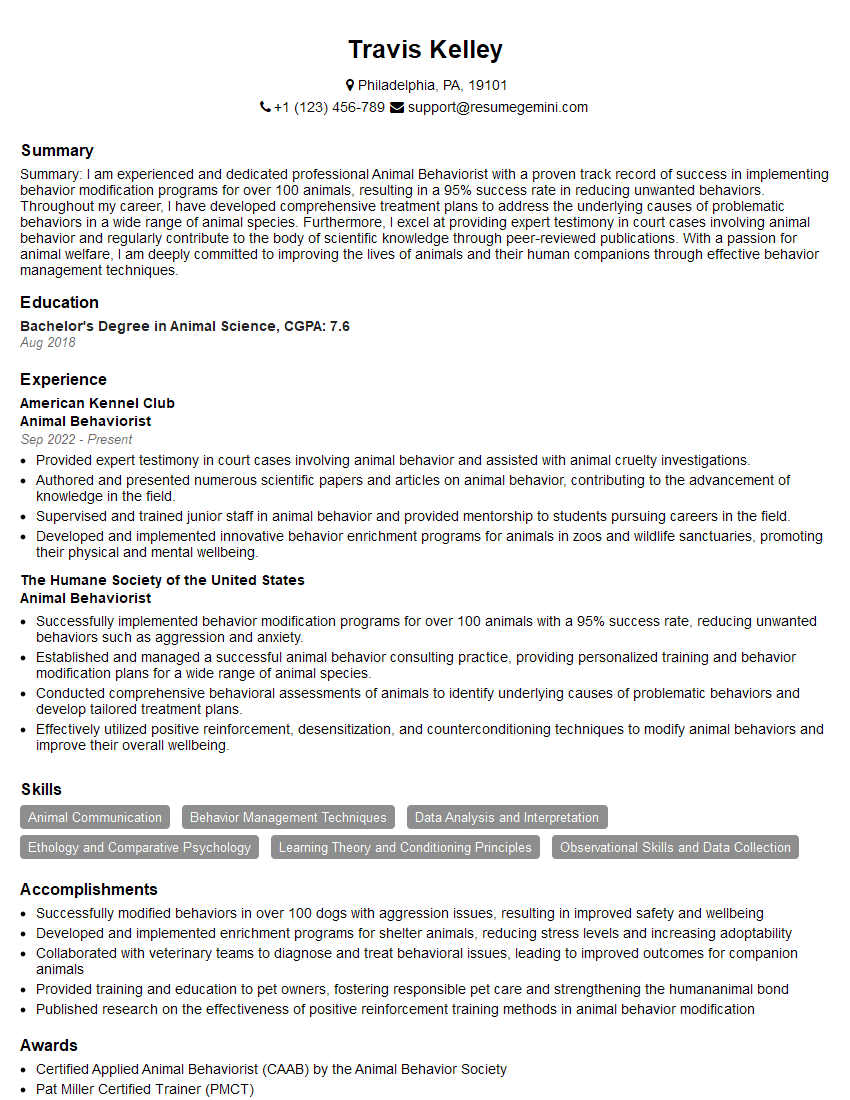
Animal Behaviorist Resume Sample
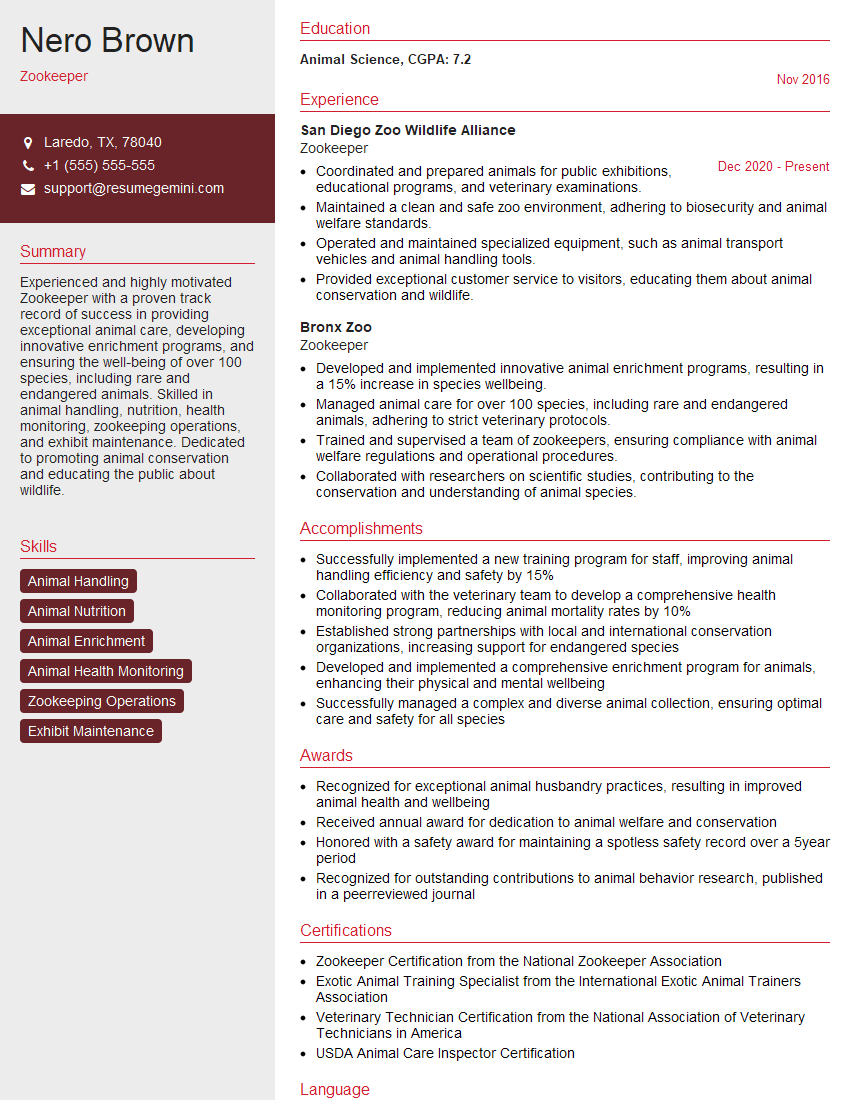
Zookeeper Resume Sample

Conservationist Resume Sample
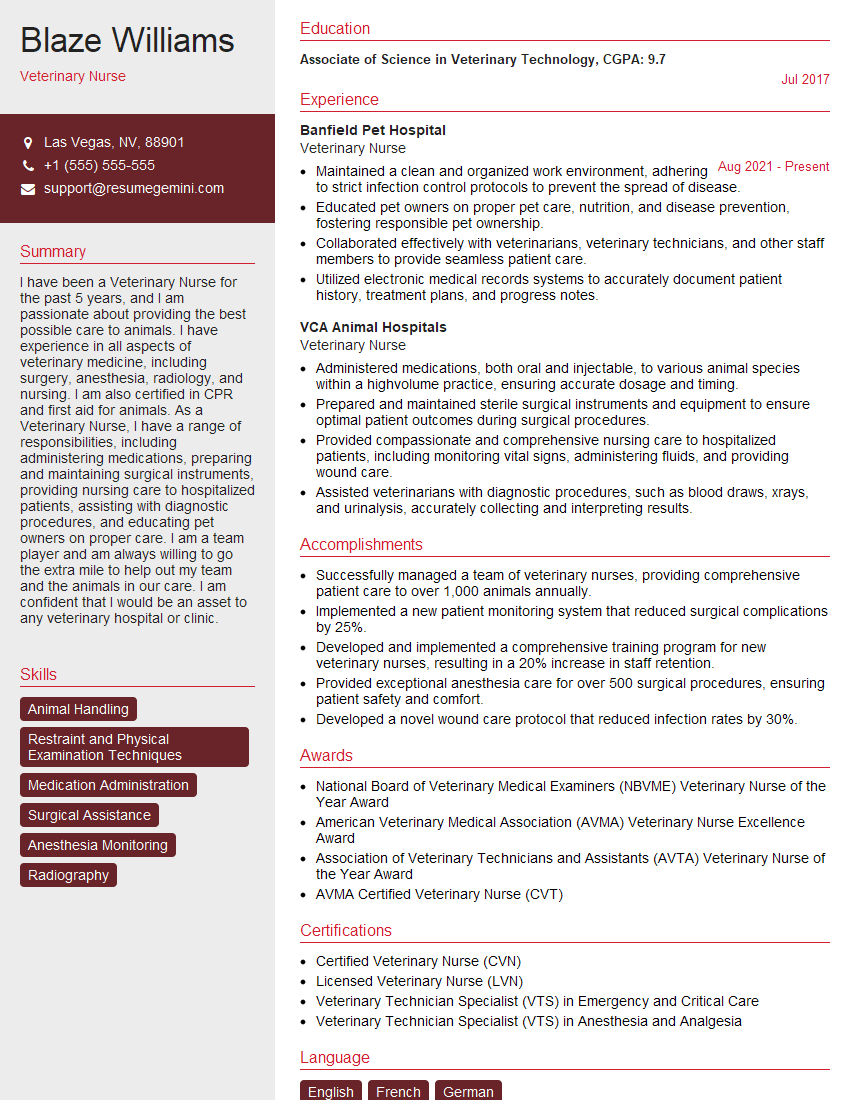
Veterinary Nurse Resume Sample
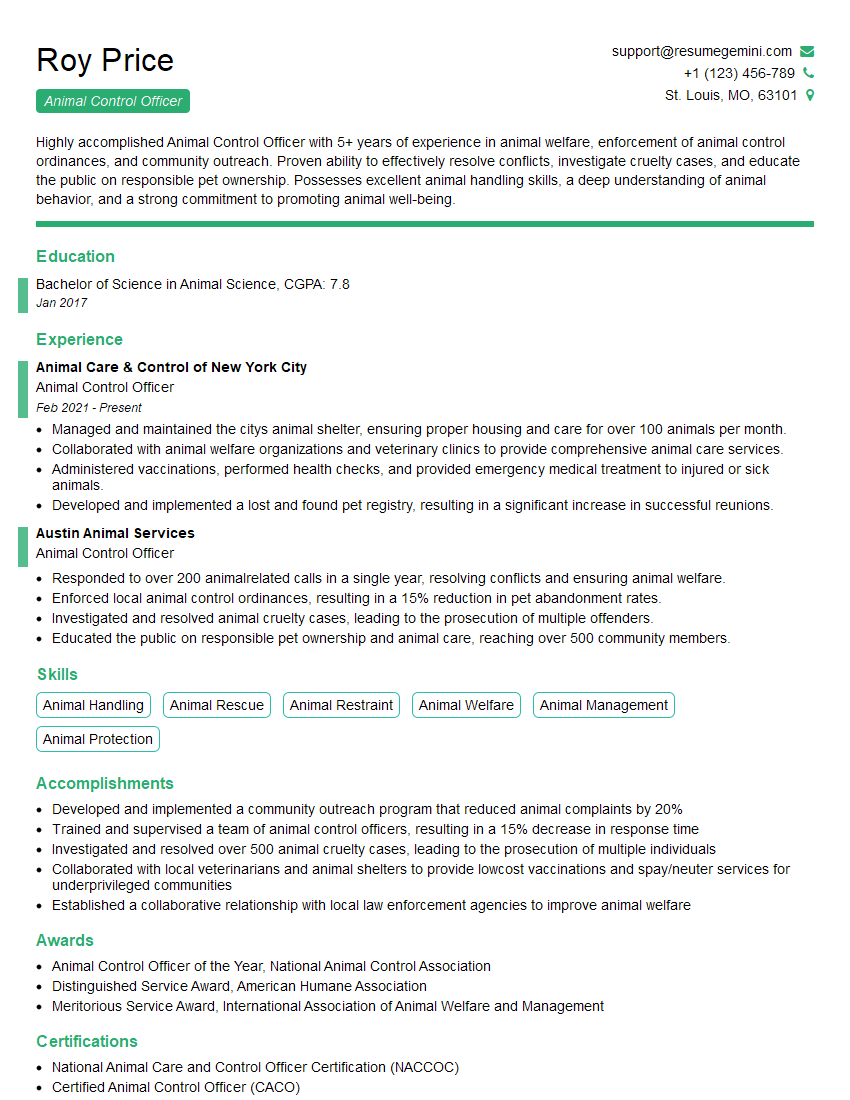
Animal Control Officer Resume Sample
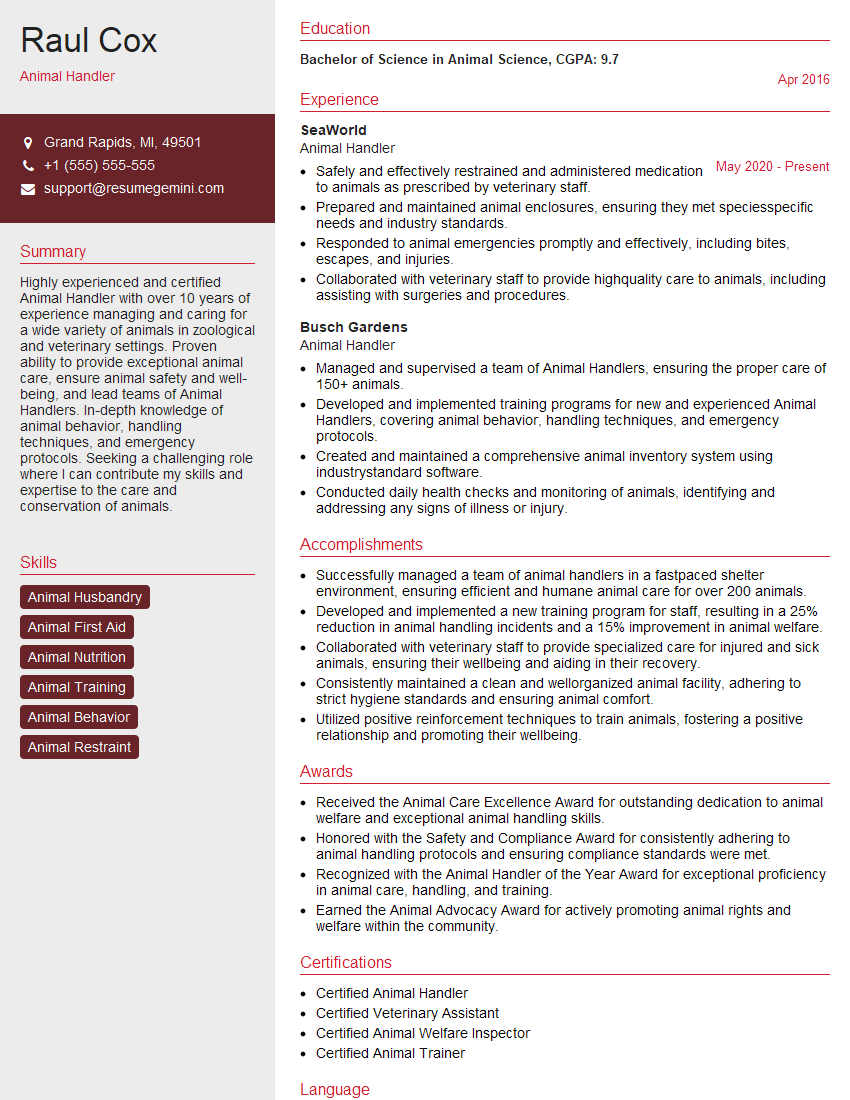
Animal Handler Resume Sample

Marine Mammal Trainer Resume Sample

Animal Care Technician Resume Sample

Veterinary Technician Resume Sample

Wildlife Rehabilitator Resume Sample
Explore more articles
Users Rating of Our Blogs
Share Your Experience
We value your feedback! Please rate our content and share your thoughts (optional).
What Readers Say About Our Blog
Very informative content, great job.
good