Interviews are opportunities to demonstrate your expertise, and this guide is here to help you shine. Explore the essential Application Security Testing interview questions that employers frequently ask, paired with strategies for crafting responses that set you apart from the competition.
Questions Asked in Application Security Testing Interview
Q 1. Explain the difference between SAST and DAST.
SAST (Static Application Security Testing) and DAST (Dynamic Application Security Testing) are both crucial components of a comprehensive application security program, but they approach vulnerability detection from opposite ends. Think of it like this: SAST is like examining the blueprint of a house before it’s built to find potential flaws, while DAST is like inspecting the finished house to see if anything is amiss.
SAST analyzes the source code without actually running the application. It examines the code for potential vulnerabilities based on pre-defined rules and patterns. This means it can detect vulnerabilities early in the development lifecycle, even before the application is deployed. However, it might miss runtime vulnerabilities that only appear when the application is running.
DAST, on the other hand, tests the application while it’s running. It simulates attacks to identify vulnerabilities from the perspective of a malicious user. This approach is great for uncovering runtime vulnerabilities, but it can’t see vulnerabilities hidden deep within the code that don’t manifest during execution. Think of SQL injection vulnerabilities; DAST can easily detect their impact when exploited but might miss them if the code is poorly written but not actively triggering the vulnerability.
In short: SAST is code-centric, while DAST is application-centric. A robust security program ideally utilizes both.
Q 2. What are the OWASP Top 10 vulnerabilities and how can they be mitigated?
The OWASP Top 10 represents a list of the most critical web application security risks. These vulnerabilities, if exploited, can lead to significant data breaches, financial losses, and reputational damage. It’s crucial to understand them and implement effective mitigations.
- Injection (SQL, NoSQL, OS, LDAP, etc.): Occurs when untrusted data is sent to an interpreter as part of a command or query. Mitigation: Use parameterized queries or prepared statements, validate all user inputs rigorously, and leverage input sanitization techniques.
- Broken Authentication: Weak or improperly implemented authentication mechanisms allow attackers to gain unauthorized access. Mitigation: Implement strong password policies, use multi-factor authentication (MFA), regularly audit user accounts, and protect session tokens.
- Sensitive Data Exposure: Failure to protect sensitive data like passwords, credit card information, and personally identifiable information (PII). Mitigation: Employ encryption both in transit and at rest, use strong access controls, implement tokenization, and adhere to data privacy regulations.
- XML External Entities (XXE): Allows attackers to read sensitive files or execute commands on the server through XML processing. Mitigation: Disable external entity processing in XML parsers, validate XML input carefully, and use secure XML libraries.
- Broken Access Control: Insufficient authorization checks allow attackers to access resources they shouldn’t. Mitigation: Implement robust authorization mechanisms based on roles and permissions, follow the principle of least privilege, and regularly review access control lists.
- Security Misconfiguration: Improper configuration of software or servers can expose vulnerabilities. Mitigation: Follow security best practices during configuration, keep software updated, and regularly scan for misconfigurations.
- Cross-Site Scripting (XSS): Attackers inject malicious scripts into web pages viewed by other users. Mitigation: Encode all user-supplied data before displaying it on web pages, use a web application firewall (WAF), and implement proper output encoding.
- Insecure Deserialization: Deserializing untrusted data can allow attackers to execute arbitrary code. Mitigation: Avoid deserializing untrusted data, validate the structure and integrity of incoming data, and use secure serialization frameworks.
- Using Components with Known Vulnerabilities: Using outdated or vulnerable third-party libraries or components. Mitigation: Regularly update dependencies, use vulnerability scanners to identify known vulnerabilities, and carefully vet third-party libraries before integration.
- Insufficient Logging & Monitoring: Inadequate logging and monitoring make it difficult to detect and respond to security incidents. Mitigation: Implement comprehensive logging across all layers of the application, use security information and event management (SIEM) systems, and establish clear incident response plans.
Q 3. Describe your experience with different security testing methodologies (e.g., black box, white box, gray box).
My experience encompasses all three major security testing methodologies: black box, white box, and gray box. Each offers unique advantages and drawbacks depending on the context.
- Black Box Testing: This approach simulates real-world attacks without any prior knowledge of the application’s internal workings. It’s great for finding vulnerabilities that might be overlooked during internal testing, offering an external perspective. I’ve used it extensively to uncover unexpected vulnerabilities during penetration testing engagements.
- White Box Testing: This involves having complete access to the application’s source code, architecture, and internal documentation. This allows for a more thorough analysis, identifying vulnerabilities at the code level. My experience includes using SAST tools in conjunction with white box testing to efficiently pinpoint vulnerabilities in complex applications.
- Gray Box Testing: This combines aspects of both black and white box testing. Testers have limited knowledge of the internal workings, such as the system architecture or code, but not the full source code access. It balances external vulnerability identification with deeper analysis compared to black box only. This is commonly my approach during various phases of the SDLC, where I have partial knowledge of architecture and design documents but not access to complete codebases.
The choice of methodology depends on factors such as project scope, time constraints, budget, and the level of access available. Often a combination is the most effective approach.
Q 4. How do you identify and prioritize vulnerabilities?
Identifying and prioritizing vulnerabilities requires a structured approach. I typically follow these steps:
- Vulnerability Discovery: Utilize a combination of automated tools (SAST, DAST, IAST, SCA) and manual techniques (penetration testing) to identify potential weaknesses.
- Vulnerability Verification: Each identified vulnerability is meticulously verified to ensure it’s genuine and not a false positive. This often involves manual steps to confirm the impact and exploitability.
- Vulnerability Classification: Each vulnerability is categorized based on its severity (critical, high, medium, low) using standardized frameworks like CVSS. This classification is based on factors such as the impact on confidentiality, integrity, and availability.
- Vulnerability Prioritization: Prioritization is based on a combination of severity and business impact. Critical vulnerabilities affecting core functionality will usually take precedence. Consider factors such as ease of exploitation, potential financial loss, and reputational damage.
- Vulnerability Reporting: Comprehensive reports are generated, including detailed descriptions, steps to reproduce, severity level, mitigation recommendations, and risk assessment.
Prioritization often involves using a risk matrix to assess the likelihood and impact of each vulnerability. This allows for efficient allocation of resources to address the most critical risks first.
Q 5. Explain the concept of false positives in security testing.
False positives in security testing are reported vulnerabilities that don’t actually exist or are not exploitable in the context of the application. They’re essentially errors in the analysis performed by automated tools or misinterpretations during manual testing. Imagine a smoke detector going off because of burnt toast; that’s a false positive.
False positives are a significant challenge in security testing as they can lead to wasted time and resources investigating non-existent threats. They reduce the efficiency and credibility of the testing process.
To minimize false positives:
- Fine-tune tools: Configure automated tools with appropriate settings to reduce unnecessary alerts.
- Contextual analysis: Carefully review each reported vulnerability to determine its validity and consider the specific context of the application.
- Use multiple tools: Using various tools and testing methods helps reduce the likelihood of relying on a single tool’s potential inaccuracies.
- Manual verification: Always manually verify reported vulnerabilities before escalating them to developers. This helps filter out obvious false positives.
Striking a balance between identifying genuine threats and avoiding false positives is crucial for any effective application security testing program.
Q 6. What tools and technologies are you proficient in for application security testing?
My toolset includes a range of industry-standard application security testing tools, covering static, dynamic, and interactive analysis:
- SAST: SonarQube, Checkmarx, Fortify
- DAST: Burp Suite, OWASP ZAP, Acunetix
- IAST: Contrast Security, Coverity
- SCA (Software Composition Analysis): Black Duck, Snyk, WhiteSource
- Penetration Testing Frameworks: Metasploit Framework, Nmap
Beyond these, I’m proficient in scripting languages like Python for automating tasks and developing custom security scripts. I’m also familiar with various cloud security platforms and their associated security tools.
My proficiency extends to using these tools within a CI/CD pipeline for integrating application security testing into the software development lifecycle, enabling early vulnerability detection and remediation.
Q 7. How do you handle vulnerabilities that cannot be immediately fixed?
Handling vulnerabilities that can’t be immediately fixed requires a risk-based approach. The goal is to minimize the risk associated with the vulnerability until a permanent fix can be implemented. This involves:
- Risk Assessment: Carefully assess the risk associated with the vulnerability. Factors to consider include severity, exploitability, and potential impact.
- Mitigation Strategies: Implement temporary mitigation strategies to reduce the risk until a permanent fix is available. This might involve:
- Workarounds: Implement code changes or configuration adjustments to reduce the vulnerability’s exposure or impact.
- Access Controls: Restrict access to vulnerable components or functionalities.
- Monitoring: Closely monitor the vulnerable component for any signs of exploitation.
- WAF Rules: Employ a web application firewall (WAF) with rules to detect and block attacks targeting the vulnerability.
- Prioritization: Assign a priority level to the vulnerability based on the risk assessment and the resources needed for remediation. High-risk vulnerabilities should be prioritized over lower-risk ones.
- Communication and Documentation: Clearly communicate the vulnerability to relevant stakeholders, including developers, management, and clients. Maintain detailed documentation on the vulnerability, its risk, the implemented mitigations, and the planned remediation schedule.
Ultimately, the approach will depend on the specific context, but it will always prioritize reducing risk and maintaining security until a comprehensive solution is put in place.
Q 8. Describe your experience with code review for security vulnerabilities.
Code review for security vulnerabilities is a crucial step in the Secure Software Development Lifecycle (SDLC). It involves meticulously examining source code to identify potential weaknesses that could be exploited by attackers. My experience encompasses reviewing code written in various languages like Java, Python, and C#, focusing on identifying vulnerabilities such as SQL injection, cross-site scripting (XSS), cross-site request forgery (CSRF), insecure authentication, and improper error handling. I’m adept at using both manual inspection and automated tools to enhance the efficiency and effectiveness of the review process.
For instance, during a recent review of a Java application, I uncovered a vulnerability where user input was directly used in a database query without proper sanitization, creating a SQL injection risk. I provided specific recommendations to the development team, including the implementation of parameterized queries or prepared statements to mitigate this threat. I also emphasize the importance of following secure coding guidelines and best practices throughout the development process, rather than solely relying on code review as a catch-all solution.
I believe a successful code review not only identifies vulnerabilities but also facilitates knowledge sharing and improves the overall security awareness within the development team. It’s a collaborative process where I aim to provide constructive feedback and empower developers to write more secure code independently.
Q 9. What is the difference between vulnerability scanning and penetration testing?
Vulnerability scanning and penetration testing are both crucial components of application security testing, but they serve different purposes and utilize distinct methodologies.
Vulnerability Scanning: This is an automated process that uses tools to identify known security weaknesses in an application. Think of it like a spell-checker for your application’s security. Scanners compare the application’s code and configuration against a database of known vulnerabilities (CVEs) and report potential issues. They’re efficient for identifying common flaws, but may generate false positives and miss more subtle or custom vulnerabilities. Examples include tools like Nessus, OpenVAS, and QualysGuard.
Penetration Testing: This is a more manual and hands-on approach that simulates real-world attacks against an application. Penetration testers act as malicious actors, trying to exploit vulnerabilities to gain unauthorized access or compromise the application’s functionality. This provides a more comprehensive and realistic assessment of the application’s security posture, uncovering vulnerabilities that automated scanners might miss. This process often involves various techniques like SQL injection attempts, XSS exploitation, and exploiting buffer overflows.
In essence, vulnerability scanning provides a broad overview of potential weaknesses, while penetration testing digs deeper to assess the actual exploitable vulnerabilities. Ideally, both techniques should be used as part of a comprehensive security testing strategy.
Q 10. How do you perform a risk assessment for a web application?
Performing a risk assessment for a web application is a systematic process to identify, analyze, and prioritize potential security threats. I typically follow a structured approach:
Asset Identification: This involves cataloging all the components of the web application, including servers, databases, APIs, and client-side code. We also identify sensitive data like user credentials, financial information, and personally identifiable information (PII).
Threat Identification: This step involves brainstorming potential threats targeting the identified assets. Common threats include SQL injection, XSS, CSRF, denial-of-service (DoS) attacks, unauthorized access, data breaches, and malware infections.
Vulnerability Identification: This involves assessing the application’s security posture using techniques like vulnerability scanning and penetration testing to uncover existing vulnerabilities that could be exploited by identified threats.
Risk Analysis: This stage involves determining the likelihood and impact of each identified threat exploiting a vulnerability. We use a risk matrix to categorize the risks based on severity (high, medium, low) considering factors like the probability of the threat occurring and the potential impact of a successful attack.
Risk Response: Based on the risk analysis, we develop strategies to mitigate the identified risks. These strategies can include implementing security controls (like input validation, authentication, and authorization), patching vulnerabilities, or accepting the risk if the likelihood and impact are deemed low.
Risk Monitoring: Security is an ongoing process. Regular monitoring and updates are crucial to ensure the effectiveness of the implemented controls and to address new emerging threats.
The output of a risk assessment is a prioritized list of vulnerabilities and corresponding mitigation strategies, allowing for focused effort on the most critical risks. This data informs decision-making related to resource allocation and security improvements.
Q 11. Explain your understanding of secure coding practices.
Secure coding practices are essential for building robust and resilient applications. My understanding covers a wide range of techniques and principles aimed at minimizing vulnerabilities. Key areas include:
Input Validation and Sanitization: Never trust user input. Always validate and sanitize all data received from external sources before using it in the application. This prevents attacks like SQL injection and XSS.
Authentication and Authorization: Implement robust authentication mechanisms (like multi-factor authentication) and authorization controls to verify user identity and restrict access to sensitive resources.
Session Management: Use secure session management techniques to protect user sessions from hijacking or other attacks.
Error Handling: Handle errors gracefully without revealing sensitive information to attackers. Avoid displaying detailed error messages that could be used to identify vulnerabilities.
Data Protection: Protect sensitive data both in transit (using HTTPS) and at rest (using encryption and secure storage).
Least Privilege: Grant users only the necessary privileges to perform their tasks. This limits the potential damage if an account is compromised.
Regular Updates and Patching: Stay up-to-date with the latest security patches and updates to address known vulnerabilities.
I regularly incorporate these principles into my work and advocate for their adoption throughout the SDLC. Following secure coding practices is not merely a checklist; it is a mindset that emphasizes proactive security throughout the development process.
Q 12. How do you stay up-to-date with the latest security threats and vulnerabilities?
Staying up-to-date with the latest security threats and vulnerabilities is paramount in the ever-evolving landscape of application security. I employ several strategies:
Following Security News and Blogs: I regularly read security news websites and blogs (e.g., Krebs on Security, Threatpost) to stay informed about emerging threats and vulnerabilities.
Subscribing to Security Advisories: I subscribe to security advisories from organizations like the National Vulnerability Database (NVD) and various software vendors to receive alerts about newly discovered vulnerabilities and patches.
Participating in Security Communities: I actively participate in online security forums and communities (e.g., OWASP) to share knowledge, learn from others, and stay abreast of current trends.
Attending Security Conferences and Webinars: Attending industry conferences and webinars helps me to connect with experts, learn about the latest research, and understand the implications of new threats.
Utilizing Security Research Platforms: I use platforms like Exploit-DB to stay updated on known exploits.
By actively engaging in these activities, I can ensure that my knowledge remains current and that I can effectively address emerging security challenges.
Q 13. Describe your experience with automated security testing tools.
My experience with automated security testing tools is extensive. I’m proficient in using various tools for different phases of the SDLC, including:
Static Application Security Testing (SAST) Tools: Tools like SonarQube, Checkmarx, and Fortify, which analyze source code without executing it, to identify potential vulnerabilities early in the development cycle. I’m skilled in interpreting their reports, prioritizing findings, and guiding developers on remediation.
Dynamic Application Security Testing (DAST) Tools: Tools like Burp Suite, OWASP ZAP, and Acunetix, which scan running applications to identify runtime vulnerabilities. I’m adept at configuring these tools, analyzing scan results, and validating findings through manual testing.
Interactive Application Security Testing (IAST) Tools: Tools that combine SAST and DAST, providing real-time feedback during the application’s execution. This allows for faster identification and remediation of vulnerabilities.
Software Composition Analysis (SCA) Tools: Tools like Black Duck and WhiteSource that identify open-source components within applications and assess their security risks. This helps to manage the security implications of third-party libraries.
I understand the limitations of each tool and use them strategically, often combining them for a more comprehensive security assessment. Automated tools significantly enhance efficiency and help to uncover vulnerabilities that might be missed through manual testing alone.
Q 14. What is your experience with static and dynamic application security testing (SAST and DAST)?
Static Application Security Testing (SAST) and Dynamic Application Security Testing (DAST) are both critical techniques in the application security testing arsenal, but they offer distinct advantages and disadvantages:
SAST: SAST tools analyze the source code without executing the application. They identify potential vulnerabilities based on coding patterns, language-specific rules, and security standards. SAST is performed early in the SDLC, allowing for the identification and fixing of vulnerabilities before they reach production. Benefits include early detection, reduced remediation costs, and improved code quality. However, SAST tools can generate false positives, miss runtime vulnerabilities, and may not be suitable for all programming languages or frameworks.
DAST: DAST tools test the running application by simulating attacks to identify vulnerabilities that are only exposed during execution. DAST is often performed later in the SDLC and helps to assess the application’s security in a more realistic environment. Benefits include identifying runtime vulnerabilities and providing a more realistic view of the application’s security posture. However, DAST can miss vulnerabilities that are not directly exploitable through the application’s interface, can be time-consuming, and may require significant expertise to interpret the results.
The ideal approach often involves combining both SAST and DAST. SAST addresses vulnerabilities early in the development cycle, while DAST provides a more comprehensive runtime assessment. Using both approaches provides a more complete picture of the application’s security, minimizing risks and improving the overall security posture.
Q 15. Explain your experience with Interactive Application Security Testing (IAST).
Interactive Application Security Testing (IAST) is a runtime security testing methodology that analyzes an application’s behavior while it’s running. Unlike static or dynamic analysis, IAST instruments the application itself, providing deep insights into the application’s internal workings and identifying vulnerabilities as they are exploited. Think of it as having a security agent inside the application, observing and reporting on suspicious activity in real-time.
My experience with IAST involves using tools like Contrast Security and others to perform runtime security testing on web applications and APIs. I’ve integrated IAST into the CI/CD pipeline to automatically scan applications during development and testing, enabling early detection and mitigation of vulnerabilities. For example, during a recent project, IAST helped identify a critical SQL injection vulnerability that was missed by static analysis tools. The tool detected the malicious input being sent to the database and accurately flagged the vulnerable code segment. This proactive approach allowed us to fix the issue before deployment, avoiding a significant security breach.
I’m proficient in interpreting IAST reports, differentiating between true positives and false positives, and collaborating with developers to remediate identified vulnerabilities. My approach emphasizes understanding the root cause of each vulnerability and guiding developers on how to implement secure coding practices to prevent similar issues in the future.
Career Expert Tips:
- Ace those interviews! Prepare effectively by reviewing the Top 50 Most Common Interview Questions on ResumeGemini.
- Navigate your job search with confidence! Explore a wide range of Career Tips on ResumeGemini. Learn about common challenges and recommendations to overcome them.
- Craft the perfect resume! Master the Art of Resume Writing with ResumeGemini’s guide. Showcase your unique qualifications and achievements effectively.
- Don’t miss out on holiday savings! Build your dream resume with ResumeGemini’s ATS optimized templates.
Q 16. Describe your experience with Software Composition Analysis (SCA).
Software Composition Analysis (SCA) is a crucial process in application security that identifies and assesses the security risks associated with using open-source and third-party components within an application. Think of it as a detailed inventory of all the building blocks of your software, checking each for known vulnerabilities and licensing issues.
My experience with SCA involves using tools like Snyk, Black Duck, and others. I have used these tools to scan applications to identify outdated or vulnerable libraries and dependencies. This includes analyzing both the direct and transitive dependencies to get a comprehensive view of the security landscape. For example, during a recent project, an SCA scan revealed that a widely used open-source library had a critical vulnerability that could allow attackers to gain remote code execution. This allowed us to promptly upgrade the library and mitigate the risk. Beyond vulnerabilities, I also use SCA to ensure compliance with open-source licenses, avoiding any legal or reputational risks.
A critical part of my SCA process involves not just identifying vulnerabilities but also prioritizing them based on their severity and exploitability. This allows the development team to focus on the most critical issues first, improving efficiency and ensuring that the most significant risks are addressed.
Q 17. How do you document and report security vulnerabilities?
Documenting and reporting security vulnerabilities involves a clear, concise, and actionable approach. My process focuses on providing developers with the information they need to fix the issues quickly and efficiently.
I typically use a standardized template for vulnerability reports, including:
- Vulnerability ID: A unique identifier for tracking.
- Severity: Categorized based on impact (Critical, High, Medium, Low).
- Description: A detailed explanation of the vulnerability, including its type (e.g., SQL injection, XSS).
- Location: Precise location within the code or application.
- Proof of Concept (PoC): Steps or code to demonstrate the exploit (if applicable and safe).
- Remediation Steps: Detailed instructions on how to fix the vulnerability.
- References: Links to relevant documentation or advisories.
I use a ticketing system (like Jira) to track the vulnerabilities, ensuring proper assignment, updates, and closure. Reports are tailored to the audience – developers receive technical details, while management receives a high-level summary of identified risks. I emphasize clear communication, making sure the report is easy to understand and act upon. Visual aids such as screenshots and flowcharts can enhance understanding, particularly for complex vulnerabilities.
Q 18. How do you handle conflicting priorities between security and development?
Balancing security and development priorities requires effective communication, collaboration, and a shared understanding of risk. It’s not about security versus development; it’s about integrating security seamlessly into the development lifecycle.
My approach involves:
- Risk-based prioritization: Focusing on the most critical vulnerabilities first. This requires quantifying risks and prioritizing them based on their potential impact and likelihood of exploitation.
- Early involvement: Participating in design and architecture reviews to proactively identify and address security issues early in the development process.
- Education and training: Working with developers to enhance their understanding of secure coding practices and vulnerability prevention.
- Automated testing: Integrating automated security testing into the CI/CD pipeline to streamline security checks and provide rapid feedback.
- Collaboration and compromise: Working with developers to find solutions that address security concerns while meeting project deadlines and constraints. Sometimes, this might involve prioritizing a critical security fix over a less important feature.
I believe in creating a culture of shared responsibility for security, where developers understand the importance of security and actively participate in the process. Open communication and transparency are key to resolving conflicts and finding solutions that benefit both security and development.
Q 19. What is your experience with different authentication and authorization methods?
I have extensive experience with various authentication and authorization methods. My understanding encompasses both traditional and modern approaches.
Authentication Methods:
- Password-based authentication: While widely used, I stress the importance of strong password policies, multi-factor authentication (MFA), and password management best practices to mitigate risks.
- OAuth 2.0 and OpenID Connect (OIDC): I’m proficient in implementing these standards for secure third-party access and single sign-on (SSO) capabilities.
- API Keys and JWT (JSON Web Tokens): I understand the use and security considerations for API-based authentication.
- Multi-factor Authentication (MFA): I strongly advocate for MFA to enhance security and reduce the risk of unauthorized access.
- Biometric authentication: I’m familiar with its implementation and security implications, acknowledging both its strengths and potential vulnerabilities.
Authorization Methods:
- Role-Based Access Control (RBAC): I’m experienced in designing and implementing RBAC models to manage user permissions effectively.
- Attribute-Based Access Control (ABAC): I’m familiar with its more granular control compared to RBAC.
- Claims-based authorization: I understand how claims in tokens or identity providers can influence authorization decisions.
My selection of methods depends on the specific security requirements and context of the application. I always prioritize using industry best practices and the most secure options available.
Q 20. Explain your understanding of security best practices for cloud-based applications.
Securing cloud-based applications requires a holistic approach that considers the unique challenges and opportunities of the cloud environment. It’s about leveraging the cloud’s benefits while mitigating its inherent risks.
My understanding of security best practices for cloud applications includes:
- Infrastructure as Code (IaC): Using tools like Terraform or CloudFormation to manage and automate infrastructure deployments, ensuring consistency and repeatability.
- Identity and Access Management (IAM): Implementing strong IAM policies to control access to cloud resources, using the principle of least privilege.
- Data encryption: Encrypting data both in transit and at rest to protect sensitive information. This includes using services like AWS KMS or Google Cloud KMS.
- Virtual Private Cloud (VPC): Isolating cloud resources within a virtual network to enhance security and control network traffic.
- Security Information and Event Management (SIEM): Monitoring cloud environments for suspicious activities and security events. This enables proactive threat detection and response.
- Regular security assessments: Conducting regular vulnerability scans and penetration tests to identify and address security weaknesses.
- Compliance and regulations: Adhering to relevant industry standards and regulations, such as SOC 2, ISO 27001, or HIPAA.
I’m experienced in working with various cloud providers (AWS, Azure, GCP) and understand their specific security features and best practices. I believe in a proactive security posture, implementing security measures throughout the entire application lifecycle.
Q 21. Describe your experience with security testing in a DevOps environment.
Security testing in a DevOps environment requires integrating security practices into the continuous integration/continuous delivery (CI/CD) pipeline. This shift-left approach aims to find and fix security flaws early and often, making it faster and cheaper to remediate.
My experience includes:
- Integrating security tools into CI/CD: I’ve integrated static application security testing (SAST), dynamic application security testing (DAST), and IAST tools into CI/CD pipelines using tools like Jenkins, GitLab CI, or Azure DevOps. This ensures automated security checks during each stage of the development process.
- Shift-left security testing: I advocate for incorporating security testing early in the SDLC (Software Development Lifecycle). The earlier we find vulnerabilities, the less costly they are to fix.
- Automated vulnerability scanning: Regular automated scans of applications and infrastructure for known vulnerabilities using tools like Nessus, OpenVAS, or QualysGuard.
- Security as code (SecCode): Applying IaC principles to security configurations, ensuring consistency and repeatability of security settings across environments.
- Collaboration and communication: Close collaboration with development and operations teams to ensure that security concerns are addressed promptly and efficiently.
- Continuous monitoring: Implementing continuous monitoring to detect and respond to security threats in real-time. This often includes using cloud-based security monitoring services.
In a DevOps environment, speed and efficiency are paramount. My focus is on building automated security processes that don’t slow down the development lifecycle, but rather enhance it by providing rapid feedback and improving overall application security.
Q 22. How do you incorporate security testing into the SDLC?
Integrating security testing into the Software Development Life Cycle (SDLC) is crucial for building secure applications. Instead of treating security as an afterthought, we need to weave it into every phase. This is often referred to as ‘Shift Left’ security.
My approach involves implementing security testing at multiple stages:
- Requirements Gathering: Security considerations are included from the very beginning. We analyze potential threats and vulnerabilities during the design phase, helping to prevent issues before they’re coded.
- Design & Development: Secure coding practices are enforced through code reviews, static analysis tools (like SonarQube), and regular security training for developers. We use frameworks like OWASP to guide best practices.
- Testing: This is where we conduct dynamic testing using various techniques like penetration testing, vulnerability scanning (using tools like Nessus or OpenVAS), and fuzzing to expose potential flaws. We also incorporate security testing into automated test suites.
- Deployment: Security hardening of servers and infrastructure is crucial. We also ensure proper configuration management and logging. Post-deployment monitoring using tools like SIEM (Security Information and Event Management) systems allows for early detection of threats.
- Maintenance: Regular security patching, vulnerability updates and ongoing monitoring are essential even after launch. This includes responding promptly to newly discovered vulnerabilities.
For example, in a recent project, we integrated automated security testing into our CI/CD pipeline. This allowed us to detect and address vulnerabilities early, significantly reducing the cost and time needed for remediation compared to discovering them later in the process.
Q 23. What is your experience with mobile application security testing?
Mobile application security testing presents unique challenges due to the diverse platforms (iOS, Android), the increasing reliance on third-party libraries, and the potential for various attack vectors (e.g., network interception, local data breaches).
My experience encompasses a wide range of testing methodologies for mobile apps, including:
- Static Application Security Testing (SAST): Analyzing the source code for potential vulnerabilities without actually executing the app.
- Dynamic Application Security Testing (DAST): Testing the running application to identify vulnerabilities such as insecure data storage, improper authentication, or injection flaws.
- Mobile-specific testing: This includes testing for things like jailbreak/root detection bypasses, insecure data storage on the device, and vulnerabilities related to device permissions.
- Penetration testing: Simulating real-world attacks to identify vulnerabilities, often involving techniques like reverse engineering (to examine the app’s internal workings) and network sniffing.
I’ve utilized various tools such as OWASP Mobile Security Testing Guide, and commercial tools like MobSF (Mobile Security Framework) and AppScan. A recent project involved identifying an insecure data storage vulnerability in an Android app where user credentials were stored unencrypted, leading to a significant security risk. My report included detailed remediation steps, which the development team successfully implemented.
Q 24. Explain your experience with API security testing.
API security testing is critical because APIs are the backbone of modern applications, often exposing sensitive data and functionalities. My approach focuses on securing these interfaces from unauthorized access and exploitation.
My experience includes:
- Authentication and Authorization Testing: Verifying that only authorized users and systems can access specific APIs and data.
- Input Validation Testing: Checking whether the API properly validates input to prevent injection attacks (SQL injection, XSS, etc.).
- Rate Limiting and Throttling Testing: Ensuring the API can handle a large volume of requests without crashing or becoming unresponsive.
- Security Header Testing: Evaluating the presence and proper configuration of security headers (e.g., Content-Security-Policy, CORS).
- Penetration testing: Identifying vulnerabilities such as broken authentication, sensitive data exposure, and business logic flaws through manual and automated testing.
I’ve used tools like Burp Suite, Postman, and ZAP to perform API security testing. In a recent engagement, I discovered a vulnerability allowing unauthorized access to sensitive user data through an improperly configured authentication mechanism. My detailed report guided the development team in implementing a more secure authentication protocol.
Q 25. What are some common security misconfigurations you’ve encountered?
Common security misconfigurations I’ve encountered repeatedly include:
- Hardcoded Credentials: Storing passwords, API keys, or database credentials directly within the application code – a major security risk.
- Insecure Default Configurations: Failing to change default passwords, usernames, or other settings on servers, databases, or applications.
- Unpatched Systems and Libraries: Not applying security updates to systems and libraries, leaving applications vulnerable to known exploits.
- Insufficient Logging and Monitoring: Lack of proper logging and monitoring mechanisms hinders the detection and response to security incidents.
- Weak or Missing Authentication: Using weak passwords, insufficient password complexity requirements, or a lack of multi-factor authentication (MFA).
- Insecure Data Storage: Storing sensitive data like passwords or credit card information without proper encryption or protection.
These misconfigurations often lead to easily exploitable vulnerabilities. My approach involves proactively identifying and addressing them during the development process as well as through regular security audits.
Q 26. Describe a time you found a critical vulnerability. What was your process?
During a penetration test on an e-commerce website, I discovered a critical SQL injection vulnerability. The vulnerability allowed an attacker to manipulate database queries, potentially leading to data breaches, account takeovers, or even complete website control.
My process involved the following steps:
- Identification: I discovered the vulnerability during a manual testing phase, by carefully analyzing how the website handled user inputs in a search function.
- Verification: I carefully tested the vulnerability to confirm its existence and its impact. I used SQLmap (a well-known automated tool for SQL injection testing) to demonstrate the vulnerability and show the potential to retrieve sensitive database information.
- Impact Assessment: I assessed the potential impact of the vulnerability by determining the sensitive data that could be accessed (customer data, financial information, etc.).
- Reporting: I prepared a detailed report outlining the vulnerability, the steps to reproduce it, its impact, and recommended remediation steps. The report included screenshots and proof-of-concept code.
- Remediation: I collaborated with the development team to ensure the vulnerability was patched effectively. This involved parameterized queries and proper input sanitization.
This experience highlighted the importance of thorough input validation and the use of parameterized queries to prevent SQL injection vulnerabilities.
Q 27. How do you ensure the security of third-party libraries and components?
Ensuring the security of third-party libraries and components is crucial, as they often represent a significant attack surface. My approach involves:
- Careful Selection: Choosing well-maintained, reputable libraries from trusted sources. Analyzing their security track records and checking for vulnerabilities in known vulnerability databases (like the National Vulnerability Database).
- Dependency Management: Utilizing tools like dependency management systems (like Maven or npm) to track and manage dependencies effectively. This simplifies updating libraries and helps to avoid using outdated and potentially insecure versions.
- Regular Security Audits: Conducting regular security audits of the dependencies to check for newly discovered vulnerabilities. This often involves using software composition analysis (SCA) tools that scan the codebase for known vulnerable components.
- Vulnerability Scanning: Employing vulnerability scanners to identify potential weaknesses in the libraries and components themselves. These might include both open-source and commercial tools.
- Security Hardening: Minimizing the privileges given to libraries and components.
For example, in a previous project, we discovered a critical vulnerability in a third-party JavaScript library used by our web application. Our proactive approach of regularly auditing our dependencies allowed us to quickly identify and address the vulnerability, preventing a potential security breach.
Q 28. What are your thoughts on the future of Application Security Testing?
The future of Application Security Testing (AST) is dynamic, driven by several key trends:
- Increased Automation: More sophisticated automation tools and techniques will reduce the manual effort needed for testing, allowing security professionals to focus on more complex tasks. This includes AI-powered analysis and vulnerability detection.
- Shift-Left Security: Security will be integrated even earlier into the SDLC, with tools and practices incorporated at the design and coding stages.
- Cloud-Native Security: As cloud adoption increases, AST will need to adapt to the unique security challenges of cloud environments, such as serverless computing and containerization.
- DevSecOps: The convergence of development, security, and operations will necessitate seamless integration of security into DevOps pipelines.
- AI & Machine Learning: AI and machine learning will be increasingly used to identify vulnerabilities, predict potential threats, and automate remediation processes.
I believe that the future of AST will involve a more proactive, integrated, and automated approach, moving beyond simply identifying vulnerabilities to proactively preventing them from ever appearing in the first place.
Key Topics to Learn for Application Security Testing Interview
- Static Application Security Testing (SAST): Understand the principles, tools (e.g., SonarQube, Fortify), and limitations of SAST. Be prepared to discuss code analysis techniques and common vulnerabilities identified by SAST tools.
- Dynamic Application Security Testing (DAST): Explain the process, tools (e.g., Burp Suite, OWASP ZAP), and advantages/disadvantages compared to SAST. Be ready to discuss vulnerability scanning methodologies and reporting.
- Interactive Application Security Testing (IAST): Describe IAST’s unique capabilities, its integration with the application runtime, and how it complements SAST and DAST. Discuss the benefits of runtime vulnerability detection.
- Software Composition Analysis (SCA): Explain the importance of identifying and mitigating vulnerabilities in open-source and third-party components. Be familiar with SCA tools and best practices.
- Vulnerability Management and Remediation: Discuss the lifecycle of a vulnerability, from identification to remediation. Explain different remediation strategies and prioritization techniques.
- OWASP Top 10: Demonstrate a strong understanding of the current OWASP Top 10 vulnerabilities and how to prevent and detect them. Be prepared to discuss real-world examples.
- Security Frameworks and Standards: Familiarity with relevant security frameworks (e.g., NIST Cybersecurity Framework) and standards (e.g., ISO 27001) will demonstrate a broader understanding of security best practices.
- Security Testing Methodologies: Discuss various testing methodologies like penetration testing, vulnerability assessments, and code reviews, outlining their strengths and weaknesses.
- Problem-solving and Analytical Skills: Prepare to discuss your approach to identifying and resolving security issues. Illustrate your analytical abilities with real or hypothetical scenarios.
Next Steps
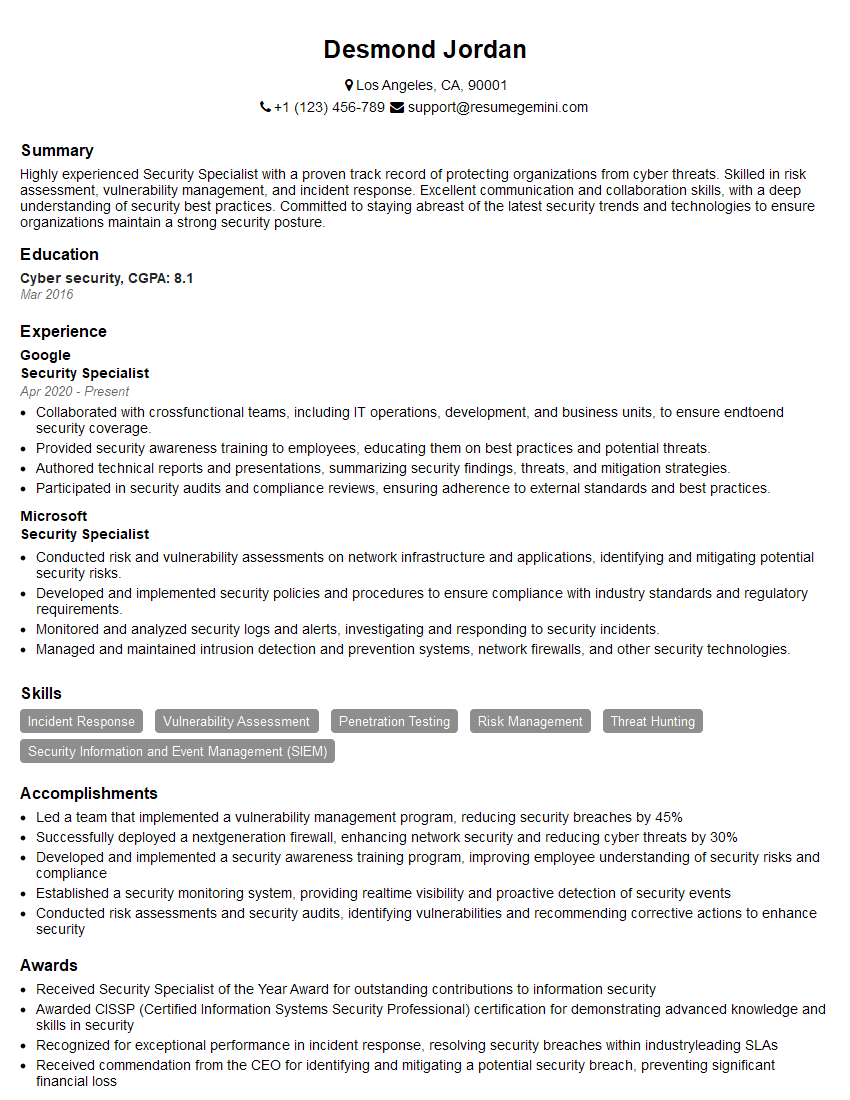
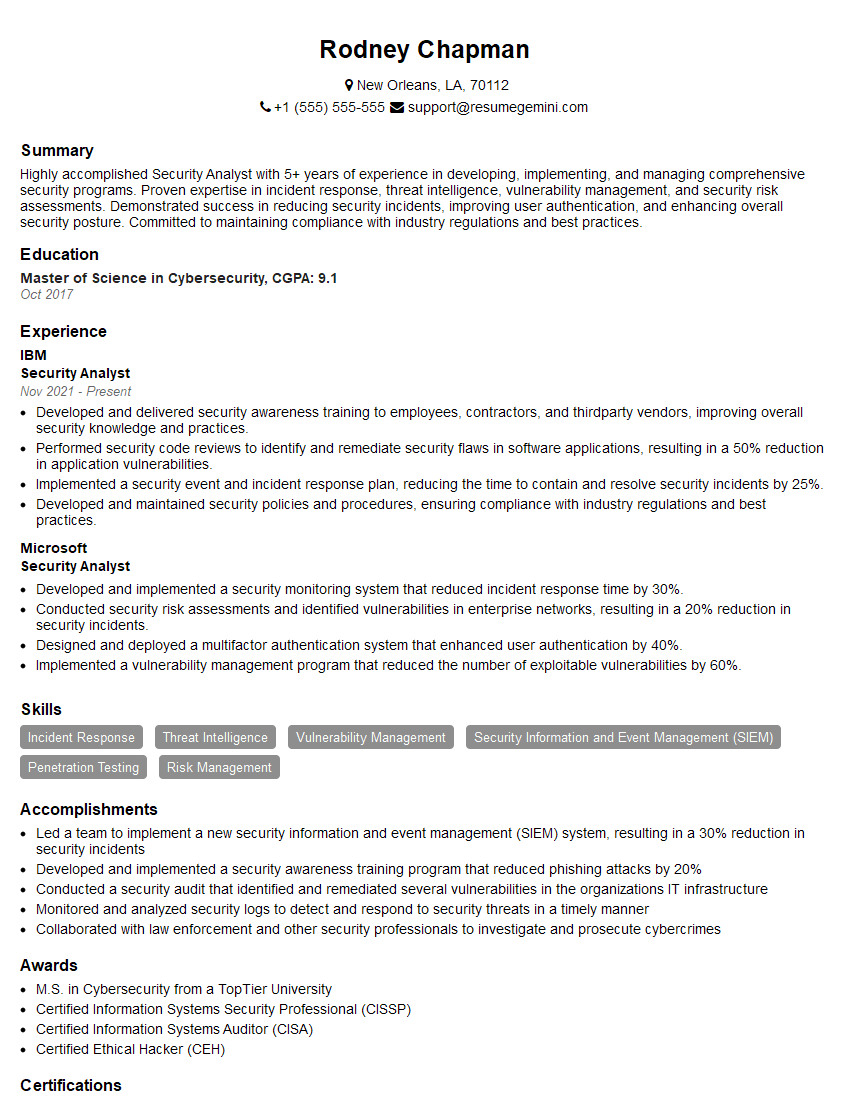
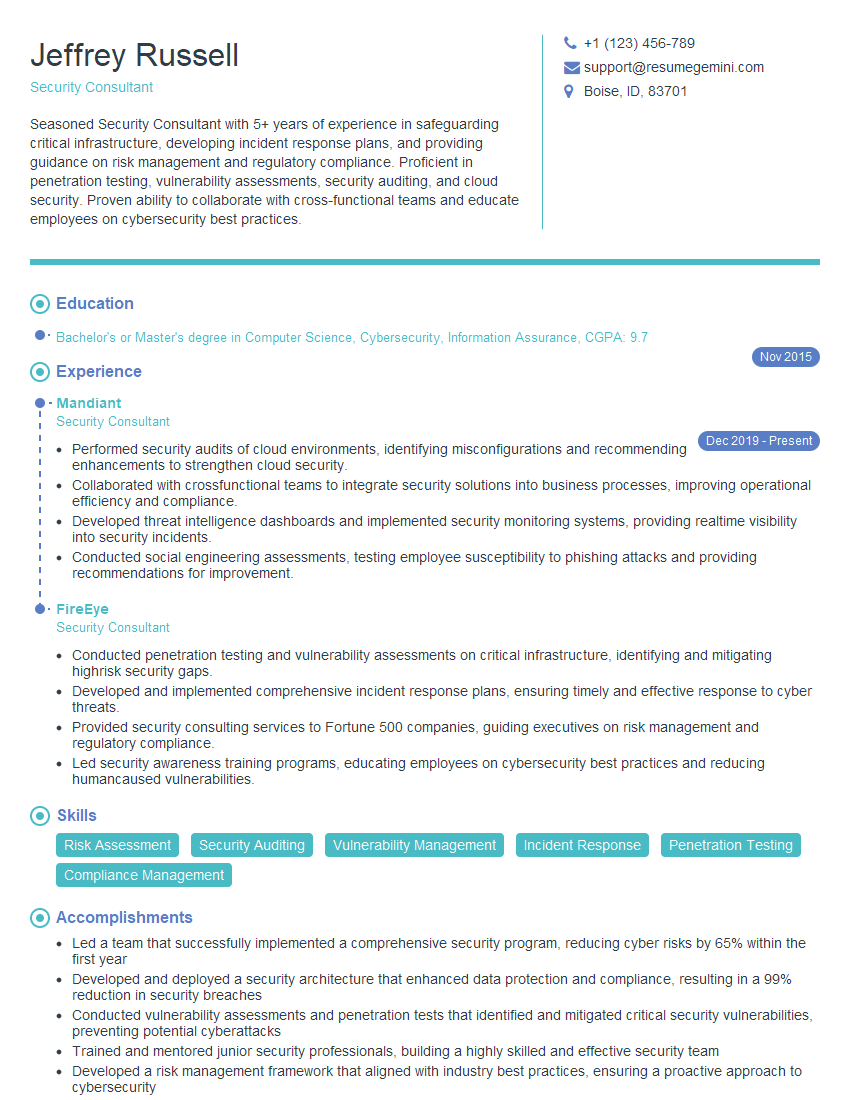
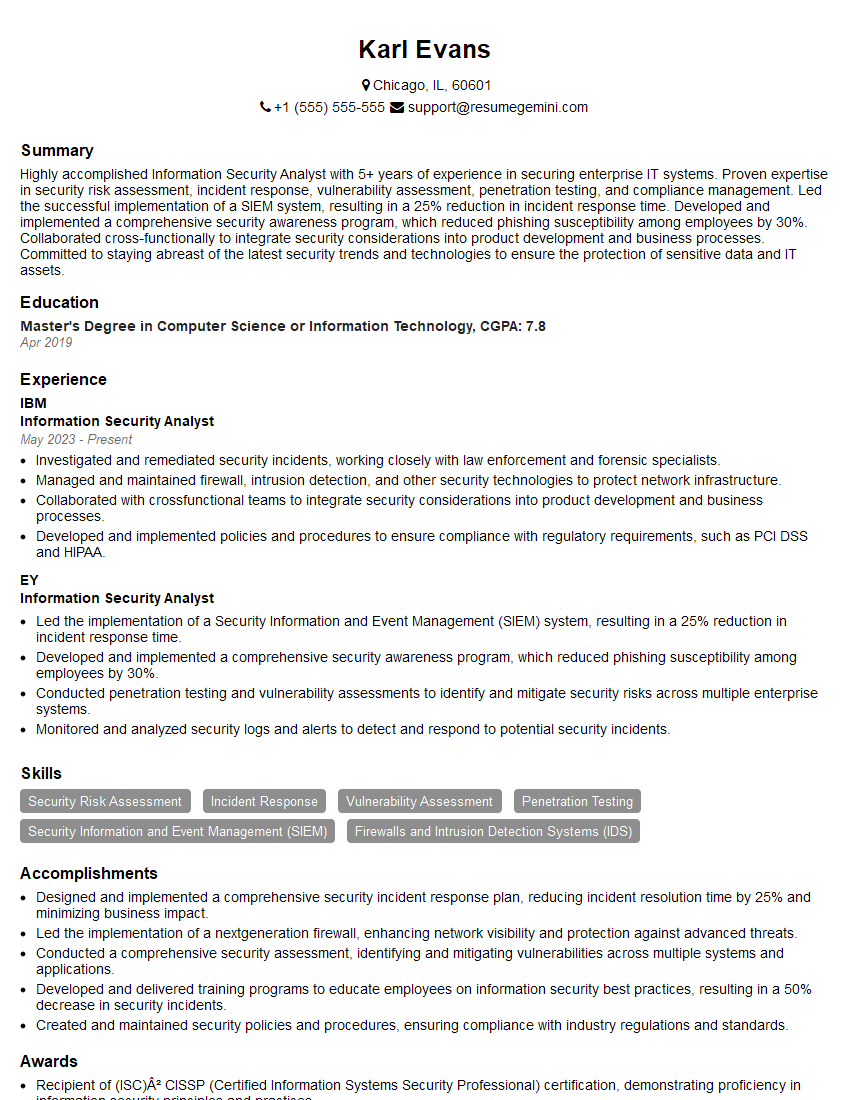
Mastering Application Security Testing opens doors to exciting and impactful careers in cybersecurity. This in-demand skillset is highly valued by organizations of all sizes. To maximize your job prospects, crafting a compelling and ATS-friendly resume is crucial. ResumeGemini is a trusted resource that can help you build a professional and impactful resume tailored to showcase your Application Security Testing expertise. Examples of resumes specifically tailored to Application Security Testing roles are available to help guide you.
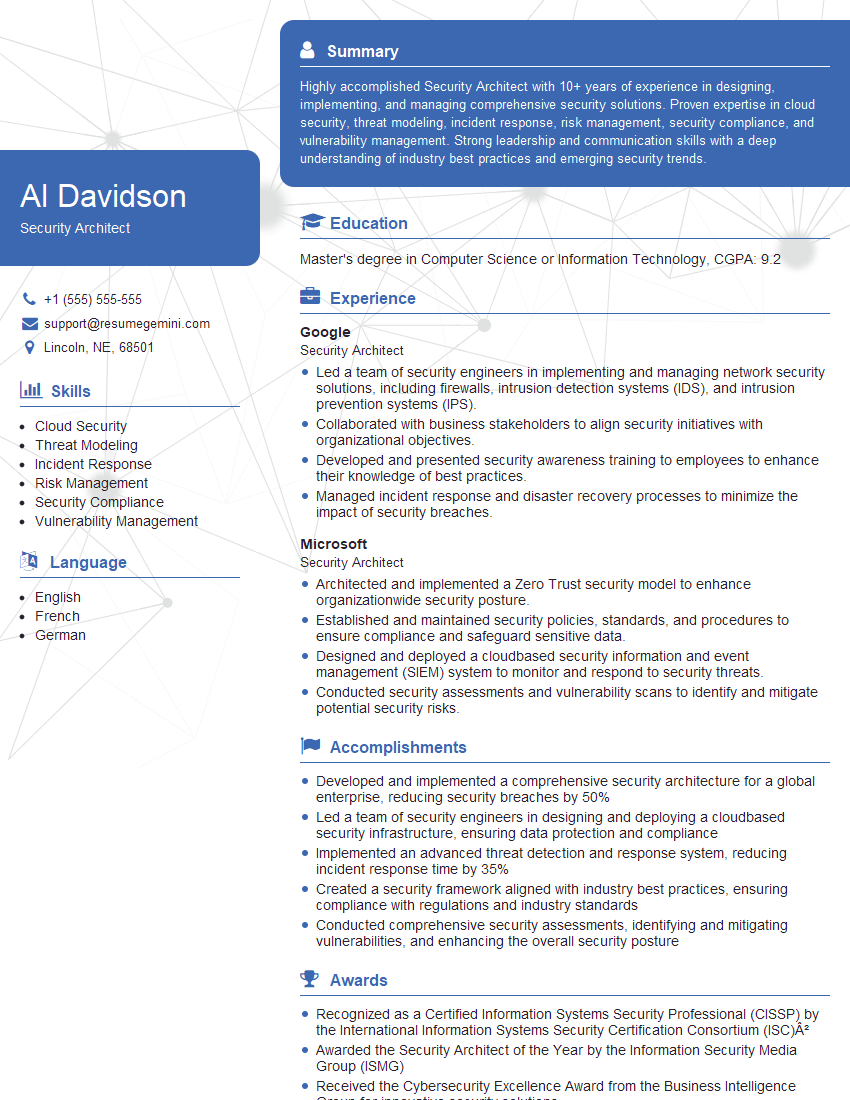
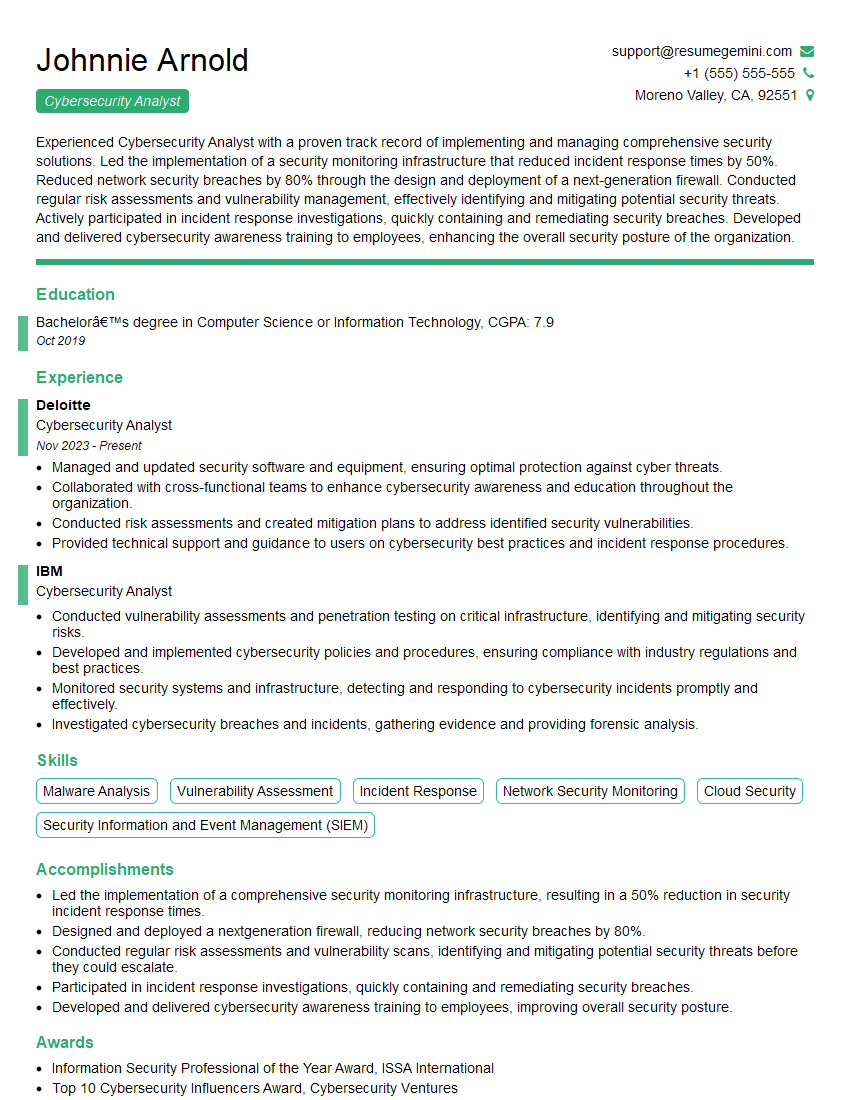
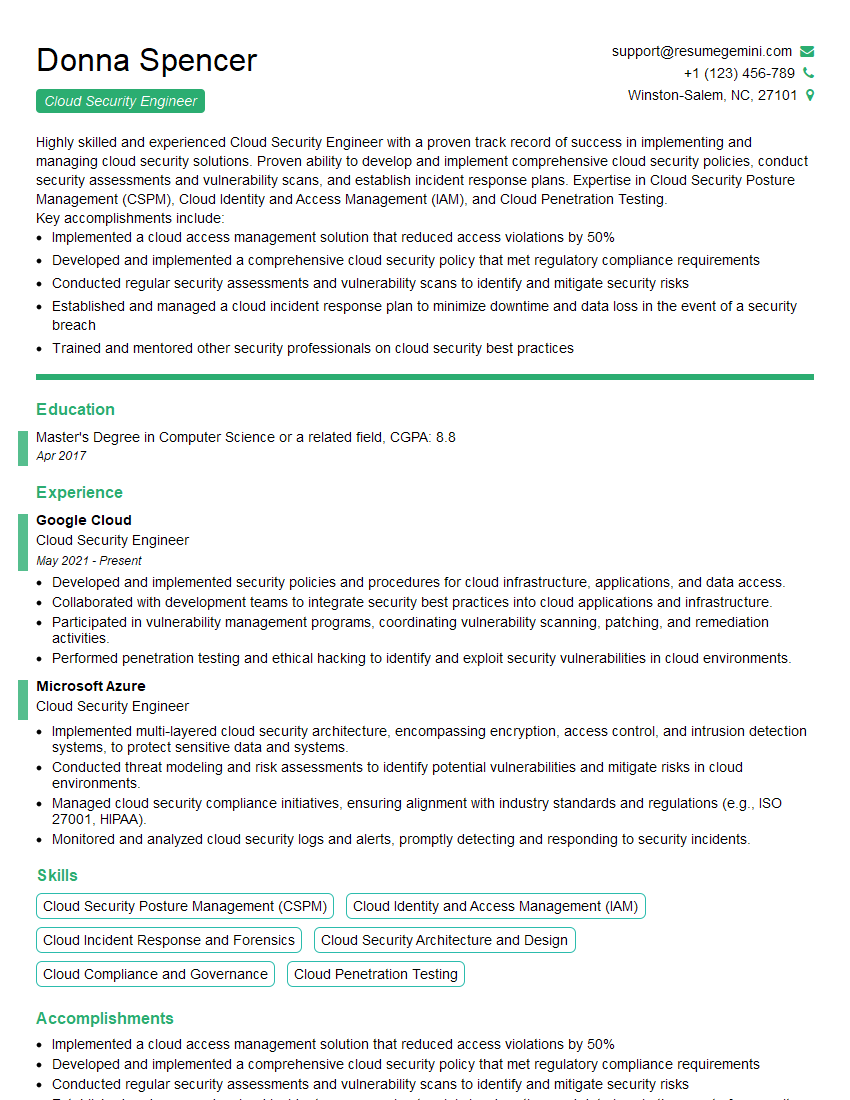
Explore more articles
Users Rating of Our Blogs
Share Your Experience
We value your feedback! Please rate our content and share your thoughts (optional).
What Readers Say About Our Blog
Hello,
we currently offer a complimentary backlink and URL indexing test for search engine optimization professionals.
You can get complimentary indexing credits to test how link discovery works in practice.
No credit card is required and there is no recurring fee.
You can find details here:
https://wikipedia-backlinks.com/indexing/
Regards
NICE RESPONSE TO Q & A
hi
The aim of this message is regarding an unclaimed deposit of a deceased nationale that bears the same name as you. You are not relate to him as there are millions of people answering the names across around the world. But i will use my position to influence the release of the deposit to you for our mutual benefit.
Respond for full details and how to claim the deposit. This is 100% risk free. Send hello to my email id: [email protected]
Luka Chachibaialuka
Hey interviewgemini.com, just wanted to follow up on my last email.
We just launched Call the Monster, an parenting app that lets you summon friendly ‘monsters’ kids actually listen to.
We’re also running a giveaway for everyone who downloads the app. Since it’s brand new, there aren’t many users yet, which means you’ve got a much better chance of winning some great prizes.
You can check it out here: https://bit.ly/callamonsterapp
Or follow us on Instagram: https://www.instagram.com/callamonsterapp
Thanks,
Ryan
CEO – Call the Monster App
Hey interviewgemini.com, I saw your website and love your approach.
I just want this to look like spam email, but want to share something important to you. We just launched Call the Monster, a parenting app that lets you summon friendly ‘monsters’ kids actually listen to.
Parents are loving it for calming chaos before bedtime. Thought you might want to try it: https://bit.ly/callamonsterapp or just follow our fun monster lore on Instagram: https://www.instagram.com/callamonsterapp
Thanks,
Ryan
CEO – Call A Monster APP
To the interviewgemini.com Owner.
Dear interviewgemini.com Webmaster!
Hi interviewgemini.com Webmaster!
Dear interviewgemini.com Webmaster!
excellent
Hello,
We found issues with your domain’s email setup that may be sending your messages to spam or blocking them completely. InboxShield Mini shows you how to fix it in minutes — no tech skills required.
Scan your domain now for details: https://inboxshield-mini.com/
— Adam @ InboxShield Mini
Reply STOP to unsubscribe
Hi, are you owner of interviewgemini.com? What if I told you I could help you find extra time in your schedule, reconnect with leads you didn’t even realize you missed, and bring in more “I want to work with you” conversations, without increasing your ad spend or hiring a full-time employee?
All with a flexible, budget-friendly service that could easily pay for itself. Sounds good?
Would it be nice to jump on a quick 10-minute call so I can show you exactly how we make this work?
Best,
Hapei
Marketing Director
Hey, I know you’re the owner of interviewgemini.com. I’ll be quick.
Fundraising for your business is tough and time-consuming. We make it easier by guaranteeing two private investor meetings each month, for six months. No demos, no pitch events – just direct introductions to active investors matched to your startup.
If youR17;re raising, this could help you build real momentum. Want me to send more info?
Hi, I represent an SEO company that specialises in getting you AI citations and higher rankings on Google. I’d like to offer you a 100% free SEO audit for your website. Would you be interested?
Hi, I represent an SEO company that specialises in getting you AI citations and higher rankings on Google. I’d like to offer you a 100% free SEO audit for your website. Would you be interested?
good