Interviews are opportunities to demonstrate your expertise, and this guide is here to help you shine. Explore the essential Audience Research and Analysis interview questions that employers frequently ask, paired with strategies for crafting responses that set you apart from the competition.
Questions Asked in Audience Research and Analysis Interview
Q 1. Explain the difference between qualitative and quantitative audience research methods.
Qualitative and quantitative audience research methods differ fundamentally in their approach to data collection and analysis. Qualitative research explores the why behind audience behavior, focusing on in-depth understanding and rich insights. It uses methods like focus groups, interviews, and open-ended surveys to gather descriptive, non-numerical data. Quantitative research, conversely, focuses on the what, employing numerical data and statistical analysis to measure and quantify audience characteristics and behaviors. Think surveys with multiple-choice questions, A/B testing, and website analytics.
Example: Imagine you’re launching a new product. Qualitative research might involve conducting interviews to understand consumer needs and preferences, revealing unmet desires or concerns. Quantitative research would then involve surveying a larger sample to quantify the appeal of different product features or marketing messages.
- Qualitative: Provides rich, in-depth understanding; often smaller sample sizes; generates hypotheses.
- Quantitative: Provides numerical data; allows for statistical analysis; often larger sample sizes; tests hypotheses.
Q 2. Describe your experience with A/B testing and its application in audience analysis.
A/B testing is a crucial quantitative method I utilize extensively in audience analysis. It involves creating two versions (A and B) of a piece of content, such as a website landing page, email subject line, or advertisement, and then showing each version to a randomly selected segment of the target audience. By tracking key metrics like click-through rates, conversion rates, and time spent on page, we can determine which version performs better and gain insights into audience preferences.
Example: I once worked with a client who wanted to improve their website’s conversion rate. We A/B tested two versions of their homepage: one with a prominent call to action button and one with a more subtle approach. The results clearly indicated that the prominent button significantly increased conversions, providing valuable data-driven insights for website optimization.
Q 3. How do you identify and segment target audiences using demographic and psychographic data?
Identifying and segmenting target audiences using demographic and psychographic data is a cornerstone of effective audience research. Demographic data includes readily quantifiable information such as age, gender, location, income, education, and occupation. Psychographic data delves into psychological characteristics like values, beliefs, attitudes, interests, and lifestyles. Combining these allows for a much more nuanced understanding.
Process:
- Gather Data: Collect demographic and psychographic information through surveys, focus groups, and existing data sources.
- Analyze Data: Identify patterns and clusters within the data. For example, you might find a significant segment of users who are young, tech-savvy, and value sustainability.
- Create Segments: Define distinct audience segments based on shared characteristics. These segments can be named descriptively (e.g., ‘Eco-conscious Millennials’).
- Develop Personas: Create detailed profiles for each segment, including their demographics, psychographics, needs, and motivations.
Example: A clothing company might segment its audience into ‘Budget-conscious shoppers,’ ‘Luxury buyers,’ and ‘Trendsetters,’ each with distinct marketing needs and preferences.
Q 4. What tools and technologies are you proficient in for audience research (e.g., survey platforms, analytics dashboards)?
I’m proficient in a range of tools and technologies for audience research. For survey creation and distribution, I frequently use platforms like SurveyMonkey and Qualtrics. For analyzing website analytics, I’m adept at using Google Analytics, Adobe Analytics, and similar dashboards. I also utilize social media analytics tools to understand audience engagement on various platforms. Furthermore, I have experience with CRM systems for managing customer data and using specialized software for qualitative data analysis such as NVivo or Atlas.ti.
Q 5. Describe your experience with conducting focus groups or user interviews.
I have extensive experience conducting both focus groups and user interviews. Focus groups involve facilitating discussions with small groups of participants (typically 6-10) to explore a specific topic. User interviews are one-on-one conversations aimed at gathering in-depth insights from individual users.
Focus Group Example: I recently conducted a focus group to explore customer reactions to a new software interface. The structured discussion uncovered usability issues and provided valuable qualitative feedback for design improvements.
User Interview Example: To understand the frustrations of online banking customers, I conducted numerous user interviews to gather individual stories and specific pain points, which guided the redesign of the online platform.
In both cases, careful planning, including developing a detailed interview guide or discussion plan, is crucial for effective data gathering and analysis.
Q 6. How do you measure the success of an audience research initiative?
Measuring the success of an audience research initiative depends on the defined objectives. Key metrics might include:
- Increased understanding of the target audience: Were clear personas developed? Did the research significantly improve the understanding of audience needs, motivations, and behaviors?
- Improved marketing campaign effectiveness: Did the insights from the research lead to more targeted campaigns with higher engagement and conversion rates?
- Enhanced product development: Did the research inform product improvements or the development of new products that better meet customer needs?
- Data-driven decision-making: Were research findings effectively communicated and used to make data-informed decisions across the organization?
Ultimately, success is measured by the impact the research has on strategic decisions and business outcomes.
Q 7. How do you analyze website analytics to understand audience behavior?
Analyzing website analytics is vital for understanding audience behavior online. I typically focus on several key areas:
- Traffic Sources: Identifying where website visitors are coming from (e.g., organic search, social media, paid advertising) to understand marketing channel effectiveness.
- User Behavior: Analyzing metrics like bounce rate, time on page, pages per visit, and conversion rates to identify areas for improvement in website design and content.
- Audience Demographics: Utilizing demographic data provided by analytics platforms to gain insights into the age, location, and other characteristics of website visitors.
- Content Performance: Assessing which pages are most popular, which content is driving conversions, and identifying underperforming content.
Example: A high bounce rate on a specific landing page might indicate poor design or irrelevant content, suggesting a need for redesign or content optimization. By analyzing user behavior data, I can pinpoint areas of friction in the user journey and propose data-backed solutions.
Q 8. Explain your understanding of audience personas and how you create them.
Audience personas are semi-fictional representations of your ideal customers. They’re not just demographic data; they’re detailed profiles embodying the goals, frustrations, and behaviors of your target audience segments. Creating them involves a multi-step process:
- Data Collection: This involves a mix of quantitative (surveys, website analytics) and qualitative (interviews, focus groups, social listening) research methods. The goal is to gather rich data about your audience.
- Identify Key Segments: Analyze your data to identify distinct groups within your audience. These segments might be based on demographics, psychographics (values, attitudes), behavior, or needs.
- Develop Personas: For each segment, create a persona with a name, picture (often a stock photo representing the archetype), a brief biography, their goals, frustrations, motivations, and how they interact with your product or service. A persona might look like this: Name: Sarah Miller, Age: 35, Occupation: Marketing Manager, Goal: Increase brand awareness, Frustration: Lack of time, etc.
- Validation: Before finalizing your personas, share them with your team and stakeholders to ensure they accurately reflect your understanding of the audience and are actionable.
For example, a SaaS company might develop personas for ‘the busy CEO,’ ‘the tech-savvy entrepreneur,’ and ‘the risk-averse manager,’ each with specific needs and preferences when considering their software solutions. This allows for targeted marketing and product development.
Q 9. How do you handle conflicting results from different audience research methods?
Conflicting results are common in audience research due to the inherent complexities of human behavior and the limitations of any single methodology. I approach this by prioritizing triangulation – using multiple methods to validate findings. For instance, if a survey suggests a strong preference for feature X, but user interviews reveal a preference for feature Y, I investigate further. This might involve:
- Qualitative Data Deep Dive: Analyze interview transcripts for nuances that explain the survey results. Perhaps the survey question was poorly worded, or the respondents misunderstood the feature.
- Quantitative Data Refinement: Review the survey methodology for potential biases or limitations. Were the questions clear and unbiased? Was the sample representative of the target audience?
- Reconciling Differences: Instead of dismissing one dataset, I aim to find the common ground or the underlying reasons for the divergence. The truth often lies in the synthesis of both sets of data, highlighting both the strengths and limitations of each approach.
- Further Research: If necessary, I design supplementary research, such as A/B testing, to test hypotheses arising from the conflicting results.
Ultimately, the goal is to develop a comprehensive understanding of the audience, acknowledging the limitations of individual methods and drawing upon the strengths of multiple approaches.
Q 10. Describe a time you had to adapt your research approach due to unforeseen circumstances.
During a project for a major retail client, we planned to conduct extensive in-person focus groups. However, a sudden and unexpected pandemic hit, making in-person gatherings impossible. We had to quickly adapt our approach. We:
- Switched to Online Methods: We transitioned to online focus groups using video conferencing tools and online survey platforms.
- Adjusted the Questionnaire: We refined our questions to be more concise and suitable for the online format, considering participants’ potential tech limitations.
- Incentivized Participation: We offered more attractive incentives to compensate for the inconvenience of the change and to maintain high participation rates.
- Added asynchronous elements: We incorporated online surveys and polls alongside the live sessions to gather data over time and allow for more thoughtful responses.
While this was challenging, the successful adaptation ensured the project’s completion. This experience highlighted the importance of flexibility and the ability to leverage alternative research methods when unforeseen circumstances arise.
Q 11. How do you ensure the ethical considerations are addressed in your audience research projects?
Ethical considerations are paramount in audience research. My approach focuses on:
- Informed Consent: Participants must be fully informed about the research purpose, methods, and their rights, including the right to withdraw at any time. I obtain explicit consent before collecting any data.
- Data Privacy and Anonymity: I ensure data is anonymized and protected according to relevant regulations (GDPR, CCPA, etc.). Participant identities are never disclosed without explicit permission.
- Transparency: Participants are informed about how the data will be used and who will have access to it. Any potential risks are disclosed upfront.
- Avoiding Deception: I avoid misleading participants or using manipulative techniques to obtain data. The research must be conducted honestly and transparently.
- Data Security: I implement strict security measures to protect the collected data from unauthorized access or misuse.
Ethical research builds trust and ensures the integrity of the findings. Compromising these principles can lead to inaccurate results and damage the reputation of both the researcher and the organization.
Q 12. What are some common biases in audience research, and how do you mitigate them?
Several biases can skew audience research results. Some common ones include:
- Sampling Bias: This occurs when the sample doesn’t accurately represent the target population. For example, using a survey only accessible online might exclude individuals without internet access.
- Confirmation Bias: This involves seeking out information that confirms pre-existing beliefs and ignoring contradictory evidence. To mitigate this, I encourage a critical and objective review of data, including dissenting opinions.
- Social Desirability Bias: Participants may answer questions in a way they perceive as socially acceptable, rather than truthfully. Using anonymous surveys or indirect questioning techniques can help reduce this bias.
- Interviewer Bias: The interviewer’s own beliefs or mannerisms could influence the participant’s responses. Using structured interviews and trained interviewers helps minimize this.
I mitigate these biases by employing rigorous sampling techniques, using multiple data collection methods, critically evaluating the data, and documenting potential biases and their impact on the findings. Transparency is key; I clearly articulate the limitations of the research due to potential biases.
Q 13. How do you present your findings from audience research to stakeholders?
Presenting findings effectively involves tailoring the communication to the audience and the context. I typically use a multi-faceted approach:
- Executive Summary: I begin with a concise overview of the key findings and their implications for strategic decision-making.
- Visualizations: Data is presented using charts, graphs, and infographics to make complex information easily digestible. I avoid overwhelming the audience with raw data.
- Persona Profiles: I showcase the developed personas to illustrate the target audience segments vividly. This helps stakeholders connect with the research findings on a more personal level.
- Interactive Presentations: I use interactive elements like Q&A sessions and demonstrations to engage the audience and facilitate discussion.
- Actionable Recommendations: I conclude with clear, concise, and actionable recommendations based on the research findings. These should directly address the stakeholder’s objectives.
The goal is not just to present the data but to help stakeholders understand its implications and make informed decisions based on the insights gained.
Q 14. Explain your experience with social listening and its use in audience understanding.
Social listening involves monitoring online conversations and mentions related to your brand, industry, or target audience. It’s a powerful tool for understanding audience sentiment, identifying emerging trends, and gaining valuable insights into their needs and preferences. My experience with social listening encompasses:
- Platform Selection: Choosing the right social media platforms (Twitter, Facebook, Instagram, etc.) to monitor based on the target audience’s online behavior.
- Keyword Tracking: Defining relevant keywords and hashtags to track conversations related to the research objectives.
- Sentiment Analysis: Using tools to automatically analyze the sentiment (positive, negative, neutral) expressed in online conversations.
- Topic Modeling: Identifying key themes and topics that emerge from the social media data.
- Competitive Analysis: Understanding how competitors are perceived and what their strengths and weaknesses are through social media analysis.
For example, by analyzing social media conversations about a new product launch, we can identify customer concerns, track the spread of positive and negative feedback, and adapt marketing messaging in real-time. Social listening provides a pulse on the audience’s reactions, enabling quick responses and informed decisions.
Q 15. How do you use audience research to inform marketing and product development strategies?
Audience research is the cornerstone of effective marketing and product development. It provides the crucial insights needed to understand your target audience’s needs, preferences, and behaviors, allowing you to tailor your strategies for maximum impact. I use audience research to inform these strategies in several ways:
- Identifying Target Personas: Through surveys, interviews, and focus groups, I build detailed profiles of ideal customers, including demographics, psychographics (values, lifestyle, interests), and online behavior. This helps focus marketing efforts and product development on the most promising segments.
- Understanding Customer Needs: By analyzing user feedback, reviews, and social media conversations, I identify unmet needs and pain points. This informs the development of new features or products that directly address these issues, leading to higher customer satisfaction and retention.
- Optimizing Messaging and Channels: Audience research helps determine the most effective communication channels and messaging strategies. For example, understanding a target audience’s preferred social media platforms allows for precise targeting and optimized ad campaigns.
- Measuring Campaign Effectiveness: After launching a campaign, I analyze the data to understand its resonance with the target audience. This allows for course correction and continuous improvement.
For example, in a recent project for a sustainable clothing brand, audience research revealed a strong preference for ethically sourced materials and transparent supply chains among the younger demographic. This insight led to a shift in marketing messaging emphasizing sustainability and the creation of new product lines using eco-friendly fabrics.
Career Expert Tips:
- Ace those interviews! Prepare effectively by reviewing the Top 50 Most Common Interview Questions on ResumeGemini.
- Navigate your job search with confidence! Explore a wide range of Career Tips on ResumeGemini. Learn about common challenges and recommendations to overcome them.
- Craft the perfect resume! Master the Art of Resume Writing with ResumeGemini’s guide. Showcase your unique qualifications and achievements effectively.
- Don’t miss out on holiday savings! Build your dream resume with ResumeGemini’s ATS optimized templates.
Q 16. Describe your experience with using data visualization to communicate audience insights.
Data visualization is critical for effectively communicating complex audience insights. I leverage various tools and techniques to translate raw data into easily understandable and compelling visuals. My experience includes creating:
- Infographics: To present key findings in a visually appealing and concise manner, often incorporating icons, charts, and minimal text.
- Interactive Dashboards: These dynamic dashboards allow stakeholders to explore data interactively, filtering and drilling down into specific segments to uncover deeper insights.
- Charts and Graphs: I utilize various chart types (bar charts, pie charts, line graphs, scatter plots) depending on the data and the message I want to convey. For example, a line graph might show website traffic trends over time, while a bar chart could compare the engagement levels across different marketing campaigns.
- Customer Journey Maps: These visual representations illustrate the customer’s experience with a product or service, highlighting touchpoints and potential areas for improvement.
In one instance, I used an interactive dashboard to showcase the effectiveness of a new product launch. The dashboard allowed the marketing team to see real-time engagement metrics (social media mentions, website traffic, sales), enabling them to quickly adjust their strategies if needed. The use of clear and concise visuals greatly improved understanding and facilitated data-driven decision-making.
Q 17. How familiar are you with different sampling methods in audience research?
I’m very familiar with various sampling methods, each with its own strengths and weaknesses. The choice of sampling method depends on the research objectives, budget, and time constraints. Here are some examples:
- Probability Sampling: This method ensures every member of the population has a known chance of being selected. Examples include:
- Simple Random Sampling: Every member has an equal chance of selection.
- Stratified Sampling: The population is divided into subgroups (strata), and a random sample is drawn from each stratum.
- Cluster Sampling: The population is divided into clusters, and a random sample of clusters is selected.
- Non-Probability Sampling: This method does not guarantee every member has a chance of selection, but it’s often more practical or cost-effective. Examples include:
- Convenience Sampling: Selecting participants who are easily accessible.
- Quota Sampling: Selecting participants based on pre-defined quotas for certain characteristics.
- Snowball Sampling: Participants refer other potential participants.
For example, if I needed a nationally representative sample of consumers, I would likely use stratified sampling to ensure representation from different demographic groups. If I were conducting a pilot study to test a new survey design, convenience sampling might suffice.
Q 18. How do you determine the appropriate sample size for an audience research study?
Determining the appropriate sample size is crucial for obtaining reliable and statistically significant results. It’s not simply a matter of picking a number; it depends on several factors:
- Margin of Error: How much error are you willing to accept in your results? A smaller margin of error requires a larger sample size.
- Confidence Level: How confident do you want to be that your results accurately reflect the population? A higher confidence level (e.g., 95% vs. 90%) requires a larger sample size.
- Population Size: The larger the population, the larger the sample size needed (though the effect diminishes for very large populations).
- Variability in the Data: If the characteristic you’re measuring is highly variable within the population, you’ll need a larger sample size.
I typically use sample size calculators or statistical software to determine the optimal sample size, inputting the above factors. There are also established formulas (like those based on Cochran’s formula) that can be used. Ignoring the need for a sufficiently large sample size can lead to inaccurate conclusions and flawed decision-making.
Q 19. What are some key performance indicators (KPIs) you would track to measure audience engagement?
Measuring audience engagement requires tracking a variety of Key Performance Indicators (KPIs). The specific KPIs will vary depending on the campaign and goals, but some commonly tracked metrics include:
- Website Metrics: Website traffic, bounce rate, time on site, pages per visit, conversion rate.
- Social Media Metrics: Likes, shares, comments, retweets, mentions, reach, engagement rate.
- Email Marketing Metrics: Open rates, click-through rates, conversion rates, unsubscribe rates.
- App Usage Metrics: Daily/monthly active users, session duration, feature usage, retention rate.
- Customer Feedback: Survey responses, review ratings, social media sentiment.
By monitoring these KPIs, I can assess the effectiveness of marketing campaigns, identify areas for improvement, and understand how well the audience is connecting with the brand or product. For instance, a high bounce rate on a website might indicate a problem with the website design or content, prompting a redesign or content optimization.
Q 20. How do you stay up-to-date with the latest trends and best practices in audience research?
Staying current in the rapidly evolving field of audience research requires a multifaceted approach:
- Industry Publications and Blogs: I regularly read publications and blogs focused on market research, data analytics, and digital marketing to keep abreast of new methodologies, tools, and trends.
- Conferences and Webinars: Attending conferences and webinars allows me to learn from leading experts and network with other professionals in the field.
- Professional Development Courses: I regularly participate in online courses and workshops to enhance my skills in data analysis, visualization, and specific research techniques.
- Following Industry Influencers: Connecting with key thought leaders on social media and through their publications helps me stay informed about emerging best practices.
- Experimentation and Continuous Learning: I view each project as a learning opportunity, testing different approaches and analyzing results to refine my methodology.
This ongoing commitment to continuous learning ensures I remain at the forefront of the field and can adapt my approaches to meet the ever-changing needs of my clients.
Q 21. Describe your experience with analyzing data from different sources (e.g., social media, CRM, website analytics).
I have extensive experience analyzing data from diverse sources to gain a holistic understanding of the audience. This involves understanding the unique characteristics of each data source and employing appropriate analytical techniques. Here’s a breakdown:
- Social Media Data: Analyzing social media data (e.g., from Facebook, Twitter, Instagram) reveals audience demographics, interests, sentiment, and brand perception. Tools like Sprout Social or Brandwatch assist in this process.
- CRM Data: Customer Relationship Management (CRM) systems provide valuable data on customer behavior, purchase history, and demographics. This allows for personalized marketing and improved customer segmentation.
- Website Analytics: Google Analytics provides insights into website traffic, user behavior, and conversion rates. This data helps optimize website design, content, and marketing campaigns.
- Survey Data: Data collected from surveys provides direct insights into audience opinions, preferences, and needs. Tools like SurveyMonkey or Qualtrics facilitate survey creation and analysis.
Data integration is crucial here. I often combine data from these sources to create a comprehensive view of the audience. For instance, I might link website analytics data with CRM data to see how website behavior correlates with purchase history. This integrated analysis leads to more accurate and actionable insights.
Q 22. How do you handle large datasets and ensure data quality in audience research?
Handling large datasets in audience research requires a multi-faceted approach prioritizing data quality from the outset. It’s not just about the sheer volume but also the accuracy and reliability of the information. Think of it like building a house – you need a strong foundation (data cleaning) before you can build the walls (analysis).
- Data Cleaning and Preprocessing: This is the crucial first step. I use tools like Python with libraries such as Pandas and scikit-learn to identify and handle missing values, outliers, and inconsistencies. For example, if a survey question allows free-text responses, I’d use natural language processing (NLP) techniques to categorize and code those responses consistently. This ensures that subsequent analysis is not skewed by bad data.
- Data Validation and Verification: Before diving into analysis, I rigorously validate the data. This may involve checking for data entry errors, comparing data against known sources, and ensuring consistency across different data sets. For instance, I might cross-reference survey data with publicly available demographic information to confirm the accuracy of the sample.
- Data Storage and Management: Efficient storage and management are essential. I typically use relational databases (like SQL) or cloud-based solutions (like AWS S3 or Google Cloud Storage) to organize and access large datasets efficiently. This allows for easy querying, retrieval, and sharing of the data for collaboration.
- Data Reduction Techniques: For extremely large datasets, I employ techniques like dimensionality reduction (Principal Component Analysis or PCA) to reduce the number of variables while retaining essential information. This simplifies analysis without sacrificing crucial insights.
By meticulously addressing data quality at every stage, I ensure the robustness and reliability of my audience research findings, preventing misleading conclusions.
Q 23. What are your preferred methods for recruiting participants for audience research studies?
Participant recruitment is paramount. The right participants are the cornerstone of a successful study. My approach is strategic and multi-pronged, adapting to the specific audience and research goals. I avoid relying on a single method.
- Sampling Techniques: I select the appropriate sampling method (e.g., random sampling, stratified sampling, quota sampling) to ensure the sample accurately reflects the target audience. The choice depends on the research question and the available resources.
- Online Panels and Recruitment Platforms: These platforms offer access to large, diverse populations. I carefully screen participants based on pre-defined criteria to ensure they fit the study’s requirements.
- Social Media and Online Communities: Targeted advertising on platforms like Facebook, Instagram, or LinkedIn can reach specific demographic and interest groups. Engaging with relevant online communities can also help recruit participants organically.
- Partnerships and Collaborations: Collaborating with organizations or institutions with access to the target audience can significantly streamline recruitment.
- Incentives and Compensation: Providing appropriate incentives (e.g., gift cards, cash payments) motivates participation and ensures a higher completion rate.
For example, when researching the preferences of young adults for sustainable fashion, I might utilize Instagram advertising targeted at environmentally conscious individuals aged 18-25, complementing this with recruitment through online panels specializing in that demographic.
Q 24. How would you approach researching a new and unfamiliar target audience?
Researching a new and unfamiliar audience requires a systematic and iterative approach. It’s like exploring uncharted territory – you need a roadmap and the flexibility to adapt along the way.
- Exploratory Research: I begin with secondary research, reviewing existing data from market reports, industry publications, and competitor analyses. This provides a foundational understanding of the audience’s characteristics, behaviors, and needs.
- Qualitative Methods: Next, I conduct qualitative research to gain in-depth insights. This may involve focus groups, in-depth interviews, or ethnographic studies to understand the audience’s motivations, attitudes, and perceptions. For example, if researching the audience for a new virtual reality fitness app, I might conduct interviews with potential users to understand their fitness goals and technological comfort levels.
- Quantitative Methods: Once I have a clearer understanding, I design and execute quantitative studies (e.g., surveys, experiments) to quantify the findings from the qualitative phase. This helps to validate initial insights and provide statistically significant results.
- Iterative Refinement: Based on the findings, I refine the understanding of the audience, iteratively adjusting research methodologies as needed. This ensures that the research is constantly evolving and becoming more precise.
This iterative approach allows for a progressively refined understanding of the target audience, minimizing biases and maximizing the accuracy of the findings.
Q 25. Describe your experience with using statistical software (e.g., SPSS, R, Python).
I possess extensive experience with statistical software, including SPSS, R, and Python. Each has its strengths, and I select the most appropriate tool depending on the specific analytical needs of the project.
- SPSS: I use SPSS for its user-friendly interface and robust capabilities for descriptive statistics, correlation analysis, and basic regression modeling. It’s particularly helpful for analyzing survey data and generating easy-to-understand reports.
- R: R provides a powerful and flexible environment for statistical computing and data visualization. I utilize R for more complex analyses, including advanced regression techniques, factor analysis, and machine learning algorithms. Its open-source nature and extensive packages (like
ggplot2for visualization) make it highly versatile. - Python: Python, with libraries like
pandas,scikit-learn, andstatsmodels, offers a comprehensive toolkit for data manipulation, statistical modeling, and machine learning. I use Python for tasks requiring extensive data cleaning, preprocessing, and complex statistical modeling, particularly when dealing with large datasets.
For example, in a recent project analyzing customer churn, I used Python’s scikit-learn to build a predictive model using logistic regression, leveraging R for visualizing the model’s performance and generating insightful charts.
Q 26. How do you interpret and communicate complex statistical findings from audience research?
Interpreting and communicating complex statistical findings requires translating technical jargon into actionable insights. My approach focuses on clarity, simplicity, and visual aids.
- Clear and Concise Language: I avoid technical jargon whenever possible, using plain language to describe findings. For instance, instead of saying “the p-value was less than 0.05,” I might say “the results are statistically significant, indicating a strong relationship between [variable A] and [variable B].”
- Visualizations: I leverage various visualization techniques (charts, graphs, infographics) to present data in an accessible and engaging manner. A well-designed chart can often communicate complex information more effectively than a lengthy paragraph of text.
- Contextualization: I always contextualize the findings within the broader business objectives and strategic goals of the research. This helps stakeholders understand the practical implications of the results.
- Storytelling: I frame the findings as a narrative, highlighting key insights and their implications. This helps to make the information more memorable and engaging for the audience.
- Interactive Dashboards: For particularly complex datasets, I may create interactive dashboards that allow stakeholders to explore the data themselves and draw their own conclusions.
Ultimately, my goal is to empower stakeholders with the insights they need to make informed decisions.
Q 27. How do you prioritize different audience research initiatives based on business objectives?
Prioritizing audience research initiatives is crucial for maximizing impact and resource allocation. My approach is grounded in strategic alignment with business objectives.
- Alignment with Business Goals: I start by clearly defining the business objectives and key performance indicators (KPIs). This provides a framework for evaluating the potential impact of different research initiatives.
- Impact Assessment: I assess the potential impact of each research initiative on the achievement of these objectives. This involves considering factors like the potential return on investment (ROI), the risk associated with not conducting the research, and the urgency of the information needed.
- Resource Allocation: I allocate resources (time, budget, personnel) based on the impact assessment. Higher-impact initiatives with greater potential ROI receive priority.
- Prioritization Matrix: I often use a prioritization matrix (e.g., a value vs. effort matrix) to visually represent the potential value and effort required for each initiative. This helps in making informed decisions about which projects to tackle first.
- Regular Review and Adjustment: Given that business priorities can change, I conduct regular reviews of the research roadmap, adjusting priorities as needed.
For instance, if a company is launching a new product, research focused on understanding the target audience’s needs and preferences would take precedence over a less urgent study on brand perception.
Q 28. Explain your understanding of competitive analysis and its relevance to audience research.
Competitive analysis is intrinsically linked to audience research. Understanding your competitors’ audiences helps inform your own strategy and identify opportunities for differentiation.
- Audience Overlap and Differentiation: By analyzing your competitors’ audiences, you can identify areas of overlap and points of differentiation. This allows you to focus your research efforts on understanding the unique needs and preferences of your target audience and how to reach them effectively.
- Competitive Advantage: Understanding what your competitors are doing—and what they are *not* doing—helps identify potential competitive advantages and inform your marketing and product development strategies. For example, if a competitor is ignoring a specific niche within the target market, your research could reveal opportunities to cater to that underserved segment.
- Benchmarking and Best Practices: Analyzing your competitors’ audience research techniques and findings provides valuable insights and benchmarks for your own strategies. You can learn from their successes and failures, adapting best practices to your own research efforts.
- Identifying Opportunities: Competitive analysis can reveal unmet needs or underserved segments within the market, providing opportunities to develop products or services that resonate with a specific target audience.
In essence, competitive analysis provides a crucial context for audience research, helping to refine your understanding of the market landscape and develop more effective strategies for reaching your target audience.
Key Topics to Learn for Audience Research and Analysis Interview
- Qualitative Research Methods: Understanding focus groups, interviews, ethnographic studies, and their application in uncovering audience needs and motivations. Consider the strengths and weaknesses of each method.
- Quantitative Research Methods: Mastering surveys, A/B testing, and data analysis techniques to measure audience engagement and effectiveness of campaigns. Practice interpreting statistical data and drawing meaningful conclusions.
- Audience Segmentation and Personas: Developing detailed audience profiles based on demographics, psychographics, and behavioral data. Practice creating actionable personas that inform strategic decision-making.
- Data Visualization and Reporting: Effectively communicating research findings through clear and concise reports, presentations, and data visualizations. Practice presenting complex information in a digestible format.
- Research Tools and Technologies: Familiarity with relevant software and platforms for data collection, analysis, and visualization (e.g., survey platforms, analytics dashboards). Be prepared to discuss your experience with specific tools.
- Problem-Solving and Critical Thinking: Demonstrate your ability to identify research questions, design appropriate methodologies, and interpret results to solve real-world audience-related challenges.
- Ethical Considerations in Research: Understanding and applying ethical principles in conducting audience research, including data privacy and informed consent.
Next Steps
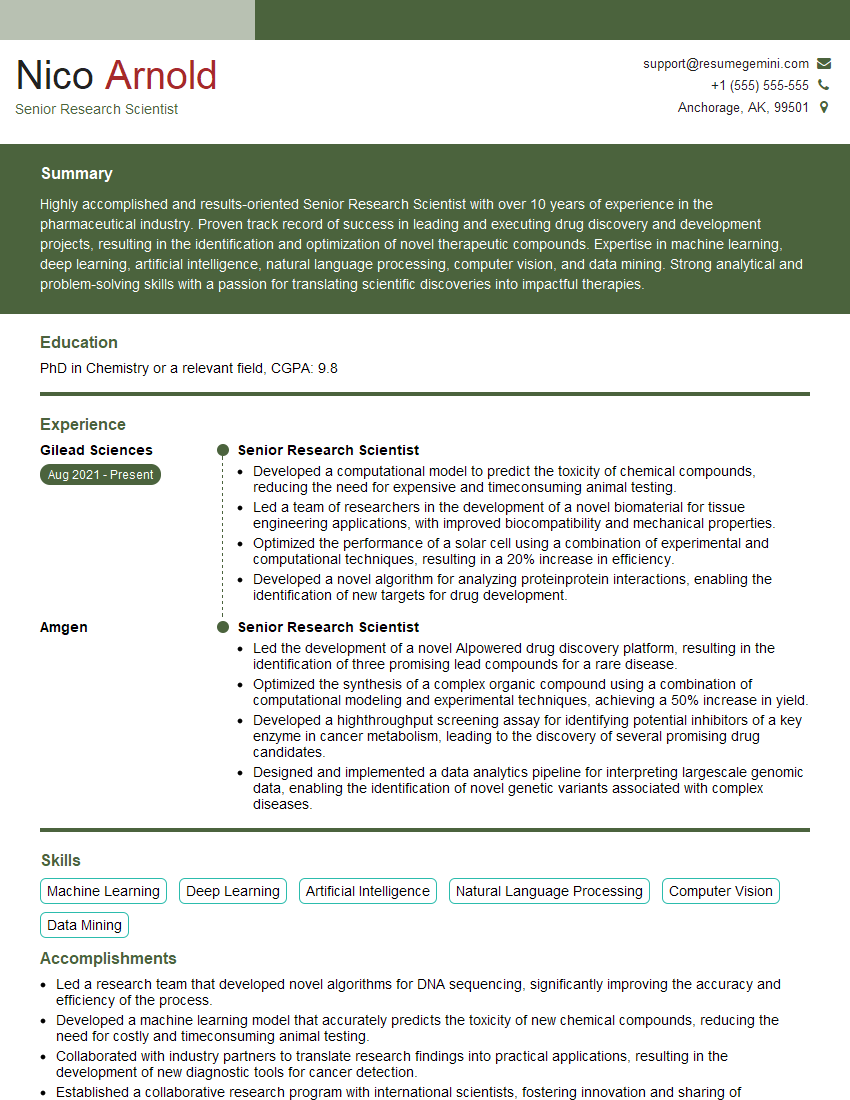
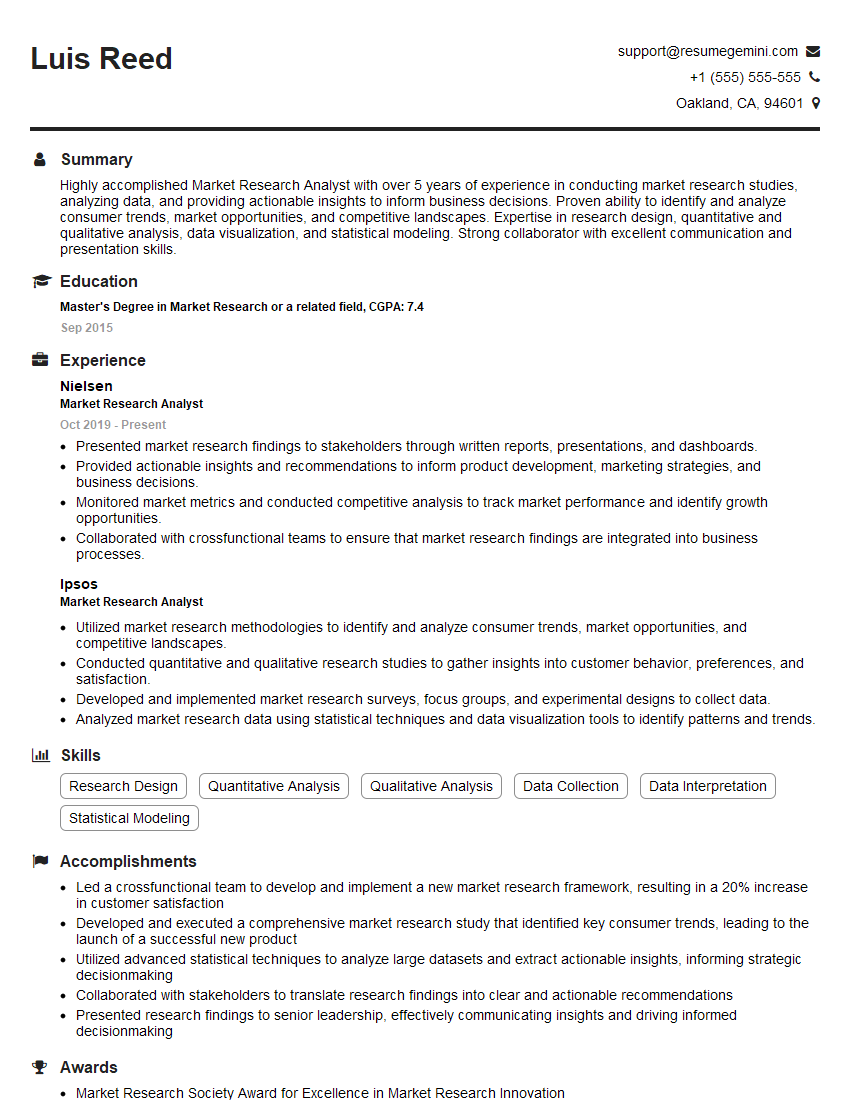
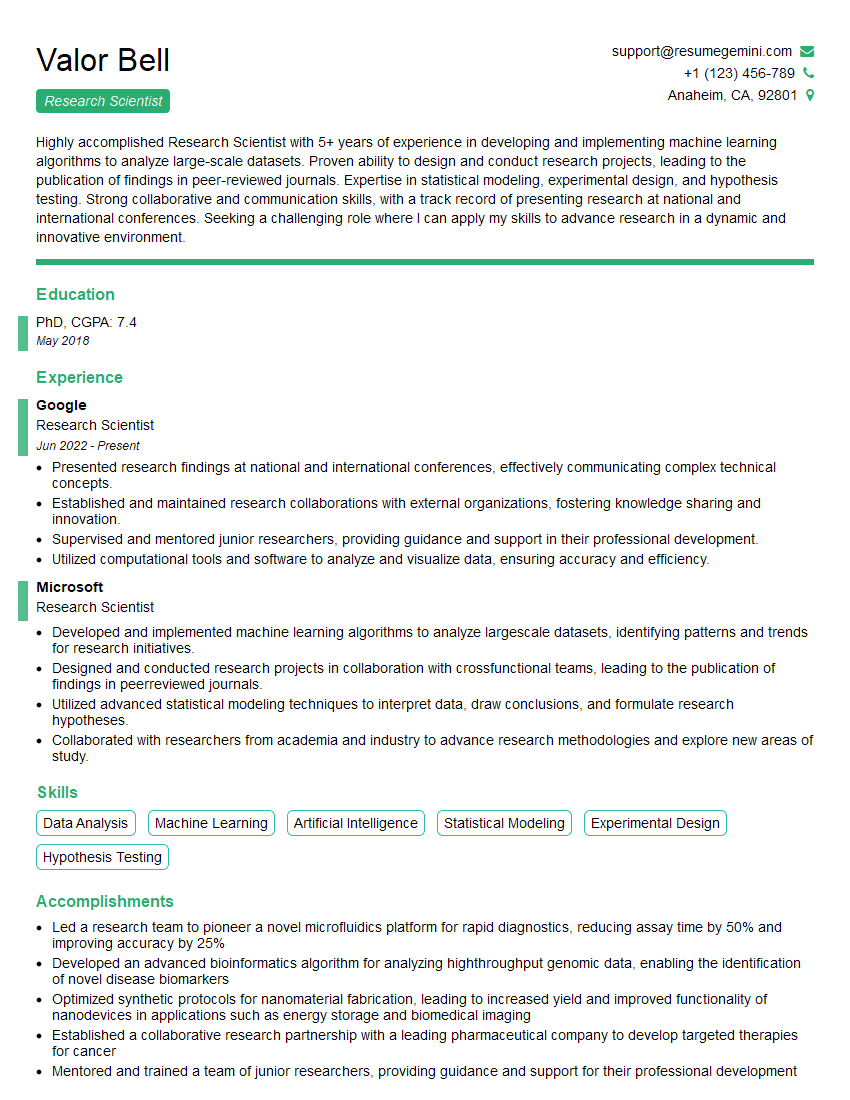
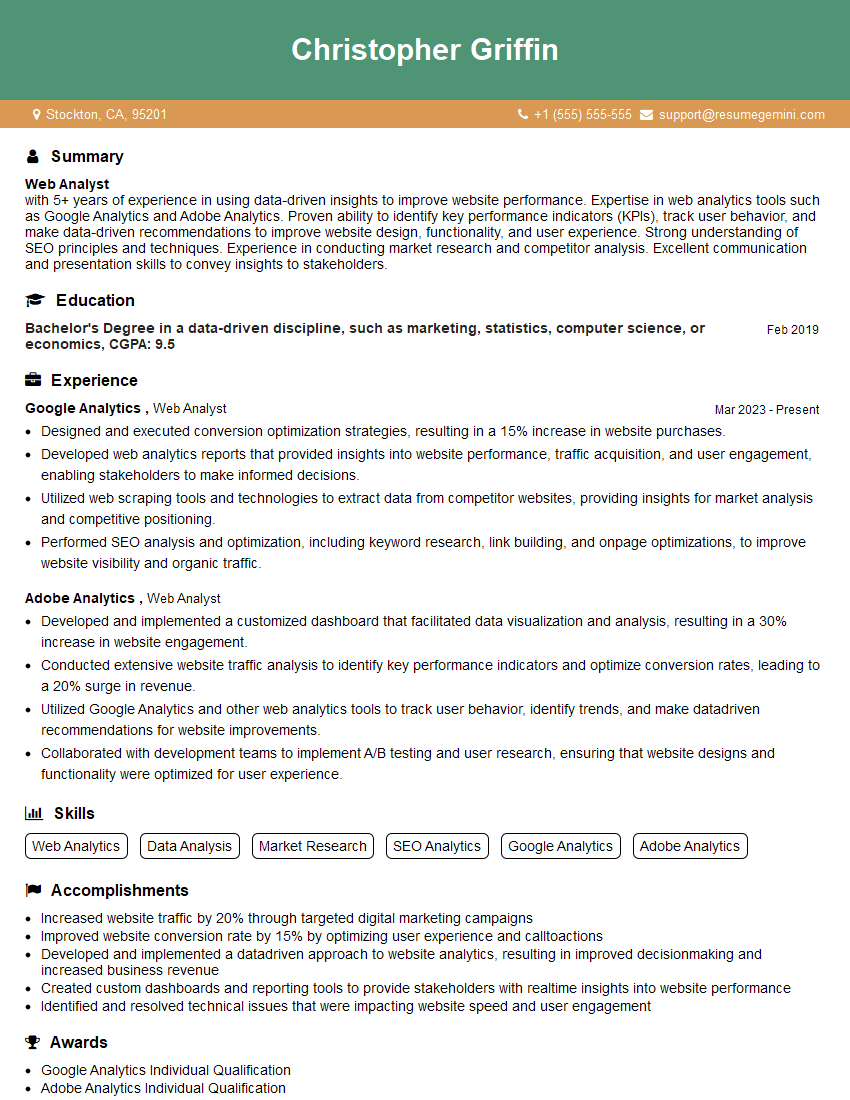
Mastering Audience Research and Analysis is crucial for career advancement in today’s data-driven world. It opens doors to exciting opportunities and allows you to make a significant impact on organizational strategies. To maximize your job prospects, create a compelling and ATS-friendly resume that highlights your skills and experience. ResumeGemini is a trusted resource that can help you build a professional resume that stands out. We provide examples of resumes tailored to Audience Research and Analysis to guide you in showcasing your expertise effectively. Invest time in crafting a strong resume – it’s your first impression with potential employers.
Explore more articles
Users Rating of Our Blogs
Share Your Experience
We value your feedback! Please rate our content and share your thoughts (optional).
What Readers Say About Our Blog
Attention music lovers!
Wow, All the best Sax Summer music !!!
Spotify: https://open.spotify.com/artist/6ShcdIT7rPVVaFEpgZQbUk
Apple Music: https://music.apple.com/fr/artist/jimmy-sax-black/1530501936
YouTube: https://music.youtube.com/browse/VLOLAK5uy_noClmC7abM6YpZsnySxRqt3LoalPf88No
Other Platforms and Free Downloads : https://fanlink.tv/jimmysaxblack
on google : https://www.google.com/search?q=22+AND+22+AND+22
on ChatGPT : https://chat.openai.com?q=who20jlJimmy20Black20Sax20Producer
Get back into the groove with Jimmy sax Black
Best regards,
Jimmy sax Black
www.jimmysaxblack.com
Hi I am a troller at The aquatic interview center and I suddenly went so fast in Roblox and it was gone when I reset.
Hi,
Business owners spend hours every week worrying about their website—or avoiding it because it feels overwhelming.
We’d like to take that off your plate:
$69/month. Everything handled.
Our team will:
Design a custom website—or completely overhaul your current one
Take care of hosting as an option
Handle edits and improvements—up to 60 minutes of work included every month
No setup fees, no annual commitments. Just a site that makes a strong first impression.
Find out if it’s right for you:
https://websolutionsgenius.com/awardwinningwebsites
Hello,
we currently offer a complimentary backlink and URL indexing test for search engine optimization professionals.
You can get complimentary indexing credits to test how link discovery works in practice.
No credit card is required and there is no recurring fee.
You can find details here:
https://wikipedia-backlinks.com/indexing/
Regards
NICE RESPONSE TO Q & A
hi
The aim of this message is regarding an unclaimed deposit of a deceased nationale that bears the same name as you. You are not relate to him as there are millions of people answering the names across around the world. But i will use my position to influence the release of the deposit to you for our mutual benefit.
Respond for full details and how to claim the deposit. This is 100% risk free. Send hello to my email id: lukachachibaialuka@gmail.com
Luka Chachibaialuka
Hey interviewgemini.com, just wanted to follow up on my last email.
We just launched Call the Monster, an parenting app that lets you summon friendly ‘monsters’ kids actually listen to.
We’re also running a giveaway for everyone who downloads the app. Since it’s brand new, there aren’t many users yet, which means you’ve got a much better chance of winning some great prizes.
You can check it out here: https://bit.ly/callamonsterapp
Or follow us on Instagram: https://www.instagram.com/callamonsterapp
Thanks,
Ryan
CEO – Call the Monster App
Hey interviewgemini.com, I saw your website and love your approach.
I just want this to look like spam email, but want to share something important to you. We just launched Call the Monster, a parenting app that lets you summon friendly ‘monsters’ kids actually listen to.
Parents are loving it for calming chaos before bedtime. Thought you might want to try it: https://bit.ly/callamonsterapp or just follow our fun monster lore on Instagram: https://www.instagram.com/callamonsterapp
Thanks,
Ryan
CEO – Call A Monster APP
To the interviewgemini.com Owner.
Dear interviewgemini.com Webmaster!
Hi interviewgemini.com Webmaster!
Dear interviewgemini.com Webmaster!
excellent
Hello,
We found issues with your domain’s email setup that may be sending your messages to spam or blocking them completely. InboxShield Mini shows you how to fix it in minutes — no tech skills required.
Scan your domain now for details: https://inboxshield-mini.com/
— Adam @ InboxShield Mini
support@inboxshield-mini.com
Reply STOP to unsubscribe
Hi, are you owner of interviewgemini.com? What if I told you I could help you find extra time in your schedule, reconnect with leads you didn’t even realize you missed, and bring in more “I want to work with you” conversations, without increasing your ad spend or hiring a full-time employee?
All with a flexible, budget-friendly service that could easily pay for itself. Sounds good?
Would it be nice to jump on a quick 10-minute call so I can show you exactly how we make this work?
Best,
Hapei
Marketing Director
Hey, I know you’re the owner of interviewgemini.com. I’ll be quick.
Fundraising for your business is tough and time-consuming. We make it easier by guaranteeing two private investor meetings each month, for six months. No demos, no pitch events – just direct introductions to active investors matched to your startup.
If youR17;re raising, this could help you build real momentum. Want me to send more info?
Hi, I represent an SEO company that specialises in getting you AI citations and higher rankings on Google. I’d like to offer you a 100% free SEO audit for your website. Would you be interested?
Hi, I represent an SEO company that specialises in getting you AI citations and higher rankings on Google. I’d like to offer you a 100% free SEO audit for your website. Would you be interested?