Preparation is the key to success in any interview. In this post, we’ll explore crucial Bag Work interview questions and equip you with strategies to craft impactful answers. Whether you’re a beginner or a pro, these tips will elevate your preparation.
Questions Asked in Bag Work Interview
Q 1. Describe your experience with different types of baggage handling equipment.
My experience encompasses a wide range of baggage handling equipment, from conventional belt loaders and baggage carts to advanced automated systems. I’m proficient with:
- Belt Loaders: These are the workhorses of baggage handling, efficiently moving bags from the terminal to the aircraft hold. I understand their mechanics, maintenance needs, and limitations, including capacity and speed variations depending on the model.
- Container Loaders: These are especially useful for larger aircraft, allowing for the pre-loading of baggage containers for faster turnaround times. I’m familiar with various container types and their secure loading procedures.
- Baggage Tractors and Tugs: I’ve extensively used these for maneuvering large carts of baggage around the airport apron. Understanding their weight capacities and safe operating procedures is crucial for preventing accidents.
- Automated Baggage Handling Systems (ABHS): I have experience with ABHS systems, including their sophisticated sorting mechanisms and tracking capabilities. This includes troubleshooting issues within the system and optimizing their performance.
- Passenger Boarding Bridges with integrated baggage conveyors: I’m experienced in the efficient and safe use of these systems, which streamline the process of directly transferring bags from the baggage claim area to the aircraft.
My understanding extends beyond simply operating the equipment; I also possess knowledge of preventative maintenance schedules and troubleshooting common malfunctions.
Q 2. Explain the process of baggage loading and unloading from an aircraft.
Baggage loading and unloading is a carefully orchestrated process. It begins with ensuring the correct bags are assigned to the right flight. Bags are then typically loaded onto belt loaders or container loaders, then transported to the aircraft. For loading, we use a combination of manual handling and automated systems depending on the aircraft type and airport infrastructure. Bags are placed carefully in the designated cargo holds to maximize space and ensure stability during flight.
Unloading is a reverse process. Bags are removed from the holds using similar equipment, then sorted according to their destination. This often involves scanning baggage tags to quickly route them to the appropriate conveyor belts for onward transport to the baggage claim area. Throughout this entire process, meticulous attention is paid to preventing damage and ensuring the security of passenger baggage.
Q 3. How do you prioritize baggage handling during peak hours or delays?
During peak hours or delays, efficient prioritization is key. Our strategies include:
- Prioritizing connecting flights: Ensuring that baggage for connecting flights is handled expeditiously to minimize delays for onward journeys. This involves close coordination with flight crews and ground handling teams.
- Utilizing all available resources: This includes maximizing the use of all available equipment and personnel, and possibly deploying additional staff if needed.
- Real-time tracking and monitoring: We leverage baggage tracking systems to identify any bottlenecks or delays, making necessary adjustments immediately. This helps in quickly addressing issues, avoiding significant disruptions.
- Clear Communication: Maintaining constant communication with other teams (flight operations, passenger services) keeps everyone informed and allows for quick solutions to problems.
- Flexibility and adaptability: Our team is trained to adapt our procedures based on the current situation, quickly adjusting to unexpected changes to ensure smooth operations.
Imagine a scenario where a major storm causes significant flight delays. By prioritizing connecting flights and communicating clearly with all stakeholders, we can minimize the impact on passengers and keep the baggage flow as orderly as possible, even under immense pressure.
Q 4. What safety procedures do you follow when handling baggage?
Safety is paramount. Our procedures include:
- Proper lifting techniques: Training all staff on the proper techniques to prevent back injuries when lifting and moving heavy bags. We emphasize the importance of teamwork when handling oversized or unusually heavy items.
- Personal Protective Equipment (PPE): We use gloves and safety shoes to protect against cuts, scrapes, and other hazards. Additional safety gear is used as necessary depending on specific tasks.
- Safe working environment: Ensuring clear and well-lit walkways, removing any obstacles that might cause trips or falls, and maintaining a clean workspace. This also includes regular equipment inspections to prevent malfunctions.
- Following established procedures: Strict adherence to airport regulations and established procedures for operating machinery and handling baggage to prevent accidents.
- Reporting incidents: Any accidents, near misses, or unsafe conditions are immediately reported to the supervisor and documented thoroughly to prevent recurrence.
For example, if a bag is found to be damaged, rather than immediately trying to repair it, the damaged bag is carefully documented and the correct procedures for handling damaged baggage are followed.
Q 5. How do you identify and handle damaged or mishandled baggage?
Damaged or mishandled baggage is identified through visual inspection and reporting from passengers or other staff. The process involves:
- Documentation: A thorough report is created, including photographic evidence, describing the nature and extent of the damage. We also record the baggage tag information and any other relevant details.
- Baggage claim process: The passenger is notified about the damage and the claim process. We assist with initiating claims with the relevant airline or authority.
- Security checks: If damage appears suspicious, appropriate security checks are undertaken to rule out any potential security threat.
- Segregation: Damaged baggage is usually segregated from undamaged baggage to avoid further damage.
For instance, if a bag is found to have a broken handle, we will photograph the damage, note it in our system, and guide the passenger through the baggage claim procedure. We also take measures to prevent similar damage in future by identifying the possible causes and making necessary adjustments.
Q 6. What is your experience with baggage tracking systems?
I have extensive experience with various baggage tracking systems, ranging from simple barcode scanners to sophisticated RFID (Radio-Frequency Identification) based systems. These systems allow us to:
- Track baggage in real time: Knowing the location of each piece of baggage at any point in its journey helps us to resolve problems quickly. This data is critical for identifying and addressing any delays or mishandling.
- Improve efficiency: Real-time tracking improves efficiency by optimizing the routing of baggage, allowing for a smoother and faster baggage handling process.
- Reduce losses and delays: The ability to track baggage reduces the risk of loss and helps identify and address any delays quickly.
- Improve customer service: By providing accurate information about baggage location and status, we significantly enhance customer satisfaction and reduce anxiety.
I’m familiar with the software interfaces and data analysis capabilities of various baggage tracking systems, allowing me to troubleshoot technical issues and optimize the performance of these crucial systems.
Q 7. How do you maintain a safe and efficient workflow?
Maintaining a safe and efficient workflow involves several key elements:
- Teamwork and communication: Effective communication among team members, other ground handling teams, and airline staff is crucial for seamless operations. Clear roles and responsibilities prevent confusion and ensure everyone is working towards the same goal.
- Adherence to procedures: Following established safety procedures and operational guidelines meticulously. Regular training and refresher courses keep our team updated on safety protocols and best practices.
- Preventative maintenance: Regular maintenance of equipment prevents breakdowns and ensures the smooth functioning of machinery. This minimizes downtime and avoids costly repairs.
- Continuous improvement: We regularly review our processes to identify areas for improvement and implement changes to enhance efficiency and safety. This might involve streamlining processes, adopting new technologies, or retraining staff on improved methods.
- Problem-solving skills: Our team is trained to quickly identify and address issues that disrupt workflow. This requires analytical skills to pinpoint the cause and practical skills to develop appropriate solutions.
For instance, if we notice a recurring delay in a particular area, we would analyze the situation, identify potential causes (e.g., equipment malfunction, insufficient staff), and implement solutions (e.g., repair equipment, request additional staff).
Q 8. Describe your experience with baggage reconciliation processes.
Baggage reconciliation is the crucial process of ensuring that every bag checked in arrives at its correct destination. It involves meticulously tracking baggage from check-in to the aircraft, then offloading and onto the baggage carousel. This process relies heavily on sophisticated tracking systems and human oversight. My experience includes working with both manual and automated reconciliation systems. I’m proficient in identifying discrepancies—for instance, bags that fail to scan at various points in the journey, or those that are mis-tagged or misplaced. I’ve implemented procedures to rapidly resolve these discrepancies, minimizing delays and passenger inconvenience. In one instance, a system malfunction caused a backlog of 50 bags. By coordinating with the ground crew and utilizing manual tracking methods, we resolved the issue within an hour, demonstrating my ability to maintain efficiency under stress.
- Automated Systems: Experience with Baggage Reconciliation Systems (BRS) using barcode scanning, RFID tagging, and centralized databases.
- Manual Systems: Proficiency in using manual tracking methods as backup to automate systems, including cross-referencing manifests and visually inspecting bags.
- Discrepancy Resolution: Proven ability to quickly identify and resolve discrepancies, such as mishandled bags, tagging errors, and system malfunctions.
Q 9. How familiar are you with different types of baggage conveyor systems?
I’m familiar with a range of baggage conveyor systems, from older, simpler models to the highly automated systems used in major international airports. These systems can vary significantly in their design, capacity, and technological capabilities.
- Carousel Systems: These are the most common type, delivering bags to a rotating carousel for passenger retrieval. I understand the importance of maintaining the speed and efficiency of these carousels, and troubleshooting issues like jams or malfunctions.
- Cross-Belt Sorters: These highly automated systems use a network of belts to sort bags based on their destination. I’m experienced in monitoring these systems for efficiency and identifying potential bottlenecks. They offer increased speed and accuracy but require careful maintenance and programming.
- Automated Guided Vehicles (AGVs): These robotic systems are increasingly common, offering flexible and efficient transport of baggage. I understand the importance of safety protocols and potential issues with navigation and battery life.
- Tilting Tray Sorters: These systems use trays to move baggage, facilitating smoother transitions and reducing potential damage.
Understanding these different systems allows me to adapt quickly to various airport environments and anticipate potential problems.
Q 10. Explain your understanding of baggage security protocols.
Baggage security is paramount. My understanding of protocols encompasses several key areas.
- Screening Procedures: I’m knowledgeable about the various methods used to screen baggage for prohibited items, including X-ray machines, explosive detection systems (EDS), and trace detection technologies. I understand the importance of adhering strictly to security protocols and reporting any suspicious activity.
- Employee Security Checks: I’m aware of the need for regular background checks and security training for all personnel handling baggage to prevent insider threats.
- Data Security: I understand the importance of protecting sensitive passenger data and adhering to data privacy regulations. Secure data transmission and storage are crucial aspects of baggage handling.
- Emergency Procedures: I’m familiar with emergency procedures in case of security breaches, including evacuation plans and communication protocols.
For example, I’ve been involved in security drills that simulated bomb threats, ensuring everyone adhered to the safety protocols. This demonstrated our preparedness and the effectiveness of existing security measures.
Q 11. How do you handle customer complaints related to lost or damaged baggage?
Handling customer complaints about lost or damaged baggage requires empathy, efficiency, and adherence to established procedures.
My approach involves:
- Active Listening: First, I carefully listen to the customer’s concerns and validate their feelings. A calm and understanding approach is crucial.
- Information Gathering: I systematically gather all relevant information, including baggage tags, flight details, and contact information.
- Filing a Report: I file a detailed report, following established procedures, to initiate the investigation and claim process.
- Providing Updates: I provide regular updates to the customer on the progress of the investigation, offering reassurance and managing expectations.
- Resolving the Issue: Working within company guidelines, I strive to reach a fair and satisfactory resolution, whether it’s reuniting the customer with their bag, providing compensation for damaged items, or offering other forms of redress.
I once helped a distressed traveler whose luggage went missing. By efficiently tracking the bag through the system and communicating regularly with them, I was able to locate and return it within 24 hours, resulting in a positive resolution and a satisfied customer.
Q 12. Describe your experience working under pressure in a fast-paced environment.
Airport baggage handling is inherently a fast-paced and high-pressure environment. I thrive under pressure and have developed several strategies to manage it effectively.
- Prioritization: I prioritize tasks based on urgency and impact, focusing on resolving critical issues first.
- Time Management: I efficiently manage my time, ensuring tasks are completed within deadlines, even during peak periods.
- Teamwork: I collaborate effectively with colleagues, ensuring smooth workflow and mutual support.
- Problem-Solving: I’m adept at quickly identifying and resolving problems, making critical decisions under pressure.
During peak travel seasons, we often face a significantly increased workload. I remember one instance when a major flight delay caused a huge backlog in baggage processing. Through calm coordination and efficient delegation, we managed to clear the backlog efficiently, preventing widespread chaos and passenger frustration.
Q 13. How do you adapt to changing schedules and unexpected situations?
Adaptability is crucial in this role. I’m comfortable adjusting to changing schedules and unexpected events.
- Flexibility: I maintain a flexible attitude, understanding that plans may change quickly.
- Problem-Solving: I use a systematic approach to problem-solving, quickly assessing the situation and implementing effective solutions.
- Communication: I communicate effectively with colleagues and supervisors to ensure everyone is aware of changes and potential challenges.
- Proactive Approach: I try to anticipate potential problems and take proactive steps to mitigate them.
For example, I’ve handled situations where a sudden equipment failure disrupted operations. I promptly informed the relevant personnel, initiated contingency plans (like using manual backup systems), and communicated with passengers to manage expectations. My ability to think on my feet and adapt to change helped mitigate the situation’s impact.
Q 14. What is your experience with baggage weight and dimension restrictions?
Knowledge of baggage weight and dimension restrictions is essential for both safety and operational efficiency. I’m familiar with the regulations set by airlines and international aviation bodies.
- Weight Limits: I understand the weight limitations for checked baggage, both for standard and oversized items. I can quickly identify bags exceeding the limits, applying appropriate procedures for overweight baggage fees.
- Dimension Limits: I’m aware of the size restrictions for checked bags. Oversized items may require special handling or may be rejected. I understand the procedures for managing oversized baggage.
- Dangerous Goods Regulations: I am fully aware of the regulations pertaining to the transportation of dangerous goods and hazardous materials. I know how to identify and handle these correctly according to ICAO and IATA regulations.
- Compliance: I am committed to ensuring compliance with all relevant baggage weight and dimension regulations, to avoid delays and security risks.
In my previous role, I regularly encountered passengers with oversized or overweight luggage. I was able to advise them of the relevant charges or provide information about alternative solutions, ensuring a smooth and compliant baggage handling process.
Q 15. How do you ensure the efficient flow of baggage through the airport system?
Efficient baggage flow relies on a meticulously orchestrated system. Think of it like a well-oiled machine where every part plays a crucial role. It starts with efficient check-in processes, utilizing technology like self-service kiosks and automated bag drop to minimize queues. Then, the system uses sophisticated baggage handling systems (BHS), a network of conveyors, sorters, and scanners that automatically route bags to the correct flights. Real-time tracking systems monitor bag movement, identifying and addressing potential bottlenecks promptly. Careful planning of gate assignments and aircraft loading procedures is also vital to ensure smooth transfer of baggage onto planes. Regular maintenance of the BHS and proactive staff training are key to preventing breakdowns and delays. For example, implementing a system that prioritizes connecting bags based on flight times, rather than simply in order of arrival, will speed up transfers.
Imagine a major hub airport. A single delay in the BHS could snowball into hundreds of delayed bags, causing significant passenger disruption. That’s why proactive monitoring and predictive maintenance are crucial. We use data analytics to predict potential issues and intervene before they occur, much like a doctor using medical history to anticipate and prevent health problems.
Career Expert Tips:
- Ace those interviews! Prepare effectively by reviewing the Top 50 Most Common Interview Questions on ResumeGemini.
- Navigate your job search with confidence! Explore a wide range of Career Tips on ResumeGemini. Learn about common challenges and recommendations to overcome them.
- Craft the perfect resume! Master the Art of Resume Writing with ResumeGemini’s guide. Showcase your unique qualifications and achievements effectively.
- Don’t miss out on holiday savings! Build your dream resume with ResumeGemini’s ATS optimized templates.
Q 16. Explain your understanding of baggage claim procedures.
Baggage claim procedures involve a seamless process from the aircraft to the passenger. Once the plane arrives, baggage handlers unload bags onto carts, ensuring they’re correctly identified. Then, the bags are transported to the baggage claim area, often via a conveyor system. Bags are sorted and directed to the correct carousel based on the flight number. At the carousel, passengers identify their luggage using tags or electronic tracking systems. Airlines often have staff available to assist passengers with any issues like lost or damaged baggage. Real-time tracking displays help passengers anticipate arrival times. After claiming bags, passengers are responsible for their own luggage. Robust security measures are in place throughout the process to maintain safety and security.
For example, a key part of claim procedures is to immediately address any discrepancies or missing bags. If a passenger’s bag doesn’t appear on the carousel, we promptly launch an investigation, checking tracking systems, examining the loading process, and working with ground staff to locate the item as quickly as possible.
Q 17. How do you handle special baggage, such as oversized or fragile items?
Handling special baggage requires extra care and attention. Oversized items (like sporting equipment) require special handling and often need to be manually loaded and unloaded. Fragile items, such as antiques or musical instruments, are typically marked with special labels and handled with extra caution. They may be transported separately or placed in protective containers. We use specialized equipment such as oversized baggage carts and may involve additional documentation to trace and track the items’ journey, ensuring minimal risk of damage. Furthermore, specific procedures are in place to ensure the safe transfer of live animals, ensuring their well-being throughout the process. Often, these procedures include the use of climate-controlled containers.
Imagine a passenger traveling with an antique grandfather clock. The clock would be carefully documented, possibly crated, and its movements monitored throughout its journey. Any potential damage would be noted, and the airline would be responsible for addressing such damage within the bounds of their baggage policies.
Q 18. How familiar are you with hazardous materials regulations concerning baggage?
I am extensively familiar with hazardous materials regulations, understanding the complexities involved in transporting potentially dangerous items. Regulations are strict and vary depending on the type of hazardous material. These regulations are set by national and international bodies such as IATA (International Air Transport Association) and comply with stringent safety protocols. Prohibited items include explosives, flammable materials, and toxic substances. Staff members undergo regular training to identify and handle hazardous materials properly, adhering to stringent procedures for packing, labeling, and documentation. Any suspected hazardous material is immediately reported to the relevant authorities. Failure to comply with these regulations can result in serious consequences, from fines to legal action.
For instance, a passenger attempting to check in a bag containing improperly packaged lithium batteries would immediately have their bag flagged and the relevant authorities informed. The passenger would be explained the proper packing procedures and the risk of improper handling and transport.
Q 19. What is your experience with automated baggage handling systems?
My experience with automated baggage handling systems (BHS) is substantial. I’ve worked with various BHS technologies, including conveyor systems, automated sorting machines, and baggage tracking systems. I understand the intricacies of their operation, from the initial check-in to final delivery at the carousel. I’m proficient in using BHS monitoring software to track baggage movement, identify bottlenecks, and diagnose malfunctions. This includes experience with different types of sorter systems, such as cross-belt and tilt-tray sorters. The advantages include increased efficiency, reduced manual handling, and improved tracking capabilities. However, I also acknowledge potential challenges such as breakdowns and the need for skilled maintenance personnel.
In one instance, I was able to identify a recurring bottleneck in a BHS using the system’s diagnostic tools and historical data, resulting in a significant reduction in baggage processing time. This involved adjusting the system’s configuration to optimize the flow of bags through a specific section of the system.
Q 20. Describe your troubleshooting skills related to baggage handling equipment malfunctions.
Troubleshooting baggage handling equipment malfunctions requires a systematic approach. My experience involves using diagnostic tools and software to identify the problem’s source. I start by analyzing error messages, checking sensor readings, and inspecting the system for physical damage. Knowledge of the BHS’s architecture is essential for effective troubleshooting. I often use a combination of technical expertise and practical experience to assess the problem. If needed, I can consult technical manuals and documentation. Communication with maintenance teams is crucial, facilitating the resolution of complex problems. In some cases, a temporary workaround may be necessary to maintain minimal operation until a full repair is possible. Effective troubleshooting minimizes downtime and ensures the smooth flow of baggage.
For example, if a conveyor belt stops unexpectedly, I would first check for power supply issues, then inspect the belt for damage or obstructions. If the problem persists, I would consult the system’s diagnostics, possibly identifying a faulty motor or sensor requiring replacement.
Q 21. How do you maintain accurate baggage records and documentation?
Accurate baggage records and documentation are critical. We use various systems, including barcode scanning, RFID tracking, and specialized software to maintain detailed records of each bag’s journey. This information includes check-in time, flight details, destination, and handling history. These records are essential for tracking lost or delayed baggage and resolving passenger inquiries. Accurate documentation is important for compliance with regulations and for statistical analysis to improve the overall efficiency of the baggage handling process. Data is securely stored and backed up regularly to prevent loss of critical information. Regular audits ensure data integrity and adherence to security protocols.
For example, if a bag is reported as lost, we can use the baggage tracking system to trace its journey through the airport, pinpoint its last known location, and initiate a search operation. The detailed records can also be used to help passengers file claims for lost or damaged baggage, ensuring the necessary evidence is available.
Q 22. How do you ensure the proper labeling and tagging of baggage?
Proper baggage labeling and tagging is crucial for efficient and accurate baggage handling. It ensures that each bag reaches its intended destination without delay or mishandling. We use a multi-layered approach:
- Barcode Scanners: Every bag receives a barcode tag at check-in, automatically linking it to the passenger’s flight information. This allows for automated sorting and tracking throughout the entire process.
- Manual Tagging: In cases of special handling (fragile items, oversized luggage), we add supplementary tags providing additional information for baggage handlers. For example, a tag might indicate ‘Handle with Care’ or specify the passenger’s contact information in case of delays.
- Destination Tags: Clear and legible destination tags are essential. These usually include the airport code of the final destination and, for connecting flights, the airline code and flight number. Any ambiguity can lead to misdirection.
- Regular Audits: We conduct regular audits of our tagging systems to ensure accuracy and identify any potential problems early on. This might involve checking for damaged or missing tags, or reviewing the accuracy of automated tagging systems.
Think of it like sending a package – a clear address ensures it arrives at the correct location. Similarly, precise baggage tagging guarantees swift and accurate delivery to passengers.
Q 23. What is your experience with international baggage regulations?
My experience with international baggage regulations is extensive. I’m thoroughly familiar with the regulations of IATA (International Air Transport Association) and various national aviation authorities. This includes understanding:
- Dangerous Goods Regulations: I’m proficient in identifying and handling dangerous goods, ensuring they are properly packaged, declared, and transported according to strict safety protocols.
- Weight and Size Restrictions: I know the specific weight and size limits enforced by different airlines and countries. This often involves managing oversized or overweight baggage according to established procedures, which may involve special handling fees or alternative shipping methods.
- Customs Regulations: I understand the procedures for handling baggage related to customs declarations, particularly for international flights. This involves being aware of prohibited items and ensuring compliance with local laws.
- Security Regulations: I’m highly trained on security protocols, including screening procedures and the handling of suspicious baggage. Safety and security are paramount, and I adhere strictly to all regulations in this domain.
For instance, I once assisted a passenger traveling from the UK to Brazil who needed to declare a quantity of medicinal supplements. My knowledge of international regulations helped ensure a smooth process and avoided any potential delays or complications for the passenger.
Q 24. How do you communicate effectively with other airport personnel during baggage handling?
Effective communication is the cornerstone of successful baggage handling. It’s a team effort, and clear communication prevents errors and delays.
- Clear and Concise Language: I use simple, unambiguous language when communicating with colleagues. Jargon is minimized, and instructions are precise.
- Non-verbal Communication: Effective body language, hand signals, and clear visual cues are crucial in noisy environments. Pointing to specific baggage carousels or conveyor belts makes instructions easily understandable.
- Technology: We use two-way radios, internal communication systems, and digital baggage tracking systems to relay information quickly and accurately. This is especially helpful during peak hours or in case of disruptions.
- Active Listening: I actively listen to colleagues’ concerns and instructions, confirming understanding before proceeding. This collaborative approach helps to mitigate misunderstandings and potential errors.
For example, during a period of heavy snowfall, I effectively communicated with ground crew about the need to prioritize de-icing procedures to avoid baggage delays for international flights.
Q 25. Describe your experience with baggage transfer procedures between different airlines.
Baggage transfer between airlines is a complex process that requires careful coordination and adherence to interline agreements. My experience includes:
- Interline Ticketing: I’m familiar with identifying baggage destined for connecting flights on different airlines, verifying the correct ticketing information and ensuring it’s handled properly.
- Transfer Procedures: I’m well-versed in the specific transfer procedures between airlines, including the use of designated areas for interline baggage and adherence to time constraints to ensure connections.
- Communication with Connecting Airlines: I’m adept at communicating with staff from other airlines to ensure seamless transfer of baggage. This might include providing status updates or resolving issues that arise.
- Documentation: Proper documentation is vital during transfers. I’m experienced in generating and maintaining accurate records of baggage transfers, ensuring traceability.
One instance involved the swift transfer of fragile medical equipment between two airlines during a flight disruption. Clear communication and efficient coordination were critical in ensuring the equipment reached the passenger on time.
Q 26. How do you prioritize and handle different types of baggage in emergency situations?
In emergency situations, prioritizing baggage is critical. Safety and passenger well-being always come first.
- Immediate Priorities: In case of evacuations, we prioritize baggage containing essential medications or documents that passengers need immediately. We also prioritize assisting passengers with their personal belongings.
- Fragile Items: We will take extra care to protect fragile items from damage during emergency situations.
- Time Sensitivity: Baggage destined for flights with imminent departures is often prioritized to minimize disruptions.
- Emergency Procedures: Our team is well-trained in handling emergency baggage procedures, including securing baggage and securing our workspace in emergency situations.
During a severe thunderstorm, I helped to swiftly secure baggage and assist passengers with retrieving essential items before the terminal was evacuated, minimizing potential losses and distress.
Q 27. What is your understanding of the role of baggage handling in overall airport operations?
Baggage handling is an integral part of the overall airport operation, impacting passenger experience and airport efficiency. It’s crucial for:
- On-Time Departures: Efficient baggage handling ensures on-time departures by preventing delays due to baggage processing bottlenecks.
- Passenger Satisfaction: Swift and reliable baggage handling significantly contributes to passenger satisfaction and a positive travel experience.
- Airport Efficiency: Smooth baggage flows enhance overall airport efficiency, reducing congestion and improving the operational workflow.
- Revenue Generation: Efficient baggage handling reduces operational costs and potential compensation claims, improving profitability.
Think of an airport as a complex machine; baggage handling is a vital cog in this machine, and its smooth functioning is essential for the overall efficiency of the entire system.
Q 28. How do you contribute to a positive and productive team environment in baggage handling?
Contributing to a positive and productive team environment is essential in baggage handling. We achieve this through:
- Teamwork and Collaboration: We encourage teamwork and collaboration by actively supporting colleagues and sharing expertise.
- Open Communication: Open and honest communication fosters a culture of trust and mutual respect among team members.
- Problem-Solving: We actively identify and address problems collaboratively, finding creative solutions and continuous improvements.
- Mutual Respect: We treat each other with respect and appreciate the contributions of every team member.
I’ve always valued teamwork and mutual support. For example, during a peak season rush, I helped colleagues by assisting with the sorting of baggage, ensuring we worked together smoothly despite the pressure.
Key Topics to Learn for Bag Work Interview
- Understanding Bagging Techniques: Explore various bagging methods and their applications in different contexts. Consider the trade-offs between different approaches.
- Practical Application in Model Building: Learn how bagging improves model accuracy and robustness. Focus on real-world examples and how to implement bagging effectively in your chosen programming language.
- Bias-Variance Trade-off: Understand how bagging addresses the bias-variance dilemma and improves generalization performance. Be prepared to discuss this concept in detail.
- Ensemble Methods and Bagging: Explore bagging’s relationship to other ensemble methods like boosting and stacking. Understand their similarities and differences.
- Out-of-Bag (OOB) Evaluation: Learn how OOB evaluation provides an unbiased estimate of model performance without the need for a separate test set. Be ready to explain its advantages and limitations.
- Computational Considerations: Discuss the computational cost of bagging and strategies for efficient implementation, particularly with large datasets.
- Choosing Appropriate Bagging Parameters: Understand how to select optimal parameters such as the number of base learners and the sampling method for optimal results.
Next Steps
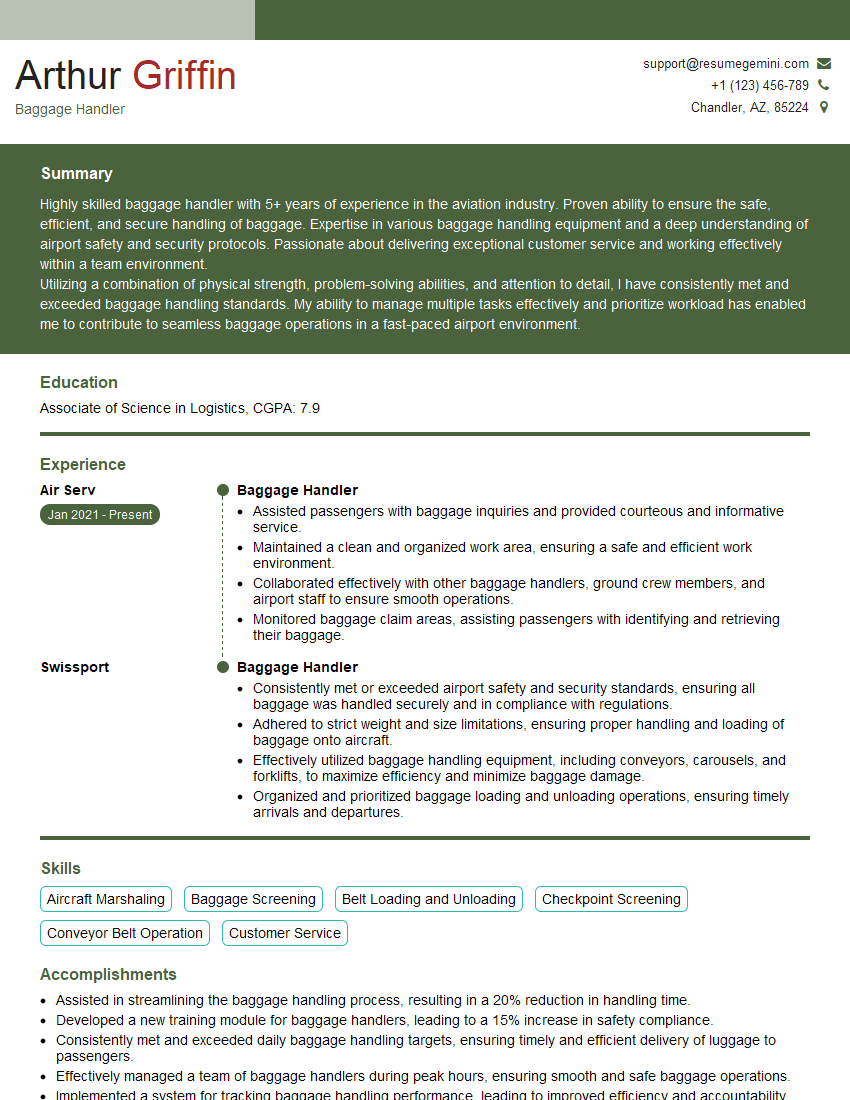
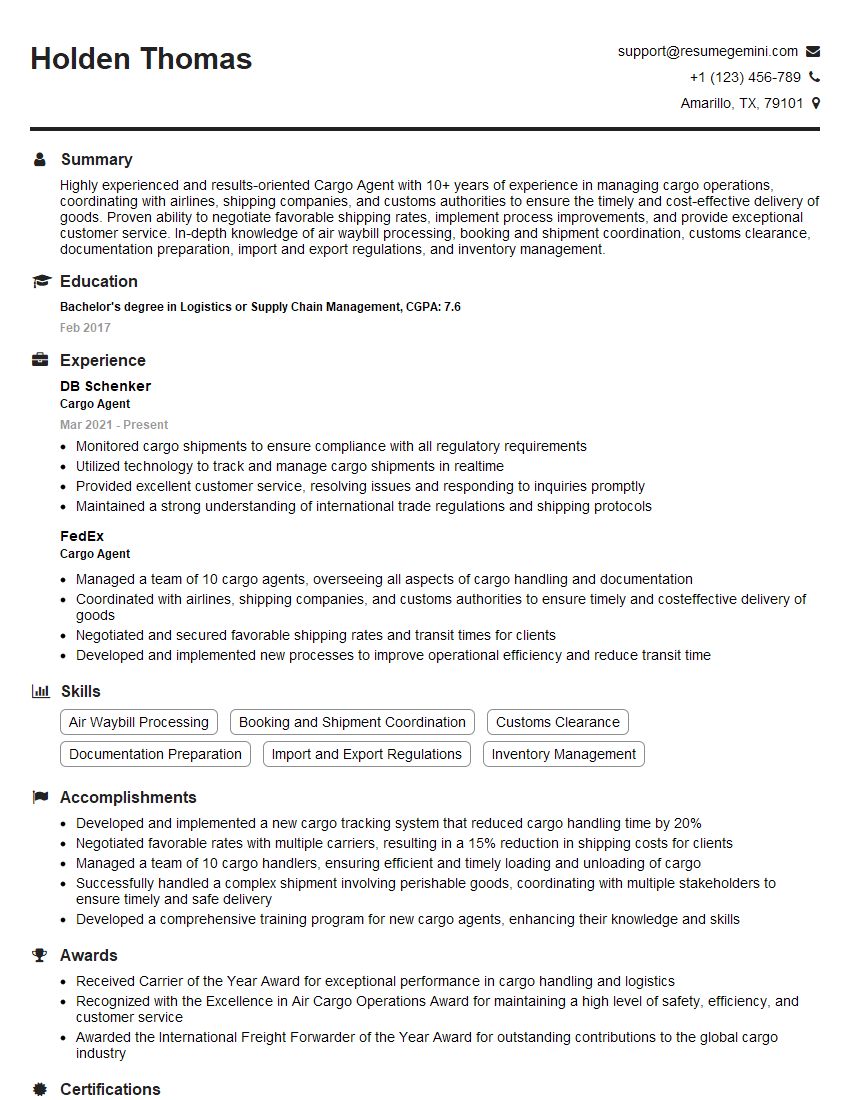
Mastering Bag Work techniques significantly enhances your ability to build robust and accurate predictive models, a highly valuable skill in today’s data-driven world. This expertise opens doors to exciting career opportunities and positions you as a strong candidate for advanced roles. To further strengthen your application, creating an ATS-friendly resume is crucial for maximizing your visibility to potential employers. We strongly recommend using ResumeGemini to craft a professional and impactful resume that highlights your Bag Work skills. Examples of resumes tailored to Bag Work positions are available below to help guide you.
Explore more articles
Users Rating of Our Blogs
Share Your Experience
We value your feedback! Please rate our content and share your thoughts (optional).
What Readers Say About Our Blog
Attention music lovers!
Wow, All the best Sax Summer music !!!
Spotify: https://open.spotify.com/artist/6ShcdIT7rPVVaFEpgZQbUk
Apple Music: https://music.apple.com/fr/artist/jimmy-sax-black/1530501936
YouTube: https://music.youtube.com/browse/VLOLAK5uy_noClmC7abM6YpZsnySxRqt3LoalPf88No
Other Platforms and Free Downloads : https://fanlink.tv/jimmysaxblack
on google : https://www.google.com/search?q=22+AND+22+AND+22
on ChatGPT : https://chat.openai.com?q=who20jlJimmy20Black20Sax20Producer
Get back into the groove with Jimmy sax Black
Best regards,
Jimmy sax Black
www.jimmysaxblack.com
Hi I am a troller at The aquatic interview center and I suddenly went so fast in Roblox and it was gone when I reset.
Hi,
Business owners spend hours every week worrying about their website—or avoiding it because it feels overwhelming.
We’d like to take that off your plate:
$69/month. Everything handled.
Our team will:
Design a custom website—or completely overhaul your current one
Take care of hosting as an option
Handle edits and improvements—up to 60 minutes of work included every month
No setup fees, no annual commitments. Just a site that makes a strong first impression.
Find out if it’s right for you:
https://websolutionsgenius.com/awardwinningwebsites
Hello,
we currently offer a complimentary backlink and URL indexing test for search engine optimization professionals.
You can get complimentary indexing credits to test how link discovery works in practice.
No credit card is required and there is no recurring fee.
You can find details here:
https://wikipedia-backlinks.com/indexing/
Regards
NICE RESPONSE TO Q & A
hi
The aim of this message is regarding an unclaimed deposit of a deceased nationale that bears the same name as you. You are not relate to him as there are millions of people answering the names across around the world. But i will use my position to influence the release of the deposit to you for our mutual benefit.
Respond for full details and how to claim the deposit. This is 100% risk free. Send hello to my email id: [email protected]
Luka Chachibaialuka
Hey interviewgemini.com, just wanted to follow up on my last email.
We just launched Call the Monster, an parenting app that lets you summon friendly ‘monsters’ kids actually listen to.
We’re also running a giveaway for everyone who downloads the app. Since it’s brand new, there aren’t many users yet, which means you’ve got a much better chance of winning some great prizes.
You can check it out here: https://bit.ly/callamonsterapp
Or follow us on Instagram: https://www.instagram.com/callamonsterapp
Thanks,
Ryan
CEO – Call the Monster App
Hey interviewgemini.com, I saw your website and love your approach.
I just want this to look like spam email, but want to share something important to you. We just launched Call the Monster, a parenting app that lets you summon friendly ‘monsters’ kids actually listen to.
Parents are loving it for calming chaos before bedtime. Thought you might want to try it: https://bit.ly/callamonsterapp or just follow our fun monster lore on Instagram: https://www.instagram.com/callamonsterapp
Thanks,
Ryan
CEO – Call A Monster APP
To the interviewgemini.com Owner.
Dear interviewgemini.com Webmaster!
Hi interviewgemini.com Webmaster!
Dear interviewgemini.com Webmaster!
excellent
Hello,
We found issues with your domain’s email setup that may be sending your messages to spam or blocking them completely. InboxShield Mini shows you how to fix it in minutes — no tech skills required.
Scan your domain now for details: https://inboxshield-mini.com/
— Adam @ InboxShield Mini
Reply STOP to unsubscribe
Hi, are you owner of interviewgemini.com? What if I told you I could help you find extra time in your schedule, reconnect with leads you didn’t even realize you missed, and bring in more “I want to work with you” conversations, without increasing your ad spend or hiring a full-time employee?
All with a flexible, budget-friendly service that could easily pay for itself. Sounds good?
Would it be nice to jump on a quick 10-minute call so I can show you exactly how we make this work?
Best,
Hapei
Marketing Director
Hey, I know you’re the owner of interviewgemini.com. I’ll be quick.
Fundraising for your business is tough and time-consuming. We make it easier by guaranteeing two private investor meetings each month, for six months. No demos, no pitch events – just direct introductions to active investors matched to your startup.
If youR17;re raising, this could help you build real momentum. Want me to send more info?
Hi, I represent an SEO company that specialises in getting you AI citations and higher rankings on Google. I’d like to offer you a 100% free SEO audit for your website. Would you be interested?
Hi, I represent an SEO company that specialises in getting you AI citations and higher rankings on Google. I’d like to offer you a 100% free SEO audit for your website. Would you be interested?