Preparation is the key to success in any interview. In this post, we’ll explore crucial Boating and Navigation interview questions and equip you with strategies to craft impactful answers. Whether you’re a beginner or a pro, these tips will elevate your preparation.
Questions Asked in Boating and Navigation Interview
Q 1. Explain the difference between true north, magnetic north, and compass north.
Understanding the difference between true north, magnetic north, and compass north is fundamental in navigation. Think of it like this: True north is the actual geographic North Pole, the point around which the Earth rotates. Magnetic north, however, is the point towards which a compass needle points – it’s where the Earth’s magnetic field lines converge. This point isn’t fixed and changes over time. Finally, compass north is what your compass *actually* shows, which is influenced by magnetic north and also by deviations caused by your vessel’s magnetic materials (like steel in the hull).
The difference between true north and magnetic north is called variation, and it’s shown on navigational charts. The difference between magnetic north and compass north is called deviation, and this needs to be corrected for using a deviation card specific to your vessel.
For example, if your chart shows a variation of 15° East, and your compass indicates a heading of 30°, and your deviation is 2° West, then your true heading is 30° + 2° – 15° = 17°. This means adjusting your compass reading to align with true north for accurate navigation.
Q 2. Describe your experience with various types of navigational charts.
My experience encompasses a wide range of navigational charts, from traditional paper charts to modern electronic equivalents. I’m proficient in using paper charts like those published by the National Oceanic and Atmospheric Administration (NOAA) in the US, or similar agencies worldwide. I understand how to interpret their various symbols, depths, contours, and other important navigational information, including understanding chart datums and projections. I’m comfortable with various scales and projections, and I know how to use parallel rules and dividers for accurate measurements.
Furthermore, I have extensive experience with electronic charts, including raster charts (digital images of paper charts) and vector charts (data-driven charts offering greater flexibility). My expertise extends to understanding chart updates and corrections, ensuring I am always using the most current and accurate information available.
In my professional experience, I’ve used charts for everything from coastal cruising to open-ocean passages, and I’m confident in my ability to select and use the appropriate chart for the specific situation.
Q 3. How do you calculate a vessel’s speed and course using GPS data?
GPS data provides the foundation for calculating a vessel’s speed and course. A GPS receiver determines the vessel’s position at regular intervals (e.g., every second). To calculate speed, we use the change in position over time. This involves measuring the distance between two consecutive positions and dividing by the time interval.
For example, if the vessel moves from position A (latitude/longitude coordinates) to position B in 10 seconds, we can calculate the distance between A and B using the Haversine formula (accounting for the curvature of the earth). Dividing this distance by 10 seconds gives the speed in distance units per second (e.g., meters per second). We can then convert this to a more common unit like knots (nautical miles per hour).
Course is determined by calculating the bearing (direction) from position A to position B. This is usually presented as a true bearing (relative to true north). The GPS itself typically provides this course directly, but it’s important to understand how it’s calculated and potentially apply corrections for any magnetic variation.
// Example calculation (simplified - Haversine formula needed for precise calculation) speed = distance(A, B) / time_interval; course = bearing(A, B);
Q 4. Explain the process of taking and plotting a celestial navigation fix.
Celestial navigation, while less common with the advent of GPS, remains a valuable skill. A celestial fix involves measuring the altitudes of celestial bodies (sun, moon, stars) using a sextant and comparing these measurements with their calculated altitudes from nautical almanacs or software. This allows for determining your position on the Earth’s surface.
The process involves these steps:
- Sight taking: Measuring the altitude of at least two celestial bodies with a sextant, noting the time precisely.
- Sight reduction: Calculating the altitude of each body using navigational tables or software. Input data includes the body’s Greenwich Hour Angle (GHA), declination, and your estimated position.
- Plotting lines of position (LOP): Each sight yields a line of position (LOP) – a line on the chart on which the vessel must lie. The LOP is drawn using a compass rose, considering the body’s azimuth (bearing).
- Intersection of LOPs: The intersection of at least two LOPs gives your position. More sights improve the accuracy of the fix.
Celestial navigation requires a precise understanding of spherical trigonometry and astronomical calculations, as well as careful observation and meticulous record-keeping. It’s a fascinating and challenging skill that helps build a deeper understanding of navigation.
Q 5. Describe your experience with electronic charting systems (ECDIS).
Electronic Chart Display and Information Systems (ECDIS) are now the standard for professional navigation. My experience includes using various ECDIS systems from different manufacturers, all of which provide an electronic display of charts, offering significant advantages over paper charts. These include dynamic updates, integration with other navigational sensors (AIS, GPS, radar), and advanced safety features.
I’m proficient in using ECDIS features like route planning, route monitoring, and safety contouring. I understand the importance of regular chart updates and data management to ensure the system’s accuracy and reliability. I’m also familiar with the various types of electronic charts and their specific capabilities.
Furthermore, I’m experienced in troubleshooting ECDIS malfunctions and ensuring the system is functioning correctly, including proper backup systems in case of failure. I understand the legal and operational requirements for ECDIS usage as outlined by the International Maritime Organization (IMO).
Q 6. How do you handle a collision avoidance situation?
Collision avoidance is paramount in navigation. My approach is systematic and based on the COLREGs (discussed in the next answer). It involves constant vigilance, using all available sensors (radar, AIS, visual), and assessing the situation well in advance.
In a collision avoidance situation, my steps would include:
- Assessment: Identify the risk, determine the other vessel’s intentions and capabilities.
- Action: Take action to avoid a collision, usually by altering course or speed, while considering the rules of navigation and other vessels.
- Communication: If necessary, communicate with the other vessel using sound signals or VHF radio.
- Documentation: Record the incident, including time, location, actions taken, and any communication with the other vessel.
The specific action taken depends entirely on the circumstances, but the overriding principle is to maintain a safe distance and avoid a collision at all costs. This might involve giving way, standing on, or a combination of both, according to the COLREGs.
Q 7. What are the COLREGs and how do you apply them in practice?
The International Regulations for Preventing Collisions at Sea (COLREGs) are a set of rules that govern the behavior of vessels at sea to prevent collisions. They dictate which vessel has the right-of-way in various situations. They are based on a principle of mutual responsibility: both vessels must take action to avoid a collision.
Applying COLREGs involves understanding the rules for different situations:
- Rules for vessels in sight of one another: This defines right-of-way based on vessel type (power-driven, sailing, fishing vessels, etc.) and their relative courses.
- Rules for vessels restricted in their ability to maneuver: This includes vessels constrained by draft, vessels engaged in fishing, etc.
- Rules for vessels not under command: Vessels that cannot respond to their steering equipment.
- Rules for vessels restricted in their ability to maneuver and vessels not under command: Specific rules apply to these vessels.
- Sound signals: Vessels are required to use specific sound signals to indicate their actions and intentions.
I have extensive practical experience applying the COLREGs, ensuring safe navigation and the prevention of collisions. Mastering the COLREGs is not just about memorizing the rules but applying sound judgment in complex situations.
Q 8. Explain the concept of tide and current and how they affect navigation.
Tides and currents are crucial aspects of navigation, representing the rise and fall of sea levels and the horizontal movement of water, respectively. Understanding both is paramount for safe and efficient boating.
Tides: Caused by the gravitational pull of the moon and sun, tides create predictable changes in water depth. High tide marks the peak water level, while low tide represents the lowest level. Navigation is affected as available water depth for passage changes throughout the tidal cycle. Chart depths are often shown as chart datum, a reference point (usually mean low water), and you must account for the tidal range to ensure sufficient clearance under your keel.
Example: Imagine navigating a narrow channel with a stated depth of 5 meters at chart datum. If the predicted low tide is 1 meter and your boat drafts 4 meters, you would need to time your passage for high tide or risk grounding. Navigation apps and tide tables provide predicted times and heights.
Currents: These are the horizontal movements of water, influenced by factors such as tides, wind, and ocean currents. Currents can significantly impact your vessel’s speed and direction. A current flowing against your direction will reduce your speed over ground, while a following current will increase it. Strong currents can also make maneuvering difficult and potentially dangerous.
Example: If you’re planning a journey across a large bay with a known strong current, you must calculate the current’s effect on your vessel’s speed and heading to ensure you reach your destination on time and stay on course. Using a plotting chart and current information from nautical charts or weather services is crucial here.
Failing to account for tides and currents can lead to grounding, collisions, or significant delays. Safe navigation necessitates careful planning using up-to-date tidal predictions and current forecasts.
Q 9. How do you determine a safe speed in various weather conditions?
Determining safe speed depends heavily on a combination of factors. There’s no single formula, but rather a careful assessment of the conditions at hand. The ‘rule of thumb’ of halving your speed in poor visibility is a good starting point, but other conditions also need consideration.
- Visibility: Reduced visibility (fog, heavy rain, darkness) demands lower speeds to allow for sufficient reaction time to avoid obstacles.
- Sea State: Rough seas (high waves) require reduced speed to maintain control and prevent damage to the vessel. Excessive speed in heavy seas risks broaching (being turned broadside to waves).
- Traffic Density: In areas with heavy vessel traffic, reduced speed is necessary for safe maneuvering and collision avoidance.
- Water Depth: In shallow waters, speed needs to be drastically reduced to avoid running aground or causing damage to the propeller.
- Wind Conditions: Strong winds can affect a vessel’s handling, making lower speeds preferable for stability and control.
Practical Application: I’ve experienced navigating through fog with visibility down to 50 meters. In such circumstances, I reduced speed to a bare minimum – just enough to maintain steerage – and increased my vigilance through visual and radar scanning for other vessels.
Q 10. Describe your experience with different types of anchors and anchoring techniques.
My experience encompasses a range of anchor types and techniques, tailored to specific situations. Anchor selection depends on seabed type, holding power required, and vessel size.
- Fluke Anchors (e.g., Bruce, CQR): These are popular for their holding power in various seabed types and are relatively easy to set. The Bruce anchor, for instance, excels in sand and mud.
- Danforth Anchors: These are lightweight and suitable for temporary anchoring in sand or mud, though not as reliable in rocky areas.
- Plow Anchors (e.g., CQR): These are known for their excellent holding power in various seabed types, including rocky bottoms. However, they’re heavier and can be more challenging to set.
- Mushroom Anchors: Typically used for smaller vessels in calm conditions and well-suited for mud or sand.
Anchoring Techniques: Proper anchoring involves approaching the desired location slowly, paying out sufficient anchor rode (chain and/or rope), and ensuring the anchor sets properly. I always check my set by testing the holding power using a gentle pull on the anchor rode. It’s crucial to calculate the necessary scope (ratio of anchor rode to water depth) to account for wind and current. A general guideline is 5:1 scope in moderate conditions, but this can increase depending on conditions.
Example: When anchoring in a rocky bay, I prefer using a plow anchor due to its superior holding power in these conditions. I approach slowly, checking my depth sounder to avoid hitting rocks, and ensure sufficient scope to withstand potential wind or current shifts.
Q 11. How do you handle an engine failure at sea?
Engine failure at sea is a serious event requiring immediate action. A calm and methodical approach is key.
- Assess the Situation: Determine the extent of the failure (complete loss of power or partial), and the surrounding conditions (weather, location, traffic).
- Attempt Restart: Follow the engine manufacturer’s troubleshooting steps. If possible, try to restart the engine.
- Deploy Distress Signals: Activate your EPIRB (Emergency Position-Indicating Radio Beacon) or use VHF radio to contact the Coast Guard or other vessels. Use visual distress signals if necessary.
- Assess Drift: Determine your vessel’s drift rate and direction relative to land, hazards, and traffic. If possible, use your charts and compass to navigate the situation.
- Prepare for Survival: If rescue is delayed, prepare your vessel and crew for survival, including using emergency supplies.
- Maintain Vigilance: Regularly scan for other vessels and potential hazards while awaiting rescue.
Example: I once experienced an engine failure 10 miles offshore during a storm. I immediately deployed my EPIRB and contacted the Coast Guard via VHF. I used my charts and compass to assess my drift, and ensured the crew remained sheltered, prepared with additional clothing and emergency rations. We were rescued within three hours.
Q 12. What are the different types of marine distress signals and how are they used?
Marine distress signals are crucial for alerting others to an emergency. They encompass various methods, ensuring a signal can be transmitted even under challenging circumstances.
- VHF Radio: Use Channel 16 (or the appropriate distress channel) to contact the Coast Guard or other vessels.
- EPIRB (Emergency Position-Indicating Radio Beacon): This transmits a distress signal to rescue coordination centers via satellite, relaying your vessel’s position and other relevant information. Activating an EPIRB should be treated as an absolute emergency.
- AIS (Automatic Identification System): Modern vessels are typically equipped with AIS, which automatically transmits information about their position, course, and speed. In many cases, this information is used by other vessels and authorities as a notification of an emergency.
- Visual Signals: These include flares (day and night flares), orange smoke signals, and a distress flag (a square flag with a black cross). These can be deployed as a secondary signal and must conform to international regulations.
- Handheld GPS: Provide rescuers with a precise location quickly. Often used as a secondary, backup method.
How they are used: The use depends on the severity and circumstances. A simple engine malfunction might warrant a VHF call, while a serious accident warrants use of an EPIRB in conjunction with VHF and visual signals. It’s essential to utilize multiple methods to maximize the chance of a swift rescue.
Q 13. Explain the process of conducting a pre-departure check on a vessel.
A thorough pre-departure check is paramount for safe boating. It’s a systematic process that covers all aspects of the vessel, and should never be skipped.
- Navigation Systems: Verify chart plotter functionality, GPS reception, and the availability of updated charts.
- Engine Check: Inspect oil and fluid levels, check battery voltage, and run the engine to verify performance and look for leaks.
- Safety Equipment: Check the condition and quantity of life jackets, flares, first aid kit, fire extinguishers, bilge pumps, and other essential safety gear. Ensure all equipment is functional and that their usage is understood by the crew.
- Vessel Condition: Check for any damage to the hull, rigging, or other components. Inspect lights to be sure they are operational.
- Communication Systems: Verify VHF radio operation, and that all communication equipment has power.
- Weather Report: Review the marine weather forecast to assess potential hazards and plan accordingly.
- Navigation Plan: Plan a route, considering factors such as weather, tides, currents, and traffic.
Example: Before a long-distance cruise, I meticulously go through this checklist, even documenting each step, ensuring every system is fully functional. This approach helps me catch minor problems before they become major issues out at sea.
Q 14. How do you manage a crew and ensure safety onboard?
Managing a crew and ensuring safety onboard requires clear communication, delegation, and proactive safety measures.
- Clear Roles and Responsibilities: Assign clear roles to crew members, ensuring everyone understands their duties during navigation, anchoring, emergencies, and routine tasks.
- Safety Briefing: Conduct a thorough briefing before departure, covering safety procedures, emergency protocols, vessel systems, and communication protocols.
- Communication: Maintain open communication, encouraging crew members to voice concerns or report observations.
- Proper Watchkeeping: If underway, implement a proper watchkeeping system. Clearly define what constitutes an effective watch, including visual and electronic scanning, and regular course and speed checks.
- Emergency Drills: Conduct regular drills to practice emergency procedures, such as man overboard drills, fire drills, and abandon ship procedures.
- Fatigue Management: Avoid overworking crew, enforcing adequate rest periods to prevent fatigue, a major contributor to accidents.
Example: On a recent charter, I clearly defined roles (helm, navigation, safety), ensuring crew members understood their tasks and responsibilities during different phases of the voyage. We held briefings before each leg and performed a man overboard drill, solidifying our preparedness for unforeseen events.
Q 15. Describe your experience with vessel maintenance and repair.
Vessel maintenance and repair are crucial for safe and efficient operation. My experience spans over 15 years, encompassing everything from routine checks to major overhauls on various vessel types, including sailboats, motorboats, and small commercial craft. I’m proficient in engine maintenance (both inboard and outboard), including troubleshooting, repairs, and preventative maintenance schedules. I’m also experienced in hull maintenance, addressing issues like osmosis, fiberglass repairs, and bottom painting. My skills extend to electrical systems, plumbing, and sail handling and repair. For example, I once successfully diagnosed and repaired a faulty fuel injector on a diesel engine during an offshore passage, preventing a potentially dangerous situation. Another time, I handled a significant fiberglass repair on a sailboat’s hull after a collision with a submerged object, ensuring the structural integrity of the vessel.
I regularly perform preventative maintenance tasks such as oil changes, filter replacements, and checking seacocks to avoid more costly repairs down the line. I also meticulously document all maintenance activities and repairs, keeping a detailed logbook to help prevent recurring problems and ensure compliance with safety regulations.
Career Expert Tips:
- Ace those interviews! Prepare effectively by reviewing the Top 50 Most Common Interview Questions on ResumeGemini.
- Navigate your job search with confidence! Explore a wide range of Career Tips on ResumeGemini. Learn about common challenges and recommendations to overcome them.
- Craft the perfect resume! Master the Art of Resume Writing with ResumeGemini’s guide. Showcase your unique qualifications and achievements effectively.
- Don’t miss out on holiday savings! Build your dream resume with ResumeGemini’s ATS optimized templates.
Q 16. What are the procedures for entering and leaving a lock?
Entering and leaving a lock requires careful planning and precise execution to ensure the safety of your vessel and others. The process typically involves:
- Approaching the Lock: Observe the signals and instructions from lock personnel. Approach slowly and cautiously, maintaining a safe distance from other vessels.
- Communication: Communicate with lock operators using VHF radio, confirming your intentions and following their instructions. They will guide you on the best approach and mooring technique.
- Securing the Vessel: Secure your vessel to the lock wall using appropriate lines and fenders. This prevents damage to the vessel and the lock walls during the water level change.
- Lock Operation: The lock gates will open and close, changing the water level to match the next stage of the waterway. During this time, remain vigilant, checking your lines and fenders to ensure your vessel stays secure.
- Exiting the Lock: Once the water levels are equalized and the gates are opened, carefully exit the lock, following the instructions from the lock operators. Give way to other vessels as needed.
Failure to follow these procedures could lead to collisions, damage to the vessel or lock, or delays for other boaters. For instance, improper securing could result in the vessel being swept against the lock walls during the water level change.
Q 17. How do you use a sextant?
A sextant is a navigational instrument used to measure the angle between any two visible objects. In celestial navigation, this angle, along with the time of the observation, is used to determine the observer’s latitude and longitude. It works by precisely measuring the angle between the horizon and a celestial body (like the sun, moon, or stars).
Using a Sextant:
- Horizon Acquisition: Carefully align the horizon with the horizon mirror.
- Target Acquisition: Use the sextant’s index arm to locate the celestial body and bring it into alignment with the horizon in the sextant’s viewfinder.
- Fine Adjustment: Use the micrometer screw for precise adjustment to align the celestial body’s image with the horizon.
- Reading the Altitude: Record the altitude reading from the sextant’s vernier scale. This represents the angular height of the celestial body above the horizon.
- Time Recording: Simultaneously record the precise time of the observation using a chronometer.
- Sight Reduction: Using nautical almanacs and sight reduction tables, calculate the latitude and longitude from the measured altitude, the time, and the celestial body’s known position.
Accurate sextant use requires practice and a good understanding of celestial navigation principles. Inaccurate readings can lead to significant errors in position determination.
Q 18. Explain the concept of dead reckoning.
Dead reckoning (DR) is a method of estimating a vessel’s position by using its last known position, course, and speed over a period of time. It’s a fundamental navigation technique, especially useful when other navigational aids are unavailable. It is crucial to remember that dead reckoning is an *estimate* and is subject to errors.
Concept: Imagine you know your starting point. You know the direction you’re traveling (your course) and how fast you’re going (your speed). You can calculate how far you’ve travelled and, therefore, approximately where you are. Errors accumulate over time because of factors such as currents, wind, and inaccuracies in speed and course measurements.
Example: If a vessel starts at a known position and travels at 10 knots (nautical miles per hour) on a course of 090° for 2 hours, the dead reckoning position would be approximately 20 nautical miles east of the starting point. However, this calculation doesn’t account for currents or any other influencing factors.
Dead reckoning is always best used in conjunction with other navigational methods, providing a check for more accurate positioning.
Q 19. Describe your experience with radar navigation.
My experience with radar navigation is extensive, encompassing both commercial and recreational vessels. I am proficient in operating and interpreting various radar systems, including those with ARPA (Automatic Radar Plotting Aid) capabilities. I understand how to adjust range, gain, and sea clutter rejection to obtain optimal radar images under different conditions. I can identify various targets, such as other vessels, landmasses, and weather phenomena, and interpret their movements.
ARPA allows for automated tracking of targets, providing valuable information such as course, speed, and closest point of approach (CPA). This is invaluable for collision avoidance. I’m skilled in interpreting ARPA data to make informed decisions to avoid potential collisions. For example, during a dense fog, I successfully used radar to navigate a busy shipping channel, avoiding several large commercial vessels based on their predicted tracks.
Beyond collision avoidance, radar is a crucial tool for navigation in reduced visibility, providing situational awareness even when visual cues are limited.
Q 20. How do you interpret weather forecasts and make navigational decisions based on them?
Interpreting weather forecasts and making sound navigational decisions based on them is paramount to safe boating. I utilize various resources, including weather broadcasts (radio and online), weather apps, and meteorological charts, to gather comprehensive weather information. Factors I carefully consider include wind speed and direction, wave height and period, visibility, air pressure, and precipitation.
Decision-making process:
- Assess the forecast: I analyze the forecast for my intended route, paying close attention to potential hazards like strong winds, heavy seas, reduced visibility, or thunderstorms.
- Evaluate risks: I assess the risks associated with proceeding and weigh them against the potential benefits of continuing the voyage.
- Develop contingency plans: I always develop alternative plans in case of unexpected weather changes, including potential safe havens or adjustments to the route.
- Communicate with others: I communicate the weather conditions and my plans to relevant parties, such as crew, port authorities, or other vessels.
- Monitor conditions: While underway, I continuously monitor weather conditions and make necessary adjustments to the route or even delay or cancel the voyage if necessary.
A recent example involved adjusting my route to avoid a predicted squall line, thereby ensuring the safety of my crew and vessel. Effective weather planning and decision-making is not just about reacting to what happens, but proactively planning for contingencies, minimising risks, and adapting to changing circumstances.
Q 21. What are the different types of buoys and their meanings?
Buoys are floating markers that provide crucial navigational information. Different shapes, colors, and patterns indicate various hazards and channels. Here are some common types:
- Lateral Buoys: These mark the sides of a channel. In US waters, red buoys mark the port (left) side of the channel when entering from seaward, and green buoys mark the starboard (right) side. They are numbered.
- Cardinal Buoys: These indicate the cardinal points of the compass (North, South, East, West) relative to a hazard. North buoys are black and yellow, with a black topmark and two black balls. South are black and yellow with a black topmark and two black cones, etc.
- Safe Water Buoys: These mark a safe water area and are usually red and white vertically striped.
- Isolated Danger Buoys: These mark an isolated danger to navigation and are usually black with one or two spheres on top.
- Special Purpose Buoys: These buoys may have various shapes, colors and light patterns, and mark specific locations or features.
Understanding buoyage systems is critical for safe navigation. Misinterpreting a buoy’s meaning can lead to grounding or collision. For instance, mistaking a red lateral buoy for a green one could lead a vessel into dangerous waters.
Q 22. How do you handle a man overboard situation?
A man overboard (MOB) situation requires immediate and coordinated action. The primary goal is to quickly recover the person and minimize the risk of injury or death. The first step is to immediately yell “Man overboard!” to alert everyone on board. This ensures everyone understands the gravity of the situation and can assist accordingly.
- Immediately Throw a Floatation Device: Quickly throw a buoyant object, such as a life ring or life jacket, towards the person in the water. This provides something to hold onto and helps maintain visibility.
- Activate the MOB Button (if equipped): Modern chartplotters and GPS systems often have a dedicated MOB button. Activating this automatically marks the location of the incident and begins recording a track back to the position. This is crucial for efficient recovery.
- Note the Position: If there’s no MOB button, someone should immediately note the position of the casualty using GPS coordinates or visual landmarks. This is vital for guiding the search and rescue efforts.
- Turn the Vessel Around: Someone should take control of the vessel and begin a slow, controlled turn towards the person in the water. It’s important to avoid creating a large wake which might push the person farther away.
- Deploy a Search Pattern: Once the vessel is close, a systematic search pattern should be implemented. This usually involves a Williamson turn or a similar maneuver to efficiently cover the area.
- Communicate: Contact emergency services (coast guard, etc.) immediately, relaying the location, number of persons involved, and any other relevant information.
- Retrieve the Person Safely: Once the person is located, carefully approach and retrieve them using appropriate safety equipment. Be mindful of potential injuries and the conditions of the water.
During a recent coastal cruise, a sudden gust of wind caused a passenger to fall overboard. Swiftly employing these procedures, we recovered the passenger within minutes, minimizing the risk of hypothermia and ensuring their safety. The immediate use of the MOB button on our plotter was instrumental in our rapid and efficient recovery.
Q 23. Describe your experience with passage planning.
Passage planning is a critical aspect of safe and efficient boating. It involves meticulously detailing the route, accounting for weather, navigational hazards, and vessel capabilities. I always begin by identifying my departure and destination points, using a chart plotter and navigational charts. This step involves verifying that the vessel is suitable for the planned route and weather conditions.
- Route Selection: I consider factors such as currents, tides, recommended routes, and potential hazards. I carefully review charts and nautical publications for relevant information such as water depths, restricted areas, and aids to navigation.
- Weather Forecasting: Checking weather forecasts is crucial. I use reliable sources like meteorological services and apps to predict wind speed and direction, wave height, visibility, and any potential storms.
- Navigation Equipment Check: Prior to departure, I thoroughly check all navigational equipment, including GPS, compass, radar (if equipped), and VHF radio, ensuring they’re functioning correctly and calibrated.
- Fuel and Provisions: Adequate fuel and provisions are factored into the plan, ensuring sufficient resources for the voyage.
- Contingency Plans: A crucial part of passage planning involves developing contingency plans for unforeseen events, such as engine failure, equipment malfunction, or a change in weather conditions.
- Time Management: Realistic estimates of travel time are calculated, considering current speeds, weather impacts, and planned stops.
For example, planning a trip from Miami to the Bahamas involves factoring in the Gulf Stream current, potential tropical weather systems, and the navigation through various channels and reefs. Careful route planning considering these aspects ensures both efficient travel and safety.
Q 24. What are the safety regulations for carrying passengers onboard?
Safety regulations for carrying passengers vary depending on the size and type of vessel and the jurisdiction. However, common elements include ensuring sufficient personal flotation devices (PFDs) for each person on board, ensuring passengers understand safety procedures, and limiting the number of passengers based on vessel capacity. There are specific requirements regarding the type and condition of PFDs, and often legal requirements to ensure that passengers are provided appropriate safety briefings.
- Personal Flotation Devices (PFDs): A sufficient number of properly sized and approved PFDs must be available for each person on board. These should be readily accessible and in good condition.
- Capacity Limits: Operating a vessel beyond its stated passenger capacity is strictly prohibited. This limit is often determined by the vessel’s certification or documentation.
- Safety Briefing: Passengers should be informed about safety procedures, including emergency exits, PFD locations and usage, and radio communication procedures.
- Navigation Lights: Proper navigation lights must be displayed according to the rules of navigation.
- Vessel Condition: The vessel must be in seaworthy condition, with proper functioning safety equipment such as fire extinguishers, flares, and bilge pumps.
Ignoring these regulations can lead to severe penalties, including fines and potential legal action. Prioritizing passenger safety is not just ethically important but also legally mandated.
Q 25. Explain the process of filing a float plan.
A float plan is a detailed outline of a boating trip, shared with someone reliable who can alert authorities if you don’t return as planned. It’s a crucial safety measure, particularly for solo trips or voyages in challenging conditions.
- Trip Details: This includes the intended departure time and date, destination, planned route, and expected return time.
- Vessel Information: The name and description of the vessel, including length, make, model, and hull identification number (HIN).
- Crew Information: Names, contact information, and emergency contacts of all people on board.
- Communication Plan: How you plan to communicate updates, such as check-in points and times.
- Emergency Contact: Information for a person who can notify authorities in case of non-return.
- Vessel Equipment: Key details of the vessel’s safety equipment such as radios, flares, and PFDs.
For example, a float plan for a weekend sailing trip would detail the departure from a specific marina, the planned sailing route, the expected return time on Sunday evening, and the emergency contact’s phone number and address. The plan should be left with a trusted friend or family member.
Q 26. How do you maintain a proper lookout?
Maintaining a proper lookout is a fundamental principle of safe navigation. It involves constantly scanning the surroundings for potential hazards, both visually and using navigational equipment. This is a continuous process, requiring alertness and awareness.
- Visual Lookout: Regularly scanning the horizon, including the water’s surface, nearby vessels, and any potential obstacles (buoys, shorelines, etc.).
- Navigational Equipment: Using radar, AIS (Automatic Identification System), and other electronic aids to monitor the surrounding environment. This extends your visual range and increases situational awareness.
- Weather Conditions: Considering changing weather patterns and taking appropriate actions (reducing speed, altering course, etc.) as needed.
- Awareness of Vessel Traffic: Paying close attention to other vessels, anticipating their actions, and taking precautions to avoid collisions. Following the rules of navigation is crucial here.
- Sound Signals: Listening for sound signals (fog horns, other vessels) and responding appropriately.
A proper lookout involves more than just looking—it requires active observation, anticipation, and sound judgment. Think of it like driving a car, but with significantly more potential hazards and less room for error.
Q 27. Describe your experience with search and rescue procedures.
My experience with search and rescue procedures involves both participating in simulated exercises and understanding the practical application of search patterns and communication protocols. These procedures prioritize the efficient location and rescue of those in distress.
- Understanding Search Patterns: Knowledge of various search patterns (e.g., expanding square, parallel, sector) is crucial for systematically covering an area. The choice of pattern depends on factors such as the size of the search area, the likely location of the casualty, and available resources.
- Communication: Effective communication with emergency services, other vessels, and potentially the casualty themselves is paramount. VHF radio is a key tool for these communications. Providing accurate location information, vessel details, and any other relevant information promptly is critical.
- Coordination: If other vessels are involved in a search, coordination to avoid overlapping searches and ensure efficient coverage is crucial.
- Safety Considerations: The safety of rescuers is equally important. The search and rescue effort must be conducted safely, respecting conditions and limitations.
- Post-Rescue Procedures: Once the casualty is rescued, appropriate medical attention and further assistance should be provided.
During a simulated exercise, I participated in a search and rescue operation based on a staged man overboard event. Using the knowledge of search patterns and radio communication, we were able to locate the mock casualty within a short period, highlighting the efficiency of effective training and coordination.
Q 28. What are the legal requirements for operating a vessel of this size?
Legal requirements for operating a vessel vary considerably depending on its size, type, and location. Regulations cover licensing, registration, safety equipment, and navigation rules.
- Licensing: Depending on the vessel’s size and horsepower, an operator may need a boating license or certificate of competency. This is often jurisdiction-specific.
- Registration: Vessels usually require registration with the appropriate authorities (often state or federal). This includes hull number documentation.
- Safety Equipment: Specific safety equipment is mandatory, including PFDs, flares, fire extinguishers, and navigation lights. These requirements vary depending on the vessel size and area of operation.
- Navigation Rules: Adherence to the rules of navigation (COLREGs – Collision Regulations) is essential for preventing collisions and ensuring safe passage. This includes aspects such as right of way and signaling.
- Pollution Prevention: Regulations regarding the discharge of waste and pollutants into waterways must be strictly observed.
Failing to comply with these legal requirements can result in significant fines, suspension of operating privileges, and potentially even criminal charges. Understanding and adhering to local and national regulations is essential for responsible and legal vessel operation.
Key Topics to Learn for Your Boating and Navigation Interview
- Navigation Rules and Regulations: Understand the International Regulations for Preventing Collisions at Sea (COLREGs) and their practical application in various scenarios. Consider the impact of different weather conditions and vessel types.
- Chart Reading and Interpretation: Master the skills of interpreting nautical charts, including symbols, depths, and navigational aids. Practice plotting courses and estimating times of arrival.
- Electronic Chart Systems (ECS): Familiarize yourself with the operation and limitations of ECS, including GPS, radar, and AIS. Understand how to troubleshoot common issues and ensure accurate data interpretation.
- Boat Handling and Seamanship: Demonstrate a strong understanding of safe boat handling techniques, including maneuvering in confined spaces, anchoring, and docking. Be prepared to discuss emergency procedures.
- Meteorology and Oceanography: Understand basic weather patterns, forecasting, and their impact on navigation. Familiarize yourself with tidal currents, wave action, and other oceanographic factors.
- Communication Systems: Be prepared to discuss various communication systems used in boating, including VHF radio, satellite communication, and emergency procedures.
- Navigation Calculations: Practice various navigation calculations, such as dead reckoning, piloting, and celestial navigation (depending on the specific role). Understand the principles behind these calculations and their limitations.
- Safety Procedures and Emergency Response: Demonstrate knowledge of safety regulations, emergency procedures, and rescue techniques relevant to boating and navigation. Highlight your experience with safety equipment and protocols.
Next Steps
Mastering Boating and Navigation is crucial for career advancement in this exciting field. A strong understanding of these principles will significantly enhance your job prospects and allow you to contribute effectively to a maritime team. To maximize your chances of securing your dream role, it’s essential to create a compelling and ATS-friendly resume that highlights your skills and experience. ResumeGemini can help you build a professional and impactful resume tailored to the boating and navigation industry. They provide examples of resumes specifically designed for this sector, giving you a head start in crafting your application materials.
Harbor Master Resume Sample
Marine Engineer Resume Sample
Marine Surveyor Resume Sample
Hydrographer Resume Sample
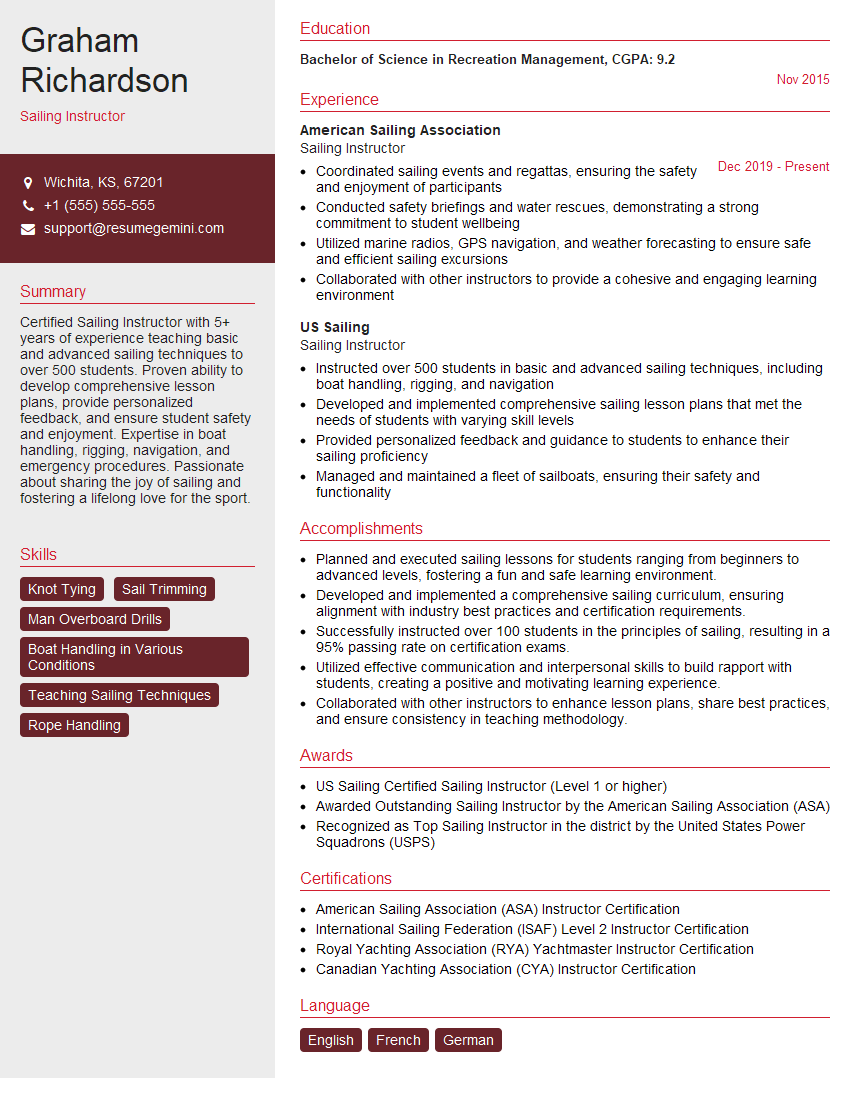
Sailing Instructor Resume Sample
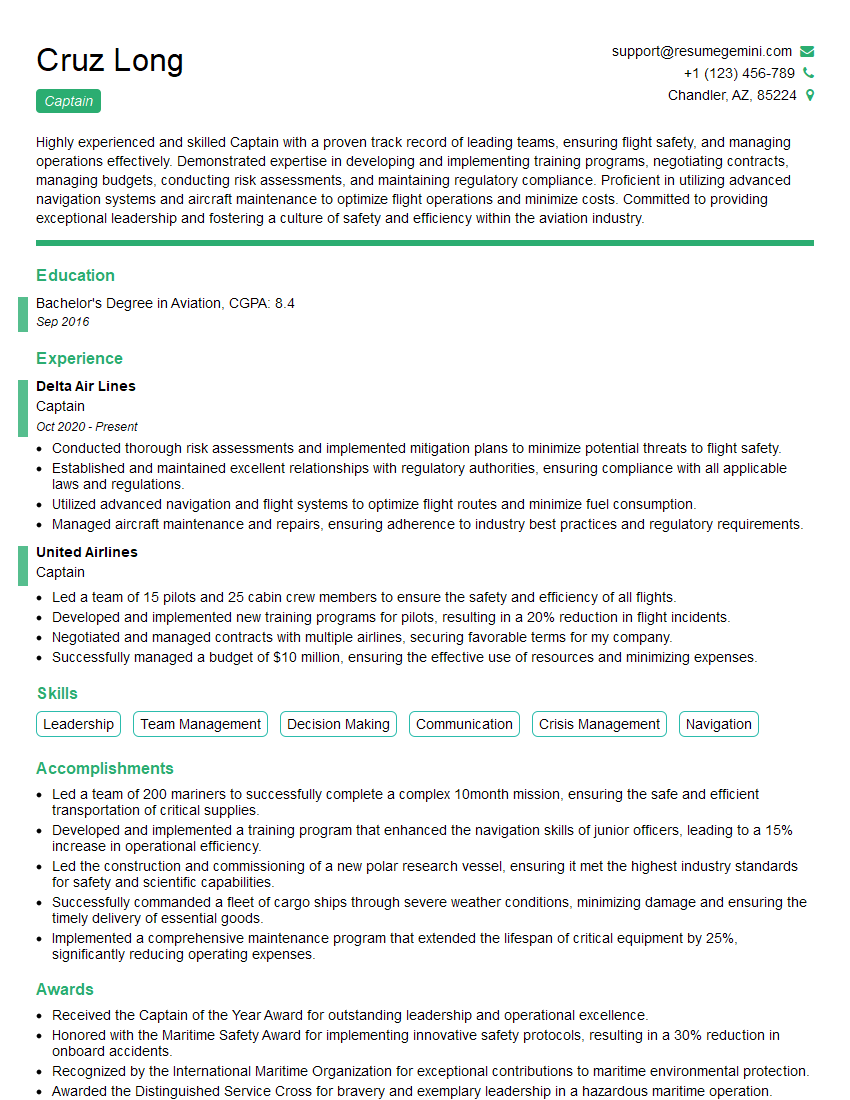
Captain Resume Sample
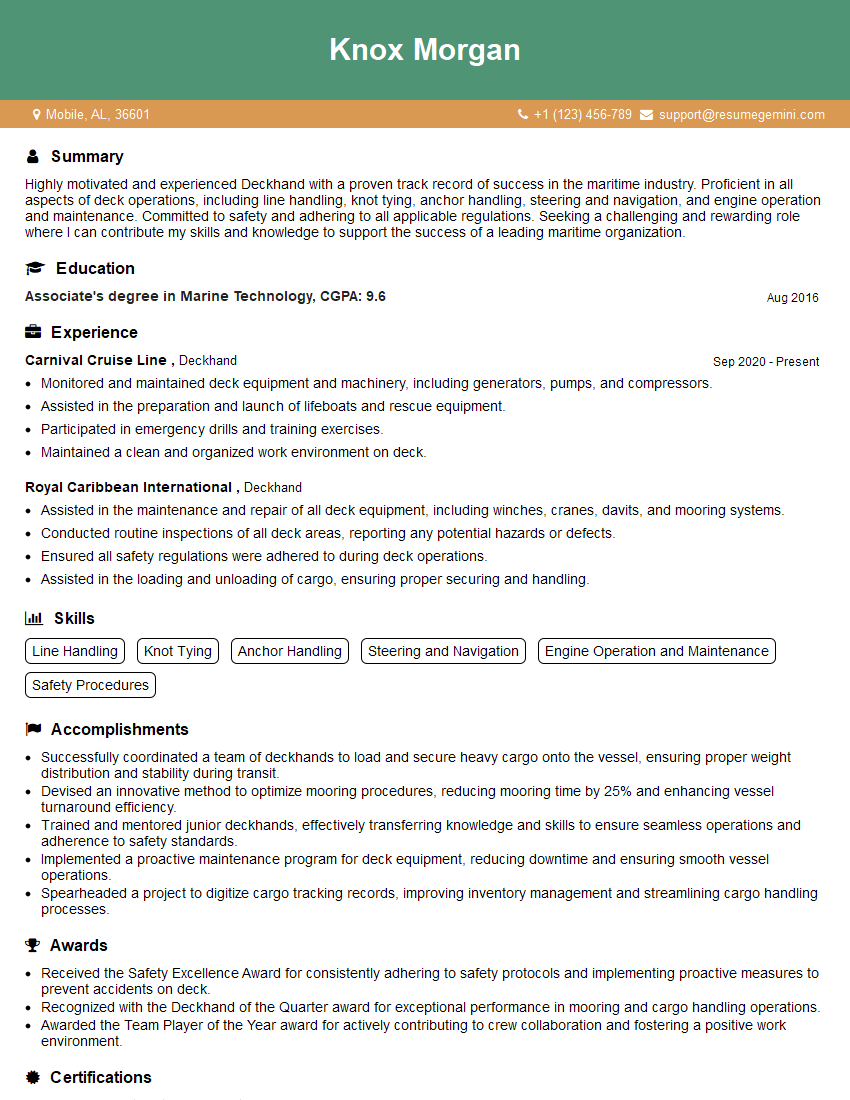
Deckhand Resume Sample
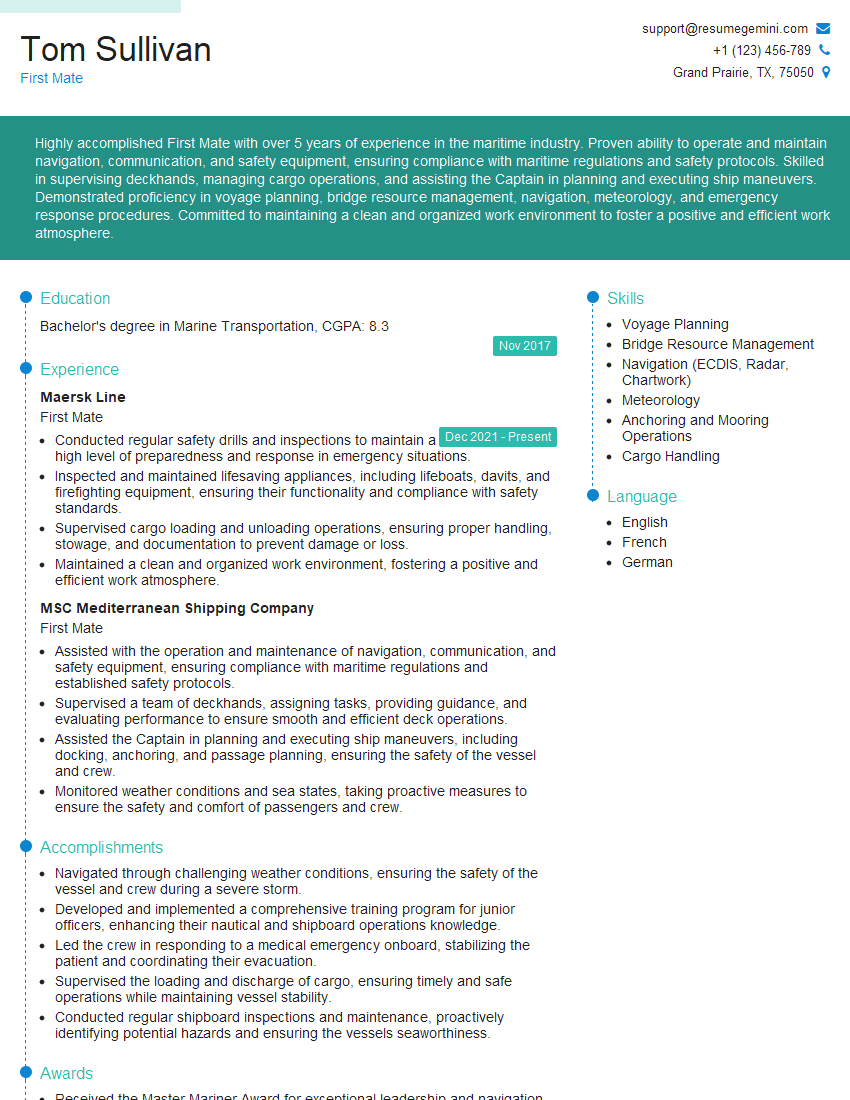
First Mate Resume Sample
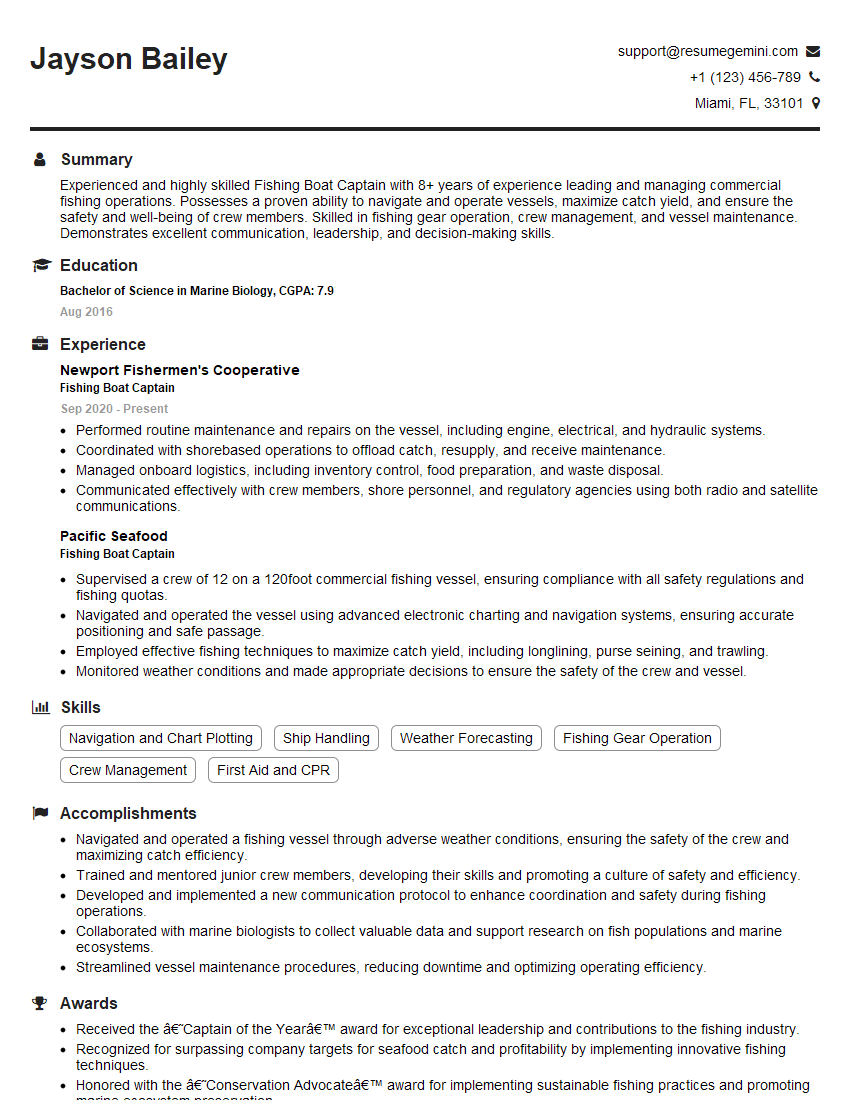
Fishing Boat Captain Resume Sample
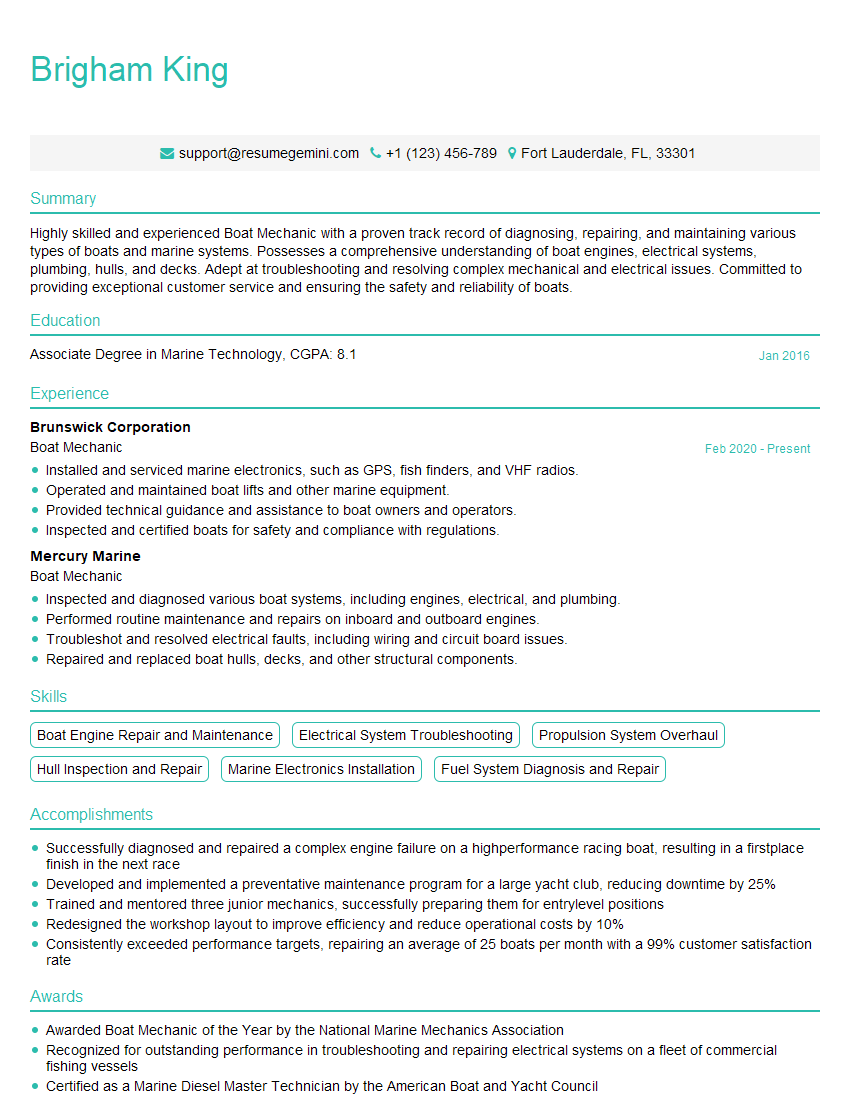
Boat Mechanic Resume Sample
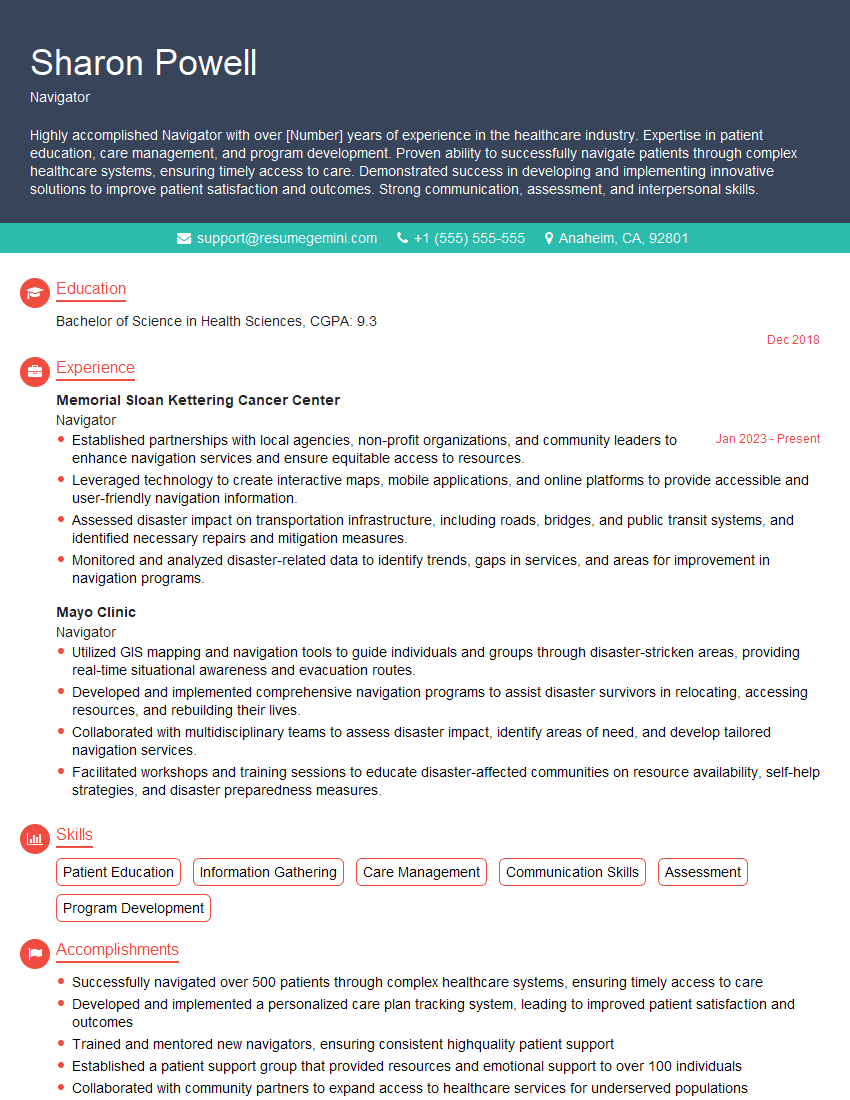
Navigator Resume Sample
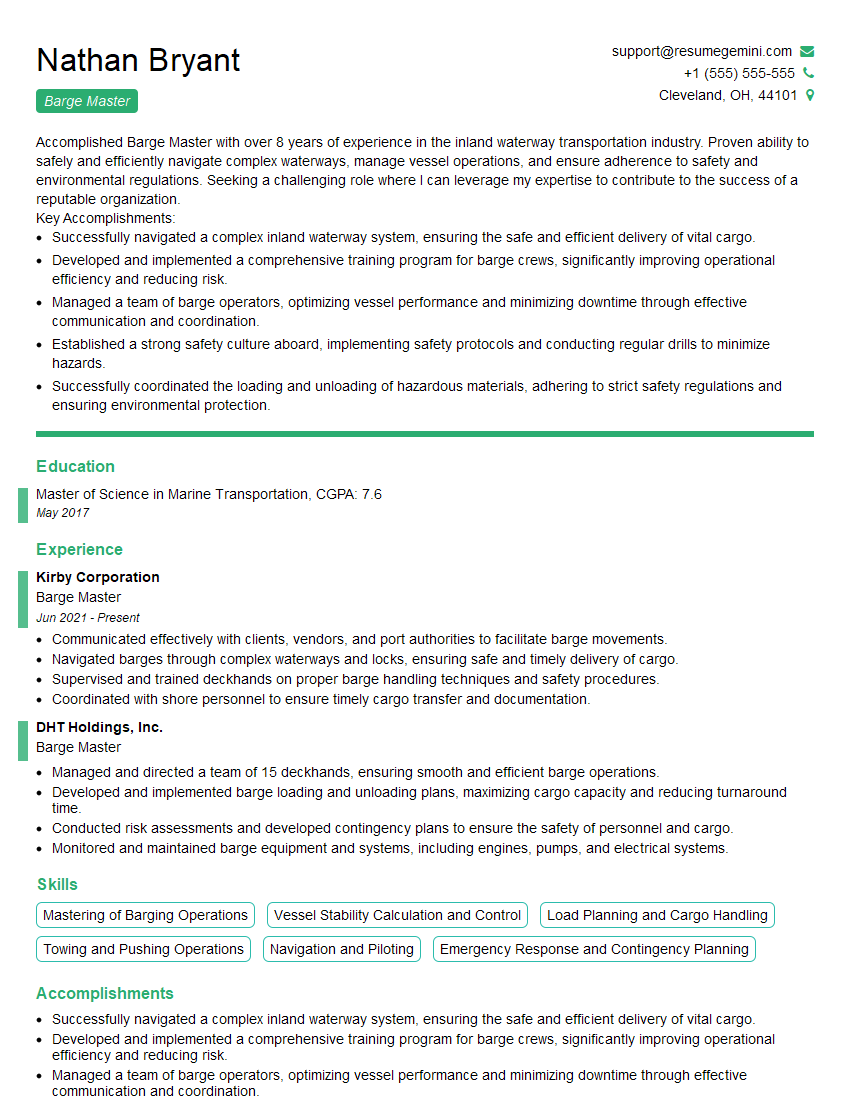
Barge Master Resume Sample
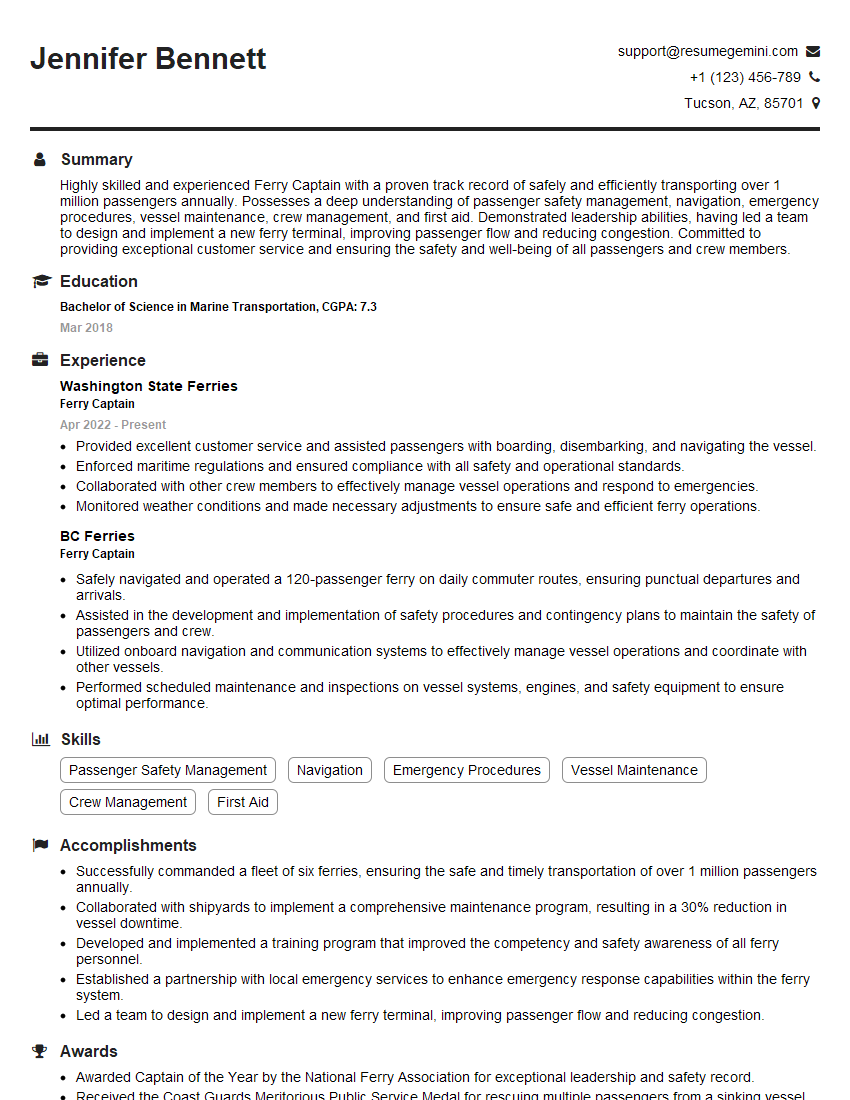
Ferry Captain Resume Sample
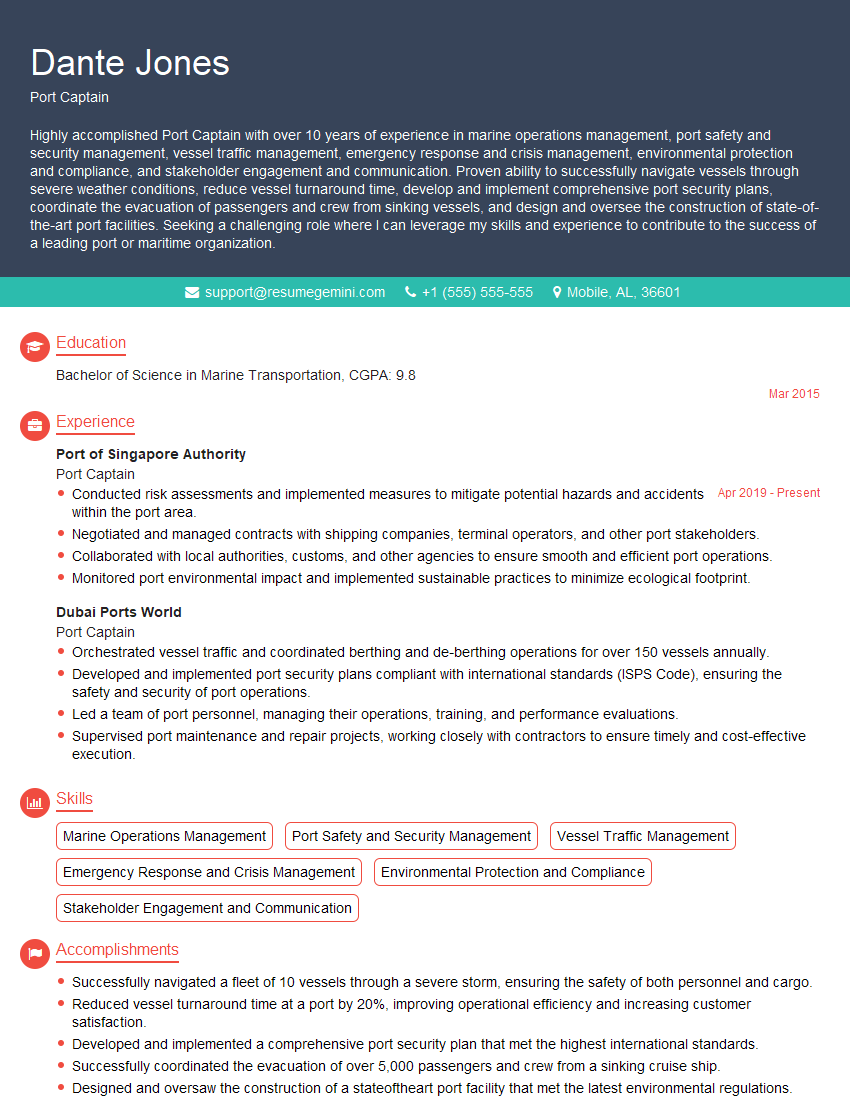
Port Captain Resume Sample
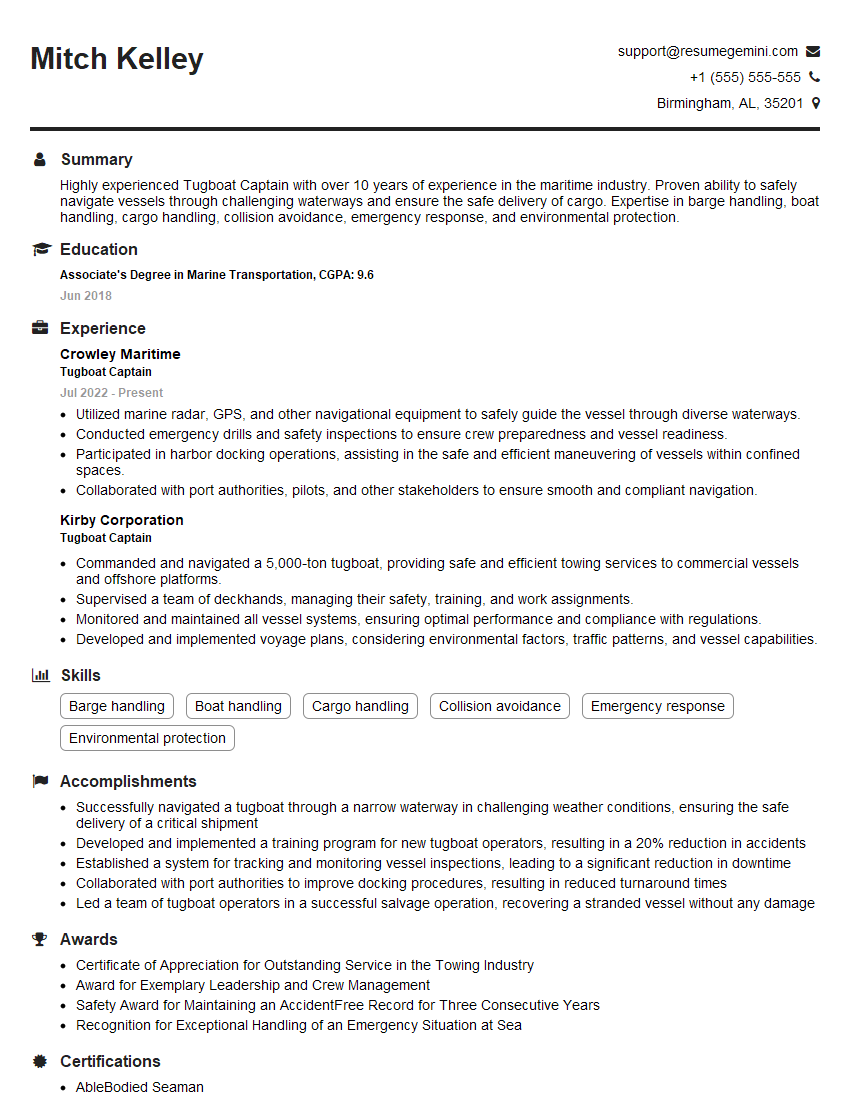
Tugboat Captain Resume Sample
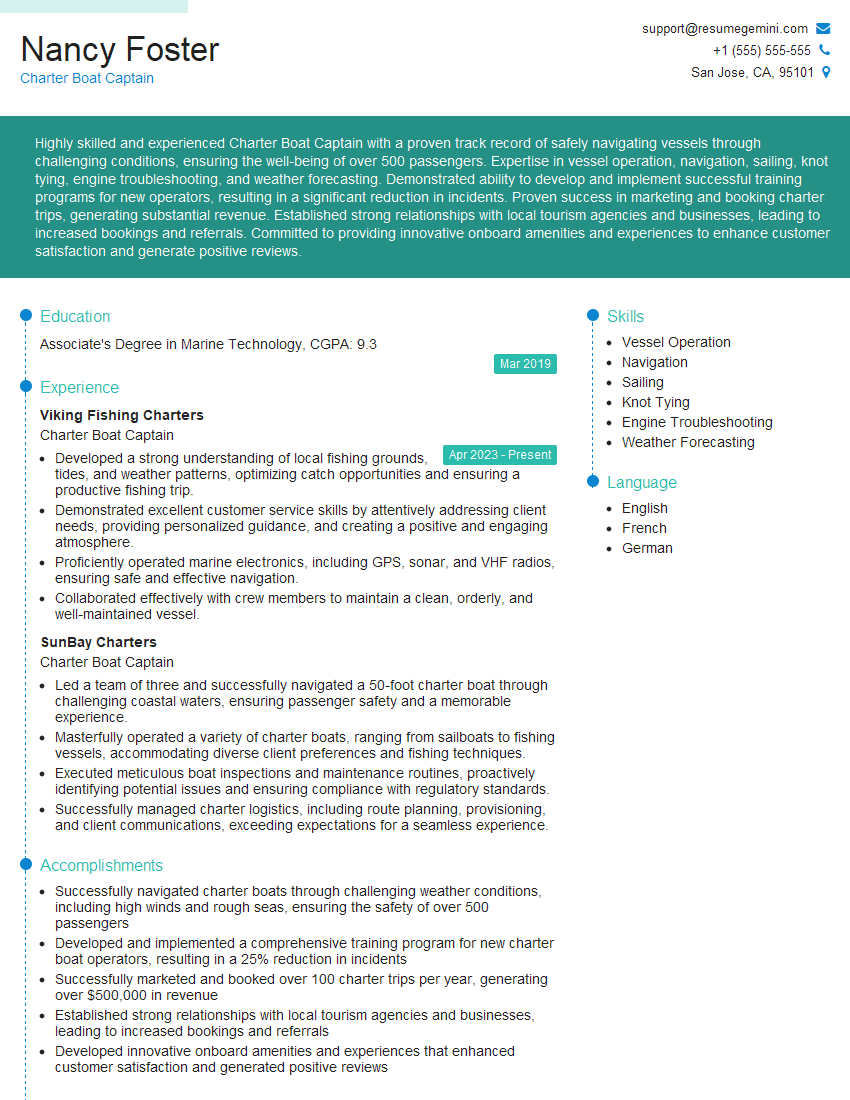
Charter Boat Captain Resume Sample
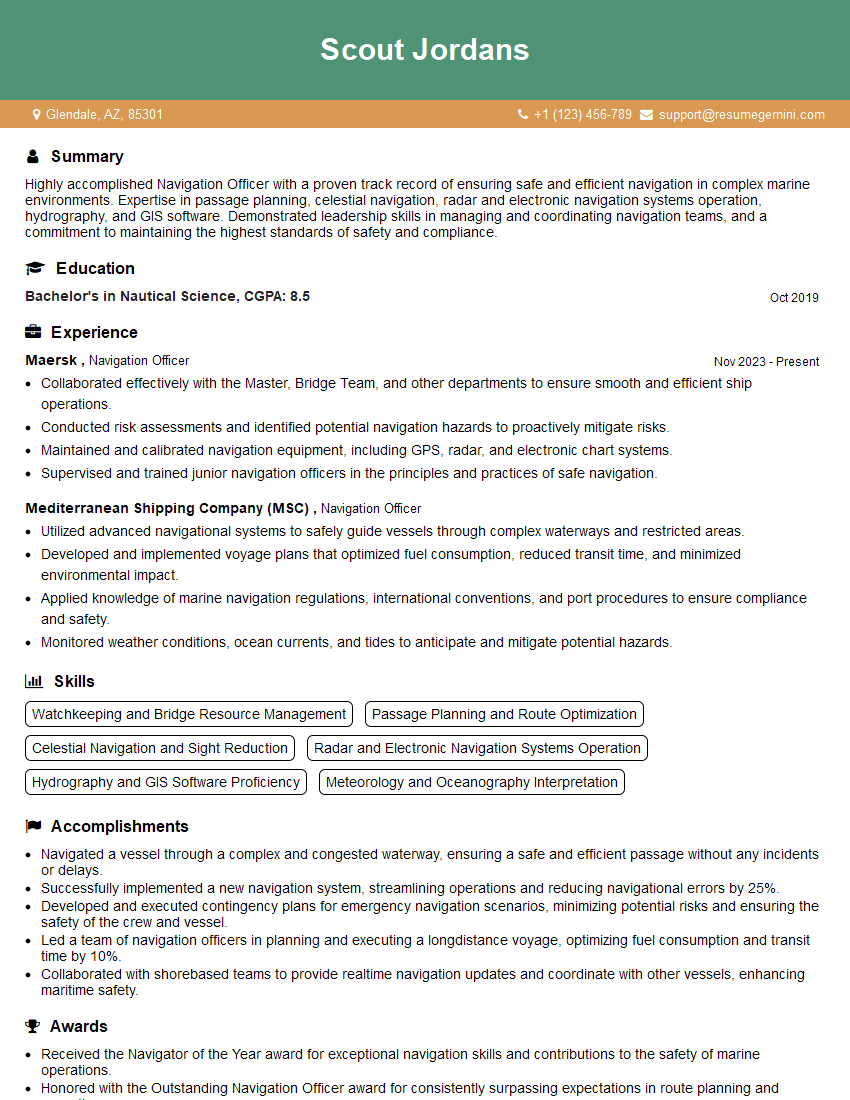
Navigation Officer Resume Sample
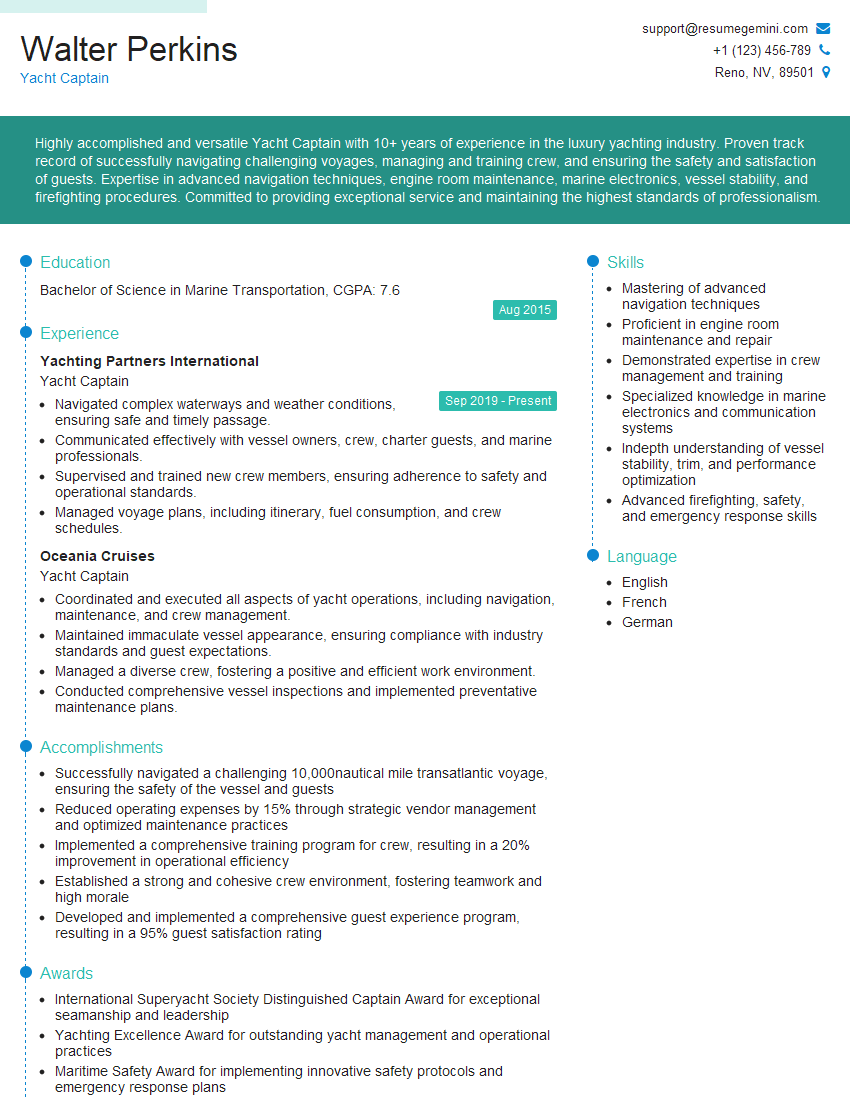
Yacht Captain Resume Sample
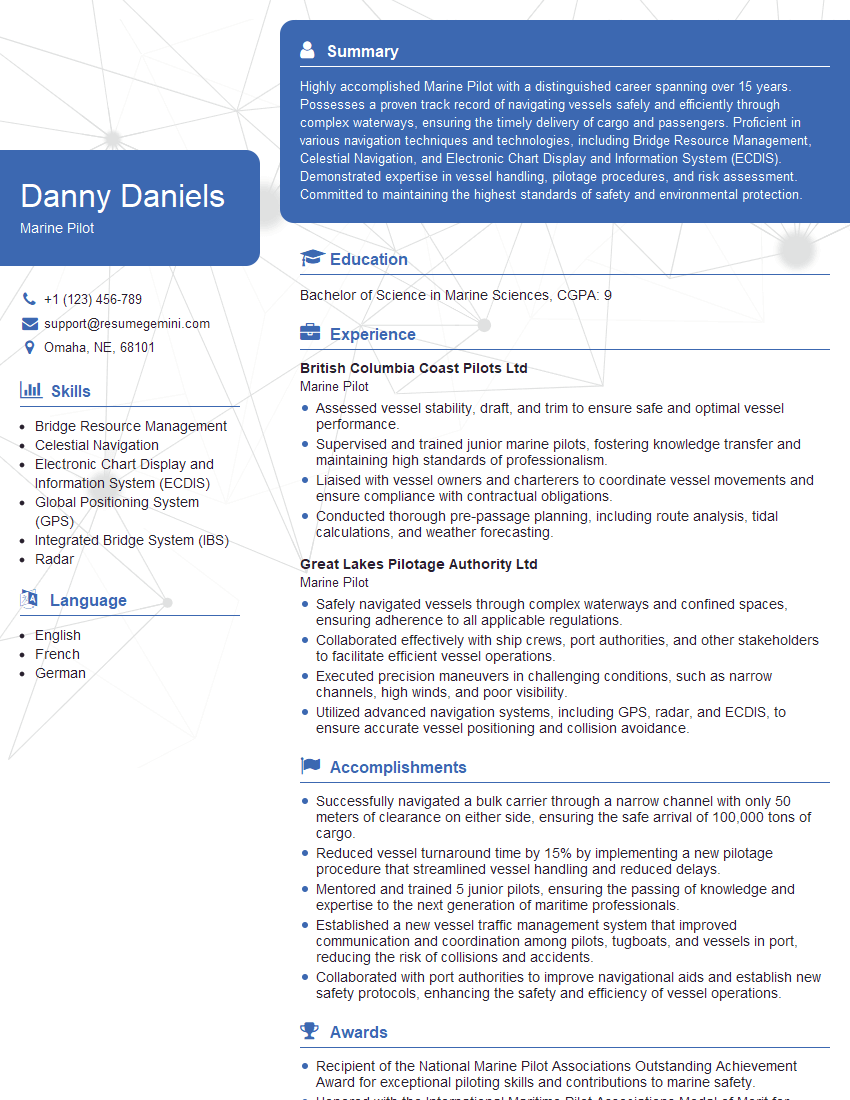
Marine Pilot Resume Sample
Explore more articles
Users Rating of Our Blogs
Share Your Experience
We value your feedback! Please rate our content and share your thoughts (optional).
What Readers Say About Our Blog
Hello,
we currently offer a complimentary backlink and URL indexing test for search engine optimization professionals.
You can get complimentary indexing credits to test how link discovery works in practice.
No credit card is required and there is no recurring fee.
You can find details here:
https://wikipedia-backlinks.com/indexing/
Regards
NICE RESPONSE TO Q & A
hi
The aim of this message is regarding an unclaimed deposit of a deceased nationale that bears the same name as you. You are not relate to him as there are millions of people answering the names across around the world. But i will use my position to influence the release of the deposit to you for our mutual benefit.
Respond for full details and how to claim the deposit. This is 100% risk free. Send hello to my email id: [email protected]
Luka Chachibaialuka
Hey interviewgemini.com, just wanted to follow up on my last email.
We just launched Call the Monster, an parenting app that lets you summon friendly ‘monsters’ kids actually listen to.
We’re also running a giveaway for everyone who downloads the app. Since it’s brand new, there aren’t many users yet, which means you’ve got a much better chance of winning some great prizes.
You can check it out here: https://bit.ly/callamonsterapp
Or follow us on Instagram: https://www.instagram.com/callamonsterapp
Thanks,
Ryan
CEO – Call the Monster App
Hey interviewgemini.com, I saw your website and love your approach.
I just want this to look like spam email, but want to share something important to you. We just launched Call the Monster, a parenting app that lets you summon friendly ‘monsters’ kids actually listen to.
Parents are loving it for calming chaos before bedtime. Thought you might want to try it: https://bit.ly/callamonsterapp or just follow our fun monster lore on Instagram: https://www.instagram.com/callamonsterapp
Thanks,
Ryan
CEO – Call A Monster APP
To the interviewgemini.com Owner.
Dear interviewgemini.com Webmaster!
Hi interviewgemini.com Webmaster!
Dear interviewgemini.com Webmaster!
excellent
Hello,
We found issues with your domain’s email setup that may be sending your messages to spam or blocking them completely. InboxShield Mini shows you how to fix it in minutes — no tech skills required.
Scan your domain now for details: https://inboxshield-mini.com/
— Adam @ InboxShield Mini
Reply STOP to unsubscribe
Hi, are you owner of interviewgemini.com? What if I told you I could help you find extra time in your schedule, reconnect with leads you didn’t even realize you missed, and bring in more “I want to work with you” conversations, without increasing your ad spend or hiring a full-time employee?
All with a flexible, budget-friendly service that could easily pay for itself. Sounds good?
Would it be nice to jump on a quick 10-minute call so I can show you exactly how we make this work?
Best,
Hapei
Marketing Director
Hey, I know you’re the owner of interviewgemini.com. I’ll be quick.
Fundraising for your business is tough and time-consuming. We make it easier by guaranteeing two private investor meetings each month, for six months. No demos, no pitch events – just direct introductions to active investors matched to your startup.
If youR17;re raising, this could help you build real momentum. Want me to send more info?
Hi, I represent an SEO company that specialises in getting you AI citations and higher rankings on Google. I’d like to offer you a 100% free SEO audit for your website. Would you be interested?
Hi, I represent an SEO company that specialises in getting you AI citations and higher rankings on Google. I’d like to offer you a 100% free SEO audit for your website. Would you be interested?
good