Preparation is the key to success in any interview. In this post, we’ll explore crucial Budgeting and Estimation interview questions and equip you with strategies to craft impactful answers. Whether you’re a beginner or a pro, these tips will elevate your preparation.
Questions Asked in Budgeting and Estimation Interview
Q 1. Explain the difference between a budget and a forecast.
While both budgets and forecasts project future financial outcomes, they differ significantly in their purpose and approach. A budget is a formal, approved plan for allocating resources (money, time, personnel) over a specific period, usually a fiscal year. It’s a top-down process, often setting targets for different departments or projects. Think of it as a detailed roadmap outlining how you intend to spend your money. A forecast, on the other hand, is a prediction of future financial performance based on historical data, market trends, and assumptions. It’s a more fluid, bottom-up process, often used for scenario planning and making informed decisions. The forecast helps you anticipate potential challenges and opportunities. For example, a company might have a budget of $1 million for marketing but forecast that their sales might only justify $800,000 in spending based on market projections. The budget sets the intent; the forecast helps refine and adapt that intent to reality.
Q 2. Describe your experience with different budgeting methods (e.g., zero-based budgeting, incremental budgeting).
I’ve worked extensively with various budgeting methods, tailoring the approach to the specific organization and its context. Incremental budgeting, the most common approach, uses the previous year’s budget as a base and adjusts it based on expected changes. This is efficient but can lead to inefficient spending patterns over time. Zero-based budgeting (ZBB), on the other hand, requires justifying every expense from scratch each year. While this ensures greater scrutiny, it’s time-consuming. I’ve found ZBB particularly useful when dealing with significant organizational restructuring or cost-cutting initiatives. I also have experience with Activity-Based Budgeting (ABB) which assigns costs based on activities and their drivers, offering a more granular understanding of cost allocation. In one project for a non-profit, we used ABB to demonstrate the true cost of each program, leading to more strategic resource allocation. Finally, Value-Based Budgeting prioritizes investments aligned with an organization’s strategic goals, ensuring that resources are dedicated to projects providing the greatest value. This method has proven effective in driving efficiency and improving strategic alignment.
Q 3. How do you handle budget variances?
Handling budget variances involves a three-step process: investigation, analysis, and corrective action. Firstly, I thoroughly investigate the root cause of the variance, be it revenue shortfall, cost overruns, or both. This involves reviewing actual performance data against the budget, identifying any deviations, and understanding the underlying reasons. For example, a sales variance might be due to lower-than-expected demand, changes in pricing strategies, or unexpected competition. Secondly, I conduct a detailed analysis to determine if the variance is a one-time event or a trend. This step informs the corrective actions. Finally, based on the analysis, I implement corrective actions. These actions can range from adjusting future forecasts, implementing cost-saving measures, revising project plans, or even securing additional funding. Regular monitoring and reporting are crucial to catch variances early and minimize their impact.
Q 4. How do you prioritize projects when budget constraints exist?
Prioritizing projects under budget constraints requires a structured approach. I often use a combination of methods, including cost-benefit analysis, scoring models, and strategic alignment. A cost-benefit analysis evaluates the potential return on investment (ROI) for each project. Scoring models assign weights to different criteria (e.g., strategic importance, risk, ROI) allowing for a more objective comparison. Strategic alignment ensures that projects chosen directly contribute to the organization’s overall goals. In a recent project, we used a weighted scoring system to prioritize projects based on strategic importance (40%), potential ROI (30%), and risk (30%). This approach ensured that we allocated resources to projects that were not only profitable but also aligned with the company’s long-term strategy. Transparency is vital; clearly communicating the prioritization rationale to stakeholders builds trust and buy-in.
Q 5. Explain your process for developing a project budget.
My process for developing a project budget is iterative and involves the following steps: 1. Project Scope Definition: Clearly defining the project’s objectives, deliverables, and timelines is fundamental. 2. Resource Identification: This involves identifying all resources required, including personnel, materials, equipment, and software. 3. Cost Estimation: I estimate costs for each resource, considering both direct and indirect costs. This includes using historical data, industry benchmarks, and expert opinions. 4. Budget Consolidation: All individual cost estimates are consolidated into a comprehensive project budget. 5. Budget Review and Approval: The budget undergoes thorough review by stakeholders and is ultimately approved by management. 6. Budget Monitoring and Control: Throughout the project lifecycle, the budget is continuously monitored, and variances are addressed promptly to prevent cost overruns.
Q 6. How do you incorporate risk management into your budgeting process?
Incorporating risk management into budgeting is crucial for accuracy and preparedness. I utilize a two-pronged approach: proactive risk identification and contingency planning. Proactive risk identification involves identifying potential risks (e.g., supply chain disruptions, regulatory changes, unforeseen technical challenges) and estimating their potential impact on the budget. This can involve brainstorming sessions, risk assessments, and reviewing historical project data. Contingency planning involves establishing a buffer or reserve in the budget to cover potential cost overruns or unexpected expenses. The size of the contingency depends on the project’s complexity and risk profile. For example, a high-risk project might have a 15-20% contingency, while a low-risk project might have a 5-10% contingency. This approach ensures that the project remains financially viable even if unexpected events occur.
Q 7. What software or tools do you use for budgeting and forecasting?
My experience encompasses a range of budgeting and forecasting software and tools. I’m proficient in using spreadsheet software like Microsoft Excel for creating and managing budgets, employing advanced functions for data analysis and visualization. For larger organizations and more complex projects, I’ve utilized enterprise-level software such as SAP BPC and Anaplan. These tools enable collaborative budgeting, real-time data analysis, and advanced forecasting capabilities. The choice of software depends on the organization’s size, complexity, and specific needs. Regardless of the tools used, data accuracy, consistency, and effective communication remain paramount.
Q 8. How do you ensure budget accuracy?
Budget accuracy is paramount. It’s achieved through a multi-faceted approach that starts long before the budget is finalized. It’s not just about crunching numbers; it’s about understanding the underlying drivers of costs and incorporating realistic estimations.
- Detailed Data Collection: Begin with thorough research. Gather historical data, market analysis, and input from subject matter experts across all relevant departments. The more granular the data, the more accurate the projections.
- Realistic Assumptions: Avoid overly optimistic or pessimistic forecasts. Challenge assumptions and use sensitivity analysis to understand the impact of variations in key variables (e.g., material costs, labor rates, sales projections).
- Zero-Based Budgeting (ZBB): In some cases, ZBB is beneficial. This approach requires each expense item to be justified from scratch every budget cycle, preventing the automatic carry-over of outdated or inflated costs.
- Regular Monitoring and Variance Analysis: Once the budget is approved, consistently track actual spending against the budget. Identify and investigate any significant variances promptly. This allows for timely corrective actions.
- Contingency Planning: Always include a contingency buffer to account for unexpected events or cost overruns. This crucial step prevents minor issues from snowballing into major budget crises.
For example, when budgeting for a marketing campaign, instead of simply estimating a broad ‘advertising’ cost, we would break it down into specific channels (e.g., social media ads, PPC, email marketing) with individual cost projections based on historical data and market research. This level of detail significantly improves accuracy.
Q 9. Describe a time you had to revise a budget due to unforeseen circumstances.
During a large-scale software development project, we initially budgeted for a six-month timeline with a fixed team size. However, halfway through, we discovered a critical design flaw that required significant rework. This unforeseen circumstance forced us to revise the budget.
Our response involved:
- Honest Assessment: We openly acknowledged the problem and its implications to stakeholders, emphasizing transparency.
- Re-estimation: We conducted a thorough re-evaluation of the remaining tasks, considering the added complexity and the impact on development time.
- Scope Management: To mitigate further risks, we carefully assessed the possibility of reducing the scope of less critical features to stay within reasonable time and budget limits. Prioritization was key.
- Resource Adjustment: We explored options to increase the development team temporarily, which came with added labor costs. We also looked at potential cost savings in other areas.
- Revised Budget Presentation: A clear and concise presentation outlining the reasons for the revisions, the new budget, and a mitigation plan was shared with management and other stakeholders. This ensured buy-in and allowed us to move forward collaboratively.
The revised budget showed a significant increase in costs and timeline extension, but our transparent and proactive approach prevented a more significant crisis. It underscored the importance of flexibility and adaptability in budget management.
Q 10. How do you communicate budget information to different stakeholders?
Effective budget communication is crucial for buy-in and success. The approach needs to be tailored to the audience.
- Executive Summary: For senior management, a concise summary highlighting key budget figures, overall performance, and potential risks suffices. Charts and graphs are highly effective here.
- Detailed Reports: Department heads and project managers need granular detail. This includes line-item breakdowns, variance analysis, and future projections. Regular meetings to discuss budget progress are also important.
- Visual Aids: Dashboards and visual representations of budget data (e.g., charts, graphs) are easily digestible and enhance understanding for all stakeholders.
- Regular Updates: Frequent (e.g., weekly or monthly) budget status updates help keep everyone informed and allow for proactive course correction.
- Open Communication: Foster a culture of open communication where questions are encouraged and concerns are addressed promptly. Transparency builds trust and collaboration.
For instance, while an executive summary might focus on the overall profitability projection, a project manager’s report would include a breakdown of individual task costs, resource allocation, and potential schedule delays.
Q 11. What are some common challenges you face in budgeting?
Budgeting presents several challenges, some common ones being:
- Unforeseen Circumstances: Unexpected events (e.g., economic downturns, natural disasters, supply chain disruptions) can significantly impact budgets.
- Inaccurate Forecasting: Poor data collection, unrealistic assumptions, and insufficient market research can lead to inaccurate cost projections.
- Scope Creep: Uncontrolled expansion of project scope beyond the initial plan leads to cost overruns and schedule delays.
- Lack of Collaboration: Poor communication and lack of coordination among different departments can result in budget conflicts and inefficiencies.
- Data Silos: Scattered data across different systems makes comprehensive budget analysis and forecasting challenging.
- Resistance to Change: Implementing new budgeting methods or technologies can face resistance from individuals accustomed to traditional processes.
Addressing these challenges involves robust planning, proactive risk management, continuous monitoring, and a collaborative approach. Effective communication and the use of appropriate software tools are also vital.
Q 12. How do you measure the success of a budget?
Budget success is measured by comparing actual results against the planned budget and evaluating whether the goals were achieved. It’s not just about staying within budget; it’s about achieving the intended outcomes.
- Variance Analysis: Analyzing the differences between actual and budgeted figures helps identify areas of overspending or underspending and understand their causes.
- Key Performance Indicators (KPIs): Using relevant KPIs (e.g., return on investment (ROI), profit margin, market share) allows for a comprehensive evaluation of budget performance in relation to business objectives.
- Project Completion: For projects, successful budget management means delivering the project on time and within the allocated budget.
- Efficiency Metrics: Tracking efficiency ratios (e.g., cost per unit, labor productivity) can reveal areas for improvement and enhance future budget accuracy.
- Goal Achievement: Ultimately, budget success depends on achieving the overarching business goals that the budget was designed to support.
For example, a successful marketing campaign would not only stay within the allocated budget but would also achieve the desired increase in brand awareness, lead generation, or sales, all measured by pre-defined KPIs.
Q 13. Explain your understanding of cost-benefit analysis.
Cost-benefit analysis (CBA) is a systematic approach to evaluating the financial feasibility of a project or decision. It involves comparing the total costs of a project against the total benefits it is expected to generate. The goal is to determine whether the benefits outweigh the costs.
A CBA typically involves:
- Identifying Costs: Listing all costs associated with the project, including direct costs (e.g., materials, labor) and indirect costs (e.g., administrative overhead, opportunity costs).
- Quantifying Benefits: Measuring the anticipated benefits of the project, both tangible (e.g., increased revenue, cost savings) and intangible (e.g., improved customer satisfaction, enhanced brand image). Intangible benefits are often challenging to quantify and might require assigning monetary values based on reasonable estimations.
- Discounting Future Cash Flows: Future benefits and costs are discounted to their present values to account for the time value of money. A higher discount rate reflects higher risk.
- Calculating Net Present Value (NPV): The NPV is the difference between the present value of benefits and the present value of costs. A positive NPV suggests the project is financially viable.
- Sensitivity Analysis: Evaluating how changes in key variables (e.g., discount rate, revenue projections) would affect the NPV helps understand the project’s risk profile.
For example, when deciding whether to invest in new equipment, a CBA would compare the cost of purchasing and maintaining the equipment against the anticipated increase in production efficiency and resulting cost savings or revenue increases.
Q 14. How do you estimate the costs of a new project?
Estimating project costs requires a structured approach that combines top-down and bottom-up methods. Accuracy improves with more detailed information and experienced input.
- Work Breakdown Structure (WBS): Decompose the project into smaller, manageable tasks. This detailed breakdown helps in accurate cost estimation for each component.
- Bottom-Up Estimating: Estimate the cost of each task individually, considering labor, materials, equipment, and other expenses. Then, sum the individual task costs to obtain a total project cost.
- Top-Down Estimating: Use historical data or analogous projects to arrive at a high-level cost estimate. This is particularly useful in the early stages when detailed information is scarce. However, it should be refined later with bottom-up estimates.
- Resource Estimation: Accurately estimate the required resources (labor, materials, equipment) and their costs. Consider potential resource constraints and associated risks.
- Contingency Reserve: Allocate a contingency buffer to account for unforeseen issues or cost overruns. The size of the buffer depends on the project’s complexity and risk profile.
- Expert Judgment: Incorporate the knowledge and experience of subject matter experts to refine the estimates. Their input can identify potential cost drivers and refine assumptions.
For instance, when estimating the cost of building a house, a top-down estimate might be based on the average cost per square foot for similar houses in the area. A bottom-up estimate would detail the costs of each aspect of construction: foundation, framing, roofing, plumbing, electrical work, etc. Combining these approaches, along with expert input, creates a much more accurate estimate.
Q 15. What are some key performance indicators (KPIs) you track related to budgeting?
Key Performance Indicators (KPIs) in budgeting are crucial for monitoring performance against targets. They provide a quantifiable measure of success and allow for timely corrective actions. I typically track a range of KPIs, categorized for clarity:
- Budget Accuracy: This measures how closely actual spending matches the budgeted amounts. I often calculate this as a percentage variance:
(Actual Spending - Budgeted Spending) / Budgeted Spending * 100%. A low variance percentage indicates high accuracy. - Budget Variance by Department/Project: Analyzing variances at a granular level helps pinpoint areas of overspending or underspending. Understanding the reasons behind these variances is critical for future budget planning.
- Return on Investment (ROI): This is essential for evaluating the effectiveness of spending on various projects or initiatives. It’s calculated as
(Net Profit / Cost of Investment) * 100%. A high ROI indicates a successful investment. - Cost per Unit/Output: This KPI tracks the efficiency of resource utilization. For instance, in a manufacturing setting, it might be cost per unit produced. A decrease in cost per unit suggests improved efficiency.
- Spending against Forecasts: Tracking actual spending against monthly/quarterly forecasts helps predict future cash flow and identify potential risks or opportunities.
Regular monitoring of these KPIs, coupled with insightful analysis, allows for proactive adjustments and improved budgetary control. For example, if the cost per unit for a product consistently exceeds the target, it signals a need to investigate process inefficiencies or explore cost-saving measures.
Career Expert Tips:
- Ace those interviews! Prepare effectively by reviewing the Top 50 Most Common Interview Questions on ResumeGemini.
- Navigate your job search with confidence! Explore a wide range of Career Tips on ResumeGemini. Learn about common challenges and recommendations to overcome them.
- Craft the perfect resume! Master the Art of Resume Writing with ResumeGemini’s guide. Showcase your unique qualifications and achievements effectively.
- Don’t miss out on holiday savings! Build your dream resume with ResumeGemini’s ATS optimized templates.
Q 16. How do you deal with stakeholders who have unrealistic budget expectations?
Managing stakeholders with unrealistic budget expectations requires a delicate balance of diplomacy and data-driven justification. My approach involves:
- Understanding their Perspective: I begin by actively listening to their rationale behind their expectations. This helps to identify the underlying needs and priorities driving their requests.
- Presenting a Data-Driven Case: I then present a comprehensive analysis of historical data, market trends, and industry benchmarks to illustrate the feasibility and rationale behind the proposed budget. This includes clearly outlining potential risks and consequences associated with exceeding the realistic budget.
- Exploring Alternatives and Compromises: Often, stakeholders’ expectations stem from a lack of awareness about resource constraints or viable alternatives. I collaboratively explore alternative solutions, like phasing the project, optimizing processes, or prioritizing features, to find mutually acceptable compromises.
- Transparency and Communication: Maintaining open and honest communication throughout the process is crucial. Regular updates and progress reports, emphasizing transparency in decision-making, build trust and manage expectations effectively.
- Documentation: Thorough documentation of the budget justification, compromises reached, and rationale behind decisions protects against future misunderstandings and ensures accountability.
For instance, if a stakeholder expects a 50% budget increase without providing adequate justification, I’d present data showing similar projects’ costs and highlight potential risks of overspending, suggesting alternative solutions, like prioritizing key features for the initial release.
Q 17. Describe your experience with different types of cost estimation techniques.
I have extensive experience with various cost estimation techniques, each suited to different project contexts:
- Bottom-up Estimation: This detailed approach involves breaking down the project into individual tasks and estimating the cost of each. It’s accurate but time-consuming. I’ve used this effectively for large-scale projects with well-defined tasks.
- Top-down Estimation: This uses historical data or analogies from similar projects to estimate the overall project cost. It’s faster but less precise than the bottom-up approach. It’s ideal for early-stage projects with limited detail.
- Three-Point Estimation: This mitigates risk by using three estimates: optimistic, pessimistic, and most likely. This provides a range of possible costs and helps in risk assessment. I’ve used this extensively for projects with significant uncertainty.
- Parametric Estimation: This uses statistical relationships between project parameters (e.g., size, complexity) and cost. It requires historical data and statistical modeling. It’s useful for projects within a well-defined domain with sufficient historical data.
- Analogous Estimation: This compares the project to similar past projects to estimate cost. It’s quick but relies on the similarity of projects and may not account for unique circumstances.
The choice of technique depends on factors like project size, complexity, available data, and the desired level of accuracy. For example, I’d use bottom-up estimation for a software development project with detailed specifications but rely on analogous estimation for a smaller, more routine task.
Q 18. How do you use data analysis to improve budgeting accuracy?
Data analysis plays a pivotal role in improving budgeting accuracy. I leverage various analytical techniques:
- Trend Analysis: Identifying historical spending patterns helps in forecasting future costs. I use time-series analysis to identify seasonal fluctuations and long-term trends in spending.
- Regression Analysis: This statistical method helps establish relationships between cost drivers and overall project cost. For instance, I might find a strong correlation between project size and development time, which aids in more accurate cost forecasting.
- Variance Analysis: Analyzing the difference between actual and budgeted costs allows for identifying areas of overspending or underspending. This information is crucial for improving budget planning in subsequent periods.
- Data Visualization: Presenting data through charts, graphs, and dashboards improves understanding and facilitates informed decision-making. Visualizations make complex data easy to grasp for stakeholders.
- Predictive Modeling: Advanced techniques like machine learning can be employed for more accurate predictions of future costs, especially when dealing with large and complex datasets. These models can identify patterns that might not be apparent through traditional methods.
For example, analyzing historical data reveals a consistent overspend on a particular category during the last quarter of the year. This insight enables proactive measures, like reallocating resources or adjusting future budgets to account for this seasonal pattern.
Q 19. Explain your understanding of variance analysis.
Variance analysis is a crucial process that compares budgeted figures to actual results to identify and explain differences. It’s a critical tool for monitoring performance, identifying areas for improvement, and enhancing future budgeting accuracy.
There are two main types of variance analysis:
- Favorable Variance: When actual results are better than the budget (e.g., lower costs or higher revenues). This indicates efficient resource management or unexpected positive outcomes.
- Unfavorable Variance: When actual results are worse than the budget (e.g., higher costs or lower revenues). This requires investigation to understand the underlying causes, such as unexpected expenses or inefficiencies.
The process typically involves:
- Calculating Variances: Subtracting the budgeted amount from the actual amount for each line item.
- Analyzing Variances: Investigating the reasons behind significant variances. This might involve reviewing project performance, market conditions, or internal processes.
- Taking Corrective Action: Implementing measures to address the root causes of unfavorable variances and capitalize on favorable ones.
- Reporting and Communication: Sharing the variance analysis results with relevant stakeholders to keep them informed and promote accountability.
For example, an unfavorable variance in labor costs might be due to unexpected overtime hours. Identifying this variance allows for an investigation into the reasons for the overtime, leading to potential process improvements to prevent such overruns in the future.
Q 20. How do you handle budget overruns?
Budget overruns are a serious concern, requiring immediate attention and a structured approach to mitigation. My approach involves:
- Immediate Identification and Assessment: As soon as an overrun is detected, I initiate a thorough investigation to understand the cause(s). This includes reviewing project progress, identifying unexpected costs, and assessing the impact on the project’s overall timeline and objectives.
- Root Cause Analysis: Determining the root cause is crucial for implementing effective corrective actions and preventing future overruns. This might involve analyzing project documentation, conducting interviews with team members, or reviewing external factors.
- Mitigation Strategies: Based on the root cause analysis, I develop and implement mitigation strategies. This could include renegotiating contracts, re-prioritizing tasks, seeking additional funding (if feasible), or adjusting project scope.
- Communication and Transparency: Keeping all relevant stakeholders informed about the overrun, its causes, and the mitigation strategies is paramount. Open communication helps manage expectations and prevents misunderstandings.
- Post-mortem Analysis: After the overrun is addressed, I conduct a thorough post-mortem analysis to learn from the experience. This includes identifying weaknesses in the budgeting process, improving estimation techniques, and refining project management practices to prevent similar situations in the future.
For example, if an overrun is due to unforeseen delays caused by supplier issues, I might renegotiate contract terms with the supplier or explore alternative suppliers to reduce the impact on the project schedule and budget.
Q 21. What is your experience with long-term budgeting and forecasting?
Long-term budgeting and forecasting require a strategic approach that considers various factors influencing the organization’s financial future. My experience includes:
- Strategic Planning Alignment: Long-term budgets are intrinsically linked to the organization’s strategic goals. I ensure the budget aligns with the overall strategic plan, reflecting priorities and initiatives.
- Scenario Planning: To account for uncertainty, I develop multiple budget scenarios, incorporating different economic conditions, market trends, and risk factors. This provides flexibility and adaptability to changing circumstances.
- Economic Forecasting: I incorporate macroeconomic factors such as inflation, interest rates, and GDP growth into the long-term forecast, ensuring the budget is realistic and sustainable.
- Market Research and Analysis: Understanding market trends, competitor activities, and customer behavior is critical for accurate forecasting of revenue and expenses. This includes analyzing industry reports, market data, and competitive intelligence.
- Capital Expenditure Planning: Long-term budgets often include significant capital expenditures. I carefully analyze the ROI of proposed investments, ensuring they align with the organization’s strategic priorities and contribute to long-term financial health.
For instance, when developing a five-year budget for a manufacturing company, I’d analyze market trends to predict demand, incorporate potential inflation rates, and model different scenarios for capital investment in new equipment, providing a range of possible outcomes to inform strategic decision-making.
Q 22. How do you ensure budget compliance?
Ensuring budget compliance involves a multi-faceted approach that begins even before the budget is finalized. It’s not just about sticking to numbers; it’s about proactive monitoring, regular reporting, and a culture of accountability.
- Proactive Monitoring: We use budgeting software to track expenses against allocated funds in real-time. This allows for early detection of variances, preventing minor overspending from escalating into significant problems. For example, if marketing expenses consistently exceed the budget by 5% each month, I investigate the cause immediately, rather than waiting until the end of the fiscal year.
- Regular Reporting and Analysis: I generate regular reports (weekly or monthly, depending on the business needs) that compare actual spending to the budget. These reports highlight areas of concern and provide insights into spending patterns. This isn’t just about the bottom line; it’s about understanding *why* variances occur. For instance, a sudden spike in materials costs might indicate a supply chain issue.
- Accountability and Corrective Actions: Budget compliance isn’t solely the responsibility of the finance department. I work closely with department heads to ensure they understand their budgets and are accountable for their spending. If overspending is identified, we collaborate to find solutions, which might include identifying cost-saving measures or adjusting project scopes.
- Regular Budget Reviews: Budgets are living documents. Regular reviews (quarterly or semi-annually) are essential to assess performance, adjust projections based on new information, and reallocate funds if necessary. This ensures the budget remains relevant and effective throughout the year.
By combining these strategies, we ensure not only that the budget is adhered to, but also that we learn from any deviations to improve future budgeting processes.
Q 23. Explain the concept of rolling forecasts.
A rolling forecast is a dynamic budgeting technique where the budget is continuously updated and extended. Instead of a static, annual budget, a rolling forecast typically covers a 12-month period, constantly shifting forward as each month passes. Think of it like a movie reel: as the film moves, the past months are reviewed, and the next month’s projection is added.
How it works: Imagine we are in October. A rolling forecast for this period would encompass November of this year to October of the next year. At the end of October, November’s actuals would be added, and a forecast for the following November would be created. This continuous update provides a more accurate reflection of current economic conditions, market trends, and internal performance. It’s a more responsive tool than a static budget, adapting to unforeseen changes much better.
Benefits:
- Improved accuracy: Accounts for changing market conditions and unforeseen events.
- Proactive decision-making: Early identification of potential issues allows for timely intervention.
- Increased responsiveness: Facilitates faster adjustments to changing circumstances.
Example: Let’s say a new competitor enters the market in June. A rolling forecast would immediately incorporate this development into the remaining budget projections for the year, allowing for strategic adjustments to marketing or pricing.
Q 24. How do you identify and mitigate potential budget risks?
Identifying and mitigating budget risks requires a proactive and systematic approach that involves careful planning, consistent monitoring, and a willingness to adapt. It’s about anticipating potential problems before they derail the budget.
- Risk Identification: This starts with brainstorming potential risks. We use a variety of methods, including SWOT analysis (Strengths, Weaknesses, Opportunities, Threats), scenario planning (considering best-case, worst-case, and likely scenarios), and sensitivity analysis (testing how changes in key variables affect the budget).
- Risk Assessment: Once potential risks are identified, we assess their likelihood and potential impact on the budget. This helps prioritize which risks need the most attention.
- Risk Mitigation Strategies: For each significant risk, we develop a mitigation plan. This might include:
- Contingency planning: Setting aside funds for unforeseen circumstances.
- Insurance: Protecting against specific risks, such as property damage or liability.
- Risk transfer: Outsourcing parts of the project to reduce responsibility.
- Risk avoidance: Completely avoiding activities or projects with high-risk profiles.
- Risk reduction: Implementing controls to reduce the likelihood or impact of the risk.
Example: A potential risk is a significant increase in material costs. Mitigation could involve locking in prices with long-term contracts, diversifying suppliers, or exploring alternative materials.
By proactively identifying and mitigating risks, we increase the likelihood of achieving budget compliance and project success.
Q 25. Describe your experience with capital budgeting.
My experience with capital budgeting encompasses various aspects, from initial project evaluation to post-implementation review. I’ve been involved in projects ranging from equipment acquisitions to facility expansions. A key aspect is the careful evaluation of potential investments. This involves:
- Project Evaluation: Techniques like Net Present Value (NPV), Internal Rate of Return (IRR), and Payback Period are used to assess the financial viability of projects. I ensure all relevant costs, including initial investment, operating expenses, and potential salvage value, are accurately considered.
- Cash Flow Projections: Precise cash flow forecasting is critical. I consider factors like inflation, economic conditions, and expected revenues to create realistic projections. We often use various financial modeling software for this task.
- Sensitivity Analysis: Understanding how changes in key variables (e.g., sales volume, discount rate) will impact the project’s profitability allows for informed decision-making and better risk management. For instance, I’ll model different scenarios to see how changes in raw material costs could affect project returns.
- Post-Implementation Review: After a project is implemented, we review its actual performance against the initial projections. This helps to refine our budgeting and forecasting processes for future capital investments.
In a recent project involving the purchase of new manufacturing equipment, my thorough evaluation, including a sensitivity analysis on projected production increases and potential maintenance costs, resulted in the selection of the most cost-effective and efficient solution. This saved the company significant expenses in the long run.
Q 26. How do you use budgeting to support strategic decision-making?
Budgeting is more than just tracking expenses; it’s a powerful tool for strategic decision-making. It provides a framework to allocate resources effectively, prioritize initiatives, and assess the financial implications of various strategic options.
- Resource Allocation: The budget explicitly dictates how resources (financial, human, and material) will be allocated across different departments and projects. This ensures resources are directed toward the most strategically important initiatives.
- Strategic Prioritization: The budgeting process forces a careful evaluation of different projects and initiatives. By analyzing the costs and benefits of each option, we can prioritize projects that best align with the overall strategic goals.
- Financial Implications of Decisions: Before committing to a new strategy or undertaking a major project, the budget helps to quantify the financial implications. This prevents companies from pursuing initiatives that may not be financially feasible or sustainable. For example, if expanding into a new market requires significant investment, the budget allows us to assess if the projected returns justify the investment.
- Performance Measurement: The budget serves as a benchmark against which actual performance can be measured. Significant variances between the budget and actual results signal the need for investigation and potential adjustments to the strategy.
For example, if our strategic goal is to increase market share, the budget would allocate resources to marketing and sales initiatives. By tracking the results against the budget, we can assess the effectiveness of these initiatives and make necessary adjustments to achieve our strategic goals.
Q 27. What are your strengths and weaknesses in budgeting and estimation?
My strengths in budgeting and estimation lie in my analytical skills, attention to detail, and proactive approach to risk management. I’m adept at using various budgeting techniques and financial modeling software to create accurate and comprehensive budgets. I thrive in collaborative environments and effectively communicate complex financial information to non-financial stakeholders.
However, one area for improvement is my delegation skills. I sometimes take on too much responsibility, which can limit my focus on strategic tasks. I’m actively working on improving this by better delegating tasks and empowering team members.
Q 28. How do you stay updated on best practices in budgeting and financial planning?
Staying updated on best practices in budgeting and financial planning is crucial in today’s dynamic environment. I utilize several methods to maintain my expertise:
- Professional Development: I regularly attend webinars, workshops, and conferences focused on budgeting, financial planning, and relevant software updates. This keeps me abreast of new techniques and methodologies.
- Industry Publications and Journals: I subscribe to industry publications and journals that offer insights into current trends and best practices. This provides a deeper understanding of broader industry challenges and opportunities.
- Networking: I actively participate in professional organizations and engage with other professionals in the field through conferences and online forums. This creates opportunities to exchange ideas and learn from others’ experiences.
- Software Proficiency: I continually enhance my skills with budgeting and financial planning software, ensuring that I’m proficient with the latest versions and features.
By consistently pursuing professional development and staying informed about industry advancements, I ensure my budgeting skills remain current and effective.
Key Topics to Learn for Budgeting and Estimation Interview
- Budgeting Fundamentals: Understanding different budgeting methods (e.g., zero-based budgeting, incremental budgeting), budget cycles, and key performance indicators (KPIs) related to budget performance.
- Cost Estimation Techniques: Exploring various estimation methods like bottom-up, top-down, parametric estimation, and their appropriate applications in different project contexts. Practicing applying these techniques to hypothetical scenarios.
- Variance Analysis & Reporting: Mastering the interpretation of budget variances, identifying potential causes for deviations, and developing effective reporting strategies to communicate budget performance to stakeholders.
- Risk Management in Budgeting: Identifying and assessing potential risks that can impact budget accuracy, developing contingency plans, and incorporating risk mitigation strategies into the budgeting process.
- Software & Tools: Familiarity with budgeting and forecasting software (mentioning general categories, not specific software names to avoid bias). Understanding how to utilize these tools for data analysis and reporting.
- Communication & Collaboration: Practicing effective communication skills to present budget proposals, explain budget decisions, and collaborate with cross-functional teams.
- Financial Statement Analysis: Understanding how to leverage financial statements (income statement, balance sheet, cash flow statement) to inform budgeting decisions and assess the financial health of an organization.
Next Steps
Mastering budgeting and estimation skills is crucial for career advancement in finance, project management, and numerous other fields. Strong budgeting and estimation abilities demonstrate financial acumen, analytical skills, and strategic thinking – highly valued qualities in today’s competitive job market. To significantly improve your job prospects, create an ATS-friendly resume that highlights your relevant skills and experience. ResumeGemini is a trusted resource to help you build a professional and impactful resume. We offer examples of resumes tailored specifically to Budgeting and Estimation to guide you in crafting your own compelling application.
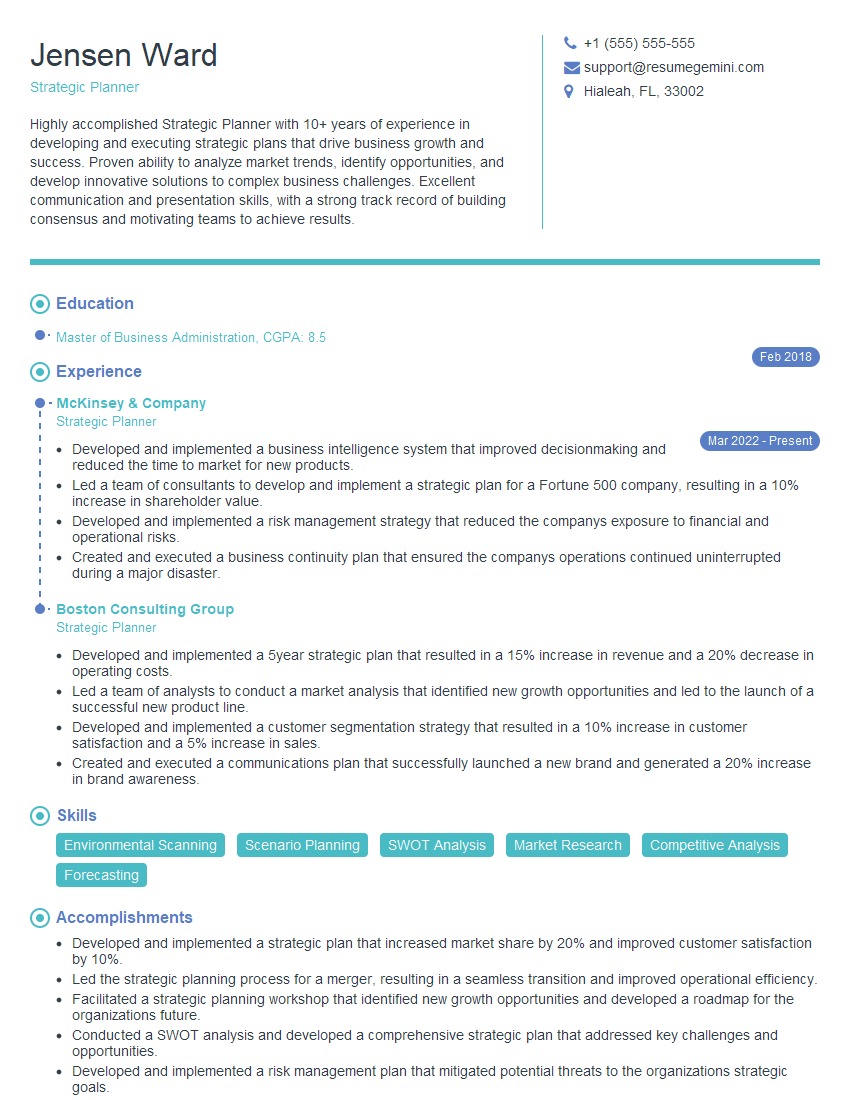
Strategic Planner Resume Sample
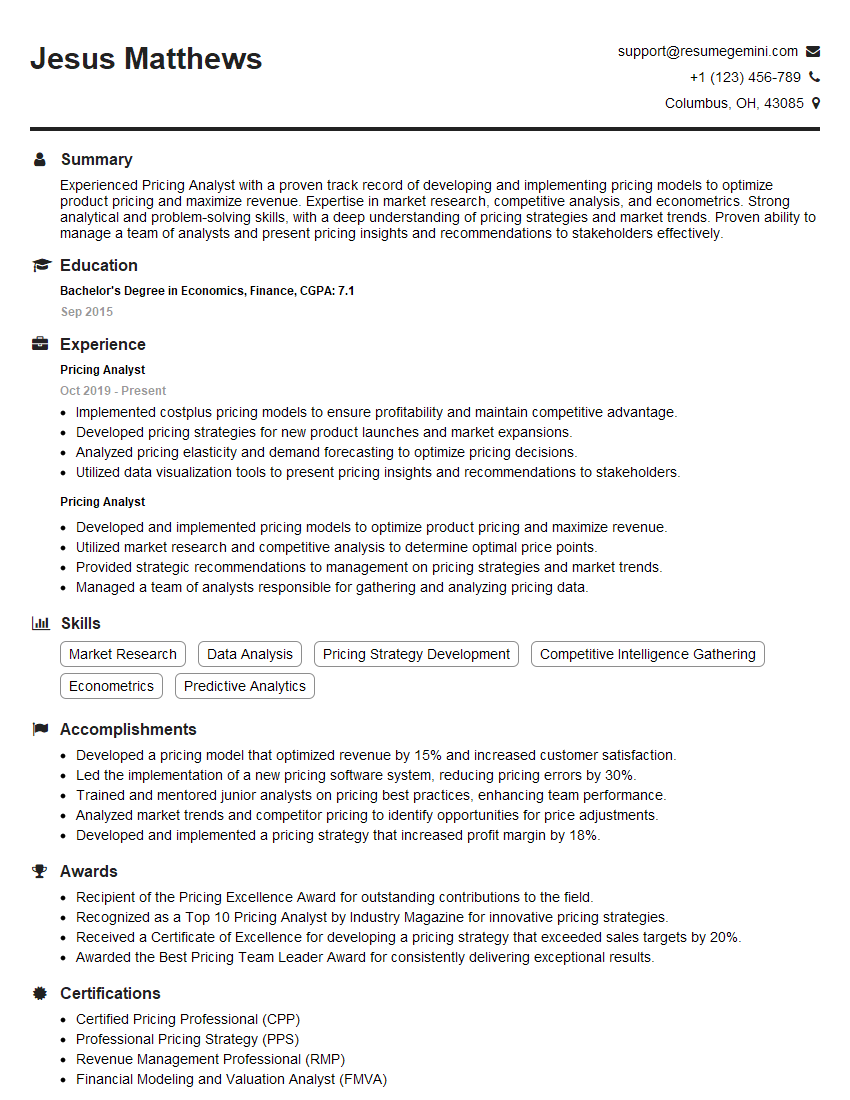
Pricing Analyst Resume Sample
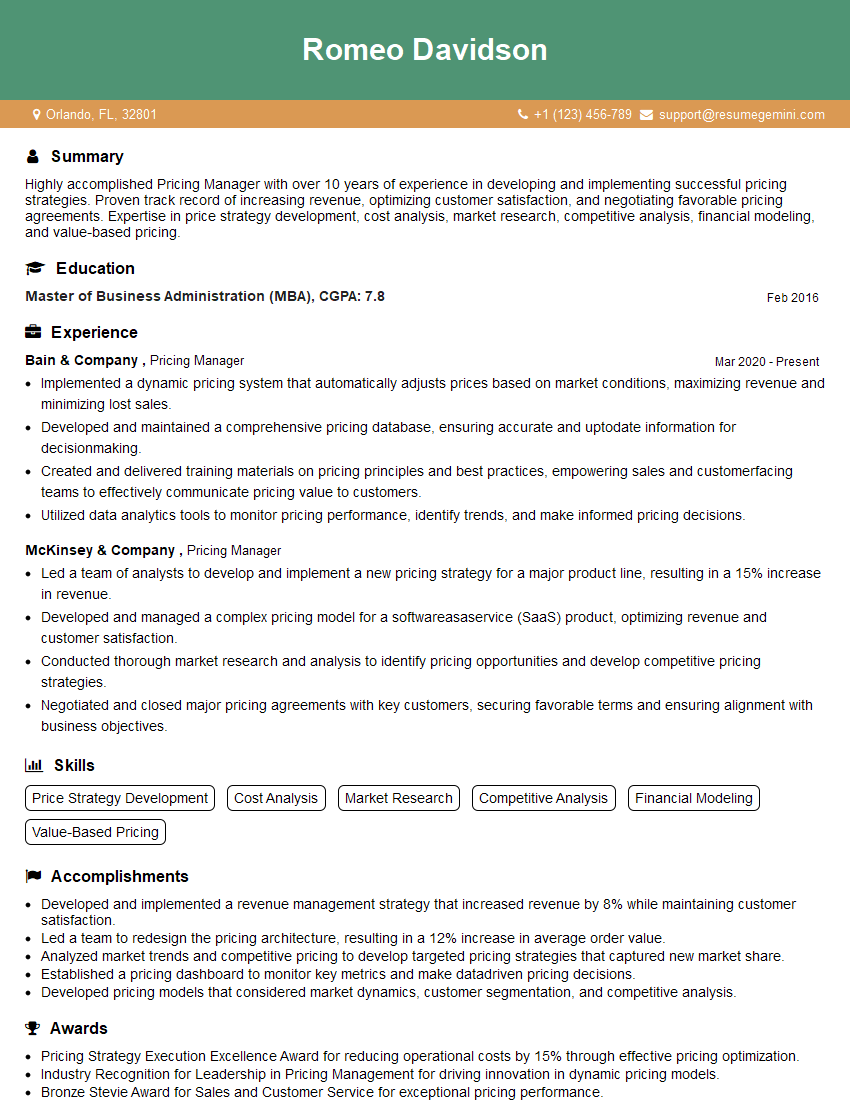
Pricing Manager Resume Sample

Budget Manager Resume Sample
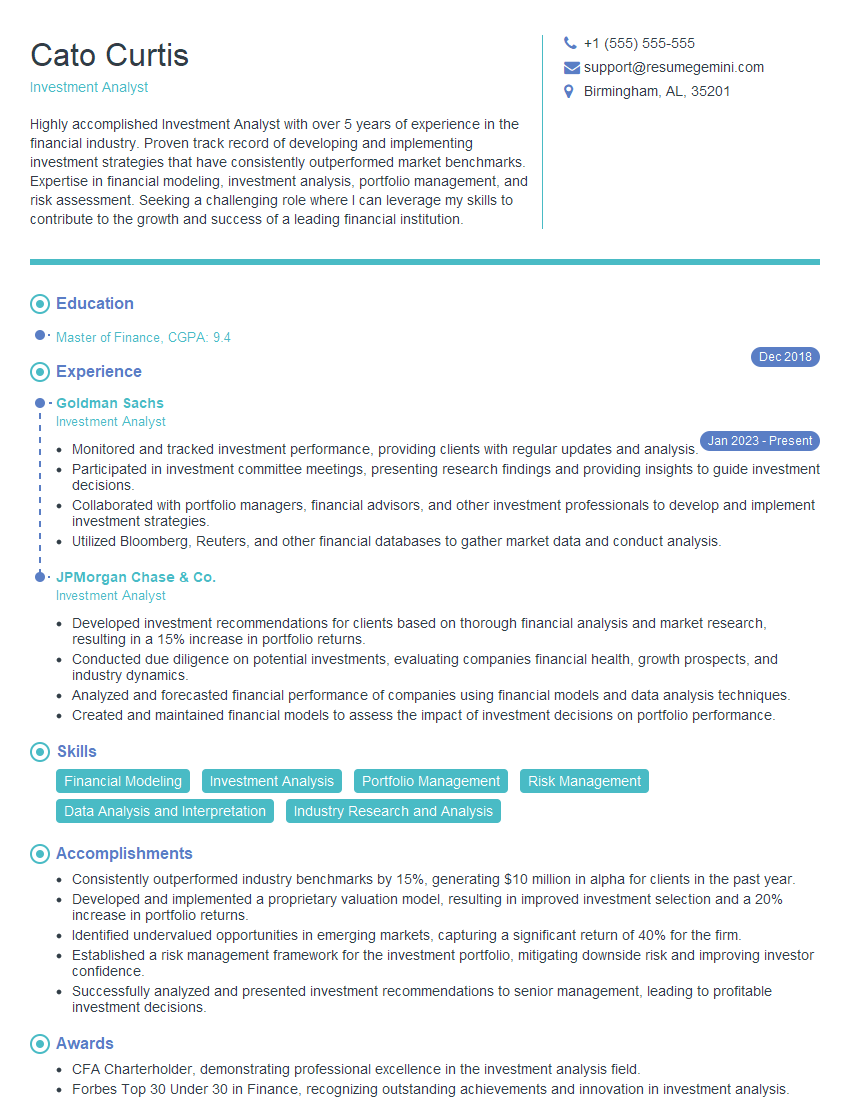
Investment Analyst Resume Sample
Portfolio Manager Resume Sample
Cost Estimator Resume Sample
Cost Accountant Resume Sample
Financial Analyst Resume Sample
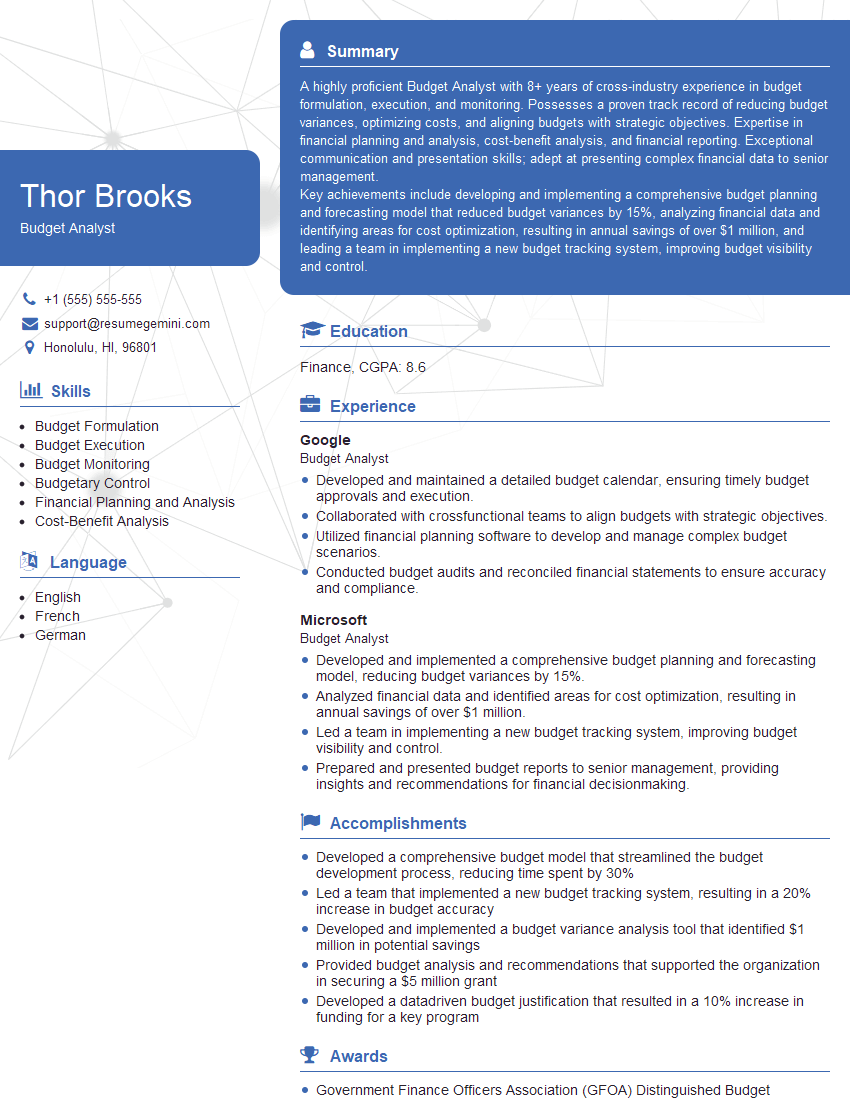
Budget Analyst Resume Sample
Explore more articles
Users Rating of Our Blogs
Share Your Experience
We value your feedback! Please rate our content and share your thoughts (optional).
What Readers Say About Our Blog
Attention music lovers!
Wow, All the best Sax Summer music !!!
Spotify: https://open.spotify.com/artist/6ShcdIT7rPVVaFEpgZQbUk
Apple Music: https://music.apple.com/fr/artist/jimmy-sax-black/1530501936
YouTube: https://music.youtube.com/browse/VLOLAK5uy_noClmC7abM6YpZsnySxRqt3LoalPf88No
Other Platforms and Free Downloads : https://fanlink.tv/jimmysaxblack
on google : https://www.google.com/search?q=22+AND+22+AND+22
on ChatGPT : https://chat.openai.com?q=who20jlJimmy20Black20Sax20Producer
Get back into the groove with Jimmy sax Black
Best regards,
Jimmy sax Black
www.jimmysaxblack.com
Hi I am a troller at The aquatic interview center and I suddenly went so fast in Roblox and it was gone when I reset.
Hi,
Business owners spend hours every week worrying about their website—or avoiding it because it feels overwhelming.
We’d like to take that off your plate:
$69/month. Everything handled.
Our team will:
Design a custom website—or completely overhaul your current one
Take care of hosting as an option
Handle edits and improvements—up to 60 minutes of work included every month
No setup fees, no annual commitments. Just a site that makes a strong first impression.
Find out if it’s right for you:
https://websolutionsgenius.com/awardwinningwebsites
Hello,
we currently offer a complimentary backlink and URL indexing test for search engine optimization professionals.
You can get complimentary indexing credits to test how link discovery works in practice.
No credit card is required and there is no recurring fee.
You can find details here:
https://wikipedia-backlinks.com/indexing/
Regards
NICE RESPONSE TO Q & A
hi
The aim of this message is regarding an unclaimed deposit of a deceased nationale that bears the same name as you. You are not relate to him as there are millions of people answering the names across around the world. But i will use my position to influence the release of the deposit to you for our mutual benefit.
Respond for full details and how to claim the deposit. This is 100% risk free. Send hello to my email id: lukachachibaialuka@gmail.com
Luka Chachibaialuka
Hey interviewgemini.com, just wanted to follow up on my last email.
We just launched Call the Monster, an parenting app that lets you summon friendly ‘monsters’ kids actually listen to.
We’re also running a giveaway for everyone who downloads the app. Since it’s brand new, there aren’t many users yet, which means you’ve got a much better chance of winning some great prizes.
You can check it out here: https://bit.ly/callamonsterapp
Or follow us on Instagram: https://www.instagram.com/callamonsterapp
Thanks,
Ryan
CEO – Call the Monster App
Hey interviewgemini.com, I saw your website and love your approach.
I just want this to look like spam email, but want to share something important to you. We just launched Call the Monster, a parenting app that lets you summon friendly ‘monsters’ kids actually listen to.
Parents are loving it for calming chaos before bedtime. Thought you might want to try it: https://bit.ly/callamonsterapp or just follow our fun monster lore on Instagram: https://www.instagram.com/callamonsterapp
Thanks,
Ryan
CEO – Call A Monster APP
To the interviewgemini.com Owner.
Dear interviewgemini.com Webmaster!
Hi interviewgemini.com Webmaster!
Dear interviewgemini.com Webmaster!
excellent
Hello,
We found issues with your domain’s email setup that may be sending your messages to spam or blocking them completely. InboxShield Mini shows you how to fix it in minutes — no tech skills required.
Scan your domain now for details: https://inboxshield-mini.com/
— Adam @ InboxShield Mini
support@inboxshield-mini.com
Reply STOP to unsubscribe
Hi, are you owner of interviewgemini.com? What if I told you I could help you find extra time in your schedule, reconnect with leads you didn’t even realize you missed, and bring in more “I want to work with you” conversations, without increasing your ad spend or hiring a full-time employee?
All with a flexible, budget-friendly service that could easily pay for itself. Sounds good?
Would it be nice to jump on a quick 10-minute call so I can show you exactly how we make this work?
Best,
Hapei
Marketing Director
Hey, I know you’re the owner of interviewgemini.com. I’ll be quick.
Fundraising for your business is tough and time-consuming. We make it easier by guaranteeing two private investor meetings each month, for six months. No demos, no pitch events – just direct introductions to active investors matched to your startup.
If youR17;re raising, this could help you build real momentum. Want me to send more info?
Hi, I represent an SEO company that specialises in getting you AI citations and higher rankings on Google. I’d like to offer you a 100% free SEO audit for your website. Would you be interested?
Hi, I represent an SEO company that specialises in getting you AI citations and higher rankings on Google. I’d like to offer you a 100% free SEO audit for your website. Would you be interested?