Interviews are opportunities to demonstrate your expertise, and this guide is here to help you shine. Explore the essential Carton Sealing and Labeling interview questions that employers frequently ask, paired with strategies for crafting responses that set you apart from the competition.
Questions Asked in Carton Sealing and Labeling Interview
Q 1. What types of carton sealing machines are you familiar with?
Carton sealing machines are crucial for securing packages and ensuring product integrity during transit. My experience encompasses a range of technologies, primarily focusing on three main types:
- Hot-melt adhesive sealers: These utilize hot-melt glue to create a strong, tamper-evident seal. I’ve worked extensively with both automatic and semi-automatic models, varying in speed and capacity based on production needs. For example, I’ve used high-speed systems in large distribution centers, sealing hundreds of cartons per minute, and smaller, manual systems in smaller facilities. The choice depends on the volume of packages and budget constraints.
- Tape sealers: These machines apply pressure-sensitive adhesive tape to seal cartons. They vary in application method, some using a simple tape dispenser while others incorporate more advanced features such as automatic tape feed and dispensing, and even printing capabilities for date codes or other information. In a previous role, I implemented a tape sealer with integrated printing to improve traceability and compliance.
- Stitching or Stapling sealers: These are used for heavier cartons or where a more secure seal is needed. I’ve experience troubleshooting issues with these machines – often related to the consistency of the staple or stitching mechanism. Ensuring correct staple length and depth is crucial to avoid package damage or insufficient sealing. For example, I solved a frequent jamming issue in a stapling machine by adjusting the tension of the feed mechanism.
Q 2. Describe your experience with different types of labeling machines.
My experience with labeling machines spans various technologies, primarily focusing on:
- Pressure-sensitive label applicators: These are the most common type, using adhesive labels applied via a pressure-sensitive mechanism. I’ve worked with both inline and stand-alone models, integrating them seamlessly into high-speed packaging lines. I’ve a specific experience integrating an inline applicator for high-volume labeling of pharmaceutical boxes, requiring stringent accuracy and alignment to meet regulatory standards.
- Wrap-around labelers: These are especially useful for cylindrical or uniquely shaped containers. Troubleshooting these machines involves careful calibration to ensure the label accurately wraps the product. One time I addressed label misalignment by recalibrating the label unwind tension and the product conveying mechanism.
- Self-adhesive label applicators: I’ve worked with these as well, especially with flexible labeling needs. These are generally more adaptable for various label sizes and shapes but can be slower than other types.
My expertise also includes understanding different label application methods, such as top-labeling, side-labeling, and wrap-around labeling, and selecting the optimal method based on packaging characteristics and production efficiency.
Q 3. How do you ensure accurate and efficient carton sealing?
Accurate and efficient carton sealing is paramount for protecting products and ensuring customer satisfaction. My approach involves a multi-pronged strategy:
- Proper machine setup and maintenance: This includes regular checks on the glue temperature (for hot-melt systems), tape tension (for tape sealers), and staple/stitch mechanism (for stitching sealers). I follow rigorous preventative maintenance schedules to minimize downtime and ensure consistent performance.
- Quality control checks: Regularly inspecting sealed cartons for proper sealing ensures problems are caught early. This includes visual inspection and sometimes also a ‘seal strength’ test.
- Operator training: Properly trained operators are essential for efficient and consistent operation. This includes training on machine operation, troubleshooting, and proper handling of materials.
- Using appropriate sealing materials: Selecting the correct adhesive, tape, or staples based on carton material and environmental conditions is critical. For example, using a high-temperature adhesive for cartons exposed to extreme heat.
- Process optimization: Analyzing production data to identify bottlenecks or areas for improvement. For example, by fine-tuning conveyor speeds or optimizing glue application settings.
Q 4. What are the common causes of carton sealing malfunctions?
Malfunctions in carton sealing can stem from various sources:
- Mechanical issues: This could involve worn-out belts, faulty motors, or jammed mechanisms. Regular maintenance and lubrication can prevent many of these issues.
- Material issues: Incorrect adhesive temperature, inadequate tape adhesion, or damaged staples can all lead to faulty seals. Proper material selection and storage are crucial.
- Electrical problems: Faulty sensors, wiring issues, or power fluctuations can disrupt machine operation. Regular electrical checks and preventative maintenance are essential.
- Software glitches (in automated systems): Software bugs can sometimes lead to unexpected behavior. Regular updates and software maintenance are crucial for sophisticated automated systems.
- Operator error: Incorrect machine setup or improper handling of materials can contribute to malfunctions. Proper training and clear operating procedures are essential.
A systematic troubleshooting approach, starting with visual inspection and then progressing to more in-depth checks, is usually the most efficient method for identifying and resolving these issues.
Q 5. How do you troubleshoot labeling machine errors?
Troubleshooting labeling machine errors requires a methodical approach:
- Identify the error: Determine the nature of the problem – are labels misaligned, are they not applying correctly, is the label feed jammed? A clear understanding of the problem is the first step towards fixing it.
- Check the obvious: Ensure there is sufficient label supply, that the label roll is loaded correctly, and that the sensor is clean and functioning. Often the problem is simple and readily solved.
- Check the settings: Review the machine’s settings to ensure that they are correctly configured for the type of labels being used. Review label dimensions and settings in machine parameters
- Inspect the mechanical components: Examine the rollers, belts, and other mechanical parts for signs of wear or damage. Clean rollers, and repair or replace parts as needed.
- Check the electrical components: Ensure all connections are secure and that there are no shorts or other electrical problems.
- Consult the documentation: Refer to the machine’s manuals and documentation for troubleshooting tips and guidance. Most manufacturers provide detailed troubleshooting guides.
If the problem persists after trying these steps, it may be necessary to consult with a qualified technician or the machine’s manufacturer.
Q 6. Explain the importance of proper labeling in compliance regulations.
Proper labeling is not merely a matter of aesthetics; it’s a legal and ethical requirement for many industries. Compliance regulations, such as those set by the FDA (Food and Drug Administration) and other relevant bodies, mandate specific information to be included on product labels. This information can include:
- Product identification: Name, description, and any relevant identifying information.
- Weight and quantity: Accurate measurement of the product’s weight and quantity.
- Ingredients and nutritional information: A complete list of ingredients and nutritional facts (particularly pertinent in the food and beverage industry).
- Manufacturer and distributor information: Contact details for the manufacturer and distributor of the product.
- Warnings and precautions: Any warnings or precautions that consumers need to be aware of (allergens, handling instructions, etc.).
- Batch and expiry information: Essential for product traceability and safety.
Failure to comply with these labeling regulations can result in serious consequences, including product recalls, fines, and legal action. Accurate and compliant labeling is critical for consumer safety, product traceability, and legal compliance.
Q 7. Describe your experience with different types of labels and adhesives.
My experience covers a broad range of labels and adhesives used in carton sealing and labeling:
- Label materials: I’ve worked with paper, polypropylene, and polyester labels, each with varying properties of durability, printability, and resistance to moisture and chemicals. The choice depends heavily on the intended application and environmental conditions the package might encounter.
- Adhesives: I’m familiar with various adhesive types, including pressure-sensitive adhesives (PSAs) – the most common for labels – and hot-melt adhesives which are often used in carton sealing. PSAs range in tack, peel strength and temperature resistance. Hot melt adhesives often require precise temperature control for optimal performance. Selecting an inappropriate adhesive could lead to label peeling or insufficient sealing.
- Speciality labels: I have experience with tamper-evident labels, which provide an extra layer of security against unauthorized access or tampering, often featuring tear-away strips or other security features. I’ve also worked with labels with specific coatings for enhanced durability or protection against moisture or chemicals.
The selection of labels and adhesives is a crucial aspect of the packaging process; it directly affects the effectiveness of the sealing and labeling operations, as well as the overall shelf life and security of the product. The correct combination ensures optimal performance and regulatory compliance.
Q 8. How do you maintain the cleanliness and sanitation of your packaging area?
Maintaining a clean and sanitary packaging area is paramount for food safety, product quality, and employee well-being. It’s not just about aesthetics; it’s about preventing contamination and ensuring our products meet the highest standards. Our process involves several key steps:
Regular Cleaning Schedule: We have a strict cleaning schedule, typically at the end of each shift and more frequently as needed. This involves wiping down all surfaces – workstations, machinery, floors – with appropriate sanitizing agents.
Designated Cleaning Zones: We have clearly designated areas for cleaning supplies and waste disposal to prevent cross-contamination. We also use color-coded cleaning cloths and buckets to avoid mixing cleaning solutions.
Pest Control: Regular pest control measures are essential. We conduct routine inspections and utilize professional pest control services to prevent infestations.
Employee Training: All employees receive thorough training on proper sanitation procedures, including hand hygiene, waste disposal, and the correct use of cleaning agents. We regularly reinforce these procedures.
Documentation: We maintain detailed records of our cleaning and sanitation activities, including dates, times, and the individuals responsible. This helps us track our performance and identify areas for improvement.
For example, after a production run of a particularly messy product, we might implement a more intensive cleaning process, including a deep clean of the machinery using specialized cleaning solutions.
Q 9. What safety measures do you follow when operating packaging machinery?
Safety is our top priority. Operating packaging machinery requires strict adherence to safety protocols to prevent accidents and injuries. Our safety measures include:
Lockout/Tagout Procedures: Before performing any maintenance or cleaning on machinery, we strictly follow lockout/tagout procedures to ensure the equipment is completely de-energized and safe to work on. This prevents accidental starts.
Personal Protective Equipment (PPE): Employees are required to wear appropriate PPE, including safety glasses, gloves, and hearing protection, depending on the task. This protects them from potential hazards.
Regular Machine Inspections: We perform regular inspections of all packaging machinery to identify and address any potential hazards, such as loose parts, worn belts, or damaged components. We maintain detailed maintenance logs.
Emergency Stop Buttons: All machinery is equipped with easily accessible emergency stop buttons, and employees are trained on their proper use.
Training and Certification: All employees operating packaging machinery receive thorough training and certification, ensuring they understand the safe operation of the equipment and emergency procedures.
Imagine a scenario where a label applicator malfunctions. Our lockout/tagout procedures ensure that the machine is safely shut down before any technician attempts to repair it, preventing any potential injury from moving parts.
Q 10. How do you handle damaged cartons or labels during the packaging process?
Damaged cartons or labels are immediately removed from the production line to prevent them from reaching the customer. Our procedure is as follows:
Identification and Segregation: Damaged cartons are identified visually by trained personnel and segregated from undamaged ones. This could involve inspecting the carton for tears, dents, or misprinted labels.
Documentation: The quantity and nature of the damage are documented to help identify the root cause and prevent future occurrences. This might involve noting the time of day, machine involved, or type of damage.
Disposal or Reprocessing: Damaged cartons may be disposed of according to company policy or, depending on the nature of the damage and company policy, they might be sent for reprocessing if possible.
Quality Control Feedback: The information gathered is used to provide feedback to the quality control department, which might initiate adjustments to improve the process and reduce future damage.
For example, if a batch of cartons arrives with a significant number of dents, we’d investigate the handling process during shipment to prevent this issue from happening again. We might investigate our suppliers or implement changes in our internal handling procedures.
Q 11. What are your experiences with different carton sizes and shapes?
My experience encompasses a wide range of carton sizes and shapes. I’ve worked with everything from small, delicate boxes for electronics to large, sturdy cartons for heavier products. This experience has given me a strong understanding of how different carton designs affect the sealing and labeling processes.
Adaptability: I’m adept at adapting our processes to accommodate various carton dimensions and configurations. This involves adjusting machinery settings, label placements, and sealing techniques to ensure efficient and effective packaging.
Material Considerations: I understand how different carton materials (e.g., cardboard, corrugated board) impact the choice of sealing and labeling methods. For instance, heavier-duty cartons may require stronger adhesive tapes or hot melt sealing.
Automation: I have experience programming and operating automated systems designed for handling various carton sizes. This often includes configuring automated systems to adjust to different carton dimensions via sensors and programmable logic controllers (PLCs).
For example, packaging a small, fragile item requires a different approach than packaging a heavy appliance. The former might require specialized cushioning materials and gentle handling, while the latter necessitates robust cartons and secure sealing.
Q 12. How do you ensure the integrity of sealed cartons?
Ensuring the integrity of sealed cartons is crucial for product protection and customer satisfaction. We use a multi-pronged approach:
Appropriate Sealing Method: We select the appropriate sealing method – hot melt, tape, or other – based on the carton material, product characteristics, and required level of protection. Hot melt provides superior strength for many applications.
Quality Control Checks: Regular quality control checks are conducted throughout the process to ensure cartons are properly sealed. This might involve visual inspection, random sampling, or automated seal integrity testing.
Machine Calibration: Packaging machinery is regularly calibrated to ensure consistent and reliable sealing. This involves checking the temperature and pressure settings for hot melt systems or the tension and adhesion of tape applicators.
Material Selection: We use high-quality carton materials and sealing agents to enhance the integrity of the sealed cartons. The selection considers factors such as the weight of the product and environmental conditions.
Environmental Factors: Environmental factors, like temperature and humidity, can impact the effectiveness of sealing. Our processes are designed to mitigate these impacts.
Imagine a scenario where a customer receives a damaged product. Investigating the seal failure can reveal if the problem lies with improper sealing, poor-quality materials, or other factors in our process.
Q 13. What is your experience with high-speed packaging lines?
I have extensive experience working with high-speed packaging lines, which demand precision, efficiency, and robust quality control. These lines often operate at speeds that require meticulous planning and coordination. My experience includes:
Troubleshooting: Identifying and resolving bottlenecks or malfunctions on high-speed lines is a crucial skill. This often involves understanding the interplay of different machines and processes.
Performance Optimization: I have experience optimizing the performance of high-speed packaging lines to improve throughput and minimize downtime. This could involve tweaking machine settings or re-sequencing operations.
Data Analysis: Using data from high-speed lines to monitor performance, identify trends, and make improvements is essential. This includes production data, error rates, and downtime logs.
Preventive Maintenance: High-speed lines require regular preventive maintenance to prevent costly breakdowns. Predictive maintenance strategies, using sensor data for example, can be very helpful here.
For example, a small adjustment to the timing of a conveyor belt on a high-speed line can dramatically improve throughput and reduce jams. Continuous monitoring of performance metrics is critical in such high-throughput environments.
Q 14. How familiar are you with various carton sealing methods (e.g., hot melt, tape)?
I am proficient with various carton sealing methods, each with its strengths and weaknesses. My experience includes:
Hot Melt Adhesive: This method uses a hot, molten adhesive to bond carton flaps together. It’s known for its fast drying time and strong bond, making it suitable for high-speed applications and products needing secure sealing.
Pressure-Sensitive Tape: This utilizes adhesive tape applied using a tape applicator. It’s versatile, offers good sealing strength, and is suitable for various carton types. It is often chosen for its ease of use and lower upfront equipment costs.
Other methods: I also have some experience with other methods like glue, staples, and even stitching for certain specialized applications. The choice depends on the specific requirements of the product and application.
The choice between hot melt and tape depends on several factors. Hot melt is generally faster and provides a stronger seal but requires more specialized equipment. Tape is more versatile and generally easier to implement, but may not offer the same level of sealing strength in all applications.
Q 15. How do you ensure labels are applied correctly and securely?
Ensuring labels are applied correctly and securely is paramount for efficient product handling, accurate identification, and maintaining brand integrity. It involves a multi-faceted approach encompassing the right equipment, materials, and processes.
Choosing the right adhesive: The adhesive’s strength and tack are crucial. A too-weak adhesive leads to label detachment, while an excessively strong one can damage the carton. We consider factors like the carton material (corrugated board, solid board), storage conditions (temperature and humidity), and the product weight when selecting the adhesive.
Label application method: Different methods exist, including pressure-sensitive labeling, glue-applied labels, and wrap-around labels. Pressure-sensitive labels are the most common, offering speed and ease of application. Glue-applied labels are more robust but slower. The selection depends on production speed, budget, and label durability needs. We often use high-speed automatic label applicators to ensure consistent, accurate placement.
Label quality control: Regularly inspecting labels for print quality, correct information, and proper adhesive application is essential. This involves visual checks and, where necessary, automated systems that detect misaligned or missing labels. For example, we use a system that rejects cartons with incorrectly applied labels, preventing them from entering the distribution chain.
Environmental factors: Temperature and humidity significantly impact adhesive performance. We maintain consistent environmental conditions in the labeling area to optimize adhesive bonding.
Career Expert Tips:
- Ace those interviews! Prepare effectively by reviewing the Top 50 Most Common Interview Questions on ResumeGemini.
- Navigate your job search with confidence! Explore a wide range of Career Tips on ResumeGemini. Learn about common challenges and recommendations to overcome them.
- Craft the perfect resume! Master the Art of Resume Writing with ResumeGemini’s guide. Showcase your unique qualifications and achievements effectively.
- Don’t miss out on holiday savings! Build your dream resume with ResumeGemini’s ATS optimized templates.
Q 16. What are your experiences with different types of label materials?
My experience spans a wide range of label materials, each offering different properties suited to specific needs. The choice depends on factors such as the product, environmental conditions, and desired shelf life.
Paper labels: These are cost-effective and readily recyclable but are susceptible to moisture and abrasion. We use them extensively for products with short shelf lives or where cost is a primary concern.
Vinyl labels: Vinyl labels are more durable and resistant to moisture and abrasion, making them suitable for products stored in harsh environments. They offer better longevity and are often preferred for products with longer shelf lives. We often use them for products destined for outdoor storage or distribution.
Polyester labels: These are the most durable, offering superior resistance to chemicals, abrasion, and extreme temperatures. We utilize them for products requiring exceptional protection or those stored under demanding conditions.
Specialized labels: We’ve also worked with labels containing thermal transfer printing for variable data printing. These are invaluable for tracking and logistics. We’ve also used tamper-evident labels to safeguard against product tampering.
Q 17. Describe your experience with barcode scanning and label verification systems.
Barcode scanning and label verification are integral to modern packaging processes. They ensure accuracy, traceability, and efficiency throughout the supply chain.
Barcode scanning: We use high-speed, high-resolution barcode scanners integrated into our labeling and palletizing systems. These scanners verify the label’s barcode against the product’s information, ensuring accuracy. Mismatches result in automatic rejection of the carton, preventing errors from progressing further down the line.
Label verification systems: We employ label verification systems that check for missing labels, misaligned labels, and incorrect barcode data. These systems provide real-time feedback, allowing us to quickly identify and rectify any issues. These systems often include cameras and software that analyze images to confirm label positioning and clarity.
Data integration: The data captured from barcode scanning and label verification is integrated into our warehouse management system (WMS), providing real-time tracking and inventory management capabilities. This streamlines the entire process, from production to distribution.
Q 18. How do you handle production bottlenecks or delays?
Production bottlenecks and delays are inevitable, but effective strategies can mitigate their impact. My approach is multi-pronged and focuses on prevention and swift resolution.
Proactive maintenance: Regular preventative maintenance on packaging equipment is crucial. We have a scheduled maintenance program to minimize downtime. This includes regular cleaning, lubrication, and part replacements as needed. Thinking of it like regular car servicing; prevents large breakdowns
Inventory management: Maintaining adequate supplies of packaging materials and labels prevents delays caused by shortages. We use just-in-time inventory management systems to optimize our supply chain.
Process optimization: Analyzing the production process to identify inefficiencies is key. We use lean manufacturing principles to eliminate waste and improve workflow. This can involve streamlining processes or reconfiguring the production line.
Teamwork and communication: Effective communication among team members is crucial for addressing bottlenecks quickly. In cases of delays, we often convene a quick team meeting to brainstorm solutions and re-allocate resources as needed.
Root cause analysis: When significant delays occur, we conduct a thorough root cause analysis to understand the underlying problem and prevent recurrence. This often involves documenting the issue, analyzing contributing factors, and implementing corrective actions.
Q 19. How do you monitor and improve the efficiency of your packaging process?
Monitoring and improving packaging efficiency requires a data-driven approach, combining key performance indicators (KPIs) with continuous improvement initiatives.
Key Performance Indicators (KPIs): We track KPIs such as cartons per minute (CPM), production uptime, label application accuracy, and waste generation. These metrics provide insights into process efficiency.
Data analysis: We use data analytics tools to identify trends and patterns in our KPIs, pinpointing areas for improvement. This can reveal bottlenecks, inefficiencies, or areas where operator training may be beneficial. For example, a sudden drop in CPM might signal a machine malfunction, while a high error rate could indicate a training issue.
Process improvement techniques: We employ lean manufacturing principles such as 5S (sort, set in order, shine, standardize, sustain) and Kaizen (continuous improvement) to optimize our processes. This often involves streamlining workflows, reducing waste, and improving operator ergonomics.
Regular reviews: We hold regular meetings to review our KPIs and discuss process improvement strategies. These sessions involve the entire packaging team and provide an open forum for sharing ideas and addressing challenges.
Q 20. What are your experience with quality control measures in packaging?
Quality control in packaging is essential for ensuring product integrity and customer satisfaction. It’s a comprehensive process that spans various stages.
Incoming material inspection: We inspect all incoming packaging materials (cartons, labels, adhesives) to ensure they meet quality standards. This includes checking for defects, correct dimensions, and proper printing.
In-process checks: Throughout the packaging process, regular checks are conducted to monitor label application accuracy, carton integrity, and overall product quality. These checks are often performed at multiple stages of the production line.
Final product inspection: A thorough inspection of the finished product is conducted before shipment. This often includes visual checks, dimensional measurements, and weight verification. Automated systems can help identify and reject products that don’t meet specifications.
Statistical process control (SPC): We use statistical methods to monitor process variability and identify trends that could indicate quality issues. This helps us proactively address potential problems before they escalate.
Documentation and traceability: Meticulous record-keeping is crucial for tracking product quality and tracing any potential issues back to their source. This information is invaluable for continuous improvement and resolving customer complaints. We often utilize barcodes to track individual packages through the entire process.
Q 21. Describe your experience with preventative maintenance of packaging equipment.
Preventative maintenance is crucial for ensuring the smooth and efficient operation of packaging equipment. Neglecting maintenance leads to costly downtime, reduced efficiency, and potential safety hazards.
Scheduled maintenance program: We have a comprehensive scheduled maintenance program that outlines specific tasks (cleaning, lubrication, part replacement) and their frequency for each piece of equipment. This program is carefully tailored to the specific equipment and its usage intensity.
Regular inspections: Daily visual inspections are conducted to identify any potential issues or wear and tear before they become major problems. This proactive approach minimizes downtime and prevents unexpected breakdowns.
Lubrication and cleaning: Regular lubrication of moving parts is essential to reduce friction and extend equipment life. Regular cleaning prevents the buildup of dust, debris, and adhesives, which can affect machine performance and potentially cause malfunctions.
Spare parts inventory: Maintaining an adequate inventory of spare parts minimizes downtime caused by equipment failures. This ensures quick repairs and minimizes production disruptions.
Operator training: We provide comprehensive training to our operators on proper equipment operation and basic maintenance tasks. This empowers them to identify and report potential issues early, preventing major problems.
Q 22. How do you ensure the accuracy of inventory after the packaging process?
Ensuring inventory accuracy post-packaging relies on a robust system incorporating several checks and balances. It’s not just about counting boxes; it’s about verifying that what’s inside matches what the label says and what the system records.
- Pre-Packaging Verification: Before the packaging process even begins, we need to ensure that the correct quantities of products are available and accurately reflected in the inventory management system. Any discrepancies are addressed before proceeding.
- Automated Counting and Weighing: Integrating automated counting and weighing systems into the packaging line provides real-time data on the number and weight of items packaged. This data can be compared against the expected values to identify any discrepancies immediately.
- Random Sampling and Quality Control Checks: Periodic random sampling of sealed cartons helps verify the accuracy of the automated systems and addresses the possibility of human error or machine malfunction. This is crucial for maintaining quality standards.
- Barcode and RFID Scanning: Using barcode or RFID scanning at various stages of the packaging process allows for continuous tracking of items and confirmation that they are correctly labelled and packaged. This eliminates manual counting errors.
- Post-Packaging Reconciliation: At the end of each packaging run, a reconciliation process compares the number of packaged units against the initial inventory count and the automated system data. Any discrepancies are investigated and resolved.
For example, in one project, we implemented a system that used barcode scanning at every stage, from receiving raw materials to final packaging. This drastically reduced discrepancies and improved inventory accuracy by over 98%.
Q 23. What are your skills in using relevant software for inventory management?
My skills in inventory management software extend across several leading platforms. I am proficient in using ERP systems like SAP and Oracle, as well as specialized WMS (Warehouse Management Systems) such as Fishbowl Inventory and NetSuite Warehouse Management. My expertise includes:
- Data Entry and Management: Accurately entering and managing inventory data, ensuring data integrity and consistency.
- Reporting and Analysis: Generating reports on inventory levels, turnover rates, and other key metrics to optimize stock management and identify potential problems.
- System Configuration and Customization: Adapting software settings to meet specific business needs and integrating it with other business systems.
- Troubleshooting and Problem Solving: Identifying and resolving software-related issues impacting inventory accuracy and efficiency.
I’m comfortable with SQL queries for more in-depth data analysis and regularly use spreadsheet software like Excel for data manipulation and visualization. My experience includes designing and implementing custom reporting dashboards to visualize key inventory metrics in real-time.
Q 24. Explain your understanding of Good Manufacturing Practices (GMP) in packaging.
Good Manufacturing Practices (GMP) in packaging are critical for ensuring product safety and quality. They encompass a wide range of principles and practices aimed at minimizing contamination risks and maintaining consistent product quality throughout the packaging process.
- Hygiene and Sanitation: Maintaining a clean and hygienic environment in the packaging area is paramount. This includes regular cleaning and sanitization of equipment, surfaces, and personnel practices (like handwashing and wearing protective gear).
- Material Handling: Proper handling of packaging materials, including storage, transport, and use, prevents contamination and damage. This includes using appropriate materials and avoiding cross-contamination.
- Equipment Calibration and Maintenance: Regular calibration and maintenance of packaging equipment, such as sealing and labeling machines, ensures consistent performance and accuracy, preventing defects or malfunctions.
- Personnel Training: Properly trained personnel are crucial. Training covers GMP principles, hygiene practices, and operating procedures to ensure consistent adherence to standards.
- Documentation and Traceability: Comprehensive documentation throughout the packaging process, including batch numbers, timestamps, and personnel involved, allows for complete traceability in case of any quality issues or recalls.
For instance, a GMP violation might involve using contaminated packaging materials, leading to product contamination and potential health risks. Strict adherence to GMP ensures that products meet regulatory requirements and consumer safety standards.
Q 25. How do you prioritize tasks in a fast-paced production environment?
In a fast-paced production environment, prioritizing tasks effectively is essential for maximizing output and meeting deadlines. I use a combination of strategies:
- Understanding Production Goals: First, I clearly understand the day’s production goals and deadlines. This provides a framework for prioritizing tasks.
- Urgency and Importance Matrix: Categorizing tasks based on urgency and importance using an Eisenhower Matrix helps me focus on high-impact, urgent tasks first.
- Workflow Optimization: Identifying bottlenecks and optimizing workflows minimizes delays and improves efficiency. This includes streamlining processes and improving communication.
- Teamwork and Communication: Effective communication and teamwork are essential. Openly communicating task status and roadblocks allows for collaborative problem-solving and efficient task delegation.
- Flexibility and Adaptability: Being flexible and adaptable to unexpected situations is crucial. Prioritization needs to be adjusted as situations change.
For example, if a critical order is delayed due to a machine malfunction, I would immediately prioritize troubleshooting the machine and re-prioritize tasks to minimize the impact on the overall production schedule.
Q 26. Describe a time you had to solve a problem related to carton sealing or labeling.
In a previous role, we experienced consistent misalignment of labels on our automated labeling machine. This resulted in rejected products and production downtime. My approach to solving this involved:
- Problem Identification: We carefully examined the rejected products to identify the pattern of label misalignment.
- Root Cause Analysis: We systematically investigated possible causes, including sensor malfunction, incorrect label feed settings, and mechanical issues within the machine.
- Testing and Adjustments: We tested each potential cause individually, making adjustments to the machine settings as needed. This included recalibrating sensors, adjusting label feed rollers, and checking for mechanical wear and tear.
- Implementation and Monitoring: After identifying the root cause (a worn sensor), we replaced it. We then monitored the machine closely to ensure the problem was resolved and implemented preventative maintenance to prevent future occurrences.
This systematic approach successfully resolved the issue, minimizing production losses and improving product quality. It also highlighted the importance of preventative maintenance and regular machine checks.
Q 27. What are your salary expectations for this role?
My salary expectations for this role are in the range of [Insert Salary Range] annually. This is based on my experience, skills, and the responsibilities outlined in the job description. I’m open to discussing this further based on the specifics of the position and the company’s compensation structure.
Key Topics to Learn for Carton Sealing and Labeling Interview
- Carton Types and Materials: Understanding different carton constructions (e.g., corrugated, solid board), their strengths, weaknesses, and suitability for various products. Practical application: Choosing the right carton for a specific product based on weight, fragility, and shipping requirements.
- Sealing Methods and Equipment: Familiarize yourself with various sealing techniques (e.g., hot melt adhesive, tape sealing, glue application) and the machinery used in each process. Practical application: Troubleshooting common sealing issues, such as inconsistent seals or jams.
- Labeling Technologies and Applications: Explore different labeling methods (e.g., pressure-sensitive labels, glue-applied labels), label materials, and application techniques. Practical application: Optimizing label placement for efficient automation and clear product identification.
- Quality Control and Assurance: Understand the importance of quality control in carton sealing and labeling, including inspection procedures and methods for identifying and resolving defects. Practical application: Implementing quality control checks to minimize errors and ensure product integrity.
- Safety Procedures and Regulations: Review relevant safety regulations and best practices for operating sealing and labeling machinery. Practical application: Identifying and mitigating potential hazards in the workplace.
- Automation and Integration: Explore the role of automation in modern carton sealing and labeling processes, including integration with other packaging machinery. Practical application: Understanding the benefits and challenges of automated systems.
- Troubleshooting and Maintenance: Develop problem-solving skills to identify and resolve common issues with sealing and labeling equipment. Practical application: Performing basic maintenance tasks to ensure equipment uptime.
Next Steps
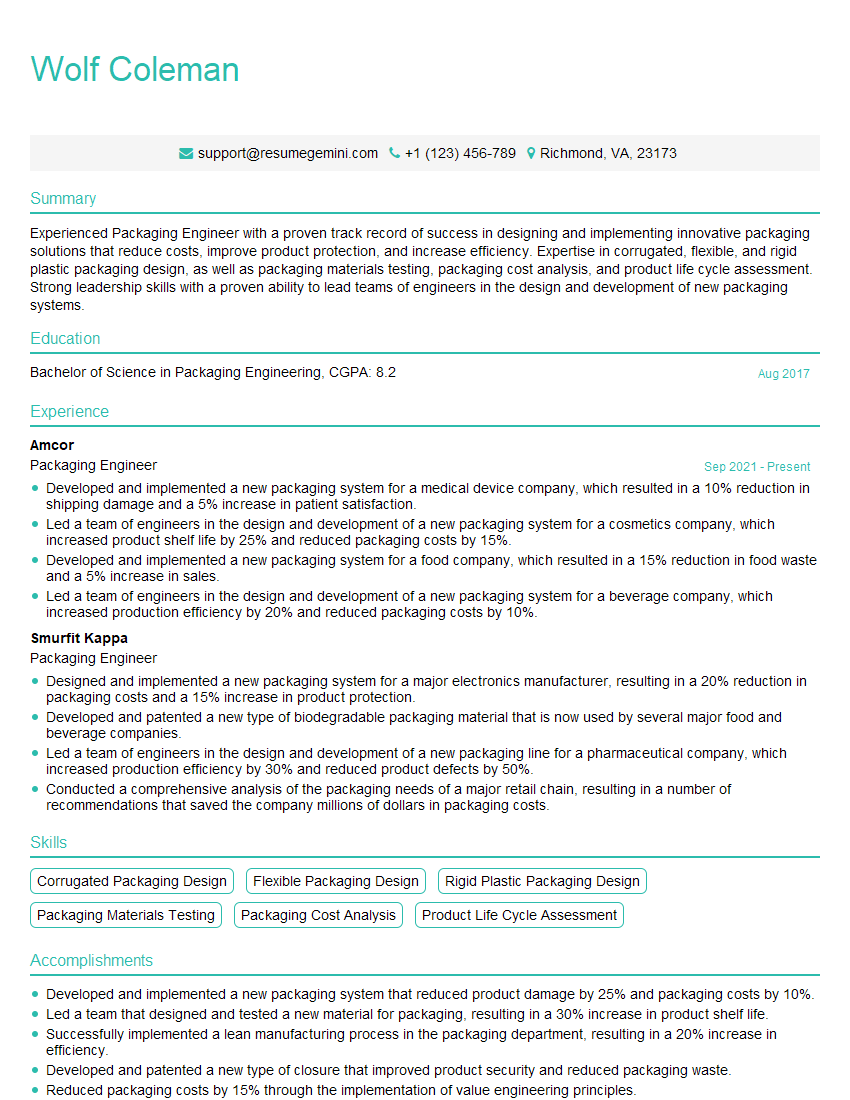
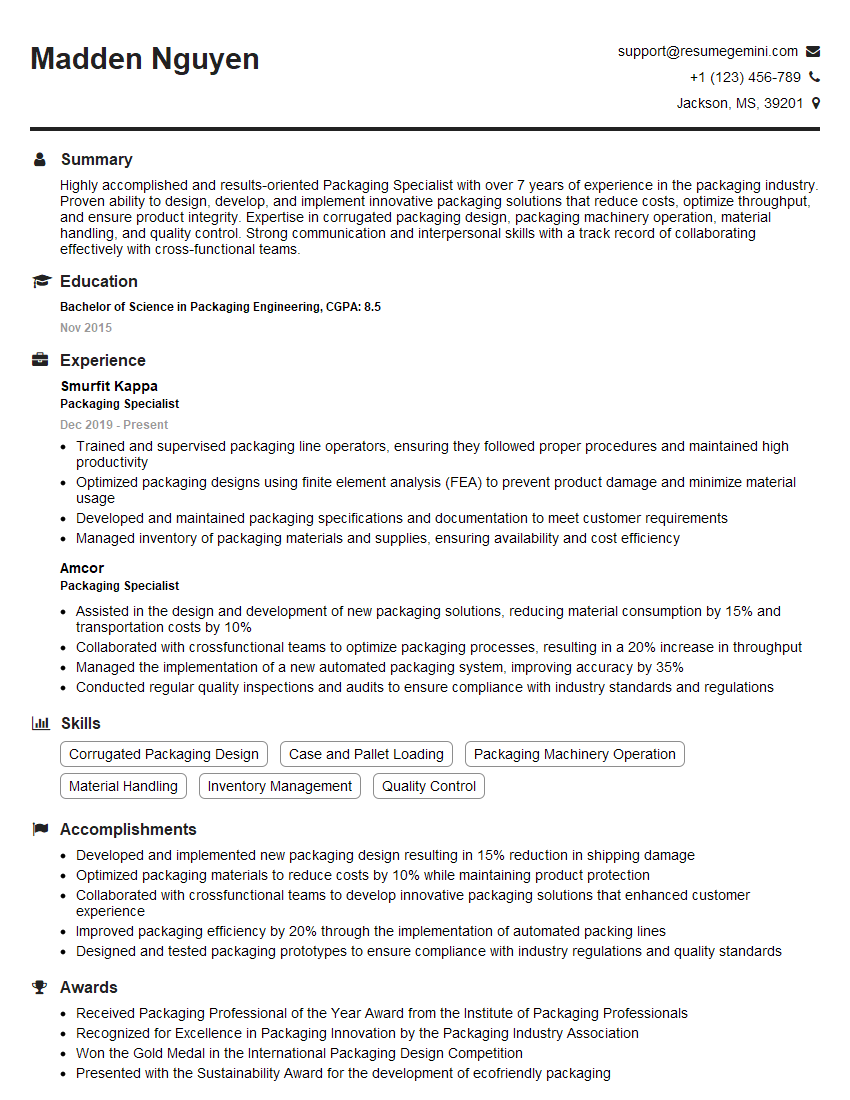
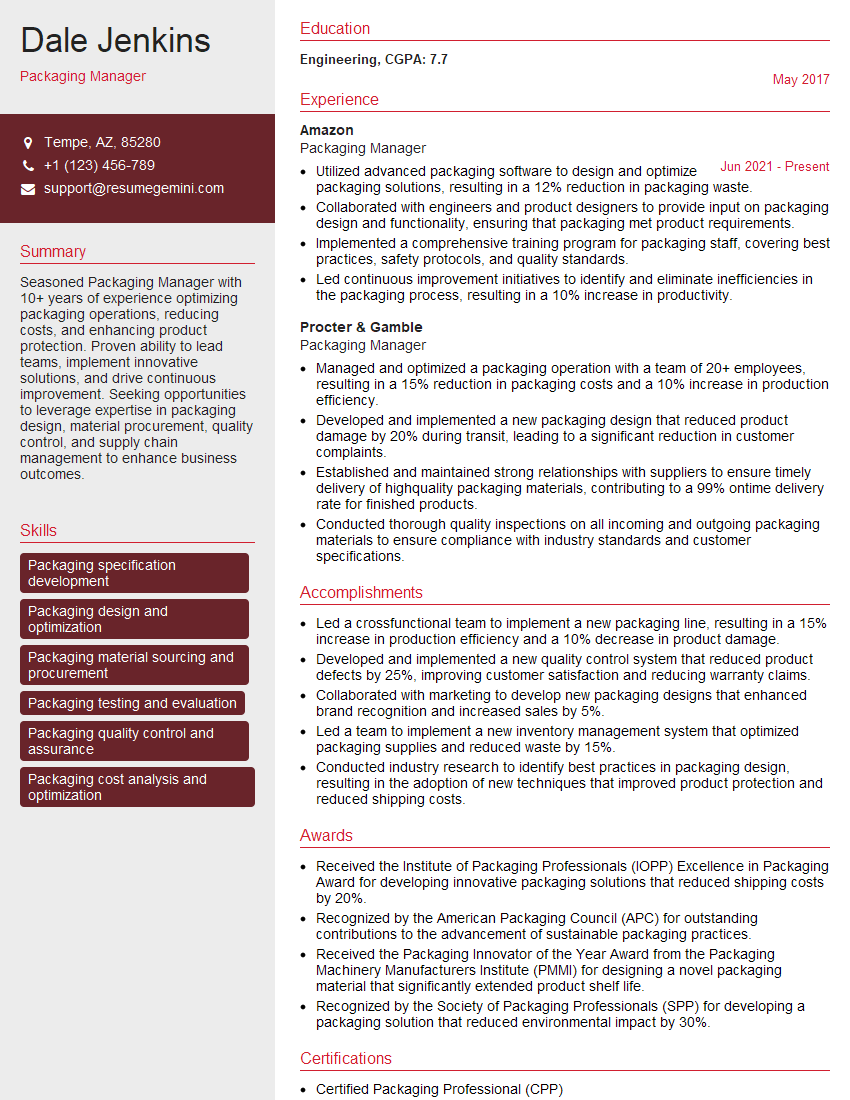
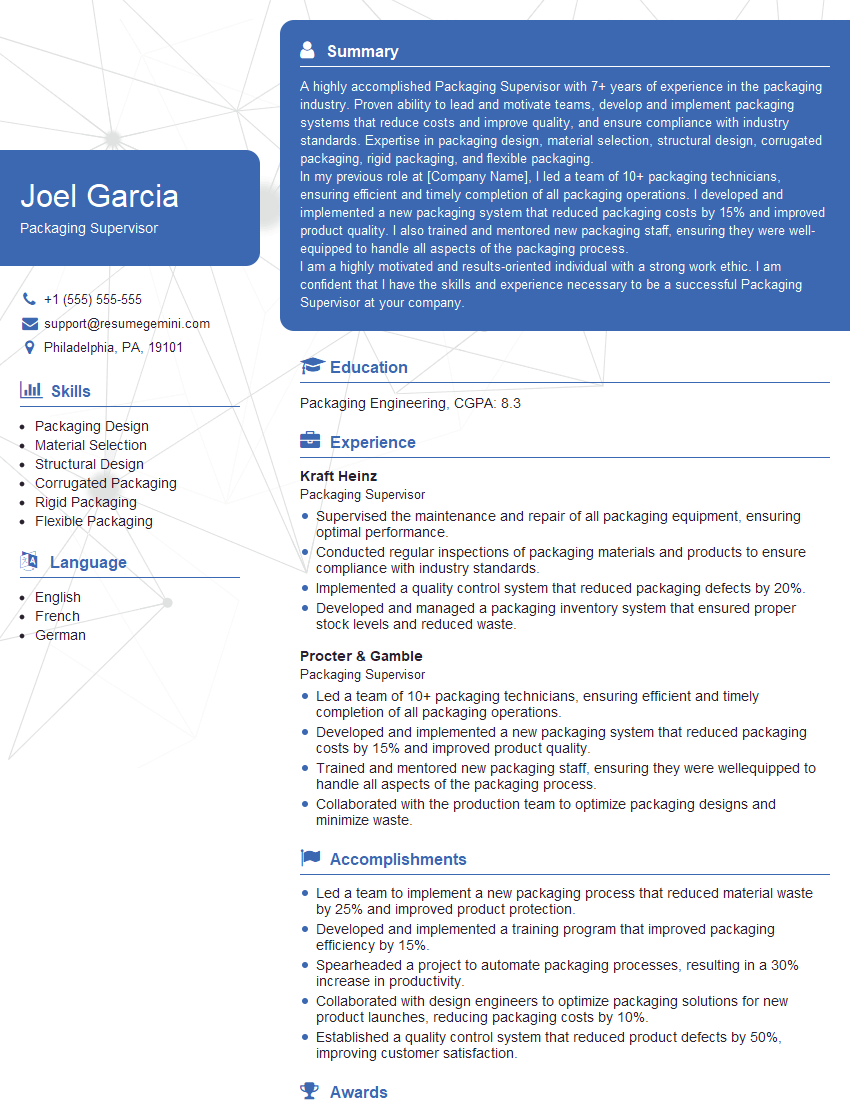
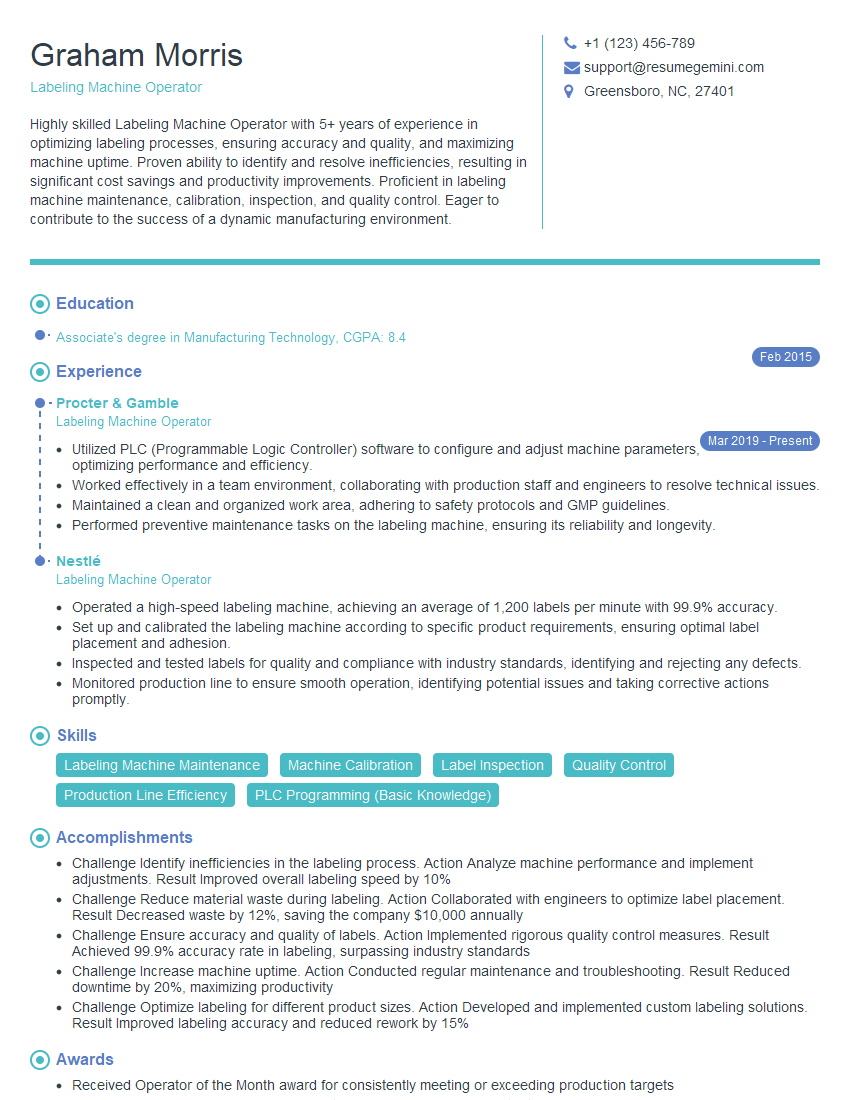
Mastering carton sealing and labeling is crucial for a successful career in packaging and logistics. This skillset is highly sought after and opens doors to diverse opportunities with increasing responsibility and compensation. To significantly boost your job prospects, it’s vital to create an ATS-friendly resume that effectively highlights your skills and experience. We strongly recommend using ResumeGemini to build a professional and impactful resume tailored to the Carton Sealing and Labeling industry. ResumeGemini provides tools and resources to help you craft a winning resume, and examples of resumes specifically designed for this field are available to guide you. Invest in your future; invest in a well-crafted resume with ResumeGemini.
Explore more articles
Users Rating of Our Blogs
Share Your Experience
We value your feedback! Please rate our content and share your thoughts (optional).
What Readers Say About Our Blog
Attention music lovers!
Wow, All the best Sax Summer music !!!
Spotify: https://open.spotify.com/artist/6ShcdIT7rPVVaFEpgZQbUk
Apple Music: https://music.apple.com/fr/artist/jimmy-sax-black/1530501936
YouTube: https://music.youtube.com/browse/VLOLAK5uy_noClmC7abM6YpZsnySxRqt3LoalPf88No
Other Platforms and Free Downloads : https://fanlink.tv/jimmysaxblack
on google : https://www.google.com/search?q=22+AND+22+AND+22
on ChatGPT : https://chat.openai.com?q=who20jlJimmy20Black20Sax20Producer
Get back into the groove with Jimmy sax Black
Best regards,
Jimmy sax Black
www.jimmysaxblack.com
Hi I am a troller at The aquatic interview center and I suddenly went so fast in Roblox and it was gone when I reset.
Hi,
Business owners spend hours every week worrying about their website—or avoiding it because it feels overwhelming.
We’d like to take that off your plate:
$69/month. Everything handled.
Our team will:
Design a custom website—or completely overhaul your current one
Take care of hosting as an option
Handle edits and improvements—up to 60 minutes of work included every month
No setup fees, no annual commitments. Just a site that makes a strong first impression.
Find out if it’s right for you:
https://websolutionsgenius.com/awardwinningwebsites
Hello,
we currently offer a complimentary backlink and URL indexing test for search engine optimization professionals.
You can get complimentary indexing credits to test how link discovery works in practice.
No credit card is required and there is no recurring fee.
You can find details here:
https://wikipedia-backlinks.com/indexing/
Regards
NICE RESPONSE TO Q & A
hi
The aim of this message is regarding an unclaimed deposit of a deceased nationale that bears the same name as you. You are not relate to him as there are millions of people answering the names across around the world. But i will use my position to influence the release of the deposit to you for our mutual benefit.
Respond for full details and how to claim the deposit. This is 100% risk free. Send hello to my email id: lukachachibaialuka@gmail.com
Luka Chachibaialuka
Hey interviewgemini.com, just wanted to follow up on my last email.
We just launched Call the Monster, an parenting app that lets you summon friendly ‘monsters’ kids actually listen to.
We’re also running a giveaway for everyone who downloads the app. Since it’s brand new, there aren’t many users yet, which means you’ve got a much better chance of winning some great prizes.
You can check it out here: https://bit.ly/callamonsterapp
Or follow us on Instagram: https://www.instagram.com/callamonsterapp
Thanks,
Ryan
CEO – Call the Monster App
Hey interviewgemini.com, I saw your website and love your approach.
I just want this to look like spam email, but want to share something important to you. We just launched Call the Monster, a parenting app that lets you summon friendly ‘monsters’ kids actually listen to.
Parents are loving it for calming chaos before bedtime. Thought you might want to try it: https://bit.ly/callamonsterapp or just follow our fun monster lore on Instagram: https://www.instagram.com/callamonsterapp
Thanks,
Ryan
CEO – Call A Monster APP
To the interviewgemini.com Owner.
Dear interviewgemini.com Webmaster!
Hi interviewgemini.com Webmaster!
Dear interviewgemini.com Webmaster!
excellent
Hello,
We found issues with your domain’s email setup that may be sending your messages to spam or blocking them completely. InboxShield Mini shows you how to fix it in minutes — no tech skills required.
Scan your domain now for details: https://inboxshield-mini.com/
— Adam @ InboxShield Mini
support@inboxshield-mini.com
Reply STOP to unsubscribe
Hi, are you owner of interviewgemini.com? What if I told you I could help you find extra time in your schedule, reconnect with leads you didn’t even realize you missed, and bring in more “I want to work with you” conversations, without increasing your ad spend or hiring a full-time employee?
All with a flexible, budget-friendly service that could easily pay for itself. Sounds good?
Would it be nice to jump on a quick 10-minute call so I can show you exactly how we make this work?
Best,
Hapei
Marketing Director
Hey, I know you’re the owner of interviewgemini.com. I’ll be quick.
Fundraising for your business is tough and time-consuming. We make it easier by guaranteeing two private investor meetings each month, for six months. No demos, no pitch events – just direct introductions to active investors matched to your startup.
If youR17;re raising, this could help you build real momentum. Want me to send more info?
Hi, I represent an SEO company that specialises in getting you AI citations and higher rankings on Google. I’d like to offer you a 100% free SEO audit for your website. Would you be interested?
Hi, I represent an SEO company that specialises in getting you AI citations and higher rankings on Google. I’d like to offer you a 100% free SEO audit for your website. Would you be interested?