The right preparation can turn an interview into an opportunity to showcase your expertise. This guide to Cemetery Maintenance interview questions is your ultimate resource, providing key insights and tips to help you ace your responses and stand out as a top candidate.
Questions Asked in Cemetery Maintenance Interview
Q 1. What experience do you have with operating and maintaining groundskeeping equipment?
Throughout my ten years in cemetery maintenance, I’ve become proficient in operating and maintaining a wide range of groundskeeping equipment. This includes riding and walk-behind mowers, both rotary and reel, string trimmers, hedge trimmers, leaf blowers, and various types of tillers. I’m also experienced with smaller power tools like chainsaws (for pruning and removal of hazardous branches) and post hole diggers (for installing new markers or signage). Regular preventative maintenance, such as changing oil and air filters, sharpening blades, and checking safety mechanisms, is a critical part of my routine to ensure equipment longevity and operator safety. For example, I recently identified a faulty blade on a mower based on unusual vibration, preventing a potential accident and costly repair down the line. I meticulously keep maintenance logs to track service schedules and repairs.
Q 2. Describe your experience with lawn care and irrigation systems.
My experience with lawn care encompasses all aspects, from fertilization and weed control to aerating and overseeding for optimal turf health. I understand the importance of selecting appropriate grass types for different sun exposure and soil conditions, crucial for a cemetery’s aesthetic appeal and long-term health. Regarding irrigation, I’m adept at troubleshooting and repairing various systems, from traditional sprinkler heads to more sophisticated drip irrigation. I’ve successfully managed the installation of a new drip irrigation system in our rose garden, resulting in significant water savings and improved plant health. I also understand the importance of water conservation in drought-prone areas and have implemented strategies to maximize efficiency, such as using moisture sensors and adjusting watering schedules based on weather conditions.
Q 3. How familiar are you with different types of grave markers and their maintenance?
I’m very familiar with a wide variety of grave markers, from simple flat markers to elaborate monuments made of granite, marble, bronze, or other materials. This includes understanding the unique maintenance requirements for each type. Granite, for example, is highly durable but can still be susceptible to staining; regular cleaning with appropriate solutions is essential. Bronze markers can tarnish over time and require specialized cleaning products. I carefully inspect markers regularly for damage, such as cracks, leaning, or settling, and prioritize repairs to preserve their integrity and the respect for the deceased. Knowing how to safely and effectively clean and repair different types of markers is a key component of maintaining a cemetery’s respectful and aesthetically pleasing environment. For instance, I recently restored a damaged marble angel statue using specialized repair compounds and techniques.
Q 4. What is your experience with planting and maintaining trees and shrubs?
Planting and maintaining trees and shrubs involves careful planning and execution. It begins with selecting appropriate species that will thrive in the cemetery’s soil and climate while considering mature size to avoid future conflicts with grave markers or pathways. I’m experienced in proper planting techniques, including soil amendment, mulching, and watering. Regular pruning and fertilization are crucial for maintaining healthy growth and preventing disease. I’ve been responsible for the planting and care of hundreds of trees and shrubs, creating aesthetically pleasing landscapes while ensuring they don’t interfere with the cemetery’s functionality. I also prioritize the removal of diseased or dead trees and shrubs to maintain safety and prevent spread of disease. For example, I recently developed a plan for the gradual replacement of aging trees with more suitable species, considering the long-term maintenance implications.
Q 5. How do you handle pest control issues in a cemetery setting?
Pest control in a cemetery requires a sensitive and environmentally responsible approach. My strategy focuses on integrated pest management (IPM), prioritizing preventative measures and using targeted treatments only when necessary. This might involve implementing cultural controls like proper fertilization and watering practices to promote healthy plant growth, making them more resistant to pests. I utilize biological controls, such as introducing beneficial insects, where appropriate, and only employ chemical controls as a last resort, always selecting products with minimal environmental impact and following all safety guidelines meticulously. Detailed record-keeping is crucial for tracking pest activity and the effectiveness of various treatments. For instance, we successfully controlled a recent aphid infestation on the rose bushes using a combination of insecticidal soap and beneficial ladybugs, minimizing the need for harsher chemicals.
Q 6. Explain your experience with removing snow and ice from cemetery grounds.
Removing snow and ice from cemetery grounds requires a strategic approach to ensure safety and minimize damage to grave markers and landscaping. We utilize a variety of equipment, including snow blowers, snow plows, and ice melt. Prioritization is key; we clear main roads and access points first, ensuring safe passage for visitors and emergency vehicles. We take extra care around grave markers, using gentler methods to prevent damage. I have experience managing snow removal operations during major snowstorms, coordinating staff and equipment to ensure efficient and safe clearance of the entire cemetery grounds. We also maintain a stock of appropriate ice melt and implement strategies to prevent ice formation on walkways. This includes pre-treating surfaces with de-icer before storms.
Q 7. Describe your experience with road and path maintenance in a cemetery.
Road and path maintenance is crucial for accessibility and safety within a cemetery. This involves regularly inspecting roads and paths for damage, such as potholes, cracks, or erosion. I oversee the repair of these damages using appropriate materials and techniques. We also handle tasks such as patching potholes, repairing damaged curbs, and addressing drainage issues to prevent further deterioration. Regular sweeping and cleaning are essential for maintaining a clean and safe environment. For example, I recently implemented a proactive maintenance schedule for our main roadways, reducing the frequency of major repairs and extending the lifespan of the road surfaces. I regularly coordinate with contractors for larger-scale repairs, ensuring timely completion and adherence to safety standards.
Q 8. How do you ensure the safety of visitors and staff while maintaining the cemetery?
Ensuring the safety of visitors and staff in a cemetery is paramount. It’s a multifaceted approach that begins with proactive hazard identification and mitigation. We implement several key strategies:
- Regular inspections: Daily walkthroughs identify potential hazards like uneven paving stones, damaged headstones, overgrown vegetation obscuring pathways, and malfunctioning lighting. We document these issues and prioritize repairs.
- Hazard mitigation: This includes immediate repairs of tripping hazards, securing loose or unstable monuments, and proper disposal of sharp debris. We also use signage to warn visitors about potential dangers, such as wet ground or construction areas.
- Staff training: All staff receive comprehensive safety training covering hazard identification, first aid and CPR, and the safe operation of equipment. Regular refresher courses keep our team updated on best practices.
- Emergency procedures: We have clear emergency protocols in place, including contact information for emergency services and designated assembly points. Staff members are trained in emergency response and the use of emergency equipment.
- Seasonal considerations: Winter conditions require additional safety measures, such as snow and ice removal, salting walkways, and increased lighting during shorter days.
For instance, during a recent ice storm, we prioritized clearing main pathways first, then smaller sections, ensuring all visitors and staff had safe access. This proactive approach minimizes risks and creates a secure environment for everyone.
Q 9. What is your understanding of cemetery regulations and policies?
My understanding of cemetery regulations and policies is comprehensive. This includes federal, state, and local ordinances concerning land use, environmental protection, monument regulations, and interment procedures. I’m familiar with:
- Health and safety regulations: These dictate proper handling of human remains, infection control, and safe disposal of hazardous materials.
- Environmental regulations: These cover issues such as groundwater protection, waste management, and the use of pesticides and herbicides.
- Monument regulations: These outline acceptable sizes, materials, and placement of grave markers to ensure structural integrity and safety.
- Perpetual care agreements: I understand the legal and financial implications of these agreements, ensuring the cemetery meets its obligations for long-term maintenance.
- Discrimination and access laws: I am knowledgeable of laws prohibiting discrimination in cemetery practices and ensuring equal access for all.
For example, I have experience navigating complex permitting processes for new interment areas, ensuring compliance with local zoning and environmental regulations. I also thoroughly understand the legalities surrounding the exhumation and re-interment of remains.
Q 10. How do you prioritize tasks and manage your workload effectively?
Effective task prioritization and workload management are crucial in cemetery maintenance. I use a combination of methods:
- Prioritization matrix: I categorize tasks based on urgency and importance (e.g., using Eisenhower Matrix). Urgent and important tasks (like addressing safety hazards) are tackled first, followed by important but not urgent tasks (like preventative maintenance).
- Scheduled maintenance: I develop a detailed maintenance schedule for various tasks, like lawn mowing, trimming, and seasonal cleanup, ensuring consistent upkeep throughout the year.
- Seasonal planning: I adjust the schedule based on seasonal changes, allocating more time for snow removal in winter and landscaping in spring.
- Technology: Using cemetery management software helps schedule tasks, track progress, and manage resources efficiently. This also enables efficient communication with staff.
- Delegation: As a supervisor, I effectively delegate tasks to team members, based on their skills and experience, to ensure optimal workflow.
For instance, during peak seasons, I might prioritize mowing sections with high visibility to visitors while delegating smaller trimming tasks. This balanced approach ensures that everything gets done effectively without compromising quality.
Q 11. Describe your experience with handling complaints or difficult situations.
Handling complaints or difficult situations requires a calm and empathetic approach. My strategy involves:
- Active listening: I carefully listen to the complaint, allowing the individual to fully express their concerns without interruption.
- Empathy and understanding: I acknowledge their feelings and validate their concerns, even if I don’t fully agree with their perspective.
- Problem-solving: I collaboratively work towards a solution. This might involve researching cemetery policies, making necessary repairs, or offering alternative options.
- Documentation: I maintain thorough records of all complaints, actions taken, and the resolution reached.
- Follow-up: I follow up with the individual to ensure they are satisfied with the outcome.
In one instance, a family complained about the condition of a headstone. I listened to their concerns, arranged for a repair, and kept them updated throughout the process. This proactive and empathetic approach led to a positive resolution and fostered a sense of trust.
Q 12. What are your skills in using GPS and mapping software for grounds maintenance?
I’m proficient in using GPS and mapping software for grounds maintenance. My experience includes:
- GPS mapping of cemetery grounds: I can accurately map the cemetery layout, including individual plots, roadways, and significant features. This aids in planning maintenance routes and optimizing resource allocation.
- Using GIS software: I’m familiar with GIS (Geographic Information Systems) software for creating and analyzing maps, identifying maintenance priorities, and tracking progress. This allows for data-driven decision-making.
- Integration with mobile devices: I utilize mobile GPS devices to navigate the grounds efficiently, track work progress, and report maintenance needs in real-time.
- Data analysis: I can analyze map data to identify patterns in maintenance needs, optimize resource allocation, and improve efficiency.
For example, using GPS mapping, I identified a section of the cemetery with a high density of older, potentially unstable monuments. This allowed for focused inspections and proactive maintenance to prevent damage or safety incidents.
Q 13. How familiar are you with proper disposal of hazardous materials?
Proper disposal of hazardous materials is critical in cemetery maintenance. I’m familiar with regulations and procedures for handling materials such as:
- Pesticides and herbicides: These are disposed of according to local and state regulations, often involving specialized collection centers.
- Used oil and fuel: These require proper containment and disposal through designated recycling facilities.
- Sharp debris: Broken glass, metal, and other sharp materials are carefully collected and disposed of in puncture-resistant containers to prevent injuries.
- Chemical products: Any chemical products used in grounds maintenance must be handled and disposed of according to the manufacturer’s instructions and relevant environmental regulations. This often requires specific permits and documented procedures.
I maintain detailed records of all hazardous material handling and disposal, ensuring full compliance with all applicable regulations. We conduct regular training sessions with staff to ensure safe handling and disposal practices.
Q 14. What is your experience in working independently and as part of a team?
I’m highly effective both independently and as part of a team. As an experienced groundskeeper, I’m capable of independently planning and executing maintenance tasks. However, I thrive in team environments. My experience includes:
- Independent work: I can efficiently manage my own workload, prioritize tasks, and solve problems without direct supervision.
- Team collaboration: I effectively communicate and coordinate with colleagues, sharing responsibilities and expertise to achieve common goals.
- Leadership: I’ve supervised teams of groundskeepers, assigning tasks, providing guidance, and fostering a positive and productive work environment.
- Communication: I clearly communicate with team members, supervisors, and visitors, ensuring efficient workflows and positive interactions.
In my previous role, I independently managed the maintenance of a large section of the cemetery, while also collaborating with the landscaping team on larger projects. This combination of independent work and teamwork ensures efficient and effective cemetery maintenance.
Q 15. How do you manage your time effectively in order to meet deadlines?
Effective time management in cemetery maintenance is crucial for meeting deadlines and ensuring the grounds remain pristine. My approach is threefold: prioritization, scheduling, and consistent monitoring.
- Prioritization: I begin each week by identifying high-priority tasks, such as preparing for a scheduled burial or addressing urgent repairs. This ensures that time-sensitive jobs are tackled first.
- Scheduling: I use a digital calendar to schedule tasks, allocating specific time blocks for different activities like mowing, planting, or repairing damaged headstones. This prevents tasks from overlapping and helps maintain a steady workflow. For example, I might allocate Mondays and Wednesdays to mowing large sections, and Tuesdays and Thursdays to smaller, detail-oriented tasks like weeding.
- Consistent Monitoring: Throughout the day, I regularly review my schedule and adjust as needed. Unexpected issues, like a sudden storm, may require me to reschedule tasks, but the initial schedule ensures I’m always working towards my goals.
This structured approach allows me to consistently meet deadlines, even when faced with unexpected challenges. For example, during peak seasons, this system allows me to handle a surge in burial preparations without compromising the overall maintenance of the cemetery.
Career Expert Tips:
- Ace those interviews! Prepare effectively by reviewing the Top 50 Most Common Interview Questions on ResumeGemini.
- Navigate your job search with confidence! Explore a wide range of Career Tips on ResumeGemini. Learn about common challenges and recommendations to overcome them.
- Craft the perfect resume! Master the Art of Resume Writing with ResumeGemini’s guide. Showcase your unique qualifications and achievements effectively.
- Don’t miss out on holiday savings! Build your dream resume with ResumeGemini’s ATS optimized templates.
Q 16. Describe your problem-solving skills, especially regarding unexpected maintenance issues.
Problem-solving is a daily part of cemetery maintenance. Unexpected issues, from vandalism to equipment malfunctions, require quick thinking and practical solutions. My approach involves a systematic process:
- Assessment: First, I carefully assess the situation, identifying the problem’s scope and impact. For instance, a broken sprinkler system in one section of the cemetery is less urgent than a significant headstone damage.
- Resource Evaluation: Next, I determine the resources available – personnel, tools, and materials – to address the problem. This might involve contacting a specialist for complex repairs, or using readily available materials for a minor fix.
- Solution Implementation: I then implement the most effective solution, always prioritizing safety and minimizing disruption. This could range from simple repairs, to using temporary measures until a permanent fix is possible. For example, a temporarily damaged fence section could be secured with temporary bracing until replacement parts arrive.
- Documentation: Finally, I document the issue, the solution implemented, and any costs incurred. This helps in preventing similar issues in the future and tracking expenses.
For instance, when a sudden storm damaged several trees, I prioritized clearing paths for access and safety, then assessed the extent of the damage and contacted arborists for assistance with removal and replacement, carefully documenting each step of the process.
Q 17. How familiar are you with different types of soil and their impact on plant growth?
Understanding different soil types is fundamental to successful landscaping and plant growth in a cemetery. Different soils have varying drainage, nutrient content, and pH levels, all of which affect plant health.
- Sandy Soil: This soil drains quickly, requiring more frequent watering and potentially the addition of organic matter to improve water retention.
- Clay Soil: Clay soil retains water well but can become compacted, hindering drainage and root growth. Amending it with organic matter improves aeration and drainage.
- Loamy Soil: Loamy soil is ideal – a balanced mix of sand, silt, and clay, offering good drainage and water retention. It’s the preferred type for most cemetery plantings.
I regularly test soil pH levels using a soil testing kit to ensure that plants receive the correct nutrients. If necessary, I amend the soil with fertilizers or lime to adjust the pH for optimal growth. Understanding these factors allows for successful planting and minimizes plant loss, ensuring a healthy and aesthetically pleasing environment. For instance, when planting new shrubs, I first test the soil to determine its properties and adjust accordingly before planting.
Q 18. What safety precautions do you take when operating machinery?
Safety is paramount when operating machinery in a cemetery. I strictly adhere to several key precautions:
- Pre-operational Checks: Before operating any machine, I thoroughly inspect it for any mechanical faults, ensuring all safety features are in working order. This includes checking fluid levels, brakes, and blades.
- Personal Protective Equipment (PPE): I always wear appropriate PPE, including safety glasses, hearing protection, and sturdy work boots, depending on the equipment used. When operating a ride-on mower, for example, a safety harness is crucial.
- Awareness of Surroundings: I maintain constant awareness of my surroundings, including pedestrians, other equipment, and any potential hazards like overhead power lines or uneven terrain. Operating machinery requires a clear understanding of the space and its potential risks.
- Regular Maintenance: I perform regular maintenance on all machinery to prevent breakdowns and ensure optimal safety. This includes regular oil changes, blade sharpening, and inspections.
For example, before operating a ride-on mower, I conduct a thorough check of the blades, making sure they are securely attached and sharp, then I inspect the safety system ensuring the cutting blades won’t engage without the safety mechanism fully engaged. This preventative approach minimizes risks and ensures a safe working environment.
Q 19. How do you maintain accurate records of your work and materials usage?
Maintaining accurate records is essential for efficient cemetery management. I utilize a combination of digital and physical methods:
- Digital Records: I use a computerized maintenance management system (CMMS) to track all work orders, material usage, and equipment maintenance. This system allows for easy searching, reporting, and data analysis.
- Physical Records: I maintain physical copies of invoices, repair receipts, and other important documents. These serve as a backup to the digital records and are readily available in case of system failures.
- Inventory Management: I regularly conduct physical inventories of materials and supplies to ensure accurate stock levels. This prevents shortages and optimizes purchasing decisions. I use a spreadsheet to track inventory levels and trigger reordering when needed.
This dual system offers redundancy and allows for detailed analysis. For instance, tracking material usage allows me to identify cost-saving opportunities or potential areas of waste. I can use the data to compare the costs of different suppliers or evaluate the longevity of different products.
Q 20. Describe your experience with preventative maintenance.
Preventative maintenance is key to avoiding costly repairs and ensuring the longevity of cemetery infrastructure and equipment. My approach focuses on regular inspections and proactive repairs.
- Regular Inspections: I conduct routine inspections of all equipment, including mowers, irrigation systems, and vehicles, checking for wear and tear, potential malfunctions, or needed repairs.
- Scheduled Maintenance: I adhere to a strict schedule for preventative maintenance tasks, such as oil changes, filter replacements, and blade sharpening. This minimizes the risk of unexpected breakdowns.
- Early Detection and Repair: Any minor issues identified during inspections are addressed promptly. This prevents small problems from escalating into major, costly repairs.
- Seasonal Preparations: I perform seasonal maintenance tasks to prepare for changing weather conditions. For example, winterizing equipment includes draining fluids, adding stabilizers to fuel, and protecting sensitive equipment from frost damage.
This proactive approach significantly reduces the occurrence of unexpected breakdowns and extends the lifespan of our equipment, saving both time and money. For example, regular blade sharpening on our mowers reduces wear and tear on the equipment itself, leading to lower repair costs over time and better maintained grounds.
Q 21. How familiar are you with the process of opening and closing graves?
Opening and closing graves is a sensitive and precise procedure requiring both skill and respect. I am fully familiar with all aspects of this process, adhering strictly to local regulations and cemetery procedures.
- Preparation: Before starting, I ensure all necessary equipment is on hand, including the appropriate tools for excavation (depending on soil type), and grave liners or vaults.
- Excavation: I carefully excavate the grave, ensuring precision and minimizing damage to surrounding gravesites. The depth and dimensions must precisely match the requirements.
- Lowering the Casket: The casket is carefully lowered into the grave using appropriate equipment, ensuring a smooth and respectful descent.
- Backfilling: After the burial service, the grave is backfilled and carefully leveled, ensuring a neat and aesthetically pleasing finish. The backfill is often compacted to prevent settling.
- Documentation: I meticulously document the entire process, including the grave location, date, and any relevant details, maintaining precise records for future reference.
The entire process is conducted with utmost respect for the deceased and their family. For example, I always ensure that the area surrounding the grave is kept clean and tidy throughout the process, showing respect and sensitivity during a difficult time for the family.
Q 22. What are your skills in using various hand tools and power equipment?
My experience encompasses a wide range of hand tools and power equipment commonly used in cemetery maintenance. This includes everything from basic tools like shovels, rakes, and hand trowels for tasks like planting and weeding, to more specialized equipment like string trimmers, hedge trimmers, and chainsaws for managing overgrown vegetation. I’m also proficient with power equipment such as riding mowers, aerators, and compact tractors for larger-scale groundskeeping tasks. Safety is paramount, so I’m fully trained and certified in the safe operation and maintenance of all the equipment I use.
- Hand Tools: I’m adept at using various types of shovels (round-point, flat-edge, spade), rakes (leaf, landscape), hand trowels, pruning shears, and even specialized tools for headstone cleaning and repair.
- Power Equipment: I have extensive experience operating riding mowers (both zero-turn and standard), chain saws (with proper safety precautions), string trimmers, and aerators. I also have experience with smaller tractors for tasks like tilling and moving heavier materials.
- Maintenance: I understand the importance of regular equipment maintenance, including cleaning, sharpening blades, changing oil, and making minor repairs to ensure optimal performance and prevent accidents.
Q 23. What are your strategies for dealing with vandalism or damage to property?
Dealing with vandalism or damage requires a multi-pronged approach that prioritizes security, repair, and prevention. My strategy involves immediate response, thorough documentation, and implementing measures to deter future incidents.
- Immediate Response: Upon discovering vandalism, I would first secure the area to prevent further damage and then document the incident with photographs and detailed descriptions. This includes noting the type of damage, location, and any potential witnesses.
- Reporting and Repair: I would immediately report the incident to the appropriate authorities (law enforcement and cemetery management) and then proceed with the necessary repairs. This may involve repairing damaged headstones, replacing stolen items, or cleaning up graffiti. The documentation is crucial for insurance claims.
- Prevention: Prevention is key. This could involve enhanced security measures, such as improved lighting, increased patrols, or the installation of security cameras. We can also work to educate the community about the importance of respecting the cemetery grounds.
For example, I once encountered a situation where several headstones had been toppled. Following the above steps, we not only restored the headstones, but also installed brighter lighting and collaborated with local law enforcement to increase nighttime patrols, effectively deterring future incidents.
Q 24. How do you ensure the respectful handling of deceased remains?
Respectful handling of deceased remains is paramount. My approach adheres to all relevant regulations and emphasizes dignity and solemnity in every aspect of my work.
- Adherence to Regulations: I am thoroughly familiar with all local, state, and federal regulations concerning the handling of human remains, including those related to exhumations, reburials, and the proper disposal of cremated ashes.
- Dignified Practices: I ensure all work is conducted with utmost respect for the deceased and their families. This involves careful handling of any remains encountered during maintenance tasks, always maintaining a somber and respectful atmosphere.
- Safety Precautions: I follow strict safety protocols to prevent accidental damage or disturbance to any remains. This includes proper personal protective equipment (PPE) and meticulous attention to detail during any excavation or ground work.
For instance, during a routine grounds maintenance task, we uncovered some unexpected remains. We immediately halted work, contacted the appropriate authorities, and followed their instructions precisely, ensuring the respectful and proper handling of the remains.
Q 25. How familiar are you with local environmental regulations regarding cemetery maintenance?
I possess a strong understanding of local environmental regulations pertaining to cemetery maintenance. This includes awareness of rules concerning pesticide use, water management, waste disposal, and the protection of local flora and fauna.
- Pesticide Use: I am familiar with regulations regarding the types of pesticides allowed, their application methods, and required safety precautions. I prioritize integrated pest management (IPM) strategies to minimize pesticide use.
- Water Management: I understand local regulations concerning water usage, including restrictions on irrigation and the prevention of runoff into nearby water bodies. We utilize water-efficient irrigation systems whenever possible.
- Waste Disposal: I am aware of the proper disposal methods for various waste materials generated during maintenance, including grass clippings, debris, and hazardous materials.
- Environmental Protection: I am committed to protecting the local environment by following sustainable practices, such as using native plants and minimizing the impact of our activities on local ecosystems.
For example, I have experience working within regulations concerning the use of environmentally friendly fertilizers and the proper disposal of hazardous waste from equipment maintenance. I always ensure that our practices comply with all local ordinances.
Q 26. Describe your experience with maintaining a clean and aesthetically pleasing environment.
Maintaining a clean and aesthetically pleasing environment is a core aspect of my work. My approach combines meticulous attention to detail with an understanding of landscaping principles to create a respectful and serene atmosphere.
- Regular Cleaning: This includes regular mowing, trimming, weeding, leaf removal, and cleaning of walkways and pathways. I utilize efficient techniques and equipment to accomplish this effectively.
- Landscaping and Planting: I have experience in selecting appropriate plant species that thrive in the local climate while maintaining a well-manicured and aesthetically pleasing appearance. This includes planting, pruning, and mulching.
- Headstone Care: I am skilled in cleaning and preserving headstones, ensuring their legibility and respectful presentation. This can involve gentle cleaning methods to avoid damage.
- Seasonal Maintenance: I adjust my maintenance practices according to the season, addressing the specific challenges of each season (e.g., snow removal in winter, leaf removal in autumn).
In a previous role, I was responsible for maintaining a large historic cemetery. Through consistent and meticulous work, we transformed a somewhat neglected area into a peaceful and beautifully landscaped environment, gaining positive feedback from visitors and families.
Q 27. What is your experience with budgeting and cost control for maintenance projects?
Budgeting and cost control are critical for efficient cemetery management. My experience includes developing and managing budgets, tracking expenses, and identifying cost-saving measures without compromising quality.
- Budget Development: I can create comprehensive budgets that accurately reflect anticipated expenses for various maintenance tasks, including labor, materials, and equipment. I’m proficient in using budgeting software.
- Expense Tracking: I meticulously track all expenses, ensuring accurate record-keeping and facilitating informed decision-making.
- Cost-Saving Strategies: I identify opportunities to reduce costs without sacrificing quality, such as negotiating better prices with suppliers, optimizing equipment use, and implementing preventative maintenance programs.
- Reporting: I can provide regular reports to management detailing budget performance and highlighting any potential cost overruns or savings.
In a previous role, I successfully implemented a preventative maintenance program that reduced equipment repair costs by 15% over a two-year period. This involved a detailed schedule of regular checks and proactive maintenance, preventing larger, more costly issues later.
Q 28. How would you address a situation involving a damaged or misplaced grave marker?
Addressing a damaged or misplaced grave marker requires a sensitive and methodical approach, combining careful investigation with respectful repair or relocation.
- Assessment: I would first thoroughly assess the situation, documenting the damage or displacement with photographs and detailed notes. This includes the marker’s condition, location, inscription, and any surrounding markers for context.
- Investigation: I would attempt to determine the cause of the damage or displacement. This might involve checking for any recent ground disturbances or reviewing security footage.
- Repair or Relocation: If the marker is damaged, I would assess the extent of damage to determine whether repair is possible. If so, I would employ appropriate techniques to ensure its restoration. If the marker is misplaced, I would attempt to relocate it to its original position. If that’s not possible, I would consult with cemetery management and the family to discuss appropriate actions.
- Documentation: Throughout the process, I would meticulously document all actions taken, keeping a record of repairs, communications with families, and any changes made.
For instance, I once handled a situation involving a damaged headstone. After assessing the damage, I contacted a specialized restoration company, documenting the process carefully and keeping the family informed every step of the way. The repaired headstone was then carefully re-set, ensuring its respectful return to its original location.
Key Topics to Learn for Cemetery Maintenance Interview
- Groundskeeping and Landscaping: Understanding lawn care techniques, including mowing, trimming, edging, and weed control specific to a cemetery environment. Practical application: Describing your experience maintaining large grassy areas and dealing with challenging terrain.
- Plant Care and Arboriculture: Knowledge of various plant species commonly found in cemeteries, their care requirements, and disease/pest management. Practical application: Explaining how you would identify and address issues with diseased trees or overgrown shrubs.
- Grave Maintenance and Restoration: Understanding procedures for cleaning and repairing headstones and markers, including appropriate cleaning solutions and techniques. Practical application: Describing a time you successfully restored a damaged headstone or monument.
- Equipment Operation and Maintenance: Familiarity with operating and maintaining various landscaping equipment (mowers, trimmers, blowers, etc.) and adhering to safety regulations. Practical application: Demonstrating knowledge of preventative maintenance schedules and troubleshooting common equipment malfunctions.
- Record Keeping and Inventory Management: Understanding the importance of accurate record-keeping related to inventory, maintenance schedules, and plot information. Practical application: Explaining how you would organize and manage inventory of supplies and equipment effectively.
- Safety Procedures and Regulations: Knowledge of workplace safety procedures, including handling hazardous materials and operating equipment safely. Practical application: Illustrating understanding of OSHA standards and how to maintain a safe work environment.
- Customer Service and Interpersonal Skills: Understanding the sensitivity required when interacting with grieving families and visitors. Practical application: Describing your ability to handle difficult situations with tact and empathy.
Next Steps
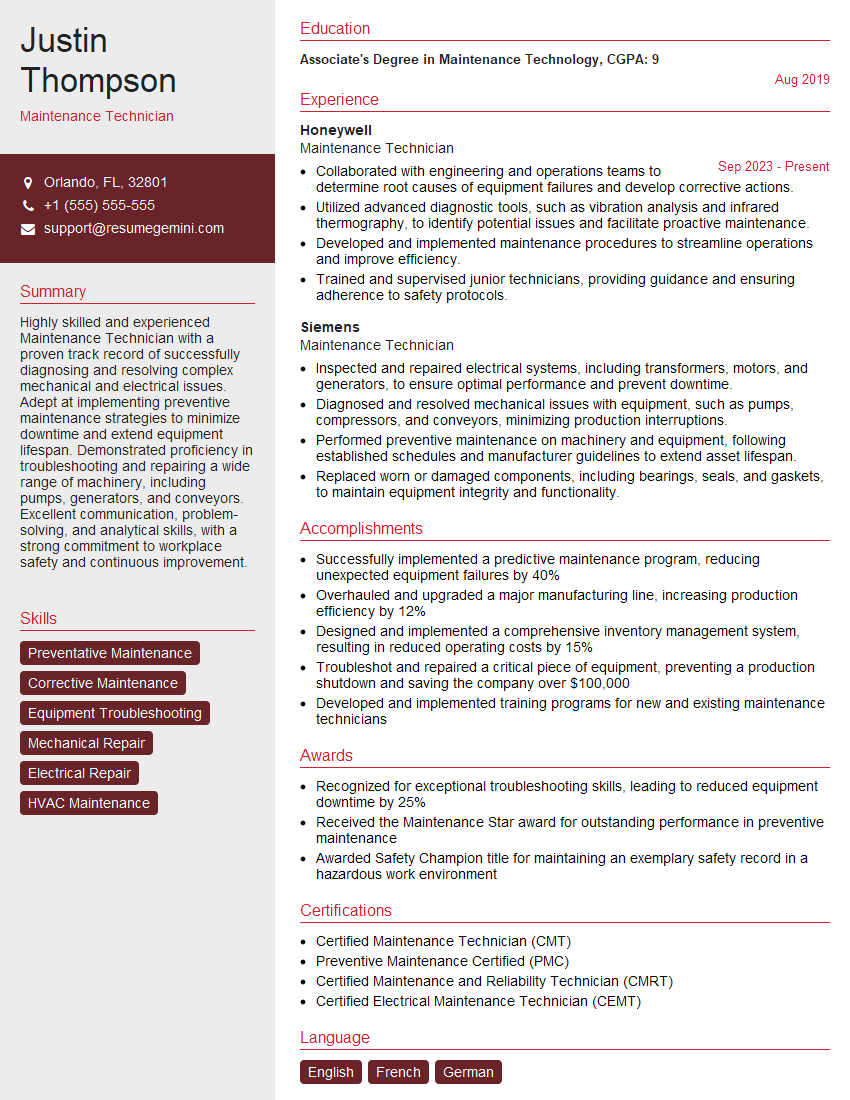
Mastering Cemetery Maintenance opens doors to a fulfilling career with opportunities for growth and specialization. A well-crafted resume is crucial for showcasing your skills and experience to potential employers. To maximize your job prospects, create an ATS-friendly resume that highlights your relevant qualifications effectively. ResumeGemini is a trusted resource to help you build a professional and impactful resume. We provide examples of resumes tailored specifically to Cemetery Maintenance to guide you through the process. Take the next step towards your ideal career – build a winning resume today!
Explore more articles
Users Rating of Our Blogs
Share Your Experience
We value your feedback! Please rate our content and share your thoughts (optional).
What Readers Say About Our Blog
Hello,
we currently offer a complimentary backlink and URL indexing test for search engine optimization professionals.
You can get complimentary indexing credits to test how link discovery works in practice.
No credit card is required and there is no recurring fee.
You can find details here:
https://wikipedia-backlinks.com/indexing/
Regards
NICE RESPONSE TO Q & A
hi
The aim of this message is regarding an unclaimed deposit of a deceased nationale that bears the same name as you. You are not relate to him as there are millions of people answering the names across around the world. But i will use my position to influence the release of the deposit to you for our mutual benefit.
Respond for full details and how to claim the deposit. This is 100% risk free. Send hello to my email id: [email protected]
Luka Chachibaialuka
Hey interviewgemini.com, just wanted to follow up on my last email.
We just launched Call the Monster, an parenting app that lets you summon friendly ‘monsters’ kids actually listen to.
We’re also running a giveaway for everyone who downloads the app. Since it’s brand new, there aren’t many users yet, which means you’ve got a much better chance of winning some great prizes.
You can check it out here: https://bit.ly/callamonsterapp
Or follow us on Instagram: https://www.instagram.com/callamonsterapp
Thanks,
Ryan
CEO – Call the Monster App
Hey interviewgemini.com, I saw your website and love your approach.
I just want this to look like spam email, but want to share something important to you. We just launched Call the Monster, a parenting app that lets you summon friendly ‘monsters’ kids actually listen to.
Parents are loving it for calming chaos before bedtime. Thought you might want to try it: https://bit.ly/callamonsterapp or just follow our fun monster lore on Instagram: https://www.instagram.com/callamonsterapp
Thanks,
Ryan
CEO – Call A Monster APP
To the interviewgemini.com Owner.
Dear interviewgemini.com Webmaster!
Hi interviewgemini.com Webmaster!
Dear interviewgemini.com Webmaster!
excellent
Hello,
We found issues with your domain’s email setup that may be sending your messages to spam or blocking them completely. InboxShield Mini shows you how to fix it in minutes — no tech skills required.
Scan your domain now for details: https://inboxshield-mini.com/
— Adam @ InboxShield Mini
Reply STOP to unsubscribe
Hi, are you owner of interviewgemini.com? What if I told you I could help you find extra time in your schedule, reconnect with leads you didn’t even realize you missed, and bring in more “I want to work with you” conversations, without increasing your ad spend or hiring a full-time employee?
All with a flexible, budget-friendly service that could easily pay for itself. Sounds good?
Would it be nice to jump on a quick 10-minute call so I can show you exactly how we make this work?
Best,
Hapei
Marketing Director
Hey, I know you’re the owner of interviewgemini.com. I’ll be quick.
Fundraising for your business is tough and time-consuming. We make it easier by guaranteeing two private investor meetings each month, for six months. No demos, no pitch events – just direct introductions to active investors matched to your startup.
If youR17;re raising, this could help you build real momentum. Want me to send more info?
Hi, I represent an SEO company that specialises in getting you AI citations and higher rankings on Google. I’d like to offer you a 100% free SEO audit for your website. Would you be interested?
Hi, I represent an SEO company that specialises in getting you AI citations and higher rankings on Google. I’d like to offer you a 100% free SEO audit for your website. Would you be interested?
good