Cracking a skill-specific interview, like one for Chemical Hazard Assessment, requires understanding the nuances of the role. In this blog, we present the questions you’re most likely to encounter, along with insights into how to answer them effectively. Let’s ensure you’re ready to make a strong impression.
Questions Asked in Chemical Hazard Assessment Interview
Q 1. Explain the difference between hazard and risk.
Hazard and risk are often confused, but they represent distinct concepts in chemical hazard assessment. A hazard is the inherent potential of a substance or situation to cause harm. Think of it as the ‘what’ – the inherent danger itself. For example, a chemical like sodium cyanide is a hazard because it’s inherently toxic. Risk, on the other hand, is the likelihood of harm occurring due to that hazard. It considers the probability of exposure and the severity of the potential consequences. Risk is the ‘how likely’ and the ‘how bad’. The risk of exposure to sodium cyanide is high in a poorly ventilated laboratory where it’s handled without proper safety measures, whereas it is minimal in a securely locked storage facility. In short: Hazard is the potential to harm, while risk is the probability of harm occurring given exposure.
Q 2. Describe the hierarchy of hazard control.
The hierarchy of hazard control prioritizes eliminating hazards whenever possible, proceeding to progressively less effective controls only if elimination isn’t feasible. It’s a fundamental principle of occupational safety and health, often visualized as a pyramid.
- Elimination: The most effective control measure. This involves removing the hazard entirely. For example, replacing a hazardous chemical with a safer alternative.
- Substitution: Replacing a hazardous substance with a less hazardous one. This could involve switching to a less toxic solvent or using a different process altogether.
- Engineering Controls: Implementing physical changes to the workplace to minimize exposure. Examples include enclosed systems, local exhaust ventilation, and process modifications to minimize spills or leaks.
- Administrative Controls: Changes to work practices and procedures to reduce exposure. This might include limiting exposure time, implementing proper work permits, or developing robust standard operating procedures.
- Personal Protective Equipment (PPE): The least effective control measure. PPE such as gloves, respirators, and eye protection is used as a last resort to protect workers when other controls are insufficient. PPE should only be considered after the above methods have been fully explored and implemented.
This hierarchy ensures that the most effective and reliable control measures are prioritized, leading to a safer working environment.
Q 3. What are the key elements of a chemical hazard assessment?
A thorough chemical hazard assessment should involve these key elements:
- Hazard Identification: Identifying all chemicals present in the workplace and their potential hazards (toxicity, flammability, reactivity, etc.). This often uses Safety Data Sheets (SDS).
- Hazard Characterization: Determining the nature and severity of the hazards associated with each chemical. This involves examining toxicity data, flammability ratings, and other relevant properties.
- Exposure Assessment: Evaluating the potential for workers to be exposed to the chemical hazard. This includes considering the frequency, duration, and concentration of exposure, along with routes of exposure (inhalation, ingestion, dermal).
- Risk Evaluation: Combining the hazard characterization and exposure assessment to determine the overall risk. This involves comparing the identified hazards and their likelihood of occurrence to determine the overall level of risk. Qualitative or quantitative methods can be used.
- Risk Control: Implementing control measures to minimize or eliminate the risks. This involves applying the hierarchy of hazard control mentioned previously.
- Monitoring and Review: Regularly monitoring the effectiveness of control measures and reviewing the assessment periodically to ensure it remains relevant and accurate.
Following these steps provides a systematic approach to ensuring a safe workplace.
Q 4. How do you identify potential chemical hazards in a workplace?
Identifying potential chemical hazards in a workplace requires a multi-faceted approach:
- Inventory of Chemicals: Create a comprehensive list of all chemicals used, stored, or generated in the workplace. Use labels and Safety Data Sheets (SDS) as your source.
- Walkthrough Inspections: Conduct regular workplace inspections to visually identify potential hazards such as spills, leaks, improperly stored chemicals, and inadequate ventilation.
- Review of Processes: Examine the procedures involved in handling chemicals. Identify any steps that could lead to exposure or accidents.
- Consultation with Workers: Workers often possess valuable insights into the hazards they face daily. Collect feedback from them regarding their concerns and observations.
- Review of Incident Reports: Analyze past accidents and near-misses to identify contributing factors and potential hazards that may not have been previously recognized.
- SDS Review: Thoroughly review the SDS for each chemical. SDSs provide crucial information on the chemical’s hazards, safe handling practices, and first aid measures.
A combination of these methods helps build a complete picture of the chemical hazards present.
Q 5. What are the different methods for assessing chemical risks?
Several methods exist for assessing chemical risks, ranging from qualitative to quantitative approaches:
- Qualitative Risk Assessment: A simpler method involving a subjective judgment of risk based on experience and available information. This often involves ranking hazards based on their severity and likelihood using matrices or scales.
- Quantitative Risk Assessment: A more rigorous approach that uses mathematical models and data to calculate the probability and consequences of exposure. This method can provide a more precise estimation of risk, but it requires more data and expertise.
- Exposure Assessment Models: These models use mathematical equations and parameters to predict the concentration of chemicals in the air or on surfaces, and estimate worker exposure levels based on scenarios and parameters.
- Scenario-Based Analysis: This involves identifying potential accident scenarios and calculating the risks associated with each scenario. It is very effective for evaluating catastrophic scenarios and considering rare but high-impact events.
The choice of method depends on the complexity of the situation, the availability of data, and the desired level of accuracy.
Q 6. Explain the concept of ALARA (As Low As Reasonably Achievable).
ALARA, or ‘As Low As Reasonably Achievable,’ is a fundamental principle in radiation protection and chemical safety. It emphasizes that all exposures to hazardous substances should be kept as low as possible, considering technical feasibility, economic factors, and other societal considerations. It’s not about eliminating all risk completely (which is often impossible), but about continuously striving to minimize it.
For example, if a chemical process generates airborne particles of a hazardous substance, ALARA would guide the selection of control measures. While completely eliminating the particles might be technically infeasible, you would strive to reduce their concentration through ventilation, enclosure, or process modifications to levels as low as practically achievable, balancing cost and efficiency with the need for worker safety. Regular monitoring and review would also be part of ensuring that the ALARA principle is consistently applied.
Q 7. How do you determine the appropriate Personal Protective Equipment (PPE) for a given chemical hazard?
Selecting appropriate PPE for a given chemical hazard requires careful consideration of the chemical’s properties and the potential routes of exposure. It’s a critical step in a comprehensive risk assessment.
- Identify the Hazards: Determine the chemical’s hazards (toxicity, corrosivity, flammability) and potential routes of exposure (inhalation, skin contact, eye contact).
- Consult the SDS: The SDS will list recommended PPE for safe handling. This is the most reliable source of information.
- Consider Exposure Level: Determine the severity and likelihood of exposure. High exposure requires more robust PPE.
- Choose Appropriate PPE:
- Respiratory Protection: For inhalation hazards, select appropriate respirators based on the type of chemical and concentration (e.g., cartridges for gases, air-purifying respirators, supplied-air respirators).
- Skin Protection: Gloves should be chemically compatible with the substance; choose appropriate materials based on the chemical’s properties (e.g., nitrile for many chemicals, neoprene for solvents). Protective clothing, such as coveralls, may also be necessary.
- Eye Protection: Safety glasses or goggles provide protection against splashes or airborne particles. Face shields offer broader protection.
- Training and Fit Testing: Ensure proper training on the use and limitations of the PPE. Fit testing for respirators is often necessary to guarantee a proper seal.
It’s crucial to remember that PPE is a last line of defense. Engineering and administrative controls should always be prioritized to minimize exposures.
Q 8. Describe your experience with different risk assessment methodologies (e.g., HAZOP, What-If analysis).
My experience encompasses a wide range of risk assessment methodologies, focusing on proactive hazard identification and risk mitigation. HAZOP (Hazard and Operability Study) is a particularly powerful technique I frequently employ. It involves systematically examining a process flow diagram, considering deviations from the normal operating parameters, and identifying potential hazards and their consequences. For instance, in a chemical reactor, we might consider a deviation like ‘high temperature,’ leading to a potential hazard of runaway reaction and subsequent explosion. HAZOP guides us in identifying safeguards and developing mitigation strategies to prevent such events.
What-If analysis, while less structured than HAZOP, is valuable for brainstorming potential hazards. It’s often used for simpler processes or when quick hazard identification is needed. I’ve successfully used this technique for evaluating the risks associated with transportation of hazardous chemicals, asking questions such as: ‘What if the truck carrying the chemicals overturns?’ or ‘What if there’s a leak during loading?’ This allows us to proactively address these potential scenarios. I also have experience with fault tree analysis (FTA) and event tree analysis (ETA), which help in systematically analyzing the contributing factors leading to accidents and the subsequent cascading events.
Beyond these, I’m proficient in quantitative risk assessment methods, incorporating probabilities and consequences to calculate the overall risk level, aiding in prioritization of mitigation efforts. My approach always involves a combination of qualitative and quantitative techniques, depending on the specific application and available data.
Q 9. How do you communicate chemical hazard information to non-technical audiences?
Communicating complex chemical hazard information to non-technical audiences requires clear, concise language and visual aids. I avoid technical jargon and use simple analogies to explain concepts. For example, explaining the toxicity of a chemical, instead of using LD50 values, I might compare its effect to a common household substance with a similar level of toxicity, making it relatable. Visual aids like infographics, flow charts, and simple illustrations significantly enhance understanding. I often use storytelling techniques, relating real-life incidents (without disclosing confidential information) to illustrate the importance of safety procedures. This approach makes the information more engaging and memorable, ensuring the message resonates effectively and promotes a safety culture.
Interactive sessions, including Q&A, allow for clarification and address any concerns directly. I always tailor my communication to the specific audience’s level of understanding and background knowledge. For instance, when communicating with the general public about an industrial chemical release, the message would be significantly different compared to a presentation for workers at the facility. The key is to ensure clear and open communication to build trust and collaboration around safety.
Q 10. What are the key regulatory requirements for chemical hazard assessment in your region/country?
(Note: The specific regulatory requirements vary significantly by region and country. The following is a general example, and should not be considered legal advice. Consult the appropriate authorities for specific requirements in your area.)
In many regions, key regulatory requirements for chemical hazard assessment are driven by agencies like OSHA (Occupational Safety and Health Administration) and EPA (Environmental Protection Agency). These regulations often mandate:
- SDS (Safety Data Sheet) compliance: Accurate and up-to-date SDSs must be readily available for all hazardous chemicals used or stored.
- Hazard Communication programs: Employers must establish and maintain comprehensive hazard communication programs, including employee training on chemical hazards and safety procedures.
- Process Safety Management (PSM): For high-hazard processes involving hazardous chemicals, stringent PSM standards apply, including hazard identification, risk assessment, and implementation of safety measures.
- Emergency Response Planning: Facilities must have comprehensive emergency response plans in place to handle chemical spills or releases.
- Waste disposal regulations: Safe and compliant disposal of hazardous chemicals is crucial, following specific guidelines for waste management and treatment.
Failure to comply with these regulations can lead to significant penalties, including fines and legal action. Regular audits and adherence to best practices are essential to ensure continuous compliance.
Q 11. How do you handle emergency situations involving chemical spills or releases?
Handling emergency situations involving chemical spills or releases requires a rapid, coordinated response based on pre-established emergency plans. My approach follows a structured framework:
- Immediate Actions: Prioritize the safety of personnel. Evacuate the affected area, ensuring compliance with emergency response procedures. Secure the area to prevent further exposure.
- Notification: Immediately contact emergency services (fire department, hazardous materials response team) and follow established notification protocols.
- Containment and Control: Implement appropriate containment and control measures to prevent further spread of the spilled chemical, depending on its properties (e.g., damming, absorption, neutralization).
- Decontamination: Establish decontamination zones to prevent further exposure and ensure the safety of response personnel.
- Investigation: After the immediate emergency is under control, conduct a thorough investigation to determine the root cause of the spill and identify areas for improvement in safety procedures.
Effective emergency response relies heavily on training, drills, and effective communication. Regular practice scenarios and detailed emergency response plans are vital to minimize the impact of such events.
Q 12. Explain the role of SDS (Safety Data Sheets) in chemical hazard assessment.
Safety Data Sheets (SDSs) are crucial documents in chemical hazard assessment. They provide comprehensive information on the hazards associated with a particular chemical, including physical and chemical properties, health hazards, environmental hazards, and safe handling procedures. The SDS plays a critical role in many aspects of chemical hazard assessment:
- Hazard Identification: The SDS is the primary source of information for identifying the hazards associated with a chemical, allowing for appropriate risk assessment.
- Risk Assessment: The information in the SDS forms the basis for evaluating the risks associated with the chemical’s use, storage, and disposal.
- Control Measures: The SDS provides guidance on the appropriate control measures to mitigate the identified hazards, such as engineering controls, administrative controls, and personal protective equipment (PPE).
- Emergency Response: The SDS contains crucial information on emergency response procedures, including first aid measures and spill cleanup procedures.
- Training: The information in the SDS is vital for training employees on the safe handling and use of chemicals.
Accurate, up-to-date SDSs are critical for maintaining a safe working environment and complying with relevant regulations. Regular review and updates are essential to reflect any changes in our understanding of the chemical’s hazards.
Q 13. Describe your experience using chemical hazard assessment software.
I have extensive experience using various chemical hazard assessment software packages. These tools significantly enhance the efficiency and accuracy of risk assessments. Software like [mention specific software examples, e.g., ‘Aspen Plus,’ ‘ChemCAD,’ or other relevant software] allows for sophisticated modeling and simulation of chemical processes, predicting potential hazards and their consequences. These software programs can also assist in calculating the exposure levels of chemicals, facilitating risk evaluation. Furthermore, some software packages are designed specifically for managing Safety Data Sheets (SDS) and other safety documentation, automating many tasks associated with hazard communication and compliance.
My experience includes using these tools to perform quantitative risk assessments, incorporating probabilistic models and advanced statistical techniques to estimate risks more precisely. The software’s ability to handle large datasets and complex calculations is invaluable for comprehensive hazard assessment, particularly in large-scale industrial operations. I am also familiar with specialized software for emergency response planning and simulation, which can model the spread of chemical releases and evaluate the effectiveness of mitigation strategies.
Q 14. How do you evaluate the effectiveness of implemented control measures?
Evaluating the effectiveness of implemented control measures is a crucial step in chemical hazard assessment. This involves a multi-faceted approach that goes beyond simply verifying that controls are in place.
- Performance Monitoring: Regular monitoring of control measures is necessary to ensure their ongoing effectiveness. This may involve monitoring air quality, noise levels, or other relevant parameters.
- Exposure Assessment: Measuring the actual exposure levels of workers to hazardous chemicals helps to determine the efficacy of control measures. Biological monitoring (e.g., blood or urine tests) may be appropriate in certain circumstances.
- Incident Reporting and Investigation: Analyzing near misses and accidents to identify weaknesses in the implemented control measures can reveal areas for improvement.
- Audits and Inspections: Regular audits and inspections ensure that control measures are correctly implemented and maintained.
- Employee Feedback: Collecting feedback from employees on the effectiveness of control measures can provide valuable insights.
By combining these methods, we can gain a comprehensive understanding of the effectiveness of control measures, ensuring that they continue to effectively mitigate risks. Any deficiencies identified during evaluation should trigger immediate corrective actions to enhance workplace safety.
Q 15. What are the limitations of quantitative risk assessment?
Quantitative risk assessment (QRA) is a powerful tool, but it has limitations. Its reliance on numerical data means it struggles with uncertainties inherent in many chemical hazard scenarios. For example, accurately predicting the long-term effects of low-level exposure to a novel chemical is challenging due to data scarcity and the complexity of biological systems.
- Data limitations: QRAs often rely on extrapolating from high-dose animal studies to low-dose human exposures. This extrapolation can introduce significant uncertainties, especially for non-linear dose-response relationships.
- Model limitations: The models used in QRA often simplify complex real-world processes. For instance, they may not fully capture the variability in human exposure pathways or the interactions between multiple chemicals.
- Uncertainty in exposure assessment: Accurately estimating exposure is critical but difficult. Variables like environmental conditions, individual behavior, and chemical degradation rates are hard to precisely quantify.
In practice, these limitations necessitate incorporating qualitative judgment alongside quantitative results to provide a more holistic and reliable risk assessment. Ignoring these limitations can lead to inaccurate risk characterizations and potentially inappropriate management decisions.
Career Expert Tips:
- Ace those interviews! Prepare effectively by reviewing the Top 50 Most Common Interview Questions on ResumeGemini.
- Navigate your job search with confidence! Explore a wide range of Career Tips on ResumeGemini. Learn about common challenges and recommendations to overcome them.
- Craft the perfect resume! Master the Art of Resume Writing with ResumeGemini’s guide. Showcase your unique qualifications and achievements effectively.
- Don’t miss out on holiday savings! Build your dream resume with ResumeGemini’s ATS optimized templates.
Q 16. How do you incorporate qualitative factors into your risk assessment?
Qualitative factors, like public perception, ethical concerns, and regulatory requirements, significantly influence risk acceptability even when quantitative data is limited. I incorporate these factors through several methods.
- Expert elicitation: I gather judgments from experts in relevant fields, such as toxicology, epidemiology, and public health, to quantify uncertainties and incorporate qualitative considerations into the overall assessment. This approach is particularly valuable when dealing with novel chemicals or situations with limited quantitative data.
- Scenario analysis: I develop plausible scenarios to assess risk under different conditions and account for potential qualitative factors. For example, considering a worst-case scenario of a chemical spill and its impact on a nearby community.
- Multi-criteria decision analysis (MCDA): I use MCDA frameworks to weigh quantitative and qualitative factors against each other and prioritize risk management options. This allows for a more balanced approach that accounts for both the numerical data and the broader contextual factors.
For instance, while the quantitative risk of a chemical might be relatively low, public concern and regulatory pressure could necessitate more stringent safety measures. Ignoring these qualitative factors would lead to an incomplete and potentially inadequate risk assessment.
Q 17. Describe your experience with different types of chemical hazards (e.g., carcinogens, flammables, corrosives).
My experience encompasses a wide range of chemical hazards. I’ve worked extensively with carcinogens, assessing their potential for causing cancer using models like the benchmark dose approach. This involves determining the dose at which a statistically significant increase in tumor incidence occurs in animal studies and extrapolating to human exposures.
I also have experience assessing flammability hazards, including the development of fire risk assessments based on the properties of the chemicals involved and the conditions of their storage and handling. This often includes using software to model potential fire scenarios and estimate the impact of an event.
Furthermore, I have assessed corrosives, focusing on their potential to cause skin and eye irritation or damage to equipment. This involves evaluating the pH, concentration, and contact time of the chemical with the affected material. I have utilized various standards and guidelines to characterize corrosivity and determine appropriate safety measures.
Each chemical hazard type necessitates a different set of assessment techniques and regulatory considerations. My work emphasizes a thorough understanding of the specific chemical properties and potential exposure pathways to ensure an accurate and comprehensive assessment.
Q 18. How do you conduct a site-specific risk assessment?
A site-specific risk assessment requires detailed information about the location, activities, and chemicals present. The process involves several steps:
- Site characterization: This includes identifying all chemicals present, their quantities, storage methods, potential release scenarios (spills, leaks, fires), and the characteristics of the site itself (e.g., soil type, proximity to water bodies).
- Exposure assessment: This focuses on identifying potential exposure pathways for workers, the public, and the environment (e.g., inhalation, dermal contact, ingestion). Site-specific factors influence exposure, such as ventilation systems, work practices, and environmental conditions.
- Hazard identification and characterization: This step identifies the hazards associated with each chemical (e.g., toxicity, flammability, corrosivity) and quantifies their potential effects using relevant toxicological data and exposure information.
- Risk characterization: This integrates hazard and exposure information to estimate the overall risk. It might involve calculating risk metrics such as the probability of an event occurring and its potential consequences.
- Risk management: Based on the risk characterization, appropriate risk management strategies are developed and implemented (e.g., engineering controls, administrative controls, personal protective equipment).
For example, a site-specific assessment for a chemical plant would consider factors like the plant layout, emergency response protocols, and local environmental conditions, all influencing the overall risk profile compared to a laboratory setting.
Q 19. Explain the principles of exposure assessment.
Exposure assessment is a critical component of chemical risk assessment. It aims to determine the magnitude, frequency, duration, and route of exposure to a chemical for a specific population. It’s like a detective’s work, tracing the path of a chemical from its source to its interaction with humans or the environment.
The principles involve:
- Identifying exposure pathways: Determining how people or the environment might come into contact with the chemical (e.g., inhalation, dermal contact, ingestion).
- Quantifying exposure levels: This involves measuring or estimating the amount of chemical a person or the environment is exposed to. Techniques might include air monitoring, water sampling, biomonitoring (measuring chemical levels in body fluids).
- Characterizing the exposed population: Understanding the size and characteristics of the population exposed, such as age, health status, and lifestyle, as these factors influence susceptibility to chemical effects.
- Considering exposure duration and frequency: Acute exposures (short-term, high-level) versus chronic exposures (long-term, low-level) significantly impact health effects. Frequency also matters; intermittent exposure might have different consequences than continuous exposure.
An effective exposure assessment uses multiple methods and data sources to build a comprehensive picture of exposure. This is crucial to accurate risk estimation.
Q 20. How do you determine acceptable exposure limits for chemicals?
Determining acceptable exposure limits (AELs) is a complex process involving scientific judgment and regulatory considerations. There’s no single method, but it generally relies on:
- Toxicological data: Data from animal studies and, when available, human studies are used to establish dose-response relationships. This helps determine the dose at which adverse health effects are observed.
- Uncertainty factors: These factors are applied to account for the uncertainties associated with extrapolating from animal studies to humans, interspecies and interindividual variability, and the limitations of available data. They act as safety margins, protecting sensitive subpopulations.
- Regulatory guidelines and standards: Organizations like the Occupational Safety and Health Administration (OSHA) and the Agency for Toxic Substances and Disease Registry (ATSDR) establish AELs based on scientific assessments and risk management considerations.
- Risk management considerations: The decision-making process involves balancing the potential benefits of using the chemical against its potential risks. Societal values and economic factors also play a role.
For example, the Occupational Exposure Limit (OEL) for a specific chemical is set considering all these aspects. It’s a carefully determined level to minimize the risk of adverse health effects for workers.
Q 21. How do you manage uncertainties in chemical risk assessment?
Uncertainty is inherent in chemical risk assessment. Addressing it is crucial for making sound decisions. My approach involves:
- Sensitivity analysis: I systematically vary the input parameters of the risk assessment model to determine how sensitive the output (risk estimate) is to changes in each parameter. This helps identify critical uncertainties that need further investigation.
- Probabilistic risk assessment: Instead of using single point estimates, I use probability distributions to represent uncertain parameters. This allows for a more comprehensive assessment of the range of possible outcomes.
- Scenario planning: Developing plausible scenarios (best-case, worst-case, and most likely scenarios) helps to understand the potential range of risk under different conditions and manage uncertainty related to incomplete information or future events.
- Transparency and communication: Clearly communicating the uncertainties associated with the assessment is crucial. This transparency helps stakeholders understand the limitations of the analysis and make informed decisions. This includes explicitly stating the assumptions made and the uncertainties involved in the various parameters.
By acknowledging and managing uncertainties effectively, we can develop more robust and reliable chemical risk assessments, supporting informed decisions even when complete data isn’t available.
Q 22. What is your experience with the use of dose-response relationships in risk assessment?
Dose-response relationships are fundamental to chemical hazard assessment. They describe the relationship between the amount of a chemical a person is exposed to (dose) and the severity of the resulting health effect (response). Understanding this relationship is crucial for determining safe exposure levels.
We typically use various models, including linear, non-linear, and threshold models, to represent these relationships. The choice of model depends on the specific chemical and the type of health effect being assessed. For instance, a linear model might be appropriate for carcinogens where even small doses increase the risk, while a threshold model might be used for non-carcinogens where effects only appear above a certain dose.
In my experience, I’ve extensively used these relationships to establish acceptable daily intakes (ADIs) for various chemicals in food, water, and consumer products. This involves analyzing data from toxicological studies, often involving multiple species and various routes of exposure, to determine the dose at which no adverse effects are observed (NOAEL or LOAEL) and then applying safety factors to derive an ADI. For example, during an assessment of a pesticide residue in apples, I used a non-linear dose-response model and a 100-fold safety factor to calculate the ADI, ensuring a significant margin of safety for consumers.
Q 23. Describe a situation where you had to deal with a complex chemical hazard.
One complex case involved assessing the risks associated with a newly developed industrial solvent with multiple pathways for human exposure: inhalation, dermal contact, and ingestion. The solvent was a mixture of several chemicals, each with its own toxicity profile and potential for synergistic interactions. This meant we couldn’t simply add the risks from individual components.
The complexity stemmed from several factors: limited toxicological data on the mixture itself, uncertainty about environmental fate and transport, and the potential for long-term, chronic effects. To address this, we adopted a tiered approach. We started with a high-throughput screening of the individual components to identify the most hazardous ones. This was followed by more in-depth toxicological studies focusing on the mixture under realistic exposure scenarios. We also used physiologically based pharmacokinetic (PBPK) modeling to predict the internal doses and distribution of the chemicals within the body. The final risk assessment integrated all data, considering the multiple exposure routes and potential synergistic effects, leading to recommendations for occupational exposure limits and safe handling procedures.
Q 24. How do you ensure the accuracy and reliability of your chemical hazard assessments?
Ensuring accuracy and reliability is paramount. My approach involves a multi-faceted strategy:
- Rigorous Data Evaluation: Critically assessing the quality, relevance, and consistency of toxicological data, considering study design, methodology, and limitations. We look for peer-reviewed publications and high-quality studies conducted according to OECD guidelines.
- Transparency and Documentation: Maintaining meticulous records of the data used, methods employed, and assumptions made throughout the assessment process. This ensures complete traceability and facilitates independent verification.
- Peer Review: Subjecting the assessments to thorough internal and external peer reviews, benefiting from the expertise of other qualified professionals to identify potential biases, inconsistencies, or gaps in the analysis.
- Uncertainty Analysis: Explicitly addressing uncertainties inherent in the data and modeling processes. This includes using sensitivity analysis to determine the impact of variations in input parameters on the overall risk assessment.
- Use of validated models and software: We utilize established models and software to perform the calculations and simulations involved in the risk assessments to ensure consistency and reliability.
This comprehensive approach minimizes errors and maximizes confidence in the results. We also regularly calibrate our approach against accepted risk management guidelines and best practices to maintain our reliability.
Q 25. What are the ethical considerations related to chemical hazard assessment?
Ethical considerations are central to chemical hazard assessment. We must ensure:
- Protecting Vulnerable Populations: Considering the potential differential susceptibility of children, the elderly, or individuals with pre-existing health conditions to chemical exposures. Assessments should incorporate these considerations whenever possible.
- Transparency and Openness: Communicating assessment findings clearly and honestly, avoiding biases or conflicts of interest that could compromise the objectivity and integrity of the process. This also includes clearly stating any uncertainties or limitations of the assessment.
- Data Integrity: Using only reliable and validated data, avoiding the manipulation or selective use of information to support predetermined conclusions. This involves adherence to high scientific standards and ethical research practices.
- Precautionary Principle: When faced with uncertainty about the potential hazards of a chemical, we should err on the side of caution, taking preventive measures to protect human health and the environment. This is especially important when dealing with chemicals where limited data is available.
- Social Justice: Ensuring that chemical risks are assessed and managed fairly, considering the potential disproportionate impacts on vulnerable communities or populations.
Ethical practice in this field requires a commitment to scientific rigor and a deep sense of responsibility towards public health and environmental protection.
Q 26. How do you stay up-to-date with changes in chemical safety regulations and best practices?
Staying current is crucial in this rapidly evolving field. I utilize several strategies:
- Subscription to professional journals and databases: Regularly reviewing publications from leading journals such as Environmental Science & Technology and Toxicological Sciences.
- Participation in professional organizations and conferences: Attending conferences like those hosted by the Society of Toxicology and the American Chemical Society to stay abreast of latest research and regulatory updates.
- Monitoring regulatory websites: Regularly checking websites of agencies like the EPA, OSHA, and ECHA for updates to regulations, guidance documents, and risk assessment methodologies. This is particularly relevant with regards to new chemical regulations and amendments to existing ones.
- Networking with colleagues and experts: Engaging in discussions and collaborations with other experts in the field to exchange information, share best practices, and learn from others’ experiences.
- Continuing education: Actively pursuing professional development opportunities such as workshops, webinars and specialized training courses to enhance my knowledge and skills in chemical safety and risk assessment.
By actively participating in these activities, I ensure my expertise remains up-to-date and my assessments are aligned with current best practices and regulations.
Q 27. Describe your experience with conducting and reviewing chemical hazard assessments.
I have extensive experience in both conducting and reviewing chemical hazard assessments. My work has encompassed a wide range of chemicals and exposure scenarios, including industrial chemicals, pesticides, consumer products, and pharmaceuticals. I’ve conducted assessments for various purposes, from regulatory compliance to product safety evaluations and environmental impact assessments.
When conducting an assessment, I follow a structured approach that includes defining the hazard, characterizing exposure, determining dose-response relationships, and finally, characterizing the risk. When reviewing assessments, I critically evaluate the methodology, data quality, and conclusions. I pay close attention to the justification of key assumptions, uncertainty analysis, and adherence to relevant regulatory guidelines.
One example of a review involved a pesticide assessment where the original assessment failed to adequately account for environmental persistence and degradation pathways. My review highlighted this deficiency, resulting in a revised assessment with a more accurate risk characterization. This highlights the importance of thorough peer review in ensuring the quality and reliability of chemical hazard assessments.
Key Topics to Learn for Chemical Hazard Assessment Interview
- Hazard Identification: Understanding different hazard classes (physical, health, environmental), utilizing Safety Data Sheets (SDS), and conducting preliminary hazard analyses.
- Risk Assessment methodologies: Applying qualitative and quantitative risk assessment techniques, including FMEA (Failure Mode and Effects Analysis) and HAZOP (Hazard and Operability Study), to evaluate potential risks associated with chemical handling and processes.
- Exposure Assessment: Determining potential exposure pathways (inhalation, dermal, ingestion), calculating exposure levels using various models, and understanding factors influencing exposure.
- Risk Control and Mitigation Strategies: Developing and implementing practical control measures (engineering controls, administrative controls, personal protective equipment) to minimize risks, and prioritizing control measures based on cost-effectiveness and feasibility.
- Regulatory Compliance: Familiarity with relevant regulations (e.g., OSHA, EPA) and their implications for chemical hazard assessment and management.
- Communication and Reporting: Effectively communicating assessment findings to diverse audiences, documenting risk assessments, and preparing reports that meet regulatory requirements.
- Case Studies and Practical Applications: Analyzing real-world scenarios involving chemical hazards, applying learned concepts to solve problems, and demonstrating practical experience in hazard assessment.
- Data Analysis and Interpretation: Analyzing data from various sources (e.g., monitoring data, toxicological studies), interpreting results, and drawing conclusions to support risk assessment decisions.
- Emerging Technologies and Trends: Understanding the latest advancements in chemical hazard assessment techniques and software.
Next Steps
Mastering Chemical Hazard Assessment is crucial for career advancement in safety, environmental protection, and chemical engineering. A strong understanding of these concepts opens doors to exciting opportunities and demonstrates your commitment to workplace safety and environmental responsibility. To significantly boost your job prospects, it’s essential to present your skills effectively. Creating an ATS-friendly resume is vital for getting your application noticed by recruiters and hiring managers. ResumeGemini is a trusted resource to help you build a compelling and effective resume that highlights your expertise in Chemical Hazard Assessment. Examples of resumes tailored to this field are available to help you get started.
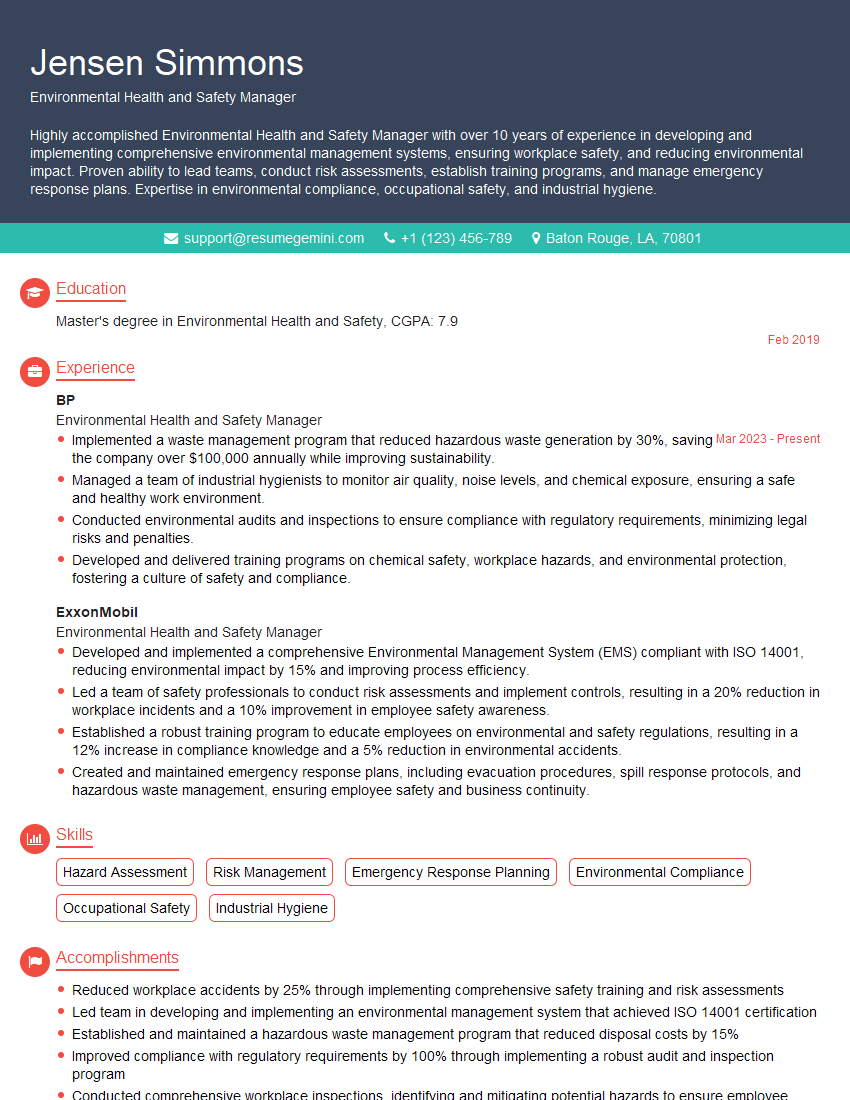
Environmental Health and Safety Manager Resume Sample

Compliance Officer Resume Sample
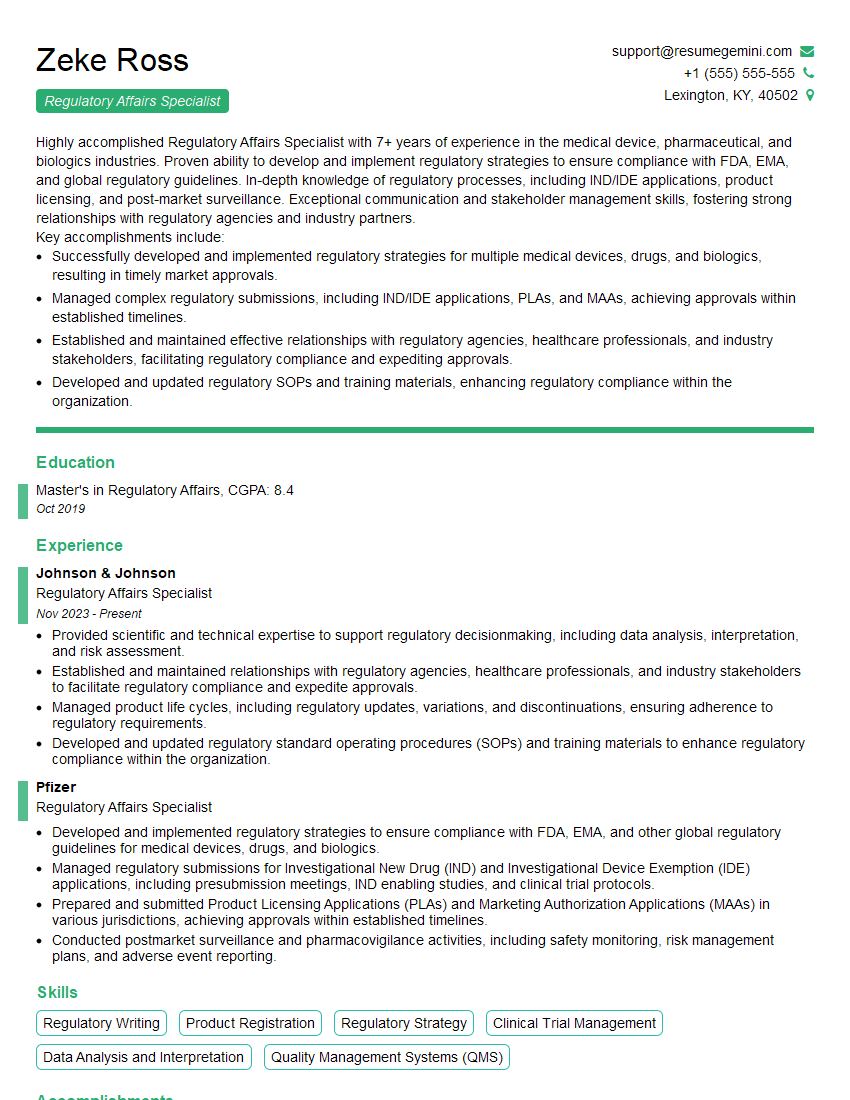
Regulatory Affairs Specialist Resume Sample
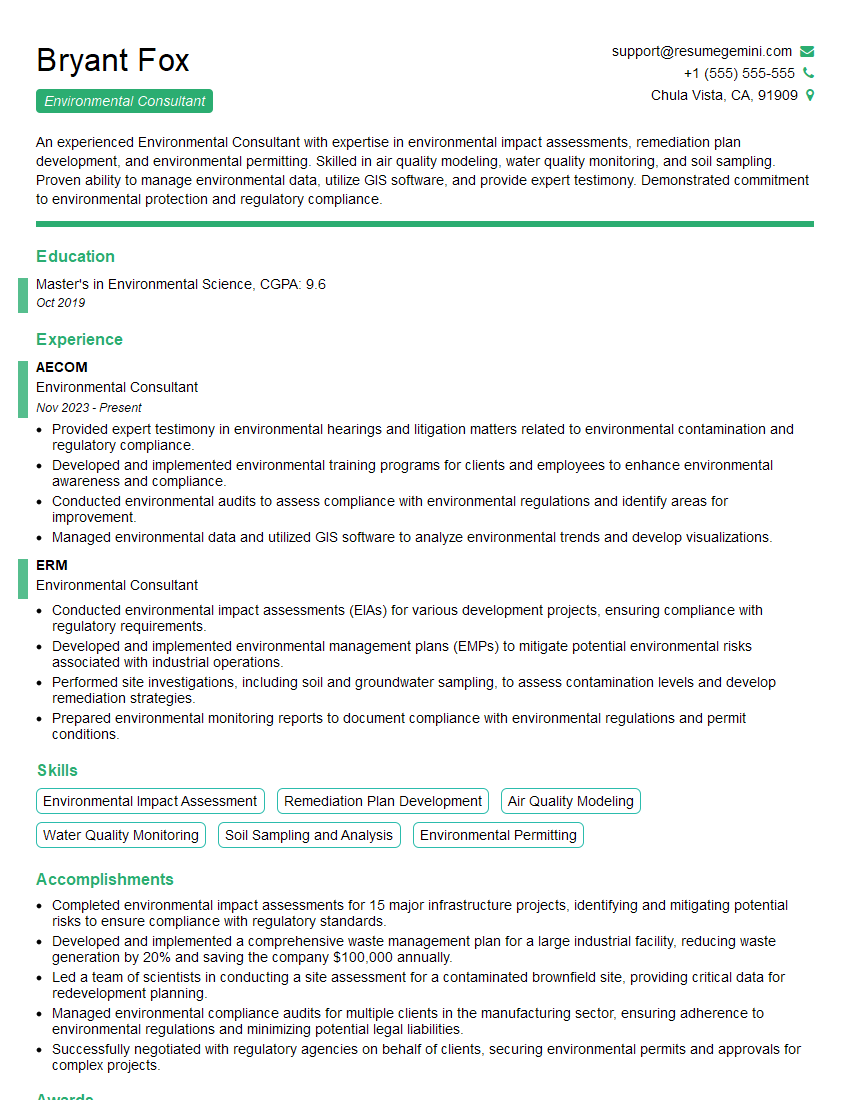
Environmental Consultant Resume Sample
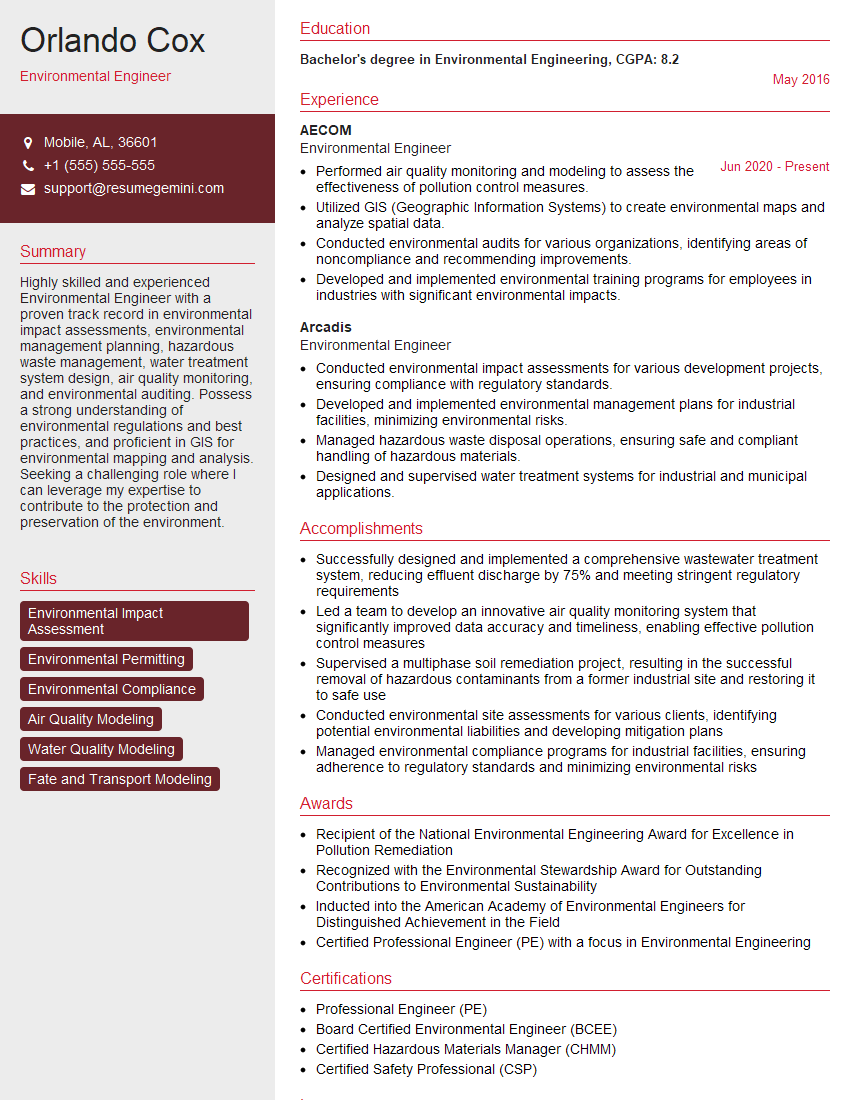
Environmental Engineer Resume Sample
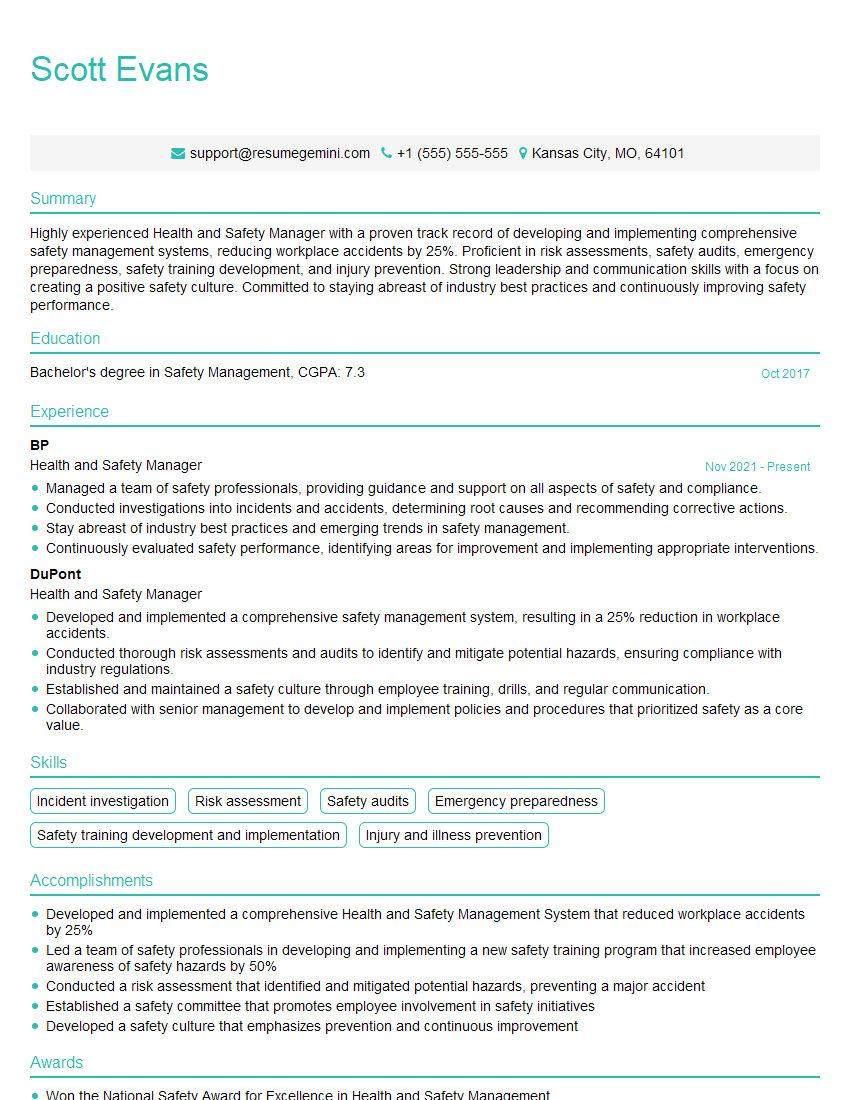
Health and Safety Manager Resume Sample
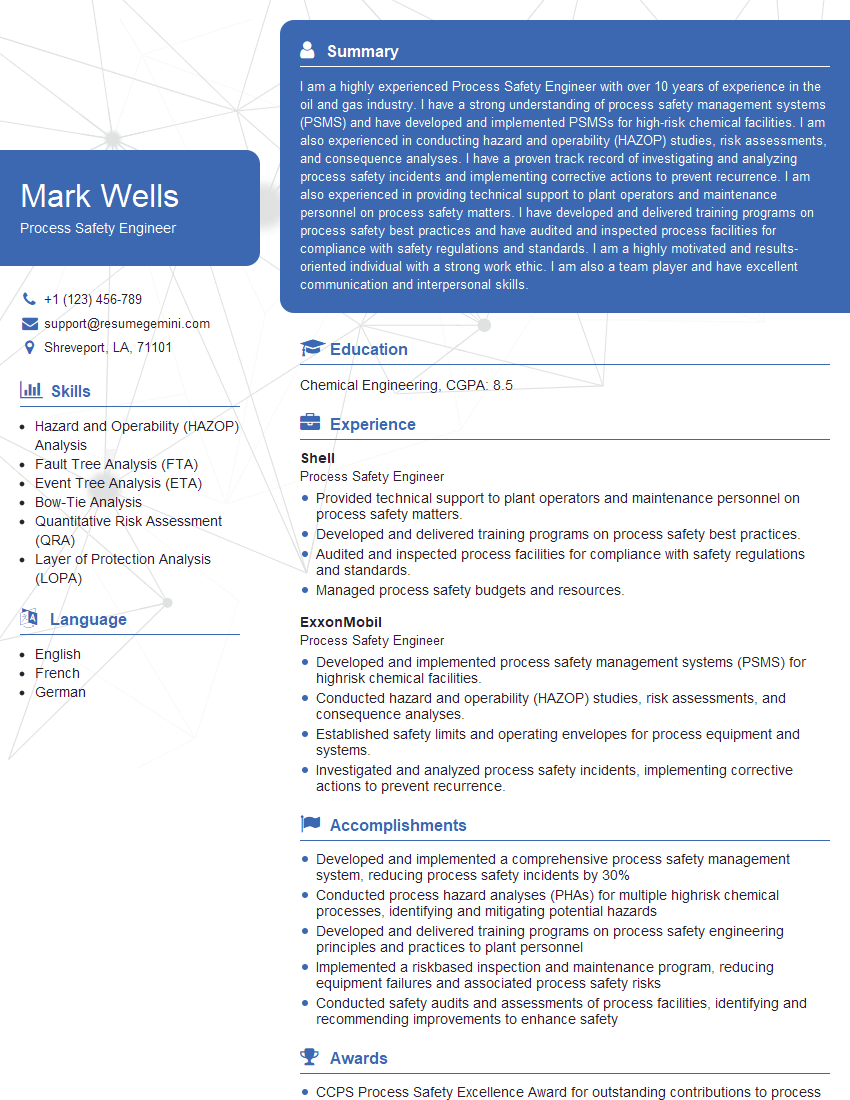
Process Safety Engineer Resume Sample
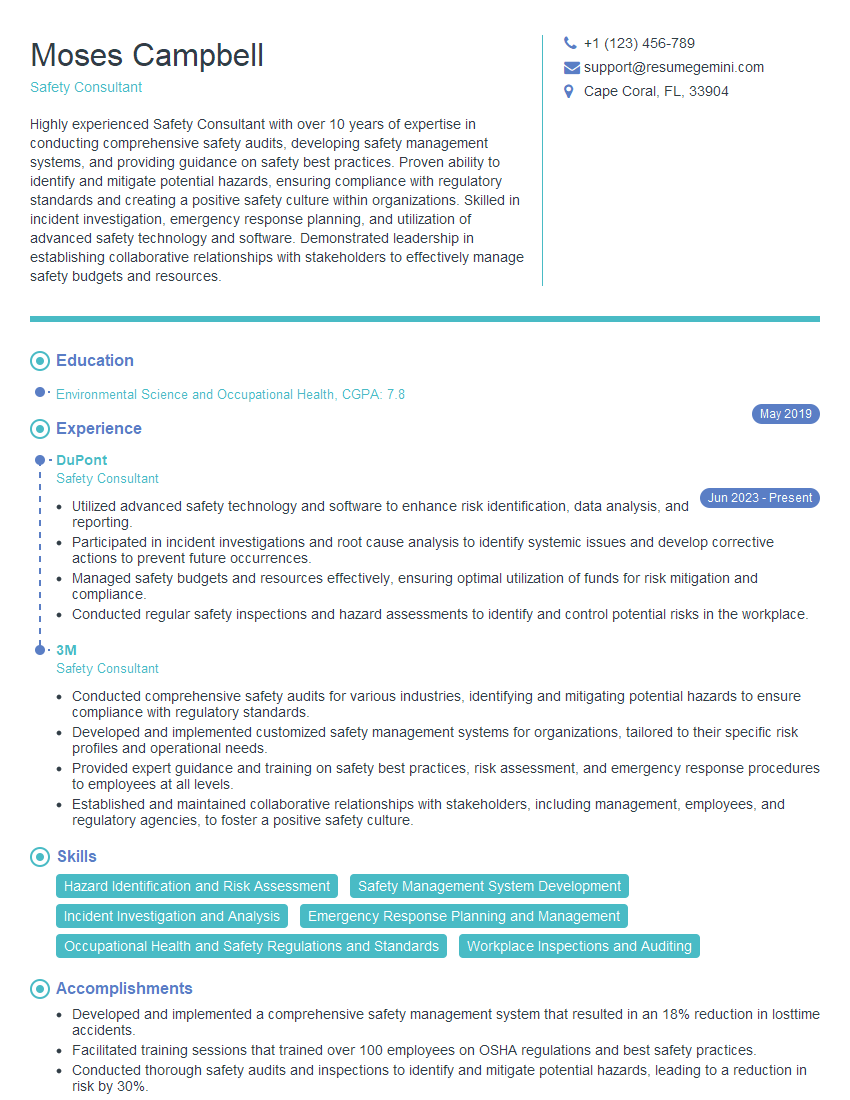
Safety Consultant Resume Sample
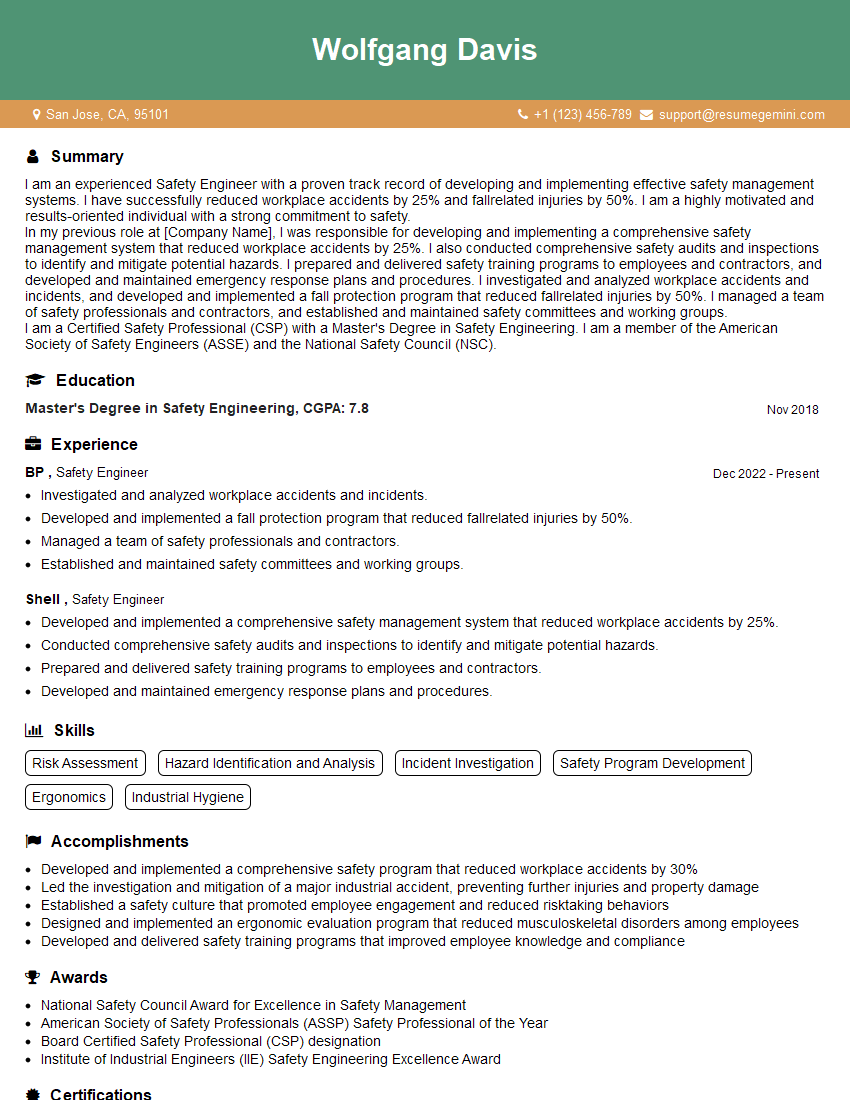
Safety Engineer Resume Sample
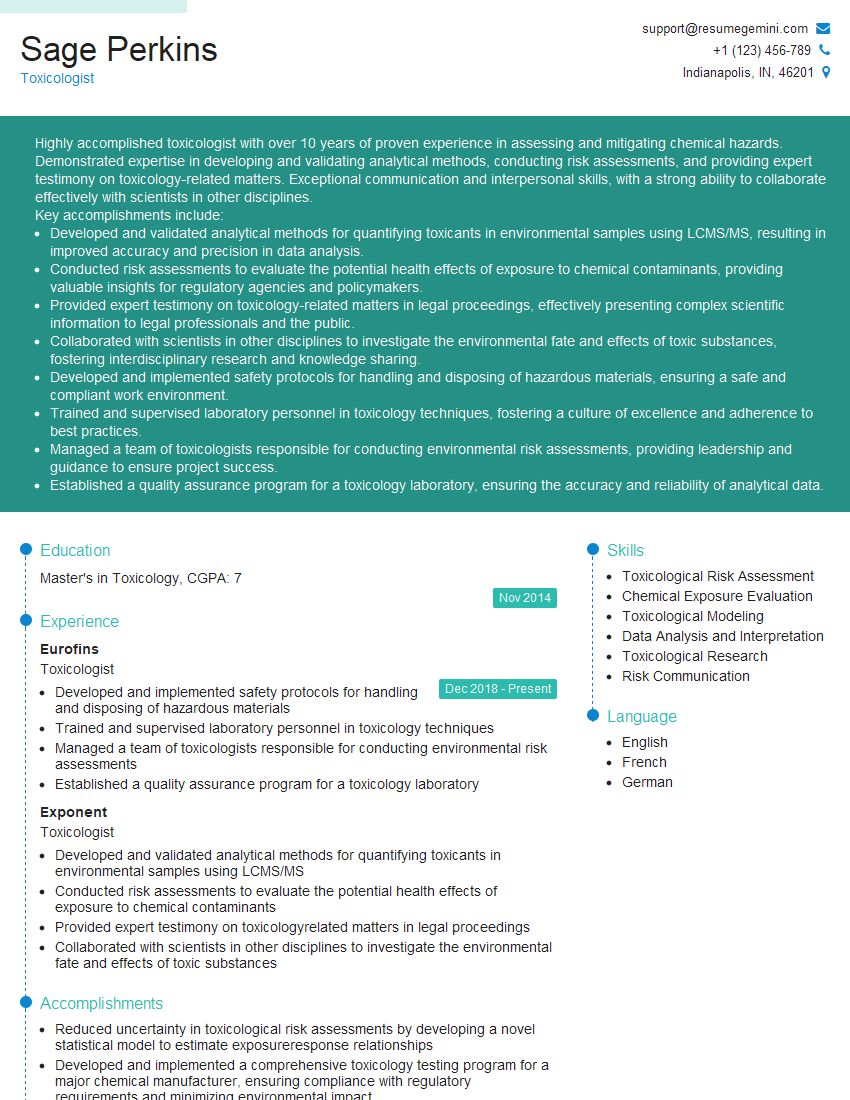
Toxicologist Resume Sample
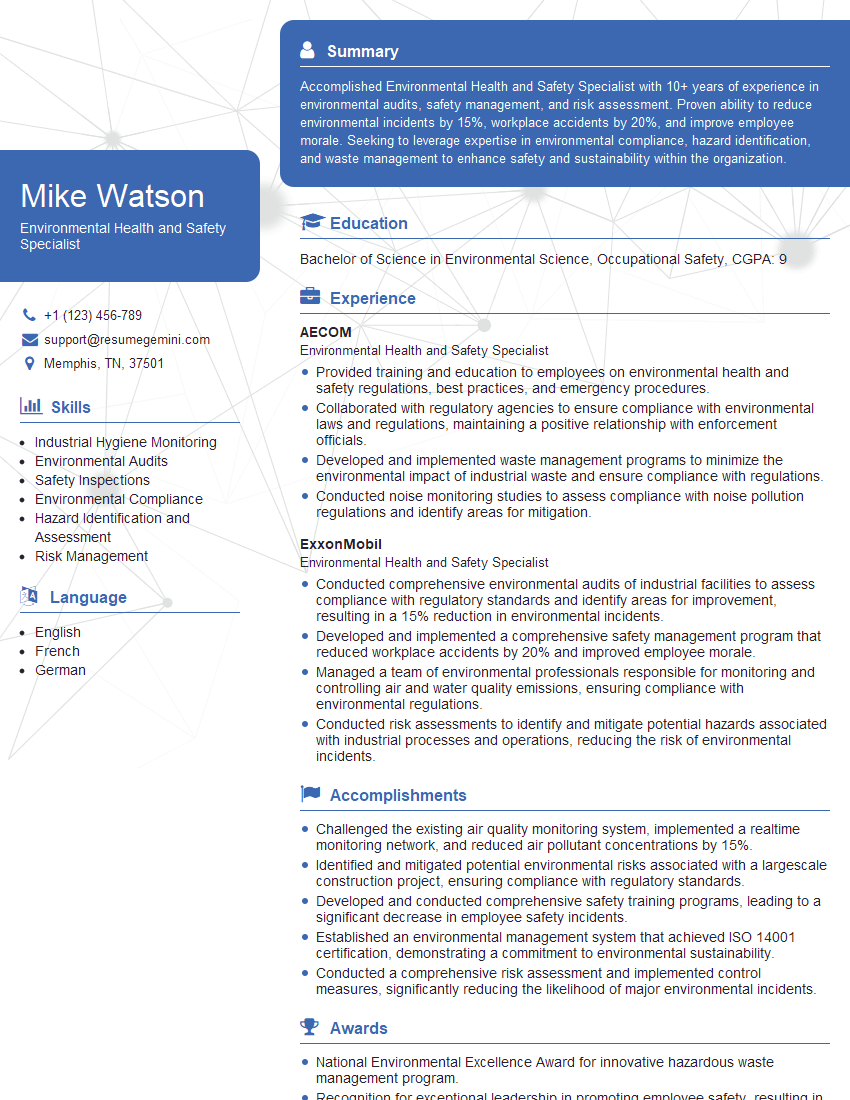
Environmental Health and Safety Specialist Resume Sample
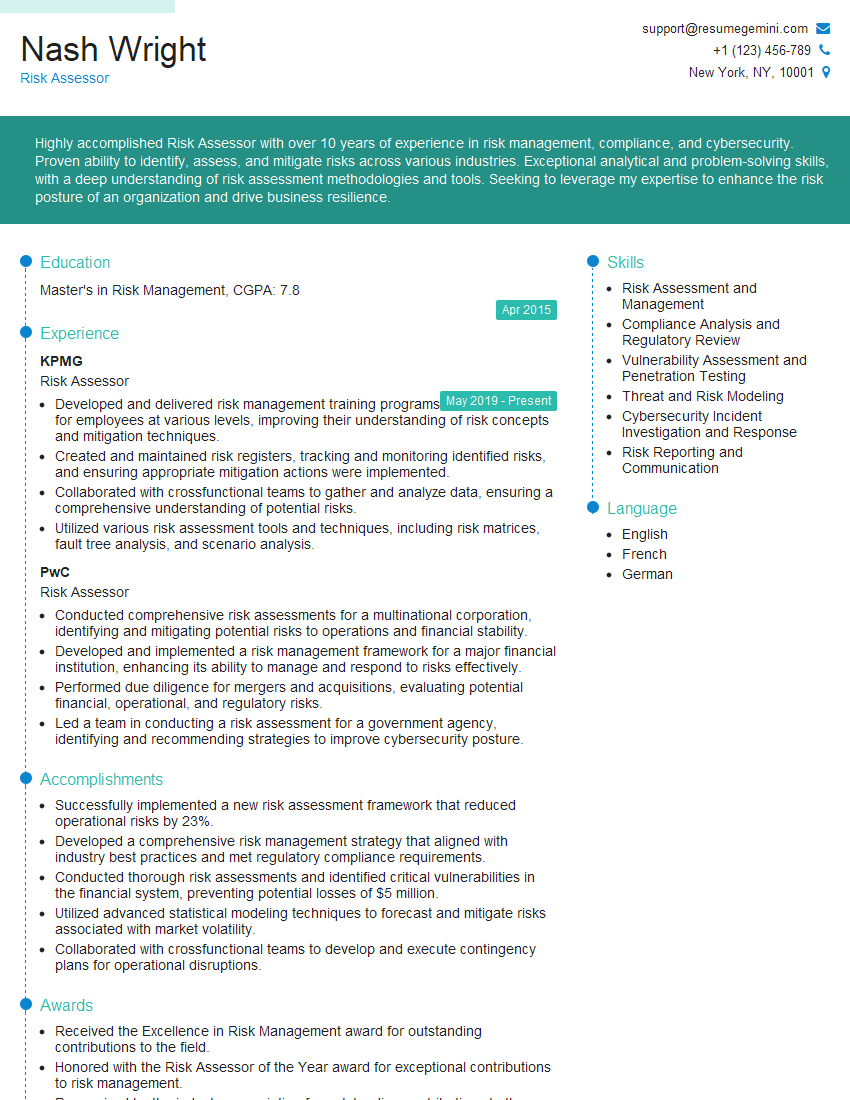
Risk Assessor Resume Sample
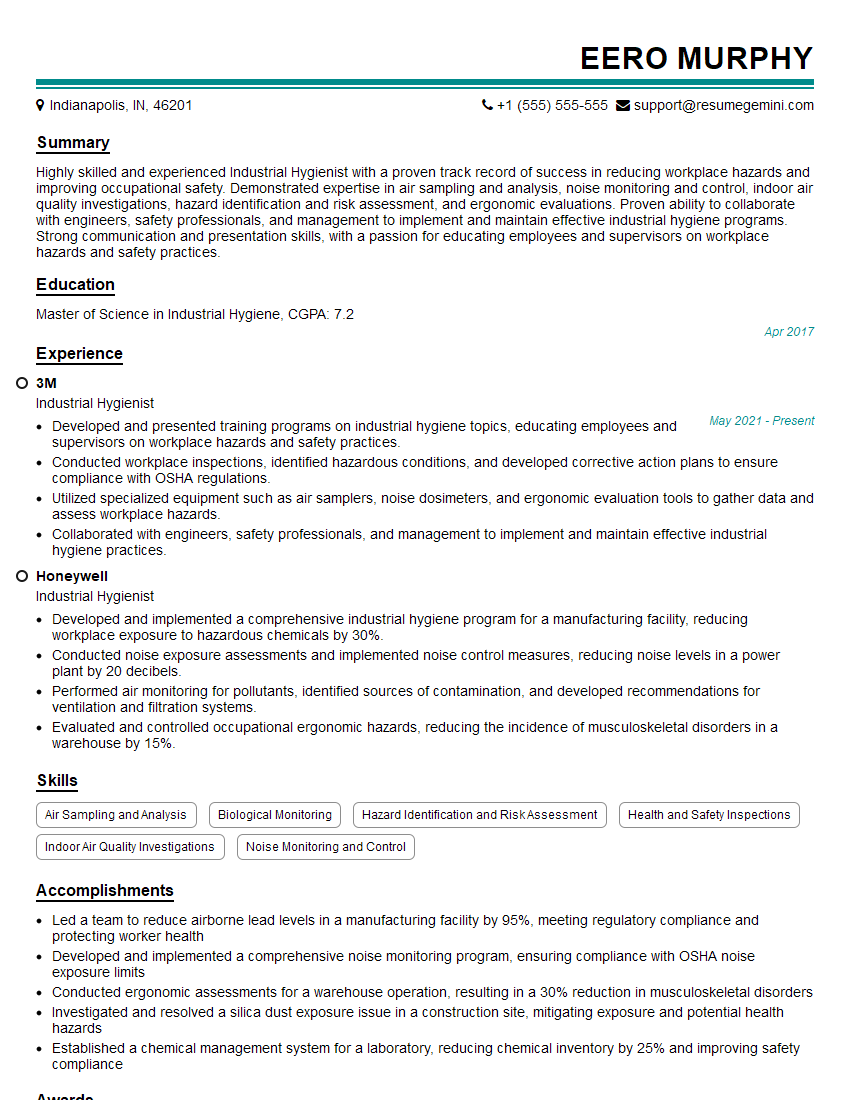
Industrial Hygienist Resume Sample
- Environmental Health and Safety Manager
- Compliance Officer
- Regulatory Affairs Specialist
- Environmental Consultant
- Environmental Engineer
- Health and Safety Manager
- Process Safety Engineer
- Safety Consultant
- Safety Engineer
- Toxicologist
- Environmental Health and Safety Specialist
- Risk Assessor
- Industrial Hygienist
Explore more articles
Users Rating of Our Blogs
Share Your Experience
We value your feedback! Please rate our content and share your thoughts (optional).
What Readers Say About Our Blog
Attention music lovers!
Wow, All the best Sax Summer music !!!
Spotify: https://open.spotify.com/artist/6ShcdIT7rPVVaFEpgZQbUk
Apple Music: https://music.apple.com/fr/artist/jimmy-sax-black/1530501936
YouTube: https://music.youtube.com/browse/VLOLAK5uy_noClmC7abM6YpZsnySxRqt3LoalPf88No
Other Platforms and Free Downloads : https://fanlink.tv/jimmysaxblack
on google : https://www.google.com/search?q=22+AND+22+AND+22
on ChatGPT : https://chat.openai.com?q=who20jlJimmy20Black20Sax20Producer
Get back into the groove with Jimmy sax Black
Best regards,
Jimmy sax Black
www.jimmysaxblack.com
Hi I am a troller at The aquatic interview center and I suddenly went so fast in Roblox and it was gone when I reset.
Hi,
Business owners spend hours every week worrying about their website—or avoiding it because it feels overwhelming.
We’d like to take that off your plate:
$69/month. Everything handled.
Our team will:
Design a custom website—or completely overhaul your current one
Take care of hosting as an option
Handle edits and improvements—up to 60 minutes of work included every month
No setup fees, no annual commitments. Just a site that makes a strong first impression.
Find out if it’s right for you:
https://websolutionsgenius.com/awardwinningwebsites
Hello,
we currently offer a complimentary backlink and URL indexing test for search engine optimization professionals.
You can get complimentary indexing credits to test how link discovery works in practice.
No credit card is required and there is no recurring fee.
You can find details here:
https://wikipedia-backlinks.com/indexing/
Regards
NICE RESPONSE TO Q & A
hi
The aim of this message is regarding an unclaimed deposit of a deceased nationale that bears the same name as you. You are not relate to him as there are millions of people answering the names across around the world. But i will use my position to influence the release of the deposit to you for our mutual benefit.
Respond for full details and how to claim the deposit. This is 100% risk free. Send hello to my email id: lukachachibaialuka@gmail.com
Luka Chachibaialuka
Hey interviewgemini.com, just wanted to follow up on my last email.
We just launched Call the Monster, an parenting app that lets you summon friendly ‘monsters’ kids actually listen to.
We’re also running a giveaway for everyone who downloads the app. Since it’s brand new, there aren’t many users yet, which means you’ve got a much better chance of winning some great prizes.
You can check it out here: https://bit.ly/callamonsterapp
Or follow us on Instagram: https://www.instagram.com/callamonsterapp
Thanks,
Ryan
CEO – Call the Monster App
Hey interviewgemini.com, I saw your website and love your approach.
I just want this to look like spam email, but want to share something important to you. We just launched Call the Monster, a parenting app that lets you summon friendly ‘monsters’ kids actually listen to.
Parents are loving it for calming chaos before bedtime. Thought you might want to try it: https://bit.ly/callamonsterapp or just follow our fun monster lore on Instagram: https://www.instagram.com/callamonsterapp
Thanks,
Ryan
CEO – Call A Monster APP
To the interviewgemini.com Owner.
Dear interviewgemini.com Webmaster!
Hi interviewgemini.com Webmaster!
Dear interviewgemini.com Webmaster!
excellent
Hello,
We found issues with your domain’s email setup that may be sending your messages to spam or blocking them completely. InboxShield Mini shows you how to fix it in minutes — no tech skills required.
Scan your domain now for details: https://inboxshield-mini.com/
— Adam @ InboxShield Mini
support@inboxshield-mini.com
Reply STOP to unsubscribe
Hi, are you owner of interviewgemini.com? What if I told you I could help you find extra time in your schedule, reconnect with leads you didn’t even realize you missed, and bring in more “I want to work with you” conversations, without increasing your ad spend or hiring a full-time employee?
All with a flexible, budget-friendly service that could easily pay for itself. Sounds good?
Would it be nice to jump on a quick 10-minute call so I can show you exactly how we make this work?
Best,
Hapei
Marketing Director
Hey, I know you’re the owner of interviewgemini.com. I’ll be quick.
Fundraising for your business is tough and time-consuming. We make it easier by guaranteeing two private investor meetings each month, for six months. No demos, no pitch events – just direct introductions to active investors matched to your startup.
If youR17;re raising, this could help you build real momentum. Want me to send more info?
Hi, I represent an SEO company that specialises in getting you AI citations and higher rankings on Google. I’d like to offer you a 100% free SEO audit for your website. Would you be interested?
Hi, I represent an SEO company that specialises in getting you AI citations and higher rankings on Google. I’d like to offer you a 100% free SEO audit for your website. Would you be interested?