Interviews are opportunities to demonstrate your expertise, and this guide is here to help you shine. Explore the essential Chemical Hygiene and Management interview questions that employers frequently ask, paired with strategies for crafting responses that set you apart from the competition.
Questions Asked in Chemical Hygiene and Management Interview
Q 1. Describe your experience with developing and implementing chemical hygiene plans.
Developing and implementing chemical hygiene plans involves a systematic approach to ensure a safe work environment. My experience encompasses all phases, from initial hazard assessment and risk evaluation to plan creation, employee training, and ongoing monitoring and improvement. For instance, at my previous role at a pharmaceutical manufacturing plant, I led the development of a comprehensive chemical hygiene plan that addressed over 150 different chemicals. This included conducting a thorough inventory, assessing the risks associated with each chemical, and implementing appropriate control measures. The plan also incorporated detailed Standard Operating Procedures (SOPs) for handling each chemical and outlined emergency response protocols. We regularly audited the plan and updated it to reflect any changes in regulations or practices. The result was a significant reduction in chemical-related incidents and a demonstrably safer working environment.
A key aspect was integrating the plan into our overall safety management system, ensuring consistent enforcement and employee buy-in. This included regular safety meetings, training programs, and a system for reporting and investigating any near misses or incidents. Another project involved developing a chemical hygiene plan for a research laboratory, focusing on specialized equipment and advanced procedures. This required a deeper understanding of the specific risks associated with research activities and implementation of more stringent controls, including specialized personal protective equipment (PPE) and advanced waste disposal procedures.
Q 2. Explain the hierarchy of controls for chemical hazards.
The hierarchy of controls for chemical hazards is a fundamental principle of chemical hygiene management. It prioritizes control measures from the most effective to the least effective, aiming for elimination of the hazard whenever possible. Think of it like a pyramid, with the most desirable control at the top and the least desirable at the bottom.
- Elimination: This is the ideal scenario – removing the hazardous chemical entirely from the workplace. For example, substituting a hazardous solvent with a less hazardous alternative.
- Substitution: Replacing a hazardous chemical with a less hazardous one that performs the same function. This is often easier to implement than elimination.
- Engineering Controls: Implementing physical changes to the work environment to minimize exposure. Examples include enclosed systems, local exhaust ventilation (LEV), and process modifications.
- Administrative Controls: These involve changes to work practices, such as standard operating procedures (SOPs), work rotation, and limiting exposure time. Examples include clearly defined work instructions and regular safety meetings.
- Personal Protective Equipment (PPE): This is the last line of defense and only effective if the other controls have failed. Examples include gloves, respirators, eye protection, and protective clothing. It’s crucial to remember that PPE should only be a supplementary measure, not the primary means of control.
It’s important to remember that a combination of control measures is often necessary to adequately manage chemical hazards. For example, an operation might involve substitution of a chemical, coupled with engineering controls (like a fume hood) and administrative controls (such as regular monitoring and training).
Q 3. How do you assess the risks associated with handling hazardous chemicals?
Risk assessment is a critical process for managing chemical hazards. It involves a systematic evaluation of the likelihood of harm and the severity of the potential consequences if an incident were to occur. The process usually involves these steps:
- Hazard Identification: Identifying all the hazardous chemicals present in the workplace through a thorough inventory and review of Safety Data Sheets (SDS).
- Exposure Assessment: Determining the routes and levels of exposure to the hazardous chemicals. This might involve reviewing existing data, conducting air monitoring, or using exposure models.
- Risk Evaluation: Evaluating the likelihood and severity of potential adverse health effects based on the exposure assessment and properties of the chemicals (toxicity, flammability, reactivity, etc.)
- Risk Control: Implementing appropriate control measures based on the hierarchy of controls discussed earlier. This also necessitates a thorough cost-benefit analysis.
- Monitoring and Review: Regularly monitoring the effectiveness of implemented controls and reviewing the risk assessment as needed, particularly after process changes or new chemical introduction.
For example, in assessing the risk associated with using a particular solvent, we would consider its toxicity (e.g., LD50 values), flammability, and the potential for exposure through inhalation, skin contact, or ingestion. We would then implement controls such as local exhaust ventilation, appropriate PPE, and specific work procedures to minimize the risk. The effectiveness of these controls would then be regularly monitored.
Q 4. What are the key elements of a comprehensive chemical inventory system?
A comprehensive chemical inventory system is the cornerstone of effective chemical hygiene management. It provides a centralized, readily accessible database of all chemicals used, stored, and handled in the workplace. Key elements include:
- Chemical Identification: Accurate and complete information on each chemical, including chemical name, CAS number, and supplier information.
- Location Tracking: Precise location of all chemicals within the facility, enabling quick access in case of emergencies or inspections.
- Quantity Tracking: Detailed records of the quantity of each chemical on hand, ensuring proper inventory management and preventing the accumulation of excess quantities.
- SDS Management: Centralized storage and easy access to Safety Data Sheets (SDS) for all chemicals, ensuring that employees have ready access to crucial safety information.
- Usage Tracking: Recording the use of chemicals, enabling analysis of trends, identification of potential hazards, and waste minimization efforts.
- Disposal Tracking: Managing the disposal of chemical waste, adhering to all regulations and ensuring environmentally sound practices.
- Regular Audits: Periodic audits to ensure the inventory system is accurate and up-to-date, including physical verification of chemicals and comparison with records.
A well-managed inventory system greatly simplifies compliance with regulations, facilitates effective risk management, and minimizes the potential for chemical-related incidents.
Q 5. Explain your understanding of OSHA’s Hazard Communication Standard (HazCom).
OSHA’s Hazard Communication Standard (HazCom) is a vital regulation designed to protect employees from chemical hazards. It mandates that employers communicate chemical hazards to their employees through labels, Safety Data Sheets (SDS), and employee training. My understanding of HazCom is comprehensive and includes:
- Labeling: All containers of hazardous chemicals must be properly labeled with the chemical name, hazard warnings, and pictograms.
- Safety Data Sheets (SDS): Employers must provide readily accessible SDSs to all employees who handle hazardous chemicals. SDSs contain detailed information on the chemical’s hazards, safe handling procedures, emergency response, and disposal instructions.
- Employee Training: HazCom requires employers to provide comprehensive training to all employees who may be exposed to hazardous chemicals, covering hazard identification, safe handling procedures, emergency response, and the use of SDSs.
- Written Hazard Communication Program: Employers are required to have a written program that outlines their procedures for managing hazardous chemicals and complying with HazCom standards. This program should address all elements of HazCom, including labeling, SDS management, and employee training.
Compliance with HazCom is paramount for ensuring employee safety and minimizing the risk of chemical-related incidents. Regular updates to the written program are necessary to stay compliant with evolving regulations.
Q 6. How would you respond to a chemical spill?
Responding to a chemical spill requires a swift and systematic approach. My experience includes training and practical application in this critical area. The first step is always safety – ensuring the immediate safety of oneself and others. This involves:
- Evacuation: Evacuating the area and ensuring other personnel are alerted to the spill.
- Personal Protective Equipment (PPE): Donning appropriate PPE, such as gloves, eye protection, and a respirator, as dictated by the chemical involved (referencing the SDS).
- Containment: Containing the spill to prevent its spread using appropriate absorbent materials and barriers.
- Neutralization (if applicable): Neutralizing the spill if appropriate and safe to do so. This is chemical-specific and requires careful consideration to avoid creating a more hazardous situation.
- Cleanup: Carefully cleaning up the spill according to the SDS recommendations. This includes proper disposal of contaminated materials.
- Documentation: Thoroughly documenting the incident, including the type and quantity of chemical spilled, steps taken for containment and cleanup, and any injuries or near misses.
Following the cleanup, a post-incident investigation is crucial to identify the root cause of the spill and to implement preventative measures to avoid future incidents. A key aspect of this is emphasizing the importance of following proper safety procedures and adequate training for all personnel.
Q 7. Describe your experience with training employees on chemical safety procedures.
Training employees on chemical safety procedures is an ongoing and critical aspect of my role. Effective training ensures that employees are equipped with the knowledge and skills to handle chemicals safely and responsibly. My approach involves a multi-faceted strategy:
- Needs Assessment: Identifying the specific chemical hazards and the training needs of different employee groups.
- Tailored Training: Developing training programs that are tailored to the specific chemicals and tasks performed by employees. This might involve hands-on demonstrations, simulations, and case studies.
- Interactive Sessions: Incorporating interactive elements, such as quizzes, discussions, and group exercises, to enhance engagement and knowledge retention.
- Regular Refresher Training: Providing regular refresher training to ensure employees maintain their knowledge and skills, especially after process changes or the introduction of new chemicals.
- Documentation: Maintaining accurate records of employee training, including attendance records and assessment results.
- Practical Application: Emphasis on practical application through hands-on training or scenario-based exercises.
For example, in training employees to handle acids, we would cover the specific hazards of acids, proper handling techniques, emergency response procedures, and the use of PPE. We’d also incorporate a hands-on session on proper dilution techniques and spill response protocols. This approach has helped significantly improve the safety culture in various settings.
Q 8. What are the different types of personal protective equipment (PPE) and when should they be used?
Personal Protective Equipment (PPE) is crucial for safeguarding individuals from chemical hazards. The type of PPE needed depends entirely on the specific chemical and the potential risks involved. A proper risk assessment is always the first step.
- Eye Protection: Safety glasses, goggles, or face shields protect the eyes from splashes, fumes, and dust. For example, when working with strong acids, chemical splash goggles are mandatory.
- Respiratory Protection: Respirators, ranging from simple dust masks to sophisticated self-contained breathing apparatus (SCBA), are vital when handling volatile or airborne chemicals. Working with solvents often requires a respirator with appropriate cartridges.
- Hand Protection: Gloves are crucial. The material must be compatible with the chemical being handled; nitrile gloves are common, but others like neoprene or butyl rubber are needed for specific chemicals. For instance, handling strong bases might necessitate neoprene gloves.
- Skin Protection: Lab coats, coveralls, and aprons protect the skin from splashes and spills. The material should be resistant to the chemicals used.
- Foot Protection: Safety shoes with closed toes protect feet from spills or dropped objects. Steel-toe shoes might be necessary in some industrial settings.
Remember, PPE is a last line of defense. Engineering controls (fume hoods, enclosed systems) and administrative controls (safe work practices) should always be prioritized.
Q 9. How do you ensure proper disposal of hazardous waste?
Proper hazardous waste disposal is critical for environmental protection and worker safety. It involves several key steps, beginning with accurate identification and segregation of waste.
- Segregation: Separate different types of hazardous waste (e.g., flammables, corrosives, toxics) into designated containers, clearly labeled with the appropriate hazard symbols and waste codes.
- Packaging: Use appropriate containers that are compatible with the waste’s chemical properties and prevent leakage. This often involves secondary containment to prevent spills during transport.
- Labeling: Each container must be clearly labeled with the contents, hazards, and any special handling instructions. This is crucial for waste handlers to take appropriate precautions.
- Manifest and Documentation: Detailed records of waste generation, storage, and disposal must be maintained. This includes completing the appropriate waste manifests for shipment to a licensed disposal facility.
- Disposal: Transport the waste to a licensed hazardous waste disposal facility that is authorized to handle the specific types of waste generated. Never dispose of hazardous waste in regular trash or down the drain.
Failure to follow these procedures can lead to environmental contamination, worker injury, and legal repercussions.
Q 10. Explain your familiarity with Globally Harmonized System of Classification and Labelling of Chemicals (GHS).
The Globally Harmonized System of Classification and Labelling of Chemicals (GHS) is an internationally agreed-upon system to standardize the classification and communication of chemical hazards. This ensures consistency in hazard information worldwide.
My familiarity with GHS includes understanding its key elements:
- Hazard Classification: Assigning chemicals to hazard categories (e.g., acute toxicity, flammability, corrosivity) based on their inherent properties. This is done using standardized criteria.
- Labeling: Using standardized pictograms, signal words (danger, warning), hazard statements, and precautionary statements to communicate the hazards on the product label. For example, a flammable liquid will have a flame pictogram.
- Safety Data Sheets (SDS): Providing comprehensive information on the chemical’s hazards, safe handling procedures, and emergency response information in a standardized format. This serves as a crucial resource for workers and emergency responders.
I understand how GHS impacts chemical management, from procurement and storage to usage and disposal, helping to ensure consistent safety practices across different regions and industries. I regularly utilize SDS information to assess risks and make informed decisions on safe handling procedures.
Q 11. What are your strategies for preventing chemical exposures?
Preventing chemical exposures relies on a multi-layered approach that prioritizes engineering controls, administrative controls, and PPE.
- Engineering Controls: These are the most effective, reducing the risk at the source. Examples include enclosed systems, fume hoods, local exhaust ventilation, and process modifications that minimize the release of hazardous chemicals.
- Administrative Controls: These involve modifying work practices to minimize exposure. Examples include Standard Operating Procedures (SOPs) for handling chemicals, training programs for personnel, limiting access to hazardous areas, and implementing emergency response plans.
- PPE: As mentioned earlier, PPE is a last line of defense. The selection and use of appropriate PPE should always be determined by a risk assessment and should be part of a larger safety plan, not its sole component. For example, wearing appropriate gloves while handling corrosive materials is a type of PPE.
A proactive approach, emphasizing preventative measures rather than solely reactive measures after an exposure, is crucial. Regular safety inspections, employee training, and ongoing risk assessments are key components of a comprehensive chemical safety program.
Q 12. How do you investigate and report chemical incidents?
Investigating and reporting chemical incidents requires a systematic approach to ensure accountability and prevent future occurrences.
- Immediate Actions: First priority is ensuring the safety of personnel involved, containing the spill or exposure, and providing first aid as needed.
- Incident Investigation: Collect data from various sources including witness statements, incident reports, inspection of the site, SDSs, and relevant safety documentation. This detailed information helps pinpoint the root cause.
- Root Cause Analysis: Use a root cause analysis technique (e.g., fishbone diagram, five whys) to determine the underlying reasons behind the incident, which could include human error, equipment failure, inadequate training, or insufficient safety protocols.
- Corrective Actions: Implement changes to prevent similar incidents. This may involve modifying SOPs, providing additional training, upgrading equipment, or improving safety procedures. This is crucial to learning from the experience.
- Reporting: Document the entire investigation process, including findings and corrective actions, and submit a formal report to the appropriate authorities (e.g., OSHA, supervisor) as required by regulations.
Thorough investigation and reporting are essential for continuous improvement of chemical safety programs and accountability.
Q 13. Describe your experience with conducting chemical risk assessments.
Chemical risk assessments are crucial for identifying potential hazards and implementing appropriate control measures. My experience involves utilizing a systematic approach:
- Hazard Identification: Identify all chemical hazards present in a workplace, including physical hazards (flammability, reactivity) and health hazards (toxicity, carcinogenicity). This involves reviewing SDSs, process flow diagrams, and workplace observations.
- Exposure Assessment: Determine the likelihood and potential severity of exposure to the identified hazards. This could involve measuring air concentrations, estimating skin contact, or assessing the potential for ingestion.
- Risk Evaluation: Combine hazard identification and exposure assessment to evaluate the overall risk level (likelihood x severity). This often involves a risk matrix to prioritize hazards.
- Risk Control: Develop and implement control measures to reduce or eliminate identified risks. This would involve prioritizing the hierarchy of controls (elimination, substitution, engineering controls, administrative controls, PPE).
- Monitoring and Review: Monitor the effectiveness of control measures and review the risk assessment periodically to reflect changes in processes, materials, or regulations.
I have extensive experience conducting risk assessments for various chemicals and processes in diverse settings, utilizing both quantitative and qualitative risk assessment techniques, and documenting the findings clearly and concisely.
Q 14. What are the legal and regulatory requirements for handling hazardous chemicals in your area?
Legal and regulatory requirements for handling hazardous chemicals vary depending on location. However, common requirements often include compliance with:
- Occupational Safety and Health Administration (OSHA) regulations (United States): OSHA’s Hazard Communication Standard (HCS) mandates comprehensive hazard communication programs, including SDS access and training for workers. Other regulations cover specific chemicals and processes.
- Environmental Protection Agency (EPA) regulations (United States): EPA regulations cover the disposal and management of hazardous waste to prevent environmental contamination. This includes proper labeling, storage, and transport of hazardous waste.
- Other relevant regulations: Depending on the specific chemicals or processes involved, other federal, state, or local regulations may apply, covering areas such as air emissions, wastewater discharge, and worker safety.
- WHMIS (Canada): Workplace Hazardous Materials Information System, similar to GHS, requires employers to provide workers with information about the hazards of the materials they use and to provide training on safe handling procedures.
Staying current on these regulations and ensuring compliance is crucial to prevent legal penalties, environmental damage, and worker injury. Regular training and audits are necessary to maintain compliance.
Q 15. How do you ensure compliance with relevant safety regulations?
Ensuring compliance with relevant safety regulations is paramount in chemical hygiene management. It involves a multifaceted approach that begins with a thorough understanding of all applicable local, state, and federal laws and regulations, such as OSHA’s Hazard Communication Standard (HCS) and any industry-specific standards. This understanding forms the basis for establishing robust Standard Operating Procedures (SOPs).
Next, we must implement these SOPs meticulously. This includes regular training for all personnel, ensuring they are proficient in safe handling, storage, and disposal of chemicals. We also conduct regular inspections to verify compliance with the SOPs, looking for potential hazards and addressing them promptly. Documentation of all training, inspections, and corrective actions is crucial for demonstrating compliance during audits. Finally, a proactive approach involves staying updated on any regulatory changes and adapting our practices accordingly. For example, if a new chemical is introduced, we immediately assess its hazards and integrate the necessary safety protocols into our system.
In my previous role, we implemented a robust Chemical Hygiene Plan (CHP) that detailed all procedures. This plan was reviewed and updated annually, or more frequently when necessary, ensuring we remained current with evolving regulations and best practices. This proactive approach resulted in zero OSHA violations related to chemical safety during my tenure.
Career Expert Tips:
- Ace those interviews! Prepare effectively by reviewing the Top 50 Most Common Interview Questions on ResumeGemini.
- Navigate your job search with confidence! Explore a wide range of Career Tips on ResumeGemini. Learn about common challenges and recommendations to overcome them.
- Craft the perfect resume! Master the Art of Resume Writing with ResumeGemini’s guide. Showcase your unique qualifications and achievements effectively.
- Don’t miss out on holiday savings! Build your dream resume with ResumeGemini’s ATS optimized templates.
Q 16. Explain your experience with managing safety data sheets (SDS).
Managing Safety Data Sheets (SDS) effectively is crucial for ensuring workplace safety. SDSs contain comprehensive information about the hazards of chemicals and how to work with them safely. My experience involves a multi-step process:
- Collection and Organization: All SDSs are collected upon the acquisition of a new chemical, and maintained in a readily accessible, centralized location, both physically and digitally. This location is clearly communicated to all employees.
- Review and Update: SDSs are regularly reviewed for updates from the manufacturer. Changes in chemical composition or new hazard information necessitate immediate updates to our procedures and employee training.
- Accessibility: Easy access to SDS information is vital. We maintain both hard copies and a digital database readily searchable by chemical name or CAS number. Every workstation has easy access to the digital database.
- Training: Employees are trained on how to locate, interpret, and utilize the information contained in the SDSs. This includes understanding hazard pictograms, signal words, and the appropriate personal protective equipment (PPE) needed.
In a past project, I developed a digital SDS management system which streamlined access, automated updates, and included features to track employee training completion related to specific chemicals. This significantly improved efficiency and safety compliance.
Q 17. How do you communicate chemical hazards to employees effectively?
Effective communication of chemical hazards is crucial for preventing accidents and protecting employee health. This involves a layered approach combining various methods.
- Training: Comprehensive training programs educate employees on identifying chemical hazards, understanding SDS information, and following safety protocols. This training should include both theoretical knowledge and hands-on practice.
- Labeling and Signage: Clear and concise labeling on chemical containers and prominent signage in hazardous areas is essential. These should align with the Globally Harmonized System of Classification and Labelling of Chemicals (GHS).
- SDS Accessibility: Easy access to SDSs, as discussed earlier, is vital. Employees should be trained on how to locate and interpret relevant information.
- Regular Communication: Updates on new chemicals, changes in safety procedures, or any incidents should be communicated promptly through various channels, such as emails, meetings, or safety bulletins. Visual aids like videos and infographics can increase engagement.
- Interactive Tools: Using interactive tools like quizzes or safety games can improve knowledge retention and engagement.
For instance, in one project, we used short, engaging videos to explain the hazards of specific chemicals, supplementing the standard training materials. This approach significantly improved employee understanding and retention of key safety information.
Q 18. Describe your experience with emergency response planning related to chemical hazards.
Emergency response planning for chemical hazards is critical and involves developing comprehensive procedures for handling spills, leaks, fires, and other incidents.
- Hazard Identification and Risk Assessment: This initial step identifies potential chemical hazards and evaluates the associated risks. This process also considers the potential impact on the environment.
- Emergency Procedures: Detailed procedures must be established for responding to various chemical incidents, including evacuation plans, spill response protocols (including appropriate PPE and containment procedures), and emergency contact information.
- Training and Drills: Employees must be thoroughly trained on emergency response procedures and participate in regular drills to ensure preparedness. This training should include handling of specific chemicals present in the workplace.
- Equipment and Supplies: Adequate emergency equipment and supplies, such as spill kits, eye wash stations, and safety showers, must be readily available and regularly inspected for proper functionality.
- Communication Plan: A clear communication plan is crucial for notifying emergency responders and employees during an incident. This plan should detail notification procedures, contact information for emergency personnel, and designated meeting points.
In a previous role, I led the development and implementation of an emergency response plan that included detailed spill response procedures for various chemicals commonly used in our laboratory. We conducted regular drills, which improved our team’s preparedness and response time in simulated emergency situations.
Q 19. What is your understanding of respiratory protection programs?
Respiratory protection programs are essential for protecting employees from inhaling hazardous airborne chemicals. A comprehensive program includes:
- Hazard Assessment: Identifying potential respiratory hazards through air monitoring and evaluating the need for respiratory protection.
- Selection of Respirators: Choosing appropriate respirators based on the identified hazards and ensuring they meet the necessary standards (e.g., NIOSH approval).
- Fit Testing: Conducting qualitative and quantitative fit tests to ensure a proper seal between the respirator and the wearer’s face.
- Training and Medical Evaluation: Providing thorough training on respirator use, maintenance, and limitations, and conducting medical evaluations to ensure employees are medically fit to use respirators.
- Maintenance and Inspection: Establishing procedures for regular inspection, cleaning, and maintenance of respirators to ensure their proper functionality.
- Record Keeping: Maintaining detailed records of all aspects of the respiratory protection program, including training, fit testing results, and respirator maintenance.
For example, I once implemented a respiratory protection program in a facility handling highly toxic chemicals. This involved air monitoring to identify specific hazards, fitting testing for all employees requiring respirators, and providing extensive training on the proper use and maintenance of various respirator types.
Q 20. How do you monitor and evaluate the effectiveness of chemical hygiene programs?
Monitoring and evaluating the effectiveness of chemical hygiene programs is an ongoing process that requires a multifaceted approach.
- Inspection and Audits: Regular inspections of work areas, storage facilities, and equipment ensure adherence to safety protocols. Formal audits assess the overall effectiveness of the program against established standards and best practices.
- Incident Tracking and Analysis: Maintaining a record of all chemical-related incidents allows for identifying trends, root causes, and areas needing improvement. Analyzing incident data helps to refine safety protocols and prevent future occurrences.
- Employee Feedback: Gathering feedback from employees through surveys, interviews, or safety meetings allows for addressing concerns and identifying areas needing improvement. Employee suggestions can also be valuable in improving safety procedures.
- Data Analysis: Analyzing data from inspections, audits, and incident reports helps in identifying areas requiring attention and measuring the effectiveness of implemented changes.
- Performance Indicators: Establishing key performance indicators (KPIs), such as the number of incidents, training completion rates, and compliance scores, allows for tracking progress and evaluating program effectiveness over time. These KPIs provide objective evidence of the program’s success.
In a previous role, we implemented a system for tracking chemical-related incidents, which revealed a pattern of minor spills in one specific area. This led us to implement improved labeling and storage practices in that area, resulting in a significant reduction in spills.
Q 21. Explain your experience with the use and maintenance of chemical safety equipment.
My experience with chemical safety equipment encompasses its proper use, maintenance, and regular inspection.
- Selection and Procurement: Choosing the appropriate equipment based on identified hazards, considering factors like chemical compatibility, durability, and user comfort. This includes ensuring the equipment meets relevant safety standards.
- Training: Providing comprehensive training on the correct use, limitations, and maintenance of all safety equipment. This training should include hands-on practice and demonstrations.
- Maintenance and Inspection: Implementing regular inspection and maintenance schedules for all safety equipment, including eye wash stations, safety showers, fume hoods, and personal protective equipment. This ensures that the equipment is functioning correctly and ready for use.
- Calibration and Testing: Where applicable, ensuring regular calibration and testing of safety equipment (like gas detectors) to verify their accuracy and reliability. Records of these tests must be maintained.
- Repair and Replacement: Establishing procedures for repairing or replacing damaged or malfunctioning safety equipment promptly. This minimizes the risk of accidents and ensures employee safety.
For example, in one instance, we discovered a malfunction in a fume hood’s airflow during a routine inspection. Immediate action was taken to repair the hood and conduct thorough training on emergency procedures in case of fume hood failure. This quick response prevented potential exposure to harmful chemicals.
Q 22. Describe your experience with implementing and maintaining a chemical inventory management system.
Implementing and maintaining a robust chemical inventory management system is crucial for ensuring chemical safety and compliance. It involves a multi-faceted approach, starting with a comprehensive database. This database should meticulously track every chemical, including its name, CAS number (Chemical Abstracts Service Registry Number – a unique identifier for chemical substances), quantity, location, purchase date, and Material Safety Data Sheet (MSDS) location.
In my experience, I’ve utilized both software-based systems and spreadsheet-based systems, depending on the scale of operations. Software systems offer advantages in terms of automated reporting, inventory alerts (low stock, expiration dates), and streamlined data management. Spreadsheet-based systems, while simpler, require more manual input and are prone to human error if not meticulously maintained.
Beyond the database itself, effective chemical inventory management requires regular physical verification to ensure accuracy. Discrepancies between physical inventory and the database should be investigated and rectified promptly. This helps prevent accidental misuse or spills of outdated or uncatalogued chemicals. Finally, a well-defined procedure for adding and removing chemicals from the inventory is vital. This ensures that all new acquisitions are properly documented and that discarded chemicals are removed from the system after proper disposal.
For example, in a previous role, I implemented a software-based system that reduced our chemical inventory discrepancies by 80% within the first six months. This improved efficiency in ordering, reduced waste, and minimized the risk of accidental exposure.
Q 23. How do you ensure compliance with waste disposal regulations?
Ensuring compliance with waste disposal regulations is paramount to protecting the environment and public health. This involves a meticulous process that begins with proper segregation of chemical waste. Different types of chemical waste require different handling methods, and improper mixing can lead to dangerous reactions. We classify waste according to its hazardous properties (e.g., flammability, toxicity, reactivity) and follow all relevant local, state, and federal regulations.
A key component is maintaining detailed records of waste generation, storage, and disposal. This documentation often includes waste manifests, which accompany the waste during transportation to a licensed disposal facility. Regular audits are crucial to verify that all procedures are followed correctly. In addition to waste manifests, we use a robust system for tracking the quantities and types of hazardous waste generated. This helps us identify trends, optimize waste reduction strategies, and demonstrate compliance to regulatory agencies during inspections.
For instance, I’ve managed the disposal of various hazardous waste streams, including solvents, heavy metals, and acids. In each instance, I adhered strictly to the applicable regulations and collaborated with licensed waste haulers to ensure environmentally sound disposal practices. This included proper labeling of containers, the use of appropriate secondary containment, and the meticulous completion of all necessary documentation.
Q 24. What is your experience with using and interpreting air monitoring data?
Interpreting air monitoring data is essential for assessing worker exposure to airborne chemicals. This data is typically obtained through various methods, such as personal air samplers (worn by workers) and stationary area monitors. The data obtained needs to be analyzed against established occupational exposure limits (OELs), such as Permissible Exposure Limits (PELs) and Threshold Limit Values (TLVs), to determine if exposures are within safe limits.
My experience involves not just interpreting the data, but also understanding the limitations of different monitoring techniques. For example, personal air samplers provide a more accurate reflection of an individual’s exposure, while area monitors reflect general air quality in a specific location. Knowing the strengths and weaknesses of each method is crucial for accurate risk assessment. Furthermore, I have experience in analyzing trends in air monitoring data to identify potential issues and implement corrective actions. This might involve adjusting ventilation systems, implementing engineering controls, or modifying work practices.
For example, in a past incident, air monitoring revealed elevated levels of a particular solvent in a specific workstation. By analyzing the data and investigating the work process, we identified a leak in a piece of equipment. Repairing the leak brought the solvent levels back within the permissible limits, illustrating the importance of using air monitoring data for proactive risk management.
Q 25. Describe your familiarity with different types of chemical hazards (e.g., carcinogens, mutagens, teratogens).
Understanding different types of chemical hazards is fundamental to effective chemical safety management. Carcinogens are substances that can cause cancer, mutagens can alter genetic material, and teratogens can cause birth defects. Other significant hazards include irritants (causing skin or respiratory irritation), sensitizers (causing allergic reactions), and acutely toxic substances (causing immediate health effects). Each hazard type requires specific preventative measures.
My familiarity extends beyond simple definitions to encompass the practical implications of each hazard type. For instance, handling carcinogens requires strict adherence to protocols for personal protective equipment (PPE), engineering controls (like enclosed systems), and meticulous waste disposal. Similarly, working with mutagens necessitates stringent controls to prevent exposure through inhalation, skin contact, or ingestion. Understanding the specific properties of each hazardous chemical is vital for implementing appropriate control measures.
I have extensive experience in identifying and assessing these hazards in various workplaces. This involves reviewing Safety Data Sheets (SDS), conducting risk assessments, and implementing appropriate control measures based on the specific hazards identified. A strong understanding of these hazards is crucial for developing and implementing effective safety protocols.
Q 26. How do you conduct a workplace inspection for chemical safety hazards?
A workplace inspection for chemical safety hazards is a systematic process aimed at identifying potential risks and ensuring compliance with regulations. This involves a thorough visual inspection of the work areas, paying close attention to chemical storage, handling, and disposal practices. The inspection checklist should include verification of proper labeling, storage conditions (temperature, ventilation), the availability and proper use of PPE, and the condition of safety equipment.
The process begins with planning and preparation. I typically develop a detailed checklist based on the specific chemicals used in the workplace and the associated hazards. During the inspection, I meticulously document any identified hazards and take photographs as evidence. The inspection isn’t just about finding problems; it’s also about observing good practices and reinforcing safe working procedures.
After the inspection, I prepare a report summarizing the findings, including recommendations for corrective actions. This report is shared with relevant personnel, and a timeline for implementing the recommended actions is established. Follow-up inspections are performed to ensure that the corrective actions have been implemented effectively. For example, I’ve conducted numerous inspections that have identified issues such as improperly stored chemicals, missing or damaged PPE, and inadequate ventilation.
Q 27. Explain your experience in developing and delivering chemical safety training programs.
Developing and delivering effective chemical safety training programs is essential for ensuring a safe work environment. Such programs need to be tailored to the specific needs and roles of the workers. The training should cover a range of topics, including hazard identification, risk assessment, safe handling procedures, the use of PPE, emergency response procedures, and waste disposal practices.
My approach to developing training programs involves identifying the specific knowledge and skills gaps among employees through assessments and interviews. I then use a variety of teaching methods, including lectures, hands-on demonstrations, and interactive exercises, to ensure active learning and knowledge retention. Real-world case studies and scenarios help illustrate the importance of safe chemical handling practices.
Beyond the initial training, ongoing refresher courses and updates on new regulations or procedures are equally important. I incorporate feedback from previous training sessions to continuously improve the program’s effectiveness. For instance, I’ve developed training programs for various industries, including manufacturing, research, and healthcare, each tailored to their specific needs and chemical hazards.
Q 28. How do you stay current with changes in chemical safety regulations and best practices?
Staying current with changes in chemical safety regulations and best practices is an ongoing process that requires continuous effort and engagement. I actively monitor several resources, including regulatory agency websites (OSHA, EPA, etc.), professional organizations (e.g., AIHA), and industry publications. I regularly attend conferences and workshops to learn about the latest advancements in chemical safety.
Subscribing to relevant newsletters and journals helps to stay abreast of new regulations and research findings. Participation in professional networks allows for the exchange of best practices and lessons learned. This continuous learning process is essential to maintain expertise and ensure compliance with the evolving regulatory landscape.
For example, I recently attended a workshop on the updated Globally Harmonized System of Classification and Labelling of Chemicals (GHS) and incorporated the new standards into our company’s chemical handling procedures. Regularly updating our safety protocols, training materials and risk assessments with the latest information is essential for protecting worker safety.
Key Topics to Learn for Chemical Hygiene and Management Interview
- Chemical Hazard Identification & Risk Assessment: Understanding different hazard classes, SDS interpretation, and conducting thorough risk assessments to mitigate potential dangers.
- Standard Operating Procedures (SOPs): Developing and implementing safe work practices, including proper handling, storage, and disposal of chemicals. This includes practical application in laboratory settings and industrial environments.
- Personal Protective Equipment (PPE): Selecting and utilizing appropriate PPE based on identified hazards. Understanding limitations and proper maintenance of PPE is crucial.
- Emergency Response Planning: Developing and practicing emergency procedures for chemical spills, exposures, and fires. This includes knowledge of relevant regulations and communication protocols.
- Waste Management & Disposal: Understanding regulations for chemical waste disposal, including segregation, labeling, and proper disposal methods. This also includes practical knowledge of waste handling equipment and procedures.
- Regulatory Compliance: Familiarity with OSHA, EPA, and other relevant regulations pertaining to chemical hygiene and management. This includes understanding the legal responsibilities of employers and employees.
- Chemical Spill Response & Cleanup: Practical knowledge of containment, neutralization, and cleanup procedures for various chemical spills. This includes understanding the appropriate use of absorbent materials and safety precautions.
- Training & Communication: Developing and delivering effective training programs on chemical safety. This includes understanding different communication styles and adapting training materials to various audiences.
Next Steps
Mastering Chemical Hygiene and Management is vital for career advancement in various scientific and industrial fields. It showcases your commitment to safety and your ability to manage complex situations responsibly. To maximize your job prospects, creating a strong, ATS-friendly resume is key. ResumeGemini is a trusted resource that can help you build a professional and impactful resume, ensuring your qualifications shine. Examples of resumes tailored to Chemical Hygiene and Management are available to help guide your resume creation process. Invest the time to craft a compelling resume – it’s your first impression on potential employers.
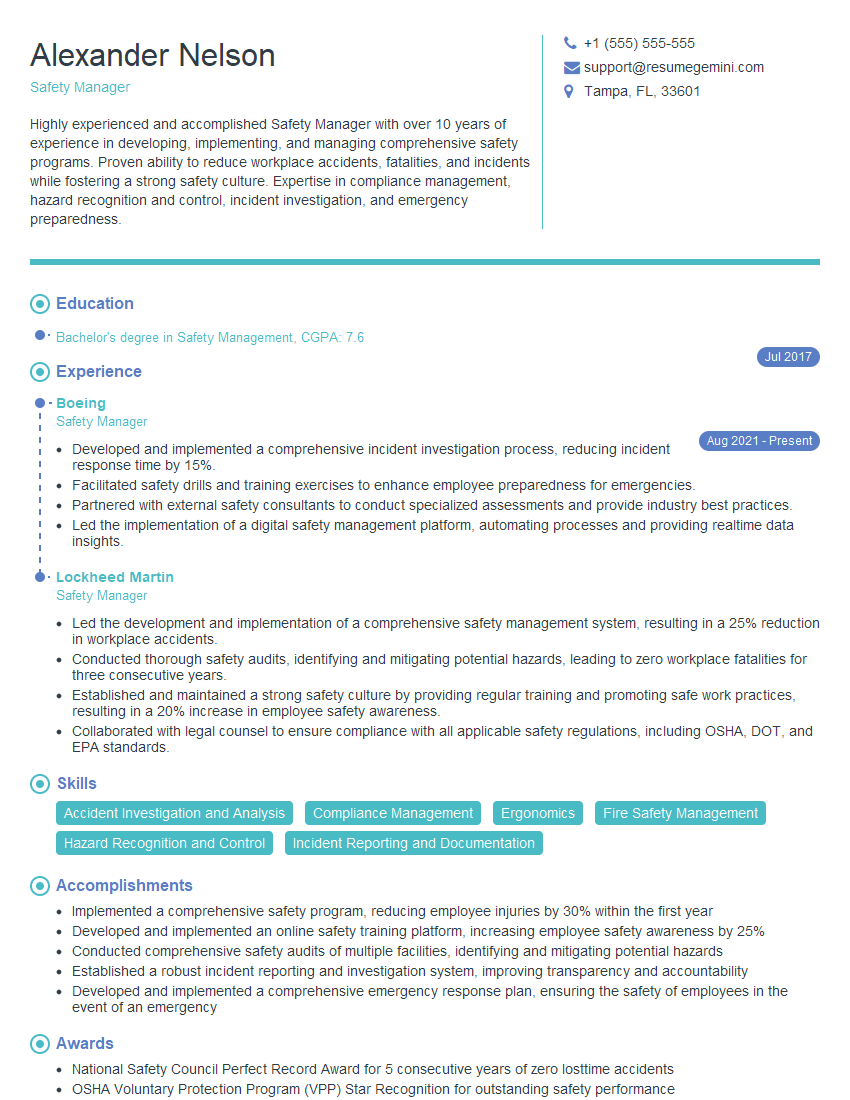
Safety Manager Resume Sample
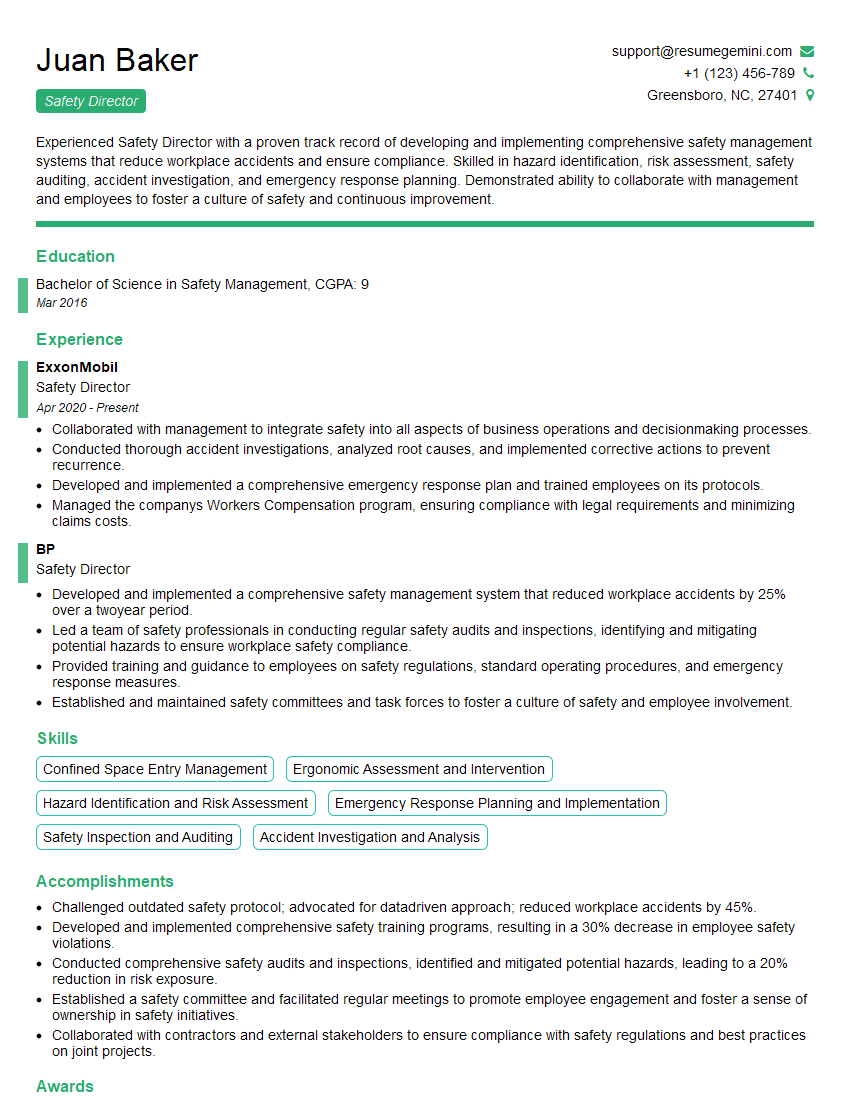
Safety Director Resume Sample
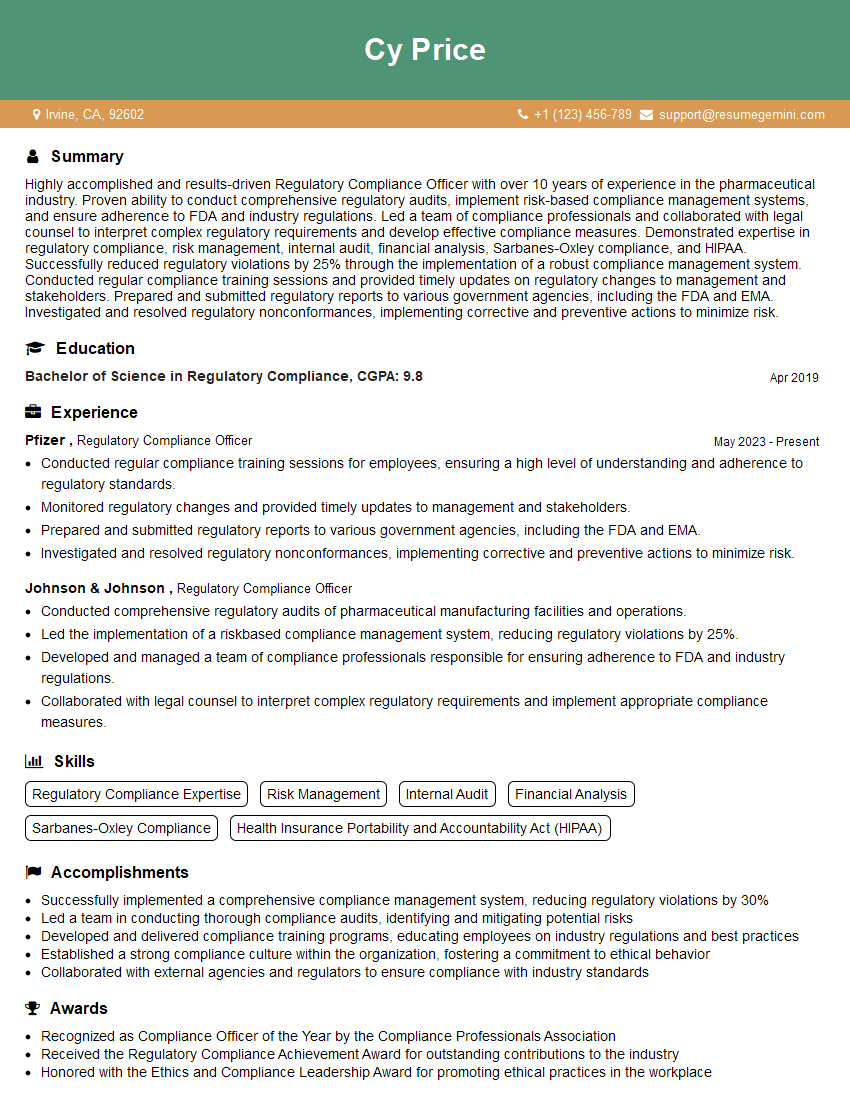
Regulatory Compliance Officer Resume Sample
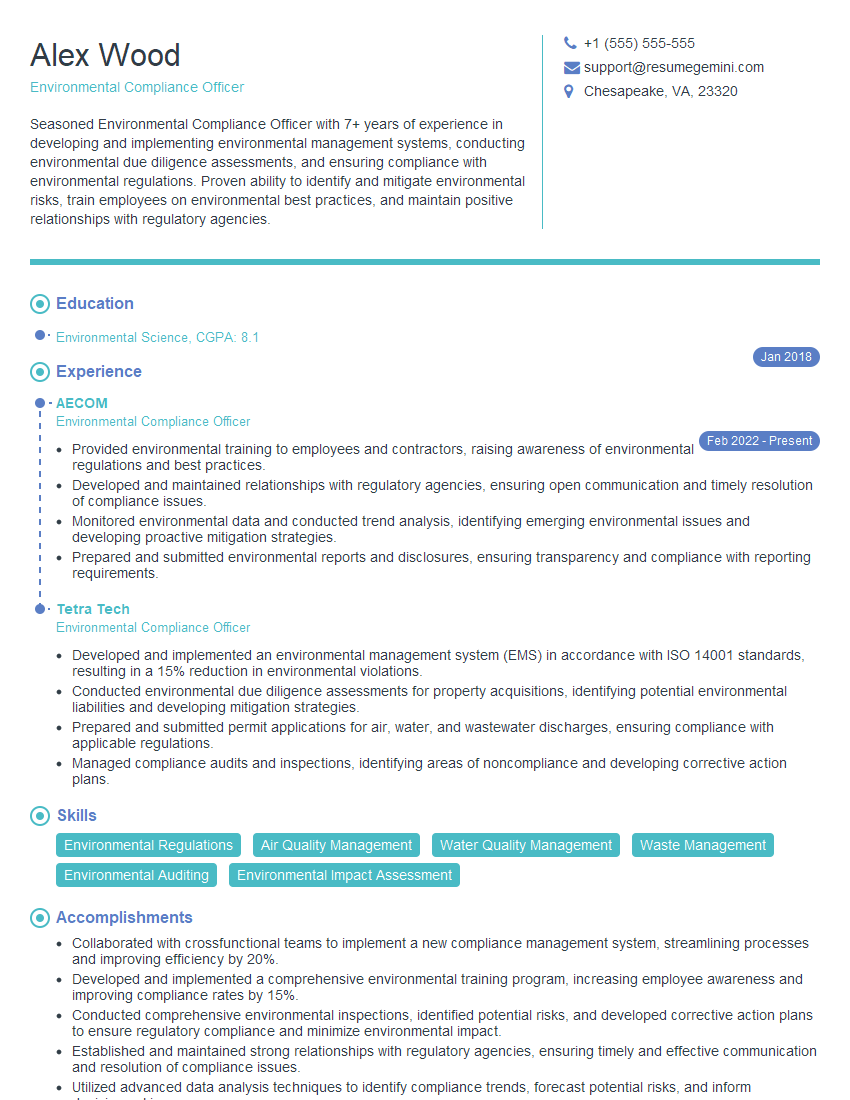
Environmental Compliance Officer Resume Sample
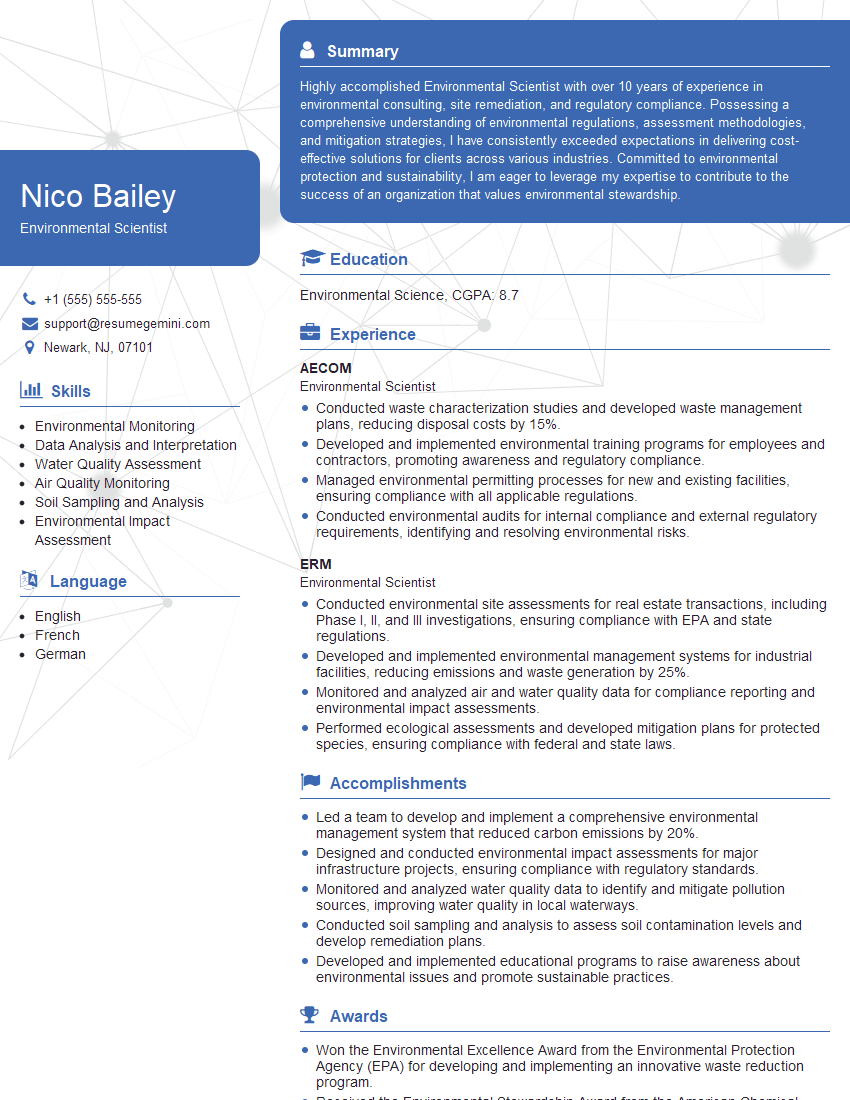
Environmental Scientist Resume Sample
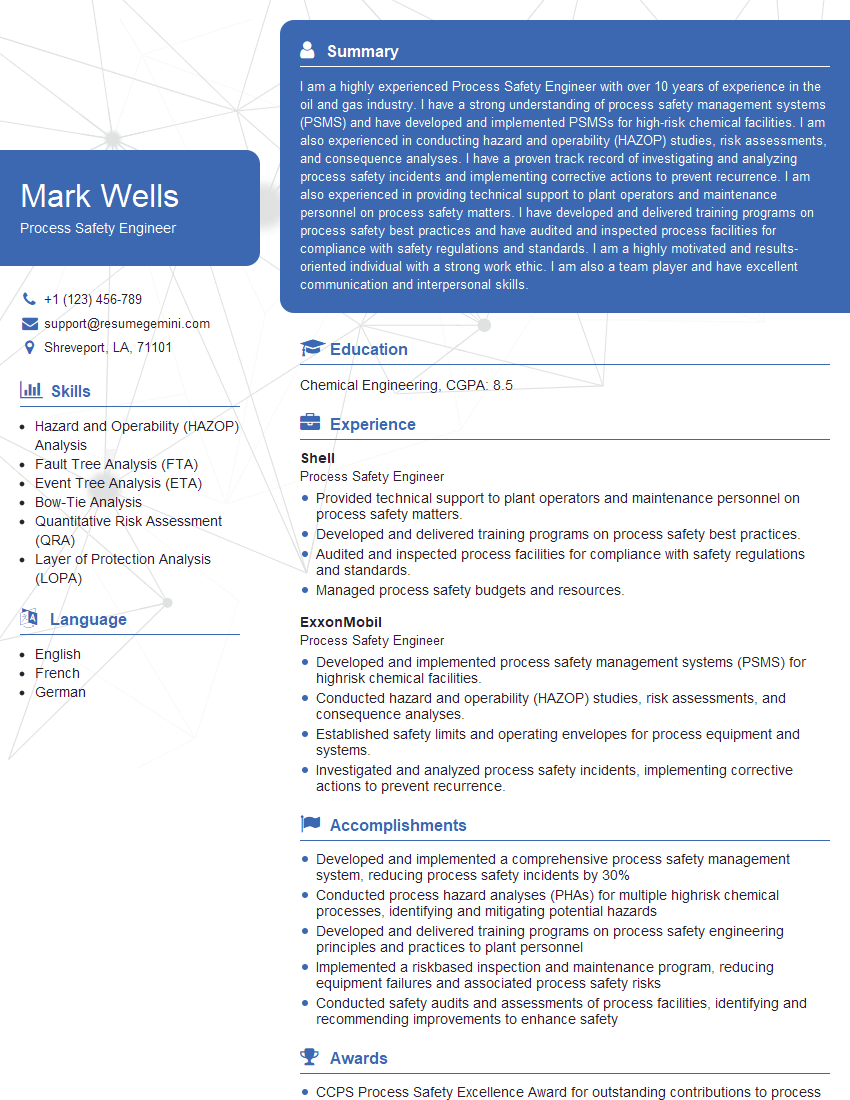
Process Safety Engineer Resume Sample
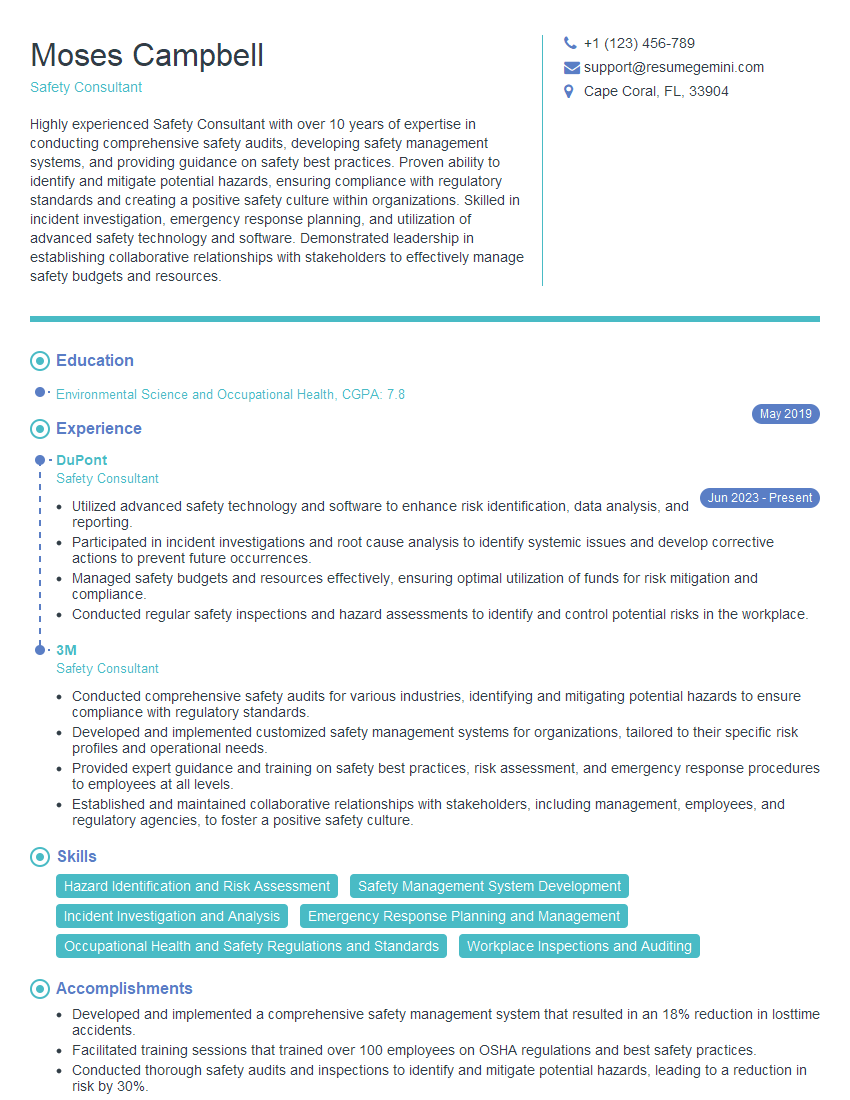
Safety Consultant Resume Sample
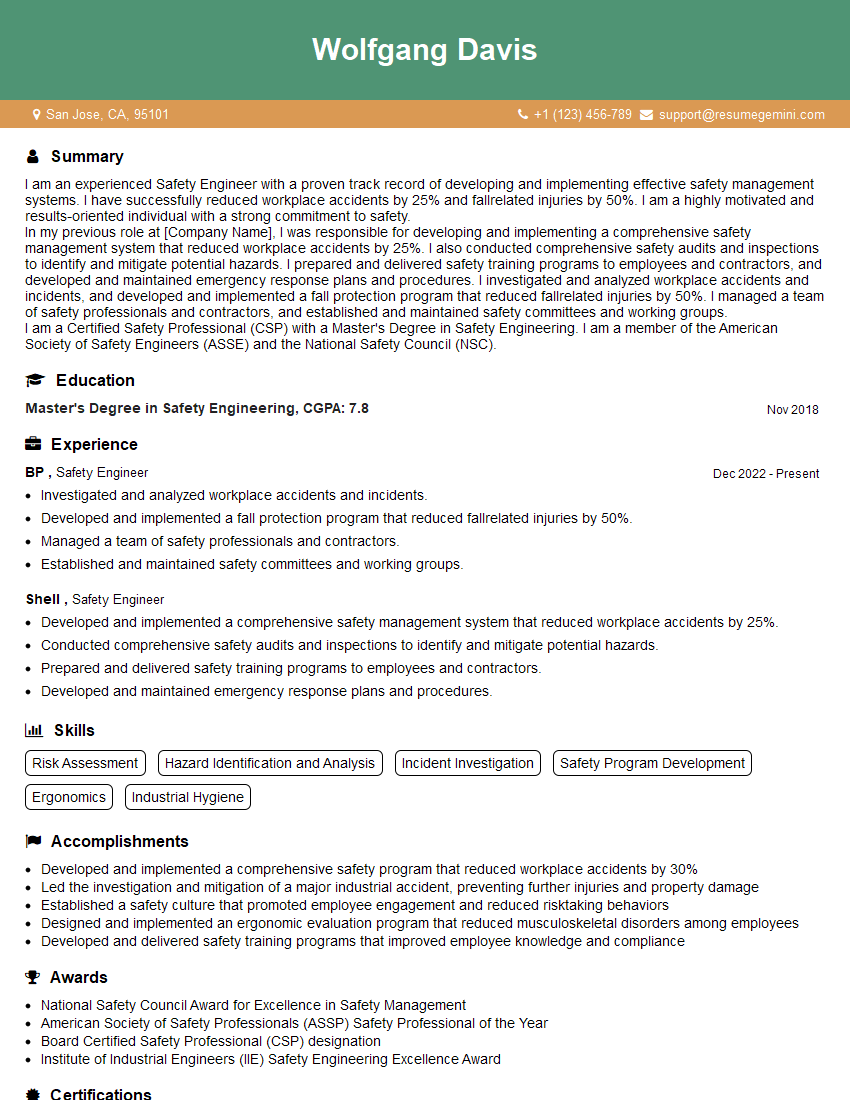
Safety Engineer Resume Sample
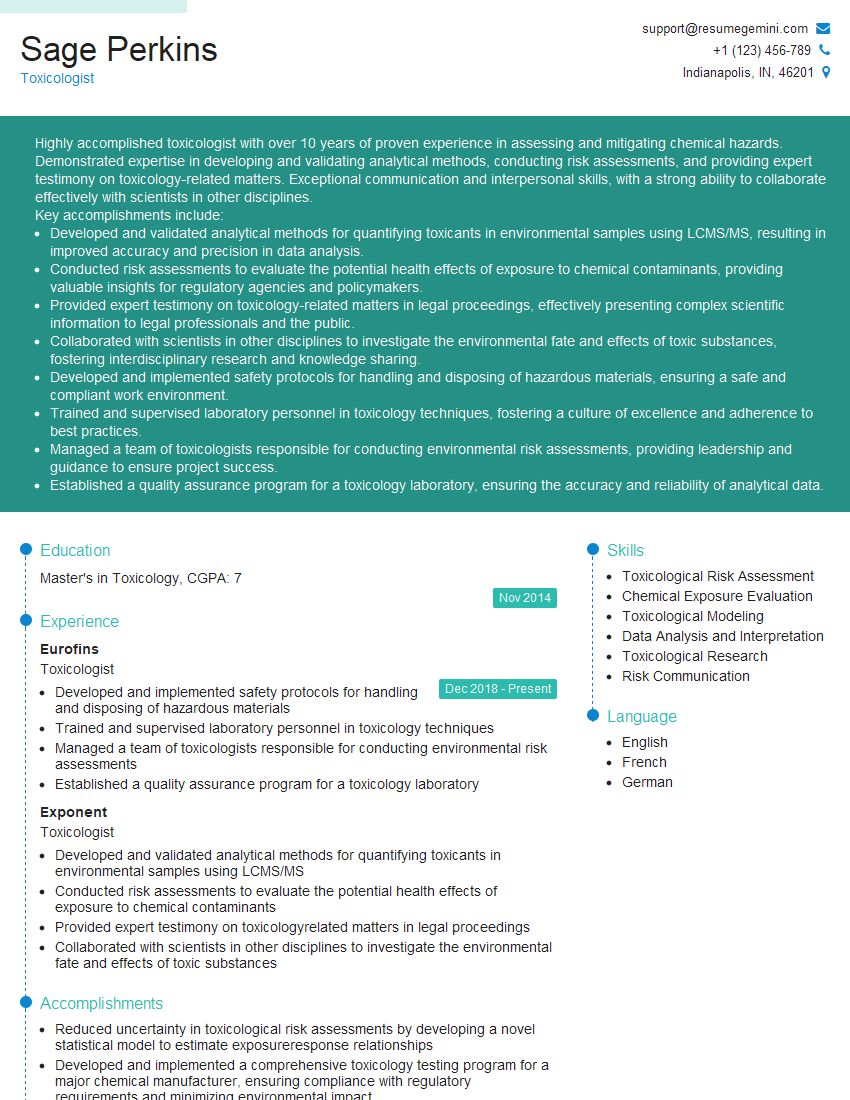
Toxicologist Resume Sample
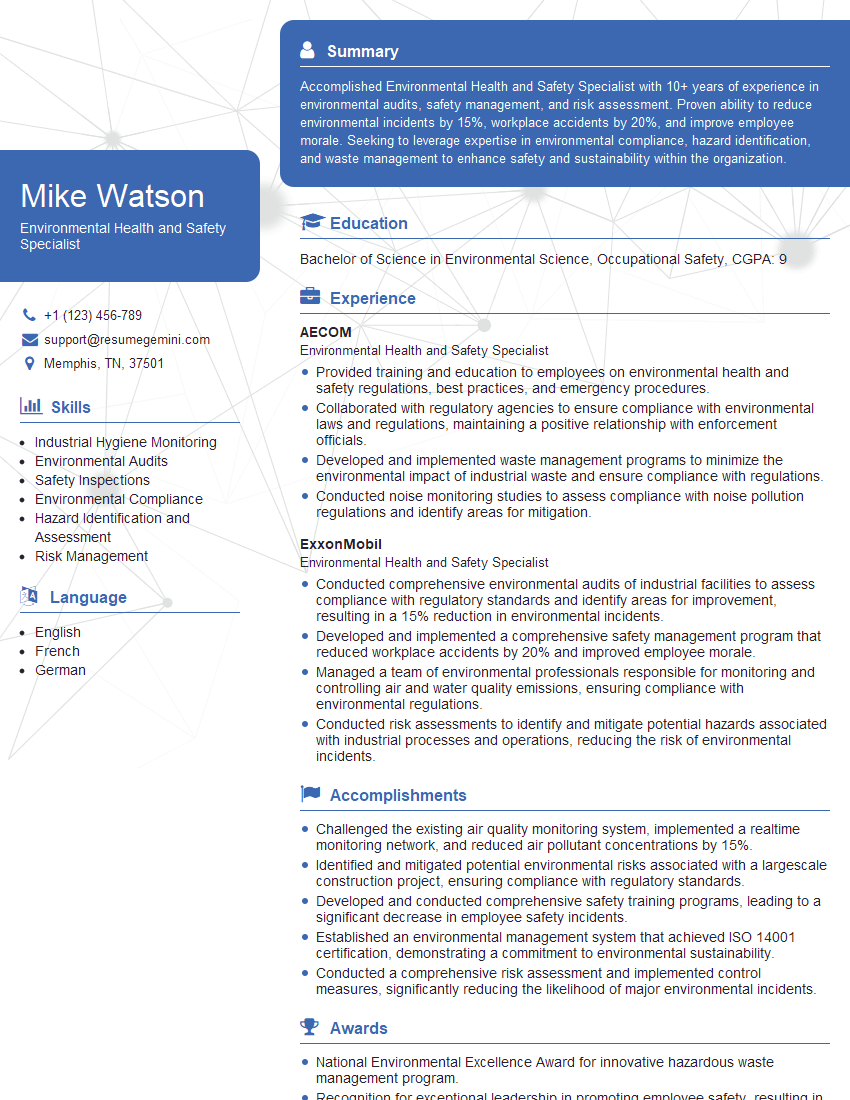
Environmental Health and Safety Specialist Resume Sample
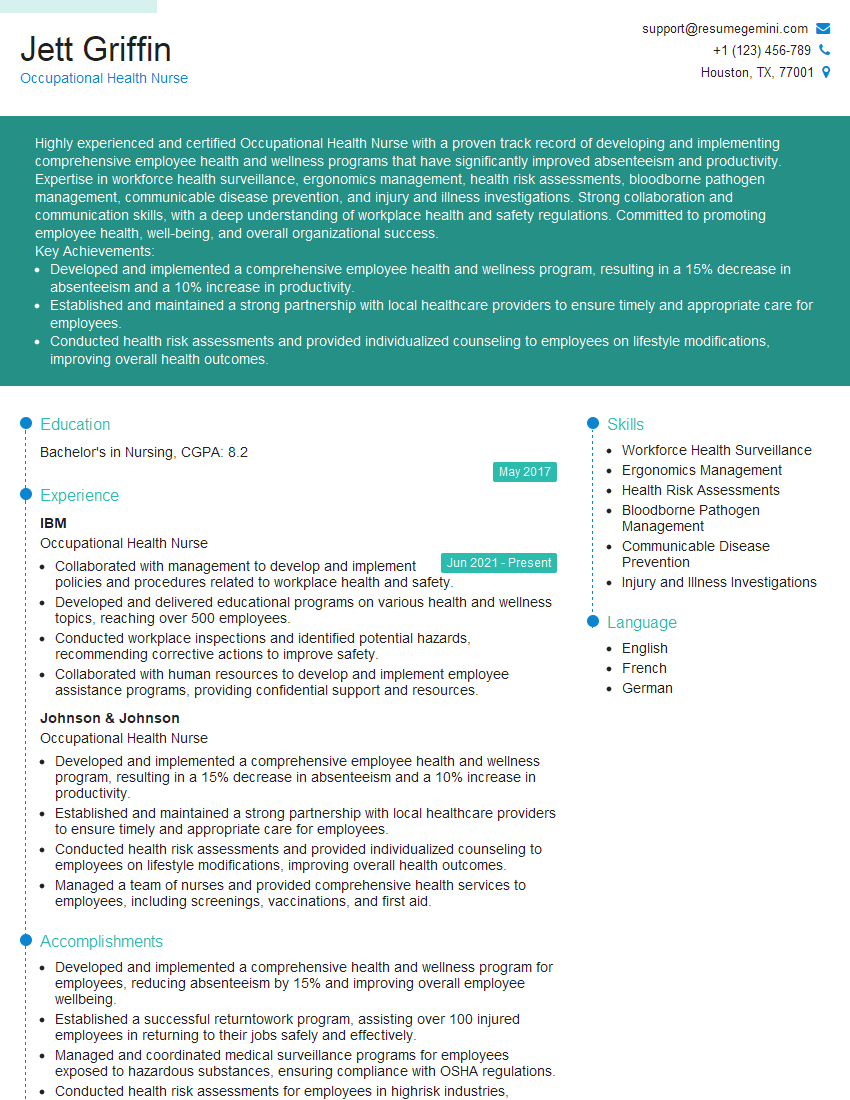
Occupational Health Nurse Resume Sample
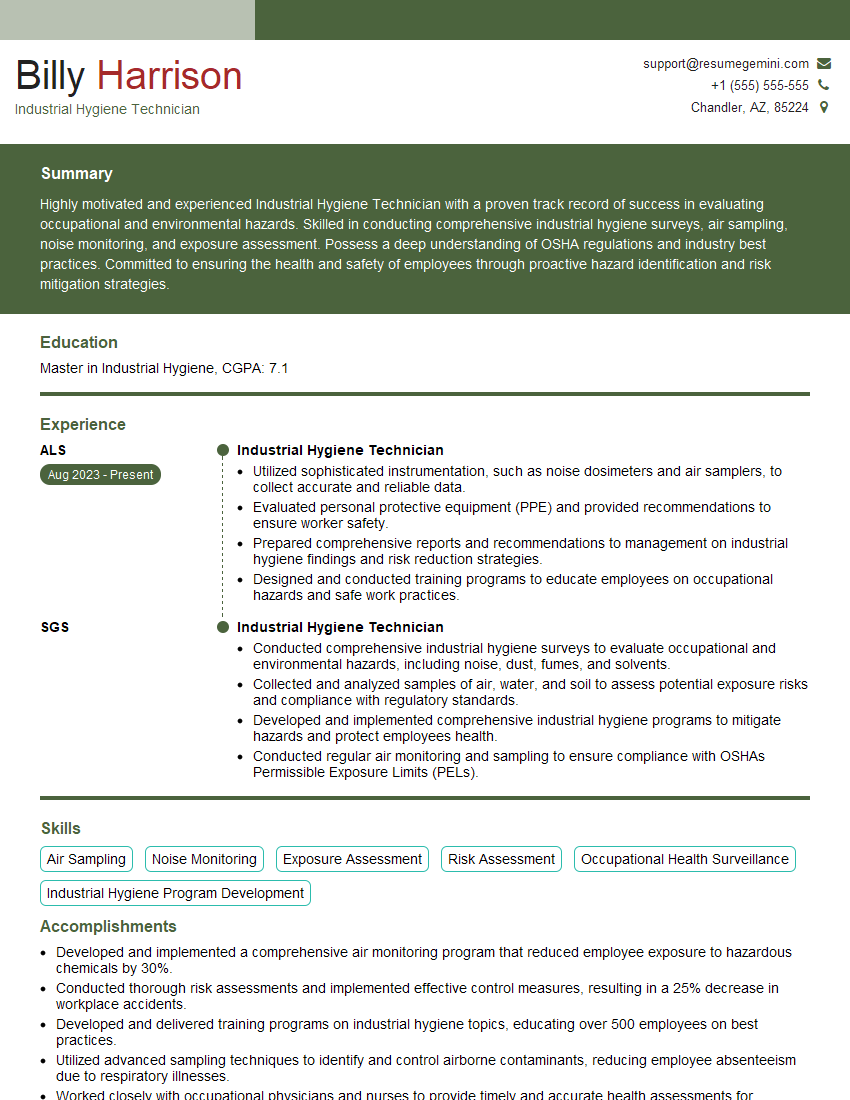
Industrial Hygiene Technician Resume Sample
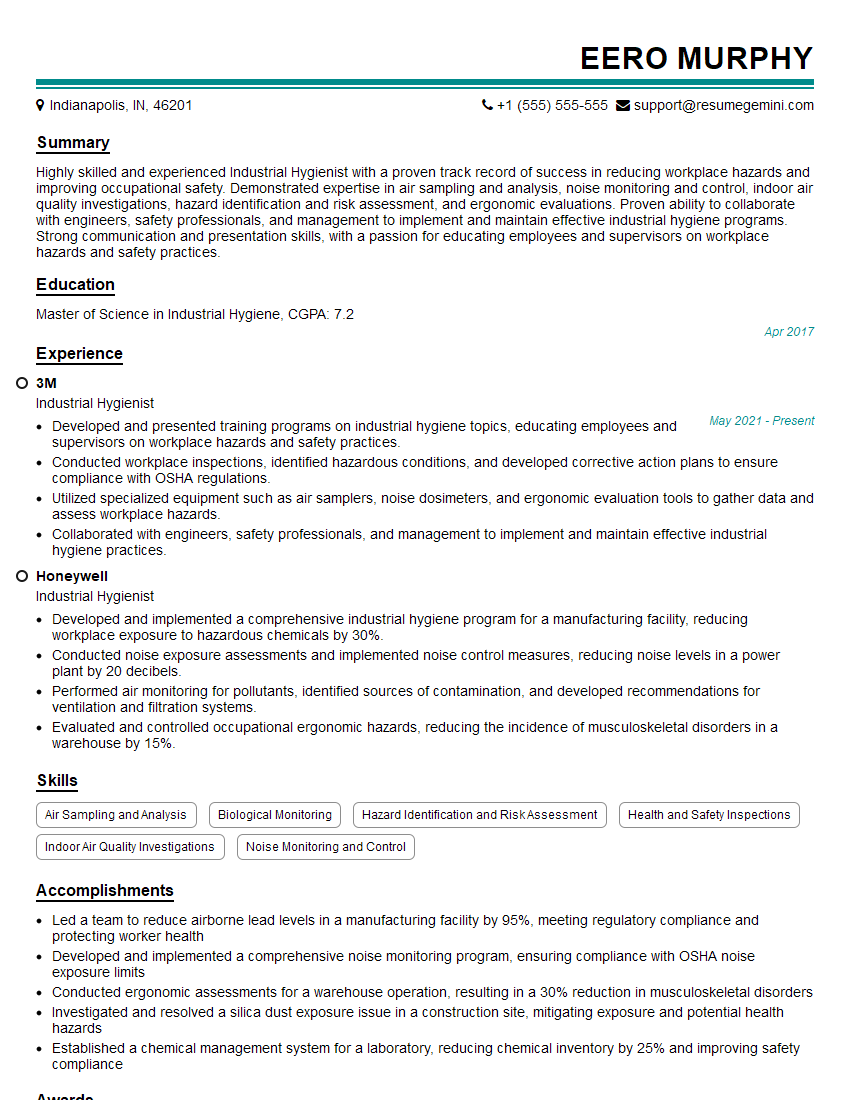
Industrial Hygienist Resume Sample
- Safety Manager
- Safety Director
- Regulatory Compliance Officer
- Environmental Compliance Officer
- Environmental Scientist
- Process Safety Engineer
- Safety Consultant
- Safety Engineer
- Toxicologist
- Environmental Health and Safety Specialist
- Occupational Health Nurse
- Industrial Hygiene Technician
- Industrial Hygienist
Explore more articles
Users Rating of Our Blogs
Share Your Experience
We value your feedback! Please rate our content and share your thoughts (optional).
What Readers Say About Our Blog
Attention music lovers!
Wow, All the best Sax Summer music !!!
Spotify: https://open.spotify.com/artist/6ShcdIT7rPVVaFEpgZQbUk
Apple Music: https://music.apple.com/fr/artist/jimmy-sax-black/1530501936
YouTube: https://music.youtube.com/browse/VLOLAK5uy_noClmC7abM6YpZsnySxRqt3LoalPf88No
Other Platforms and Free Downloads : https://fanlink.tv/jimmysaxblack
on google : https://www.google.com/search?q=22+AND+22+AND+22
on ChatGPT : https://chat.openai.com?q=who20jlJimmy20Black20Sax20Producer
Get back into the groove with Jimmy sax Black
Best regards,
Jimmy sax Black
www.jimmysaxblack.com
Hi I am a troller at The aquatic interview center and I suddenly went so fast in Roblox and it was gone when I reset.
Hi,
Business owners spend hours every week worrying about their website—or avoiding it because it feels overwhelming.
We’d like to take that off your plate:
$69/month. Everything handled.
Our team will:
Design a custom website—or completely overhaul your current one
Take care of hosting as an option
Handle edits and improvements—up to 60 minutes of work included every month
No setup fees, no annual commitments. Just a site that makes a strong first impression.
Find out if it’s right for you:
https://websolutionsgenius.com/awardwinningwebsites
Hello,
we currently offer a complimentary backlink and URL indexing test for search engine optimization professionals.
You can get complimentary indexing credits to test how link discovery works in practice.
No credit card is required and there is no recurring fee.
You can find details here:
https://wikipedia-backlinks.com/indexing/
Regards
NICE RESPONSE TO Q & A
hi
The aim of this message is regarding an unclaimed deposit of a deceased nationale that bears the same name as you. You are not relate to him as there are millions of people answering the names across around the world. But i will use my position to influence the release of the deposit to you for our mutual benefit.
Respond for full details and how to claim the deposit. This is 100% risk free. Send hello to my email id: lukachachibaialuka@gmail.com
Luka Chachibaialuka
Hey interviewgemini.com, just wanted to follow up on my last email.
We just launched Call the Monster, an parenting app that lets you summon friendly ‘monsters’ kids actually listen to.
We’re also running a giveaway for everyone who downloads the app. Since it’s brand new, there aren’t many users yet, which means you’ve got a much better chance of winning some great prizes.
You can check it out here: https://bit.ly/callamonsterapp
Or follow us on Instagram: https://www.instagram.com/callamonsterapp
Thanks,
Ryan
CEO – Call the Monster App
Hey interviewgemini.com, I saw your website and love your approach.
I just want this to look like spam email, but want to share something important to you. We just launched Call the Monster, a parenting app that lets you summon friendly ‘monsters’ kids actually listen to.
Parents are loving it for calming chaos before bedtime. Thought you might want to try it: https://bit.ly/callamonsterapp or just follow our fun monster lore on Instagram: https://www.instagram.com/callamonsterapp
Thanks,
Ryan
CEO – Call A Monster APP
To the interviewgemini.com Owner.
Dear interviewgemini.com Webmaster!
Hi interviewgemini.com Webmaster!
Dear interviewgemini.com Webmaster!
excellent
Hello,
We found issues with your domain’s email setup that may be sending your messages to spam or blocking them completely. InboxShield Mini shows you how to fix it in minutes — no tech skills required.
Scan your domain now for details: https://inboxshield-mini.com/
— Adam @ InboxShield Mini
support@inboxshield-mini.com
Reply STOP to unsubscribe
Hi, are you owner of interviewgemini.com? What if I told you I could help you find extra time in your schedule, reconnect with leads you didn’t even realize you missed, and bring in more “I want to work with you” conversations, without increasing your ad spend or hiring a full-time employee?
All with a flexible, budget-friendly service that could easily pay for itself. Sounds good?
Would it be nice to jump on a quick 10-minute call so I can show you exactly how we make this work?
Best,
Hapei
Marketing Director
Hey, I know you’re the owner of interviewgemini.com. I’ll be quick.
Fundraising for your business is tough and time-consuming. We make it easier by guaranteeing two private investor meetings each month, for six months. No demos, no pitch events – just direct introductions to active investors matched to your startup.
If youR17;re raising, this could help you build real momentum. Want me to send more info?
Hi, I represent an SEO company that specialises in getting you AI citations and higher rankings on Google. I’d like to offer you a 100% free SEO audit for your website. Would you be interested?
Hi, I represent an SEO company that specialises in getting you AI citations and higher rankings on Google. I’d like to offer you a 100% free SEO audit for your website. Would you be interested?