Unlock your full potential by mastering the most common Chemical Safety and Toxicology interview questions. This blog offers a deep dive into the critical topics, ensuring you’re not only prepared to answer but to excel. With these insights, you’ll approach your interview with clarity and confidence.
Questions Asked in Chemical Safety and Toxicology Interview
Q 1. Explain the difference between acute and chronic toxicity.
Acute toxicity refers to the adverse effects that occur within a short period after exposure to a substance, typically within 24 to 96 hours. Think of it as an immediate reaction. For example, ingesting a poisonous mushroom might lead to immediate vomiting, diarrhea, and organ damage. Chronic toxicity, on the other hand, involves the harmful effects that develop over a long period of exposure, often months or years. This is like a slow burn. A classic example is the development of lung cancer after years of exposure to asbestos dust.
- Acute: Rapid onset, short duration of exposure.
- Chronic: Slow onset, prolonged exposure, cumulative effects.
The distinction is crucial in risk assessment, as acute toxicity requires immediate medical attention and necessitates stringent control measures during short-term handling, while chronic toxicity requires long-term monitoring and preventative strategies to mitigate cumulative risks.
Q 2. Describe the process of conducting a risk assessment for a chemical substance.
A chemical risk assessment systematically evaluates the potential hazards posed by a substance and the likelihood of those hazards causing harm under specific conditions. It follows a four-step process:
- Hazard Identification: Determining the inherent properties of the chemical that could cause harm. This involves reviewing existing literature, conducting toxicological studies, and considering the chemical’s physical and chemical properties.
- Hazard Characterization: Defining the nature and severity of the adverse effects associated with the chemical. This includes describing the type of effects (e.g., carcinogenicity, mutagenicity, reproductive toxicity), the dose-response relationship, and any other relevant information.
- Exposure Assessment: Determining the extent of human contact with the chemical. This involves considering the routes of exposure (inhalation, ingestion, dermal contact), the frequency and duration of exposure, and the population exposed. We might consider factors such as workplace conditions, environmental concentrations, and consumer usage patterns.
- Risk Characterization: Combining the hazard and exposure information to estimate the overall risk. This involves determining the probability of adverse health effects occurring given the level of exposure. It might be expressed qualitatively (e.g., low, medium, high risk) or quantitatively (e.g., number of expected cases of illness).
The results of the risk assessment guide the development of appropriate control measures to minimize or eliminate risks.
Q 3. What are the key components of a Material Safety Data Sheet (MSDS)?
A Material Safety Data Sheet (MSDS), now often called Safety Data Sheet (SDS), is a comprehensive document providing information on the hazards of a chemical and how to handle it safely. Key components include:
- Identification: Product name, manufacturer details, emergency contact information.
- Hazard Identification: Classification of hazards (e.g., flammability, toxicity, reactivity), signal words (e.g., Danger, Warning), hazard statements.
- Composition/Information on Ingredients: Chemical identity, concentration ranges of hazardous components.
- First-aid measures: Immediate actions to take in case of exposure.
- Fire-fighting measures: Suitable extinguishing agents, specific hazards arising from the chemical.
- Accidental release measures: Steps to take in case of a spill or leak.
- Handling and storage: Safe handling practices, storage conditions to prevent accidents.
- Exposure controls/personal protection: Engineering controls, personal protective equipment (PPE).
- Physical and chemical properties: Appearance, boiling point, melting point, etc.
- Stability and reactivity: Stability, conditions to avoid, hazardous decomposition products.
- Toxicological information: Health effects, routes of exposure, LD50/LC50 values.
- Ecological information: Environmental effects of the chemical.
- Disposal considerations: Safe methods of disposal.
- Transport information: Regulations related to transportation.
- Regulatory information: Relevant regulations and standards.
- Other information: Additional information, date of issue, revision date.
The SDS is a critical tool for ensuring worker safety and responsible chemical handling. It’s essential that anyone handling a chemical reviews and understands its associated SDS.
Q 4. How do you determine the appropriate Personal Protective Equipment (PPE) for a given chemical?
Selecting appropriate PPE for a chemical involves a careful assessment of the hazards presented by that chemical as detailed on its SDS. It’s not a one-size-fits-all approach. The process involves:
- Hazard Identification: Review the SDS to identify the hazards associated with the chemical. This could include skin corrosion, eye irritation, respiratory toxicity, etc.
- Exposure Assessment: Determine the potential routes of exposure (inhalation, skin contact, ingestion). Consider the concentration and duration of exposure.
- PPE Selection: Choose PPE that provides adequate protection against the identified hazards. For example:
- Eye protection: Safety glasses, goggles, or face shields for splashes or fumes.
- Respiratory protection: Respirators of varying levels depending on the toxicity and concentration of airborne chemicals.
- Skin protection: Gloves, aprons, and coveralls made of appropriate materials resistant to the specific chemical.
- Hearing protection: For processes that generate loud noises.
- Training and Fit Testing: Ensure that employees receive proper training on how to use the PPE correctly. Fit testing may be necessary to ensure a proper seal for respirators.
- Maintenance and Replacement: Regularly inspect and replace PPE as needed to maintain effectiveness. Damaged or contaminated PPE must be replaced immediately.
For example, handling concentrated acids requires acid-resistant gloves, eye protection, and potentially a respirator, while handling a less hazardous solvent might only require chemical-resistant gloves and safety glasses. The key is to consult the SDS and make informed choices based on the specific hazards and exposure scenarios.
Q 5. Explain the concept of LD50 and LC50.
LD50 (Lethal Dose 50) and LC50 (Lethal Concentration 50) are toxicological metrics used to express the acute toxicity of a substance. They represent the dose or concentration of a substance that is lethal to 50% of a test population (usually laboratory animals) under specific conditions.
- LD50: Expressed as milligrams of substance per kilogram of body weight (mg/kg). A lower LD50 value indicates higher toxicity – it means less of the substance is needed to kill 50% of the animals.
- LC50: Expressed as parts per million (ppm) or milligrams per liter (mg/L) of air or water. Similarly, a lower LC50 signifies higher toxicity.
These values are determined through laboratory animal studies and provide a standardized measure for comparing the relative toxicity of different substances. However, it’s crucial to remember that these values are derived from animal studies and might not directly translate to human toxicity. They are still valuable tools for hazard assessment and regulatory purposes.
Q 6. What are the different routes of exposure to toxic substances?
Toxic substances can enter the body through several routes, each with its own implications for the rate and extent of absorption and subsequent toxicity:
- Inhalation: Breathing in airborne particles or gases. This is a particularly rapid route of exposure, especially for highly volatile substances. Examples include inhaling fumes from solvents or asbestos fibers.
- Ingestion: Swallowing the substance. This route can lead to significant toxicity if the substance is absorbed into the bloodstream from the gastrointestinal tract. Examples include accidental ingestion of cleaning products or contaminated food.
- Dermal Absorption: Contact with the skin. The rate of absorption varies greatly depending on the substance’s properties (e.g., lipophilicity) and the integrity of the skin. Examples include handling pesticides or corrosive chemicals without proper protective gear.
- Ocular Exposure: Contact with the eyes. The eyes’ delicate tissues are highly susceptible to irritation and damage from many chemicals. Examples include splashes of acids or alkalis.
Understanding the different routes of exposure is crucial in determining appropriate control measures, such as engineering controls (ventilation systems for inhalation hazards) and personal protective equipment (gloves, eye protection).
Q 7. Describe your experience with various toxicological testing methods.
Throughout my career, I’ve been involved in various toxicological testing methods, encompassing in vitro and in vivo approaches. My experience includes:
- In vitro assays: These laboratory-based methods use cells or tissues to assess toxicity. Examples include cytotoxicity assays (measuring cell death), genotoxicity assays (detecting DNA damage), and enzyme inhibition assays. These are cost-effective and ethical alternatives when possible, providing initial screening data.
- In vivo studies: These methods involve using laboratory animals to assess the effects of chemicals on whole organisms. This includes acute toxicity studies (determining LD50/LC50 values), subchronic and chronic toxicity studies (assessing long-term effects), and specialized studies to assess specific toxicities like reproductive toxicity or carcinogenicity. Ethical considerations are paramount, and these studies must adhere to strict guidelines and regulations.
- Data Analysis and Interpretation: I am proficient in analyzing data from toxicological studies, using statistical methods to determine dose-response relationships, identify no-observed-adverse-effect-levels (NOAELs), and interpret results within the context of human health risk assessment. This involves considering study limitations and extrapolating results to human exposures.
My experience also encompasses utilizing advanced techniques like high-throughput screening (HTS) and omics technologies (genomics, proteomics) to gain a deeper understanding of the mechanisms of toxicity.
Q 8. How do you interpret toxicological data to assess risk?
Interpreting toxicological data to assess risk involves a multi-step process that goes beyond simply looking at numbers. It’s about understanding the context of the data, the limitations of the studies, and the potential implications for human health and the environment.
First, I would carefully examine the type of study conducted (in vitro, in vivo, epidemiological). In vitro studies, using cells or tissues in a lab, provide initial insights into potential toxicity but lack the complexity of a whole organism. In vivo studies, using animals, offer more realistic data but raise ethical concerns and may not fully translate to human responses. Epidemiological studies examine the occurrence of health effects in populations exposed to a chemical, providing valuable real-world data but often lacking precise control over exposure levels.
Next, I’d analyze the key parameters: the dose-response relationship (how toxicity increases with exposure), the route of exposure (inhalation, ingestion, dermal), and the duration of exposure (acute, subchronic, chronic). A crucial aspect is identifying the ‘No Observed Adverse Effect Level’ (NOAEL) or the ‘Benchmark Dose’ (BMD), which helps determine a safe exposure limit. I’d also assess the uncertainty factors applied to account for interspecies and intraspecies variability, as animal data isn’t always a perfect predictor of human response.
Finally, I’d integrate this information to conduct a risk assessment, often using models like the hazard quotient (HQ = exposure level / NOAEL) or risk characterization. This process often involves considering factors beyond the toxicological data, such as the frequency and duration of exposure, potential for synergistic or antagonistic effects with other chemicals, and the characteristics of the exposed population (e.g., children, elderly). It’s a holistic evaluation, not just a simple interpretation of numbers.
Q 9. What are some common chemical hazards found in industrial settings?
Industrial settings present a diverse range of chemical hazards, posing significant risks to worker health and safety. Some common ones include:
- Solvents: Organic solvents like toluene, xylene, and acetone are widely used but can cause respiratory irritation, central nervous system depression, and even organ damage with prolonged exposure.
- Acids and Bases: Strong acids (sulfuric acid, hydrochloric acid) and bases (sodium hydroxide, potassium hydroxide) cause severe burns and tissue damage upon contact. Their vapors can also be irritating to the respiratory system.
- Reactive Chemicals: Many chemicals, when mixed improperly or exposed to heat or moisture, can undergo dangerous reactions, releasing toxic gases or causing explosions. Examples include peroxides and alkali metals.
- Heavy Metals: Lead, mercury, cadmium, and chromium are heavy metals that can accumulate in the body, causing neurological damage, kidney problems, and cancer. Exposure often occurs through inhalation of dust or fumes.
- Carcinogens: Chemicals known to cause cancer are present in various industries, such as asbestos, benzene, and polycyclic aromatic hydrocarbons (PAHs). Exposure should be strictly controlled.
- Asphyxiants: Gases like nitrogen and carbon dioxide displace oxygen in the air, leading to asphyxiation if levels become too high.
The specific hazards will greatly depend on the industry; a chemical plant will have different risks than a construction site. A comprehensive hazard assessment is crucial for any industrial setting to identify and mitigate these risks effectively.
Q 10. Explain your understanding of Globally Harmonized System of Classification and Labelling of Chemicals (GHS).
The Globally Harmonized System of Classification and Labelling of Chemicals (GHS) is an internationally agreed-upon system to bring consistency to the classification and communication of chemical hazards. Its goal is to improve worker safety and reduce chemical-related incidents worldwide by providing a unified approach to hazard identification and communication. Before GHS, various countries had their own classification and labeling systems, creating confusion and difficulty in international trade.
Key aspects of GHS include:
- Classification of hazards: Chemicals are categorized based on their health, environmental, and physical hazards (e.g., acute toxicity, flammability, corrosivity).
- Hazard statements: Standardized phrases describing the nature and severity of the hazards.
- Precautionary statements: Recommendations on how to minimize risks associated with handling and using the chemical (e.g., ‘Wear protective gloves’).
- Safety Data Sheets (SDS): Comprehensive documents containing information on the chemical’s properties, hazards, and safe handling procedures.
- Labels: Standardized labels on containers displaying pictograms, signal words (e.g., ‘Danger’, ‘Warning’), hazard statements, and precautionary statements.
The GHS is not a regulation itself but rather a framework that countries adapt into their national regulations. The adoption of GHS has greatly improved chemical safety globally by facilitating better communication of chemical hazards and promoting a more harmonized approach to risk management.
Q 11. How do you manage chemical waste according to regulations?
Managing chemical waste is critical for environmental protection and public health. This involves adherence to numerous regulations, which vary depending on the jurisdiction and the type of waste. The process typically involves several key steps:
- Waste Characterization: The first step is determining the composition of the waste to classify it appropriately. This often requires laboratory analysis.
- Segregation and Containment: Different types of chemical waste must be separated to prevent incompatible reactions and to facilitate proper disposal. Secure containers, properly labelled, are essential for storage.
- Treatment and Neutralization: Some wastes require treatment before disposal to reduce their toxicity or hazard. This can involve chemical neutralization, incineration, or other methods.
- Record Keeping: Meticulous records must be kept documenting all aspects of chemical waste management, including the generation, handling, treatment, and disposal of the waste. This helps with auditing and compliance.
- Disposal: The final step is the actual disposal of the waste through permitted facilities and according to established regulations. This often involves licensed waste haulers who have the expertise and permits to handle and dispose of hazardous waste properly.
Regulations often dictate specific requirements for labeling, packaging, transportation, and disposal of chemical waste. Non-compliance can result in significant fines and legal repercussions. Following established protocols is crucial for environmental protection and for avoiding legal issues.
Q 12. What is your experience with OSHA regulations concerning chemical safety?
My experience with OSHA (Occupational Safety and Health Administration) regulations concerning chemical safety is extensive. I’m intimately familiar with the Hazard Communication Standard (HCS), which is largely based on the GHS, and requires employers to provide workers with information on the hazardous chemicals they handle. This includes training, access to SDSs, proper labeling of containers, and implementation of control measures.
I also have a solid understanding of OSHA’s requirements regarding personal protective equipment (PPE), including respirators, gloves, and eye protection, as well as requirements for ventilation, engineering controls (e.g., fume hoods), and emergency response plans. I’ve been involved in numerous audits and inspections, ensuring compliance with OSHA’s regulations and identifying areas for improvement. My work has involved developing and implementing chemical hygiene plans, conducting training programs for workers on chemical safety procedures, and participating in incident investigations to determine the root causes of chemical-related accidents and to develop corrective actions.
OSHA regulations are not static, and continuous learning is essential to remain compliant. I actively monitor changes and updates to OSHA standards to ensure that my practices are current and effective.
Q 13. Describe a situation where you had to troubleshoot a chemical safety issue.
In a previous role, we experienced a situation where a new cleaning solvent was introduced into our laboratory without a complete hazard assessment. Initially, there were no apparent problems, but after a few weeks, several lab technicians reported symptoms including headaches, dizziness, and nausea. We immediately suspected the new solvent.
Our troubleshooting involved several steps:
- Investigating the Symptoms: We documented all reported symptoms, focusing on the timing and severity. This revealed a clear correlation with the use of the new solvent.
- Reviewing the Safety Data Sheet (SDS): A thorough review of the solvent’s SDS revealed several health hazards we had overlooked, including potential for respiratory irritation and central nervous system effects.
- Implementing Control Measures: We immediately stopped using the solvent. We improved ventilation in the lab, ensured all technicians wore appropriate respirators, and established a more rigorous procedure for evaluating new chemicals before introduction.
- Medical Evaluation: The affected technicians underwent medical evaluations to assess the severity of their exposure and determine appropriate treatment.
- Training and Communication: We provided additional training to all lab personnel on proper chemical handling and hazard identification, emphasizing the importance of reviewing SDSs before using any new chemical.
This incident highlighted the critical need for a thorough hazard assessment before introducing any new chemical and the importance of proactive monitoring and reporting of potential health effects. It resulted in a revised chemical safety protocol that incorporated more rigorous risk assessment and a stronger emphasis on employee training.
Q 14. How familiar are you with different types of respiratory protection equipment?
My familiarity with respiratory protection equipment is extensive. I understand that the selection of appropriate respiratory protection is crucial for preventing exposure to airborne hazards, and that selection depends heavily on the specific hazard encountered. I am familiar with several types:
- Air-Purifying Respirators (APR): These respirators remove contaminants from the air using filters or cartridges. They’re suitable for environments where the oxygen level is sufficient and the concentration of contaminants is below a certain limit. Different filter types are available for various contaminants (e.g., organic vapors, particulate matter, acid gases).
- Supplied-Air Respirators (SAR): These respirators provide a continuous supply of clean air from a separate source, such as a compressed air tank or an external air compressor. They are suitable for environments with high concentrations of contaminants or oxygen-deficient atmospheres.
- Self-Contained Breathing Apparatus (SCBA): SCBAs provide both air and oxygen from a self-contained unit, making them ideal for environments with immediately dangerous to life or health (IDLH) conditions. They offer the highest level of protection.
Beyond the types, I am also knowledgeable about respirator fit testing, which is essential to ensure an airtight seal between the respirator and the wearer’s face. Proper training and maintenance are also vital aspects of respiratory protection, and I’m proficient in ensuring both are in place.
The selection of the appropriate respirator must be based on a thorough hazard assessment and a careful consideration of the specific contaminants present, their concentration, and the duration of exposure. Incorrect selection or use can be extremely dangerous.
Q 15. What are the key principles of hazard communication?
Hazard communication is all about ensuring that everyone who might come into contact with a hazardous chemical is aware of its potential risks. The key principles revolve around identifying hazards, assessing risks, and then effectively communicating those risks to prevent accidents and injuries. This involves several crucial steps.
- Hazard Identification: This is the first and most important step. It involves determining the physical, health, and environmental hazards associated with a particular chemical. For example, is it flammable, toxic, corrosive, or an environmental pollutant? Safety Data Sheets (SDS) are crucial here.
- Risk Assessment: This step involves evaluating the likelihood and severity of potential harm based on the identified hazards and the conditions under which the chemical is used. Consider factors like exposure levels, duration of exposure, and the protective measures in place.
- Hazard Communication: This involves clearly and effectively communicating the identified hazards and risks to workers and others who may be exposed. This communication happens through various methods including labels, SDS, training programs, and emergency response plans. It’s crucial that the information is accessible, understandable, and delivered in a culturally sensitive manner.
- Control Measures: After communicating the hazards, implementing proper control measures is vital. This can include engineering controls (ventilation), administrative controls (work practices), and personal protective equipment (PPE) like gloves, respirators, and eye protection.
For example, in a laboratory setting, hazard communication involves clearly labeling chemicals with their hazards, providing SDSs for each chemical, and providing comprehensive training to staff on safe handling and emergency procedures. A failure to adhere to these principles can lead to accidents, environmental damage, and serious health consequences.
Career Expert Tips:
- Ace those interviews! Prepare effectively by reviewing the Top 50 Most Common Interview Questions on ResumeGemini.
- Navigate your job search with confidence! Explore a wide range of Career Tips on ResumeGemini. Learn about common challenges and recommendations to overcome them.
- Craft the perfect resume! Master the Art of Resume Writing with ResumeGemini’s guide. Showcase your unique qualifications and achievements effectively.
- Don’t miss out on holiday savings! Build your dream resume with ResumeGemini’s ATS optimized templates.
Q 16. Explain your experience with environmental impact assessments related to chemicals.
My experience in environmental impact assessments (EIAs) related to chemicals spans several years and various projects. EIAs are crucial for understanding the potential ecological consequences of chemical use and release. My work typically involves reviewing existing literature on the toxicity and environmental fate of the chemical(s) in question. This includes examining studies on its persistence, bioaccumulation potential, and potential impacts on different species and ecosystems. I then use this information, alongside data on the potential release scenarios (e.g., accidental spills, atmospheric emissions), to model the likely environmental impact. This modeling often involves using specialized software and drawing on my understanding of environmental chemistry and toxicology.
For instance, in a recent project involving a proposed pesticide manufacturing plant, I conducted an EIA that included evaluating the potential for soil and water contamination. I used fate and transport models to predict the concentration of the pesticide in the environment under different scenarios. The results were used to inform mitigation strategies, including wastewater treatment options and best management practices to minimize environmental risk. My expertise extends to assessing the potential cumulative impacts of multiple chemical stressors on an ecosystem, a critically important part of a comprehensive EIA.
Q 17. How do you conduct a chemical spill response?
Responding to a chemical spill requires immediate and decisive action, following a structured approach to minimize harm to people, the environment, and property. My approach adheres to a well-defined protocol:
- Immediate Actions: The first priority is to ensure the safety of personnel. This means evacuating the area immediately, establishing a perimeter, and contacting emergency services (e.g., fire department, hazardous materials response team). Never approach the spill without proper protective equipment.
- Spill Assessment: Identify the spilled chemical, its quantity, and the extent of the contamination. This often involves consulting the SDS and using monitoring equipment to assess the air and water quality.
- Containment and Control: The next step is to prevent further spread of the spill by using absorbent materials (e.g., spill pads, booms), diking, or other containment techniques depending on the nature of the spill and the chemical involved. This step requires an understanding of the physical and chemical properties of the spilled substance.
- Cleanup: Once contained, the spill needs to be cleaned up according to established protocols. This might involve neutralization, absorption, or other specialized techniques. The cleanup methods must be chosen carefully to avoid creating further hazards.
- Waste Disposal: All contaminated materials must be disposed of properly according to regulations. This often necessitates specialized waste handling companies.
- Post-Spill Monitoring: Finally, monitoring is required to ensure that the cleanup was effective and that there are no lingering effects on the environment or human health.
For example, if a strong acid is spilled, careful neutralization using a base would be necessary. Conversely, a flammable solvent would necessitate containing the spill to prevent ignition and using absorbent materials for cleanup. Proper training and adherence to established protocols are vital in every chemical spill response scenario.
Q 18. What are your experience with different types of toxicological studies (e.g., in vivo, in vitro)?
My experience encompasses a wide range of toxicological studies, both in vivo (in living organisms) and in vitro (in a test tube or petri dish). In vivo studies provide data on the effects of a chemical on a whole organism, offering a more holistic understanding of toxicity. These studies can be acute (short-term) or chronic (long-term) and often involve various animal models, always with careful consideration of ethical guidelines and the 3Rs (Replacement, Reduction, Refinement) principles.
In vitro studies, on the other hand, use cells or tissues in culture to assess the effects of a chemical at a cellular level. These studies are faster, less expensive, and ethically more straightforward than in vivo studies. They are excellent tools for screening chemicals and can provide valuable insights into mechanisms of toxicity. I’ve extensive experience designing and interpreting data from both types of studies, often using them in a complementary fashion. For example, in vitro studies might be used to screen a range of chemicals for their potential toxicity, and then in vivo studies might be used to confirm the findings and assess the overall health effects in a more complex system.
Examples of specific toxicological studies I’ve conducted include:
- Acute toxicity testing in rodents to determine the LD50 (lethal dose for 50% of the test population)
- Subchronic toxicity studies in dogs to assess the effects of repeated exposure to a chemical
- In vitro cytotoxicity assays using human cell lines to assess the potential of a chemical to damage cells
- Genotoxicity assays (Ames test) to evaluate the potential of a chemical to cause mutations
Q 19. Describe your understanding of the dose-response relationship.
The dose-response relationship is a fundamental concept in toxicology. It describes the relationship between the dose of a chemical and the magnitude of the observed effect. Generally, as the dose increases, the severity of the response also increases. This relationship is often represented graphically using a dose-response curve. The curve isn’t always linear; it can be sigmoidal (S-shaped), reflecting the fact that at very low doses, there might be little to no effect, while at high doses, the effect might plateau.
Understanding the dose-response relationship is crucial for risk assessment. By determining the dose at which a particular effect is observed (e.g., LD50, NOAEL – No Observed Adverse Effect Level, LOAEL – Lowest Observed Adverse Effect Level), we can estimate the risk associated with exposure to a given chemical at a specific concentration. For instance, a chemical with a low LD50 poses a higher risk than one with a high LD50, assuming all other factors are equal. The shape of the dose-response curve, whether steep or shallow, also indicates the sensitivity of the population to the chemical. A steep curve suggests that a small increase in dose can lead to a large increase in the response, indicating higher risk. Notably, different individuals within a population can exhibit variations in their response to the same dose, reflecting factors like age, genetics, and overall health.
Q 20. How do you ensure compliance with relevant chemical safety regulations?
Ensuring compliance with chemical safety regulations is paramount in my work. This involves a multifaceted approach encompassing several key areas. First, I stay abreast of the latest regulatory updates and changes. This includes familiarizing myself with legislation such as OSHA (Occupational Safety and Health Administration) regulations in the U.S., or equivalent regulations in other jurisdictions, as well as industry-specific guidelines. Second, I apply my understanding of these regulations during the design phase of any project involving chemicals. This includes selecting chemicals based on their safety profiles and incorporating appropriate control measures into processes. Third, I actively participate in risk assessments and the development of safety data sheets (SDS) to ensure accuracy and compliance.
Additionally, I frequently conduct internal audits to verify that safety procedures are being followed correctly. This involves reviewing records, observing practices, and providing recommendations for improvements. Finally, I ensure proper record-keeping, document handling, and waste disposal practices. Documentation is key because it serves as proof of compliance and can be crucial in the event of an audit or accident investigation. In essence, proactive monitoring, meticulous record-keeping, and thorough training are the cornerstones of ensuring consistent and reliable compliance with chemical safety regulations.
Q 21. Explain your experience with different analytical techniques for chemical identification.
My expertise encompasses a broad range of analytical techniques for chemical identification and quantification. The choice of technique depends on the specific chemical(s) involved, the sample matrix, and the required level of sensitivity. Some commonly used techniques I’m proficient in include:
- Gas Chromatography-Mass Spectrometry (GC-MS): Excellent for volatile and semi-volatile organic compounds. It separates the components of a mixture and identifies them based on their mass-to-charge ratio.
- High-Performance Liquid Chromatography (HPLC): Ideal for non-volatile and thermally labile compounds. It separates compounds based on their interactions with a stationary and mobile phase.
- Inductively Coupled Plasma-Mass Spectrometry (ICP-MS): Specifically used for the determination of trace metals and inorganic elements in various matrices.
- Infrared (IR) Spectroscopy: Provides information on the functional groups present in a molecule, aiding in its identification.
- Nuclear Magnetic Resonance (NMR) Spectroscopy: Offers detailed structural information about molecules, helping to identify unknowns or confirm the purity of known chemicals.
In a real-world scenario, I might use GC-MS to analyze a contaminated soil sample for the presence of volatile organic pollutants, HPLC to analyze a pharmaceutical product for the presence of impurities, or ICP-MS to determine the level of heavy metals in a water sample. The selection of the most appropriate technique(s) requires careful consideration of the analytical challenges presented by each specific situation.
Q 22. How familiar are you with different types of chemical bonding and their implications for safety?
Understanding chemical bonding is fundamental to chemical safety. Different bond types significantly impact a substance’s reactivity, stability, and ultimately, its hazard potential.
- Covalent bonds, where atoms share electrons, often create molecules with varying degrees of stability. For instance, the strong covalent bonds in diamond make it inert, while weaker covalent bonds in organic molecules can lead to greater reactivity and potential hazards.
- Ionic bonds, involving the transfer of electrons between atoms, create compounds that can readily dissociate in solution, potentially increasing their reactivity and toxicity. Think of the corrosive nature of many acids and bases, which stems from the release of ions in water.
- Metallic bonds, found in metals, influence their physical properties like conductivity and malleability. While less directly related to toxicity, the reactivity of certain metals (e.g., alkali metals) necessitates careful handling.
- Hydrogen bonds, weaker than covalent or ionic bonds, play a crucial role in determining the properties of many biological molecules and can impact their interactions with other chemicals, influencing toxicity.
Knowing the type of bonding helps predict a chemical’s behavior – will it be stable or reactive, soluble or insoluble? This informs storage, handling, and disposal procedures, ensuring safety.
Q 23. Describe your understanding of pharmacokinetics and pharmacodynamics.
Pharmacokinetics (PK) and pharmacodynamics (PD) are crucial concepts in toxicology and risk assessment. PK describes what the body does to a chemical, focusing on its absorption, distribution, metabolism, and excretion (ADME). PD, conversely, describes what the chemical does to the body, focusing on its interaction with biological targets and resulting effects.
Imagine taking a pill: PK tracks how the drug gets into your bloodstream, travels to various organs, is broken down by your liver, and is eventually eliminated through urine or feces. PD then explains how the drug, once at its target site (e.g., a receptor in the brain), influences physiological processes, leading to its therapeutic or toxic effects.
Understanding both PK and PD is vital for predicting a chemical’s toxicity. For instance, a chemical with poor absorption might have low toxicity, even if it’s highly potent at its target site. Conversely, a chemical with high absorption and long half-life (time taken for the body to eliminate half the chemical) poses a greater risk of accumulation and chronic toxicity.
Q 24. How do you assess the potential for synergistic or antagonistic effects between chemicals?
Assessing synergistic and antagonistic effects is a complex but essential aspect of chemical risk assessment. Synergistic effects occur when the combined effect of two or more chemicals is greater than the sum of their individual effects – like 1+1=3. Antagonistic effects occur when the combined effect is less than the sum of their individual effects – like 1+1=1.
Assessing these effects often involves experimental studies, such as mixture toxicity assays. We might use concentration-response curves to observe the interaction between chemicals. For example, we could expose cells or animals to various concentrations of two chemicals individually and in combination, measuring the resulting toxicity. Comparing the combined effect to the predicted additive effect reveals whether synergy or antagonism is present.
Predictive modeling is also used, though more complex and challenging. Understanding the mechanisms of toxicity for individual chemicals can offer insights into potential interactions. For instance, if two chemicals target the same metabolic pathway, synergy is more likely. If they target different pathways with opposing effects, antagonism might occur. It’s a critical area where research continues to advance.
Q 25. What is your experience with the use of safety software or databases?
I have extensive experience using various safety software and databases. These tools are indispensable for managing chemical safety data and performing risk assessments.
- Chemical inventory management systems: I’ve used software to track chemical usage, storage locations, and associated safety data sheets (SDS). This ensures proper inventory control and prevents accidental exposure or misuse.
- SDS databases: I am proficient in searching and interpreting information from SDS databases, crucial for identifying hazards and implementing control measures.
- Risk assessment software: I have experience using software to perform quantitative risk assessments, calculating exposure levels, and determining the likelihood and severity of adverse health effects.
- Regulatory compliance software: I am familiar with software that helps organizations track regulatory requirements and ensure compliance with relevant chemical safety regulations.
The specific software I’ve used varies, but the underlying principles remain the same: accurate data input, meticulous record-keeping, and thorough understanding of the software’s capabilities are crucial for effective and safe chemical handling.
Q 26. Describe a time you had to make a difficult decision regarding chemical safety.
During my time at a pharmaceutical company, we faced a situation where a new manufacturing process involving a previously unexamined byproduct raised safety concerns. Initial toxicity studies suggested potential long-term health risks, but more extensive testing was expensive and time-consuming.
The decision was whether to proceed with the new, more cost-effective process with incomplete toxicity data or to stick with the older, more expensive method. I worked closely with the management team, toxicologists, and engineers to evaluate the risks and benefits of each option. We considered potential long-term costs associated with health issues versus the immediate financial savings from the new process. We also analyzed the probabilities of different scenarios and ultimately opted for the more expensive, well-established process until more comprehensive toxicity data was available.
While financially challenging, prioritizing safety proved to be the right decision. It not only protected the health of our workers, but also shielded the company from potential future liabilities and reputational damage.
Q 27. How do you stay current with the latest advances in chemical safety and toxicology?
Staying current in chemical safety and toxicology requires a multifaceted approach. I actively engage in several activities to maintain my expertise:
- Professional journals and publications: I regularly read journals like Toxicology Science, Chemical Health & Safety, and other relevant publications to keep abreast of new research findings and regulatory updates.
- Conferences and workshops: I attend industry conferences and workshops to learn about the latest advances from leading experts and network with colleagues.
- Professional organizations: I am a member of professional organizations such as the Society of Toxicology (SOT), allowing access to continuing education opportunities, networking, and up-to-date information.
- Online resources and databases: I utilize online databases such as PubMed, ChemIDplus, and other regulatory agency websites to find relevant safety data and research findings.
- Continuing education courses: I regularly participate in continuing education courses to maintain my certifications and learn about new techniques and regulations.
This multi-pronged strategy ensures that my knowledge base is continually updated, allowing me to provide the most current and accurate safety advice.
Q 28. Explain your understanding of the precautionary principle.
The precautionary principle is a guiding principle in chemical safety, emphasizing the importance of taking preventive action in the face of uncertainty. Essentially, if there is a reasonable suspicion that a chemical poses a potential risk to human health or the environment, precautionary measures should be taken, even if the scientific evidence is incomplete.
It’s not about stopping all innovation, but rather prioritizing proactive steps to minimize potential harm. For example, if a new chemical shows some concerning effects in early testing, the precautionary principle would suggest limiting its use until more data is available, rather than assuming it’s safe until proven otherwise. This is particularly crucial when dealing with potentially irreversible environmental or health damage.
The principle is often invoked in regulatory decision-making. The burden of proof falls on those advocating for the use of a potentially hazardous substance to demonstrate its safety, not the other way around. This proactive approach aims to prevent future problems and protect both human health and the environment.
Key Topics to Learn for Chemical Safety and Toxicology Interview
- Hazard Identification and Risk Assessment: Understanding hazard identification methods (e.g., GHS, NFPA), risk assessment methodologies (e.g., qualitative, quantitative), and the development of safety data sheets (SDS).
- Toxicology Principles: Mastering fundamental toxicological concepts such as dose-response relationships, routes of exposure, ADME (Absorption, Distribution, Metabolism, Excretion), and the different types of toxicity (acute, chronic, developmental).
- Chemical Regulations and Compliance: Familiarity with relevant regulations (e.g., OSHA, EPA, REACH) and their practical application in chemical handling, storage, and disposal.
- Exposure Assessment and Control: Understanding methods for assessing worker and environmental exposure to chemicals and implementing effective control measures (e.g., engineering controls, administrative controls, PPE).
- Risk Communication and Management: Developing effective communication strategies for conveying risk information to stakeholders and implementing robust risk management plans.
- Practical Application: Be prepared to discuss real-world scenarios involving chemical incidents, spill response, and emergency preparedness. Consider case studies involving accident investigation and root cause analysis.
- Problem-Solving: Practice applying your knowledge to hypothetical scenarios that test your ability to identify hazards, assess risks, and develop appropriate control measures. Consider ethical considerations in decision-making.
- Analytical Techniques: Demonstrate understanding of analytical techniques used in chemical safety and toxicology, such as chromatography and spectroscopy, and their application in sample analysis.
Next Steps
Mastering Chemical Safety and Toxicology opens doors to a rewarding career with diverse opportunities in research, industry, and regulatory agencies. To maximize your job prospects, a well-crafted resume is crucial. An ATS-friendly resume ensures your application gets noticed by recruiters and hiring managers. ResumeGemini is a trusted resource to help you build a professional and impactful resume that highlights your skills and experience effectively. Examples of resumes tailored to Chemical Safety and Toxicology are provided to guide you through the process. Invest the time to create a compelling resume – it’s your first impression with potential employers.

Compliance Officer Resume Sample
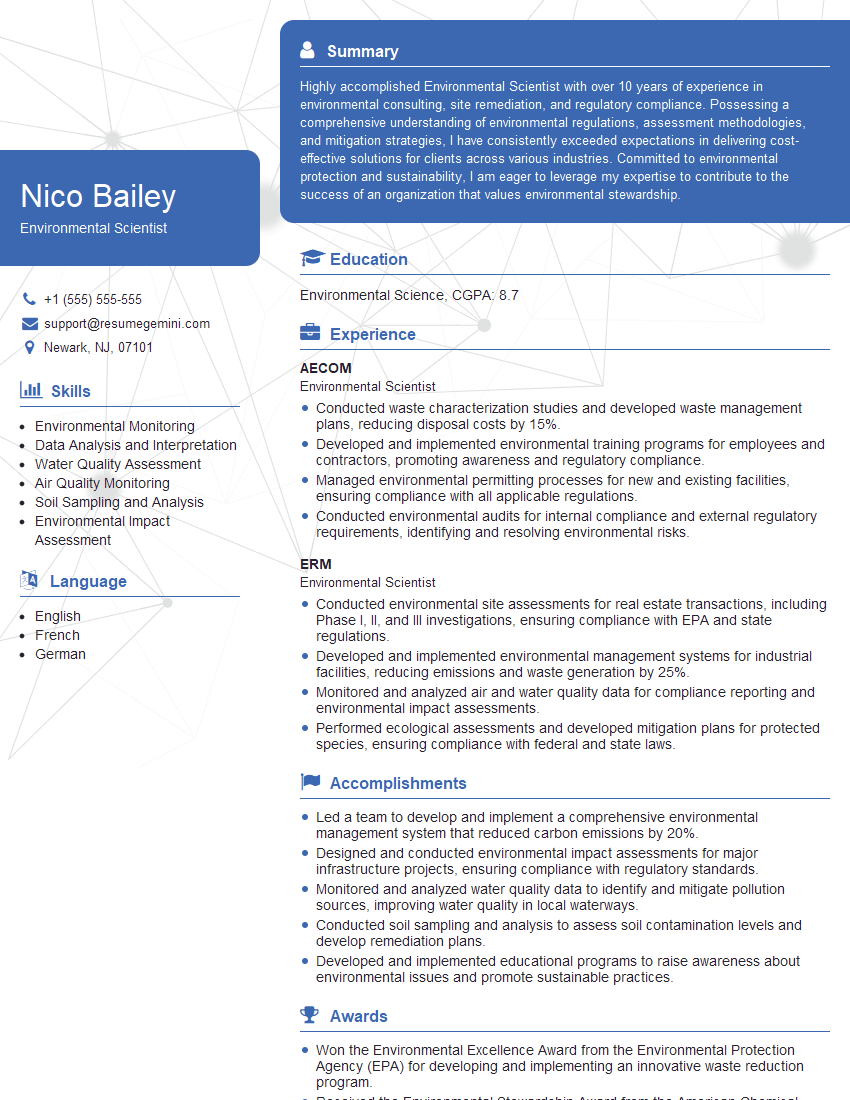
Environmental Scientist Resume Sample
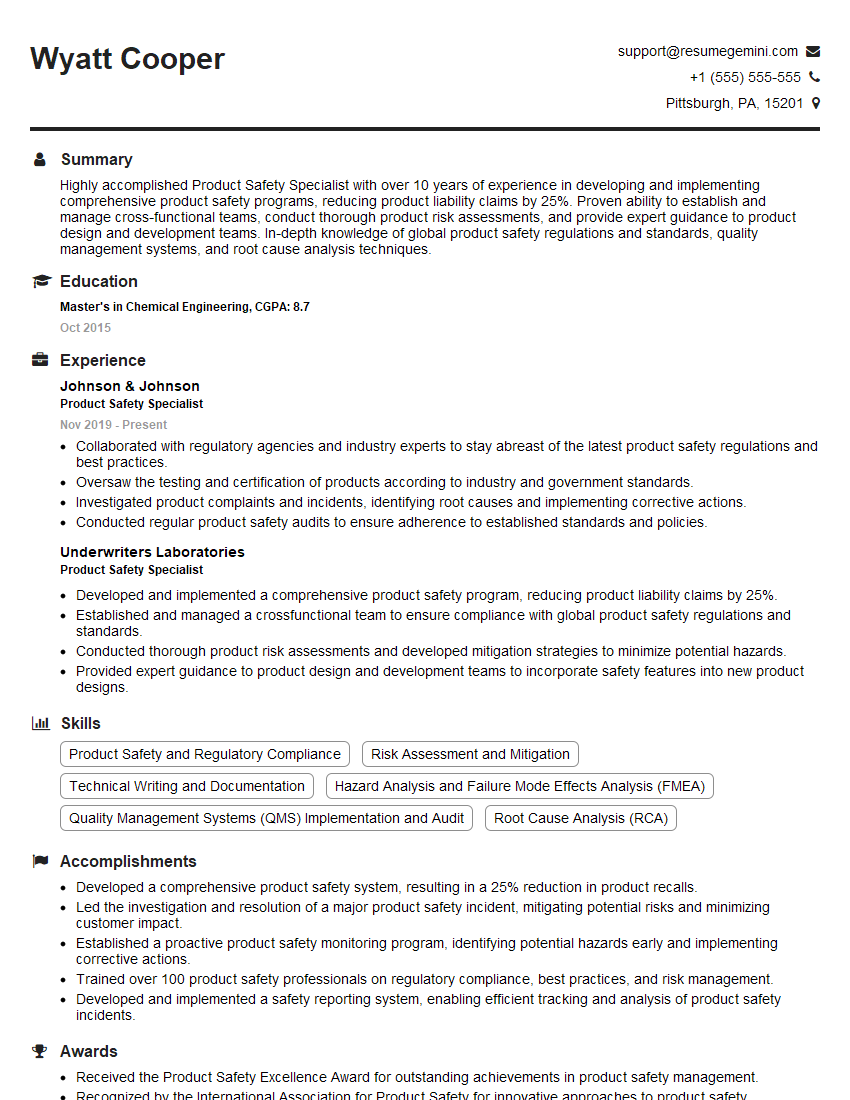
Product Safety Specialist Resume Sample
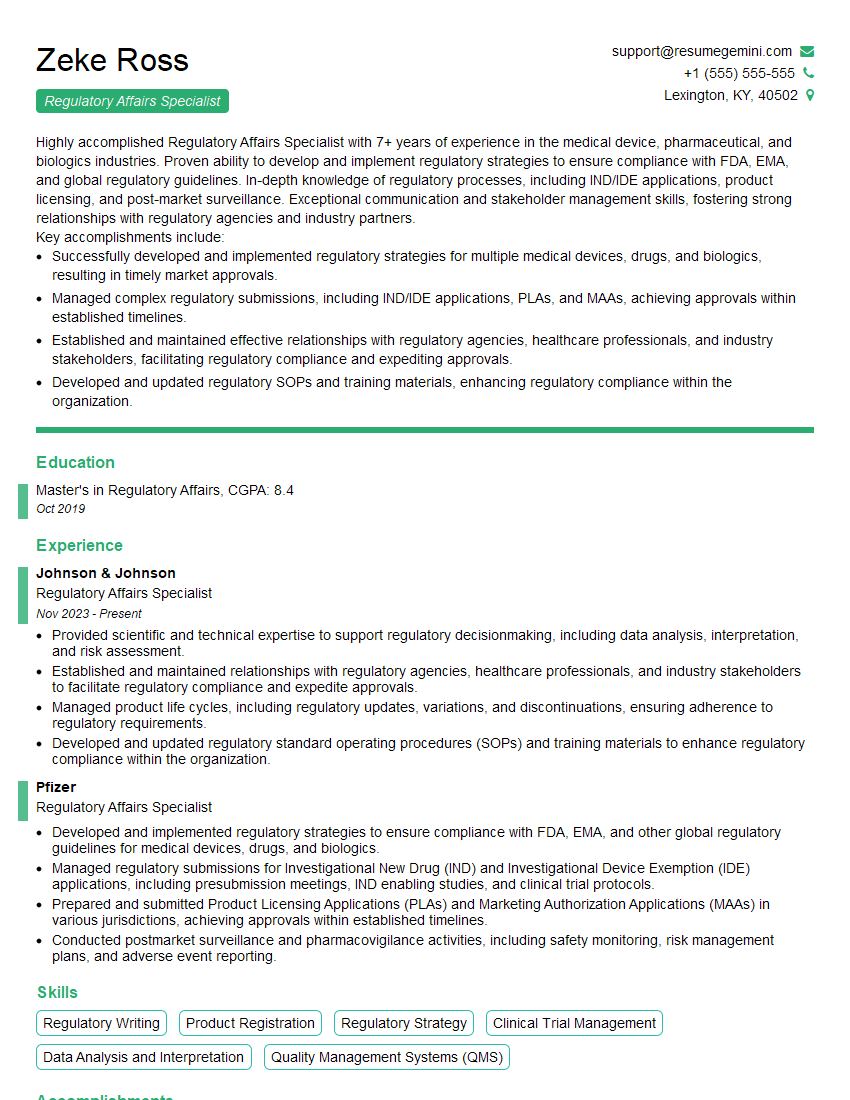
Regulatory Affairs Specialist Resume Sample
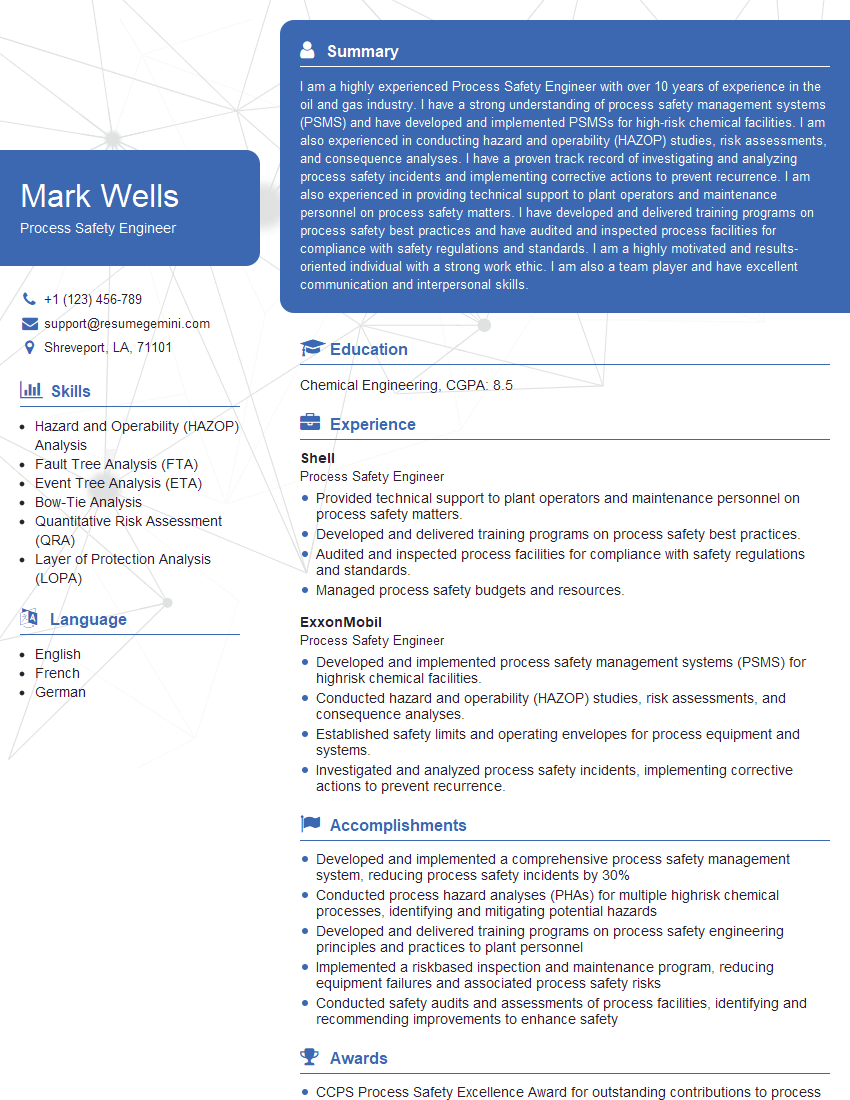
Process Safety Engineer Resume Sample
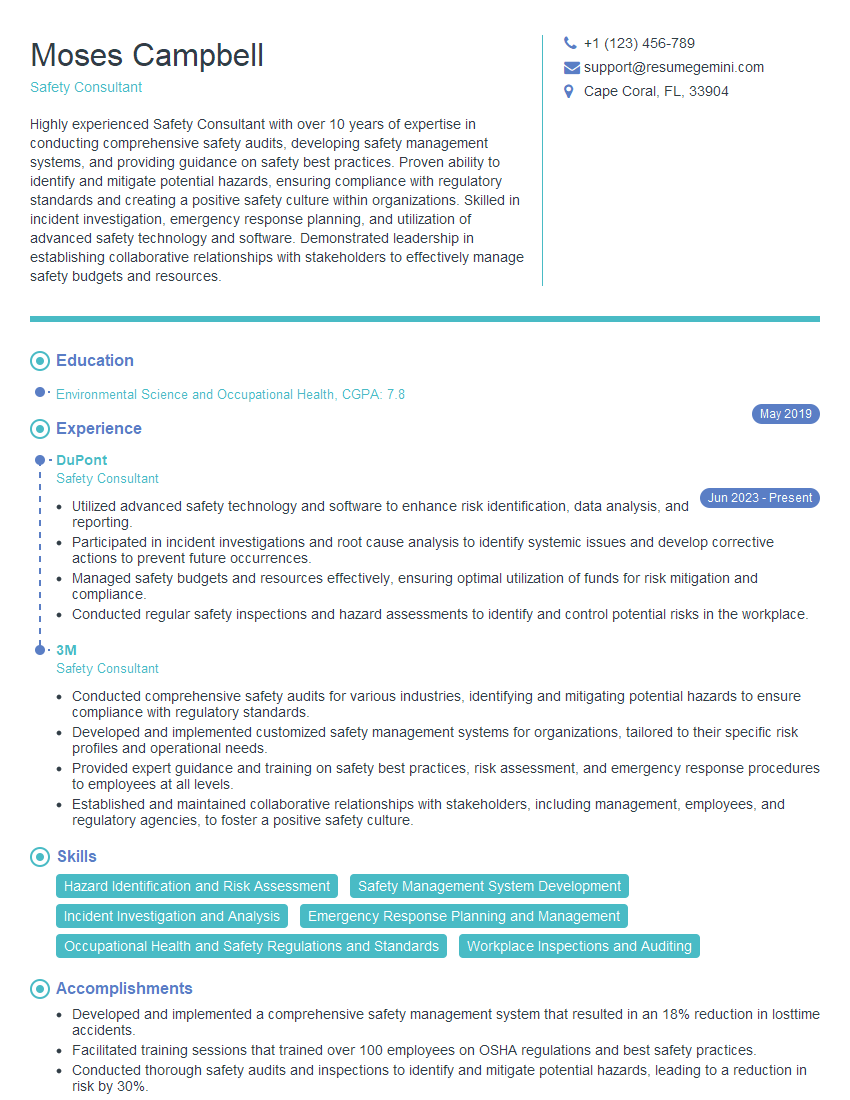
Safety Consultant Resume Sample
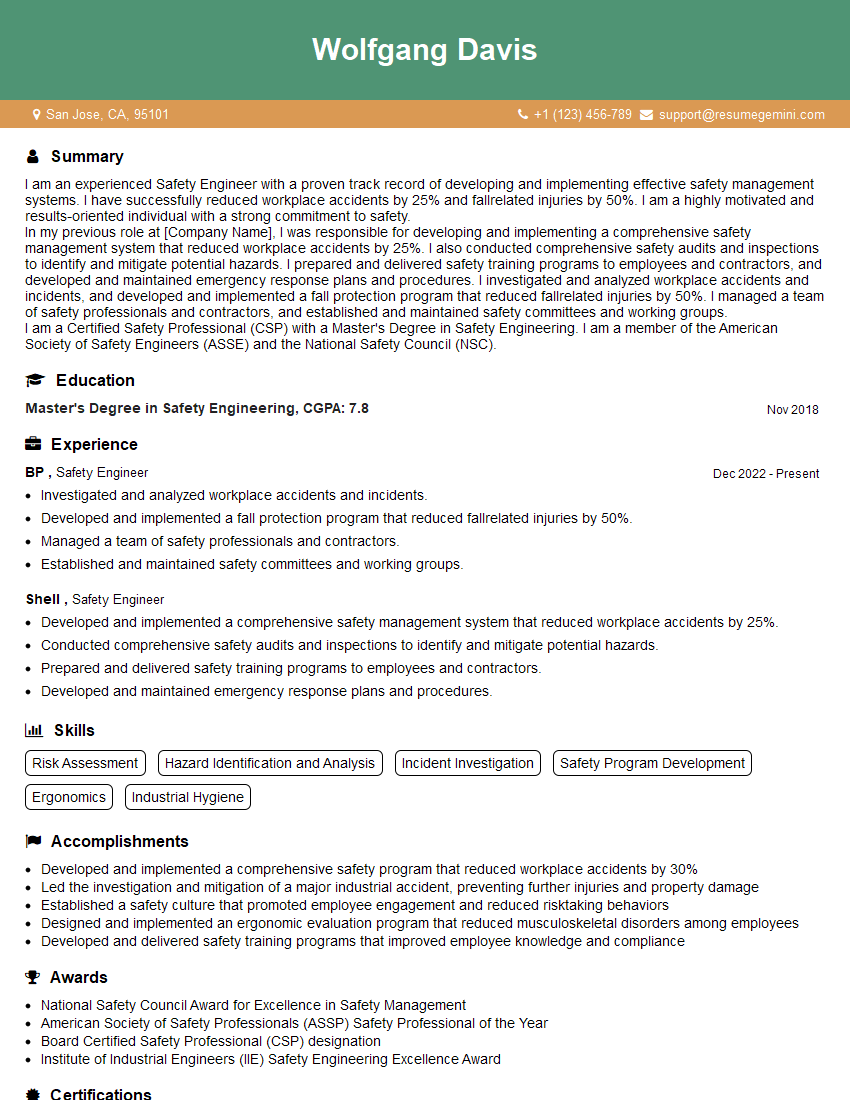
Safety Engineer Resume Sample
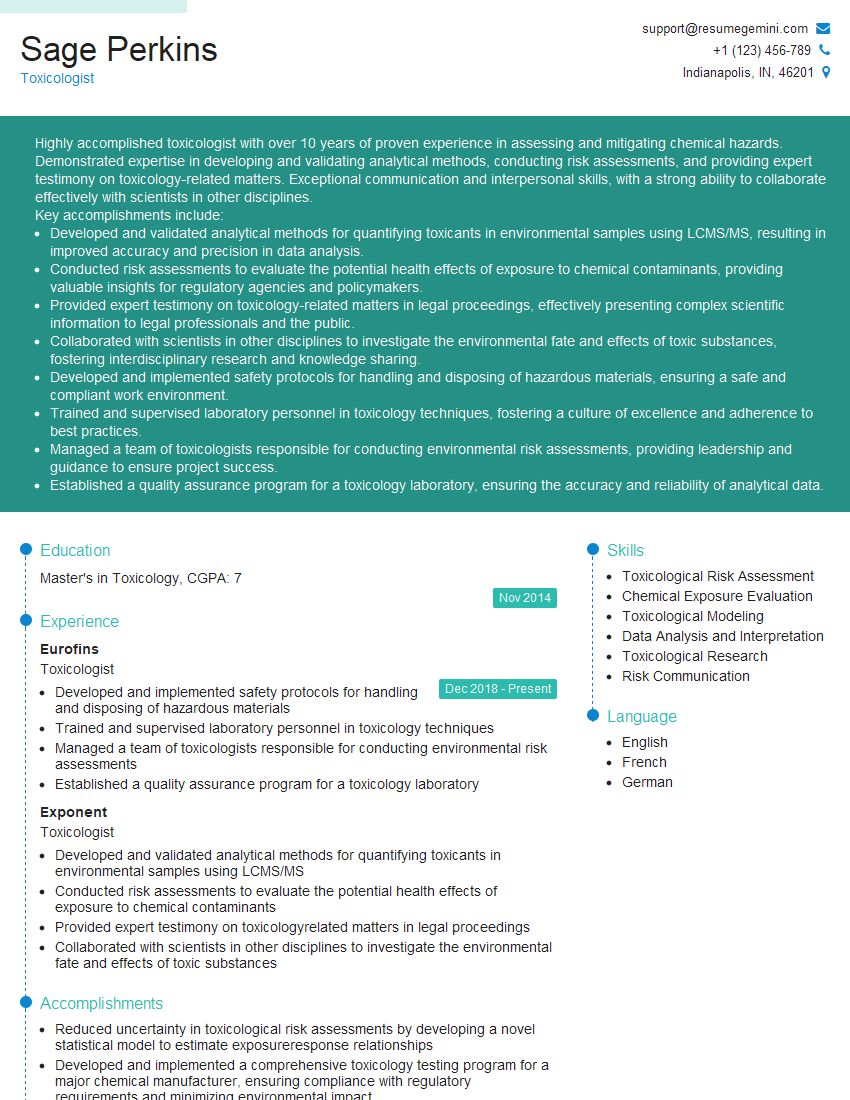
Toxicologist Resume Sample
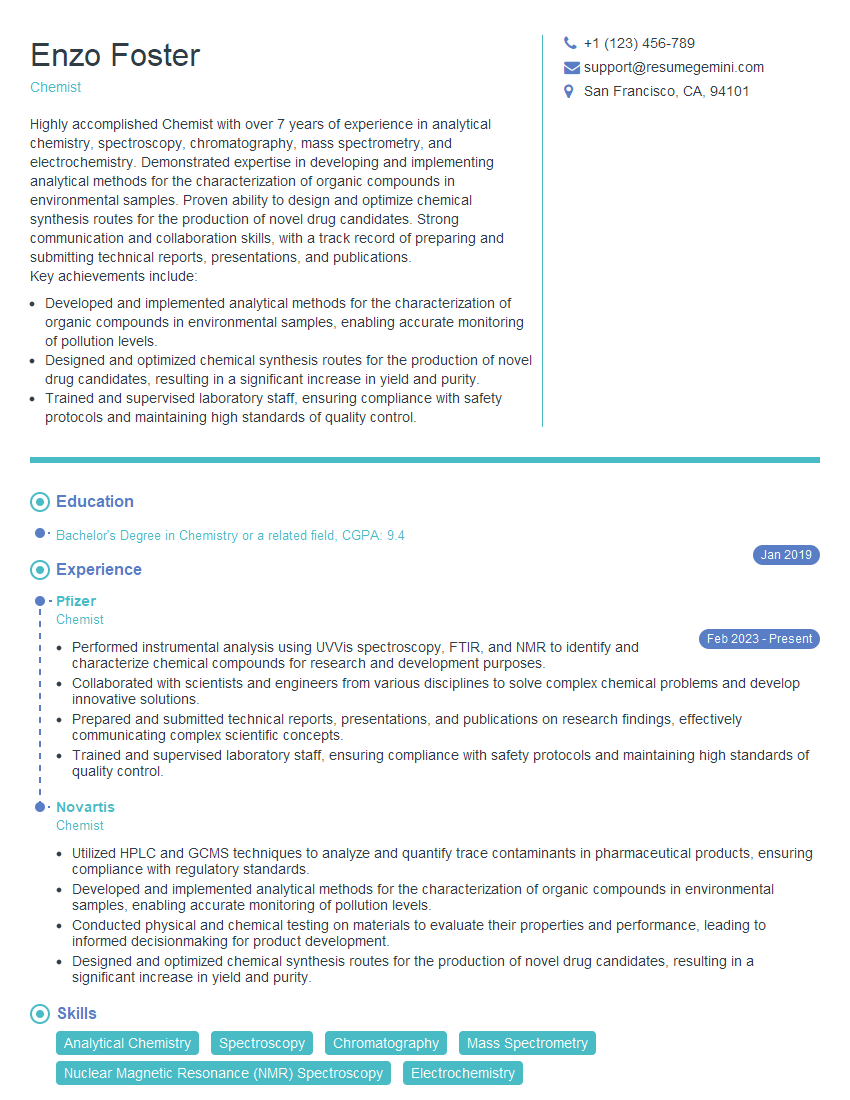
Chemist Resume Sample
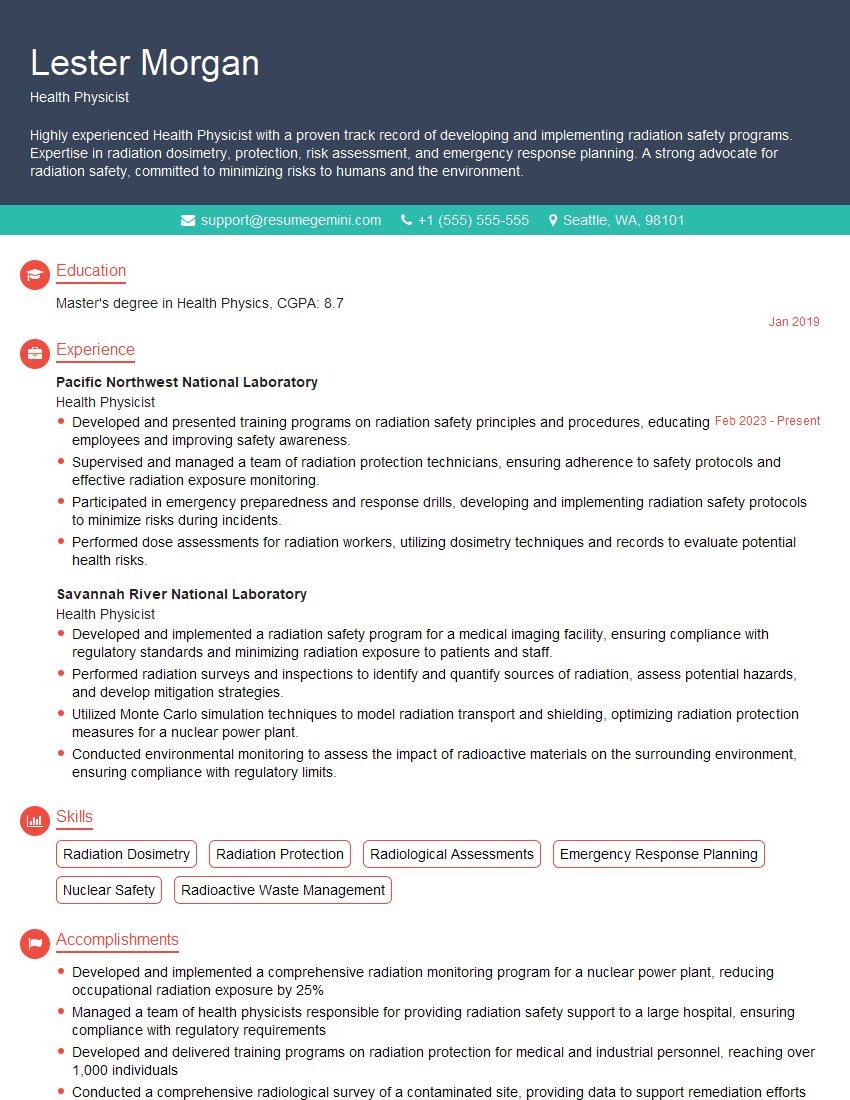
Health Physicist Resume Sample

Analytical Chemist Resume Sample

Risk Assessor Resume Sample
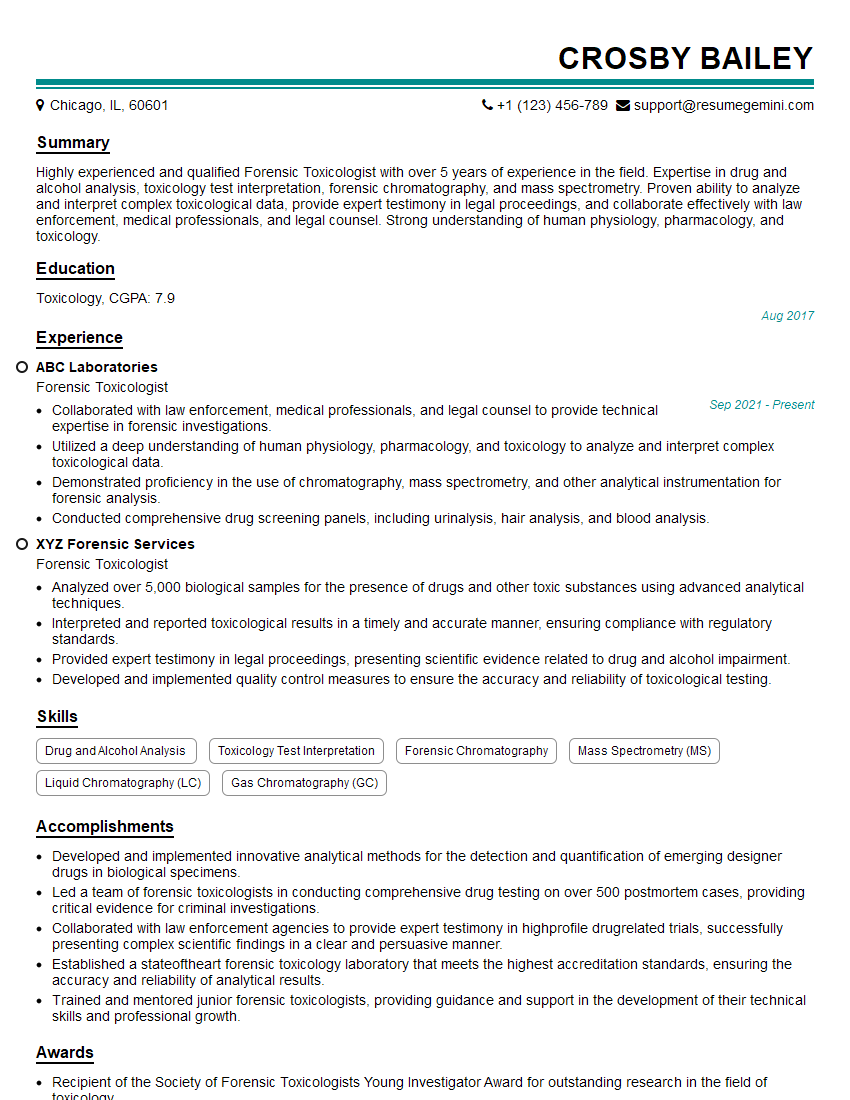
Forensic Toxicologist Resume Sample
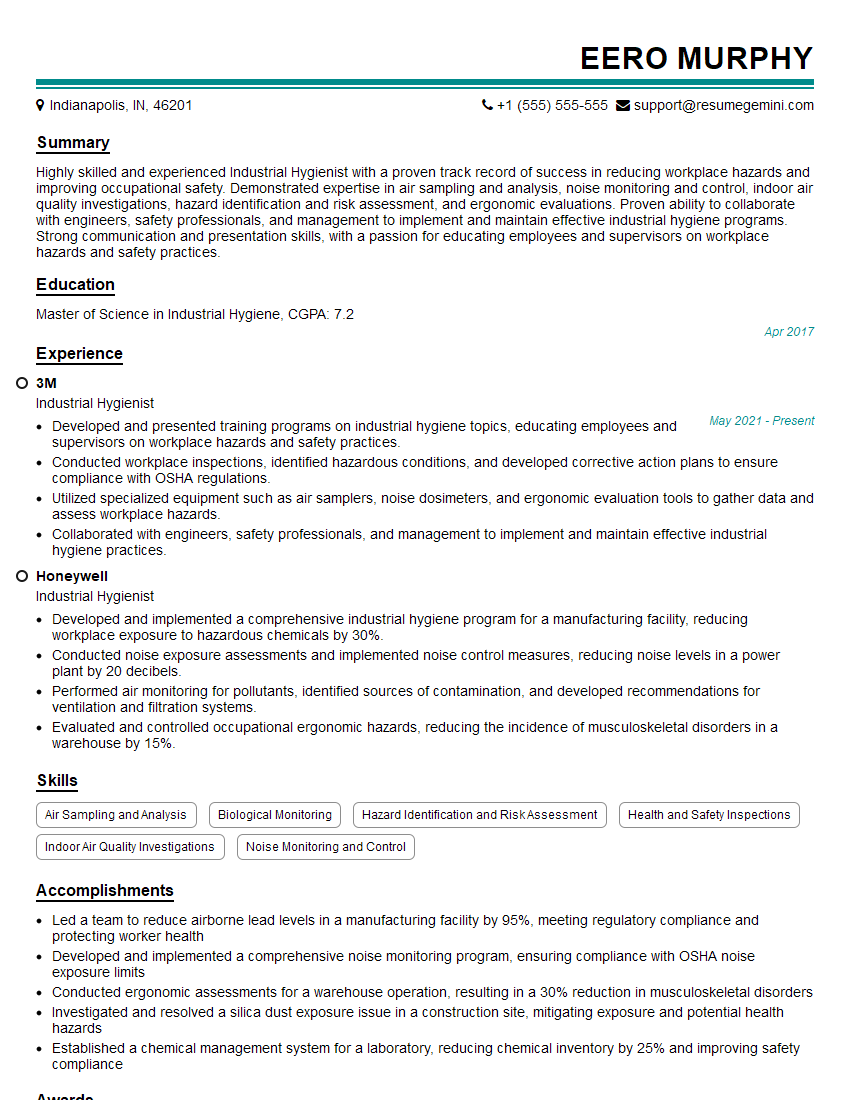
Industrial Hygienist Resume Sample
Explore more articles
Users Rating of Our Blogs
Share Your Experience
We value your feedback! Please rate our content and share your thoughts (optional).
What Readers Say About Our Blog
Attention music lovers!
Wow, All the best Sax Summer music !!!
Spotify: https://open.spotify.com/artist/6ShcdIT7rPVVaFEpgZQbUk
Apple Music: https://music.apple.com/fr/artist/jimmy-sax-black/1530501936
YouTube: https://music.youtube.com/browse/VLOLAK5uy_noClmC7abM6YpZsnySxRqt3LoalPf88No
Other Platforms and Free Downloads : https://fanlink.tv/jimmysaxblack
on google : https://www.google.com/search?q=22+AND+22+AND+22
on ChatGPT : https://chat.openai.com?q=who20jlJimmy20Black20Sax20Producer
Get back into the groove with Jimmy sax Black
Best regards,
Jimmy sax Black
www.jimmysaxblack.com
Hi I am a troller at The aquatic interview center and I suddenly went so fast in Roblox and it was gone when I reset.
Hi,
Business owners spend hours every week worrying about their website—or avoiding it because it feels overwhelming.
We’d like to take that off your plate:
$69/month. Everything handled.
Our team will:
Design a custom website—or completely overhaul your current one
Take care of hosting as an option
Handle edits and improvements—up to 60 minutes of work included every month
No setup fees, no annual commitments. Just a site that makes a strong first impression.
Find out if it’s right for you:
https://websolutionsgenius.com/awardwinningwebsites
Hello,
we currently offer a complimentary backlink and URL indexing test for search engine optimization professionals.
You can get complimentary indexing credits to test how link discovery works in practice.
No credit card is required and there is no recurring fee.
You can find details here:
https://wikipedia-backlinks.com/indexing/
Regards
NICE RESPONSE TO Q & A
hi
The aim of this message is regarding an unclaimed deposit of a deceased nationale that bears the same name as you. You are not relate to him as there are millions of people answering the names across around the world. But i will use my position to influence the release of the deposit to you for our mutual benefit.
Respond for full details and how to claim the deposit. This is 100% risk free. Send hello to my email id: lukachachibaialuka@gmail.com
Luka Chachibaialuka
Hey interviewgemini.com, just wanted to follow up on my last email.
We just launched Call the Monster, an parenting app that lets you summon friendly ‘monsters’ kids actually listen to.
We’re also running a giveaway for everyone who downloads the app. Since it’s brand new, there aren’t many users yet, which means you’ve got a much better chance of winning some great prizes.
You can check it out here: https://bit.ly/callamonsterapp
Or follow us on Instagram: https://www.instagram.com/callamonsterapp
Thanks,
Ryan
CEO – Call the Monster App
Hey interviewgemini.com, I saw your website and love your approach.
I just want this to look like spam email, but want to share something important to you. We just launched Call the Monster, a parenting app that lets you summon friendly ‘monsters’ kids actually listen to.
Parents are loving it for calming chaos before bedtime. Thought you might want to try it: https://bit.ly/callamonsterapp or just follow our fun monster lore on Instagram: https://www.instagram.com/callamonsterapp
Thanks,
Ryan
CEO – Call A Monster APP
To the interviewgemini.com Owner.
Dear interviewgemini.com Webmaster!
Hi interviewgemini.com Webmaster!
Dear interviewgemini.com Webmaster!
excellent
Hello,
We found issues with your domain’s email setup that may be sending your messages to spam or blocking them completely. InboxShield Mini shows you how to fix it in minutes — no tech skills required.
Scan your domain now for details: https://inboxshield-mini.com/
— Adam @ InboxShield Mini
support@inboxshield-mini.com
Reply STOP to unsubscribe
Hi, are you owner of interviewgemini.com? What if I told you I could help you find extra time in your schedule, reconnect with leads you didn’t even realize you missed, and bring in more “I want to work with you” conversations, without increasing your ad spend or hiring a full-time employee?
All with a flexible, budget-friendly service that could easily pay for itself. Sounds good?
Would it be nice to jump on a quick 10-minute call so I can show you exactly how we make this work?
Best,
Hapei
Marketing Director
Hey, I know you’re the owner of interviewgemini.com. I’ll be quick.
Fundraising for your business is tough and time-consuming. We make it easier by guaranteeing two private investor meetings each month, for six months. No demos, no pitch events – just direct introductions to active investors matched to your startup.
If youR17;re raising, this could help you build real momentum. Want me to send more info?
Hi, I represent an SEO company that specialises in getting you AI citations and higher rankings on Google. I’d like to offer you a 100% free SEO audit for your website. Would you be interested?
Hi, I represent an SEO company that specialises in getting you AI citations and higher rankings on Google. I’d like to offer you a 100% free SEO audit for your website. Would you be interested?