The thought of an interview can be nerve-wracking, but the right preparation can make all the difference. Explore this comprehensive guide to CNC Programming (Computer Numerical Control) interview questions and gain the confidence you need to showcase your abilities and secure the role.
Questions Asked in CNC Programming (Computer Numerical Control) Interview
Q 1. Explain the difference between G-code and M-code.
G-code and M-code are both fundamental parts of CNC programming, but they serve distinct purposes. Think of it like this: G-code directs the machine’s movements – where it goes and how it gets there – while M-code controls the machine’s ancillary functions.
- G-code (Preparatory Codes): These codes define the geometry of the part. They specify things like the starting point, the path of the cutting tool, the speed, and the feed rate. Examples include
G00(rapid traverse),G01(linear interpolation), andG02/G03(circular interpolation). For example,G01 X10 Y20 F50would move the tool linearly to X10, Y20 at a feed rate of 50 units per minute. - M-code (Miscellaneous Codes): These codes control the machine’s operations outside of direct movement. This includes actions like starting the spindle (
M03), turning on coolant (M08), stopping the program (M30), and activating tool changers (M06). They are essential for managing the overall machining process.
Understanding the difference is crucial because incorrect G-code leads to inaccurate parts, whereas incorrect M-code can cause malfunctions or damage to the machine.
Q 2. Describe your experience with various CNC machine types (e.g., milling, turning, lathe).
My experience spans various CNC machine types, primarily focusing on milling and turning operations. I’ve worked extensively with 3-axis vertical milling machines (using machines like Haas VF-2 and similar models), performing tasks from simple pocketing to complex 3D surface machining. I’ve also had experience programming and operating CNC lathes, both conventional and CNC-controlled lathes, including those with live tooling capabilities (such as the Fanuc Series lathes), enabling simultaneous turning and milling operations on a single setup. This experience allowed me to become proficient in optimizing toolpaths for different machine capabilities and material properties.
For instance, during one project, we needed to machine a complex impeller using a 5-axis milling machine. The challenge was minimizing machining time while ensuring high accuracy. By carefully programming the toolpaths and optimizing the cutting parameters, I was able to reduce cycle time by 20% compared to the initial estimations.
Q 3. How do you troubleshoot a CNC program that is producing inaccurate parts?
Troubleshooting inaccurate parts from a CNC program requires a systematic approach. It’s like detective work, eliminating possibilities one by one.
- Verify the Program: Begin by thoroughly checking the G-code for errors. Look for typos, incorrect coordinates, or missing commands. Simulate the program using the CAM software to visualize the toolpaths and identify potential issues before running it on the machine.
- Inspect the Workholding: Ensure the workpiece is securely clamped and aligned correctly. Improper clamping can lead to vibrations and inaccurate machining.
- Check Tooling: Verify that the correct tools are used and that they are sharp and in good condition. A worn or damaged tool will significantly impact part accuracy.
- Examine Machine Settings: Confirm that the machine parameters, such as spindle speed, feed rate, and coolant pressure, are set according to the program requirements. Check for machine backlash and calibration issues.
- Analyze the Part: Carefully measure the finished part and compare it to the CAD model. Identify the specific areas where the inaccuracies are occurring. This helps pinpoint the source of the problem in the program or machine setup.
- Iterative Refinement: Once you’ve identified the cause, make the necessary corrections to the program, machine settings, or workholding. Retest until you achieve the required accuracy.
It is important to meticulously document each step and the corrections made. This ensures that similar issues can be avoided in the future.
Q 4. Explain your experience with CAD/CAM software (specify software names if possible).
I have extensive experience with various CAD/CAM software packages, including Mastercam, Fusion 360, and PowerMill. My experience extends to the entire CAD/CAM workflow, from importing 3D models, designing fixtures, generating toolpaths, simulating the machining process, and generating the G-code for execution on CNC machines.
For example, in a recent project involving a complex mold design, I used PowerMill’s advanced toolpath strategies to generate highly efficient toolpaths that minimized machining time and ensured a high-quality surface finish. The ability to seamlessly integrate the CAM process with the machine’s post-processor proved invaluable in minimizing errors and ensuring efficient production.
Q 5. What are the common causes of tool breakage in CNC machining?
Tool breakage in CNC machining can stem from a variety of factors, often related to improper tool selection or operation.
- Excessive Cutting Forces: Using improper cutting parameters (too high a depth of cut, feed rate, or spindle speed) generates excessive forces that exceed the tool’s strength.
- Dull or Damaged Tools: A dull or chipped cutting tool increases cutting forces and the likelihood of breakage. Regular tool inspection and replacement are crucial.
- Improper Workpiece Clamping: If the workpiece is not securely clamped, vibrations can induce stress on the tool, leading to failure.
- Collisions: Program errors or machine misalignment can cause the tool to collide with the workpiece or other machine components, resulting in breakage.
- Material Properties: Hard or abrasive materials increase cutting forces and can cause premature tool wear.
- Incorrect Tool Selection: Choosing a tool with insufficient strength or inappropriate geometry for the machining operation can lead to breakage.
Preventing tool breakage requires careful planning, attention to detail, and adherence to safe practices.
Q 6. How do you determine the optimal cutting parameters (speed, feed, depth of pass)?
Determining optimal cutting parameters (speed, feed, and depth of cut) is critical for efficiency and part quality. It’s a balance between speed and precision.
Several factors influence the selection:
- Material: Each material has unique machinability characteristics. Harder materials require lower speeds and feeds to avoid tool breakage. Softer materials allow for higher speeds and feeds.
- Tool Geometry: The tool’s material, cutting edge geometry, and coatings impact its performance and durability, influencing the appropriate cutting parameters.
- Machine Capabilities: The machine’s horsepower and rigidity affect the maximum allowable cutting forces. Exceeding these limits can cause inaccuracies and tool breakage.
- Desired Surface Finish: A finer surface finish typically requires lower speeds and feeds.
I use a combination of experience, manufacturer recommendations (cutting data sheets for specific tools and materials), and trial-and-error approaches to optimize cutting parameters. Starting with conservative parameters and gradually increasing them while monitoring the process, machine vibrations, and tool wear is a proven approach. CAM software often provides cutting parameter calculators based on chosen tool and material that serve as a good starting point.
Q 7. Describe your experience with different types of cutting tools and their applications.
My experience encompasses a broad range of cutting tools, each suited to specific applications.
- End Mills: Used for milling operations, these come in various designs (ball nose, flat end, bull nose) for different surface finishes and geometries.
- Drills: For creating holes, these can be twist drills, step drills, or specialized drills for specific materials.
- Lathe Tools: Used in turning operations, these include turning tools, boring tools, and threading tools, each designed for specific functions.
- Face Mills: These are used for facing operations, creating flat surfaces.
- Reaming Tools: For precise sizing of holes after drilling.
- Specialized Tools: For specific operations like grooving, threading, and parting.
Choosing the right tool is crucial. A ball-nose end mill is ideal for complex 3D surfaces, while a flat end mill is better for creating sharp edges or precise step cuts. Material selection also matters. Carbide tools are used for harder materials, while high-speed steel is suitable for softer materials. This knowledge allows me to select the best tool for the task, optimizing efficiency and surface finish.
Q 8. How do you program for different materials (e.g., steel, aluminum, plastics)?
Programming for different materials requires adjusting cutting parameters to account for their unique properties. Think of it like using different tools for different tasks – you wouldn’t use a butter knife to cut a steak! Steel, being harder and more durable, requires slower feed rates, higher spindle speeds, and more robust tooling compared to softer materials like aluminum or plastics.
- Steel: Typically needs stronger cutting tools, higher spindle speeds, and potentially coolant to manage heat buildup and prevent tool wear. The feed rate needs to be slower to avoid excessive force and tool breakage.
- Aluminum: Machines more easily than steel, so faster feed rates and potentially lower spindle speeds are acceptable. However, the risk of tearing or chipping is higher, necessitating sharp tools and careful cutting parameters.
- Plastics: These are softer materials and require slower spindle speeds and feed rates to avoid melting or excessive heat buildup. Specialized tooling is often used to prevent tearing.
For example, when machining steel, a typical G-code program might include a feed rate of 100 mm/min and a spindle speed of 3000 RPM. But for aluminum, those parameters could be increased to 200 mm/min and 4000 RPM. The choice of cutting tool material also plays a significant role, with carbide tools being preferred for steel and high-speed steel (HSS) for plastics in many applications. Proper selection ensures optimal surface finish and tool life.
Q 9. How do you handle complex geometries in CNC programming?
Complex geometries in CNC programming are handled using a combination of techniques. Imagine sculpting a complex shape – you wouldn’t do it all in one go, right? Similarly, intricate parts are often broken down into simpler, manageable sections.
- CAD/CAM Software: This is the cornerstone of managing complex geometries. Software like Mastercam, Fusion 360, or GibbsCAM allows for the creation of toolpaths which translate the CAD model into a series of precise instructions for the CNC machine. Advanced CAM strategies like adaptive clearing, high-speed machining, and 5-axis milling are crucial for efficient and accurate machining of intricate shapes.
- Multiple Setups: For extremely complex parts, multiple setups might be necessary. This involves clamping the workpiece in different orientations to machine different sections. Careful planning and accurate alignment between setups are essential to ensure dimensional accuracy.
- Workpiece Orientation: Strategically orienting the workpiece minimizes the number of tool changes and simplifies the programming process. Clever orientation can reduce machining time and improve surface finish.
- Tool Selection: Choosing the appropriate cutting tools, including ball-nose end mills, bull-nose end mills, or specialized form tools, is vital for accurately machining complex curves and contours.
For instance, consider a part with many internal pockets and undercuts. A CAM program might generate toolpaths for roughing (removing large amounts of material) and finishing (achieving precise dimensions and surface finish) operations, using different tools and strategies for each step. The choice between roughing and finishing toolpaths will depend on the part’s material and complexity, along with the desired surface quality.
Q 10. Explain your understanding of workholding and fixturing.
Workholding and fixturing are crucial for ensuring the accuracy and safety of CNC machining. Think of it as securely anchoring your workpiece to prevent movement during machining. This prevents damage to the part, tool, or machine, and guarantees dimensional accuracy.
- Workholding: Refers to the devices and methods used to secure the workpiece to the machine table. Common examples include vices, clamps, chucks, and magnetic fixtures. The choice depends on the workpiece size, shape, and material.
- Fixturing: This involves designing and building custom fixtures to hold complex or delicate parts precisely. This ensures consistent part location and reduces setup time for multiple parts.
- Considerations: Effective workholding and fixturing must consider rigidity, accessibility for the cutting tool, and the avoidance of workpiece distortion or vibration during machining. Properly designed fixtures prevent clamping forces from warping the workpiece and ensure consistent repeatability.
A simple example is using a vise to hold a rectangular block during milling operations. For a complex part with multiple features and delicate surfaces, a more sophisticated fixture incorporating locating pins, clamping blocks, and possibly vacuum chucks might be necessary to ensure precision and prevent damage.
Q 11. How do you ensure the accuracy and precision of CNC-machined parts?
Accuracy and precision in CNC machining are achieved through a multi-faceted approach. It’s like baking a cake – you need the right ingredients (parameters), the correct tools, and a consistent process.
- Accurate CAD Model: The process begins with a precise CAD model. Any inaccuracies in the design will be replicated in the final part.
- Proper Tool Selection and Wear Monitoring: Using sharp, appropriately sized cutting tools is critical. Dull tools lead to poor surface finishes and inaccurate dimensions. Regular tool wear monitoring and replacement are essential.
- Precise Machine Calibration: The CNC machine itself must be properly calibrated and maintained. This includes checking for machine backlash, alignment of axes, and spindle accuracy.
- Rigorous Program Verification: Simulation software and dry runs are used to check for collisions and errors in the CNC program before machining. This significantly reduces the risk of mistakes.
- Post-Machining Inspection: Parts are carefully inspected after machining using tools like CMM (Coordinate Measuring Machine) or other metrology equipment to ensure they meet the required tolerances.
For example, regular machine maintenance and calibration ensure that the machine’s movements are consistent and accurate. Checking tool wear and performing tool offsets during setup adjusts for minor variations that may occur between tools. Post-process inspection verifies the final dimensions and confirms the part meets the quality requirements.
Q 12. Describe your experience with CNC machine setup and operation.
My experience with CNC machine setup and operation includes a comprehensive understanding of the entire process, from loading programs to performing routine maintenance. It’s like assembling a sophisticated machine, where every step is crucial.
- Machine Setup: This involves preparing the machine for operation, including selecting and mounting the correct tooling, setting the machine coordinates, verifying tool offsets, and securing the workpiece in the fixture.
- Program Loading and Execution: Loading the CNC program onto the machine controller, verifying program settings, and initiating the machining process. This also involves monitoring the machine during operation and addressing any issues that may arise.
- Troubleshooting: Identifying and resolving errors during machining, such as tool breakage, collisions, or machine malfunctions.
- Maintenance: This involves performing regular machine maintenance to ensure its accuracy and operational reliability. It’s vital for preventing breakdowns and ensuring quality.
In a previous role, I was responsible for setting up and operating a 3-axis milling machine, which involved selecting and changing tools, setting up fixtures, and accurately loading CNC programs. I also had experience troubleshooting mechanical and programming-related issues on a daily basis. For example, a time I had a tool break during a machining operation. Quickly identifying and addressing the cause, which in this case was incorrect cutting parameters, was instrumental in preventing further damage and downtime.
Q 13. What are your preferred methods for verifying CNC programs before machining?
Verifying CNC programs before machining is crucial to avoid costly mistakes and damage. It’s like proofreading a document before submitting it – you want to catch errors before they become major issues.
- CNC Simulation Software: This software simulates the machining process, allowing for visual inspection of toolpaths to identify potential collisions, over-travel, or gouges. This helps visualize the entire machining process virtually.
- Dry Runs: This involves running the program on the machine without actually machining anything. The machine performs the movements as planned, but without the cutting tool engaged. This verifies the program’s accuracy and detects potential problems.
- Manual Toolpath Verification: Manually checking the generated toolpaths by comparing them to the CAD model. This can be a quick process to spot potential issues.
In practice, I always use simulation software to check for collisions before running a dry run. This dual approach provides robust verification, minimizing the possibility of errors that could damage the workpiece or tool. If there are any unexpected issues during simulation, adjustments can be made to the program easily before the operation commences.
Q 14. How do you manage and organize CNC programs and related documentation?
Managing and organizing CNC programs and related documentation is essential for efficient workflow and project traceability. Think of it like organizing a library – you wouldn’t want to search through stacks of disorganized books.
- Version Control Systems: Using a version control system, such as Git, to track changes to programs over time is extremely beneficial. This allows you to easily revert to older versions if needed.
- Structured File Naming Conventions: Implementing a clear and consistent file naming system that includes part number, date, revision number, and other relevant information allows for quick and easy identification of files.
- Centralized Database: Storing programs and documentation in a centralized database (whether a server or cloud-based system) makes access and sharing easy across teams.
- Metadata and Documentation: Including thorough documentation with each program, such as material specifications, cutting parameters, and tooling details, is crucial for maintainability and reproducibility.
In my experience, I use a combination of a structured folder system on a network server and a version control system to manage CNC programs and their associated documents. This ensures that all relevant information is readily available, and that changes to programs are tracked efficiently. It also helps in maintaining a streamlined and error-free environment.
Q 15. Explain your understanding of safety procedures in a CNC machining environment.
Safety in a CNC machining environment is paramount. It’s not just about following rules; it’s about developing a safety-first mindset. This starts with proper training on machine operation, understanding safety protocols, and consistently adhering to them.
- Personal Protective Equipment (PPE): Always wear appropriate PPE, including safety glasses, hearing protection, and machine-specific safety gear like chip shields. I always inspect my PPE before starting any work.
- Machine Guards and Emergency Stops: Never operate a machine without ensuring all safety guards are in place and functional. Know the location and operation of emergency stop buttons and how to use them effectively. I’ve personally experienced a minor incident where reacting quickly to an emergency stop prevented a more significant problem.
- Lockout/Tagout Procedures: Before any maintenance or repair, the machine must be properly locked out and tagged out to prevent accidental start-ups. This procedure is rigorously followed in every setting I’ve worked in.
- Work Area Safety: Maintaining a clean and organized work area is crucial. Clutter can lead to accidents. Properly disposing of chips and coolant is also vital.
- Material Handling: Lifting heavy materials incorrectly can lead to serious injuries. Always use appropriate lifting techniques and equipment.
Regular machine inspections and preventive maintenance are equally important to identify potential hazards before they become accidents. Safety is not an option; it’s a fundamental aspect of my work ethic.
Career Expert Tips:
- Ace those interviews! Prepare effectively by reviewing the Top 50 Most Common Interview Questions on ResumeGemini.
- Navigate your job search with confidence! Explore a wide range of Career Tips on ResumeGemini. Learn about common challenges and recommendations to overcome them.
- Craft the perfect resume! Master the Art of Resume Writing with ResumeGemini’s guide. Showcase your unique qualifications and achievements effectively.
- Don’t miss out on holiday savings! Build your dream resume with ResumeGemini’s ATS optimized templates.
Q 16. How do you handle unexpected errors or malfunctions during CNC machining?
Unexpected errors during CNC machining require a systematic approach. Panicking won’t help; a calm, methodical response is key.
- Safety First: Immediately stop the machine using the emergency stop button. Prioritize safety over troubleshooting.
- Identify the Error: Examine the machine’s display for error codes and messages. Consult the machine’s manual or the technical support documentation.
- Analyze the Cause: Based on the error message, try to determine the root cause. This might involve checking tool condition, workholding, program logic, or machine settings.
- Troubleshooting: Based on the suspected cause, implement appropriate corrective actions. This could range from simple adjustments to more in-depth repairs. Sometimes, it’s as simple as restarting the machine; other times it may require more extensive investigation.
- Documentation: Document the error, the troubleshooting steps taken, and the resolution. This will help to prevent similar issues in the future.
- Seek Assistance: If the issue remains unresolved, don’t hesitate to seek help from experienced colleagues or technical support.
I’ve had instances where a seemingly minor programming error caused a machine stop. A careful review of my G-code uncovered a missing line of code – a simple mistake, but easily avoided with thorough checking.
Q 17. Describe your experience with using measuring instruments (e.g., calipers, micrometers).
Proficiency with measuring instruments is essential for ensuring accuracy in CNC machining. I’m experienced using various instruments, including calipers, micrometers, dial indicators, and height gauges.
- Calipers: Used for measuring outside and inside diameters, depths, and steps. I frequently use calipers to verify the dimensions of workpieces before and after machining.
- Micrometers: Offer higher precision than calipers, ideal for measuring fine dimensions. Micrometers are essential for inspecting tight tolerances.
- Dial Indicators: Used for checking surface flatness, runout, and parallelism. I often use dial indicators to ensure proper setup before a machining operation.
- Height Gauges: Used to measure the height of workpieces with precision. These are crucial when setting up workpieces on a machine’s table.
Accuracy in measurements directly translates to the quality of the finished product. I always ensure the instruments are properly calibrated and used correctly to minimize measurement errors. For instance, I meticulously check for zero setting and proper contact before taking any measurements.
Q 18. Explain your understanding of CNC control systems and their functions.
CNC control systems are the brains of the CNC machine, interpreting the G-code instructions and controlling the machine’s movements. They consist of several key components:
- CPU (Central Processing Unit): The core processor that executes the G-code instructions.
- Memory: Stores the G-code program and other machine parameters.
- Input/Output (I/O) System: Manages communication between the control system and the machine’s various components (motors, sensors, etc.).
- User Interface (UI): Provides a means for the operator to interact with the control system (e.g., programming, setup, monitoring).
- Servo Drives and Motors: Precisely control the movement of the machine’s axes based on the G-code instructions.
- Feedback System: Uses sensors (encoders, etc.) to provide feedback on the actual position of the machine’s axes, ensuring accurate movement.
Different control systems (Fanuc, Siemens, Heidenhain, etc.) have different user interfaces and programming languages, but the fundamental functions remain similar. My experience encompasses various control systems, allowing me to adapt quickly to new machines and software.
Q 19. How do you optimize CNC programs for efficiency and productivity?
Optimizing CNC programs for efficiency involves several key strategies:
- Efficient Toolpaths: Well-planned toolpaths minimize unnecessary movements, reducing machining time and extending tool life. Techniques like high-speed machining (HSM) and optimized tool selection are crucial.
- Feed and Speed Optimization: Selecting appropriate feed rates and spindle speeds based on the material, tool, and desired surface finish maximizes productivity without compromising quality. I utilize specialized software for feedrate calculations, taking material removal rate into account.
- G-Code Optimization: Streamlining the G-code using techniques like canned cycles and minimizing redundant commands can significantly improve program execution time. I always review my G-code for unnecessary movements and redundant commands.
- Workholding Strategies: Proper workholding ensures workpiece stability and reduces setup time, contributing to overall efficiency. Clever fixturing can minimize setups and improve overall machining time.
- Program Structure and Logic: A well-structured and logical program is easier to understand, debug, and maintain, reducing downtime and improving overall productivity. Comments within the code are crucial for understandability and easy debugging.
For example, I once optimized a program by changing the toolpath strategy from a zig-zag pattern to a more efficient contouring method, resulting in a 20% reduction in machining time.
Q 20. Describe your experience with different types of CNC programming languages (e.g., Fanuc, Siemens).
I have extensive experience with several CNC programming languages, including Fanuc and Siemens. While the syntax differs, the underlying principles remain consistent.
- Fanuc: I’m proficient in Fanuc’s conversational programming and its G-code dialect. I’ve extensively used Fanuc controls on various milling and lathe machines.
- Siemens: I’m familiar with Siemens’ ShopMill and ShopTurn software and their associated G-code implementations. I have experience programming Siemens-controlled machines for complex parts.
Understanding the specific syntax and features of each language allows me to adapt quickly to different machines and effectively utilize their capabilities. I appreciate the strengths of each control system, for example, Fanuc’s user-friendliness versus Siemens’ more advanced capabilities.
Q 21. How do you handle dimensional tolerances and surface finishes in CNC programming?
Handling dimensional tolerances and surface finishes is crucial for producing quality parts. It requires a comprehensive understanding of both CNC programming and manufacturing processes.
- Tolerance Specification: Precisely specifying tolerances in the program and drawings is the starting point. I carefully consider the required tolerances and incorporate them into the CNC program.
- Tool Selection: Selecting appropriate cutting tools with the right geometry and sharpness is essential for achieving the desired surface finish. Tool wear also influences surface quality, which I closely monitor.
- Feed Rates and Spindle Speeds: Optimizing feed rates and spindle speeds based on the material, tool, and desired surface finish is critical. Higher speeds and feeds can lead to better surface finish in some cases, while others may require slower feeds for better accuracy.
- Cutting Parameters: Depth of cut, cutting speed, and feed rate all directly affect surface finish. I adjust these parameters to achieve a balance between speed and quality.
- Post-Processing: Post-processing operations like deburring or polishing can improve the surface finish beyond what can be achieved through machining alone. Knowing when and how to use post-processing steps is a crucial part of the overall process.
For example, if a part requires a mirror finish, I would select appropriate cutting tools, utilize fine finishing passes, and potentially implement post-processing operations like vibratory finishing or polishing.
Q 22. Explain your experience with post-processing and machine simulation.
Post-processing in CNC programming is the crucial step where the raw CNC code generated by CAM software is transformed into a machine-specific format. This involves optimizing toolpaths for specific machine capabilities, adding machine-specific commands (like coolant activation or spindle speed changes), and generating the final G-code that the CNC machine understands. Machine simulation, on the other hand, is a vital process that allows you to virtually run your CNC program before actual machining. This helps in detecting potential errors, collisions, and inefficiencies, saving time, materials, and preventing costly mistakes.
My experience includes extensive use of various post-processors for different machine types (e.g., 3-axis milling, 5-axis milling, lathes). I’m proficient in customizing post-processors to meet specific project needs, addressing issues like tool length compensation, rapid traverse speeds, and work coordinate system adjustments. I utilize simulation software extensively, visualizing toolpaths, detecting potential collisions (especially with complex geometries), and optimizing cutting parameters for efficient machining before sending the code to the machine. For instance, on a recent project involving a complex 5-axis part, simulation helped me identify a potential collision between the tool and a fixture, which I was able to correct in the program before any damage occurred.
Q 23. How do you ensure the proper use and maintenance of CNC tools?
Proper tool use and maintenance are paramount in CNC machining for ensuring accuracy, efficiency, and safety. It involves a multi-faceted approach.
- Tool Selection: Choosing the right tool for the material and operation is crucial. This involves considering factors such as tool geometry, material hardness, and cutting speed.
- Proper Clamping: Securely clamping tools in the spindle is essential to prevent chatter and breakage. I always inspect the tool holder and spindle for proper seating before every machining operation.
- Regular Inspection: Regularly inspecting tools for wear and tear is vital. This includes checking for chipping, wear on cutting edges, and overall condition. Dull or damaged tools can lead to poor surface finish, inaccurate cuts, and even machine damage.
- Tool Management System: Implementing a robust tool management system to track tool usage, maintenance schedules, and replacement is key. This could involve a database or even a simple spreadsheet.
- Pre-setting and Calibration: I always use tool pre-setters to accurately measure tool lengths and diameters. Proper calibration ensures accurate toolpath execution.
- Lubrication: For some tooling, proper lubrication is important for tool longevity and efficiency.
Ignoring these aspects can lead to inaccurate parts, broken tools, machine downtime, and safety hazards.
Q 24. Describe your experience with different types of cutting fluids and their applications.
Cutting fluids, also known as coolants, play a vital role in CNC machining by improving machining efficiency, extending tool life, and enhancing part quality. Different fluids serve different purposes.
- Water-Soluble Coolants (Emulsions): These are widely used for general-purpose machining operations, providing good cooling and lubrication. They are economical and easy to dispose of but can cause skin irritation in some individuals.
- Synthetic Coolants: These are more environmentally friendly and offer superior performance, especially in challenging operations. They often exhibit better rust prevention and improved lubricity but are usually more expensive.
- Oil-Based Coolants: These are typically used in operations where excellent lubrication is critical, such as high-speed machining or difficult-to-machine materials. However, they are less environmentally friendly and require more careful disposal.
- MQL (Minimum Quantity Lubrication): This technique uses a very small amount of lubricant, often in the form of a mist or aerosol spray, minimizing waste and environmental impact. It’s efficient and suitable for many applications but requires precise control systems.
The selection of cutting fluid depends on the material being machined, the machining operation, and environmental concerns. For example, when machining aluminum, a water-soluble coolant is often sufficient. However, when machining stainless steel, a more robust synthetic coolant might be necessary due to its higher hardness and tendency to create heat.
Q 25. How do you manage and resolve conflicts between production requirements and programming limitations?
Balancing production requirements with programming limitations is a constant challenge. It requires a strategic approach focusing on communication, creative problem-solving, and prioritization.
I usually begin by understanding the production goals—the required quantity, lead time, and quality standards. Then I thoroughly assess the programming limitations—machine capabilities, tool availability, and software constraints. If there’s a conflict, I analyze potential solutions:
- Process Optimization: Can we improve the machining strategy to reduce cycle time without compromising quality? This may involve modifying toolpaths, optimizing cutting parameters, or employing different machining techniques.
- Alternative Tooling: Are there alternative tools available that can improve efficiency or overcome limitations?
- Workpiece Modifications: Can design adjustments be made to the part to simplify machining and reduce complexity?
- Workpiece Fixturing: Can a new or improved fixture allow us to machine the part more efficiently?
- Collaboration: If the conflict stems from a significant production demand, I would collaborate with production management, engineers, and the shop floor to find acceptable compromises, such as adjusting lead times or batch sizes.
For example, I once faced a situation where a tight production deadline clashed with the complexity of a 5-axis part. By optimizing the toolpaths, selecting more efficient cutting tools, and implementing a more efficient workholding solution, we successfully met the deadline without sacrificing quality.
Q 26. How do you stay updated on the latest trends and technologies in CNC programming?
Staying current in CNC programming necessitates continuous learning. I utilize several strategies:
- Industry Publications and Journals: I regularly read industry publications and journals to stay informed about the latest advancements in CNC technology and software.
- Online Courses and Webinars: I actively participate in online courses and webinars offered by software vendors, educational institutions, and industry professionals to enhance my skill set.
- Professional Organizations: Membership in professional organizations (e.g., SME – Society of Manufacturing Engineers) provides access to networking opportunities, conferences, and educational resources.
- Vendor Training and Certifications: I actively seek out and complete training programs and certifications offered by CNC machine tool vendors and software providers. This includes advanced programming techniques and software updates.
- Networking and Collaboration: Regular communication with colleagues, attending industry events, and sharing best practices significantly boosts my knowledge and skills.
By actively engaging in these activities, I continuously improve my skills and ensure I’m proficient in the latest technologies and programming techniques.
Q 27. Describe a time you had to solve a complex CNC programming problem. What was your approach?
A complex problem I encountered involved programming a highly intricate 5-axis part with numerous undercuts and complex curves. The initial CAM generated toolpaths were highly inefficient and resulted in excessive machining time. My approach was systematic:
- Thorough Analysis: I meticulously reviewed the part’s geometry and identified critical areas that were causing issues. I used specialized CAD software to assist with this.
- Optimized Toolpath Strategies: Instead of relying solely on the default CAM toolpaths, I experimented with different toolpath strategies such as 3+2 machining and 5-axis simultaneous machining, carefully considering the advantages and disadvantages of each method for the specific features.
- Simulation and Adjustment: I used machine simulation software to visualize the toolpaths and detect any potential collisions or inaccuracies. Based on the simulation results, I adjusted the toolpaths to optimize efficiency and ensure collision-free operation.
- Iterative Refinement: The process was iterative. I repeatedly simulated, adjusted, and refined the toolpaths until I achieved an efficient and accurate program. This involved fine-tuning cutting parameters, feed rates, and tool selection.
- Testing and Validation: Finally, I ran a small test run on a sample workpiece to validate the program’s accuracy and efficiency before committing to machining the final parts.
This systematic approach helped me resolve the problem, reducing machining time by approximately 40% compared to the initial CAM generated program and resulting in a high-quality finished part.
Q 28. What are your strengths and weaknesses as a CNC programmer?
Strengths: My strengths lie in my problem-solving abilities, meticulous attention to detail, and proficiency in various CAM and simulation software. I’m adept at optimizing toolpaths, troubleshooting CNC programs, and adapting to different machining environments. My experience with a wide range of materials and machining processes enables me to find effective solutions for complex challenges.
Weaknesses: Like many CNC programmers, I can sometimes get so engrossed in the technical aspects that I might need to actively work on better communication with non-technical stakeholders to convey technical details clearly and concisely. Also, I am constantly working to stay abreast of all new software and hardware updates as the field is evolving rapidly.
Key Topics to Learn for CNC Programming (Computer Numerical Control) Interview
- G-Code Fundamentals: Understanding the syntax, structure, and various G-codes used for different machining operations. Practical application: Interpreting and creating G-code programs for simple milling operations.
- CNC Machine Operation: Familiarizing yourself with the setup, operation, and troubleshooting of various CNC machines (e.g., mills, lathes). Practical application: Describing your experience with different machine types and their control systems.
- CAD/CAM Software: Proficiency in using CAD (Computer-Aided Design) and CAM (Computer-Aided Manufacturing) software to design parts and generate CNC programs. Practical application: Explaining your workflow from design to program generation.
- Toolpath Planning and Optimization: Designing efficient toolpaths to minimize machining time and maximize surface finish. Practical application: Discussing strategies for optimizing toolpaths for different materials and geometries.
- Coordinate Systems and Transformations: Understanding absolute and incremental coordinate systems, and how to perform coordinate transformations. Practical application: Solving problems involving workpiece orientation and tool positioning.
- Machining Processes and Parameters: Knowledge of various machining processes (e.g., milling, turning, drilling) and the selection of appropriate cutting parameters (speeds, feeds, depths of cut). Practical application: Explaining the selection of cutting parameters based on material properties and desired surface finish.
- Troubleshooting and Diagnostics: Ability to identify and resolve common CNC programming and machine errors. Practical application: Describing your experience in troubleshooting machine malfunctions or program errors.
- Safety Procedures: Understanding and adhering to all safety regulations and procedures related to CNC machine operation. Practical application: Demonstrating awareness of safety protocols and best practices.
Next Steps
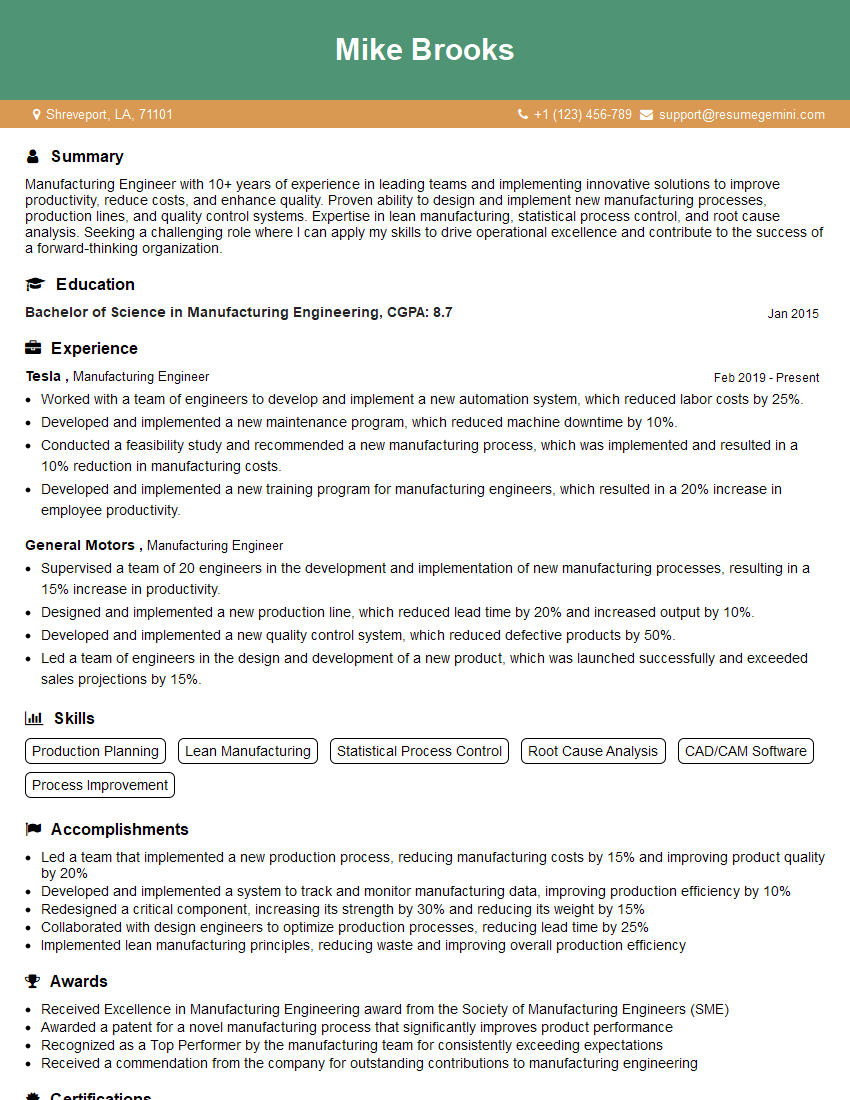
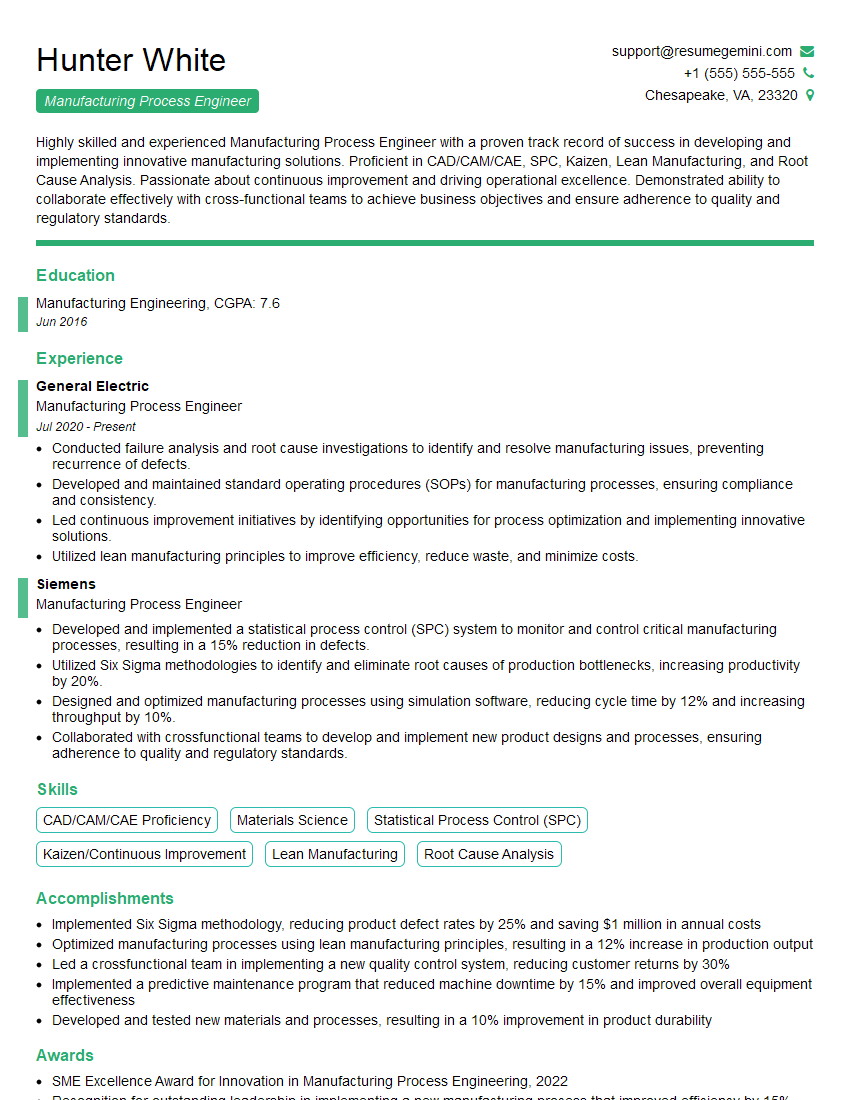
Mastering CNC Programming opens doors to exciting and rewarding career opportunities in manufacturing, offering strong potential for growth and specialization. To maximize your chances of landing your dream job, it’s crucial to present your skills effectively. Crafting an ATS-friendly resume is key to ensuring your application gets noticed by recruiters and hiring managers. ResumeGemini is a trusted resource that can help you build a professional and impactful resume tailored to the CNC programming industry. Examples of resumes specifically designed for CNC Programming positions are available to guide you. Take the next step towards your successful career in CNC Programming today!
Explore more articles
Users Rating of Our Blogs
Share Your Experience
We value your feedback! Please rate our content and share your thoughts (optional).
What Readers Say About Our Blog
Attention music lovers!
Wow, All the best Sax Summer music !!!
Spotify: https://open.spotify.com/artist/6ShcdIT7rPVVaFEpgZQbUk
Apple Music: https://music.apple.com/fr/artist/jimmy-sax-black/1530501936
YouTube: https://music.youtube.com/browse/VLOLAK5uy_noClmC7abM6YpZsnySxRqt3LoalPf88No
Other Platforms and Free Downloads : https://fanlink.tv/jimmysaxblack
on google : https://www.google.com/search?q=22+AND+22+AND+22
on ChatGPT : https://chat.openai.com?q=who20jlJimmy20Black20Sax20Producer
Get back into the groove with Jimmy sax Black
Best regards,
Jimmy sax Black
www.jimmysaxblack.com
Hi I am a troller at The aquatic interview center and I suddenly went so fast in Roblox and it was gone when I reset.
Hi,
Business owners spend hours every week worrying about their website—or avoiding it because it feels overwhelming.
We’d like to take that off your plate:
$69/month. Everything handled.
Our team will:
Design a custom website—or completely overhaul your current one
Take care of hosting as an option
Handle edits and improvements—up to 60 minutes of work included every month
No setup fees, no annual commitments. Just a site that makes a strong first impression.
Find out if it’s right for you:
https://websolutionsgenius.com/awardwinningwebsites
Hello,
we currently offer a complimentary backlink and URL indexing test for search engine optimization professionals.
You can get complimentary indexing credits to test how link discovery works in practice.
No credit card is required and there is no recurring fee.
You can find details here:
https://wikipedia-backlinks.com/indexing/
Regards
NICE RESPONSE TO Q & A
hi
The aim of this message is regarding an unclaimed deposit of a deceased nationale that bears the same name as you. You are not relate to him as there are millions of people answering the names across around the world. But i will use my position to influence the release of the deposit to you for our mutual benefit.
Respond for full details and how to claim the deposit. This is 100% risk free. Send hello to my email id: [email protected]
Luka Chachibaialuka
Hey interviewgemini.com, just wanted to follow up on my last email.
We just launched Call the Monster, an parenting app that lets you summon friendly ‘monsters’ kids actually listen to.
We’re also running a giveaway for everyone who downloads the app. Since it’s brand new, there aren’t many users yet, which means you’ve got a much better chance of winning some great prizes.
You can check it out here: https://bit.ly/callamonsterapp
Or follow us on Instagram: https://www.instagram.com/callamonsterapp
Thanks,
Ryan
CEO – Call the Monster App
Hey interviewgemini.com, I saw your website and love your approach.
I just want this to look like spam email, but want to share something important to you. We just launched Call the Monster, a parenting app that lets you summon friendly ‘monsters’ kids actually listen to.
Parents are loving it for calming chaos before bedtime. Thought you might want to try it: https://bit.ly/callamonsterapp or just follow our fun monster lore on Instagram: https://www.instagram.com/callamonsterapp
Thanks,
Ryan
CEO – Call A Monster APP
To the interviewgemini.com Owner.
Dear interviewgemini.com Webmaster!
Hi interviewgemini.com Webmaster!
Dear interviewgemini.com Webmaster!
excellent
Hello,
We found issues with your domain’s email setup that may be sending your messages to spam or blocking them completely. InboxShield Mini shows you how to fix it in minutes — no tech skills required.
Scan your domain now for details: https://inboxshield-mini.com/
— Adam @ InboxShield Mini
Reply STOP to unsubscribe
Hi, are you owner of interviewgemini.com? What if I told you I could help you find extra time in your schedule, reconnect with leads you didn’t even realize you missed, and bring in more “I want to work with you” conversations, without increasing your ad spend or hiring a full-time employee?
All with a flexible, budget-friendly service that could easily pay for itself. Sounds good?
Would it be nice to jump on a quick 10-minute call so I can show you exactly how we make this work?
Best,
Hapei
Marketing Director
Hey, I know you’re the owner of interviewgemini.com. I’ll be quick.
Fundraising for your business is tough and time-consuming. We make it easier by guaranteeing two private investor meetings each month, for six months. No demos, no pitch events – just direct introductions to active investors matched to your startup.
If youR17;re raising, this could help you build real momentum. Want me to send more info?
Hi, I represent an SEO company that specialises in getting you AI citations and higher rankings on Google. I’d like to offer you a 100% free SEO audit for your website. Would you be interested?
Hi, I represent an SEO company that specialises in getting you AI citations and higher rankings on Google. I’d like to offer you a 100% free SEO audit for your website. Would you be interested?