Unlock your full potential by mastering the most common Combat Survival Skills interview questions. This blog offers a deep dive into the critical topics, ensuring you’re not only prepared to answer but to excel. With these insights, you’ll approach your interview with clarity and confidence.
Questions Asked in Combat Survival Skills Interview
Q 1. Describe your experience in building various types of shelters.
Shelter building is fundamental to survival. The type of shelter depends heavily on the environment and available resources. My experience encompasses a wide range, from simple debris huts to more complex lean-tos and snow shelters.
Debris Hut: This is a quick, basic shelter ideal for short-term situations. You gather branches, leaves, and other natural debris to create a windbreak and layer it for insulation. Think of it like building a natural wigwam.
Lean-to: A more robust shelter, a lean-to involves leaning branches against a sturdy support (like a fallen log or rock face) and covering it with debris for protection from the elements. The angle is crucial for shedding rain and snow.
Snow Shelter (Quinzee or Snow Cave): In snowy environments, packing snow into a dome shape (quinzee) or excavating a cave within a snowdrift provides excellent insulation. This requires specific knowledge of snowpack stability and requires significant effort.
Tarp Shelter: Utilizing a tarp provides significant advantages, as it’s lightweight and versatile. Improvised poles and guy lines can transform it into a rain-proof and wind-resistant shelter.
Each construction method demands careful consideration of factors like terrain, available materials, and weather conditions. For example, during a wilderness expedition in the Rockies, I successfully built a quinzee shelter that protected me and my team from a blizzard, demonstrating the importance of adaptability and appropriate shelter construction based on environmental conditions.
Q 2. Explain your methods for finding potable water sources in different environments.
Locating potable water is critical for survival. My approach is multi-pronged, depending on the environment.
Identifying Natural Sources: This includes looking for springs, streams, and rivers. Remember, flowing water is generally safer than stagnant water. Always purify before drinking.
Collecting Rainwater: In areas with rainfall, using tarps or other waterproof materials to collect rainwater is a viable option. Ensure the collection surface is clean.
Dew Collection: In humid environments, collecting dew from plants early in the morning can provide a small amount of water.
Finding underground sources: Look for signs of vegetation that thrive in moist conditions or depressions in the ground that may indicate underground water sources.
Purification is paramount. Boiling is the most reliable method. Water filters and purification tablets are also effective alternatives, though their availability depends on pre-prepared supplies. During my time working in the Amazon rainforest, we successfully collected and purified rainwater using tarps and a portable water filter, highlighting the importance of having a backup plan if natural water sources are scarce or contaminated.
Q 3. How would you prioritize your needs in a survival situation?
Prioritizing needs in a survival situation is crucial for maximizing your chances of rescue. I use the acronym S.T.O.P.
S – Stop: Take a moment to assess the situation. Don’t panic. Analyze your resources and potential dangers.
T – Think: Evaluate your immediate needs and dangers. What is your primary threat (weather, injury, predators)?
O – Observe: Take a look around your surroundings. What resources are available? What are the potential risks?
P – Plan: Create a plan to address your immediate needs—shelter, water, fire, first aid—and then your longer-term needs—signals for rescue, food.
The order of priorities can vary, depending on the circumstances. For example, in a cold environment, shelter and fire might take precedence over food. However, always prioritizing shelter, water, and fire as your basic needs to survive.
Q 4. Detail your knowledge of fire starting techniques in various conditions.
Fire starting is a fundamental survival skill. Methods vary depending on conditions and available resources.
Friction Methods (Bow Drill, Hand Drill): These require practice and skill, but are reliable if you have the right materials (dry wood). The bow drill, for example, uses friction to create an ember.
Flint and Steel: Striking a piece of flint against steel creates sparks, igniting tinder (like dry grasses, birch bark, or cotton balls dipped in petroleum jelly).
Magnifying Glass: Concentrating sunlight with a magnifying glass onto tinder can ignite it. This method is highly dependent on weather conditions.
Fire Starter (Commercial): These are readily available and extremely reliable, but require pre-planning.
Each method requires practice and a deep understanding of tinder selection and preparation. I’ve successfully started fires using all these methods in various environments, from dense jungles to snow-covered mountains, emphasizing the importance of redundancy and possessing multiple fire-starting techniques. The key is to prepare in advance and know how each tool works. For example, I always carry a ferro rod and a commercial fire starter in my kit as a backup.
Q 5. Describe your experience with navigation using map and compass, or GPS.
Navigation is vital for survival. I’m proficient in using map and compass, GPS devices, and celestial navigation (sun and stars).
Map and Compass: This classic method relies on understanding map symbols, orientation, and using a compass to take bearings. Knowing how to orient your map with the terrain is crucial.
GPS Devices: GPS units provide accurate location data, but require batteries and are susceptible to malfunctions or signal loss. It’s essential to always have a backup navigation method.
Celestial Navigation: This method uses the sun, moon, and stars for orientation, a useful skill in situations where other methods are unavailable. It requires thorough understanding of astronomy and the ability to interpret celestial bodies.
In a remote area, I would utilize a combination of methods, starting with the map and compass, supplemented by a GPS device for confirmation. I’ve relied on these skills during extensive wilderness expeditions, navigating complex terrain and avoiding getting lost, demonstrating the importance of having diverse navigation skills for safety and efficiency.
Q 6. How would you treat a severe wound in a remote location?
Treating a severe wound in a remote location requires quick thinking and improvisation.
Control Bleeding: Direct pressure is the first priority, using a clean cloth or material to stop the bleeding. Elevate the injured limb if possible.
Clean the Wound: If possible, gently clean the wound using clean water and a sterile dressing. Avoid scrubbing.
Immobilization: If a bone is broken, create a splint using available materials (sticks, branches, etc.) to immobilize the injured area.
Dress the Wound: Apply a clean dressing and bandage to cover the wound and maintain pressure.
Pain Management: If possible, administer pain relief medication (if available).
Seek Evacuation: Attempt to signal for rescue or make your way to a point where you can get help.
Remember, the primary goal is to stabilize the patient and prevent further injury. My experience working as a wilderness first responder has provided me with invaluable hands-on experience in treating injuries in remote locations, where improvisation and prioritizing essential treatment steps are critical to saving lives.
Q 7. What are the common signs of hypothermia and hyperthermia?
Recognizing the signs of hypothermia and hyperthermia is critical for timely intervention.
Hypothermia (Low Body Temperature): Symptoms can include shivering, confusion, slurred speech, drowsiness, loss of coordination, and eventually unconsciousness. The person’s skin may become cold and pale.
Hyperthermia (High Body Temperature): Symptoms include excessive sweating, rapid pulse, headache, dizziness, nausea, vomiting, confusion, and eventually loss of consciousness. Skin may be hot and dry or clammy.
Both conditions require immediate attention. For hypothermia, gentle warming is crucial, avoiding sudden temperature changes. For hyperthermia, cooling measures are necessary, such as finding shade, applying cool compresses, and rehydrating. Early recognition and appropriate response can be life-saving. My experience in high-altitude and extreme weather conditions has reinforced the importance of knowing these symptoms and acting promptly to prevent serious complications.
Q 8. Explain your approach to signaling for rescue.
Signaling for rescue is about maximizing your chances of being seen or heard. It’s a multi-faceted approach that combines visual and auditory signals, tailored to the environment and available resources. My approach prioritizes three key phases: Preparation, Signaling, and Optimization.
Preparation involves identifying potential signaling tools before an emergency. This could be anything from a brightly colored piece of clothing to a mirror, whistle, or even a fire. Knowing your location and having a map, if possible, is also crucial for rescuers.
Signaling itself is about creating three types of signals: Ground-to-Air (using ground-to-air signals such as large ‘SOS’ signals in snow, large ‘X’ shapes in open areas, or three fires in a triangle formation), Ground-to-Ground (using things like smoke signals, mirrors to reflect sunlight, or loud calls or whistles), and Emergency Beacons (if available – these are devices that transmit a location signal to satellite networks).
Optimization is about adapting your signaling to the environment and the time of day. For example, a smoke signal is effective during the day, while a fire is more visible at night. I also consider the wind direction, terrain, and the presence of any natural obstacles that could hinder visibility.
For instance, during a training exercise in a dense forest, I utilized a combination of three strategically placed smoky fires to create a clear triangle signal, visible from a considerable distance, and supplemented this with intermittent whistle blasts to attract attention. This layered approach dramatically increased the chances of rescue.
Q 9. How would you prepare for and handle a dangerous wildlife encounter?
Encountering dangerous wildlife demands a calm and measured response. My approach is based on Prevention, Observation, and Reaction.
Prevention starts with minimizing the risk of encountering wildlife in the first place. This means sticking to trails, making noise while walking (to avoid surprising animals), and avoiding areas known to be inhabited by dangerous animals. Storing food properly to avoid attracting animals is also crucial.
Observation involves maintaining a safe distance and carefully observing the animal’s behavior. Understanding animal body language is key; signs of aggression are usually quite evident. Are their ears flattened? Is their hair standing on end? Do they show their teeth? This helps determine the animal’s intent.
Reaction depends on the specific situation and the animal involved. General principles include: Never run (running triggers a predatory instinct), make yourself look large (raise your arms, open your jacket), slowly back away, and have an escape plan (knowing the terrain is important). If attacked, prioritize self-defense using available tools or improvised weapons. It’s important to know the specific defenses against various animals, such as bears or snakes. For example, playing dead may be appropriate for a bear attack, but not for a mountain lion.
During a survival training exercise, we practiced encountering a simulated bear attack. The emphasis was on maintaining calm, making myself appear larger than I was, and slowly backing away towards a predetermined escape route. This simulated scenario helped reinforce the crucial principles of avoiding confrontation and knowing safe escape strategies.
Q 10. Describe your knowledge of edible and poisonous plants.
Identifying edible and poisonous plants is critical for survival, but it’s also extremely dangerous if done incorrectly. My approach is based on a combination of knowledge, caution, and verification. Never consume a plant unless 100% certain of its edibility.
My knowledge comes from years of study, including field guides, expert instruction, and extensive hands-on experience. I am familiar with common edible plants such as various berries (with careful identification to avoid poisonous look-alikes), certain roots, and specific types of leaves. I also have detailed knowledge of several highly poisonous plants, such as poison ivy, poison oak, and deadly nightshade, knowing their characteristics helps to avoid them.
Crucially, my approach emphasizes verification. I never rely on just one identification source. I cross-reference multiple sources and, if possible, consult with experienced foragers before consumption. The ‘one-bite rule’ for testing plants is extremely dangerous and should never be used.
In a real-world scenario, I would prioritize consuming plants that I already confidently know are safe, utilizing a well-researched field guide (multiple guides are better) for identification of any new plant, and practicing extreme caution.
Q 11. What are your strategies for food acquisition in a survival scenario?
Food acquisition in a survival scenario requires a multifaceted approach, combining foraging, trapping, and fishing, adapted to the environment. My strategies emphasize sustainability and minimizing risk.
Foraging includes identifying and collecting edible plants, fruits, nuts, and insects (many insects are nutritious and readily available). This requires detailed knowledge of local flora and fauna and, again, extreme caution to avoid poisonous species.
Trapping is used to capture small animals such as rabbits or rodents. I’m proficient in building various types of traps, including snares and deadfalls, using readily available materials. The key is choosing the right trap for the terrain and the target animal.
Fishing is another important strategy, especially near water sources. I know how to create basic fishing gear, including hooks, lines, and lures, using natural materials. I’m also familiar with various fishing techniques, adapted to the specific environment.
Beyond the specific techniques, careful consideration of food preservation is key to avoid spoilage. This could involve drying, smoking, or other methods appropriate to the situation and available resources.
During a wilderness survival course, I successfully built a snare trap and caught a rabbit, demonstrating my proficiency in this crucial skill. Then, I properly preserved the rabbit meat using drying techniques learned during the course.
Q 12. Explain your experience with basic first aid and trauma care.
My background includes extensive training in basic and advanced first aid and trauma care. I’m certified in wilderness first aid and have practical experience in managing various injuries and illnesses in remote settings.
My knowledge encompasses wound management (including cleaning, bandaging, and suturing, if trained and necessary), fracture treatment (immobilization and splinting), the management of hypothermia and hyperthermia, and the treatment of common ailments such as dehydration and infection. I also know how to identify and respond to life-threatening conditions like shock and cardiac arrest.
A key aspect is improvisation. In a survival situation, you may not have access to standard medical supplies. I’m proficient in improvising bandages, splints, and other medical tools from natural materials, and I know how to create clean water if necessary.
I’ve used my skills in numerous situations, including assisting injured hikers during a wilderness rescue and providing basic medical care during a survival training exercise where a participant suffered a minor fracture. My skills ensured timely and effective treatment in both cases.
Q 13. How would you assess and mitigate risks in a hazardous environment?
Risk assessment and mitigation in a hazardous environment are crucial for survival. My approach uses a systematic framework: Identification, Analysis, and Mitigation.
Identification involves thoroughly assessing the potential hazards present. This includes both immediate threats, such as wild animals or treacherous terrain, and long-term risks, such as dehydration, hypothermia, or starvation.
Analysis involves evaluating the likelihood and severity of each identified risk. This allows for prioritizing threats, focusing resources where they are most needed. A severe but unlikely risk might receive less attention than a high-likelihood, moderate-severity risk.
Mitigation is about implementing strategies to reduce or eliminate identified risks. This might include altering the route to avoid dangerous terrain, taking precautions against wildlife encounters, or implementing strategies to prevent dehydration or hypothermia.
For example, when planning a trek through mountainous terrain, I would carefully study topographic maps and weather forecasts to identify potential dangers such as avalanches, flash floods, and steep cliffs. I would then adjust the route, choose appropriate equipment, and establish safety protocols to minimize the risks involved. My risk assessment involved a thorough understanding of local weather patterns, avalanche forecasting, and the local wildlife.
Q 14. Describe your experience in team leadership during a survival situation.
Team leadership in a survival situation requires a blend of strong technical skills, effective communication, and psychological resilience. My leadership approach is based on a collaborative, empowering style focused on delegation, communication, and morale.
Delegation involves assigning tasks based on team members’ strengths and abilities. This ensures that everyone feels valued and contributes to the group’s success. Clear roles and responsibilities help to avoid confusion and improve efficiency.
Communication is crucial for maintaining cohesion and ensuring that everyone is aware of the situation, the plan, and any changes. Regular briefings, clear instructions, and open feedback are essential to keep the team informed and motivated.
Morale plays a vital role in survival situations. Maintaining positive attitudes, fostering a sense of hope, and addressing concerns are crucial to keep the team focused and functional. Humor and mutual support can be powerful tools in stressful situations.
During a multi-day wilderness survival exercise, I led a team of four. I delegated tasks based on each individual’s skills, regularly briefed the team on our progress, and ensured open communication. We successfully navigated challenging terrain, built shelters, found food and water, and ultimately achieved our objectives, demonstrating the effectiveness of my collaborative leadership style.
Q 15. How do you manage stress and maintain mental fortitude under pressure?
Managing stress and maintaining mental fortitude in survival situations is paramount. It’s not about eliminating stress, which is impossible, but about developing coping mechanisms and strategies to manage it effectively. Think of it like training a muscle: the more you practice mental resilience, the stronger it becomes.
Mindfulness and Meditation: Practicing mindfulness techniques, even for short periods, can significantly reduce anxiety and improve focus. Regular meditation helps train your mind to observe thoughts and emotions without judgment, preventing overwhelming reactions to stressful triggers.
Positive Self-Talk: Replacing negative thoughts with positive affirmations can significantly impact your mental state. Instead of thinking, “I can’t do this,” try, “I can find a solution.” This is crucial in challenging circumstances.
Prioritization and Problem-Solving: Breaking down complex problems into smaller, manageable tasks makes them less daunting. Focusing on immediate needs (shelter, water, fire) instead of dwelling on the larger picture improves your mental clarity and reduces feelings of helplessness.
Physical Exercise: Physical activity, even simple exercises, releases endorphins which have mood-boosting effects. This is a practical way to manage stress even in a survival context.
Preparation and Planning: Thorough preparation before venturing into challenging environments drastically reduces stress. Knowing what to expect allows for proactive problem-solving, reducing the chances of unexpected situations.
Career Expert Tips:
- Ace those interviews! Prepare effectively by reviewing the Top 50 Most Common Interview Questions on ResumeGemini.
- Navigate your job search with confidence! Explore a wide range of Career Tips on ResumeGemini. Learn about common challenges and recommendations to overcome them.
- Craft the perfect resume! Master the Art of Resume Writing with ResumeGemini’s guide. Showcase your unique qualifications and achievements effectively.
- Don’t miss out on holiday savings! Build your dream resume with ResumeGemini’s ATS optimized templates.
Q 16. Explain your knowledge of various survival knots and their applications.
Knot tying is fundamental to survival. Knowing various knots and their applications can be the difference between life and death. Each knot has specific strengths and weaknesses, making proper selection crucial. Here are a few examples:
Bowline: A strong, easily-tied loop that doesn’t slip. Essential for creating strong anchors, securing loads, or making a secure harness.
Clove Hitch: A simple, quick knot used to secure a rope to a post or ring. Often used as a temporary fastening.
Figure Eight: A stopper knot used to prevent a rope from running through a system. Excellent for securing a climbing rope or creating a safety loop.
Prusik Knot: Used for ascending or descending ropes, particularly helpful in climbing or rescue situations. Requires two different diameter ropes.
Square Knot (Reef Knot): Used to join two ropes of similar diameter. It is important to note that this is not reliable for heavy loads and should be tied with care to avoid slipping.
Practicing these knots regularly, preferably with different rope materials, is crucial to developing muscle memory and proficiency. Improperly tied knots can have disastrous consequences.
Q 17. What are the key considerations for selecting a suitable campsite?
Campsite selection is crucial for survival and comfort. A poorly chosen campsite can expose you to dangers and significantly impact your ability to manage resources effectively.
Water Source: Access to a clean water source is paramount. Consider proximity to the source but avoid areas prone to flooding.
Shelter: Look for natural shelters like rock overhangs or dense vegetation that can provide protection from the elements.
Defense: Select a site that offers defensible terrain and good visibility, allowing for early detection of potential threats.
Fuel: Consider the availability of dry wood for fire, essential for warmth, cooking, and water purification.
Drainage: Choose a site with good drainage to avoid sleeping in damp conditions, reducing the risk of hypothermia.
Safety: Assess potential hazards like dead trees, unstable terrain, and presence of wild animals.
Remember to leave no trace; choose a site that minimizes environmental impact and respects the natural surroundings.
Q 18. Describe your experience with various methods of water purification.
Water purification is critical for survival. Contaminated water can lead to severe illness and death. Several methods exist, each with varying effectiveness:
Boiling: The most reliable method. Boiling water vigorously for at least one minute at a rolling boil kills most harmful bacteria and viruses.
Chemical Treatment (Purifying Tablets): Water purification tablets containing iodine or chlorine dioxide are effective. Follow the manufacturer’s instructions carefully regarding dosage and contact time.
Water Filter: Mechanical filters remove sediments and larger pathogens, but don’t always guarantee complete purification. Often used in conjunction with other methods.
Solar Disinfection (SODIS): Exposing clear water in a transparent plastic bottle to direct sunlight for at least six hours can effectively kill many pathogens. This method depends on adequate sunlight exposure.
The best approach often involves combining methods for enhanced purification. For instance, you might pre-filter water using a cloth and then treat it chemically or boil it before consuming.
Q 19. How would you respond to an unexpected injury or illness?
Responding to an unexpected injury or illness requires a calm, systematic approach. First aid is vital, and the severity of the situation dictates the actions required.
Assessment: First, assess the severity of the injury or illness. Is it life-threatening? Does it require immediate evacuation?
First Aid: Administer appropriate first aid based on your training and available resources. Control bleeding, clean wounds, splint fractures, treat shock.
Prevention: If the injury or illness is caused by exposure, take steps to prevent further complications. Seek shelter, regulate body temperature, etc.
Evacuation: If the situation necessitates evacuation, plan a route to safety, considering your physical condition and available resources. Consider signaling for help if possible.
Prevention is Key: Prioritizing injury prevention and maintaining good health is vital. Proper training, adequate preparation, and vigilance significantly reduce the risk of injuries and illnesses.
Remember, your training is crucial in these situations. Regular first aid and wilderness medicine refresher courses are highly recommended for anyone venturing into potentially hazardous environments.
Q 20. Explain your understanding of weather patterns and forecasting.
Understanding weather patterns and forecasting is essential for survival. Improper assessment can lead to dangerous situations. This involves a combination of observation, knowledge, and utilizing available tools.
Observation: Pay close attention to wind direction and speed, cloud formations, temperature changes, animal behavior, and barometric pressure (if you have a barometer).
Knowledge: Understanding basic meteorology helps interpret weather signs. For example, high cirrus clouds often indicate an approaching weather system.
Tools: Utilize available resources like weather apps (if available), radio broadcasts, or even basic weather forecasting tools. Learn how to interpret weather signs from nature.
Preparation: Based on the forecast, prepare accordingly. This includes seeking shelter, adjusting clothing, and having backup plans for unexpected changes.
Remember, weather can change rapidly in many environments. Be prepared for sudden shifts, and always prioritize safety.
Q 21. Describe your experience with utilizing improvised tools and equipment.
Improvising tools and equipment is a vital skill in survival situations. Creativity and resourcefulness are crucial. You need to identify available materials and understand their properties.
Shelter: Natural materials like branches, leaves, and vines can be used to construct shelters. The design and construction method depend on the available materials and weather conditions.
Tools: Sharp stones can be used for cutting, and branches can be sharpened to create spears or digging tools. Natural fibers can be used to create cordage.
Fire: Improvising fire-starting tools, such as a bow drill, requires skill and practice but is invaluable for warmth, cooking, and water purification.
Containers: Natural containers like hollowed-out logs or woven baskets can be used to store water, food, or other essential supplies.
The ability to improvise depends heavily on your knowledge of natural materials and your problem-solving capabilities. Practicing improvisation in controlled environments is key to developing this skill.
Q 22. How would you handle conflict in a survival group?
Conflict in a survival group is inevitable, stemming from stress, fatigue, personality clashes, or differing opinions on strategy. Effective conflict resolution hinges on proactive communication and established leadership. My approach involves:
Establishing clear group roles and responsibilities from the outset: This prevents misunderstandings and power struggles. Think of it like a well-oiled machine – each part has its function.
Promoting open communication and active listening: Creating a safe space for individuals to voice concerns is crucial. It’s not about being right, it’s about finding solutions.
Focusing on collaborative problem-solving: Frame disagreements as challenges to overcome together, not personal attacks. Brainstorm solutions as a team, even if they seem unconventional at first.
Fair and impartial mediation: If conflict escalates, I act as a neutral mediator, guiding the discussion toward a mutually acceptable resolution. This requires strong emotional intelligence and the ability to remain calm under pressure.
Enforcing consequences for disruptive behavior: While collaboration is key, unacceptable behavior, like insubordination or aggression, must be addressed to maintain group cohesion and safety. This usually means temporary exclusion from certain tasks or more serious consequences if the behavior persists.
For example, during a wilderness expedition, a disagreement arose about the best route. By facilitating open discussion and considering everyone’s input (experience with terrain, weather predictions, etc.), we collaboratively decided on a safer, more efficient path, strengthening group trust.
Q 23. Explain your understanding of various escape and evasion techniques.
Escape and evasion techniques are crucial for survival in hostile environments. They depend heavily on the specific situation – the environment, pursuers, and available resources. My understanding encompasses:
Terrain Analysis: Identifying escape routes that leverage natural cover, such as dense forests, rocky terrain, or waterways. Understanding the terrain is like reading a map; you need to know the high and low points, vegetation, and potential obstacles.
Movement Techniques: Utilizing stealth movements, such as staying low to the ground, moving in the shadows, and employing irregular patterns to avoid detection. This is about being a ghost; unexpected and unseen.
Concealment and Camouflage: Blending into the environment using natural materials and adapting clothing to match the surroundings. This is where patience and observational skills are essential.
Route Planning: Planning routes that exploit the terrain to your advantage, utilizing natural obstacles and creating deceptive trails. Think about leaving no trace; your enemy needs no map to find you.
Counter Surveillance Techniques: Identifying and evading surveillance, using techniques like changing routes, varying pace, and using natural obstacles to break line of sight. Being aware of your surroundings and recognizing potential observation points is key.
For instance, while conducting training exercises, I successfully evaded pursuit by navigating through a dense forest, using natural cover and changing my route frequently to avoid detection. I utilized a combination of low-profile movement, terrain masking and evasion.
Q 24. Describe your experience in using camouflage and concealment techniques.
Camouflage and concealment are essential for survival, offering protection from detection by predators or adversaries. My experience encompasses both natural and manufactured methods.
Natural Camouflage: This involves utilizing natural materials, such as leaves, branches, mud, and vegetation, to blend into the environment. It’s about becoming one with your surroundings, not standing out.
Manufactured Camouflage: Utilizing commercially available camouflage materials, such as netting, paint, and clothing, to better blend into the environment. This often requires careful selection of patterns and colors to match the specific surroundings.
Concealment Techniques: This includes selecting positions that provide natural cover and using shadow and terrain to hide from view. This is not only about what you wear but where you are.
Observation and Patience: Understanding how light, shadows, and the environment affect visibility, and practicing patience to remain undetected. It’s a game of observation and anticipation, learning how to anticipate the actions of others.
During a survival exercise in a desert environment, I successfully used light-colored clothing and strategically placed rocks and sand to create a concealed position that made me virtually invisible from a distance.
Q 25. What are your strategies for maintaining personal hygiene in a remote environment?
Maintaining personal hygiene in a remote environment is crucial for preventing illness and maintaining morale. My strategies prioritize resourcefulness and practicality:
Water Purification: Access to clean water is paramount. Methods include boiling, using water purification tablets, or employing a reliable filtration system.
Body Cleaning: Minimalist hygiene practices focus on cleaning critical areas, like hands and face, using purified water. A simple sponge bath is often sufficient.
Waste Disposal: Proper waste disposal is essential to prevent contamination and attracting unwanted animals. Burial is usually the most effective method.
Dental Hygiene: Maintaining oral hygiene using a toothbrush and toothpaste (if available), or even a clean stick and water to prevent dental problems.
Insect Repellent: Protection against insects is vital in preventing disease transmission. Natural insect repellents, such as citronella, can be effective.
In a jungle environment, I prioritized water purification using boiling and relied on minimalist washing techniques, focusing on hygiene essentials to avoid illness.
Q 26. How would you assess the level of risk from potential threats?
Risk assessment is a critical skill for survival. It involves identifying potential threats, analyzing their likelihood and severity, and developing mitigation strategies. My approach involves:
Identifying Potential Threats: This includes environmental hazards (weather, terrain), animal encounters, and human threats (other people, conflict).
Analyzing Likelihood and Severity: Assessing the probability of each threat occurring and the potential consequences if it does. This is a careful balance between objective data and subjective judgment.
Developing Mitigation Strategies: Creating a plan to reduce or eliminate the risks. This may involve avoiding certain areas, preparing for specific threats, or establishing early warning systems.
Constant Monitoring and Adjustment: The risk landscape is dynamic. Continuous monitoring and adaptation of strategies are necessary.
For instance, when assessing a location for a campsite, I consider factors such as proximity to water sources (potential for disease), visibility (exposure to predators or adversaries), and the presence of dangerous animals.
Q 27. Explain your knowledge of land navigation without using electronic devices.
Land navigation without electronic devices relies on fundamental skills and knowledge. It involves using natural features, celestial bodies, and map and compass techniques:
Map Reading: Understanding topographic maps, symbols, and scales to interpret terrain features and plan routes.
Compass Use: Using a compass to determine direction, orient oneself, and follow bearings. This involves understanding magnetic declination and taking accurate bearings.
Celestial Navigation: Utilizing the sun, moon, and stars for orientation, especially in unfamiliar territories where other references are limited. This requires some understanding of astronomy.
Natural Navigation: Identifying and interpreting natural features, such as rivers, mountains, and vegetation, to determine location and direction. This is about understanding how the natural world tells you where you are.
Pace Counting: Estimating distance traveled using consistent pace counts. This requires practice and knowledge of individual pace length.
During a training exercise, I successfully navigated a remote area using a map, compass, and my understanding of natural features, demonstrating proficiency in land navigation.
Q 28. Describe your experience in adapting to diverse environments and challenges.
Adaptability is the cornerstone of survival. My experience spans diverse environments and challenges, highlighting the importance of both physical and mental resilience.
Environmental Adaptation: This includes adjusting to varying climates, terrain, and resources. In a desert, water conservation is critical; in a jungle, protection from insects is paramount.
Resourcefulness: Utilizing available resources effectively to address challenges. This includes shelter building, fire starting, and improvising tools.
Mental Fortitude: Maintaining a positive attitude and problem-solving skills under pressure. This involves managing stress, overcoming fear, and maintaining hope.
Teamwork: Collaborating effectively within a group to address shared challenges. This requires strong communication and trust.
Continuous Learning: Adapting to unexpected circumstances requires a willingness to learn and adapt from both successes and failures.
From arctic survival training to navigating dense jungles, I’ve consistently demonstrated my ability to adapt my skills and strategies to diverse and challenging environments, always prioritizing safety and problem-solving.
Key Topics to Learn for Combat Survival Skills Interview
- Shelter Construction: Understanding principles of shelter building in various environments, including material selection, design considerations for different climates, and practical construction techniques. Consider the theoretical underpinnings of thermal regulation and shelter stability.
- Water Procurement and Purification: Methods for locating and collecting potable water sources, practical application of water purification techniques (boiling, filtration, chemical treatment), and understanding the risks associated with contaminated water. Explore the theoretical aspects of waterborne diseases and their prevention.
- Navigation and Orientation: Mastery of map reading, compass use, celestial navigation techniques, and understanding land navigation principles. Consider practical application scenarios involving limited visibility or challenging terrain. Explore theoretical knowledge of geographic features and their impact on navigation.
- Fire Starting and Maintenance: Various fire starting methods (friction, flint and steel, matches, etc.), fuel selection and management, and fire safety precautions. Understand the theoretical principles of combustion and its importance for survival.
- First Aid and Trauma Management: Basic first aid procedures, wound care, treatment of common injuries and illnesses, and recognizing life-threatening situations. Apply theoretical knowledge of anatomy and physiology to practical first aid scenarios.
- Signal Communication: Methods for signaling for help (mirrors, whistles, smoke signals, etc.), understanding the limitations of different signaling methods, and effective communication strategies. Explore the theoretical considerations of signal transmission and reception.
- Evasion and Escape Techniques: Understanding principles of evasion, route planning to avoid detection, and utilizing camouflage and concealment. Consider the theoretical concepts related to evasion and counter-surveillance.
Next Steps
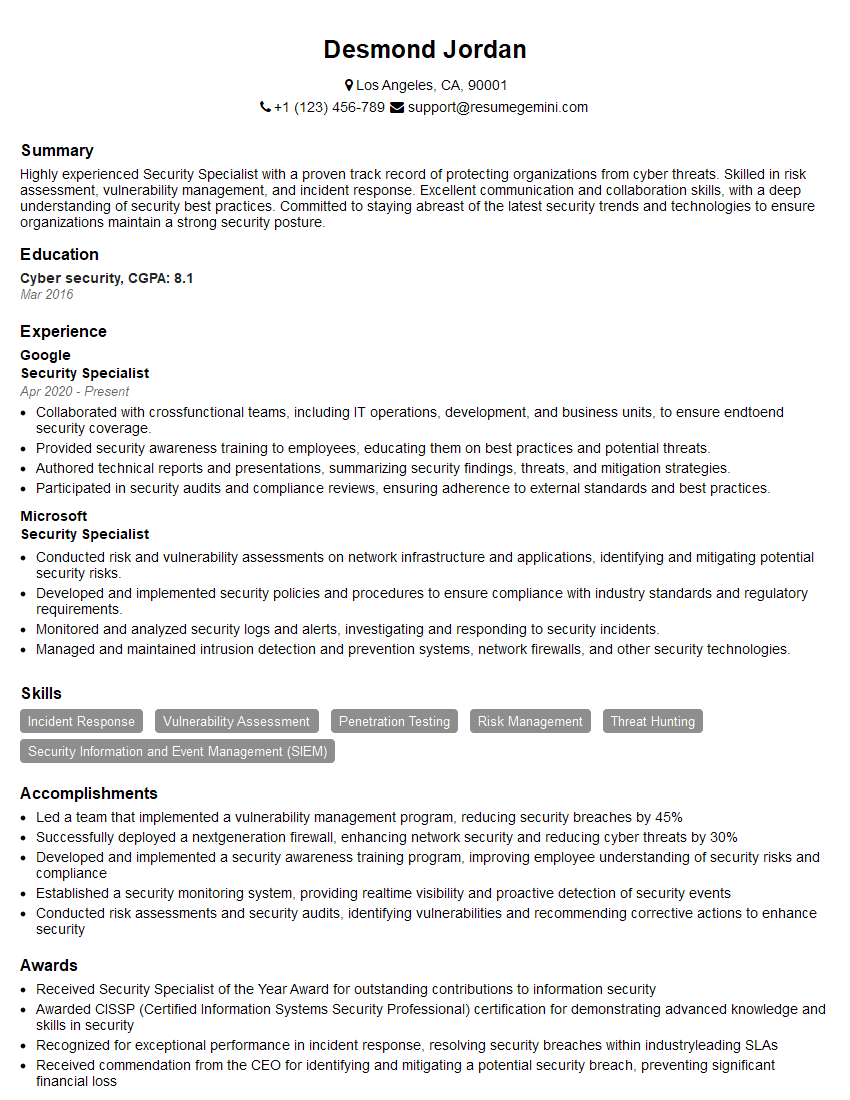
Mastering Combat Survival Skills demonstrates crucial adaptability, resilience, and problem-solving abilities – highly valued attributes in many fields. To significantly increase your job prospects, creating a strong, ATS-friendly resume is essential. ResumeGemini is a trusted resource to help you build a professional resume that highlights your unique skills and experience. We provide examples of resumes tailored to Combat Survival Skills to help you craft a compelling application that stands out. Investing time in crafting a powerful resume will significantly enhance your chances of securing your desired position.
Explore more articles
Users Rating of Our Blogs
Share Your Experience
We value your feedback! Please rate our content and share your thoughts (optional).
What Readers Say About Our Blog
Attention music lovers!
Wow, All the best Sax Summer music !!!
Spotify: https://open.spotify.com/artist/6ShcdIT7rPVVaFEpgZQbUk
Apple Music: https://music.apple.com/fr/artist/jimmy-sax-black/1530501936
YouTube: https://music.youtube.com/browse/VLOLAK5uy_noClmC7abM6YpZsnySxRqt3LoalPf88No
Other Platforms and Free Downloads : https://fanlink.tv/jimmysaxblack
on google : https://www.google.com/search?q=22+AND+22+AND+22
on ChatGPT : https://chat.openai.com?q=who20jlJimmy20Black20Sax20Producer
Get back into the groove with Jimmy sax Black
Best regards,
Jimmy sax Black
www.jimmysaxblack.com
Hi I am a troller at The aquatic interview center and I suddenly went so fast in Roblox and it was gone when I reset.
Hi,
Business owners spend hours every week worrying about their website—or avoiding it because it feels overwhelming.
We’d like to take that off your plate:
$69/month. Everything handled.
Our team will:
Design a custom website—or completely overhaul your current one
Take care of hosting as an option
Handle edits and improvements—up to 60 minutes of work included every month
No setup fees, no annual commitments. Just a site that makes a strong first impression.
Find out if it’s right for you:
https://websolutionsgenius.com/awardwinningwebsites
Hello,
we currently offer a complimentary backlink and URL indexing test for search engine optimization professionals.
You can get complimentary indexing credits to test how link discovery works in practice.
No credit card is required and there is no recurring fee.
You can find details here:
https://wikipedia-backlinks.com/indexing/
Regards
NICE RESPONSE TO Q & A
hi
The aim of this message is regarding an unclaimed deposit of a deceased nationale that bears the same name as you. You are not relate to him as there are millions of people answering the names across around the world. But i will use my position to influence the release of the deposit to you for our mutual benefit.
Respond for full details and how to claim the deposit. This is 100% risk free. Send hello to my email id: lukachachibaialuka@gmail.com
Luka Chachibaialuka
Hey interviewgemini.com, just wanted to follow up on my last email.
We just launched Call the Monster, an parenting app that lets you summon friendly ‘monsters’ kids actually listen to.
We’re also running a giveaway for everyone who downloads the app. Since it’s brand new, there aren’t many users yet, which means you’ve got a much better chance of winning some great prizes.
You can check it out here: https://bit.ly/callamonsterapp
Or follow us on Instagram: https://www.instagram.com/callamonsterapp
Thanks,
Ryan
CEO – Call the Monster App
Hey interviewgemini.com, I saw your website and love your approach.
I just want this to look like spam email, but want to share something important to you. We just launched Call the Monster, a parenting app that lets you summon friendly ‘monsters’ kids actually listen to.
Parents are loving it for calming chaos before bedtime. Thought you might want to try it: https://bit.ly/callamonsterapp or just follow our fun monster lore on Instagram: https://www.instagram.com/callamonsterapp
Thanks,
Ryan
CEO – Call A Monster APP
To the interviewgemini.com Owner.
Dear interviewgemini.com Webmaster!
Hi interviewgemini.com Webmaster!
Dear interviewgemini.com Webmaster!
excellent
Hello,
We found issues with your domain’s email setup that may be sending your messages to spam or blocking them completely. InboxShield Mini shows you how to fix it in minutes — no tech skills required.
Scan your domain now for details: https://inboxshield-mini.com/
— Adam @ InboxShield Mini
support@inboxshield-mini.com
Reply STOP to unsubscribe
Hi, are you owner of interviewgemini.com? What if I told you I could help you find extra time in your schedule, reconnect with leads you didn’t even realize you missed, and bring in more “I want to work with you” conversations, without increasing your ad spend or hiring a full-time employee?
All with a flexible, budget-friendly service that could easily pay for itself. Sounds good?
Would it be nice to jump on a quick 10-minute call so I can show you exactly how we make this work?
Best,
Hapei
Marketing Director
Hey, I know you’re the owner of interviewgemini.com. I’ll be quick.
Fundraising for your business is tough and time-consuming. We make it easier by guaranteeing two private investor meetings each month, for six months. No demos, no pitch events – just direct introductions to active investors matched to your startup.
If youR17;re raising, this could help you build real momentum. Want me to send more info?
Hi, I represent an SEO company that specialises in getting you AI citations and higher rankings on Google. I’d like to offer you a 100% free SEO audit for your website. Would you be interested?
Hi, I represent an SEO company that specialises in getting you AI citations and higher rankings on Google. I’d like to offer you a 100% free SEO audit for your website. Would you be interested?