Cracking a skill-specific interview, like one for Command and Control Operations, requires understanding the nuances of the role. In this blog, we present the questions you’re most likely to encounter, along with insights into how to answer them effectively. Let’s ensure you’re ready to make a strong impression.
Questions Asked in Command and Control Operations Interview
Q 1. Describe your experience with real-time situational awareness systems.
Real-time situational awareness systems are crucial for effective command and control. They provide a dynamic, up-to-the-minute view of the operational environment, allowing commanders to make informed decisions quickly. My experience involves working with systems that integrate diverse data streams – from sensor feeds and intelligence reports to communication intercepts and friendly unit reports – into a unified, geographically referenced display. This allows for the visualization of assets, threats, and events in real-time, significantly improving decision-making and response times.
For example, during a large-scale exercise simulating a cyberattack, I utilized a system that displayed the spread of malware across a network, highlighting compromised systems and showing the flow of data exfiltration. This allowed our team to prioritize response efforts and effectively contain the attack. Another example involved a system that mapped the movement of friendly and enemy forces in a simulated battlefield scenario, giving our commanders the real-time intelligence they needed to adjust strategies and deploy resources optimally. These systems often employ technologies like GIS mapping, data fusion algorithms, and advanced visualization techniques to create a clear and concise picture of the operational environment.
Q 2. Explain your understanding of different command and control architectures.
Command and control architectures vary widely depending on the specific needs and scale of the operation. However, several common architectures exist. A centralized architecture places all command and control authority in a single location, providing a clear chain of command but risking a single point of failure. A decentralized architecture distributes authority across multiple nodes, increasing resilience but potentially complicating coordination. A hierarchical architecture, common in military settings, uses multiple layers of command, each with specific responsibilities and authority. Finally, a networked architecture, increasingly prevalent with the rise of networked systems, uses interlinked nodes to share information and coordinate actions.
Imagine a fire department responding to a large-scale fire. A centralized architecture would have a single incident commander making all decisions. A decentralized architecture might see different commanders handling different aspects of the fire, while a hierarchical architecture would have layers of command from firefighters on the scene to the fire chief. A networked architecture could involve multiple fire departments sharing resources and information via a communication network.
Q 3. How would you handle a system failure during a critical operation?
System failure during a critical operation is a serious event requiring immediate and decisive action. My approach involves a structured, multi-step process. First, I would immediately activate the backup systems and redundancy measures, designed precisely for such situations. Simultaneously, I’d initiate communication with the IT support team to diagnose and rectify the primary system failure.
Concurrently, I’d switch to alternative communication channels and reporting procedures to maintain situational awareness and continued command and control. The next step would involve reassessing the operational plan based on the capabilities of the backup system and adapting the mission as needed, possibly prioritizing essential tasks and deferring less critical ones. Finally, a post-incident review would be conducted to analyze the root cause of the failure, implement corrective actions, and refine contingency plans to prevent future occurrences. Think of it like having a spare tire in your car – you hope you never need it, but when you do, it’s absolutely vital.
Q 4. What experience do you have with incident response and escalation procedures?
My experience with incident response and escalation procedures includes developing and implementing incident response plans, leading incident response teams, and participating in numerous exercises and real-world incidents. My approach is grounded in established frameworks such as NIST’s Cybersecurity Framework, focusing on preparedness, detection, response, and recovery. This involves establishing clear communication channels, defining roles and responsibilities, and setting pre-defined escalation paths based on the severity and nature of the incident.
For instance, during a simulated ransomware attack, I led our team through a structured response, following our established procedures. This included isolating affected systems, containing the malware, restoring backups, and initiating communication with relevant stakeholders. The escalation process involved regular updates to senior management, ensuring transparency and timely decision-making throughout the incident response lifecycle.
Q 5. Describe your proficiency in using command and control software tools.
My proficiency extends across a range of command and control software tools, including those focused on visualization, communication, and data analysis. I have hands-on experience with systems like [mention specific software tools – e.g., specific GIS software, communication platforms, data analytics dashboards etc., but avoid naming proprietary tools that might violate NDAs.]. I’m comfortable with both the operational use and the underlying principles of these tools. I am adept at integrating different tools and data sources to create a holistic view of the operational environment and automating repetitive tasks to free up time for critical decision-making.
For example, I’ve used [mention a specific tool] to generate real-time reports on asset status during a complex operation, allowing for quick identification and resolution of potential problems. My skills also extend to scripting and automation – streamlining workflows, reducing manual effort and decreasing human error.
Q 6. How do you prioritize tasks and manage workload in a high-pressure environment?
Prioritization and workload management in high-pressure environments are critical skills for effective command and control. I utilize a combination of techniques, including the Eisenhower Matrix (urgent/important), risk assessment, and agile methodologies. The Eisenhower Matrix helps me identify critical tasks that require immediate attention versus those that can be delegated or scheduled. Risk assessment helps in prioritizing tasks based on their potential impact and likelihood of occurrence. Agile methodologies, such as the use of Kanban boards, allow for dynamic task management and adaptation to changing circumstances.
Imagine a scenario where multiple crises occur simultaneously. Using the Eisenhower Matrix, I’d prioritize the most urgent and important tasks (e.g., addressing an immediate threat) while delegating less critical tasks (e.g., preparing a detailed report) and eliminating low-priority ones (e.g., reviewing non-essential documentation). This systematic approach ensures focus on critical actions while maintaining control over the overall workload.
Q 7. Explain your understanding of cybersecurity threats within a command and control system.
Cybersecurity threats pose a significant risk to command and control systems, potentially disrupting operations and compromising sensitive information. These threats range from denial-of-service attacks, which can overwhelm the system, to sophisticated malware designed to compromise data or disrupt operations, and insider threats. Understanding these risks is paramount and requires a multi-layered defense strategy.
My understanding encompasses implementing strong authentication and authorization mechanisms, employing intrusion detection and prevention systems, regularly patching and updating software, and conducting regular security assessments and penetration testing. Furthermore, building a culture of cybersecurity awareness among personnel is critical. Training and education are crucial to mitigating insider threats and human error— often the weakest link in any security system. It’s a continuous effort of adaptation and improvement in response to the ever-evolving threat landscape.
Q 8. How do you ensure data integrity and accuracy within a command and control system?
Ensuring data integrity and accuracy in a command and control (C2) system is paramount. It’s like building a house – if the foundation is weak, the whole structure crumbles. We achieve this through a multi-layered approach:
Data Validation and Verification: Implementing checks at every stage of data entry and processing. This includes range checks, format checks, and plausibility checks to ensure data conforms to expected values. For example, a reported troop strength of -50 soldiers is immediately flagged as an error.
Redundancy and Backup Systems: Having multiple systems and backups prevents data loss due to hardware or software failures. Think of it like having multiple copies of an important document stored in different locations.
Version Control: Tracking changes to data over time allows for rollback to previous versions if errors occur. This is crucial for maintaining accountability and identifying the source of discrepancies.
Data Encryption: Protecting data from unauthorized access and modification using encryption protocols like AES-256 is essential for maintaining confidentiality and integrity. Imagine securing a military strategy document with a strong lock.
Auditing and Logging: Maintaining detailed logs of all data modifications and accesses allows for tracing back errors and identifying potential security breaches. This provides a clear audit trail, like a detailed accounting of every transaction in a bank.
Combining these methods creates a robust system where data accuracy and integrity are consistently maintained, leading to better decision-making and operational efficiency.
Q 9. Describe your experience with communication protocols used in command and control systems.
My experience encompasses a wide range of communication protocols used in C2 systems. I’ve worked extensively with:
TCP/IP: The backbone of most internet-based C2 systems, providing reliable data transmission for critical information.
UDP: Used for time-sensitive applications where speed is prioritized over reliability, such as real-time video feeds from surveillance drones.
SIP (Session Initiation Protocol): For secure and reliable voice and video communication, crucial in coordinating actions across geographically dispersed teams.
MIL-STD-1553B: A military standard for avionics data buses, essential in integrating various sensors and systems in a command aircraft.
Data Distribution Service (DDS): A publish-subscribe middleware often used in highly distributed and dynamic environments, allowing for efficient information sharing between many systems.
I understand the tradeoffs between different protocols and can select the most appropriate one based on the specific requirements of the C2 system. For example, while TCP/IP offers reliability, UDP’s speed might be critical for a real-time battlefield situation where milliseconds can mean the difference between success and failure.
Q 10. How familiar are you with different data visualization and reporting tools?
I’m proficient with several data visualization and reporting tools, including:
Tableau: Excellent for creating interactive dashboards and reports, providing real-time insights into operational performance.
Power BI: Another robust business intelligence tool, useful for integrating data from various sources and generating custom reports.
Qlik Sense: Provides self-service analytics capabilities, empowering users to explore data and create their reports.
GIS software (ArcGIS, QGIS): Essential for visualizing geospatial data, critical in military and emergency response C2.
My experience includes tailoring these tools to present complex C2 data in a clear, concise, and actionable manner, facilitating effective decision-making. For example, using GIS software to visually track the movement of assets on a map during a large-scale disaster response operation.
Q 11. How would you manage conflicting priorities from different stakeholders?
Managing conflicting priorities requires a structured approach. I typically use a prioritization framework, such as the Eisenhower Matrix (urgent/important), to categorize tasks. This allows me to focus on the most critical issues first.
I then engage in open and transparent communication with all stakeholders. I facilitate discussions to understand the rationale behind each priority, identifying common ground and potential compromises. Sometimes, this involves presenting a trade-off analysis showing the consequences of prioritizing one task over another. My goal is to reach a consensus that maximizes overall effectiveness, even if it means some stakeholders must accept adjustments to their initial requests.
Finally, I document all agreed-upon priorities and create a clear communication plan to ensure everyone is informed of the plan and its implications. This prevents confusion and ensures everyone is working towards the same goals.
Q 12. Describe your experience with developing and implementing command and control procedures.
My experience in developing and implementing C2 procedures involves a detailed, phased approach:
Needs Assessment: Defining the specific requirements and objectives of the C2 system, considering factors like the operational environment, the type of mission, and the available resources.
Procedure Design: Creating detailed step-by-step procedures, using clear and concise language, flowcharts, and diagrams to ensure clarity and understanding. This often involves collaborative work with subject matter experts.
Testing and Validation: Conducting rigorous testing, including simulations and tabletop exercises, to identify and resolve any issues or ambiguities in the procedures. This allows for refinement and optimization before deployment.
Training and Documentation: Providing comprehensive training to users on the new procedures and developing clear documentation for reference. This ensures that the procedures are effectively implemented and consistently followed.
Continuous Improvement: Regularly reviewing and updating procedures based on lessons learned, feedback from users, and evolving operational needs. This ensures the procedures remain relevant and effective over time.
For example, I once led the development of a new C2 system for a large-scale emergency response operation, involving detailed planning, extensive testing, and the training of hundreds of personnel.
Q 13. How do you maintain effective communication within a large team during a crisis?
Maintaining effective communication during a crisis is critical. It’s like orchestrating a symphony – every instrument must play in harmony. I utilize multiple strategies:
Established Communication Channels: Pre-defined communication protocols and channels (e.g., radio, satellite phones, secure messaging systems) ensure reliable communication even under duress.
Regular Briefings and Updates: Frequent, concise updates keep everyone informed and prevent information silos. This builds trust and reduces anxiety.
Designated Spokesperson: A single point of contact manages external communications, ensuring consistent and accurate messaging.
Clear Communication Protocols: Standardized procedures for reporting, requesting assistance, and confirming actions avoid confusion and ensure efficiency.
Use of Technology: Leveraging collaboration tools (e.g., shared online documents, video conferencing) facilitates communication and information sharing.
In a crisis, clear, concise, and accurate communication reduces confusion, enhances teamwork, and contributes directly to successful crisis resolution.
Q 14. Explain your experience with risk assessment and mitigation strategies in a C2 environment.
Risk assessment and mitigation in a C2 environment is about proactively identifying and addressing potential threats to the system’s integrity, availability, and confidentiality. It’s like a pre-flight check for an airplane. We use a structured approach:
Identify potential threats: This includes cybersecurity threats (malware, denial-of-service attacks), human errors, equipment failures, and environmental factors (e.g., natural disasters).
Assess vulnerabilities: Analyzing how these threats could exploit weaknesses in the C2 system. This involves examining security controls, procedures, and personnel training.
Determine likelihood and impact: Estimating the probability of each threat occurring and its potential consequences on the mission. This helps prioritize mitigation efforts.
Develop mitigation strategies: Implementing controls to reduce the likelihood and impact of identified threats. This could involve technical solutions (e.g., firewalls, intrusion detection systems), procedural improvements, or personnel training.
Monitor and review: Continuously monitoring the C2 system for threats and vulnerabilities and regularly reviewing the effectiveness of mitigation strategies. It’s an iterative process, requiring ongoing adaptation.
For example, during the planning for a major military exercise, we identified a risk of GPS signal jamming. Our mitigation strategy involved developing backup navigation systems and training personnel on alternative procedures.
Q 15. What is your experience with integrating different systems into a unified command and control platform?
Integrating disparate systems into a unified command and control (C2) platform requires a systematic approach focusing on interoperability and data standardization. It’s like building a well-oiled machine where each part contributes smoothly to the whole. My experience involves leveraging various integration techniques, including application programming interfaces (APIs), middleware solutions, and data translation protocols.
For instance, in a previous role, we integrated a legacy intelligence system with a modern battlefield management system. This involved developing custom APIs to translate data formats, ensuring seamless information flow between the two systems. We also implemented a robust security framework to protect sensitive data during transmission. The result was a significant improvement in situational awareness and decision-making capabilities, significantly reducing the time it took to analyze intelligence and react to threats.
- API Integration: Using APIs to connect different systems, enabling data exchange and automation.
- Middleware Solutions: Employing middleware platforms to facilitate communication and data transformation between heterogeneous systems.
- Data Standardization: Implementing common data models and formats to ensure consistent data representation across all systems.
Career Expert Tips:
- Ace those interviews! Prepare effectively by reviewing the Top 50 Most Common Interview Questions on ResumeGemini.
- Navigate your job search with confidence! Explore a wide range of Career Tips on ResumeGemini. Learn about common challenges and recommendations to overcome them.
- Craft the perfect resume! Master the Art of Resume Writing with ResumeGemini’s guide. Showcase your unique qualifications and achievements effectively.
- Don’t miss out on holiday savings! Build your dream resume with ResumeGemini’s ATS optimized templates.
Q 16. Describe your experience with testing and validating command and control system functionality.
Testing and validating C2 system functionality is crucial to ensure its reliability and effectiveness under pressure. Think of it as rigorously testing a plane before it takes off; you don’t want any surprises at 30,000 feet. My approach involves a multi-layered testing strategy encompassing unit testing, integration testing, system testing, and user acceptance testing (UAT).
Unit testing focuses on individual components, integration testing on the interaction between components, system testing on the entire system, and UAT on real-world scenarios with end-users. We use various testing methods, including simulations, emulation, and live exercises. For example, during system testing, we simulated a large-scale cyberattack to assess the system’s resilience and the response time of our teams. We documented all test results meticulously, enabling iterative improvements and continuous system optimization. This rigorous process ensures the system performs optimally under stress and meets operational requirements.
Q 17. How would you train and mentor junior staff members in command and control procedures?
Training and mentoring junior staff in C2 procedures requires a blend of theoretical knowledge and practical application. I employ a multi-faceted approach that includes classroom instruction, hands-on exercises, and on-the-job training. Think of it like teaching someone to ride a bike; you start with the basics and gradually increase the complexity.
I begin by providing a solid foundation in C2 principles and procedures. This includes understanding the system architecture, data flow, and communication protocols. Then, we move to hands-on exercises, simulating real-world scenarios using our C2 system. This allows them to practice decision-making and problem-solving in a controlled environment. Finally, I provide mentorship through on-the-job training, guiding them through real-world operations and providing feedback. Regular performance reviews and ongoing feedback loops ensure continuous improvement and knowledge retention.
Q 18. What metrics do you use to measure the effectiveness of command and control operations?
Measuring the effectiveness of C2 operations requires a holistic approach, using both qualitative and quantitative metrics. It’s not just about numbers; it’s about understanding the impact of the system on the overall mission.
- Timeliness of information dissemination: How quickly is critical information reaching the right people?
- Accuracy of situational awareness: How accurate is the information presented to commanders?
- Decision-making efficiency: How quickly and effectively are decisions being made based on the available information?
- Resource allocation optimization: How effectively are resources being utilized to achieve the mission objectives?
- Mission success rate: Ultimately, how often are missions successful as a result of improved C2?
We use dashboards and reports to track these metrics, enabling data-driven improvements and optimizations. For example, if the timeliness of information dissemination is lagging, we can investigate bottlenecks and implement improvements to the system or our processes.
Q 19. How do you ensure compliance with relevant regulations and standards within a C2 system?
Ensuring compliance with regulations and standards within a C2 system is paramount. This involves adhering to various regulations, such as data privacy laws, cybersecurity standards, and operational procedures. It’s like following a strict recipe to ensure a successful outcome.
We establish a robust compliance framework that incorporates regular audits, security assessments, and training programs for personnel. This includes implementing access control measures to protect sensitive data, conducting regular security scans to identify vulnerabilities, and staying up-to-date with evolving regulations and standards. We maintain detailed documentation of all compliance activities, making it easy to demonstrate our adherence to regulations during audits. For example, we utilize a robust system for access control, including role-based access control (RBAC) and multi-factor authentication (MFA), to limit access to sensitive data based on user roles and responsibilities.
Q 20. Describe your experience with troubleshooting and resolving technical issues within a command and control system.
Troubleshooting and resolving technical issues within a C2 system requires a methodical approach combining technical expertise and problem-solving skills. It’s like being a detective, systematically uncovering clues to solve the mystery.
My approach involves a structured troubleshooting process that includes: identifying the problem, gathering information, isolating the cause, developing a solution, implementing the solution, and verifying the results. For instance, when faced with a system failure, I first gather logs and diagnostic data to pinpoint the root cause. Then, I work with the development team to implement a fix, thoroughly testing the solution before deploying it to the production environment. Thorough documentation of all troubleshooting steps is critical to prevent future issues and aid in knowledge transfer within the team. Regular system maintenance and proactive monitoring are crucial in mitigating potential problems before they disrupt operations.
Q 21. How do you handle information overload and maintain focus during complex operations?
Handling information overload and maintaining focus during complex operations requires disciplined strategies and effective tools. Think of it as a juggler keeping multiple balls in the air. My approach involves a combination of prioritization, filtering, and visualization.
I prioritize critical information based on its relevance to the overall mission. I use filtering techniques to eliminate irrelevant data. Visualizing information through dashboards and maps helps me understand the situation at a glance. I also work in a team setting, effectively delegating tasks and leveraging the collective expertise of my colleagues. Furthermore, employing regular briefings and coordinated communication patterns ensures everyone focuses on critical information and avoids redundancy. Taking short, focused breaks throughout periods of high stress also helps maintain focus and avoid mental fatigue.
Q 22. What is your experience with decision support tools and analytical techniques?
My experience with decision support tools and analytical techniques is extensive. I’ve worked with a range of tools, from simple Geographic Information Systems (GIS) for visualizing real-time data and troop movements to sophisticated predictive modeling software that uses machine learning to anticipate enemy actions. I’m proficient in techniques such as SWOT analysis (Strengths, Weaknesses, Opportunities, Threats), scenario planning, and statistical analysis to inform strategic decision-making. For example, during a recent large-scale exercise, I used a predictive analytics tool to analyze patterns in communication intercepts, leading to the successful preemption of an enemy offensive. This involved identifying key indicators, inputting the data into the model, and then evaluating the probabilistic outputs to inform the commander’s decisions. Beyond software, I’m adept at using manual techniques like the decision matrix, helping to weigh multiple factors and rank options for optimal outcomes. The core of my approach is always to provide accurate, timely, and relevant information in a digestible format, ensuring that decision-makers have a clear understanding of the situation and its implications.
Q 23. Describe your experience with post-incident analysis and lessons learned.
Post-incident analysis and lessons learned are critical for continuous improvement in C2 operations. My approach involves a structured process, beginning with a thorough fact-finding phase. This includes gathering data from multiple sources, such as after-action reports, debriefs with personnel, and system logs. I then employ root cause analysis techniques, such as the ‘5 Whys’ method, to identify the underlying causes of failures or shortcomings. The next stage is to identify actionable lessons learned. This isn’t just about assigning blame; it’s about extracting valuable insights that can prevent similar incidents in the future. For example, in one case, a post-incident analysis revealed a critical communication breakdown caused by inadequate interoperability between different systems. This led to changes in communication protocols and the implementation of a new system integration solution, directly improving operational effectiveness. I usually document these findings in a comprehensive report with clear recommendations and track their implementation for follow-up and evaluation.
Q 24. How do you stay current with advancements in command and control technologies?
Staying current with advancements in C2 technologies is crucial. I achieve this through several methods. I actively participate in professional conferences and workshops, engaging with leading experts and learning about the latest innovations. I also subscribe to relevant industry publications and journals and follow key influencers and organizations on social media. Online courses and webinars are another valuable resource, particularly for gaining in-depth knowledge on emerging technologies like AI and machine learning in command and control contexts. Furthermore, I actively seek out opportunities for hands-on experience with new technologies, often through simulations and exercises. This ensures I not only understand the theoretical aspects but also the practical implications of these advances and how they can enhance our operational capabilities.
Q 25. How do you adapt your command and control strategies to different operational environments?
Adapting C2 strategies to different operational environments is paramount. The key is flexibility and the ability to tailor approaches based on factors like terrain, communication limitations, and the adversary’s capabilities. For instance, in a dense urban environment, communication might rely heavily on short-range radios and networked systems, whereas a vast desert setting might necessitate satellite communication and robust data encryption. I use a framework that includes understanding the specific environmental challenges, assessing the available resources and technologies, and defining clear objectives. Then, I develop tailored communication and information sharing protocols, select appropriate decision-making tools, and train personnel accordingly. Regular scenario planning and tabletop exercises further enhance our ability to respond effectively to unforeseen circumstances and adjust our strategies as needed. Each environment presents unique limitations and opportunities, demanding a thorough understanding to maximize success.
Q 26. Describe your experience with collaborative decision-making within a C2 environment.
Collaborative decision-making is fundamental to effective C2. My experience highlights the importance of structured communication, shared situational awareness, and diverse perspectives. I frequently utilize collaborative platforms that facilitate real-time information sharing and allow multiple stakeholders to contribute to decision-making processes. In addition to technological tools, successful collaboration demands clear roles and responsibilities, well-defined decision-making processes, and robust communication protocols. For example, in a crisis scenario, I would utilize a collaborative decision support system that allows various teams (intelligence, logistics, operations) to input their data and perspectives, generating a unified operational picture and a shared understanding of the situation. This fosters trust and enables a cohesive response. Conflict resolution skills are also crucial; I actively encourage open communication to address disagreements and ensure consensus-building among stakeholders.
Q 27. How do you ensure the security and confidentiality of sensitive data within a command and control system?
Security and confidentiality of sensitive data within a C2 system are paramount. My approach involves a multi-layered strategy that incorporates both technical and procedural safeguards. Technically, this includes employing strong encryption protocols, access control mechanisms (role-based access control, for example), and intrusion detection systems. We regularly conduct security audits and penetration testing to identify vulnerabilities and proactively address potential threats. Procedurally, we implement strict data handling protocols, including guidelines for classified information handling, access logs, and regular security awareness training for all personnel. Data loss prevention (DLP) tools are vital in preventing sensitive information from leaving the network unauthorized. Finally, incident response planning is crucial; it defines protocols for dealing with security breaches and minimizes damage in the event of an attack. A robust layered approach minimizes risks and protects crucial information.
Q 28. Explain your experience with maintaining system uptime and availability within a command and control environment.
Maintaining system uptime and availability in a C2 environment is critical for operational success. My strategy focuses on proactive maintenance, redundancy, and robust disaster recovery planning. Proactive measures include regular system backups, software updates, and rigorous testing of all critical components. Redundancy is built into the system architecture, ensuring that if one component fails, another can take over seamlessly. This might involve having multiple servers, communication networks, or power sources. Comprehensive disaster recovery plans are essential; these detail procedures for restoring system functionality in the event of a major failure, including natural disasters or cyberattacks. Furthermore, we continuously monitor system performance and utilize tools that proactively identify potential issues before they lead to downtime. Regular drills and simulations ensure personnel proficiency in recovery procedures. A proactive and layered approach ensures mission-critical systems remain operational, even under challenging circumstances.
Key Topics to Learn for Command and Control Operations Interview
- Situational Awareness & Decision Making: Understanding how to gather, analyze, and interpret information from multiple sources to make informed, timely decisions under pressure. Practical application includes describing scenarios where you prioritized information and made critical choices.
- Communication & Coordination: Mastering effective communication strategies across various channels (verbal, written, technological) to ensure seamless collaboration within a team and with external stakeholders. Consider examples demonstrating clear and concise communication in complex situations.
- Resource Management & Allocation: Understanding the principles of efficient resource allocation, including personnel, equipment, and time, to optimize operational effectiveness. Explore case studies where you successfully managed competing demands and optimized resource utilization.
- Crisis Management & Response: Developing strategies for effectively responding to and mitigating crises, including incident response protocols and emergency management procedures. Think about examples of your problem-solving skills under pressure and how you handled unexpected challenges.
- Technology & Systems Proficiency: Demonstrating familiarity with relevant command and control technologies and systems, understanding their capabilities and limitations. This includes showcasing your technical aptitude and your ability to learn new systems quickly.
- Ethical Considerations & Legal Frameworks: Understanding the ethical implications of decisions made within command and control operations and adhering to relevant legal frameworks and regulations. Reflect on your understanding of ethical decision-making processes and potential conflicts.
Next Steps
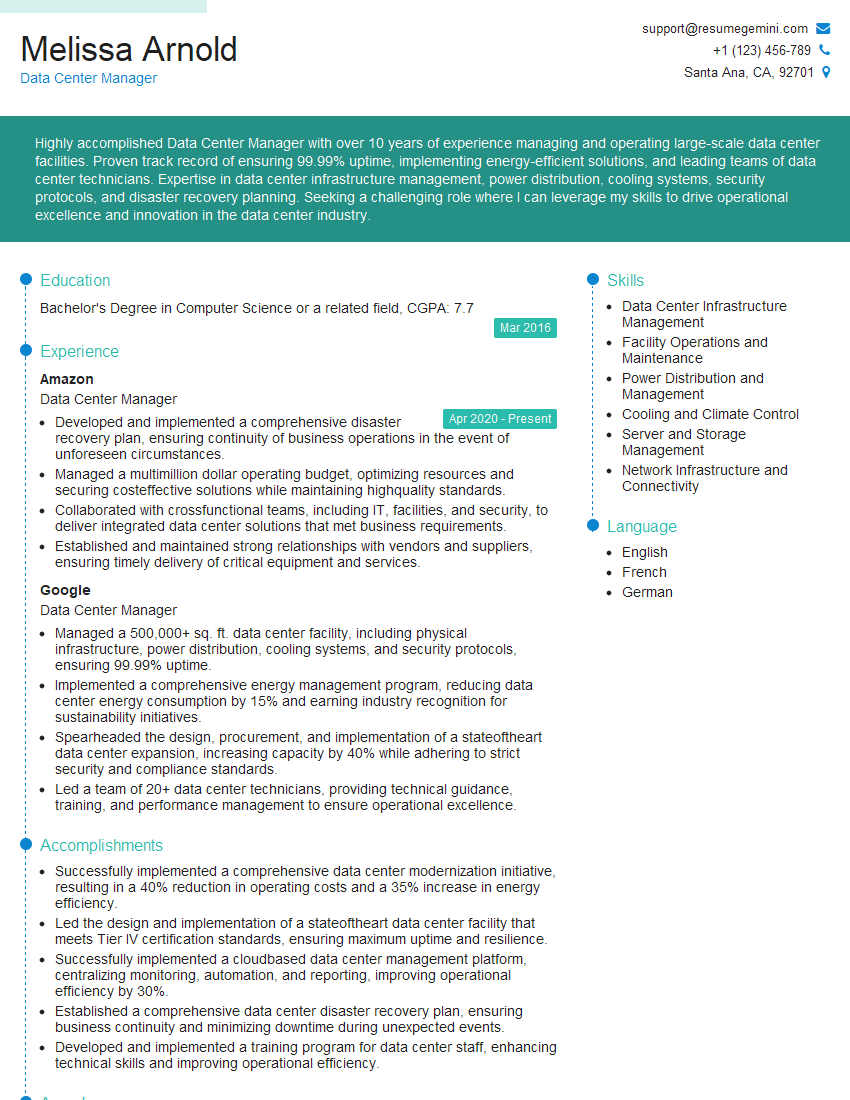
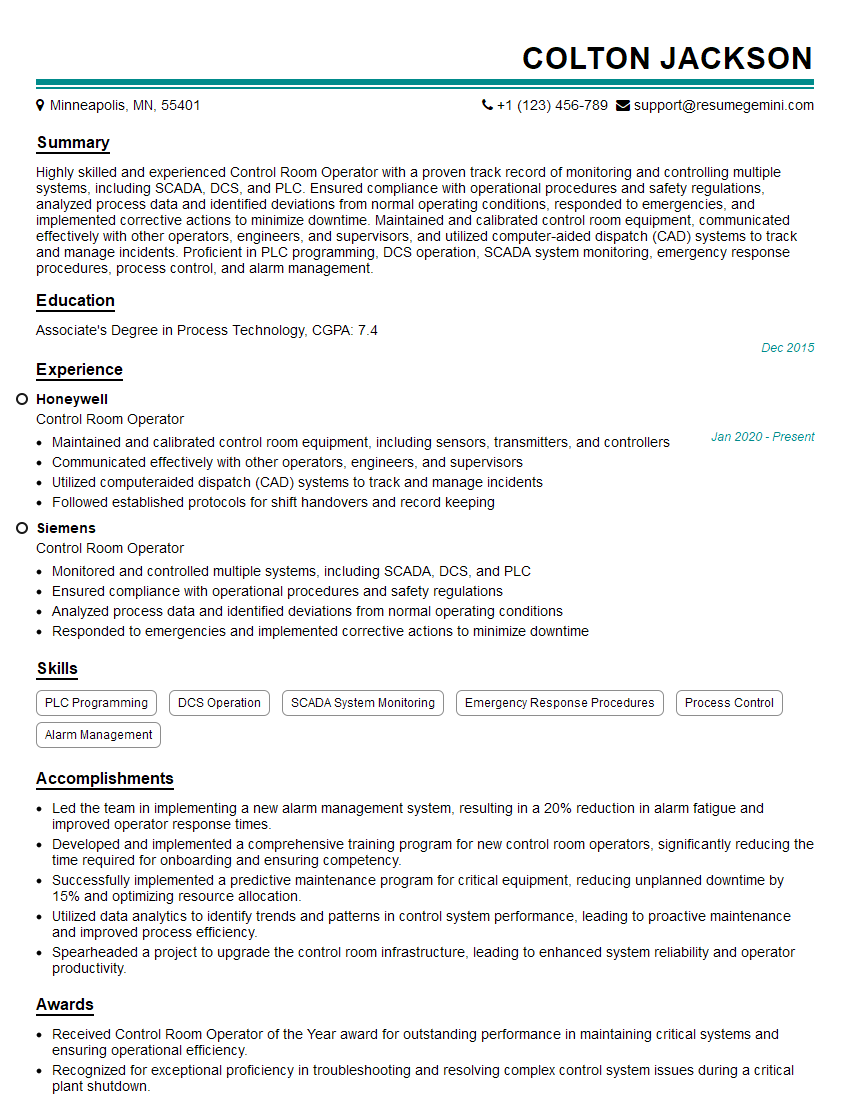
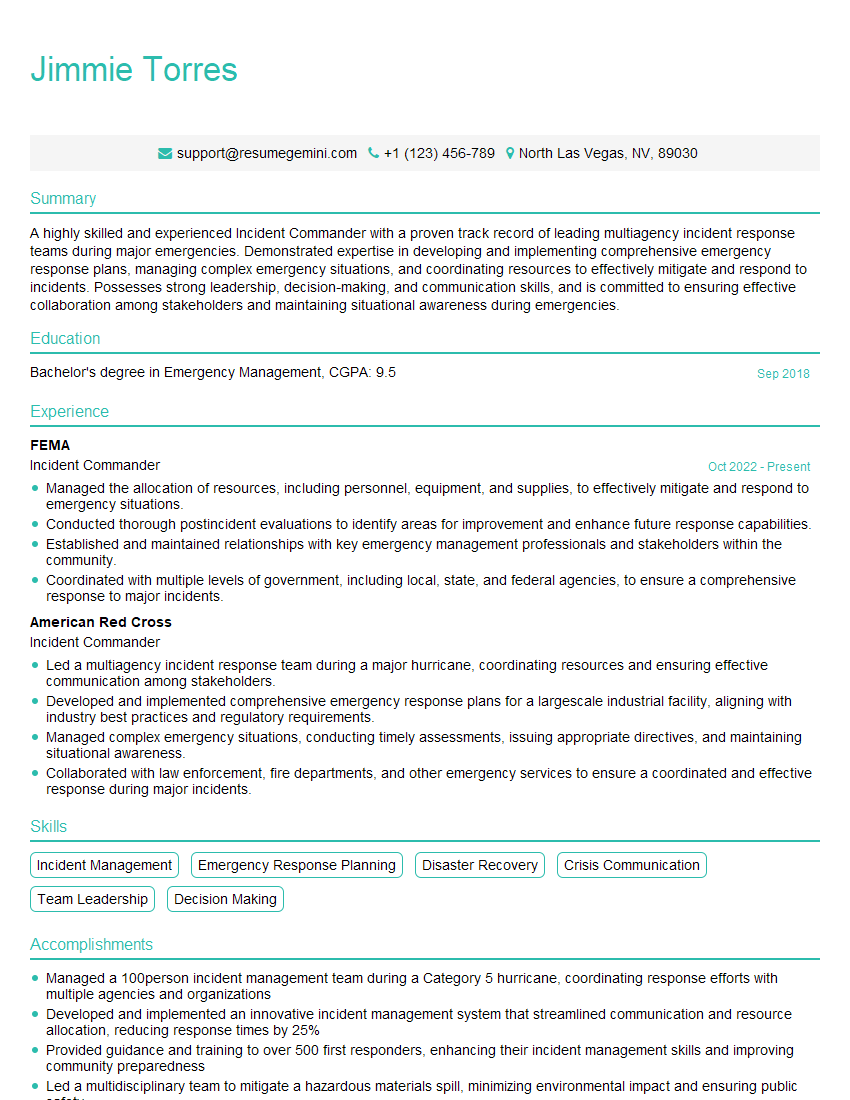
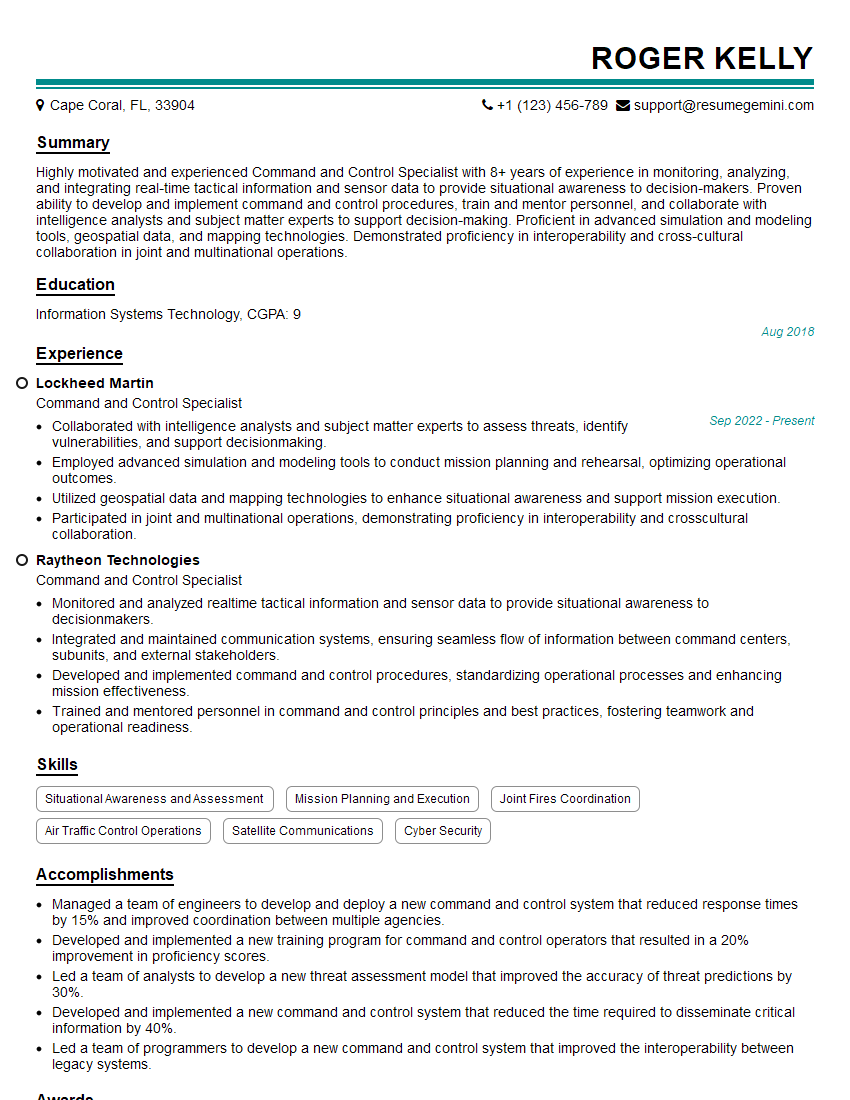
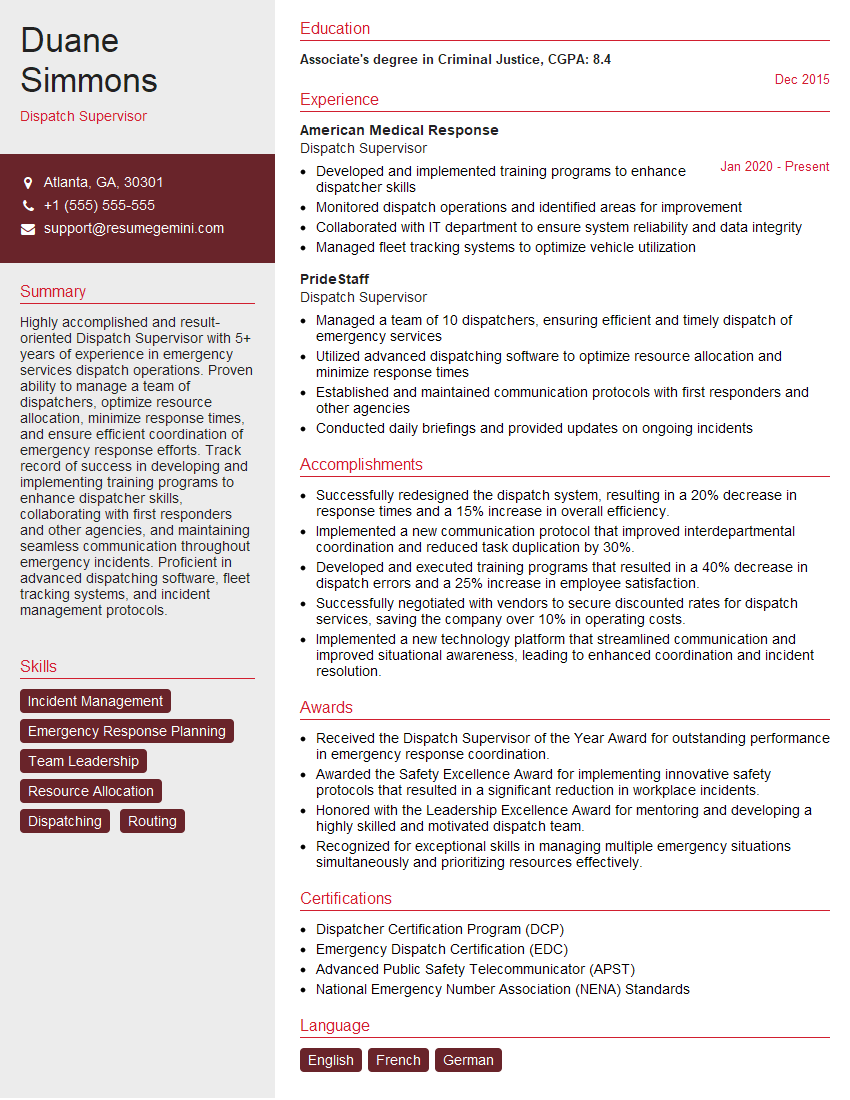
Mastering Command and Control Operations opens doors to exciting and impactful career opportunities, offering significant growth potential within dynamic and challenging environments. To maximize your chances of securing your dream role, building an ATS-friendly resume is crucial. A well-crafted resume ensures your qualifications are effectively highlighted and easily identified by Applicant Tracking Systems, significantly increasing your interview prospects. We encourage you to utilize ResumeGemini, a trusted resource for building professional and impactful resumes. ResumeGemini offers examples of resumes tailored specifically to Command and Control Operations to help you craft a compelling document that showcases your skills and experience effectively.
Explore more articles
Users Rating of Our Blogs
Share Your Experience
We value your feedback! Please rate our content and share your thoughts (optional).
What Readers Say About Our Blog
Hello,
we currently offer a complimentary backlink and URL indexing test for search engine optimization professionals.
You can get complimentary indexing credits to test how link discovery works in practice.
No credit card is required and there is no recurring fee.
You can find details here:
https://wikipedia-backlinks.com/indexing/
Regards
NICE RESPONSE TO Q & A
hi
The aim of this message is regarding an unclaimed deposit of a deceased nationale that bears the same name as you. You are not relate to him as there are millions of people answering the names across around the world. But i will use my position to influence the release of the deposit to you for our mutual benefit.
Respond for full details and how to claim the deposit. This is 100% risk free. Send hello to my email id: [email protected]
Luka Chachibaialuka
Hey interviewgemini.com, just wanted to follow up on my last email.
We just launched Call the Monster, an parenting app that lets you summon friendly ‘monsters’ kids actually listen to.
We’re also running a giveaway for everyone who downloads the app. Since it’s brand new, there aren’t many users yet, which means you’ve got a much better chance of winning some great prizes.
You can check it out here: https://bit.ly/callamonsterapp
Or follow us on Instagram: https://www.instagram.com/callamonsterapp
Thanks,
Ryan
CEO – Call the Monster App
Hey interviewgemini.com, I saw your website and love your approach.
I just want this to look like spam email, but want to share something important to you. We just launched Call the Monster, a parenting app that lets you summon friendly ‘monsters’ kids actually listen to.
Parents are loving it for calming chaos before bedtime. Thought you might want to try it: https://bit.ly/callamonsterapp or just follow our fun monster lore on Instagram: https://www.instagram.com/callamonsterapp
Thanks,
Ryan
CEO – Call A Monster APP
To the interviewgemini.com Owner.
Dear interviewgemini.com Webmaster!
Hi interviewgemini.com Webmaster!
Dear interviewgemini.com Webmaster!
excellent
Hello,
We found issues with your domain’s email setup that may be sending your messages to spam or blocking them completely. InboxShield Mini shows you how to fix it in minutes — no tech skills required.
Scan your domain now for details: https://inboxshield-mini.com/
— Adam @ InboxShield Mini
Reply STOP to unsubscribe
Hi, are you owner of interviewgemini.com? What if I told you I could help you find extra time in your schedule, reconnect with leads you didn’t even realize you missed, and bring in more “I want to work with you” conversations, without increasing your ad spend or hiring a full-time employee?
All with a flexible, budget-friendly service that could easily pay for itself. Sounds good?
Would it be nice to jump on a quick 10-minute call so I can show you exactly how we make this work?
Best,
Hapei
Marketing Director
Hey, I know you’re the owner of interviewgemini.com. I’ll be quick.
Fundraising for your business is tough and time-consuming. We make it easier by guaranteeing two private investor meetings each month, for six months. No demos, no pitch events – just direct introductions to active investors matched to your startup.
If youR17;re raising, this could help you build real momentum. Want me to send more info?
Hi, I represent an SEO company that specialises in getting you AI citations and higher rankings on Google. I’d like to offer you a 100% free SEO audit for your website. Would you be interested?
Hi, I represent an SEO company that specialises in getting you AI citations and higher rankings on Google. I’d like to offer you a 100% free SEO audit for your website. Would you be interested?
good