Unlock your full potential by mastering the most common Communicate effectively with students, parents, and staff interview questions. This blog offers a deep dive into the critical topics, ensuring you’re not only prepared to answer but to excel. With these insights, you’ll approach your interview with clarity and confidence.
Questions Asked in Communicate effectively with students, parents, and staff Interview
Q 1. Describe your approach to communicating complex information to students with diverse learning styles.
My approach to communicating complex information to students with diverse learning styles centers on differentiation and multi-modal instruction. I believe that ‘one size fits all’ simply doesn’t work. Instead, I leverage a variety of methods to cater to different learning preferences.
- Visual Learners: I use diagrams, charts, mind maps, and visual aids liberally. For example, when explaining the water cycle, I’d use a colorful diagram with arrows showing the process, rather than just a verbal description.
- Auditory Learners: I incorporate discussions, lectures, and audio recordings. I might use a short podcast or a recorded explanation to supplement written material.
- Kinesthetic Learners: I encourage hands-on activities, experiments, and role-playing. To teach about fractions, we might use manipulatives like fraction circles or create a real-life scenario involving sharing pizza slices.
- Read/Write Learners: I provide clear and concise written materials, including summaries, outlines, and graphic organizers. I also encourage students to take notes and write reflections.
Regular formative assessments, like quick quizzes or exit tickets, allow me to gauge student understanding and adjust my approach as needed. I also encourage student feedback on what learning methods work best for them.
Q 2. How do you proactively build positive relationships with parents?
Proactively building positive relationships with parents is crucial for student success. I prioritize open communication and transparency. I start by establishing a welcoming and approachable demeanor, making myself easily accessible through various channels (email, phone, scheduled conferences).
- Early and Frequent Communication: I send regular updates (newsletters, emails) about classroom activities, upcoming events, and student progress. Positive feedback is emphasized.
- Parent-Teacher Conferences: I view these as collaborative opportunities. I don’t just report grades; I discuss learning strategies, student strengths and weaknesses, and ways parents can support learning at home.
- Building Trust and Rapport: I make an effort to learn about students’ interests and home lives. A simple, genuine conversation about a child’s hobbies can go a long way in building a connection.
- Utilizing Technology: Class websites or learning management systems provide a platform for sharing resources, assignments, and announcements, keeping parents informed and involved.
By actively seeking parent input and showing genuine interest in their children’s well-being, I create a partnership that benefits both the student and the learning process. For example, I’ve found that sending a quick email to celebrate a student’s accomplishment, both to the student and parent, builds strong positive relationships.
Q 3. Explain your strategy for addressing parental concerns or complaints.
Addressing parental concerns or complaints requires empathy, active listening, and a solution-oriented approach.
- Listen Empathetically: Let the parent fully express their concerns without interruption. Acknowledge their feelings and validate their perspective, even if you don’t agree with everything.
- Gather Information: Ask clarifying questions to understand the situation completely. Get their perspective, and if necessary, gather information from other sources (student, other teachers).
- Collaborate on Solutions: Jointly explore possible solutions, focusing on what’s best for the child. This might involve adjusting teaching methods, implementing behavior strategies, or involving other support services.
- Document Everything: Maintain clear records of the conversation, agreed-upon actions, and follow-up steps. This protects both parties and ensures accountability.
- Follow Up: Check in with the parent to assess the effectiveness of the solutions and make any necessary adjustments. This demonstrates continued commitment to addressing the issue.
For example, if a parent complains about their child’s grade, I’d review the child’s work, discuss their progress with them, and identify areas where support is needed. We might agree on a plan for improvement that involves extra help sessions or changes to study habits.
Q 4. How do you handle conflict resolution between students?
Conflict resolution between students requires a fair, consistent, and restorative approach. My strategy involves:
- Immediate Intervention: Address conflicts promptly and calmly, ensuring the safety of all involved.
- Separate and Listen: Separately talk to each student to get their perspective. Encourage them to explain the situation from their point of view, without interrupting or judging.
- Facilitate a Dialogue: Once both students have shared their perspectives, guide them in a respectful conversation to identify the root cause of the conflict.
- Collaborate on Solutions: Work together to develop a solution that is fair and addresses the needs of all students involved.
- Restorative Practices: If possible, encourage students to take responsibility for their actions and repair any harm caused. This might involve an apology or a plan to make amends.
- Follow Up: Monitor the situation after the conflict has been resolved to ensure the solution is effective and that the students are getting along.
For example, if two students are arguing over a toy, I’d separate them, listen to each side, and then guide them to find a solution, such as sharing the toy for a specific amount of time or taking turns.
Q 5. Describe a time you had to communicate sensitive information to a parent.
I once had to communicate to a parent that their child was struggling with severe anxiety and needed professional help. This was a very sensitive situation, requiring careful consideration and a compassionate approach.
I scheduled a private meeting with the parent, starting the conversation by expressing my concern for their child’s well-being and emphasizing the importance of open communication. I shared specific observations I’d made about the student’s behavior and academic performance, avoiding judgmental language and focusing on factual details. I explained the signs of anxiety I’d noticed and how they were impacting the child’s ability to learn and function in the classroom.
I provided resources and suggestions for professional help, such as therapists or counselors specializing in childhood anxiety. I also offered support in the school setting, outlining strategies we could implement to help alleviate the child’s anxiety. The conversation was focused on collaboration and finding solutions together. The outcome was positive, with the parent expressing gratitude for my concern and proactive approach, and taking steps to seek help for their child.
Q 6. How do you effectively communicate expectations to students?
Communicating expectations clearly and consistently is essential for student success. I use a multi-faceted approach:
- Written Communication: I provide clear syllabi and assignment guidelines that explicitly outline expectations for behavior, assignments, and assessments. These are available in both print and digital formats.
- Verbal Communication: I clearly explain expectations in class, using simple and direct language. I provide ample opportunities for students to ask questions and seek clarification.
- Modeling: I model the expected behaviors and work ethic myself, demonstrating responsibility and respect in my own actions.
- Visual Aids: Visual cues like classroom rules posters or checklists can reinforce expectations. For example, a visual schedule helps students understand the daily classroom routine.
- Regular Feedback: I provide consistent feedback on student work, both positive and constructive, to reinforce expectations and identify areas for improvement.
By using multiple methods and consistently reinforcing expectations, I create a clear and predictable learning environment that helps students understand what is expected of them.
Q 7. How do you utilize various communication methods (e.g., email, phone, in-person meetings) to reach different stakeholders?
Effective communication requires utilizing various methods tailored to the audience and message.
- Email: Ideal for formal communication, sending announcements, sharing documents, and providing updates on assignments or assessments. I use email to regularly communicate with parents about student progress and upcoming events.
- Phone Calls: Most effective for urgent matters or when a more personal touch is needed. I might use a phone call to discuss a serious concern with a parent or to quickly update a parent about an incident.
- In-Person Meetings: Essential for building relationships, addressing complex issues, or having deeper discussions. Parent-teacher conferences provide valuable opportunities for face-to-face communication.
- Learning Management Systems (LMS): Platforms like Google Classroom or Canvas streamline communication and information sharing, making announcements, assignments, and resources readily accessible to students and parents.
- School Newsletters/Websites: These provide an avenue for disseminating broader information to all stakeholders, such as school-wide announcements or upcoming events.
Choosing the right communication method depends on the context. For instance, a simple update on homework might be an email, while discussing a child’s behavioral concerns would warrant a phone call or in-person meeting.
Q 8. How do you ensure clear and consistent communication within a school team?
Ensuring clear and consistent communication within a school team requires a multifaceted approach. It’s not just about *what* you communicate, but *how* and *when*. Think of it like a well-oiled machine – each part needs to know its role and how it interacts with others.
- Establish clear communication channels: Designate specific methods for different types of information. For example, use email for formal announcements, instant messaging for quick updates, and regular meetings for collaborative discussions. This prevents information overload and ensures messages reach the right people efficiently.
- Regular team meetings: Schedule consistent meetings to discuss ongoing projects, address concerns, and share updates. These meetings should have a clear agenda and designated time for open discussion. Consider using visual aids like presentations or shared documents to enhance understanding.
- Utilize a central communication hub: A shared online platform (like a school intranet or a collaborative workspace) can centralize important documents, announcements, and calendars, making information easily accessible to everyone.
- Promote open feedback: Encourage team members to share feedback and suggestions openly. Create a safe space where constructive criticism is welcomed, allowing for continuous improvement in communication practices. Regular anonymous surveys can be invaluable for gauging team sentiment and identifying areas for improvement.
- Develop a communication style guide: Establish guidelines for email etiquette, meeting conduct, and the overall tone of communication to ensure consistency and professionalism across the team.
For example, in my previous role, we implemented a weekly newsletter summarizing key events and announcements. This simple strategy significantly improved team awareness and reduced confusion.
Q 9. What strategies do you use to communicate effectively with staff members from different departments?
Communicating effectively across different departments requires understanding the unique perspectives and priorities of each team. It’s like orchestrating a symphony – each section plays a vital role, and the conductor needs to ensure harmony.
- Use common language: Avoid jargon specific to one department. Instead, strive for clear and concise language everyone can understand.
- Cross-departmental meetings: Organize regular meetings involving representatives from different departments to discuss shared goals and challenges. This fosters collaboration and reduces misunderstandings.
- Develop strong working relationships: Building rapport with colleagues from other departments creates a foundation for open communication and mutual respect. Informal interactions can facilitate better understanding and cooperation.
- Utilize collaborative tools: Shared online platforms, project management software, and instant messaging apps can facilitate seamless communication and information sharing across departments.
- Focus on shared goals: Frame communications in terms of shared goals and objectives. This helps everyone see the bigger picture and understand the importance of interdepartmental collaboration.
For instance, when launching a new school-wide initiative, I facilitated a series of meetings with department heads to ensure everyone understood their roles and responsibilities. This proactive approach prevented potential conflicts and ensured a smooth implementation.
Q 10. How do you adapt your communication style to different audiences (students, parents, staff)?
Adapting communication style to different audiences is crucial for effective messaging. Think of it like tailoring a suit – you wouldn’t wear the same outfit to a formal event as you would to a casual gathering.
- Students: Communication with students should be clear, concise, and engaging. Use age-appropriate language, visual aids, and interactive activities to capture their attention and promote understanding. Positive reinforcement and encouragement are key.
- Parents: Communication with parents should be professional, respectful, and informative. Provide regular updates on their child’s progress, address concerns promptly and empathetically, and maintain a positive and collaborative tone. Offer multiple channels for communication (e.g., email, phone, parent-teacher conferences).
- Staff: Communication with staff should be professional, direct, and transparent. Clearly define expectations, provide necessary resources, and encourage open dialogue and feedback. Foster a collaborative environment where staff feel valued and respected.
For example, when communicating with parents about a student’s academic performance, I would use a positive and encouraging tone, focusing on areas of strength and offering specific strategies for improvement. With students, I would use simpler language and focus on immediate, actionable steps.
Q 11. Describe your experience using technology to facilitate communication.
Technology plays a vital role in facilitating effective communication. It allows us to reach a wider audience, share information quickly, and improve accessibility.
- Learning Management Systems (LMS): Platforms like Canvas or Moodle are used to share course materials, assignments, and grades, improving transparency and accessibility for students and parents.
- School websites and communication portals: These provide a central hub for important announcements, school news, and contact information.
- Email and instant messaging: These are essential for efficient communication with staff, parents, and students.
- Video conferencing tools: Platforms like Zoom or Google Meet facilitate virtual meetings, parent-teacher conferences, and staff training sessions.
- Social media (used cautiously and strategically): Social media can be a valuable tool for disseminating information quickly, but it’s crucial to maintain professional standards and be mindful of privacy concerns.
In my experience, using a school-wide communication app alongside email has significantly streamlined information flow and increased parental engagement. This app allowed for quick updates, two-way communication, and streamlined distribution of vital information.
Q 12. How do you manage communication in a crisis situation?
Managing communication during a crisis requires a calm, decisive, and organized approach. It’s about providing accurate information quickly and efficiently, while also ensuring the safety and well-being of the school community.
- Establish a crisis communication team: Designate individuals responsible for different aspects of communication (e.g., media relations, internal updates, parent communication).
- Develop a communication plan: This plan should outline procedures for disseminating information to various stakeholders, including pre-written messages for common crisis scenarios.
- Utilize multiple communication channels: Reach out to the school community through various means (e.g., email, text messages, phone calls, website updates, social media – if appropriate).
- Be truthful and transparent: Avoid speculation and provide factual information based on the latest developments. Acknowledging uncertainty when appropriate is better than providing misleading information.
- Maintain regular updates: Keep stakeholders informed throughout the crisis, providing updates regularly to avoid rumors and maintain calm.
For example, during a severe weather event, I coordinated communication with parents and staff, ensuring everyone had access to up-to-date information and emergency procedures. The pre-prepared communication plan proved invaluable, allowing me to focus on managing the situation effectively.
Q 13. How do you address misinformation or rumors within the school community?
Addressing misinformation or rumors requires a proactive and transparent approach. It’s about providing accurate information and building trust within the school community.
- Identify the source of misinformation: Attempt to determine the origin of the rumor or false information, if possible.
- Respond promptly and directly: Don’t let misinformation spread unchecked. Address the issue quickly and directly with factual information.
- Utilize multiple communication channels: Disseminate accurate information through various channels to ensure it reaches a broad audience.
- Maintain a calm and professional tone: Avoid emotional or reactive responses. A calm and professional approach helps build confidence and trust.
- Encourage open communication: Create an environment where individuals feel comfortable expressing concerns and seeking clarification.
In one instance, a false rumor about a school closure spread through social media. I quickly addressed the issue through email, website updates, and social media posts, emphasizing the importance of verifying information before sharing it. This quick response helped contain the spread of misinformation.
Q 14. How do you provide feedback to students constructively?
Providing constructive feedback to students involves offering specific, actionable advice that fosters growth and improvement. It’s about guiding students towards success, not just pointing out their mistakes.
- Focus on specific behaviors or actions: Avoid vague generalizations. Instead, provide concrete examples of what the student did well and what needs improvement.
- Use the “sandwich method”: Start with positive feedback, then offer constructive criticism, and end with another positive note. This approach makes the feedback easier to receive.
- Provide actionable suggestions: Don’t just identify weaknesses; offer specific steps the student can take to address them. Focus on what they can *do* to improve.
- Be supportive and encouraging: Frame the feedback as an opportunity for growth and learning. Emphasize the student’s potential and ability to improve.
- Use a private and respectful setting: Deliver feedback in a private and respectful setting where the student feels comfortable and safe.
For example, instead of saying “You need to improve your essay writing,” I might say, “Your essay shows a good understanding of the topic, but the introduction could be stronger. Try using a more engaging hook to grab the reader’s attention, and remember to clearly state your thesis statement.” I would then conclude with positive feedback about a specific aspect of their writing they excelled in.
Q 15. Describe your process for documenting communication with parents and staff.
Maintaining meticulous communication records is crucial for effective teamwork and accountability. My process involves using a combination of methods tailored to the specific audience. For parents, I utilize a dedicated communication log within our school’s management system, which allows me to record every interaction, including date, time, method of contact (e.g., phone call, email, in-person meeting), key discussion points, and any agreed-upon actions. For staff, I primarily use email for formal communication and maintain a detailed record of these exchanges in a shared departmental drive. For quick updates or informal discussions, I might use instant messaging platforms, but I always ensure that these interactions are summarized in a formal communication log. This ensures transparency and facilitates efficient follow-up.
For example, if a parent expresses concerns about their child’s progress, I’ll record the conversation, outlining their concerns, my response, and any agreed upon next steps (like scheduling a meeting or adjusting the child’s learning plan). This detailed record helps maintain consistency and ensures that all stakeholders are on the same page.
Career Expert Tips:
- Ace those interviews! Prepare effectively by reviewing the Top 50 Most Common Interview Questions on ResumeGemini.
- Navigate your job search with confidence! Explore a wide range of Career Tips on ResumeGemini. Learn about common challenges and recommendations to overcome them.
- Craft the perfect resume! Master the Art of Resume Writing with ResumeGemini’s guide. Showcase your unique qualifications and achievements effectively.
- Don’t miss out on holiday savings! Build your dream resume with ResumeGemini’s ATS optimized templates.
Q 16. How do you ensure confidentiality in your communications?
Confidentiality is paramount in education. I strictly adhere to the school’s data privacy policies and relevant legal regulations, such as FERPA (Family Educational Rights and Privacy Act) in the US. This means I never share personal information about students or staff with unauthorized individuals. I only discuss student matters with parents who have parental rights or with authorized school personnel who have a legitimate educational need to know. When communicating electronically, I ensure that all communications are sent through secure channels, using password-protected platforms and avoiding the inclusion of sensitive data in emails or text messages. In face-to-face conversations, I make sure to conduct them in private settings, away from prying ears.
For instance, if a parent wants to discuss a sensitive issue about their child, I would schedule a private meeting to ensure confidentiality. If discussing a student’s challenges with a colleague, I’ll refer to the student only by their initials or student ID to maintain anonymity in shared spaces.
Q 17. How do you handle situations where there’s a language barrier?
Language barriers can significantly hinder effective communication. My approach involves utilizing a multi-pronged strategy. Firstly, I strive to leverage available resources such as professional translation services, interpreters, or bilingual staff members. Secondly, I utilize visual aids like pictures, diagrams, or translated materials to make communication clearer. Thirdly, I use simple, concise language, avoiding jargon and complex sentence structures. Finally, I pay close attention to non-verbal cues, recognizing that body language can often convey meaning even when spoken language is a challenge.
If I have a parent who primarily speaks Spanish, I would try to schedule a meeting with a translator or use a translation app during phone conversations to ensure clear understanding. In class, I might use visual aids like flashcards to enhance comprehension.
Q 18. How do you utilize active listening skills in your communication?
Active listening is fundamental to building trust and understanding. It involves fully concentrating on the speaker, understanding their message, responding thoughtfully, and remembering what was said. I achieve this by maintaining eye contact, nodding to show engagement, asking clarifying questions, paraphrasing to ensure comprehension, and summarizing key points to confirm understanding. I also try to avoid interrupting and create a safe space where individuals feel comfortable expressing themselves honestly without fear of judgment.
For example, if a student is upset about a grade, instead of immediately offering a solution, I will first listen attentively to their concerns, ask questions to understand their perspective, and then collaboratively work toward a solution. This demonstrates empathy and builds a strong rapport.
Q 19. How do you use nonverbal cues to enhance your communication?
Nonverbal cues significantly impact communication. I utilize positive body language such as maintaining appropriate eye contact, using open and welcoming postures, and employing gestures to emphasize points. I also pay attention to my own nonverbal cues, ensuring my facial expressions and body language reflect attentiveness and empathy. My tone of voice is also crucial; I maintain a calm and respectful tone, adjusting it based on the context and the audience’s emotional state. I am mindful of cultural differences in nonverbal communication, ensuring that my actions are respectful and appropriate across diverse backgrounds.
For instance, when addressing a concerned parent, I would maintain eye contact, use a calm and reassuring tone, and offer a welcoming smile to convey empathy and build trust.
Q 20. How do you promote open communication within a classroom?
Creating a classroom environment conducive to open communication involves establishing a culture of respect, trust, and psychological safety. This begins with clearly outlining expectations for communication, emphasizing respectful dialogue, and actively modeling those behaviors. I create opportunities for students to share their thoughts and feelings, whether through class discussions, small group activities, or individual conferences. I incorporate various communication strategies to cater to diverse learning styles, including visual aids, written assignments, and informal check-ins. I explicitly teach students active listening skills and encourage them to provide constructive feedback to one another. Furthermore, I regularly solicit student feedback on classroom dynamics and adapt my teaching methods based on their input.
For example, I might start each class with a brief check-in where students share their thoughts or concerns before diving into the day’s lesson. This creates a sense of community and encourages open dialogue.
Q 21. How do you use technology to improve communication with parents?
Technology offers numerous avenues for enhancing communication with parents. I utilize various platforms such as email, school websites or portals, and learning management systems (LMS) to share announcements, assignments, grades, and progress reports. I also leverage communication apps to send out timely reminders, share important updates, and facilitate quick Q&A sessions. I make sure to use a variety of platforms to cater to different parent preferences and technological capabilities. Additionally, I use video conferencing for parent-teacher meetings when face-to-face meetings are not feasible. The key is to maintain a balance between formal and informal communication methods, using technology to supplement, rather than replace, personal interaction.
For example, I might use our school’s LMS to post weekly updates on classroom activities and assignments, and I would use email or text messages to communicate about urgent matters.
Q 22. How would you address a parent who is consistently disruptive during meetings?
Addressing a consistently disruptive parent requires a delicate balance of firmness and empathy. My approach focuses on de-escalation and establishing clear expectations. First, I’d privately express my concern to the parent, acknowledging their passion for their child but emphasizing the importance of respectful dialogue for the benefit of all attendees. I’d emphasize the meeting’s purpose and the impact disruptions have on others’ participation. If the behavior continues, I’d implement strategies such as setting time limits for individual contributions, offering private follow-up meetings to address specific concerns, and if necessary, implementing a structured communication protocol, like submitting questions in writing beforehand. The goal is to address the root cause of the disruption, whether it’s a misunderstanding, unresolved concerns, or a communication style mismatch. Ultimately, my aim is to foster collaboration and open communication to ensure everyone feels heard and respected.
Q 23. Describe a time you had to deal with a challenging communication scenario. What was your approach and outcome?
In my previous role, I faced a challenging communication scenario involving a student with significant behavioral issues and a communication barrier. His parents, who spoke limited English, weren’t fully engaged in school activities. The student’s poor academic performance and disruptive behavior were escalating. My approach involved several steps: Firstly, I arranged a meeting with the aid of a translator. This allowed open communication about concerns and the development of a collaborative plan. We involved a school counselor, social worker, and Special Education team. Secondly, we established a communication system, using both verbal communication with translation and visual aids. Regular progress reports, communicated through both languages and simple visuals, were sent to the parents. We also incorporated the family’s cultural context and preferences into our communication strategies, showing respect for their values. The outcome was a significant improvement in the student’s behavior and academic performance. Parents felt more connected and empowered, and the collaboration amongst stakeholders fostered an environment of trust and support.
Q 24. How do you ensure that communication is culturally sensitive and appropriate?
Culturally sensitive communication is paramount. It requires ongoing learning and awareness. I ensure cultural sensitivity by:
- Actively listening and observing: Paying attention to verbal and nonverbal cues, understanding different communication styles.
- Using inclusive language: Avoiding jargon, slang, and culturally biased expressions.
- Seeking understanding: Researching cultural backgrounds and communication norms of my stakeholders.
- Utilizing resources: Leveraging translation services, culturally competent materials, and staff training.
- Showing respect for diversity: Creating a welcoming environment where everyone feels valued.
Q 25. How do you measure the effectiveness of your communication strategies?
Measuring communication effectiveness involves both qualitative and quantitative methods. Quantitatively, I track things like attendance at meetings, feedback survey results (including parent and staff satisfaction surveys), and response rates to communications (emails, newsletters). Qualitatively, I observe changes in stakeholder behavior – for instance, decreased conflict, increased parent involvement, improved student performance – all indicating effective communication. I also analyze the tone and content of feedback received, observing patterns or areas needing improvement. This multifaceted approach provides a comprehensive picture of communication’s impact. Regular reviews of communication strategies and adjustments based on the gathered data ensure continuous improvement.
Q 26. How do you build trust and rapport with stakeholders?
Building trust and rapport is foundational to effective communication. It involves demonstrating:
- Respect: Valuing their time, opinions, and perspectives.
- Empathy: Understanding their needs and concerns from their point of view.
- Transparency: Open and honest communication, even when conveying difficult information.
- Reliability: Following through on commitments and keeping promises.
- Accessibility: Making myself easily available to answer questions and provide support.
Q 27. What are your strategies for promoting two-way communication?
Two-way communication ensures everyone feels heard and involved. My strategies include:
- Regular feedback mechanisms: Utilizing surveys, suggestion boxes, parent-teacher conferences, and informal check-ins.
- Open forums: Creating opportunities for open dialogue and discussion.
- Active listening: Paying close attention, asking clarifying questions, and summarizing understanding.
- Collaborative problem-solving: Working together to find solutions to challenges.
- Utilizing multiple communication channels: Employing emails, newsletters, phone calls, social media, and in-person meetings to cater to individual preferences.
Key Topics to Learn for Communicate Effectively with Students, Parents, and Staff Interview
- Active Listening & Empathetic Communication: Understanding diverse perspectives and responding appropriately to students, parents, and colleagues with varying communication styles. Practical Application: Role-playing scenarios involving conflict resolution or delivering difficult news.
- Clear & Concise Communication: Delivering information effectively, whether verbally or in writing, using appropriate language for each audience. Practical Application: Crafting emails to parents, preparing presentations for staff meetings, and explaining complex concepts to students in simple terms.
- Building Rapport & Trust: Establishing positive relationships based on respect and understanding. Practical Application: Describing strategies for creating a welcoming and inclusive environment, handling sensitive information with discretion, and proactively addressing concerns.
- Nonverbal Communication: Recognizing and using body language effectively to enhance communication and build rapport. Practical Application: Analyzing how nonverbal cues can impact the effectiveness of a message and adjusting communication style accordingly.
- Conflict Resolution & Mediation: Addressing disagreements and conflicts constructively and finding mutually acceptable solutions. Practical Application: Describing techniques for mediating disputes between students, parents and staff, and diffusing tense situations.
- Professionalism & Etiquette: Maintaining appropriate professional boundaries and adhering to communication protocols. Practical Application: Discussing how to handle challenging conversations with tact and diplomacy, and maintaining confidentiality.
- Utilizing Technology for Communication: Effectively using various communication tools (email, phone, learning management systems) to reach and engage diverse audiences. Practical Application: Describing experience using different communication platforms and strategies for ensuring effective communication across all channels.
Next Steps
Mastering effective communication with students, parents, and staff is crucial for career advancement in education and related fields. It demonstrates your ability to build strong relationships, manage diverse needs, and create a positive and productive learning environment. To significantly enhance your job prospects, create an ATS-friendly resume that highlights your communication skills and relevant experiences. ResumeGemini is a trusted resource that can help you build a professional and impactful resume. Examples of resumes tailored to highlight “Communicate effectively with students, parents, and staff” are available to help guide your resume creation.
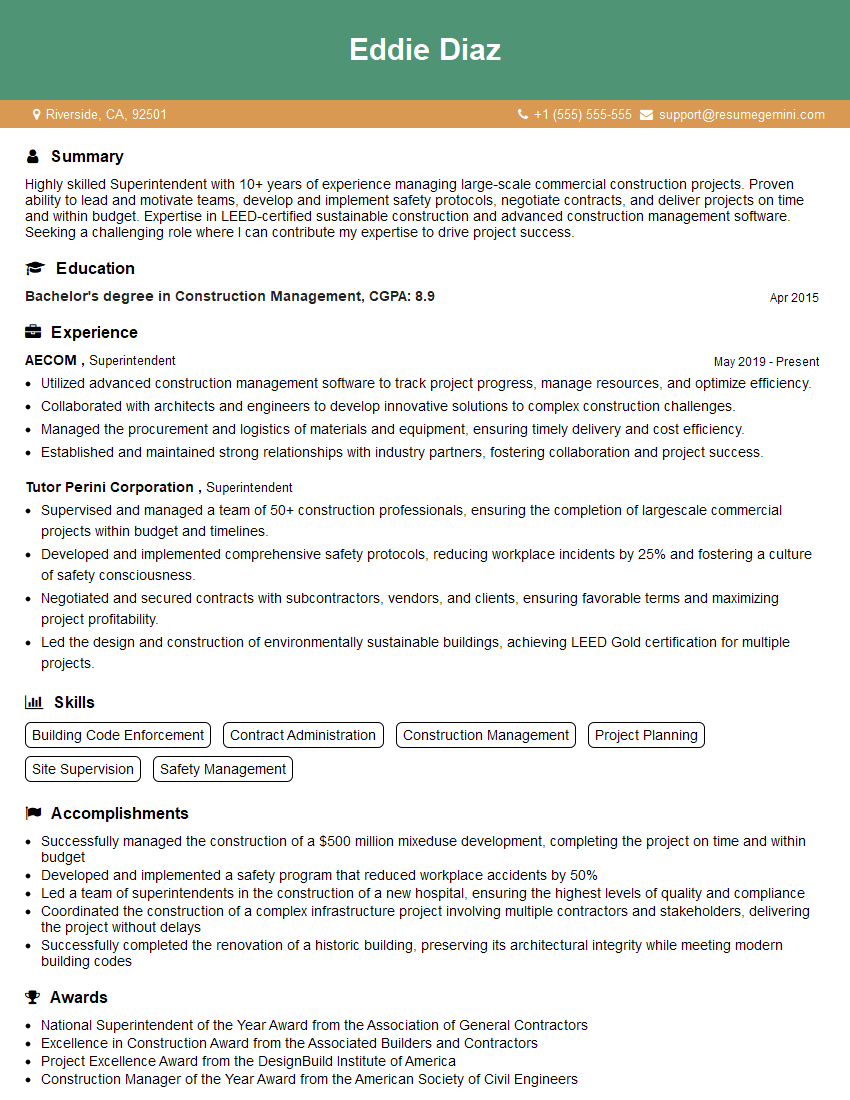
Superintendent Resume Sample
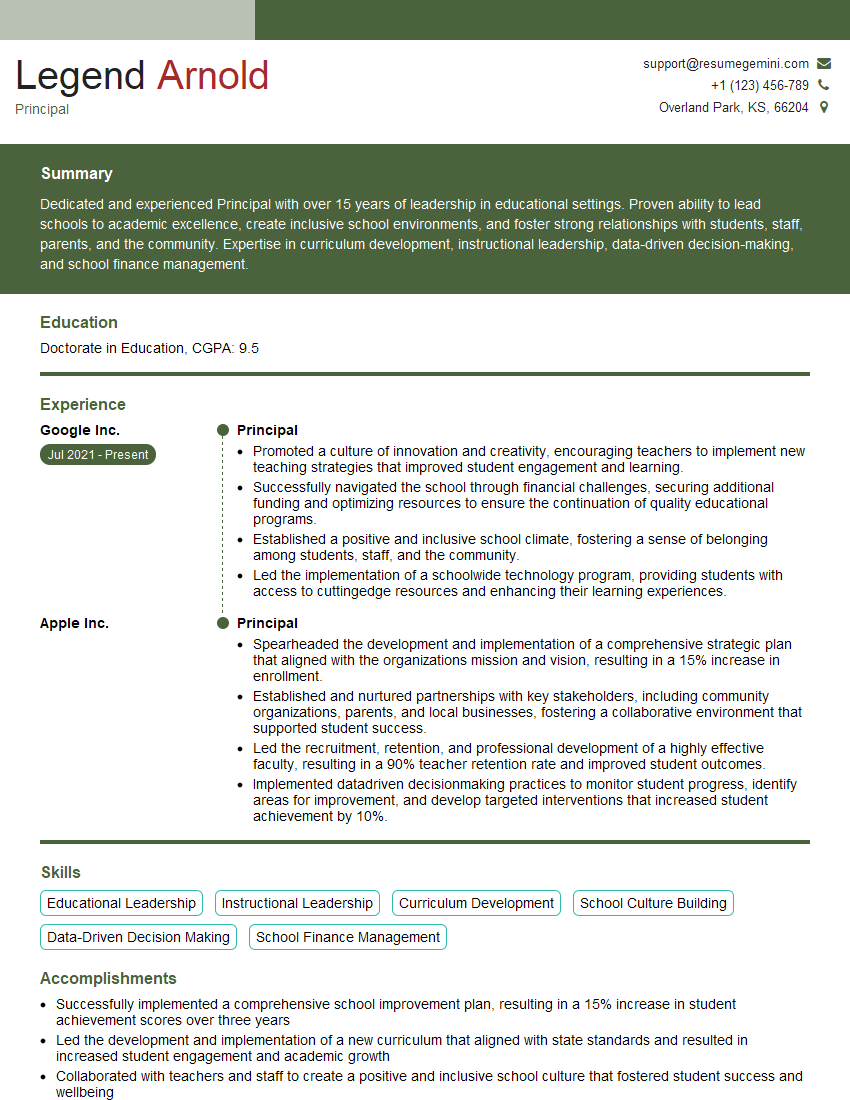
Principal Resume Sample
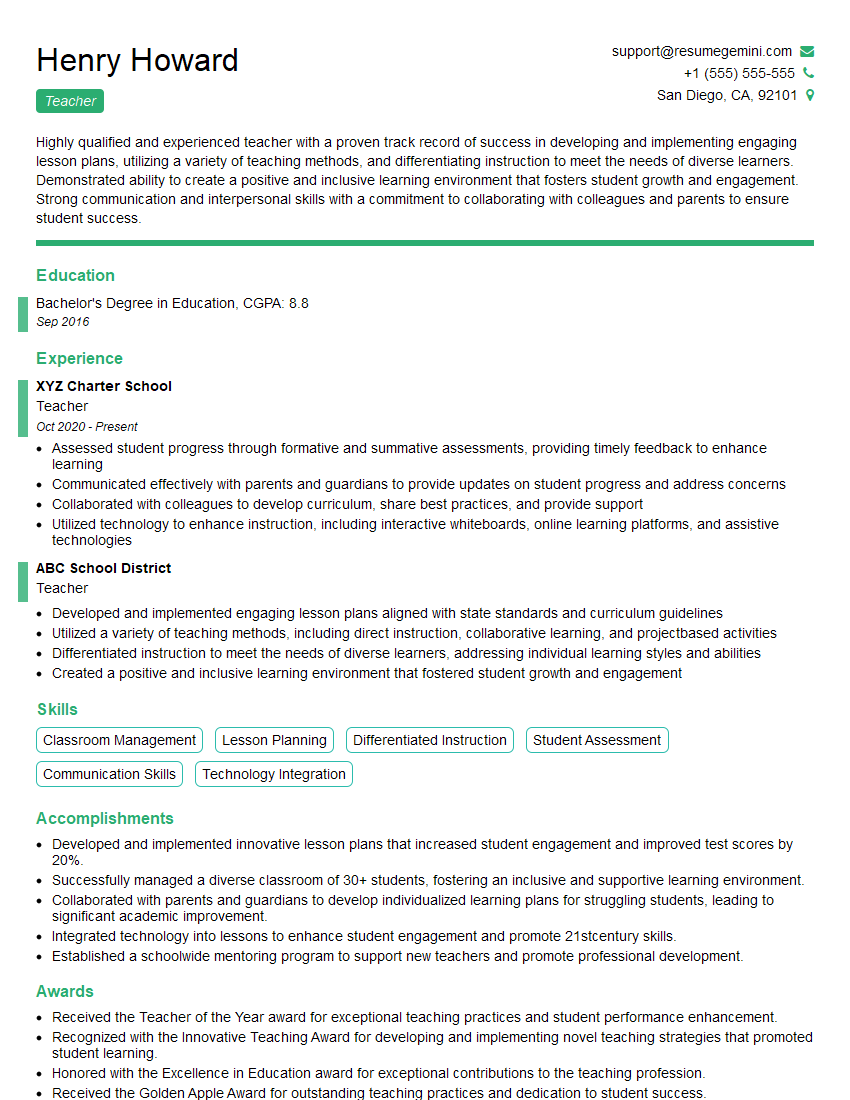
Teacher Resume Sample
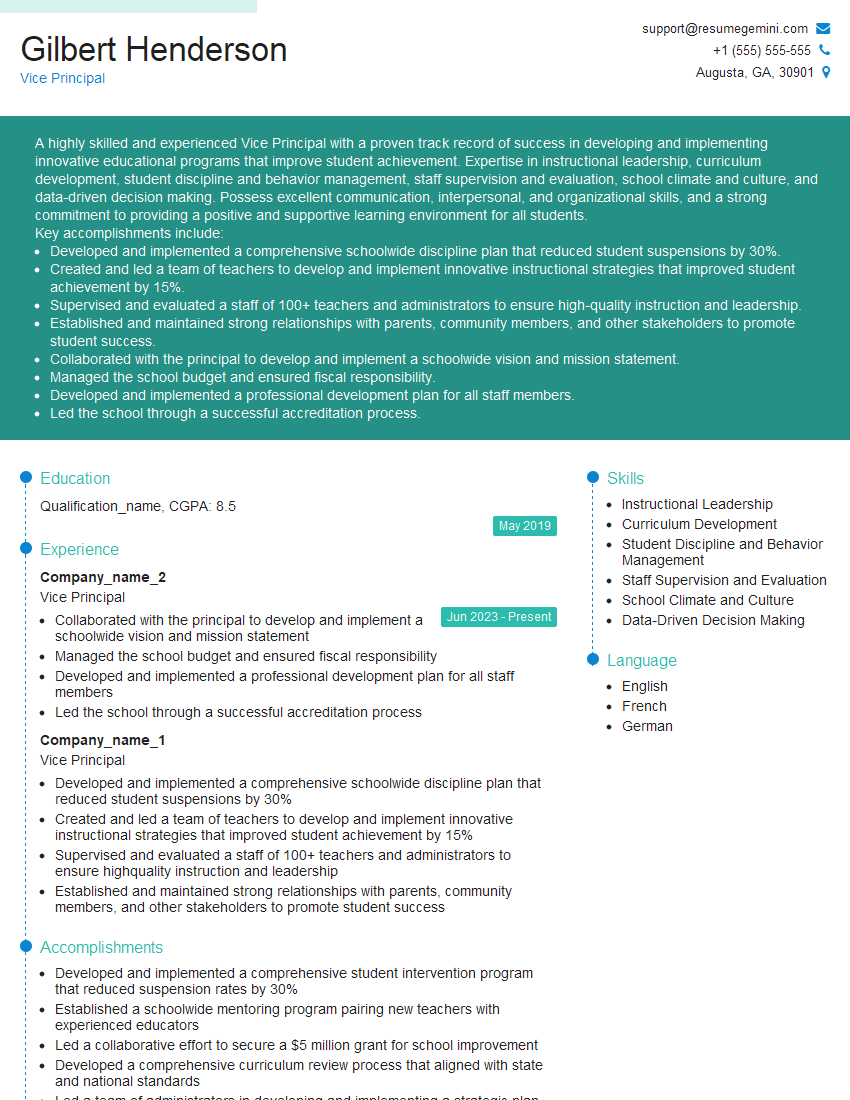
Vice Principal Resume Sample
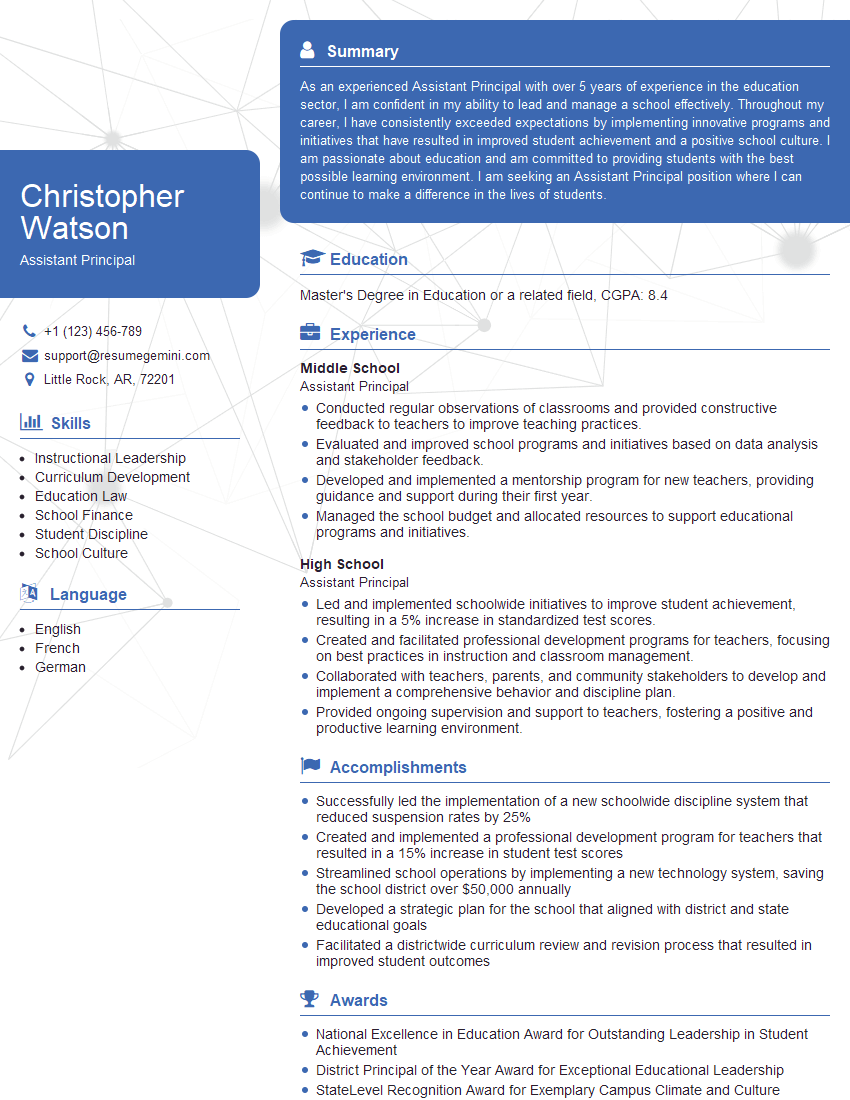
Assistant Principal Resume Sample
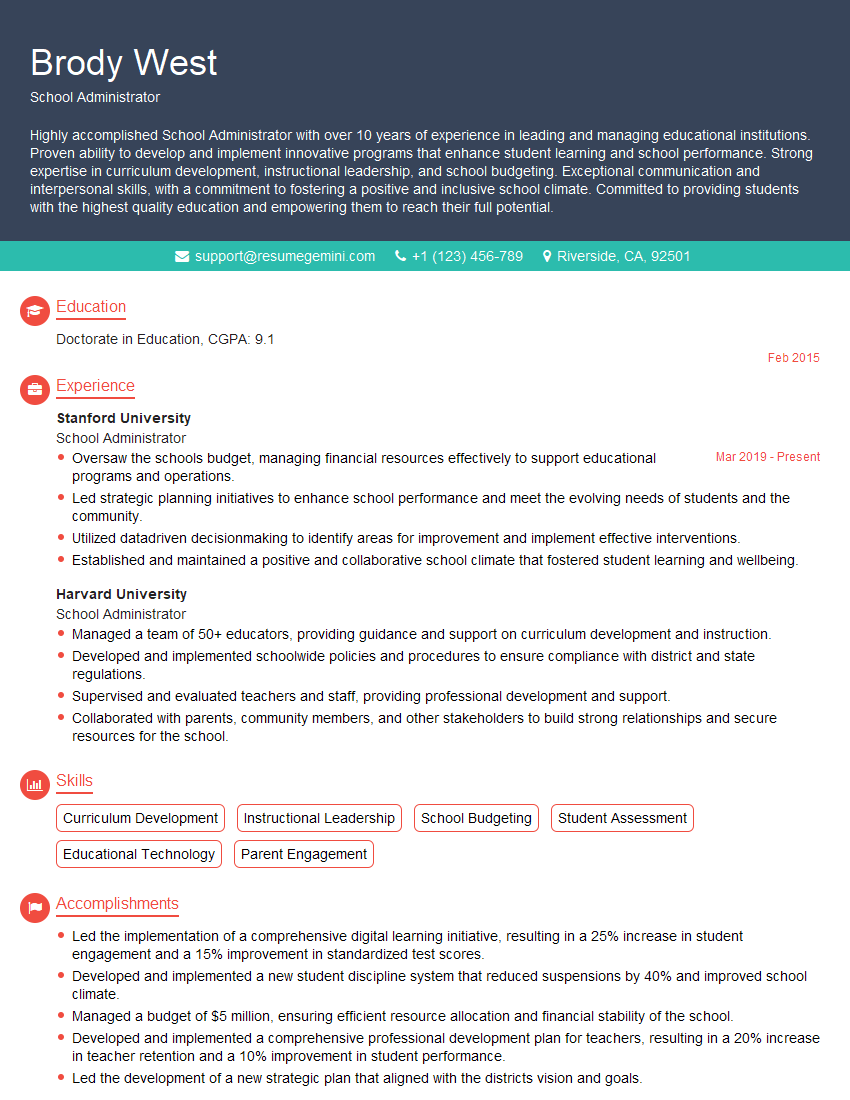
School Administrator Resume Sample
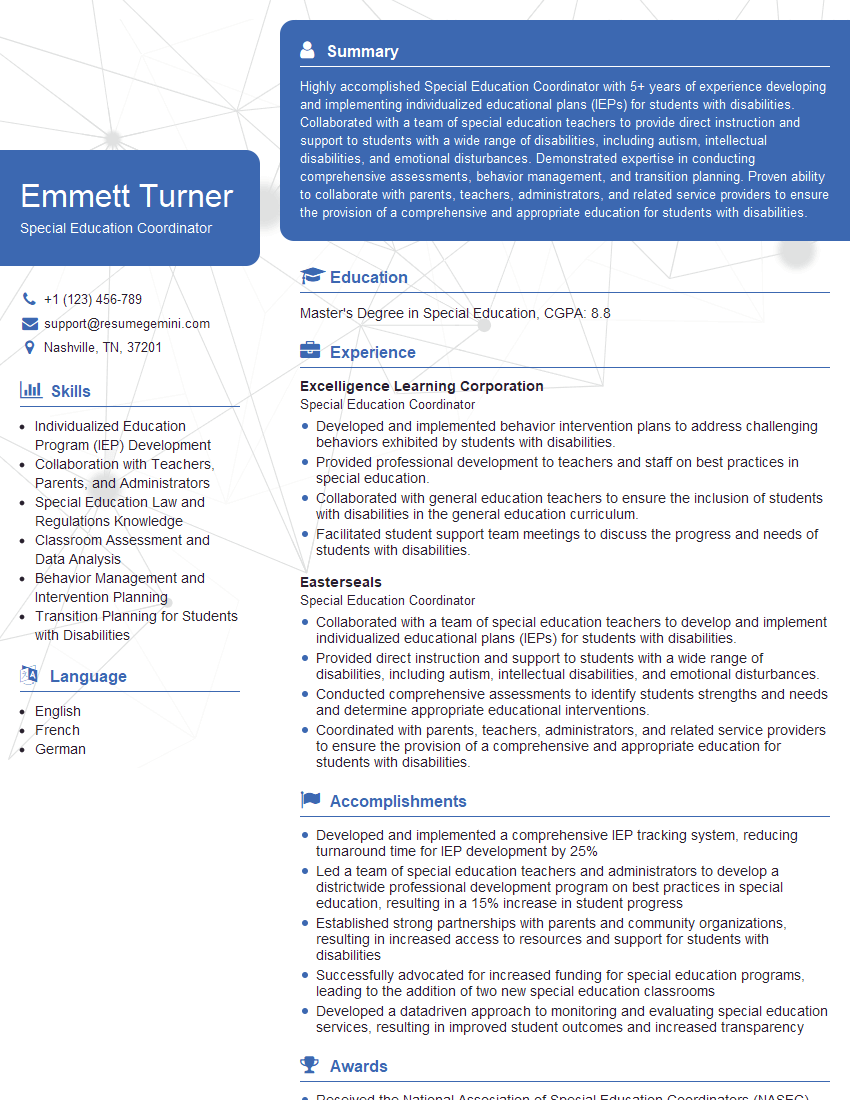
Special Education Coordinator Resume Sample
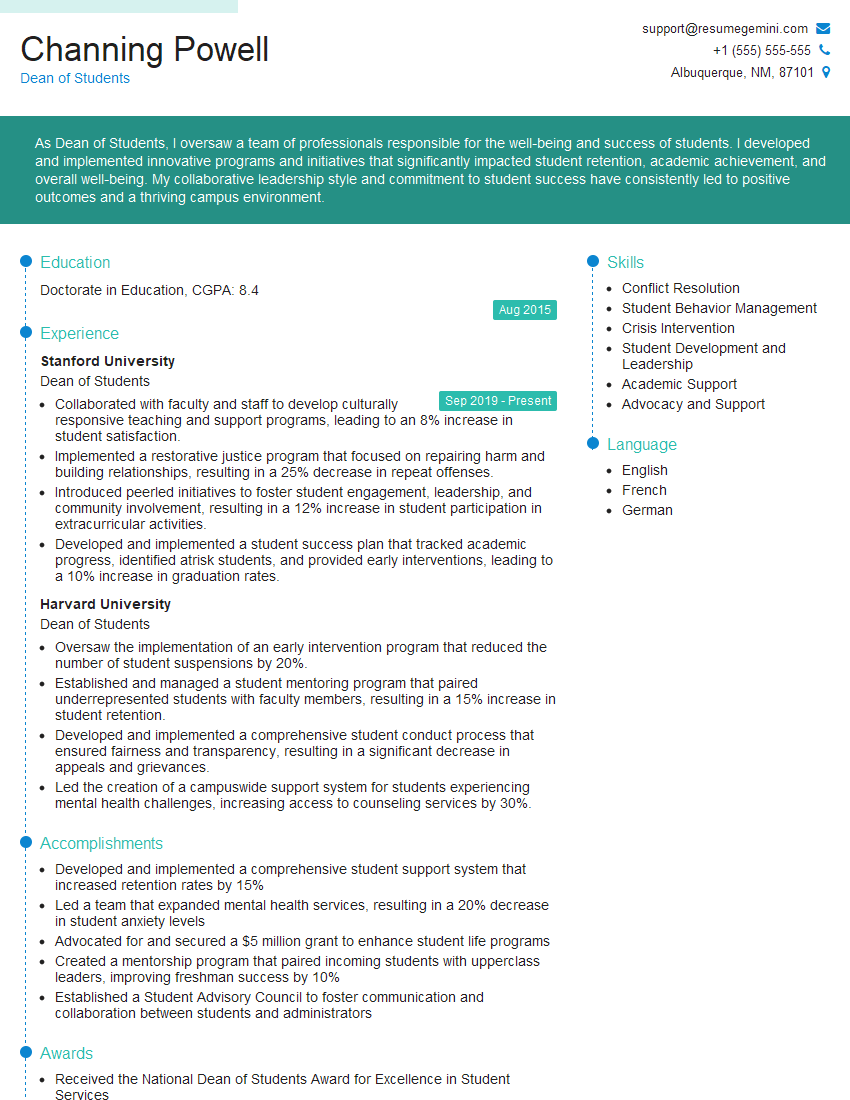
Dean of Students Resume Sample

Professor Resume Sample
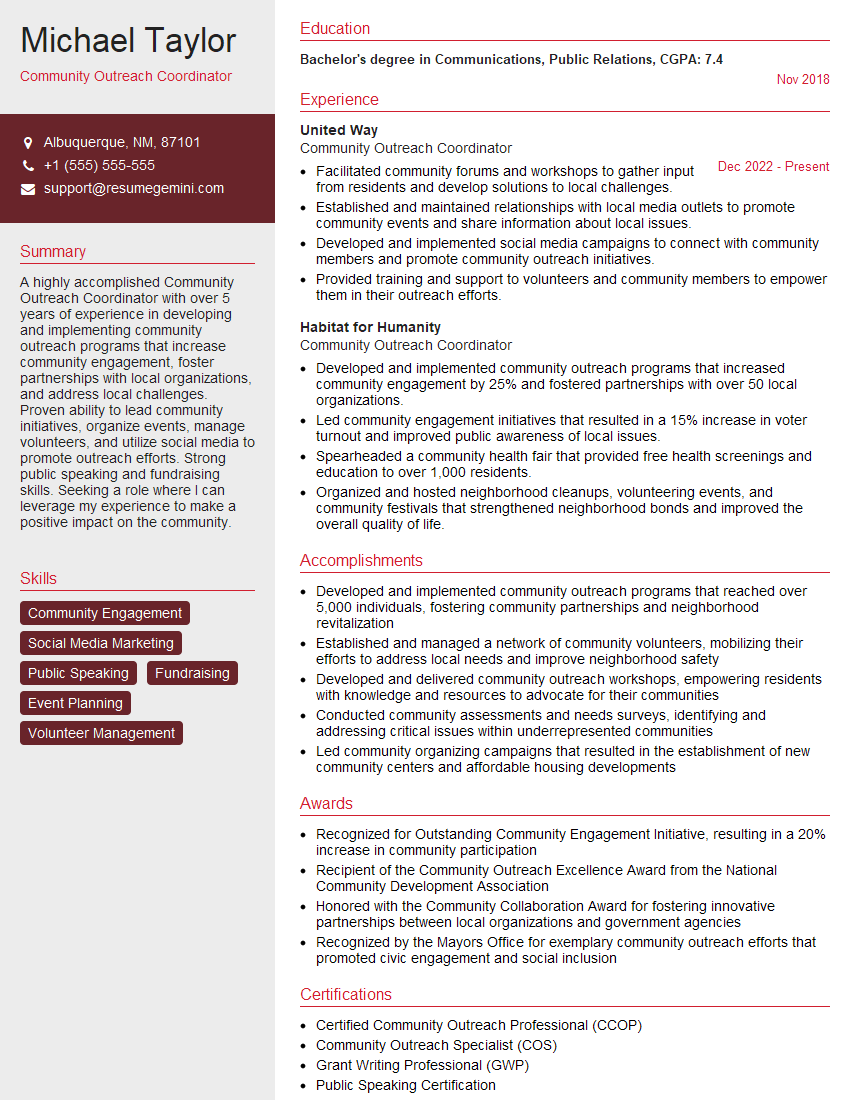
Community Outreach Coordinator Resume Sample

Curriculum Developer Resume Sample
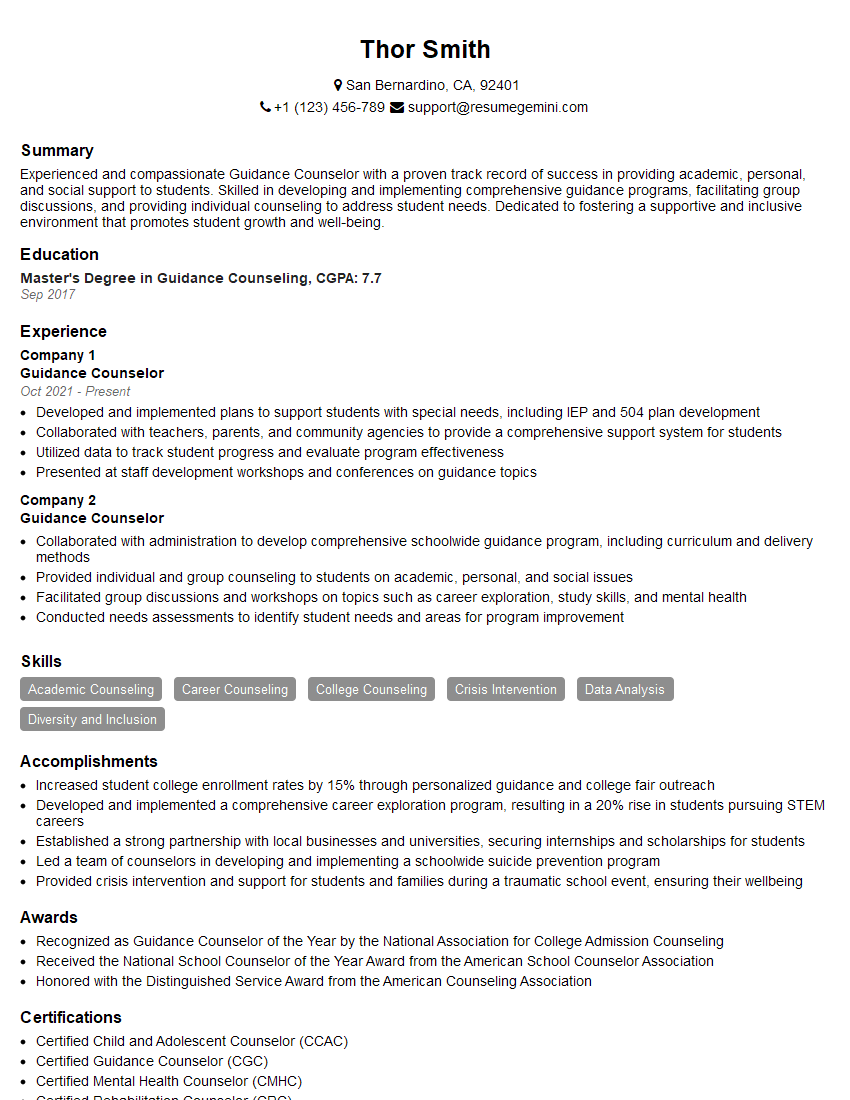
Guidance Counselor Resume Sample
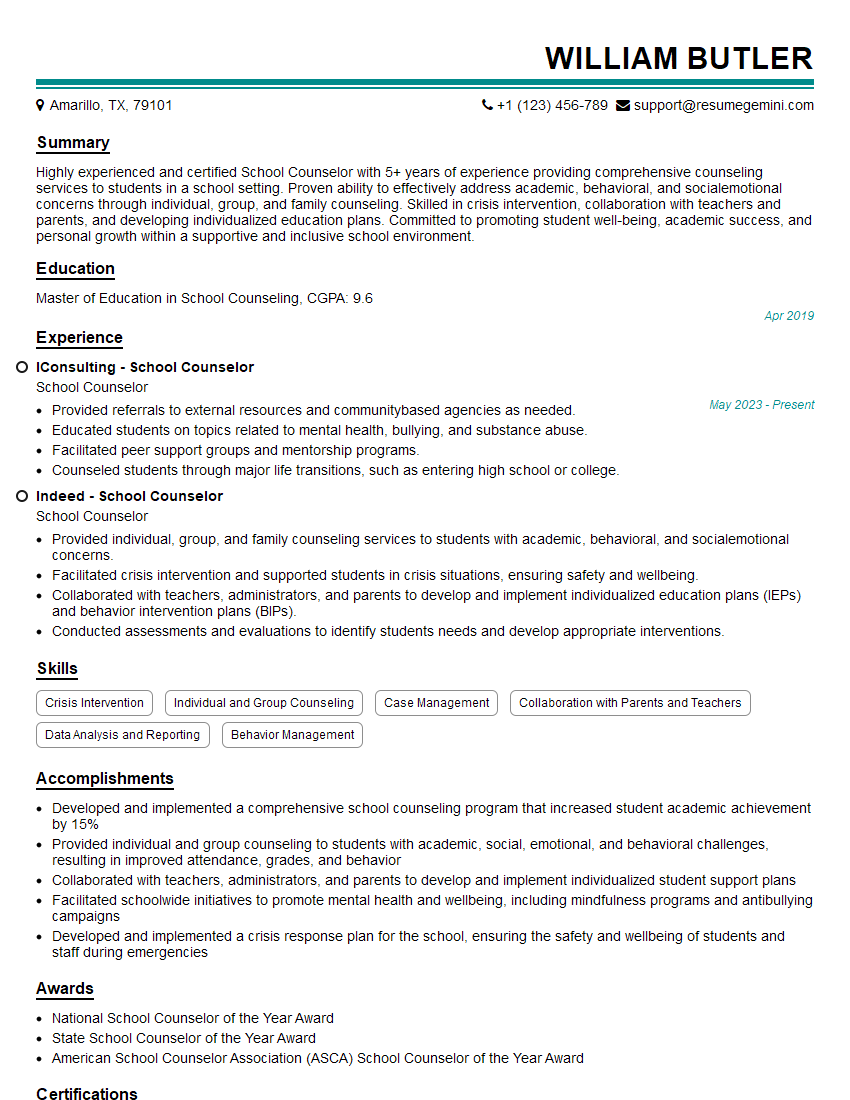
School Counselor Resume Sample
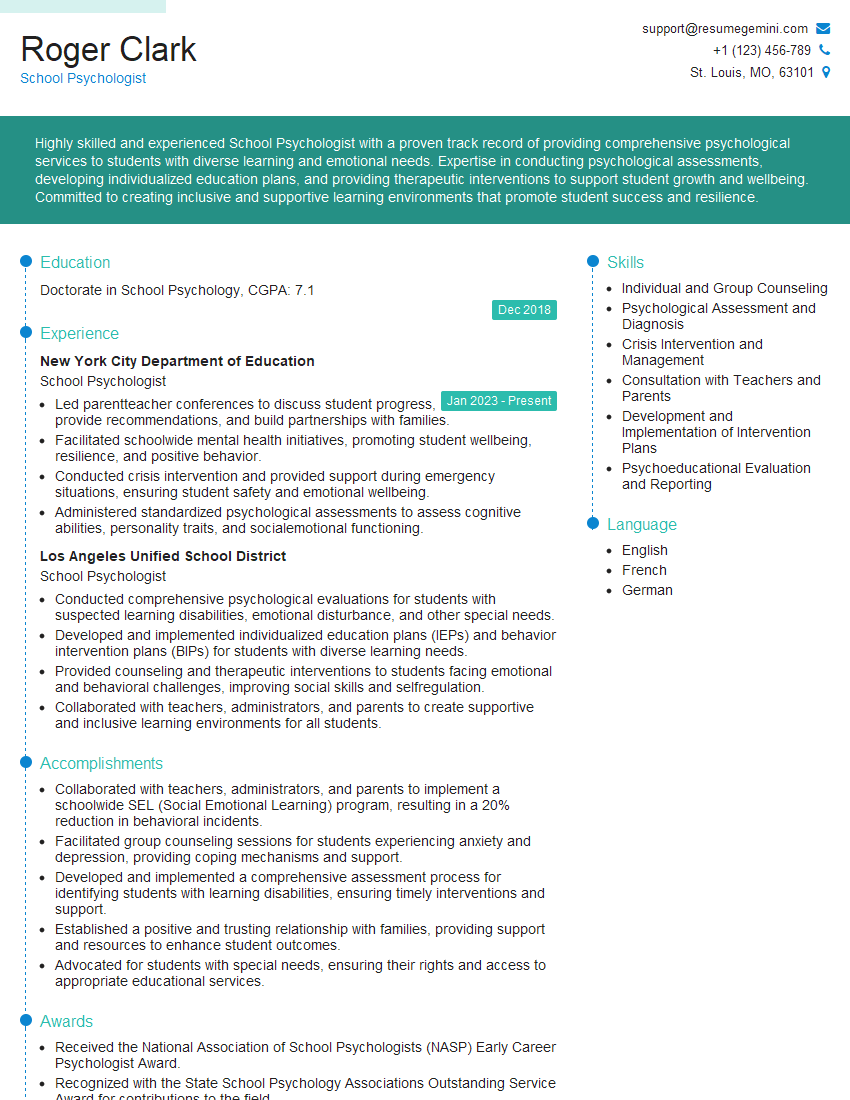
School Psychologist Resume Sample
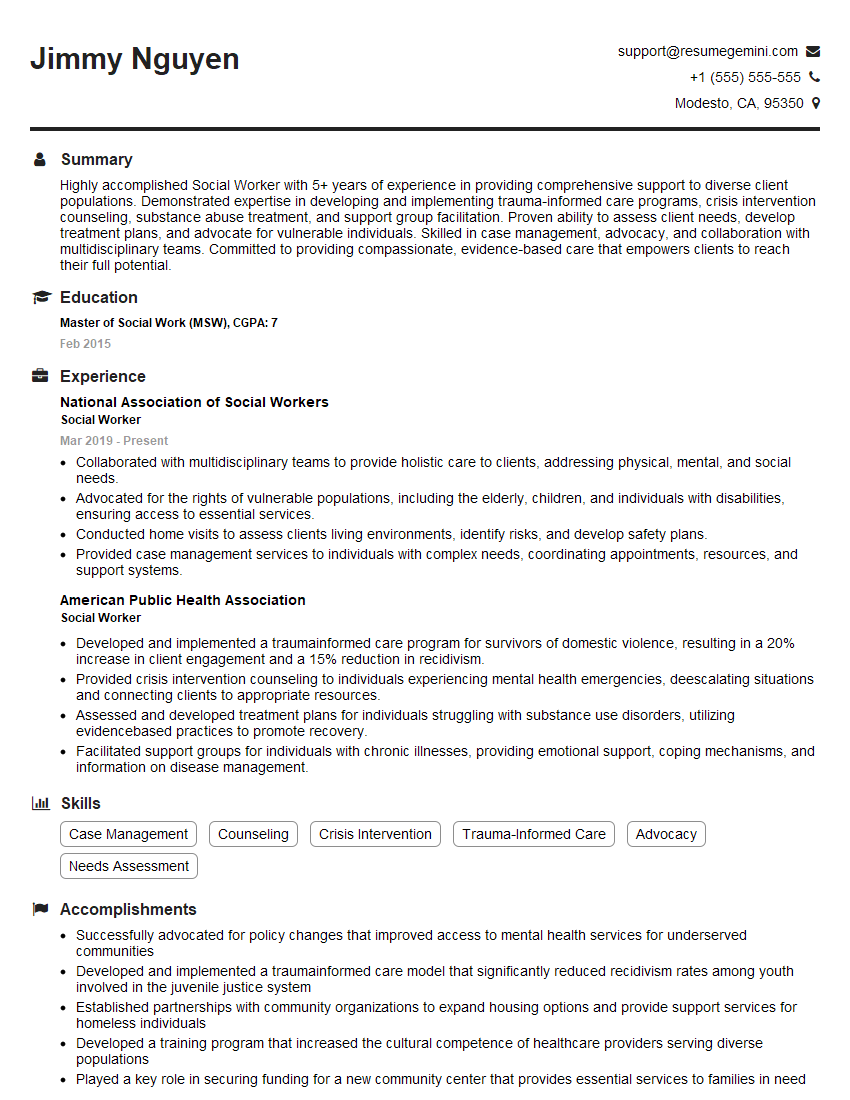
Social Worker Resume Sample
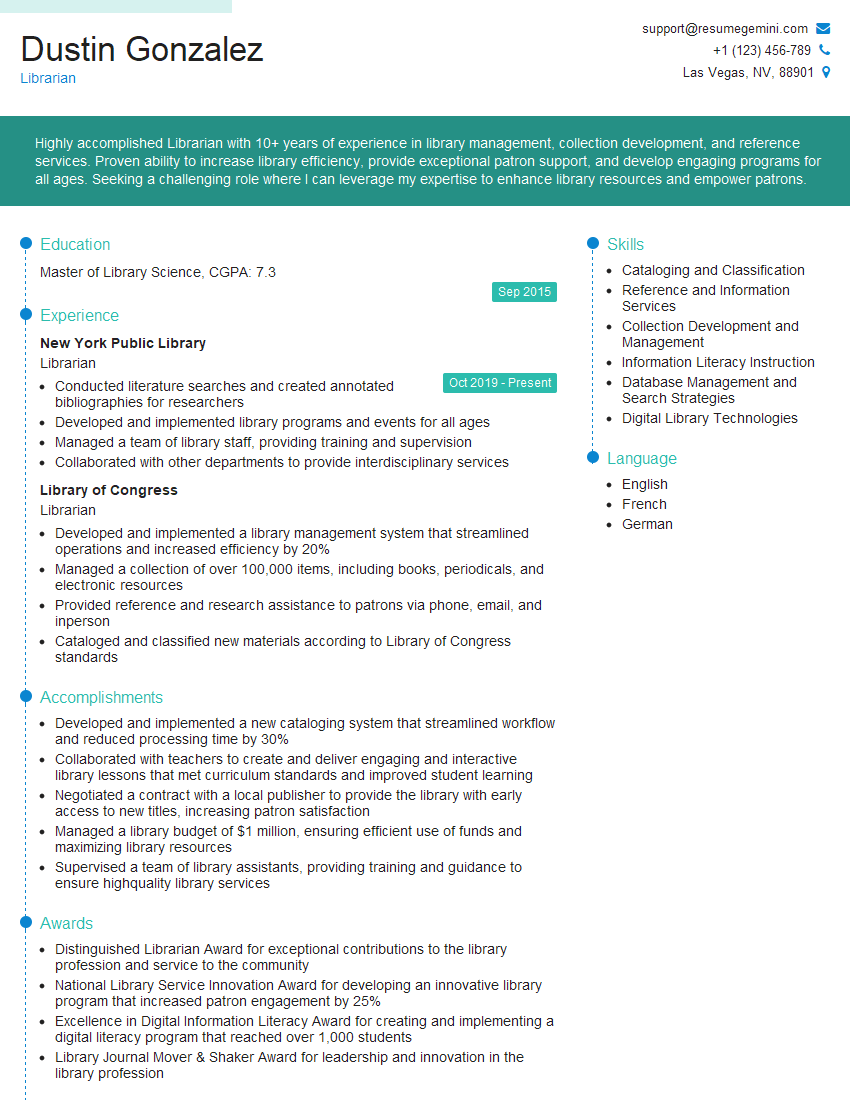
Librarian Resume Sample
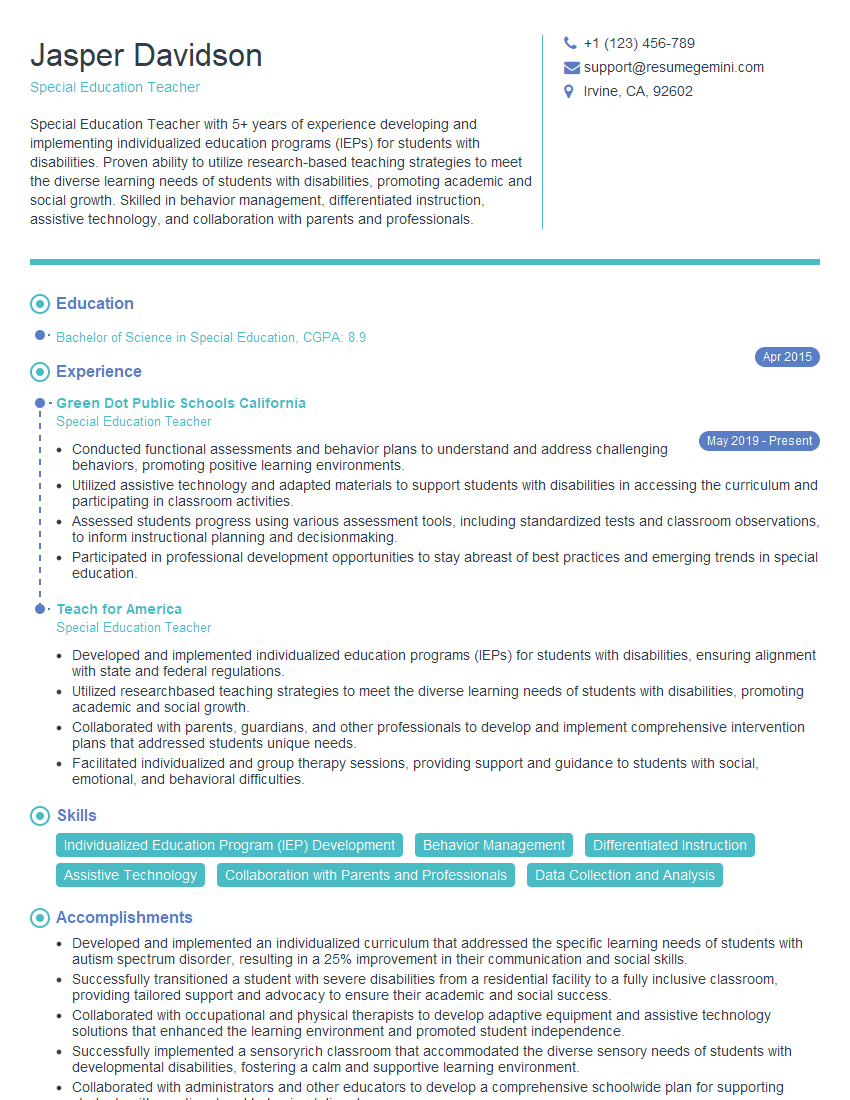
Special Education Teacher Resume Sample
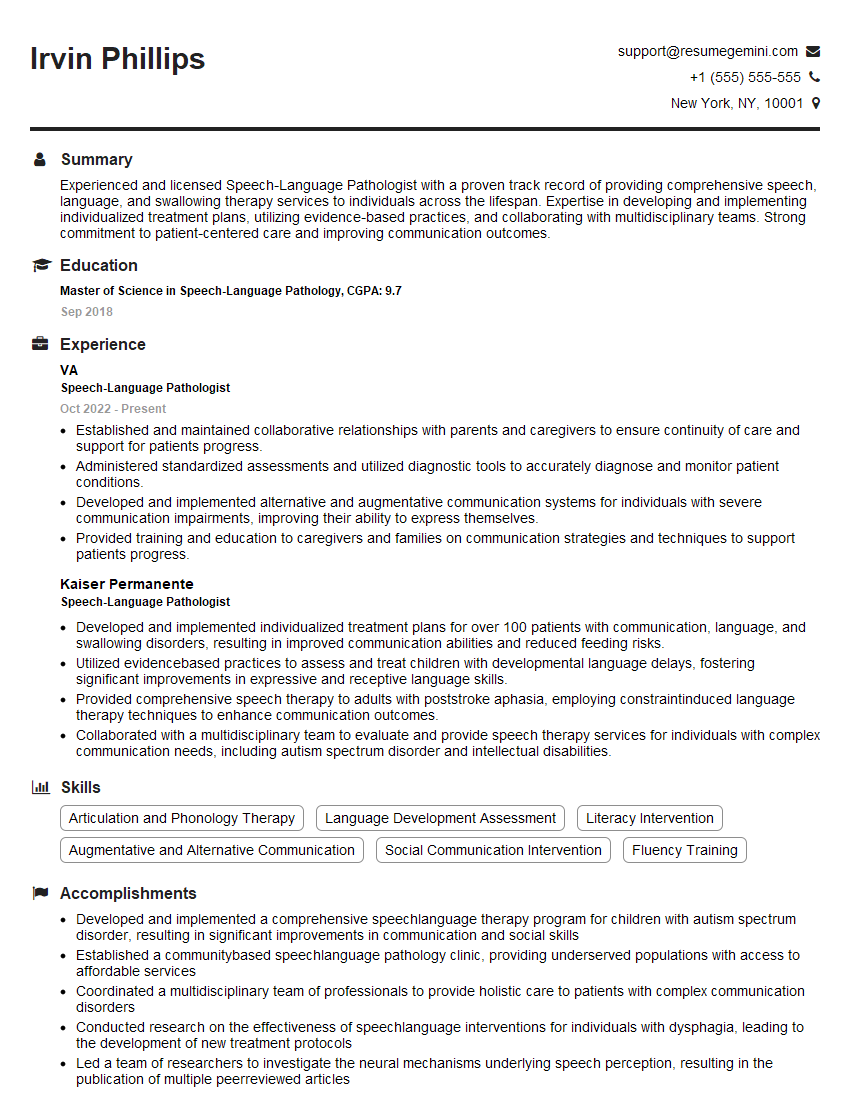
Speech-Language Pathologist Resume Sample
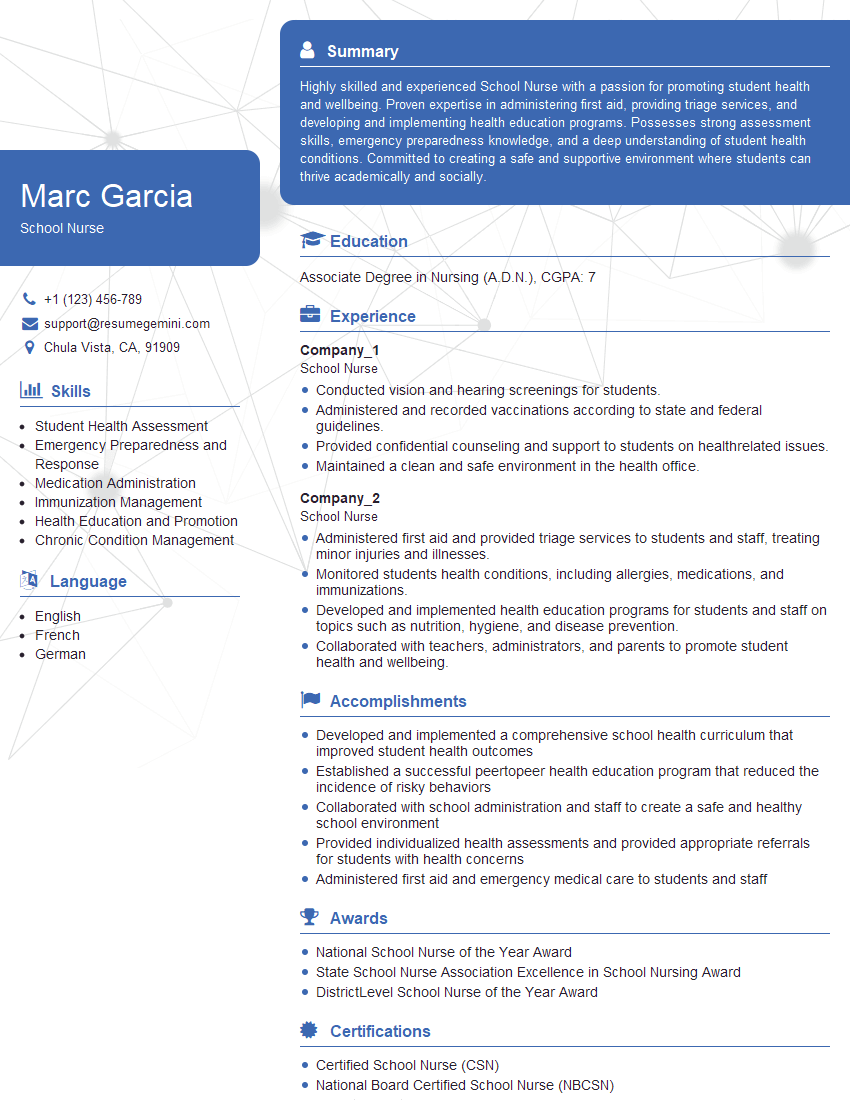
School Nurse Resume Sample
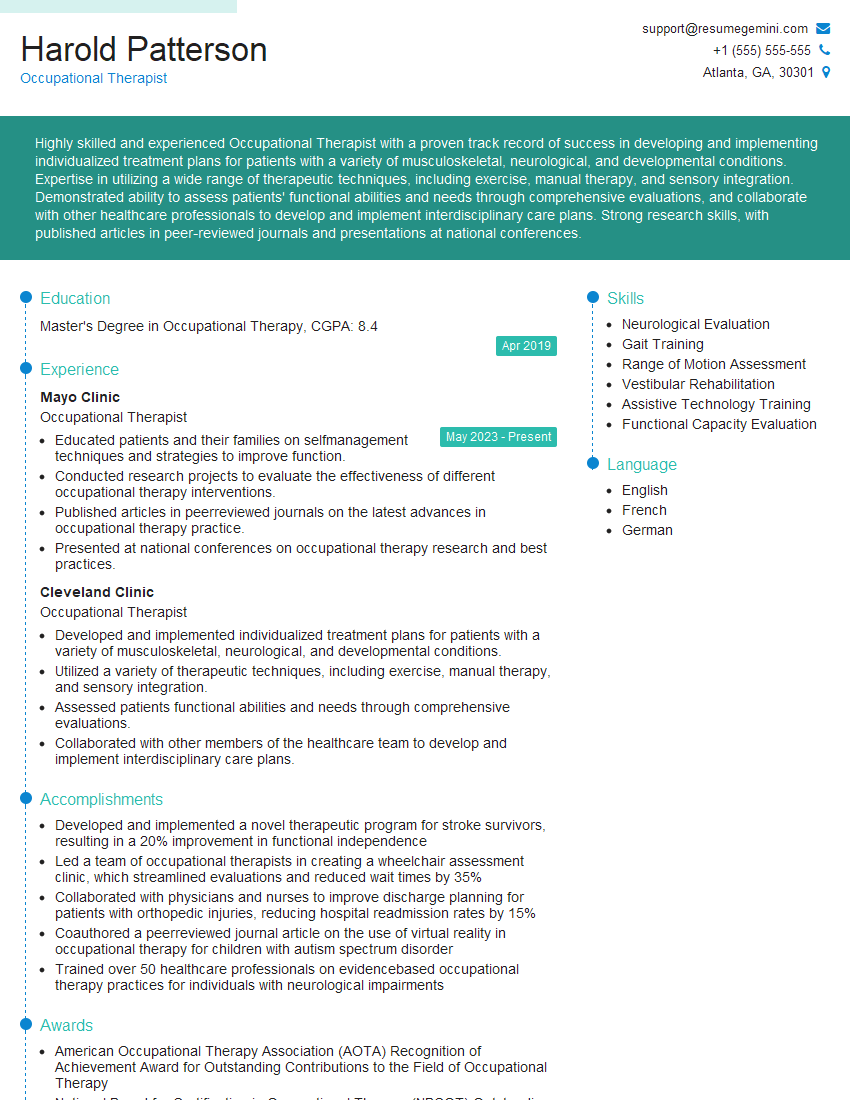
Occupational Therapist Resume Sample
- Superintendent
- Principal
- Teacher
- Vice Principal
- Assistant Principal
- School Administrator
- Special Education Coordinator
- Dean of Students
- Professor
- Community Outreach Coordinator
- Curriculum Developer
- Guidance Counselor
- School Counselor
- School Psychologist
- Social Worker
- Librarian
- Special Education Teacher
- Speech-Language Pathologist
- School Nurse
- Occupational Therapist
Explore more articles
Users Rating of Our Blogs
Share Your Experience
We value your feedback! Please rate our content and share your thoughts (optional).
What Readers Say About Our Blog
Attention music lovers!
Wow, All the best Sax Summer music !!!
Spotify: https://open.spotify.com/artist/6ShcdIT7rPVVaFEpgZQbUk
Apple Music: https://music.apple.com/fr/artist/jimmy-sax-black/1530501936
YouTube: https://music.youtube.com/browse/VLOLAK5uy_noClmC7abM6YpZsnySxRqt3LoalPf88No
Other Platforms and Free Downloads : https://fanlink.tv/jimmysaxblack
on google : https://www.google.com/search?q=22+AND+22+AND+22
on ChatGPT : https://chat.openai.com?q=who20jlJimmy20Black20Sax20Producer
Get back into the groove with Jimmy sax Black
Best regards,
Jimmy sax Black
www.jimmysaxblack.com
Hi I am a troller at The aquatic interview center and I suddenly went so fast in Roblox and it was gone when I reset.
Hi,
Business owners spend hours every week worrying about their website—or avoiding it because it feels overwhelming.
We’d like to take that off your plate:
$69/month. Everything handled.
Our team will:
Design a custom website—or completely overhaul your current one
Take care of hosting as an option
Handle edits and improvements—up to 60 minutes of work included every month
No setup fees, no annual commitments. Just a site that makes a strong first impression.
Find out if it’s right for you:
https://websolutionsgenius.com/awardwinningwebsites
Hello,
we currently offer a complimentary backlink and URL indexing test for search engine optimization professionals.
You can get complimentary indexing credits to test how link discovery works in practice.
No credit card is required and there is no recurring fee.
You can find details here:
https://wikipedia-backlinks.com/indexing/
Regards
NICE RESPONSE TO Q & A
hi
The aim of this message is regarding an unclaimed deposit of a deceased nationale that bears the same name as you. You are not relate to him as there are millions of people answering the names across around the world. But i will use my position to influence the release of the deposit to you for our mutual benefit.
Respond for full details and how to claim the deposit. This is 100% risk free. Send hello to my email id: lukachachibaialuka@gmail.com
Luka Chachibaialuka
Hey interviewgemini.com, just wanted to follow up on my last email.
We just launched Call the Monster, an parenting app that lets you summon friendly ‘monsters’ kids actually listen to.
We’re also running a giveaway for everyone who downloads the app. Since it’s brand new, there aren’t many users yet, which means you’ve got a much better chance of winning some great prizes.
You can check it out here: https://bit.ly/callamonsterapp
Or follow us on Instagram: https://www.instagram.com/callamonsterapp
Thanks,
Ryan
CEO – Call the Monster App
Hey interviewgemini.com, I saw your website and love your approach.
I just want this to look like spam email, but want to share something important to you. We just launched Call the Monster, a parenting app that lets you summon friendly ‘monsters’ kids actually listen to.
Parents are loving it for calming chaos before bedtime. Thought you might want to try it: https://bit.ly/callamonsterapp or just follow our fun monster lore on Instagram: https://www.instagram.com/callamonsterapp
Thanks,
Ryan
CEO – Call A Monster APP
To the interviewgemini.com Owner.
Dear interviewgemini.com Webmaster!
Hi interviewgemini.com Webmaster!
Dear interviewgemini.com Webmaster!
excellent
Hello,
We found issues with your domain’s email setup that may be sending your messages to spam or blocking them completely. InboxShield Mini shows you how to fix it in minutes — no tech skills required.
Scan your domain now for details: https://inboxshield-mini.com/
— Adam @ InboxShield Mini
support@inboxshield-mini.com
Reply STOP to unsubscribe
Hi, are you owner of interviewgemini.com? What if I told you I could help you find extra time in your schedule, reconnect with leads you didn’t even realize you missed, and bring in more “I want to work with you” conversations, without increasing your ad spend or hiring a full-time employee?
All with a flexible, budget-friendly service that could easily pay for itself. Sounds good?
Would it be nice to jump on a quick 10-minute call so I can show you exactly how we make this work?
Best,
Hapei
Marketing Director
Hey, I know you’re the owner of interviewgemini.com. I’ll be quick.
Fundraising for your business is tough and time-consuming. We make it easier by guaranteeing two private investor meetings each month, for six months. No demos, no pitch events – just direct introductions to active investors matched to your startup.
If youR17;re raising, this could help you build real momentum. Want me to send more info?
Hi, I represent an SEO company that specialises in getting you AI citations and higher rankings on Google. I’d like to offer you a 100% free SEO audit for your website. Would you be interested?
Hi, I represent an SEO company that specialises in getting you AI citations and higher rankings on Google. I’d like to offer you a 100% free SEO audit for your website. Would you be interested?