The right preparation can turn an interview into an opportunity to showcase your expertise. This guide to Communication Interception and Analysis interview questions is your ultimate resource, providing key insights and tips to help you ace your responses and stand out as a top candidate.
Questions Asked in Communication Interception and Analysis Interview
Q 1. Explain the difference between SIGINT, COMINT, and ELINT.
SIGINT, COMINT, and ELINT are all subsets of signals intelligence (SIGINT), a broad term encompassing the interception and analysis of electronic signals for intelligence purposes. They differ primarily in their target:
- SIGINT (Signals Intelligence): This is the overarching term, encompassing all forms of intelligence derived from intercepting and analyzing electromagnetic emissions. It’s the umbrella category.
- COMINT (Communications Intelligence): This focuses specifically on the interception and analysis of communications, such as telephone calls, radio transmissions, and data transfers. Think of it as eavesdropping on conversations.
- ELINT (Electronic Intelligence): This concentrates on non-communication electronic signals. It involves analyzing radar signals, navigation systems, and other electronic emissions to gather intelligence on the capabilities and intentions of adversaries. This isn’t about listening to conversations, but understanding the technical workings of enemy systems.
For example, intercepting a terrorist group’s phone call would be COMINT. Intercepting their radar system’s emissions to determine its location and capabilities would be ELINT. Both would fall under the broader umbrella of SIGINT.
Q 2. Describe the process of signal interception.
Signal interception is a multi-stage process that begins with the identification of the target signal and culminates in its capture and recording. It involves:
- Target Identification: Determining the specific signal to intercept, its frequency, and its transmission characteristics. This might involve using sophisticated signal-scanning techniques and databases.
- Signal Acquisition: Utilizing appropriate interception technologies – antennas, receivers, etc. – to capture the signal. This often requires specialized equipment tailored to the target signal’s characteristics. For example, intercepting a faint signal from a satellite would require a different setup compared to intercepting radio waves from a nearby transmitter.
- Signal Processing: Cleaning up the raw signal, removing noise, and enhancing the desired data. This often involves the use of sophisticated signal processing algorithms.
- Data Recording and Storage: Preserving the intercepted signal in a format suitable for later analysis. This typically involves secure storage and backup systems.
Think of it like fishing: You first identify the type of fish (target), then use the correct equipment (acquisition), clean the catch (processing), and finally store the fish (recording).
Q 3. What are the ethical considerations in communication interception?
Ethical considerations in communication interception are paramount and involve a careful balancing act between national security, law enforcement needs, and individual privacy rights. Key concerns include:
- Privacy Violation: Intercepting communications raises serious privacy concerns. The potential for misuse of intercepted information is significant. Strict guidelines and oversight are necessary.
- Due Process: The interception of communication must adhere to legal procedures and obtain proper authorization to avoid violating an individual’s rights.
- Proportionality: The interception should be proportional to the threat or crime being investigated. Extensive interception for minor offenses is ethically questionable.
- Transparency and Accountability: Clear processes for oversight and accountability are necessary to prevent abuse of power and ensure transparency.
A real-world example is the debate surrounding mass surveillance programs. While they might uncover valuable intelligence, they also raise significant privacy concerns.
Q 4. How do you ensure the legality of your interception methods?
Ensuring the legality of interception methods involves strict adherence to national and international laws, including:
- Legal Authority: Obtaining warrants or other legal authorizations before initiating interception activities. This usually requires demonstrating probable cause and specifying the target and the scope of interception.
- Compliance with Regulations: Following all relevant regulations regarding data retention, storage, and destruction. This includes time limits on data storage and procedures for data disposal after the investigation is concluded.
- Minimization of Interference: Limiting the interception to only the necessary data and avoiding unnecessary interference with communications. For example, intercepting only relevant conversations and not everything the target communicates.
- Regular Audits and Reviews: Conducting regular audits and reviews of interception activities to ensure compliance and identify any potential violations.
A failure to adhere to these principles can result in legal repercussions and damage to the organization’s reputation.
Q 5. Explain different types of communication interception technologies.
Communication interception technologies vary widely based on the target and the environment. Examples include:
- Direction-Finding (DF) Systems: These locate the source of a signal by measuring its direction of arrival. Think of it like triangulating a call from cell towers.
- Passive Interception Systems: These collect signals without actively interfering with the communication. This allows for covert surveillance.
- Active Interception Systems: These can actively interact with the communication, possibly injecting data or altering the signal. This is more intrusive and less covert.
- Satellite-based Interception Systems: These intercept signals from a wide area, providing broad coverage. These are often used for monitoring communications across borders.
- Network-based Interception Systems: These intercept communication within a network, such as internet traffic or data within a computer network.
The choice of technology depends greatly on factors such as the type of communication, the distance to the target, and the desired level of intrusiveness.
Q 6. What are the challenges in analyzing encrypted communications?
Analyzing encrypted communications presents significant challenges. The primary obstacle is the encryption itself. Modern encryption algorithms, when properly implemented, are extremely difficult to break. This leads to challenges such as:
- Computational Complexity: Decrypting strong encryption can require immense computing power and time. It might take years for even the most powerful computers to crack some encryption algorithms.
- Key Recovery: Gaining access to the encryption key is often the most effective way to decrypt the data. This might involve exploiting vulnerabilities in the encryption system or social engineering techniques.
- Traffic Analysis: Even without decrypting the messages, analysis of metadata – who is communicating with whom, when, and for how long – can reveal valuable information.
- Evolution of Encryption: Encryption techniques constantly evolve, so analysts must keep up with the latest advancements.
Think of it as trying to read a message written in a code you don’t have the key to decipher. The better the code, the harder it is to break.
Q 7. Describe your experience with various data analysis tools.
Throughout my career, I’ve worked extensively with a range of data analysis tools. These include:
- Specialized SIGINT analysis platforms: Proprietary software suites designed for signal processing, decryption, and data analysis. These often involve highly customized features based on specific needs and the type of signal intercepted.
- Open-source signal processing tools: Software tools like GNU Radio, which allow for flexible signal processing and customization. These are useful for developing custom algorithms or analyzing signals from non-standard systems.
- Data visualization tools: Tools like Tableau or Power BI are critical for visual exploration of large datasets, making trends and patterns easier to identify.
- Machine learning algorithms: Machine learning techniques can be extremely useful for automated analysis of large volumes of data, assisting in pattern recognition and anomaly detection.
My experience spans from using powerful, commercially available SIGINT suites for analyzing complex telecommunication intercepts to leveraging open-source tools for the more customized tasks related to unique signal types or experimental interception techniques. Proficiency with statistical software is also essential for evaluating statistical significance in analytical findings.
Q 8. How do you handle large volumes of intercepted data?
Handling massive intercepted datasets requires a multi-pronged approach focusing on efficient storage, processing, and analysis. Imagine trying to find a specific grain of sand on a beach – you need a system.
Data Filtering and Reduction: We leverage advanced filtering techniques based on metadata (like timestamps, source/destination IPs) and keyword searches to significantly reduce the data volume before deep analysis. This is like sifting the sand through progressively finer sieves.
Distributed Processing: Large datasets are often processed using distributed computing frameworks like Hadoop or Spark. This distributes the workload across multiple servers, drastically reducing processing time. Think of it like assigning different sections of the beach to different search teams.
Data Deduplication: Identifying and removing duplicate data packets is crucial for efficiency and storage optimization. This eliminates redundant information, making analysis more streamlined.
Data Compression: Employing lossless compression algorithms reduces storage space and improves processing speeds. This is akin to packing the remaining sand into smaller, denser containers.
Data Prioritization: Implementing intelligent prioritization based on predefined criteria helps focus resources on the most critical data. This focuses our search on the most promising areas of the beach.
For instance, in a real investigation, we might prioritize communications containing specific keywords related to a terrorist plot, immediately discarding less relevant data.
Q 9. What are common methods used to bypass security measures?
Bypassing security measures is a cat-and-mouse game. Attackers constantly evolve their tactics, forcing us to stay ahead of the curve. Common methods include:
Exploiting Software Vulnerabilities: Hackers often target known vulnerabilities in software applications or operating systems to gain unauthorized access. This is like finding a weak spot in a castle wall.
Phishing and Social Engineering: Manipulating individuals into revealing sensitive information or granting access is a highly effective tactic. This involves exploiting human psychology rather than technical vulnerabilities.
Denial-of-Service (DoS) Attacks: Overwhelming a system with traffic to render it unavailable. This is like flooding the castle moat to prevent access.
Man-in-the-Middle (MitM) Attacks: Intercepting communication between two parties to eavesdrop or manipulate the exchange. This is similar to intercepting a messenger carrying a message between two parties.
Using VPNs and Proxies: Masking the source IP address to hide the true location and identity of the attacker. This is like using a disguise to infiltrate the castle unnoticed.
Advanced Persistent Threats (APTs): Sophisticated and long-term attacks aimed at gaining persistent access to a system. These are like highly skilled spies infiltrating the castle over an extended period.
Understanding these techniques helps us develop countermeasures and strengthen our security protocols. We constantly update our systems and training to stay ahead of these threats.
Q 10. How do you identify and prioritize relevant intelligence?
Identifying and prioritizing relevant intelligence involves a combination of automated tools and human expertise. Think of it like searching for a needle in a haystack, but the haystack is constantly growing.
Keyword Filtering and Pattern Matching: Automated systems scan data for keywords or patterns associated with threats. This is the first sieve in the process.
Entity Recognition and Relationship Extraction: Sophisticated algorithms identify entities (people, places, organizations) and the relationships between them within the data. This allows us to build a picture of the situation.
Threat Intelligence Feeds: Integrating threat intelligence from various sources helps us contextualize intercepted data and prioritize information based on known threats.
Human Analysis and Expertise: Experienced analysts review the data, utilizing their knowledge of geopolitical landscapes, criminal organizations, and communication patterns to identify critical information. This is the crucial step of assembling the pieces of the puzzle into a coherent picture.
Prioritization Matrix: We often use a matrix that considers urgency, impact, and reliability of the intelligence to determine the order of investigation.
For example, a communication mentioning a specific location and a known terrorist group would get immediate attention, while a generic chat log would likely have lower priority.
Q 11. Describe your experience with metadata analysis.
Metadata analysis is crucial for understanding the context surrounding intercepted communications, even without deciphering the content itself. It’s like analyzing the envelope to understand the sender, recipient, and timing of a letter, even without reading the contents.
My experience involves analyzing various types of metadata, including:
Network metadata: IP addresses, timestamps, port numbers, protocol information (e.g., TCP, UDP), and packet sizes provide clues about communication patterns and network infrastructure.
Device metadata: Information about the devices used for communication (e.g., phone model, operating system, IMEI number) can reveal the identity of the communicants and the methods used.
Application metadata: Data related to applications used (e.g., WhatsApp, Telegram) helps us understand the context of the communication.
Using this information, we can create communication graphs, identify patterns, and pinpoint key individuals and groups involved. For example, frequent calls between specific numbers at unusual hours might suggest illicit activity. By combining metadata analysis with content analysis, we gain a comprehensive understanding of the situation.
Q 12. Explain your understanding of network protocols and their vulnerabilities.
Understanding network protocols and their vulnerabilities is fundamental to communication interception and analysis. These are the rules of the road for data communication.
I have extensive experience with protocols like:
TCP/IP: The foundation of the internet, TCP/IP’s vulnerabilities include vulnerabilities in routing protocols, DNS spoofing, and Man-in-the-Middle (MitM) attacks.
HTTP/HTTPS: Web protocols. HTTPS vulnerabilities stem from weaknesses in encryption algorithms, certificate validation issues, and injection flaws.
SIP (Session Initiation Protocol): Used for VoIP communication, it’s vulnerable to denial-of-service attacks, eavesdropping, and unauthorized access.
SMTP (Simple Mail Transfer Protocol): Email protocol vulnerable to email injection and spoofing attacks.
Identifying and exploiting these vulnerabilities are crucial for both attackers and defenders. My expertise involves understanding the security mechanisms within each protocol and identifying potential weaknesses that could be exploited. For example, a weak encryption algorithm in HTTPS could lead to eavesdropping, while a vulnerability in SMTP could allow for widespread phishing campaigns.
Q 13. How do you validate the authenticity of intercepted communications?
Validating the authenticity of intercepted communications is paramount; we can’t base conclusions on potentially fabricated information. It’s like verifying the source of a news report before using it as evidence.
Techniques used for validation include:
Source Verification: Tracking the origin of the communication through network analysis and metadata examination. This is akin to tracing a letter back to its sender’s address.
Integrity Checks: Using cryptographic techniques like hashing algorithms to verify that the message hasn’t been tampered with. This is like ensuring that a letter’s seal hasn’t been broken.
Cross-Referencing: Comparing intercepted data with information from other sources to corroborate findings. This is like confirming a news story by consulting several reliable sources.
Timestamp Analysis: Analyzing the timestamps of communication to determine the chronology of events and ensure consistency.
Behavioral Analysis: Comparing communication patterns with historical data to identify anomalies. This is like recognizing unusual behavior from a known person.
For example, we might validate an email by checking its digital signature, examining the sender’s IP address, and verifying the contents against other intelligence.
Q 14. What is your experience with traffic analysis?
Traffic analysis is the process of examining network traffic patterns to infer information about communication without directly intercepting the content. It’s like observing the flow of vehicles on a highway to determine traffic patterns and potential bottlenecks, without knowing the individual destinations of each car.
My experience includes:
Network Flow Analysis: Analyzing the volume, frequency, and duration of communication between different network nodes to reveal communication patterns.
Identifying Network Anomalies: Detecting unusual traffic patterns that could indicate malicious activity.
Inferring Communication Relationships: Determining relationships between individuals and organizations based on their communication patterns.
Predictive Modeling: Using historical traffic data to predict future communication patterns.
For instance, a sudden increase in communication volume between two specific IP addresses might indicate a data exfiltration attempt. Traffic analysis provides valuable context and can help prioritize targets for deeper investigation, even when the content of the communication remains encrypted.
Q 15. How do you identify and mitigate threats to communication systems?
Identifying and mitigating threats to communication systems requires a multi-layered approach encompassing technical, procedural, and human factors. Think of it like securing a building: you need strong locks (technical controls), security guards (procedures), and well-trained staff (human awareness).
Technical Threats & Mitigation: We start by identifying vulnerabilities. This involves penetration testing, vulnerability scanning (using tools like Nessus or OpenVAS), and analyzing network traffic for suspicious patterns. Common threats include:
- Denial-of-Service (DoS) attacks: Flooding a system with traffic to make it unavailable. Mitigation involves implementing firewalls, intrusion prevention systems (IPS), and robust bandwidth management.
- Man-in-the-Middle (MitM) attacks: Intercepting communication between two parties. Solutions include using strong encryption (TLS/SSL), VPNs, and digital signatures.
- SQL injection: Exploiting vulnerabilities in database applications. Mitigation relies on input validation, parameterized queries, and secure coding practices.
Procedural Threats & Mitigation: Strong security policies and procedures are crucial. This includes access control lists (ACLs), regular security audits, incident response plans, and employee training on security best practices (e.g., phishing awareness).
Human Threats & Mitigation: Human error is a significant vulnerability. Regular security awareness training, strong password policies, and background checks help mitigate insider threats and social engineering attacks. For example, training employees to identify and report phishing emails is vital.
Career Expert Tips:
- Ace those interviews! Prepare effectively by reviewing the Top 50 Most Common Interview Questions on ResumeGemini.
- Navigate your job search with confidence! Explore a wide range of Career Tips on ResumeGemini. Learn about common challenges and recommendations to overcome them.
- Craft the perfect resume! Master the Art of Resume Writing with ResumeGemini’s guide. Showcase your unique qualifications and achievements effectively.
- Don’t miss out on holiday savings! Build your dream resume with ResumeGemini’s ATS optimized templates.
Q 16. Describe your experience with intrusion detection systems.
My experience with intrusion detection systems (IDS) spans several years, encompassing both network-based (NIDS) and host-based (HIDS) systems. I’ve worked extensively with commercial products like Snort, Suricata, and ELSA, as well as open-source alternatives. My role often involves configuring, deploying, and managing these systems, analyzing alerts, and tuning them for optimal performance and minimal false positives.
For instance, in a recent project involving a large financial institution, I deployed a distributed NIDS architecture to monitor network traffic across multiple data centers. I configured the IDS to detect known attack signatures, anomalous network behavior, and policy violations. This allowed us to promptly identify and respond to various threats, including attempts at port scanning and unauthorized access.
Beyond simple alert analysis, I focus on correlating IDS data with other security information and event management (SIEM) systems to gain a holistic view of security posture. This enables more effective threat hunting and incident response. For example, correlating a NIDS alert indicating a potential malware infection with logs from endpoint detection and response (EDR) solutions helps confirm the threat and guide remediation efforts.
Q 17. Explain your understanding of cryptography and cryptanalysis.
Cryptography is the science of secure communication in the presence of adversaries. It involves techniques for converting readable information (plaintext) into an unreadable format (ciphertext) and back again. Cryptanalysis is the opposite – the study of methods for breaking cryptographic systems.
Cryptography: I’m proficient in various cryptographic algorithms, including symmetric-key algorithms (like AES), asymmetric-key algorithms (like RSA and ECC), and hash functions (like SHA-256). I understand the importance of key management, digital signatures, and certificate authorities (CAs) for secure communication.
Cryptanalysis: My understanding extends to common cryptanalytic techniques, such as frequency analysis, known-plaintext attacks, and chosen-plaintext attacks. Knowing these techniques helps assess the security of cryptographic systems and identify potential weaknesses. For example, I’ve analyzed the vulnerabilities of older encryption algorithms like DES and learned how modern algorithms like AES have addressed those vulnerabilities.
In practical terms, this expertise is applied to secure communication channels, protect sensitive data (both in transit and at rest), and ensure the authenticity and integrity of digital communications. I’m familiar with the application of cryptography in various protocols such as TLS/SSL, SSH, and IPsec.
Q 18. How do you handle classified information?
Handling classified information requires strict adherence to security protocols and regulations. My approach is guided by the principle of ‘need-to-know’ and the specific classification level of the information. This includes understanding and implementing appropriate access controls, storage procedures, and communication methods.
Specifically, I adhere to all relevant security clearances and handling procedures, such as using secure storage facilities, employing encryption, and limiting access to authorized personnel only. I also follow procedures for reporting security incidents and suspected breaches immediately. I’m very familiar with handling information classified under various government and industry standards.
For example, I understand the differences between confidentiality, integrity, and availability, and how those principles apply in securing classified data. I meticulously maintain detailed logs of access and handling of such information.
Q 19. What is your experience with data visualization and reporting?
Data visualization and reporting are crucial for communicating complex security findings in an easily understandable manner. I utilize various tools and techniques to present data effectively, including dashboards, charts, graphs, and reports.
I have experience with tools like Tableau and Power BI to create interactive dashboards that display key security metrics, such as the number of security events, attack vectors, and remediation efforts. These dashboards enable quick identification of trends and potential threats. I also generate customized reports for stakeholders, highlighting critical security issues and recommendations.
For example, in a recent project, I created a dashboard that visualized the number of successful and failed login attempts over time. This visualization quickly highlighted a surge in failed login attempts from a specific geographical location, indicating a potential brute-force attack in progress.
Q 20. Describe your experience with open-source intelligence (OSINT).
Open-source intelligence (OSINT) plays a vital role in threat analysis and proactive security measures. I leverage publicly available information from various sources—such as social media, news articles, forums, and government websites—to build a comprehensive picture of potential threats and adversaries.
My OSINT experience includes utilizing specialized tools and techniques to collect, analyze, and correlate information from multiple sources. I’m skilled at identifying patterns, connections, and indicators of compromise (IOCs) that might otherwise be missed. This helps in building situational awareness and proactive threat intelligence.
For instance, I have used OSINT techniques to identify potential vulnerabilities in a company’s infrastructure by researching employee profiles on social media platforms. This allows us to proactively address potential insider threats or social engineering attacks.
Q 21. How do you stay updated with the latest trends in communication interception?
Staying current in the rapidly evolving field of communication interception requires a multifaceted approach. I actively participate in professional conferences and workshops, read industry publications and research papers, and follow influential security researchers and organizations online. I also regularly test and evaluate new tools and techniques to stay abreast of the latest advancements.
Specifically, I subscribe to security newsletters, attend webinars, and participate in online forums and communities. I also engage in continuous professional development, such as pursuing relevant certifications, to ensure my skills remain up-to-date and relevant. This ensures that my techniques and knowledge are aligned with the latest methodologies and technologies.
Q 22. Explain your understanding of different communication systems (e.g., satellite, radio).
Communication systems are the backbone of intercepted data analysis. My understanding encompasses a wide range, from traditional radio systems to sophisticated satellite networks. Let’s explore a few:
- Satellite Communications: These systems utilize satellites orbiting Earth to relay signals over vast distances. They’re commonly used for global communications, including both military and civilian applications. The interception and analysis of satellite communications often require specialized equipment and expertise due to the complexity of signal propagation and encryption techniques. For example, GEO (Geostationary Earth Orbit) satellites provide constant coverage over a specific region, while LEO (Low Earth Orbit) satellites offer global coverage but require more complex tracking.
- Radio Communications: Radio systems, encompassing VHF, UHF, and HF bands, utilize terrestrial transmission to communicate over shorter distances. Interception often involves direction-finding techniques to pinpoint the source. Analysis focuses on modulation techniques, identifying frequencies, and deciphering any used codes. Consider a scenario involving intercepting VHF communications from a suspected criminal organization. Identifying the specific radio model used, along with its unique identifiers, can assist in locating and apprehending the suspects.
- Cellular Networks: Modern cellular networks (2G, 3G, 4G, 5G) present unique challenges and opportunities. Interception and analysis require specialized equipment to capture and decode cellular signals, often requiring access to decryption keys or vulnerabilities within the network architecture. Analyzing call detail records (CDRs) provides valuable metadata about communication patterns.
Each system presents unique challenges in terms of signal strength, encryption methods, and accessibility. My expertise involves adapting my techniques and tools depending on the specific system being monitored.
Q 23. How do you deal with ambiguous or incomplete data?
Dealing with ambiguous or incomplete data is a daily reality in communication interception. It’s akin to piecing together a puzzle with many missing pieces. My approach involves a multi-faceted strategy:
- Data Triangulation: I cross-reference the incomplete data with other available information sources. This might include open-source intelligence (OSINT), previous intercepts, or data from collaborating agencies. For example, a partial phone number might be completed by searching databases.
- Statistical Analysis: I employ statistical methods to identify patterns and trends within the incomplete dataset. This can help to infer missing information or identify anomalies that might otherwise be missed.
- Contextual Analysis: I consider the surrounding circumstances. Knowing the target, their known associates, and the operational environment can help to fill in the gaps. If I intercept fragmented conversations about a specific location, I can use maps and other intelligence to determine the exact location based on surrounding landmarks and context clues.
- Human Intelligence (HUMINT): In some cases, collaborating with human intelligence sources can provide valuable insight to clarify ambiguities.
This layered approach maximizes the value of incomplete data and improves the accuracy of analysis, even when faced with significant challenges.
Q 24. Describe your experience with collaborating with other intelligence agencies.
Collaboration is critical in intelligence work. I’ve had extensive experience working with multiple intelligence agencies, both domestically and internationally. This involves sharing information, coordinating operations, and pooling resources. Successful collaboration requires:
- Clear Communication Protocols: Establishing secure channels and standardized formats for data exchange is crucial. We use secure encrypted systems and protocols for sensitive information sharing.
- Data Sharing Agreements: Formal agreements outline the conditions for data sharing, ensuring compliance with legal and ethical frameworks. This covers issues like data sensitivity, classification levels, and data usage constraints.
- Trust and Mutual Respect: Building strong relationships based on trust and mutual respect among collaborators is essential for successful knowledge exchange.
- Conflict Resolution Mechanisms: Clear procedures are in place for resolving disagreements or conflicts regarding information interpretation or operational priorities. A common framework for prioritizing objectives is crucial for successful collaborations.
A recent example involved a joint operation with a foreign intelligence agency to track down a cybercriminal group. By combining our respective datasets and expertise, we were able to successfully disrupt their operations. This required careful coordination, secure communication, and adherence to the data sharing protocols outlined within our agreement.
Q 25. What are your skills in programming and scripting?
My programming and scripting skills are integral to my work. I’m proficient in Python, R, and MATLAB. I use these languages for various tasks including:
- Data Processing and Cleaning: Automating the cleaning and preprocessing of large datasets collected from diverse sources, including signal processing and data extraction.
- Signal Processing: Developing algorithms for signal filtering, noise reduction, and feature extraction from intercepted communications. For example, I frequently utilize FFT (Fast Fourier Transform) algorithms in Python for signal analysis.
- Anomaly Detection: Creating custom scripts to identify unusual patterns or outliers in communication data that might indicate malicious activity.
Example: using machine learning algorithms in Python (scikit-learn) to detect anomalous communication patterns based on features such as frequency, duration, and call volume. - Data Visualization: Generating informative visualizations to aid in the interpretation of intercepted data and the presentation of findings.
My expertise allows me to efficiently process and analyze large volumes of data, identify critical patterns, and draw meaningful conclusions.
Q 26. How do you prioritize tasks and manage your workload effectively?
Effective task prioritization and workload management are essential for success in this field. I employ a combination of techniques:
- Prioritization Matrix: I use a matrix that prioritizes tasks based on urgency and importance (Eisenhower Matrix). This helps me focus on high-impact tasks first. This also helps identify tasks that might be delegated or deferred.
- Project Management Tools: I utilize project management software to track progress, deadlines, and resource allocation. This allows for a clear overview of the workload and promotes accountability.
- Time Blocking: Allocating specific blocks of time to specific tasks minimizes interruptions and ensures focused work. This helps me to prevent task switching and to maintain a steady pace.
- Regular Review and Adjustment: I review my schedule regularly to adjust priorities as needed based on changing circumstances or new information. Flexibility is key in this field.
This structured approach ensures that I consistently deliver high-quality work on time, even under pressure.
Q 27. Explain your experience with anomaly detection.
Anomaly detection is crucial for identifying suspicious activity within communication data. This involves identifying deviations from established patterns or norms. My experience encompasses various techniques:
- Statistical Methods: Employing statistical process control (SPC) charts and other statistical methods to detect outliers in communication data, such as unusual call durations or frequencies.
- Machine Learning Algorithms: Utilizing machine learning algorithms like Support Vector Machines (SVMs) and Random Forests to identify complex anomalies in large datasets. These algorithms are trained on historical data to learn what constitutes normal communication and then flag deviations from this learned pattern.
- Network Analysis: Examining communication networks to detect unusual connections or patterns of communication that might indicate malicious activity. For instance, sudden increases in communication between previously unconnected nodes might be a red flag.
- Keyword and Pattern Matching: Employing advanced keyword and pattern-matching algorithms to identify suspicious words or phrases within intercepted communications. This can be enhanced by natural language processing (NLP) techniques.
A successful example involved using machine learning to detect a previously unknown malware communication channel hidden within seemingly innocuous network traffic. This highlights the importance of leveraging advanced techniques for anomaly detection.
Q 28. How would you handle a critical security breach involving intercepted communications?
Handling a critical security breach involving intercepted communications requires a rapid and coordinated response. My approach would follow these steps:
- Contain the Breach: Immediately isolate the affected systems and prevent further unauthorized access or data leakage. This might involve shutting down compromised networks or systems.
- Assess the Damage: Conduct a thorough investigation to determine the extent of the breach, identifying what data was compromised and how the breach occurred. Forensic analysis techniques will play a critical role here.
- Notify Relevant Parties: Inform appropriate authorities, such as superiors and relevant agencies, about the breach. This often includes informing the affected parties (e.g., citizens, organizations) depending on the nature of the breach and the laws and regulations that apply.
- Implement Remediation Measures: Take steps to restore compromised systems and enhance security measures to prevent future breaches. This might involve patching vulnerabilities, updating security software, or implementing stronger access controls.
- Conduct Post-Incident Analysis: After the immediate crisis is addressed, conduct a thorough analysis of the incident to identify weaknesses in the security posture and implement preventive measures to avoid future incidents. The goal is to learn from the experience and improve future responses.
The priority is to minimize damage, ensure accountability, and prevent future occurrences. The specific steps would depend on the nature and severity of the breach, but the overall framework would remain the same.
Key Topics to Learn for Communication Interception and Analysis Interview
- Signal Processing Fundamentals: Understanding analog and digital signals, modulation techniques, and signal filtering is crucial for interpreting intercepted communications.
- Network Protocols and Technologies: Gain a solid grasp of TCP/IP, VoIP, and other relevant network protocols to analyze communication flows and identify patterns.
- Data Extraction and Analysis: Master techniques for extracting relevant information from various data sources, including audio, video, and metadata. Practice analyzing large datasets efficiently.
- Cryptography and Cryptanalysis: Familiarize yourself with common encryption methods and techniques used to decipher intercepted communications. Understanding cryptanalysis principles is essential.
- Communication Systems Security: Explore vulnerabilities in communication systems and how attackers exploit them. This includes understanding security protocols and their limitations.
- Legal and Ethical Considerations: Develop a strong understanding of the legal and ethical frameworks governing communication interception and data analysis. This is vital for responsible practice.
- Tools and Technologies: Become familiar with common tools and software used in communication interception and analysis, demonstrating practical experience.
- Problem-solving and Analytical Skills: Practice your analytical and problem-solving abilities by working through scenarios that require interpreting complex data and drawing meaningful conclusions.
- Report Writing and Presentation: Develop the ability to clearly and concisely present your findings through well-structured reports and presentations.
Next Steps
Mastering Communication Interception and Analysis opens doors to exciting and impactful careers in cybersecurity, intelligence, and law enforcement. To maximize your job prospects, crafting a compelling and ATS-friendly resume is crucial. This ensures your application gets noticed by recruiters and hiring managers. We strongly recommend using ResumeGemini to build a professional and impactful resume tailored to this field. ResumeGemini provides examples of resumes specifically designed for Communication Interception and Analysis professionals, helping you showcase your skills and experience effectively.
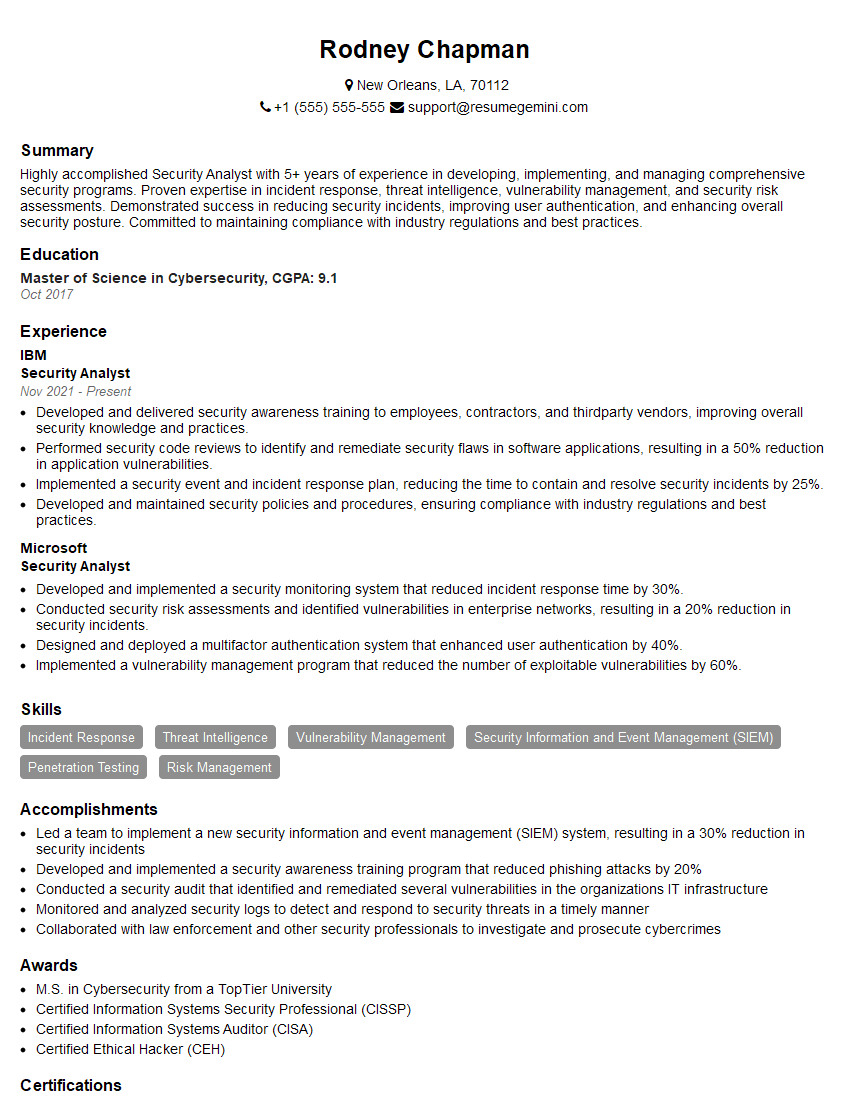
Security Analyst Resume Sample
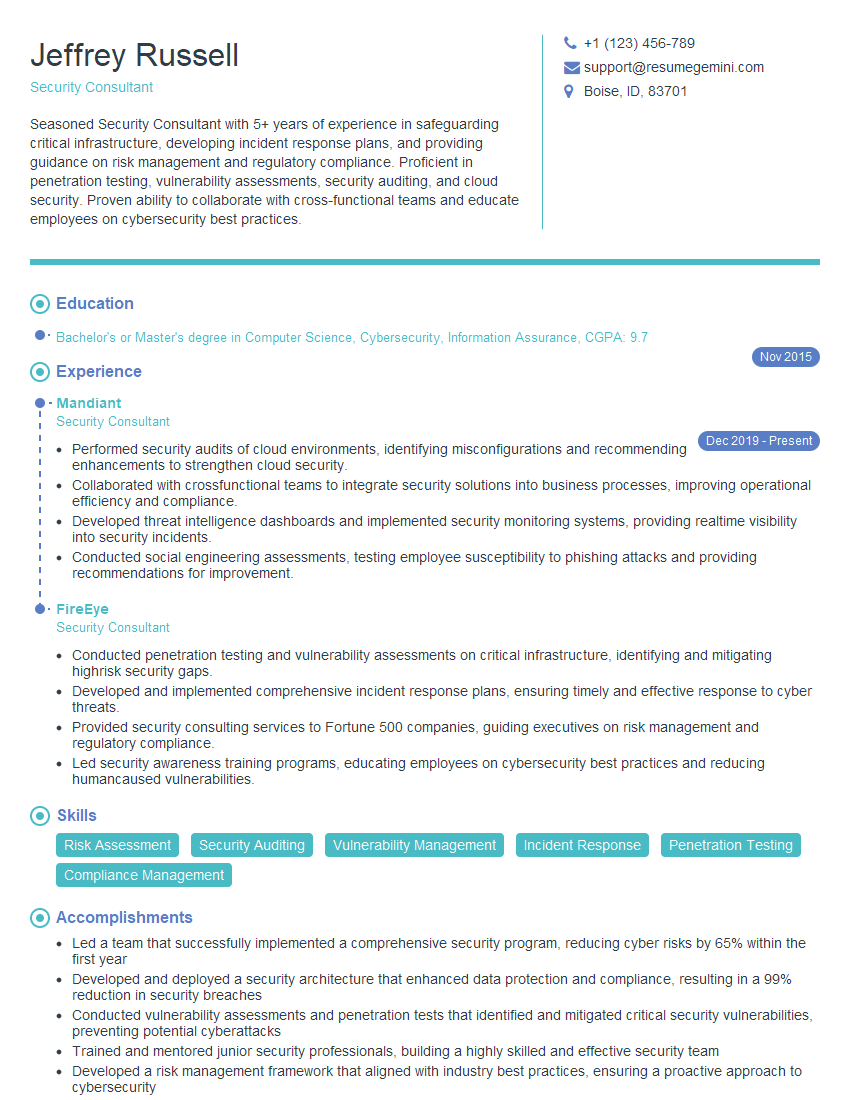
Security Consultant Resume Sample
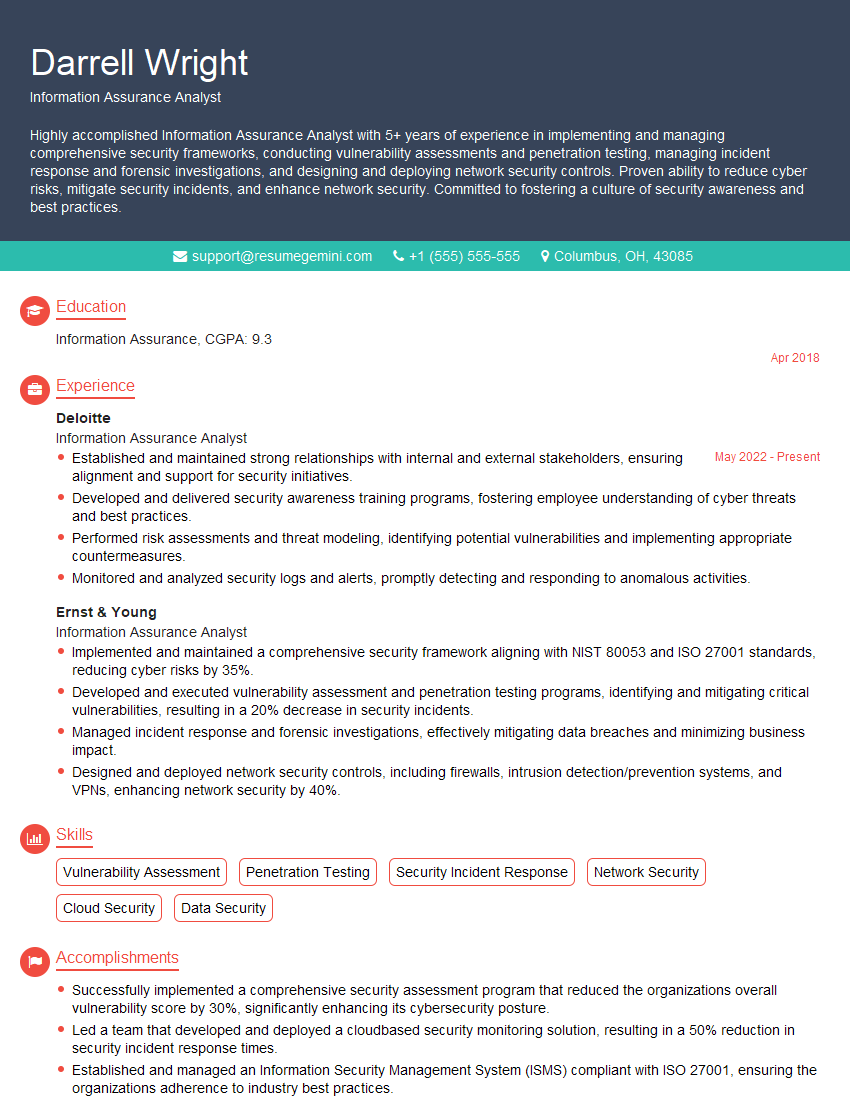
Information Assurance Analyst Resume Sample
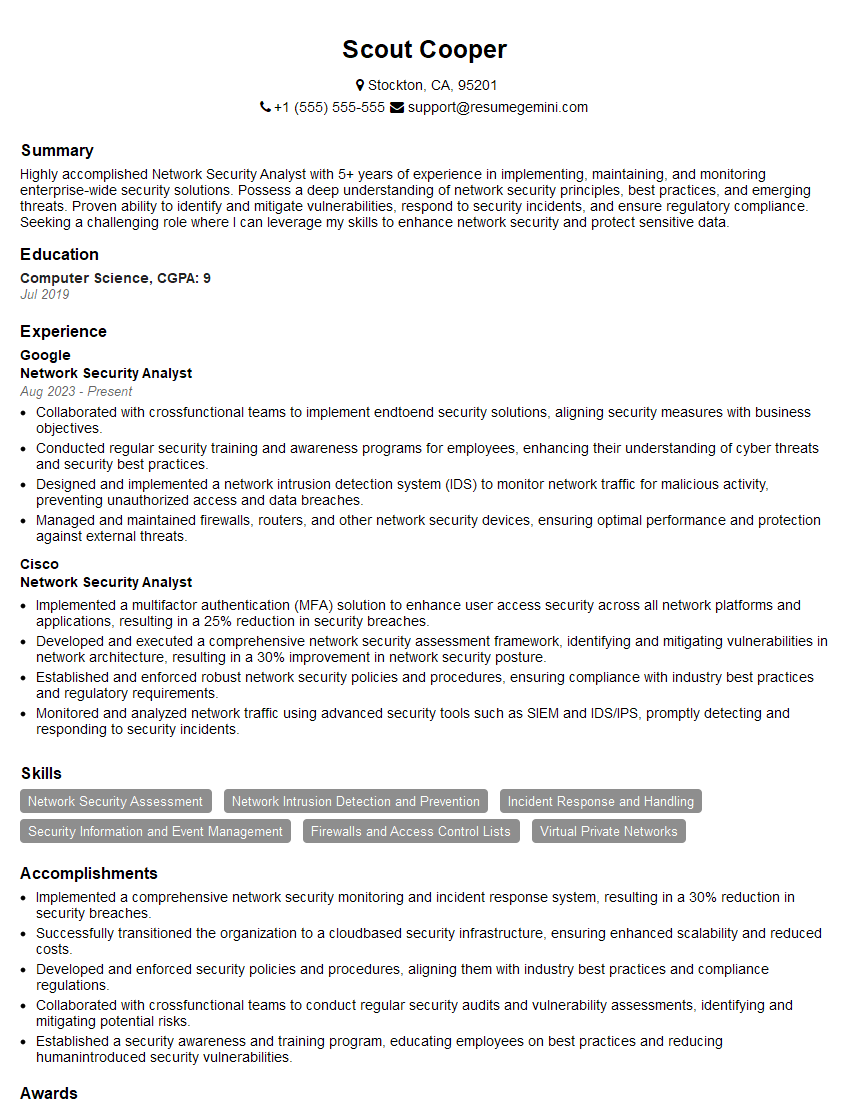
Network Security Analyst Resume Sample
Network Security Engineer Resume Sample
Intelligence Analyst Resume Sample
Cryptologic Linguist Resume Sample
Signals Intelligence Analyst Resume Sample
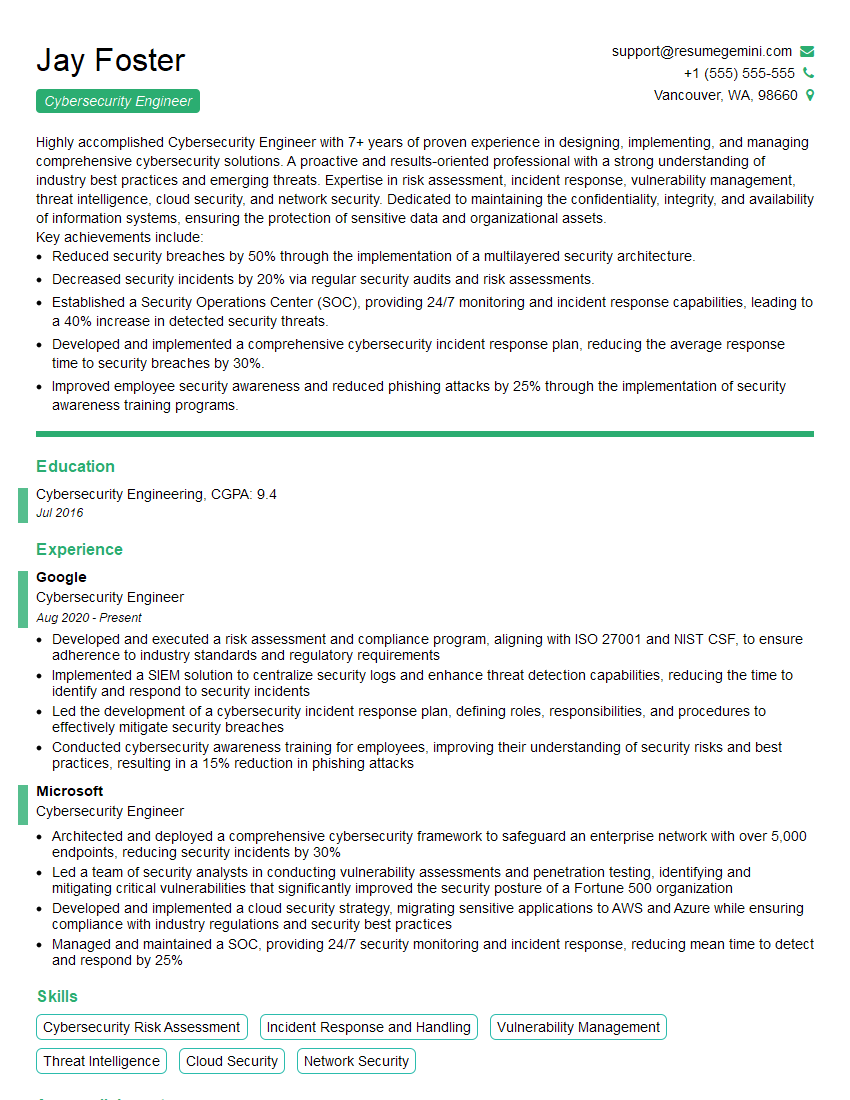
Cybersecurity Engineer Resume Sample
Explore more articles
Users Rating of Our Blogs
Share Your Experience
We value your feedback! Please rate our content and share your thoughts (optional).
What Readers Say About Our Blog
Hello,
we currently offer a complimentary backlink and URL indexing test for search engine optimization professionals.
You can get complimentary indexing credits to test how link discovery works in practice.
No credit card is required and there is no recurring fee.
You can find details here:
https://wikipedia-backlinks.com/indexing/
Regards
NICE RESPONSE TO Q & A
hi
The aim of this message is regarding an unclaimed deposit of a deceased nationale that bears the same name as you. You are not relate to him as there are millions of people answering the names across around the world. But i will use my position to influence the release of the deposit to you for our mutual benefit.
Respond for full details and how to claim the deposit. This is 100% risk free. Send hello to my email id: [email protected]
Luka Chachibaialuka
Hey interviewgemini.com, just wanted to follow up on my last email.
We just launched Call the Monster, an parenting app that lets you summon friendly ‘monsters’ kids actually listen to.
We’re also running a giveaway for everyone who downloads the app. Since it’s brand new, there aren’t many users yet, which means you’ve got a much better chance of winning some great prizes.
You can check it out here: https://bit.ly/callamonsterapp
Or follow us on Instagram: https://www.instagram.com/callamonsterapp
Thanks,
Ryan
CEO – Call the Monster App
Hey interviewgemini.com, I saw your website and love your approach.
I just want this to look like spam email, but want to share something important to you. We just launched Call the Monster, a parenting app that lets you summon friendly ‘monsters’ kids actually listen to.
Parents are loving it for calming chaos before bedtime. Thought you might want to try it: https://bit.ly/callamonsterapp or just follow our fun monster lore on Instagram: https://www.instagram.com/callamonsterapp
Thanks,
Ryan
CEO – Call A Monster APP
To the interviewgemini.com Owner.
Dear interviewgemini.com Webmaster!
Hi interviewgemini.com Webmaster!
Dear interviewgemini.com Webmaster!
excellent
Hello,
We found issues with your domain’s email setup that may be sending your messages to spam or blocking them completely. InboxShield Mini shows you how to fix it in minutes — no tech skills required.
Scan your domain now for details: https://inboxshield-mini.com/
— Adam @ InboxShield Mini
Reply STOP to unsubscribe
Hi, are you owner of interviewgemini.com? What if I told you I could help you find extra time in your schedule, reconnect with leads you didn’t even realize you missed, and bring in more “I want to work with you” conversations, without increasing your ad spend or hiring a full-time employee?
All with a flexible, budget-friendly service that could easily pay for itself. Sounds good?
Would it be nice to jump on a quick 10-minute call so I can show you exactly how we make this work?
Best,
Hapei
Marketing Director
Hey, I know you’re the owner of interviewgemini.com. I’ll be quick.
Fundraising for your business is tough and time-consuming. We make it easier by guaranteeing two private investor meetings each month, for six months. No demos, no pitch events – just direct introductions to active investors matched to your startup.
If youR17;re raising, this could help you build real momentum. Want me to send more info?
Hi, I represent an SEO company that specialises in getting you AI citations and higher rankings on Google. I’d like to offer you a 100% free SEO audit for your website. Would you be interested?
Hi, I represent an SEO company that specialises in getting you AI citations and higher rankings on Google. I’d like to offer you a 100% free SEO audit for your website. Would you be interested?
good