Unlock your full potential by mastering the most common Communication with Tower Crane Operators interview questions. This blog offers a deep dive into the critical topics, ensuring you’re not only prepared to answer but to excel. With these insights, you’ll approach your interview with clarity and confidence.
Questions Asked in Communication with Tower Crane Operators Interview
Q 1. Describe the standard hand signals used for communicating with tower crane operators.
Standard hand signals for tower crane operators are crucial for safety and efficiency, especially in noisy environments where verbal communication is difficult. These signals are usually standardized across the industry, but it’s vital to confirm understanding with the operator before commencing any lift.
- Hoisting/Lowering: A slow, steady arm movement upwards indicates hoisting, while a downward movement signifies lowering. A clenched fist usually means stop.
- Swinging: A sweeping arm movement in the desired direction indicates the swing direction. A circular motion can mean a 360-degree swing.
- Radius/Travel: Specific signals are used to indicate travel in and out from the crane’s radius. Typically this involves arm movements and hand positions to clearly signal direction and distance.
- Emergency Stop: A rapid, wide arm movement across the body, or a raised hand with spread fingers, universally indicates an immediate stop.
Remember, consistency and clarity are key. Any deviation from standard signals should be clearly communicated and agreed upon beforehand.
Q 2. Explain the importance of clear and concise communication on a construction site.
Clear and concise communication is paramount on a construction site, particularly when dealing with heavy machinery like tower cranes. Misunderstandings can lead to accidents, delays, and significant financial losses. The fast-paced nature of construction requires everyone to be on the same page to ensure the safety of workers and the project’s success.
Imagine a scenario where the signalman’s instructions are unclear. The crane operator might misinterpret the request, resulting in a load being placed in the wrong location, potentially damaging property or injuring someone. Efficient communication also avoids costly delays due to repeated lifts or the need for corrective actions.
Q 3. How would you handle a communication breakdown between the crane operator and ground crew?
Communication breakdowns are inevitable, but how we respond is crucial. The first step is to immediately halt all crane operations. Then, I would:
- Identify the source of the breakdown: Was it due to a misunderstanding of hand signals, unclear radio communication, or environmental noise?
- Verify the situation: Confirm with both the crane operator and the ground crew precisely what they understood and where the discrepancy lies.
- Rectify the misunderstanding: If it’s a hand signal issue, I would demonstrate the correct signals clearly. If it’s a radio issue, I would switch to a clearer communication method (e.g., a face-to-face explanation).
- Implement preventative measures: After resolving the immediate issue, a debriefing should occur to identify underlying issues and establish protocols to prevent future breakdowns (e.g., additional training on hand signals or improved radio equipment).
It’s essential to maintain a calm and professional demeanor throughout this process to ensure everyone feels heard and understood. A blame-free environment allows for a more thorough and effective solution.
Q 4. What are the potential consequences of poor communication with a tower crane operator?
Poor communication with a tower crane operator can have devastating consequences. The most significant risks include:
- Accidents: Incorrect placement of loads can lead to injury or death of workers on the ground or damage to equipment and structures.
- Property damage: A miscommunication could result in a load being dropped in the wrong spot, causing significant damage to buildings, materials, or vehicles.
- Project delays: Rectifying errors stemming from poor communication can cause significant delays and cost overruns.
- Legal ramifications: Severe accidents resulting from poor communication can lead to legal action and hefty penalties.
Therefore, a proactive approach to communication, including regular training, clear protocols, and backup communication methods, is essential to mitigate these risks.
Q 5. How do you ensure effective communication in noisy environments?
Noisy environments pose a significant challenge to communication on construction sites. To ensure effective communication despite the noise, we utilize multiple strategies:
- Visual signals: Hand signals remain vital, particularly when radio communication is difficult. Clear, consistent signals are critical.
- Two-way radios with noise-canceling capabilities: Investing in high-quality radios with noise-canceling features significantly improves clarity.
- Signal lights or light boards: Supplementing hand signals with visual signals can enhance understanding, especially at distances or in very noisy situations.
- Pre-planned communication strategies: Establishing clear procedures and agreed-upon communication methods before work begins is crucial. For example, assigning specific radio channels for specific tasks.
- Proximity communication: In particularly noisy areas, direct face-to-face communication (where safe to do so) is often the most reliable method.
Q 6. What methods do you use to confirm understanding with a tower crane operator?
Confirming understanding with a crane operator is non-negotiable for safety. Methods I employ include:
- Verbal confirmation: After giving an instruction, I always ask the operator to repeat the instruction back to me to ensure they understood correctly.
- Visual confirmation: I watch the operator’s actions carefully to ensure they’re following the instructions as intended.
- Use of checklists: For complex lifts, we use checklists to confirm all details are agreed upon before commencing the lift.
- Thumb signals: A simple thumbs up can confirm understanding and readiness.
- Signal repetition: I might repeat the signal myself to ensure the operator saw and understood correctly.
Employing multiple confirmation methods creates a safety net to reduce the chances of miscommunication.
Q 7. Describe your experience using two-way radios for communication on a construction site.
I’ve extensively used two-way radios on numerous construction sites. My experience highlights both the advantages and limitations. Reliable radios are indispensable for coordinating crane operations, especially in large projects. They allow for quick and clear communication between the operator, signalman, and other crew members.
However, radio communication can be affected by environmental factors like distance, interference, and noise. Therefore, it’s crucial to have backup communication methods, like pre-agreed hand signals or visual signals, ready at all times. Regular maintenance and testing of radio equipment are also essential to ensure reliable communication throughout the project.
On one project, a critical component was mistakenly placed due to a radio malfunction. This emphasized the importance of redundancy in communication and the need for immediate action upon any communication failures.
Q 8. How would you address a situation where a crane operator misunderstands your instructions?
Misunderstandings are inevitable in any communication, especially in a high-stakes environment like crane operation. If a crane operator misunderstands my instructions, my first step is to acknowledge the misunderstanding without blame. I would say something like, “My apologies, it seems my instructions weren’t clear.” Then, I’d re-explain the instructions using different wording, perhaps accompanied by visual aids like a diagram or a more precise hand signal, ensuring I’ve gained their understanding before proceeding. For instance, instead of saying ‘lift the beam slightly,’ I might say, ‘Raise the beam approximately six inches, then hold.’ I always confirm their understanding with a simple question like, “Do you understand the revised instructions?” Finally, if there’s still confusion, I’d involve a supervisor or another experienced member of the team to ensure clarity and safety.
A crucial aspect is to create a non-threatening environment where the operator feels comfortable questioning instructions if they’re unclear. Open communication is paramount for preventing accidents.
Q 9. Explain the safety protocols for communicating with crane operators during emergencies.
Emergency communication protocols with crane operators require immediate and unambiguous signals. Our primary method is a designated emergency stop signal – a specific hand signal universally understood by all site personnel, supplemented by a loud, clear verbal command like “Emergency Stop!” or using a site-specific emergency alert system. If the primary method fails, backup methods such as emergency horns or radios are immediately activated. During emergencies, it’s critical to maintain clear, concise communication focused on immediate actions like stopping the crane, securing the load, and ensuring personnel evacuation. Regular drills and training reinforce these protocols and ensure everyone reacts effectively under pressure.
For example, our site-specific emergency signal includes a combination of raising both arms over the head and waving them vigorously. Simultaneously, we shout ‘Emergency Stop!’ All team members are trained to immediately respond to this signal and to cease all operations.
Q 10. How do you adapt your communication style to different personalities and communication preferences?
Adapting communication style is vital for effective interaction. I tailor my approach based on the individual operator’s personality and communication preferences. Some operators prefer concise, direct instructions, while others might benefit from more detailed explanations. I observe their body language and communication style during initial interactions to assess their preferences. For example, someone who appears more reserved might respond better to clear, written instructions supplemented by brief verbal confirmations, whereas someone more outgoing might appreciate a more conversational approach with multiple check-ins for understanding. Active listening is key – I pay attention to their responses and adjust my style accordingly to ensure effective and safe communication.
I’ve found that using positive reinforcement and appreciating their expertise also helps build rapport and makes them more receptive to instructions.
Q 11. What are the limitations of using hand signals for communication?
Hand signals, while useful, have limitations. Visibility is a major constraint; in poor weather conditions (fog, rain, snow), or at significant distances, hand signals can be difficult to see or misinterpret. Ambient noise can also interfere with clear communication, making it hard for the operator to discern the intended signal. Furthermore, the lack of a record of the communication poses a challenge in case of a dispute or investigation of an incident. Finally, the complexity of tasks often requires more nuanced instructions than can be conveyed efficiently through hand signals alone. For instance, intricate positioning of a load is nearly impossible to communicate solely via hand signals.
Therefore, hand signals should always be supplemented with other communication methods like radio communication, particularly for critical operations.
Q 12. How do you ensure all personnel are aware of lifting plans and procedures?
Ensuring all personnel understand lifting plans and procedures is a critical safety measure. This begins with clearly documented plans and procedures, available to everyone involved. Pre-task briefings are essential, where the lifting plan is reviewed in detail. I use visual aids like diagrams and photographs to support the verbal explanation. I also ensure that any questions or concerns from the team are addressed before starting the operation. A signed acknowledgement form confirms each person’s understanding of the plan and their responsibilities. Regular refresher training and toolbox talks reinforce these procedures and address any updates or changes.
For instance, we always use a whiteboard to visually represent the lifting plan, including the load details, crane specifications, and the sequence of lifting movements. This makes the process clear and accessible to all concerned.
Q 13. Describe your experience using pre-lift checklists and communication protocols.
Pre-lift checklists and communication protocols are fundamental to my daily operations. The checklist ensures we systematically verify crane condition, load stability, ground conditions, and weather parameters before each lift. Communication protocols outline clear procedures for signal exchange, emergency response, and reporting. I strictly adhere to these checklists and protocols. Using a checklist prevents oversight, ensuring that all critical pre-lift safety checks are carried out. The written communication protocols help reduce ambiguity and enhance safety by ensuring a consistent communication structure. My experience has demonstrated that meticulous adherence to these procedures significantly reduces the likelihood of accidents.
For example, our pre-lift checklist includes verification of the crane’s load chart, inspection of rigging equipment, and confirmation of the communication method between the signal person and operator. Any deviation from the norm is recorded and investigated immediately.
Q 14. How would you handle a situation where you observe unsafe communication practices?
Observing unsafe communication practices requires immediate action. My approach involves addressing the situation discreetly and professionally. I’d first identify the unsafe practice and the individuals involved. I’d then approach the individuals involved privately, explaining the risks associated with the unsafe practices and referring to the relevant safety regulations and company policies. The goal is education, not accusation. If the unsafe practice persists, I would escalate the issue to the supervisor, providing documented evidence of the repeated occurrence. The aim is to rectify the situation quickly and prevent potential accidents through training and reinforcement of safe communication practices.
For instance, if I observe hand signals being used incorrectly or radio communication being ignored, I would approach the individuals involved and explain the correct procedures, emphasizing the potential dangers of their actions. This approach fosters a culture of safety and prevents future incidents.
Q 15. What are the legal and regulatory requirements for communication on a construction site?
Legal and regulatory requirements for communication on construction sites vary by location but generally emphasize clear, concise, and understood communication to prevent accidents. This often involves adherence to specific standards regarding signal systems, use of radios, and documented communication protocols. For example, OSHA (Occupational Safety and Health Administration) in the US has regulations mandating the use of standardized hand signals and the implementation of communication plans to address potential language barriers. Many countries have similar regulations that aim to ensure a safe working environment through effective communication. These regulations often stipulate that all personnel involved in crane operations must understand and adhere to these protocols, and any deviations must be documented.
Failure to comply can result in significant fines, project delays, and even legal action in case of accidents. Understanding and following local regulations is crucial for maintaining a safe and compliant worksite. Regular safety training and toolbox talks should reinforce these requirements, ensuring everyone on site is aware of their responsibilities.
Career Expert Tips:
- Ace those interviews! Prepare effectively by reviewing the Top 50 Most Common Interview Questions on ResumeGemini.
- Navigate your job search with confidence! Explore a wide range of Career Tips on ResumeGemini. Learn about common challenges and recommendations to overcome them.
- Craft the perfect resume! Master the Art of Resume Writing with ResumeGemini’s guide. Showcase your unique qualifications and achievements effectively.
- Don’t miss out on holiday savings! Build your dream resume with ResumeGemini’s ATS optimized templates.
Q 16. Explain the role of non-verbal communication in interacting with crane operators.
Non-verbal communication is critical when interacting with crane operators, especially considering the noisy environment of a construction site. Visual cues such as hand signals, body language, and the operator’s reaction to your instructions are vital. For example, a thumbs-up signifies approval, while a shake of the head indicates disapproval or uncertainty. A raised hand can signal a pause or stop. Observing the operator’s reaction to your instructions helps you confirm that the message was clearly understood. If the operator seems hesitant or confused, clarifying the instructions is crucial.
Clear and consistent hand signals are paramount; maintaining eye contact ensures the operator receives and understands the message. If the operator isn’t responding appropriately, consider alternative methods like a radio or written instructions.
Q 17. How would you document and report communication errors or near misses?
Documenting and reporting communication errors or near misses is essential for preventing future incidents. This typically involves completing a detailed incident report immediately after the event. The report should include:
- Date, time, and location of the incident.
- Names and roles of all personnel involved.
- A clear description of the communication breakdown, including the instructions given, the operator’s response, and the outcome.
- Details of any near misses or potential consequences.
- Corrective actions taken or planned.
- Any contributing factors such as weather, equipment malfunction, or language barriers.
Photographs or videos, if available, can provide valuable supporting evidence. These reports should be reviewed by supervisors and safety officers to identify systemic issues or training needs. Regular review of near-miss reports can highlight patterns and allow for proactive safety measures to be implemented.
Q 18. Describe your experience using technology to enhance communication on site (e.g., software, apps).
Technology plays a crucial role in enhancing communication on construction sites. We utilize two-way radios for immediate communication, ensuring clear instructions are relayed quickly. Dedicated construction management software often includes features that allow for real-time updates and progress tracking, reducing reliance on verbal communication. We can also use apps for digital checklists, ensuring all safety procedures are followed and documented. For example, using a load management app can help ensure the operator doesn’t exceed weight limits. This digital record-keeping also streamlines incident reporting and assists in conducting thorough post-incident investigations.
Q 19. How do you ensure the crane operator understands weight limits and load capacities?
Ensuring the crane operator understands weight limits and load capacities is paramount. This involves several steps:
- Pre-lift checks: Verifying the load weight against the crane’s specifications before each lift is non-negotiable. This often includes a physical check of the load chart displayed in the crane cabin.
- Clear communication: Clearly communicating the weight of the load and the planned lifting method to the operator before commencement. This helps prevent any assumptions or misunderstandings.
- Written confirmation: In many instances, written confirmation of weight and load details must be handed to the operator, especially for heavier or complex lifts. This acts as a double-check and provides a record for any later reviews.
- Load charts and signage: Ensuring clear and readily accessible load charts and signage around the crane is crucial. This allows everyone involved, including the operator, to be constantly aware of safe working limits.
Using technology such as load monitoring systems with real-time feedback to the operator provides added safety and enhances the accuracy of load information. Training of crane operators specifically on the proper interpretation of load charts and documentation should be regularly conducted.
Q 20. How do you maintain effective communication during inclement weather conditions?
Maintaining effective communication during inclement weather requires adaptation and redundancy. For instance, strong winds can make radio communication difficult, so visual signals might be less reliable. In such cases, we rely on a combination of methods: pre-planned signal systems are crucial, reinforced by clear communication via radio or other means before the operation begins. If visibility is severely reduced, it’s essential to pause operations and wait for improved conditions. Alternative communication methods like text messages or dedicated weather-resistant communication systems can be employed as a backup. When weather conditions deteriorate, a clear decision should be made to halt operations to ensure worker safety. Clear communication regarding this decision is equally as crucial as the decision itself.
Q 21. What strategies do you employ to prevent communication-related accidents?
Preventing communication-related accidents requires a multifaceted approach:
- Regular safety training: Comprehensive training for all personnel involved in crane operations, emphasizing standardized hand signals and radio communication protocols, is essential. This includes addressing specific scenarios and potential hazards.
- Standardized communication procedures: Implementing and consistently enforcing clear, standardized communication procedures are critical for a streamlined operation. A clear chain of command should be defined to prevent confusion.
- Pre-task planning: Thorough pre-task planning sessions allow team members to discuss potential communication challenges and develop contingency plans. This should encompass different communication channels and considerations for various weather conditions.
- Regular communication checks: Periodic check-ins with the crane operator during tasks help confirm understanding, address questions, and identify any emerging issues early. Using a buddy system can provide an additional layer of communication and safety.
- Technology integration: Leveraging technology such as radio systems, apps, and software that improve and enhance communication, especially during complex operations.
Proactive hazard identification and risk assessment procedures should be in place. By implementing these strategies, we can minimize the risks associated with communication breakdowns and promote a safer work environment. Regular review of safety procedures should be mandatory to ensure continued effectiveness.
Q 22. How do you deal with language barriers when communicating with crane operators?
Effective communication with crane operators transcends language. My approach prioritizes clarity and visual aids, minimizing reliance on verbal instructions alone. I employ several strategies to overcome language barriers:
- Visual Communication: I use hand signals (standardized and understood across languages), drawings, and even photos on my phone to depict the location, lift type and load details.
- Translation Apps and Bilingual Team Members: When available, I leverage translation apps like Google Translate for immediate interpretation. Having a bilingual team member present can also be invaluable for nuanced communication.
- Simple, Clear Language: I avoid jargon and utilize simple, universally understood terminology for crucial instructions like ‘lift,’ ‘lower,’ ‘rotate,’ and ‘stop.’ Pointing directly at the intended location adds to clarity.
- Confirmation and Feedback: I always ensure the operator has understood the instruction by asking for confirmation – using thumbs up/down or simple nods and shakes – before initiating the lift. Post-lift feedback helps solidify correct procedures for future reference.
For example, on a recent international project, I used a combination of hand signals and a translated diagram to successfully communicate the required lifting angle for a precast concrete panel to a crane operator who spoke limited English. This resulted in a smooth and safe lift.
Q 23. How do you handle conflicting instructions from different members of the team?
Conflicting instructions are a serious safety hazard. My priority is to immediately halt any crane operation when this occurs. I follow a structured approach to resolve the conflict:
- Immediate Stoppage: The first step is to signal the operator to stop immediately using clear and unambiguous signals.
- Identify the Source of Conflict: I determine the source of the conflicting instructions by speaking to each team member involved separately to fully understand their perspectives and reasonings.
- Reconcile Instructions: I attempt to reconcile the conflicting instructions with a focus on prioritizing safety, and if needed, I consult with relevant supervisors to establish a clear, unified approach.
- Communicate the Resolution: I then communicate the resolved instructions clearly to the operator and all team members involved, confirming understanding from everyone before resuming work.
- Documentation: Finally, I document the incident, including conflicting instructions, the resolution, and any subsequent changes implemented.
In one instance, conflicting instructions on the placement of a heavy steel beam emerged between the foreman and site engineer. I immediately halted the lift, clarified their differing requests, escalated it to the project manager, and received a definitive instruction. This prevented a potential accident.
Q 24. Describe your process for verifying load details with a crane operator.
Verifying load details is crucial for safety. My process involves a multi-step confirmation procedure:
- Written Load Sheet: I always start with a verified and signed load sheet specifying the weight, dimensions, center of gravity, and any special handling instructions.
- Pre-Lift Inspection: I visually inspect the load, making sure it matches the load sheet details and is properly secured.
- Verbal Confirmation: I verbally confirm all load details with the crane operator, highlighting any potential hazards or specific requirements.
- Use of Technology: Load cells and electronic weight indicators help to confirm the load’s actual weight before and during the lift.
- Operator Acknowledgment: I require the operator’s clear acknowledgment of the verified details before authorizing the lift.
For instance, a recent project involved lifting a transformer. I meticulously verified the weight on the load sheet with a load cell reading, confirming this weight with the operator before the lift commenced. This ensured the crane’s capacity wasn’t exceeded.
Q 25. How do you use visual aids to enhance communication with crane operators?
Visual aids significantly reduce the chance of miscommunication. I use several strategies:
- Hand Signals: A standard set of hand signals is used to convey lift instructions clearly and unambiguously.
- Drawings and Sketches: Simple drawings of the lift plan, including dimensions, angles, and load placement, are invaluable, especially for complex maneuvers.
- Photographs: Pictures of the load, its attachments, and the designated landing zone significantly aid in understanding.
- Digital Displays and Tablets: Using technology to display lift plans, load details, or real-time crane data enhances communication and makes it easier to verify details collaboratively.
Using a simple sketch of a specific beam with its dimensions and placement points, I once guided an operator to a complex placement, avoiding any confusion or accidents.
Q 26. Explain your understanding of different communication methods’ advantages and disadvantages.
Different communication methods each have advantages and disadvantages:
- Face-to-Face:
- Advantages: Immediate feedback, visual cues, personal interaction.
- Disadvantages: Less efficient for large teams or complex details, language barriers.
- Radio Communication:
- Advantages: Direct communication over distance, easy to use for simple instructions.
- Disadvantages: Can be noisy or unreliable, prone to misunderstandings due to lack of visual cues.
- Written Communication (Load Sheets, Plans):
- Advantages: Provides a permanent record, ensures clear instructions are provided.
- Disadvantages: Can be time-consuming to create and review, might not be suitable for rapid changes.
- Visual Aids (Hand signals, Drawings):
- Advantages: Transcend language barriers, quick to understand.
- Disadvantages: Can be ambiguous if not standardized or clearly understood.
Choosing the right method depends on the complexity of the lift, the environment, and the operator’s proficiency. Often, a combination of methods is the most effective approach.
Q 27. How do you train others in effective communication with tower crane operators?
Training others involves a practical, hands-on approach:
- Classroom Training: Theory sessions cover safety regulations, communication protocols, and best practices.
- Practical Demonstrations: Live demonstrations showcase correct hand signals, visual aids, and efficient communication techniques.
- Simulations and Role-Playing: Practicing different scenarios, including handling unexpected situations, enhances real-world preparedness.
- Mentorship and On-site Observation: Experienced professionals guide trainees, offering feedback and addressing questions during actual lift operations.
- Regular Assessments and Feedback: Performance is assessed regularly, with feedback provided to ensure mastery of techniques and safety standards.
My training emphasizes the importance of clear, concise communication, highlighting safety as the top priority. I encourage trainees to ask questions and practice until comfortable and confident.
Q 28. What are your methods for confirming the correct location for a lift?
Confirming the correct location is paramount to prevent accidents. My methods include:
- Pre-Lift Survey: A thorough site survey identifies potential obstructions and confirms the precise coordinates of the lifting and placement points.
- Use of Survey Markers and Laser Pointers: These precisely pinpoint the location, minimizing guesswork and ensuring accuracy.
- Verbal and Visual Confirmation with Operator: I clearly communicate the location verbally and visually (using laser pointers or physical markings), confirming understanding with the operator.
- Independent Verification: A second person independently verifies the location to minimize errors.
- Communication of Changes: Any location changes must be communicated effectively to the operator and all relevant personnel.
In one instance, I used a combination of laser pointers and verbal confirmation to guide the operator to place a large air conditioning unit precisely on a designated rooftop area. This process involved verifying the location with a second colleague before commencing the lift.
Key Topics to Learn for Communication with Tower Crane Operators Interview
- Understanding Crane Signals: Learn the standardized hand signals and radio communication protocols used in crane operation. Practice interpreting them accurately and swiftly.
- Effective Communication Techniques: Master clear, concise, and unambiguous communication, considering potential noise and distractions on construction sites. Practice active listening and confirmation techniques.
- Safety Protocols and Emergency Procedures: Understand the importance of clear communication in maintaining site safety. Learn how to effectively communicate emergency situations and follow established protocols.
- Working with Diverse Teams: Develop skills in communicating effectively with individuals from different backgrounds and levels of experience, including crane operators, riggers, and site supervisors.
- Conflict Resolution and Problem-Solving: Learn strategies for addressing misunderstandings and resolving conflicts that may arise during crane operations. Develop problem-solving skills to address communication breakdowns effectively.
- Technological Communication Tools: Familiarize yourself with modern communication technologies used in crane operation, such as two-way radios, and understand their limitations and potential for miscommunication.
- Documentation and Reporting: Understand the importance of accurate and timely documentation of communication related to crane operations, including incidents and near misses.
Next Steps
Mastering communication with tower crane operators is crucial for a successful and safe career in construction management and related fields. It demonstrates your commitment to safety, teamwork, and efficient project execution. To significantly enhance your job prospects, crafting an ATS-friendly resume is essential. ResumeGemini can help you build a professional and effective resume that highlights your communication skills and experience. We offer examples of resumes tailored to Communication with Tower Crane Operators to guide you in creating a compelling application. Invest the time to build a strong resume – it’s your first impression with potential employers.
Site Manager Resume Sample
Logistics Coordinator Resume Sample
Construction Foreman Resume Sample

Construction Superintendent Resume Sample

Scheduling Coordinator Resume Sample
Civil Engineer Resume Sample
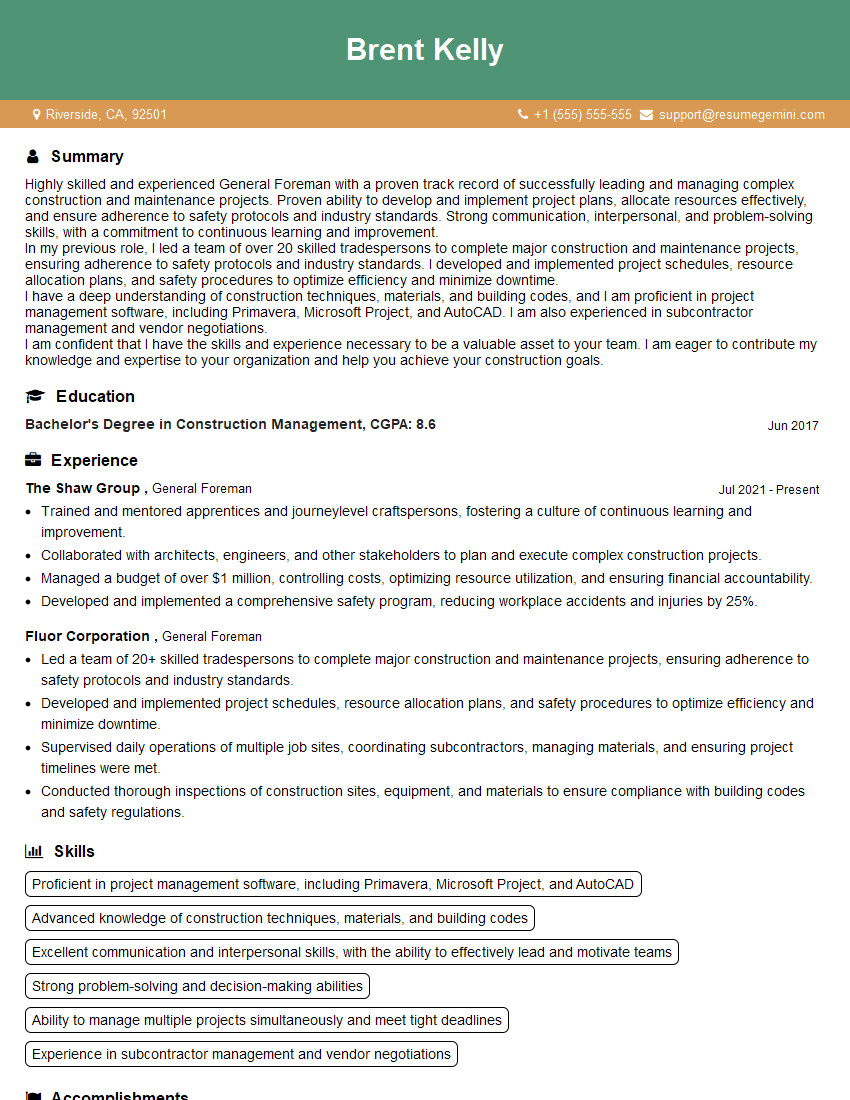
General Foreman Resume Sample
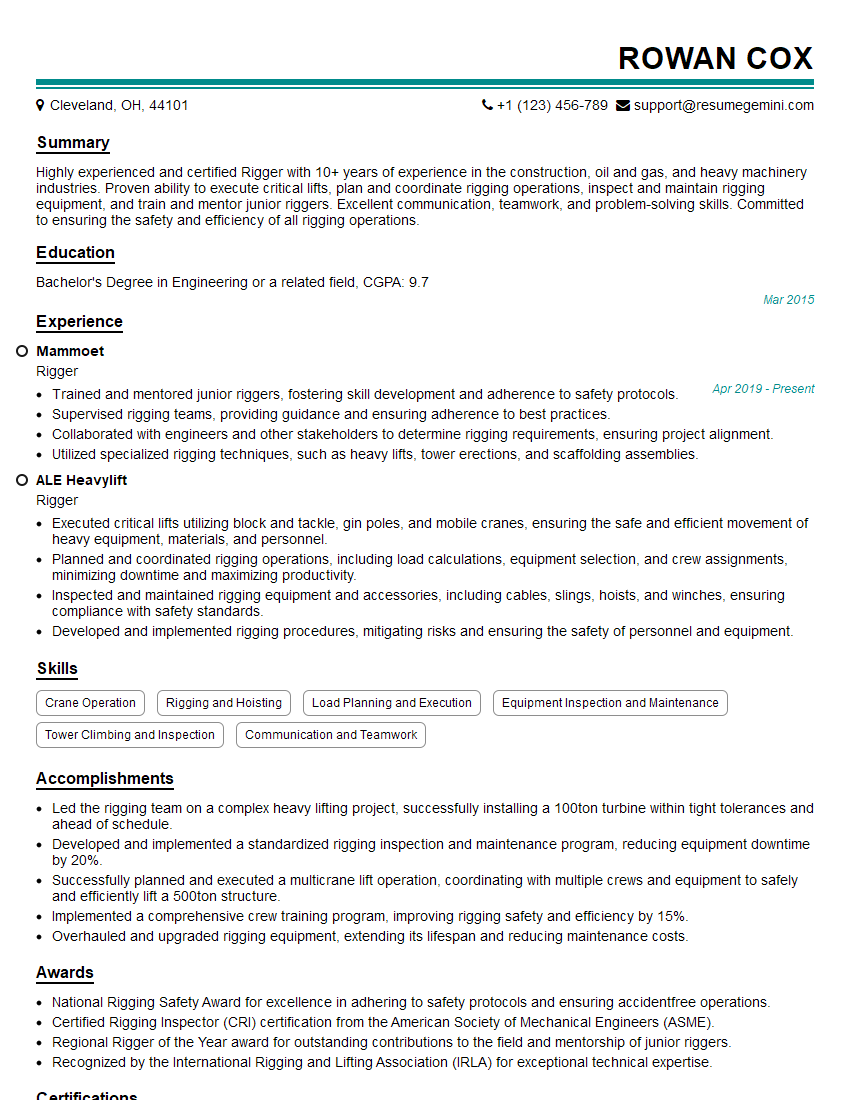
Rigger Resume Sample
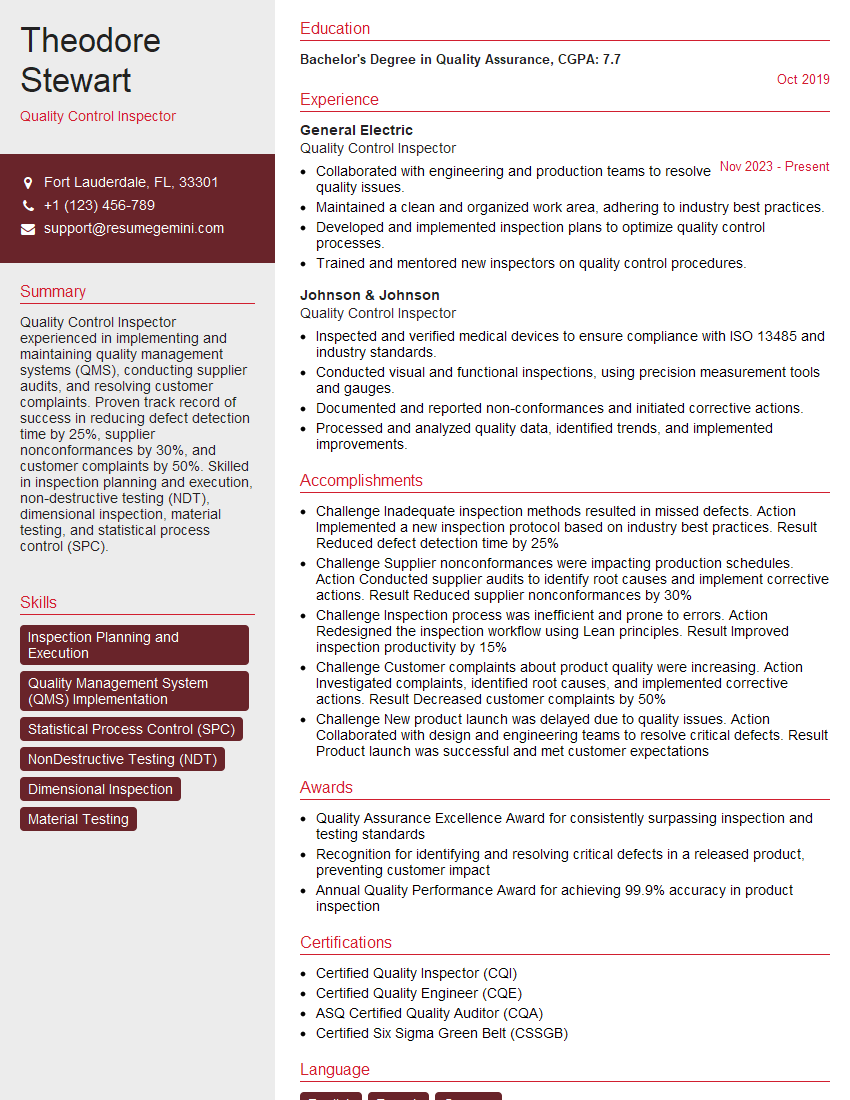
Quality Control Inspector Resume Sample
Explore more articles
Users Rating of Our Blogs
Share Your Experience
We value your feedback! Please rate our content and share your thoughts (optional).
What Readers Say About Our Blog
Hello,
we currently offer a complimentary backlink and URL indexing test for search engine optimization professionals.
You can get complimentary indexing credits to test how link discovery works in practice.
No credit card is required and there is no recurring fee.
You can find details here:
https://wikipedia-backlinks.com/indexing/
Regards
NICE RESPONSE TO Q & A
hi
The aim of this message is regarding an unclaimed deposit of a deceased nationale that bears the same name as you. You are not relate to him as there are millions of people answering the names across around the world. But i will use my position to influence the release of the deposit to you for our mutual benefit.
Respond for full details and how to claim the deposit. This is 100% risk free. Send hello to my email id: [email protected]
Luka Chachibaialuka
Hey interviewgemini.com, just wanted to follow up on my last email.
We just launched Call the Monster, an parenting app that lets you summon friendly ‘monsters’ kids actually listen to.
We’re also running a giveaway for everyone who downloads the app. Since it’s brand new, there aren’t many users yet, which means you’ve got a much better chance of winning some great prizes.
You can check it out here: https://bit.ly/callamonsterapp
Or follow us on Instagram: https://www.instagram.com/callamonsterapp
Thanks,
Ryan
CEO – Call the Monster App
Hey interviewgemini.com, I saw your website and love your approach.
I just want this to look like spam email, but want to share something important to you. We just launched Call the Monster, a parenting app that lets you summon friendly ‘monsters’ kids actually listen to.
Parents are loving it for calming chaos before bedtime. Thought you might want to try it: https://bit.ly/callamonsterapp or just follow our fun monster lore on Instagram: https://www.instagram.com/callamonsterapp
Thanks,
Ryan
CEO – Call A Monster APP
To the interviewgemini.com Owner.
Dear interviewgemini.com Webmaster!
Hi interviewgemini.com Webmaster!
Dear interviewgemini.com Webmaster!
excellent
Hello,
We found issues with your domain’s email setup that may be sending your messages to spam or blocking them completely. InboxShield Mini shows you how to fix it in minutes — no tech skills required.
Scan your domain now for details: https://inboxshield-mini.com/
— Adam @ InboxShield Mini
Reply STOP to unsubscribe
Hi, are you owner of interviewgemini.com? What if I told you I could help you find extra time in your schedule, reconnect with leads you didn’t even realize you missed, and bring in more “I want to work with you” conversations, without increasing your ad spend or hiring a full-time employee?
All with a flexible, budget-friendly service that could easily pay for itself. Sounds good?
Would it be nice to jump on a quick 10-minute call so I can show you exactly how we make this work?
Best,
Hapei
Marketing Director
Hey, I know you’re the owner of interviewgemini.com. I’ll be quick.
Fundraising for your business is tough and time-consuming. We make it easier by guaranteeing two private investor meetings each month, for six months. No demos, no pitch events – just direct introductions to active investors matched to your startup.
If youR17;re raising, this could help you build real momentum. Want me to send more info?
Hi, I represent an SEO company that specialises in getting you AI citations and higher rankings on Google. I’d like to offer you a 100% free SEO audit for your website. Would you be interested?
Hi, I represent an SEO company that specialises in getting you AI citations and higher rankings on Google. I’d like to offer you a 100% free SEO audit for your website. Would you be interested?
good