Interviews are opportunities to demonstrate your expertise, and this guide is here to help you shine. Explore the essential Complying with safety regulations and industry best practices interview questions that employers frequently ask, paired with strategies for crafting responses that set you apart from the competition.
Questions Asked in Complying with safety regulations and industry best practices Interview
Q 1. Describe your experience with OSHA regulations.
My experience with OSHA regulations is extensive, encompassing over ten years of practical application across diverse industrial settings. I’ve been directly involved in ensuring compliance with various OSHA standards, including those related to hazard communication (HazCom), lockout/tagout (LOTO), personal protective equipment (PPE), and fall protection. I’m familiar with the intricacies of OSHA’s recordkeeping requirements, conducting regular inspections to identify and rectify potential violations, and implementing corrective actions to prevent future incidents. For instance, in a previous role at a manufacturing plant, I spearheaded a comprehensive program to update our HazCom system, aligning it with the latest GHS standards, which resulted in a significant reduction in workplace chemical incidents.
Beyond direct compliance, I actively engage in staying updated on OSHA’s evolving guidelines and interpretations through regular training and participation in industry conferences. Understanding the nuances of these regulations is crucial, as misinterpretations can lead to serious legal and safety consequences.
Q 2. Explain your understanding of risk assessment methodologies.
Risk assessment methodologies are critical for proactively identifying and mitigating potential hazards. My approach typically involves a combination of qualitative and quantitative methods. Qualitative assessments often utilize brainstorming sessions, checklists, and hazard and operability studies (HAZOP) to identify potential hazards based on experience and expertise. Quantitative methods, on the other hand, involve more rigorous data analysis, such as Fault Tree Analysis (FTA) or Event Tree Analysis (ETA), to determine the likelihood and severity of potential incidents. The choice of method depends on the complexity of the operation and the availability of data.
For example, in a recent project involving the installation of new machinery, we employed a HAZOP methodology, systematically reviewing the process to identify potential hazards during each stage of operation. This helped us anticipate and mitigate risks like pinch points and electrical hazards, thereby preventing potential injuries before they could occur. We documented all identified hazards, their associated risks, and the control measures implemented, creating a comprehensive risk register for ongoing monitoring.
Q 3. How do you conduct a safety audit?
Conducting a safety audit involves a systematic and comprehensive evaluation of an organization’s safety performance. My approach follows a structured process, beginning with planning and preparation. This includes defining the scope of the audit, identifying relevant regulations and standards, and assembling an audit team with relevant expertise. The audit itself comprises a thorough review of documentation (safety policies, training records, incident reports), followed by on-site observations to assess workplace conditions and employee practices.
During the on-site portion, I would observe work processes, inspect equipment for safety compliance, and interview employees to assess their awareness and understanding of safety procedures. I utilize checklists to ensure consistent evaluation across different areas. Following the audit, findings are documented in a detailed report, including observations, identified deficiencies, and recommendations for corrective actions. A follow-up audit is then typically conducted to verify the implementation of corrective actions and the effectiveness of improvements.
For example, in a recent audit of a construction site, we identified deficiencies in fall protection measures and inadequate training on the use of safety harnesses. Our report detailed these deficiencies and recommended specific corrective actions, including retraining, equipment upgrades, and improved supervision, leading to a significant improvement in safety performance on the site.
Q 4. What are the key elements of an effective safety management system?
An effective safety management system (SMS) is the cornerstone of a safe and healthy work environment. Key elements include:
- Strong Leadership and Commitment: Safety must be a top priority, championed by leadership at all levels.
- Hazard Identification and Risk Assessment: Proactive identification and evaluation of potential hazards, followed by effective risk control strategies.
- Safety Policies and Procedures: Clear, concise, and readily accessible policies and procedures that are regularly reviewed and updated.
- Training and Competency: Comprehensive training programs that ensure employees possess the necessary knowledge and skills to perform their tasks safely.
- Emergency Preparedness and Response: Development and regular practice of emergency response plans to ensure preparedness for various scenarios.
- Incident Investigation and Reporting: Thorough investigation of all incidents to identify root causes and implement corrective actions to prevent recurrence.
- Monitoring and Measurement: Regular monitoring of key safety performance indicators (KPIs) to track progress and identify areas for improvement.
- Continuous Improvement: A commitment to ongoing improvement through regular reviews, audits, and implementation of best practices.
Think of an SMS as a living document—it’s not static; it adapts and evolves with the organization and its operational changes. Regular review and updating are essential for its continued effectiveness.
Q 5. Describe your experience with incident investigation and reporting.
My experience with incident investigation and reporting is extensive. I follow a structured approach based on established methodologies like the ‘5 Whys’ and root cause analysis (RCA). The process begins with securing the scene (if necessary), gathering evidence (witness statements, photos, equipment data), and interviewing involved personnel. The goal is not to assign blame but to understand the underlying causes that contributed to the incident.
Once the root causes are identified, corrective actions are developed and implemented to prevent recurrence. The findings are then documented in a detailed report that’s shared with relevant stakeholders. This report is not only for internal use but also crucial for regulatory compliance and continuous improvement. I’ve found that focusing on the ‘why’ rather than simply documenting the ‘what’ is crucial for uncovering systemic issues.
For example, in investigating a near-miss incident involving a forklift, we used the ‘5 Whys’ technique to uncover that the incident stemmed from inadequate training on forklift operation, leading to the implementation of enhanced training programs and revised operating procedures.
Q 6. How do you develop and deliver safety training programs?
Developing and delivering effective safety training programs requires a thorough understanding of the target audience’s needs and the specific hazards associated with their roles. My approach involves a needs analysis to identify training gaps, followed by the design of a curriculum that addresses these gaps. The training is often delivered using a variety of methods, including classroom instruction, hands-on demonstrations, simulations, and online modules. This multi-modal approach ensures engagement and knowledge retention.
I believe in making training interactive and relevant, using real-world examples and case studies to illustrate key concepts. Post-training assessments and evaluations are crucial to gauge the effectiveness of the training and identify areas for improvement. For example, for new employees in a chemical plant, we developed a comprehensive training program that included classroom instruction on hazard communication, hands-on training on PPE use, and simulated emergency response drills. This approach ensured that employees were adequately prepared to handle various scenarios they might encounter in their daily work.
Q 7. Explain your understanding of hazard identification and control.
Hazard identification and control is a continuous process aimed at minimizing or eliminating risks within a workplace. It begins with systematically identifying potential hazards through methods such as job hazard analyses (JHAs), safety inspections, and incident reports. Once hazards are identified, a risk assessment is conducted to determine the likelihood and severity of potential harm. This helps prioritize control measures.
Control measures are implemented based on a hierarchy of controls, starting with elimination (removing the hazard entirely), followed by substitution (replacing the hazard with a less hazardous alternative), engineering controls (modifying the workplace to reduce exposure), administrative controls (changing work procedures or practices), and finally, personal protective equipment (PPE) as the last line of defense. Each control measure is documented and regularly reviewed to ensure its effectiveness. For instance, if a hazard analysis reveals that employees are exposed to excessive noise, we might first explore engineering controls like noise reduction equipment. If that’s not feasible, we might explore administrative controls, such as limiting exposure time, before resorting to the use of hearing protection (PPE).
Q 8. How do you ensure compliance with environmental regulations?
Ensuring compliance with environmental regulations requires a proactive and multifaceted approach. It begins with a thorough understanding of all applicable local, regional, and national environmental laws and permits. This includes regulations related to air emissions, water discharge, waste management, and hazardous materials handling.
My strategy involves several key steps:
- Regular Environmental Audits: Conducting regular internal audits to identify potential non-compliances and areas for improvement. This includes checking for proper waste disposal procedures, monitoring emissions levels, and reviewing all relevant documentation.
- Environmental Management System (EMS): Implementing and maintaining a robust EMS, such as one based on ISO 14001 standards. This provides a framework for setting environmental objectives, monitoring performance, and continuously improving our environmental performance.
- Employee Training: Providing comprehensive training to all employees on relevant environmental regulations and their responsibilities in maintaining compliance. This includes hands-on training and regular refresher courses.
- Record Keeping: Maintaining meticulous records of all environmental activities, including permits, inspections, monitoring data, and waste disposal records. This is crucial for demonstrating compliance during audits.
- Proactive Monitoring: Employing continuous environmental monitoring using appropriate technologies to track emissions, water quality, and other key parameters. Early detection of problems allows for prompt corrective action.
For example, in a previous role, we implemented a new waste management system that reduced our hazardous waste generation by 25% and resulted in significant cost savings, while simultaneously improving our environmental footprint.
Q 9. Describe your experience with emergency response planning.
Emergency response planning is paramount for ensuring the safety and well-being of employees and the protection of assets. A well-structured plan needs to address all potential hazards specific to the workplace. My experience involves developing and implementing comprehensive emergency response plans that encompass prevention, preparedness, response, and recovery.
My approach focuses on:
- Hazard Identification & Risk Assessment: Thorough identification of potential hazards, such as fire, chemical spills, equipment malfunctions, and natural disasters, followed by a comprehensive risk assessment to determine the likelihood and severity of each hazard.
- Emergency Procedures Development: Creating detailed emergency procedures for each identified hazard, including evacuation plans, emergency communication protocols, and first aid response procedures. This includes designating roles and responsibilities for each team member involved.
- Training & Drills: Conducting regular training and drills to familiarize employees with the emergency procedures. This ensures that everyone knows their roles and responsibilities in the event of an emergency. Real-life simulations are crucial to assess preparedness.
- Communication Systems: Establishing reliable communication systems to ensure effective communication during an emergency. This might include emergency alerts, designated communication channels, and backup communication systems.
- Post-Incident Review: Conducting thorough post-incident reviews to identify areas for improvement in the emergency response plan. This process is vital for continuous improvement and ensuring future preparedness.
In one instance, I led the development of an emergency response plan for a chemical processing plant, which effectively mitigated a significant chemical spill, minimizing environmental damage and employee injury.
Q 10. How do you manage safety performance indicators (KPIs)?
Managing safety performance indicators (KPIs) is crucial for tracking progress, identifying areas needing attention, and demonstrating a commitment to safety. The key is selecting the right KPIs, regularly monitoring them, and taking corrective actions based on the data.
I typically focus on KPIs that measure:
- Incident Rates: Tracking the frequency and severity of workplace incidents (Lost Time Injury Rate (LTIR), Total Recordable Incident Rate (TRIR), etc.) provides a clear measure of overall safety performance.
- Near Miss Reporting: Encouraging near-miss reporting helps identify potential hazards before they lead to accidents. This is a proactive approach to safety management.
- Training Completion Rates: Monitoring the completion rates of safety training programs ensures that employees are adequately prepared to work safely.
- Inspection & Audit Results: Tracking the results of safety inspections and audits reveals areas requiring improvement and allows for focused intervention.
- PPE Usage: Monitoring the consistent and correct use of personal protective equipment (PPE) is crucial for protecting employees.
I use data visualization tools to present the KPIs clearly and concisely to management and employees. This allows everyone to understand the current safety status and identify trends. If KPIs indicate a problem, I use root cause analysis to identify underlying issues and develop corrective actions.
Q 11. Explain your experience with safety inspections and audits.
Safety inspections and audits are vital components of a robust safety management system. Inspections focus on identifying immediate hazards, while audits assess the effectiveness of the overall safety program.
My experience includes:
- Developing Inspection Checklists: Creating comprehensive checklists tailored to the specific hazards present in different work areas. These checklists help ensure consistency and thoroughness.
- Conducting Inspections: Performing regular inspections of workplaces to identify hazards and non-compliances. This involves documenting findings, taking photos, and issuing corrective action requests.
- Performing Audits: Conducting audits to assess the effectiveness of the safety management system against established standards, regulations, and best practices (e.g., OSHA, ISO 45001).
- Following Up on Corrective Actions: Following up to ensure that corrective actions are implemented and documented. This is crucial for preventing recurrence of identified problems.
- Reporting and Analysis: Preparing comprehensive reports summarizing inspection and audit findings, including recommendations for improvements.
For example, during a recent audit, I identified a gap in our lockout/tagout procedures. This led to a revision of our procedures and enhanced employee training, strengthening our overall safety performance.
Q 12. How do you handle safety violations and non-compliance issues?
Handling safety violations and non-compliance issues requires a systematic and fair approach. The goal is to correct the issue, prevent recurrence, and ensure employee safety.
My approach involves:
- Immediate Corrective Action: Addressing immediate safety hazards to prevent further incidents. This might involve temporarily shutting down equipment or removing employees from a hazardous area.
- Investigation: Conducting a thorough investigation to determine the root cause of the violation or non-compliance. This often involves interviewing witnesses and reviewing relevant documentation.
- Disciplinary Action (if necessary): Implementing appropriate disciplinary action, if warranted, following company policy and legal requirements. This might include verbal warnings, written warnings, or termination, depending on the severity of the violation.
- Corrective Actions: Developing and implementing effective corrective actions to prevent recurrence of the violation. This might include improved training, changes to procedures, or new safety controls.
- Follow-Up: Following up to ensure that corrective actions are effective and that the violation does not occur again.
It’s crucial to document everything throughout the process, creating a clear record of the incident, investigation, and corrective actions taken.
Q 13. Describe your experience with personal protective equipment (PPE).
Personal Protective Equipment (PPE) is essential for protecting employees from workplace hazards. My experience includes selecting, procuring, training, and maintaining appropriate PPE for various tasks and hazards.
My approach comprises:
- Hazard Assessment: Conducting thorough hazard assessments to identify the specific hazards employees face and the appropriate PPE required.
- PPE Selection: Selecting appropriate PPE based on the identified hazards, considering factors such as comfort, durability, and effectiveness.
- Procurement: Sourcing and procuring high-quality PPE from reputable suppliers. This includes ensuring that the PPE meets all relevant safety standards.
- Training: Providing comprehensive training to employees on the proper use, care, and maintenance of their PPE. This is especially important to ensure proper fit and function.
- Inspection and Maintenance: Implementing a system for inspecting and maintaining PPE to ensure it’s in good condition and remains effective.
- Record Keeping: Maintaining records of PPE usage, training, and inspections.
For example, in a construction environment, I implemented a program to ensure all workers were using appropriate hard hats, safety glasses, and high-visibility clothing, significantly reducing the number of eye and head injuries.
Q 14. How do you communicate safety information effectively to employees?
Effective communication is the cornerstone of a strong safety culture. I utilize various methods to ensure safety information reaches all employees clearly and consistently.
My strategies include:
- Toolbox Talks: Conducting regular toolbox talks to address specific safety concerns and reinforce key safety messages.
- Safety Newsletters & Emails: Distributing regular newsletters and emails to keep employees updated on safety initiatives, new regulations, and important reminders.
- Safety Meetings: Holding regular safety meetings to discuss safety performance, address concerns, and brainstorm improvements.
- Posters & Signage: Utilizing posters and signage to highlight important safety messages and reminders in the workplace. Visual reminders are extremely effective.
- Training Programs: Developing and delivering comprehensive safety training programs that use diverse methods like videos, interactive sessions, and hands-on activities.
- Multi-lingual Communication: Ensuring all materials are available in the languages spoken by the workforce.
It’s important to tailor the communication method to the audience and the message. Using a variety of methods ensures the information is received and understood by everyone.
Q 15. Explain your understanding of lockout/tagout procedures.
Lockout/Tagout (LOTO) procedures are a critical safety practice designed to prevent the unexpected energization or startup of machinery and equipment during maintenance or servicing. It’s all about ensuring that energy sources are completely isolated and employees are protected from hazardous energy release. Think of it as a safety ritual that prevents accidental injury or death.
The process typically involves five steps: 1. Preparation – Identifying the energy sources and necessary lockout devices. 2. Lockout – Disconnecting the energy source and applying a lockout device (lock). 3. Verification – Verifying that the energy source is indeed de-energized. 4. Tagout – Adding a tag to reinforce the lockout and provide information about who is working on the equipment. 5. Release – The authorized person removing the lockout devices after verification that the work is complete and the equipment is safe.
For example, before working on a machine with electrical and hydraulic systems, I would first isolate the main power switch and lock it out, then disconnect and lock out the hydraulic power source. I’d verify with a multimeter that there’s no power. Afterwards, I’d tag the machine with information indicating the lockout is in effect, my name, and the date. Only after completing the work and verifying its safety, would I remove the lockout devices.
Career Expert Tips:
- Ace those interviews! Prepare effectively by reviewing the Top 50 Most Common Interview Questions on ResumeGemini.
- Navigate your job search with confidence! Explore a wide range of Career Tips on ResumeGemini. Learn about common challenges and recommendations to overcome them.
- Craft the perfect resume! Master the Art of Resume Writing with ResumeGemini’s guide. Showcase your unique qualifications and achievements effectively.
- Don’t miss out on holiday savings! Build your dream resume with ResumeGemini’s ATS optimized templates.
Q 16. How do you ensure the effective implementation of safety policies and procedures?
Effective implementation of safety policies and procedures requires a multifaceted approach. It begins with clear communication and training. Everyone needs to understand the ‘why’ behind the policies, not just the ‘what’. We need to ensure that all employees, from top management to entry-level workers, are thoroughly trained and understand their responsibilities. Regularly scheduled safety meetings, toolbox talks, and interactive training sessions keep awareness high and reinforce safe practices.
Secondly, consistent monitoring and enforcement are crucial. Regular safety inspections identify potential hazards and non-compliance issues. A system for reporting near misses and incidents allows for proactive measures to prevent future events. Effective leadership plays a vital role, ensuring everyone is held accountable for following safety protocols. Management must lead by example, demonstrating a commitment to safety in their everyday actions.
Finally, it’s essential to review and update policies regularly. Safety regulations and best practices evolve, and our procedures must adapt accordingly. Employee feedback is also critical in identifying areas for improvement. A company culture that values safety and actively seeks employee input fosters a more proactive and effective safety program.
Q 17. Describe your experience with conducting job hazard analyses.
Job Hazard Analysis (JHA) is a systematic process to identify potential hazards associated with a specific job task. It involves a team approach, often involving those who perform the task daily, to brainstorm possible hazards and identify the severity and likelihood of each risk. Think of it as a detailed risk prediction for every job.
My experience involves facilitating JHA workshops, guiding teams through the process, using established methodologies like a step-by-step checklist to analyze each task, identifying potential hazards (such as slips, trips, falls, electrical hazards, chemical exposure), and determining control measures to mitigate those risks. I then document the findings in a JHA form, detailing the task, potential hazards, risk levels, and control measures. The final document serves as a reference for employees and a tool for continuous improvement.
For example, during a JHA for a warehouse operation, we identified risks associated with manual lifting of heavy boxes, leading to the implementation of training on proper lifting techniques, the use of mechanical lifting devices, and ergonomic improvements to workstations.
Q 18. How do you prioritize safety improvements based on risk assessment?
Prioritizing safety improvements based on risk assessment involves a structured approach that considers both the likelihood and severity of potential hazards. A common method uses a risk matrix, which plots the probability of occurrence against the severity of the potential consequences. This allows for a visual representation of the relative risk of each hazard.
High-risk hazards – those with both a high probability of occurrence and severe consequences – should be addressed first. This involves implementing control measures to reduce the likelihood or severity of the hazard. Medium-risk hazards are prioritized next, followed by low-risk hazards. Resources are allocated based on the risk levels, ensuring the most critical risks receive the necessary attention and resources.
Consider a scenario where a risk assessment identifies a risk of fire, a risk of minor cuts, and a risk of a major equipment malfunction. The risk of fire, with high severity and potential for major consequences, would be prioritized for immediate mitigation – purchasing fire extinguishers, conducting fire drills, and improving electrical safety. The equipment malfunction risk, also with a high impact, would receive similar urgency.
Q 19. Explain your experience with safety committee meetings and participation.
I’ve actively participated in safety committee meetings for several years. These meetings provide a valuable platform for open communication, collaborative problem-solving, and continuous improvement of our safety programs. The committee comprises representatives from various departments and levels of the organization, providing a diverse perspective on safety issues.
My role in these meetings has involved contributing to the development and implementation of safety policies, reviewing accident reports, investigating incidents, analyzing safety data, and proposing corrective actions. We discuss a range of topics including near misses, accident trends, new equipment safety assessments, training program effectiveness, and updates to safety regulations. My participation has been instrumental in fostering a strong safety culture and proactive risk management within my organization.
For example, following an increase in minor hand injuries, the committee collaborated to develop a new hand protection policy, including improved training on appropriate glove selection and use, resulting in a significant decrease in subsequent hand injuries.
Q 20. How do you stay updated with changes in safety regulations and best practices?
Staying updated on changes in safety regulations and best practices is paramount. I utilize several methods to ensure I’m always current. Firstly, I subscribe to industry publications and professional organizations relevant to my field. These provide regular updates on new regulations, technological advances in safety equipment, and emerging best practices. Secondly, I participate in professional development courses and training sessions offered by reputable organizations to stay abreast of the latest developments and receive certifications in relevant areas. Thirdly, I regularly review government websites and regulatory agency publications for updates on relevant legislation.
Further, I actively network with colleagues and professionals in my field through conferences and online forums, facilitating the exchange of information and best practices. Keeping up-to-date is not a one-time action; it’s an ongoing process of continuous learning and adaptation.
Q 21. Describe a time you had to deal with a serious safety incident. How did you handle it?
During a routine maintenance operation, a worker suffered a minor burn when a pressurized line unexpectedly released steam. My immediate response was to activate the emergency response plan, ensuring the injured worker received immediate first aid and medical attention. Following this, I secured the area and prevented further access to the equipment involved. Then, a thorough investigation was conducted to determine the root cause of the incident. This involved interviewing witnesses, reviewing maintenance logs, and inspecting the equipment. The investigation revealed a failure in the pressure relief valve, leading to the steam release.
Corrective actions were implemented, including the immediate replacement of the faulty valve and the implementation of additional safety checks during routine maintenance procedures. We also conducted refresher training for all maintenance personnel on the proper procedures for handling pressurized lines. Following the incident, a comprehensive review of our safety protocols and equipment maintenance procedures was undertaken to prevent similar incidents in the future. The experience reinforced the importance of thorough risk assessments, regular equipment inspections, and the need for ongoing employee training.
Q 22. Explain your understanding of different types of safety hazards (physical, chemical, biological, ergonomic).
Safety hazards are broadly categorized into four main types: physical, chemical, biological, and ergonomic. Understanding these categories is crucial for implementing effective safety measures.
- Physical Hazards: These involve dangers associated with the workplace environment itself. Examples include:
- Mechanical hazards: Rotating equipment, pinch points, sharp edges, and falling objects.
- Environmental hazards: Extreme temperatures (heat or cold), noise, vibration, radiation, and slips, trips, and falls (STFs).
- Chemical Hazards: These encompass risks related to exposure to various chemicals. Examples include:
- Toxic substances: Exposure through inhalation, skin contact, or ingestion, potentially leading to acute or chronic health effects.
- Flammable and explosive materials: These pose fire and explosion risks requiring specific handling and storage procedures.
- Corrosive substances: Chemicals that can cause damage to skin, eyes, and other tissues.
- Biological Hazards: These involve risks from living organisms. Examples include:
- Infectious agents: Bacteria, viruses, fungi, and parasites that can cause illness or disease.
- Bloodborne pathogens: Viruses such as Hepatitis B and HIV transmitted through contact with infected blood or bodily fluids.
- Ergonomic Hazards: These stem from workplace designs and practices that can lead to musculoskeletal disorders (MSDs). Examples include:
- Repetitive motions: Performing the same actions repeatedly, leading to strain and injury.
- Awkward postures: Working in uncomfortable positions for prolonged periods.
- Forceful exertions: Using excessive force to lift, carry, or push objects.
Identifying and mitigating these hazards is paramount to creating a safe working environment. For instance, in a manufacturing setting, we might address physical hazards by installing machine guards and implementing lockout/tagout procedures. For chemical hazards, we’d use proper personal protective equipment (PPE) like respirators and gloves, alongside robust safety data sheets (SDS) management.
Q 23. How do you use data to drive safety improvements?
Data is the cornerstone of effective safety improvement. I use data-driven approaches in several ways:
- Incident Tracking and Analysis: I meticulously track all safety incidents, recording details such as the type of incident, location, time, contributing factors, and injuries sustained. This data allows me to identify trends and patterns, pinpointing areas needing immediate attention. For example, a spike in slips, trips, and falls during winter months might indicate the need for better winterization measures.
- Near Miss Reporting: I encourage near-miss reporting, treating them as valuable learning opportunities. Analysis of near misses provides insights into potential hazards before they result in actual incidents.
- Safety Audits and Inspections: Data from regular safety audits and inspections (both planned and random) helps identify potential hazards, compliance gaps, and areas needing improvement. This data can be visualized through dashboards and reports to effectively communicate findings.
- Key Performance Indicators (KPIs): I establish relevant KPIs such as incident rates, lost-time injury frequency rates (LTIFR), and training completion rates. Monitoring these KPIs allows for continuous improvement, enabling proactive adjustment of safety strategies.
- Behavioral Observations: Observational data on employee adherence to safety protocols can reveal gaps in training or the need for revised procedures.
Using data visualization tools, I can effectively communicate safety performance to management and employees, fostering a culture of continuous improvement. For instance, charts displaying incident trends or heat maps showcasing high-risk areas provide clear, actionable insights.
Q 24. Describe your experience with implementing and maintaining a safety program.
In my previous role, I was instrumental in developing and implementing a comprehensive safety program. This involved several key phases:
- Needs Assessment: We started by conducting a thorough assessment to identify existing hazards and risks, including employee feedback and risk assessments.
- Policy Development: Based on the assessment, we developed clear, concise safety policies and procedures aligned with industry best practices and regulatory requirements.
- Training and Education: We designed and implemented training programs for all employees, covering topics such as hazard recognition, risk assessment, PPE usage, and emergency response procedures.
- Implementation and Monitoring: We implemented the program, establishing regular safety meetings, inspections, and audits to track progress and identify any issues.
- Continuous Improvement: The program was regularly reviewed and updated based on incident analysis, audit findings, and employee feedback, allowing for adaptation to changing circumstances and continuous improvement.
Maintaining the program involved proactive communication, regular safety training refreshers, and continuous engagement with employees. We also implemented a system for documenting all safety-related activities and maintaining up-to-date records.
Q 25. How do you integrate safety into the design process?
Integrating safety into the design process is paramount for preventing hazards before they even arise. This is achieved through a proactive approach, often termed ‘design for safety.’
- Hazard Identification and Risk Assessment: Early in the design phase, potential hazards are identified and assessed using methods such as HAZOP (Hazard and Operability Study) or FMEA (Failure Mode and Effects Analysis). This helps pinpoint design flaws that could compromise safety.
- Inherent Safety Design: Where possible, designs should inherently minimize hazards. For example, using safer machinery or eliminating the need for certain hazardous materials.
- Protective Measures: If hazards can’t be eliminated, incorporating safeguards like machine guards, emergency shut-off systems, and other safety devices is critical.
- Ergonomic Considerations: Designs must account for human factors, ensuring workstations are ergonomically sound to minimize MSDs.
- Accessibility: The design should accommodate employees with disabilities, ensuring equal access and safety for all.
For instance, when designing a new production line, we would incorporate safety features such as light curtains to prevent accidental contact with machinery and emergency stop buttons readily accessible to operators. This proactive approach ensures a significantly safer working environment from the outset.
Q 26. Explain your experience with contractor safety management.
Managing contractor safety requires a robust and structured approach. My experience involves:
- Pre-qualification: Thoroughly vetting contractors through pre-qualification processes, assessing their safety records, insurance coverage, and safety management systems.
- Clear Safety Requirements: Providing contractors with detailed safety requirements, including site-specific hazards and expectations regarding PPE, permits-to-work, and incident reporting.
- On-site Oversight: Regularly monitoring contractors’ activities on-site to ensure compliance with safety rules and procedures. This includes toolbox talks, site inspections, and observation of work practices.
- Incident Reporting and Investigation: Establishing procedures for reporting and investigating any incidents involving contractors, addressing root causes and implementing corrective actions.
- Communication and Coordination: Maintaining open communication with contractors to address any safety-related concerns and ensure collaborative safety efforts.
For example, before allowing a contractor to work at height on our site, we would verify their certification and safety plan, inspect their equipment, and provide them with specific site-specific instructions, including emergency procedures. This ensures both our employees and the contractors work in a safe and compliant environment.
Q 27. How do you ensure a positive safety culture within a company?
Building a positive safety culture is an ongoing process requiring leadership commitment and employee engagement. My approach includes:
- Leadership Commitment: Leaders must visibly champion safety, demonstrating a strong commitment to safety and making it a top priority.
- Open Communication: Creating channels for open communication and feedback, ensuring employees feel comfortable reporting hazards and near misses without fear of reprisal.
- Employee Empowerment: Empowering employees to identify and report hazards, participate in safety inspections, and contribute to safety improvements. This fosters a sense of ownership and responsibility.
- Recognition and Reward: Recognizing and rewarding safe behaviors and contributions to safety. This positively reinforces safe practices and creates a culture of appreciation.
- Regular Safety Training: Implementing comprehensive and regular safety training, keeping employees informed about relevant regulations, procedures, and best practices.
- Safety Campaigns and Initiatives: Conducting regular safety campaigns and initiatives to raise awareness about safety issues and promote safe work habits.
For instance, we might implement a peer-to-peer safety observation program, where employees can recognize and reward colleagues for safe work practices. This fosters teamwork and shared responsibility for safety.
Q 28. What is your experience with root cause analysis?
Root cause analysis (RCA) is crucial for preventing future incidents by identifying the underlying causes of accidents or near misses, rather than just addressing symptoms. My experience involves using various RCA techniques, such as:
- 5 Whys: Repeatedly asking “Why?” to uncover the root cause behind an incident. This helps peel back layers of contributing factors to reach the fundamental issue.
- Fishbone Diagram (Ishikawa Diagram): A visual tool that helps identify potential causes contributing to an incident, categorized into categories like people, methods, machines, materials, environment, and management.
- Fault Tree Analysis (FTA): A top-down approach mapping out potential failures leading to an undesirable event. This provides a structured way to identify contributing factors and their relationships.
- What-If Analysis: A proactive method identifying potential problems and their consequences before they occur.
For example, if an employee suffered a back injury while lifting heavy boxes, a 5 Whys analysis might reveal that the root cause was inadequate training on proper lifting techniques. Addressing this through improved training is a more effective solution than just providing more assistance.
Regardless of the technique used, a thorough RCA must include a well-defined scope, a comprehensive investigation, documented findings, and the implementation of corrective and preventive actions to mitigate the risk of recurrence.
Key Topics to Learn for Complying with Safety Regulations and Industry Best Practices Interview
- Understanding Relevant Legislation: Familiarize yourself with OSHA regulations (or equivalent in your region) and industry-specific safety standards. Know how to interpret and apply these regulations in practical scenarios.
- Hazard Identification and Risk Assessment: Learn techniques for proactively identifying potential hazards in the workplace. Practice conducting thorough risk assessments, including identifying control measures to mitigate risks.
- Safety Procedures and Protocols: Understand the importance of established safety procedures, including lockout/tagout, confined space entry, and emergency response protocols. Be prepared to discuss practical application and troubleshooting.
- Personal Protective Equipment (PPE): Know the different types of PPE, when to use them, and how to ensure their proper fit and maintenance. Be ready to discuss selection criteria based on identified hazards.
- Incident Reporting and Investigation: Understand the process for reporting workplace incidents and conducting thorough investigations to identify root causes and prevent recurrence. Be familiar with record-keeping requirements.
- Emergency Preparedness and Response: Be prepared to discuss emergency action plans, evacuation procedures, and first aid/CPR training (if applicable). Understanding your role in emergency situations is crucial.
- Continuous Improvement and Training: Demonstrate your understanding of the importance of ongoing safety training, audits, and continuous improvement initiatives to maintain a safe work environment.
- Communication and Teamwork: Highlight the importance of effective communication and teamwork in maintaining a safe workplace. Be prepared to discuss scenarios where collaboration is essential for safety.
Next Steps
Mastering safety regulations and industry best practices is paramount for career advancement in any field. Demonstrating this expertise significantly enhances your employability and showcases your commitment to a safe and productive work environment. To increase your chances of landing your dream job, create an ATS-friendly resume that highlights your relevant skills and experience. ResumeGemini is a trusted resource that can help you build a professional and impactful resume. We provide examples of resumes tailored to complying with safety regulations and industry best practices to help you get started. Invest in your future—build a compelling resume today!
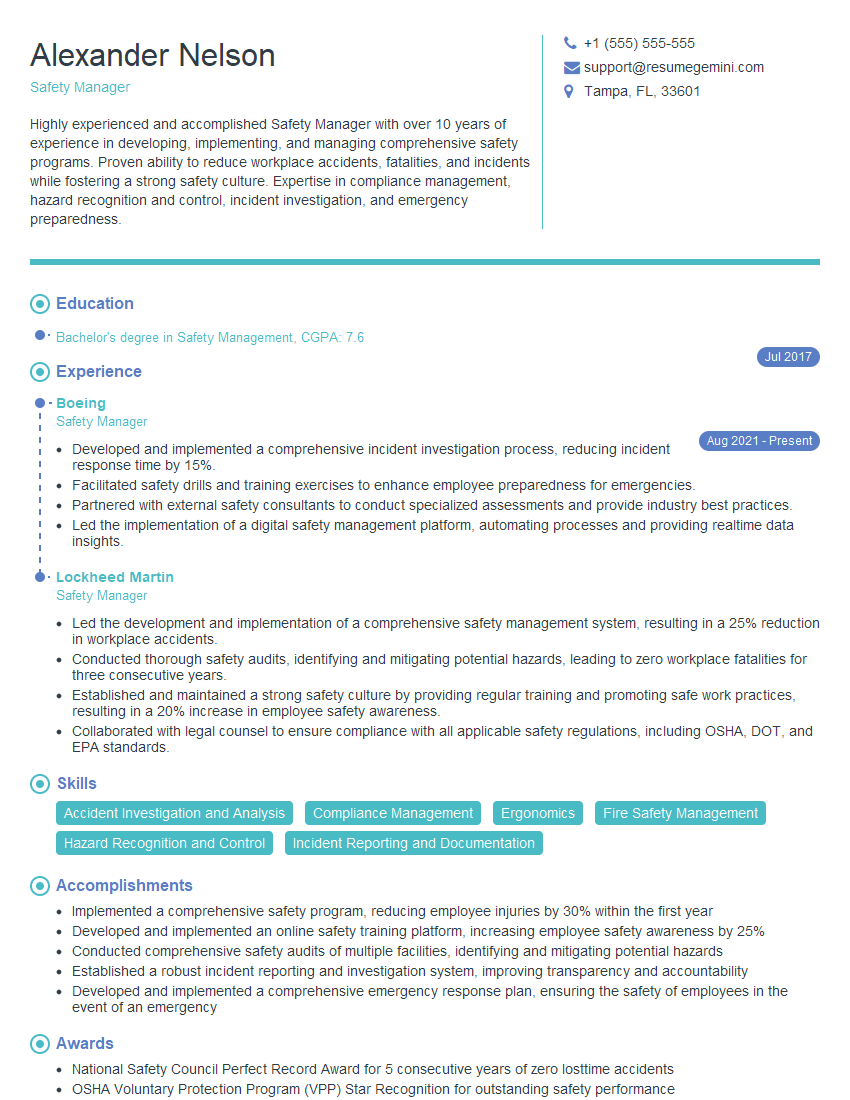
Safety Manager Resume Sample
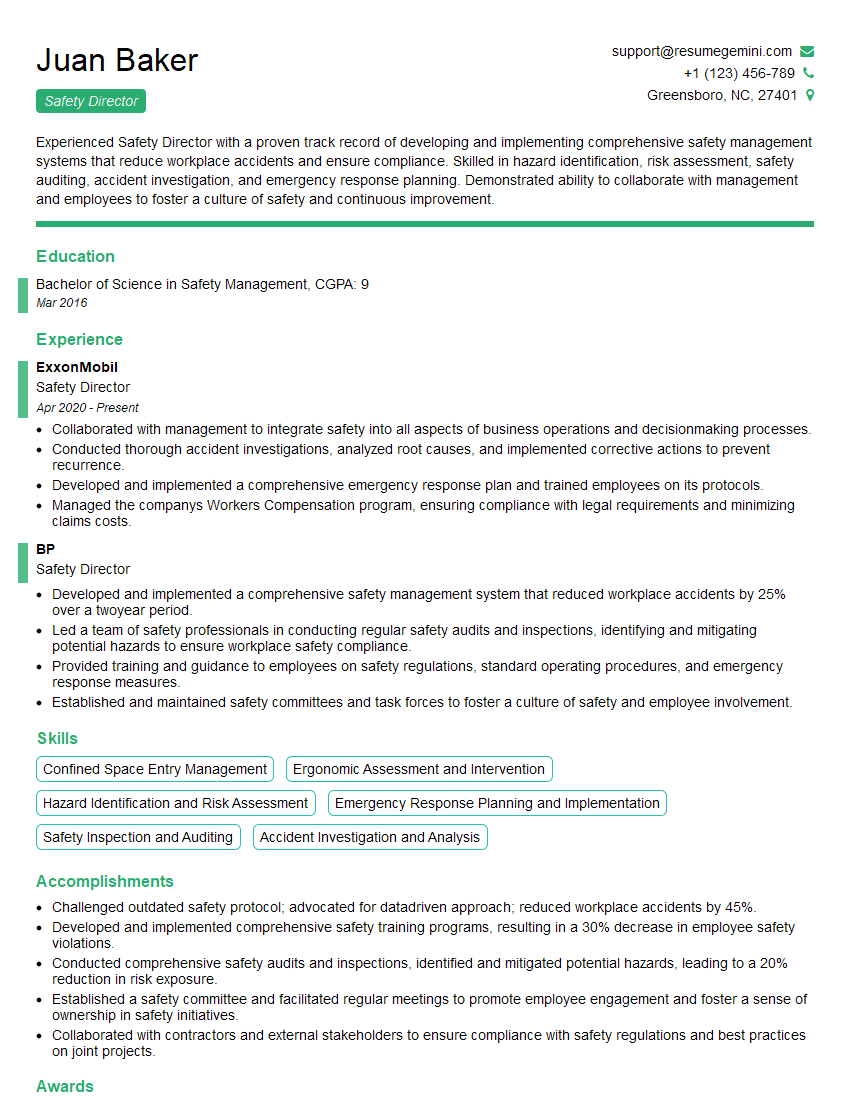
Safety Director Resume Sample
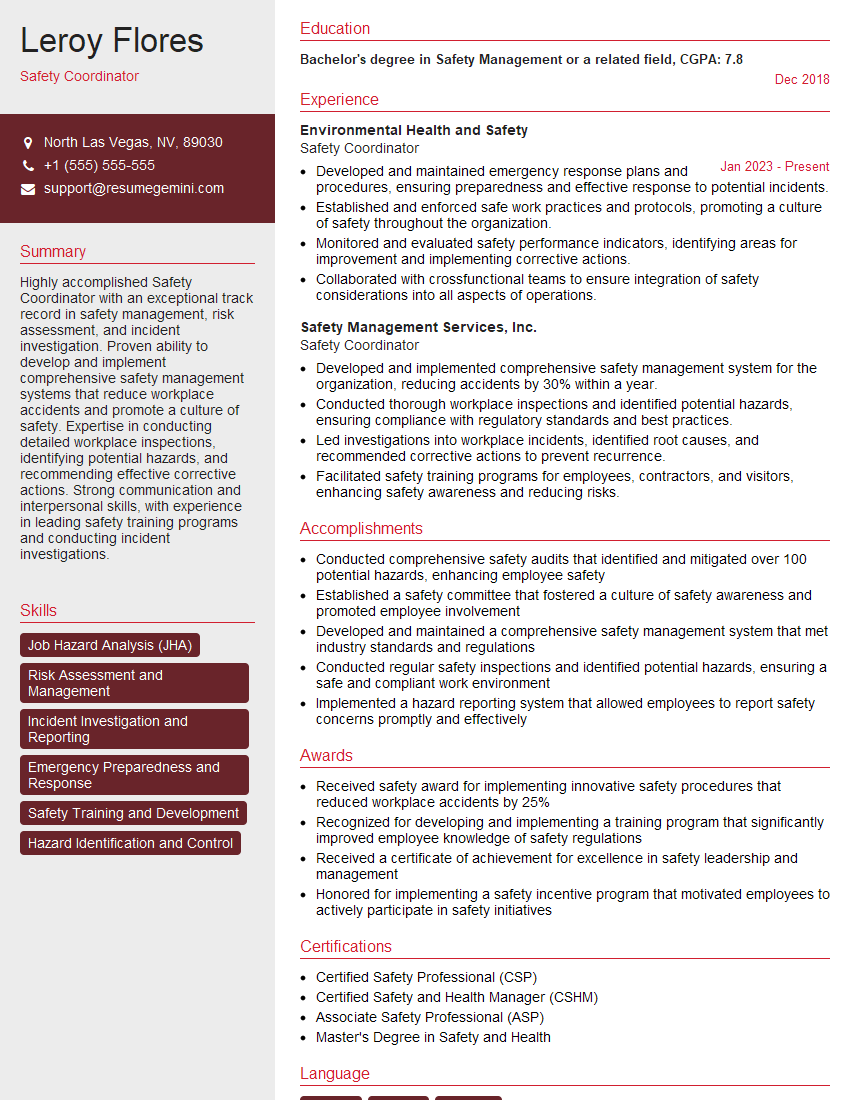
Safety Coordinator Resume Sample
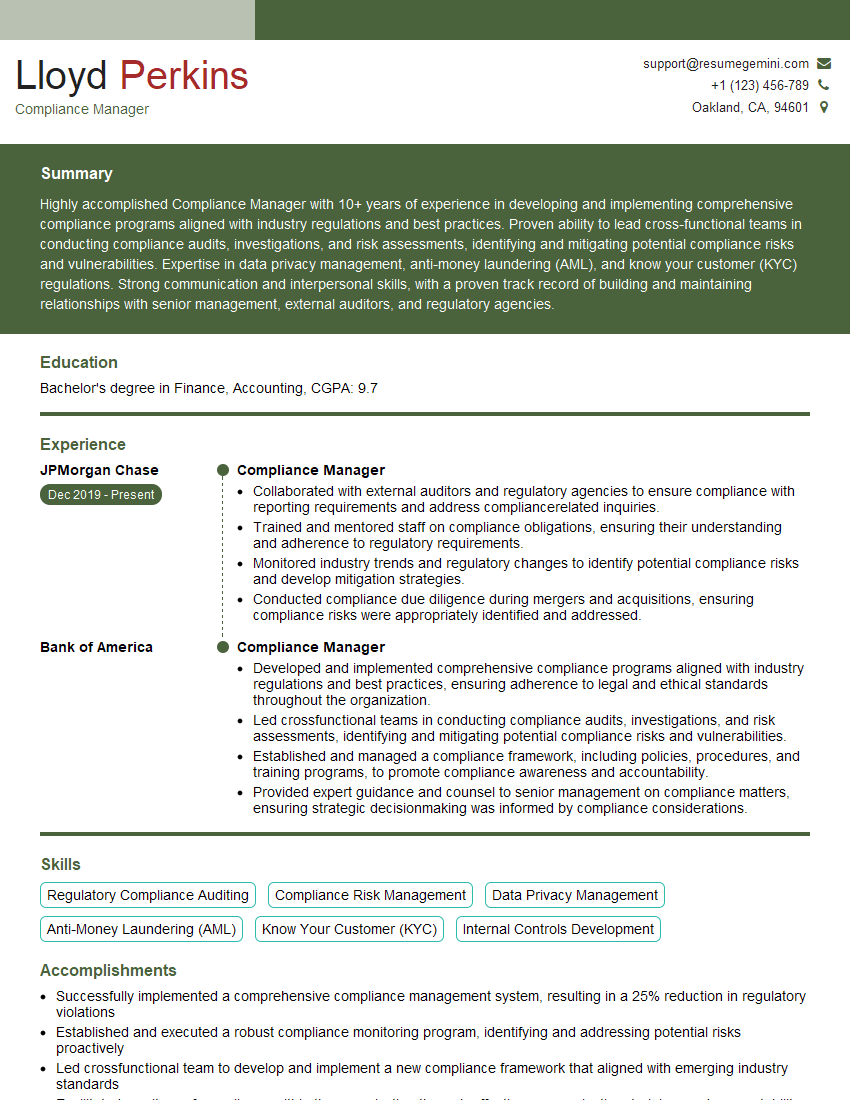
Compliance Manager Resume Sample
Compliance Officer Resume Sample
Risk Manager Resume Sample
Loss Prevention Manager Resume Sample
Regulatory Affairs Specialist Resume Sample
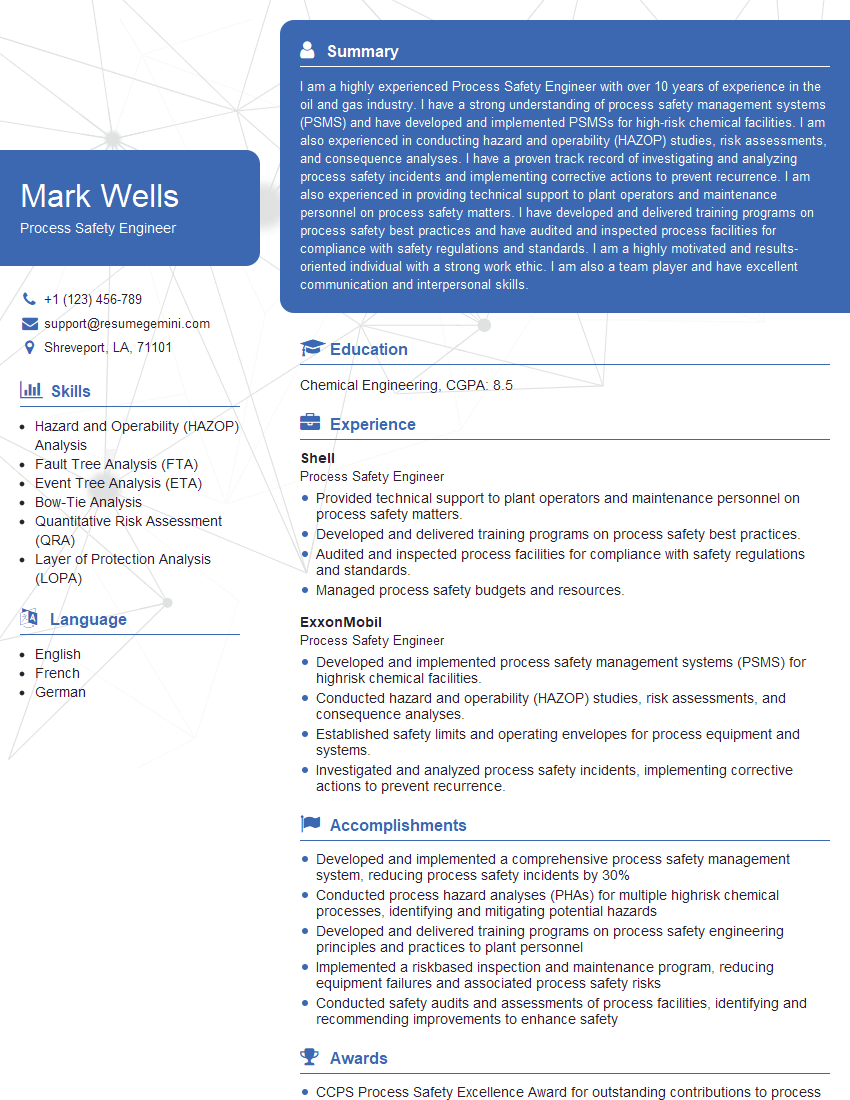
Process Safety Engineer Resume Sample
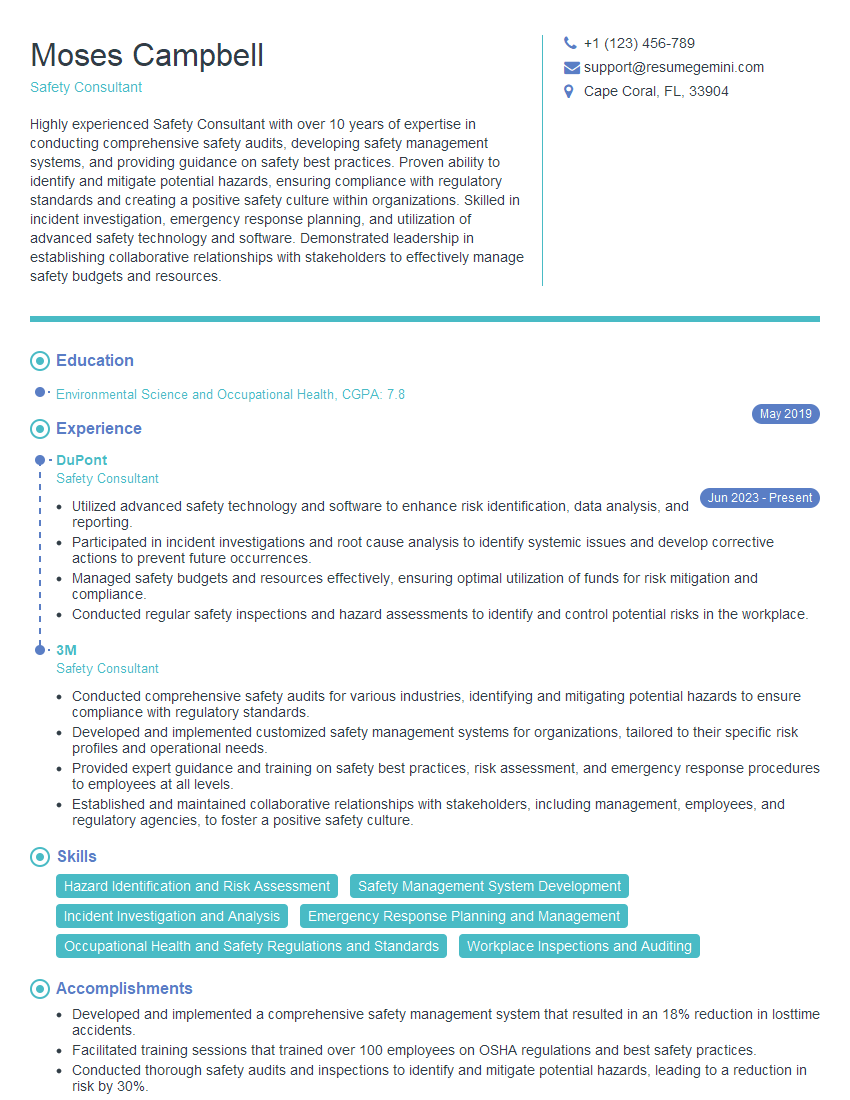
Safety Consultant Resume Sample
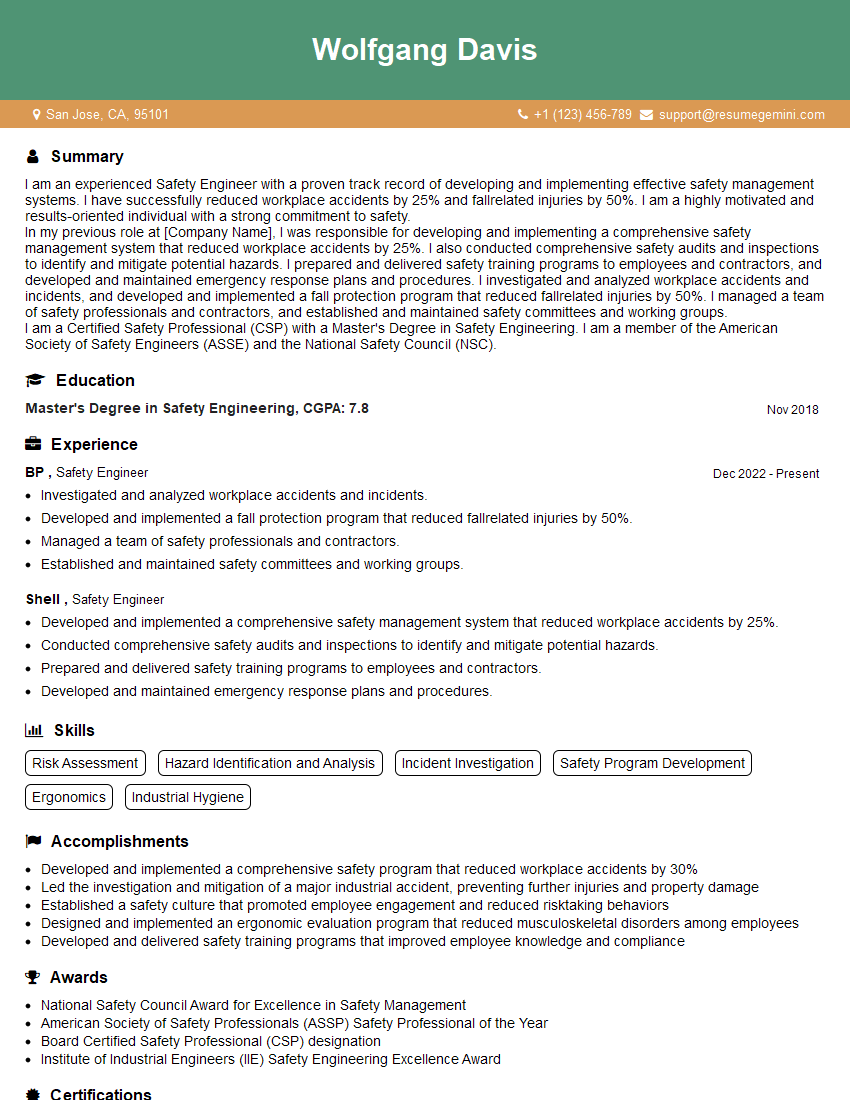
Safety Engineer Resume Sample
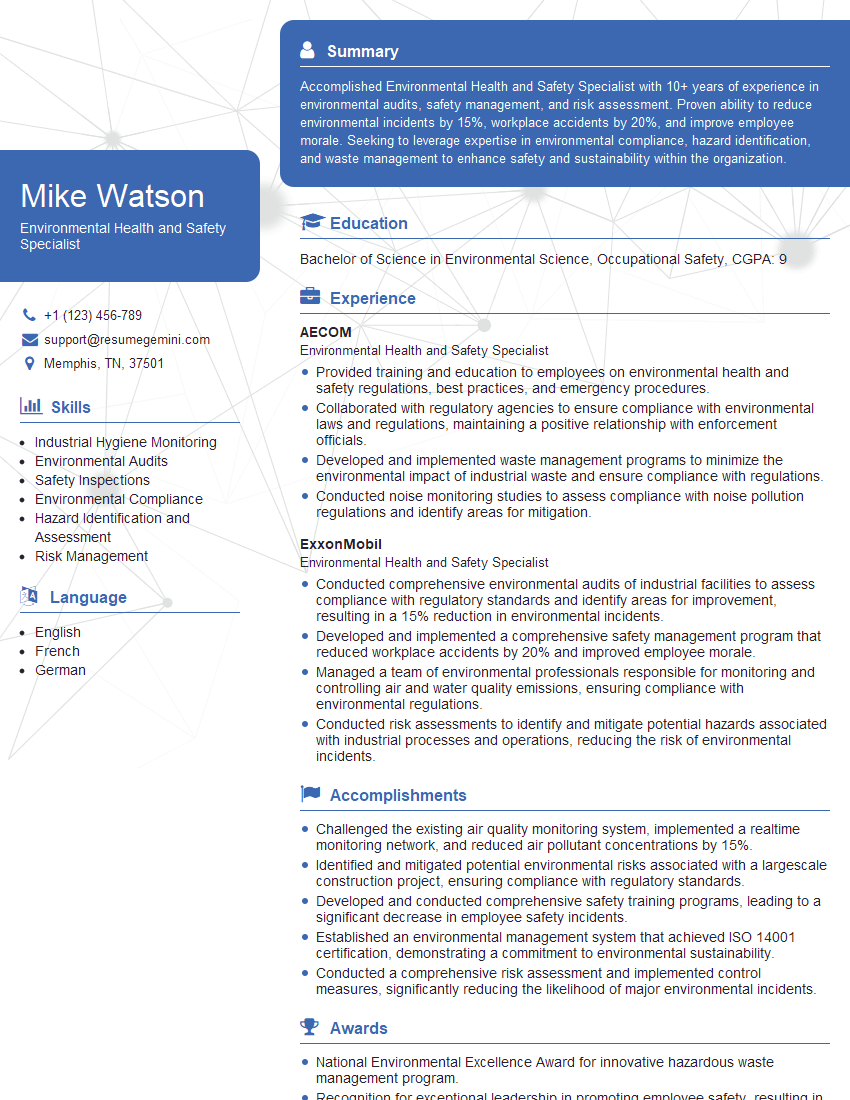
Environmental Health and Safety Specialist Resume Sample
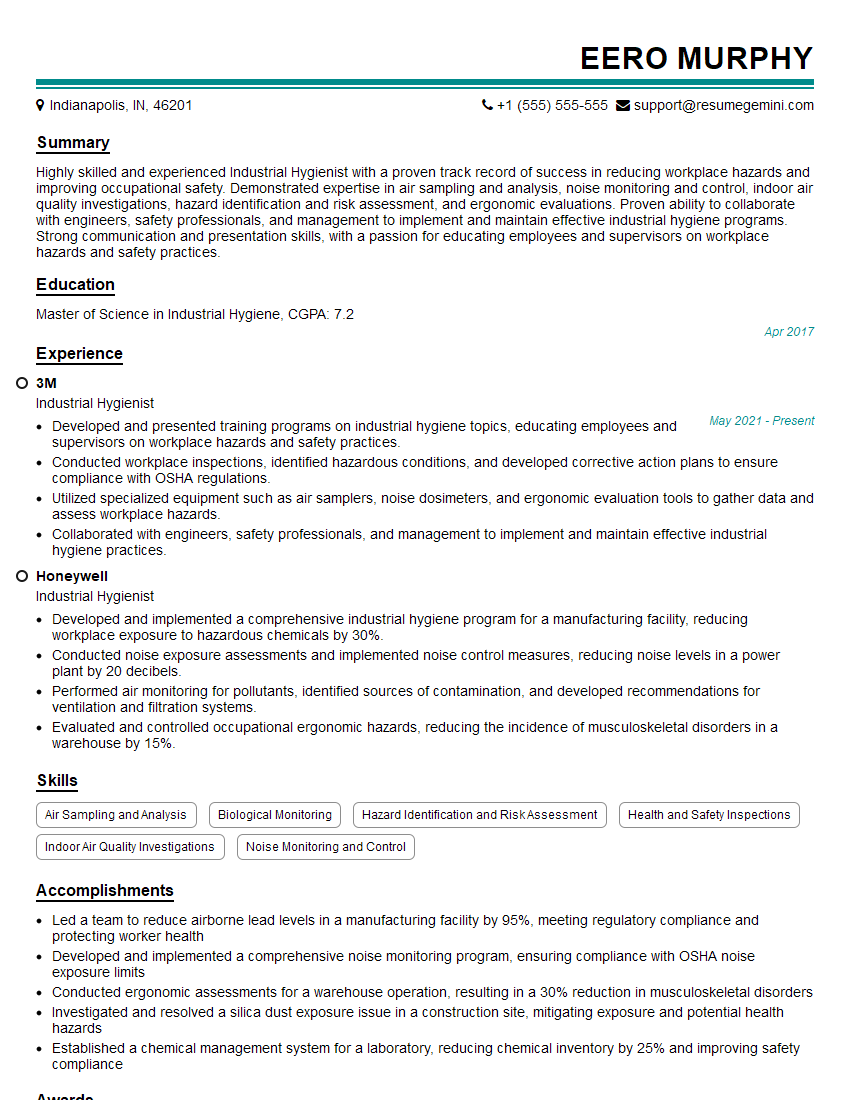
Industrial Hygienist Resume Sample
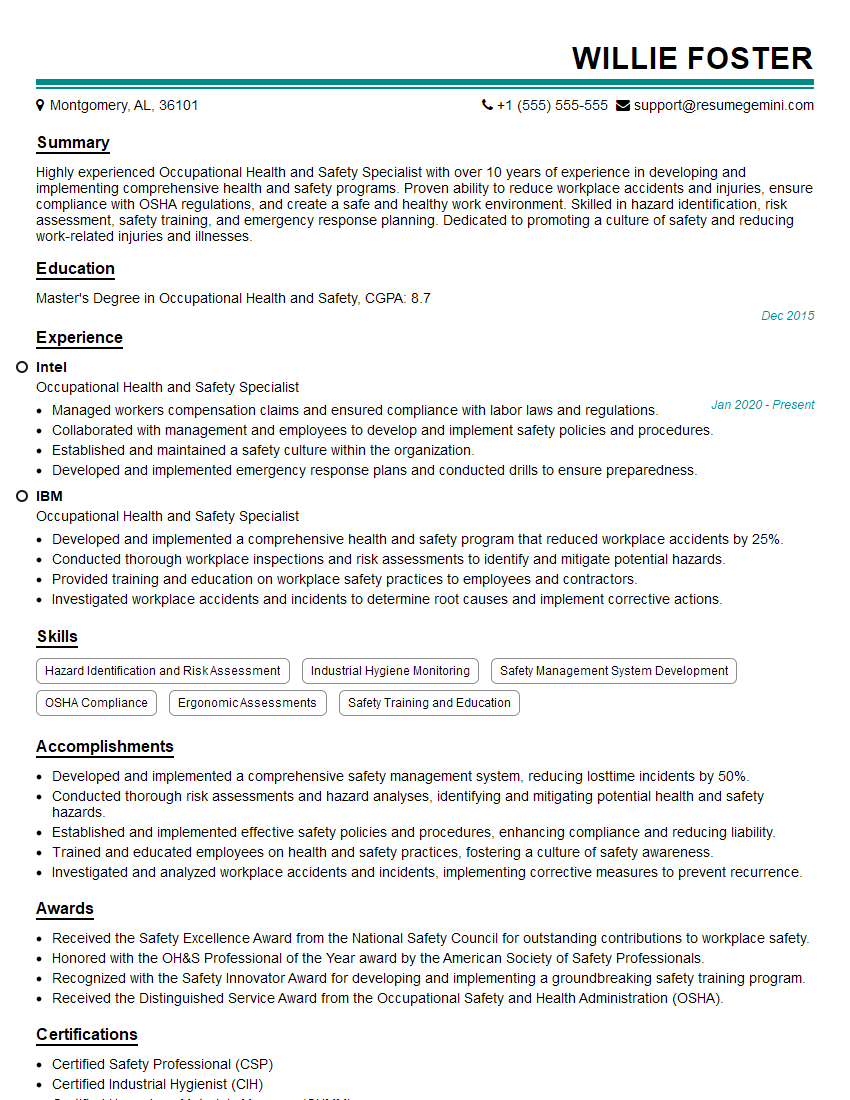
Occupational Health and Safety Specialist Resume Sample
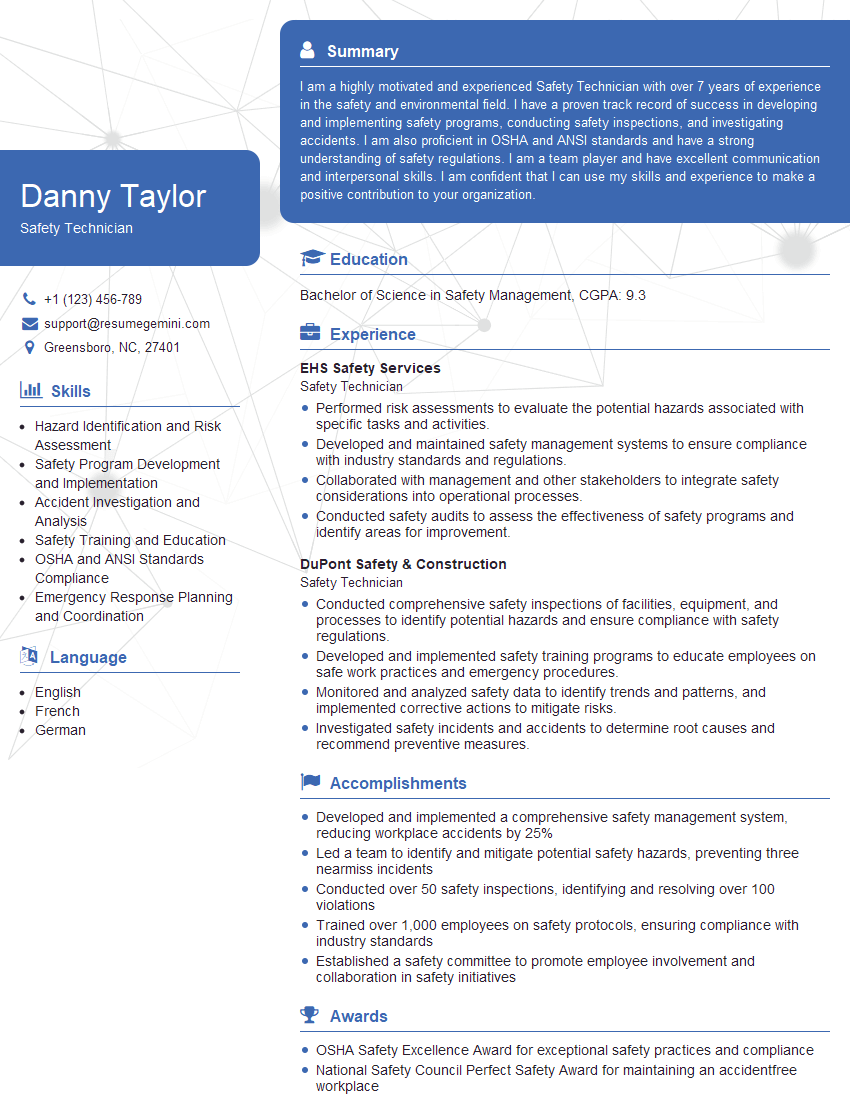
Safety Technician Resume Sample
- Safety Manager
- Safety Director
- Safety Coordinator
- Compliance Manager
- Compliance Officer
- Risk Manager
- Loss Prevention Manager
- Regulatory Affairs Specialist
- Process Safety Engineer
- Safety Consultant
- Safety Engineer
- Environmental Health and Safety Specialist
- Industrial Hygienist
- Occupational Health and Safety Specialist
- Safety Technician
Explore more articles
Users Rating of Our Blogs
Share Your Experience
We value your feedback! Please rate our content and share your thoughts (optional).
What Readers Say About Our Blog
Attention music lovers!
Wow, All the best Sax Summer music !!!
Spotify: https://open.spotify.com/artist/6ShcdIT7rPVVaFEpgZQbUk
Apple Music: https://music.apple.com/fr/artist/jimmy-sax-black/1530501936
YouTube: https://music.youtube.com/browse/VLOLAK5uy_noClmC7abM6YpZsnySxRqt3LoalPf88No
Other Platforms and Free Downloads : https://fanlink.tv/jimmysaxblack
on google : https://www.google.com/search?q=22+AND+22+AND+22
on ChatGPT : https://chat.openai.com?q=who20jlJimmy20Black20Sax20Producer
Get back into the groove with Jimmy sax Black
Best regards,
Jimmy sax Black
www.jimmysaxblack.com
Hi I am a troller at The aquatic interview center and I suddenly went so fast in Roblox and it was gone when I reset.
Hi,
Business owners spend hours every week worrying about their website—or avoiding it because it feels overwhelming.
We’d like to take that off your plate:
$69/month. Everything handled.
Our team will:
Design a custom website—or completely overhaul your current one
Take care of hosting as an option
Handle edits and improvements—up to 60 minutes of work included every month
No setup fees, no annual commitments. Just a site that makes a strong first impression.
Find out if it’s right for you:
https://websolutionsgenius.com/awardwinningwebsites
Hello,
we currently offer a complimentary backlink and URL indexing test for search engine optimization professionals.
You can get complimentary indexing credits to test how link discovery works in practice.
No credit card is required and there is no recurring fee.
You can find details here:
https://wikipedia-backlinks.com/indexing/
Regards
NICE RESPONSE TO Q & A
hi
The aim of this message is regarding an unclaimed deposit of a deceased nationale that bears the same name as you. You are not relate to him as there are millions of people answering the names across around the world. But i will use my position to influence the release of the deposit to you for our mutual benefit.
Respond for full details and how to claim the deposit. This is 100% risk free. Send hello to my email id: lukachachibaialuka@gmail.com
Luka Chachibaialuka
Hey interviewgemini.com, just wanted to follow up on my last email.
We just launched Call the Monster, an parenting app that lets you summon friendly ‘monsters’ kids actually listen to.
We’re also running a giveaway for everyone who downloads the app. Since it’s brand new, there aren’t many users yet, which means you’ve got a much better chance of winning some great prizes.
You can check it out here: https://bit.ly/callamonsterapp
Or follow us on Instagram: https://www.instagram.com/callamonsterapp
Thanks,
Ryan
CEO – Call the Monster App
Hey interviewgemini.com, I saw your website and love your approach.
I just want this to look like spam email, but want to share something important to you. We just launched Call the Monster, a parenting app that lets you summon friendly ‘monsters’ kids actually listen to.
Parents are loving it for calming chaos before bedtime. Thought you might want to try it: https://bit.ly/callamonsterapp or just follow our fun monster lore on Instagram: https://www.instagram.com/callamonsterapp
Thanks,
Ryan
CEO – Call A Monster APP
To the interviewgemini.com Owner.
Dear interviewgemini.com Webmaster!
Hi interviewgemini.com Webmaster!
Dear interviewgemini.com Webmaster!
excellent
Hello,
We found issues with your domain’s email setup that may be sending your messages to spam or blocking them completely. InboxShield Mini shows you how to fix it in minutes — no tech skills required.
Scan your domain now for details: https://inboxshield-mini.com/
— Adam @ InboxShield Mini
support@inboxshield-mini.com
Reply STOP to unsubscribe
Hi, are you owner of interviewgemini.com? What if I told you I could help you find extra time in your schedule, reconnect with leads you didn’t even realize you missed, and bring in more “I want to work with you” conversations, without increasing your ad spend or hiring a full-time employee?
All with a flexible, budget-friendly service that could easily pay for itself. Sounds good?
Would it be nice to jump on a quick 10-minute call so I can show you exactly how we make this work?
Best,
Hapei
Marketing Director
Hey, I know you’re the owner of interviewgemini.com. I’ll be quick.
Fundraising for your business is tough and time-consuming. We make it easier by guaranteeing two private investor meetings each month, for six months. No demos, no pitch events – just direct introductions to active investors matched to your startup.
If youR17;re raising, this could help you build real momentum. Want me to send more info?
Hi, I represent an SEO company that specialises in getting you AI citations and higher rankings on Google. I’d like to offer you a 100% free SEO audit for your website. Would you be interested?
Hi, I represent an SEO company that specialises in getting you AI citations and higher rankings on Google. I’d like to offer you a 100% free SEO audit for your website. Would you be interested?