Interviews are opportunities to demonstrate your expertise, and this guide is here to help you shine. Explore the essential Conducting site inspections interview questions that employers frequently ask, paired with strategies for crafting responses that set you apart from the competition.
Questions Asked in Conducting site inspections Interview
Q 1. Describe your experience in conducting pre-construction site inspections.
Pre-construction site inspections are crucial for identifying potential issues before construction begins, saving time and money down the line. My experience encompasses leading these inspections for diverse projects, from residential developments to large-scale commercial builds. I meticulously examine the site’s topography, existing utilities (checking for accurate location and condition of water lines, gas lines, electrical conduits etc.), and access points, ensuring they align with the design plans. I also assess soil conditions, potential environmental concerns, and the presence of any hidden obstructions, such as underground tanks or buried debris. For example, on a recent project, a pre-construction inspection revealed a previously undocumented underground spring, leading to the redesign of the foundation to prevent future water damage. This proactive approach avoided significant cost overruns and project delays.
Q 2. What are the key elements you check during a routine site inspection?
Routine site inspections are a continuous process aimed at ensuring project progress aligns with quality standards and safety regulations. Key elements I check include:
- Safety: This is paramount! I check for compliance with OSHA regulations, proper use of PPE (Personal Protective Equipment), secure scaffolding, functioning safety equipment (e.g., fire extinguishers), and adherence to site-specific safety plans.
- Quality of Workmanship: I verify that construction is following approved plans and specifications, materials meet quality standards, and the work is being executed correctly. I pay attention to details, like accurate measurements, correct installation of materials, and proper finishing work.
- Progress: I track the project’s progress against the schedule, highlighting any delays and identifying potential bottlenecks. This might involve reviewing daily logs, checking work completion percentages, and discussing progress with contractors.
- Material Management: I observe proper storage and handling of materials to prevent waste and damage. This is especially important for materials that are sensitive to weather conditions.
- Environmental Concerns: I check for proper waste disposal procedures, erosion control measures, and adherence to environmental regulations.
The frequency of these inspections varies based on the project’s phase and complexity, but regular monitoring ensures consistent quality and proactive problem-solving.
Q 3. How do you document your findings during a site inspection?
Thorough documentation is essential for accurate reporting and effective communication. My documentation process involves:
- Photographs and Videos: I take numerous high-resolution photos and videos to visually document the site’s condition, highlighting both positive aspects and areas needing attention. This includes close-up shots of potential defects.
- Detailed Checklists: I use pre-designed checklists to ensure consistent and comprehensive inspection coverage, recording observations and measurements. Checklists are tailored to the specific project phase and type.
- Written Reports: I compile a formal written report summarizing my findings, including all observations, measurements, photographs, and recommendations. These reports are clear, concise, and easy to understand.
- Digital Mapping: Using tablets and/or drones with mapping capabilities, I can create detailed maps pinpointing specific areas of concern. This is incredibly helpful for large, complex sites.
I ensure all documentation is accurately dated, time-stamped, and clearly labeled. A comprehensive system is essential for accountability and future reference.
Q 4. What software or tools do you utilize for site inspection reporting?
For efficient reporting and data management, I utilize several software tools. This includes:
- Project Management Software: Programs like Asana or Monday.com help track progress, manage tasks, and share updates with stakeholders.
- Mobile Inspection Apps: Apps specifically designed for site inspections (such as PlanGrid or Procore) allow for real-time data entry, photo uploads, and generation of reports directly on the field. These apps help streamline the process considerably.
- Spreadsheet Software: Excel or Google Sheets can assist with data organization and analysis, particularly for quantifiable data like material quantities or measurements.
- Cloud Storage: I utilize cloud storage services (such as Dropbox or Google Drive) for secure and convenient storage and sharing of documents, photos, and videos.
The choice of software depends on the project’s size and the specific needs of the project team. The key is choosing tools that integrate effectively to avoid data silos.
Q 5. Explain your process for identifying and reporting safety hazards on a site.
Identifying and reporting safety hazards is my top priority. My process involves a systematic approach:
- Proactive Observation: I actively scan the site, observing potential hazards during inspections. This includes looking for things like exposed wiring, unsecured materials, inadequate lighting, improperly stored chemicals, and unsafe work practices.
- Hazard Identification and Assessment: Once a hazard is identified, I assess its severity and potential impact on workers’ safety. I use industry-standard risk assessment methods for this.
- Immediate Action: For immediate hazards that pose a risk, I immediately inform the site supervisor or contractor to take corrective action. I may even need to halt work until the hazard is addressed.
- Detailed Documentation: I thoroughly document each hazard in my reports, including photographs, location, type of hazard, potential consequences, and recommended corrective actions. This documentation is crucial for accountability and follow-up.
- Follow-up: I follow up to ensure that corrective actions are completed appropriately. I conduct reinspections to verify that hazards have been eliminated.
Safety is not just a checklist item; it’s a fundamental principle that guides every aspect of my work. Examples of immediate actions taken include stopping work on a section with exposed wiring or ensuring appropriate fall protection is in place for workers at height.
Q 6. How do you handle discrepancies between design plans and on-site construction?
Discrepancies between design plans and on-site construction require careful handling. My approach involves:
- Careful Verification: First, I verify the discrepancy by comparing the on-site conditions to the approved design drawings and specifications. I check for possible errors in interpretation or measurement.
- Documentation: I meticulously document the discrepancy, including photographs, measurements, and a clear description of the difference. This documentation is crucial for resolving the issue.
- Communication: I immediately communicate the discrepancy to the relevant parties, including the project manager, architect, engineer, and contractor. Clear and concise communication prevents misunderstandings.
- Collaborative Resolution: I work collaboratively with the involved parties to determine the best course of action. This might involve minor adjustments on-site, revisions to the plans, or more extensive changes. The goal is to find a solution that maintains project quality, safety, and schedule.
- Formal Change Management: In many cases, significant discrepancies require formal change orders, carefully documented to maintain legal compliance and accurate project costing.
A real-world example involved a misalignment of a structural beam. We worked with the engineer to create a revised design, ensuring structural integrity without significant delays or cost overruns.
Q 7. Describe your experience with different types of site inspections (e.g., pre-construction, during construction, post-construction).
My experience spans all phases of site inspections: pre-construction, during construction, and post-construction. Each phase presents unique challenges and focuses:
- Pre-construction: As previously mentioned, this involves reviewing plans, assessing site conditions, and identifying potential challenges to avoid costly changes later. I look for things like easements, utility conflicts, and site access issues.
- During Construction: This is an ongoing process of monitoring the work’s progress, quality, and safety. I am concerned with compliance with building codes, schedule adherence, and proper construction methods.
- Post-construction: Post-construction inspections focus on verifying that the completed work meets the specifications, ensuring all systems are functioning correctly, and identifying any necessary repairs or clean-up. I may check for things like building code compliance, correct installation of systems, and final finish quality.
My expertise allows me to seamlessly transition between these phases, providing a holistic perspective throughout the entire project lifecycle. Understanding each phase’s unique requirements ensures the project’s successful completion.
Q 8. How do you prioritize findings during a site inspection?
Prioritizing findings during a site inspection is crucial for effective risk management and project success. I use a risk-based approach, prioritizing findings based on their potential impact on safety, schedule, budget, and quality. This involves a three-step process:
- Immediate Safety Hazards: Anything posing an immediate threat to life or limb – like exposed wiring, unsecured scaffolding, or improperly stored hazardous materials – takes top priority. These are addressed immediately and documented as such.
- Critical Issues: These affect the project’s success but aren’t immediate safety hazards. Examples include major structural defects, significant deviations from plans, or issues likely to cause significant delays or cost overruns. These need prompt attention and mitigation plans.
- Minor Issues: These are less impactful but still need addressing to maintain quality and prevent escalation. These might be minor cosmetic issues, minor deviations from specifications, or organizational problems like poor housekeeping. These are often prioritized based on their potential for future problems.
Think of it like a hospital triage – the most critical cases get seen first. I use a scoring system to help quantify the risk level of each finding, making the prioritization process transparent and defensible.
Q 9. What methods do you use to communicate inspection findings to relevant stakeholders?
Communication is key. I utilize a multi-faceted approach to ensure all stakeholders receive inspection findings clearly and promptly. This includes:
- Formal Inspection Reports: Detailed, written reports with photographs and supporting documentation are distributed to the project manager, contractor, client, and other relevant parties. These reports clearly state the findings, their severity, and recommended corrective actions.
- On-site Debriefings: I conduct immediate post-inspection debriefings with the relevant contractor personnel to discuss findings face-to-face. This allows for immediate clarification, avoids misunderstandings, and facilitates quick resolution.
- Email Updates: For less critical issues or updates, emails provide a quick and efficient means of communication.
- Project Management Software: Many projects use project management software (e.g., Procore, BIM 360) where findings can be logged, tracked, and addressed directly within the platform, providing central visibility and facilitating collaboration.
The method I choose depends on the urgency and complexity of the findings. The ultimate goal is clear, timely, and effective communication to facilitate prompt corrective action.
Q 10. How do you ensure the accuracy and completeness of your inspection reports?
Accuracy and completeness are paramount. I ensure this through several measures:
- Detailed Checklists: Using pre-prepared checklists ensures consistent coverage of all critical areas. I customize these checklists based on the specific project and its phase.
- Thorough Documentation: I take detailed notes, photographs, and video recordings to support all findings. This documentation forms the foundation of the report.
- Independent Verification: When possible, I have another inspector review my findings and the report for accuracy and consistency. This helps catch any oversights or errors.
- Reference to Plans and Specifications: All findings are cross-referenced to the project plans, specifications, and codes to ensure objectivity and demonstrate compliance or non-compliance.
- Version Control: I use a version control system for my reports to track changes and ensure the final version is the most accurate and up-to-date.
This multi-layered approach minimizes errors and strengthens the credibility and defensibility of my inspection reports.
Q 11. Explain your experience with using checklists and forms during site inspections.
Checklists and forms are indispensable tools. They ensure consistency, completeness, and efficiency. I use customized checklists tailored to specific project phases and types of inspections. For example, a checklist for a foundation inspection would differ greatly from one for a roofing inspection. These checklists typically include:
- Specific Inspection Items: Detailed descriptions of items to inspect (e.g., ‘Check for cracks in foundation walls’).
- Acceptance Criteria: Clear criteria for determining whether an item meets the required standards (e.g., ‘Cracks less than 1/8 inch wide are acceptable’).
- Spaces for Observations: Areas for recording findings, measurements, and photographs.
- Severity Ratings: Sections to indicate the severity of any non-compliances.
Using digital forms allows for easy data entry and reporting. Example: A digital form could automatically generate a summary report based on the checklist responses. Forms help to standardize the inspection process, improve data analysis, and reduce the risk of errors.
Q 12. How do you deal with contractors who are resistant to your inspection findings?
Dealing with resistant contractors requires a professional and diplomatic approach. I start by:
- Clearly Explaining the Findings: I explain the findings in a non-confrontational manner, focusing on the facts and referencing the plans, specifications, and relevant codes.
- Demonstrating the Risk: I highlight the potential consequences of ignoring the findings, including safety risks, delays, cost overruns, and potential legal ramifications.
- Offering Solutions: Instead of simply pointing out problems, I offer practical suggestions for corrective action. This collaborative approach fosters a more positive and productive dialogue.
- Escalating if Necessary: If dialogue fails, I escalate the issue to the project manager or client. Documentation of the findings, communication, and attempts at resolution is critical in these cases.
The goal is to resolve the issues collaboratively. However, safety and project success are non-negotiable. Strong documentation is vital to support any necessary escalation.
Q 13. What are your strategies for maintaining effective communication on a construction site?
Maintaining effective communication on a construction site is crucial. I employ a proactive approach that includes:
- Regular Meetings: Attending regular site meetings with the project team ensures I’m aware of the project’s progress, challenges, and upcoming tasks. This allows me to anticipate potential issues and tailor my inspections accordingly.
- Open Communication Channels: I’m readily available to answer questions and address concerns from all site personnel. This builds trust and encourages proactive reporting of potential problems.
- Clear and Concise Communication: I avoid technical jargon and ensure my communication is clear, concise, and easily understood by all parties.
- Visual Aids: Using photos and diagrams in my communication enhances understanding and helps clarify complex issues.
- Documentation: Maintaining thorough records of all communication ensures a transparent and accountable process.
A proactive and communicative approach fosters a collaborative environment where issues are identified and resolved swiftly and efficiently.
Q 14. Describe a time when you had to make a critical decision during a site inspection.
During an inspection of a high-rise building’s structural steel framework, I discovered a significant welding defect. The defect was located at a critical stress point and posed a significant safety hazard. Initial assessments by the contractor downplayed the risk. My critical decision was to immediately halt further work on that section of the building until a qualified structural engineer could independently assess the defect’s severity. This was a costly decision, but protecting worker safety and preventing catastrophic failure were paramount. I documented the findings extensively, including photographic evidence, and presented my findings to the project manager and client. The engineer’s assessment confirmed my concerns, resulting in the repair of the defect before further construction could proceed. This event highlighted the importance of assertive decision-making in situations involving safety risks, even if it means short-term disruptions.
Q 15. How familiar are you with relevant building codes and regulations?
My familiarity with building codes and regulations is extensive. I’ve worked extensively with the International Building Code (IBC), local amendments, and specialized codes relevant to different construction types, such as those for fire safety, accessibility (ADA), and energy efficiency. I regularly consult these codes and stay updated on revisions through professional development courses and subscriptions to relevant publications. Understanding these codes isn’t just about rote memorization; it’s about applying them to specific site conditions and recognizing potential conflicts or deviations. For example, I recently identified a discrepancy between the approved plans and the actual installation of fire suppression systems on a multi-family residential project, a detail easily missed without a thorough understanding of the relevant fire codes.
Career Expert Tips:
- Ace those interviews! Prepare effectively by reviewing the Top 50 Most Common Interview Questions on ResumeGemini.
- Navigate your job search with confidence! Explore a wide range of Career Tips on ResumeGemini. Learn about common challenges and recommendations to overcome them.
- Craft the perfect resume! Master the Art of Resume Writing with ResumeGemini’s guide. Showcase your unique qualifications and achievements effectively.
- Don’t miss out on holiday savings! Build your dream resume with ResumeGemini’s ATS optimized templates.
Q 16. How do you ensure the safety of yourself and others during a site inspection?
Safety is paramount during a site inspection. My approach is multifaceted. Before any inspection, I conduct a thorough site risk assessment, identifying potential hazards like exposed wires, unstable structures, or hazardous materials. I always wear appropriate personal protective equipment (PPE), which might include hard hats, safety glasses, high-visibility clothing, and steel-toed boots, depending on the site conditions. I also communicate clearly with site personnel, ensuring everyone understands the inspection plan and any potential safety concerns. I follow established site safety protocols and never hesitate to halt an inspection if I identify an immediate safety threat. For example, during an inspection of a demolition site, I immediately stopped the work when I observed unsafe demolition practices and raised the issue with the contractor.
Q 17. Describe your experience with using specialized inspection equipment (e.g., surveying tools, testing instruments).
I’m proficient in using a variety of specialized inspection equipment. This includes total stations and laser levels for accurate surveying and dimensioning, moisture meters to detect water damage in walls or floors, infrared cameras for identifying thermal anomalies that could indicate insulation problems or electrical faults, and ultrasonic flaw detectors for non-destructive testing of concrete structures. I also utilize advanced software for data analysis and report generation. For instance, using a total station, I recently precisely measured the deflection of a beam in a new building, allowing for early detection and mitigation of a potential structural problem.
Q 18. What is your experience with different types of construction materials and their inspection requirements?
My experience encompasses a wide range of construction materials, including concrete, steel, wood, masonry, and various types of insulation and roofing materials. I understand the typical failure modes, degradation mechanisms, and inspection requirements for each material. For example, I know how to assess the integrity of concrete by examining its surface for cracks, spalling, or discoloration, and I can interpret the results of concrete compressive strength tests. Similarly, I’m adept at identifying signs of wood rot, termite damage, or improper framing techniques. This knowledge allows me to pinpoint potential defects and recommend corrective actions.
Q 19. Explain your approach to managing multiple concurrent site inspections.
Managing multiple concurrent site inspections requires meticulous planning and organization. I utilize project management software to schedule inspections efficiently, track progress, and manage deadlines. I prioritize inspections based on urgency and potential risk, assigning resources accordingly. Clear communication with clients and contractors is vital to ensure everyone is informed about scheduling changes or any unforeseen issues. A key aspect is documenting everything meticulously—using digital tools and software for seamless information management and report generation.
Q 20. How do you handle unexpected situations or emergencies during a site inspection?
Unexpected situations during site inspections are commonplace. My response depends on the nature of the emergency. If it involves a safety hazard, my first priority is ensuring the safety of everyone on-site, immediately halting work if necessary and contacting the appropriate authorities. For less critical issues, I adapt my inspection plan, making necessary adjustments to accommodate the unforeseen circumstances. Documentation is crucial in these cases, accurately recording the event, actions taken, and any resulting impacts. For example, I once encountered a sudden power outage during an electrical inspection; I immediately secured the area, communicated the situation to the client and contractor, and rescheduled the remaining inspection to a safer time.
Q 21. What are your skills in identifying potential construction defects?
Identifying potential construction defects requires a keen eye for detail and a solid understanding of construction practices and building science. I systematically examine all aspects of a project, from the foundation to the roof, looking for inconsistencies, deviations from plans, or signs of material degradation. My approach involves visual inspection, but I also leverage specialized tools to help me detect hidden problems. For instance, I might use a moisture meter to detect hidden water damage, or an infrared camera to identify thermal bridging in insulation. I thoroughly document all findings, including photographs and detailed descriptions, ensuring that my reports are comprehensive and actionable.
Q 22. How do you stay updated on industry best practices and changes in regulations?
Staying current in the construction industry is crucial. I employ a multi-pronged approach. Firstly, I actively participate in professional organizations like the American Society of Civil Engineers (ASCE) and attend their conferences and webinars. These events provide invaluable updates on the latest best practices, emerging technologies, and regulatory changes. Secondly, I subscribe to relevant industry publications and journals, keeping abreast of research findings and case studies. Thirdly, I maintain a network of colleagues and experts, engaging in regular discussions and knowledge sharing. Finally, I regularly review and update my own professional development plan, ensuring I dedicate time to learning and upskilling in critical areas.
For example, recently I attended a webinar on the updated OSHA regulations concerning fall protection, which immediately impacted my site inspection checklists and reporting procedures. This proactive approach ensures I’m always working with the latest and safest methods.
Q 23. Describe your experience with conflict resolution on a construction site.
Conflict resolution is an inherent part of construction site management. In one instance, a subcontractor’s work schedule conflicted with another, causing a significant delay. Instead of escalating, I facilitated a meeting involving both subcontractors, the project manager, and myself. We collaboratively reviewed the schedules, identified the root cause of the conflict – a lack of clear communication regarding material delivery times – and worked out a revised timeline that accommodated both parties. This approach, centered around clear communication and mutual respect, resulted in a solution that minimized disruption and maintained project momentum. Key to successful conflict resolution is active listening, empathy, a focus on finding common ground, and documentation of agreements.
Q 24. How do you balance the need for thorough inspection with project timelines?
Balancing thoroughness with project timelines requires a strategic approach. Before each inspection, I develop a prioritized checklist based on critical risk areas and project phase. I then allocate specific time slots for various sections of the site, focusing on high-risk areas first. Using mobile technology with image capturing and annotation capabilities allows for efficient documentation and saves time later in report writing. Furthermore, I regularly communicate my findings and potential delays promptly to the project manager, facilitating proactive problem-solving rather than reactive crisis management. Think of it like a doctor’s appointment – efficient examination with focus on key issues, followed by timely communication of diagnosis and treatment plan.
Q 25. What is your experience with working with different project teams and stakeholders?
I’ve had extensive experience collaborating with diverse project teams, including architects, engineers, contractors, subcontractors, and clients. Effective communication is paramount. I adapt my communication style to different individuals and groups, ensuring clarity and understanding. For instance, while detailed technical explanations are necessary for engineers, concise summaries are sufficient for clients. Building strong relationships based on trust and mutual respect is equally vital. This involves active listening, valuing each person’s perspective, and fostering a collaborative environment where everyone feels heard and respected. This collaborative approach leads to smoother project execution and better outcomes.
Q 26. Explain your understanding of quality control procedures in construction.
Quality control in construction is a multifaceted process aimed at ensuring the final product meets the specified requirements. This involves a series of checks and balances throughout the entire project lifecycle. It begins with verifying material quality upon delivery, then moves to in-process inspections to ensure adherence to plans and specifications. This often includes visual inspections, dimensional checks, and material testing. Furthermore, regular safety inspections are integral to quality control, ensuring a safe work environment. Finally, a rigorous inspection is conducted upon project completion to verify the overall quality and compliance with all regulations. Documentation at every stage is vital, forming the basis for project audits and ensuring accountability.
Q 27. How do you ensure that your inspection reports are clear, concise, and easy to understand?
Clarity and conciseness are critical in inspection reports. I structure my reports logically, using clear headings and subheadings, with numbered points to break down findings. I avoid technical jargon whenever possible, opting for plain language easily understood by all stakeholders. I utilize visuals such as photos and diagrams to illustrate findings, making the reports more engaging and easily digestible. I also provide clear recommendations for corrective actions, ensuring the report is not just a record of issues but also a roadmap for improvement. Finally, I always proofread carefully before distribution to maintain professionalism.
Q 28. What are your salary expectations for this role?
My salary expectations are commensurate with my experience and skills in the field of construction site inspection. Considering my background and the demands of this role, I am targeting a salary range of [Insert Salary Range Here]. However, I am open to discussing this further based on the specifics of the position and the compensation package offered.
Key Topics to Learn for Conducting Site Inspections Interview
- Safety Regulations and Procedures: Understanding and applying relevant safety regulations, including OSHA guidelines, and implementing safe work practices during inspections.
- Inspection Methodologies: Mastering various inspection techniques, from visual inspections to the use of specialized equipment, and documenting findings accurately and comprehensively.
- Data Collection and Analysis: Efficiently gathering data through observation, measurements, and testing; analyzing this data to identify potential hazards, code violations, or areas needing improvement.
- Reporting and Communication: Clearly and concisely communicating inspection findings through detailed reports, using appropriate terminology and visual aids (photos, diagrams). Effectively presenting findings to clients or supervisors.
- Problem-Solving and Decision-Making: Identifying and analyzing potential problems revealed during inspections; proposing practical solutions and making informed decisions based on safety, cost, and project timelines.
- Relevant Codes and Standards: Demonstrating familiarity with building codes, industry standards, and best practices related to site inspections in your specific field (e.g., construction, environmental, etc.).
- Technology and Tools: Understanding and utilizing relevant technologies and tools used in site inspections, such as drones, thermal imaging cameras, or specialized software for data management.
- Legal and Contractual Aspects: Understanding the legal implications of site inspections and the contractual obligations associated with reporting and liability.
Next Steps
Mastering the art of conducting site inspections opens doors to exciting career advancements and higher earning potential. Your expertise in identifying potential issues and ensuring compliance is highly valued across numerous industries. To maximize your job prospects, creating a strong, ATS-friendly resume is crucial. ResumeGemini is a trusted resource that can help you build a compelling resume that highlights your skills and experience effectively. We provide examples of resumes tailored specifically to Conducting Site Inspections to help you showcase your qualifications. Invest time in crafting a professional resume – it’s your first impression on potential employers.
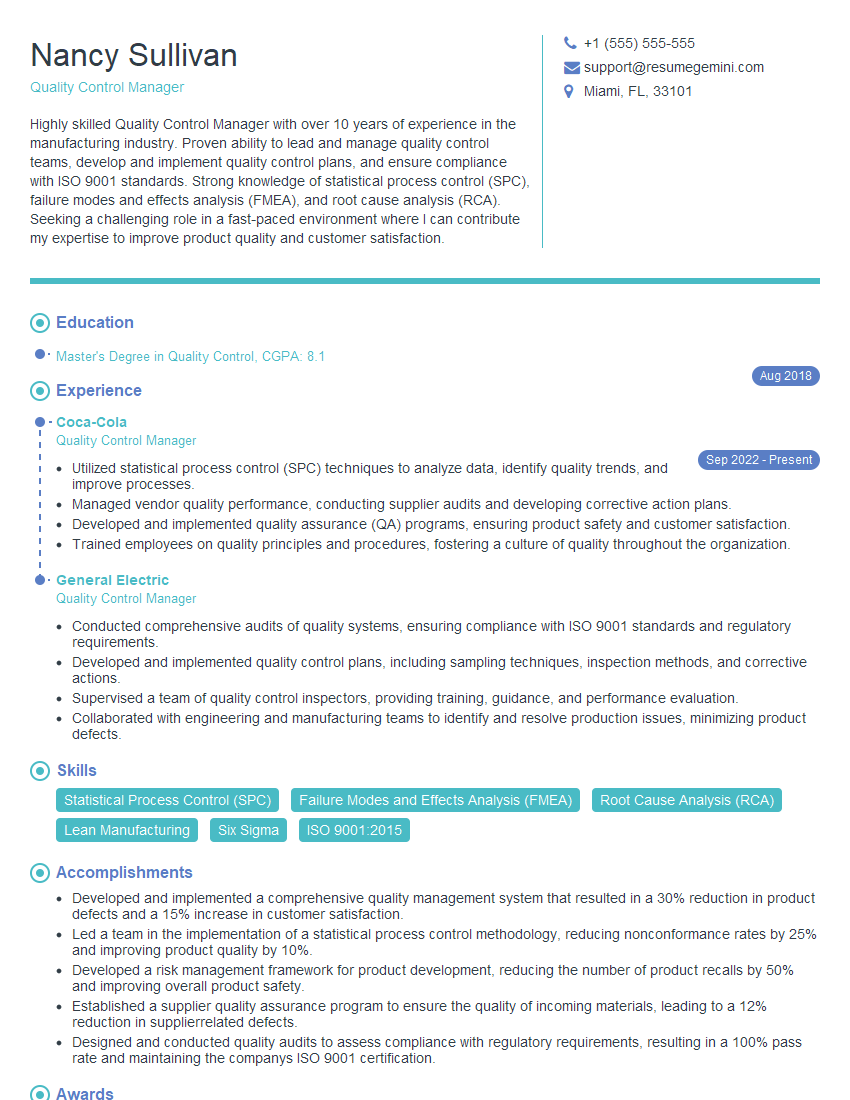
Quality Control Manager Resume Sample
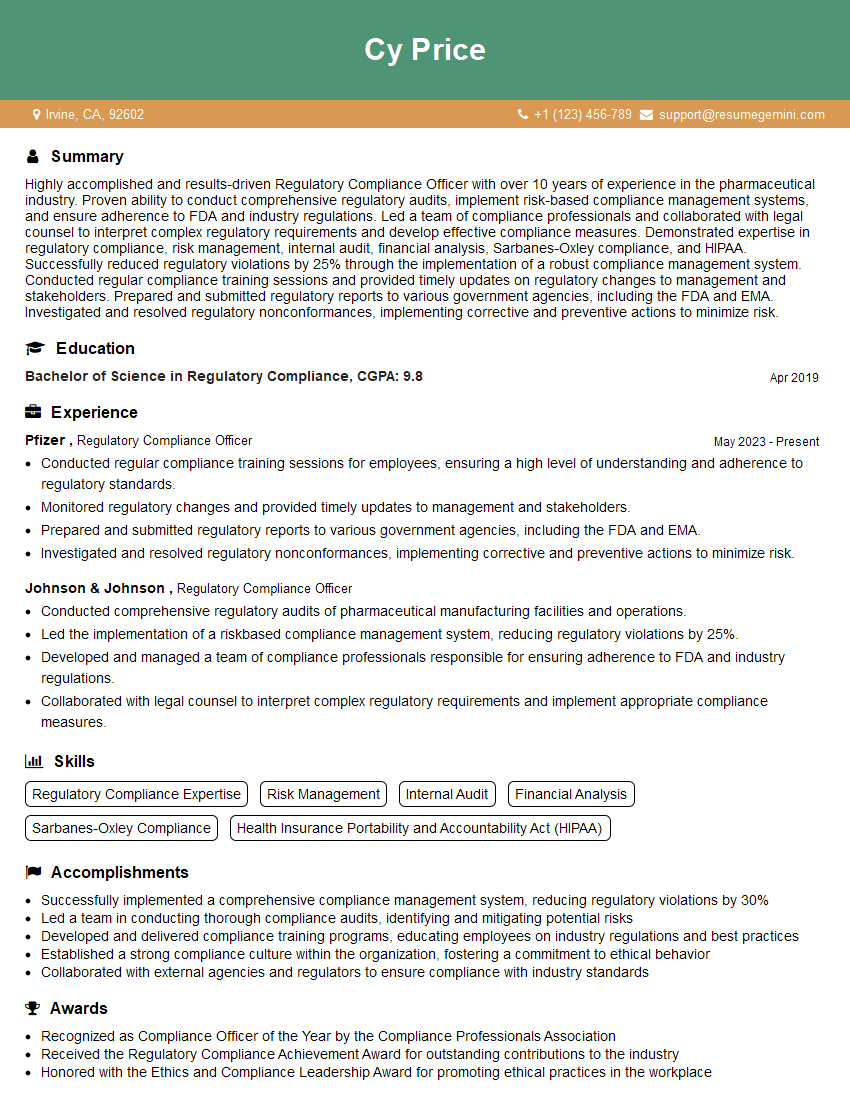
Regulatory Compliance Officer Resume Sample
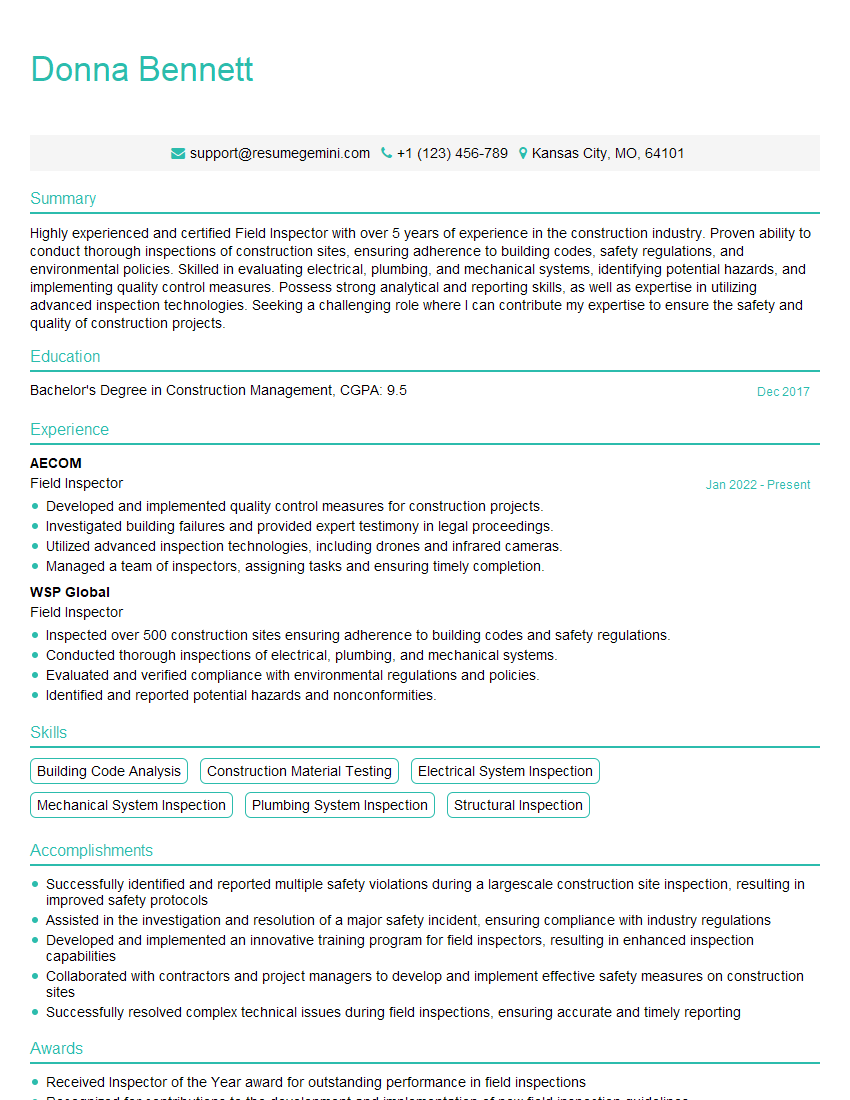
Field Inspector Resume Sample
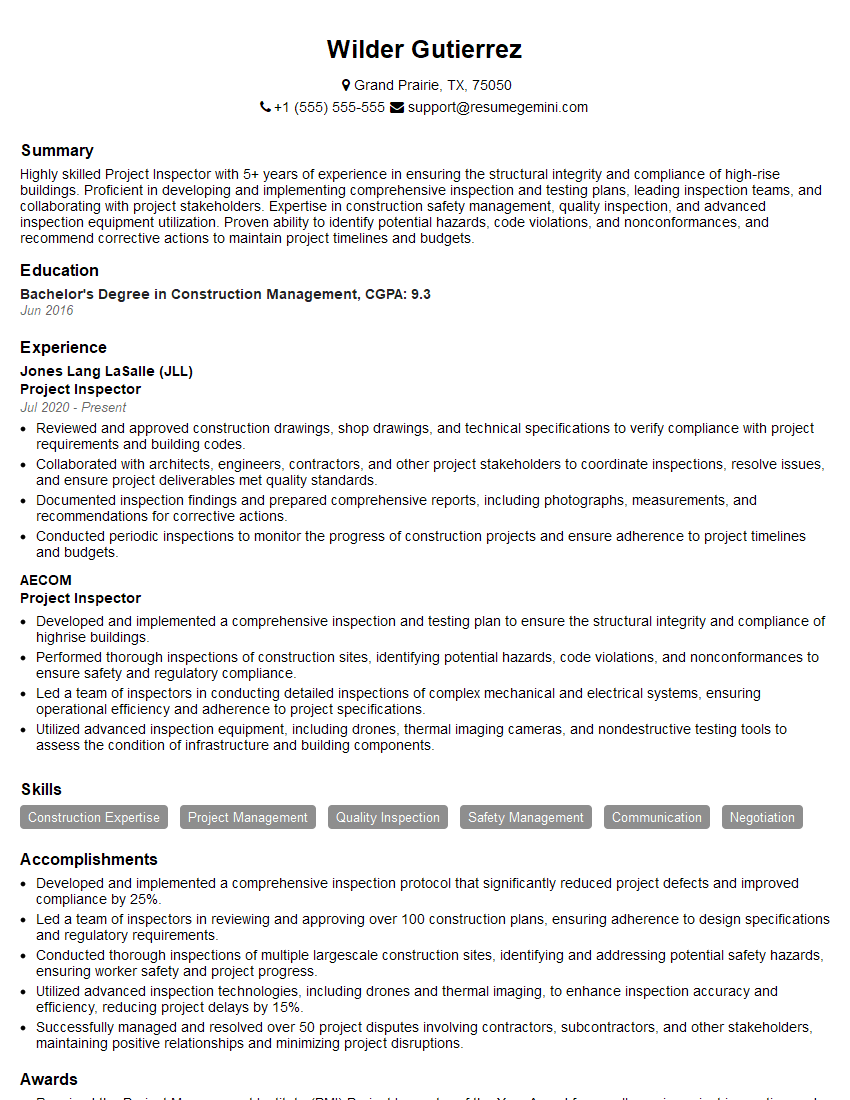
Project Inspector Resume Sample
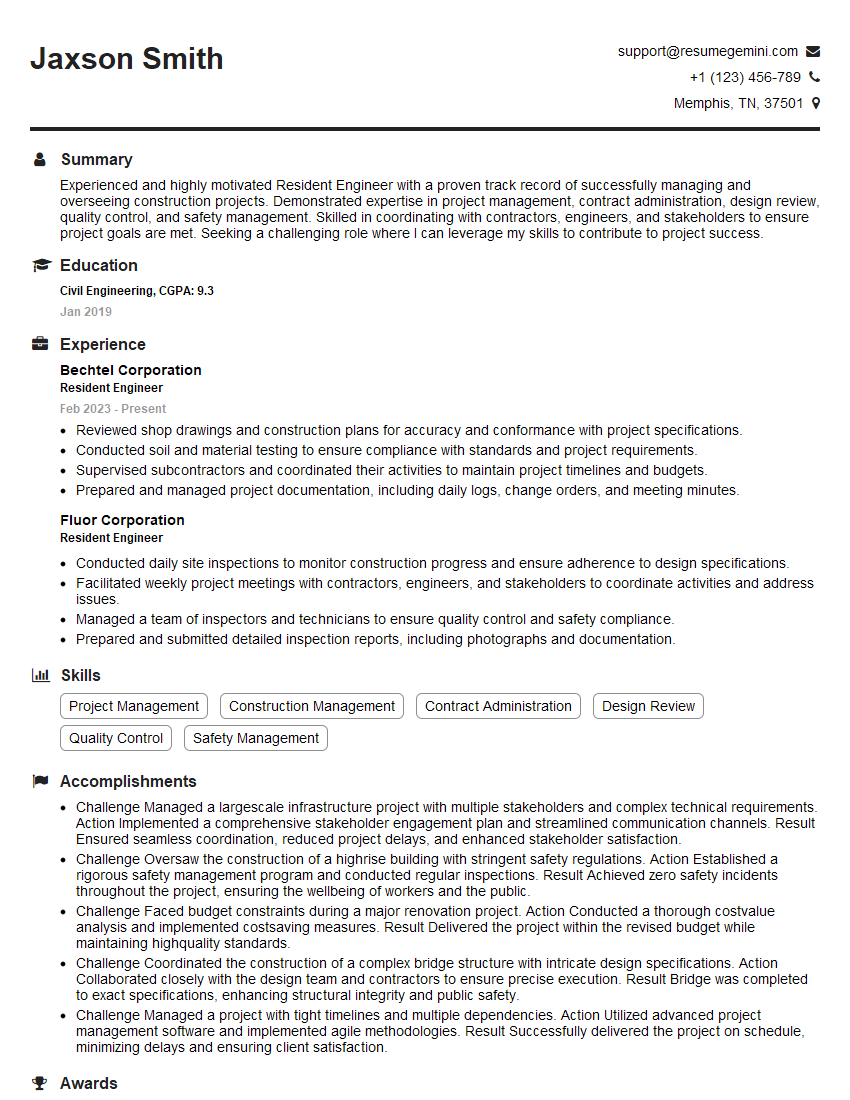
Resident Engineer Resume Sample
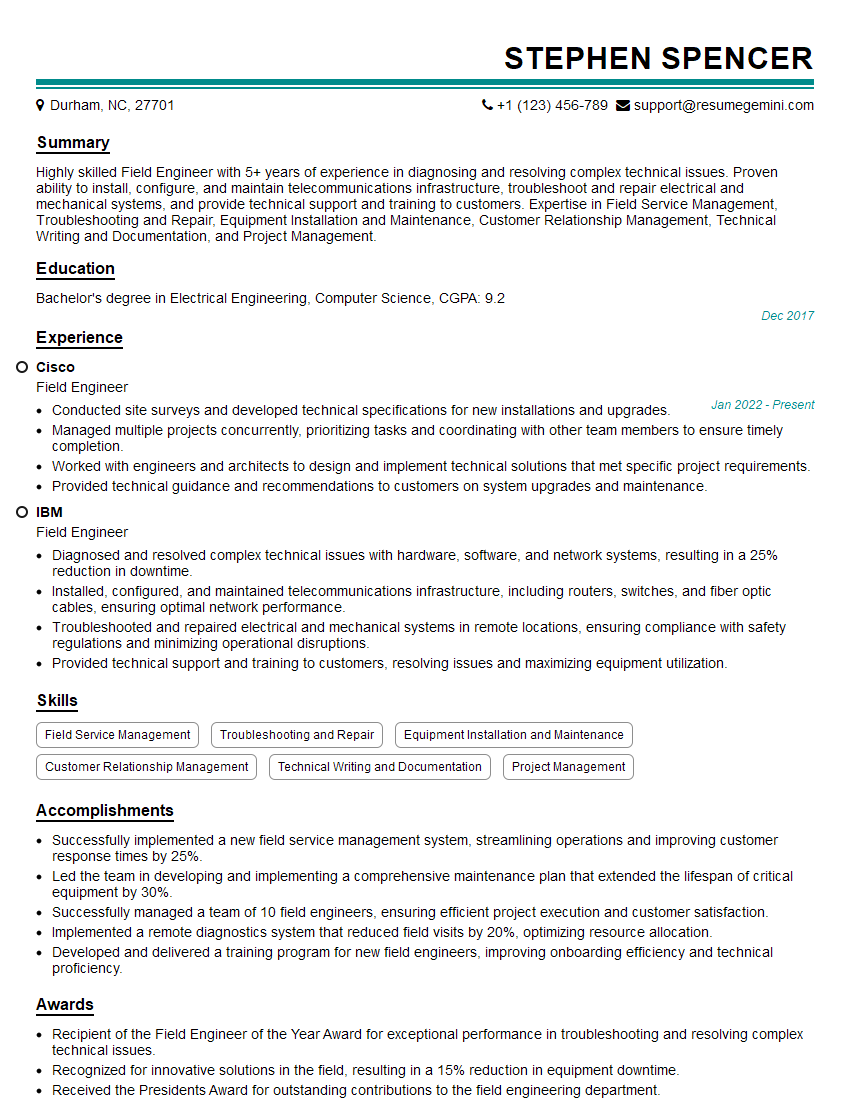
Field Engineer Resume Sample
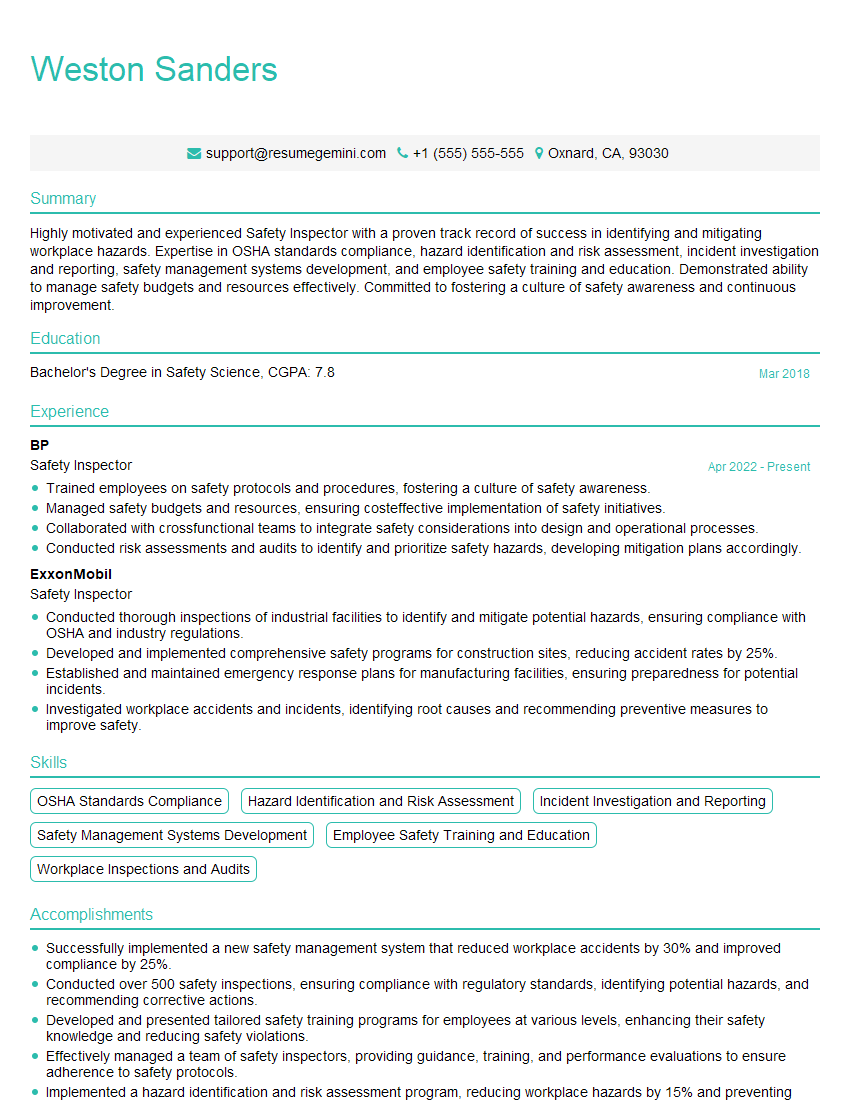
Safety Inspector Resume Sample
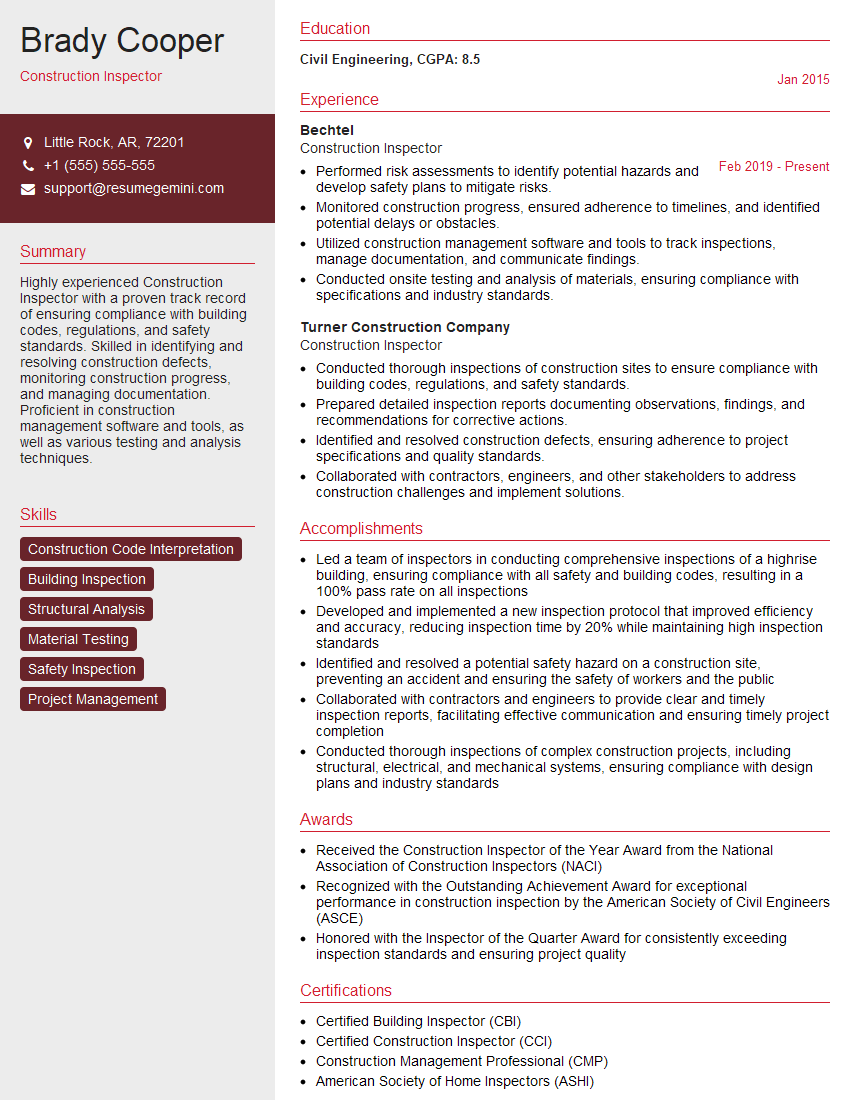
Construction Inspector Resume Sample
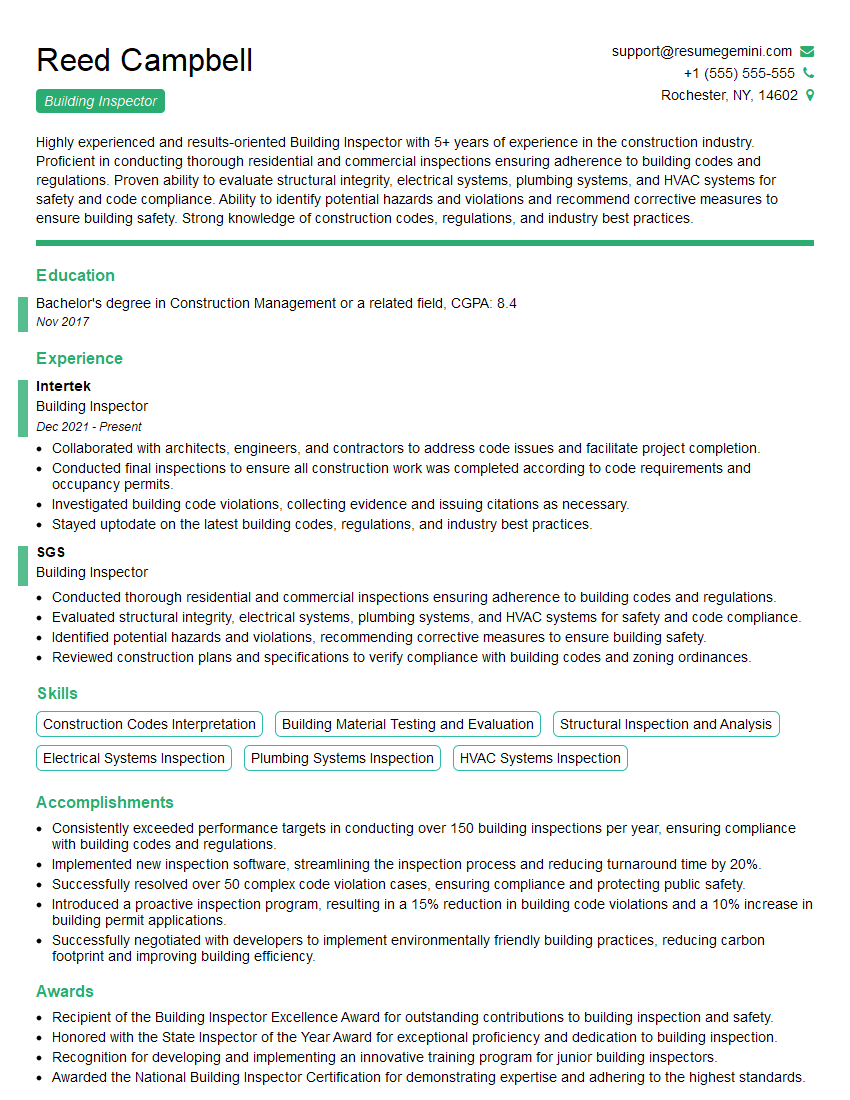
Building Inspector Resume Sample
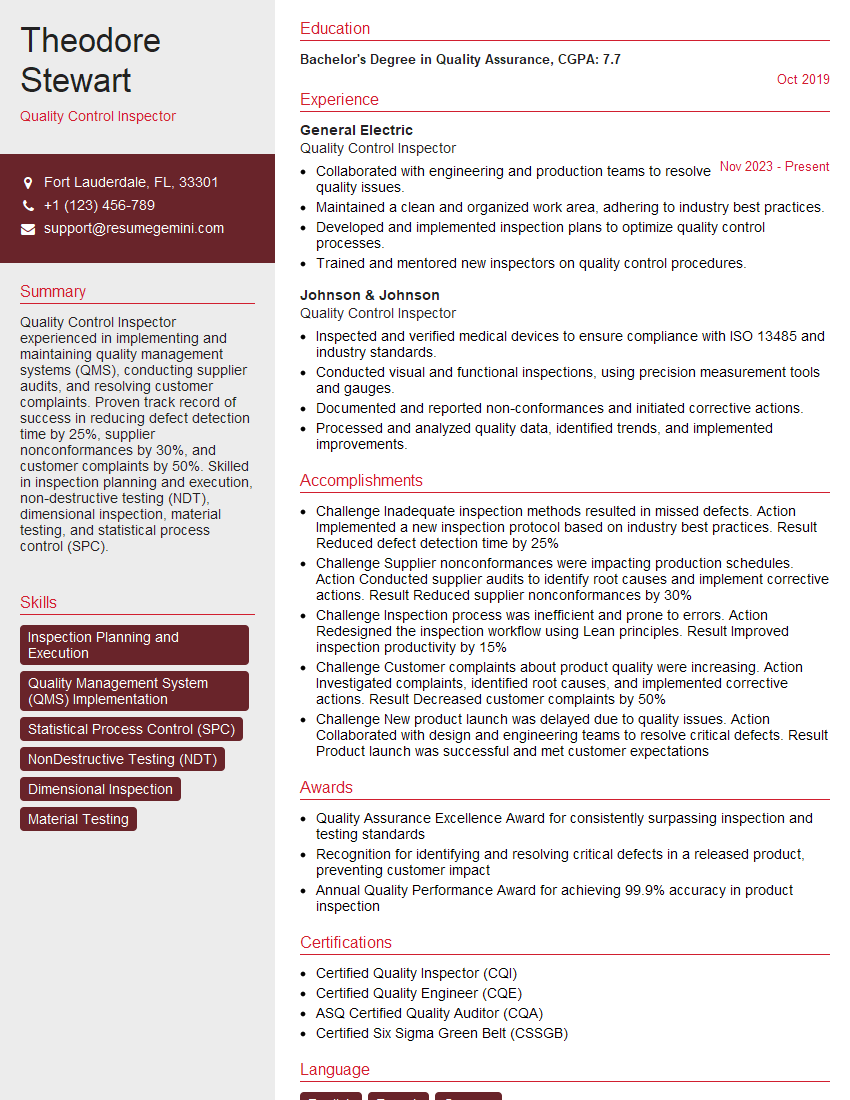
Quality Control Inspector Resume Sample
Explore more articles
Users Rating of Our Blogs
Share Your Experience
We value your feedback! Please rate our content and share your thoughts (optional).
What Readers Say About Our Blog
Attention music lovers!
Wow, All the best Sax Summer music !!!
Spotify: https://open.spotify.com/artist/6ShcdIT7rPVVaFEpgZQbUk
Apple Music: https://music.apple.com/fr/artist/jimmy-sax-black/1530501936
YouTube: https://music.youtube.com/browse/VLOLAK5uy_noClmC7abM6YpZsnySxRqt3LoalPf88No
Other Platforms and Free Downloads : https://fanlink.tv/jimmysaxblack
on google : https://www.google.com/search?q=22+AND+22+AND+22
on ChatGPT : https://chat.openai.com?q=who20jlJimmy20Black20Sax20Producer
Get back into the groove with Jimmy sax Black
Best regards,
Jimmy sax Black
www.jimmysaxblack.com
Hi I am a troller at The aquatic interview center and I suddenly went so fast in Roblox and it was gone when I reset.
Hi,
Business owners spend hours every week worrying about their website—or avoiding it because it feels overwhelming.
We’d like to take that off your plate:
$69/month. Everything handled.
Our team will:
Design a custom website—or completely overhaul your current one
Take care of hosting as an option
Handle edits and improvements—up to 60 minutes of work included every month
No setup fees, no annual commitments. Just a site that makes a strong first impression.
Find out if it’s right for you:
https://websolutionsgenius.com/awardwinningwebsites
Hello,
we currently offer a complimentary backlink and URL indexing test for search engine optimization professionals.
You can get complimentary indexing credits to test how link discovery works in practice.
No credit card is required and there is no recurring fee.
You can find details here:
https://wikipedia-backlinks.com/indexing/
Regards
NICE RESPONSE TO Q & A
hi
The aim of this message is regarding an unclaimed deposit of a deceased nationale that bears the same name as you. You are not relate to him as there are millions of people answering the names across around the world. But i will use my position to influence the release of the deposit to you for our mutual benefit.
Respond for full details and how to claim the deposit. This is 100% risk free. Send hello to my email id: lukachachibaialuka@gmail.com
Luka Chachibaialuka
Hey interviewgemini.com, just wanted to follow up on my last email.
We just launched Call the Monster, an parenting app that lets you summon friendly ‘monsters’ kids actually listen to.
We’re also running a giveaway for everyone who downloads the app. Since it’s brand new, there aren’t many users yet, which means you’ve got a much better chance of winning some great prizes.
You can check it out here: https://bit.ly/callamonsterapp
Or follow us on Instagram: https://www.instagram.com/callamonsterapp
Thanks,
Ryan
CEO – Call the Monster App
Hey interviewgemini.com, I saw your website and love your approach.
I just want this to look like spam email, but want to share something important to you. We just launched Call the Monster, a parenting app that lets you summon friendly ‘monsters’ kids actually listen to.
Parents are loving it for calming chaos before bedtime. Thought you might want to try it: https://bit.ly/callamonsterapp or just follow our fun monster lore on Instagram: https://www.instagram.com/callamonsterapp
Thanks,
Ryan
CEO – Call A Monster APP
To the interviewgemini.com Owner.
Dear interviewgemini.com Webmaster!
Hi interviewgemini.com Webmaster!
Dear interviewgemini.com Webmaster!
excellent
Hello,
We found issues with your domain’s email setup that may be sending your messages to spam or blocking them completely. InboxShield Mini shows you how to fix it in minutes — no tech skills required.
Scan your domain now for details: https://inboxshield-mini.com/
— Adam @ InboxShield Mini
support@inboxshield-mini.com
Reply STOP to unsubscribe
Hi, are you owner of interviewgemini.com? What if I told you I could help you find extra time in your schedule, reconnect with leads you didn’t even realize you missed, and bring in more “I want to work with you” conversations, without increasing your ad spend or hiring a full-time employee?
All with a flexible, budget-friendly service that could easily pay for itself. Sounds good?
Would it be nice to jump on a quick 10-minute call so I can show you exactly how we make this work?
Best,
Hapei
Marketing Director
Hey, I know you’re the owner of interviewgemini.com. I’ll be quick.
Fundraising for your business is tough and time-consuming. We make it easier by guaranteeing two private investor meetings each month, for six months. No demos, no pitch events – just direct introductions to active investors matched to your startup.
If youR17;re raising, this could help you build real momentum. Want me to send more info?
Hi, I represent an SEO company that specialises in getting you AI citations and higher rankings on Google. I’d like to offer you a 100% free SEO audit for your website. Would you be interested?
Hi, I represent an SEO company that specialises in getting you AI citations and higher rankings on Google. I’d like to offer you a 100% free SEO audit for your website. Would you be interested?