The thought of an interview can be nerve-wracking, but the right preparation can make all the difference. Explore this comprehensive guide to Configuration Item (CI) Identification and Classification interview questions and gain the confidence you need to showcase your abilities and secure the role.
Questions Asked in Configuration Item (CI) Identification and Classification Interview
Q 1. Define a Configuration Item (CI) and provide three examples.
A Configuration Item (CI) is a single, uniquely identifiable element of the IT infrastructure. Think of it as a building block within your IT landscape. It could be a physical device, a software application, or even a database. Each CI plays a specific role and contributes to the overall functionality of your IT services. Effective CI management is crucial for understanding and managing your IT environment.
- Example 1: A server (physical hardware) with a specific IP address and operating system.
- Example 2: A CRM software application (e.g., Salesforce) installed on a server or in the cloud, with specific user accounts and configurations.
- Example 3: A database (e.g., MySQL) holding critical customer information, with its own unique schema and access controls.
Q 2. Explain the difference between a CI and an asset.
While both CIs and assets represent valuable components within an organization, they differ in scope. An asset is a broader term encompassing anything of value to the organization, including physical items like buildings and equipment, as well as intangible assets such as intellectual property and brand reputation. A CI, on the other hand, is specifically an element that contributes to the delivery and support of IT services. Essentially, all CIs are assets, but not all assets are CIs. Think of it this way: your office building is an asset, but it’s not a CI unless it’s directly involved in the delivery of IT services (e.g., housing servers).
Q 3. Describe the process of CI identification in a typical IT environment.
CI identification in an IT environment is a systematic process of discovering, documenting, and categorizing all the individual components that make up the IT infrastructure. This process typically involves a multi-stage approach:
- Discovery: Using automated tools (e.g., network scanners, configuration management databases) and manual methods (e.g., interviewing staff, reviewing documentation) to identify all potential CIs.
- Data Collection: Gathering relevant information about each identified item, such as its name, location, specifications, and relationships with other CIs.
- Classification: Categorizing the CIs based on predefined criteria, like the ITIL framework or a custom classification scheme. This ensures consistency and facilitates reporting and analysis.
- Validation: Reviewing the identified CIs to ensure accuracy and completeness, often involving cross-referencing with other data sources.
- Documentation: Creating and maintaining a CMDB (Configuration Management Database) to store the information about each CI, including its attributes, relationships, and lifecycle.
Imagine it like creating a detailed blueprint of your IT infrastructure. Each line, component, and connection needs to be accurately represented.
Q 4. What are the key attributes of a CI, and why are they important?
Key attributes of a CI provide the crucial information needed for effective management. Some essential attributes include:
- Unique Identifier: A distinct label to identify each CI (e.g., serial number, IP address, hostname).
- Name: A descriptive name to easily identify the CI.
- Type: The category of the CI (e.g., server, application, network device).
- Location: Physical or logical location of the CI.
- Owner: Responsible individual or team for the CI.
- Relationships: Connections between the CI and other CIs.
- Specifications: Technical details of the CI (e.g., hardware specifications, software version).
These attributes are critical because they enable accurate tracking, efficient problem solving, and informed decision-making related to your IT infrastructure. Without proper attributes, identifying dependencies, managing upgrades, or troubleshooting incidents becomes extremely challenging.
Q 5. How do you ensure the accuracy and completeness of CI data?
Ensuring the accuracy and completeness of CI data is paramount for reliable IT service management. This can be achieved through several mechanisms:
- Automated Discovery Tools: Employing automated tools for regular scans to detect and update CI information, minimizing manual errors.
- Data Validation Rules: Implementing data validation rules in the CMDB to prevent inconsistencies and errors during data entry.
- Regular Reconciliation: Comparing CMDB data with data from other sources (e.g., network monitoring systems, asset registers) to identify and correct discrepancies.
- Data Governance Processes: Establishing clear roles and responsibilities for CI data management, including data entry, update, and validation.
- User Training: Training IT staff on the importance of accurate CI data and best practices for data entry.
- Data Quality Metrics: Tracking key metrics like data accuracy and completeness to monitor performance and identify areas for improvement.
Think of it like maintaining a well-organized library: regular checks, proper cataloging, and a clear system ensures you always find the right book (CI) when needed.
Q 6. Explain the importance of CI classification in IT service management.
CI classification is the cornerstone of effective IT service management because it provides a structured way to organize and categorize CIs, enabling efficient management and reporting. A well-defined classification system allows for:
- Improved Reporting and Analysis: Easily generate reports on specific CI types, their locations, and their relationships.
- Effective Capacity Planning: Understand the current and future capacity needs based on CI types and usage patterns.
- Enhanced Incident Management: Quickly identify impacted CIs during incidents, facilitating faster resolution times.
- Streamlined Change Management: Assess the potential impact of changes based on CI relationships and dependencies.
- Simplified Asset Management: Track and manage assets based on their roles within IT services.
Imagine trying to manage a large city without a proper address system. CI classification provides that essential organizational framework for your IT environment.
Q 7. What are the different methods used for CI identification?
Various methods are employed for CI identification, each with its strengths and limitations:
- Automated Discovery Tools: Network scanners, configuration management databases (CMDBs), and agent-based tools automatically discover and collect information about CIs. These are efficient for large environments but might miss certain CIs depending on configuration.
- Manual Identification: Involves interviewing staff, reviewing documentation, and physically inspecting equipment. It’s useful for capturing context and less-easily-discovered CIs but is time-consuming and prone to errors.
- Spreadsheet Surveys: Using spreadsheets to gather CI information from various teams. Relatively simple to implement but can result in inconsistencies and data inaccuracies.
- Data Integration: Combining data from multiple sources (e.g., network monitoring tools, help desk systems, asset management databases) to create a comprehensive view of CIs. This is highly accurate when sources are reliable but requires careful data mapping and validation.
The best approach often involves a combination of these methods, leveraging automation where possible and supplementing with manual identification to ensure completeness.
Q 8. Describe a scenario where CI identification failed and what were the consequences?
CI identification failure can have significant consequences. Imagine a scenario where a critical application server was decommissioned without updating the Configuration Management Database (CMDB). This failure would lead to inaccurate information within the CMDB, rendering incident management, change management, and capacity planning processes unreliable. For example, if an incident occurs, support teams would be looking for a server that no longer exists, leading to prolonged downtime and frustrated users. The lack of accurate CI data also impacts financial planning and reporting. Decommissioning a server without proper record updates could mean that ongoing license fees are still being paid for a non-existent asset. In short, inaccurate CI data translates directly into wasted resources, operational inefficiencies, and potential business disruption.
Another example involves a failure to identify a newly deployed cloud-based service. The lack of this CI within the CMDB might cause security vulnerabilities to go unnoticed, leading to a security breach with potentially devastating financial and reputational implications.
Q 9. How do you handle conflicting or duplicate CI records?
Handling conflicting or duplicate CI records requires a systematic approach. The first step is to investigate the root cause. This often involves comparing the attributes of the conflicting records to determine if they represent the same CI or different CIs with similar names or attributes. For instance, we might find two entries for “Database Server A” with slightly different IP addresses. This could indicate a previous server and a new one replacing it, or perhaps a misconfiguration.
Next, we implement a robust deduplication process, which could involve:
- Automated reconciliation: Utilizing tools that compare CI attributes and identify potential duplicates based on pre-defined rules (e.g., matching IP addresses and server names).
- Manual review: For complex cases, manual review by experienced IT professionals is required to ensure accuracy. This involves comparing different attributes to determine if they truly represent the same CI. For instance, comparing serial numbers for hardware assets.
- Merge/Consolidation: Once duplicates are identified and verified, they are merged into a single, accurate CI record. This ensures data consistency.
- Retirement of outdated CIs: Out-of-date CI records are retired rather than simply deleted; retirement ensures auditability and maintains a historical record.
The goal is to ensure data accuracy and consistency within the CMDB, avoiding confusion and inaccurate reports which hinder effective IT management.
Q 10. Explain the relationship between CI identification and the CMDB.
The CMDB (Configuration Management Database) is the central repository for all CIs. CI identification is the crucial first step in populating and maintaining the CMDB. Think of the CMDB as a detailed inventory of all IT assets and services, while CI identification is the process of discovering and documenting each item within that inventory. Without accurate CI identification, the CMDB becomes unreliable, providing inaccurate information for reporting, planning, and incident management. The relationship is essential: accurate CI identification ensures the CMDB’s accuracy and completeness, enabling informed decision-making and effective IT management.
For example, a new application is deployed. The CI identification process documents the application’s attributes (name, version, dependencies, location), which then gets recorded as a new CI entry in the CMDB. This information is then available for various IT management functions such as change management (tracking deployment), capacity planning (analyzing resource usage), and incident management (troubleshooting).
Q 11. What are the challenges of CI identification in a hybrid cloud environment?
CI identification in hybrid cloud environments presents unique challenges due to the heterogeneous nature of the infrastructure. The complexity stems from managing CIs across different platforms (on-premises, private cloud, and multiple public clouds), each with different monitoring and discovery tools. This diversity makes automated discovery and consistency more difficult. For example, identifying and classifying VMs in AWS, Azure and Google Cloud Platform and then correlating these with on-premises counterparts requires sophisticated integration and reconciliation approaches.
Other challenges include:
- Lack of standardization: Different cloud providers use different naming conventions and metadata structures, making it challenging to achieve uniform CI identification across all environments.
- Dynamic nature of cloud resources: Cloud resources are often provisioned and decommissioned rapidly, requiring real-time CI identification and updates.
- Security concerns: Accessing and collecting CI data from different cloud environments needs to be carefully managed to avoid security risks.
- Data integration complexities: Combining CI data from various sources requires robust data integration capabilities to ensure a complete and accurate CMDB.
Addressing these challenges requires a multi-faceted approach using hybrid cloud-aware tools that can integrate with different platforms, robust automation strategies, and standardized processes for CI identification across all environments.
Q 12. How do you prioritize CI identification efforts?
Prioritizing CI identification efforts involves focusing on CIs that have the highest business impact or risk. A prioritization framework could be based on several factors including:
- Criticality: Focusing on CIs supporting mission-critical applications or services. For instance, identifying and classifying database servers should take priority over less critical peripheral devices.
- Risk: Prioritizing CIs with higher security or operational risks. Critical servers with vulnerabilities should be identified and addressed immediately.
- Cost: Prioritizing CIs with high acquisition or maintenance costs. Managing expensive infrastructure components efficiently is crucial.
- Compliance: Focusing on CIs that need to comply with regulations and industry standards. Identifying and managing CIs relevant to compliance requirements should be a high priority.
A scoring system combining these factors could be implemented to rank CIs for identification, ensuring that the most crucial CIs are addressed first. For example, a database server supporting a critical application might receive a higher score due to its high criticality and risk, making its identification a top priority.
Q 13. How do you ensure the CI data is kept up-to-date?
Maintaining up-to-date CI data is an ongoing process, not a one-time effort. Several strategies contribute to this goal:
- Automated discovery: Utilizing tools that automatically discover and update CI information, especially crucial for dynamic environments like cloud platforms.
- Regular reconciliation: Comparing the CMDB data with actual configurations to identify discrepancies and ensure accuracy. This could involve scheduled scans of the network and systems.
- Change management integration: Integrating CI identification with the change management process, ensuring that any changes to CIs are accurately reflected in the CMDB.
- Data quality monitoring: Implementing processes to monitor the quality of CI data, identifying and addressing any inconsistencies or inaccuracies in a timely manner. Dashboards visualizing data completeness and accuracy can be very helpful.
- Feedback loops: Encouraging feedback from IT staff, including those involved in daily operations, to provide insights into any CI data inaccuracies or changes.
A combination of automated tools and manual verification ensures data accuracy and reliability. This prevents outdated or incorrect information, which can compromise the integrity of the CMDB and lead to operational issues.
Q 14. What tools or technologies have you used for CI identification and management?
Throughout my career, I’ve worked with a variety of tools for CI identification and management. These include:
- ServiceNow: A comprehensive IT Service Management (ITSM) platform with robust CMDB capabilities, including automated discovery and reconciliation features.
- BMC Helix: Another leading ITSM platform offering similar CMDB functionalities.
- Azure Automation and AWS Systems Manager: Cloud-based tools specifically designed for automating CI discovery and management in cloud environments.
- SNMP (Simple Network Management Protocol): A widely used network management protocol for collecting information about network devices.
- WMI (Windows Management Instrumentation): A technology used for managing Windows-based systems and collecting their configuration information.
The choice of tools depends on the specific organizational needs and the infrastructure in place. In many cases, a combination of tools is needed to effectively handle different aspects of CI identification and management.
Q 15. Describe your experience with different CI classification schemes (e.g., ITIL, custom).
CI classification schemes provide a structured approach to categorizing Configuration Items (CIs) within a Configuration Management Database (CMDB). I’ve worked extensively with both established frameworks like ITIL and custom-designed schemes tailored to specific organizational needs. ITIL, for example, often uses a hierarchical structure classifying CIs based on their type (hardware, software, etc.) and function within the IT infrastructure. This provides a standardized way to identify and manage CIs, facilitating communication and reporting.
However, ITIL’s generality might not always perfectly suit a company’s unique setup. That’s where custom schemes come in. For instance, in a previous role with a financial institution, we developed a custom classification that incorporated business-specific categories like ‘trading platform’ and ‘regulatory compliance system’ alongside the more traditional ITIL categories. This allowed for more precise reporting on the financial impact of CI-related incidents and changes. The key difference is the level of granularity and the alignment with specific business objectives. Each approach requires a well-defined taxonomy to avoid ambiguity and maintain consistency across the organization.
Career Expert Tips:
- Ace those interviews! Prepare effectively by reviewing the Top 50 Most Common Interview Questions on ResumeGemini.
- Navigate your job search with confidence! Explore a wide range of Career Tips on ResumeGemini. Learn about common challenges and recommendations to overcome them.
- Craft the perfect resume! Master the Art of Resume Writing with ResumeGemini’s guide. Showcase your unique qualifications and achievements effectively.
- Don’t miss out on holiday savings! Build your dream resume with ResumeGemini’s ATS optimized templates.
Q 16. How do you ensure data integrity and consistency in the CMDB?
Maintaining data integrity and consistency in the CMDB is crucial for accurate reporting and effective decision-making. This involves a multi-faceted approach:
- Data Governance: Establishing clear roles and responsibilities for data entry and validation is paramount. We implemented a system where specific teams were responsible for the accuracy of data related to their respective areas, and regular audits were conducted to ensure compliance.
- Data Validation Rules: Implementing automated validation rules within the CMDB helps prevent incorrect data entry. For example, we created rules to check for duplicate CIs and enforce data type consistency. This significantly reduced manual intervention and human error.
- Automated Data Feeds: Integrating automated data feeds from various sources (discovery tools, ticketing systems, etc.) eliminates manual data entry and reduces the risk of discrepancies. This approach reduces duplication and ensures the CMDB stays up-to-date.
- Regular Data Reconciliation: Periodically comparing the CMDB data with the actual IT environment is essential. We used a combination of automated tools and manual checks to identify and resolve any discrepancies. This approach ensures that the CMDB is a true reflection of the IT landscape.
Think of it like keeping a well-organized library. Without proper cataloging and maintenance, finding the right book (CI) becomes difficult, leading to inefficiencies and errors. These strategies ensure the CMDB remains accurate and reliable.
Q 17. How do you handle changes to CIs, and how does this relate to change management?
Handling CI changes is intrinsically linked to the change management process. Any modification to a CI, whether a software update or a hardware replacement, must be carefully managed to avoid disruption and maintain the integrity of the IT environment.
The process typically involves:
- Change Request: All changes initiate with a formal request outlining the proposed modification to the CI. This includes details about the CI, the proposed change, and the expected impact.
- Risk Assessment: The request is assessed for potential risks and impacts on other CIs or services. This often involves collaborating with other teams to ensure comprehensive impact analysis.
- Approval Process: Approved changes are scheduled and executed following pre-defined procedures.
- CI Update: Once implemented, the CMDB is updated to reflect the changes to the CI. This ensures consistency between the actual IT environment and its representation in the CMDB.
- Post-Implementation Review: After the change, a review is conducted to assess its success and identify any lessons learned. This is vital for continuous improvement of change management processes.
For example, if we need to upgrade a server’s operating system, the change request will detail the server’s CI information, the new OS version, planned downtime, and contingency plans. The entire process is meticulously documented and tracked to ensure compliance and maintain the integrity of the CMDB. This rigorous approach prevents configuration drift and keeps the CMDB as a reliable source of truth.
Q 18. Explain the role of automated tools in CI identification and management.
Automated tools are indispensable for efficient CI identification and management. They significantly reduce manual effort, improve accuracy, and enable proactive management. These tools can automate various tasks, including:
- Automated Discovery: Tools can automatically scan the IT environment to identify CIs, their attributes, and relationships. This greatly simplifies the CI identification process, minimizing manual effort.
- Data Collection and Integration: Tools can gather CI data from diverse sources and integrate it into the CMDB, eliminating manual data entry and reducing errors.
- CI Relationship Mapping: Tools help visualize the relationships between CIs, enhancing understanding of the IT infrastructure’s dependencies. This is crucial for effective change and incident management.
- CMDB Reconciliation: Tools facilitate reconciliation between the CMDB and the real IT environment, identifying and resolving discrepancies.
For instance, using a discovery tool can automatically identify all servers, their specifications, and network connections within a data center, significantly reducing manual effort. These tools allow us to focus more on strategic tasks and less on tedious data collection and entry. They are essential for managing complex IT environments efficiently.
Q 19. How do you identify and manage CIs in a rapidly changing IT environment?
Managing CIs in a rapidly changing IT environment requires a dynamic and agile approach. Traditional methods struggle to keep pace with the speed of cloud deployments, containerization, and continuous integration/continuous deployment (CI/CD) pipelines. In such situations, I rely on:
- Agile CMDB: Instead of striving for a completely static and always-accurate snapshot of the environment (which is nearly impossible in a dynamic setting), I focus on managing a ‘near real-time’ CMDB that reflects current information. Regular reconciliation using automated tools is key.
- Continuous Monitoring: Constant monitoring of the IT environment through automated discovery tools is crucial to capture changes quickly. This involves configuring alerts that trigger when new CIs are detected or existing ones are modified.
- API Integration: Integrating the CMDB with CI/CD pipelines and other automation tools through APIs allows for real-time updates. New CIs deployed automatically trigger updates in the CMDB.
- Automated Relationship Mapping: Tools capable of dynamically mapping CI relationships are essential for understanding dependencies in ever-evolving configurations. This visualization can prevent accidental disruptions.
Imagine the CMDB as a living document, constantly updated with real-time data. It’s not about achieving perfect accuracy at a single moment, but about maintaining a relatively current and accurate representation using continuous updates and automated tools.
Q 20. How do you communicate CI information to different stakeholders?
Communicating CI information effectively to various stakeholders requires tailoring the information to their specific needs and understanding. I employ the following strategies:
- Role-Based Access Control: Restricting access to the CMDB based on user roles and responsibilities ensures that only relevant information is visible to each individual. This improves security and reduces information overload.
- Custom Dashboards and Reports: Creating custom dashboards and reports tailored to the needs of different stakeholders (e.g., IT operations, security, business users) provides them with relevant information in a user-friendly format.
- Self-Service Portals: Providing self-service access to specific CI information (e.g., documentation, status) empowers stakeholders to retrieve the information they need without requiring assistance.
- Regular Communication: Regular updates and communications (e.g., newsletters, meetings) keep stakeholders informed about significant CI changes and their potential impact.
For example, IT operations teams might need detailed technical specifications, while business users might only require high-level status information. By customizing communication, we ensure that everyone receives the information they need, when they need it, in a format they can easily understand.
Q 21. How do you measure the effectiveness of your CI identification and management processes?
Measuring the effectiveness of CI identification and management processes requires a combination of quantitative and qualitative metrics. Key metrics include:
- CMDB Accuracy: Regularly auditing the CMDB against the actual IT environment to assess its accuracy. This can be measured as a percentage of accurate records.
- Completeness of CI Data: Measuring the percentage of CIs with complete and accurate attribute data. This highlights gaps in data collection processes.
- Time to Resolve Incidents: Analyzing the time taken to resolve incidents, and correlating this with the quality of CI data. Accurate CI data accelerates incident resolution.
- Change Failure Rate: Tracking the percentage of changes that result in failures. Poor CI management is often a root cause of change failures.
- User Satisfaction: Surveying users of the CMDB to assess their satisfaction with its usability and accuracy. This provides valuable feedback on areas for improvement.
These metrics, when tracked and analyzed regularly, offer a holistic view of the effectiveness of the entire CI management process. The ultimate goal is to minimize downtime, improve operational efficiency, and provide better support to the business.
Q 22. What are the key performance indicators (KPIs) for CI management?
Key Performance Indicators (KPIs) for CI management are crucial for measuring the effectiveness and efficiency of your Configuration Management Database (CMDB) and overall IT service management. They help you understand whether your CI management is supporting your business objectives. Effective KPIs should be aligned with your organization’s strategic goals and should be regularly monitored and reviewed.
- CI Accuracy: This measures the percentage of CIs in the CMDB that are accurate and up-to-date. A low percentage suggests inaccuracies that can lead to poor decision-making and incident resolution delays. We might track this using a simple formula:
(Number of accurate CIs / Total number of CIs) * 100% - CMDB Completeness: This KPI reflects the percentage of critical CIs that are accurately represented in the CMDB. A high percentage shows a comprehensive view of IT infrastructure, facilitating better planning and management. You could track this by categorizing CIs as critical, important, and less critical and measuring completeness for each category.
- Time to Resolve Incidents: A well-managed CMDB speeds up incident resolution. Tracking the time taken to resolve incidents and correlating it to CMDB usage highlights the impact of accurate CI management. Faster resolution times are directly linked to improved customer satisfaction.
- Number of Change Requests Failed Due to Lack of CI Information: This indicates the effectiveness of the CI identification process. High numbers point to a need for improvement in identification processes to avoid change failures.
- CI Identification Cost per CI: Tracks the average cost of identifying and recording each CI. This allows for optimization of the CI identification process by pinpointing areas of inefficiency.
By tracking these KPIs, organizations can gain valuable insights into their CI management practices, identify areas for improvement, and ultimately enhance IT service delivery.
Q 23. Describe your experience with using a CMDB to manage CIs.
I have extensive experience using CMDBs to manage CIs, primarily leveraging ServiceNow and BMC Remedy. My experience encompasses the entire lifecycle: from initial CI discovery and identification through to ongoing maintenance and updates. In my previous role, we used ServiceNow to manage over 10,000 CIs, ranging from servers and network devices to applications and software licenses. We implemented a robust process for CI identification, using automated discovery tools to initially populate the CMDB, followed by manual verification and enrichment. This ensured data accuracy and completeness. We regularly performed CMDB health checks to identify and resolve data inconsistencies. My responsibilities included developing and maintaining the CI classification schema, creating workflows for CI updates, and ensuring that the CMDB data was readily accessible to different teams, like incident management and change management. Furthermore, I worked on integrating the CMDB with other IT systems to ensure a single source of truth for CI information, resulting in significant improvements in incident resolution times and change management processes.
Example ServiceNow script for CI update: //Illustrative only, specific syntax varies based on versionQ 24. How do you integrate CI identification with other IT processes, such as incident and problem management?
Integrating CI identification with incident and problem management is paramount for effective IT service management. Accurate CI data is fundamental to quickly diagnosing and resolving incidents. For example, when an incident arises, the CMDB provides immediate access to the affected CI’s configuration details, relationships to other CIs, and associated documentation (such as diagrams or technical specifications). This drastically reduces the time needed to understand the scope of the problem and identify potential solutions. Similarly, in problem management, analyzing recurring incidents linked to specific CIs helps identify underlying issues and implement preventative measures. The CMDB becomes a central repository enabling analysis of trends and patterns, improving overall service stability.
This integration happens through automated linkages and workflows. When an incident is logged, the system automatically retrieves relevant CI information from the CMDB. Similarly, during problem management, the system facilitates queries and reporting based on CI attributes. This automated integration minimizes manual effort and reduces the risk of errors.
Q 25. What are the security considerations when managing CIs?
Security considerations in CI management are crucial to protect sensitive information about your IT infrastructure. A breach of CI data could have serious consequences, including system compromise, data loss, and regulatory fines. Therefore, robust security measures should be in place throughout the CI lifecycle.
- Access Control: Restrict access to the CMDB and its data based on the principle of least privilege. Different roles should have different levels of access.
- Data Encryption: Encrypt sensitive CI data both in transit and at rest to prevent unauthorized access.
- Regular Audits: Perform regular security audits to identify and address vulnerabilities. This includes checking for unauthorized access attempts, data breaches and weak passwords.
- Vulnerability Management: Integrate the CMDB with vulnerability management tools to identify and track security vulnerabilities in your CIs.
- Data Masking: Mask sensitive information like passwords and API keys to minimize the risk of exposure.
By implementing these security measures, we can ensure that the CMDB remains a secure and reliable source of information for managing CIs.
Q 26. Describe your experience with CI identification in different ITIL processes.
CI identification is fundamental across various ITIL processes. My experience highlights its critical role in several key areas:
- Incident Management: Rapid identification of the affected CI enables quicker diagnosis and resolution.
- Problem Management: Analyzing recurring incidents linked to specific CIs helps identify and resolve underlying issues.
- Change Management: Accurate CI data is essential for planning and executing changes safely and efficiently. Changes to a CI should be tracked and recorded in the CMDB for auditability and future reference.
- Service Asset and Configuration Management (SACM): This process is where CI identification and management happens. It focuses on the complete lifecycle of the CIs, from acquisition to retirement.
- Release Management: Identifying and tracking CIs associated with a release is vital to ensure successful deployments.
In all these processes, the accuracy and completeness of the CI information directly impact the effectiveness and efficiency of IT operations. In my experience, a poorly managed CMDB leads to delays, errors, and increased operational costs. Conversely, a well-managed CMDB facilitates streamlined processes, improved decision-making, and better overall service delivery.
Q 27. How would you approach CI identification in a newly acquired company?
Approaching CI identification in a newly acquired company requires a structured and phased approach to avoid overwhelming the team and ensure accuracy. It’s like moving into a new house – you need to inventory everything systematically.
- Assessment: Begin with a comprehensive assessment of the existing IT infrastructure and systems. This includes identifying existing documentation, interviewing key personnel, and conducting a preliminary discovery scan using automated tools.
- Prioritization: Prioritize the critical CIs based on business impact. Focus on identifying and managing those CIs that are essential for core business operations.
- Data Consolidation: Consolidate CI information from various sources (spreadsheets, databases, documentation) into a central CMDB.
- Standardization: Establish a standardized CI classification schema and naming conventions to ensure consistency and maintainability.
- Automation: Implement automated discovery and reconciliation tools to minimize manual effort and improve efficiency.
- Training and Communication: Provide adequate training to IT staff on the importance of CI management and how to use the CMDB effectively. Open communication is critical to ensure buy-in and smooth implementation.
- Continuous Improvement: Regularly review and refine the CI management processes based on feedback and evolving needs.
This phased approach ensures a thorough and efficient CI identification process, minimizing disruption and maximizing the value of the CMDB.
Q 28. How do you handle the identification of CI’s related to shadow IT?
Shadow IT presents a significant challenge to CI management. It refers to IT resources and services used within an organization without the knowledge or approval of the IT department. This poses security risks and undermines the organization’s ability to effectively manage its IT infrastructure. Identifying Shadow IT requires a multi-pronged approach:
- Network Scanning: Utilize network scanning tools to identify unauthorized devices and applications connected to the network.
- Endpoint Detection and Response (EDR): EDR solutions can detect and monitor unusual activities on endpoints, potentially highlighting shadow IT instances.
- Employee Surveys and Interviews: Engage employees through surveys and interviews to identify and understand the usage of unsanctioned IT resources.
- Data Analysis: Analyze network traffic and usage patterns to identify anomalies that might indicate shadow IT.
- Collaboration and Education: Collaborate with departments and educate employees about the risks of using shadow IT and the importance of approved resources.
Once identified, shadow IT needs to be addressed based on a risk assessment. Some instances may require immediate remediation while others may be integrated into the formal IT environment. The goal is to bring shadow IT under management, reducing risks and enhancing control over the IT landscape.
Key Topics to Learn for Configuration Item (CI) Identification and Classification Interview
- Defining Configuration Items (CIs): Understand the fundamental concepts and criteria for identifying what constitutes a CI within different ITIL frameworks and organizational contexts. Consider the various types of CIs (hardware, software, data, etc.) and their characteristics.
- CI Identification Methods: Explore various techniques for identifying CIs, including automated discovery tools, manual identification processes, and the role of configuration management databases (CMDBs). Practice applying these methods to hypothetical scenarios.
- CI Classification and Categorization: Master the principles of classifying and categorizing CIs using standardized taxonomies and naming conventions. Understand the importance of consistent classification for effective configuration management.
- Relationship Management of CIs: Learn how to model and represent relationships between CIs. Understanding dependency mapping and impact analysis is crucial for effective change management and incident resolution.
- Impact of Incorrect CI Identification and Classification: Discuss the potential consequences of inaccurate or incomplete CI data, such as inaccurate reporting, ineffective problem management, and increased risk.
- Practical Application: CMDB Population and Maintenance: Understand the processes involved in populating and maintaining a CMDB, including data quality control and ongoing updates. Consider the challenges and best practices for effective CMDB management.
- Tools and Technologies: Familiarize yourself with commonly used tools and technologies for CI identification and classification, such as discovery tools, CMDBs, and configuration management systems.
Next Steps
Mastering Configuration Item (CI) Identification and Classification is vital for a successful career in IT Service Management and related fields. A strong understanding of these concepts demonstrates your ability to manage complex IT environments effectively and contribute to robust IT operations. To maximize your job prospects, create an ATS-friendly resume that clearly showcases your skills and experience. ResumeGemini is a trusted resource that can help you build a professional and impactful resume, ensuring your qualifications are effectively communicated to potential employers. Examples of resumes tailored to Configuration Item (CI) Identification and Classification are available to guide you through the process.
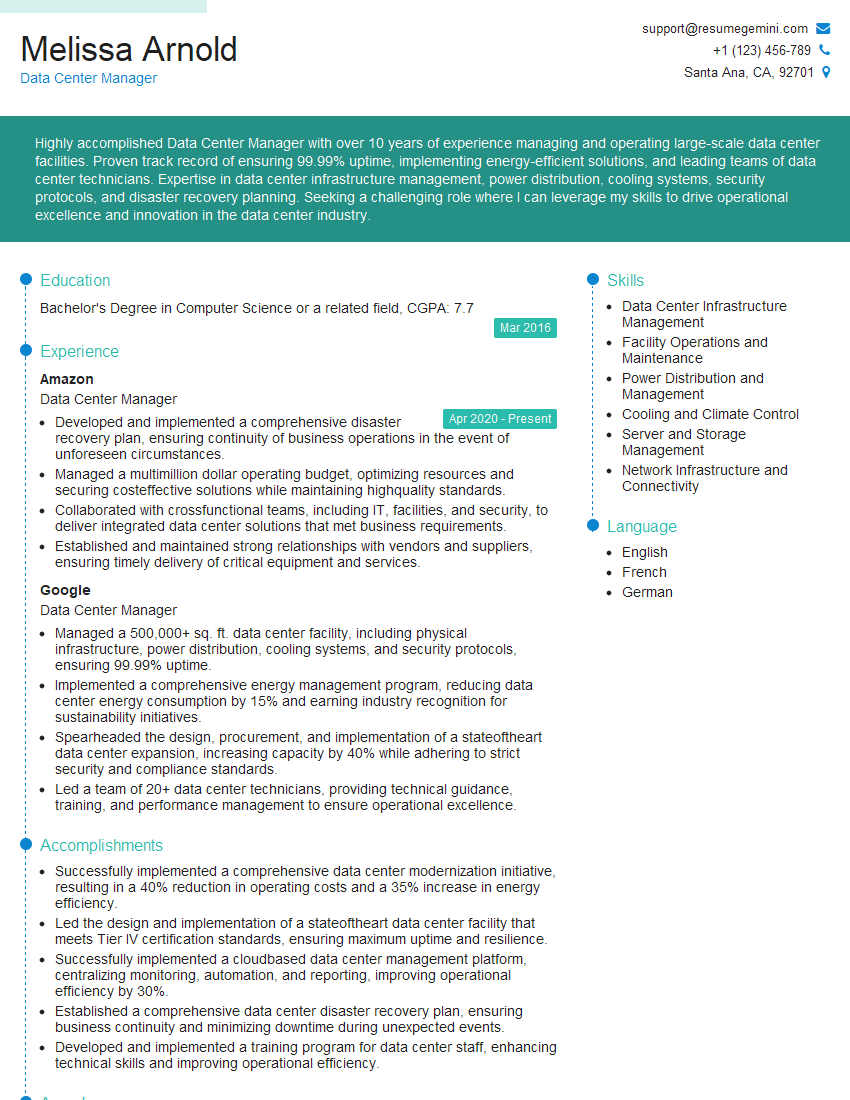
Data Center Manager Resume Sample
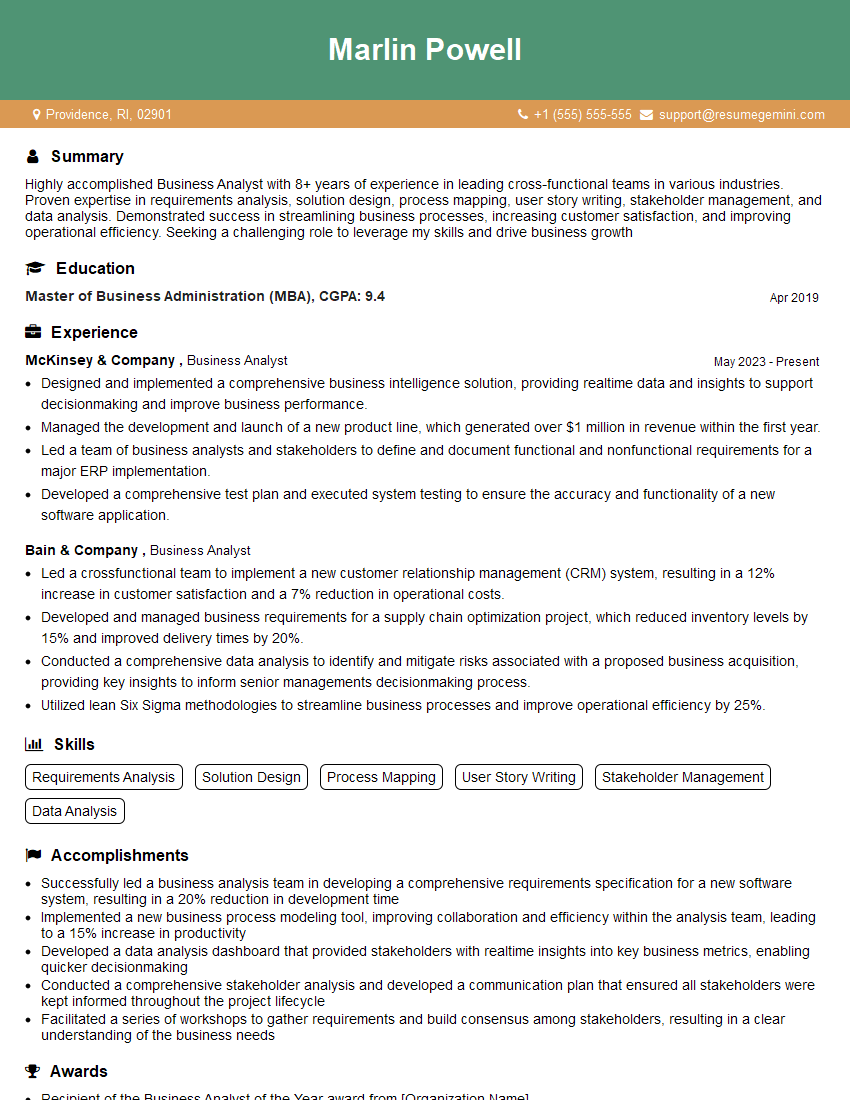
Business Analyst Resume Sample
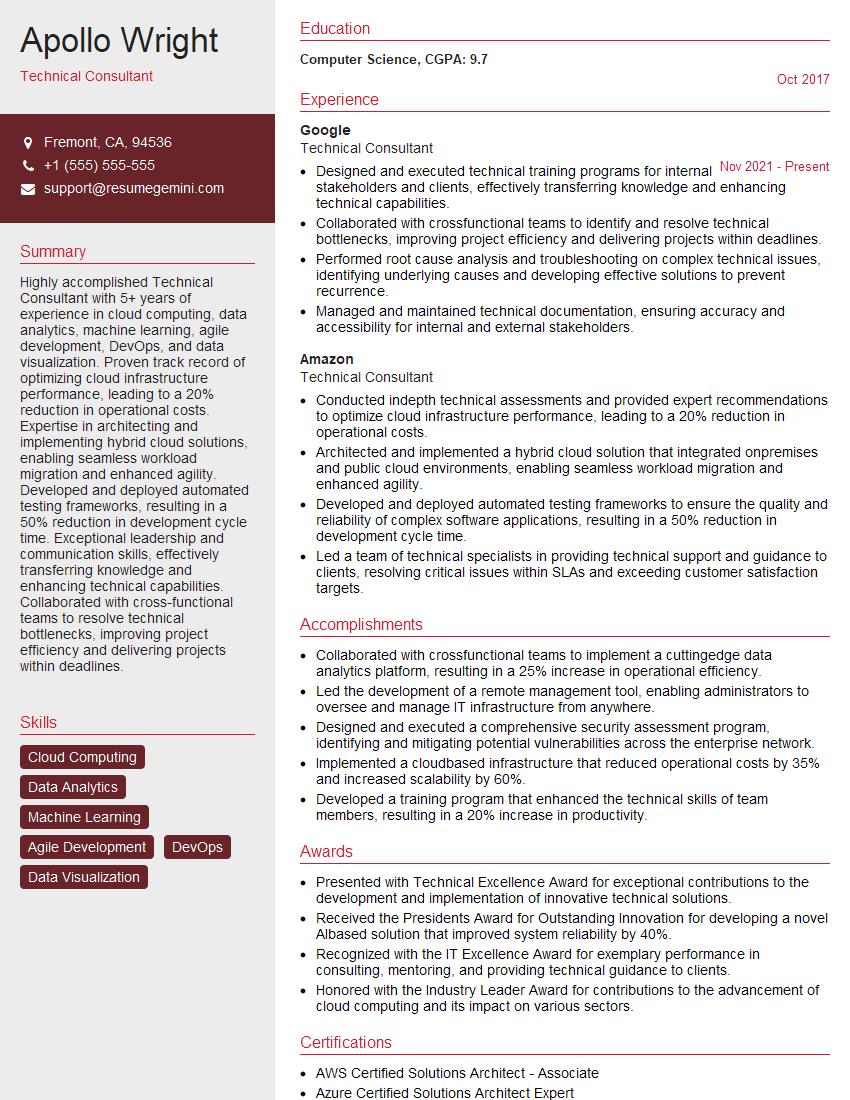
Technical Consultant Resume Sample
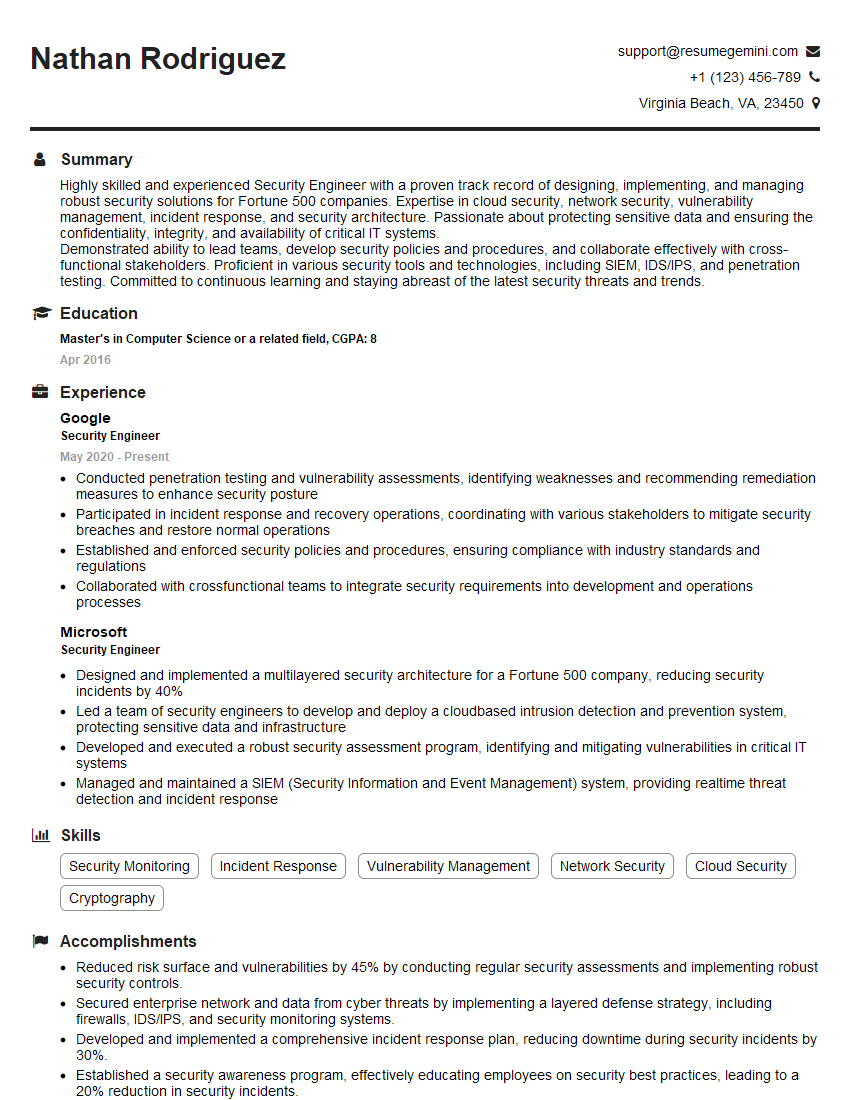
Security Engineer Resume Sample
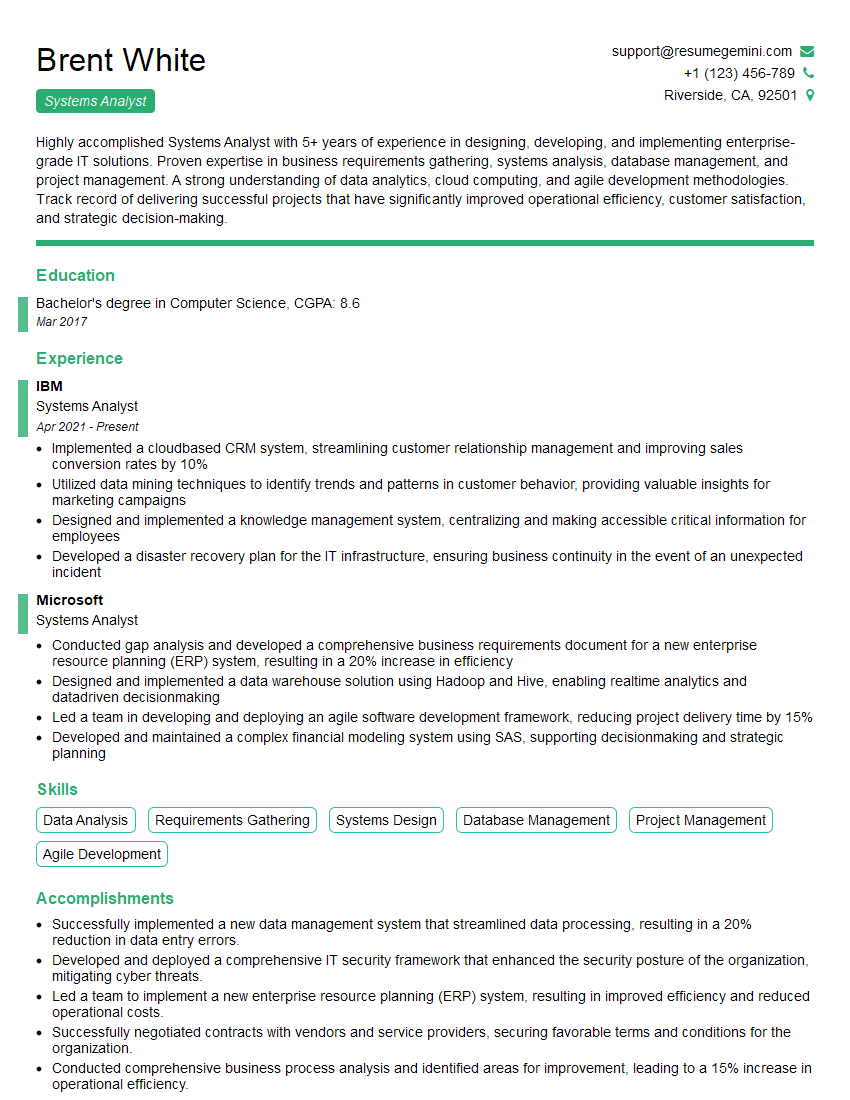
Systems Analyst Resume Sample
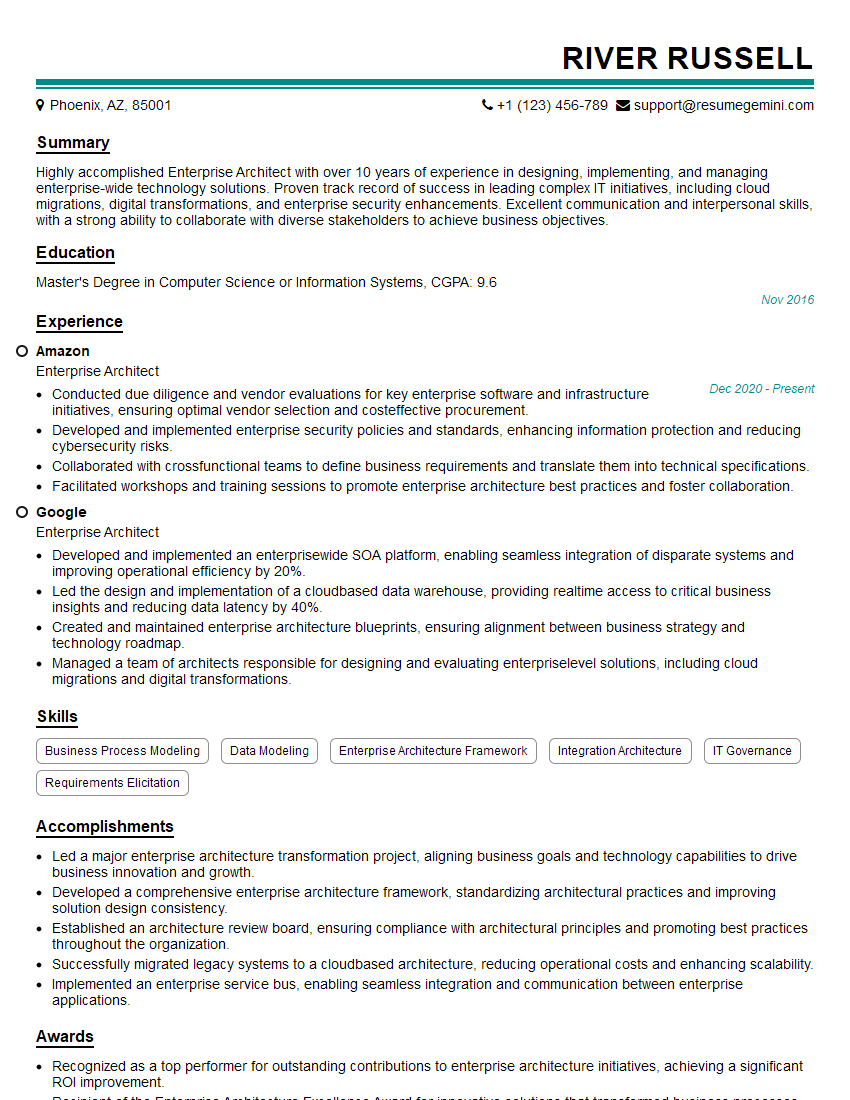
Enterprise Architect Resume Sample
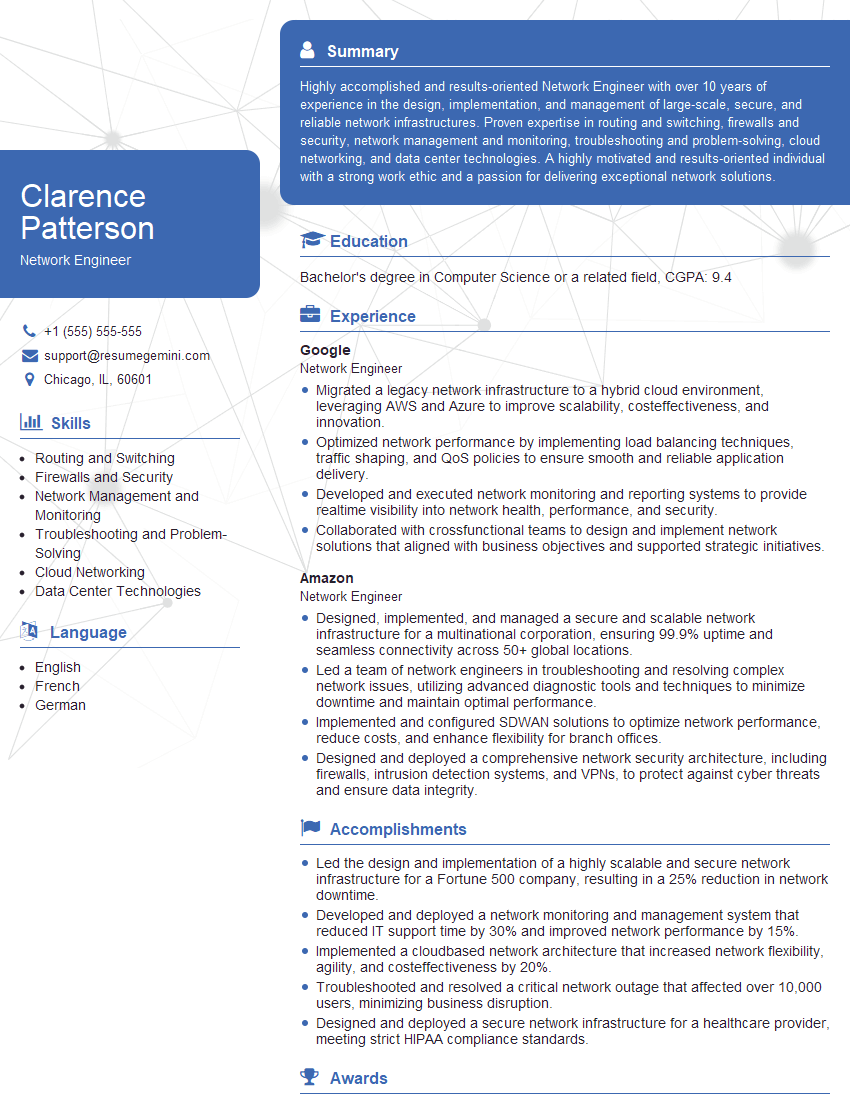
Network Engineer Resume Sample
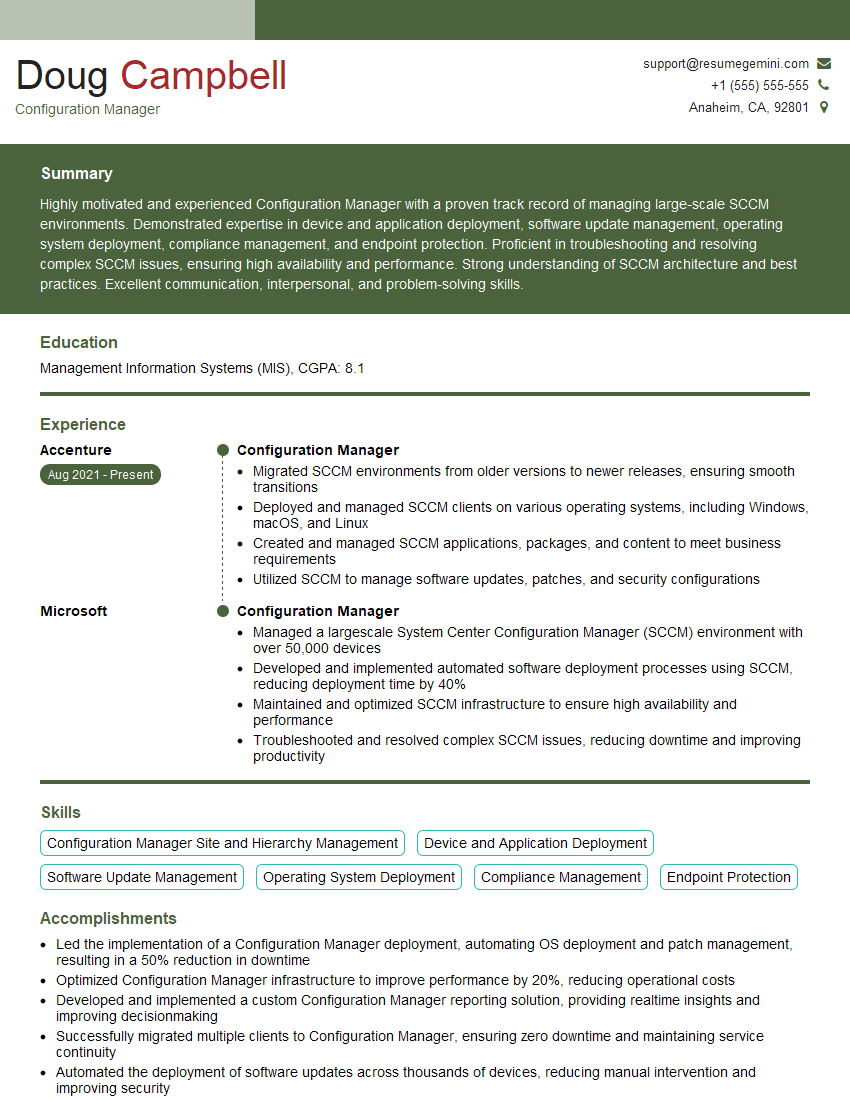
Configuration Manager Resume Sample
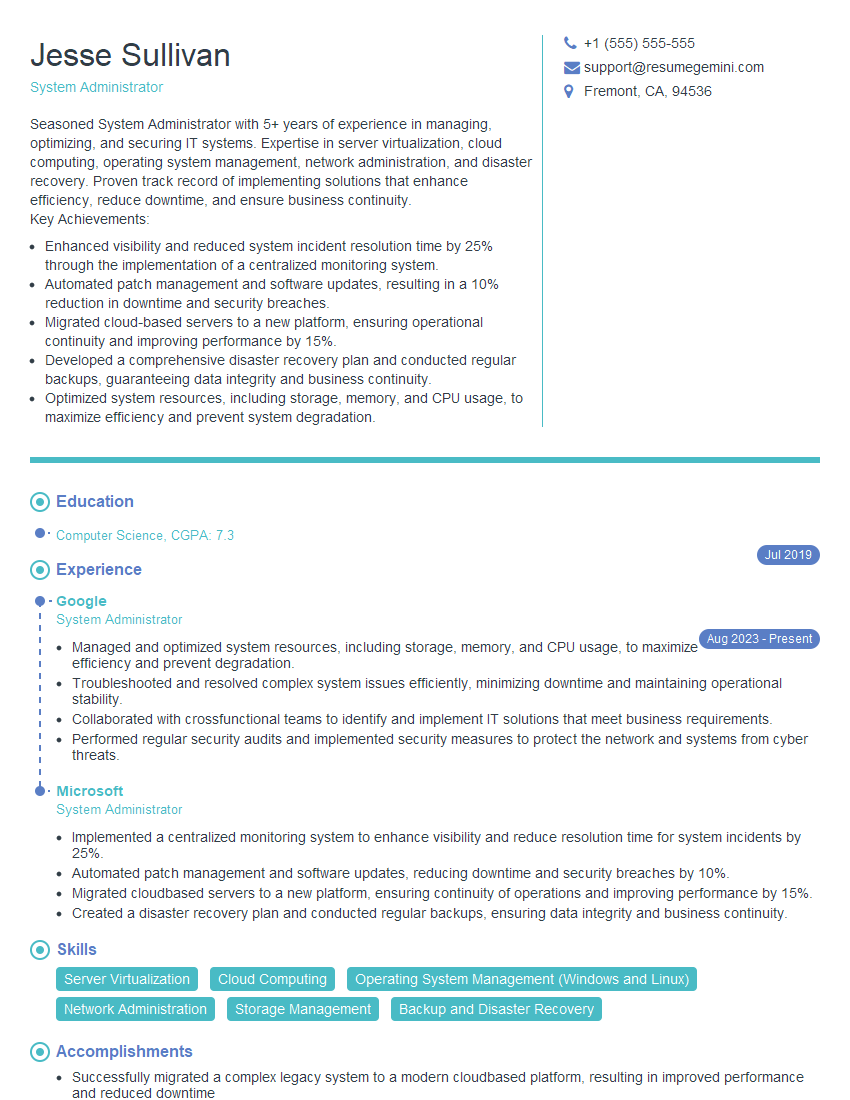
System Administrator Resume Sample
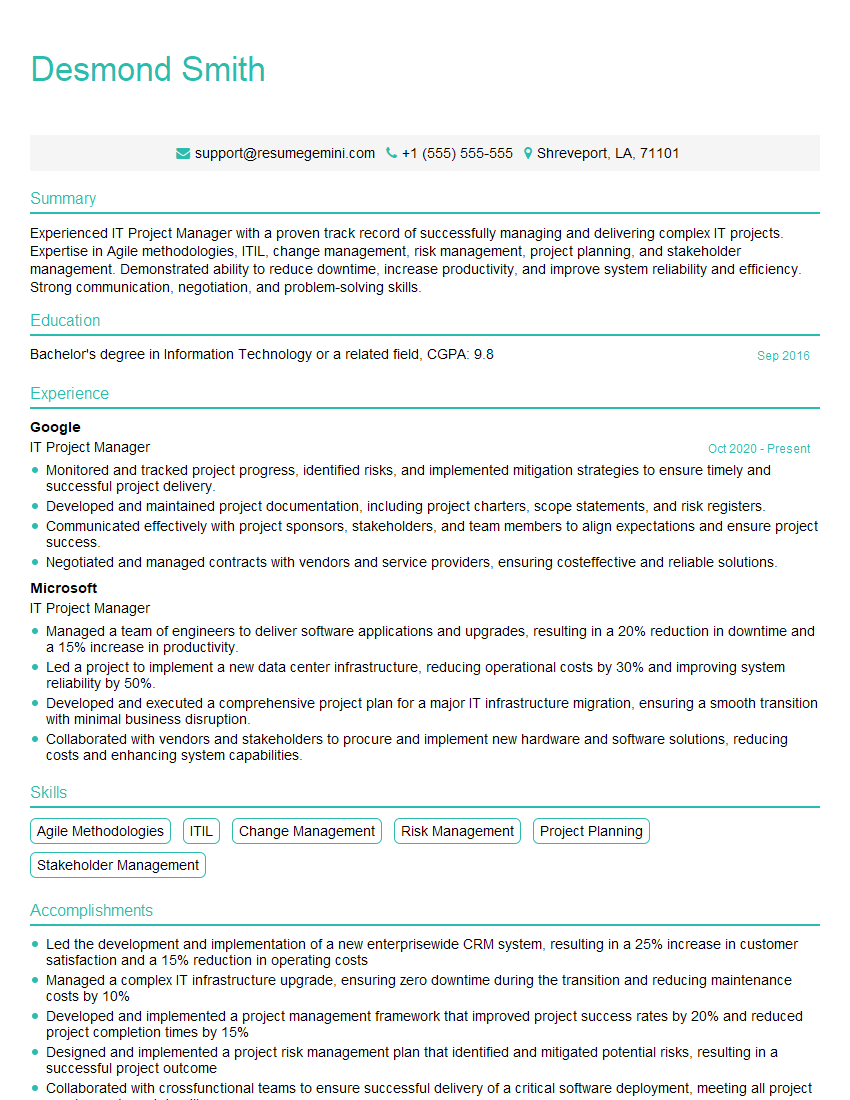
IT Project Manager Resume Sample
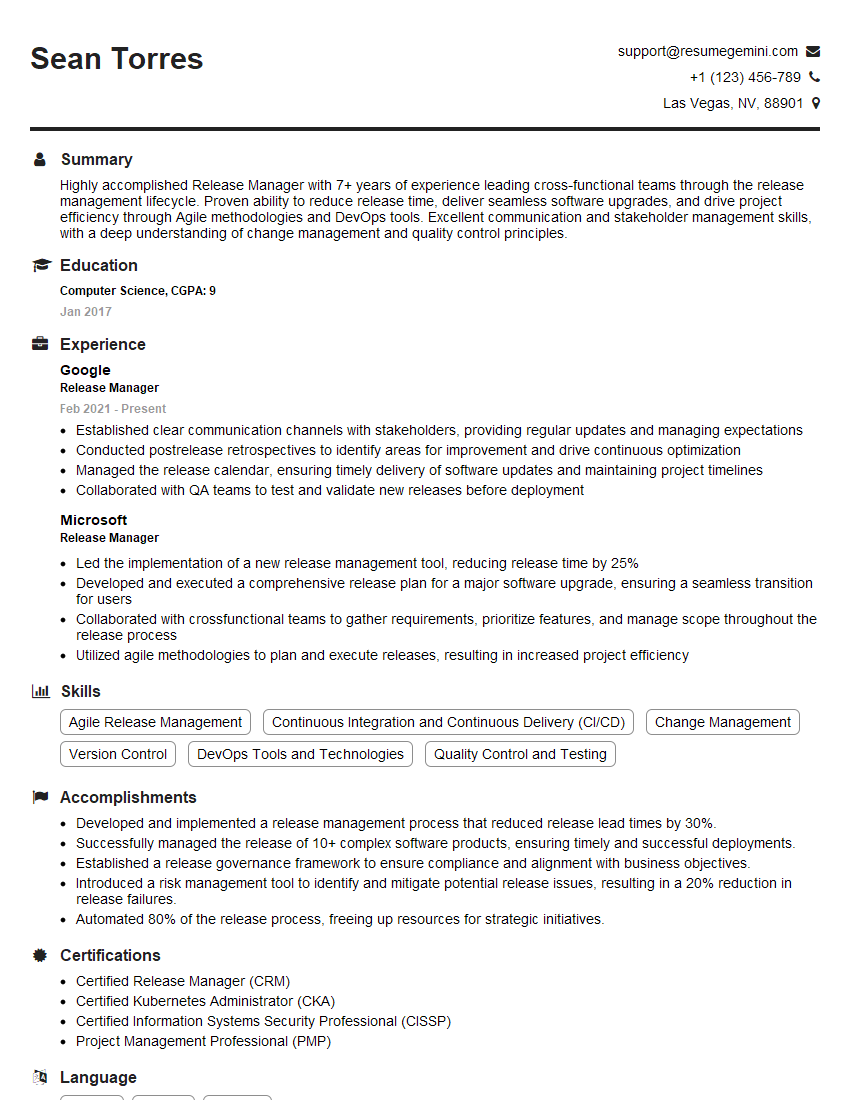
Release Manager Resume Sample
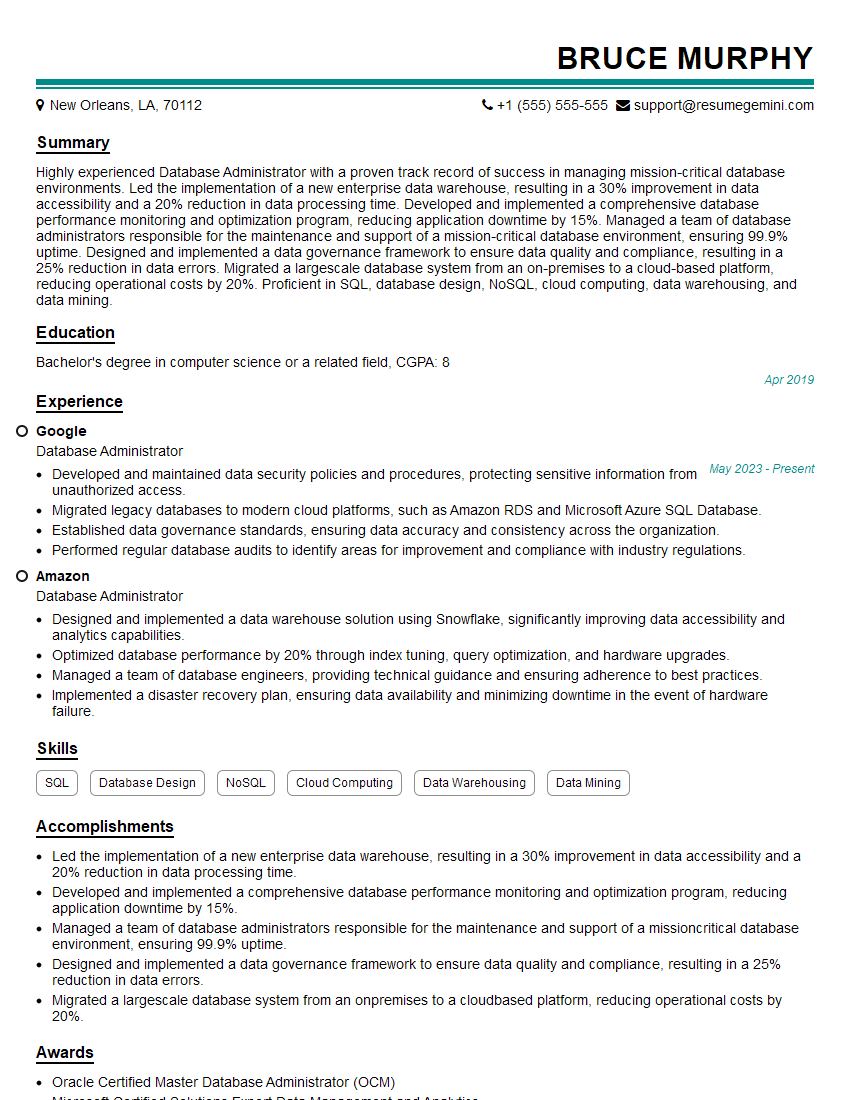
Database Administrator Resume Sample
DevOps Engineer Resume Sample
Cloud Architect Resume Sample
Explore more articles
Users Rating of Our Blogs
Share Your Experience
We value your feedback! Please rate our content and share your thoughts (optional).
What Readers Say About Our Blog
Hello,
we currently offer a complimentary backlink and URL indexing test for search engine optimization professionals.
You can get complimentary indexing credits to test how link discovery works in practice.
No credit card is required and there is no recurring fee.
You can find details here:
https://wikipedia-backlinks.com/indexing/
Regards
NICE RESPONSE TO Q & A
hi
The aim of this message is regarding an unclaimed deposit of a deceased nationale that bears the same name as you. You are not relate to him as there are millions of people answering the names across around the world. But i will use my position to influence the release of the deposit to you for our mutual benefit.
Respond for full details and how to claim the deposit. This is 100% risk free. Send hello to my email id: [email protected]
Luka Chachibaialuka
Hey interviewgemini.com, just wanted to follow up on my last email.
We just launched Call the Monster, an parenting app that lets you summon friendly ‘monsters’ kids actually listen to.
We’re also running a giveaway for everyone who downloads the app. Since it’s brand new, there aren’t many users yet, which means you’ve got a much better chance of winning some great prizes.
You can check it out here: https://bit.ly/callamonsterapp
Or follow us on Instagram: https://www.instagram.com/callamonsterapp
Thanks,
Ryan
CEO – Call the Monster App
Hey interviewgemini.com, I saw your website and love your approach.
I just want this to look like spam email, but want to share something important to you. We just launched Call the Monster, a parenting app that lets you summon friendly ‘monsters’ kids actually listen to.
Parents are loving it for calming chaos before bedtime. Thought you might want to try it: https://bit.ly/callamonsterapp or just follow our fun monster lore on Instagram: https://www.instagram.com/callamonsterapp
Thanks,
Ryan
CEO – Call A Monster APP
To the interviewgemini.com Owner.
Dear interviewgemini.com Webmaster!
Hi interviewgemini.com Webmaster!
Dear interviewgemini.com Webmaster!
excellent
Hello,
We found issues with your domain’s email setup that may be sending your messages to spam or blocking them completely. InboxShield Mini shows you how to fix it in minutes — no tech skills required.
Scan your domain now for details: https://inboxshield-mini.com/
— Adam @ InboxShield Mini
Reply STOP to unsubscribe
Hi, are you owner of interviewgemini.com? What if I told you I could help you find extra time in your schedule, reconnect with leads you didn’t even realize you missed, and bring in more “I want to work with you” conversations, without increasing your ad spend or hiring a full-time employee?
All with a flexible, budget-friendly service that could easily pay for itself. Sounds good?
Would it be nice to jump on a quick 10-minute call so I can show you exactly how we make this work?
Best,
Hapei
Marketing Director
Hey, I know you’re the owner of interviewgemini.com. I’ll be quick.
Fundraising for your business is tough and time-consuming. We make it easier by guaranteeing two private investor meetings each month, for six months. No demos, no pitch events – just direct introductions to active investors matched to your startup.
If youR17;re raising, this could help you build real momentum. Want me to send more info?
Hi, I represent an SEO company that specialises in getting you AI citations and higher rankings on Google. I’d like to offer you a 100% free SEO audit for your website. Would you be interested?
Hi, I represent an SEO company that specialises in getting you AI citations and higher rankings on Google. I’d like to offer you a 100% free SEO audit for your website. Would you be interested?
good