The thought of an interview can be nerve-wracking, but the right preparation can make all the difference. Explore this comprehensive guide to Contingency Analysis interview questions and gain the confidence you need to showcase your abilities and secure the role.
Questions Asked in Contingency Analysis Interview
Q 1. Define Contingency Analysis and its importance in risk management.
Contingency analysis is a systematic process of identifying potential risks and disruptions that could affect a project, organization, or system, and developing proactive plans to mitigate or manage those risks. It’s crucial in risk management because it shifts the focus from simply identifying risks to actively preparing for them. Instead of passively reacting to unforeseen events, contingency analysis allows for proactive response, minimizing damage and ensuring business continuity.
Imagine building a house. Risk assessment might identify the possibility of a storm delaying construction. Contingency analysis goes further, outlining specific actions: securing materials, adjusting the schedule, securing alternative workspaces, and perhaps even securing insurance against weather-related delays. This proactive approach saves time, money, and potential project failure.
Q 2. Explain the difference between risk assessment and contingency planning.
Risk assessment is the process of identifying and analyzing potential risks. It focuses on understanding the likelihood and impact of various threats. Think of it as a diagnostic tool – it tells you what problems you might face. Contingency planning, on the other hand, is the process of developing detailed action plans to address those identified risks. It’s the prescriptive part – it outlines how you will handle the problems. Risk assessment provides the ‘what,’ and contingency planning provides the ‘how’.
For instance, a risk assessment might reveal the risk of a supplier failing to deliver crucial components. The contingency plan would then detail alternative suppliers, emergency procurement procedures, and potential workarounds if the primary supplier fails.
Q 3. Describe the key steps involved in developing a contingency plan.
Developing a robust contingency plan involves several key steps:
- Risk Identification: Identify all potential risks through brainstorming, checklists, SWOT analysis, and HAZOP studies (Hazard and Operability studies).
- Risk Analysis: Analyze the likelihood and potential impact of each identified risk. This often involves qualitative or quantitative assessments, using techniques like probability and impact matrices.
- Contingency Planning: Develop specific, detailed action plans for each high-priority risk. These plans should outline triggers, responsible parties, resources needed, and communication protocols.
- Resource Allocation: Secure the necessary resources (financial, personnel, equipment) to implement the contingency plans.
- Testing and Review: Regularly test and review the contingency plans to ensure their effectiveness and update them as needed. This might involve tabletop exercises or simulations.
- Communication and Training: Communicate the plans to all relevant stakeholders and provide necessary training.
Imagine a company’s contingency plan for a cyberattack. Risk identification would pinpoint vulnerabilities; risk analysis would assess the potential damage; contingency planning would outline steps like data backup, system recovery, and communication strategies; resource allocation would cover IT support and public relations; testing would involve penetration testing; and communication would involve training employees on security protocols.
Q 4. What are the common methods for identifying potential risks?
Several methods exist for identifying potential risks. These methods often complement each other:
- Brainstorming: A group discussion to generate a wide range of potential risks.
- Checklists: Using pre-defined lists of common risks tailored to the specific industry or project.
- SWOT Analysis: Identifying Strengths, Weaknesses, Opportunities, and Threats.
- HAZOP Studies (Hazard and Operability studies): A systematic method for identifying potential hazards in a process.
- Failure Mode and Effects Analysis (FMEA): A structured approach to identify potential failure modes and their effects.
- Root Cause Analysis (RCA): Investigating past incidents to determine underlying causes and prevent future occurrences.
For example, a construction project might use checklists for weather-related risks, brainstorming for unforeseen site conditions, and FMEA to analyze the potential failures of crucial equipment.
Q 5. How do you prioritize risks in a contingency plan?
Risk prioritization is crucial for effective contingency planning. Resources are limited, so you must focus on the most critical risks. Common methods include:
- Risk Matrix: A visual tool that plots risks based on their likelihood and impact. High-likelihood, high-impact risks are prioritized.
- Decision Trees: A structured approach for visualizing different scenarios and their consequences to help determine priorities.
- Quantitative Risk Assessment: Assigning numerical values to likelihood and impact to objectively rank risks.
A risk matrix might categorize risks as high, medium, or low based on a combination of likelihood and impact scores. High-risk items would receive more attention in the contingency planning process. For example, a software company might prioritize a critical security vulnerability over a minor user interface issue.
Q 6. Explain the concept of ‘probability’ and ‘impact’ in risk analysis.
In risk analysis, ‘probability’ refers to the likelihood of a risk occurring. It’s often expressed as a percentage (e.g., a 20% chance of a power outage) or qualitatively (e.g., unlikely, likely, very likely). ‘Impact’ refers to the severity of consequences if the risk occurs. This can be measured in financial terms (e.g., a $100,000 loss), operational terms (e.g., a two-week project delay), or reputational terms (e.g., significant damage to brand image).
Consider a manufacturing plant. The probability of a machine malfunction might be low (5%), but the impact could be high (significant production downtime and repair costs). Conversely, the probability of a minor supply chain disruption might be high (80%), but the impact could be low (minimal production delays).
Q 7. What are some common risk mitigation strategies?
Common risk mitigation strategies aim to reduce either the likelihood or the impact of a risk:
- Risk Avoidance: Eliminating the risk entirely (e.g., not undertaking a risky project).
- Risk Reduction: Implementing measures to lower the likelihood or impact (e.g., installing fire suppression systems to reduce fire risk).
- Risk Transfer: Shifting the risk to a third party (e.g., purchasing insurance).
- Risk Acceptance: Accepting the risk and its potential consequences (e.g., accepting a small chance of a minor equipment failure).
- Risk Retention: Setting aside funds to cover potential losses (e.g., creating a contingency fund).
For example, a company facing a risk of data breaches might employ risk reduction (implementing stronger cybersecurity measures), risk transfer (purchasing cyber insurance), and risk retention (setting aside funds for incident response).
Q 8. Describe your experience using different risk assessment methodologies (e.g., FMEA, HAZOP).
My experience spans various risk assessment methodologies, primarily focusing on FMEA (Failure Mode and Effects Analysis) and HAZOP (Hazard and Operability Study). FMEA is a proactive approach where we systematically identify potential failure modes in a system, analyze their effects, and determine the severity, occurrence, and detection rates. This allows us to prioritize mitigation efforts based on a calculated Risk Priority Number (RPN). For instance, in a manufacturing setting, we might use FMEA to assess the risk of a machine malfunction, analyzing potential causes like component failure or power surges, their impact on production and safety, and the likelihood of detection before a major incident.
HAZOP, on the other hand, is a more qualitative method used for complex systems. It involves a structured brainstorming session with experts, systematically reviewing the process flow and considering deviations from the intended operating parameters (e.g., temperature, pressure, flow rate). This helps identify potential hazards and operability issues that could lead to incidents. I’ve used HAZOP in designing chemical processes, ensuring all safety considerations are integrated from the early stages, identifying things like potential leaks, runaway reactions, or equipment failures that could have significant consequences.
In practice, I often find that combining FMEA and HAZOP provides a robust risk assessment. FMEA provides a quantitative framework for prioritization, while HAZOP’s qualitative approach helps uncover less obvious risks that a purely quantitative approach might miss.
Q 9. How do you develop measurable key performance indicators (KPIs) for contingency plans?
Developing measurable KPIs for contingency plans requires careful consideration of the plan’s objectives and the potential risks involved. The KPIs should be SMART – Specific, Measurable, Achievable, Relevant, and Time-bound. For example, if the contingency plan focuses on business continuity during a cyberattack, relevant KPIs could include:
- Recovery Time Objective (RTO): The maximum acceptable downtime before critical systems are restored. This could be measured in hours or minutes.
- Recovery Point Objective (RPO): The maximum acceptable data loss in case of a disaster. This might be measured in hours or days of data.
- Mean Time To Recovery (MTTR): The average time it takes to restore a system to operational capacity after a failure. This is a measure of the efficiency of the recovery process.
- Percentage of critical systems restored within RTO: Tracks the success rate of the recovery process.
- Number of security incidents successfully mitigated: Tracks the effectiveness of the security response plan.
These KPIs provide quantifiable metrics to assess the effectiveness of the contingency plan and identify areas for improvement. Regular monitoring and reporting on these KPIs allow for proactive adjustments to the plan, ensuring its continued relevance and efficacy.
Q 10. How do you communicate risk and contingency plans to stakeholders?
Communicating risk and contingency plans effectively to stakeholders requires tailoring the message to the audience’s understanding and needs. For executive management, the focus should be on high-level summaries, key risks, and the potential financial impact. Detailed technical information can be provided in separate briefing materials. For operational teams, the focus should be on clear procedures, roles, responsibilities, and contact information.
I typically use a multi-pronged approach:
- Executive Summaries: Concise documents highlighting critical risks and the plan’s key elements.
- Interactive Workshops: Engaging sessions to discuss the plan with relevant stakeholders, enabling questions and feedback.
- Visual Aids: Diagrams, flowcharts, and presentations that illustrate the plan’s steps and key information in an easily digestible format.
- Regular Training and Drills: Practice scenarios help teams become familiar with procedures and identify areas for improvement.
- Communication Channels: Utilizing various channels such as email, intranet, or dedicated communication platforms to ensure timely and effective dissemination.
Clear and consistent communication ensures that everyone is informed and prepared to execute the plan effectively when needed.
Q 11. How do you ensure a contingency plan remains relevant and updated?
Maintaining the relevance and currency of a contingency plan is a continuous process. This requires a systematic approach involving regular reviews, updates, and testing.
- Scheduled Reviews: At least annual reviews are crucial, allowing for reassessment of risks, changes in the operating environment, and lessons learned from past incidents or near misses. Consider more frequent reviews if the environment is dynamic.
- Incident Review: After any incident, a thorough review should be conducted to evaluate the effectiveness of the plan, identifying areas for improvement. This includes documenting lessons learned and incorporating them into plan updates.
- Regular Updates: The plan should be updated to reflect any changes in the organization’s structure, systems, or operational procedures. This includes updating contact information and technology details.
- Tabletop Exercises and Simulations: Regularly conducting tabletop exercises or simulations allows teams to test the plan and identify gaps before a real emergency occurs.
- Version Control: Utilize a version control system for the plan to track changes, ensure accountability, and maintain a complete history of revisions.
By following these steps, you ensure that your contingency plan remains a current and effective tool, ready to protect your organization from unforeseen events.
Q 12. Describe a time you had to develop a contingency plan under pressure.
During a major software release, we experienced an unexpected database crash just hours before the scheduled go-live. We had a general contingency plan for database issues, but this crash was far more severe than anticipated. Under intense pressure, I led the team in a rapid response. We quickly assessed the situation, determining the extent of the data loss and the potential impact on the release. We immediately convened a bridge call with key stakeholders, including development, operations, and marketing teams.
First, we prioritized data recovery using our backups. Meanwhile, another team began preparing a partial release to mitigate the impact on the customers. We successfully implemented a phased rollout strategy, prioritizing core features and delaying non-essential components. Communication with stakeholders was critical, ensuring transparency and managing expectations. Though the launch was delayed, we mitigated a potential catastrophe and managed to launch successfully within 48 hours. This experience highlighted the importance of proactive planning, clear communication under pressure, and the need for a flexible approach to adapt to unforeseen circumstances. The incident also spurred a review and enhancement of our contingency plan, including the implementation of more robust monitoring and failover systems.
Q 13. How do you handle unexpected events or disruptions not covered in the plan?
While comprehensive contingency plans aim to address foreseeable risks, unexpected events are inevitable. When faced with an event outside the plan’s scope, a structured approach is critical.
- Assess the Situation: Quickly gather information to understand the nature and extent of the disruption. What systems or processes are affected? What is the potential impact?
- Activate the Crisis Management Team: Convene the appropriate team to coordinate the response, including experts from various departments.
- Implement Immediate Mitigation Measures: Focus on containing the situation and minimizing further damage. This might involve temporarily shutting down affected systems or implementing alternative procedures.
- Develop an Ad-hoc Response: Working with the crisis management team, develop a temporary response plan to address the immediate challenges. This plan should be documented and integrated into future updates of the main contingency plan.
- Post-Incident Review: Following the resolution of the incident, conduct a thorough review to identify the gaps in the existing contingency plan and incorporate necessary adjustments to address similar events in the future.
The key is adaptability. Even though the unexpected event wasn’t explicitly covered, the existing plan provided a framework and processes for dealing with the unforeseen situation effectively.
Q 14. What are the key elements of a successful contingency plan?
A successful contingency plan comprises several key elements:
- Risk Assessment: A thorough identification and evaluation of potential risks and their likelihood and impact. This should be regularly reviewed and updated.
- Clear Objectives: Define specific, measurable, achievable, relevant, and time-bound objectives for the plan. What are you trying to achieve during a disruption?
- Detailed Procedures: Step-by-step instructions outlining actions to be taken in various scenarios, including roles, responsibilities, and communication protocols.
- Resource Allocation: Identification and allocation of necessary resources (personnel, equipment, funds) to effectively implement the plan. This should include pre-positioned resources where feasible.
- Communication Plan: A well-defined strategy for communicating with stakeholders throughout the process, including regular updates and crisis communication procedures.
- Testing and Training: Regular testing and training exercises to ensure that the plan is understood and functional. Drills can include tabletop exercises and full-scale simulations.
- Post-Incident Review: A mechanism for reviewing the effectiveness of the plan following any incident, allowing for continuous improvement.
These elements, when effectively integrated, create a robust and resilient plan that improves an organization’s ability to manage crises and ensure business continuity.
Q 15. Explain the importance of testing and exercising contingency plans.
Testing and exercising contingency plans is crucial because a plan that’s never tested is just a document, not a viable solution. It’s like having a fire escape but never checking if it’s functional – it’s useless in an emergency. Testing identifies weaknesses, clarifies roles, and builds team confidence.
We employ various methods, including tabletop exercises (simulated scenarios discussed by the response team), functional exercises (testing specific elements of the plan), and full-scale exercises (simulating the entire event). For instance, a tabletop exercise might involve simulating a data breach; a functional exercise might test the recovery of a critical database; and a full-scale exercise would incorporate all aspects, including communication, resource allocation, and damage control. Post-exercise reviews are vital to identify areas for improvement and update the plan accordingly.
Career Expert Tips:
- Ace those interviews! Prepare effectively by reviewing the Top 50 Most Common Interview Questions on ResumeGemini.
- Navigate your job search with confidence! Explore a wide range of Career Tips on ResumeGemini. Learn about common challenges and recommendations to overcome them.
- Craft the perfect resume! Master the Art of Resume Writing with ResumeGemini’s guide. Showcase your unique qualifications and achievements effectively.
- Don’t miss out on holiday savings! Build your dream resume with ResumeGemini’s ATS optimized templates.
Q 16. How do you integrate contingency planning into project management?
Contingency planning is seamlessly integrated into project management through proactive risk management. It starts with identifying potential risks during the project initiation phase using techniques like SWOT analysis and brainstorming. Each identified risk is then analyzed for likelihood and impact, and appropriate contingency plans are developed. These plans are documented in the project management plan itself, detailing triggers, actions, responsibilities, and timelines for each contingency.
For example, a software development project might include a contingency plan for delays due to unforeseen technical issues. This plan would specify alternate solutions, allocated resources, and communication protocols to keep the project on track. Regular monitoring and reporting help track the likelihood of risks and ensure the contingency plans remain relevant and updated throughout the project lifecycle.
Q 17. How do you measure the effectiveness of a contingency plan?
Measuring the effectiveness of a contingency plan isn’t solely about whether the plan was implemented; it’s about its overall success in mitigating the impact of an event. We use a multi-faceted approach.
- Timeliness: How quickly was the plan activated and did the response meet pre-defined timelines?
- Effectiveness: To what extent did the plan reduce the negative impact of the incident? This might involve quantifiable metrics like downtime reduction or financial loss avoided.
- Efficiency: Did the plan utilize resources optimally? Was there wastage or duplication of effort?
- Communication: How effective was communication among stakeholders during the event?
- Post-Incident Review: A thorough post-incident review using lessons learned is crucial to assess the plan’s effectiveness and areas for improvement.
For example, if a server outage occurred and the contingency plan resulted in minimal downtime and data loss compared to previous incidents, then the plan can be considered effective. Quantitative metrics like Recovery Time Objective (RTO) and Recovery Point Objective (RPO) are helpful in measuring success against pre-defined goals.
Q 18. What are some common challenges in implementing contingency plans?
Implementing contingency plans faces several challenges:
- Lack of Resources: Insufficient budget, personnel, or technology can hinder the implementation of comprehensive plans.
- Lack of Buy-in: Stakeholders may lack understanding or commitment to the plan, leading to ineffective execution.
- Poor Communication: Inadequate communication can create confusion and hamper the coordinated response during an event.
- Outdated Plans: Contingency plans must be regularly reviewed and updated to remain relevant. Ignoring this can lead to ineffective responses.
- Overcomplication: Plans that are overly complex or difficult to understand can be challenging to implement effectively.
- Testing and Training Gaps: Insufficient testing and training can lead to poor plan execution.
Overcoming these requires strong leadership, clear communication, adequate resource allocation, and a culture of continuous improvement.
Q 19. Describe your experience with business impact analysis (BIA).
Business Impact Analysis (BIA) is the cornerstone of effective contingency planning. It’s a systematic process to identify critical business functions and the potential impact of disruptions to these functions.
In my experience, conducting a BIA involves collaborating with stakeholders across different departments to identify critical assets, processes, and systems. We then analyze the potential impact of various threats (natural disasters, cyberattacks, etc.) on each identified function, measuring potential financial loss, reputational damage, and operational disruption. The results of a BIA inform the development of prioritized contingency plans, focusing on the most critical areas.
For instance, in a retail company, a BIA might identify the point-of-sale system as critical. Disruption to this system would have a significant impact on revenue, and the BIA would quantify this impact. This would then lead to a detailed contingency plan focused on ensuring the system’s availability, such as redundant systems and disaster recovery procedures.
Q 20. How do you ensure stakeholder buy-in for contingency planning?
Securing stakeholder buy-in for contingency planning requires demonstrating its value and relevance. This is achieved through:
- Clear Communication: Explain the rationale behind the plan, highlighting potential risks and their consequences in clear, understandable terms.
- Collaboration: Involve stakeholders in the planning process, allowing them to contribute their expertise and build ownership.
- Demonstrating Value: Highlight the potential cost savings and reduced disruption that a well-executed plan can deliver.
- Training and Education: Provide training to stakeholders on the plan’s contents, procedures, and their roles and responsibilities.
- Regular Review and Updates: Ensure the plan remains relevant and addresses ongoing concerns.
A successful approach involves presenting a compelling business case that justifies the investment in contingency planning, emphasizing the potential negative consequences of inaction. Active engagement with stakeholders helps foster trust and mutual understanding.
Q 21. How do you balance the cost of implementing a contingency plan with its potential benefits?
Balancing cost and benefits requires a risk-based approach. The cost of implementing a contingency plan should be weighed against the potential cost of not having one.
We conduct a cost-benefit analysis, considering the financial impact of potential disruptions (loss of revenue, legal fees, reputational damage) and comparing it to the cost of developing and maintaining the contingency plan (personnel time, technology investments, training). This allows for prioritizing plans based on their potential return on investment (ROI).
A cost-effective approach might involve focusing resources on the most critical risks, implementing cost-effective solutions, and leveraging existing resources where possible. This might include using cloud-based solutions for backup and disaster recovery, rather than investing in large-scale on-premise infrastructure. Continuous monitoring of costs and benefits ensures the plan remains efficient and aligned with organizational priorities.
Q 22. Describe your experience with different types of contingency plans (e.g., disaster recovery, business continuity).
Contingency planning encompasses a range of strategies designed to mitigate the impact of unexpected events. Disaster recovery and business continuity are two prominent types, often overlapping but with distinct focuses. Disaster recovery (DR) plans primarily address IT infrastructure and data restoration following a catastrophic event like a natural disaster or cyberattack. Business continuity (BC) plans, on the other hand, take a broader view, encompassing all aspects of the business to ensure operational resilience during disruptions, including those impacting supply chains, personnel, or regulatory changes.
My experience includes developing and implementing both DR and BC plans for various organizations. For example, I worked with a financial institution to develop a DR plan that focused on replicating their critical databases to a geographically separate location, enabling rapid recovery in case of a data center failure. In another project, I helped a manufacturing company create a BC plan that addressed supply chain vulnerabilities by diversifying their supplier base and establishing alternative transportation routes. These plans often incorporate elements of crisis communication, stakeholder engagement, and regulatory compliance.
Q 23. How do you use data analysis to inform contingency planning?
Data analysis plays a crucial role in informing contingency planning by providing evidence-based insights into potential risks and vulnerabilities. By analyzing historical data, we can identify patterns and trends that may indicate future disruptions. For example, analyzing past system outages can reveal the frequency and causes of failures, allowing us to prioritize preventative measures or allocate resources appropriately.
I frequently utilize statistical analysis to assess the likelihood and potential impact of various events. This could involve analyzing sales data to understand the impact of a supply chain disruption or examining customer data to predict the potential fallout from a security breach. We might use techniques like Monte Carlo simulations to model different scenarios and assess the potential impact of each. This quantitative approach helps us to make more informed decisions about resource allocation and prioritization during the contingency planning process. The goal is to move beyond gut feelings and create plans based on concrete data and statistical modeling.
Q 24. How do you incorporate lessons learned from past incidents into future contingency planning?
Incorporating lessons learned from past incidents is fundamental to effective contingency planning. A post-incident review (PIR) is a structured process for analyzing what went well, what went wrong, and how the plan could be improved. This iterative approach allows us to refine our strategies and procedures over time, making our plans more robust and effective.
For example, after a ransomware attack, we might review our cybersecurity protocols, discovering a weakness in our employee training program. This could lead to the addition of more comprehensive security awareness training to future contingency plans. Similarly, if a natural disaster exposes vulnerabilities in our supply chain, we might diversify our sources or establish backup storage facilities. The PIR process is not just about fixing what broke, but understanding the ‘why’ to prevent similar incidents in the future. This includes documenting findings, distributing the report to relevant stakeholders, and updating the contingency plan accordingly.
Q 25. What software or tools have you used for contingency planning?
Throughout my career, I’ve utilized various software and tools for contingency planning. These range from simple spreadsheet applications for documenting procedures to sophisticated software platforms designed for business continuity management.
For example, I’ve used Microsoft Excel and Project for task management, risk assessment, and resource allocation within contingency plans. More specialized software includes business continuity management platforms such as [mention specific software names, e.g., Planview Enterprise One, or other relevant tools]. These platforms offer advanced features such as workflow automation, impact analysis, and reporting capabilities. The choice of software depends on the complexity of the organization and its specific needs. Even with advanced software, strong communication and collaboration are key to successful planning.
Q 26. Explain the role of contingency planning in regulatory compliance.
Contingency planning plays a crucial role in regulatory compliance across many industries. Regulations often mandate that organizations have plans in place to address specific risks, such as data breaches, environmental disasters, or disruptions to critical infrastructure. Compliance demonstrates due diligence and helps protect the organization from potential fines or legal repercussions.
For instance, financial institutions are subject to stringent regulations regarding data security and disaster recovery. Failure to meet these regulations can result in significant penalties. Similarly, healthcare organizations must comply with HIPAA regulations, which mandate plans for protecting patient data and ensuring business continuity in case of a disruption. A well-documented and regularly tested contingency plan provides demonstrable evidence of compliance, reducing the risk of regulatory non-compliance.
Q 27. How do you address ethical considerations in contingency planning?
Ethical considerations are paramount in contingency planning. Plans should be developed and implemented in a way that respects the rights and well-being of all stakeholders, including employees, customers, and the wider community.
For example, plans should address how to protect sensitive data during a breach, ensuring compliance with privacy regulations and minimizing harm to affected individuals. In the event of a layoff due to a business disruption, ethical considerations dictate that the process be handled fairly and transparently, providing adequate support to affected employees. Moreover, during a crisis, organizations should prioritize safety and well-being, balancing the need for business continuity with the ethical imperative to protect human life. Prioritizing ethical considerations in contingency planning helps build trust and enhances organizational reputation.
Key Topics to Learn for Contingency Analysis Interview
- Defining Contingency Analysis: Understanding its purpose, scope, and the different types of contingency analyses used in various fields (e.g., project management, risk management, business continuity).
- Identifying and Assessing Contingencies: Methods for identifying potential risks, challenges, and opportunities. Practical application includes brainstorming techniques, SWOT analysis, and scenario planning.
- Developing Contingency Plans: Creating proactive strategies to mitigate risks and capitalize on opportunities. This includes defining triggers, outlining actions, assigning responsibilities, and establishing communication protocols.
- Risk Assessment and Prioritization: Utilizing frameworks like probability and impact matrices to prioritize risks and allocate resources effectively. Practical application includes examples of risk registers and prioritization techniques.
- Monitoring and Evaluation: Tracking the effectiveness of contingency plans, making adjustments as needed, and documenting lessons learned for future improvements. This includes developing key performance indicators (KPIs) and conducting post-event reviews.
- Communication and Stakeholder Management: Effectively communicating risks and contingency plans to stakeholders at all levels. This includes tailoring communication to the audience and building consensus.
- Software and Tools: Familiarity with relevant software and tools used for contingency planning and risk management (mentioning general categories rather than specific tools to avoid bias).
Next Steps
Mastering Contingency Analysis significantly enhances your problem-solving abilities and strategic thinking, making you a highly valuable asset in any organization. To maximize your job prospects, creating a strong, ATS-friendly resume is crucial. ResumeGemini can help you build a compelling resume that highlights your skills and experience in Contingency Analysis effectively. We provide examples of resumes tailored to this field to guide you in creating a professional and impactful document that will get noticed.
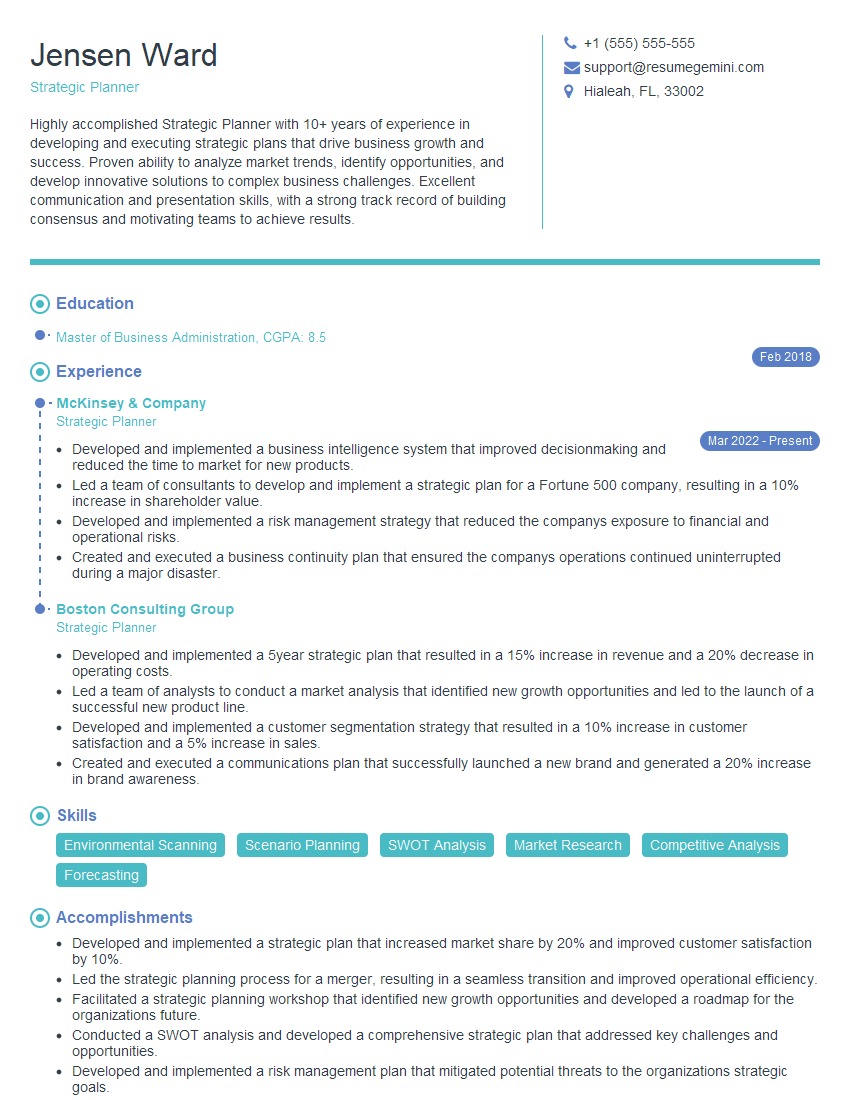
Strategic Planner Resume Sample
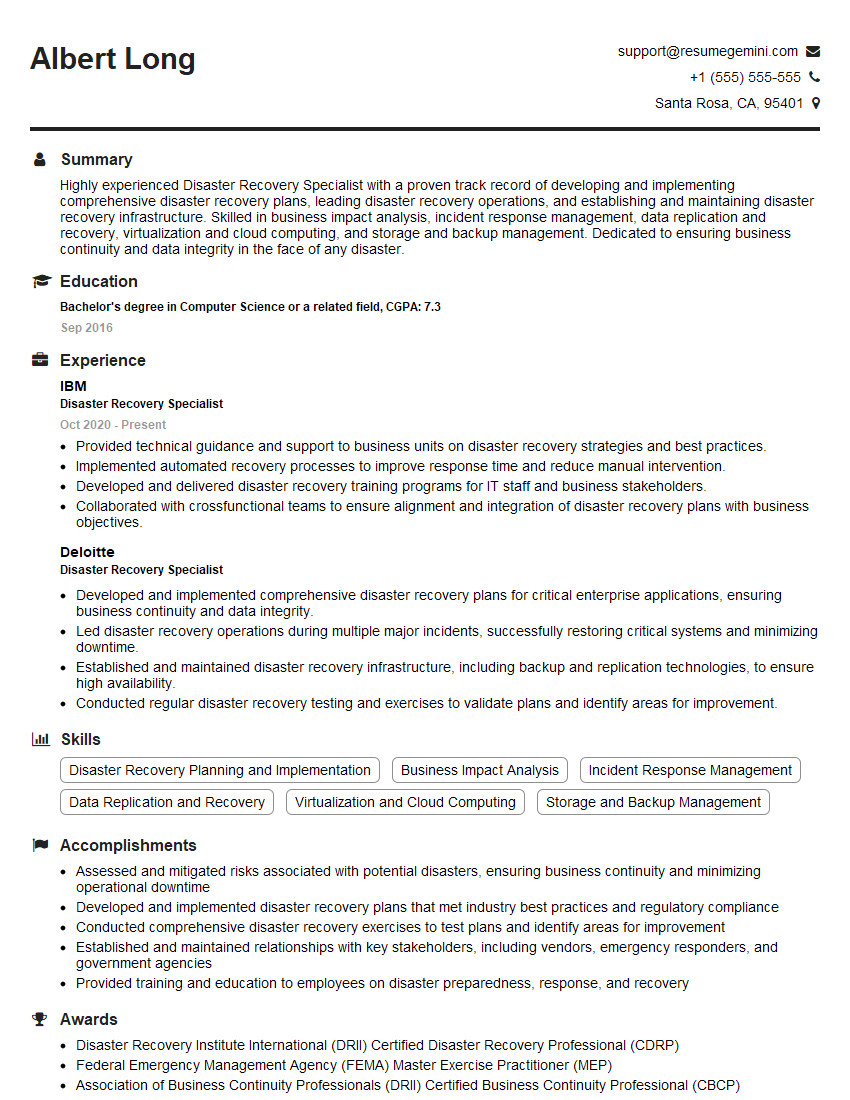
Disaster Recovery Specialist Resume Sample
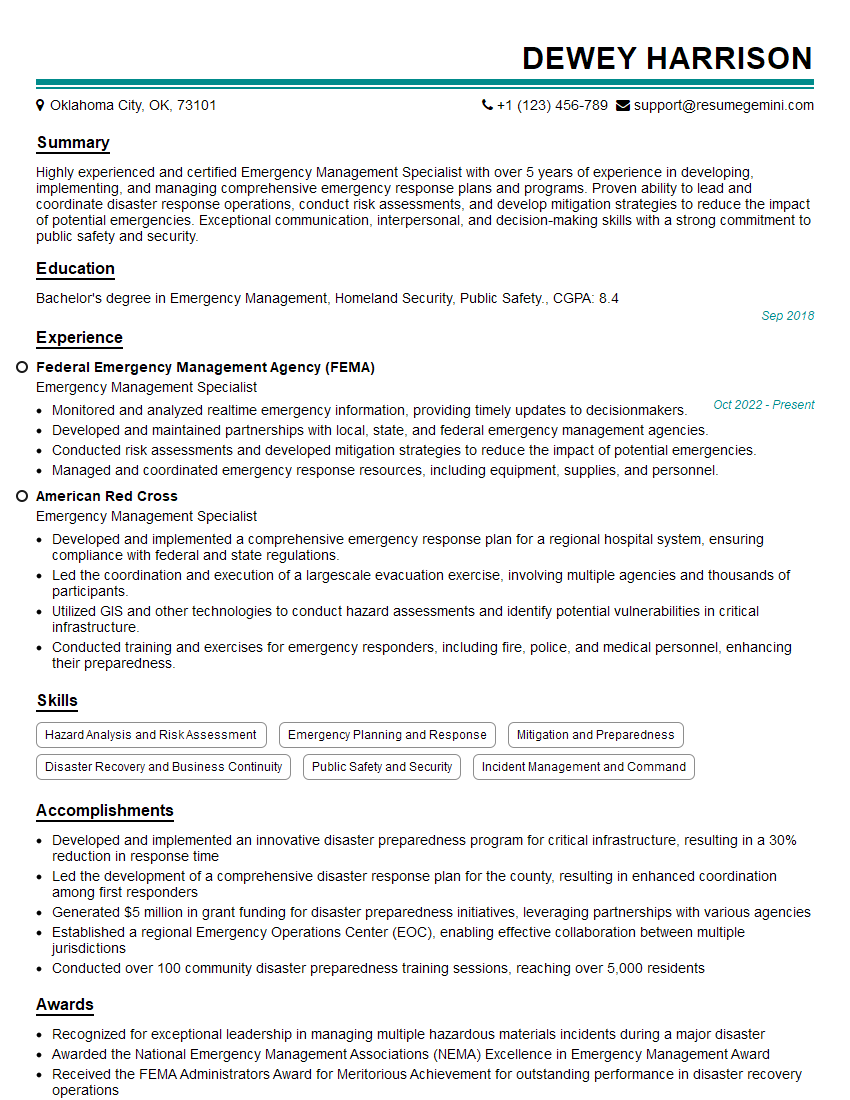
Emergency Management Specialist Resume Sample
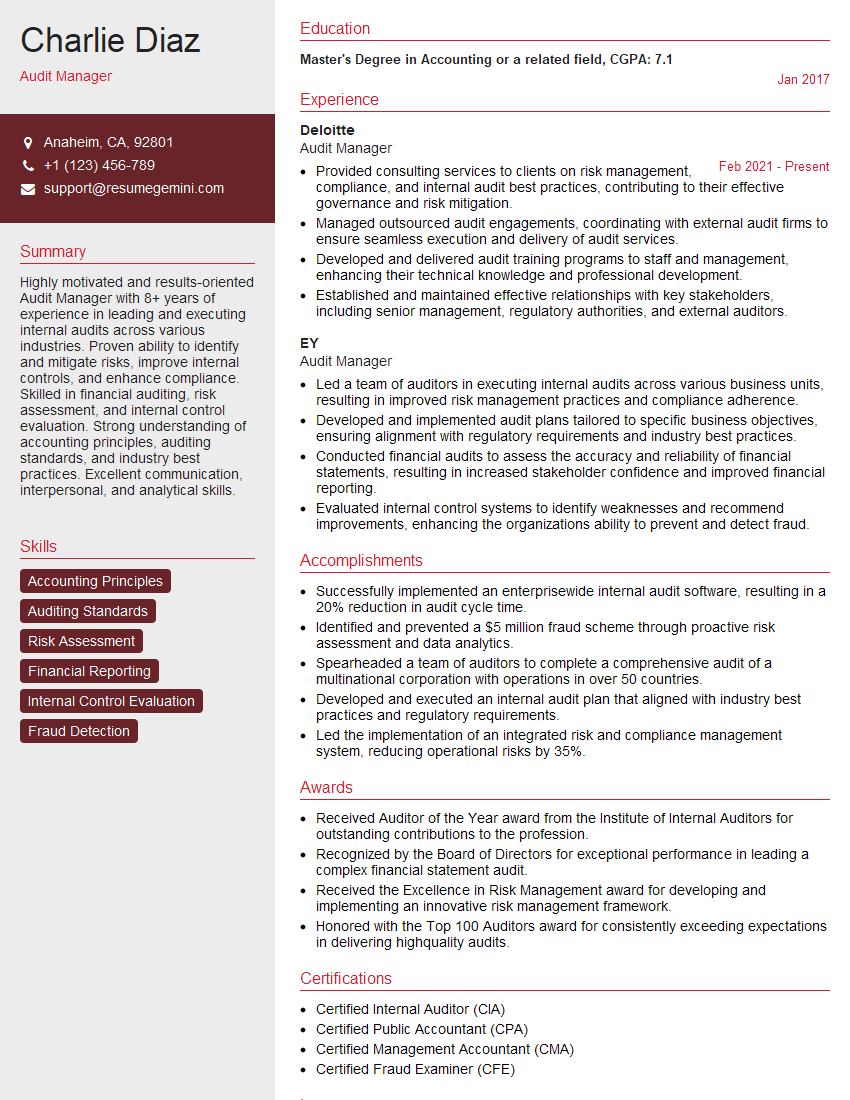
Audit Manager Resume Sample
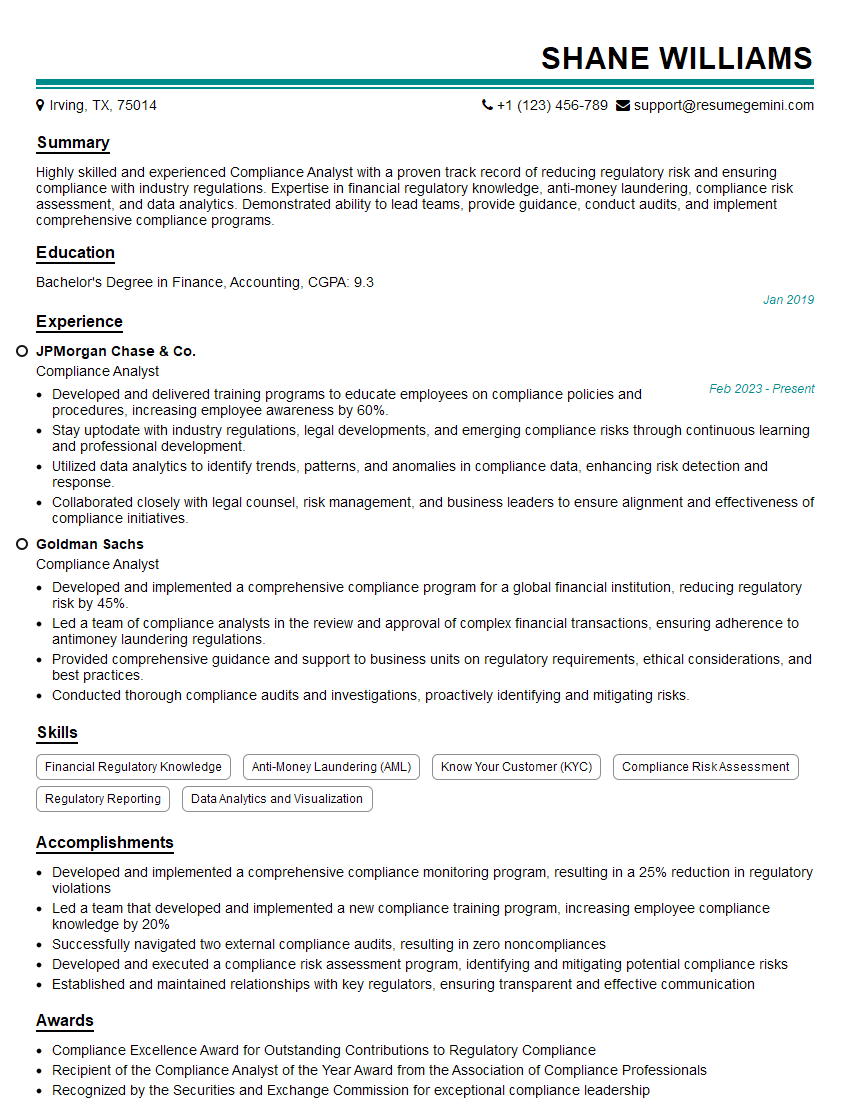
Compliance Analyst Resume Sample
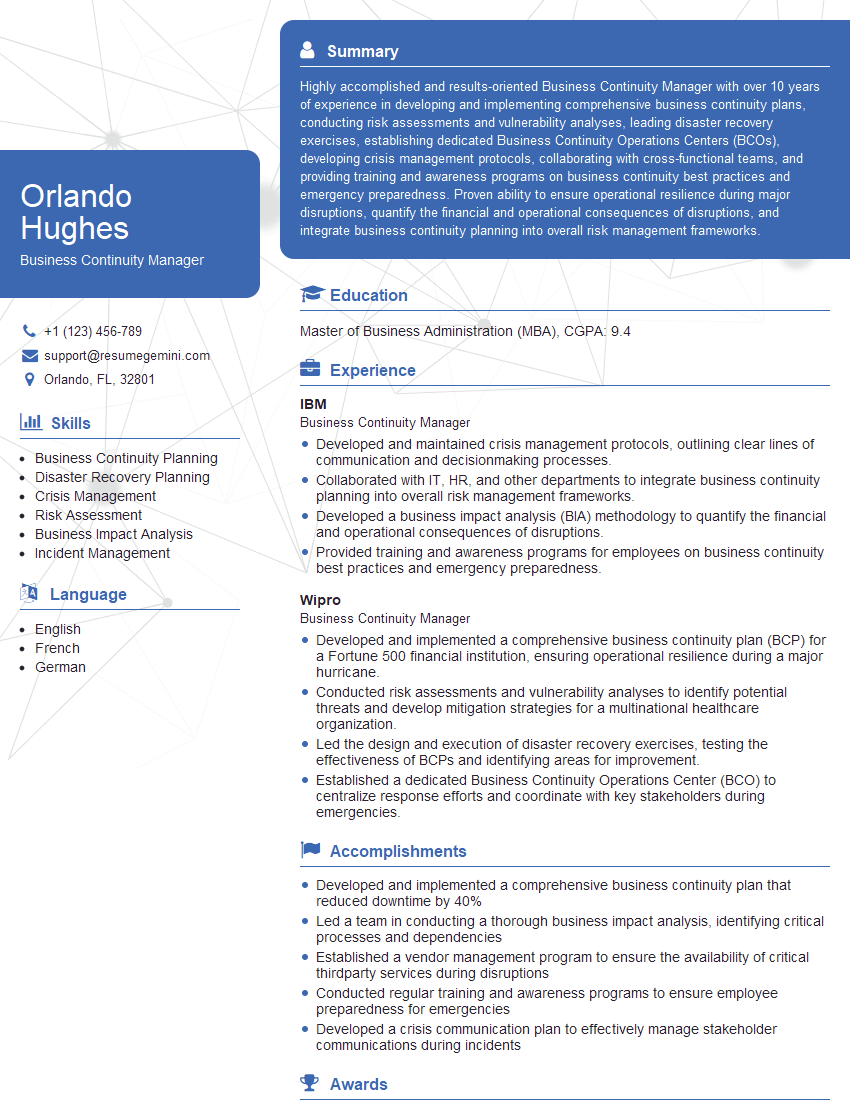
Business Continuity Manager Resume Sample
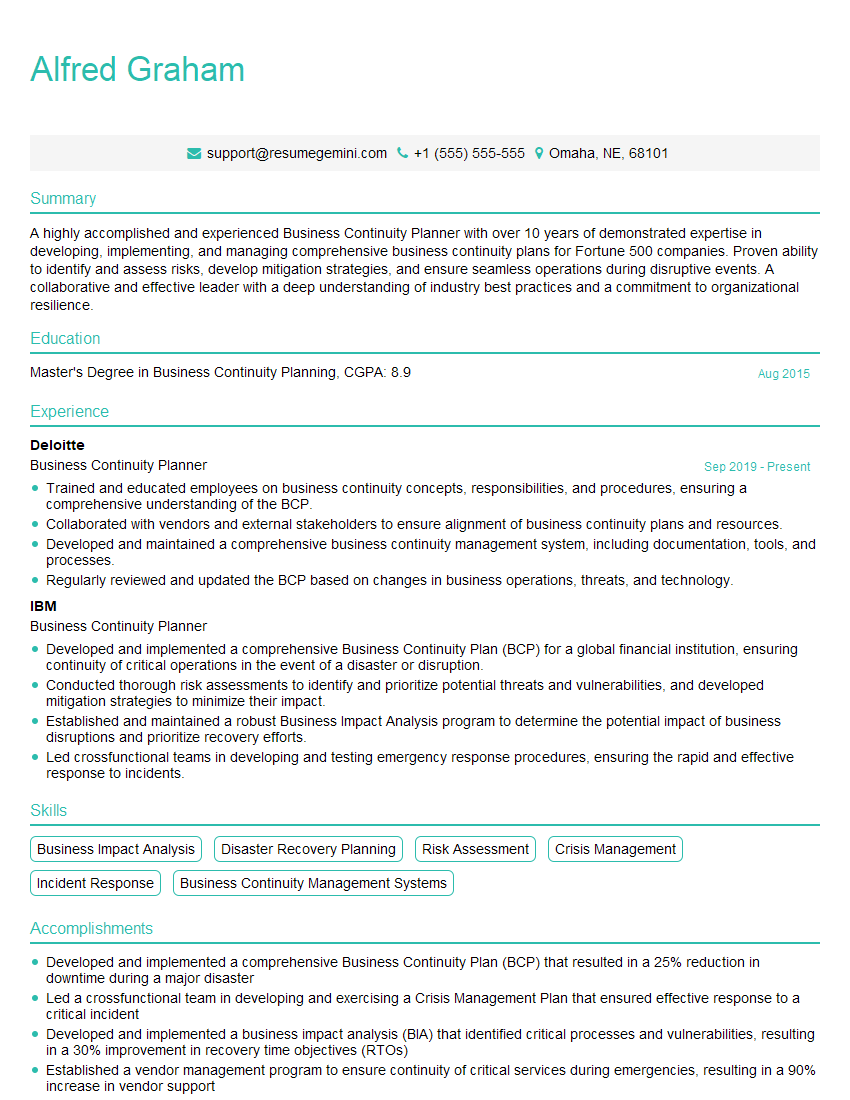
Business Continuity Planner Resume Sample
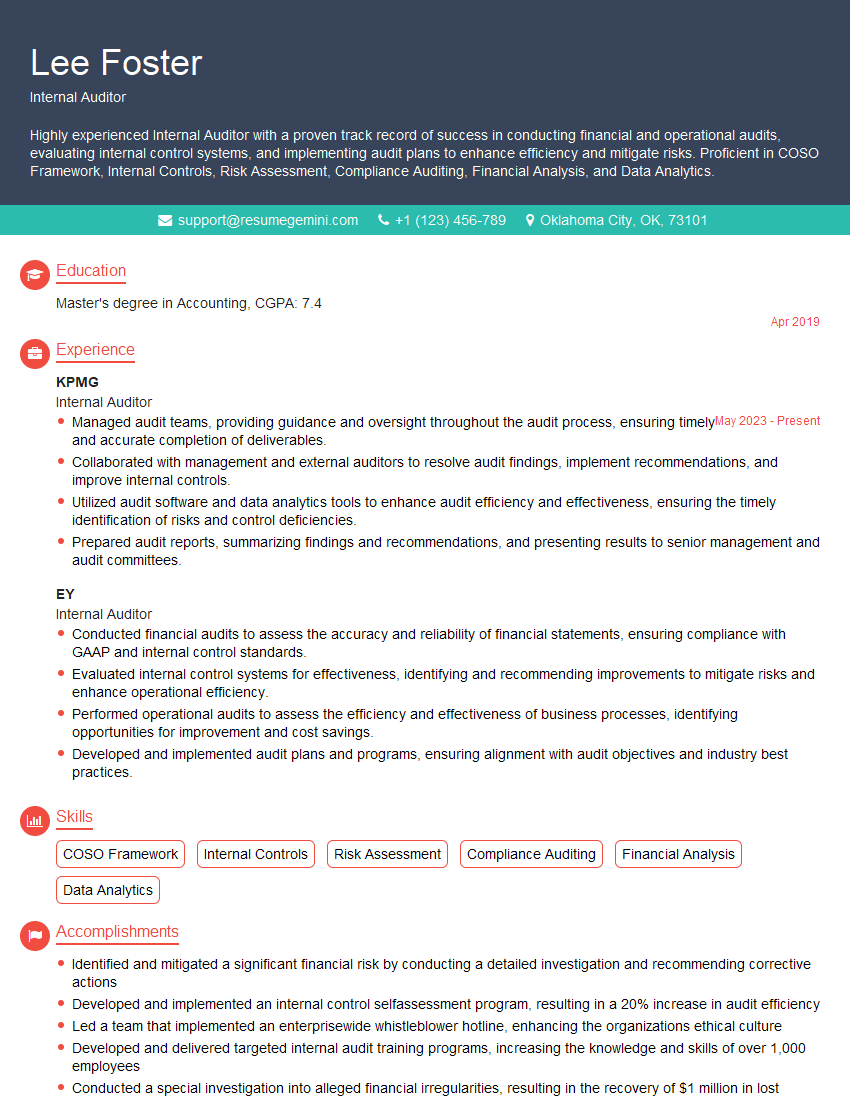
Internal Auditor Resume Sample
Risk Analyst Resume Sample
Data Security Analyst Resume Sample
Cybersecurity Risk Analyst Resume Sample
Explore more articles
Users Rating of Our Blogs
Share Your Experience
We value your feedback! Please rate our content and share your thoughts (optional).
What Readers Say About Our Blog
Hello,
we currently offer a complimentary backlink and URL indexing test for search engine optimization professionals.
You can get complimentary indexing credits to test how link discovery works in practice.
No credit card is required and there is no recurring fee.
You can find details here:
https://wikipedia-backlinks.com/indexing/
Regards
NICE RESPONSE TO Q & A
hi
The aim of this message is regarding an unclaimed deposit of a deceased nationale that bears the same name as you. You are not relate to him as there are millions of people answering the names across around the world. But i will use my position to influence the release of the deposit to you for our mutual benefit.
Respond for full details and how to claim the deposit. This is 100% risk free. Send hello to my email id: [email protected]
Luka Chachibaialuka
Hey interviewgemini.com, just wanted to follow up on my last email.
We just launched Call the Monster, an parenting app that lets you summon friendly ‘monsters’ kids actually listen to.
We’re also running a giveaway for everyone who downloads the app. Since it’s brand new, there aren’t many users yet, which means you’ve got a much better chance of winning some great prizes.
You can check it out here: https://bit.ly/callamonsterapp
Or follow us on Instagram: https://www.instagram.com/callamonsterapp
Thanks,
Ryan
CEO – Call the Monster App
Hey interviewgemini.com, I saw your website and love your approach.
I just want this to look like spam email, but want to share something important to you. We just launched Call the Monster, a parenting app that lets you summon friendly ‘monsters’ kids actually listen to.
Parents are loving it for calming chaos before bedtime. Thought you might want to try it: https://bit.ly/callamonsterapp or just follow our fun monster lore on Instagram: https://www.instagram.com/callamonsterapp
Thanks,
Ryan
CEO – Call A Monster APP
To the interviewgemini.com Owner.
Dear interviewgemini.com Webmaster!
Hi interviewgemini.com Webmaster!
Dear interviewgemini.com Webmaster!
excellent
Hello,
We found issues with your domain’s email setup that may be sending your messages to spam or blocking them completely. InboxShield Mini shows you how to fix it in minutes — no tech skills required.
Scan your domain now for details: https://inboxshield-mini.com/
— Adam @ InboxShield Mini
Reply STOP to unsubscribe
Hi, are you owner of interviewgemini.com? What if I told you I could help you find extra time in your schedule, reconnect with leads you didn’t even realize you missed, and bring in more “I want to work with you” conversations, without increasing your ad spend or hiring a full-time employee?
All with a flexible, budget-friendly service that could easily pay for itself. Sounds good?
Would it be nice to jump on a quick 10-minute call so I can show you exactly how we make this work?
Best,
Hapei
Marketing Director
Hey, I know you’re the owner of interviewgemini.com. I’ll be quick.
Fundraising for your business is tough and time-consuming. We make it easier by guaranteeing two private investor meetings each month, for six months. No demos, no pitch events – just direct introductions to active investors matched to your startup.
If youR17;re raising, this could help you build real momentum. Want me to send more info?
Hi, I represent an SEO company that specialises in getting you AI citations and higher rankings on Google. I’d like to offer you a 100% free SEO audit for your website. Would you be interested?
Hi, I represent an SEO company that specialises in getting you AI citations and higher rankings on Google. I’d like to offer you a 100% free SEO audit for your website. Would you be interested?
good