Cracking a skill-specific interview, like one for Control Measures Implementation, requires understanding the nuances of the role. In this blog, we present the questions you’re most likely to encounter, along with insights into how to answer them effectively. Let’s ensure you’re ready to make a strong impression.
Questions Asked in Control Measures Implementation Interview
Q 1. Describe your experience implementing control measures to mitigate specific risks.
Implementing effective control measures is crucial for mitigating risks. My experience spans various sectors, including finance and healthcare, where I’ve designed and implemented controls to address a wide range of threats. For instance, in a recent project for a financial institution, we identified a significant risk of data breaches due to outdated security protocols. To mitigate this, we implemented multi-factor authentication (MFA) across all systems, enforced strong password policies, and implemented regular security awareness training for all employees. This layered approach significantly reduced the likelihood of successful attacks. In a healthcare setting, I helped implement robust access controls to patient data, ensuring that only authorized personnel could view sensitive information, thereby complying with HIPAA regulations. This involved integrating role-based access control (RBAC) and implementing strict audit trails to track all access attempts.
Another example involves implementing physical security controls like access badges and surveillance cameras in a manufacturing plant to prevent theft and unauthorized entry. The success of these implementations is measured by the reduction in security incidents, improved compliance, and increased stakeholder confidence.
Q 2. Explain the difference between preventative and detective control measures.
Preventative and detective controls serve distinct purposes in risk mitigation. Preventative controls aim to stop security incidents before they occur. Think of them as preventative measures, like a strong lock on a door preventing unauthorized entry. Examples include strong passwords, firewalls, and access control lists. Detective controls, on the other hand, identify incidents after they’ve happened. These are like security cameras or intrusion detection systems that record and alert you to a breach that has already taken place. Examples include audit logs, intrusion detection systems (IDS), and security information and event management (SIEM) systems. Ideally, a robust security posture employs both preventative and detective controls for comprehensive risk management.
Q 3. What frameworks (e.g., COBIT, ISO 27001) are you familiar with for implementing control measures?
I’m proficient in several frameworks for implementing control measures, including COBIT and ISO 27001. COBIT (Control Objectives for Information and Related Technologies) provides a holistic framework for IT governance and management, focusing on aligning IT with business goals and managing IT-related risks. I’ve used COBIT to design and implement control objectives, key performance indicators (KPIs), and maturity models to assess and improve IT governance within organizations. ISO 27001, on the other hand, is an internationally recognized standard for information security management systems (ISMS). I’ve leveraged ISO 27001 to establish and maintain an ISMS, including risk assessment, control implementation, and ongoing monitoring and improvement. My experience with these frameworks allows me to tailor control implementation to specific organizational needs and regulatory requirements.
Q 4. How do you assess the effectiveness of implemented control measures?
Assessing the effectiveness of implemented control measures is an ongoing process that requires a multi-faceted approach. Key methods include:
- Regular Monitoring: Continuously monitor control performance through automated tools, log analysis, and regular reviews.
- Testing: Conduct penetration testing, vulnerability assessments, and audits to identify weaknesses and ensure controls are functioning as intended.
- Key Risk Indicators (KRIs): Track KRIs relevant to the specific risks being addressed. For instance, if the goal is to reduce data breaches, then the number of successful login attempts from unauthorized locations could be a KRI.
- Compliance Audits: Regularly conduct audits to ensure compliance with relevant regulations and standards.
- Incident Response Analysis: Analyze security incidents to identify control failures and areas for improvement.
By combining these methods, a comprehensive picture of control effectiveness can be obtained, enabling continuous improvement and optimization.
Q 5. Describe a situation where you had to adapt control measures due to changing circumstances.
In a previous role, we implemented a two-factor authentication (2FA) system using SMS codes. This worked well initially, but we faced challenges when a significant number of employees started using VoIP numbers, making SMS delivery unreliable. This highlighted a dependency on a specific technology that hadn’t been considered fully during initial implementation. To adapt, we quickly transitioned to using a more robust 2FA method – authenticator apps – which are independent of phone number reliability. This required retraining employees, updating system configurations, and communicating the change effectively. The incident highlighted the importance of considering multiple technology options and developing contingency plans during control implementation. Adaptability and flexibility are key in ensuring controls remain effective in dynamic environments.
Q 6. How do you prioritize control measures based on risk assessment?
Prioritizing control measures is critical for efficient resource allocation. This is done through a risk-based approach. First, conduct a thorough risk assessment identifying potential threats, vulnerabilities, and their likelihood and impact. This typically results in a risk matrix. Then, prioritize controls based on the risk level, addressing high-risk areas first. For example, a high likelihood and high impact risk (e.g., a data breach leading to significant financial loss and reputational damage) would necessitate the immediate implementation of strong controls. Lower-risk areas may receive controls later, based on available resources and budget. The prioritization process should be documented and regularly reviewed to adapt to changing circumstances.
Q 7. What are the key considerations when designing and implementing a control measure?
Designing and implementing effective control measures requires careful consideration of several key factors:
- Alignment with Business Objectives: Controls must support business operations and not hinder them.
- Feasibility: Controls must be practical and implementable within existing resources and infrastructure.
- Cost-effectiveness: The cost of implementing and maintaining a control should be proportionate to the risk it mitigates.
- User Acceptance: Controls should be user-friendly and easy to understand to encourage adoption and compliance.
- Maintainability: Controls should be easy to maintain and update over time.
- Testability: Controls should be designed to be easily tested to confirm their effectiveness.
- Documentation: Comprehensive documentation of the design, implementation, and testing of controls is essential for auditability and future reference.
A well-designed control measure considers all these aspects to ensure its effectiveness and long-term sustainability.
Q 8. Explain your experience with documenting control measures and processes.
Documenting control measures and processes is crucial for maintaining a robust and auditable security posture. My approach involves creating comprehensive documentation that is clear, concise, and easily accessible to all relevant personnel. This typically includes detailed descriptions of each control, its purpose, implementation steps, responsible parties, and associated metrics. I utilize a combination of methods including process flow diagrams, decision trees, and standard operating procedures (SOPs). For example, when implementing multi-factor authentication (MFA), the documentation would specify the chosen MFA method (e.g., TOTP, FIDO2), the enrollment process, exception handling procedures, and how MFA success/failure is logged and monitored. I also maintain a version control system to track changes and ensure everyone is working with the latest version. Furthermore, I employ a structured approach ensuring the documentation aligns with relevant industry standards and frameworks, like NIST Cybersecurity Framework or ISO 27001, allowing for easier compliance audits.
Q 9. How do you ensure that control measures are integrated into daily operations?
Integrating control measures into daily operations requires a multi-faceted approach. It’s not enough to simply implement controls; they must be embedded into the workflow and become second nature. I achieve this through several key strategies: Firstly, I ensure controls are designed with user experience in mind; overly complex controls are often bypassed. Secondly, I incorporate controls into existing processes, minimizing disruption and maximizing acceptance. Thirdly, I leverage technology where appropriate. For instance, automating security checks through scripting or integrating controls into existing software applications reduces manual effort and ensures consistency. Finally, I provide ongoing training and awareness programs to keep users informed about the controls and their importance. I find gamification and real-world examples are highly effective in this regard. For instance, a phishing simulation exercise can vividly demonstrate the importance of email security controls.
Q 10. How do you communicate the importance of control measures to non-technical stakeholders?
Communicating the importance of control measures to non-technical stakeholders requires translating technical jargon into plain language and focusing on the business impact. I achieve this by highlighting the risks associated with not having adequate controls in place, emphasizing the potential financial losses, reputational damage, or legal repercussions. I often use visual aids like charts and graphs to illustrate the impact of security breaches and how effective controls mitigate these risks. For instance, instead of discussing firewalls and intrusion detection systems, I might talk about protecting customer data and maintaining business continuity. I also tailor my communication to the audience’s level of understanding, avoiding technical terms when possible and providing clear, concise explanations. Storytelling and real-world case studies are also powerful tools to illustrate the value and necessity of security controls.
Q 11. What are some common challenges in implementing control measures, and how have you overcome them?
Common challenges in implementing control measures include resistance to change, lack of resources, and insufficient training. I’ve overcome these challenges by: 1. Addressing Resistance to Change: Engaging stakeholders early in the process, involving them in the design and implementation of controls, and clearly communicating the benefits and rationale. 2. Addressing Resource Constraints: Prioritizing controls based on risk assessment, leveraging automation wherever possible, and seeking creative solutions such as outsourcing certain tasks. 3. Addressing Insufficient Training: Developing comprehensive training programs tailored to different user groups, utilizing multiple learning modalities (e.g., online courses, hands-on workshops), and providing ongoing support and feedback. For example, when implementing a new access control system, I found that providing personalized walkthroughs for each user group significantly improved adoption rates and reduced resistance.
Q 12. How do you measure the return on investment (ROI) of implemented control measures?
Measuring the ROI of implemented control measures requires a well-defined methodology. This involves identifying and quantifying the costs associated with implementing the controls (e.g., software licenses, training costs, staff time). Then, I assess the potential losses prevented by the controls, considering both direct costs (e.g., cost of a data breach) and indirect costs (e.g., reputational damage, loss of customers). A cost-benefit analysis comparing the costs of implementing the controls with the potential savings from avoided losses helps determine the ROI. For example, implementing a robust phishing awareness training program might cost a certain amount, but the savings from preventing successful phishing attacks which could lead to financial losses far outweighs that cost. Key performance indicators (KPIs) like reduced number of security incidents, improved compliance scores, and faster incident response times further demonstrate the effectiveness of the implemented controls and contribute to ROI calculation.
Q 13. Describe your experience with control testing and auditing.
My experience with control testing and auditing is extensive. I employ various testing methodologies, including penetration testing, vulnerability scanning, and compliance audits. Penetration testing simulates real-world attacks to identify vulnerabilities in the system. Vulnerability scanning automatically identifies security weaknesses. Compliance audits verify adherence to relevant standards and regulations. I use automated tools where appropriate, but also incorporate manual testing to ensure comprehensive coverage. The results of these tests are documented and used to identify areas for improvement. For example, following a penetration test, we might discover a weakness in our web application’s authentication mechanism. This finding would be documented and prioritized for remediation, and the effectiveness of the remediation is then verified through retesting. The auditing process ensures that controls are functioning as designed and that the organization is meeting its security and compliance obligations.
Q 14. How do you stay updated on best practices and regulations related to control measures?
Staying updated on best practices and regulations is crucial in this ever-evolving field. I achieve this by actively participating in professional organizations like ISACA and (ISC)²; attending industry conferences and webinars; regularly reviewing publications from reputable sources such as NIST and SANS Institute; and engaging in continuous professional development courses. I also closely monitor regulatory changes and updates from relevant government bodies. Subscribing to industry newsletters and following key influencers on social media also helps. Furthermore, I actively participate in online forums and communities to stay abreast of emerging threats and best practices. This multi-pronged approach ensures that I maintain a high level of expertise and apply the latest knowledge and techniques to my work.
Q 15. Explain your experience with risk registers and control matrices.
Risk registers and control matrices are fundamental tools in risk management. A risk register is a centralized repository documenting identified risks, their likelihood, impact, and assigned owners. A control matrix maps identified risks to specific controls designed to mitigate them. Think of it like this: the risk register identifies the problems (e.g., data breach, system outage), while the control matrix outlines the solutions (e.g., implementing firewalls, intrusion detection systems).
In my experience, I’ve used risk registers and control matrices extensively across various projects. For example, during a recent system migration project, we meticulously documented all potential risks, from data loss during transfer to unauthorized access during the transition period. The control matrix then detailed the specific security controls – data encryption, access control lists, rigorous testing – that would mitigate each risk. We regularly updated both documents throughout the project, reflecting changes in risk profiles and control effectiveness.
I’m proficient in using both spreadsheets and dedicated risk management software to maintain these documents, ensuring they’re easily accessible and consistently updated. The key is to ensure the register and matrix are living documents, regularly reviewed and updated based on evolving threat landscapes and project progress.
Career Expert Tips:
- Ace those interviews! Prepare effectively by reviewing the Top 50 Most Common Interview Questions on ResumeGemini.
- Navigate your job search with confidence! Explore a wide range of Career Tips on ResumeGemini. Learn about common challenges and recommendations to overcome them.
- Craft the perfect resume! Master the Art of Resume Writing with ResumeGemini’s guide. Showcase your unique qualifications and achievements effectively.
- Don’t miss out on holiday savings! Build your dream resume with ResumeGemini’s ATS optimized templates.
Q 16. How do you handle exceptions and deviations from established control measures?
Exceptions and deviations from established control measures are inevitable. A robust process for handling them is crucial. This typically involves a formal exception request process, where justification for the deviation is documented and approved by relevant stakeholders. This ensures accountability and prevents unauthorized bypasses of critical controls.
For instance, if a critical security patch cannot be immediately applied due to compatibility issues with legacy systems, a documented exception request would outline the temporary mitigation strategies in place while addressing the root compatibility problem. This request would follow a clearly defined workflow, including approvals from IT, security, and potentially business leadership, ensuring the risk is carefully assessed and managed. Post-incident reviews will always analyze whether temporary control waivers were indeed justified.
Regular monitoring and auditing are essential to catch unintended deviations early. Automated monitoring tools coupled with periodic manual checks help detect anomalies and ensure controls remain effective. Transparency and clear communication about these exceptions are key to maintaining trust and ensuring compliance.
Q 17. Describe your experience working with different control measure technologies (e.g., SIEM, firewalls).
I have extensive experience working with various control measure technologies. SIEM (Security Information and Event Management) systems, such as Splunk or QRadar, are invaluable for centralized log management, security monitoring, and incident response. I’ve used them to correlate security events, detect anomalies, and provide real-time alerts. For example, I’ve leveraged SIEM to detect and respond to suspicious login attempts, data exfiltration attempts, and other security threats.
Firewalls are another critical component. I’ve worked with both network and application-level firewalls, configuring rules to control network traffic, prevent unauthorized access, and enforce security policies. I’m familiar with implementing firewall rules based on various criteria including IP addresses, ports, protocols, and applications. My experience includes configuring and maintaining firewall rules, ensuring they align with the organization’s security policies and comply with industry best practices.
Beyond firewalls and SIEM, my experience also encompasses intrusion detection/prevention systems (IDS/IPS), vulnerability scanners, data loss prevention (DLP) tools, and endpoint detection and response (EDR) solutions. The choice of technologies always depends on the specific needs and risk profile of the organization or project.
Q 18. How do you ensure the security and confidentiality of control measure documentation?
Security and confidentiality of control measure documentation are paramount. This involves implementing a multi-layered approach incorporating access control, encryption, and regular audits. Access to sensitive documentation should be restricted based on the principle of least privilege, meaning only authorized personnel with a legitimate need have access.
Encryption, both at rest and in transit, is crucial to protecting the confidentiality of this data. We utilize encryption technologies such as AES-256 to safeguard sensitive information. Regular audits are performed to ensure compliance with access control policies and to identify any potential vulnerabilities.
Furthermore, version control systems, such as Git, help track changes, ensuring accountability and the ability to revert to previous versions if needed. Document management systems with robust access control features are also beneficial for managing the lifecycle of these documents.
Q 19. What are the key performance indicators (KPIs) you use to monitor the effectiveness of control measures?
Key performance indicators (KPIs) for monitoring control measure effectiveness vary depending on the specific controls in place. However, some common KPIs I utilize include:
- Mean Time To Detect (MTTD): How long it takes to detect a security incident.
- Mean Time To Respond (MTTR): How long it takes to respond to a security incident.
- Number of security incidents detected and handled: Tracks the overall effectiveness of the security controls.
- False positive rate: Measures the percentage of alerts that are not actual security incidents.
- Vulnerability remediation rate: Tracks the speed and efficiency of fixing identified vulnerabilities.
- Compliance status: Monitors adherence to relevant security standards and regulations.
Regularly reviewing these KPIs provides valuable insights into the effectiveness of the implemented controls, enabling proactive adjustments and improvements.
Q 20. Describe your experience with incident response and the role of control measures in recovery.
Control measures play a crucial role in incident response and recovery. A well-defined incident response plan, coupled with effective control measures, minimizes the impact of security breaches. For example, robust logging and monitoring systems (enabled by control measures) allow for faster identification of incidents.
During a recent ransomware attack, our comprehensive logging and monitoring system – a key control measure – allowed us to quickly identify the compromised systems. The implemented access controls prevented the ransomware from spreading further, minimizing the damage. Our data backup and recovery plan – another crucial control measure – enabled a swift restoration of critical systems and data, significantly reducing downtime.
Post-incident analysis leverages the data collected by control measures to identify the root cause, improve response procedures, and enhance existing controls. This iterative process strengthens the overall security posture and reduces the likelihood of similar incidents in the future.
Q 21. How do you balance the cost and effectiveness of different control measures?
Balancing the cost and effectiveness of control measures requires a risk-based approach. We prioritize controls that provide the highest risk reduction for the lowest cost. This involves a cost-benefit analysis for each control, weighing the potential financial impact of a successful attack against the cost of implementing and maintaining the control.
For instance, while a comprehensive security awareness training program might seem expensive initially, the reduced risk of phishing attacks and insider threats often justifies the cost. Conversely, deploying extremely high-end, expensive security tools might not be cost-effective if the organization lacks the resources to manage and maintain them properly.
This decision-making process involves considering factors like the organization’s risk appetite, available budget, and the potential impact of different threats. The goal is to optimize security investments by focusing on the most critical risks and employing the most cost-effective controls to address them.
Q 22. Explain your understanding of the principle of least privilege in the context of control measures.
The principle of least privilege dictates that users and processes should only have the minimum necessary permissions to perform their tasks. In the context of control measures, this means granting only the access rights absolutely required for a given function, thereby minimizing the potential impact of a security breach. Imagine a scenario where a database administrator has complete control over the entire system, including access to delete files and modify critical system configurations. If their account is compromised, the attacker gains comprehensive access. However, if their access was limited to only managing the database (the principle of least privilege), the potential damage would be significantly reduced.
Implementing least privilege involves careful role definition and access control list (ACL) management. It’s a proactive security measure that significantly reduces the attack surface and limits the scope of potential damage from malicious actions or accidental errors.
Q 23. How do you ensure compliance with relevant regulations and standards through control measures?
Ensuring compliance with regulations like GDPR, HIPAA, or PCI DSS demands a rigorous approach to control measure implementation and ongoing monitoring. This involves a multi-faceted strategy:
- Identifying Applicable Regulations: The first step is to thoroughly understand which regulations apply to the organization and the specific data being handled.
- Mapping Controls to Requirements: We then map specific control measures – such as access controls, encryption, data loss prevention (DLP), and incident response plans – to the specific requirements of each regulation.
- Implementation and Documentation: Meticulous implementation is crucial, along with detailed documentation proving compliance. This includes policies, procedures, and audit trails demonstrating adherence to the controls.
- Regular Audits and Assessments: Periodic audits and risk assessments are essential to ensure ongoing compliance and identify any gaps in the controls. This helps validate the effectiveness of implemented measures and proactively address potential weaknesses.
- Continuous Improvement: Compliance is not a one-time event; it requires continuous monitoring, improvement, and adaptation to emerging threats and regulatory changes.
For example, to comply with HIPAA, we would implement strong access controls to protected health information (PHI), encrypt data both in transit and at rest, and establish robust audit trails to track all access to PHI.
Q 24. Describe your experience with vulnerability management and its relationship to control measures.
Vulnerability management is an integral part of a robust control measure strategy. It involves identifying, assessing, and mitigating security weaknesses in systems and applications. This directly impacts the effectiveness of our control measures. If a vulnerability exists, even the strongest controls may be circumvented.
My experience includes conducting vulnerability scans using tools like Nessus or OpenVAS, analyzing scan results to prioritize critical vulnerabilities, and developing remediation plans. This often involves coordinating with developers and system administrators to patch systems, update software, and implement compensating controls. For example, if a scan reveals a critical SQL injection vulnerability in a web application, I would work with developers to patch the application and potentially implement a web application firewall (WAF) as a compensating control while the patch is deployed.
The relationship is synergistic: effective vulnerability management strengthens the overall security posture, improving the effectiveness of existing controls and proactively addressing potential weaknesses before they can be exploited.
Q 25. How do you incorporate control measures into the software development lifecycle (SDLC)?
Integrating security controls into the SDLC is crucial for building secure applications from the ground up, rather than trying to bolt security on at the end. This is achieved through a ‘shift-left’ security approach:
- Requirements Gathering: Security requirements are defined early in the process, ensuring that security is considered throughout the development cycle.
- Design and Architecture: Secure design principles are applied during the design phase, including input validation, authentication, and authorization mechanisms.
- Coding and Testing: Secure coding practices are followed during development, and rigorous testing, including penetration testing and security code reviews, is performed to identify and address vulnerabilities.
- Deployment and Operations: Secure deployment practices are followed, and ongoing monitoring and maintenance are performed to ensure the continued security of the application.
For example, integrating static and dynamic application security testing (SAST/DAST) tools into the CI/CD pipeline can automatically identify and flag vulnerabilities early in the development process. This reduces the cost and time associated with fixing vulnerabilities later in the cycle.
Q 26. What is your experience with automating control measures?
Automating control measures is essential for efficiency, scalability, and consistency. I have experience automating various controls, including:
- Vulnerability scanning and patching: Using tools to automatically scan systems for vulnerabilities and deploy patches.
- Security information and event management (SIEM): Automating log collection, analysis, and alert generation to detect and respond to security incidents.
- Access control management: Using tools to automate user provisioning, de-provisioning, and access rights management.
- Incident response: Automating incident response playbooks to streamline the process of handling security incidents.
For instance, automating the patching process ensures that systems are consistently updated with the latest security patches, reducing the window of vulnerability. This reduces manual effort and human error, improving overall security.
Q 27. How do you address resistance to implementing new control measures?
Addressing resistance to new control measures requires a multifaceted approach focusing on communication, education, and collaboration:
- Explain the ‘Why’: Clearly articulate the business case for implementing the controls, emphasizing the risks mitigated and the benefits gained. This helps stakeholders understand the importance of the measures.
- Demonstrate Value: Provide concrete examples of how similar controls have benefited other organizations or reduced risks in the past.
- Involve Stakeholders: Engage stakeholders early in the process to address their concerns and incorporate their feedback into the implementation plan. This helps build buy-in and ownership.
- Phased Rollout: Implement the controls in phases, starting with a pilot program to minimize disruption and demonstrate the effectiveness of the measures.
- Provide Training and Support: Offer training and ongoing support to users to help them adapt to the new controls and address any challenges they may face.
Instead of forcing changes, a collaborative approach fosters understanding and cooperation, leading to smoother implementation and better long-term adoption.
Q 28. Describe a time you identified a gap in existing control measures and how you addressed it.
In a previous role, we discovered a gap in our incident response plan related to handling ransomware attacks. While we had general incident response procedures, we lacked specific steps for dealing with ransomware encryption and data recovery. This was identified during a tabletop exercise simulating a ransomware attack.
To address this, I led a team to develop a dedicated ransomware response plan. This included:
- Data Backup and Recovery Procedures: We implemented more robust and frequent backups, including offline backups to protect against ransomware encryption.
- Decryption Strategies: We researched various decryption tools and services and established procedures for attempting decryption if possible.
- Communication Protocols: We developed clear communication protocols for informing stakeholders, law enforcement, and incident response teams.
- Post-Incident Activities: We outlined steps for investigating the attack, restoring data, and reinforcing security measures to prevent future attacks.
This proactive measure significantly strengthened our overall security posture by providing a clear and detailed plan to effectively handle ransomware attacks, mitigating the potential impact of a future incident.
Key Topics to Learn for Control Measures Implementation Interview
- Risk Assessment & Analysis: Understanding methodologies like FMEA (Failure Mode and Effects Analysis) and HAZOP (Hazard and Operability Study) to identify vulnerabilities and prioritize control measures.
- Control Selection & Implementation: Applying appropriate control measures (engineering, administrative, procedural) based on risk levels and feasibility, including practical considerations like cost, time, and resource constraints.
- Documentation & Compliance: Mastering the creation and maintenance of comprehensive documentation, including risk assessments, control plans, and implementation records, to ensure compliance with relevant regulations and standards.
- Monitoring & Evaluation: Developing and implementing effective monitoring programs to track the effectiveness of implemented controls and identifying areas for improvement. This includes understanding Key Performance Indicators (KPIs) and reporting mechanisms.
- Communication & Collaboration: Effectively communicating risk assessments and control measures to stakeholders at all levels, fostering collaboration across teams to ensure successful implementation.
- Continuous Improvement: Understanding the iterative nature of control measures implementation, incorporating lessons learned from audits and incident investigations to refine processes and enhance effectiveness. This includes familiarity with concepts like Plan-Do-Check-Act (PDCA).
- Specific Control Types (Examples): Gain a solid understanding of different control types and their applications, such as access controls, segregation of duties, change management processes, and physical security measures.
- Incident Response & Remediation: Knowing how to effectively respond to security incidents, investigate root causes, and implement corrective actions to prevent recurrence.
Next Steps
Mastering Control Measures Implementation is crucial for career advancement in many fields, demonstrating your ability to manage risk effectively and ensure compliance. A strong understanding of these concepts significantly enhances your value to any organization. To maximize your job prospects, creating an ATS-friendly resume is essential. We highly recommend using ResumeGemini to build a professional and impactful resume that showcases your skills and experience. ResumeGemini provides examples of resumes tailored to Control Measures Implementation to help guide you. Invest time in crafting a compelling resume; it’s your first impression on potential employers.
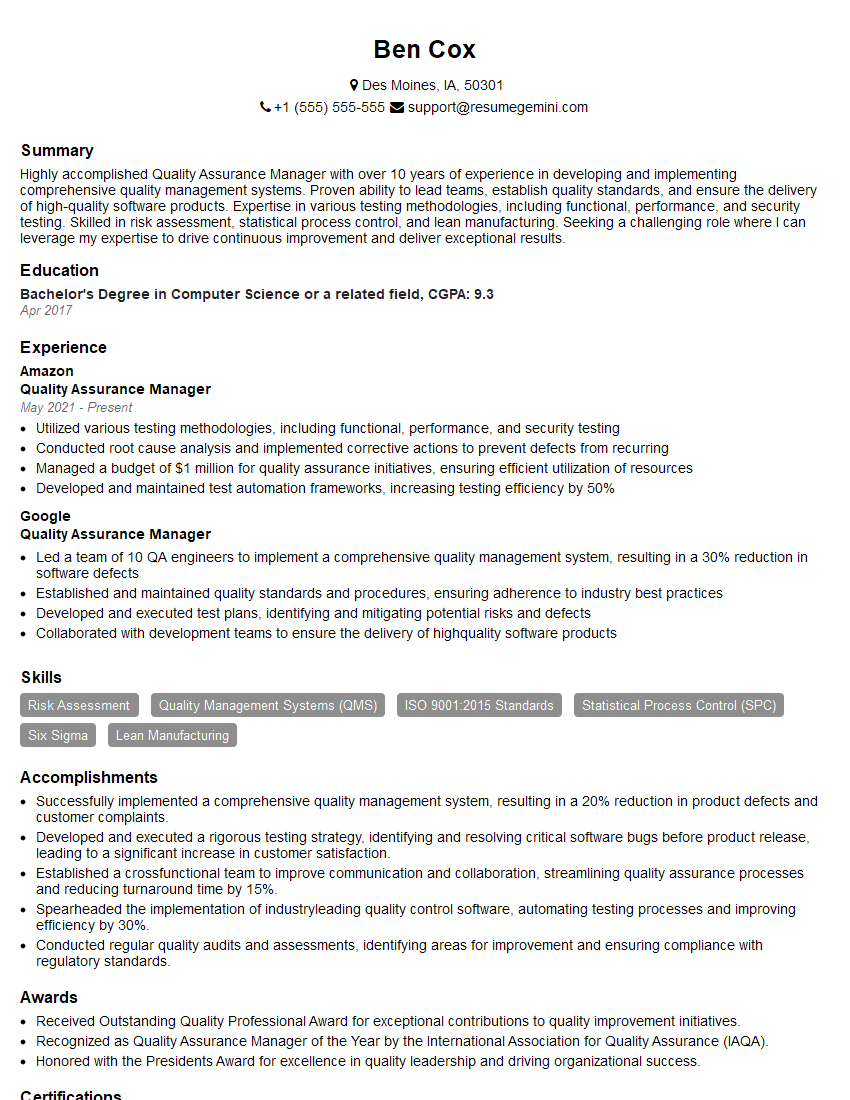
Quality Assurance Manager Resume Sample
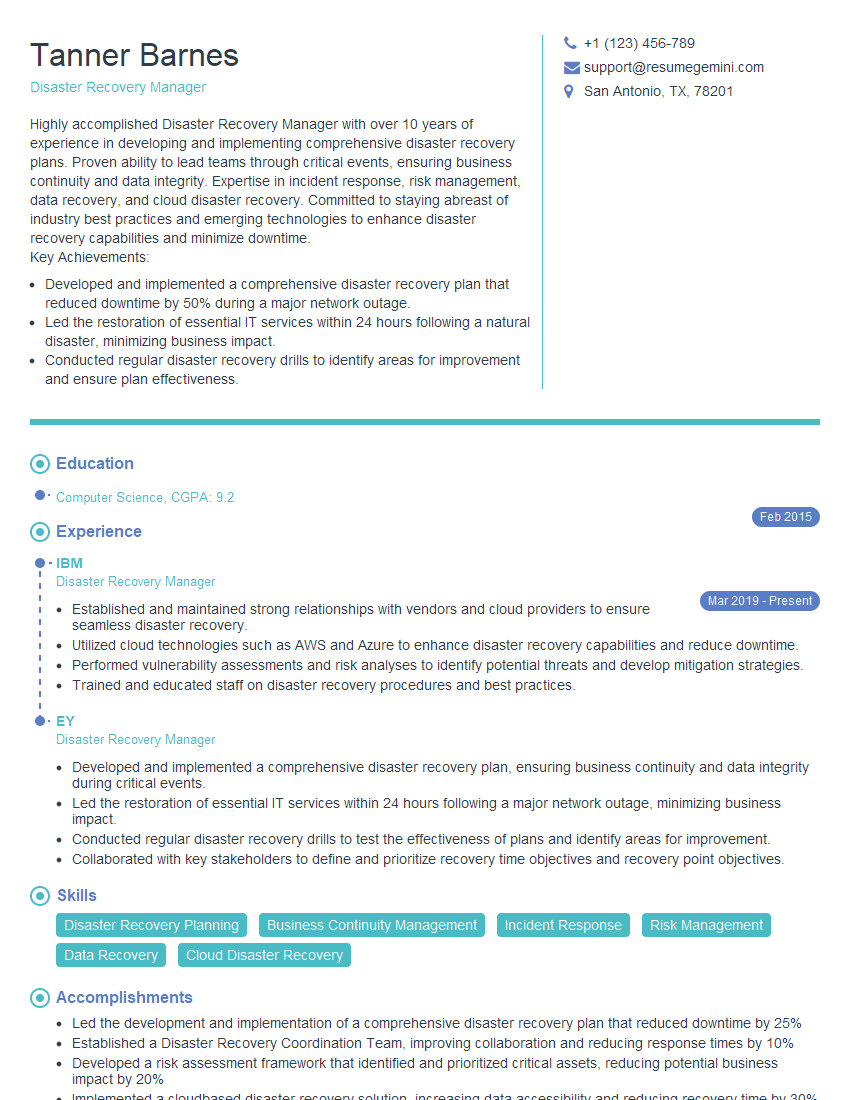
Disaster Recovery Manager Resume Sample
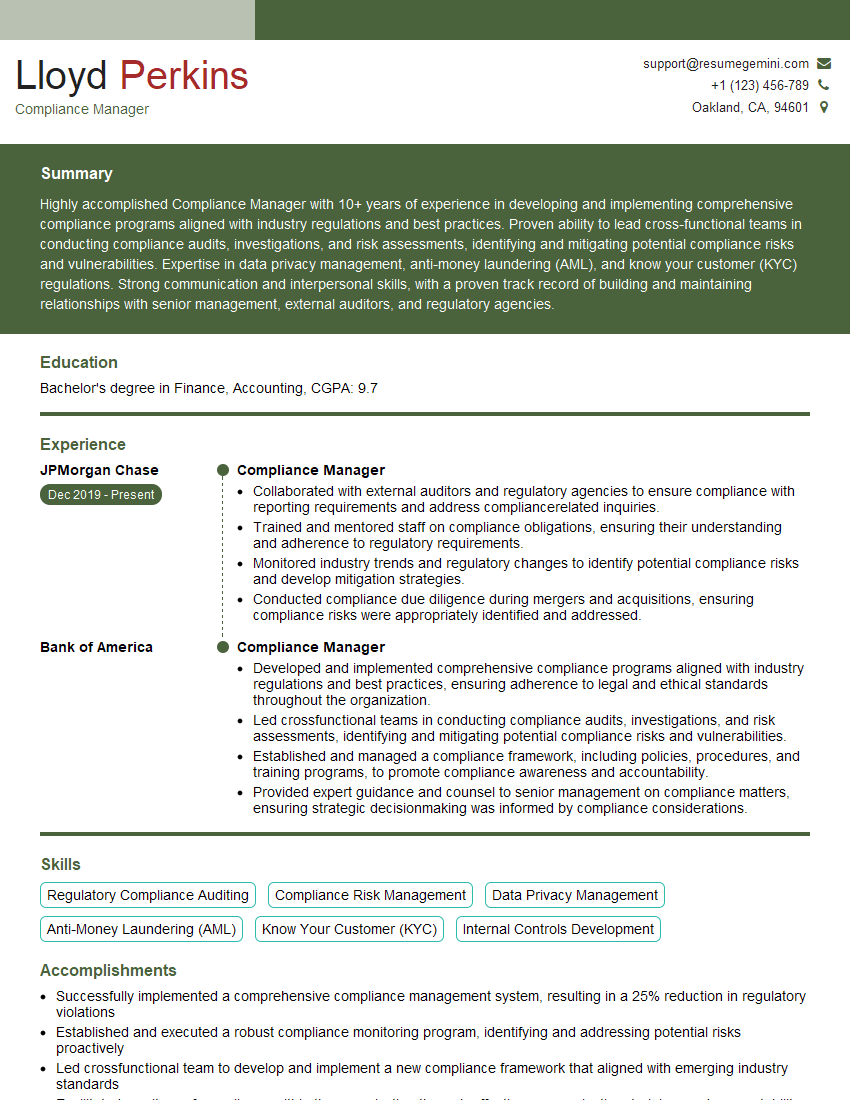
Compliance Manager Resume Sample

Compliance Officer Resume Sample
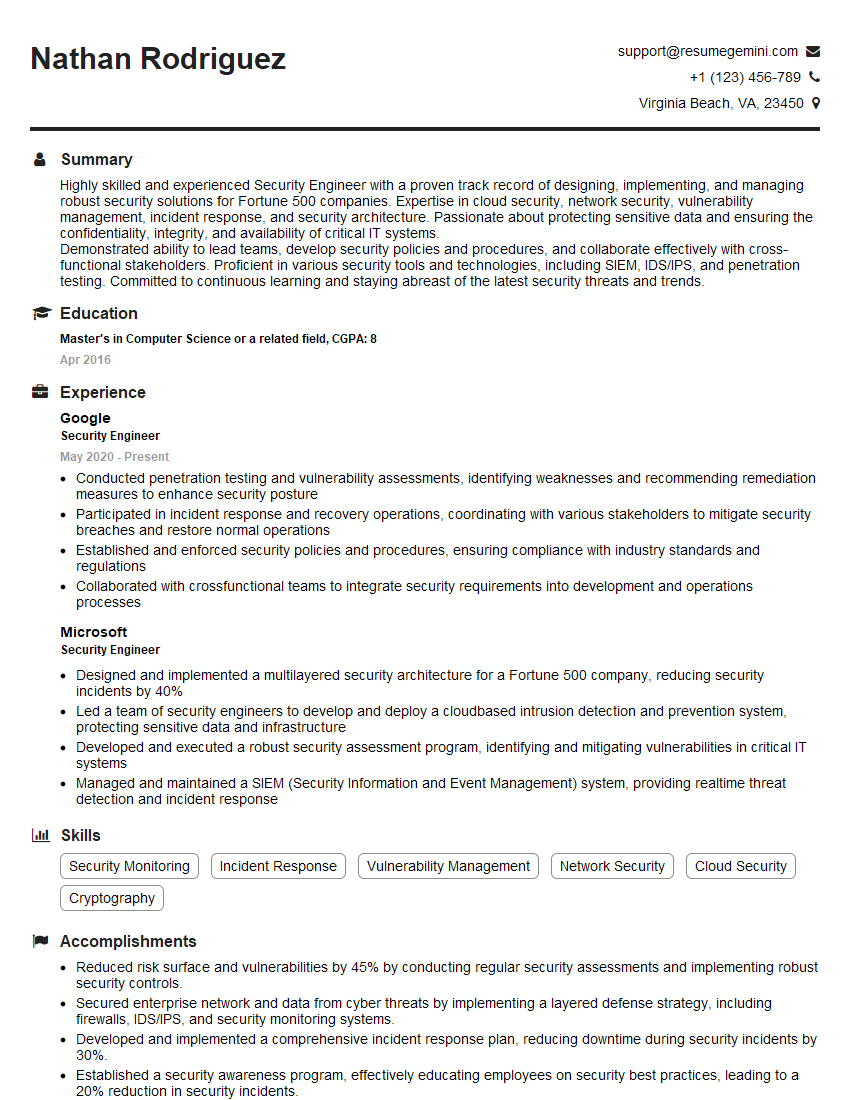
Security Engineer Resume Sample
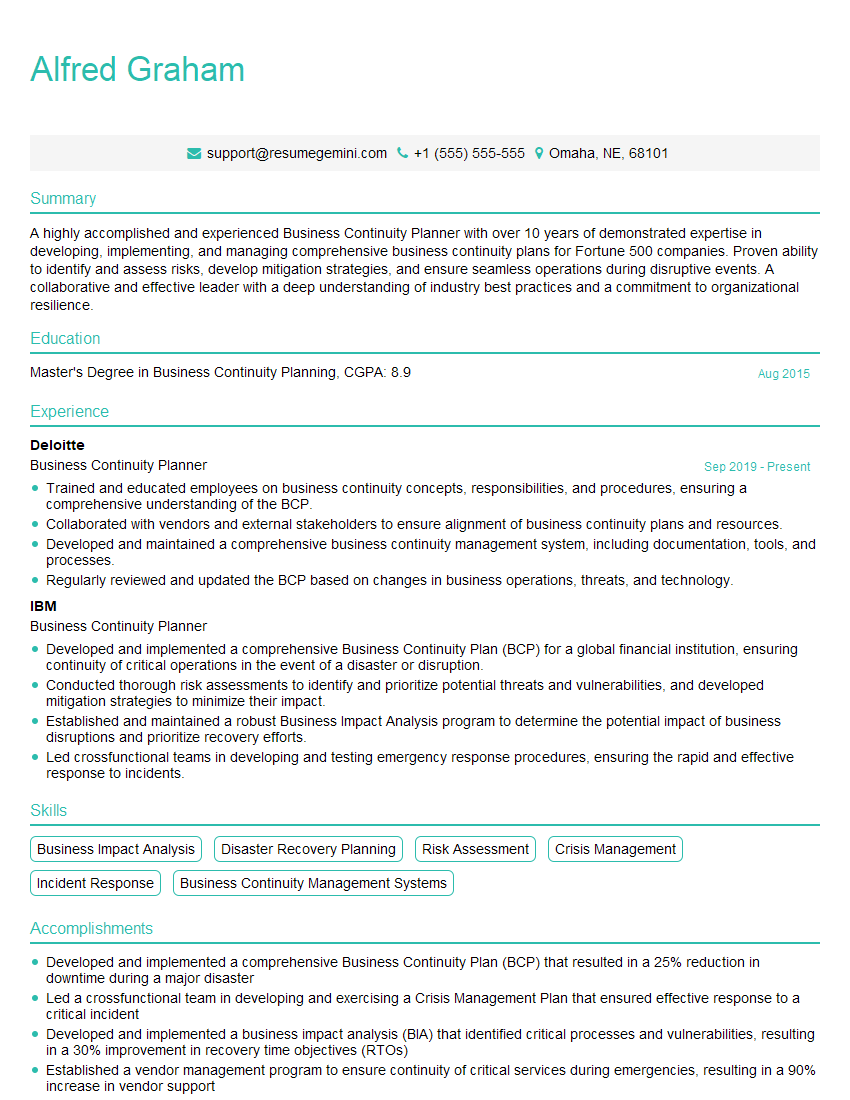
Business Continuity Planner Resume Sample

Risk Management Specialist Resume Sample
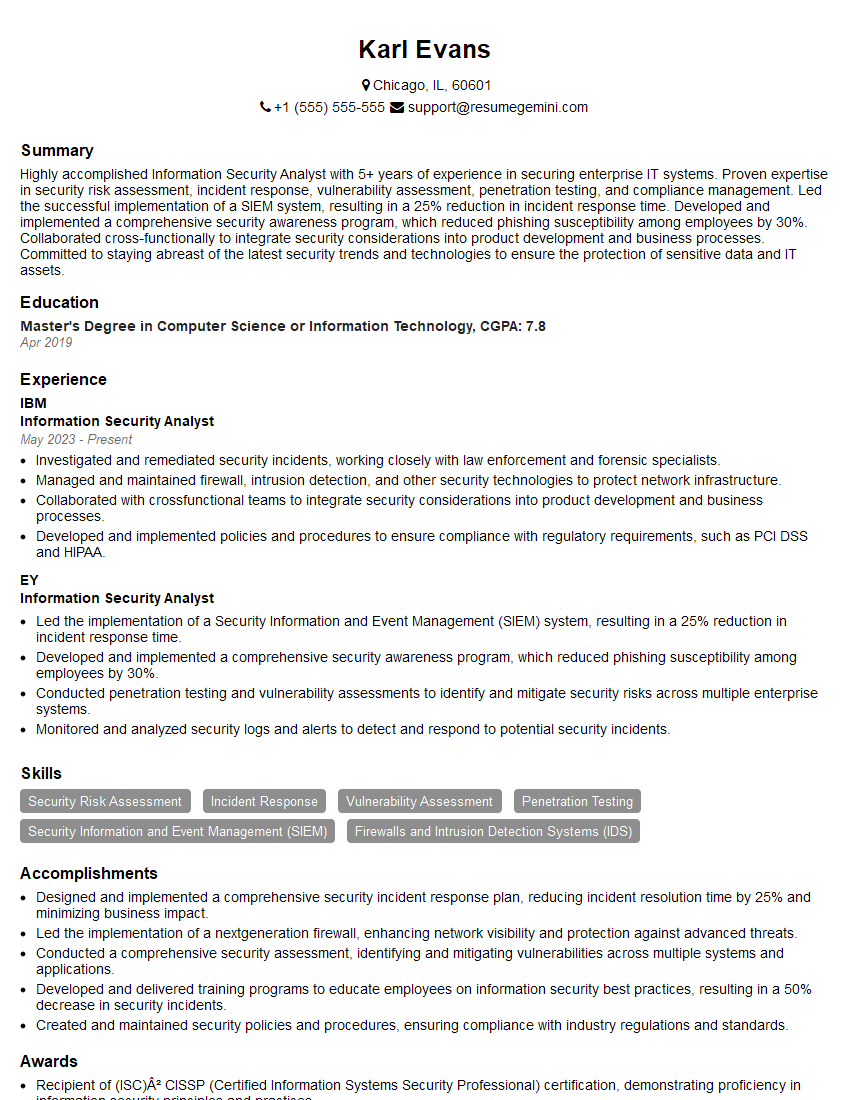
Information Security Analyst Resume Sample
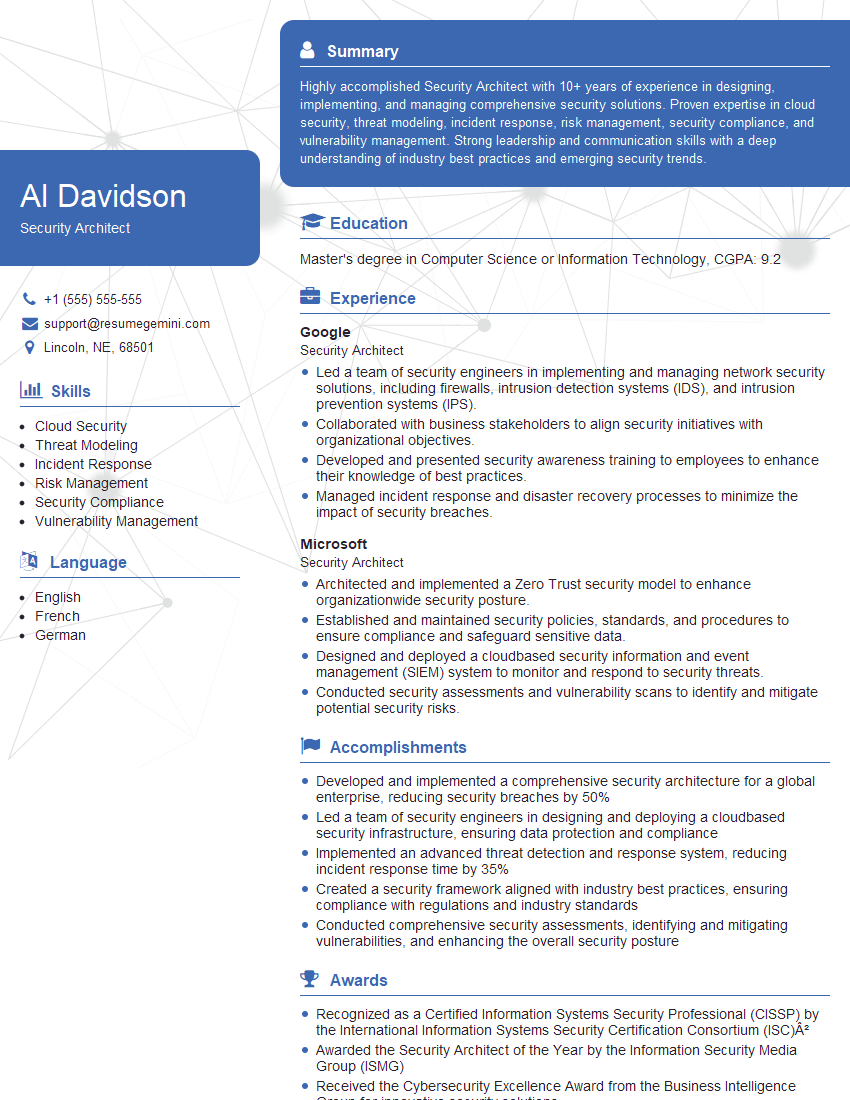
Security Architect Resume Sample
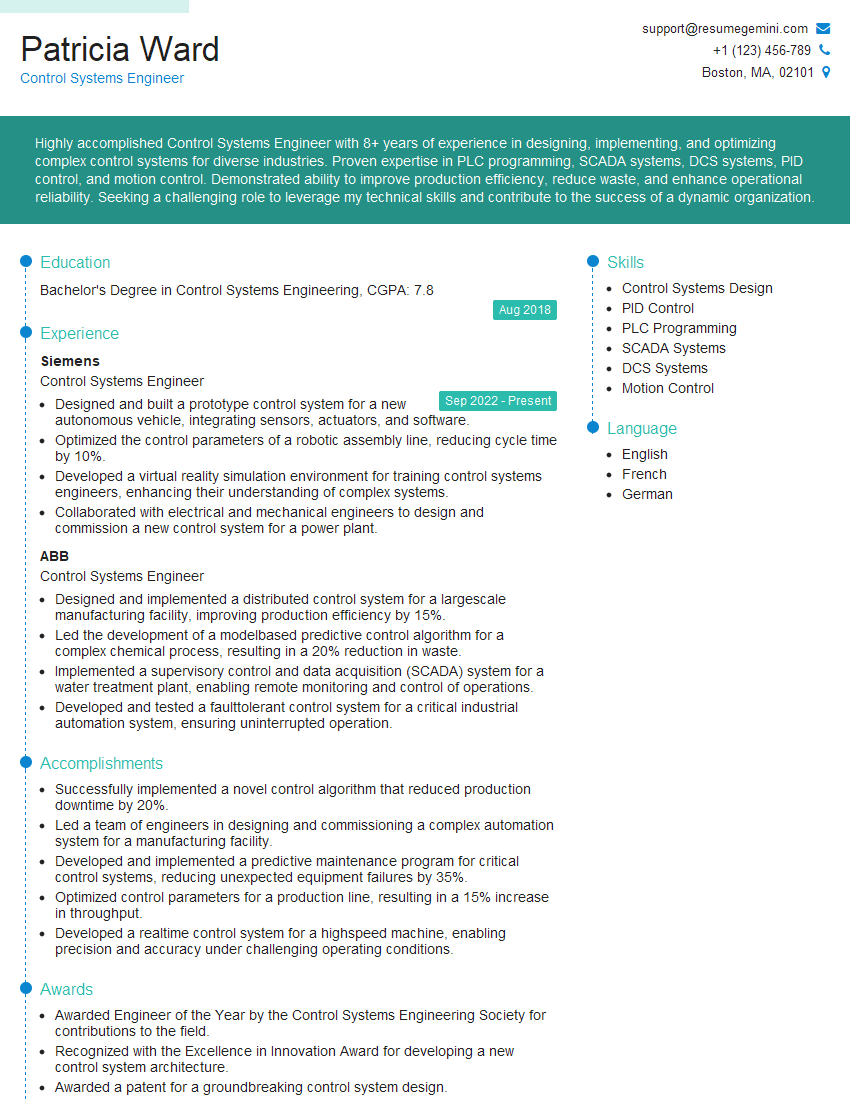
Control Systems Engineer Resume Sample
Explore more articles
Users Rating of Our Blogs
Share Your Experience
We value your feedback! Please rate our content and share your thoughts (optional).
What Readers Say About Our Blog
Attention music lovers!
Wow, All the best Sax Summer music !!!
Spotify: https://open.spotify.com/artist/6ShcdIT7rPVVaFEpgZQbUk
Apple Music: https://music.apple.com/fr/artist/jimmy-sax-black/1530501936
YouTube: https://music.youtube.com/browse/VLOLAK5uy_noClmC7abM6YpZsnySxRqt3LoalPf88No
Other Platforms and Free Downloads : https://fanlink.tv/jimmysaxblack
on google : https://www.google.com/search?q=22+AND+22+AND+22
on ChatGPT : https://chat.openai.com?q=who20jlJimmy20Black20Sax20Producer
Get back into the groove with Jimmy sax Black
Best regards,
Jimmy sax Black
www.jimmysaxblack.com
Hi I am a troller at The aquatic interview center and I suddenly went so fast in Roblox and it was gone when I reset.
Hi,
Business owners spend hours every week worrying about their website—or avoiding it because it feels overwhelming.
We’d like to take that off your plate:
$69/month. Everything handled.
Our team will:
Design a custom website—or completely overhaul your current one
Take care of hosting as an option
Handle edits and improvements—up to 60 minutes of work included every month
No setup fees, no annual commitments. Just a site that makes a strong first impression.
Find out if it’s right for you:
https://websolutionsgenius.com/awardwinningwebsites
Hello,
we currently offer a complimentary backlink and URL indexing test for search engine optimization professionals.
You can get complimentary indexing credits to test how link discovery works in practice.
No credit card is required and there is no recurring fee.
You can find details here:
https://wikipedia-backlinks.com/indexing/
Regards
NICE RESPONSE TO Q & A
hi
The aim of this message is regarding an unclaimed deposit of a deceased nationale that bears the same name as you. You are not relate to him as there are millions of people answering the names across around the world. But i will use my position to influence the release of the deposit to you for our mutual benefit.
Respond for full details and how to claim the deposit. This is 100% risk free. Send hello to my email id: lukachachibaialuka@gmail.com
Luka Chachibaialuka
Hey interviewgemini.com, just wanted to follow up on my last email.
We just launched Call the Monster, an parenting app that lets you summon friendly ‘monsters’ kids actually listen to.
We’re also running a giveaway for everyone who downloads the app. Since it’s brand new, there aren’t many users yet, which means you’ve got a much better chance of winning some great prizes.
You can check it out here: https://bit.ly/callamonsterapp
Or follow us on Instagram: https://www.instagram.com/callamonsterapp
Thanks,
Ryan
CEO – Call the Monster App
Hey interviewgemini.com, I saw your website and love your approach.
I just want this to look like spam email, but want to share something important to you. We just launched Call the Monster, a parenting app that lets you summon friendly ‘monsters’ kids actually listen to.
Parents are loving it for calming chaos before bedtime. Thought you might want to try it: https://bit.ly/callamonsterapp or just follow our fun monster lore on Instagram: https://www.instagram.com/callamonsterapp
Thanks,
Ryan
CEO – Call A Monster APP
To the interviewgemini.com Owner.
Dear interviewgemini.com Webmaster!
Hi interviewgemini.com Webmaster!
Dear interviewgemini.com Webmaster!
excellent
Hello,
We found issues with your domain’s email setup that may be sending your messages to spam or blocking them completely. InboxShield Mini shows you how to fix it in minutes — no tech skills required.
Scan your domain now for details: https://inboxshield-mini.com/
— Adam @ InboxShield Mini
support@inboxshield-mini.com
Reply STOP to unsubscribe
Hi, are you owner of interviewgemini.com? What if I told you I could help you find extra time in your schedule, reconnect with leads you didn’t even realize you missed, and bring in more “I want to work with you” conversations, without increasing your ad spend or hiring a full-time employee?
All with a flexible, budget-friendly service that could easily pay for itself. Sounds good?
Would it be nice to jump on a quick 10-minute call so I can show you exactly how we make this work?
Best,
Hapei
Marketing Director
Hey, I know you’re the owner of interviewgemini.com. I’ll be quick.
Fundraising for your business is tough and time-consuming. We make it easier by guaranteeing two private investor meetings each month, for six months. No demos, no pitch events – just direct introductions to active investors matched to your startup.
If youR17;re raising, this could help you build real momentum. Want me to send more info?
Hi, I represent an SEO company that specialises in getting you AI citations and higher rankings on Google. I’d like to offer you a 100% free SEO audit for your website. Would you be interested?
Hi, I represent an SEO company that specialises in getting you AI citations and higher rankings on Google. I’d like to offer you a 100% free SEO audit for your website. Would you be interested?