Unlock your full potential by mastering the most common Costume Making interview questions. This blog offers a deep dive into the critical topics, ensuring you’re not only prepared to answer but to excel. With these insights, you’ll approach your interview with clarity and confidence.
Questions Asked in Costume Making Interview
Q 1. Describe your experience with different fabric types and their suitability for various costumes.
Fabric selection is crucial in costume making. Different fabrics possess unique properties impacting drape, durability, and overall aesthetic. My experience spans a wide range, from delicate silks and chiffons ideal for flowing gowns and elegant period pieces, to sturdy linens and cottons perfect for more robust costumes like those for historical reenactments or theatrical productions. Heavier fabrics like brocade or velvet add richness and texture, lending themselves well to regal or fantasy costumes. Synthetic fabrics like spandex or nylon offer stretch and ease of movement, often used for superhero costumes or dancewear. I always consider the character, the setting, and the desired look when selecting the appropriate fabric. For instance, a lightweight silk would be unsuitable for a medieval knight’s armor, while a heavy wool would be too hot and cumbersome for a summer ball gown. Understanding the inherent properties of each fabric – its breathability, drape, weight, and maintenance requirements – is vital for creating a successful and comfortable costume.
- Silks & Chiffons: Elegant, flowing, delicate; suitable for period costumes, gowns.
- Linens & Cottons: Durable, breathable; suitable for historical costumes, everyday wear.
- Brocade & Velvet: Rich texture, heavy; suitable for regal costumes, fantasy.
- Spandex & Nylon: Stretchy, easy movement; suitable for activewear, superhero costumes.
Q 2. Explain your pattern-making process, from initial sketch to final pattern piece.
My pattern-making process is meticulous and iterative. It begins with a detailed sketch, capturing the overall design, silhouette, and key features. From this, I create a basic block – a foundation pattern representing a simplified version of the desired garment (e.g., a simple bodice or skirt). This block is then adjusted and manipulated to reflect the specifics of the design. I use both flat pattern making and draping techniques (discussed further in question 6) to achieve the desired fit and shape. The adjustments are made through careful measurements, calculations, and testing on a muslin (a cheap fabric used for prototyping). This process involves adding or subtracting seams, adjusting darts, and shaping curves until the pattern accurately reflects the design intent. Once I’m satisfied with the muslin fit, I transfer the finalized adjustments to the chosen fabric pattern pieces, ensuring all markings are precise and consistent. Each pattern piece is labeled clearly to avoid confusion during construction. A final check is made to ensure everything aligns perfectly before cutting the fabric.
Q 3. How do you adapt a design to fit different body types and sizes?
Adapting a design for different body types requires a deep understanding of body proportions and variations. I achieve this by employing various techniques, including:
- Grading: This involves systematically increasing or decreasing the pattern pieces’ dimensions to accommodate larger or smaller sizes. This can be done manually or using specialized software.
- Creating slopers: These are basic patterns for different body types which can be adapted into various styles, providing a customized starting point.
- Muslin fitting: Creating and fitting a muslin prototype on the client allows for adjustments to accommodate individual body shapes and curves. This is crucial for achieving a perfect fit.
- Using ease: Adding extra fabric allowance (ease) in areas like the bust, waist, or hips allows for a comfortable fit across a range of body types.
Q 4. Describe your experience with various sewing techniques (e.g., hand-sewing, machine sewing, embroidery).
My sewing skills encompass a broad spectrum of techniques, including both hand-sewing and machine sewing, along with specialized methods like embroidery. Hand-sewing is crucial for intricate details, delicate fabrics, and repairs. I use various hand stitches, from running stitch for quick basting to blind stitch for invisible seams. Machine sewing provides efficiency and precision for larger sections of a garment, especially for straight seams and durable constructions. I’m proficient with various sewing machine functions, including different stitch types, tension adjustment, and speed control. Embroidery adds decorative elements and personalization to costumes. I’m comfortable with a range of embroidery techniques, including free-motion, machine embroidery, and hand embroidery. The choice of technique depends on the specific demands of the costume; a historical gown might require delicate hand embroidery, while a superhero costume might use machine embroidery for efficiency. The versatility of these techniques ensures I can handle any design, regardless of its complexity or style.
Q 5. How do you manage a tight deadline in a fast-paced costume production environment?
Managing tight deadlines in a fast-paced environment requires meticulous planning and efficient execution. I start by creating a detailed timeline, breaking the project into manageable tasks with realistic deadlines. This involves prioritizing tasks based on urgency and complexity. Collaboration with other team members (if applicable) is crucial for smooth workflow. I streamline my processes by utilizing time-saving techniques, such as pre-cutting fabric, using efficient sewing methods, and delegating tasks where possible. I’m also adept at problem-solving; if a delay occurs in one area, I immediately adjust the timeline and re-prioritize to mitigate the impact. Finally, a proactive approach to potential obstacles ensures a smooth, timely completion, even under pressure.
Q 6. What are your preferred methods for draping and fitting garments?
Draping and fitting are essential for creating garments with a perfect fit and drape. Draping involves shaping fabric directly on a dress form or model to create a three-dimensional form. This technique is invaluable for creating unique shapes and silhouettes that are difficult to achieve through flat pattern making. I utilize various draping techniques depending on the fabric and design. After draping, I meticulously pin the fabric into the desired shape, then transfer these markings onto pattern paper to create a pattern. Fitting is an iterative process. I use a muslin mock-up to check the fit and make adjustments. This involves working with the client or model to identify areas needing adjustments – too tight, too loose, pulling, bunching etc. – and making the necessary alterations to the pattern until a perfect fit is achieved. This ensures the final garment is comfortable, flattering, and conforms to the specific body type.
Q 7. Explain your understanding of historical costume construction techniques.
My understanding of historical costume construction encompasses a broad range of periods and techniques. I’m familiar with the construction methods used in various eras, from the intricate tailoring of 18th-century garments to the simpler construction of medieval tunics. This knowledge includes understanding the appropriate fabrics, cuts, and embellishments for each period. For instance, I know the difference between the structured stays of a Victorian corset and the looser fitting bodices of the Elizabethan era. I also understand the use of historical tools and techniques, such as hand-sewing methods specific to different periods or the use of period-appropriate notions like bone casings or period-correct closures. Research forms the backbone of my approach; I use historical documents, illustrations, and extant garments to inform my work. This ensures accuracy and authenticity in my recreations. Replicating historical garments requires meticulous attention to detail and a deep understanding of the historical context.
Q 8. How do you source materials for your costumes, balancing quality and budget?
Sourcing materials for costumes requires a delicate balance between quality and budget. My approach is multifaceted. Firstly, I meticulously research the needs of the production – understanding the period, style, and desired aesthetic is crucial. Then, I explore various avenues for sourcing materials. This could range from dedicated theatrical suppliers offering specialized fabrics and trims, to online marketplaces providing a wider variety, to local fabric stores for unique finds and potentially better deals on smaller quantities.
For high-quality, period-accurate fabrics, I might use a specialist supplier, even if it’s slightly more expensive, because the quality will pay off in the long run – less likely to fray, better drape, more realistic texture. Conversely, for less prominent elements of a costume, I may opt for a more budget-friendly alternative, perhaps finding similar colors and textures at a lower cost. For example, I once used a less expensive cotton sateen instead of silk for lining a historical gown’s underskirt – the audience wouldn’t see it, saving money without sacrificing overall costume quality.
I also explore opportunities for resourceful sourcing. Upcycling or repurposing existing materials can significantly reduce costs. An old tapestry could become a beautiful cloak, or discarded lace might be incorporated into a detail. This approach not only saves money but also lends a unique touch to the costume, adding character and authenticity. Constant awareness of sales, discounts, and end-of-season clearances allows me to stock up on materials ahead of time, preventing cost overruns during peak production periods.
Q 9. How do you handle alterations and adjustments during fittings?
Fittings are critical for ensuring the costume fits the actor perfectly and functions as intended. I always conduct multiple fittings. During the first fitting, I assess the overall fit and make preliminary adjustments to length, width, and overall silhouette. Subsequent fittings involve finer details: adjusting sleeve lengths, fine-tuning the neckline, and ensuring comfort. I pin and mark adjustments directly onto the costume, maintaining a detailed record of each alteration in my notes.
Alterations range from simple adjustments like taking in seams using hand stitches or a sewing machine, to more complex tasks, such as adding darts, reshaping a sleeve, or even re-cutting and re-sewing sections. I use a combination of hand-sewing, using a sewing machine for speed and precision where appropriate. The process isn’t simply about making the clothes fit; it’s about ensuring freedom of movement for the actor while maintaining the aesthetic integrity of the costume design. If a costume element is particularly challenging, I often involve the actor in the process so they can express their concerns and guide the adjustments. This collaborative approach ensures they are comfortable, confident, and able to move naturally during their performance.
Q 10. Describe your problem-solving skills in relation to costume construction challenges.
Problem-solving is inherent to costume making. Unexpected challenges constantly arise. For instance, I once encountered a crucial fabric shortage a week before a major production. My solution was a three-pronged approach: firstly, I researched alternative fabrics with similar properties, color, and drape. Secondly, I re-evaluated the costume design, seeing if I could alter pattern pieces to minimize fabric usage without impacting the aesthetic. Thirdly, I contacted other costume shops and production houses to see if they had extra materials, building a network for future collaborative problem-solving.
Another example involved creating a complex historical corset requiring specific boning and lacing. The initial design proved too restrictive. I problem-solved by incorporating more flexible boning materials, adjusting the lacing pattern, and adding extra panels to allow for better movement. I approach these situations methodically. I always assess the problem, investigate possible solutions, evaluate their feasibility and impact, and implement the most effective strategy. Sometimes, the best solution might not be the initially obvious one; creativity and flexibility are essential to finding the best path forward.
Q 11. Explain your experience with working with different teams (e.g., designers, actors).
Collaboration is central to my work. I thrive in team environments. Working with designers involves interpreting their visions into tangible costumes. I maintain open communication, asking clarifying questions, offering technical advice, and discussing potential challenges proactively. I’ve found that even seemingly minor adjustments can be crucial. For example, a designer’s initial sketch might not account for the practicalities of movement; I can offer a revised pattern that ensures the garment functions properly while still adhering to the design’s aesthetic.
Collaboration with actors is equally important. I build rapport, putting actors at ease during fittings. Their input on comfort, movement, and the overall feel of the costume is invaluable. This respectful back-and-forth creates a collaborative atmosphere. I once had to adjust a sword belt for an actor who needed more mobility during sword-fighting scenes. The adjustment required adding more flexible materials and altering the placement of the belt buckles for optimal comfort and functionality.
Q 12. How do you maintain the integrity and quality of costumes throughout a production?
Maintaining costume integrity and quality throughout a production is paramount. This begins with using high-quality materials and construction techniques; however, it extends far beyond the initial creation. Regular inspections are crucial. Before each performance, I conduct a thorough check for any damage or wear, addressing any issues immediately – this includes replacing or repairing damaged fabric, tightening loose seams, and ensuring all fastenings are secure.
I maintain detailed documentation of each costume, including fabric type, construction methods, and any special care instructions. This documentation is essential for repairs and for passing on knowledge if the costume needs to be cared for by others. After each performance, costumes are carefully cleaned and stored following appropriate methods for each fabric type. This prevents damage, extends the life of the costume, and ensures it remains in optimal condition throughout the entire production run. Proper storage also involves using acid-free tissue paper, garment bags, and appropriate hangers to minimize wrinkles and damage.
Q 13. What software are you proficient in (e.g., CAD software for pattern making)?
While I primarily rely on traditional pattern-making skills, I’m proficient in several relevant software programs. I use Adobe Illustrator for creating digital illustrations of designs and for producing technical drawings which are crucial for precise pattern making. I also use specialized CAD software such as Pattern Design Software (PDS) for creating intricate patterns and grading them for different sizes. This software is particularly useful for complex garments requiring multiple pattern pieces and variations. My proficiency in these programs allows me to streamline the design process, generate accurate patterns, and create detailed technical documentation that is essential for precise execution and communication.
Q 14. How do you ensure the safety and comfort of actors wearing your costumes?
Actor safety and comfort are always my top priorities. I begin by carefully selecting materials – avoiding scratchy or irritating fabrics, choosing breathable textiles where appropriate, and making sure that any accessories or embellishments are securely attached to prevent them from falling off or causing harm. During the construction phase, I pay attention to details like seam finishes, ensuring that all seams are smooth to prevent chafing. For safety-critical costumes, like those involving fire or stunts, I collaborate with the relevant personnel, possibly using fire-retardant fabrics or reinforcing areas that might bear additional stress.
Throughout the fittings, I carefully consider comfort, adjusting the garment to allow for ease of movement and ensuring that no part of the costume constricts blood flow or interferes with breathing. I also provide clear instructions on proper handling and care of the costumes. Before every performance, a final check ensures everything is safe and secure, preventing potential accidents. Open communication with the actors ensures I am aware of any issues they experience while wearing the costumes, allowing me to rectify problems promptly and proactively.
Q 15. How familiar are you with different types of costume embellishments and finishing techniques?
My familiarity with costume embellishments and finishing techniques is extensive. I’m proficient in a wide range of methods, from basic to highly specialized. This includes everything from simple hand-sewing techniques like whip stitching and backstitching to more intricate embellishments.
- Embellishments: I work with beading (both hand-sewn and machine-applied), embroidery (various stitches including French knots, satin stitch, and couching), appliqué, sequins, feathers, passementerie (braids, cords, and fringes), and the use of various trims such as lace, ribbon, and braid. I’m also experienced in creating custom embellishments, often from scratch.
- Finishing Techniques: I’m skilled in techniques like clean finishing (seam allowance treatments such as pinking, overlocking, and zigzag stitching), pressing and steaming (crucial for creating crisp lines and professional-looking garments), lining (both full and partial linings), boning and stays (for structural support in period or corseted garments), and the construction of various closures, including zippers, hooks and eyes, and buttons.
For example, I recently completed a project that required intricate beadwork on a delicate lace bodice. I meticulously chose the beads based on color, size, and texture to perfectly complement the lace and create a visually stunning effect. The finishing involved hand-sewing each bead securely to avoid damage to the fragile fabric, a testament to my attention to detail.
Career Expert Tips:
- Ace those interviews! Prepare effectively by reviewing the Top 50 Most Common Interview Questions on ResumeGemini.
- Navigate your job search with confidence! Explore a wide range of Career Tips on ResumeGemini. Learn about common challenges and recommendations to overcome them.
- Craft the perfect resume! Master the Art of Resume Writing with ResumeGemini’s guide. Showcase your unique qualifications and achievements effectively.
- Don’t miss out on holiday savings! Build your dream resume with ResumeGemini’s ATS optimized templates.
Q 16. Describe your approach to researching and interpreting costume designs.
My approach to researching and interpreting costume designs is methodical and thorough. It begins with a deep dive into the source material, be it a historical painting, a theatrical script, or a designer’s sketch.
- Source Material Analysis: I examine the design carefully, noting details such as silhouette, fabric type, color palette, embellishments, and overall style. I look for clues regarding the time period, the social status of the wearer, and the intended function of the costume.
- Fabric Selection and Sourcing: I research appropriate fabrics based on the period and the design specifications. This might involve sourcing historical fabrics or finding modern equivalents that accurately capture the desired drape, texture, and weight. Sometimes it involves dying or manipulating fabrics to achieve the exact shade or texture required.
- Construction Methods: Based on my research, I determine the appropriate construction techniques. Historical costumes often require techniques different from modern tailoring. This research ensures authenticity and historical accuracy.
- Problem Solving: Sometimes the design presents challenges. For example, a design might call for a fabric that’s no longer available. In these instances, I use my expertise to find a suitable alternative or develop innovative solutions to replicate the desired look and feel.
For a recent project recreating a 17th-century gown, I studied numerous paintings and historical records to understand the typical construction methods and fabrics used during that era. This involved understanding the use of specific types of stays, the pattern cutting techniques prevalent at the time, and finding a suitable replacement for the original silk fabric, which was no longer readily available.
Q 17. How do you create realistic textures and effects in your costumes?
Creating realistic textures and effects in my costumes is a key aspect of my work. This often involves a multi-faceted approach.
- Fabric Manipulation: I utilize techniques such as distressing, dyeing, and printing to alter the appearance of fabrics. For example, I might distress a new fabric to look aged and worn or dye it to achieve a specific color or shading.
- Layering and Combining Fabrics: Combining different fabrics with contrasting textures can create depth and visual interest. For example, layering a sheer fabric over a heavier one can create a sense of depth and movement.
- Embellishments and Surface Treatments: Various embellishments like embroidery, beading, or appliqué can significantly enhance texture. I use these techniques not just for decoration, but to build texture and create realistic effects.
- Special Effects: For truly realistic effects, I might use techniques such as painting, printing, or applying specialized coatings to simulate the look of aged leather, metal, or other materials.
In one project, I needed to create the look of aged, worn leather armor for a theatrical production. I used a combination of techniques: I started with faux leather to maintain flexibility and then applied several layers of paint and washes to simulate scratches, scuffs, and discoloration. Finally, I used a special sealant to create a slightly worn, textured finish. The result was armor that looked convincingly aged and realistic without sacrificing performance capabilities.
Q 18. Explain your experience with working with specialized materials (e.g., leather, fur, lace).
I have extensive experience working with specialized materials, including leather, fur, and lace. Each material presents unique challenges and opportunities.
- Leather: I’m familiar with various types of leather, understanding their properties and appropriate working methods. This includes pattern cutting, stitching (both by hand and machine), finishing (sanding, dyeing, treating), and shaping techniques.
- Fur: My work with fur includes the knowledge of different fur types, their characteristics, and ethical sourcing. I understand how to properly cut, sew, and care for fur to ensure both its longevity and ethical treatment.
- Lace: I have a strong understanding of lace types and their delicate nature. This encompasses proper handling, pattern matching, and securing methods to avoid damage while creating beautiful and durable lacework.
A recent project required me to create a Victorian-era jacket with leather detailing and lace trim. I carefully selected a supple yet durable leather, ensuring its appropriate thickness for the pattern. I hand-stitched the intricate lace onto the velvet backing to provide adequate support without overwhelming the lace’s delicate beauty. The meticulous attention to detail was crucial to maintaining both the structural integrity and the aesthetic appeal of the garment.
Q 19. How do you manage inventory and maintain a clean and organized work area?
Maintaining a clean and organized workspace and managing inventory are crucial for efficiency and quality. I use a multi-pronged approach.
- Inventory Management: I utilize a detailed inventory system, tracking both fabrics and embellishments by type, quantity, and source. This allows me to easily locate materials and plan future projects effectively. A digital database with images is incredibly helpful.
- Organized Workspace: My workspace is meticulously organized. Materials are stored in clearly labeled containers, and tools are readily accessible. This helps to streamline workflow and reduce the time spent searching for necessary items.
- Regular Cleaning: I practice regular cleaning and tidying. This is essential for maintaining a safe and productive work environment and prevents damage to materials or equipment.
- Waste Management: I minimize waste by utilizing fabric scraps creatively and recycling or responsibly disposing of unwanted materials.
For instance, I color-code my fabric storage, separating by fiber type and color. This makes selecting the right fabric for a project quick and easy. My tool organization utilizes shadow boards so that I can quickly check and ensure that every tool is in its place.
Q 20. Describe your experience with creating period-specific costumes.
Creating period-specific costumes is a passion of mine. I approach these projects with a deep respect for historical accuracy and attention to detail. This involves significant research and meticulous craftsmanship.
- Historical Research: My research extends beyond simple visual references. I study historical documents, paintings, and photographs, focusing on details like garment construction, fabric choices, and embellishments. I’m familiar with the evolution of styles across different eras.
- Authentic Techniques: I utilize historical construction techniques whenever possible. This might involve hand-sewing, specific stitch types, or specialized tools authentic to that period. This approach ensures greater authenticity and accuracy.
- Fabric and Material Sourcing: I carefully select fabrics and materials that align with the historical period, considering both their availability and their properties. This might involve sourcing antique fabrics or finding close modern equivalents.
I recently completed a project recreating a medieval peasant woman’s dress. My research involved studying tapestries, illuminated manuscripts, and archeological findings to understand the typical fabrics (linen, wool), construction methods (hand-sewing, simple cuts), and typical embellishments (simple embroidery, natural dyes) of the era. The result was a garment that wasn’t just visually accurate, but also reflected the techniques and materials used during that time period.
Q 21. How do you work effectively under pressure and meet deadlines?
Working effectively under pressure and meeting deadlines is a critical skill in this profession. My approach is systematic and proactive.
- Detailed Planning: I create detailed project plans outlining each step of the process, including timelines and resource allocation. This helps me stay organized and anticipate potential challenges.
- Prioritization: I prioritize tasks based on urgency and importance, focusing on the most critical elements first. This ensures that the most time-sensitive aspects of the project are completed on time.
- Effective Communication: I maintain open communication with clients, keeping them informed of progress and addressing any concerns promptly. This helps to manage expectations and prevent misunderstandings.
- Flexibility and Adaptability: I understand that unexpected issues can arise. I am flexible and adaptable, able to adjust my plans and priorities as needed to meet deadlines while maintaining quality.
One time, a costume needed significant alterations just days before a performance. Through calm prioritization, I identified the critical adjustments that needed to be made. I streamlined my process, working long hours with focused efficiency to ensure the costume was ready in time without compromising its quality or the integrity of the design.
Q 22. What is your process for communicating with designers and clients?
Communication with designers and clients is paramount. My process begins with a thorough initial consultation, where I actively listen to understand their vision, budget, and deadline. This involves asking clarifying questions to ensure I grasp every detail, from the overall aesthetic and character portrayal to specific fabric requirements and embellishments. I then provide a detailed proposal outlining my understanding of the project, including a breakdown of materials, labor costs, and a realistic timeline. Throughout the process, I maintain open and consistent communication, utilizing email, phone calls, and regular fittings to keep everyone informed of progress, address any concerns, and incorporate feedback promptly. For example, with a recent historical drama project, I used mood boards and fabric swatches to visually confirm the client’s vision before commencing work, avoiding costly misunderstandings later. I also regularly send progress photos and videos, especially for intricate details, ensuring transparency and allowing for timely adjustments.
Q 23. How do you handle unexpected problems during a costume fitting or production?
Unexpected problems are inevitable in costume making. My approach prioritizes problem-solving through a calm and methodical assessment. For example, if a crucial fabric arrives damaged, I immediately contact the supplier, and simultaneously explore alternative solutions – perhaps finding a similar fabric locally or cleverly adapting the design. If a seamstress is unexpectedly unavailable, I proactively readjust my schedule or enlist a trusted associate. During fittings, unforeseen alterations are common; I carefully take measurements, note discrepancies, and quickly adjust the garment. My strategy focuses on minimizing disruption by having contingency plans in place, utilizing my extensive network of resources, and being flexible in my approach. A crucial element is clear communication; I immediately inform the designer and client about the problem, presenting possible solutions, and working collaboratively to find the best course of action. A memorable example involved a last-minute zipper malfunction before a major performance. Instead of panic, I swiftly replaced it with a hook and eye closure, ensuring the costume remained stage-ready.
Q 24. What are your strengths and weaknesses as a costume maker?
My strengths lie in my meticulous attention to detail, my proficiency in various construction techniques, and my ability to adapt to different styles and materials. I have a knack for problem-solving and enjoy the challenge of creating unique and historically accurate garments. I’m also adept at managing time effectively and working collaboratively. However, my biggest weakness is occasionally taking on too many projects at once, potentially impacting the quality of my work if I don’t manage my workload carefully. I’m actively working on this by implementing a more rigorous project planning and scheduling system.
Q 25. Describe a time you had to solve a challenging costume construction problem.
One challenging project involved creating a historically accurate 18th-century gown with intricate embroidery and a complex silhouette. The challenge lay in achieving the precise shaping and fit required for the period without access to original patterns. I solved this by researching period construction techniques, studying existing examples in museums, and sketching various patterns until I achieved the desired effect. I consulted with historical costuming experts and utilized digital pattern-making software to achieve accuracy. The embroidery itself presented a further challenge, requiring several weeks of painstaking work. Overcoming these challenges allowed me to successfully replicate a historically accurate garment, greatly enhancing the actor’s portrayal of the character.
Q 26. What inspires your costume design aesthetic?
My costume design aesthetic is primarily inspired by historical periods and cultural influences. I find beauty in the craftsmanship and artistry of historical garments, and I strive to incorporate these elements into my designs. I’m also drawn to the expressive power of clothing, using color, texture, and silhouette to convey emotion and character. My work is informed by detailed research and a keen eye for detail. For instance, a recent project drawing on Art Nouveau inspired me to create a costume incorporating flowing lines, organic motifs, and luxurious fabrics, resulting in a garment that visually echoed the movement’s key principles.
Q 27. What is your preferred method for storing and maintaining costumes?
Proper storage and maintenance are crucial for preserving the longevity of costumes. I utilize acid-free tissue paper to separate and protect individual garments, storing them in breathable garment bags to prevent dust and light damage. Delicate items are stored on padded hangers, while heavier pieces are folded carefully. Costumes are kept in a cool, dark, and dry environment, away from direct sunlight and humidity, to prevent fading, mildew, and insect damage. Regular inspections are essential for early detection of any damage, and appropriate cleaning and repair methods are employed as needed. For example, delicate beading might require specialized cleaning solutions, while fabric tears necessitate precise mending techniques.
Q 28. How do you stay updated on current trends and techniques in costume making?
Staying updated is key in this dynamic field. I subscribe to industry publications, attend workshops and conferences, and actively follow costume designers and makers on social media and through online forums. I regularly visit museums and historical sites for inspiration, and I explore new materials and techniques through experimentation and hands-on practice. The evolving use of digital pattern-making software and 3D printing represents a significant development that I’m continuously exploring and integrating into my workflow. Engaging in professional development maintains my expertise and ensures my work remains current and innovative.
Key Topics to Learn for Your Costume Making Interview
- Pattern Making & Draping: Understanding different pattern cutting techniques (e.g., flat pattern, draping on a dress form), adapting patterns for different body types and fabrics, and troubleshooting pattern fit issues.
- Fabric Selection & Manipulation: Knowledge of various fabrics (natural and synthetic), their properties (drape, weight, texture), and appropriate construction methods for each. Demonstrate understanding of how fabric choice impacts garment design and construction.
- Construction Techniques: Mastery of essential sewing techniques (e.g., hand and machine stitching, seams, finishes, closures), understanding of different construction methods for various garments (e.g., tailored garments, soft garments), and ability to select appropriate techniques for specific projects.
- Costume History & Design: Familiarity with historical costume styles and their evolution, understanding of costume design principles, and ability to research and recreate historical garments or create original designs.
- Problem-Solving & Adaptability: Demonstrating the ability to troubleshoot construction problems, adapt patterns to meet design requirements, and manage unexpected challenges during the creation process. This includes solutions for fabric limitations and time constraints.
- Budgeting & Time Management: Understanding cost estimation for materials and labor, efficient planning and time management skills for project completion, and experience with working to deadlines.
- Collaboration & Communication: Experience working as part of a team (e.g., designers, other craftspeople), effective communication skills to discuss design concepts and project timelines, and the ability to receive and incorporate constructive feedback.
Next Steps
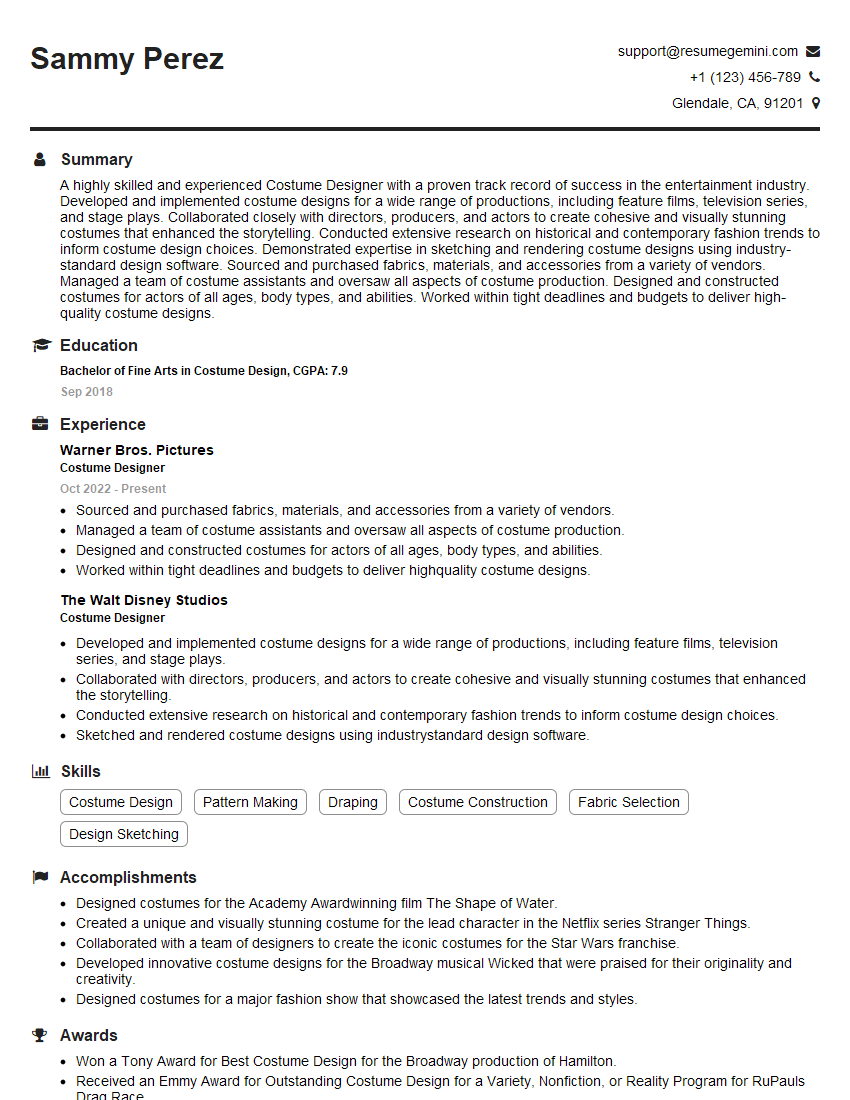
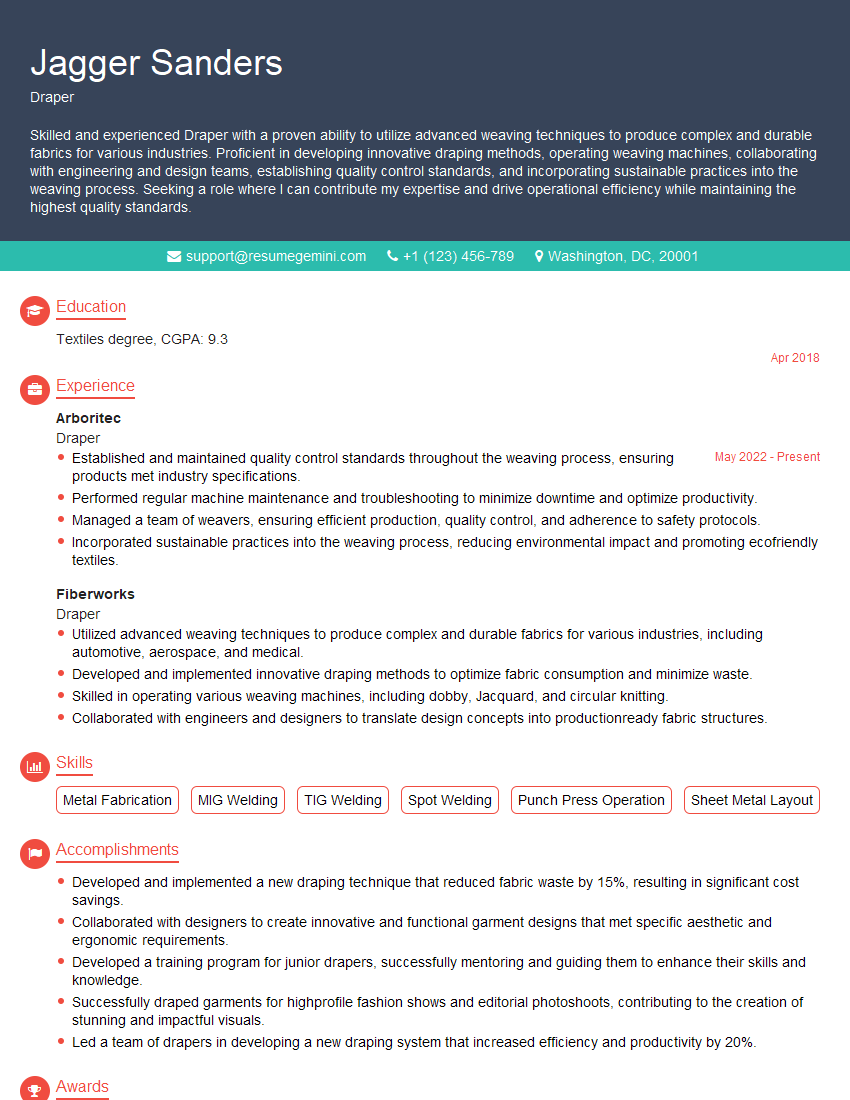
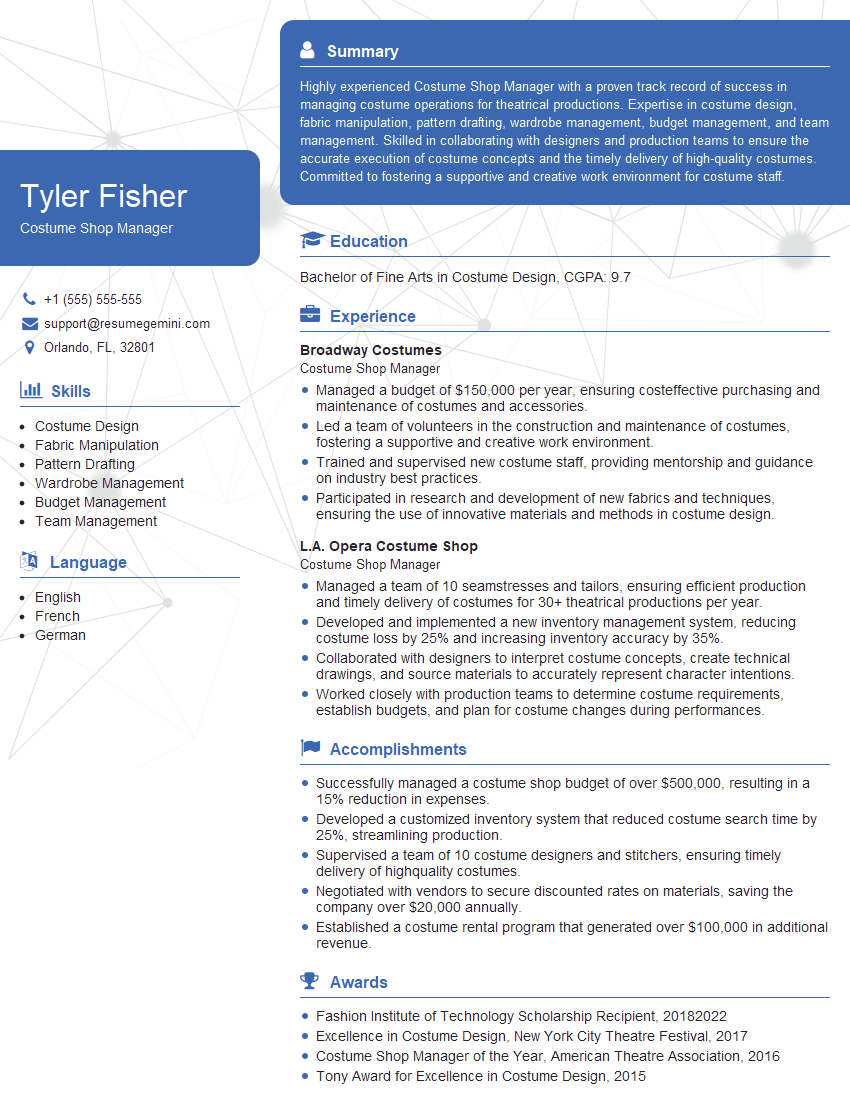
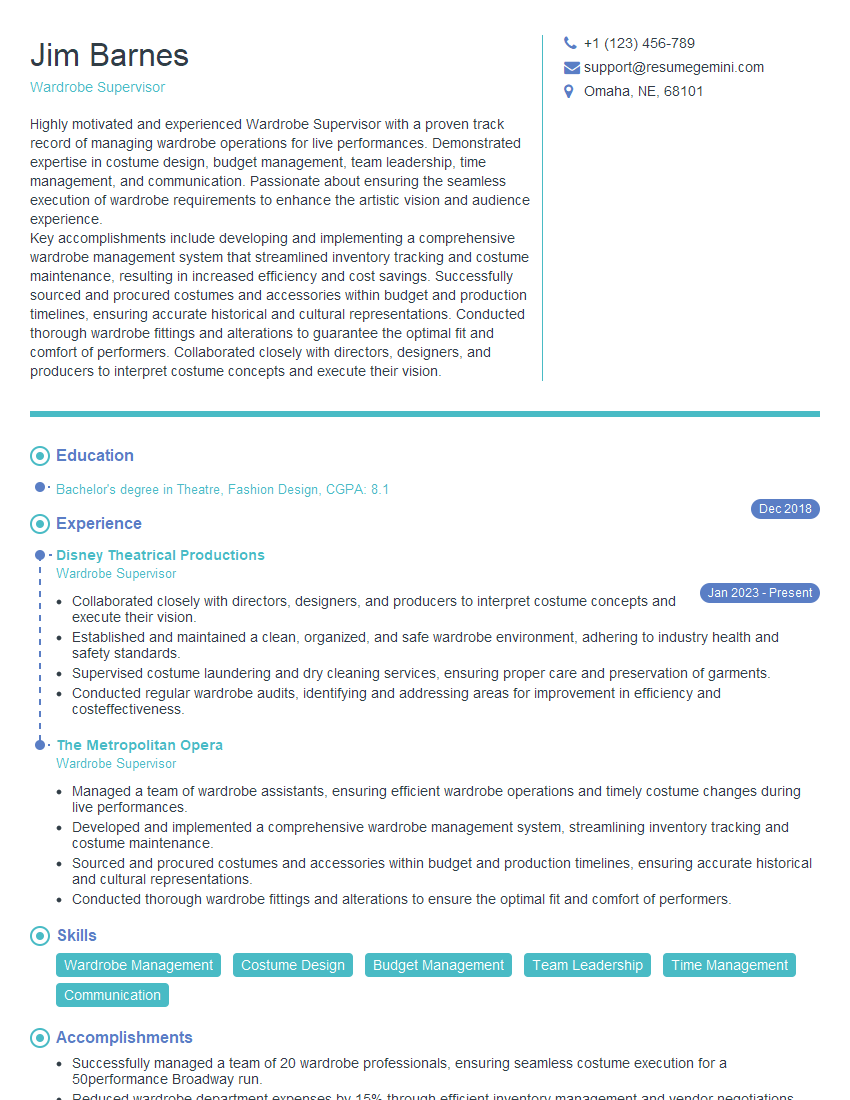
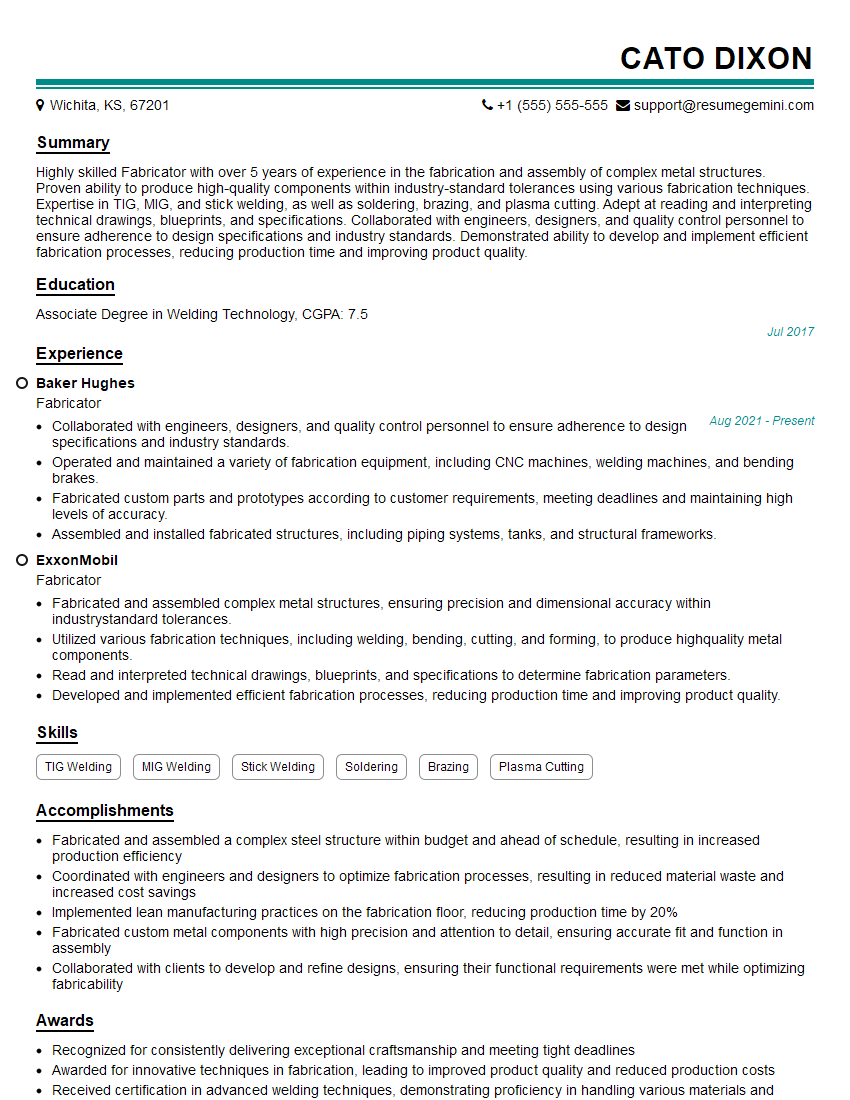
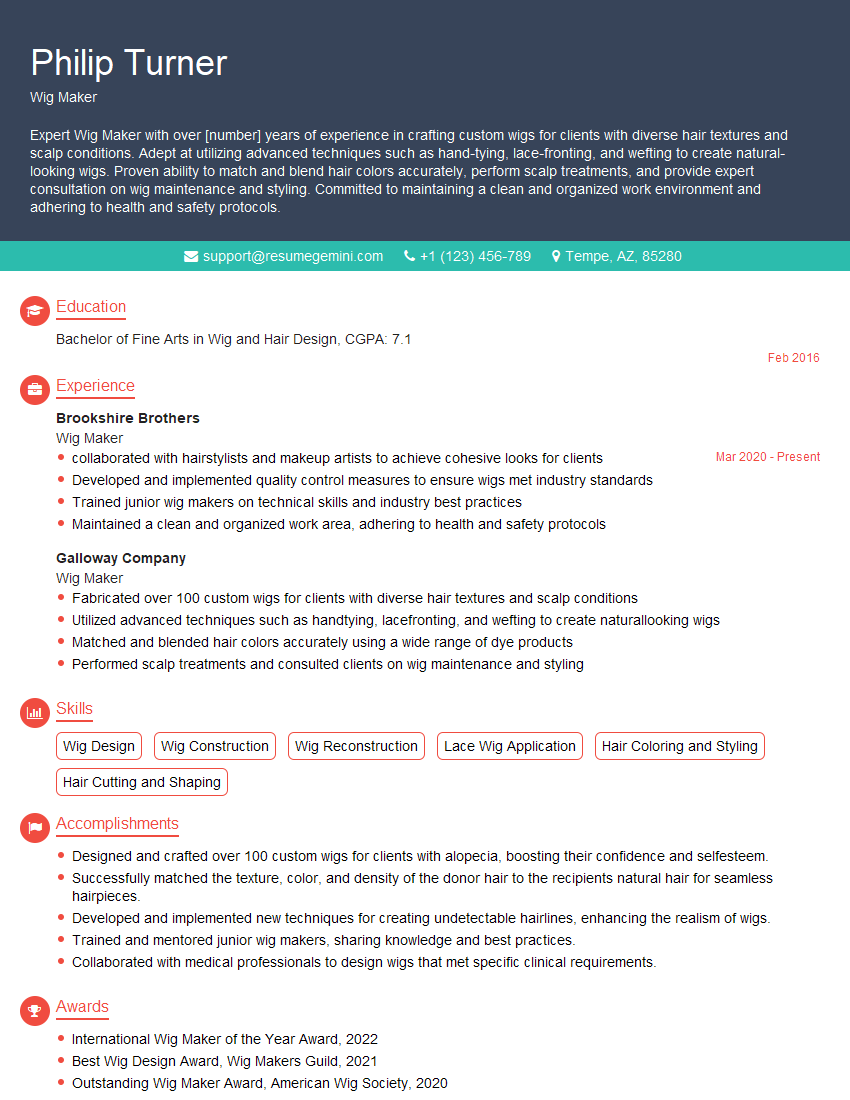
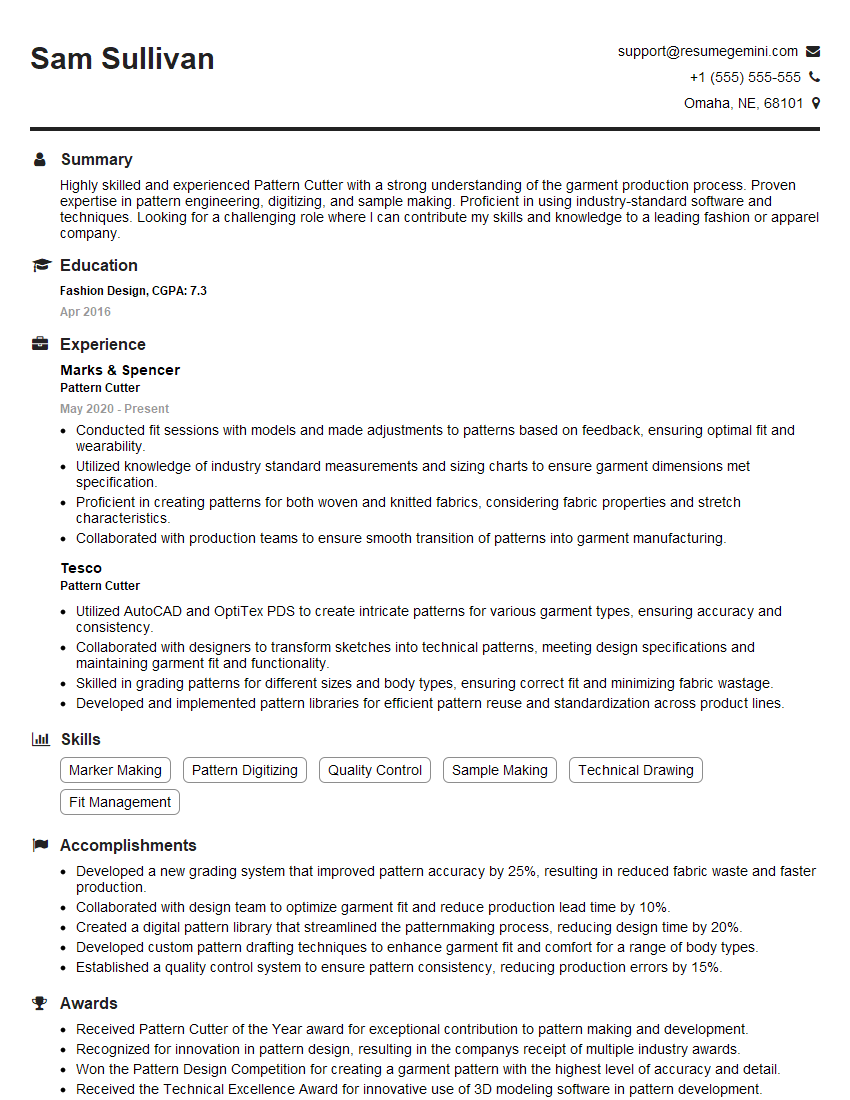
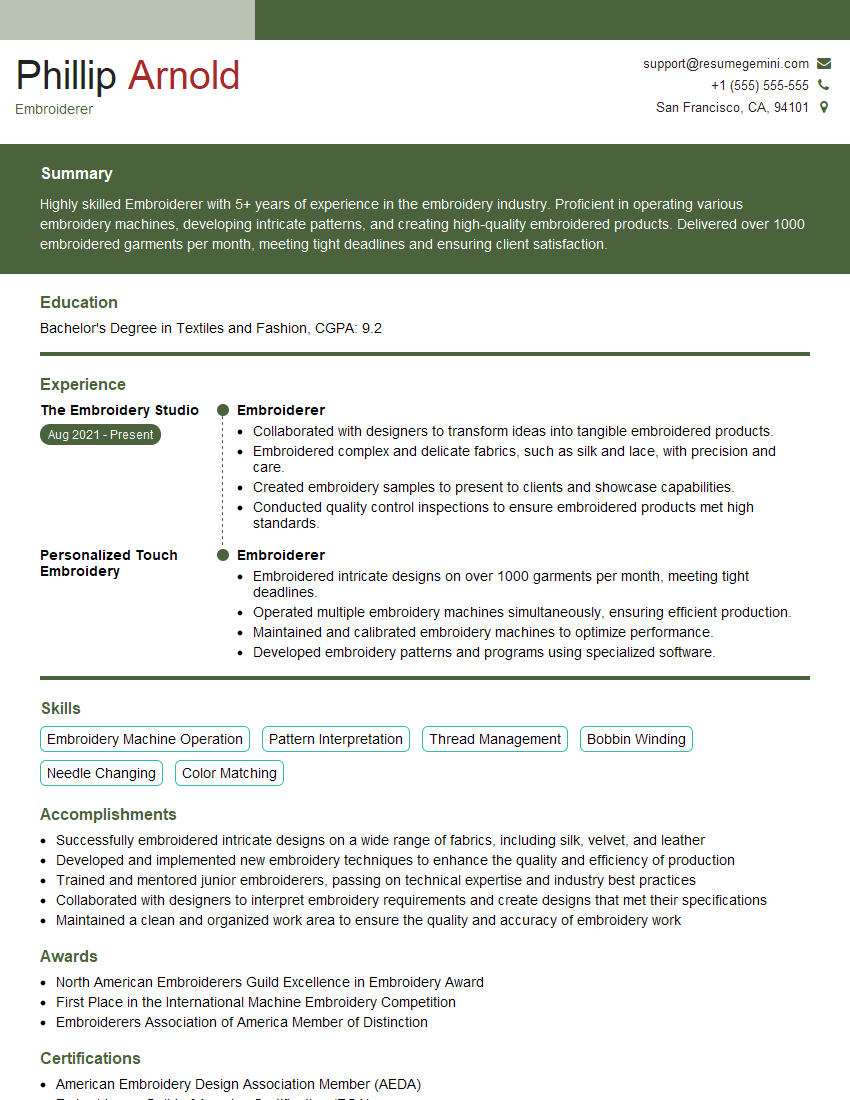
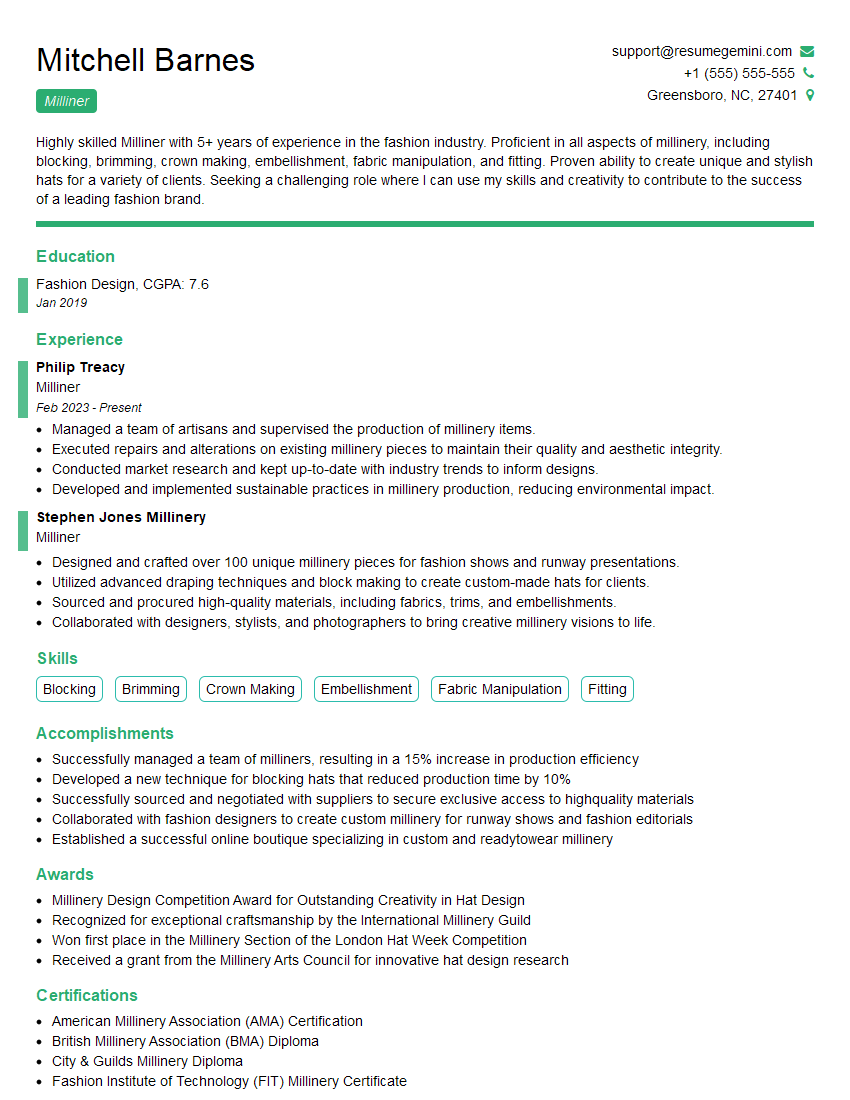
Mastering costume making opens doors to exciting career opportunities in theatre, film, television, fashion, and more! To maximize your job prospects, it’s crucial to have a strong, ATS-friendly resume that highlights your skills and experience effectively. ResumeGemini is a trusted resource that can help you build a professional and impactful resume tailored to the costume making industry. Examples of resumes specifically designed for costume making professionals are available to help guide you.

Explore more articles
Users Rating of Our Blogs
Share Your Experience
We value your feedback! Please rate our content and share your thoughts (optional).
What Readers Say About Our Blog
Attention music lovers!
Wow, All the best Sax Summer music !!!
Spotify: https://open.spotify.com/artist/6ShcdIT7rPVVaFEpgZQbUk
Apple Music: https://music.apple.com/fr/artist/jimmy-sax-black/1530501936
YouTube: https://music.youtube.com/browse/VLOLAK5uy_noClmC7abM6YpZsnySxRqt3LoalPf88No
Other Platforms and Free Downloads : https://fanlink.tv/jimmysaxblack
on google : https://www.google.com/search?q=22+AND+22+AND+22
on ChatGPT : https://chat.openai.com?q=who20jlJimmy20Black20Sax20Producer
Get back into the groove with Jimmy sax Black
Best regards,
Jimmy sax Black
www.jimmysaxblack.com
Hi I am a troller at The aquatic interview center and I suddenly went so fast in Roblox and it was gone when I reset.
Hi,
Business owners spend hours every week worrying about their website—or avoiding it because it feels overwhelming.
We’d like to take that off your plate:
$69/month. Everything handled.
Our team will:
Design a custom website—or completely overhaul your current one
Take care of hosting as an option
Handle edits and improvements—up to 60 minutes of work included every month
No setup fees, no annual commitments. Just a site that makes a strong first impression.
Find out if it’s right for you:
https://websolutionsgenius.com/awardwinningwebsites
Hello,
we currently offer a complimentary backlink and URL indexing test for search engine optimization professionals.
You can get complimentary indexing credits to test how link discovery works in practice.
No credit card is required and there is no recurring fee.
You can find details here:
https://wikipedia-backlinks.com/indexing/
Regards
NICE RESPONSE TO Q & A
hi
The aim of this message is regarding an unclaimed deposit of a deceased nationale that bears the same name as you. You are not relate to him as there are millions of people answering the names across around the world. But i will use my position to influence the release of the deposit to you for our mutual benefit.
Respond for full details and how to claim the deposit. This is 100% risk free. Send hello to my email id: lukachachibaialuka@gmail.com
Luka Chachibaialuka
Hey interviewgemini.com, just wanted to follow up on my last email.
We just launched Call the Monster, an parenting app that lets you summon friendly ‘monsters’ kids actually listen to.
We’re also running a giveaway for everyone who downloads the app. Since it’s brand new, there aren’t many users yet, which means you’ve got a much better chance of winning some great prizes.
You can check it out here: https://bit.ly/callamonsterapp
Or follow us on Instagram: https://www.instagram.com/callamonsterapp
Thanks,
Ryan
CEO – Call the Monster App
Hey interviewgemini.com, I saw your website and love your approach.
I just want this to look like spam email, but want to share something important to you. We just launched Call the Monster, a parenting app that lets you summon friendly ‘monsters’ kids actually listen to.
Parents are loving it for calming chaos before bedtime. Thought you might want to try it: https://bit.ly/callamonsterapp or just follow our fun monster lore on Instagram: https://www.instagram.com/callamonsterapp
Thanks,
Ryan
CEO – Call A Monster APP
To the interviewgemini.com Owner.
Dear interviewgemini.com Webmaster!
Hi interviewgemini.com Webmaster!
Dear interviewgemini.com Webmaster!
excellent
Hello,
We found issues with your domain’s email setup that may be sending your messages to spam or blocking them completely. InboxShield Mini shows you how to fix it in minutes — no tech skills required.
Scan your domain now for details: https://inboxshield-mini.com/
— Adam @ InboxShield Mini
support@inboxshield-mini.com
Reply STOP to unsubscribe
Hi, are you owner of interviewgemini.com? What if I told you I could help you find extra time in your schedule, reconnect with leads you didn’t even realize you missed, and bring in more “I want to work with you” conversations, without increasing your ad spend or hiring a full-time employee?
All with a flexible, budget-friendly service that could easily pay for itself. Sounds good?
Would it be nice to jump on a quick 10-minute call so I can show you exactly how we make this work?
Best,
Hapei
Marketing Director
Hey, I know you’re the owner of interviewgemini.com. I’ll be quick.
Fundraising for your business is tough and time-consuming. We make it easier by guaranteeing two private investor meetings each month, for six months. No demos, no pitch events – just direct introductions to active investors matched to your startup.
If youR17;re raising, this could help you build real momentum. Want me to send more info?
Hi, I represent an SEO company that specialises in getting you AI citations and higher rankings on Google. I’d like to offer you a 100% free SEO audit for your website. Would you be interested?
Hi, I represent an SEO company that specialises in getting you AI citations and higher rankings on Google. I’d like to offer you a 100% free SEO audit for your website. Would you be interested?