The thought of an interview can be nerve-wracking, but the right preparation can make all the difference. Explore this comprehensive guide to Cow-Calf Management and Production interview questions and gain the confidence you need to showcase your abilities and secure the role.
Questions Asked in Cow-Calf Management and Production Interview
Q 1. Describe your experience in pasture management and rotational grazing.
Pasture management and rotational grazing are crucial for maximizing forage utilization, improving pasture health, and enhancing overall cow-calf operation efficiency. My approach centers around optimizing grazing intensity and pasture rest periods.
I utilize a multi-paddock system, dividing pastures into smaller grazing units. This allows me to systematically move the herd, ensuring each paddock gets adequate rest for regrowth. The duration of grazing in each paddock is determined by factors like forage availability, growth rate, and animal density. For instance, a paddock might be grazed for 2-3 days, then rested for 2-3 weeks, allowing the forage to fully recover. This avoids overgrazing, prevents soil compaction, and minimizes weed growth.
I carefully monitor pasture conditions throughout the grazing season, using indicators like plant height, forage mass, and visual assessments of forage quality. I adjust grazing times and paddock rotations as needed to ensure optimal forage utilization and prevent overgrazing. This might involve adjusting the stocking rate (number of animals per unit of land), or implementing supplementary feeding during periods of forage scarcity.
For example, during a particularly dry summer, I might supplement the cows with hay in the later part of the grazing cycle in order to ensure they still receive adequate nutrition and prevent weight loss before calving season.
Q 2. Explain your approach to cow-calf herd health management and disease prevention.
Cow-calf herd health management is a proactive, preventative approach focusing on biosecurity, vaccination, parasite control, and nutritional management. Disease prevention is paramount, and my strategy emphasizes minimizing exposure to pathogens.
- Biosecurity: Strict biosecurity measures include limiting access to the farm, quarantining new animals, and implementing thorough cleaning and disinfection protocols. This prevents the introduction of infectious diseases from external sources.
- Vaccination: A comprehensive vaccination program targeting common diseases like clostridial diseases, bovine respiratory syncytial virus (BRSV), and leptospirosis is crucial. Vaccination schedules are tailored to the herd’s risk profile and local disease prevalence.
- Parasite Control: Regular fecal egg counts guide deworming strategies, targeting parasites affecting productivity and health. I employ a targeted approach, only deworming animals that need it, minimizing the development of anthelmintic resistance.
- Nutritional Management: Adequate nutrition ensures strong immune function, making cows less susceptible to diseases. This includes providing balanced rations with sufficient energy, protein, minerals, and vitamins, adjusted based on the stage of production (pregnancy, lactation, etc.).
For instance, by implementing a strict vaccination protocol and minimizing contact between the herd and outside animals, I’ve successfully prevented major outbreaks of diseases in my herd, saving both money and stress.
Q 3. How do you monitor and manage the reproductive performance of your herd?
Monitoring and managing reproductive performance is key to profitability in cow-calf operations. My approach incorporates several techniques to track and improve breeding efficiency.
- Breeding Soundness Exams: Regular breeding soundness examinations (BSEs) for bulls are critical for identifying potential fertility issues before breeding season. BSEs assess semen quality and overall health.
- Estrus Detection: I use various methods for estrus detection, including visual observation of cows, the use of heat detection patches, and activity monitors. This ensures timely insemination and maximizes conception rates.
- Pregnancy Diagnosis: Pregnancy diagnosis, typically performed via transrectal ultrasonography, confirms pregnancies and allows for early identification of open cows. This allows for appropriate management decisions regarding culling or rebreeding.
- Data Recording: Meticulous record-keeping is vital. I track breeding dates, calving dates, calving intervals, and other relevant reproductive data. This data helps identify trends and areas for improvement.
By diligently tracking reproductive data and performing regular BSEs, I am able to quickly identify any potential issues impacting herd fertility and take corrective measures to enhance reproductive efficiency, leading to higher calf crops.
Q 4. Detail your experience with artificial insemination (AI) and embryo transfer.
Artificial insemination (AI) and embryo transfer (ET) are valuable tools for genetic improvement in cow-calf operations. My experience with both techniques is extensive.
Artificial Insemination (AI): AI allows for the strategic use of superior genetics, improving the overall genetic merit of the herd. Proper training and technique are essential for successful AI. I am proficient in performing AI, understanding the timing of ovulation and the proper handling of semen straws. This allows me to increase the genetic potential of my herd without needing a large number of high-quality bulls.
Embryo Transfer (ET): ET allows for the rapid replication of superior genetics from elite donor cows. This is a more complex technique than AI, involving the collection, evaluation, and transfer of embryos. ET is particularly beneficial for accelerating genetic improvement in valuable animals. ET can quickly multiply the genetic impact of a top-performing cow across multiple recipients.
Both AI and ET require specialized knowledge and equipment, but their judicious use can significantly improve the quality and productivity of the cow-calf enterprise.
Q 5. What strategies do you employ for effective calf weaning and post-weaning management?
Effective calf weaning and post-weaning management are critical for ensuring the health and growth of calves. My approach minimizes stress and maximizes the calves’ potential.
- Gradual Weaning: I prefer a gradual weaning process, starting with a short separation period followed by increasing duration until complete separation. This minimizes stress on both the cow and the calf, leading to less weight loss and improved health.
- Pre-weaning Vaccination and Health Checks: Before weaning, calves receive appropriate vaccinations and deworming treatments as well as thorough health checks to minimize risk of disease during transition.
- Post-weaning Nutrition: Calves receive a high-quality diet formulated to meet their nutrient requirements post-weaning. This supports strong growth rates and immune function.
- Health Monitoring: Close health monitoring post-weaning is essential. This might include regular weight checks and monitoring for signs of illness or disease. Early intervention is critical for managing potential health issues.
For example, using a slow weaning approach with appropriate vaccination and nutrition protocols have resulted in consistently strong calf growth and minimal health problems during the post-weaning phase.
Q 6. How do you select replacement heifers and bulls based on genetic merit and performance data?
Selecting replacement heifers and bulls based on genetic merit and performance data is fundamental to genetic improvement. My selection process is rigorous and data-driven.
- Performance Data: I carefully track performance data such as birth weight, weaning weight, yearling weight, and other relevant traits. This allows for the selection of animals with superior growth rates and overall productivity.
- Genetic Evaluation: I utilize Expected Progeny Difference (EPD) values to estimate the genetic potential of an animal. EPDs predict the performance of an animal’s offspring compared to the average of the breed. This allows for a more objective selection process.
- Visual Appraisal: Visual appraisal is done to assess structural correctness, soundness, and overall conformation of heifers and bulls. This ensures that selected animals are healthy and structurally sound.
- Health Records: A review of health records is vital. Only healthy animals with a good disease resistance history are considered for replacement.
By combining performance data, genetic evaluations, and visual appraisal, I am able to select replacement animals with superior genetic merit that will increase the overall productivity of the herd.
Q 7. Describe your experience with feed budgeting and cost-effective nutrition strategies for cow-calf operations.
Feed budgeting and cost-effective nutrition strategies are critical for optimizing profitability in cow-calf operations. My approach focuses on balancing nutritional needs with economic considerations.
- Feed Inventory: Regular inventory of available feed resources (hay, pasture, supplements) is crucial. This allows for accurate feed budgeting and ensures sufficient feed is available throughout the year.
- Nutrient Requirements: I determine the nutrient requirements of my herd, accounting for factors such as stage of production (pregnancy, lactation), animal size, and environmental conditions. This ensures that animals receive the nutrients necessary for optimal performance.
- Feed Formulation: I use feed formulation software or consulting expertise to develop cost-effective rations that meet the nutritional needs of the animals while minimizing feed costs. This might involve using a combination of different feedstuffs to achieve the desired nutrient profile.
- Forage Evaluation: I conduct regular forage quality tests to assess nutrient content. This helps in making informed decisions on supplementation strategies. It allows us to tailor nutrition to the current availability and quality of forages.
For example, carefully analyzing forage quality and using this information to formulate cost-effective rations, including the addition of protein supplements where needed, has allowed me to maintain high productivity with manageable feed expenses.
Q 8. Explain your knowledge of different forage types and their suitability for cow-calf operations.
Selecting the right forage is crucial for a successful cow-calf operation. Forage quality directly impacts cow productivity, calf growth, and overall profitability. Different forages offer varying nutritional profiles and require different management strategies.
- Grasses: Cool-season grasses like orchardgrass, tall fescue, and bromegrass are excellent for spring and fall grazing, providing high-quality forage. Warm-season grasses such as bermudagrass, switchgrass, and bluestem are ideal for summer grazing and drought tolerance. The choice depends on your geographic location and climate.
- Legumes: Alfalfa, clover, and other legumes are rich in protein and are highly digestible. They improve soil fertility through nitrogen fixation but can be susceptible to bloat if not managed carefully. Often, a mix of grasses and legumes provides a balanced diet.
- Forage Mixtures: Many operations benefit from a carefully planned mix of grasses and legumes to optimize nutrition and extend the grazing season. This diversity enhances the resilience of the pasture and reduces the risk of nutritional deficiencies.
- Hay: When pasture isn’t available, high-quality hay is crucial. Testing hay for nutrient content is essential to supplement deficiencies. The type of hay (e.g., alfalfa, grass hay) should be tailored to the cow’s needs and stage of production.
For example, in a dry, arid region, a cow-calf operation might rely heavily on warm-season grasses and drought-tolerant legumes, possibly supplementing with hay during lean times. In contrast, a wetter, cooler climate could support a productive mix of cool-season grasses and legumes, with less need for hay.
Q 9. How do you assess and manage body condition scores (BCS) in cows and heifers?
Body Condition Scoring (BCS) is a vital tool for monitoring cow health and reproductive performance. It’s a visual assessment of fat reserves on a scale of 1 to 5 (or 1 to 9 depending on the scoring system), with 1 being emaciated and 5 (or 9) being obese. Regular BCS assessment helps identify cows at risk of reproductive failure or health problems.
Assessment: I assess BCS by palpating the backbone, ribs, hooks, pins, and tailhead. A cow with a BCS of 3 is ideal for most operations; they have a good fat cover but aren’t overly fat. A BCS below 3 indicates undernutrition, potentially leading to reduced fertility and milk production. Conversely, a BCS above 4 often suggests excessive fat, which can also cause problems.
Management: Managing BCS involves strategic feeding and pasture management. Cows with low BCS need increased energy intake through better quality forage, supplemental feeding (like grain), or improved pasture conditions. Cows with high BCS may require reduced feed intake or increased exercise. Regular weighing and monitoring of weight gain/loss helps fine-tune the feeding strategy. For example, during pregnancy, particularly in the later stages, cows require higher energy intake to support fetal growth and milk production, necessitating careful BCS monitoring to prevent weight loss.
Q 10. What are your strategies for controlling internal and external parasites in cattle?
Controlling internal and external parasites is essential for maintaining a healthy and productive herd. A combination of preventative measures and strategic treatment is crucial.
- Internal Parasites: Regular fecal egg counts (FEC) are vital for identifying parasite infestations. Effective deworming strategies depend on the FEC results, focusing on targeted treatment rather than blanket deworming of the entire herd (to minimize the development of parasite resistance). Strategic deworming often targets high-risk animals, such as young calves or those with heavy infestations.
- External Parasites: Flies, lice, and ticks are controlled through various methods like topical insecticides, pour-ons, ear tags, and pasture management. Rotational grazing can help reduce parasite buildup in pastures. Regular inspection for infestations is key to early detection and prompt treatment.
Integrated Pest Management (IPM): A holistic approach employing multiple strategies is more effective and environmentally sound than relying solely on chemical treatments. This includes pasture management techniques, such as regular mowing, to minimize habitats for parasites, promoting good herd immunity, and selectively treating only infected animals based on FEC and visual inspection.
Q 11. Discuss your experience with record keeping and data analysis in a cow-calf operation.
Accurate record-keeping and data analysis are foundational to efficient and profitable cow-calf operations. It allows for informed decision-making, tracking progress, and identifying areas for improvement.
Record Keeping: I use software and spreadsheets to meticulously track key metrics, including birth dates, weights at various stages (birth, weaning, etc.), breeding dates, calving intervals, health treatments, and feed costs. Individual cow performance data is crucial. Example: A spreadsheet tracking each cow's ID, birth date, weaning weight, and BCS score.
Data Analysis: Analyzing this data helps identify trends and outliers. For example, consistent low weaning weights might indicate a nutritional deficiency or underlying health issue. Similarly, prolonged calving intervals can point to reproductive challenges that need addressing. This data-driven approach allows for proactive management adjustments, optimizing resource allocation, and ultimately increasing profitability.
Q 12. Describe your experience with handling and restraining cattle.
Safe and efficient cattle handling is paramount for both animal welfare and worker safety. Proper techniques minimize stress on the animals and reduce the risk of injury to handlers.
Techniques: I utilize low-stress handling techniques, such as using proper chute design, calm movements, and positive reinforcement. Understanding cattle behavior is essential; they are herd animals, and their natural flight zone should be respected. Sudden movements or loud noises can cause stress and increase the risk of accidents.
Equipment: Appropriate equipment, including well-maintained chutes, headgates, and restraining devices, is critical. Regular inspection and maintenance ensure safety for both animals and handlers. Using proper tools, such as curved-handled cattle prods, reduces the risk of injury to both animals and handlers. I regularly train myself and my crew on proper handling techniques.
Q 13. Explain your understanding of various cattle breeds and their suitability to different environments.
Selecting the right cattle breed is a critical decision that significantly impacts the success of a cow-calf operation. Breed selection should be based on the specific environment, market demands, and management goals.
- Beef Breeds: Angus, Hereford, and Simmental are popular beef breeds known for their growth rates, carcass quality, and adaptability. Angus cattle excel in colder climates, while breeds like Brahman are better suited to hot, humid environments due to their heat tolerance.
- Dual-Purpose Breeds: Breeds like Shorthorn and Red Angus offer a balance between beef production and milk yield, making them suitable for operations focusing on both aspects.
Environmental Considerations: Cattle breeds have different tolerances to heat, cold, and disease. For instance, in a harsh, cold climate, hardy breeds like Angus or Galloway would thrive better than breeds adapted to warmer climates. Similarly, in areas with high parasite pressure, selecting breeds with some natural resistance might be advantageous. Matching the breed to the environment is crucial to ensure health and productivity.
Q 14. How do you monitor and manage water quality for your herd?
Water quality is essential for the health and productivity of the cattle herd. Providing access to clean, fresh water is crucial, and monitoring its quality is vital.
Monitoring: I regularly inspect water sources for cleanliness, turbidity, and any unusual odor or appearance. I conduct regular water testing to check for contamination from pathogens, minerals, or other harmful substances. Water quality can vary depending on the source (well, surface water, etc.) and may require treatment or alternative water sources if contamination is detected.
Management: If the water source is found to be contaminated, immediate action is required. This might involve treating the water (e.g., chlorination), finding an alternative water source, or implementing measures to prevent further contamination. Regular cleaning and maintenance of water troughs are equally important to prevent the growth of algae and other harmful organisms. Providing adequate water access, especially during hot weather, is crucial to prevent dehydration and heat stress. The quantity of water available should also be considered; overcrowding at water sources can cause stress and competition.
Q 15. Describe your experience with marketing and selling cattle.
My experience in marketing and selling cattle spans over fifteen years, encompassing various strategies from direct sales to utilizing auction markets and online platforms. I’ve developed a keen understanding of market trends, including seasonal fluctuations in demand and pricing. For instance, I’ve found that pre-conditioning calves – providing vaccinations and de-worming before sale – significantly increases their value and marketability. This translates directly to higher profit margins. I also focus on building relationships with buyers, fostering trust and repeat business. Understanding breed preferences and the specific needs of different buyers (feedlots, smaller farms, etc.) is key. Direct sales allow me to control the pricing and ensure the animals are handled with care throughout the process, something I highly value. Auction markets offer broader reach but come with associated fees and potential for lower prices depending on market conditions. Online platforms provide another avenue for reaching a wider audience, particularly those outside the immediate geographic area.
I regularly analyze market reports and consult with agricultural economists to predict price movements and adjust my marketing strategy accordingly. This proactive approach ensures I maximize returns and minimize losses. Beyond simply selling, I work to provide exceptional customer service, focusing on transparency and clear communication about the animals’ health and genetics. This approach has resulted in consistent sales and strong relationships with my clients.
Career Expert Tips:
- Ace those interviews! Prepare effectively by reviewing the Top 50 Most Common Interview Questions on ResumeGemini.
- Navigate your job search with confidence! Explore a wide range of Career Tips on ResumeGemini. Learn about common challenges and recommendations to overcome them.
- Craft the perfect resume! Master the Art of Resume Writing with ResumeGemini’s guide. Showcase your unique qualifications and achievements effectively.
- Don’t miss out on holiday savings! Build your dream resume with ResumeGemini’s ATS optimized templates.
Q 16. What safety measures do you implement to ensure worker and animal safety?
Worker and animal safety are paramount in my operation. We begin with comprehensive training programs covering safe handling techniques, proper use of equipment (such as chutes and electric prods), and emergency response protocols. Regular safety meetings reinforce these procedures and address any emerging concerns. We utilize well-maintained, properly designed handling facilities that minimize stress on the animals and reduce the risk of injury to workers. These include appropriately sized squeeze chutes, well-lit working areas, and clear escape routes. All equipment is regularly inspected and maintained to prevent malfunctions.
Personal protective equipment (PPE) is mandatory, including gloves, safety glasses, and steel-toe boots. We employ techniques like ‘low-stress’ cattle handling, which uses calm movements and gentle encouragement to move cattle, reducing stress for both animals and handlers. Regular veterinary check-ups for all animals allow for early detection and treatment of health issues, which indirectly improves worker safety by reducing the chance of dealing with aggressive or unwell animals.
Furthermore, we have clearly defined emergency procedures for situations such as a bull escaping, animal injury, or worker accident. These procedures include designated contact persons, emergency contact numbers, and a clear chain of command. We also conduct regular drills to ensure everyone knows their role in an emergency.
Q 17. How do you handle and address emergencies such as calving difficulty or injuries?
Emergencies, like difficult calving or injuries, are handled promptly and efficiently. We have a detailed protocol for dystocia (difficult birth). This includes regular monitoring of pregnant cows, especially in their final stages. We have access to experienced veterinarians who can assist with calving emergencies, including Cesarean sections if needed. The use of obstetrical lubricants and ropes are standard tools, and we emphasize the importance of aseptic techniques to prevent infection.
In case of animal injury, immediate assessment of the severity is key. Minor wounds are treated on-site, while more serious injuries require immediate veterinary attention. Depending on the injury, this might involve bandaging, administering pain medication, or even surgical intervention. Records are meticulously kept for both incidents to track trends and improve preventative measures. Similarly, accidents involving workers are immediately dealt with, encompassing first aid administration, contacting emergency services if necessary, and filing complete incident reports for insurance and safety analysis purposes. Proper handling techniques and safety equipment are constantly reviewed after an incident to determine if improvements can be made.
Q 18. What is your experience with financial management and budgeting in a cow-calf operation?
Financial management is crucial for the long-term success of any cow-calf operation. I use a detailed budgeting system that accounts for all income and expenses, including feed costs, veterinary care, labor, equipment maintenance, land taxes, and marketing expenses. This budget is developed annually and reviewed regularly throughout the year to ensure we remain on track. I track key performance indicators (KPIs) such as weaning weights, pregnancy rates, and calf mortality rates. These KPIs help in evaluating the efficiency of the operation and identifying areas for improvement. For example, lower weaning weights might signal a need to improve the quality of pasture or feed supplements.
I utilize financial software to manage accounts receivable and payable, track inventory, and generate reports. We also explore cost-effective strategies for feed production and procurement. This includes carefully selecting appropriate grazing strategies, exploring alternative feed sources, and efficient purchasing arrangements with suppliers. We also consistently evaluate our herd structure and cull unproductive animals to reduce expenses. Cash flow projections are regularly assessed to ensure we can meet our financial obligations and invest strategically in the growth and improvement of the operation.
Q 19. Explain your knowledge of sustainable agricultural practices in cow-calf production.
Sustainable agricultural practices are integrated into every aspect of my operation. This starts with responsible grazing management, implementing rotational grazing to prevent overgrazing and improve pasture health. We use diverse pasture species to enhance soil fertility and improve forage quality. We also monitor soil health through regular testing and adjustments to our grazing practices based on the results. This is complemented by integrated pest management strategies that minimize reliance on chemical pesticides and herbicides, relying more on biological controls and preventative measures.
Water conservation is a priority, and we employ efficient irrigation systems and monitor water usage closely. We carefully manage manure as a valuable resource, using it to enrich pastures rather than allowing it to runoff. Animal welfare is central to our approach; we prioritize providing comfortable housing, access to clean water, and appropriate veterinary care. We strive to minimize stress on the animals and focus on their overall well-being. Continuous improvement is key – we constantly seek opportunities to refine our practices, reducing our environmental footprint while enhancing the overall productivity and efficiency of the operation. We also actively explore and adopt new technologies that support sustainable practices.
Q 20. How do you assess and mitigate the risks associated with climate change and extreme weather events?
Climate change poses significant risks to cow-calf operations, including increased frequency and intensity of extreme weather events such as droughts, floods, and heat waves. To mitigate these risks, we employ a multi-pronged approach. We have developed drought management strategies, including access to supplemental feed sources and water storage systems. This ensures that our animals have access to adequate resources even during prolonged dry periods. We continuously monitor weather forecasts and adapt our grazing management accordingly, moving animals to different pastures as needed to optimize pasture utilization and minimize exposure to extreme conditions.
We also select breeds of cattle that are known for their heat tolerance and resilience to drought. Insurance strategies, particularly crop and livestock insurance, are vital to protecting the business against significant financial losses due to weather-related events. Developing resilient pasture systems – through appropriate species selection and soil management practices – is crucial for enhancing the ability of our land to withstand extreme weather and recover quickly. Diversifying income streams, perhaps through adding agritourism or other compatible enterprises, provides financial buffers against the impact of weather-related losses. We also maintain strong relationships with local agricultural extension services and research institutions to stay updated on the latest research and best practices for climate change adaptation.
Q 21. Describe your experience with using technology and precision agriculture in a cow-calf operation.
Technology and precision agriculture are increasingly important in modern cow-calf operations. We utilize GPS-enabled collars to monitor the location and behavior of our animals, providing valuable insights into their grazing patterns and overall health. This allows us to optimize pasture management and detect potential health issues early on. We also employ weight scales to track individual animal growth rates, enabling us to make informed decisions about breeding, feeding, and culling. This data-driven approach improves the efficiency and profitability of our operation.
We use farm management software to maintain detailed records of animal health, breeding, and production data. This software helps in analyzing trends, improving decision-making, and generating reports for regulatory compliance and financial planning. Furthermore, we use drones to monitor pasture conditions, assess livestock health from a distance, and even for improved fence management and identifying potential problem areas within our grazing systems. By leveraging technology, we improve efficiency, reduce costs, and enhance the overall sustainability of our operation. Embracing technological advancements is crucial for maintaining competitiveness and adapting to the ever-changing agricultural landscape.
Q 22. How do you manage grazing infrastructure, such as fencing and water sources?
Effective grazing infrastructure is the backbone of a successful cow-calf operation. It ensures efficient grazing management, minimizes losses, and promotes animal welfare. This primarily involves strategic fencing and reliable water access.
Fencing: I prioritize strong, durable fencing appropriate for the terrain and the animals’ behavior. This often includes a mix of materials—high-tensile wire for strength, woven wire to prevent escapes, and potentially electric wire for added deterrence in areas with problematic animals. Regular fence inspection and maintenance are crucial. We look for broken wires, sagging posts, and potential entry points for predators. A well-maintained fence system is not only cost-effective in the long run but also ensures the safety and well-being of the herd, preventing them from straying onto dangerous areas or into neighboring properties.
Water Sources: Access to clean, fresh water is paramount. This requires strategically placed water troughs, tanks, or pipelines. We consider factors such as water source quality, accessibility for cattle, and the potential for contamination. Regular water testing is vital to prevent waterborne diseases. During dry periods, we may need to implement supplemental watering systems, such as water tanks with periodic refills, to ensure sufficient water access for the cattle throughout the pasture.
For example, on one ranch, we implemented a rotational grazing system facilitated by strategically placed cross-fencing. This allowed us to systematically move the herd to fresh pasture, maximizing forage utilization and improving pasture health. In another instance, we installed a new well and pipeline system, solving a long-standing water shortage problem and enabling a substantial increase in stocking density.
Q 23. Explain your understanding of various breeding programs and their impact on herd improvement.
Breeding programs are essential for improving herd genetics and productivity. They involve careful selection of breeding bulls, considering traits like growth rate, carcass quality, calving ease, and disease resistance. The impact on herd improvement is significant, leading to increased profitability and efficiency.
- Artificial Insemination (AI): This allows the use of superior genetics from bulls across the country or even internationally, improving the overall genetic quality of the herd. It’s particularly useful for introducing desirable traits not readily available locally.
- Embryo Transfer (ET): ET involves transferring embryos from high-producing cows to recipient cows, allowing for the rapid multiplication of superior genetics. This technique is more costly but can significantly enhance genetic progress in a shorter time frame.
- Linebreeding and Inbreeding: These techniques concentrate specific desirable genes within a herd, but they also increase the risk of genetic defects. Therefore, careful selection and genetic monitoring are critical.
- Crossbreeding: Combining different breeds takes advantage of hybrid vigor (heterosis), improving traits like fertility and disease resistance in the offspring. The choice of breeds depends on the environment and desired production goals.
For instance, using AI with a bull known for high carcass quality dramatically improved the average meat yield within a herd I managed, which resulted in a significant increase in profit margins. In another case, implementing a crossbreeding strategy using Angus and Hereford bulls on a Simmental cow herd resulted in calves with superior growth rates and calving ease.
Q 24. What is your experience with managing bull fertility and soundness?
Managing bull fertility and soundness is crucial for successful breeding. It involves regular evaluation of their reproductive health and physical condition to ensure they are capable of breeding cows efficiently and effectively.
Fertility Evaluation: We conduct breeding soundness exams (BSEs) on bulls annually or even more frequently, depending on their age and history. These exams assess semen quality, including sperm motility, morphology, and concentration. This ensures we’re only utilizing bulls with superior reproductive capabilities.
Soundness Assessment: Physical soundness is equally important. We examine bulls for lameness, structural defects, and any other physical condition that could hinder their ability to breed. Bulls exhibiting unsoundness might have difficulty mounting cows or might risk injury during breeding.
Management Practices: We implement best practices to ensure bull health, such as providing adequate nutrition, regular parasite control, and appropriate vaccination programs. Monitoring their behavior during the breeding season is also vital to detect any potential problems early on. For example, a drop in libido or difficulty mounting could indicate a health issue requiring immediate attention.
In one instance, a BSE revealed a bull with subpar semen quality. Removing him from the breeding program prevented potential economic losses associated with reduced conception rates. In another case, we identified a bull with a severe lameness issue, preventing injuries during the breeding season and ensuring the safety of both the bull and the cows.
Q 25. How do you evaluate the overall efficiency and profitability of a cow-calf operation?
Evaluating the efficiency and profitability of a cow-calf operation requires a comprehensive analysis of various factors. Key indicators include weaning weight, pregnancy rate, calf mortality, feed costs, and overall marketing returns.
- Weaning Weight: This reflects the efficiency of the cow’s ability to produce milk and the calf’s growth potential. Higher weaning weights usually translate to higher profits.
- Pregnancy Rate: The percentage of cows that become pregnant directly affects the number of calves produced and, ultimately, the profitability of the operation. A high pregnancy rate suggests efficient breeding management.
- Calf Mortality: Losses due to calf mortality decrease overall profit significantly. Monitoring calf health and implementing proper management practices to minimize losses are essential.
- Feed Costs: This represents a significant portion of the operational costs. Efficient feed management, including pasture optimization and supplemental feeding strategies, can reduce expenses.
- Marketing Returns: This includes the sale price of calves and any additional income from cull cows or other products. Effective marketing strategies and optimal timing of sales can significantly enhance profitability.
We use key performance indicators (KPIs) and financial analysis tools to track these metrics and identify areas for improvement. For example, by optimizing pasture management and implementing targeted breeding programs, we increased weaning weights and pregnancy rates in a herd, resulting in a significant increase in profit margins.
Q 26. Describe your experience in managing labor and personnel in a livestock setting.
Effective labor management in a livestock setting involves careful planning, clear communication, and a supportive work environment. This includes hiring skilled personnel, providing adequate training, and fostering a positive team dynamic.
Hiring and Training: I focus on hiring individuals with relevant experience or a strong willingness to learn. Thorough training on animal handling techniques, safety protocols, and specific operational procedures is essential. This minimizes the risk of accidents and ensures consistent, high-quality work.
Teamwork and Communication: Open communication and collaboration among team members are crucial for smooth operations. Regular team meetings, clear task assignments, and feedback sessions contribute to a positive and productive work environment. This enhances efficiency and morale.
Safety Protocols: Maintaining a safe working environment is paramount. Implementing stringent safety protocols, including proper handling equipment and regular safety training, minimizes risks to both personnel and animals. This is particularly critical in environments with large livestock and machinery.
For instance, on one operation, I implemented a comprehensive training program for new employees, resulting in improved worker proficiency and a reduction in accidents. In another case, establishing a clear communication system between the ranch manager and the field crews improved coordination and efficiency in managing daily tasks, minimizing delays and resource wastage.
Q 27. Explain your understanding of animal welfare regulations and best practices.
Understanding and adhering to animal welfare regulations and best practices is fundamental to responsible livestock management. This encompasses various aspects, including providing adequate nutrition, appropriate shelter, humane handling, and disease prevention.
Nutrition: Providing sufficient and balanced nutrition is vital for animal health and productivity. This involves monitoring feed quality, ensuring adequate access to water, and supplementing the diet as needed to meet the animals’ specific requirements.
Shelter: Appropriate shelter protects animals from harsh weather conditions and reduces stress. This may include barns, windbreaks, or shaded areas depending on the climate and the type of livestock.
Humane Handling: Animals must be handled with care to minimize stress and injury. This includes proper training in low-stress handling techniques and the use of appropriate equipment.
Disease Prevention: Effective disease prevention strategies, including vaccination and parasite control programs, maintain animal health and prevent outbreaks. Routine health checks and prompt veterinary attention are crucial for addressing health issues.
Staying up-to-date on evolving regulations and best practices is critical. For example, implementing protocols to reduce heat stress during summer months or implementing biosecurity measures to prevent disease spread are some key aspects I consider and adjust as needed.
Q 28. How do you address challenges related to predator control and livestock security?
Predator control and livestock security are vital for protecting the herd and minimizing losses. This requires a multi-pronged approach incorporating preventive measures, monitoring, and deterrents.
Preventive Measures: Strengthening fences, using guard animals (like llamas or donkeys), and employing good pasture management practices (avoiding overgrazing which attracts predators) help prevent predation. Proper lighting around barns and strategic placement of livestock can also aid prevention.
Monitoring: Regularly patrolling pastures, employing surveillance technologies, and monitoring animal behavior for signs of predation are important for early detection. Early detection allows for quicker responses and minimizes losses.
Deterrents: Using non-lethal deterrents, such as flashing lights, noisemakers, or scent deterrents, can effectively repel predators. In situations where non-lethal methods prove insufficient, lethal control may be necessary, always conducted in accordance with regulations.
For instance, on one ranch, we implemented a comprehensive predator control program, combining improved fencing, the use of guard dogs, and strategic pasture rotation, resulting in a significant reduction in livestock losses. In another case, we successfully utilized a combination of flashing lights and noisemakers to deter coyotes from approaching the grazing areas.
Key Topics to Learn for Cow-Calf Management and Production Interview
- Reproductive Management: Understanding estrus synchronization protocols, artificial insemination techniques, pregnancy diagnosis, and managing calving intervals for optimal herd productivity. Practical application: Analyzing reproductive data to identify areas for improvement in herd fertility.
- Nutrition and Forage Management: Developing and implementing nutritional strategies for different life stages (pregnant cows, lactating cows, calves), maximizing forage utilization, and minimizing feed costs. Practical application: Calculating nutrient requirements and formulating rations to meet specific animal needs.
- Health Management and Disease Prevention: Implementing vaccination programs, parasite control strategies, and early disease detection methods to minimize health issues and maximize animal welfare. Practical application: Diagnosing common bovine diseases and selecting appropriate treatments.
- Pasture and Range Management: Understanding grazing systems, pasture rotation techniques, and the impact of grazing on forage quality and soil health. Practical application: Developing a sustainable grazing plan to maximize forage production and animal performance.
- Calf Management: Implementing best practices for calf health, nutrition, and weaning, including strategies for minimizing stress and maximizing growth rates. Practical application: Designing and implementing a comprehensive calf-rearing program.
- Financial Management and Record Keeping: Understanding budgeting, cost analysis, and profitability metrics in cow-calf operations. Practical application: Analyzing financial records to identify areas for improvement in efficiency and profitability.
- Sustainable Practices: Implementing environmentally friendly practices, such as responsible manure management and minimizing environmental impact. Practical application: Evaluating the environmental footprint of a cow-calf operation and developing strategies for improvement.
Next Steps
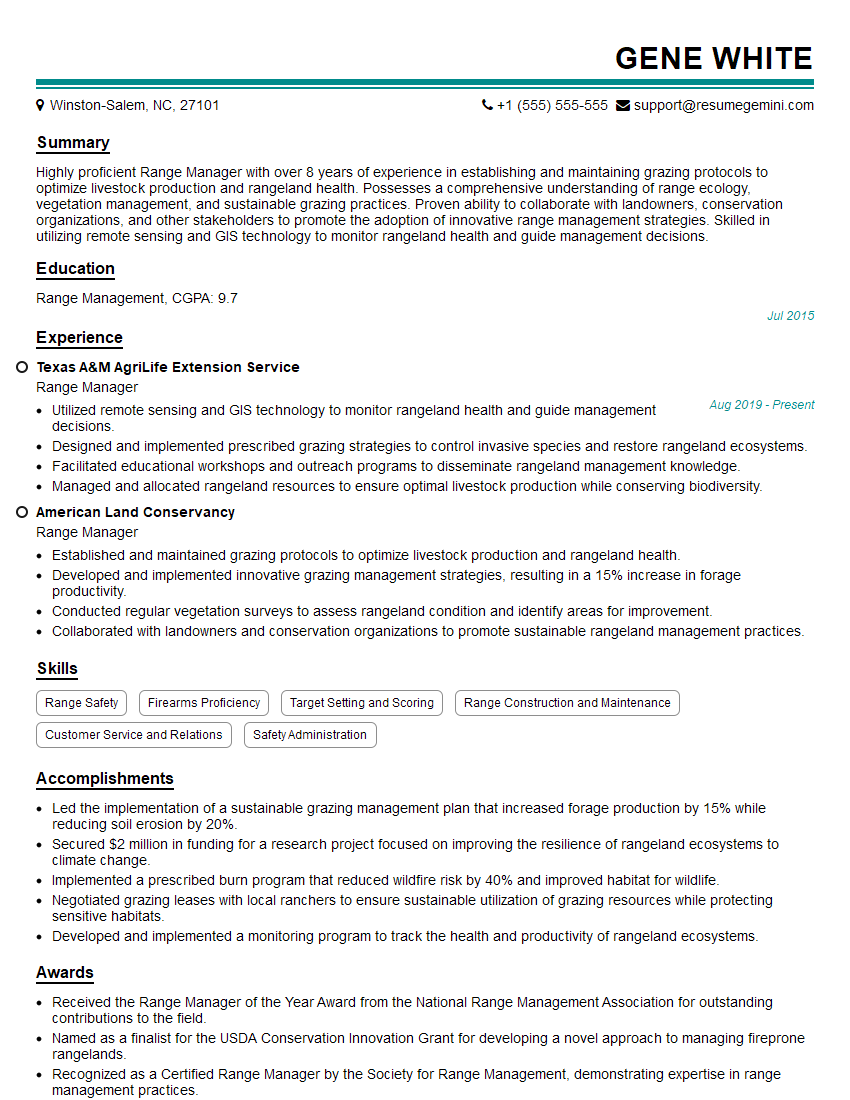
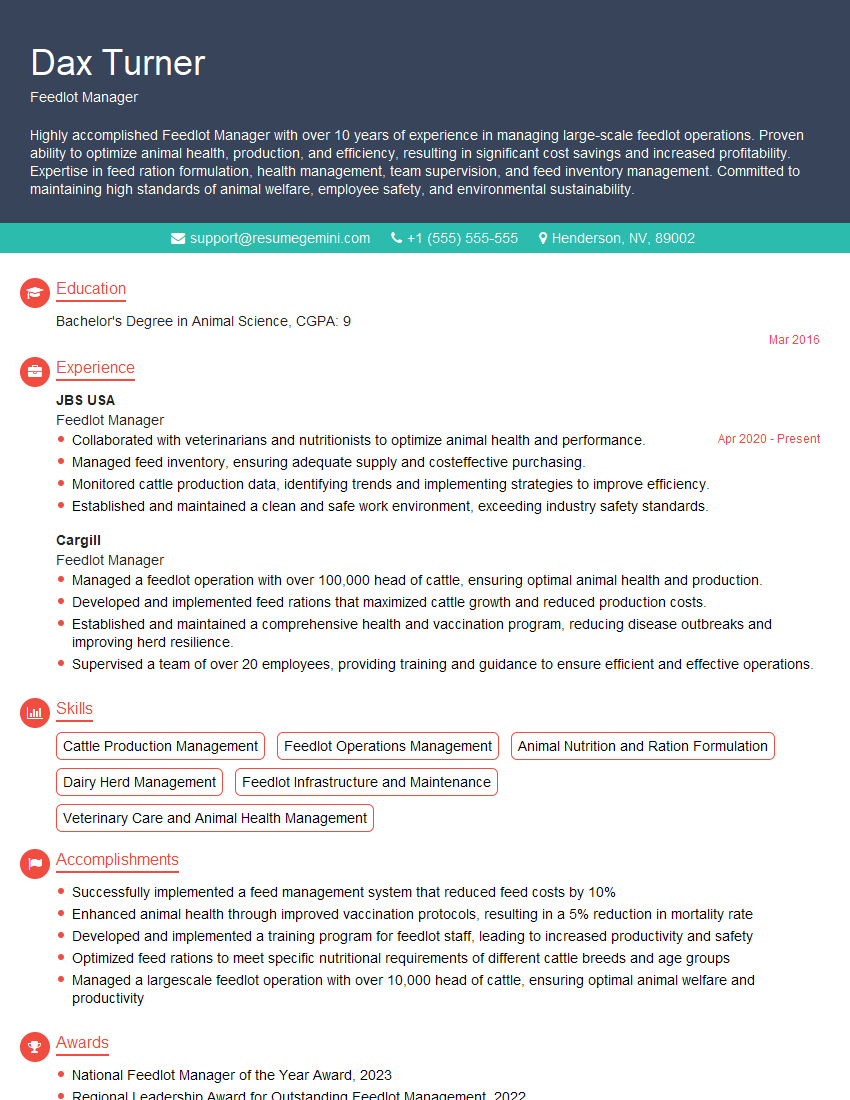
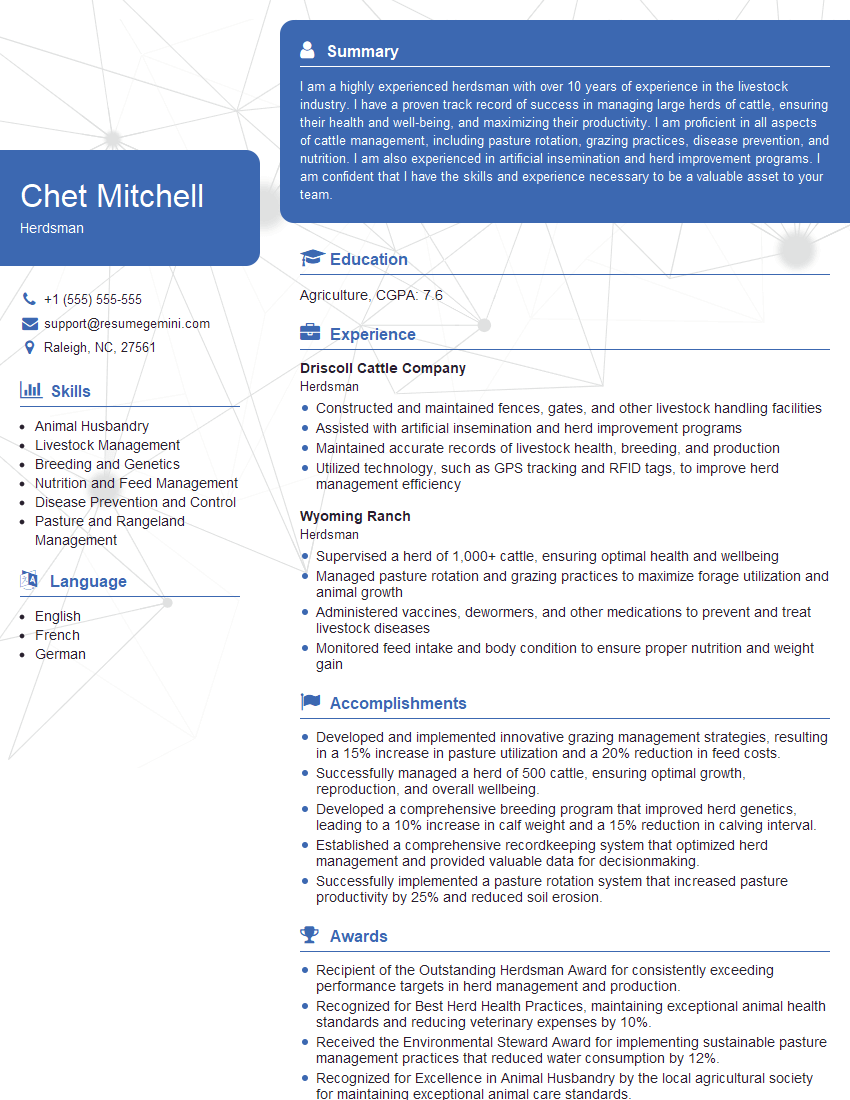
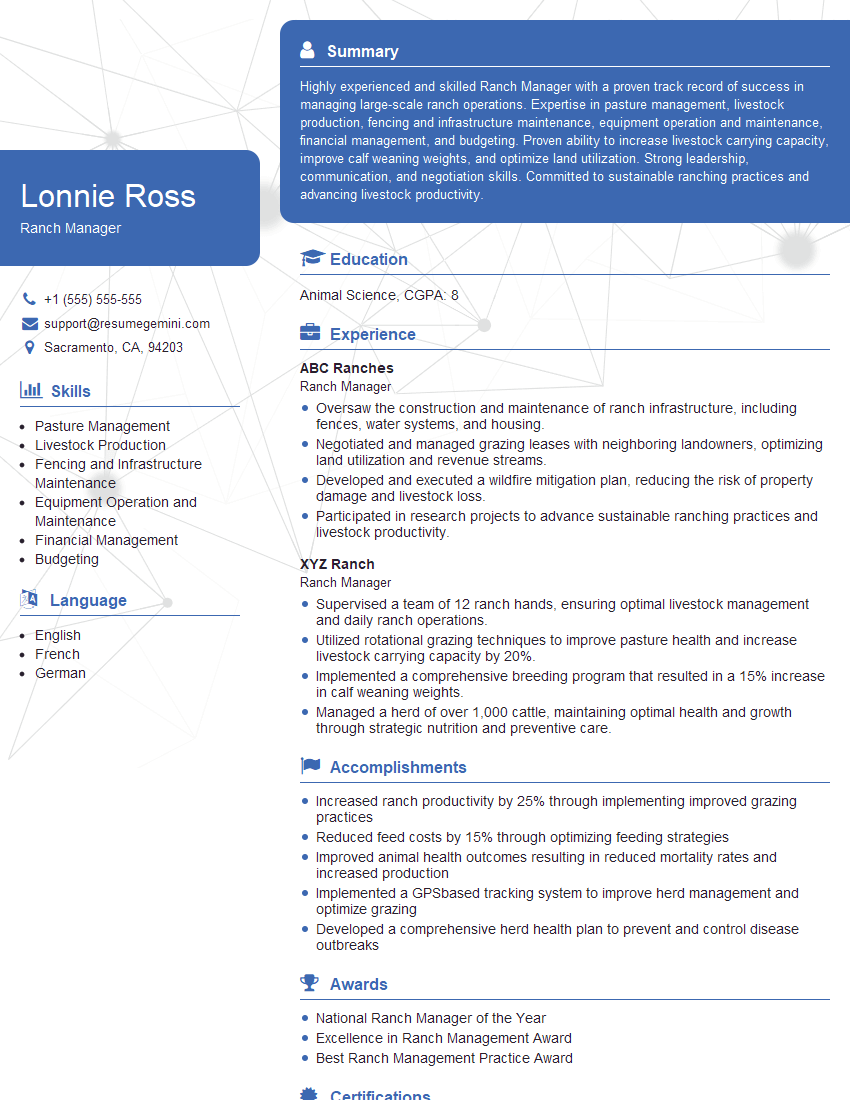
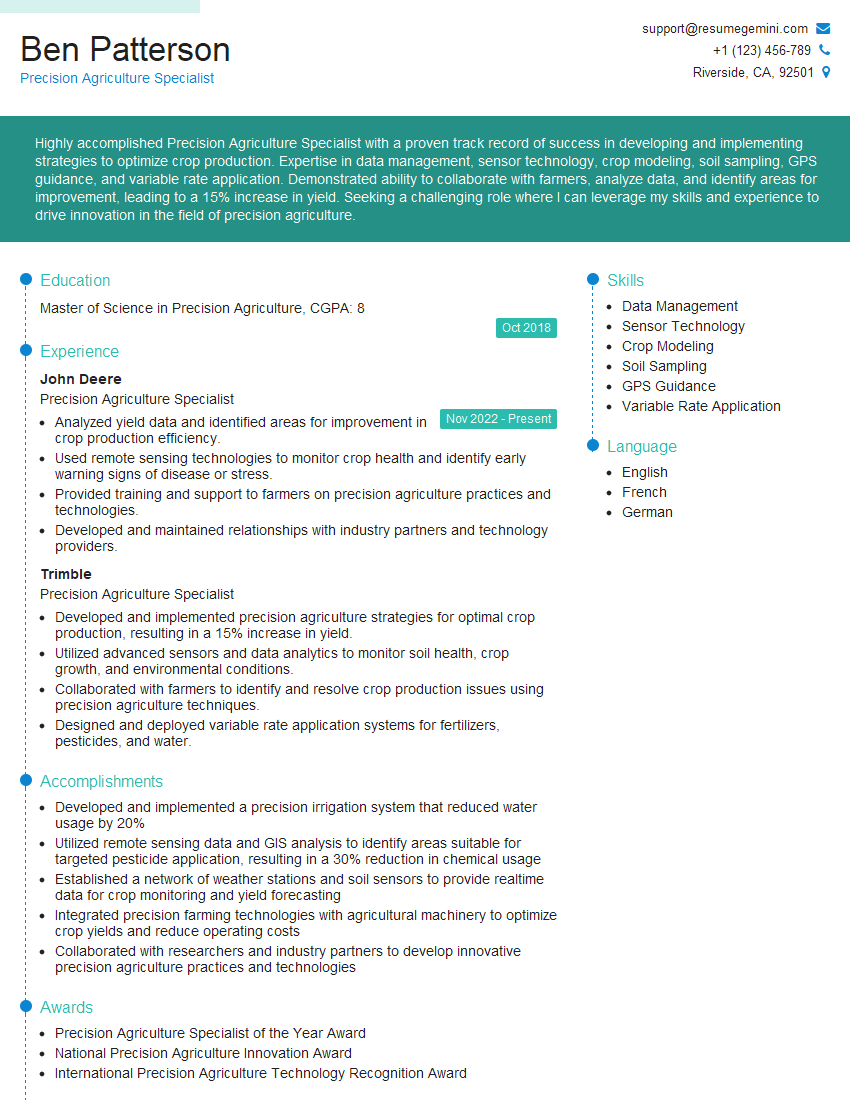
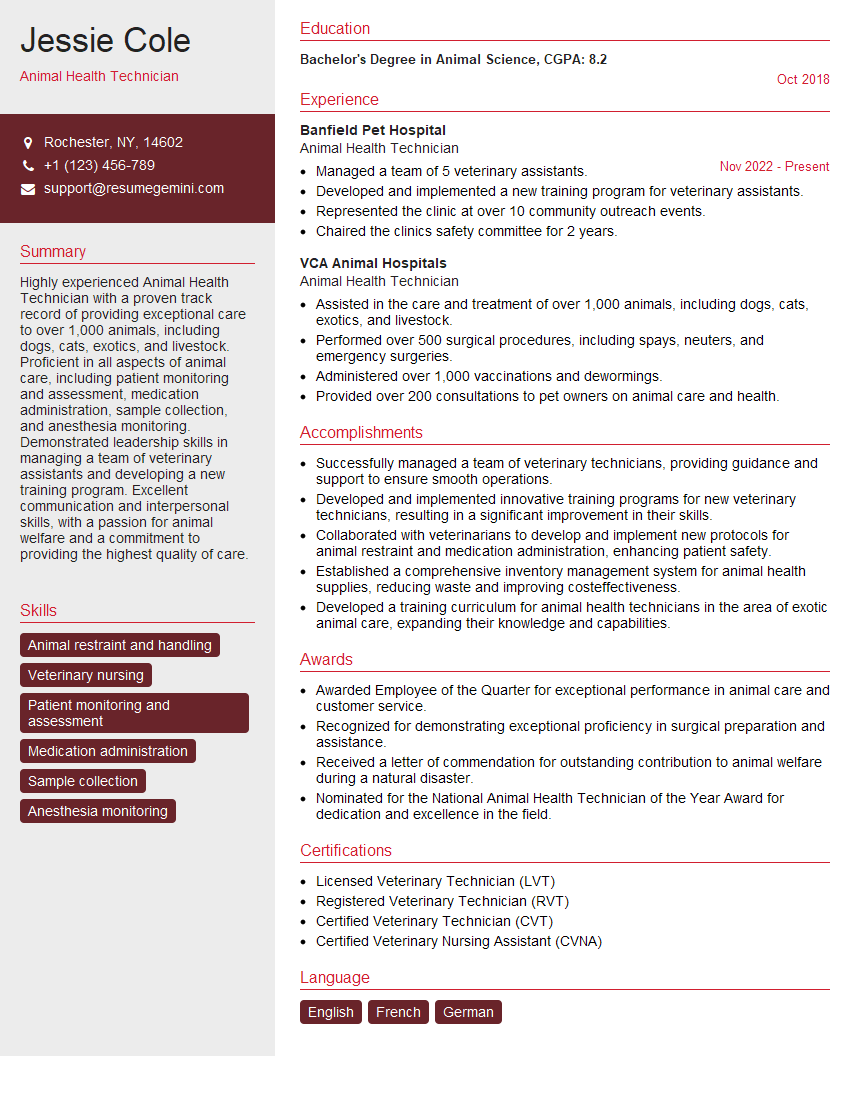
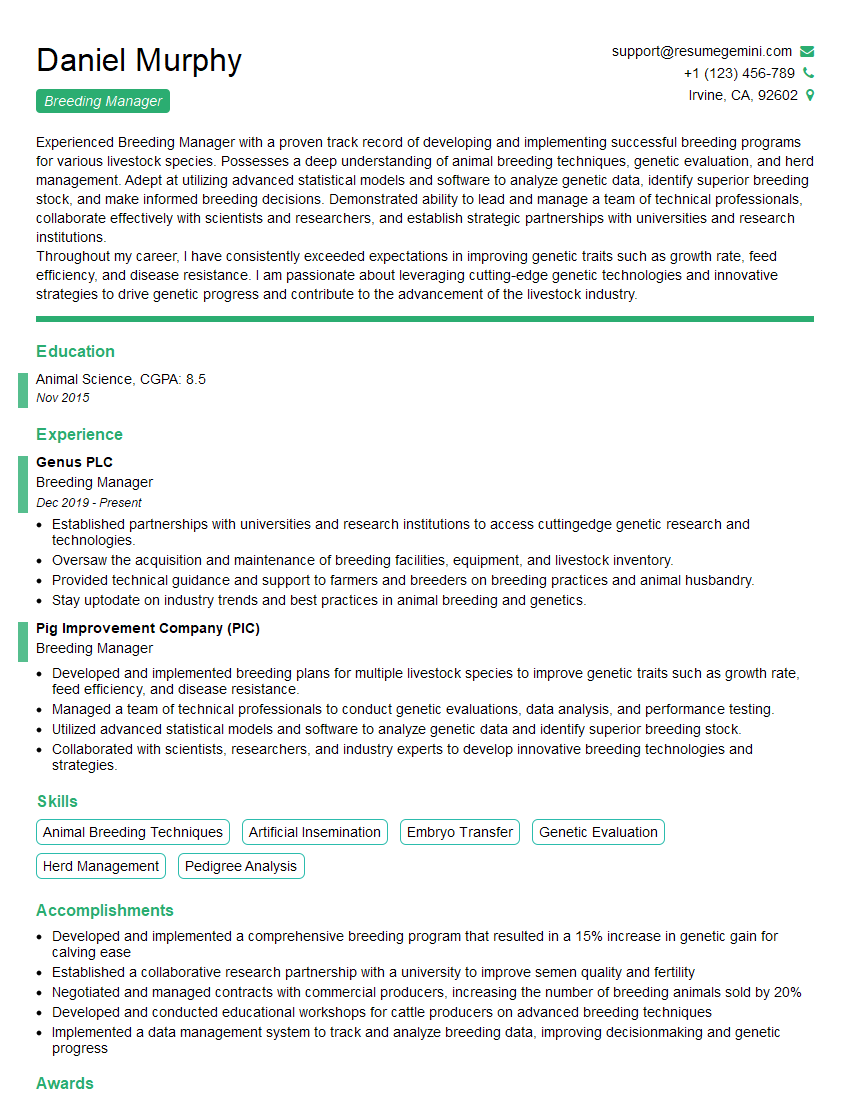
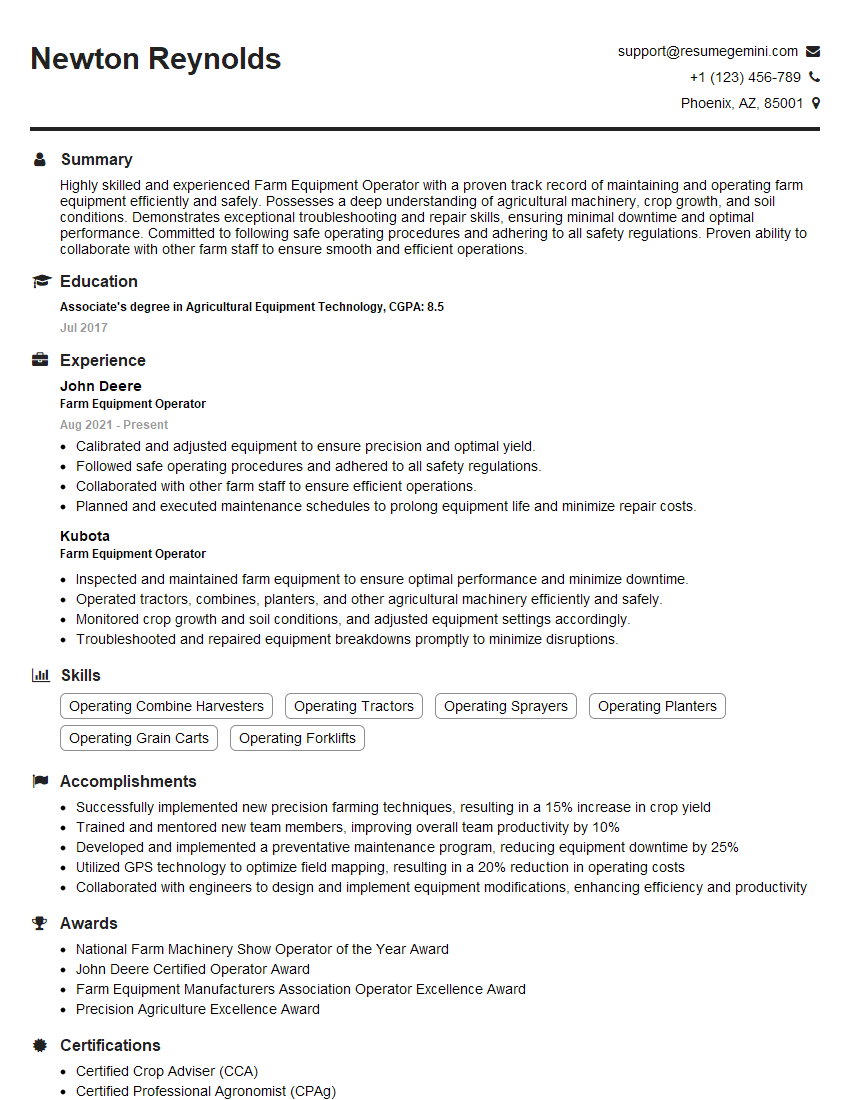
Mastering Cow-Calf Management and Production is crucial for advancing your career in the agriculture industry. A strong understanding of these principles opens doors to leadership roles, higher earning potential, and the opportunity to contribute significantly to efficient and sustainable livestock production. To maximize your job prospects, focus on creating an ATS-friendly resume that highlights your skills and experience effectively. ResumeGemini is a trusted resource that can help you build a professional and impactful resume. They provide examples of resumes tailored specifically to Cow-Calf Management and Production to guide you through the process. Take advantage of these resources to present yourself as the ideal candidate.
Explore more articles
Users Rating of Our Blogs
Share Your Experience
We value your feedback! Please rate our content and share your thoughts (optional).
What Readers Say About Our Blog
Very informative content, great job.
good