The right preparation can turn an interview into an opportunity to showcase your expertise. This guide to Crab Trap Construction interview questions is your ultimate resource, providing key insights and tips to help you ace your responses and stand out as a top candidate.
Questions Asked in Crab Trap Construction Interview
Q 1. Describe the different types of crab traps used commercially.
Commercially used crab traps vary significantly based on target species, fishing location, and local regulations. However, some common types include:
- Pot Traps: These are the most common type, typically made of wire mesh or wooden frames, with funnel-shaped entrances that allow crabs to enter easily but make it difficult to exit. They come in various sizes and designs, adapted for different crab species and water depths. Think of them like a one-way street for crabs.
- Basket Traps: Similar to pot traps but often smaller and simpler in design. They’re frequently used for smaller crabs or in areas with less dense crab populations. They’re a bit like a smaller, more compact version of a pot trap.
- Fyke Nets: These are funnel-shaped nets with multiple compartments, often used in shallower waters. They are less selective and may catch other species alongside the target crabs. Imagine them as a series of interconnected funnels leading to a central collection area.
- Lift Nets: Though not strictly traps, these are sometimes used in conjunction with bait to catch crabs. They’re a more active fishing method, requiring the fisherman to manually lift the net after baiting. They’re like a large net used to scoop up crabs quickly, often in conjunction with other techniques.
The choice of trap depends heavily on local regulations and the specific species of crab being targeted.
Q 2. Explain the process of selecting appropriate materials for crab trap construction.
Selecting the right materials is crucial for trap durability, efficiency, and longevity. Key considerations include:
- Material Strength and Durability: Galvanized wire mesh is a popular choice for its strength and resistance to corrosion in saltwater environments. Wood, if properly treated, can also be used, but requires more maintenance to prevent rot and damage.
- Mesh Size: The size of the mesh openings must be carefully selected to allow the target crab species to enter while preventing smaller, unwanted catches or the escape of larger, desirable crabs. This is crucial for sustainable fishing practices.
- Weight and Buoyancy: The trap needs to be heavy enough to stay on the seafloor but buoyant enough to be easily retrieved. This often involves adding weights or floats, balancing the need to remain stable against currents while also being easily manageable.
- Environmental Impact: Materials should be chosen with minimal environmental impact in mind. Biodegradable materials are increasingly being explored, particularly given the growing concerns about marine debris.
For example, choosing a heavier gauge galvanized wire for the frame ensures greater resilience against rough handling and impacts, while using a specific mesh size ensures the selection of only legal size crabs.
Q 3. What are the key design considerations for maximizing crab trap efficiency?
Maximizing crab trap efficiency involves careful design considerations to improve catch rates and reduce wasted effort. Key aspects include:
- Funnel Design: The funnel’s shape and angle significantly influence how easily crabs enter and the difficulty they face escaping. A well-designed funnel acts as a one-way system.
- Bait Placement: The bait should be strategically positioned to attract crabs into the trap’s inner chamber. Careful positioning ensures the crabs come into contact with the bait and are less likely to detect the trap.
- Trap Size and Shape: Size and shape affect the number of crabs the trap can hold and the space they have to move around, which can influence their tendency to remain trapped.
- Escape Mechanisms: Traps should minimize bycatch (unintentional capture of non-target species) using escape gaps for small crabs and other unintended marine life.
Think of it like designing a clever maze—the goal is to lure the crabs in and make it incredibly difficult for them to find their way out.
Q 4. How do you ensure the durability and longevity of a crab trap?
Durability and longevity of a crab trap are paramount for both economic and environmental reasons. Here’s how to ensure they last:
- High-Quality Materials: Using durable and corrosion-resistant materials like galvanized wire mesh or properly treated wood is essential.
- Robust Construction: The trap’s structure must be strong enough to withstand the rigors of deployment, retrieval, and the forces of the marine environment.
- Regular Maintenance: Inspecting and repairing traps regularly after each use, replacing damaged parts promptly, and applying protective coatings prevent deterioration and prolong their lifespan. This includes checking for rust, holes, or any damage to the frame or mesh.
- Proper Storage: When not in use, store traps in a dry, protected area to prevent corrosion and damage from the elements. Proper storage significantly extends their service life.
Think of it like car maintenance—regular check-ups and timely repairs will prevent larger issues and keep your traps in top shape for years.
Q 5. What are the legal regulations and safety procedures related to crab trap deployment?
Legal regulations and safety procedures related to crab trapping are crucial and vary by location. Some key aspects include:
- Licensing and Permits: Commercial crab fishing usually requires specific licenses and permits, depending on the location and target species.
- Trap Limits: Regulations often specify the maximum number of traps a fisherman can deploy simultaneously to manage the overall fishing pressure.
- Size and Species Restrictions: Regulations dictate minimum and maximum sizes of crabs that can be harvested to protect juvenile populations and ensure sustainable fishing practices.
- Gear Marking: Traps must be clearly marked with identification numbers to prevent disputes and aid in tracking and management.
- Safety Gear: Appropriate personal flotation devices (PFDs) and safety equipment are always necessary when working on or near the water.
Always check with the local authorities for the most up-to-date regulations and best practices for safe crab trap deployment in your area. Ignoring these regulations can result in heavy fines and sanctions.
Q 6. Explain the proper techniques for baiting and setting crab traps.
Proper baiting and setting techniques directly impact catch rates. Here’s a breakdown:
- Bait Selection: Choose bait that is appealing to the target crab species. Common choices include fish heads, shellfish, and other readily available scraps. The type of bait also often affects the outcome; smelly bait works well for some species, while fresher choices are better for others.
- Bait Placement: Strategically position the bait inside the trap to entice crabs deeper into the structure. Often, a combination of placement is best.
- Setting the Trap: Carefully deploy the trap to the seabed, ensuring it’s properly anchored to prevent it from drifting away. The correct setting depth and position can dramatically impact the catch.
- Trap Spacing: Maintain appropriate spacing between traps to prevent interference and competition for crabs. Avoid overlapping placements.
Imagine you’re setting a delicious table for your crab guests – you wouldn’t want to overload the table nor put the food in an unreachable spot.
Q 7. How do you assess the effectiveness of a crab trap design?
Assessing the effectiveness of a crab trap design involves evaluating several key factors:
- Catch Rates: Monitoring the number of crabs caught per trap per set is the most direct way to measure efficiency. Consistent monitoring, including the number of legal size crabs, provides useful feedback.
- Bycatch Rates: Tracking the amount of unintended catches (bycatch) helps determine if the trap design is selective enough. High bycatch rates suggest areas for improvement in trap design or bait selection.
- Escape Rates: If crabs are escaping despite good bait, it indicates potential design flaws in the trap’s funnel or mesh size. Experimentation may be needed.
- Trap Durability: Assessing the trap’s ability to withstand the harsh conditions of use is vital to evaluating long-term cost-effectiveness.
By keeping detailed records of these metrics, you can compare different trap designs, refine designs, and adopt the most efficient model.
Q 8. Describe common problems encountered during crab trap construction and their solutions.
Building crab traps, while seemingly straightforward, presents several challenges. One common issue is wood warping or splitting, especially with cheaper, untreated lumber. This weakens the structure and can lead to trap failure. The solution is to use properly seasoned, pressure-treated wood, ideally from a species known for its durability in marine environments, like cedar or cypress. Properly drying the wood before construction also helps.
Another problem is inadequate sizing or design. A trap that’s too small might not catch enough crabs, while one that’s too large might be difficult to handle. Careful planning and adherence to established designs tailored to the target crab species and local regulations are crucial. Measuring and cutting with precision tools are important aspects of preventing this issue.
Finally, inadequate bait containment is a recurring issue. If the bait escapes too quickly, it renders the trap ineffective. Securely fastening bait compartments or using mesh bags within the trap can effectively resolve this.
For example, during one particularly challenging build, we had a batch of traps suffer significant warping due to using improperly dried pine. We lost several traps to the ocean currents before we realized the root cause. Switching to properly treated cedar dramatically improved the longevity of our traps.
Q 9. What are the environmental considerations for crab trapping practices?
Environmental considerations are paramount in crab trapping. Ghost fishing, where lost or abandoned traps continue to catch and kill marine life, is a major concern. Using biodegradable materials or implementing robust trap recovery systems are vital to mitigate this. Properly marking traps with your name and contact information helps with retrieval.
Bycatch, the unintentional capture of non-target species, is another important factor. Employing traps with escape gaps tailored to smaller or non-target species can greatly reduce bycatch. Careful consideration of where and when you place your traps to avoid sensitive habitats is also key.
Lastly, habitat disruption during trap deployment and retrieval should be minimized. Avoiding sensitive areas like seagrass beds and coral reefs, and using gear that minimizes seafloor disturbance, is essential to promote responsible fishing practices.
Q 10. How do you maintain and repair damaged crab traps?
Maintaining and repairing crab traps is crucial for their longevity and effectiveness. Regular inspections are necessary to identify any damage – broken panels, loose fasteners, or damaged netting. For minor repairs, simply replacing damaged sections of wood or mesh with similar materials and using strong marine-grade fasteners will usually suffice.
For more significant damage, a more extensive repair may be necessary. This could involve replacing entire panels or sections of the trap’s frame. Ensure the replacement materials are of the same quality and dimensions as the original components. Always use appropriate tools and techniques to create strong and durable repairs.
A simple example of this would be reinforcing weak joints with additional bracing, or using waterproof sealant on any cracks to prevent further damage from water exposure.
Q 11. Explain the different methods for checking and retrieving crab traps.
There are several methods for checking and retrieving crab traps. The most common is using a boat equipped with a suitable winch and retrieval line attached to the buoy marking the trap’s location. This method is efficient for checking multiple traps quickly.
Alternatively, for traps placed closer to shore, one could use a smaller boat or even wade into shallow waters to manually retrieve the traps. This method, while less efficient for large-scale operations, provides more direct control.
For traps placed in deeper or more challenging locations, divers can be employed to check and retrieve them, though this is more expensive and potentially risky.
Properly marking your traps with buoys of distinct colors and designs makes the retrieval process much easier. A well-planned grid system, especially when working with a large number of traps, can also greatly improve efficiency.
Q 12. How do you handle bycatch in crab traps?
Handling bycatch responsibly is critical. The most effective method is prevention – using selective gear as discussed earlier. However, once bycatch is encountered, it’s important to prioritize the release of any non-target species back into the water as quickly and safely as possible.
Care should be taken to minimize injury to the released animals. For example, gently removing them from the trap and handling them with wet hands helps prevent stress and injury. If any animals are severely injured or deceased, proper disposal is necessary according to local regulations, often to avoid spreading disease and to minimize environmental impact.
Q 13. What are the economic factors influencing crab trap design and production?
Economic factors significantly influence crab trap design and production. The cost of materials, especially wood and netting, is a major consideration. Using cheaper materials may reduce initial costs but can lead to shorter trap lifespans and ultimately higher long-term expenses.
Labor costs involved in construction also play a significant role. Efficient designs that minimize labor time are economically advantageous. The market demand for crabs and the price they fetch impact the profitability of trapping, influencing the scale of production and the investment made in trap construction. Furthermore, governmental regulations regarding trap design and fishing practices can also influence the economic viability of different trap designs. For example, certain designs might be required by law, influencing the overall cost.
Q 14. Describe your experience with different types of wood used for crab trap construction.
My experience spans several wood types used in crab trap construction. Cedar is a popular choice due to its natural resistance to rot and insects, making it ideal for marine environments. It’s relatively lightweight yet strong, but it can be more expensive than other options. Cypress offers similar benefits to cedar with excellent durability and resistance to decay.
Pine, while more readily available and less expensive, requires pressure treatment to prevent rot and infestation, which adds to the overall cost and effort. Untreated pine is not suitable for crab traps due to its susceptibility to water damage. I’ve also worked with oak, known for its strength, but its weight can make handling the traps more challenging. The best choice depends on the balance between cost, durability, and ease of handling needed for the specific operation.
Q 15. What are the advantages and disadvantages of using different materials (wood, metal, plastic)?
Choosing the right material for a crab trap significantly impacts its durability, cost, and effectiveness. Let’s compare wood, metal, and plastic:
- Wood: Traditionally popular, wood traps are relatively inexpensive and easy to build. However, they’re susceptible to rot, require regular maintenance (painting or treating to prevent deterioration), and have a shorter lifespan than metal or plastic alternatives. Think of a classic wooden lobster trap – charming, but needs upkeep.
- Metal: Metal traps, usually made of galvanized steel or aluminum, are extremely durable and long-lasting. They resist rot and are less prone to damage. The downside? They’re significantly more expensive to manufacture, heavier to handle, and can corrode over time if not properly maintained. They are often favoured for commercial fishing operations where longevity is crucial.
- Plastic: Plastic traps offer a good balance. They’re relatively inexpensive, durable, lightweight, and easy to clean. Modern plastics resist UV degradation well. While some plastics may be less strong than metal, their flexibility can be advantageous in certain situations. They are often easier to handle and safer than metal traps. Think of modern injection-molded traps.
The best material depends on factors like budget, intended lifespan, and the specific fishing environment. A recreational crabber might opt for a more affordable plastic trap, while a commercial operation might prioritize the longevity of a metal trap.
Career Expert Tips:
- Ace those interviews! Prepare effectively by reviewing the Top 50 Most Common Interview Questions on ResumeGemini.
- Navigate your job search with confidence! Explore a wide range of Career Tips on ResumeGemini. Learn about common challenges and recommendations to overcome them.
- Craft the perfect resume! Master the Art of Resume Writing with ResumeGemini’s guide. Showcase your unique qualifications and achievements effectively.
- Don’t miss out on holiday savings! Build your dream resume with ResumeGemini’s ATS optimized templates.
Q 16. How do you ensure the traps are compliant with local and international regulations?
Compliance with local and international regulations is paramount. This includes adhering to size restrictions on the traps themselves (to avoid catching undersized crabs), mesh size requirements (to allow escape of smaller crabs and other marine life), and permitted fishing zones.
My process involves:
- Thorough Research: I always start by thoroughly researching the specific regulations for the target fishing area. This includes reviewing local and national legislation, and any international agreements that might apply.
- Trap Design and Construction: I design and build traps to strictly adhere to the regulations. This means carefully measuring and documenting all dimensions and using approved materials and mesh sizes.
- Licensing and Permits: I ensure all necessary licenses and permits are obtained before commencing fishing operations.
- Regular Updates: Fishing regulations can change, so I stay up-to-date with the latest information to ensure continued compliance.
Failure to comply can lead to significant fines, seizure of equipment, or even legal repercussions. Prioritizing compliance is essential for ethical and legal fishing practices.
Q 17. Describe your experience working with different types of fishing vessels.
My experience spans a variety of fishing vessels, from small recreational boats to larger commercial trawlers. The type of vessel significantly influences trap deployment and retrieval methods.
- Small Recreational Boats: With smaller boats, manual handling of traps is common. This requires careful planning and efficient techniques to avoid overloading the vessel or damaging equipment.
- Larger Commercial Vessels: Larger vessels often utilize specialized hauling equipment, such as hydraulic winches and cranes, greatly increasing efficiency and allowing for the deployment and retrieval of a much larger number of traps.
- Adaptability: I’ve adapted my trap designs and handling techniques to suit the capabilities of each vessel, focusing on safety and efficiency. For example, smaller traps are easier to handle manually on smaller vessels, while larger traps are more suitable for commercial vessels with the equipment to deploy and retrieve them.
Understanding the limitations and capabilities of different vessel types is crucial for maximizing catch and ensuring safe operations.
Q 18. Explain the process of cleaning and sanitizing crab traps.
Cleaning and sanitizing crab traps is critical to prevent the spread of disease and maintain hygiene. My process involves several steps:
- Initial Cleaning: Remove all debris, such as seaweed, mud, and unwanted bycatch, from the traps. A high-pressure water hose is effective for this.
- Sanitization: After cleaning, I use a suitable sanitizer, such as a bleach solution (following the manufacturer’s instructions carefully), to disinfect the traps and kill any bacteria or parasites.
- Drying: Allow the traps to dry completely in the sun or with air circulation to prevent mold and mildew growth.
- Storage: Store clean and sanitized traps in a dry, well-ventilated area to prevent re-contamination.
Regular cleaning and sanitization prolong the life of the traps, and is crucial for maintaining a healthy crab population by preventing the spread of disease.
Q 19. How do you handle and dispose of old or damaged crab traps responsibly?
Responsible disposal of old or damaged crab traps is vital for environmental protection. Simply discarding them in landfills or the ocean has severe negative impacts on marine ecosystems.
My approach involves:
- Recycling: Where possible, I recycle metal traps. Many scrap metal yards accept these for recycling.
- Repair and Reuse: I assess the condition of the traps and repair and reuse them whenever feasible, extending their lifespan and reducing waste.
- Designated Disposal Sites: For traps beyond repair, I utilize designated disposal sites or recycling facilities that handle fishing gear appropriately.
- Community Initiatives: I actively participate in and support community initiatives aimed at responsible fishing gear disposal.
Responsible disposal minimizes environmental pollution and promotes sustainable fishing practices.
Q 20. What is your experience with trap modifications to improve catch rate?
Improving catch rates requires a nuanced understanding of crab behavior and trap design. My experience with trap modifications includes:
- Bait Placement: Optimizing bait placement within the trap to attract crabs more efficiently.
- Entrance Size and Shape: Experimenting with entrance sizes and shapes to improve entry and reduce escapes.
- Trap Material and Color: Investigating the impact of trap color and material on crab attraction.
- Trap Placement and Depth: Studying the effects of trap placement on the seafloor and water depth.
Data collection and observation are crucial for evaluating the effectiveness of any modifications. I typically employ controlled experiments and record catch data to determine optimal trap designs for specific environments and crab species.
Q 21. Describe your experience with different types of fishing nets.
While my primary expertise lies in crab traps, I have some experience with fishing nets, primarily in a supporting role related to the overall fishing operation. I understand the different types of nets used in conjunction with crab trapping, such as:
- Seine Nets: These are large nets used to encircle schools of fish. I’ve observed their use in commercial fishing operations where they might target fish that are frequently found alongside crabs.
- Gill Nets: These nets are used to catch fish by entangling them in their gills. While not directly used for crab catching, I understand their use in situations where there might be bycatch, and their environmental impact.
- Cast Nets: These are smaller nets thrown manually to catch fish. They have minimal application in direct crab fishing, but can be used for supplementary bait fish.
It’s important to note that my experience with nets is limited compared to my extensive knowledge of crab traps. My understanding is primarily focused on how their use affects overall fishing practices and the ecosystem.
Q 22. How do you minimize the impact of crab trapping on the marine ecosystem?
Minimizing the environmental impact of crab trapping requires a multifaceted approach focusing on selectivity, bycatch reduction, and habitat protection. We need to ensure we’re catching only the target species and size, leaving the smaller crabs and other marine life unharmed.
- Selective gear: Employing traps with escape gaps sized appropriately to allow undersized crabs to escape is crucial. This ensures the sustainability of the crab population by protecting juveniles. For example, using traps with specific mesh sizes tailored to the local crab species’ size distribution.
- Bycatch reduction: Bycatch refers to the unintentional capture of non-target species. Minimizing this involves careful trap placement, avoiding sensitive habitats, and using gear modifications to reduce entanglement of unwanted species such as fish or seabirds. Think of using bait that attracts crabs specifically, reducing the chances of attracting other animals.
- Habitat protection: Avoiding the placement of traps in sensitive areas like seagrass beds, coral reefs, or spawning grounds is paramount. These habitats are essential for crab growth and reproduction, and damaging them negatively impacts the overall population. A simple solution is to meticulously map suitable trapping grounds and adhere to these locations.
- Fishing regulations: Adhering to and advocating for strict fishing regulations, including catch limits and closed seasons, is critical. These regulations help control the overall fishing pressure and prevent overexploitation.
By implementing these strategies, we can greatly reduce the negative impact of crab trapping, enabling a sustainable and environmentally responsible fishery.
Q 23. What software or tools are you familiar with for designing or modeling crab traps?
While there isn’t specialized software solely dedicated to crab trap design, I’m proficient in using several tools that aid in the process. My expertise lies in leveraging CAD (Computer-Aided Design) software like AutoCAD or SolidWorks for creating detailed 3D models of traps. This allows for precise measurements, optimization of trap geometry for efficient trapping, and accurate material estimations. I also utilize simulation software to model water flow and crab behavior within the trap, helping to optimize its design for maximum capture efficiency.
Furthermore, I use Finite Element Analysis (FEA) software to analyze the structural integrity of the trap design under various stress conditions, such as water pressure and impacts during handling and deployment. This ensures the trap’s durability and longevity.
Example: Using SolidWorks, I can model the various components of a trap – the frame, the funnel, the escape gaps – individually and then assemble them virtually. This allows for easy modification and iterative design improvements.Q 24. Explain your understanding of sustainable fishing practices and how it relates to crab trapping.
Sustainable fishing practices revolve around maintaining healthy fish stocks and minimizing environmental harm. In the context of crab trapping, this translates to adhering to principles of responsible resource management. It’s about ensuring the crab population remains viable for future generations while preserving the integrity of the marine ecosystem.
- Stock assessment: Regular monitoring of crab populations through surveys and data analysis is vital for determining sustainable catch limits. Knowing the population size and its reproductive rate helps set appropriate limits.
- Selective harvesting: Focusing on harvesting only mature crabs allows the younger crabs to reach reproductive age and maintain the population’s health. This minimizes the negative impact on the overall population.
- Gear selectivity: Utilizing gear that minimizes bycatch and maximizes the capture of target species is critical for reducing the ecological footprint of trapping.
- Habitat protection: Protecting the habitats crucial for crab reproduction and survival is essential for ensuring the long-term viability of the crab population. This often involves avoiding certain sensitive areas for trapping.
Sustainable crab trapping isn’t just about ensuring future economic viability; it’s about recognizing the interconnectedness of marine life and the importance of responsible resource management for the health of our oceans.
Q 25. Describe your experience working with a team in a high-pressure environment.
I’ve extensive experience collaborating within teams under demanding conditions, particularly during large-scale crab trapping operations. During a particularly challenging season where storms threatened to delay the harvest, I worked alongside a team of five to prioritize trap retrieval and secure our catch safely. We utilized our combined skills and knowledge efficiently: one team member focused on weather monitoring and communication, another on securing the vessel, and the rest coordinated the retrieval process. Through clear communication and shared responsibility, we managed to complete the operation safely and efficiently, minimizing losses.
My approach to teamwork emphasizes clear communication, shared goals, and collaborative problem-solving. I believe in leveraging the diverse skills within the team and fostering an environment of mutual respect and support. This is crucial for maintaining efficiency and morale during periods of high pressure.
Q 26. How do you handle unexpected problems or challenges during a trapping operation?
Handling unexpected problems in crab trapping requires a proactive and systematic approach. My strategy involves a three-step process:
- Assessment: Quickly analyze the situation, identifying the root cause and its potential impact. For instance, if a trap gets lost, determine why (e.g., line breakage, strong currents) and assess the potential for loss of gear or catch.
- Planning: Develop a solution, considering available resources and safety precautions. If a trap is lost, we might deploy a marker buoy to aid in retrieval later or adjust our trapping strategy based on the identified issue.
- Execution & Review: Implement the chosen solution, ensuring safety and effectiveness. Post-incident, I review the situation to identify lessons learned and prevent similar issues in the future. This might involve reviewing equipment maintenance procedures, refining trap designs, or updating operational procedures.
Experience has taught me that preparation, effective communication, and a systematic approach to problem-solving are critical in mitigating the negative effects of unforeseen challenges.
Q 27. What are your salary expectations for this role?
My salary expectations for this role are in the range of $65,000 to $80,000 annually, depending on the specific benefits package and responsibilities included in the position.
Q 28. Why are you interested in this particular job?
I’m deeply interested in this job opportunity due to my extensive experience in crab trapping and my passion for sustainable fishing practices. This role aligns perfectly with my skills and aspirations, offering a chance to contribute to a responsible and thriving seafood industry. I’m excited about the prospect of using my expertise to optimize trapping operations while minimizing environmental impact. The opportunity to work with a company committed to sustainability is highly appealing to me, and I believe my dedication and experience would make me a valuable asset to your team.
Key Topics to Learn for Your Crab Trap Construction Interview
- Materials Science & Selection: Understanding the properties of various woods, plastics, and metals used in trap construction; their durability, resistance to saltwater corrosion, and cost-effectiveness.
- Trap Design & Engineering: Analyzing different trap designs for efficiency in catching crabs while minimizing bycatch; applying principles of buoyancy, weight distribution, and escape prevention.
- Construction Techniques & Best Practices: Mastering safe and efficient techniques for assembling traps, including proper use of tools and fasteners; understanding quality control measures to ensure trap longevity.
- Regulations & Compliance: Familiarity with local and regional regulations regarding crab trap dimensions, materials, and fishing practices; understanding sustainable fishing principles.
- Maintenance & Repair: Identifying common issues with crab traps and implementing effective repair strategies; understanding preventative maintenance techniques to prolong trap lifespan.
- Cost Analysis & Budgeting: Evaluating the cost of materials, labor, and maintenance; developing cost-effective strategies for trap production and deployment.
- Environmental Impact: Understanding the environmental impact of crab trapping and exploring sustainable practices to minimize ecological footprint.
Next Steps
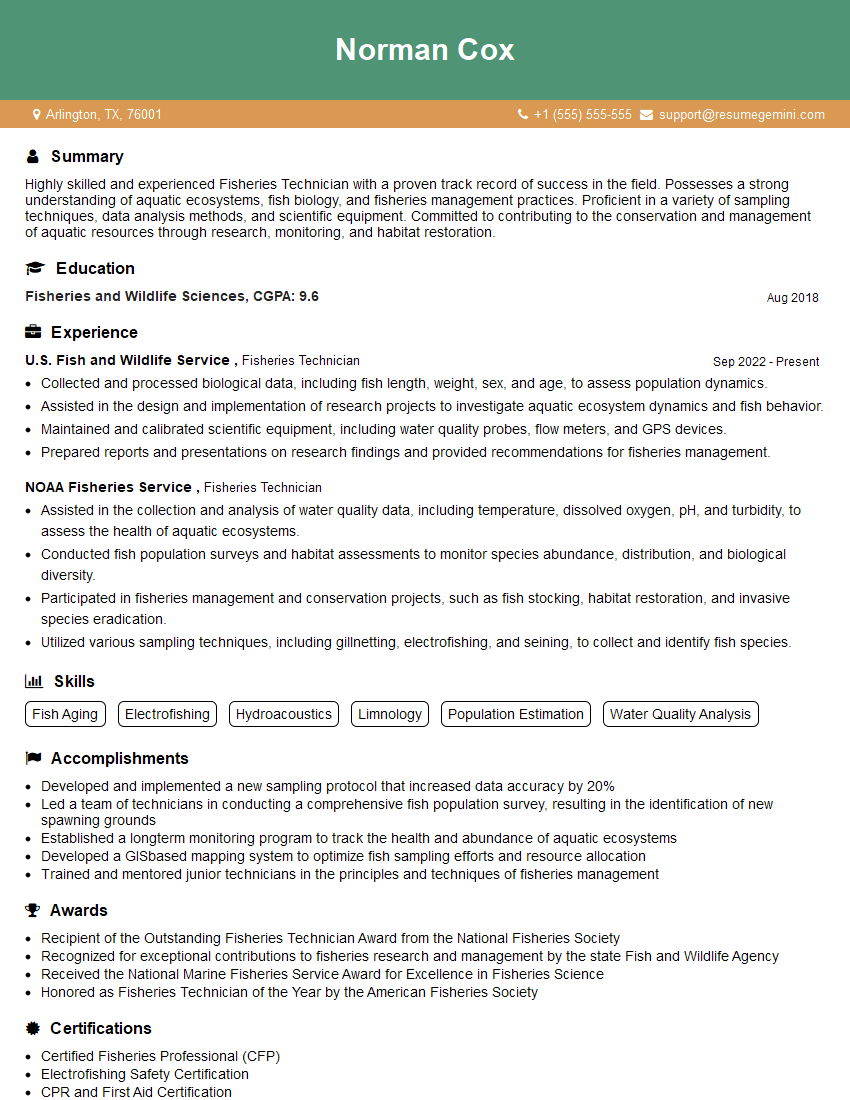
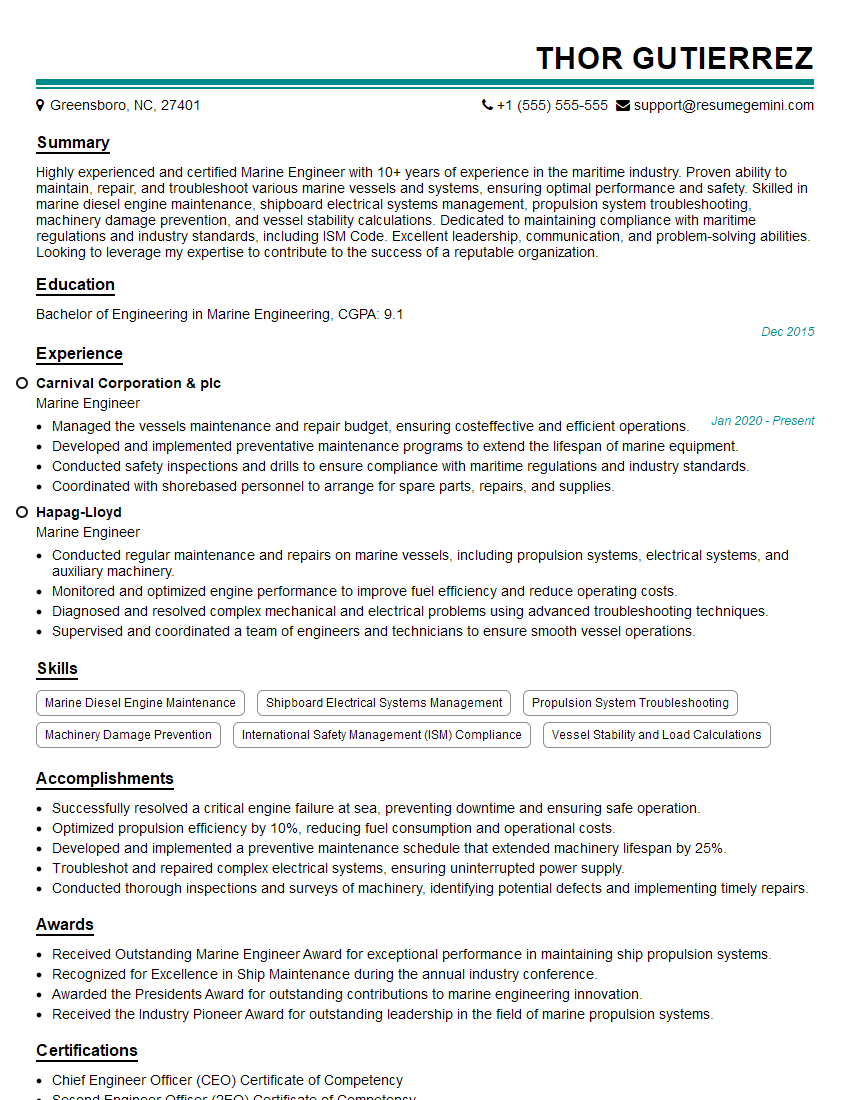
Mastering the intricacies of crab trap construction opens doors to a rewarding career in a vital industry. Your expertise in design, materials, and sustainable practices will be highly valued. To maximize your job prospects, crafting a compelling and ATS-friendly resume is crucial. ResumeGemini is a trusted resource that can help you build a professional resume that showcases your skills effectively. We provide examples of resumes tailored specifically to the Crab Trap Construction industry to help you get started. Take the next step towards your dream job today!
Explore more articles
Users Rating of Our Blogs
Share Your Experience
We value your feedback! Please rate our content and share your thoughts (optional).
What Readers Say About Our Blog
Hello,
we currently offer a complimentary backlink and URL indexing test for search engine optimization professionals.
You can get complimentary indexing credits to test how link discovery works in practice.
No credit card is required and there is no recurring fee.
You can find details here:
https://wikipedia-backlinks.com/indexing/
Regards
NICE RESPONSE TO Q & A
hi
The aim of this message is regarding an unclaimed deposit of a deceased nationale that bears the same name as you. You are not relate to him as there are millions of people answering the names across around the world. But i will use my position to influence the release of the deposit to you for our mutual benefit.
Respond for full details and how to claim the deposit. This is 100% risk free. Send hello to my email id: [email protected]
Luka Chachibaialuka
Hey interviewgemini.com, just wanted to follow up on my last email.
We just launched Call the Monster, an parenting app that lets you summon friendly ‘monsters’ kids actually listen to.
We’re also running a giveaway for everyone who downloads the app. Since it’s brand new, there aren’t many users yet, which means you’ve got a much better chance of winning some great prizes.
You can check it out here: https://bit.ly/callamonsterapp
Or follow us on Instagram: https://www.instagram.com/callamonsterapp
Thanks,
Ryan
CEO – Call the Monster App
Hey interviewgemini.com, I saw your website and love your approach.
I just want this to look like spam email, but want to share something important to you. We just launched Call the Monster, a parenting app that lets you summon friendly ‘monsters’ kids actually listen to.
Parents are loving it for calming chaos before bedtime. Thought you might want to try it: https://bit.ly/callamonsterapp or just follow our fun monster lore on Instagram: https://www.instagram.com/callamonsterapp
Thanks,
Ryan
CEO – Call A Monster APP
To the interviewgemini.com Owner.
Dear interviewgemini.com Webmaster!
Hi interviewgemini.com Webmaster!
Dear interviewgemini.com Webmaster!
excellent
Hello,
We found issues with your domain’s email setup that may be sending your messages to spam or blocking them completely. InboxShield Mini shows you how to fix it in minutes — no tech skills required.
Scan your domain now for details: https://inboxshield-mini.com/
— Adam @ InboxShield Mini
Reply STOP to unsubscribe
Hi, are you owner of interviewgemini.com? What if I told you I could help you find extra time in your schedule, reconnect with leads you didn’t even realize you missed, and bring in more “I want to work with you” conversations, without increasing your ad spend or hiring a full-time employee?
All with a flexible, budget-friendly service that could easily pay for itself. Sounds good?
Would it be nice to jump on a quick 10-minute call so I can show you exactly how we make this work?
Best,
Hapei
Marketing Director
Hey, I know you’re the owner of interviewgemini.com. I’ll be quick.
Fundraising for your business is tough and time-consuming. We make it easier by guaranteeing two private investor meetings each month, for six months. No demos, no pitch events – just direct introductions to active investors matched to your startup.
If youR17;re raising, this could help you build real momentum. Want me to send more info?
Hi, I represent an SEO company that specialises in getting you AI citations and higher rankings on Google. I’d like to offer you a 100% free SEO audit for your website. Would you be interested?
Hi, I represent an SEO company that specialises in getting you AI citations and higher rankings on Google. I’d like to offer you a 100% free SEO audit for your website. Would you be interested?
good