Unlock your full potential by mastering the most common Creating and implementing game plans interview questions. This blog offers a deep dive into the critical topics, ensuring you’re not only prepared to answer but to excel. With these insights, you’ll approach your interview with clarity and confidence.
Questions Asked in Creating and implementing game plans Interview
Q 1. Describe your process for developing a comprehensive game plan.
Developing a comprehensive game plan is a multi-stage process that requires meticulous planning and foresight. It’s like building a house – you need a solid foundation before you can construct the walls and roof. My process typically involves these key steps:
- Define Objectives: Clearly articulate the desired outcome. What are we trying to achieve? This needs to be specific, measurable, achievable, relevant, and time-bound (SMART). For example, instead of ‘increase market share,’ a SMART objective would be ‘increase market share by 15% in the next quarter.’
- Analysis & Research: Thoroughly analyze the current situation, including market trends, competitor actions, internal capabilities, and potential risks. This stage often involves data analysis, competitor profiling, and SWOT analysis.
- Strategy Formulation: Develop a high-level strategy outlining the approach to achieving the objectives. This includes identifying key strategies and tactics.
- Action Planning: Break down the strategy into specific, actionable tasks with assigned responsibilities, deadlines, and resources. Think of this as creating a detailed project plan.
- Resource Allocation: Allocate the necessary resources – human, financial, and technological – to each task.
- Risk Assessment & Mitigation: Identify potential risks and develop mitigation strategies. This is crucial for preventing setbacks.
- Monitoring & Evaluation: Establish key performance indicators (KPIs) and a system for monitoring progress, providing regular updates, and making adjustments as needed. This ensures the plan remains on track.
Throughout this process, I emphasize collaboration and communication, ensuring all stakeholders are informed and involved.
Q 2. How do you prioritize tasks within a larger strategic plan?
Prioritizing tasks within a larger strategic plan requires a systematic approach. I often use a combination of methods, including:
- Urgency and Importance Matrix (Eisenhower Matrix): This categorizes tasks based on their urgency and importance, helping to focus on high-impact activities first. Urgent and important tasks get immediate attention, while less important tasks might be delegated or deferred.
- Dependency Analysis: Identify tasks that are dependent on others. Some tasks must be completed before others can begin. This creates a natural prioritization based on dependencies.
- Value-Based Prioritization: Assign a value score to each task based on its contribution to overall objectives. Tasks with higher value scores get higher priority.
- Risk-Based Prioritization: Prioritize tasks that have a higher risk of failure or that could have the most significant negative impact. Addressing these first can prevent bigger problems later.
Using a project management tool allows me to visually represent these priorities and track progress efficiently. Regular review and adjustment of priorities are essential to adapt to changing circumstances.
Q 3. Explain your experience in risk assessment and mitigation within game plan execution.
Risk assessment and mitigation are integral to successful game plan execution. My approach involves a structured process:
- Risk Identification: Brainstorming sessions, SWOT analysis, and reviewing past project experiences help identify potential risks (e.g., competitor actions, technological failures, resource constraints).
- Risk Analysis: Assess the likelihood and potential impact of each risk. This often involves assigning probabilities and severity levels.
- Risk Response Planning: Develop strategies to address each risk. Options include avoidance (eliminating the risk), mitigation (reducing the likelihood or impact), transference (shifting the risk to another party), or acceptance (acknowledging the risk and accepting the consequences).
- Contingency Planning: Develop backup plans for critical tasks in case of unforeseen events. This ensures business continuity.
- Monitoring & Review: Continuously monitor the identified risks and adjust the response plans as necessary.
For example, in a product launch, a potential risk could be negative customer reviews. A mitigation strategy might involve thorough pre-launch testing and a robust social media monitoring plan to address concerns proactively.
Q 4. How do you measure the success of a implemented game plan?
Measuring the success of a game plan requires clearly defined KPIs aligned with the initial objectives. These KPIs should be measurable and trackable. Success is determined by comparing actual results against the established targets. Methods include:
- Quantitative Metrics: Use numerical data to track progress towards objectives. Examples include sales figures, market share, customer acquisition cost, and conversion rates.
- Qualitative Metrics: Assess subjective aspects of success. This might include customer satisfaction surveys, employee feedback, brand awareness studies, or media coverage.
- Benchmarking: Compare performance against industry standards or competitors to understand relative success.
- Post-Implementation Review: Conduct a thorough review after the plan’s completion to analyze what worked well, what didn’t, and identify areas for improvement in future plans.
A balanced approach using both quantitative and qualitative metrics provides a comprehensive understanding of the game plan’s effectiveness.
Q 5. Describe a time you had to adapt a game plan due to unforeseen circumstances.
In a recent project involving the launch of a new mobile game, we encountered unforeseen technical difficulties during the final stages of development. The initial game plan relied on a specific technology that proved unstable shortly before the launch date. Instead of delaying the launch indefinitely (which would have had significant financial consequences), we quickly convened a team to evaluate alternative solutions. We adapted the game plan by utilizing a more stable, albeit less optimal, technology. This meant some features had to be temporarily removed, but it allowed us to launch the game on schedule and minimize negative impact. We then prioritized the implementation of the original features in a post-launch update.
This experience highlighted the importance of flexibility and adaptability in game planning. Having a robust risk assessment process and a team that is capable of making quick, well-informed decisions under pressure is key to handling unforeseen circumstances.
Q 6. How do you ensure alignment between a game plan and overall organizational goals?
Ensuring alignment between a game plan and overall organizational goals is paramount. This requires a top-down approach and clear communication throughout the organization. Key steps include:
- Strategic Alignment: The game plan must directly support the organization’s overall strategic goals. It should be a component of a broader strategy, not an independent initiative.
- Resource Prioritization: Resource allocation should reflect the strategic importance of the game plan relative to other organizational priorities.
- Regular Communication: Keep all stakeholders informed of the game plan’s progress, challenges, and successes. Regular reporting and meetings can help maintain alignment.
- Performance Measurement: KPIs should be linked to both the game plan’s objectives and the organization’s broader goals. This demonstrates the direct contribution of the game plan to organizational success.
- Feedback Loops: Establish mechanisms for feedback and adjust the game plan as needed to ensure continued alignment with organizational goals. This could involve regular check-ins with senior management.
Without this alignment, the game plan might achieve its objectives but fail to contribute to the overall success of the organization.
Q 7. How do you communicate a complex game plan to a diverse audience?
Communicating a complex game plan to a diverse audience requires careful consideration of the audience’s background and understanding. My approach includes:
- Tailored Messaging: Adapt the language and level of detail to suit each audience segment. A technical team needs detailed specifications, while senior management needs a high-level overview.
- Visual Aids: Use visuals such as charts, diagrams, and presentations to simplify complex information and enhance understanding. A picture is often worth a thousand words.
- Interactive Sessions: Facilitate interactive sessions such as Q&A and workshops to clarify doubts and ensure comprehension. This creates a two-way communication channel.
- Multiple Channels: Utilize multiple communication channels such as emails, presentations, intranet postings, and meetings to reach all stakeholders effectively.
- Feedback Mechanisms: Incorporate feedback mechanisms to identify areas needing clarification and adjust communication strategies accordingly.
For example, when presenting a marketing campaign plan to a large team, I would use a high-level summary for the executive team, while providing a more detailed breakdown with specific tasks and deadlines for the marketing team itself.
Q 8. What tools or methodologies do you use to manage and track game plan progress?
Managing and tracking game plan progress requires a multi-faceted approach combining robust tools and well-defined methodologies. I typically employ a combination of project management software, collaborative platforms, and regular progress meetings.
Project Management Software: Tools like Jira, Asana, or Trello are invaluable for task assignment, deadline setting, progress visualization (using Kanban boards or Gantt charts), and resource tracking. For example, in a recent marketing campaign game plan, we used Asana to break down the campaign into individual tasks, assign them to team members, and monitor progress against deadlines. This allowed us to identify potential delays early on.
Collaborative Platforms: Platforms like Microsoft Teams or Slack facilitate real-time communication, document sharing, and quick feedback loops, ensuring everyone stays informed and aligned. This is particularly useful for addressing unforeseen challenges and facilitating quick decision-making.
Regular Progress Meetings: Short, focused meetings, ideally held weekly, allow for status updates, identification of roadblocks, and proactive problem-solving. These meetings aren’t just about reporting; they’re opportunities for collaborative brainstorming and course correction.
Q 9. Explain your experience with resource allocation in implementing a game plan.
Resource allocation is a critical element of successful game plan implementation. It requires careful consideration of available resources (human capital, budget, technology, time) and their optimal deployment to achieve strategic objectives. My approach involves a three-step process:
Needs Assessment: I begin by thoroughly analyzing the game plan’s requirements. This involves identifying all necessary resources and quantifying their needs. For instance, a new product launch might require specific numbers of marketing personnel, a certain advertising budget, and dedicated development time.
Resource Mapping: Next, I assess the availability of resources. This often includes internal resources (existing personnel, budget allocations) and external resources (contractors, external agencies). I then map these resources against the needs identified in the previous step.
Prioritization and Allocation: This step involves prioritizing tasks based on their importance and urgency, then allocating resources accordingly. This often necessitates making trade-offs and carefully considering resource constraints. For example, we might prioritize high-impact marketing activities with a larger budget allocation, while lower-impact activities receive less attention.
Q 10. Describe a situation where you had to overcome resistance to a proposed game plan.
In a previous role, I proposed a new customer retention strategy that involved significant changes to our customer service processes. Initially, there was considerable resistance from the customer service team, primarily due to concerns about increased workload and the perceived complexity of the new system. To overcome this, I adopted a multi-pronged approach:
Transparency and Communication: I held several meetings with the team to explain the rationale behind the new strategy, addressing their concerns directly and openly. I emphasized how the new strategy would ultimately benefit them by streamlining their work in the long run and improving customer satisfaction.
Pilot Program: We implemented a pilot program with a small subset of the customer service team, allowing them to test the new system and provide feedback before full-scale implementation. This demonstrated the practicality and effectiveness of the strategy.
Training and Support: We provided comprehensive training and ongoing support to ensure the team felt comfortable using the new system. This included hands-on training, readily available documentation, and a dedicated support line.
Through these efforts, the initial resistance was overcome, and the new strategy was successfully implemented, resulting in a significant improvement in customer retention rates.
Q 11. How do you handle conflicting priorities within a game plan?
Conflicting priorities are inevitable in any game plan. My approach involves a structured prioritization process, using a framework such as the Eisenhower Matrix (urgent/important). This helps categorize tasks and allocate resources effectively.
Categorization: Each task is categorized as urgent and important, important but not urgent, urgent but not important, or neither urgent nor important.
Prioritization: Tasks are prioritized based on their categorization. Urgent and important tasks are addressed immediately. Important but not urgent tasks are scheduled. Urgent but not important tasks are delegated or eliminated. Neither urgent nor important tasks are removed from the game plan.
Negotiation and Trade-offs: Sometimes, difficult decisions are necessary. This may involve negotiating with stakeholders to adjust expectations or making trade-offs between competing priorities. Transparency and clear communication are essential during this process.
For instance, if a marketing campaign and a crucial software update both demand resources at the same time, the Eisenhower Matrix helps determine which takes precedence based on its urgency and importance to overall objectives.
Q 12. Explain your experience with contingency planning within a strategic initiative.
Contingency planning is paramount in any strategic initiative. It involves proactively identifying potential risks and developing strategies to mitigate their impact. In a recent product launch, we anticipated several potential challenges:
Supply Chain Disruptions: We developed a contingency plan that included sourcing materials from multiple vendors and establishing buffer stock to mitigate potential delays.
Negative Customer Reviews: We had a dedicated crisis communication team ready to address negative feedback promptly and transparently, engaging directly with customers and resolving issues quickly. We also had pre-prepared responses for common concerns.
Technical Glitches: We implemented rigorous testing procedures before launch and had a dedicated technical support team on standby to address any technical issues that arose after the launch.
By proactively anticipating potential problems and developing specific mitigation strategies, we significantly reduced the risk of project failure.
Q 13. How do you identify and address potential bottlenecks in game plan implementation?
Identifying and addressing bottlenecks is crucial for efficient game plan implementation. My approach involves a combination of proactive identification and reactive problem-solving.
Proactive Identification: I use tools like critical path analysis to identify tasks that are crucial to the overall timeline and susceptible to delays. This involves carefully examining dependencies between tasks. For example, if one task must be completed before another can begin, a delay in the first task will automatically delay the second.
Regular Monitoring: Regular progress monitoring using project management software and progress meetings helps identify bottlenecks early. This early detection is crucial because it allows for timely intervention before significant delays occur.
Problem-Solving: Once a bottleneck is identified, I collaborate with the relevant team members to devise solutions. This might involve re-allocating resources, streamlining processes, or seeking additional support.
For example, if a bottleneck is caused by a lack of skilled personnel, we might explore options like hiring temporary staff or providing additional training to existing personnel.
Q 14. How do you monitor and evaluate key performance indicators (KPIs) related to a game plan?
Monitoring and evaluating KPIs is essential for assessing the success of a game plan. This involves selecting the right KPIs, establishing baselines, tracking progress, and using data to inform adjustments.
KPI Selection: KPIs should be relevant to the game plan’s objectives, measurable, achievable, and time-bound. For example, in a marketing campaign, KPIs might include website traffic, conversion rates, and customer acquisition cost.
Baseline Establishment: Before implementing the game plan, it’s important to establish a baseline for each KPI to measure progress against.
Data Tracking and Analysis: Regularly collect and analyze data related to each KPI. This data provides insights into the effectiveness of the game plan and allows for identification of areas for improvement.
Adaptive Adjustments: If KPIs are not meeting expectations, use the data to identify the root causes and make necessary adjustments to the game plan. This is a crucial element of iterative improvement.
Using dashboards and reporting tools helps to visualize KPI performance and facilitates data-driven decision-making.
Q 15. Describe your approach to delegating tasks within a game plan implementation.
My approach to delegating tasks within a game plan implementation is highly strategic and personalized. It’s not just about assigning work; it’s about leveraging individual strengths and fostering growth. I begin by clearly defining each task, outlining its objectives, dependencies, and expected outcomes. Then, I assess my team members’ skills and experience, carefully matching tasks to individuals who possess the necessary expertise and capacity. For complex tasks, I might break them down into smaller, more manageable sub-tasks, assigning responsibility accordingly. I also consider individual preferences and career goals when assigning tasks, encouraging skill development and professional growth.
For example, in a recent marketing campaign, I identified a team member with strong analytical skills to lead data analysis, another with excellent copywriting abilities to craft compelling content, and a third with social media expertise to manage our online presence. This tailored approach ensured efficient task completion and maximized individual contributions. I also ensure there’s clear communication channels for regular updates and problem-solving.
Career Expert Tips:
- Ace those interviews! Prepare effectively by reviewing the Top 50 Most Common Interview Questions on ResumeGemini.
- Navigate your job search with confidence! Explore a wide range of Career Tips on ResumeGemini. Learn about common challenges and recommendations to overcome them.
- Craft the perfect resume! Master the Art of Resume Writing with ResumeGemini’s guide. Showcase your unique qualifications and achievements effectively.
- Don’t miss out on holiday savings! Build your dream resume with ResumeGemini’s ATS optimized templates.
Q 16. How do you ensure accountability for task completion within a game plan?
Accountability is paramount for successful game plan execution. I establish clear expectations upfront, using SMART goals (Specific, Measurable, Achievable, Relevant, Time-bound). This ensures everyone understands what’s expected of them and the timeframe for completion. I utilize project management tools like Jira or Asana to track progress, milestones, and deadlines. Regular check-ins, either individually or as a team, allow for transparent communication, early identification of roadblocks, and prompt problem-solving.
Furthermore, I encourage self-assessment and peer feedback to foster a culture of ownership. I believe in providing constructive feedback rather than solely focusing on negative aspects. For instance, if a task is behind schedule, I work with the individual to understand the reasons for the delay and collaboratively create a revised plan to get back on track. Ultimately, successful accountability is about a collaborative effort, not about blame.
Q 17. How do you leverage data and analytics to inform game plan development and execution?
Data and analytics are the lifeblood of effective game plan development and execution. Before even creating a game plan, I delve into relevant data to understand the current landscape, identify trends, pinpoint challenges, and define realistic goals. This data-driven approach helps us make informed decisions and avoid making assumptions. For example, we might analyze historical sales data to predict future performance, customer feedback to identify areas for improvement, or competitor analysis to inform our strategic positioning.
During execution, we use analytics to monitor progress, measure key performance indicators (KPIs), and make necessary adjustments. A/B testing for marketing campaigns, for example, allows us to continuously optimize our efforts and maximize impact. Real-time dashboards provide a clear overview of performance, allowing for proactive interventions if any deviations are detected. This iterative process, informed by data, ensures our game plan remains adaptive and relevant throughout its lifecycle.
Q 18. Describe your experience with agile methodologies in game plan implementation.
I have extensive experience leveraging agile methodologies in game plan implementation. The iterative and incremental nature of agile aligns perfectly with the dynamic nature of most game plans. We typically employ Scrum or Kanban frameworks. This involves breaking down the overall game plan into smaller, manageable sprints or iterations, each with its own set of objectives and deliverables. Daily stand-up meetings facilitate communication and collaboration, enabling us to address any issues promptly. Regular sprint reviews and retrospectives allow for continuous improvement and course correction.
For instance, during a recent product launch, we used Scrum to manage the development process. Each sprint focused on a specific feature or functionality. The iterative approach allowed us to incorporate feedback and adapt to changing market conditions throughout the development cycle. This resulted in a more robust and market-relevant product.
Q 19. How do you foster collaboration and teamwork during game plan implementation?
Fostering collaboration and teamwork is crucial for successful game plan implementation. I create an inclusive environment where everyone feels valued and empowered to contribute their ideas. This starts with clearly defining roles and responsibilities, but also emphasizes cross-functional collaboration. Regular team meetings, brainstorming sessions, and social events help build strong relationships and foster a sense of shared purpose. I actively encourage open communication, constructive feedback, and mutual support.
I also employ tools and techniques that facilitate collaboration, such as shared project management platforms, collaborative document editing tools, and online communication channels. Recognizing and celebrating team successes, both big and small, reinforces positive behaviors and strengthens team cohesion. Creating a positive and supportive environment is key to unlocking collective potential and achieving shared goals.
Q 20. Explain your experience with change management in relation to game plan implementation.
Change management is an integral part of game plan implementation, particularly when significant shifts in processes, roles, or strategies are involved. My approach involves proactively communicating changes to the team and stakeholders, addressing their concerns, and securing their buy-in. I use a combination of training, mentoring, and ongoing support to facilitate a smooth transition. I also prioritize open communication channels to keep everyone informed throughout the process, addressing resistance proactively and fostering understanding.
For example, when implementing a new CRM system, we conducted extensive training sessions for the sales team and provided ongoing support during the initial phase. This helped minimize disruption and ensured a seamless transition to the new system. Regular feedback sessions allowed us to address any challenges and refine the implementation process as needed.
Q 21. How do you build consensus and buy-in for a new game plan?
Building consensus and buy-in for a new game plan requires a multifaceted approach. I start by clearly articulating the rationale behind the plan, highlighting its benefits and addressing potential concerns. This often involves presenting compelling data and evidence to support the proposed strategy. I then engage in open dialogue and collaboration, actively soliciting feedback from stakeholders and incorporating their perspectives into the plan.
Active listening, transparency, and a willingness to compromise are key. I often use presentations, workshops, and simulations to help stakeholders visualize the potential outcomes of the plan and understand its implications. Finally, I create a sense of shared ownership by involving stakeholders in the implementation process, assigning roles and responsibilities, and empowering them to contribute their expertise. This participatory approach fosters a sense of ownership and commitment, leading to greater buy-in and increased likelihood of success.
Q 22. Describe a time you had to revise a game plan mid-implementation.
Revising a game plan mid-implementation is a common occurrence, reflecting the dynamic nature of competitive environments. It requires adaptability and a willingness to adjust strategy based on new information or unforeseen circumstances. For instance, during a product launch campaign, we initially focused on a primarily social media marketing strategy. However, after the first week, we noticed significantly higher engagement and conversion rates from email marketing. This data informed our decision to shift a greater proportion of our resources to email, optimizing our message and targeting for better results. This involved recalibrating budgets, reallocating team members, and adjusting our key performance indicators (KPIs) to accurately reflect the updated strategy. The key to successful mid-implementation revisions is having a clear monitoring system in place to quickly identify deviations from the plan and a flexible structure that allows for agile adjustments. We used daily progress meetings and a dynamic dashboard to track performance, allowing for proactive course correction.
Q 23. How do you handle unexpected challenges during game plan execution?
Handling unexpected challenges requires a structured approach. Think of it like navigating a storm at sea – you need a plan, but also the ability to adjust your sails based on the wind. My approach involves three key steps: Assess, Adapt, and Communicate. First, we thoroughly assess the challenge, determining its impact on the overall game plan and identifying potential root causes. Then, we brainstorm and adapt by exploring alternative strategies or mitigating factors. This often involves leveraging our team’s diverse skill sets and experience. Finally, clear and timely communication with all stakeholders is vital. Transparency prevents confusion and maintains morale during unforeseen difficulties. For example, during a major software update, we unexpectedly encountered a critical bug that impacted game performance. We immediately formed a cross-functional task force, comprising engineers, quality assurance, and marketing, to address the issue. We established a transparent communication channel with players, providing regular updates on our progress. The crisis was managed effectively due to our rapid response and clear communication.
Q 24. How do you ensure the long-term sustainability of a game plan?
Long-term sustainability hinges on adaptability, continuous improvement, and a strong foundation. A sustainable game plan is not static; it’s a living document that evolves over time. Key elements include:
- Regular Review and Evaluation: Setting up regular checkpoints to analyze performance against KPIs, identifying areas for optimization, and adapting the plan accordingly.
- Flexibility and Adaptability: Building in mechanisms to respond to changes in the market, technology, or competitive landscape. This may involve incorporating contingency plans or scenarios.
- Data-Driven Decision Making: Using data analytics to monitor performance, understand player behavior, and inform strategic decisions.
- Continuous Learning and Improvement: Staying abreast of industry trends, best practices, and technological advancements to ensure the game plan remains relevant and effective.
Q 25. What are some common pitfalls to avoid when creating and implementing a game plan?
Several pitfalls can derail a game plan. Avoiding these requires careful planning and execution. Some common pitfalls include:
- Lack of Clear Goals and Objectives: A game plan without well-defined, measurable goals is like a ship without a destination – it’s likely to drift aimlessly.
- Ignoring Market Research: Failing to understand the target audience, competition, and market trends can lead to strategies that miss the mark.
- Insufficient Resource Allocation: Not allocating sufficient budget, personnel, or time can hamper effective implementation.
- Poor Communication and Collaboration: Lack of clear communication among team members and stakeholders can create confusion and hinder progress.
- Inflexibility and Resistance to Change: Inability to adapt to changing circumstances can lead to missed opportunities and failure to capitalize on new developments.
Q 26. How do you stay informed about industry trends relevant to your game plan development?
Staying informed about industry trends requires a multi-pronged approach. I regularly attend industry conferences and webinars, subscribe to relevant journals and publications, and actively participate in online forums and communities. I also leverage market research reports and competitor analysis to understand the competitive landscape and identify emerging trends. Following key influencers and thought leaders on social media and other platforms keeps me up-to-date on the latest advancements and best practices. Furthermore, actively seeking feedback from players and stakeholders provides invaluable insights into the evolving needs and preferences of our audience. This combination of formal and informal information gathering ensures that our game plan remains relevant and competitive.
Q 27. Describe your experience with presenting game plans to executive leadership.
Presenting game plans to executive leadership requires a clear, concise, and compelling narrative. I typically structure my presentations using a storytelling approach, beginning with a clear statement of the problem, outlining the proposed solution (the game plan), and highlighting the expected outcomes and potential risks. I use data visualizations and real-world examples to support my claims and make the information easily digestible. I also anticipate questions and prepare detailed answers, ensuring that I can address any concerns effectively. Finally, I always focus on the value proposition, demonstrating how the game plan aligns with the overall business strategy and will contribute to achieving the company’s goals. For example, when presenting a new marketing strategy, I’d illustrate the projected ROI using compelling visuals and explain how it would increase brand awareness and market share.
Q 28. How do you balance short-term goals with long-term strategic objectives within a game plan?
Balancing short-term goals with long-term strategic objectives requires a strategic framework. Think of it as planting a tree – you need to nurture it (short-term) to ensure it grows strong (long-term). I achieve this by establishing a hierarchy of objectives, with short-term goals directly contributing to the achievement of longer-term strategic objectives. For instance, short-term goals might focus on improving player engagement metrics or increasing conversion rates, while long-term objectives might involve expanding the player base or developing a new game franchise. KPIs are defined to measure progress at both levels. Regular review and adjustment ensure the short-term activities remain aligned with the overarching vision. This iterative approach ensures that we are making progress towards long-term goals while also delivering tangible results in the short-term.
Key Topics to Learn for Creating and Implementing Game Plans Interview
- Defining Objectives and Goals: Understanding the difference between short-term and long-term goals within a game plan, and how to establish clear, measurable, achievable, relevant, and time-bound (SMART) objectives.
- Strategic Planning & Resource Allocation: Developing a phased approach to achieving goals, considering resource constraints (time, budget, personnel), and prioritizing tasks effectively. Practical application: Illustrate how you’d allocate resources for a project with competing deadlines and limited budget.
- Risk Assessment and Mitigation: Identifying potential obstacles and developing contingency plans to address unforeseen challenges. Practical application: Provide examples of how you’ve anticipated and mitigated risks in previous projects.
- Implementation and Execution: Developing detailed action plans, assigning responsibilities, monitoring progress, and adapting the plan as needed. Discuss your experience with project management methodologies (Agile, Waterfall, etc.).
- Performance Measurement and Evaluation: Establishing key performance indicators (KPIs) to track progress, analyzing results, and making data-driven adjustments to the game plan. Showcase your analytical skills and ability to interpret data to inform decisions.
- Communication and Collaboration: Effectively communicating the game plan to stakeholders, fostering collaboration, and managing expectations throughout the process. Discuss your experience working in teams and managing communication effectively.
- Adaptability and Iteration: Demonstrating the ability to adjust the game plan based on changing circumstances or new information. Discuss your experience handling unexpected challenges and pivoting your approach.
Next Steps
Mastering the art of creating and implementing game plans is crucial for career advancement in virtually any field. It demonstrates strategic thinking, problem-solving skills, and the ability to lead and manage projects effectively. To significantly boost your job prospects, create a compelling and ATS-friendly resume that highlights these key skills. ResumeGemini is a trusted resource that can help you build a professional resume tailored to your specific experience and career goals. Examples of resumes tailored to showcasing expertise in creating and implementing game plans are available for your review, helping you present your qualifications in the most impactful way possible.
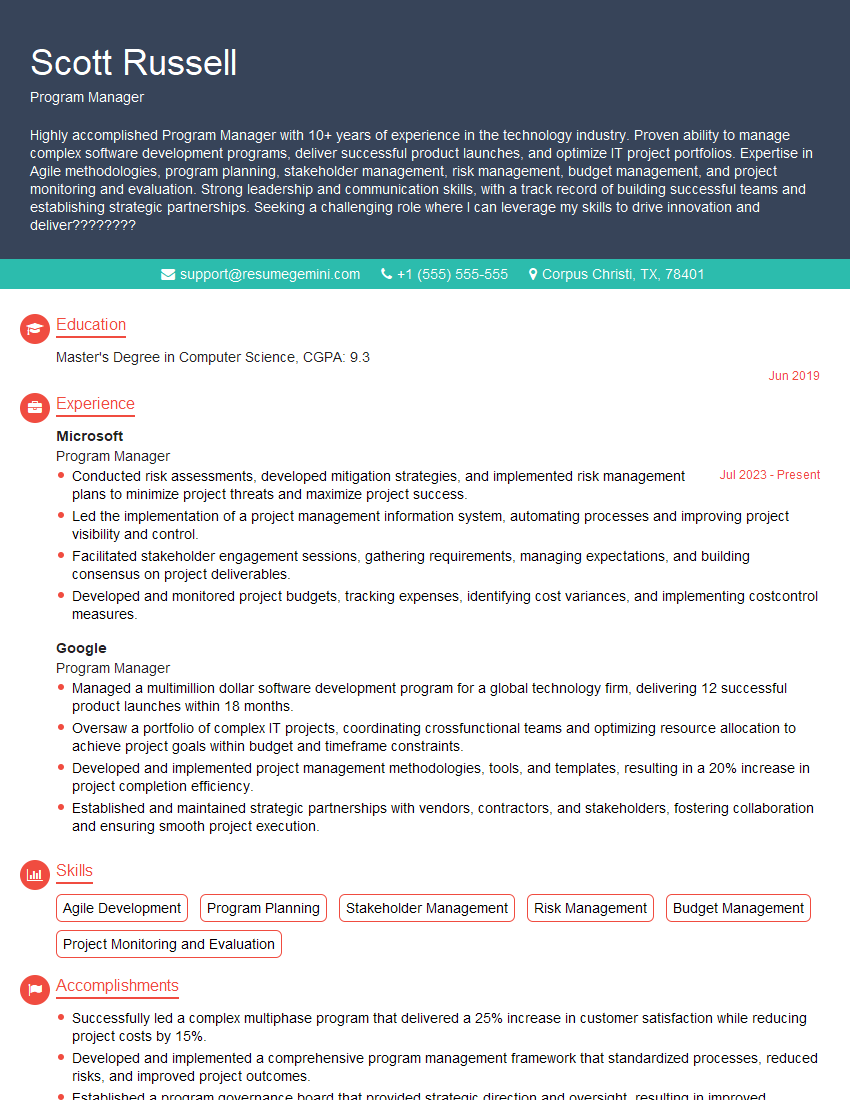
Program Manager Resume Sample
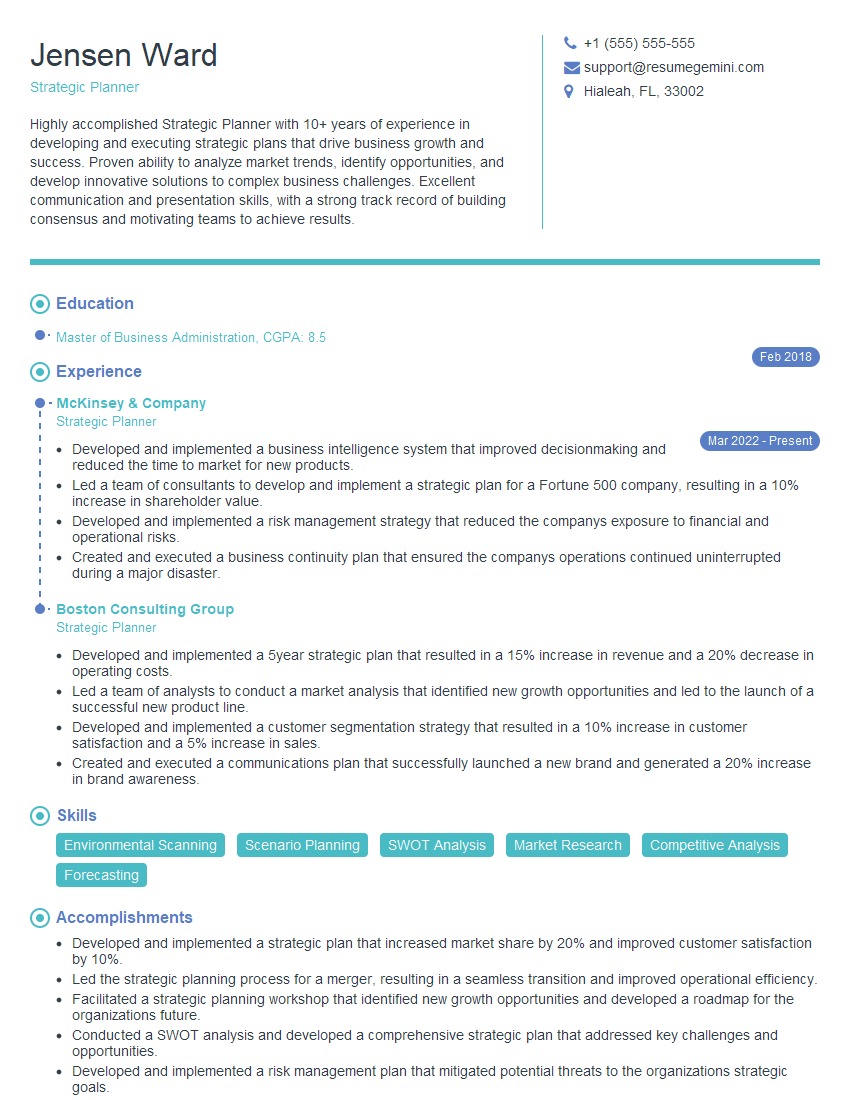
Strategic Planner Resume Sample

Operations Manager Resume Sample
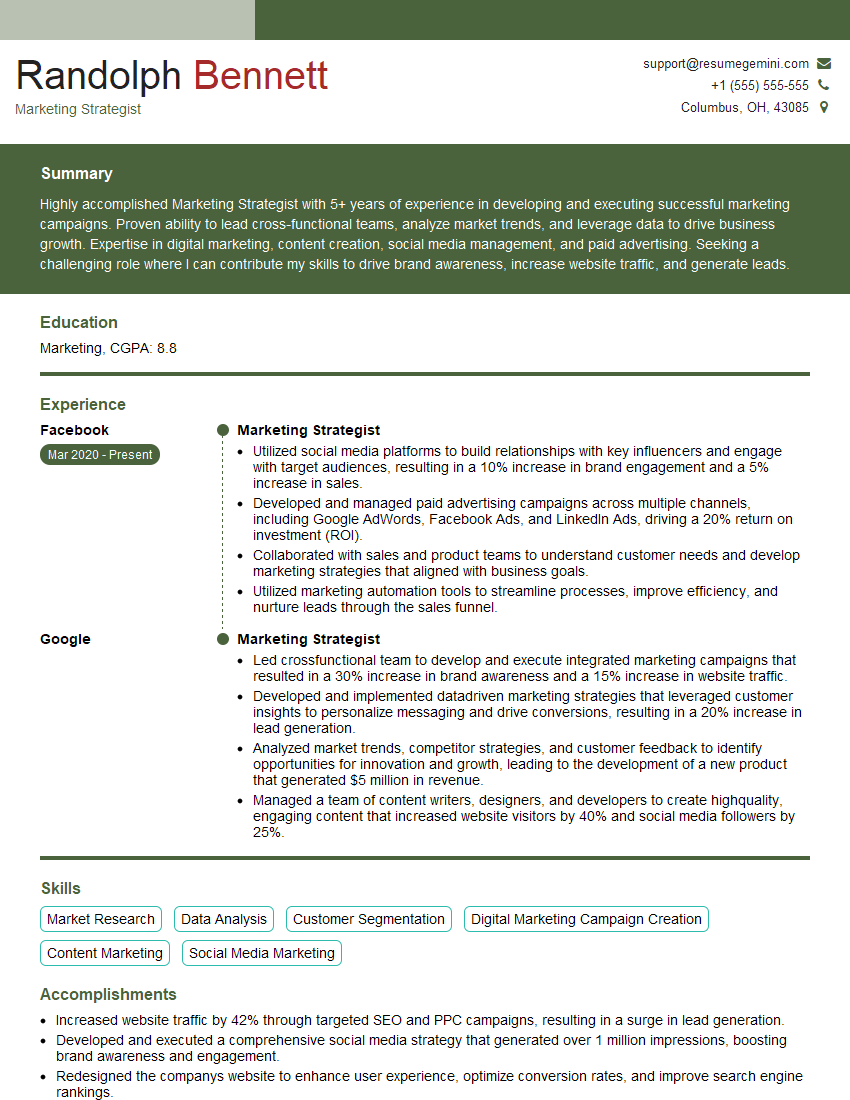
Marketing Strategist Resume Sample
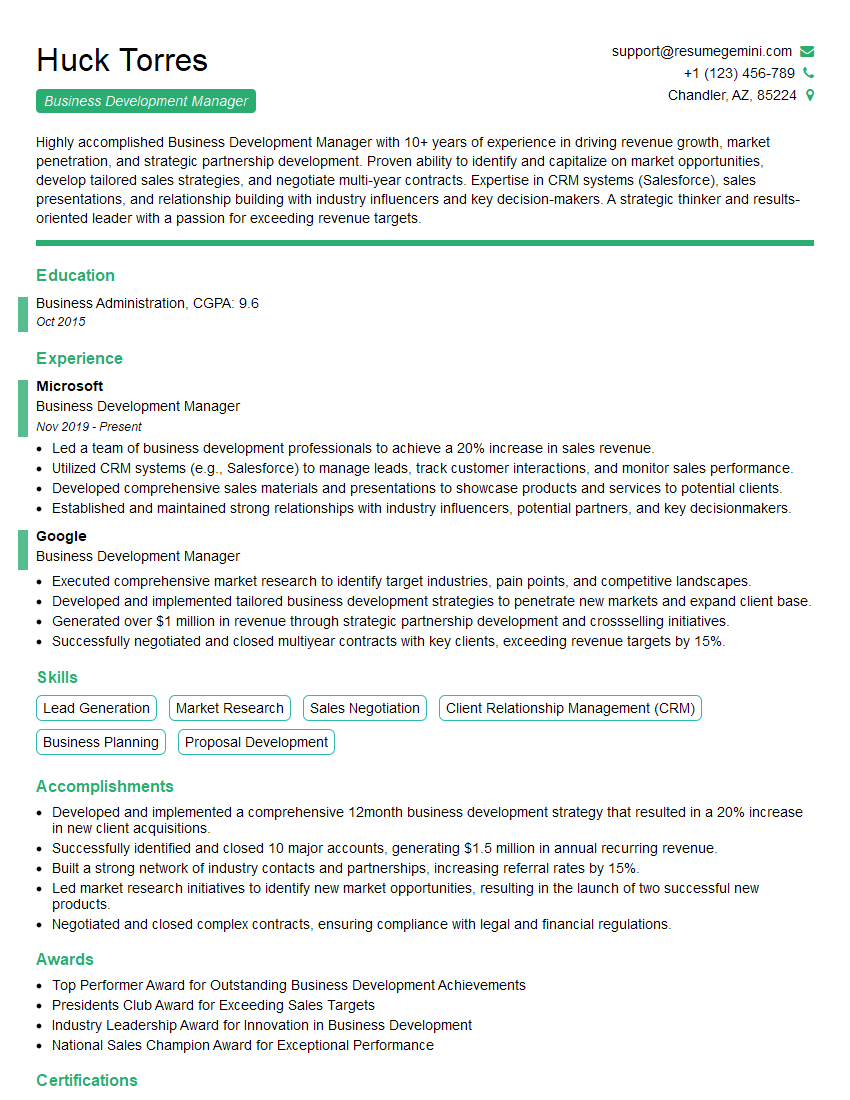
Business Development Manager Resume Sample
Product Manager Resume Sample

Project Manager Resume Sample
Management Consultant Resume Sample

Planning Manager Resume Sample
Explore more articles
Users Rating of Our Blogs
Share Your Experience
We value your feedback! Please rate our content and share your thoughts (optional).
What Readers Say About Our Blog
Attention music lovers!
Wow, All the best Sax Summer music !!!
Spotify: https://open.spotify.com/artist/6ShcdIT7rPVVaFEpgZQbUk
Apple Music: https://music.apple.com/fr/artist/jimmy-sax-black/1530501936
YouTube: https://music.youtube.com/browse/VLOLAK5uy_noClmC7abM6YpZsnySxRqt3LoalPf88No
Other Platforms and Free Downloads : https://fanlink.tv/jimmysaxblack
on google : https://www.google.com/search?q=22+AND+22+AND+22
on ChatGPT : https://chat.openai.com?q=who20jlJimmy20Black20Sax20Producer
Get back into the groove with Jimmy sax Black
Best regards,
Jimmy sax Black
www.jimmysaxblack.com
Hi I am a troller at The aquatic interview center and I suddenly went so fast in Roblox and it was gone when I reset.
Hi,
Business owners spend hours every week worrying about their website—or avoiding it because it feels overwhelming.
We’d like to take that off your plate:
$69/month. Everything handled.
Our team will:
Design a custom website—or completely overhaul your current one
Take care of hosting as an option
Handle edits and improvements—up to 60 minutes of work included every month
No setup fees, no annual commitments. Just a site that makes a strong first impression.
Find out if it’s right for you:
https://websolutionsgenius.com/awardwinningwebsites
Hello,
we currently offer a complimentary backlink and URL indexing test for search engine optimization professionals.
You can get complimentary indexing credits to test how link discovery works in practice.
No credit card is required and there is no recurring fee.
You can find details here:
https://wikipedia-backlinks.com/indexing/
Regards
NICE RESPONSE TO Q & A
hi
The aim of this message is regarding an unclaimed deposit of a deceased nationale that bears the same name as you. You are not relate to him as there are millions of people answering the names across around the world. But i will use my position to influence the release of the deposit to you for our mutual benefit.
Respond for full details and how to claim the deposit. This is 100% risk free. Send hello to my email id: lukachachibaialuka@gmail.com
Luka Chachibaialuka
Hey interviewgemini.com, just wanted to follow up on my last email.
We just launched Call the Monster, an parenting app that lets you summon friendly ‘monsters’ kids actually listen to.
We’re also running a giveaway for everyone who downloads the app. Since it’s brand new, there aren’t many users yet, which means you’ve got a much better chance of winning some great prizes.
You can check it out here: https://bit.ly/callamonsterapp
Or follow us on Instagram: https://www.instagram.com/callamonsterapp
Thanks,
Ryan
CEO – Call the Monster App
Hey interviewgemini.com, I saw your website and love your approach.
I just want this to look like spam email, but want to share something important to you. We just launched Call the Monster, a parenting app that lets you summon friendly ‘monsters’ kids actually listen to.
Parents are loving it for calming chaos before bedtime. Thought you might want to try it: https://bit.ly/callamonsterapp or just follow our fun monster lore on Instagram: https://www.instagram.com/callamonsterapp
Thanks,
Ryan
CEO – Call A Monster APP
To the interviewgemini.com Owner.
Dear interviewgemini.com Webmaster!
Hi interviewgemini.com Webmaster!
Dear interviewgemini.com Webmaster!
excellent
Hello,
We found issues with your domain’s email setup that may be sending your messages to spam or blocking them completely. InboxShield Mini shows you how to fix it in minutes — no tech skills required.
Scan your domain now for details: https://inboxshield-mini.com/
— Adam @ InboxShield Mini
support@inboxshield-mini.com
Reply STOP to unsubscribe
Hi, are you owner of interviewgemini.com? What if I told you I could help you find extra time in your schedule, reconnect with leads you didn’t even realize you missed, and bring in more “I want to work with you” conversations, without increasing your ad spend or hiring a full-time employee?
All with a flexible, budget-friendly service that could easily pay for itself. Sounds good?
Would it be nice to jump on a quick 10-minute call so I can show you exactly how we make this work?
Best,
Hapei
Marketing Director
Hey, I know you’re the owner of interviewgemini.com. I’ll be quick.
Fundraising for your business is tough and time-consuming. We make it easier by guaranteeing two private investor meetings each month, for six months. No demos, no pitch events – just direct introductions to active investors matched to your startup.
If youR17;re raising, this could help you build real momentum. Want me to send more info?
Hi, I represent an SEO company that specialises in getting you AI citations and higher rankings on Google. I’d like to offer you a 100% free SEO audit for your website. Would you be interested?
Hi, I represent an SEO company that specialises in getting you AI citations and higher rankings on Google. I’d like to offer you a 100% free SEO audit for your website. Would you be interested?